Toys for children that match their age, curiosity and play
Toys should preferably do more than simply entertain for a moment. When you choose the right toys, your child gets something that engages their hands, imagination and curiosity – in a way that suits the stage they are at right now. That is why it makes sense to start with age, interests and development rather than simply choosing the toy that takes up the most space or makes the most noise.
In this category, you will find toys for children of different ages – from the first simple play experiences for babies to more immersive play with building toys, figures, puzzles and creative activities. The selection is carefully curated with quality, durability and a calm Scandinavian look in mind, making it easier to find children’s toys that work in everyday life and can be used for a long time.
If you are unsure what will suit your child best, it can be helpful to start with three simple questions:
- Does the toy match your child’s age and what they can do right now?
- Does it encourage movement, imagination or quiet concentration?
- Is it something your child can enjoy again and again?
How to choose toys by age
Age plays an important role when choosing toys. If a toy is too simple, children quickly lose interest. If, on the other hand, it is too difficult, it often ends up being put away because the child cannot really get started on their own.
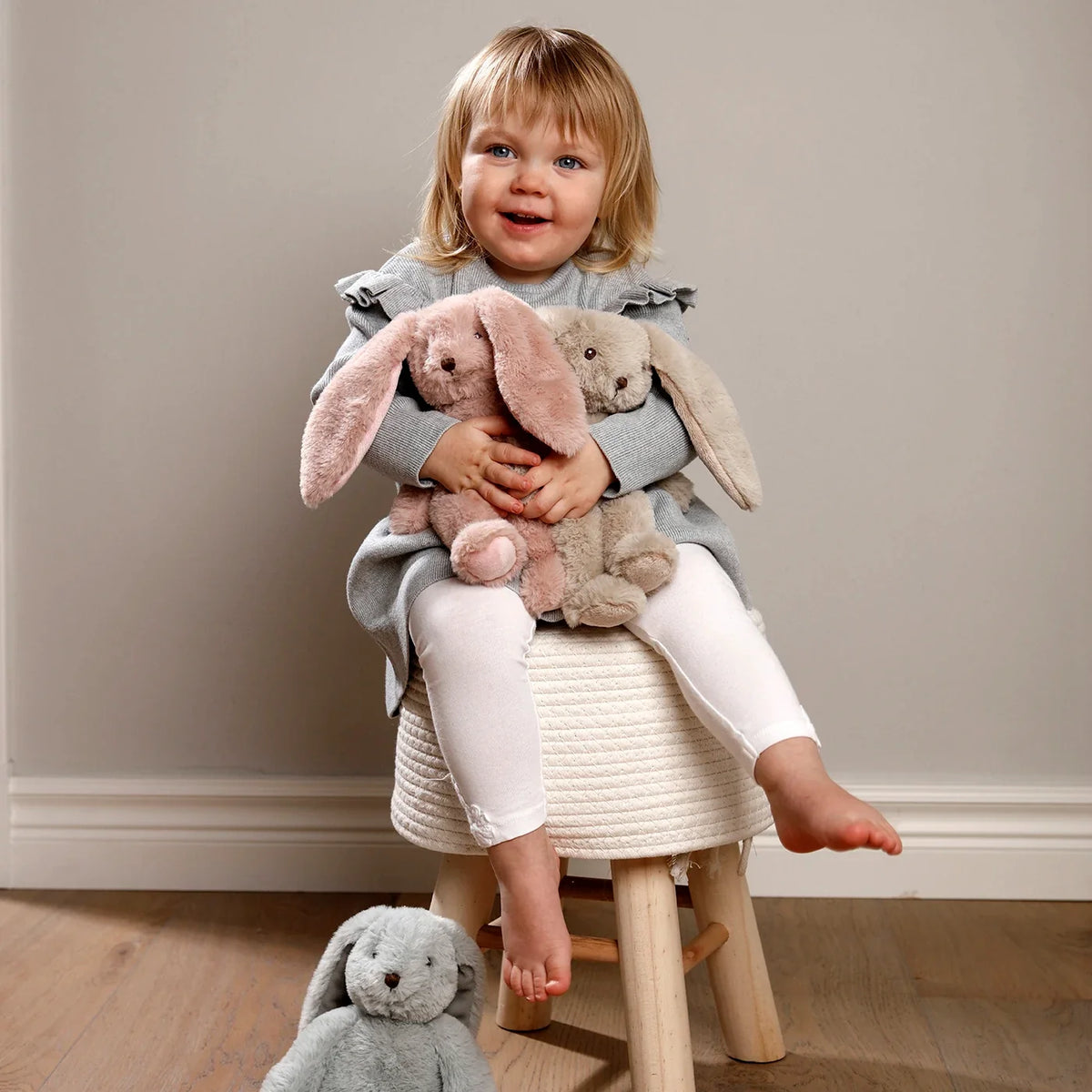
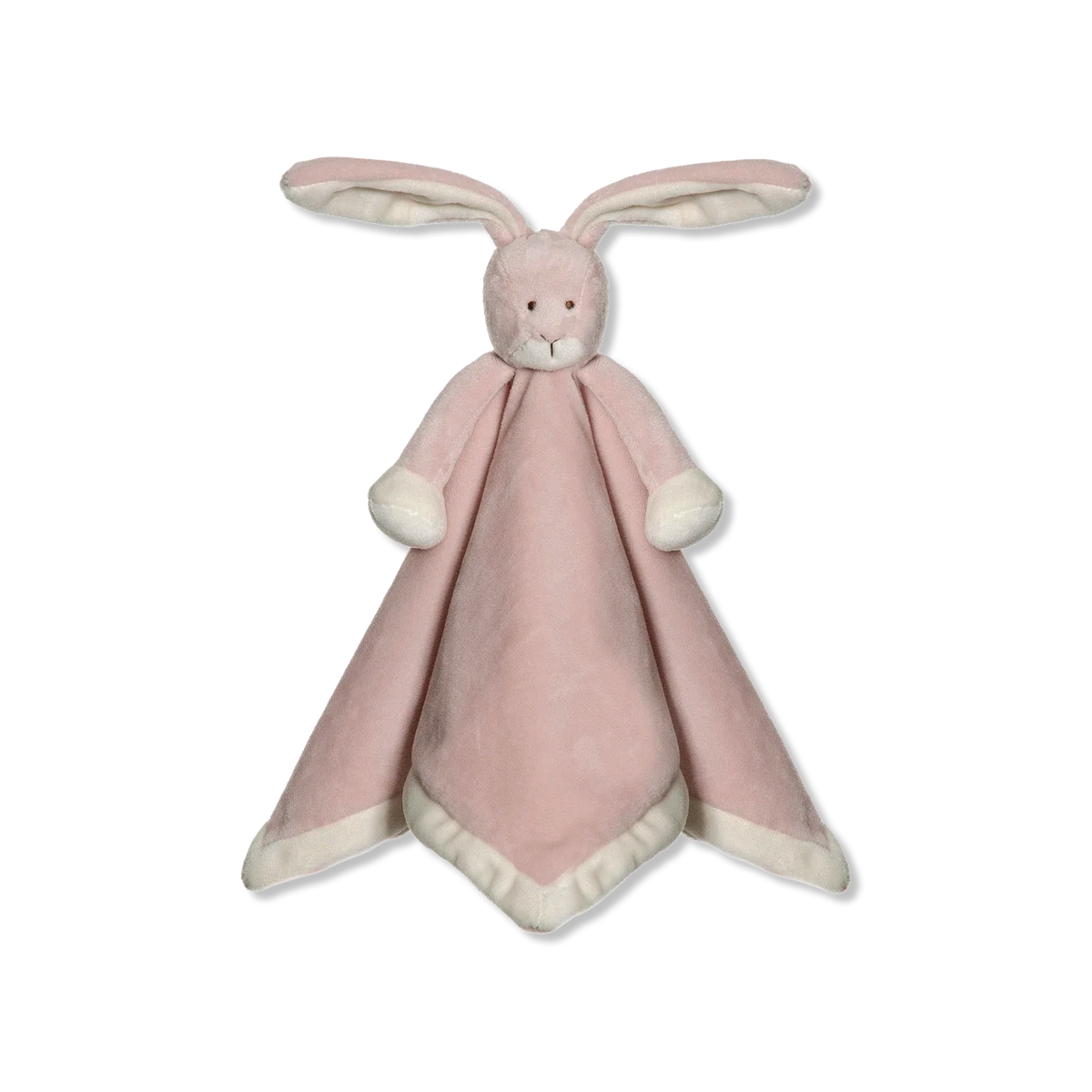
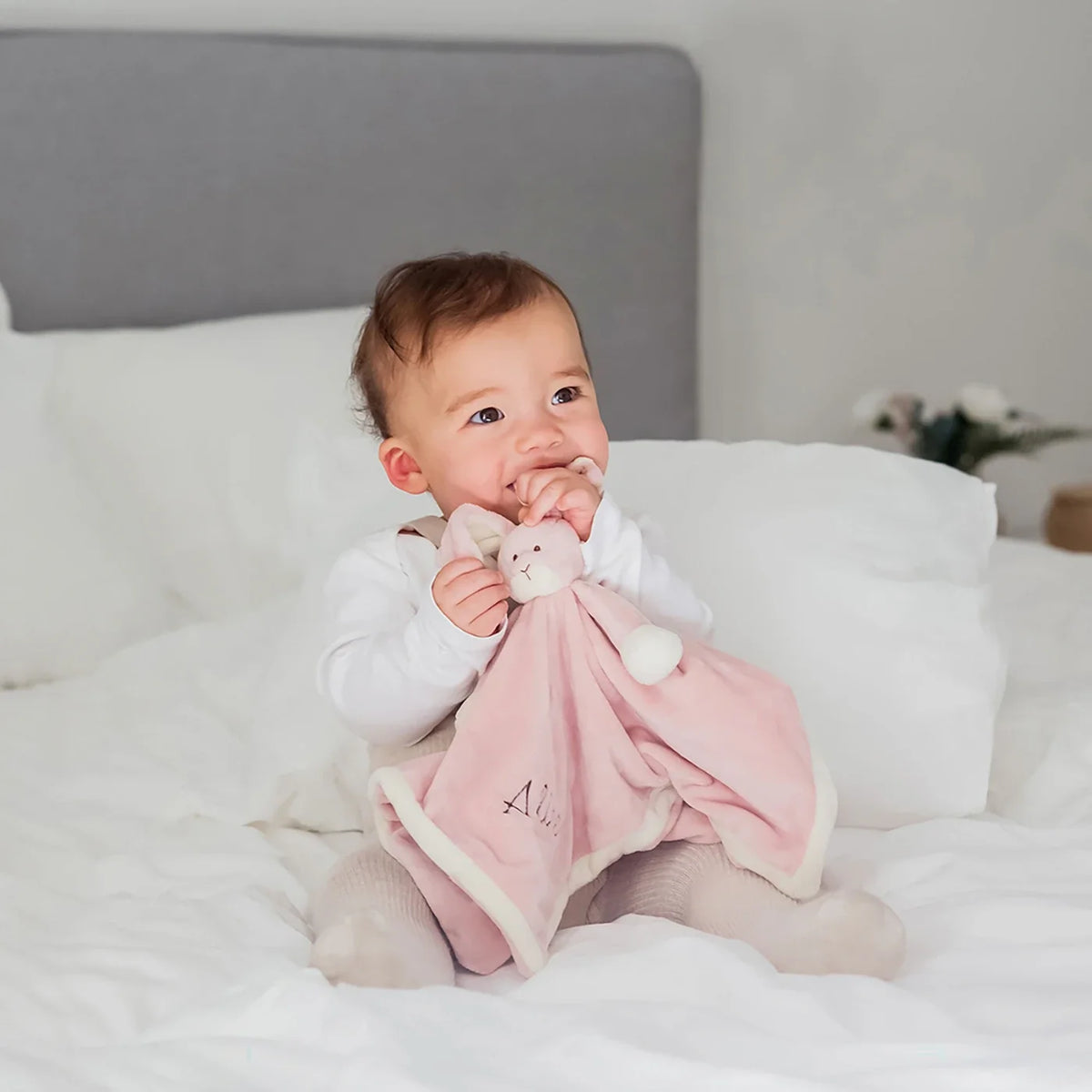
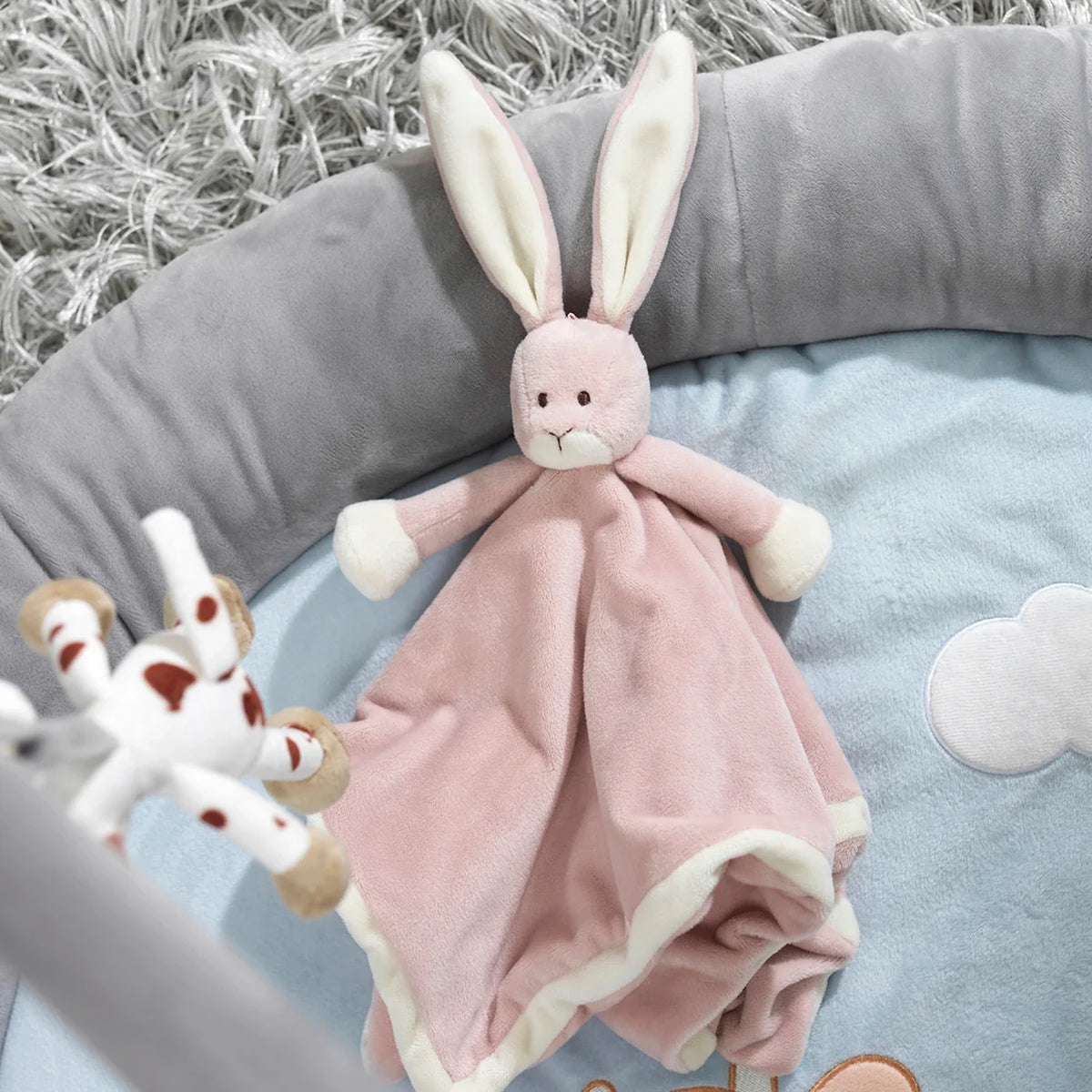
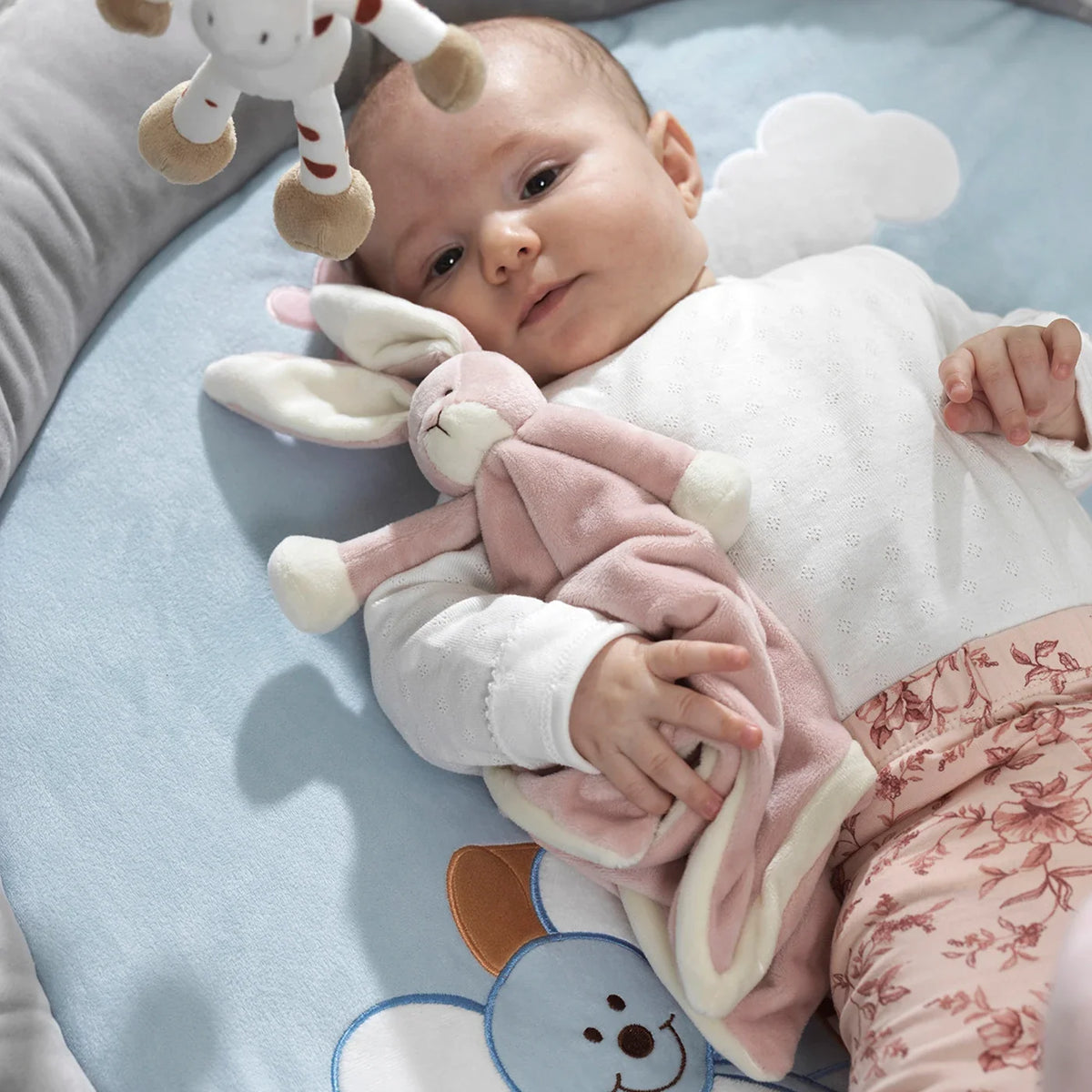
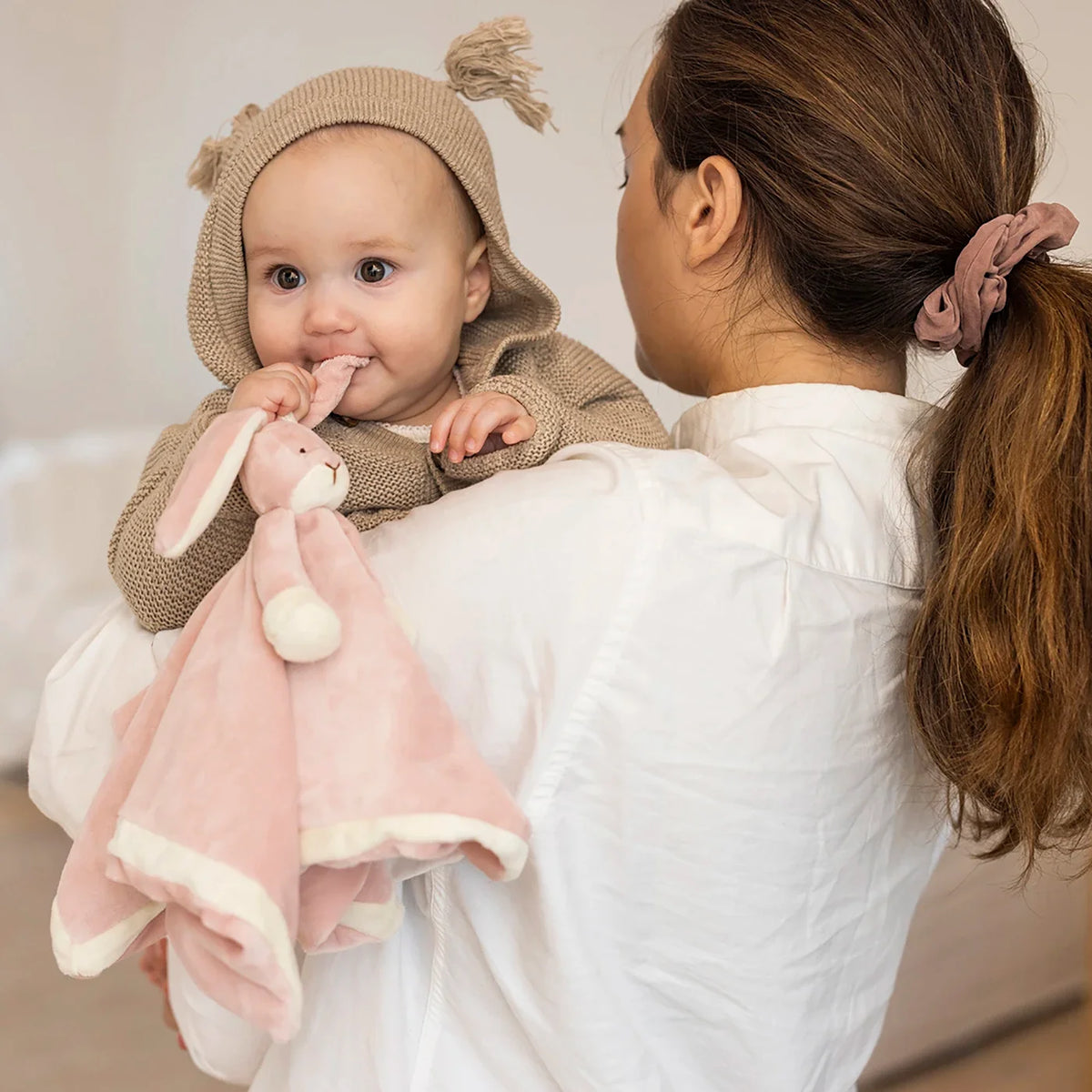
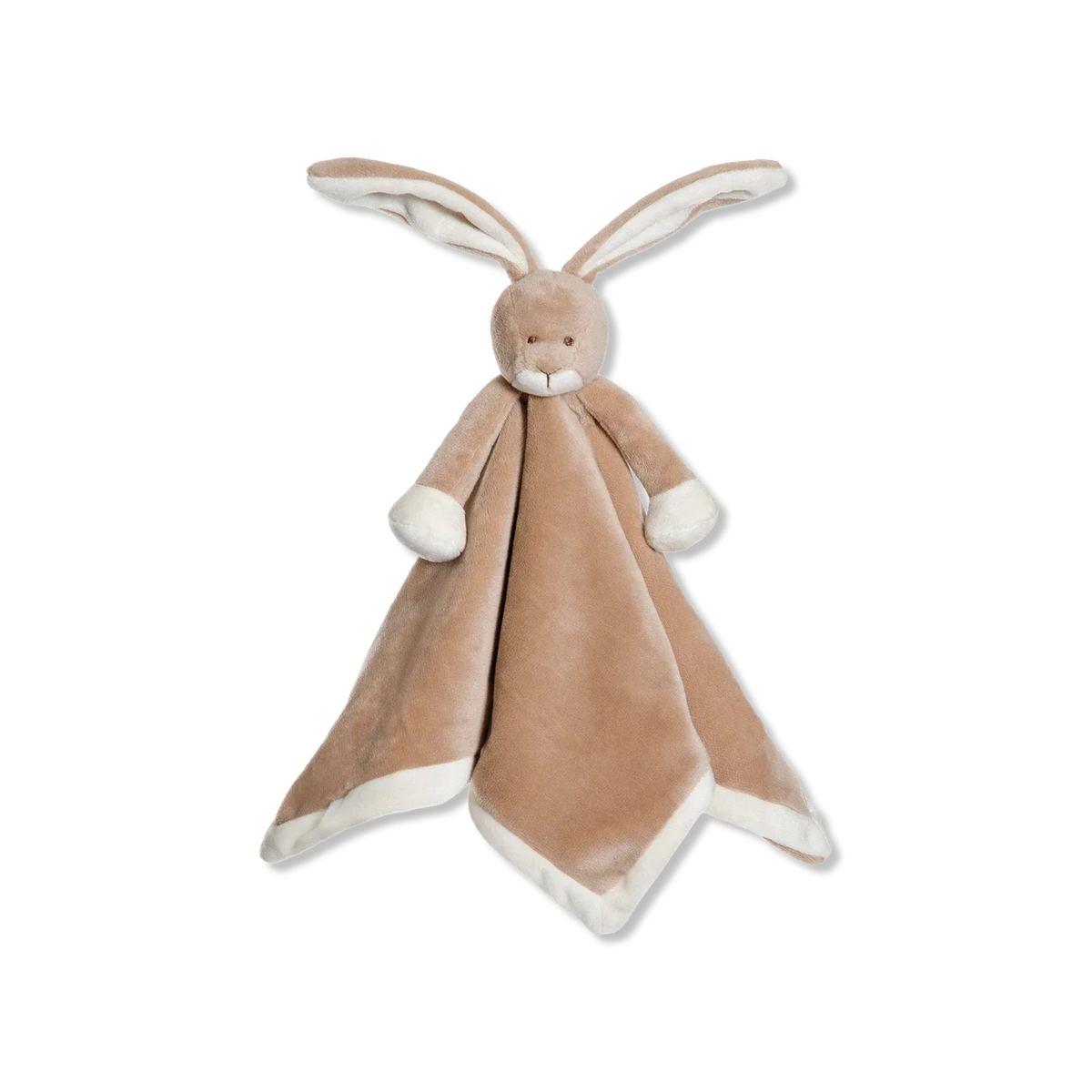
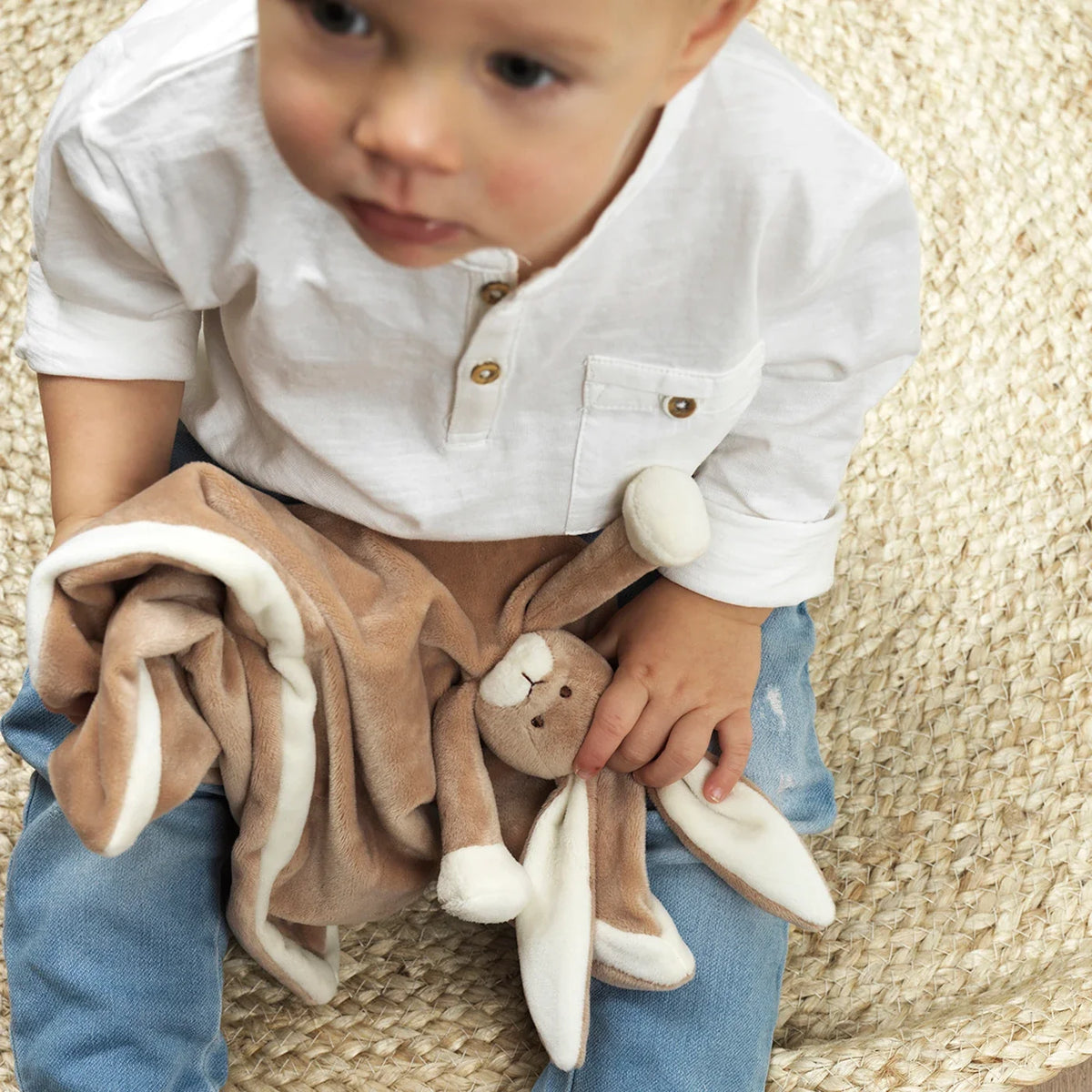
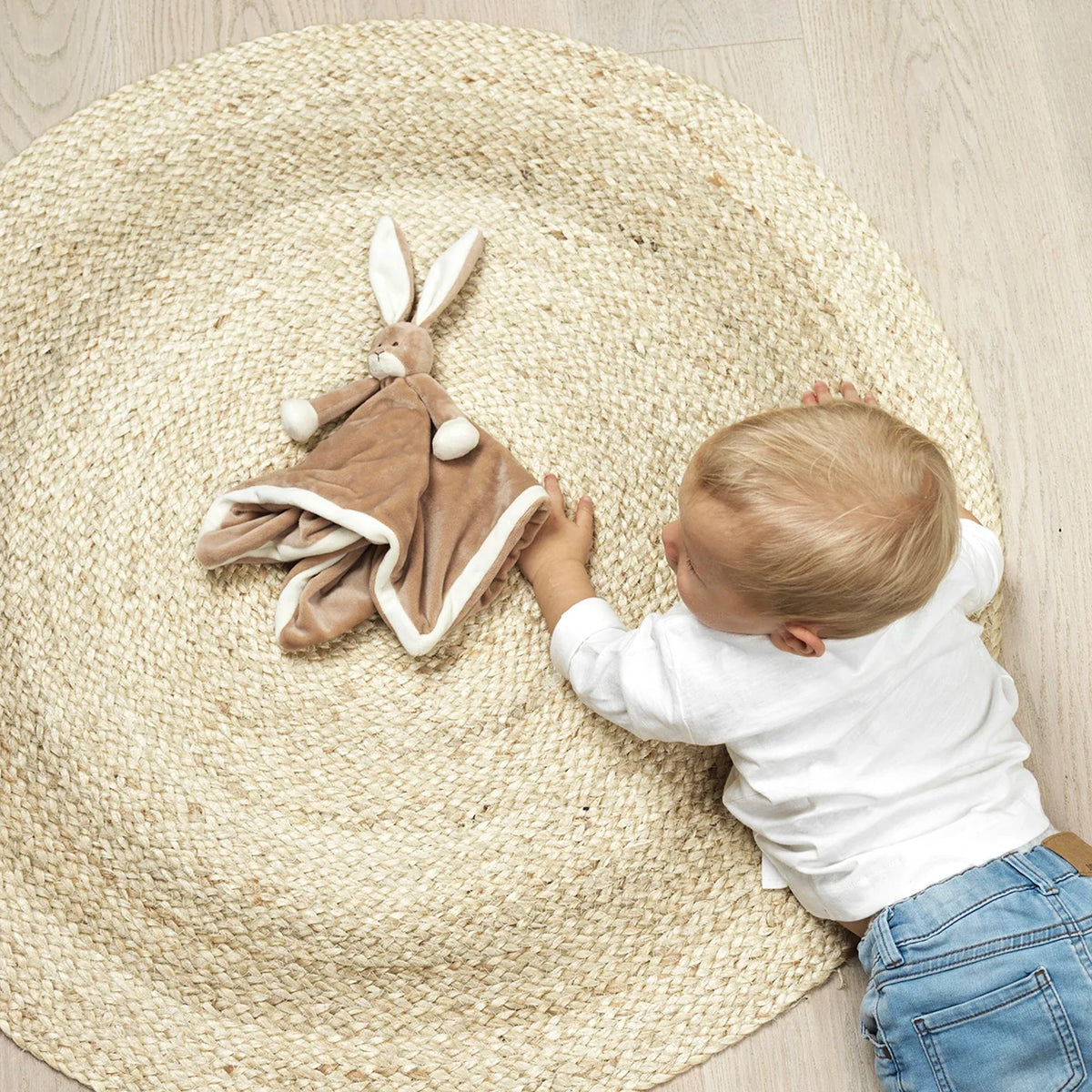
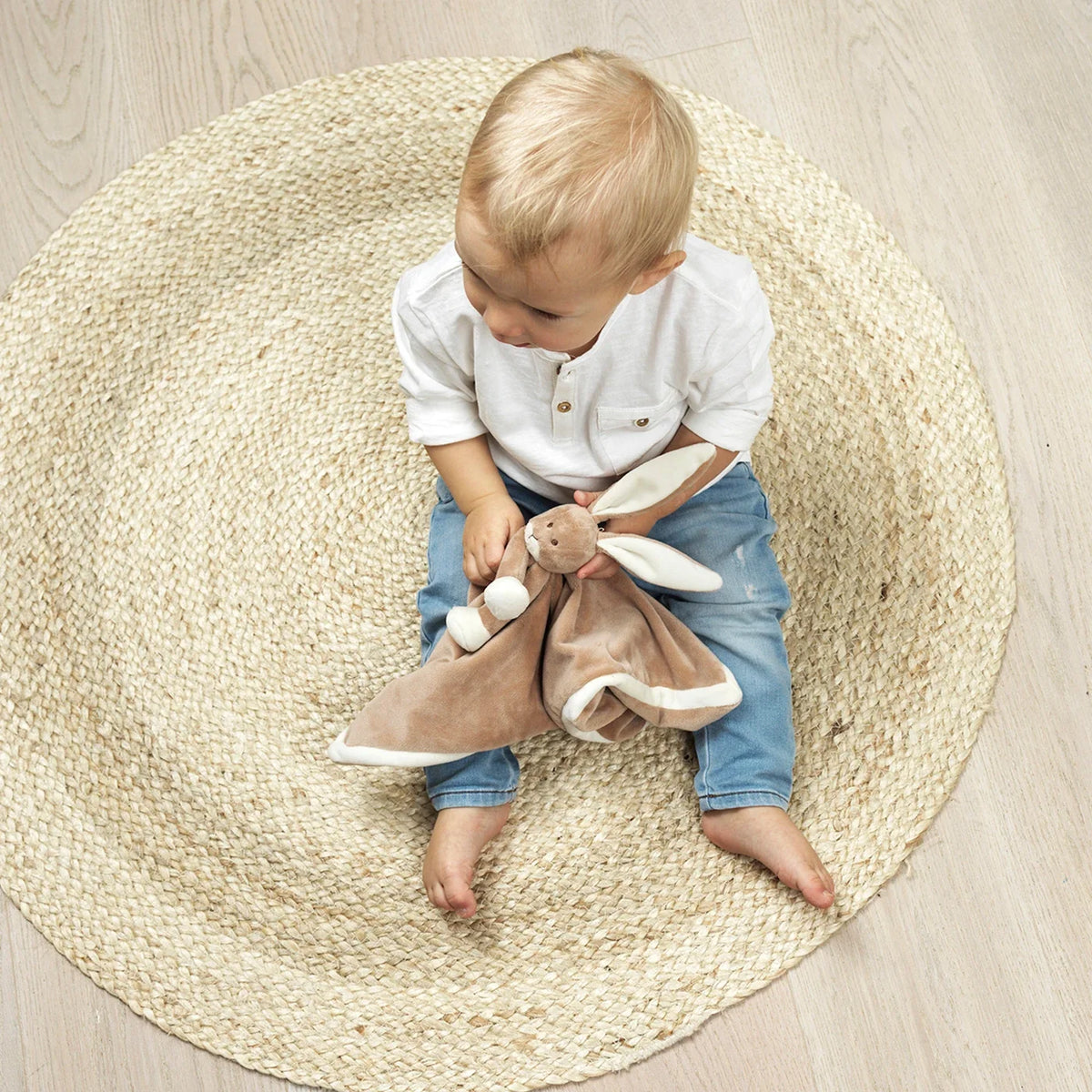
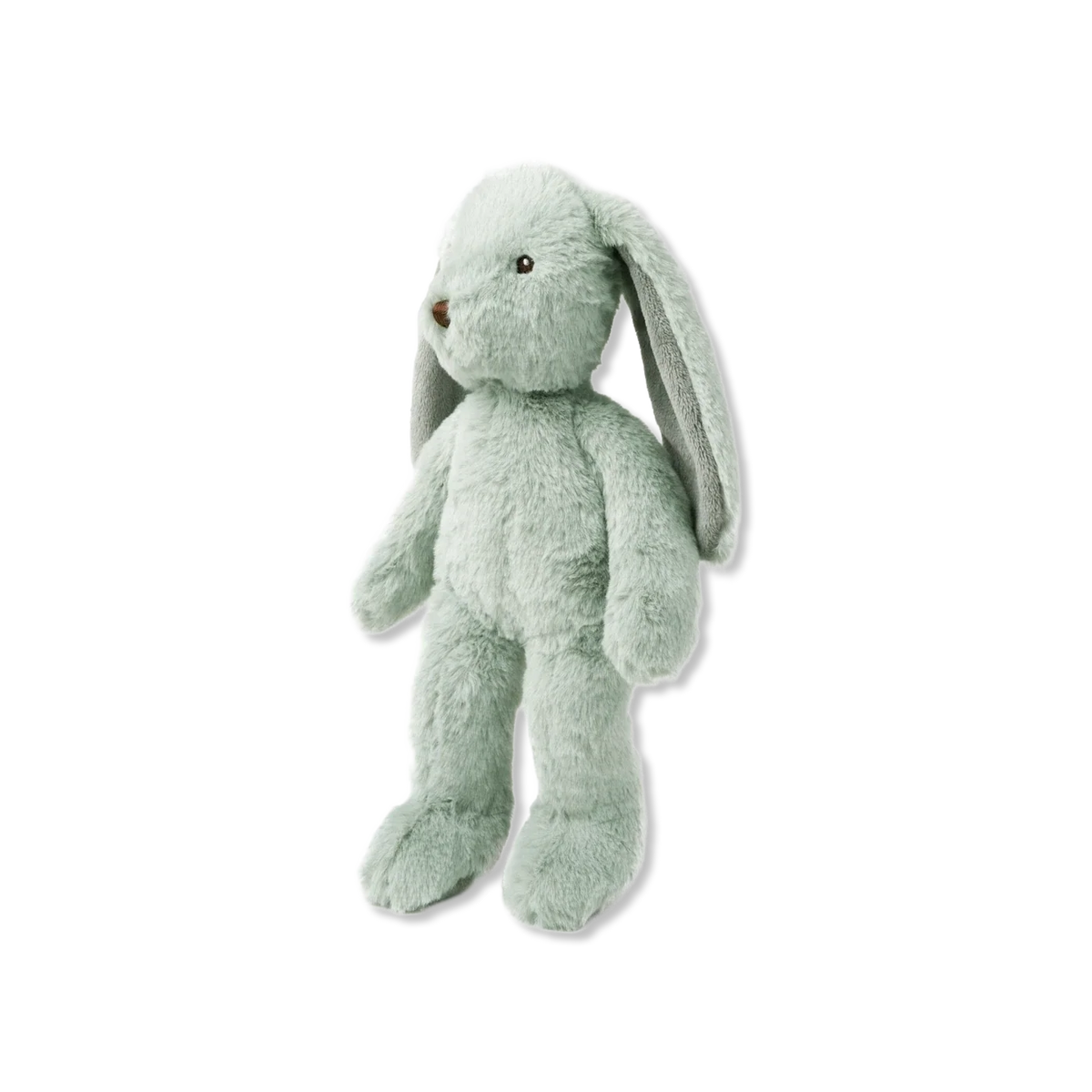
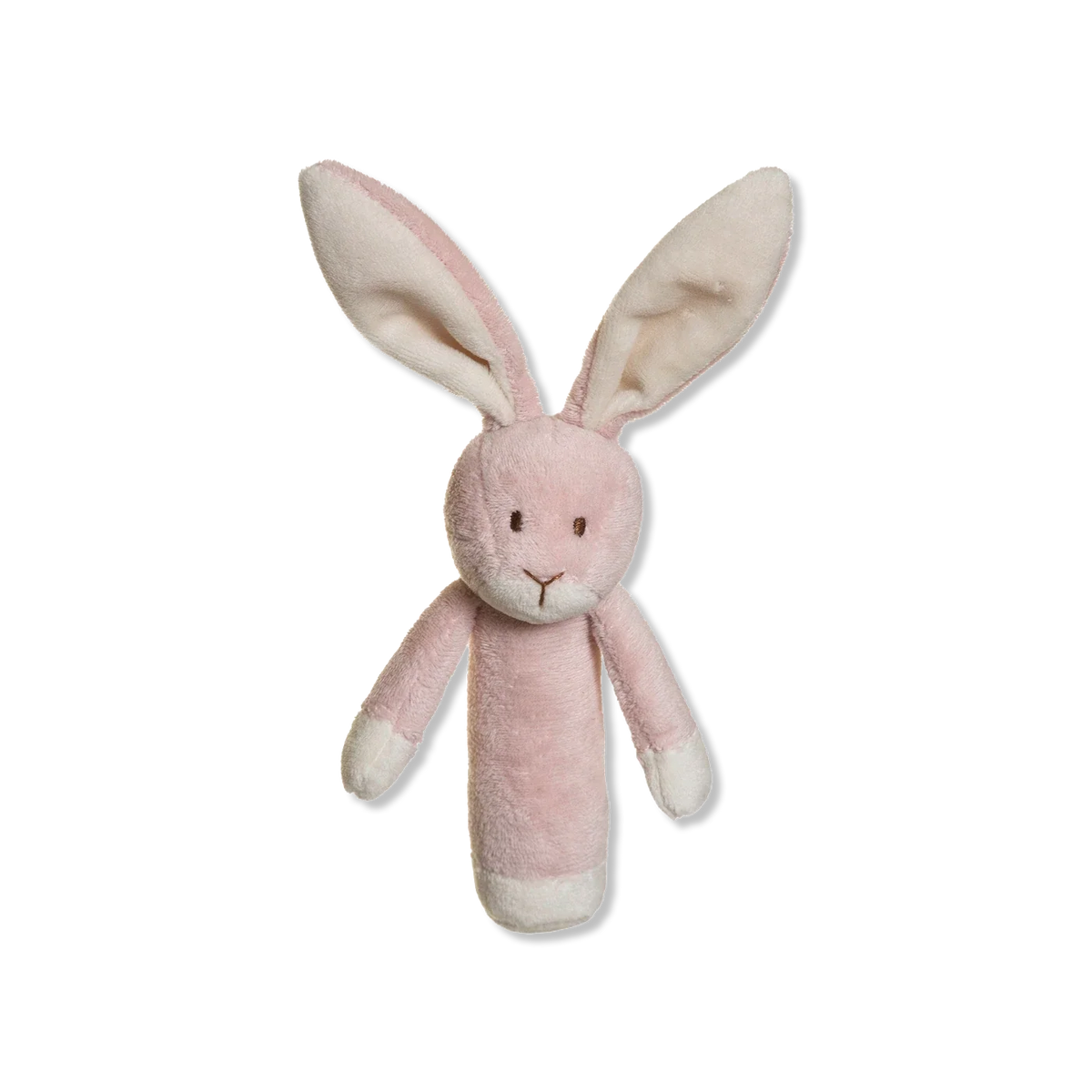
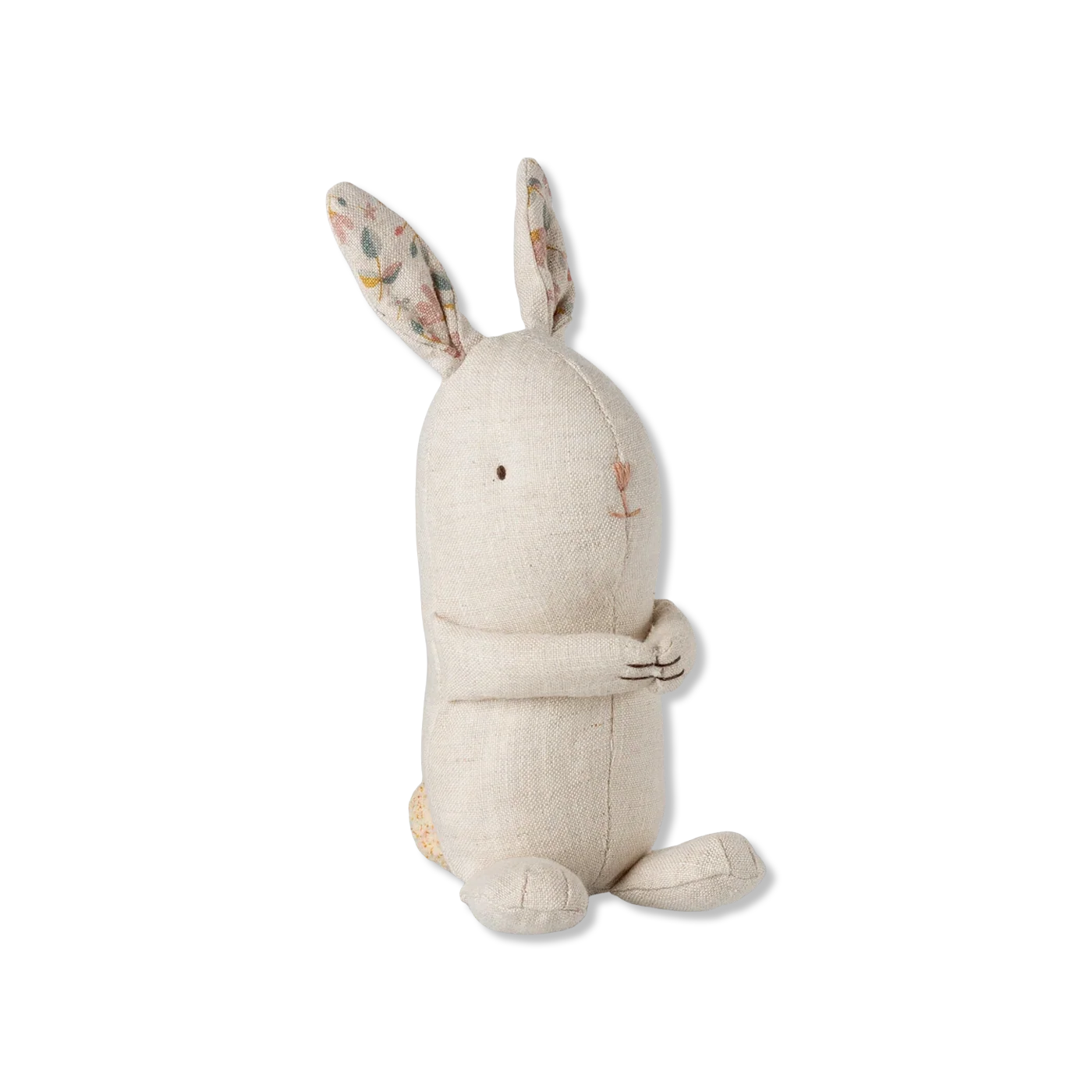
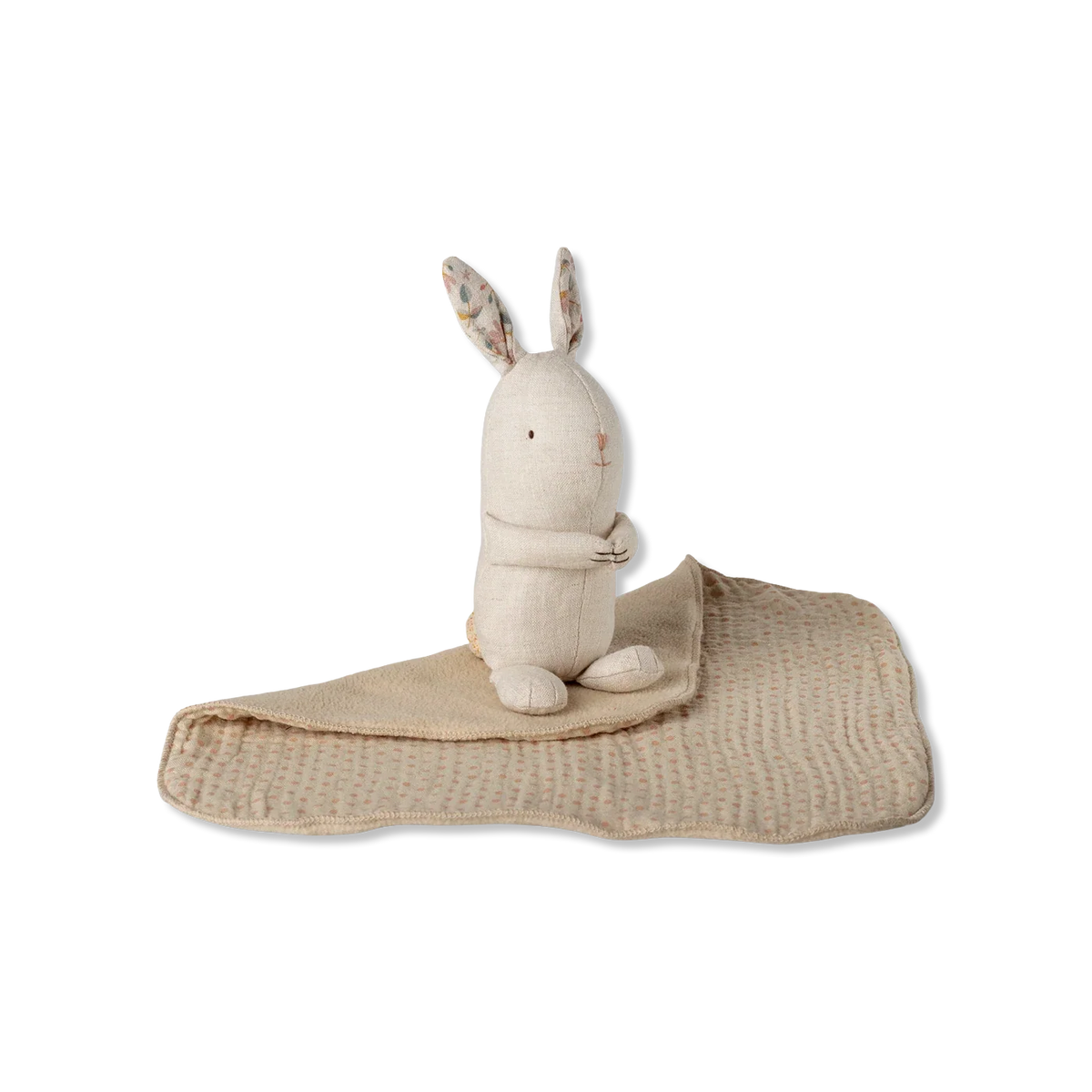
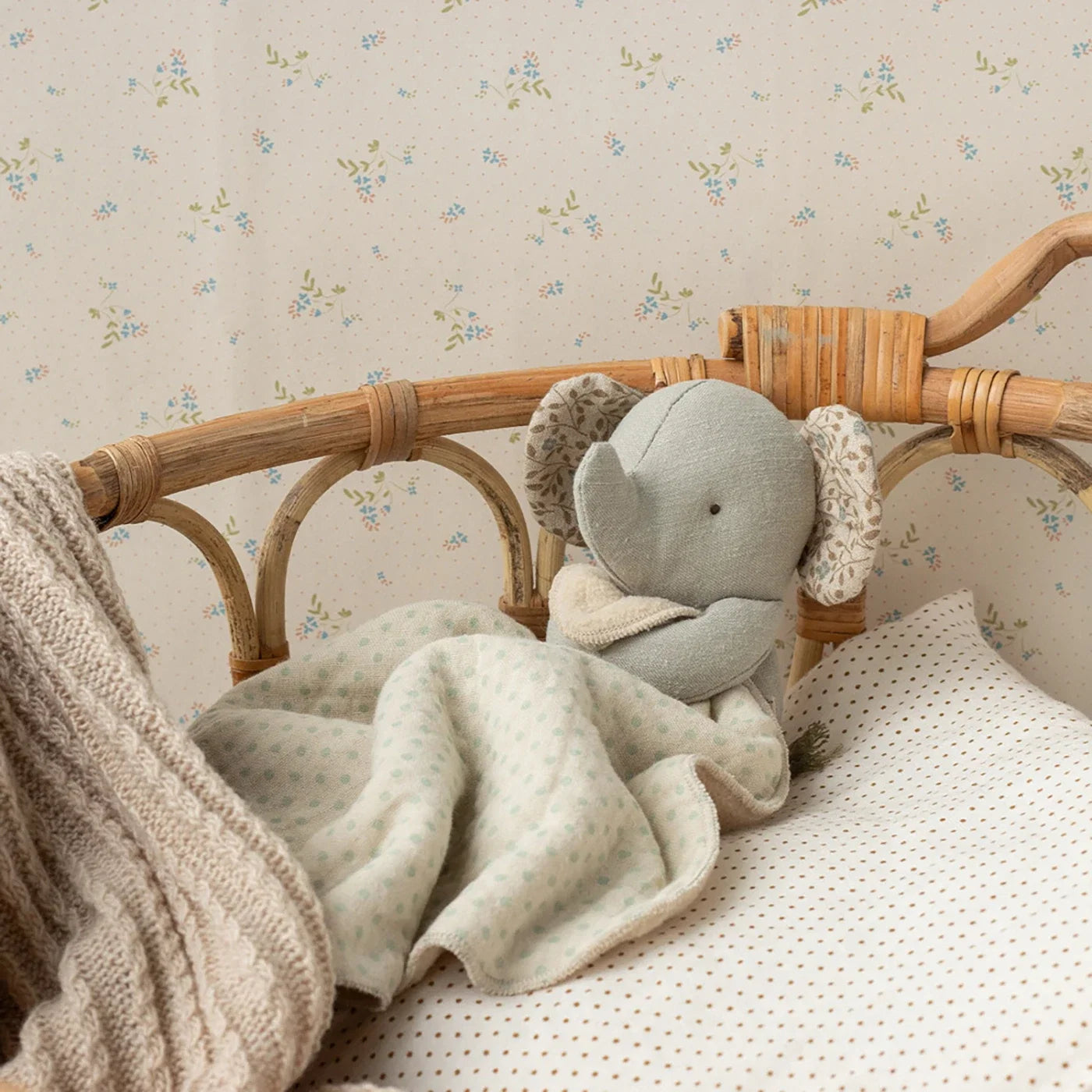
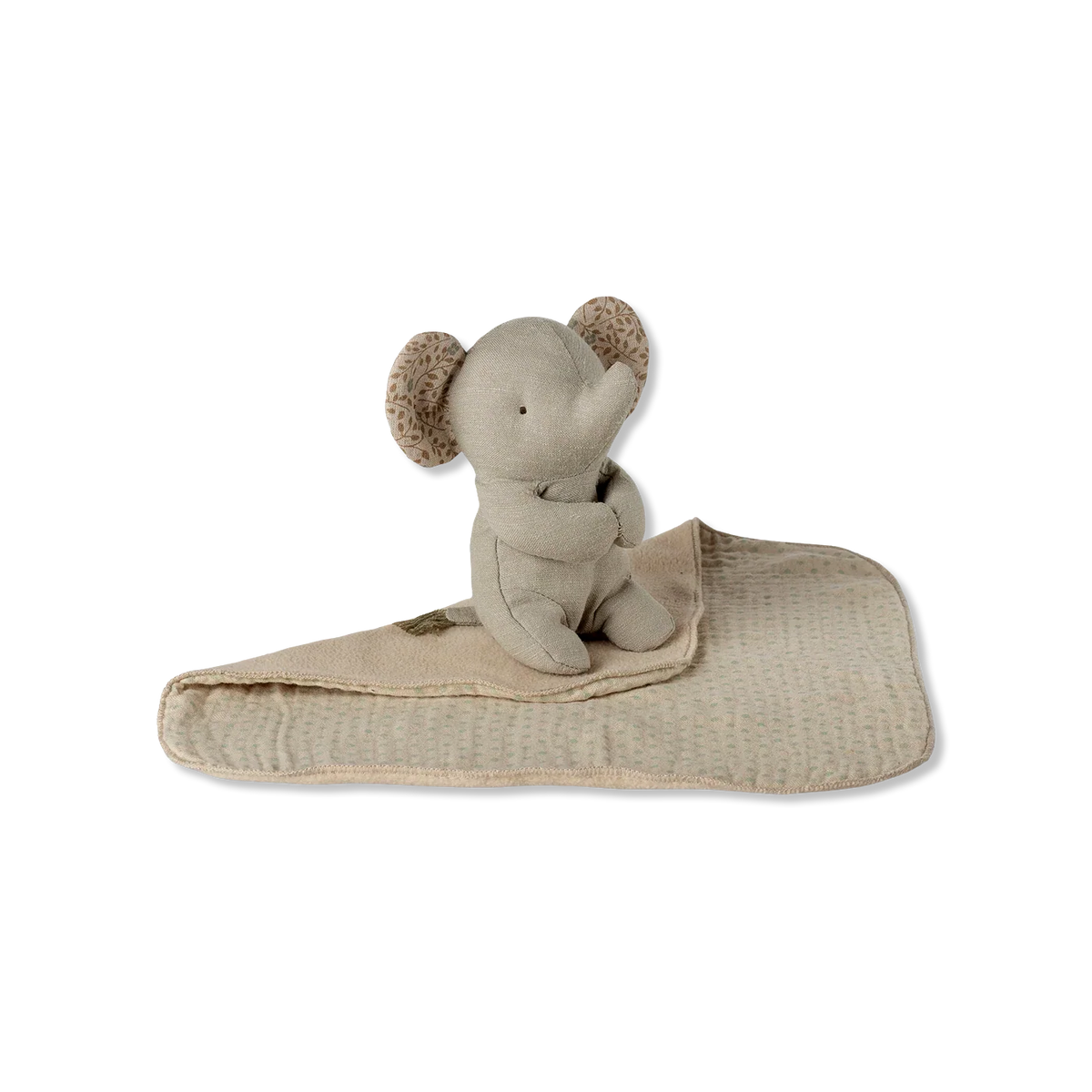
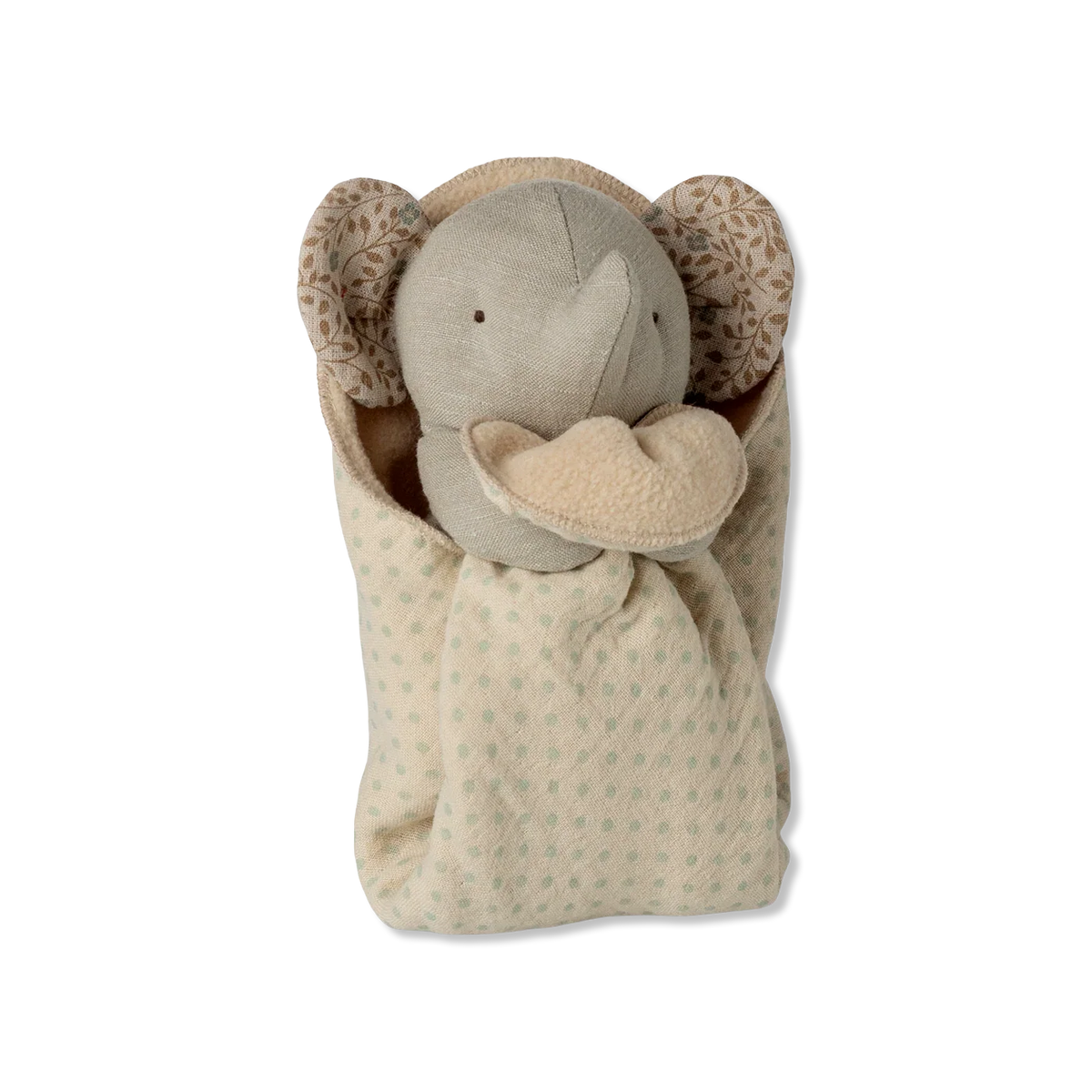
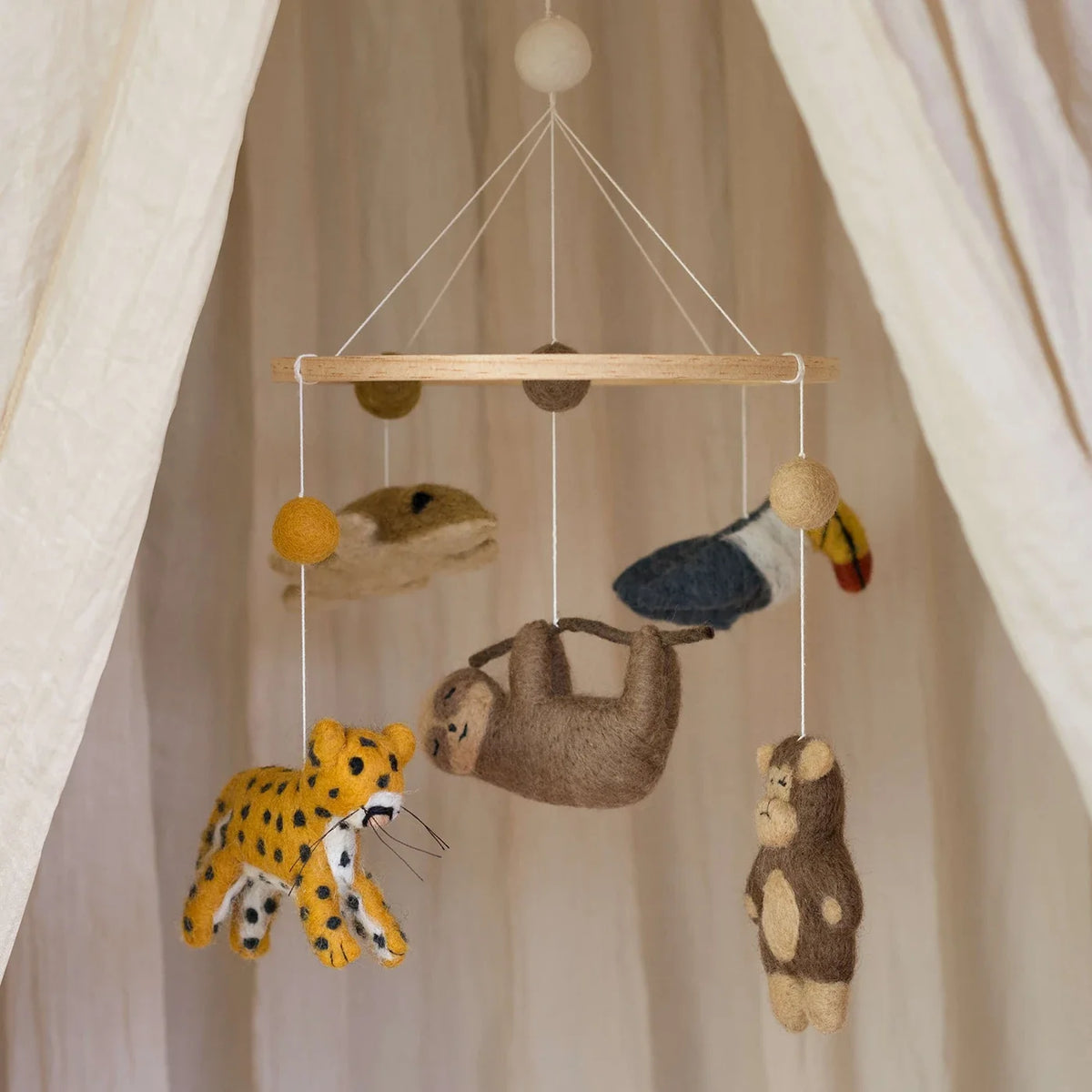
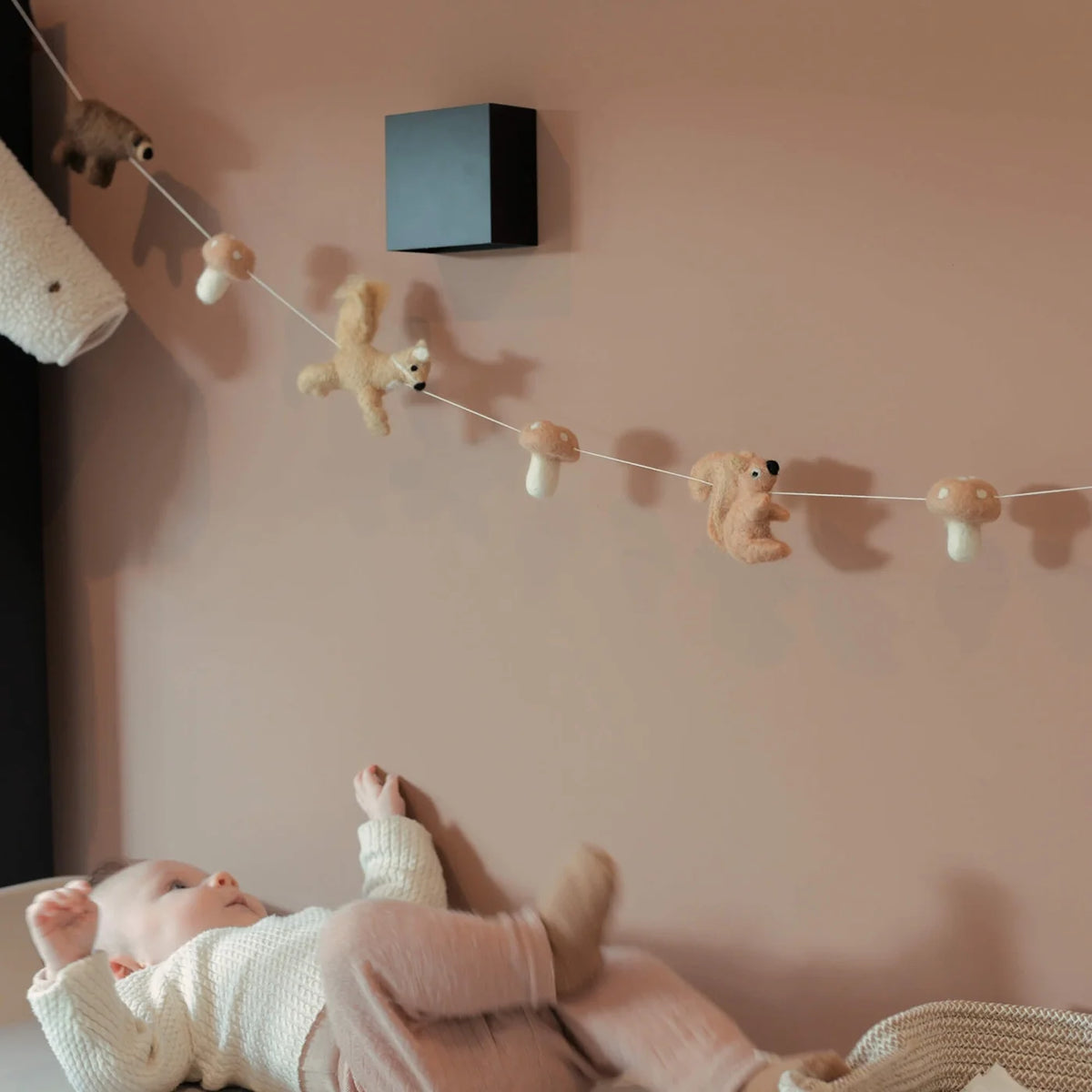
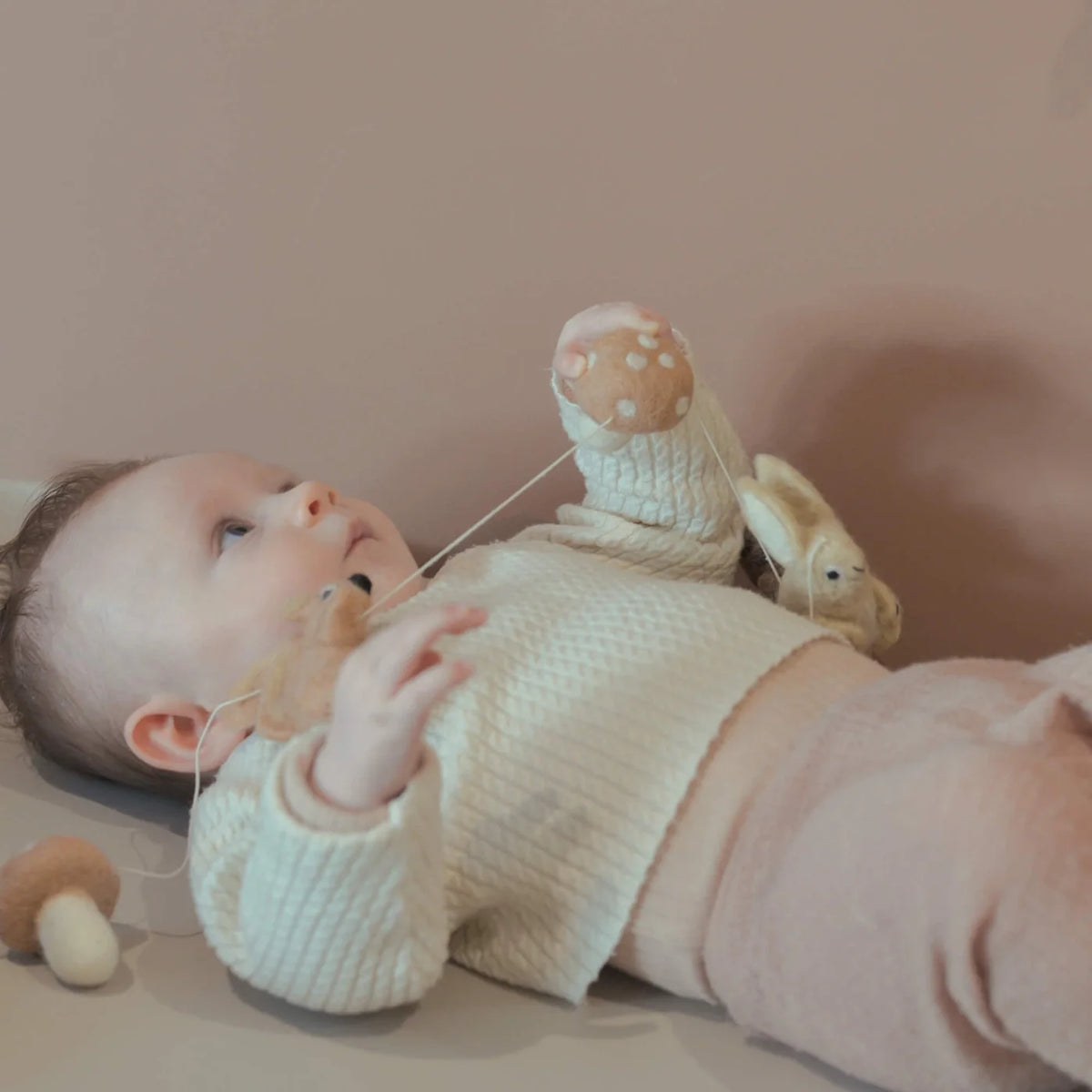
For babies and the very youngest children, simple things often work best: grasping toys, soft shapes, gentle sounds and toys that support the first attempts at holding, feeling and coordinating. As children grow a little older, building toys, stacking toys, simple vehicles and first figures are often used more, because play begins to connect both movement and imagination.
From kindergarten age, role play, puzzles, figures and creative activities usually become more important. Many children can concentrate for longer and begin to create their own stories and play worlds. Older children often look for a little more challenge – for example toys that require patience, problem-solving or more detailed construction.
If you are looking for toys for the very youngest, you can also explore baby toys, where the focus is on the first play experiences.
Open-ended toys often last longer
Much of the toy selection children keep coming back to is made up of toys that do not have just one right way to be used. This is often called open-ended play. Here, the child decides the direction, leaving room for imagination, concentration and new ideas along the way.
Wooden blocks can become a tall tower one day and a garage or zoo the next. Figures can become part of small stories, role play and shared play with siblings or friends. Puzzles and creative sets offer another kind of calm, where children can sit absorbed and practise assembling, creating and finding solutions.
At House of Kids, we focus on toys that make sense over time. This might be classic wooden toys that can handle many hours of play, or types of toys that grow with the child as their play develops and changes shape.
Materials and quality in toys make a difference every day
Materials matter more than you might think. They affect how the toy feels in a child’s hands and how well it stands up to being taken out again and again. Many parents choose wooden toys, fabric toys or other well-made materials because they feel robust, calm in their expression and easy to include naturally in the home.
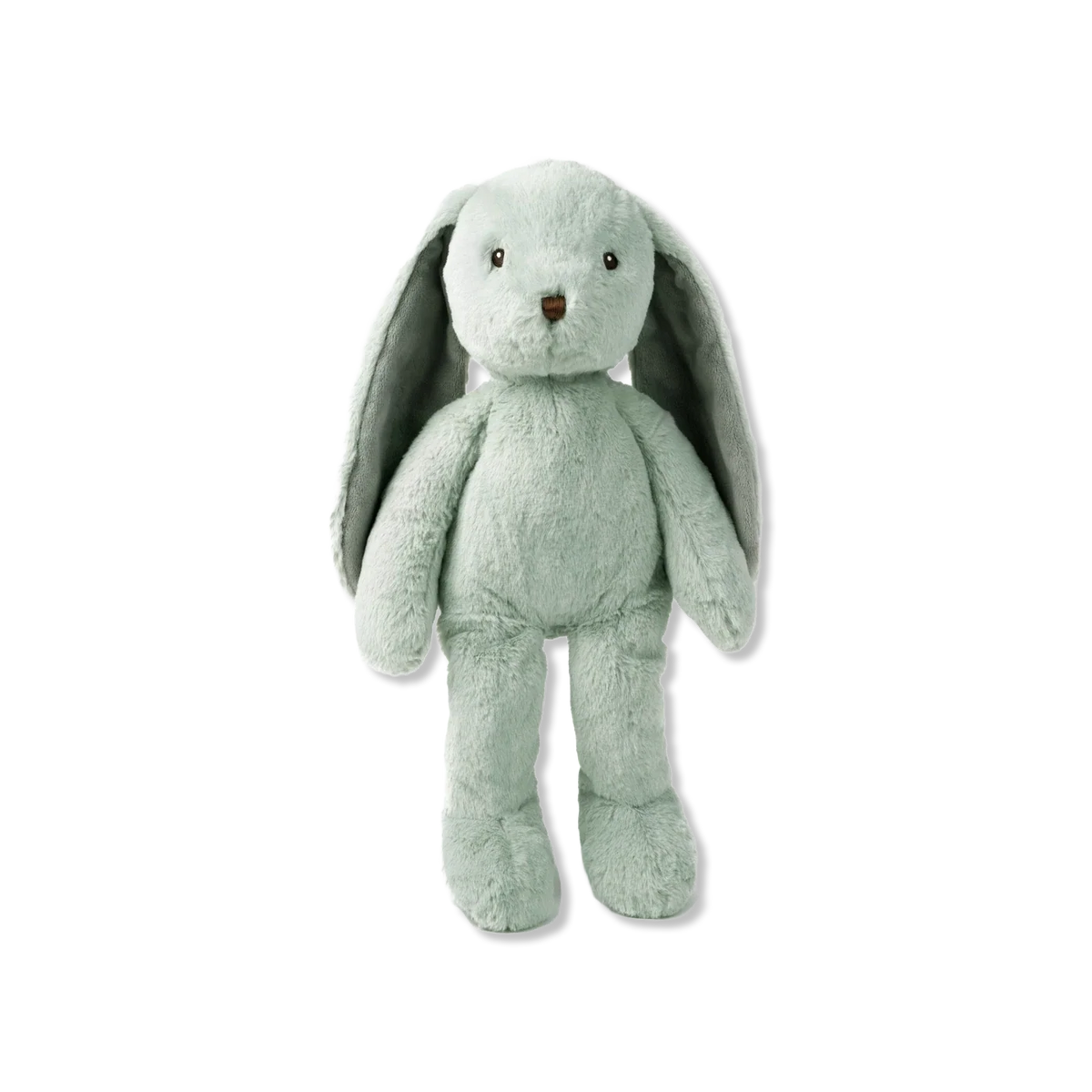
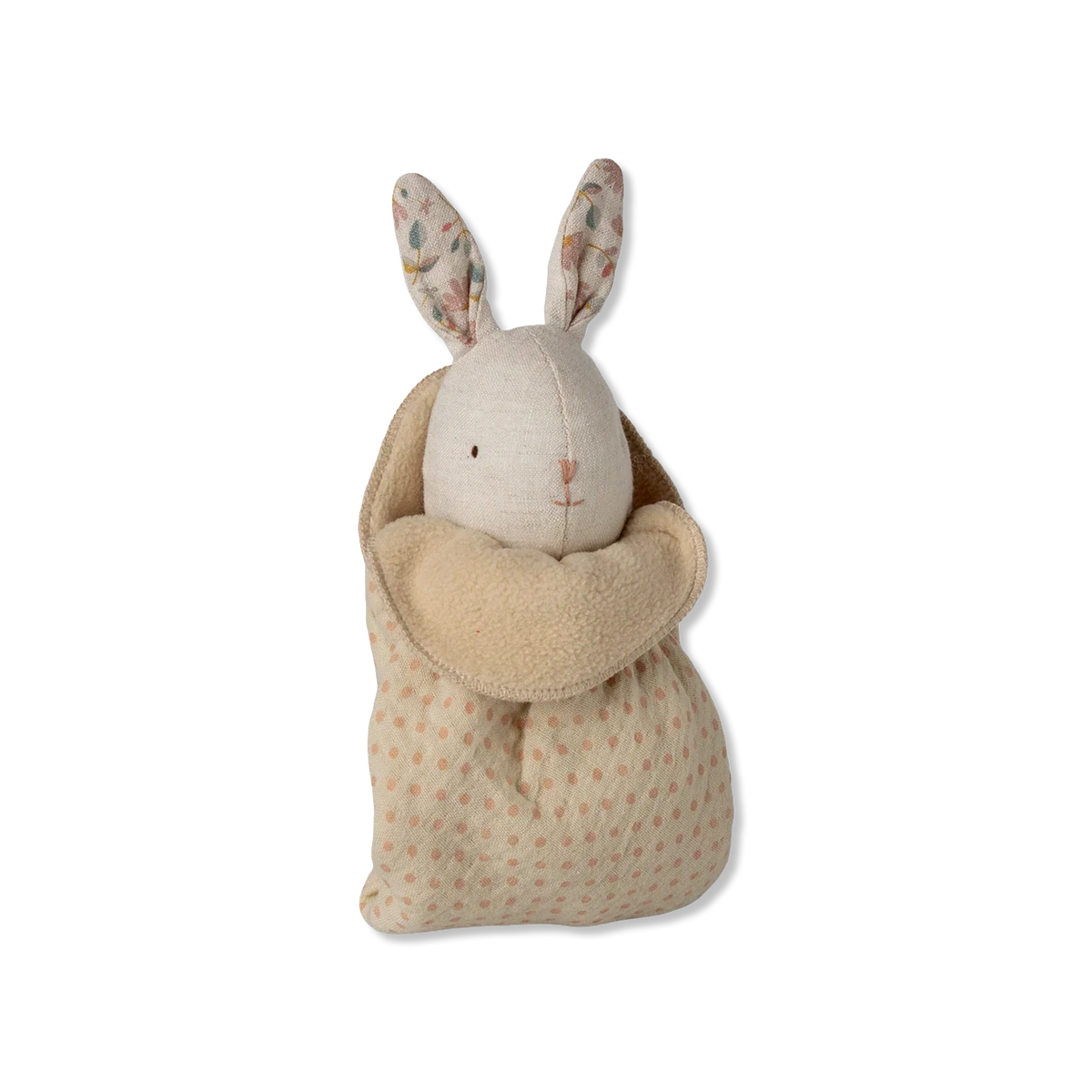
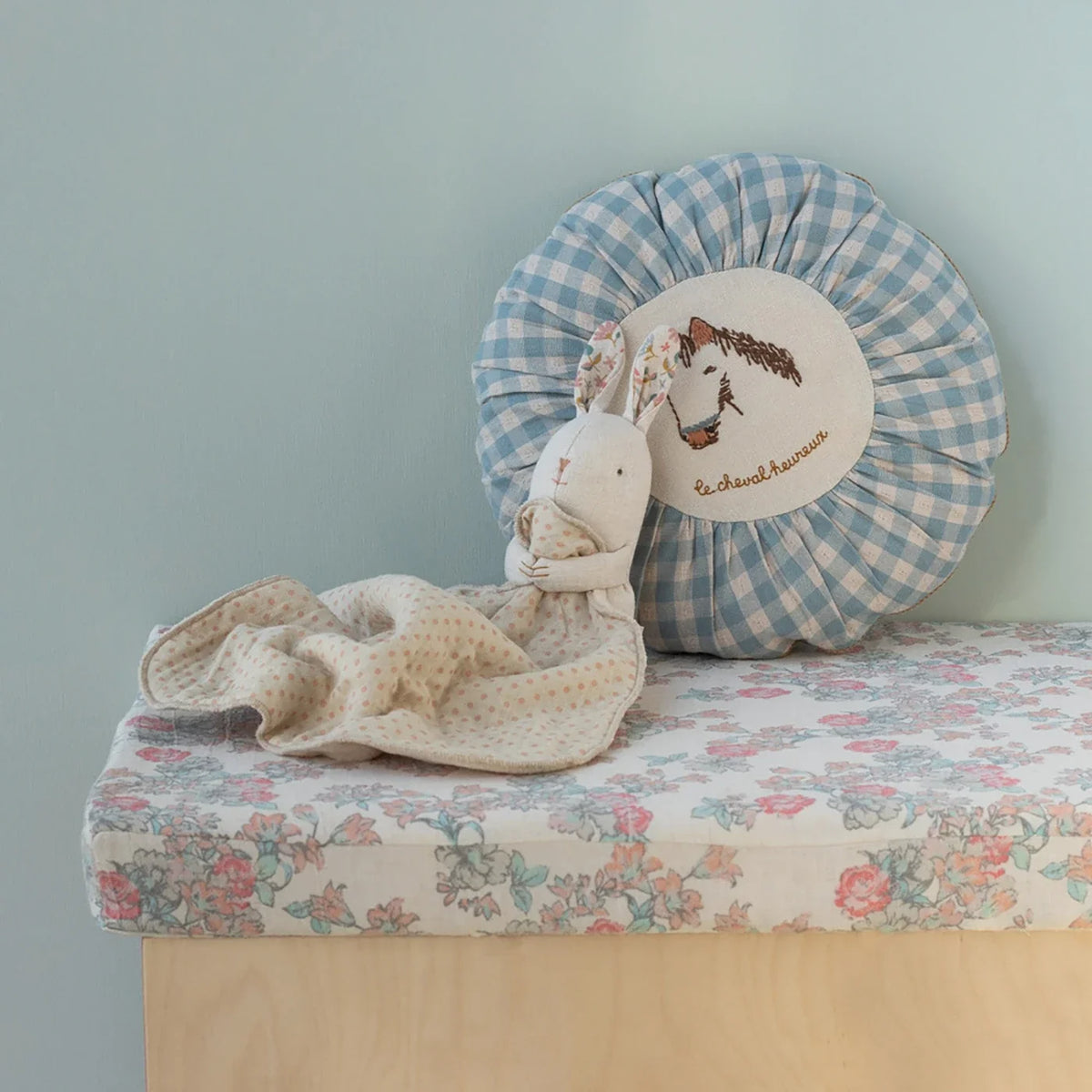
Wood is popular because it is durable and can often be passed on to younger siblings. Fabric and soft materials are well suited to the youngest children or to role play where children enjoy something that feels soft, pleasant and comforting. Plastic toys can also be a good choice, especially when the quality is high, the surfaces are sturdy, and they are easy to wipe clean in a busy everyday routine.
What the curated selection at House of Kids has in common is that the toys are not chosen only because they look good. They also need to work in real life. Durability, good and safe materials, and a design that does not create unnecessary visual noise in the children’s room are all important parts of the selection.
When toys need to fit into your child’s everyday life
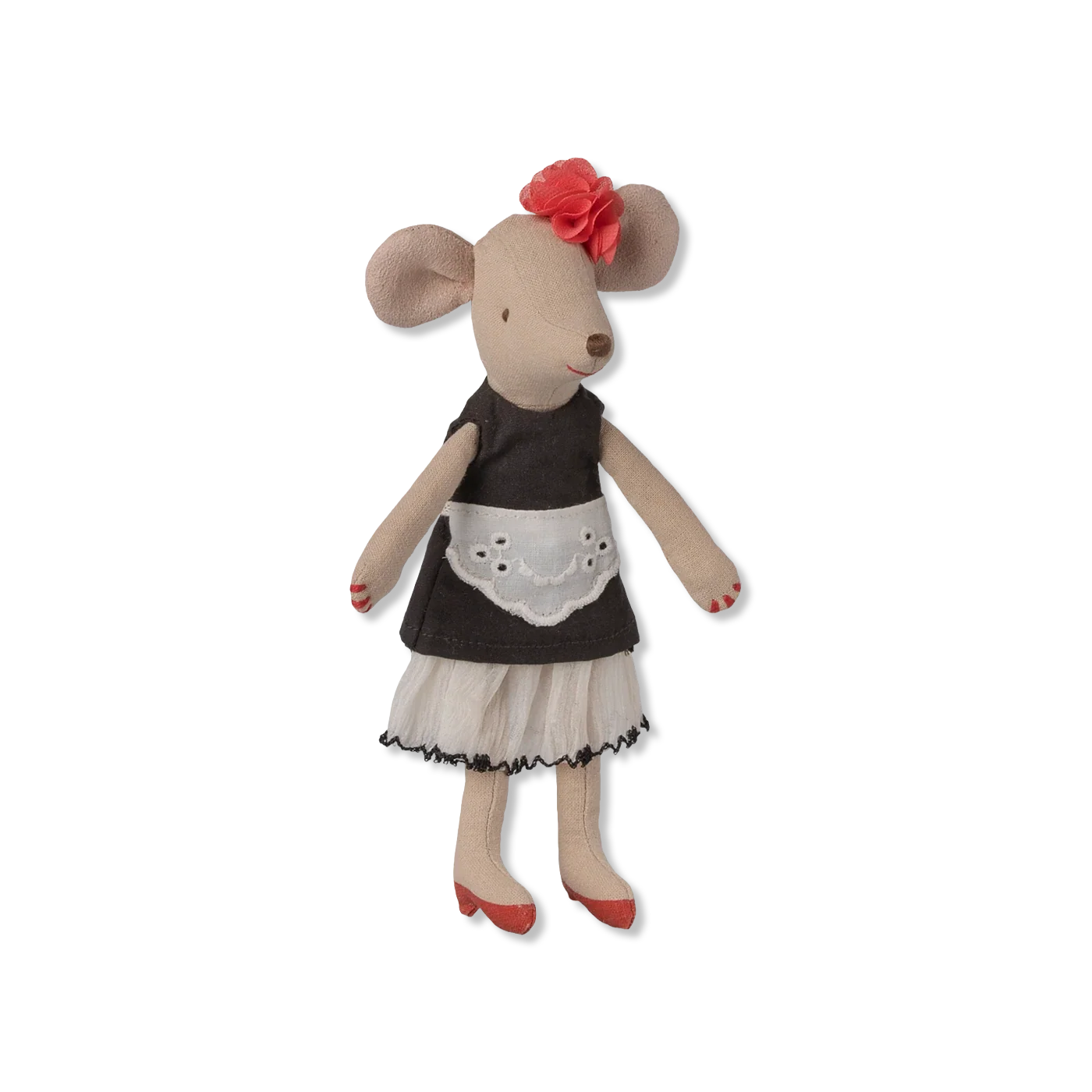
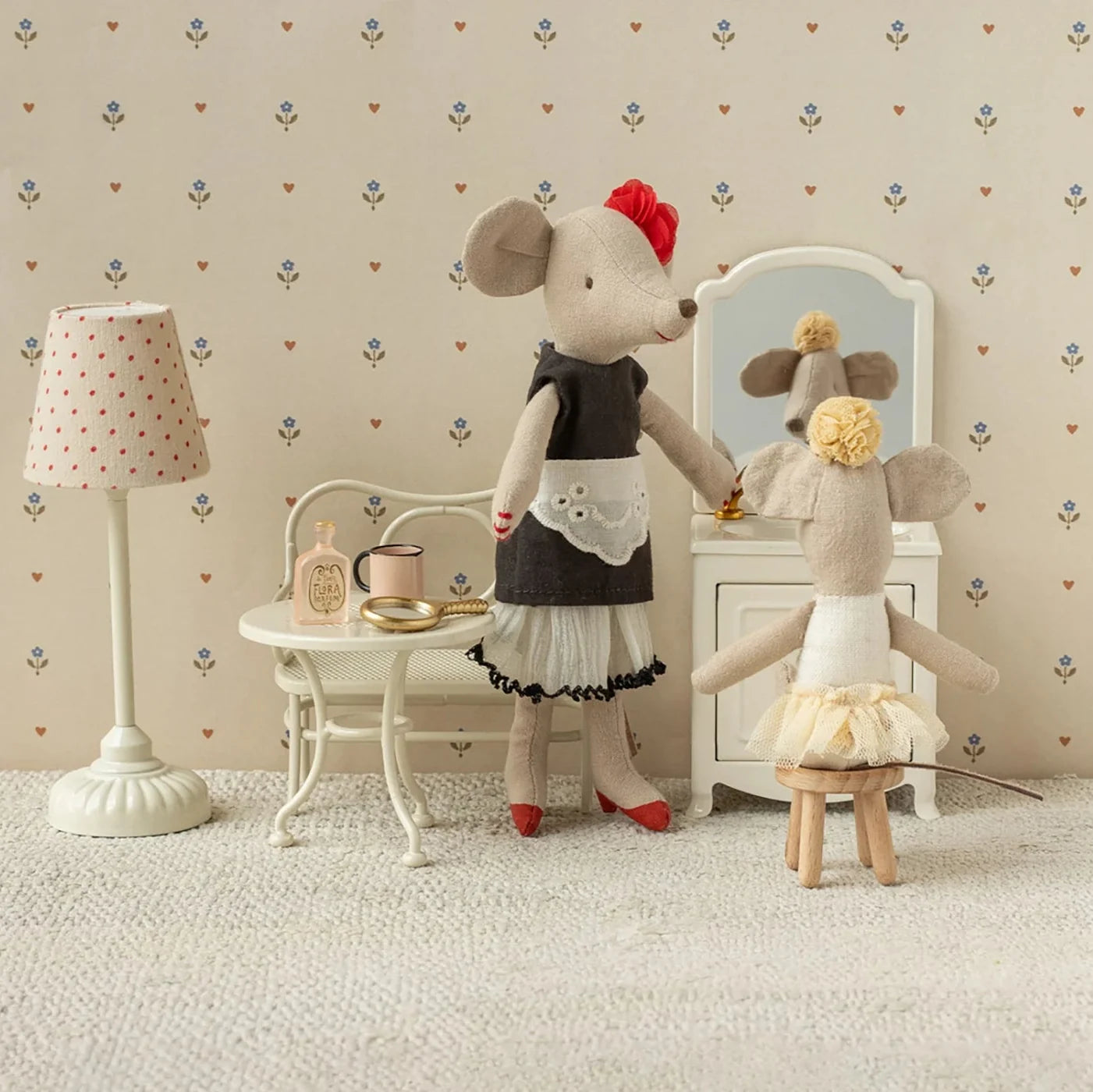
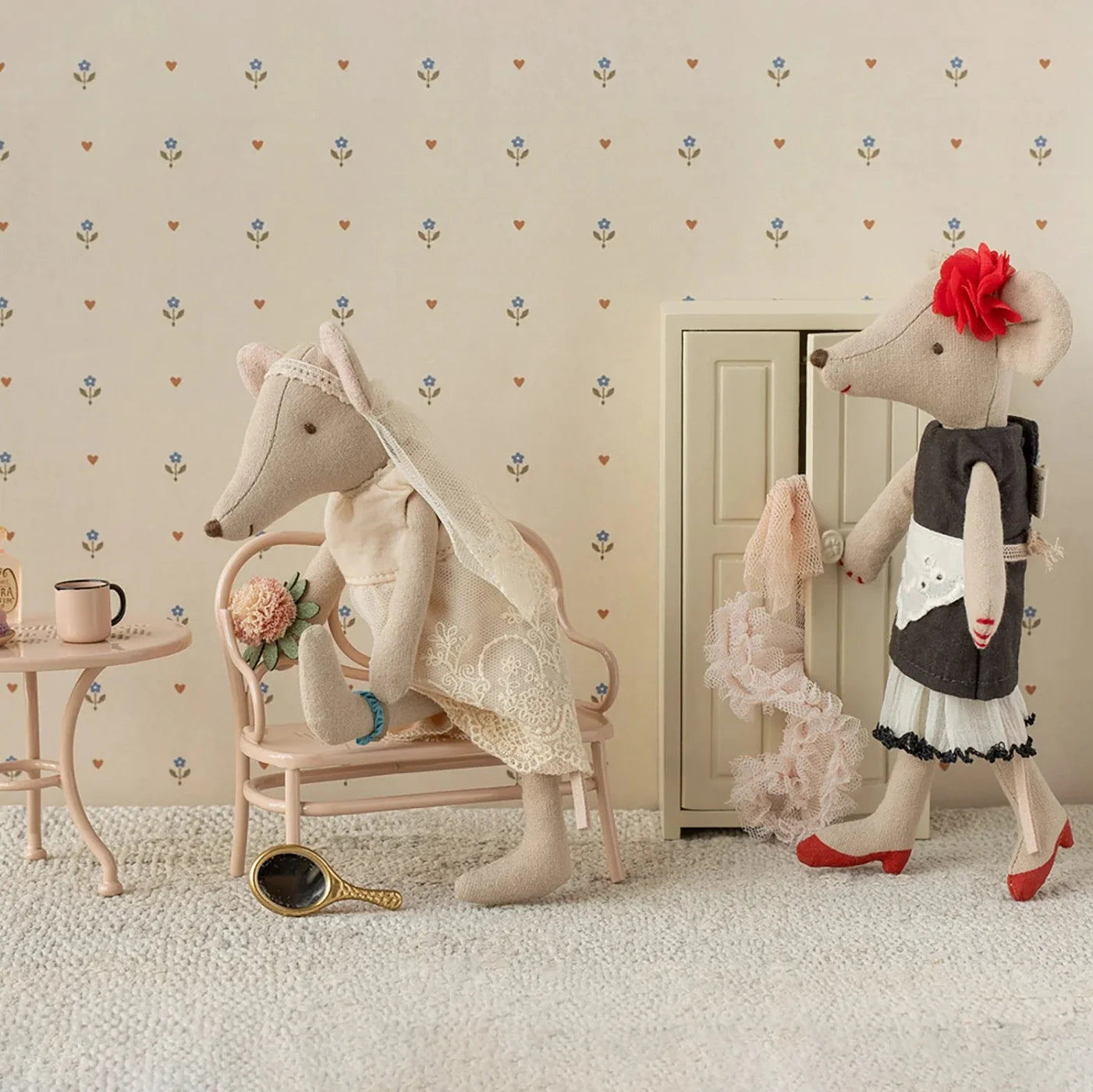
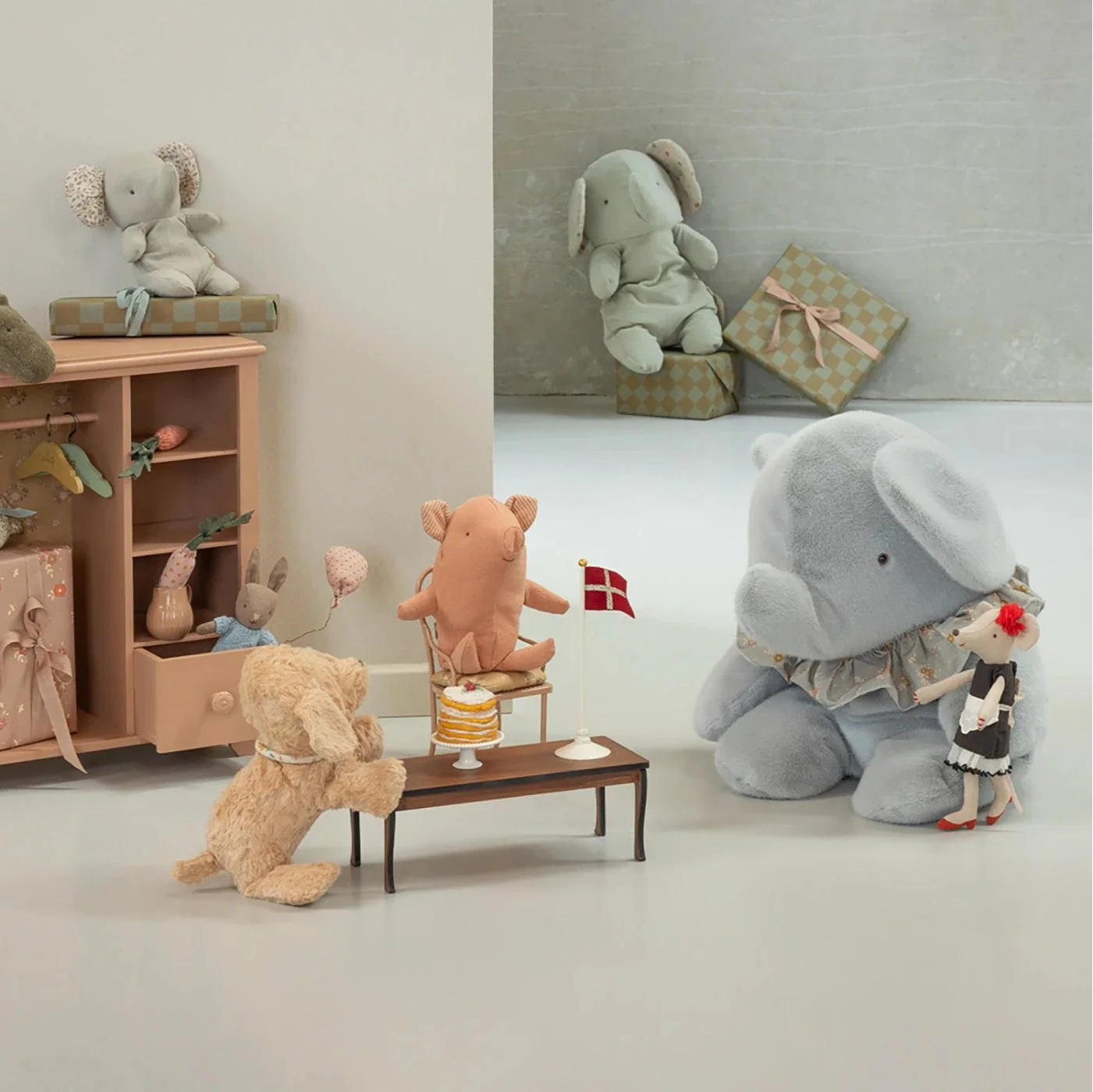
The toys that often become the biggest favourites are the ones that fit naturally into the small pauses and play moments of the day. Some children love building on the floor and disappearing into their constructions. Others immerse themselves in role play with dolls, animals and little worlds. And some find the most calm in something creative they can sit with quietly for a long time.
That is why it can be helpful to think in terms of play situations rather than only product types. Should the toy be used for quiet concentration, shared play with others or more active movement? Is it for everyday use at home, for the holidays, or are you looking for a gift that feels easy and safe to choose?
If your child already loves stories and imaginative play, dolls and accessories or figures can be a lovely addition. And for children who prefer to draw, shape and create, it makes sense to look at drawing and painting supplies as part of the toy selection.
Fewer, well-chosen toys can bring more calm to playtime
A large amount of toys does not necessarily lead to better play. Often, the opposite is true. A simpler and more considered selection usually works better in everyday life. A few good types that complement each other are often enough: something to build with, something for imagination and something that invites calm and concentration.
This idea fits well with the House of Kids universe, where toys are seen as part of a complete children’s world with room for play, storage and interior design. When toys have a fixed place, it also becomes easier for children to find them themselves and put them away again. That is why it can be a good idea to combine toys with solutions from storage, so the children’s room feels more manageable in everyday life.
Whether you are looking for toddler toys, a gift for an older child or classic favourites that can be used for a long time, the goal is the same: to find toys that make sense for the child right now and still have value as their play develops.