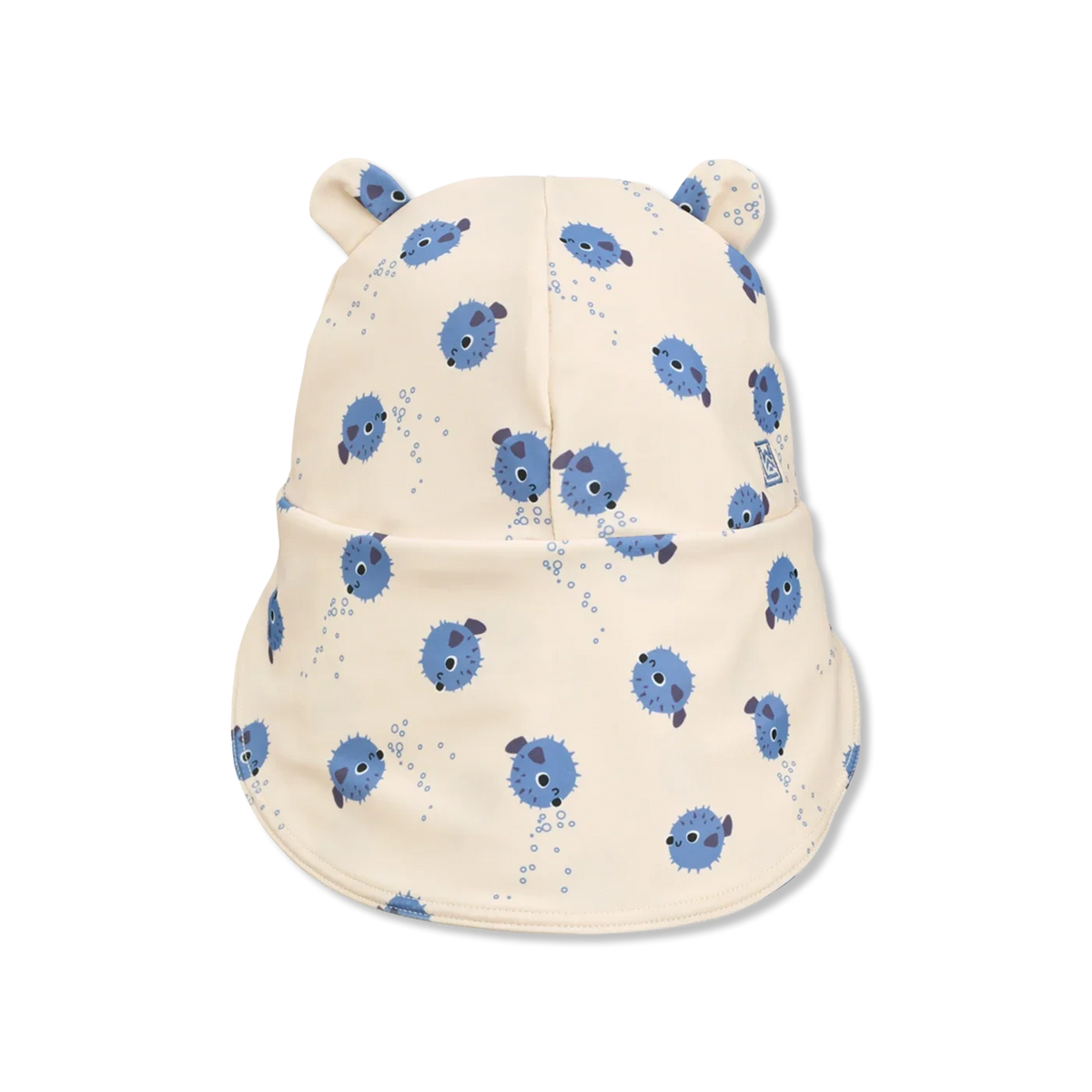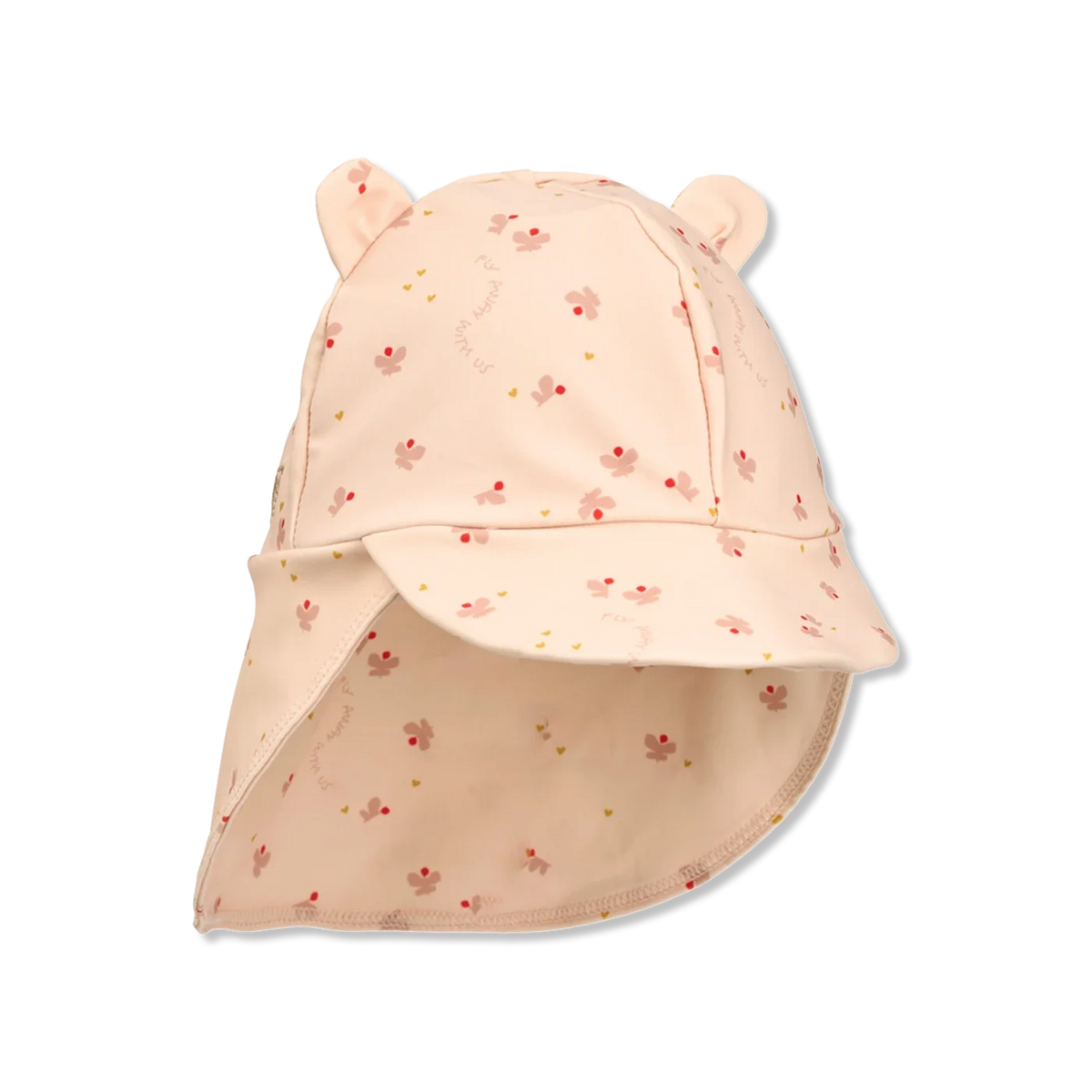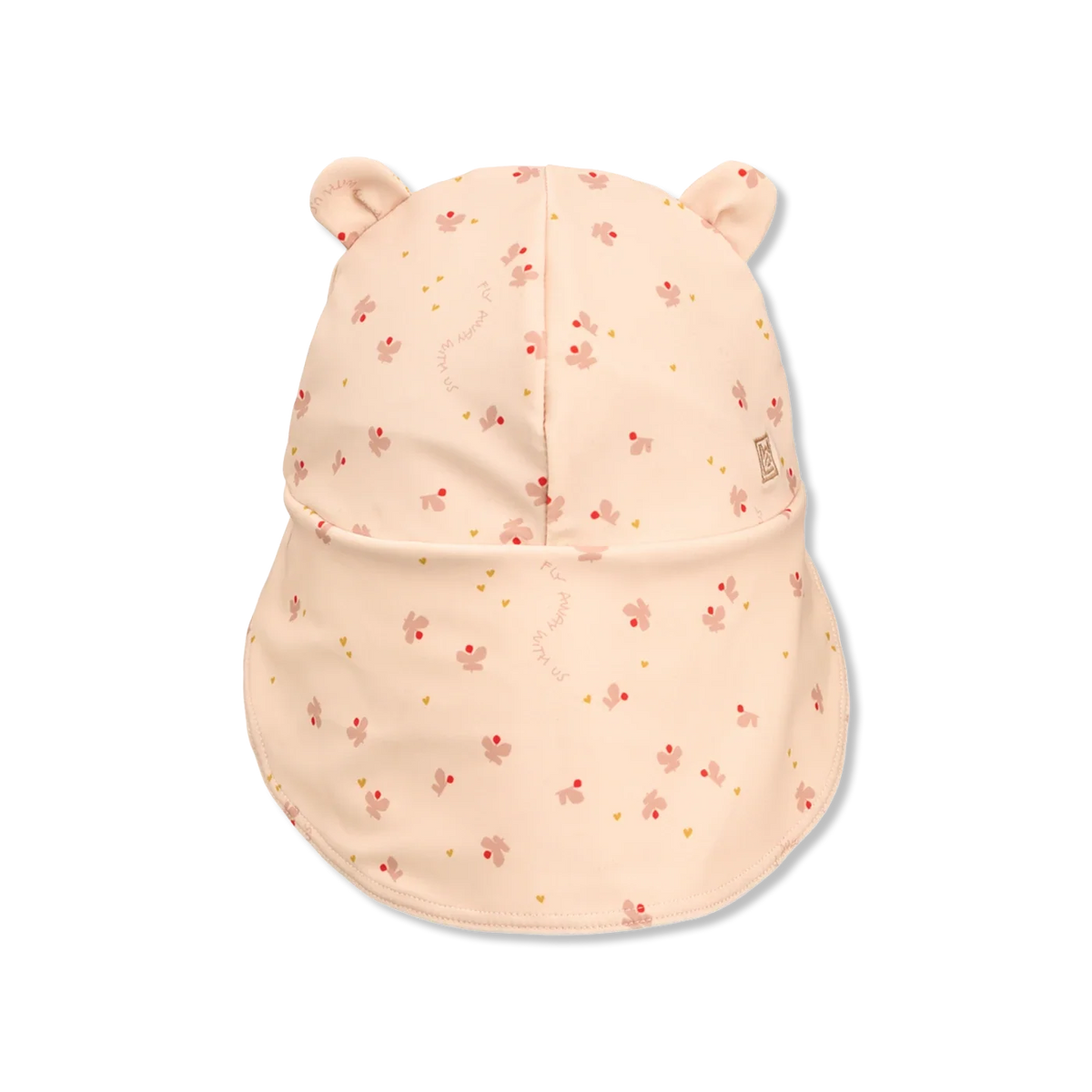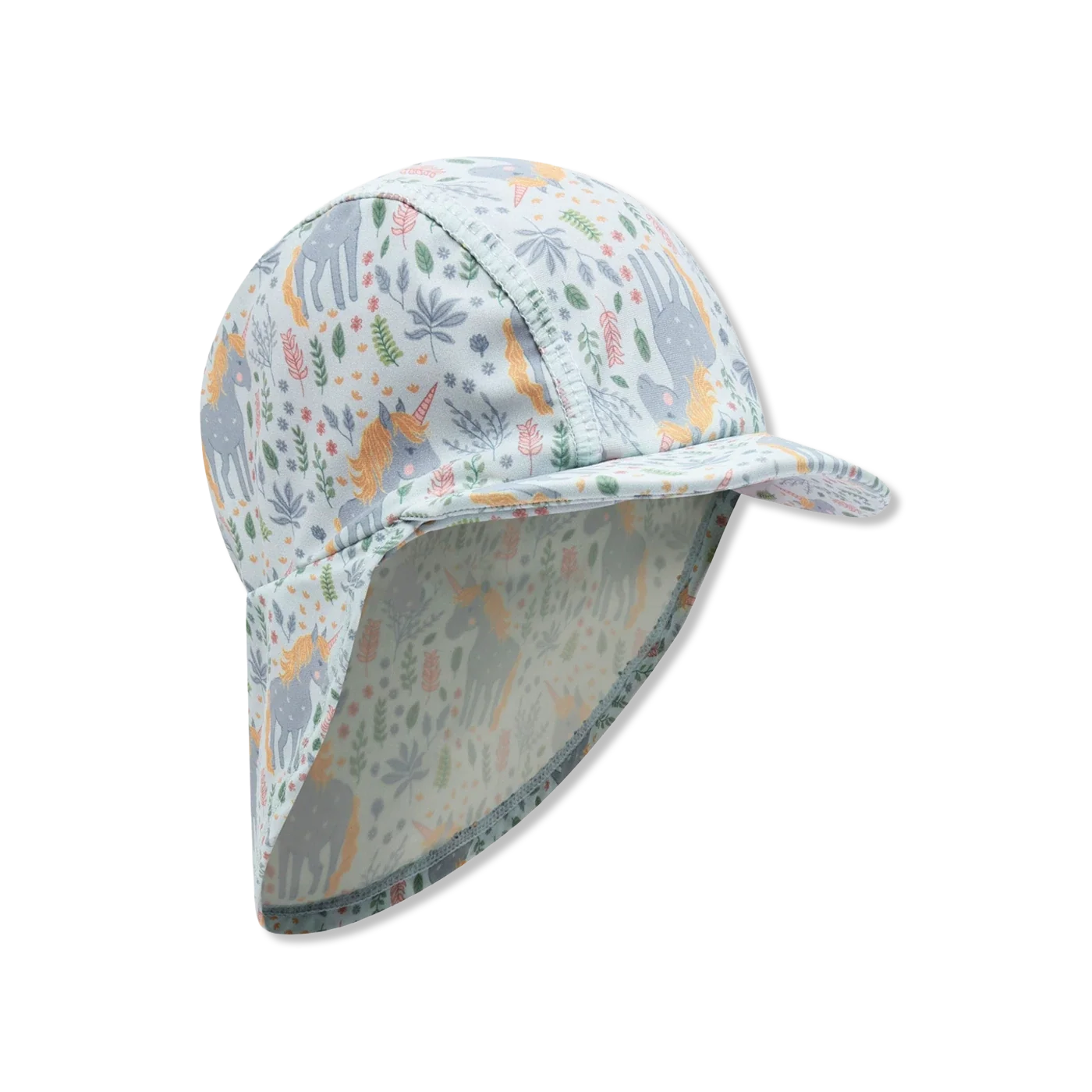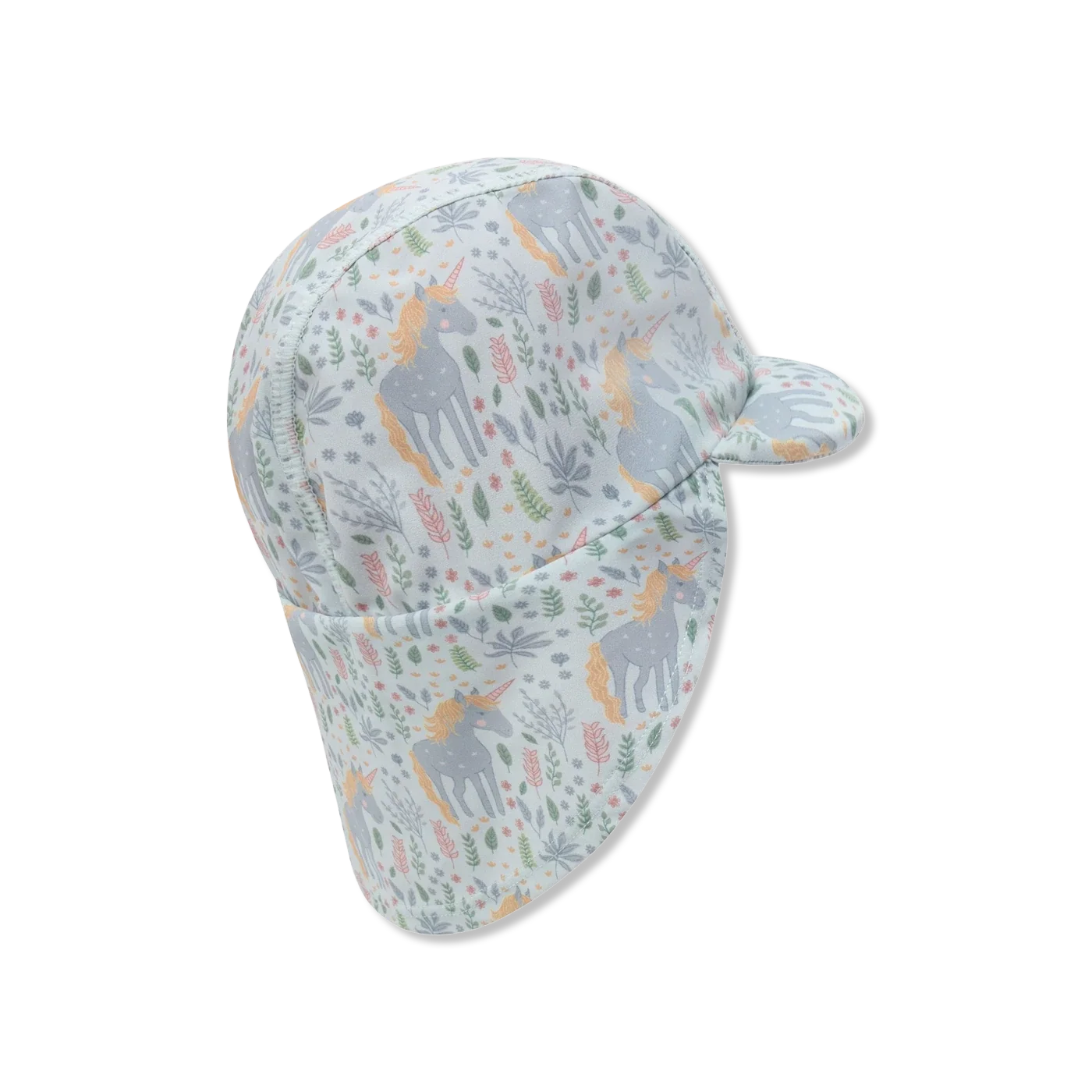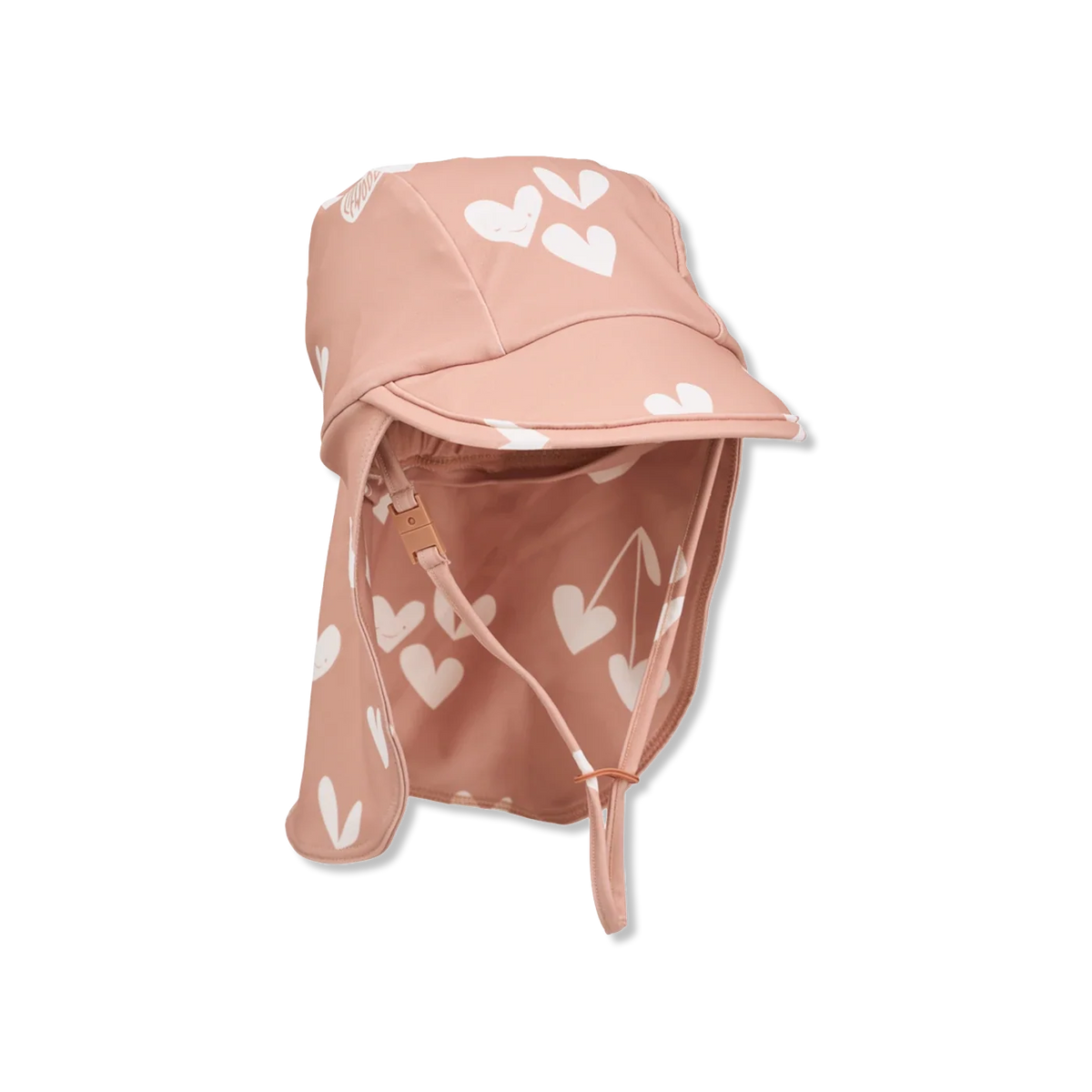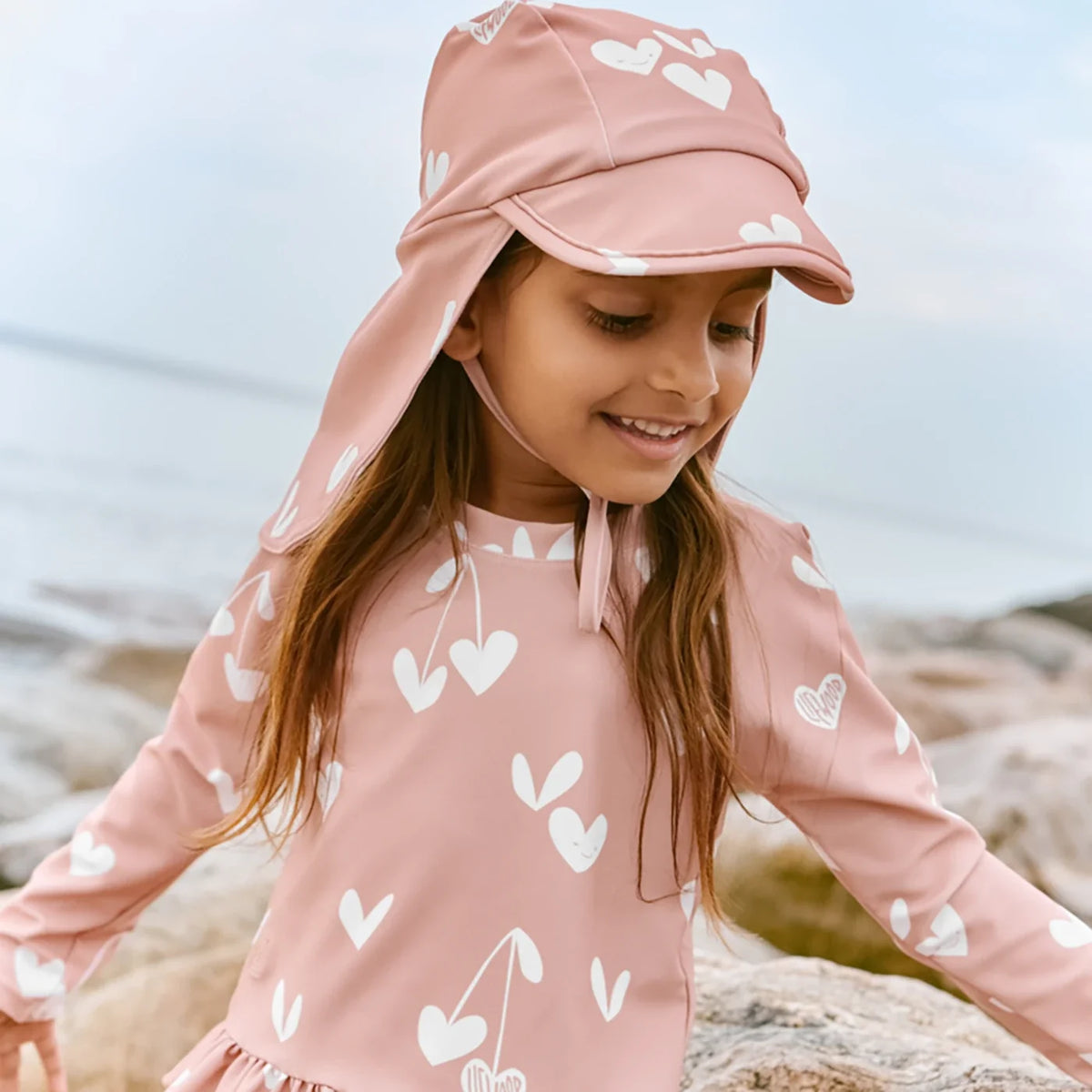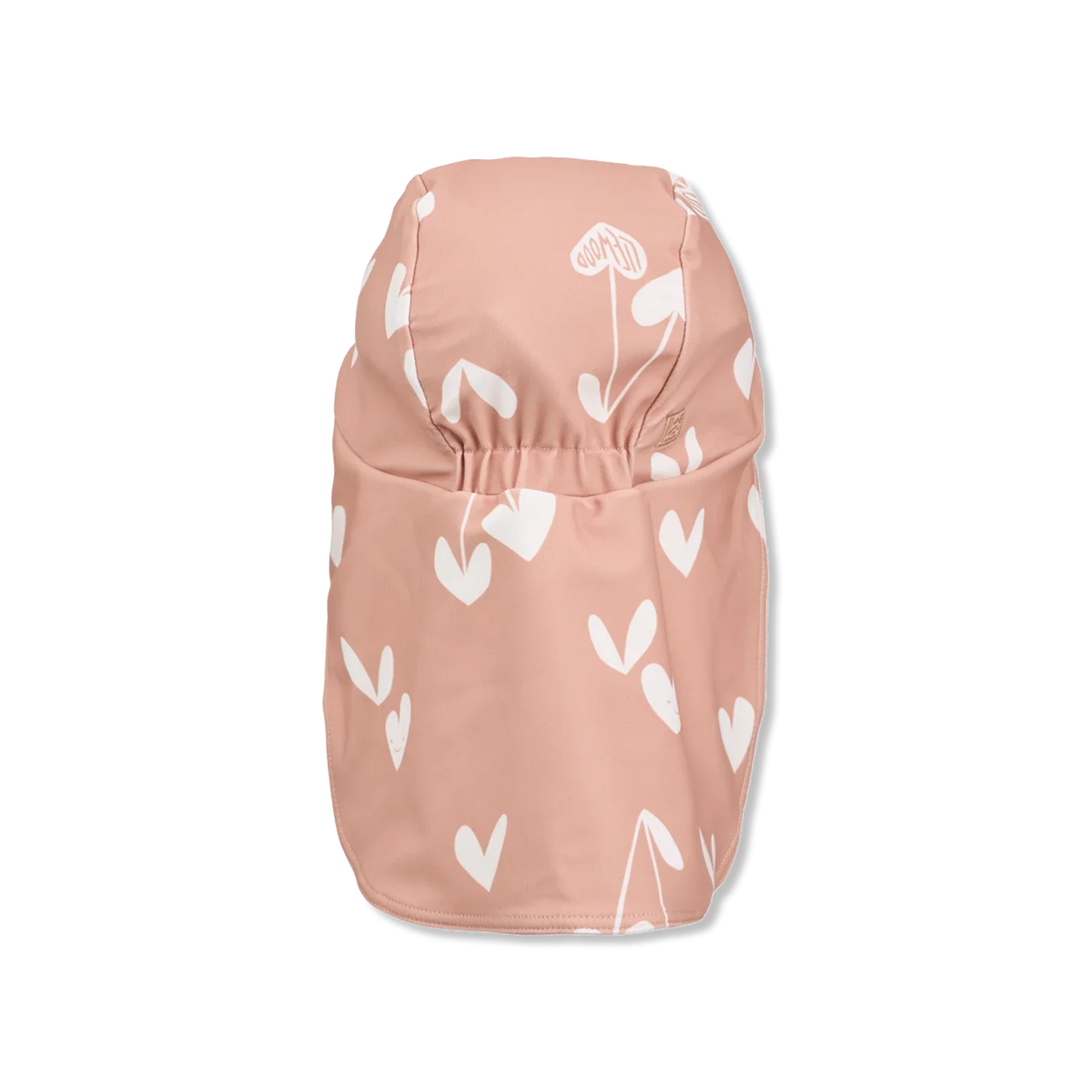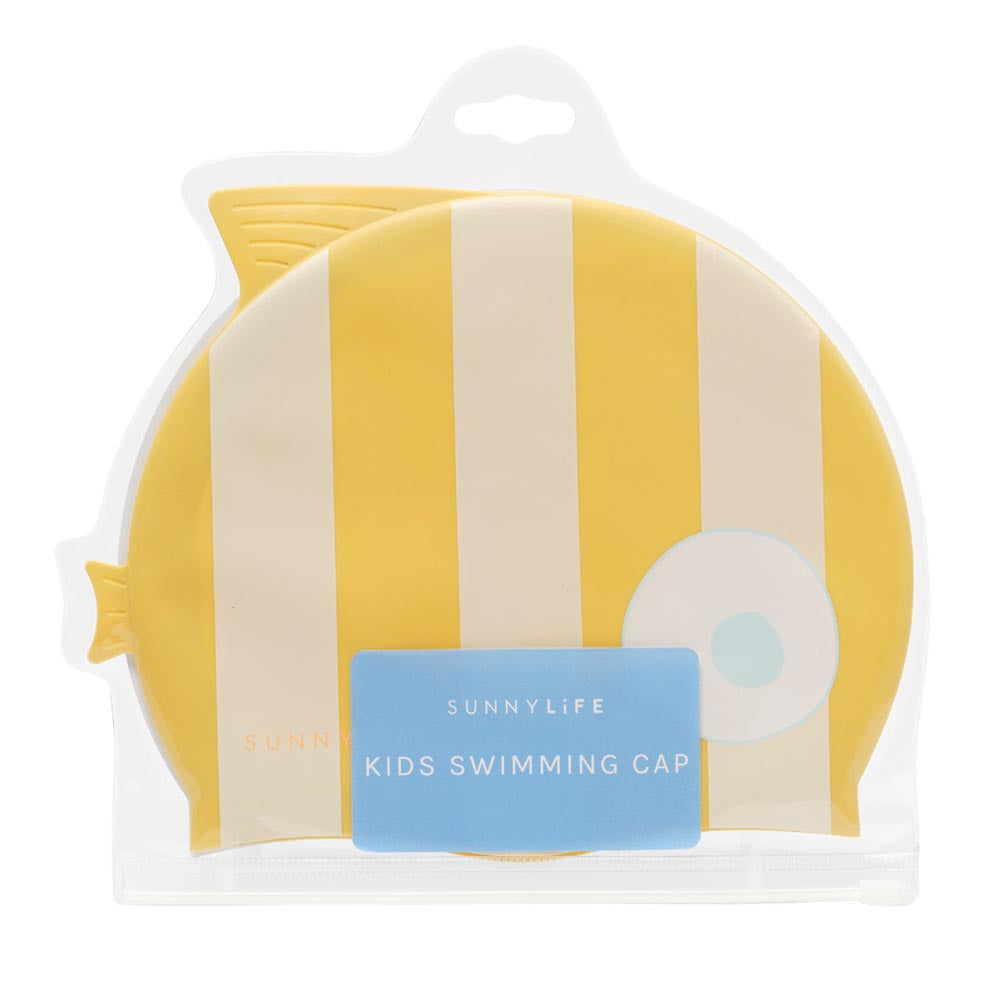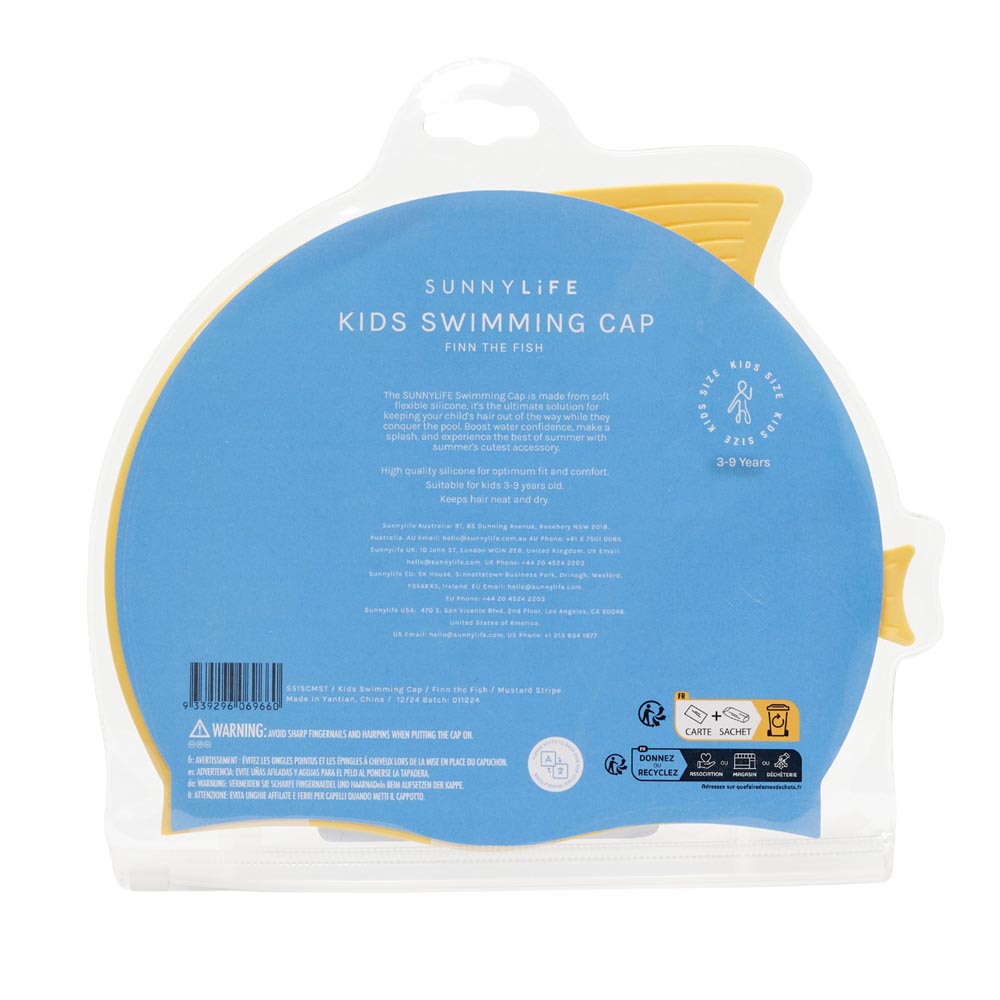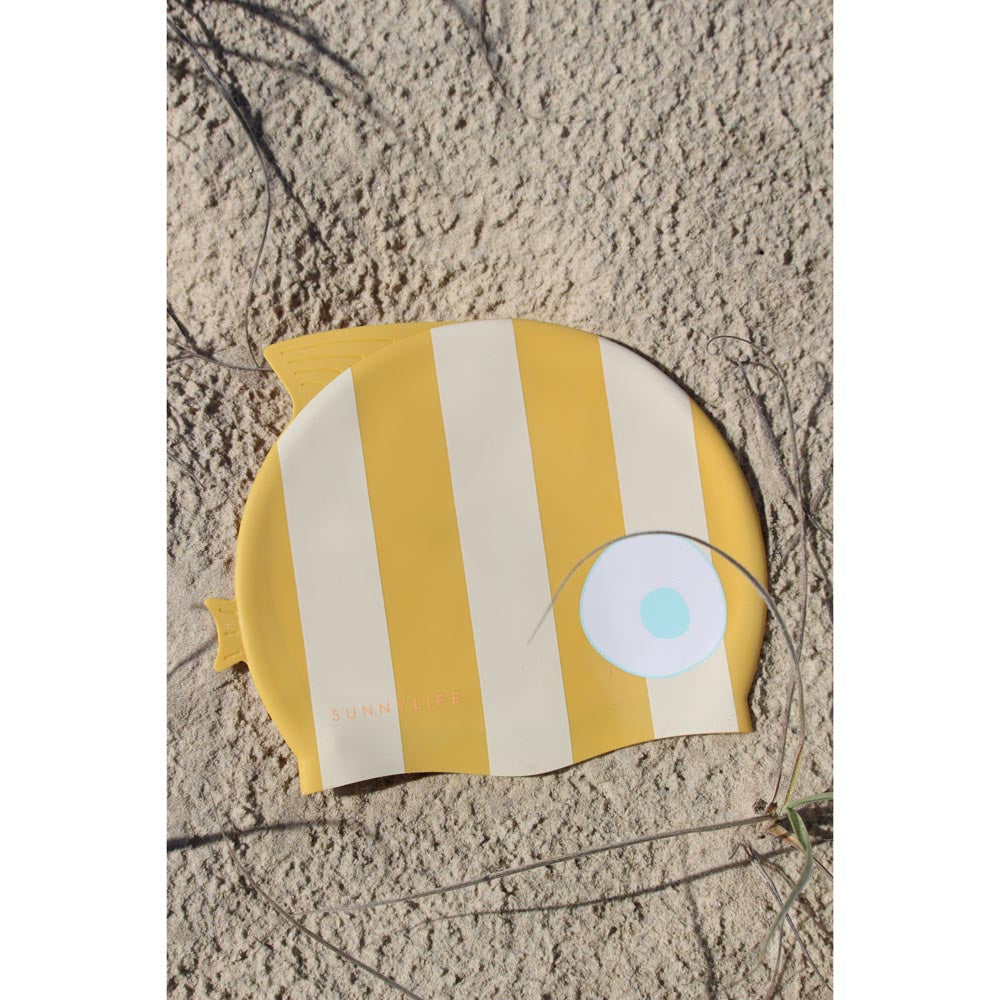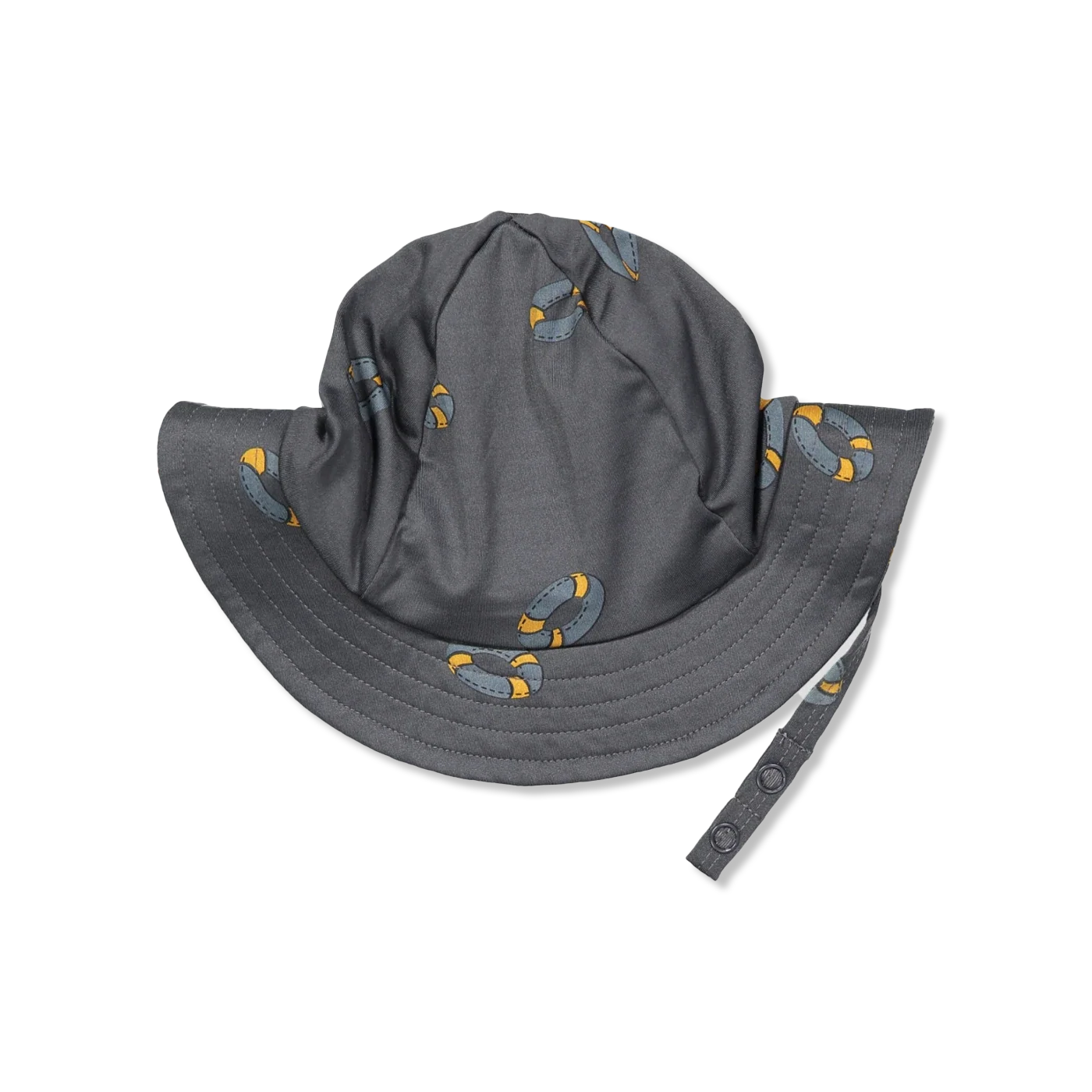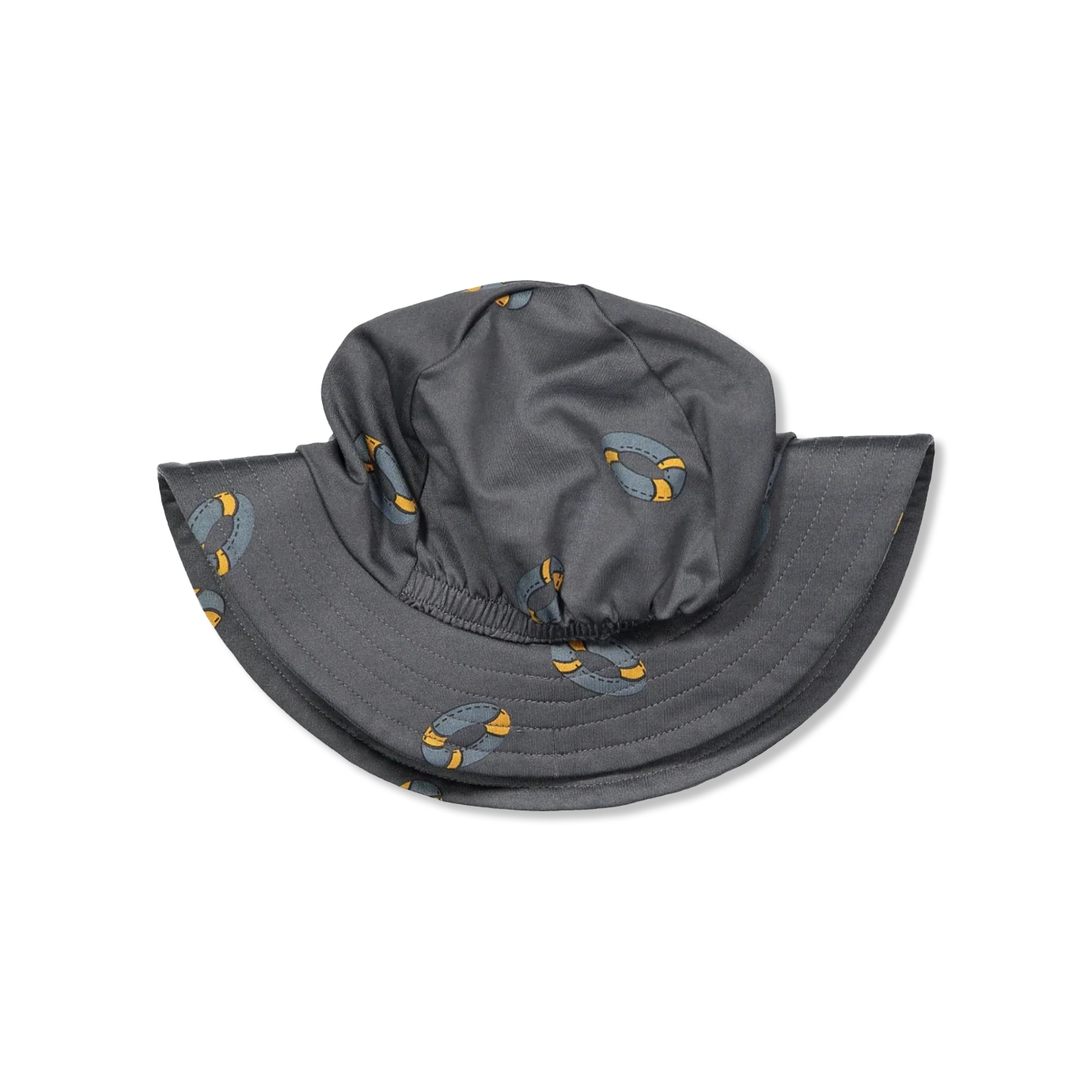
Swim hats for children, babies and everyday water fun
A swim hat can be useful when you want to help protect your child’s head and ears during water play, swimming lessons or long days by the pool or beach. Here you’ll find swim hats for children of different ages, making it easier to choose a style that suits the fit, material and the way it will be used.
Some children need a swim hat for swimming lessons, where it should stay securely in place even when they are active in the water. Others may prefer a softer style for calm water play, paddling pools or a day at the water park. For the youngest children, comfort is often the most important thing, while older children typically need a firmer fit, especially if the hat will be used regularly in the pool.
A good place to start is to look at three things: your child’s age, head circumference and whether the swim hat will mainly be used for play, holidays or swimming.
Which type of swim hat is best for your child?
There are several types of swim hats, and the difference is especially noticeable in the fit and how they feel on the head.
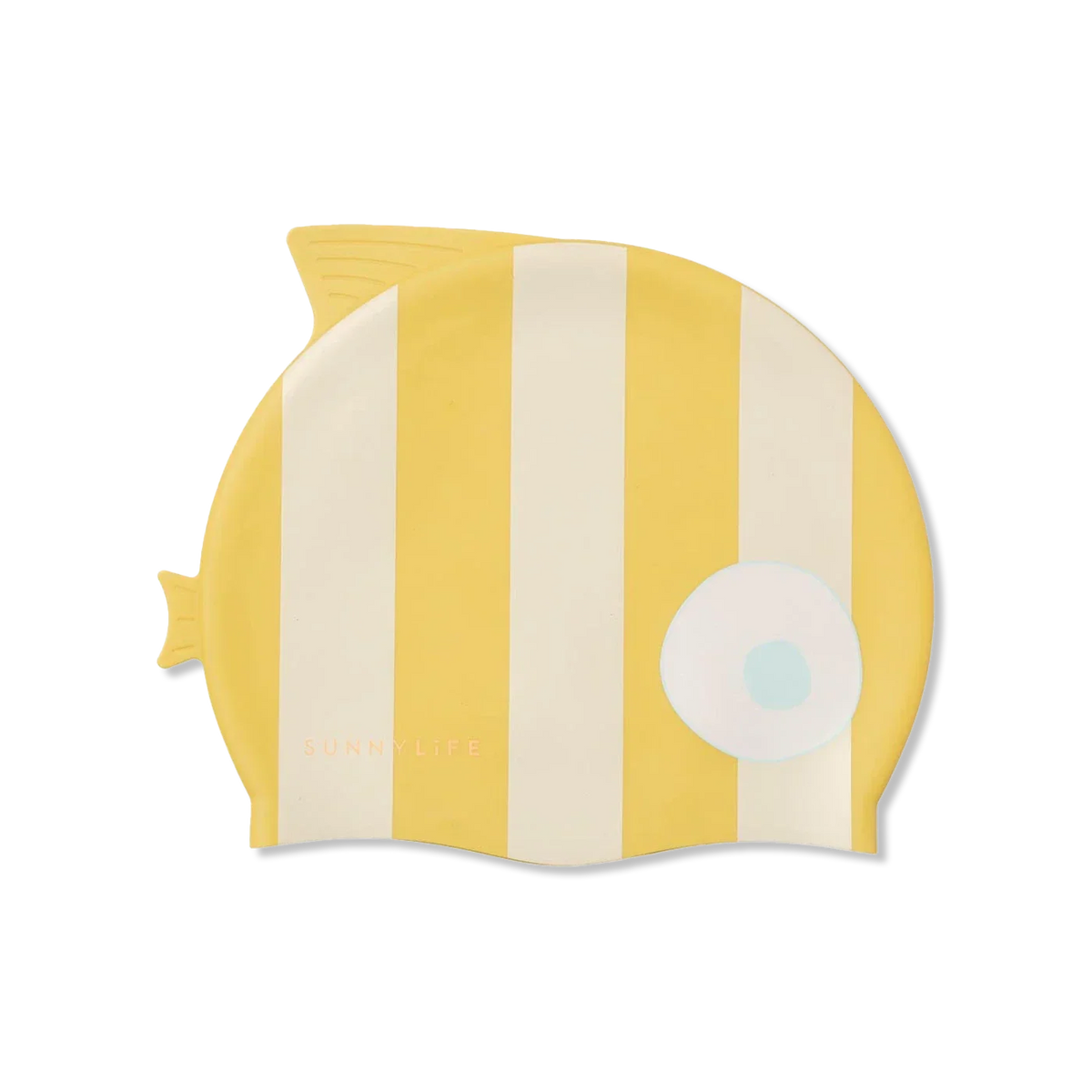
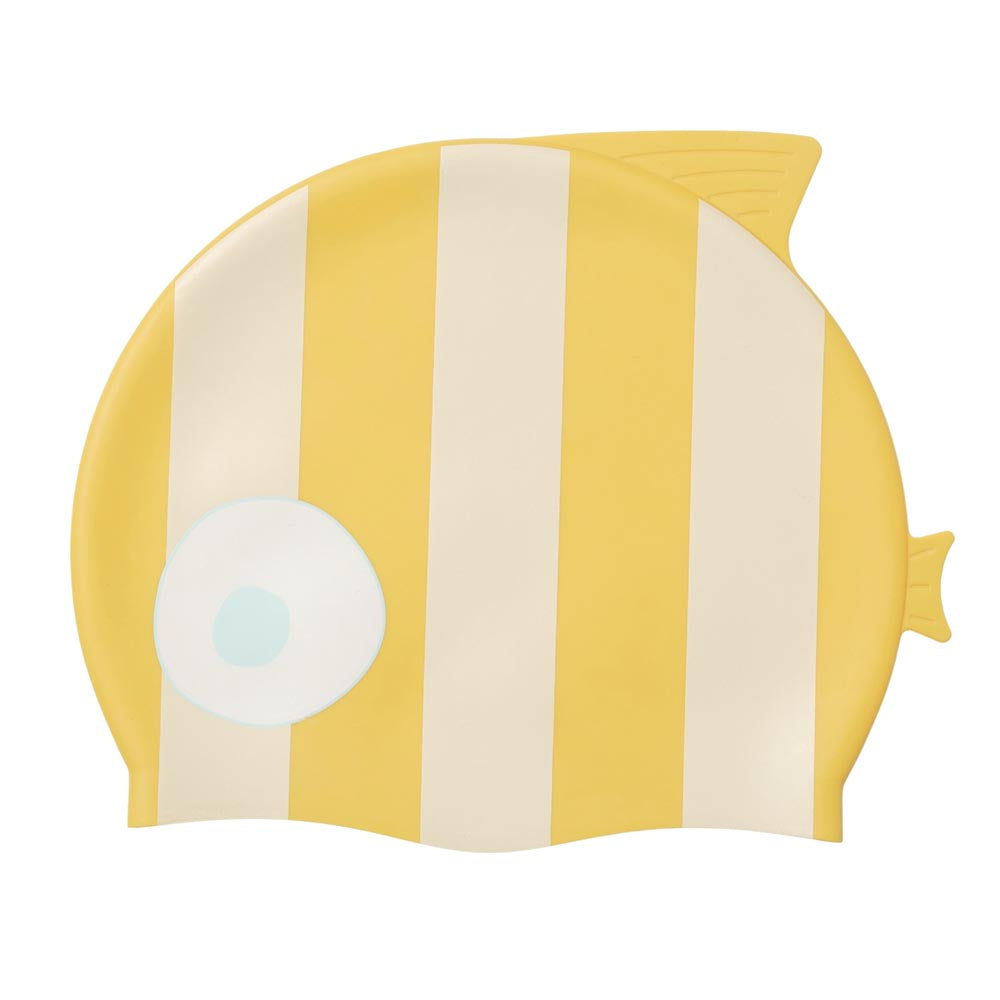
Silicone swim caps are the classic choice for swimming. They fit closely, have a smooth surface and are well suited to children who attend swimming lessons or are very active in the water. The snug fit can help keep hair in place and reduce resistance in the water, but for younger children it may also feel a little too tight.
Neoprene or softer swim hats are often a comfortable choice for small children and beginners. They are more flexible, usually feel softer and can be a reassuring first option if your child is not used to wearing something close-fitting around the head.
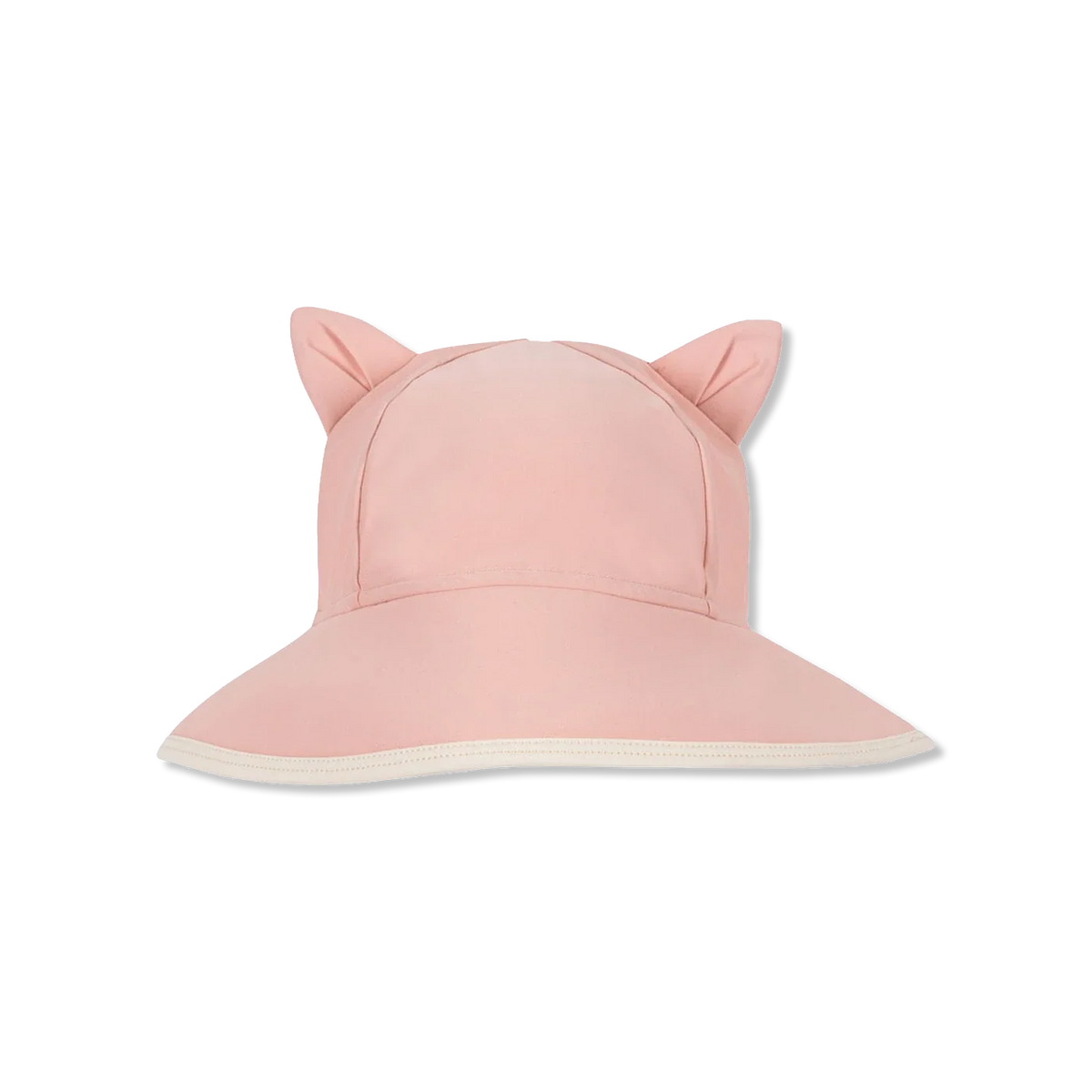
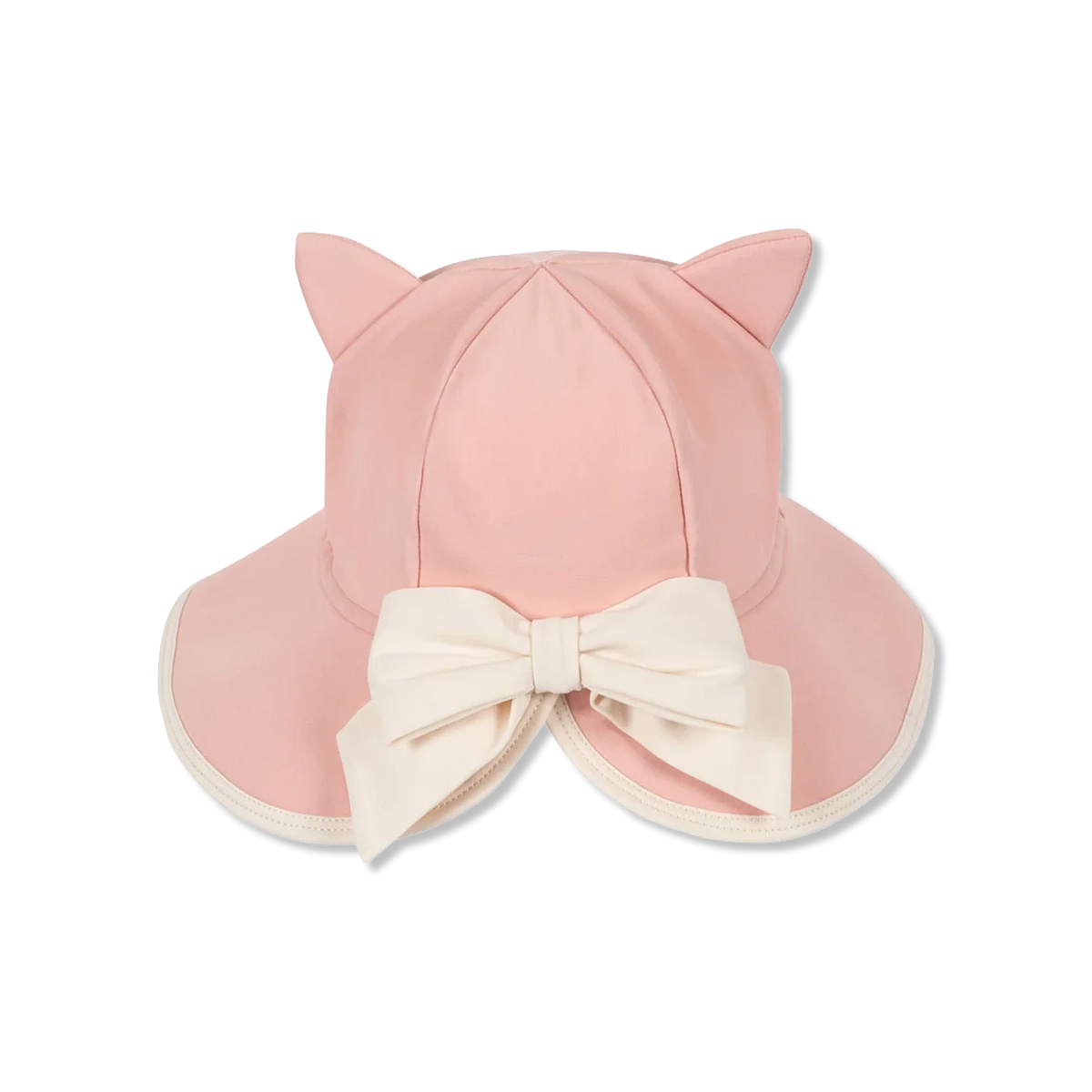
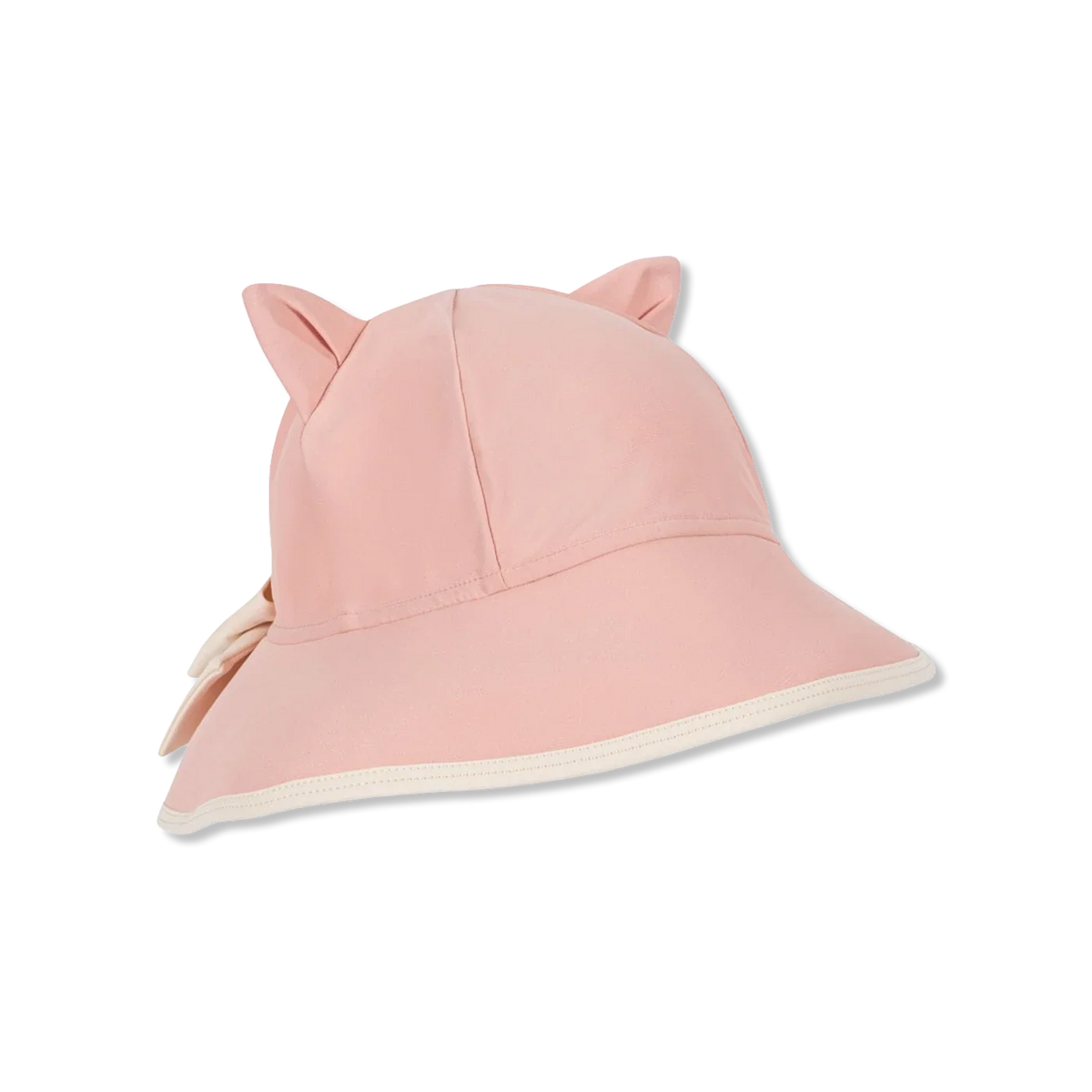
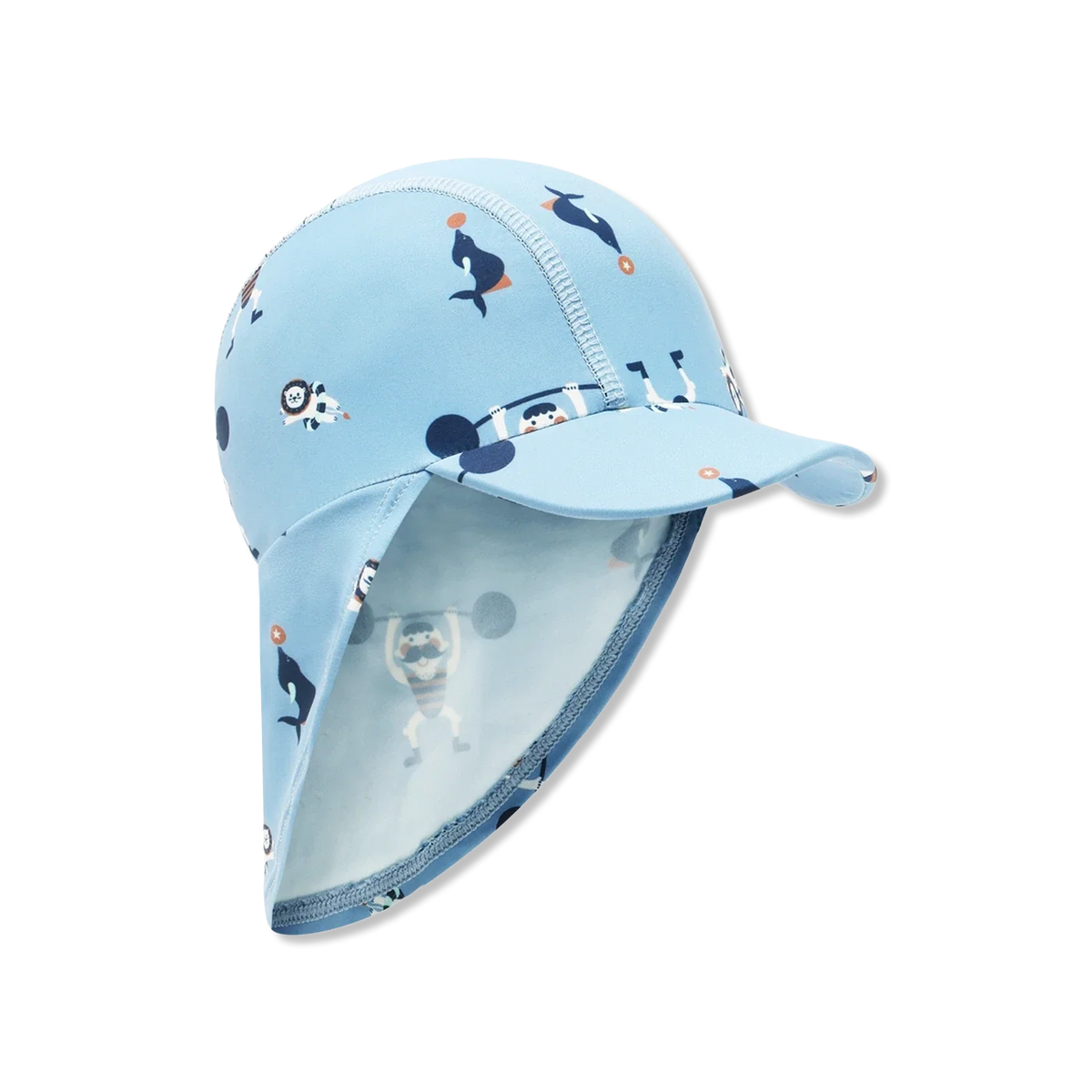
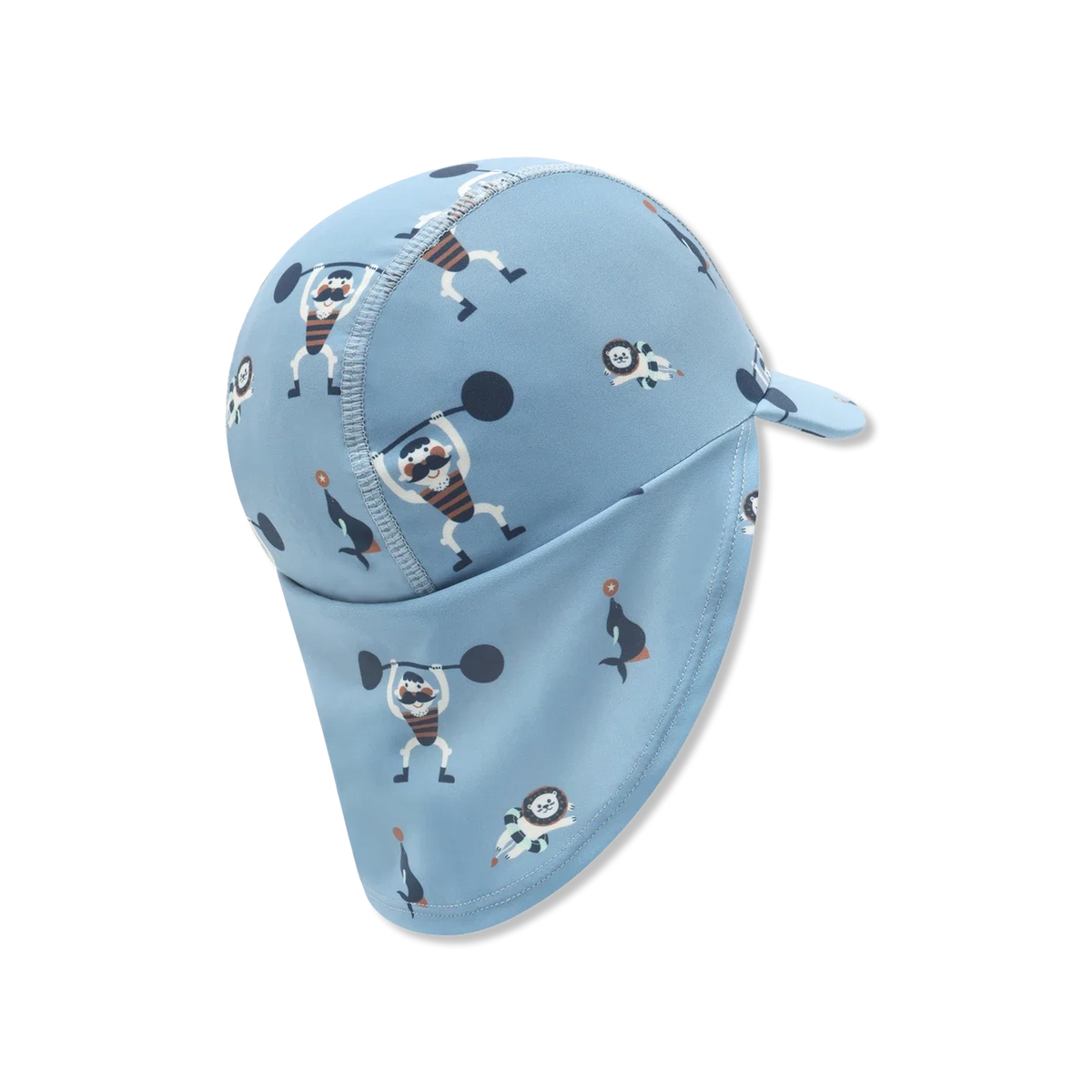
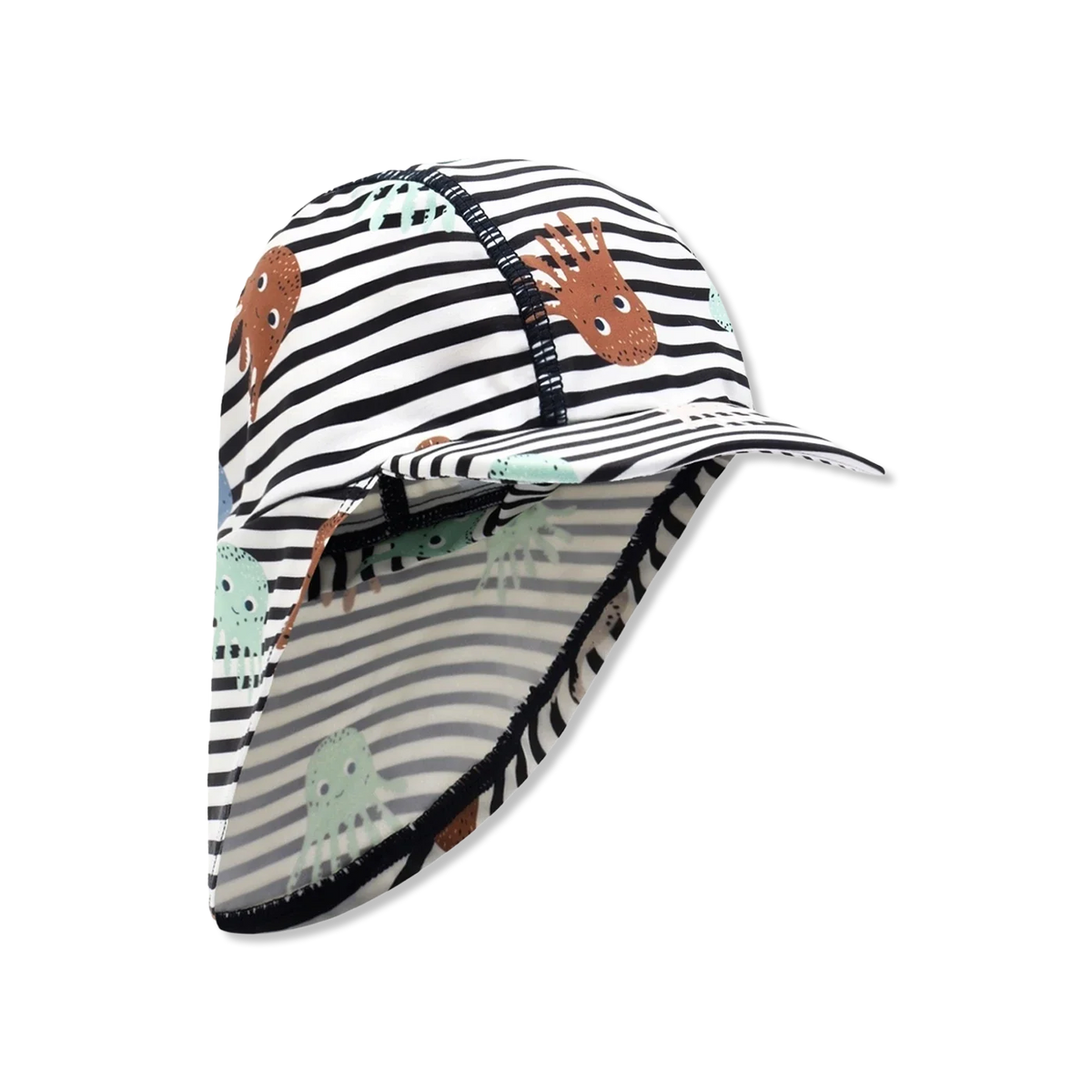
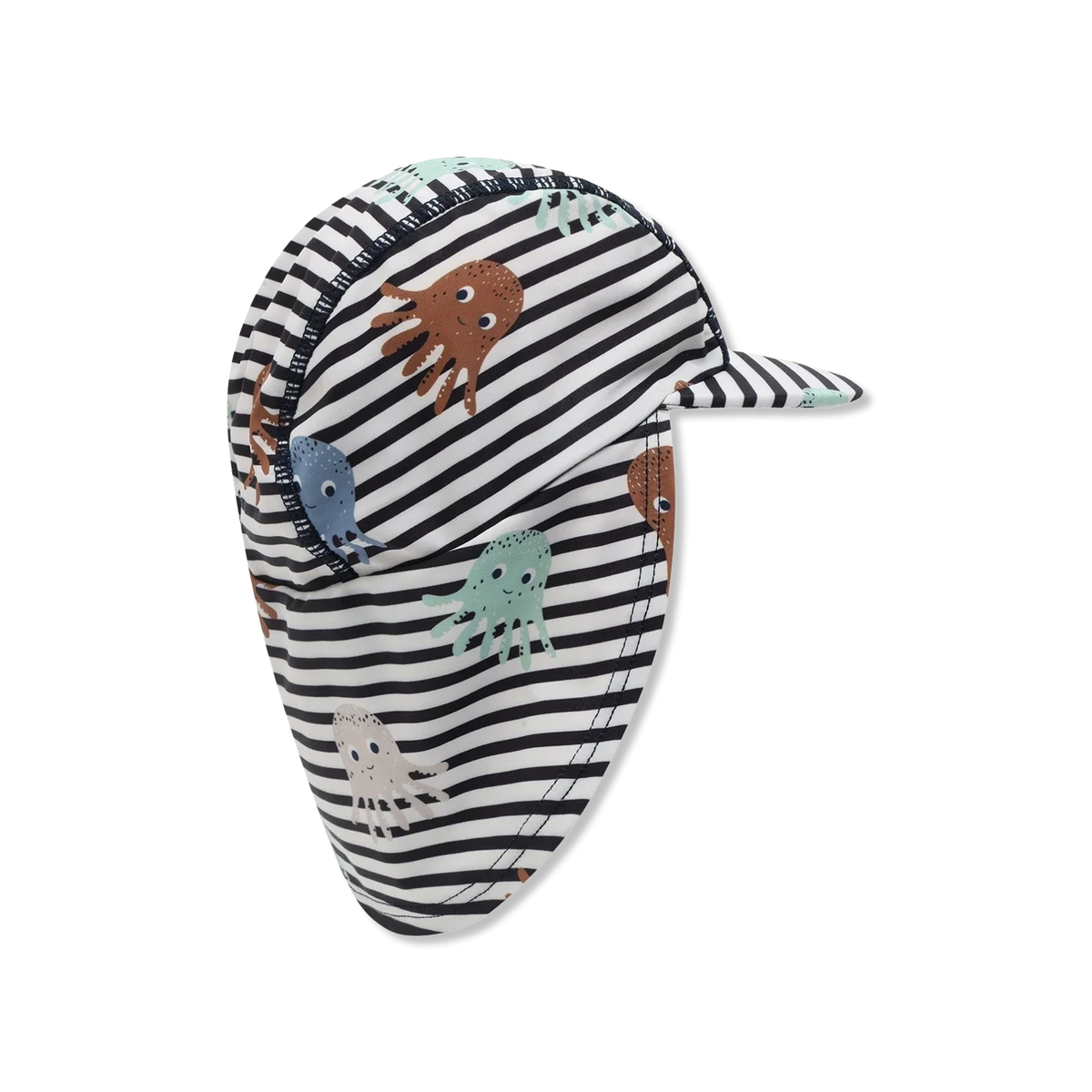
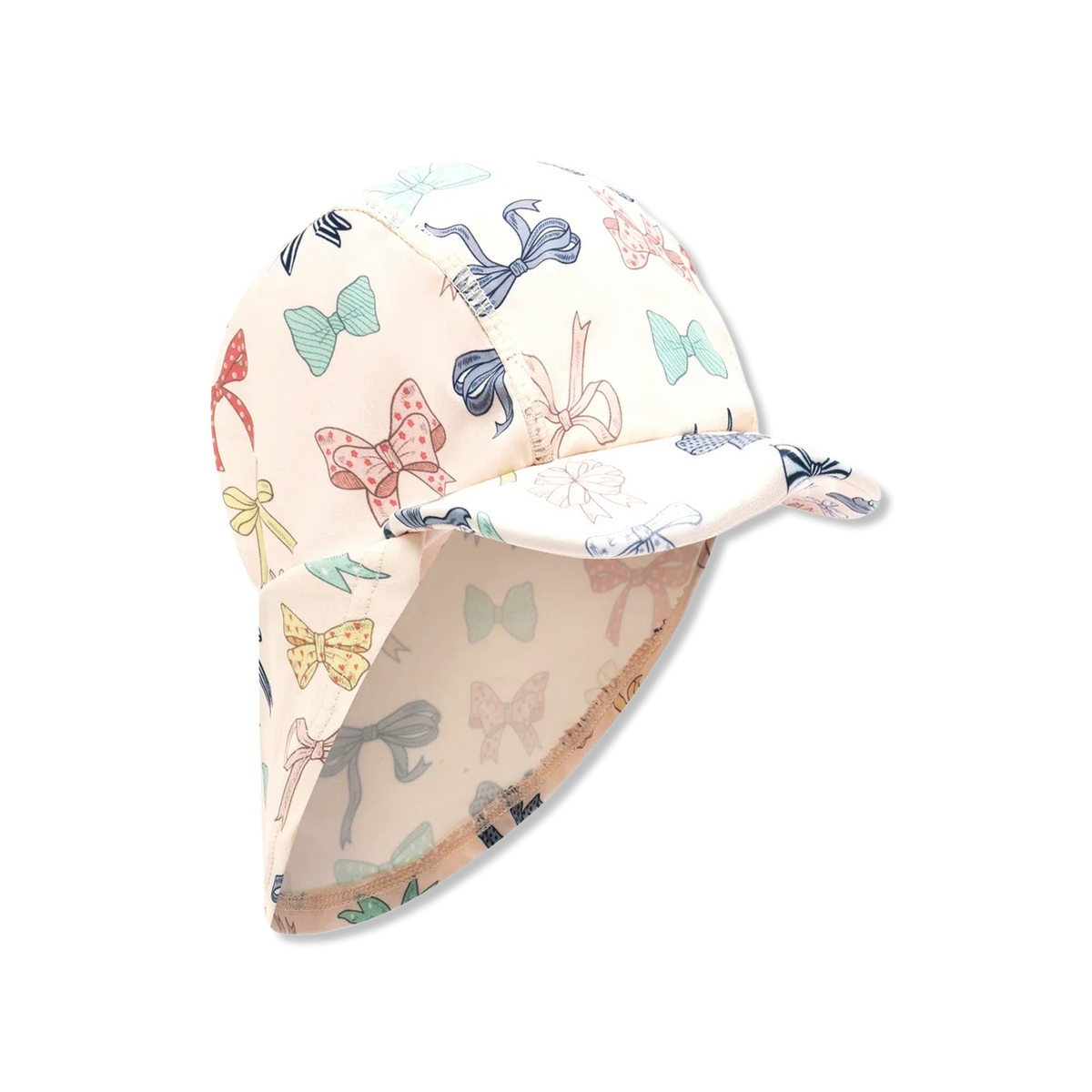
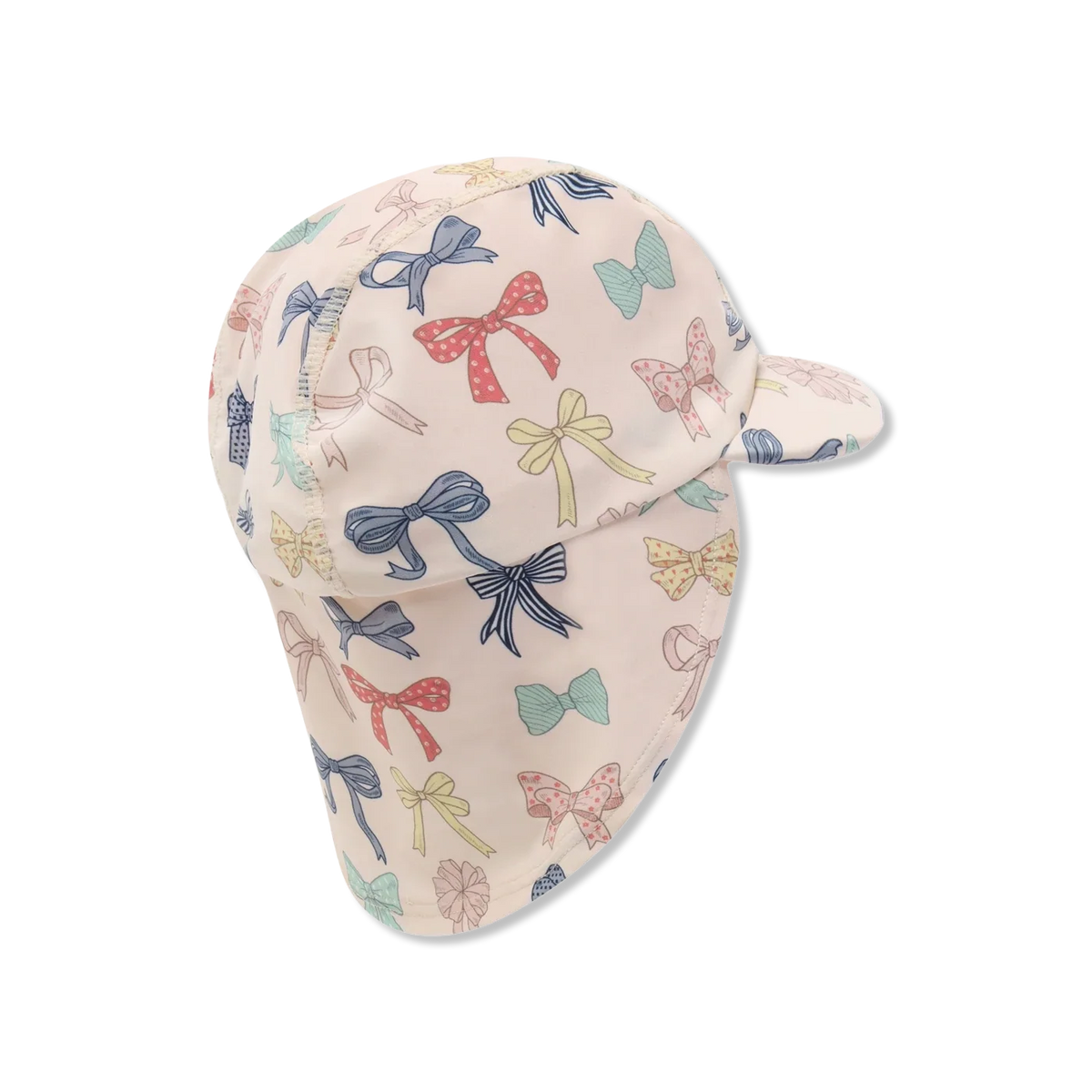
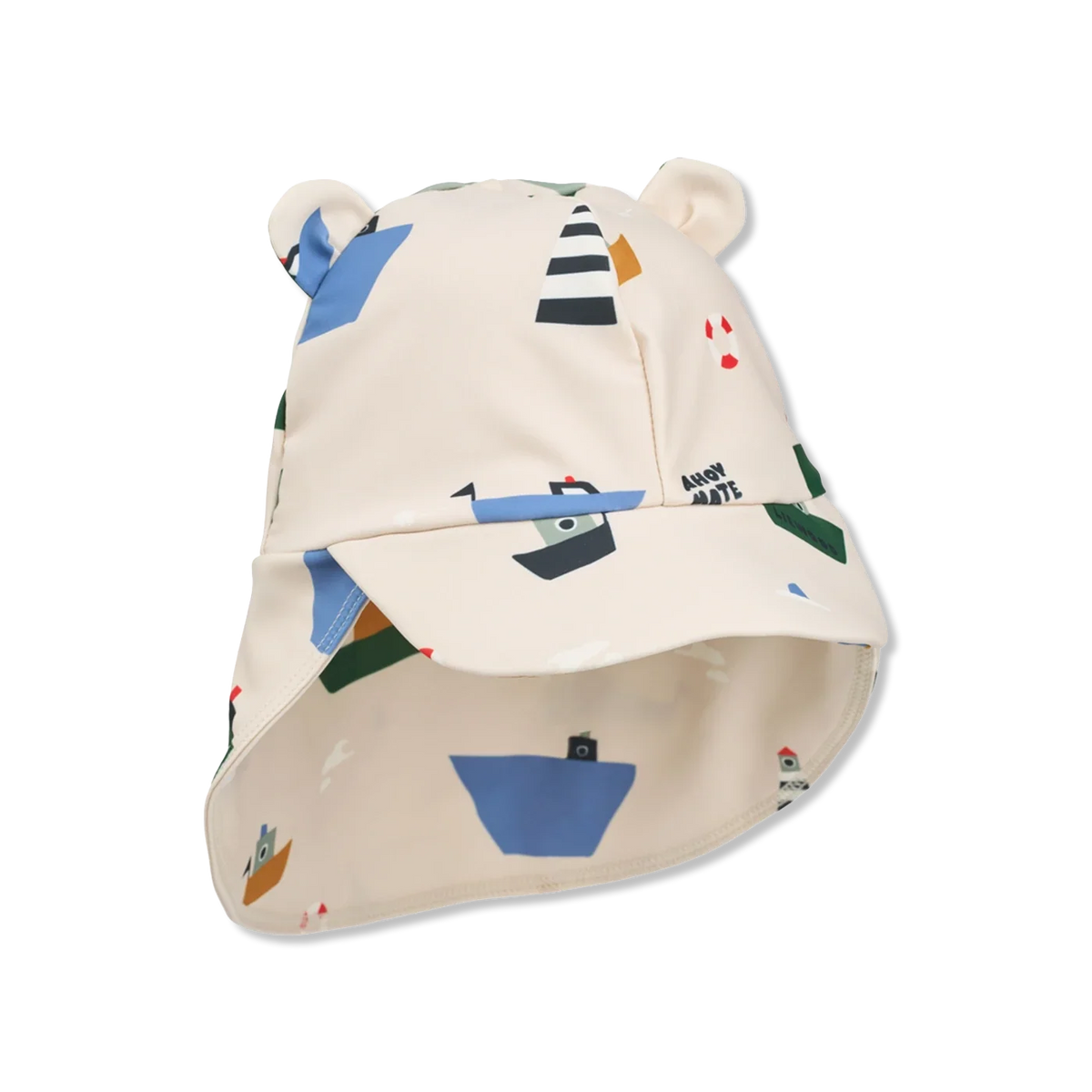
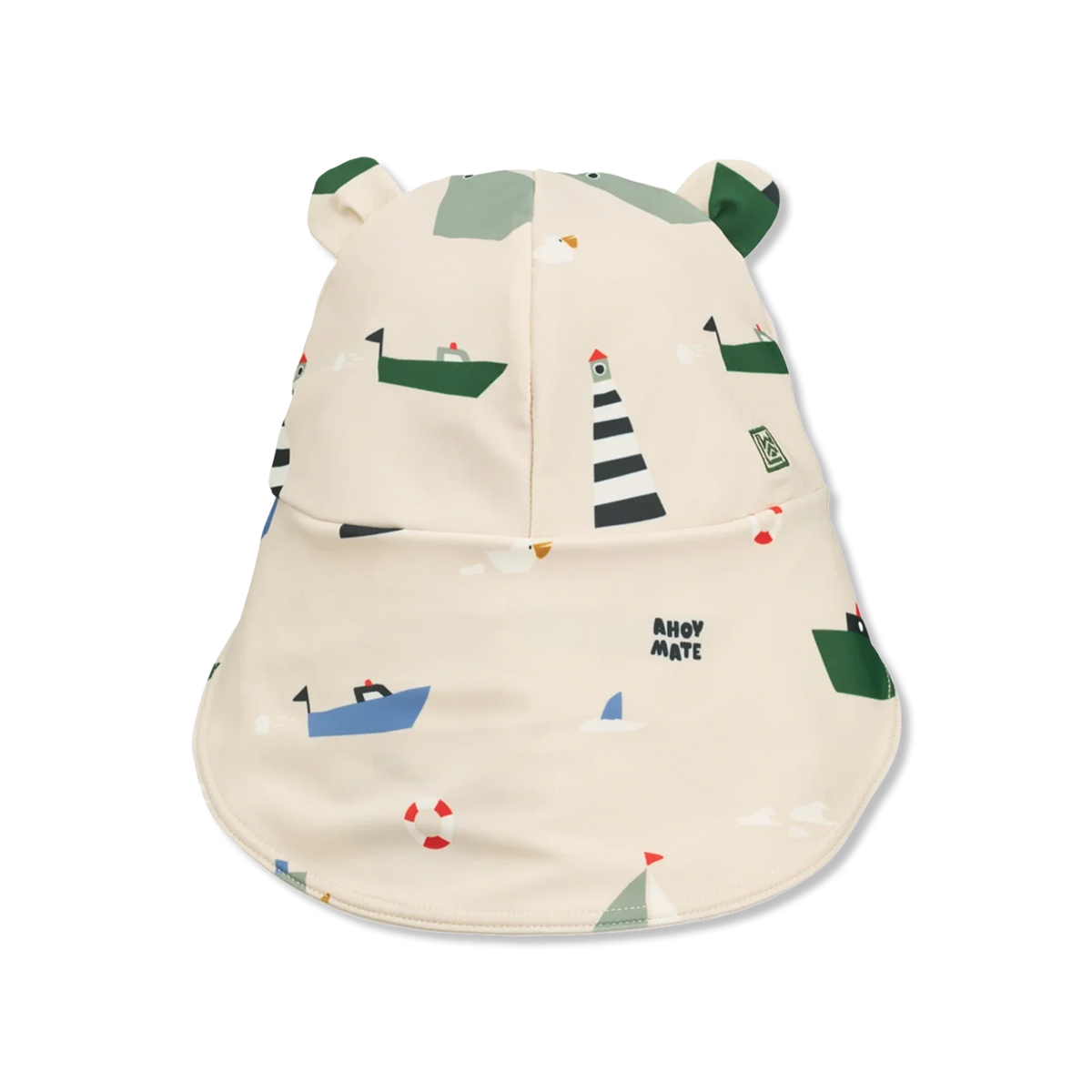
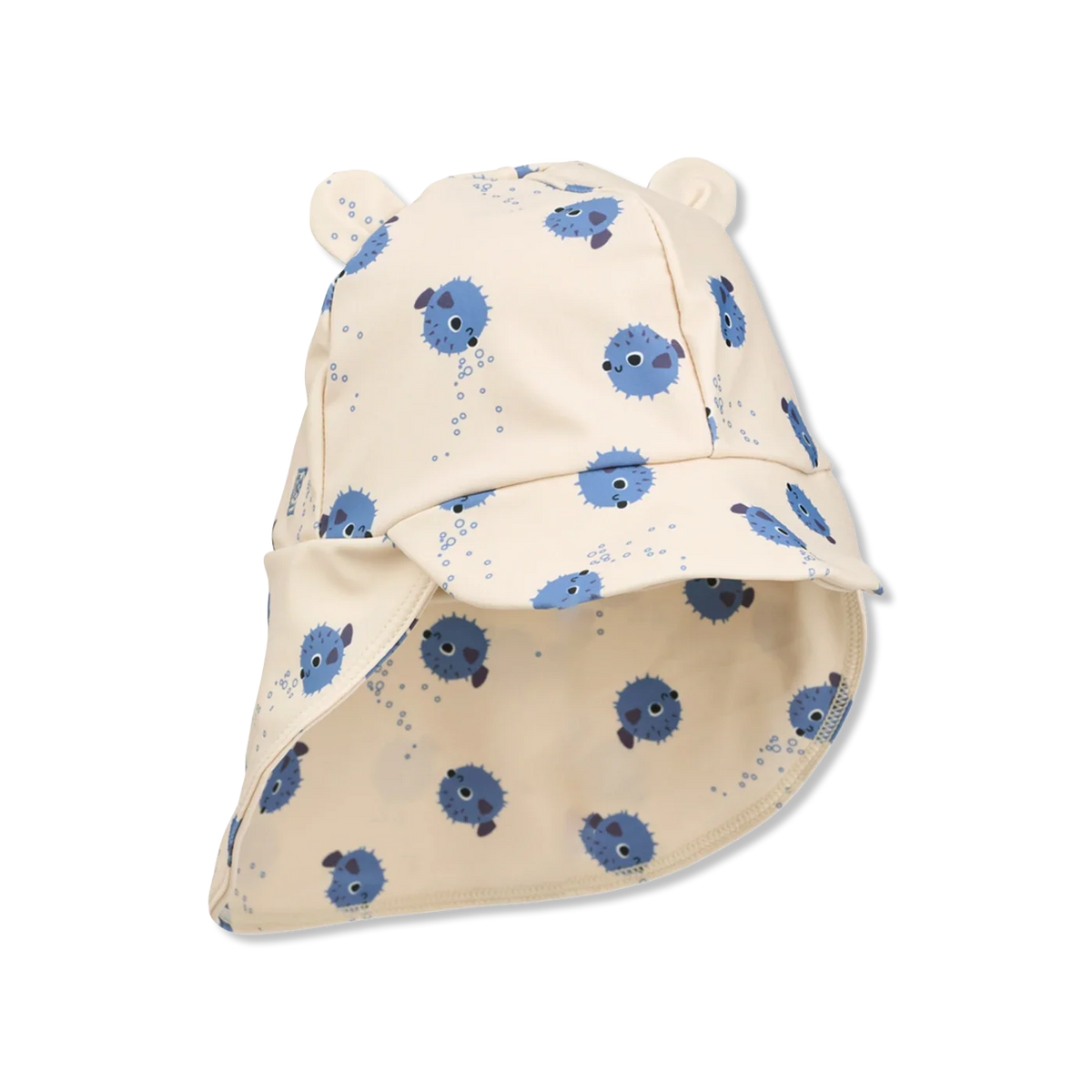
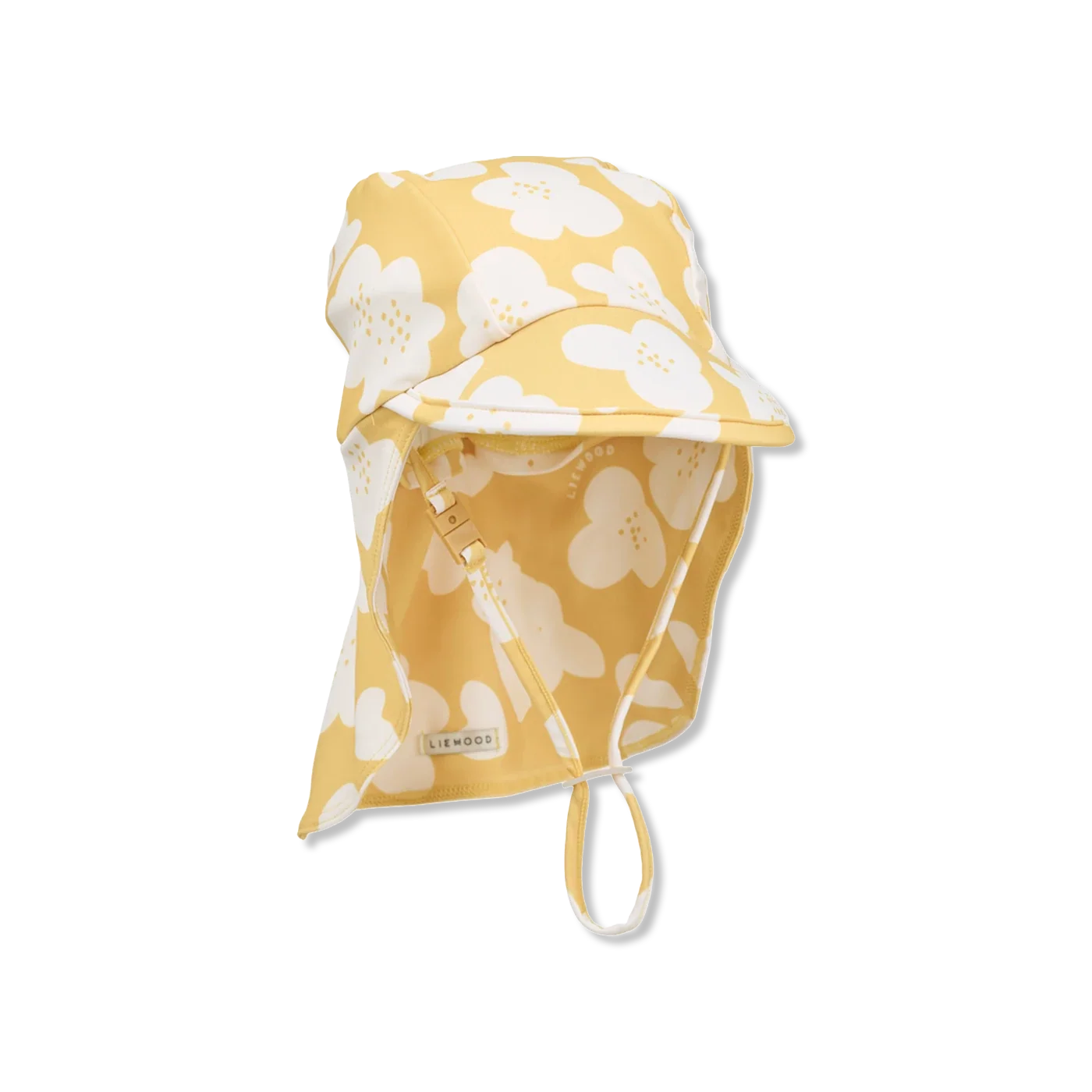
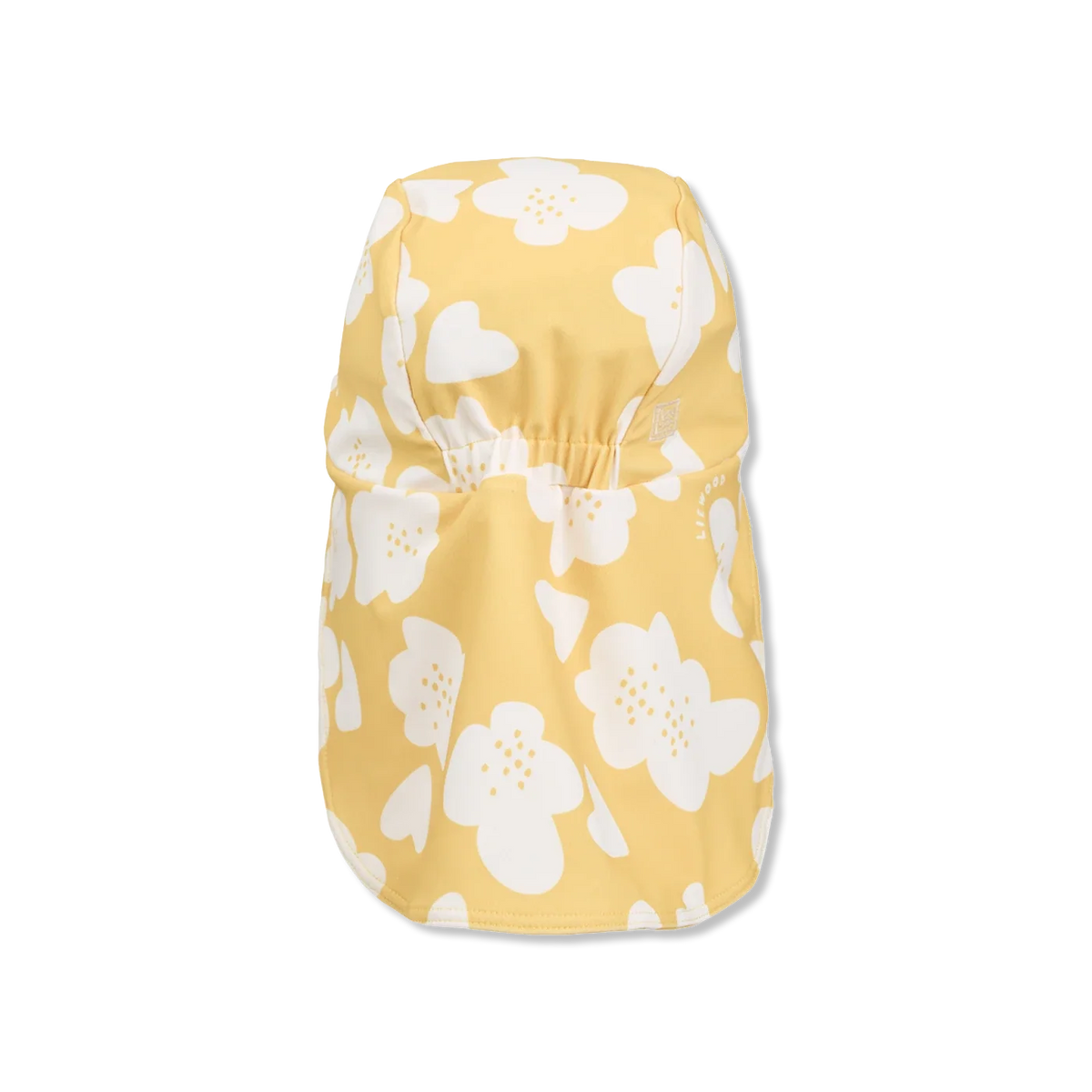
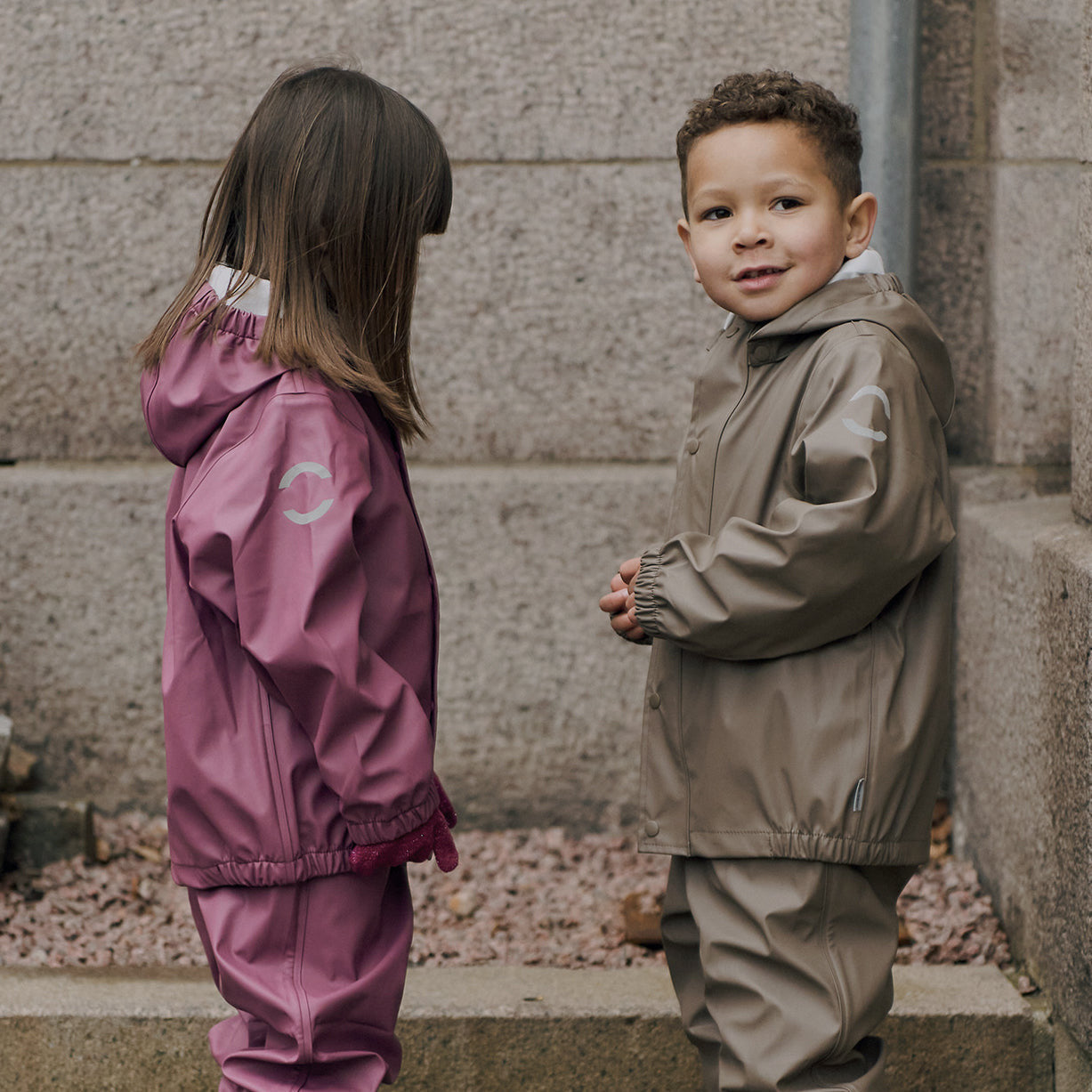
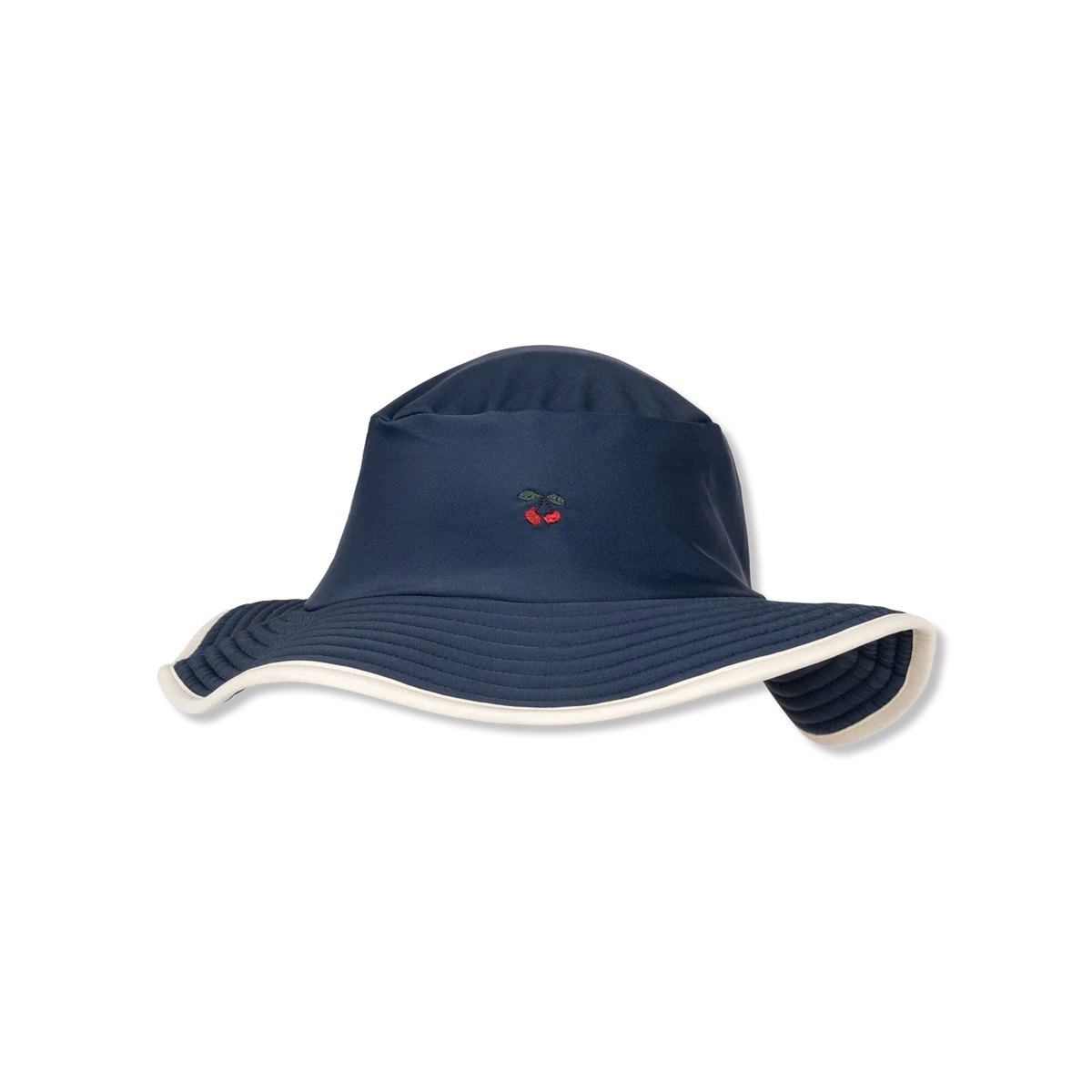
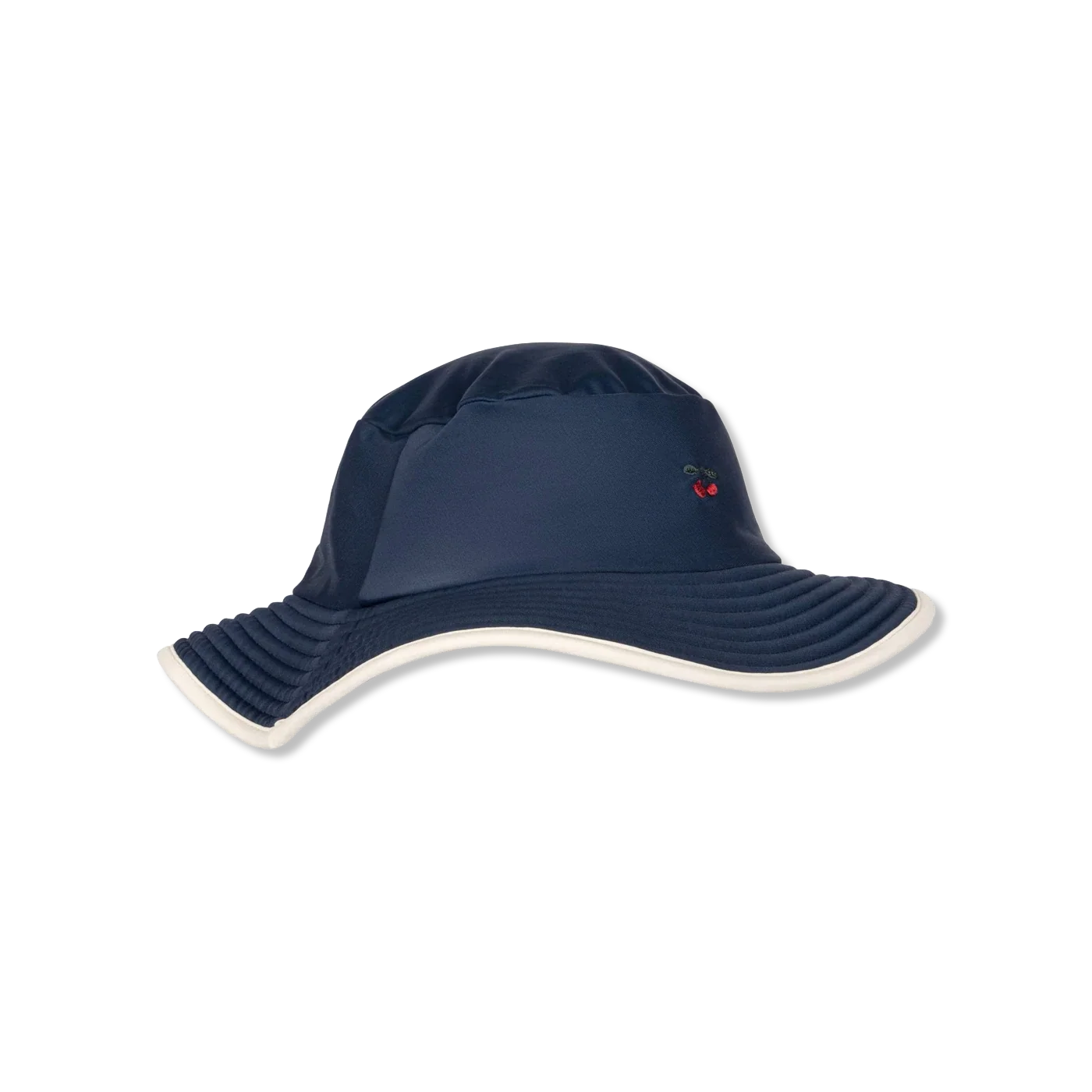
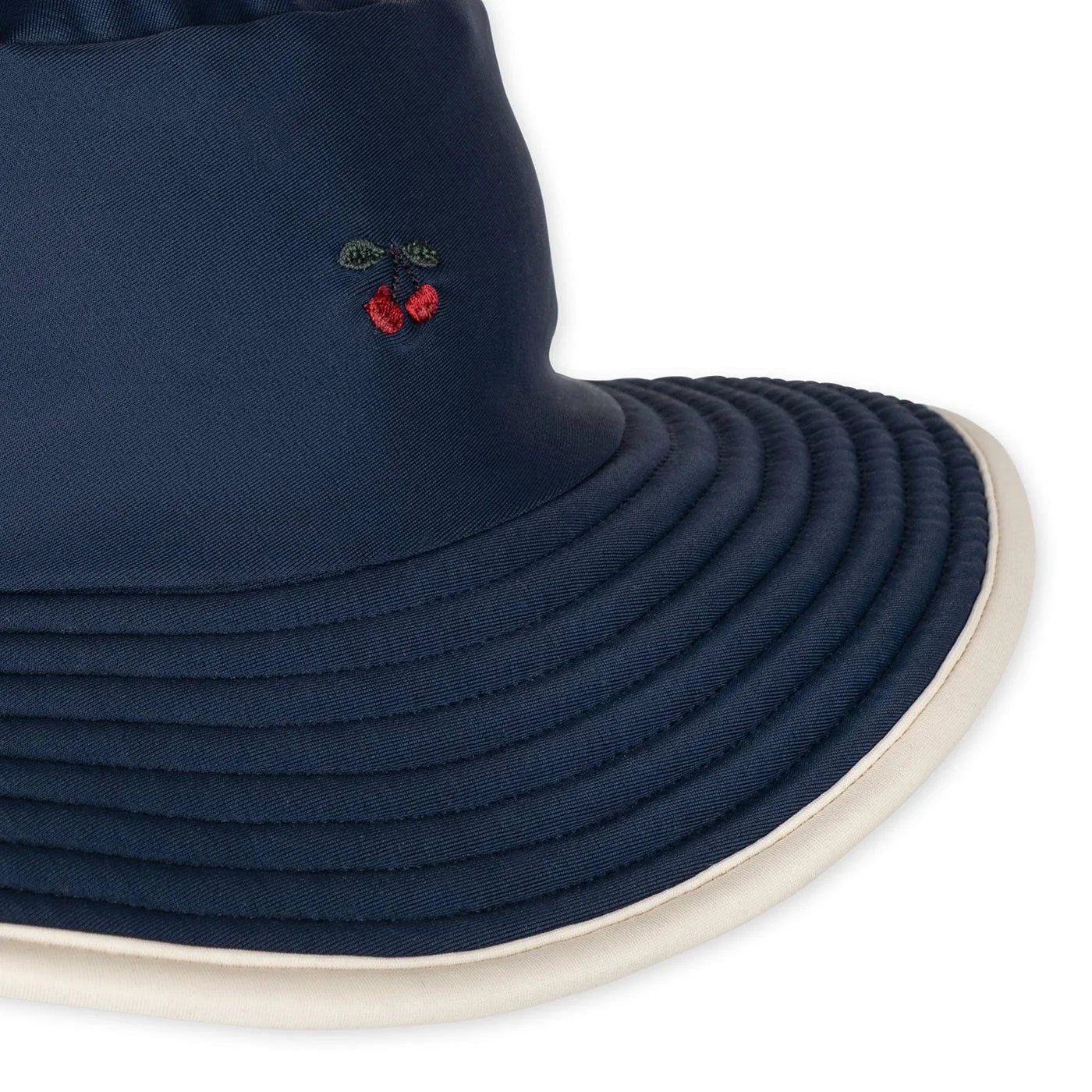
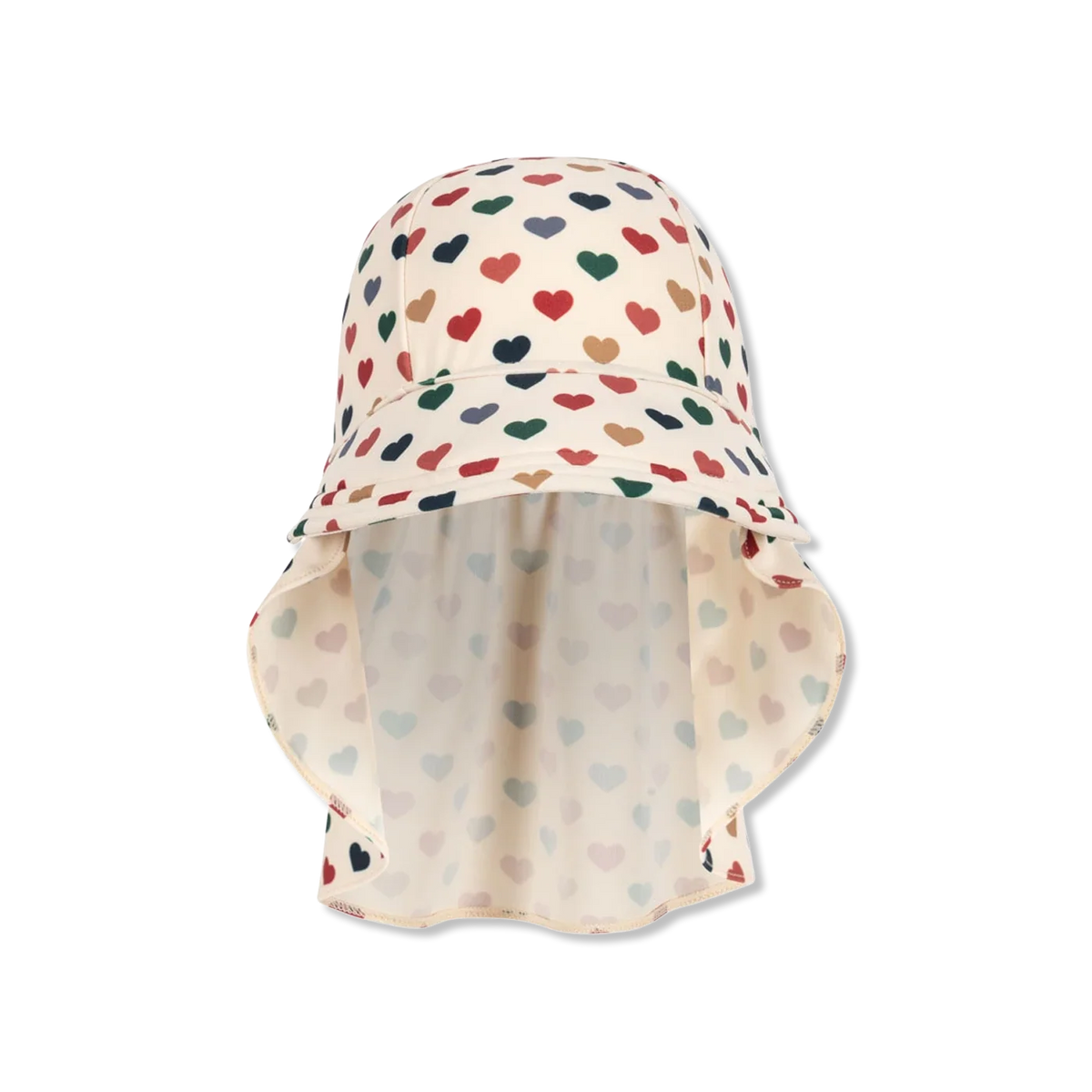
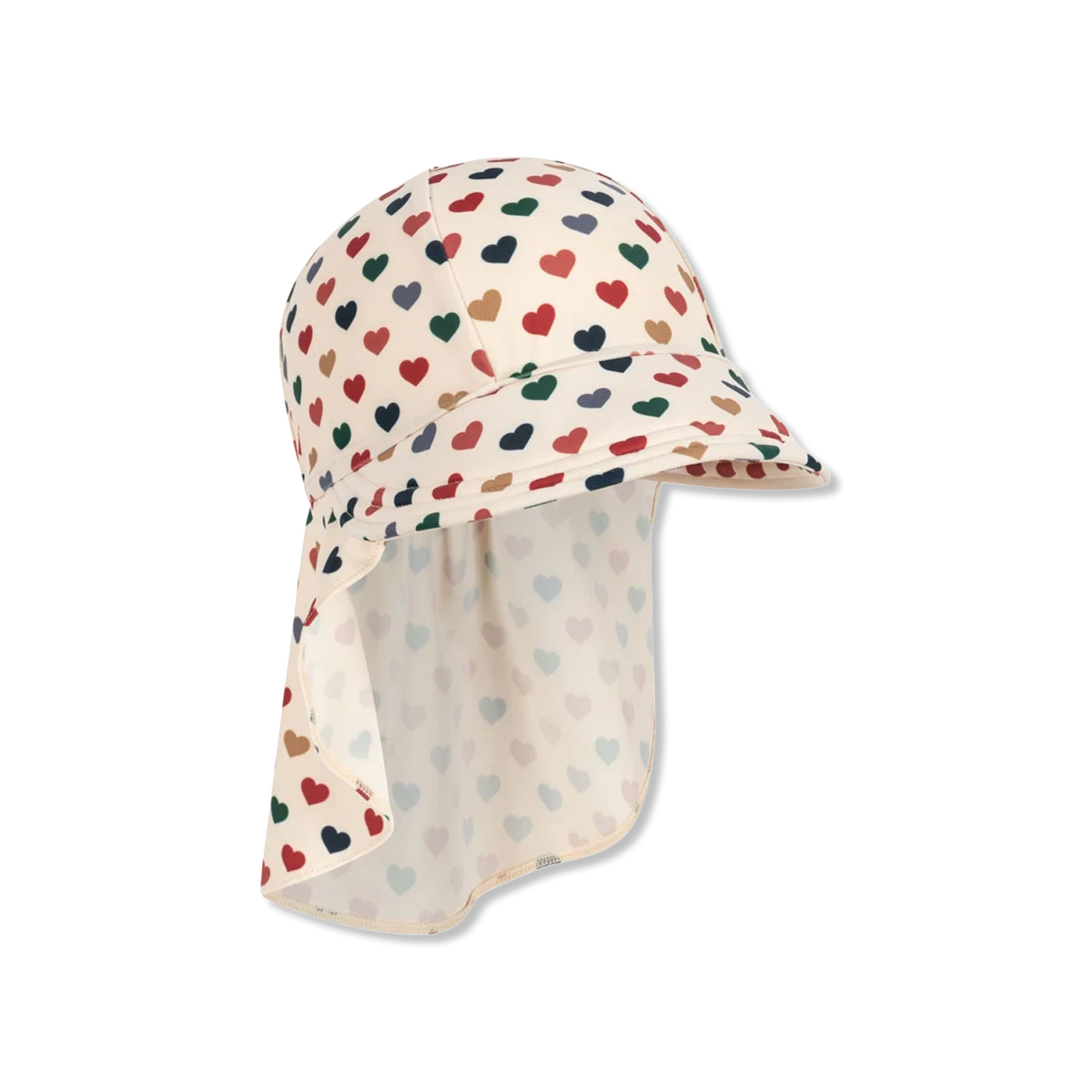
UV swim hats are especially good for outdoor use. Here, it is not only about water, but also about sun protection, so your child is better covered on long days at the beach or by the pool. If you are also looking for sun-protective swimwear, you can combine it with UV swimwear.
Materials, fit and comfort in the water
The material has a big impact on whether the swim hat actually gets used or ends up at the bottom of the swim bag. Silicone is water-repellent, durable and well suited to chlorinated water and frequent use. That is why silicone swim hats are often an obvious choice for children who go swimming regularly or spend a lot of time in the pool.
Neoprene is softer and more flexible. This can be an advantage for children who do not like a tight fit, or who mainly use their swim hat on holiday and for water play. Some styles also have an adjustable cord or an anti-slip inside, which can make a real difference if your child moves around a lot in the water.
A good swim hat should fit closely enough to stay on the head without feeling uncomfortable. This is especially important for younger children, who can quickly lose interest if something pinches. For babies and the youngest children, soft materials often make the most sense, while older children usually get used to a more close-fitting swim cap more easily.
How to choose the right size in children’s swim hats
Size is often what causes the most uncertainty. If the swim hat is too big, it can easily slip off. If it is too small, it may feel tight and uncomfortable. That is why it is a good idea to use your child’s head circumference as a starting point rather than looking only at age.
As a simple rule of thumb, you can think of it like this:
- Babies and small children often do best with soft, flexible styles that do not fit too tightly.
- Preschool children can typically use both soft and more close-fitting swim hats, depending on what they are needed for.
- Older children who attend swimming lessons often do best with silicone or swimming caps that sit securely.
If you are choosing between two sizes, it is worth considering the material. A stretchy style gives you a little more flexibility, while silicone requires a more precise fit. This reduces the risk of the hat either sliding up or feeling too tight the first time your child wears it.
Swim hats for the pool, beach and swimming lessons
Where the swim hat will be used often matters more than you might think. For indoor pools and swimming lessons, it is usually most important that it fits closely and can withstand chlorine. Many parents choose a classic children’s swim cap for this, as it stays in place well during activity.
For holidays, the beach and outdoor bathing, a good balance between comfort and sun protection is often more important. Here, a UV swim hat may be a better choice than a classic swim cap. It is also easy to combine with swim sandals if your child runs between the pool edge, warm tiles and the beach.
If you want to put together a complete swim set, it can also be helpful to look at swimwear and a soft towel, so your child is well prepared both in the water and afterwards.
When function matters more than looks
Colours and patterns can of course play a part, especially if they make your child feel more confident or happy about wearing the swim hat. But the most important thing is still that the swim hat suits your child’s needs. A style may look lovely, but that does not help much if it slips off in the pool or feels uncomfortable after a short time.
The best choice will often be the swim hat that matches your child’s age, activity level and how comfortable they are with a close fit. For the youngest children, softness and simplicity usually make the most sense. For older children who swim actively, a stable fit and a durable material are often more important. That makes it easier to find swim hats that actually work in everyday life, not just ones that look good when you are holding them in your hand.