Costumes for kids made for play, parties and imagination
Kids’ costumes include everything from fancy dress and dress-up clothes to outfits for carnival, Halloween and all the little role-play adventures at home. Here you’ll find costumes children can move in, play in and feel comfortable wearing. When choosing a costume, it often makes sense to start with your child’s age, the theme and the occasion it will be used for.
For the youngest children, soft and simple styles are often the best choice. They are easy to put on and take off, and they do not get in the way of play. Older children often like more details and clear themes such as superheroes, princesses, animals or different character roles. If the costume is for a party, it can also be helpful to check whether accessories are included, or whether the outfit needs a few extra pieces to feel complete.
Which costumes children typically choose at different ages
Your child’s age makes a big difference to which type of costume works best. Small children usually get the most joy from soft dress-up clothes with plenty of room to move and only a few loose parts. At this age, comfort and an easy fit often matter more than lots of decorative details.
For children aged around 4-7, imagination often plays a big part in everyday life, and colourful, easy-to-recognise costumes are usually popular. This could be capes, dresses, animal costumes or dress-up outfits with simple accessories. From around 8 years and up, many children become more interested in the costume looking as close to the character or theme as possible, which is why they often choose more detailed styles.
If you are unsure, it can help to think about how the costume will be used:
- For nursery, school events or carnival, it is best to choose something your child can sit, play and move freely in.
- For role play at home, dress-up clothes should be able to be used again and again.
- For the youngest children, simple all-in-one solutions are often more comfortable than lots of small parts.
Materials and comfort make a big difference in dress-up clothes
Dressing up is much more fun when the fabric does not scratch or irritate. Many costumes are made from lightweight materials such as polyester because it holds its shape well and allows for colour, glitter and lovely details. If your child has sensitive skin, it can be worth looking for soft linings, a relaxed fit or parts made from more comfortable materials.
Cotton can be a great choice for parts of a costume when comfort is the top priority, while felt is often used for hats, masks and shapes that need to hold their form a little more. It is also worth keeping an eye on practical details such as elastic, velcro or zips, so the costume is easy to put on without too much fuss.
Once play begins, it matters that your child can run, dance and sit down without feeling restricted. That is why a slightly loose fit is usually more comfortable than a costume that feels tight or has stiff parts in the wrong places.
How to choose costumes children can wear for the right occasion
Some costumes are best suited to a specific occasion, while others quickly become a regular part of play at home. For carnival, themed birthdays and fancy-dress parties, many children choose classic themes such as princesses, fairies, superheroes, animals, pirates or different job roles. For Halloween, darker or sillier characters often feel just right.
It can be a big help to think about both the occasion and how long the costume will be worn. If the outfit needs to work for many hours, comfort is usually the most important thing. If it is mainly for a short party or performance, the visual details can play a bigger role. For winter events, it is useful to have room for an extra layer underneath, while lighter costumes often work best for indoor parties and play.
If your child already has favourites in their wardrobe, you can easily build on them. A dress, a pair of soft slippers or pretty hair accessories can help complete the look without making it more complicated for your child.
Size, accessories and the finished outfit
One of the things many parents are most unsure about is the size. Here, your child’s height is often a better guide than age alone, as children grow differently. A costume should be loose enough for your child to move freely, but not so large that it drags behind them or becomes impractical during play.
It is also a good idea to check what is actually included. Some kids’ costumes come as complete sets, while others only include the main outfit. A cape, mask, hat or other accessories can make a big difference to the overall look, but it is useful to know in advance whether they need to be bought separately.
For the youngest children, it often makes sense to keep accessories simple. For older children, the small details are often exactly what makes role play feel extra vivid. If the costume is a gift, a more complete set is often a safe choice, as it is easier to give without knowing all of the child’s wishes in advance.
Kids’ costumes they will enjoy again and again
The best costumes are rarely only fun for one day. Many children bring the outfit out again long after the party is over, when play continues in the bedroom or living room. That is why it is worth choosing something that is both comfortable to wear and able to stand up to repeated use.
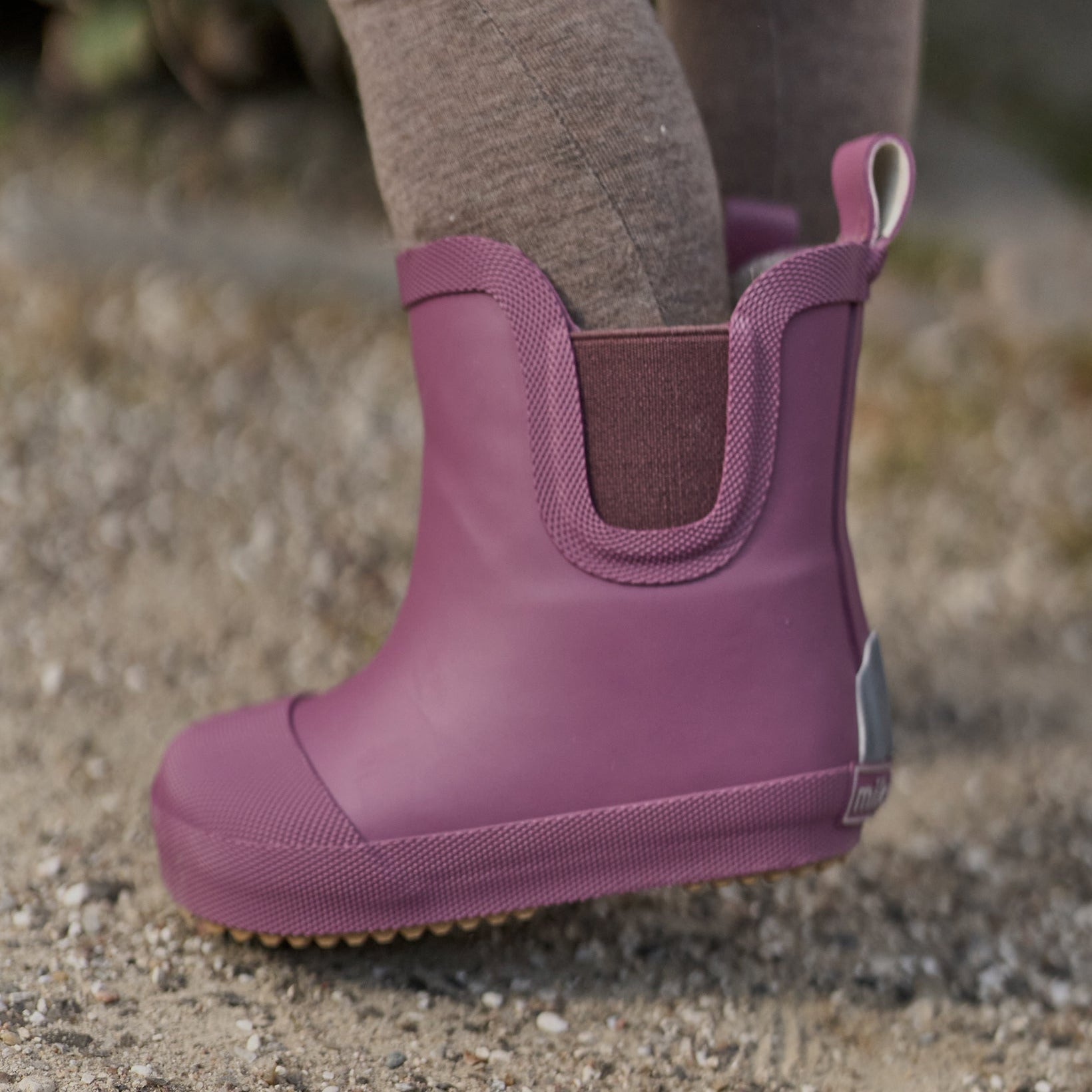
For role play, it is easy to combine costumes with everyday kidswear, so your child can create their own little universe. A cape can be worn over a top, and a skirt or one of our dresses can quickly become part of a princess or fairy adventure. If play moves out into the garden or onto the playground, practical shoes or a pair of wellies can be what makes the whole outfit work in real life.
Whether you are looking for Halloween costumes kids can wear for a special day, or dress-up clothes for year-round play, it makes sense to choose with both imagination and comfort in mind. That way, there is a much better chance that the costume will actually be worn and enjoyed.