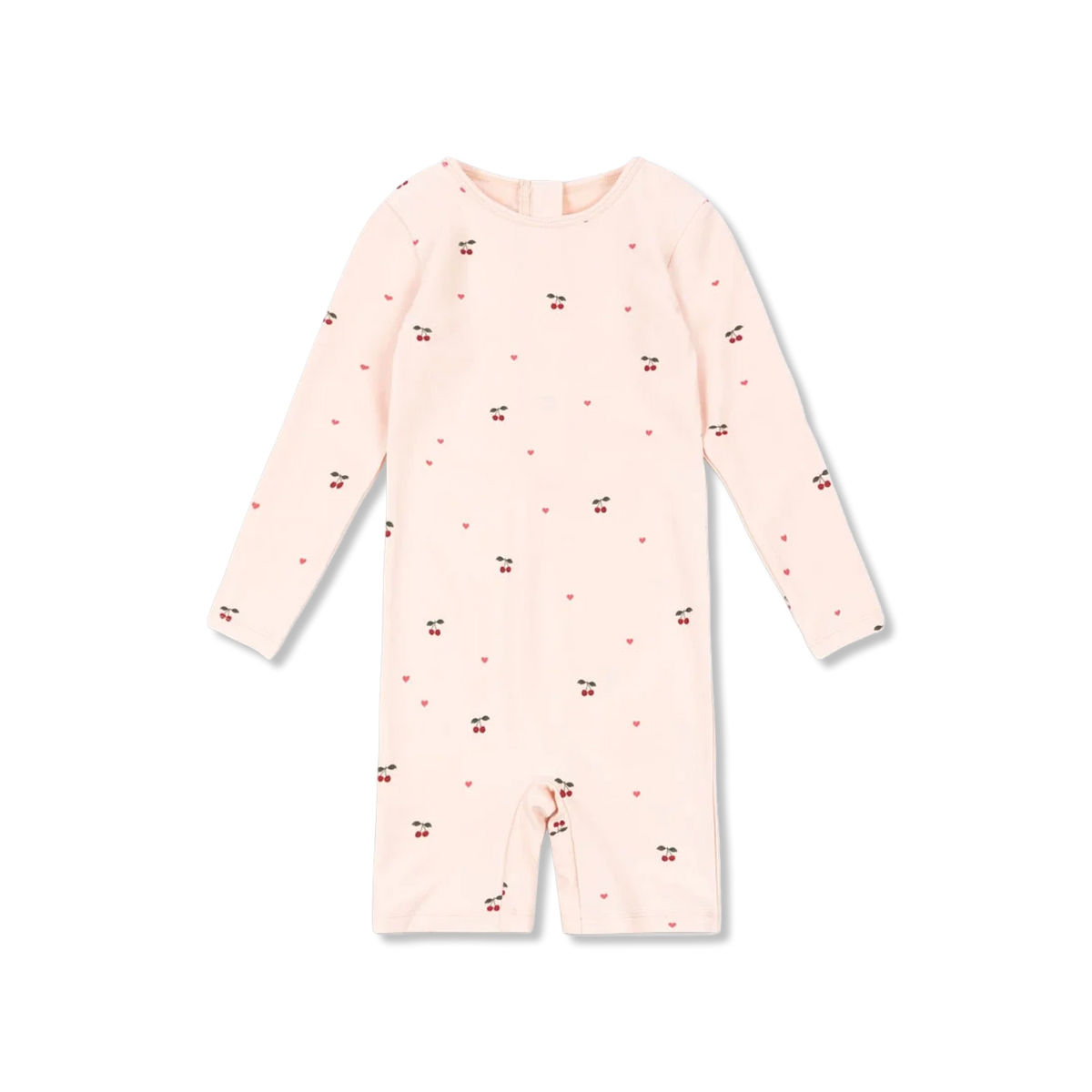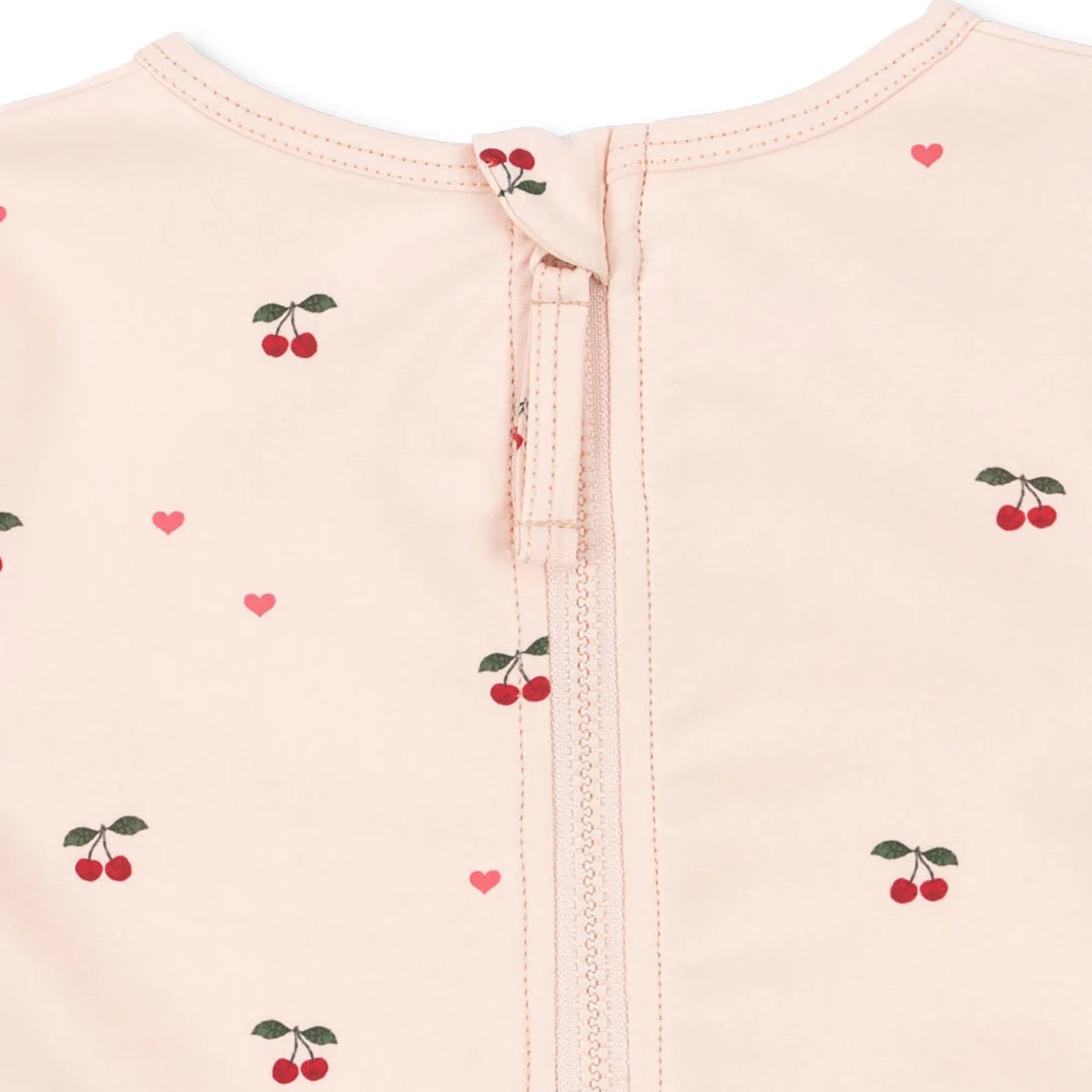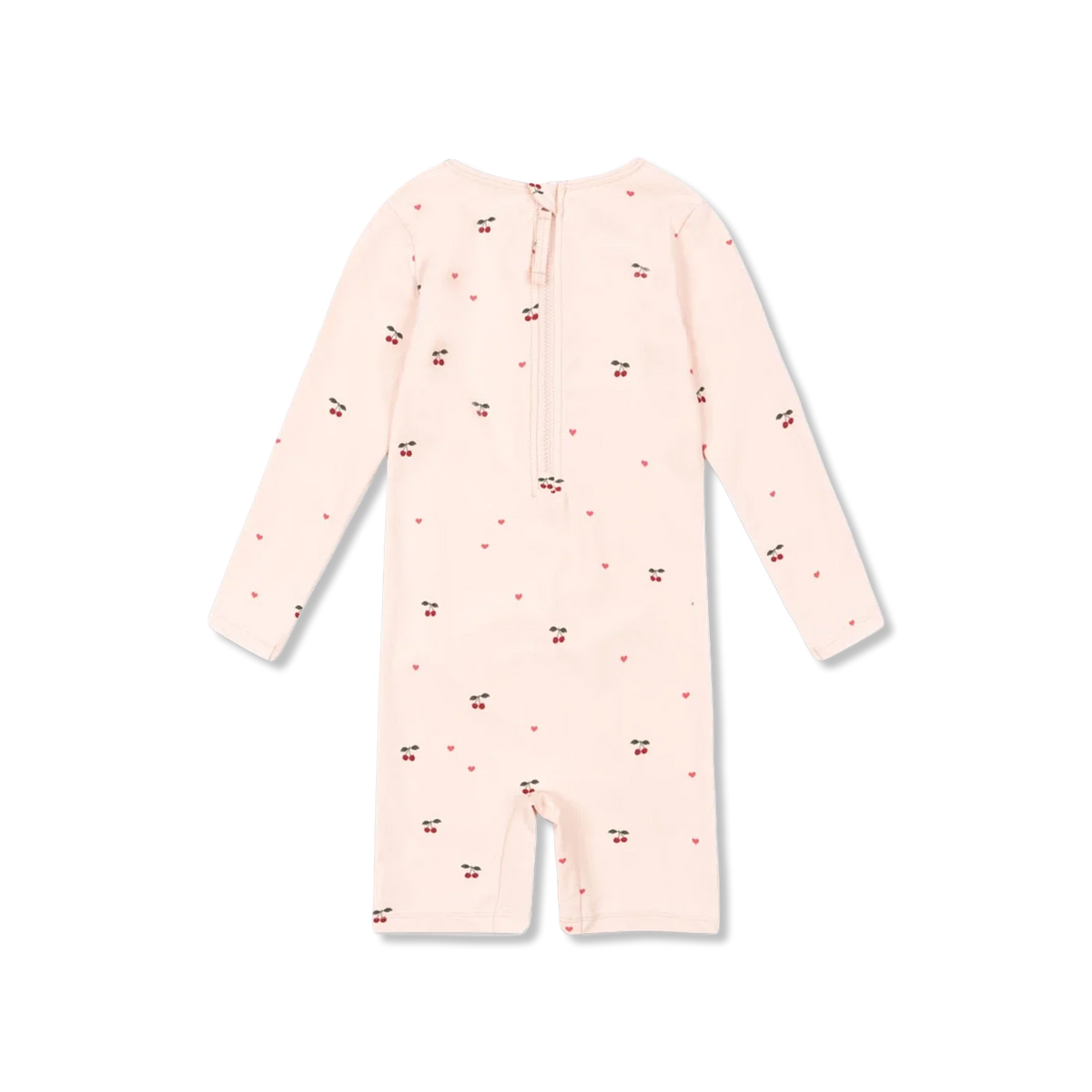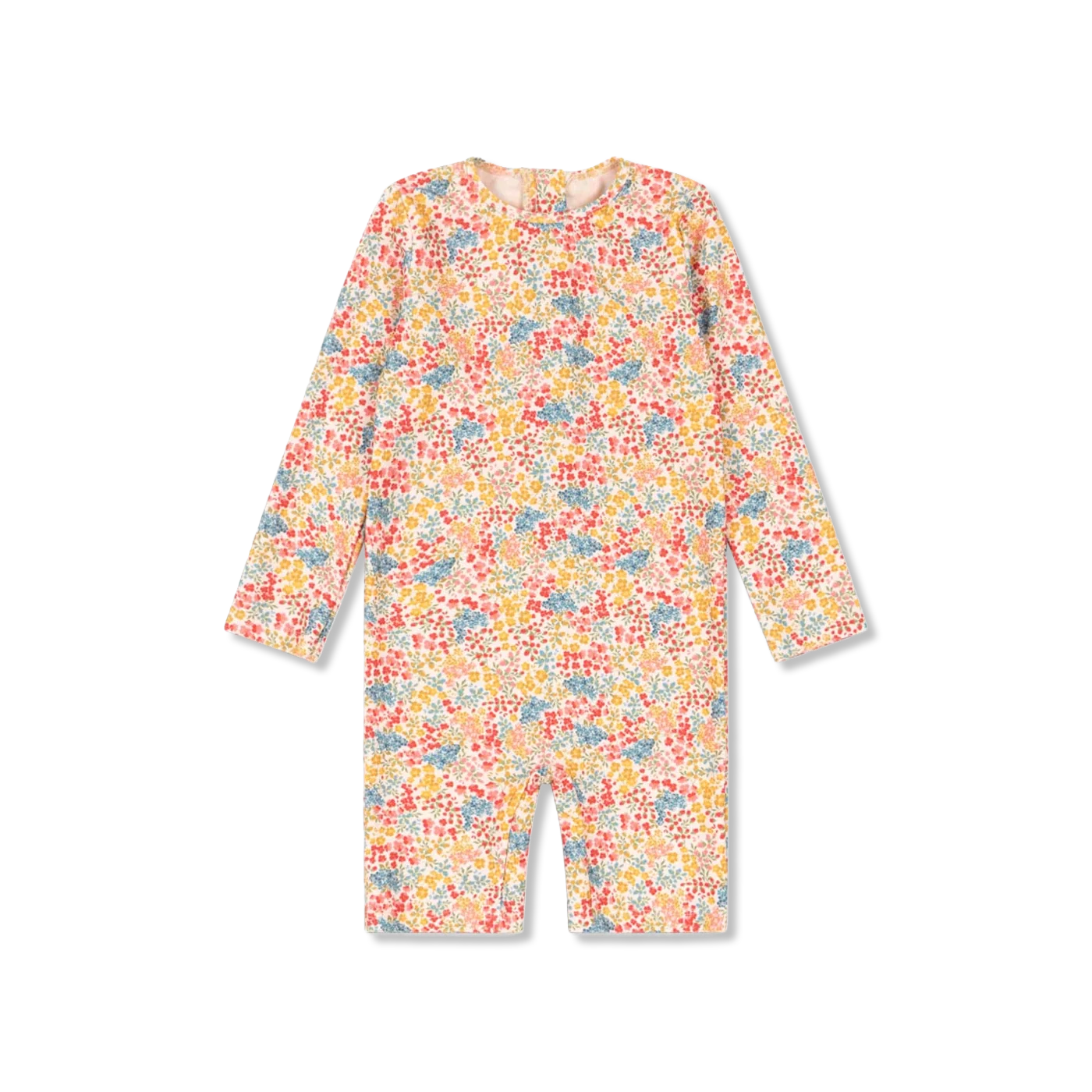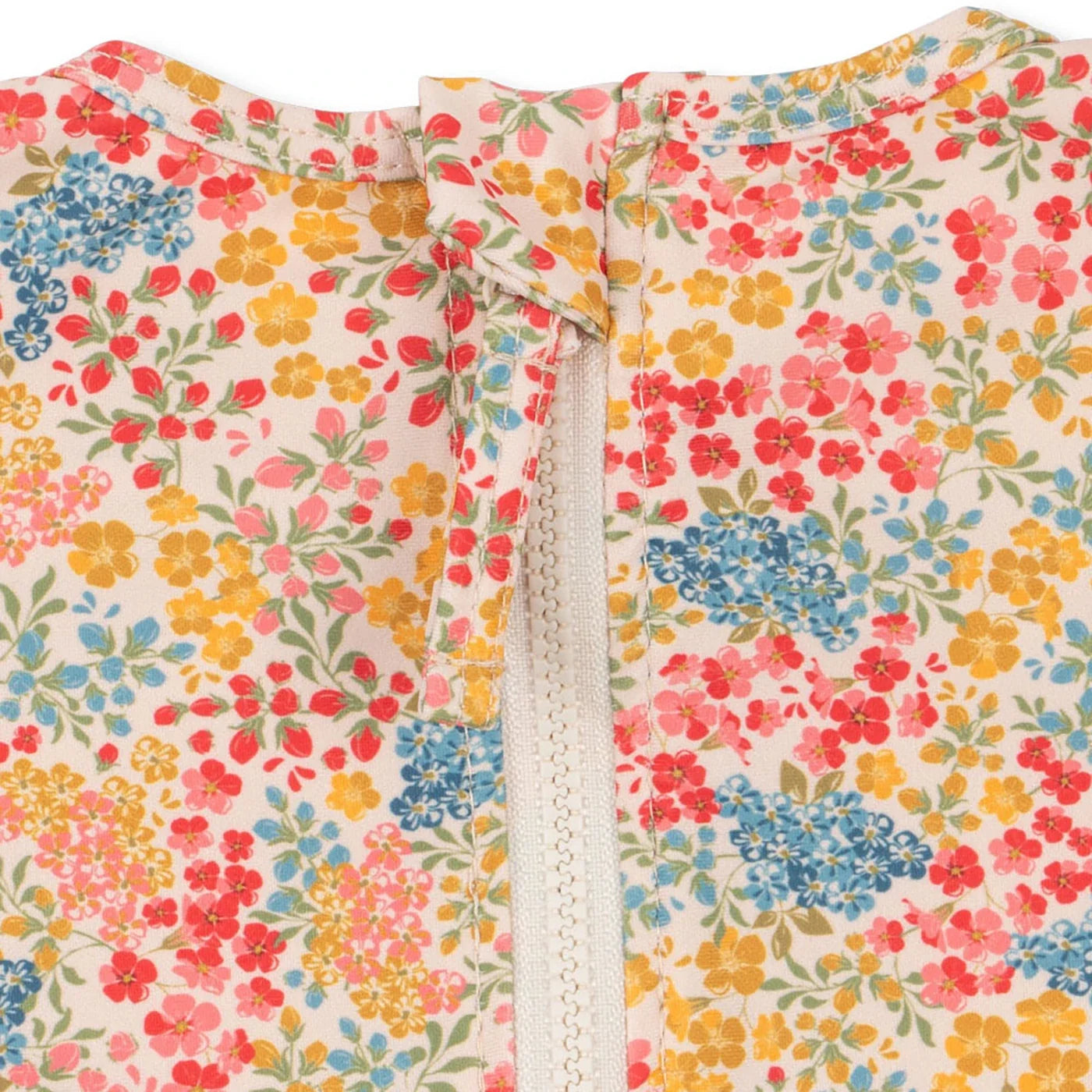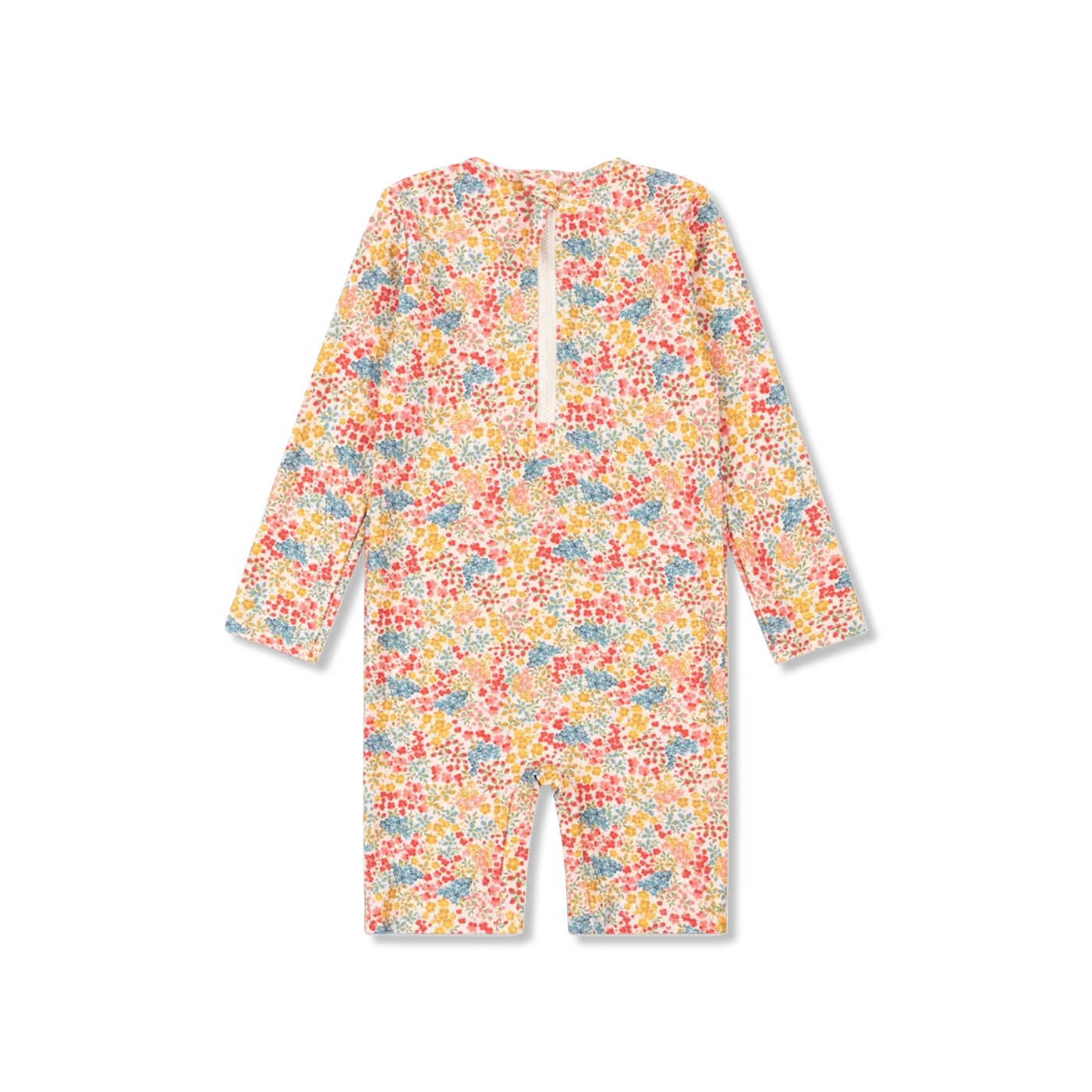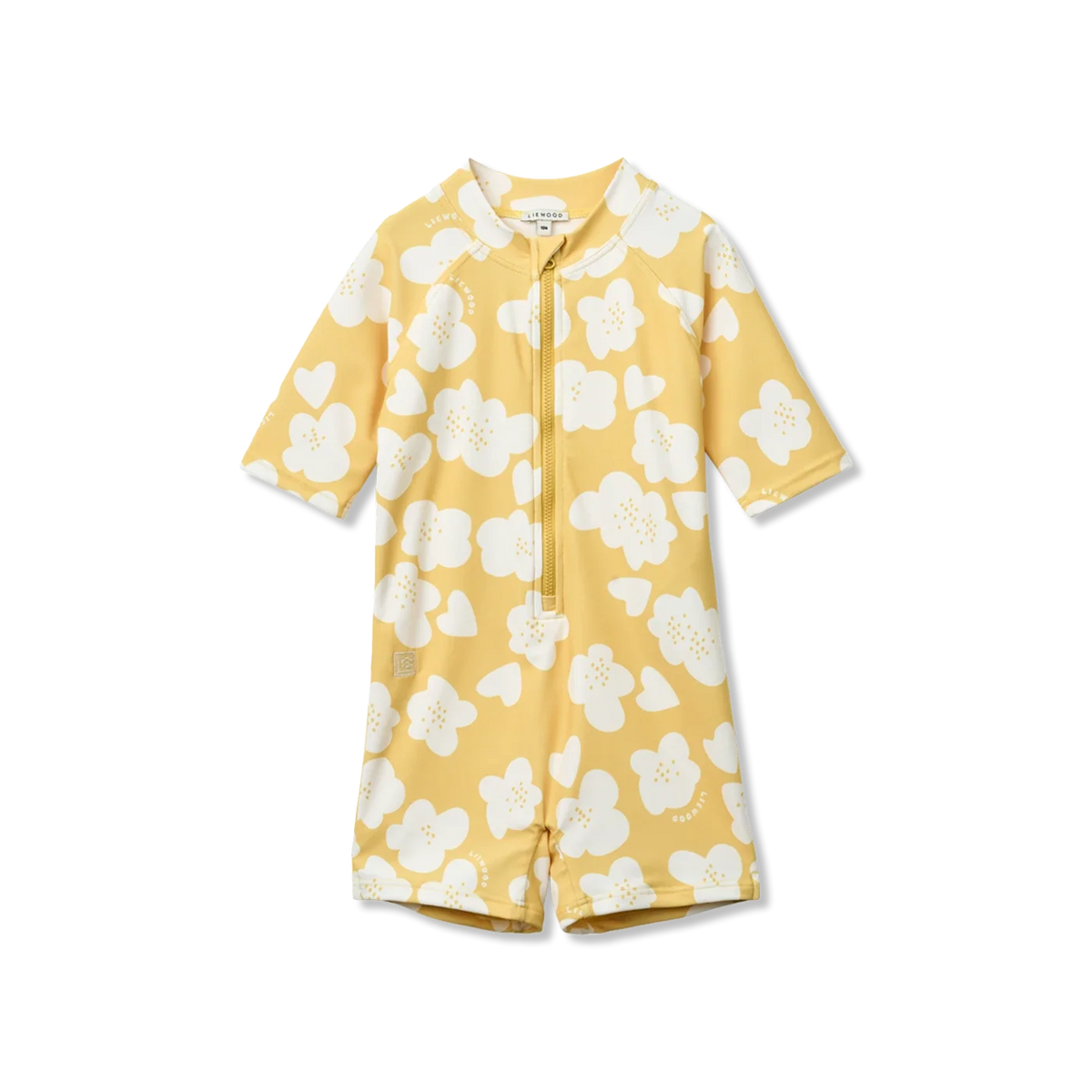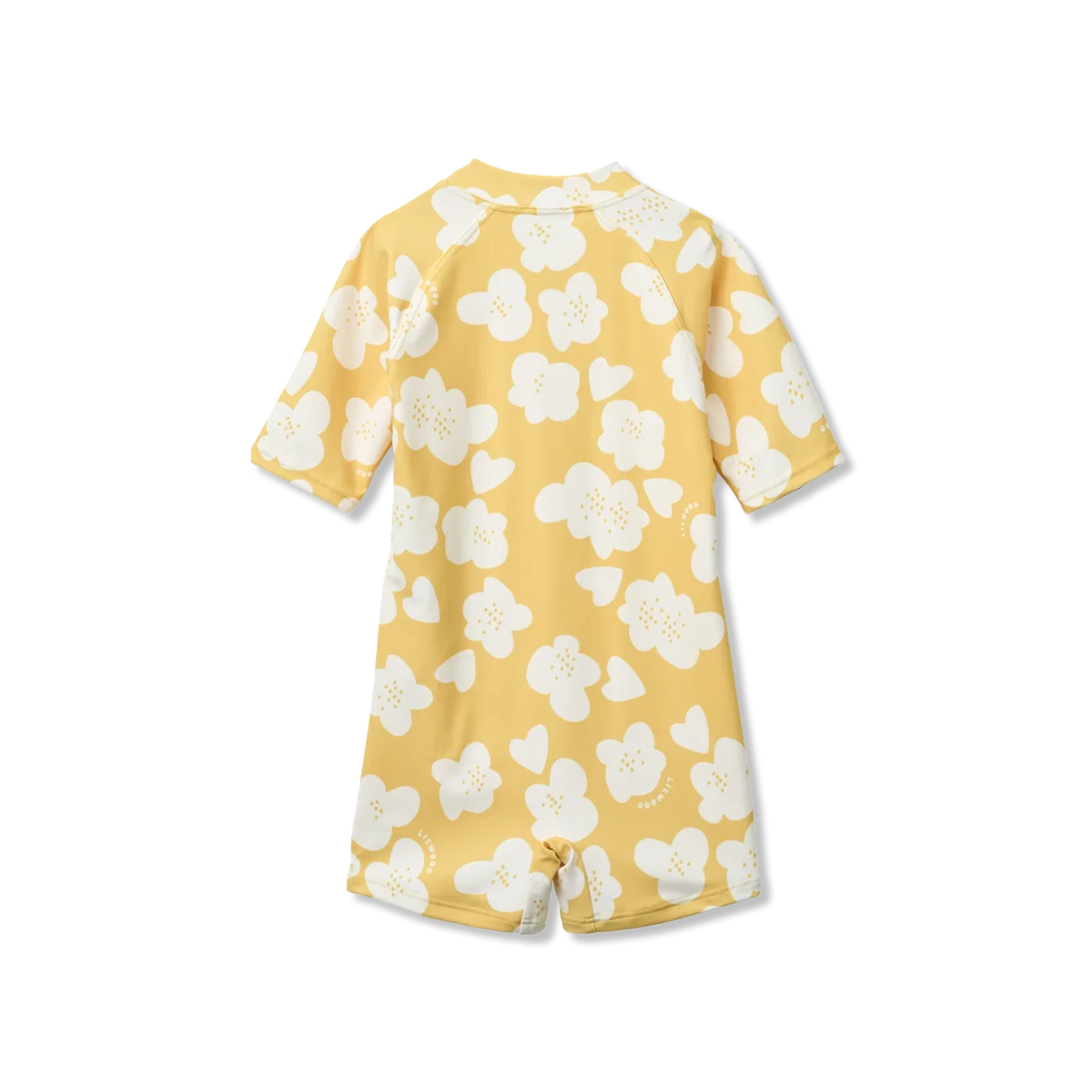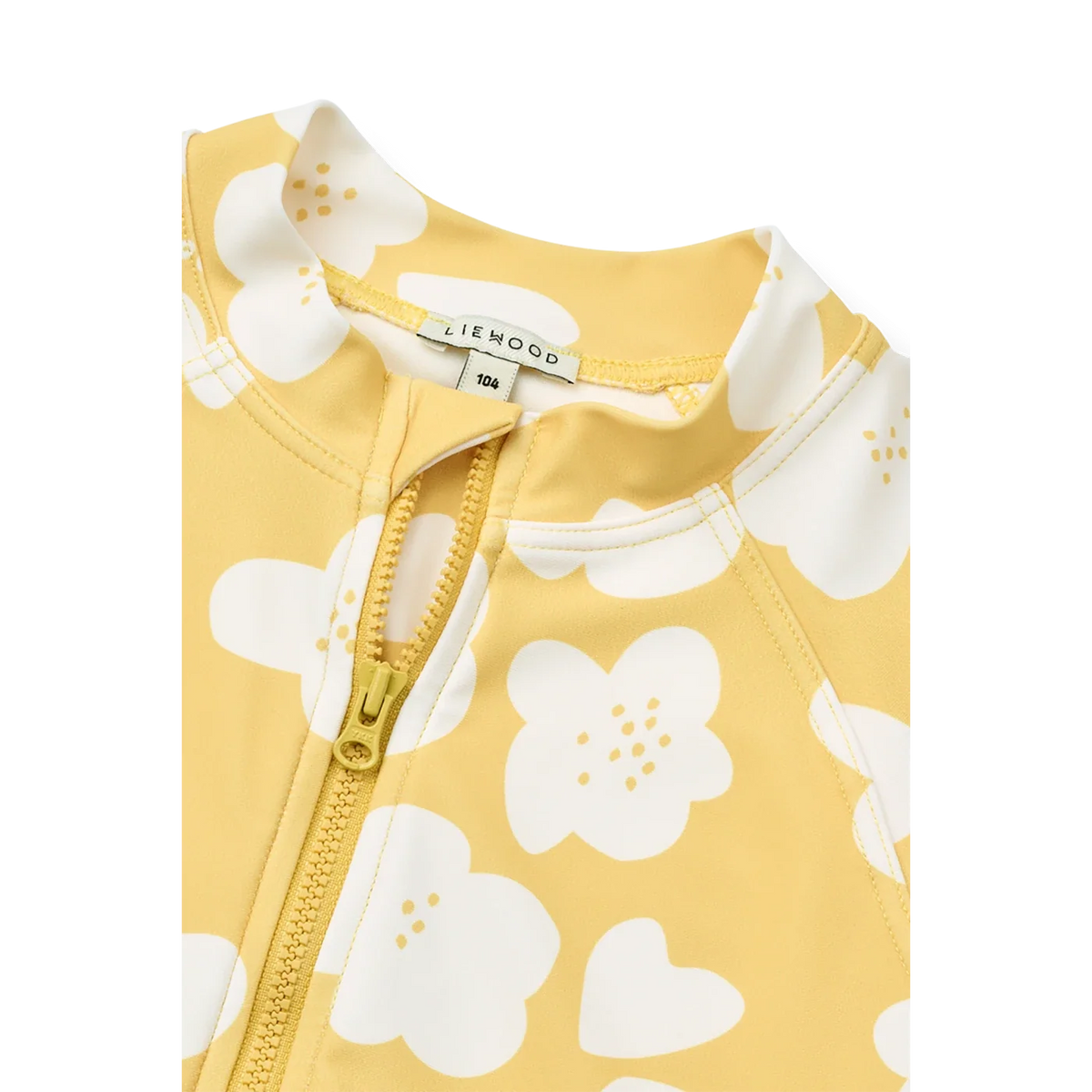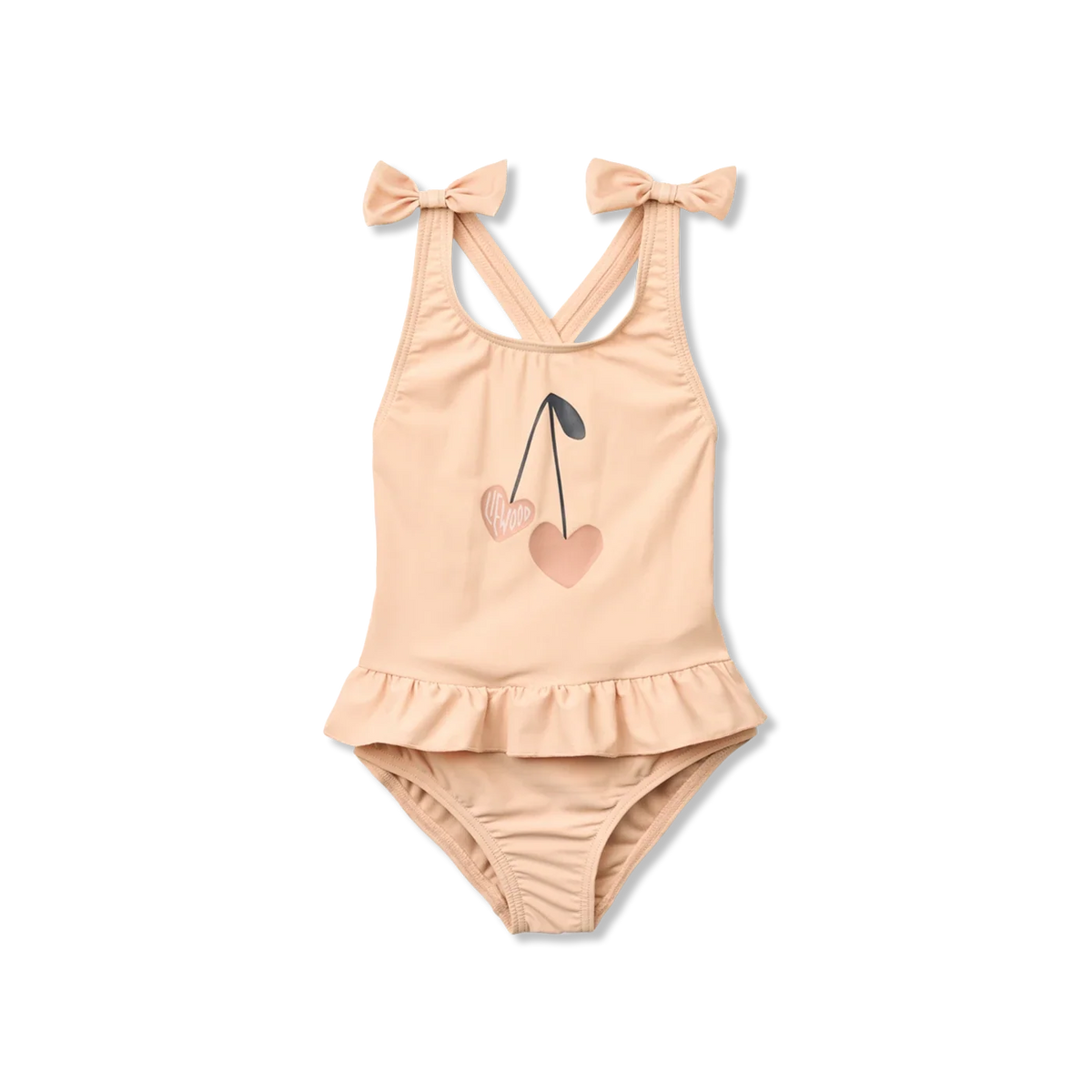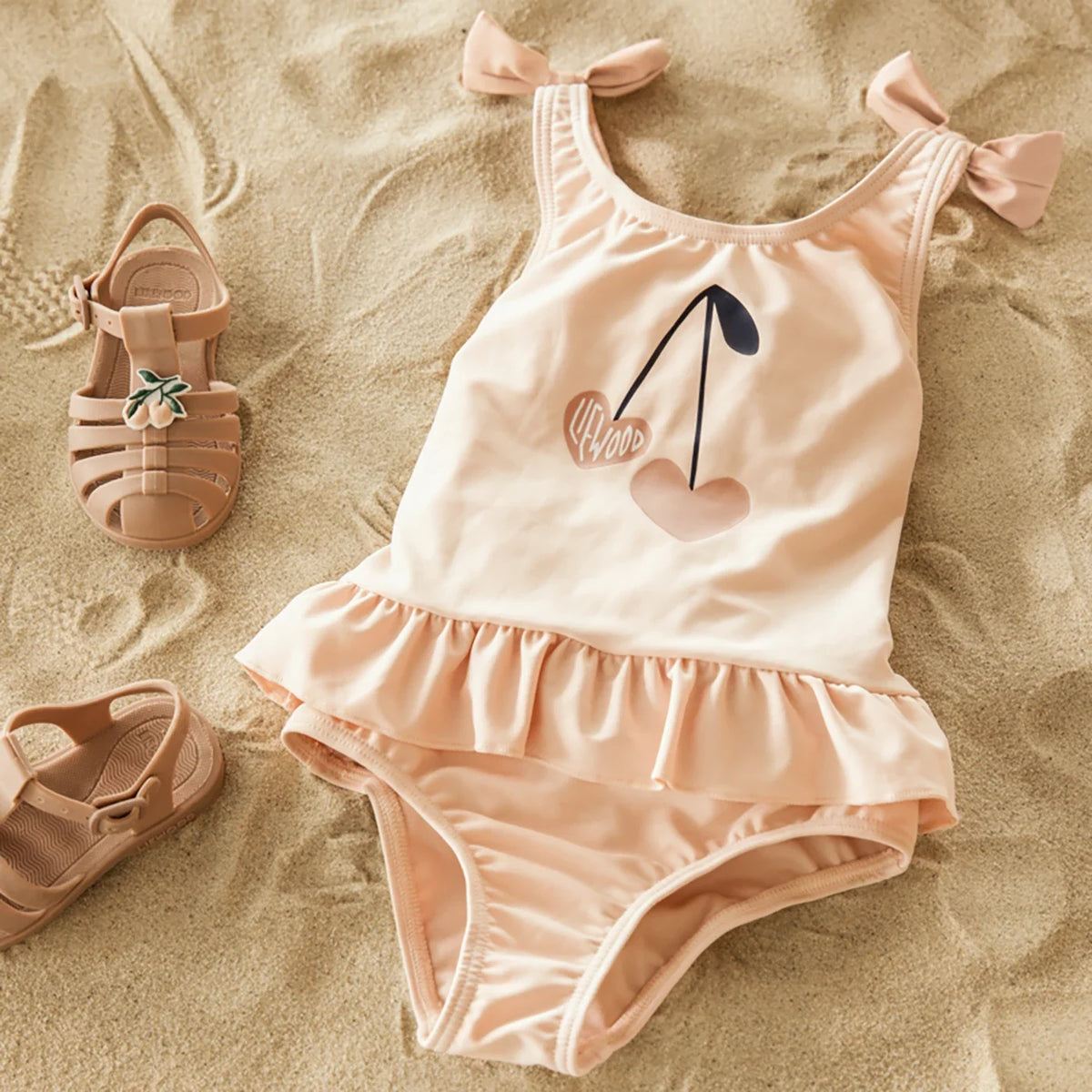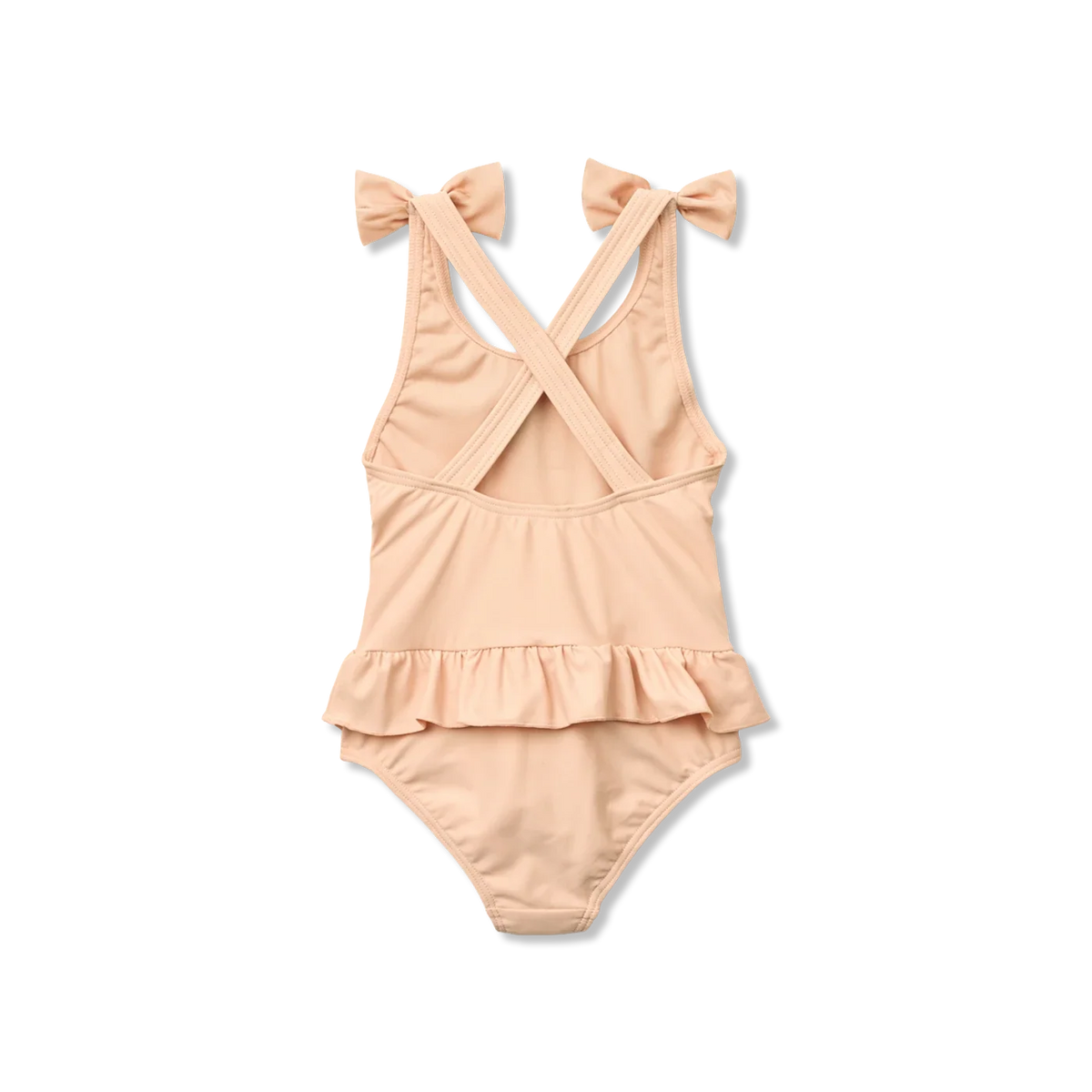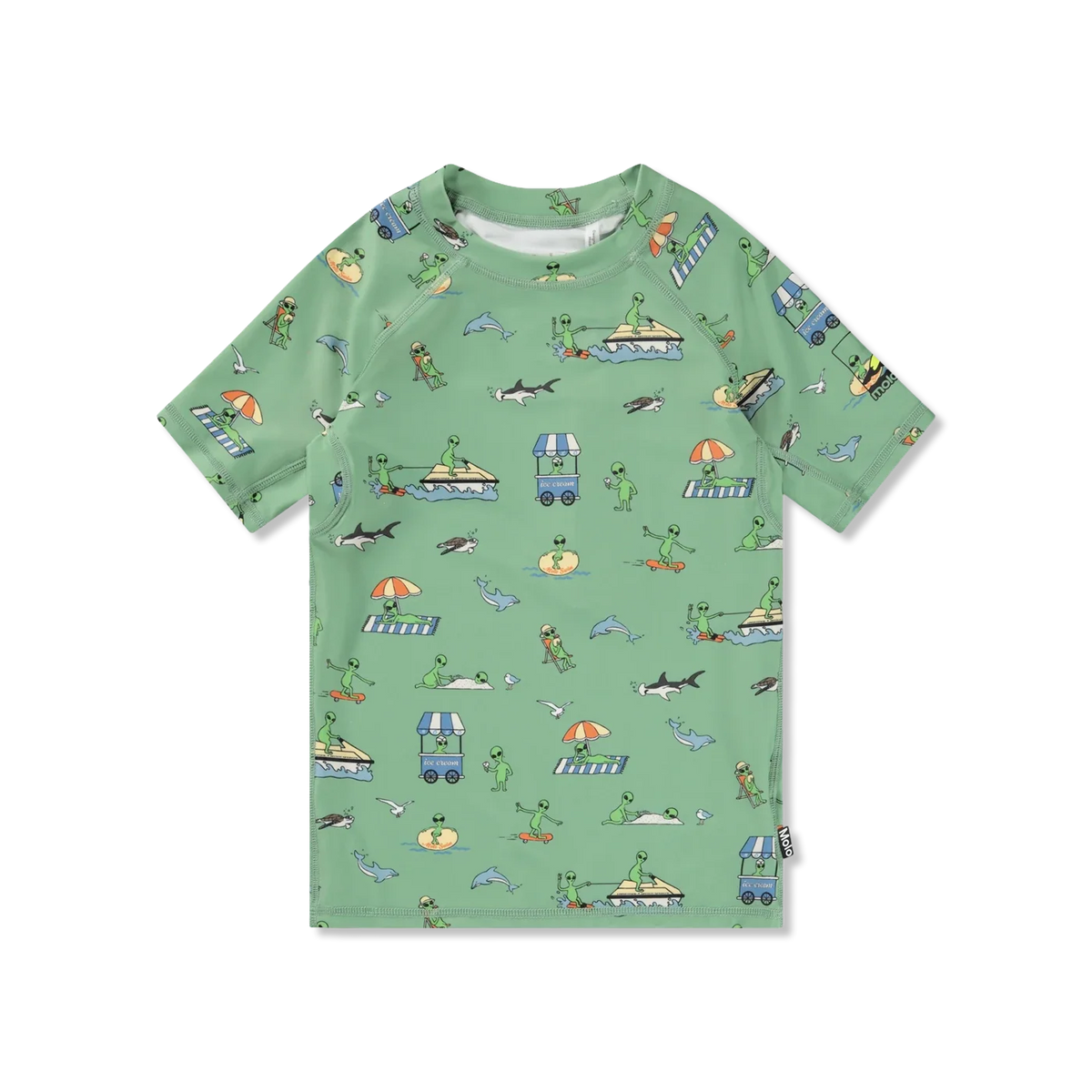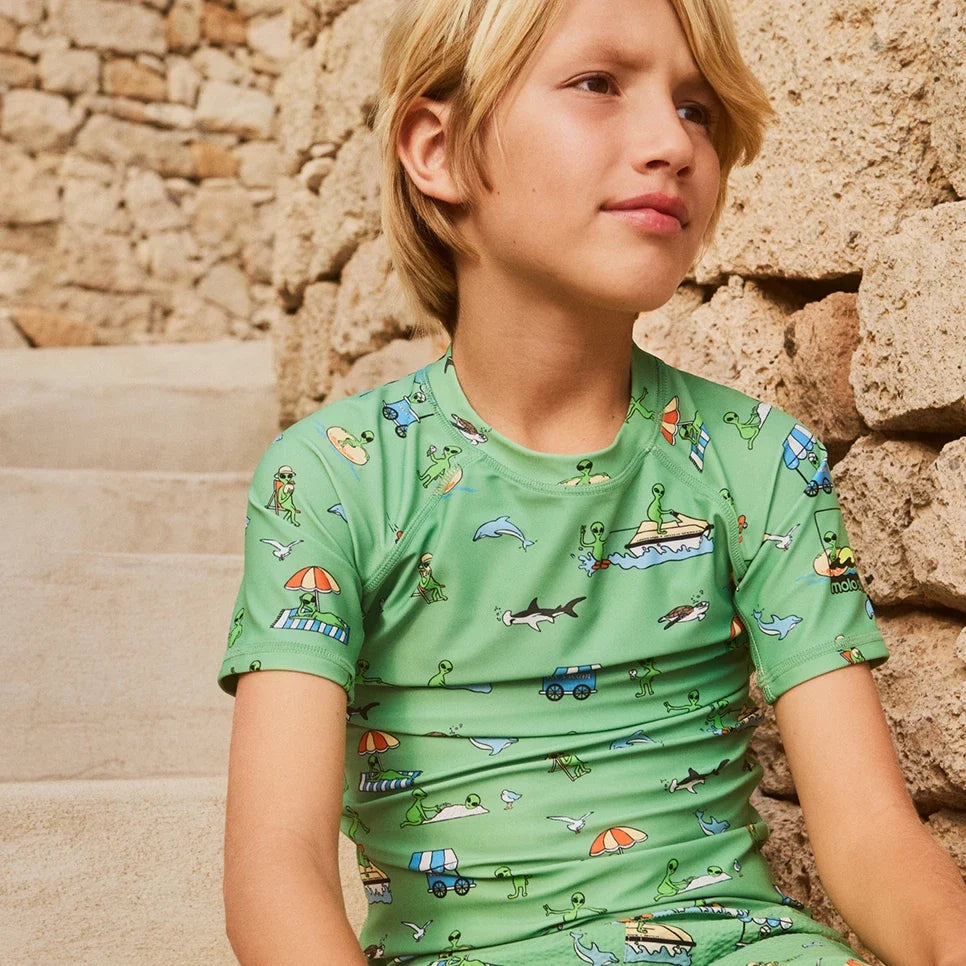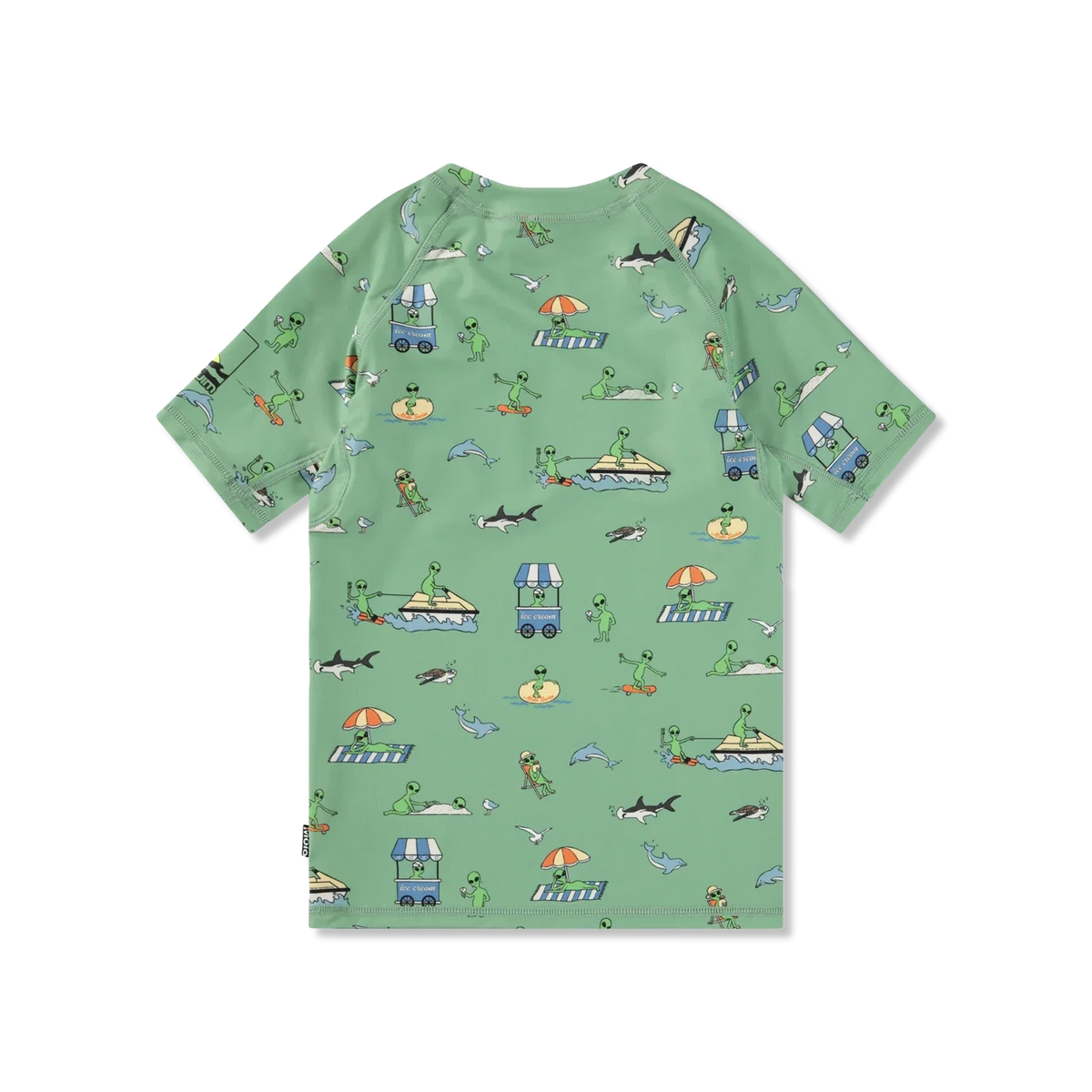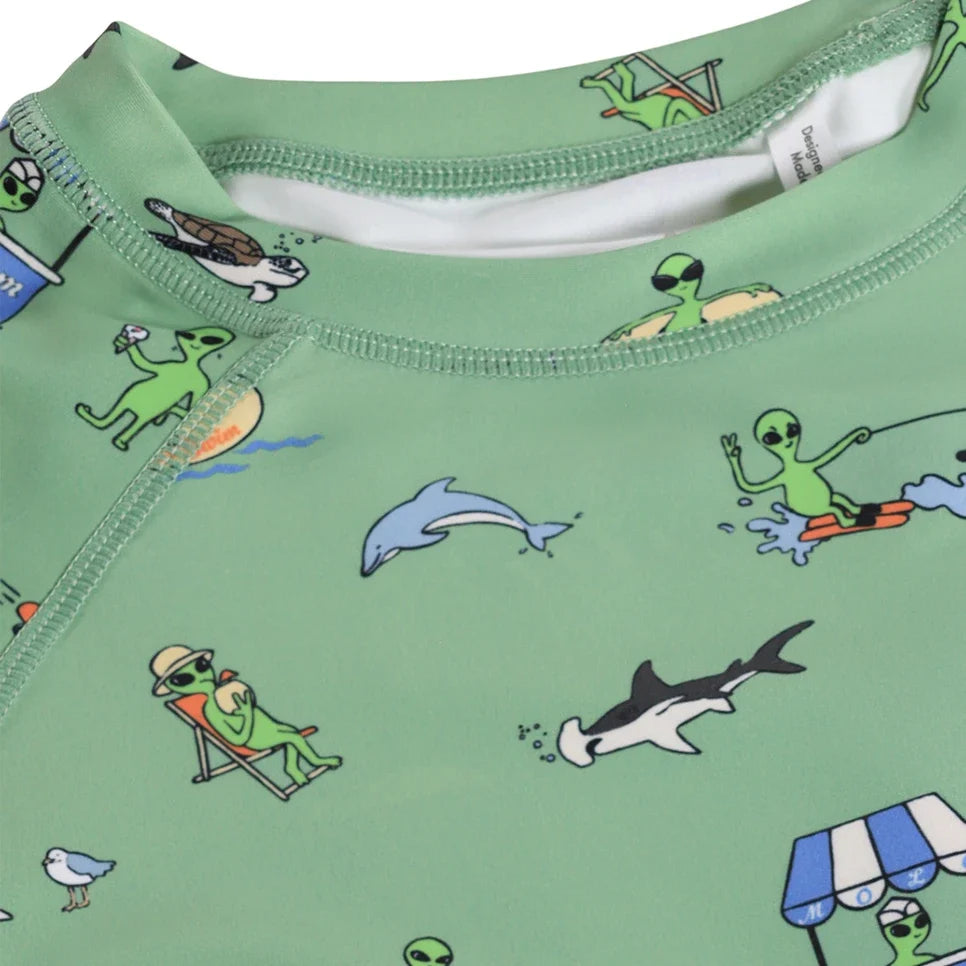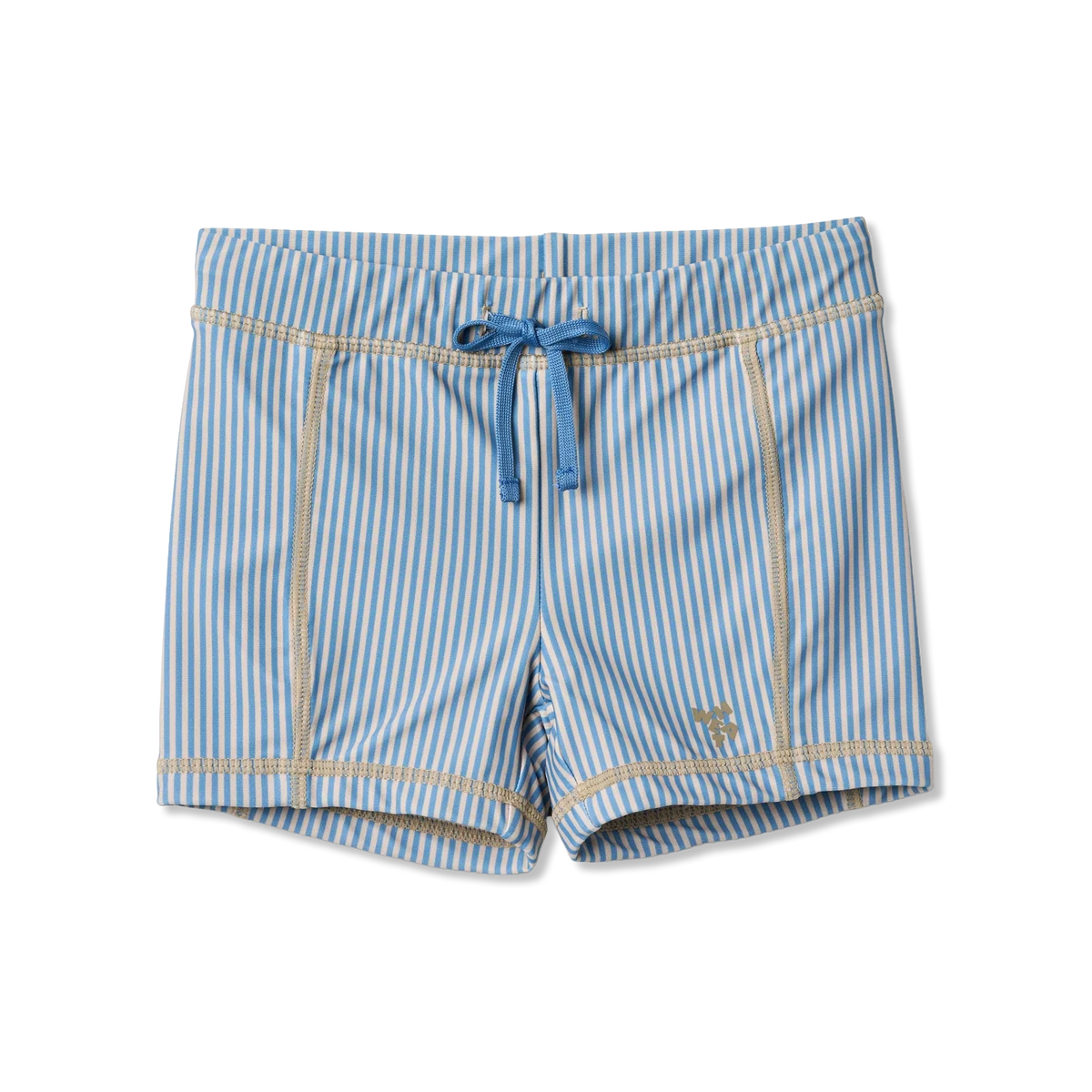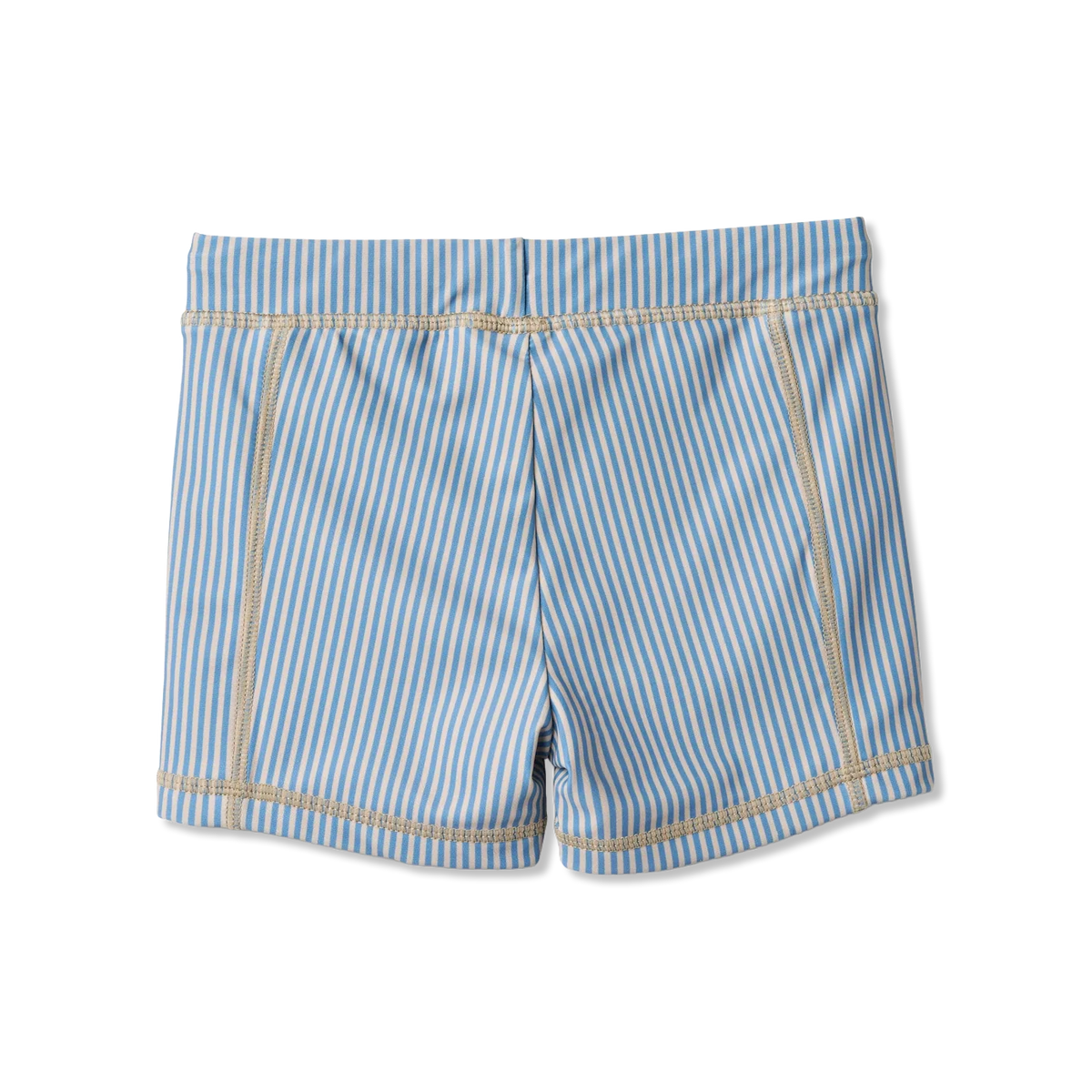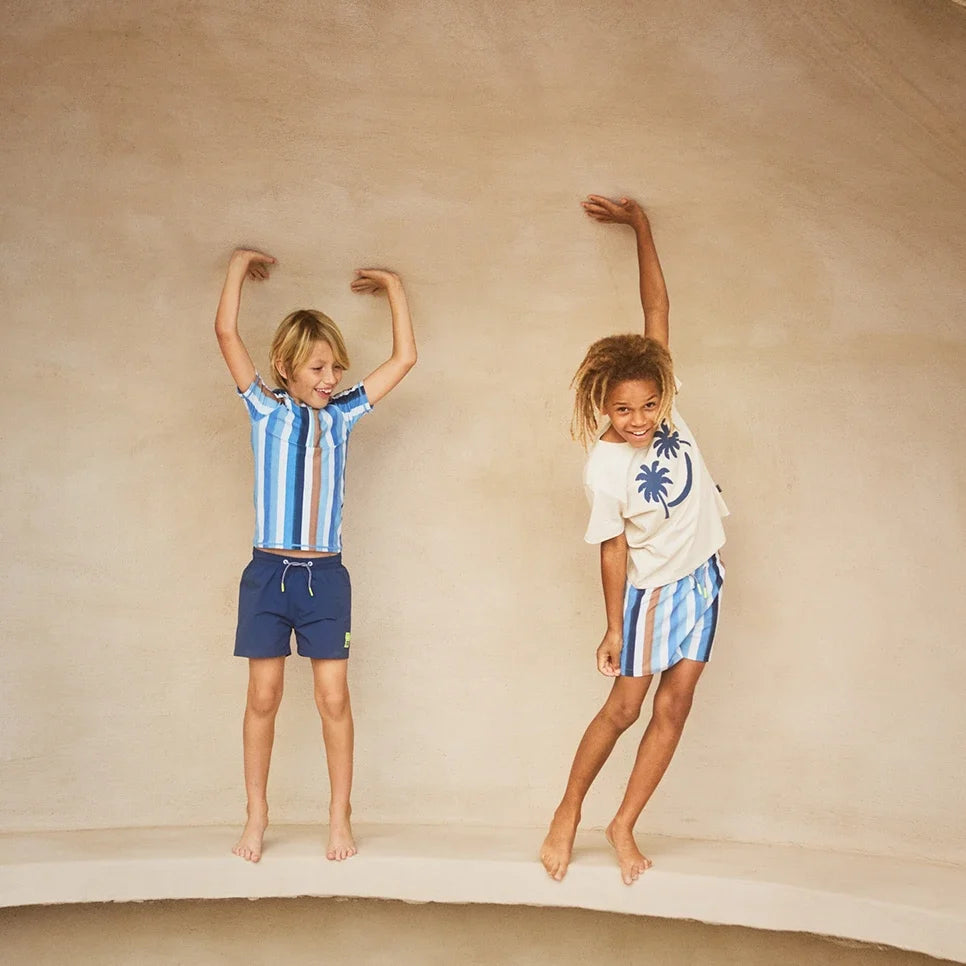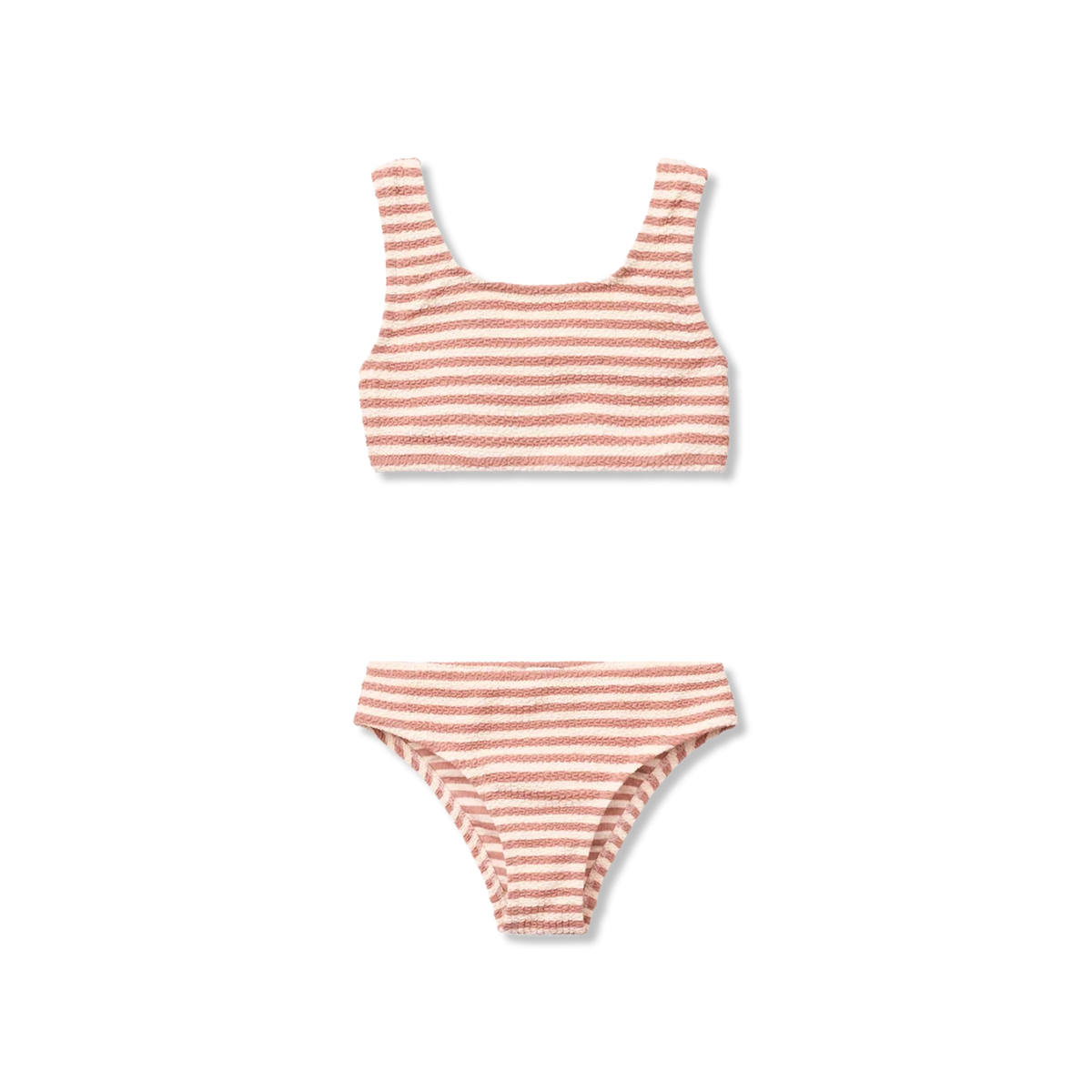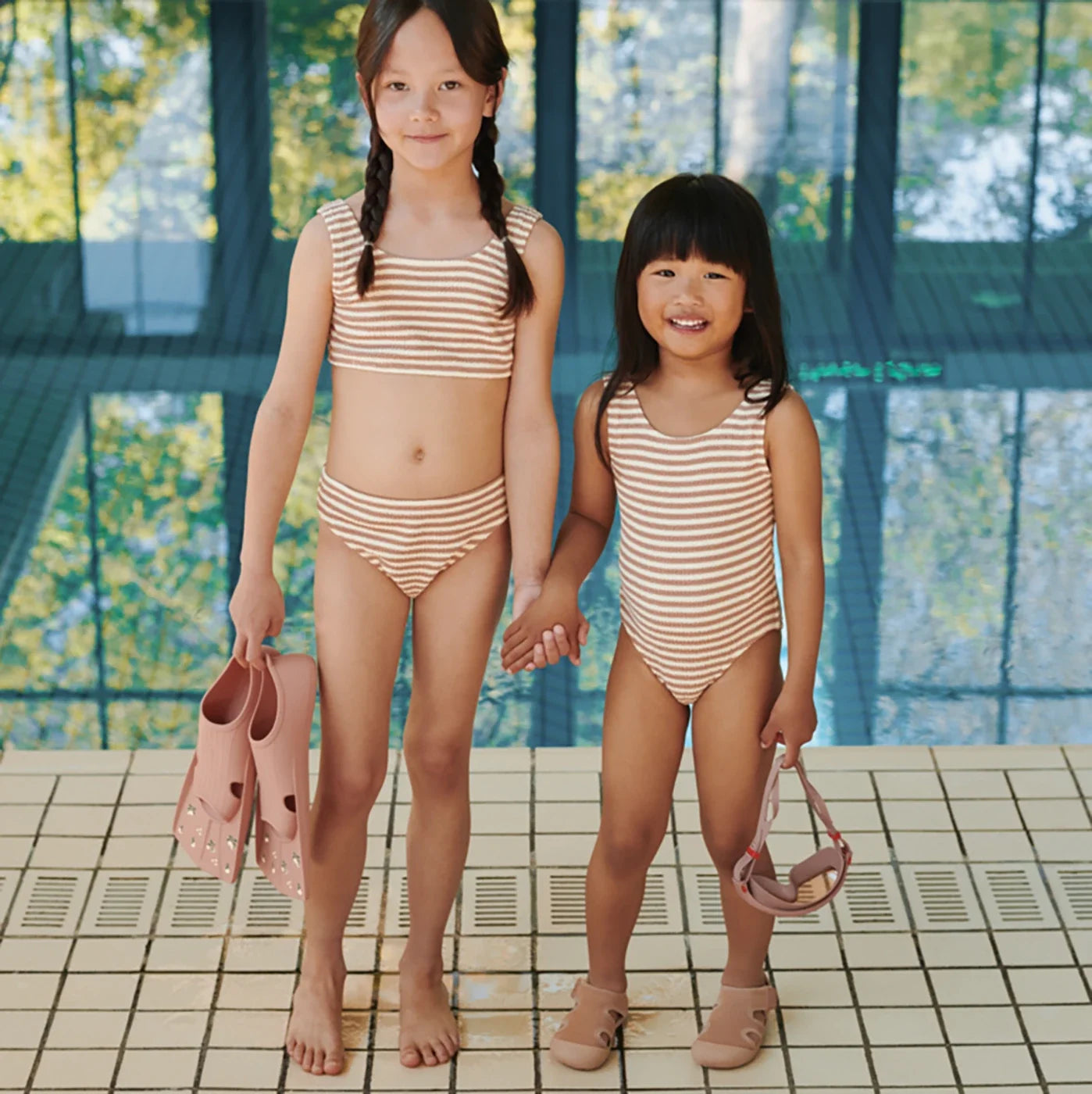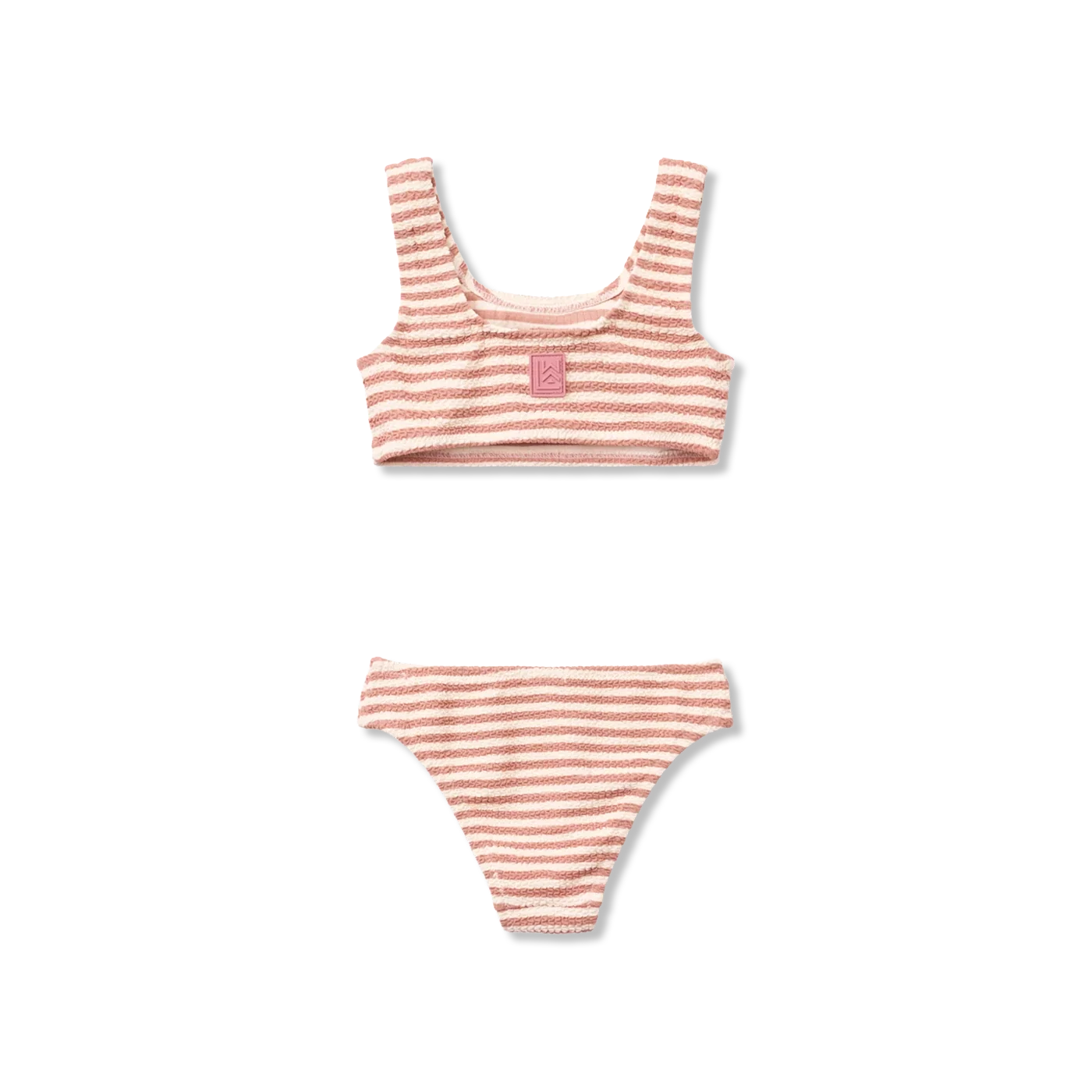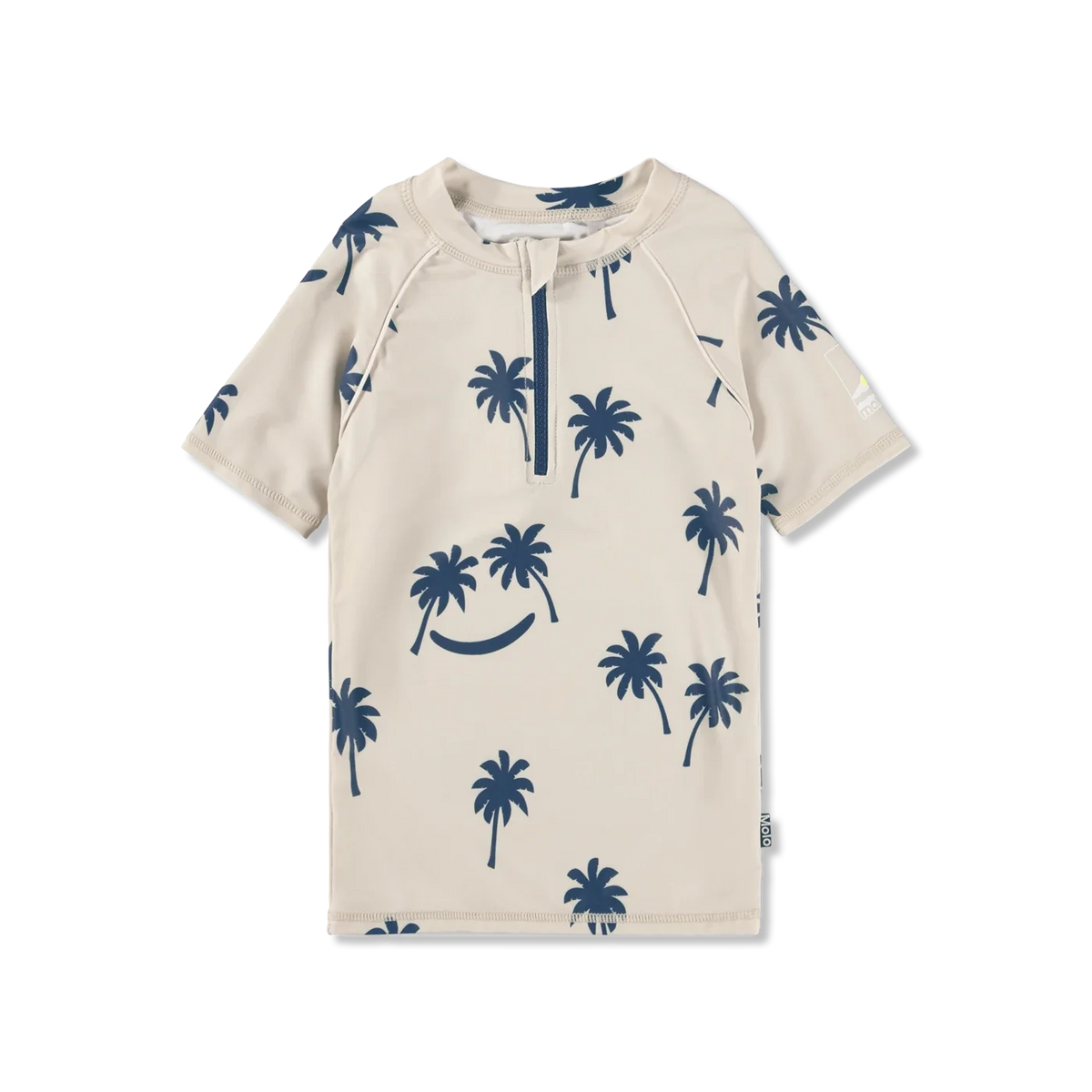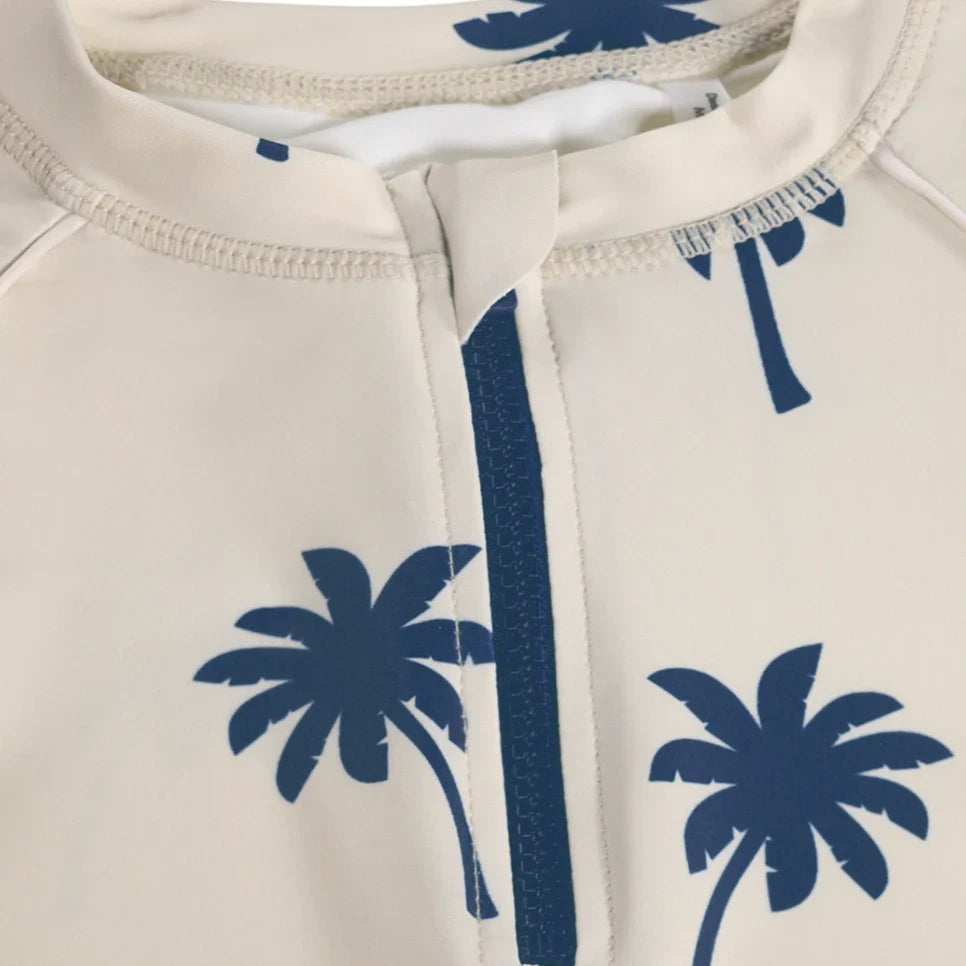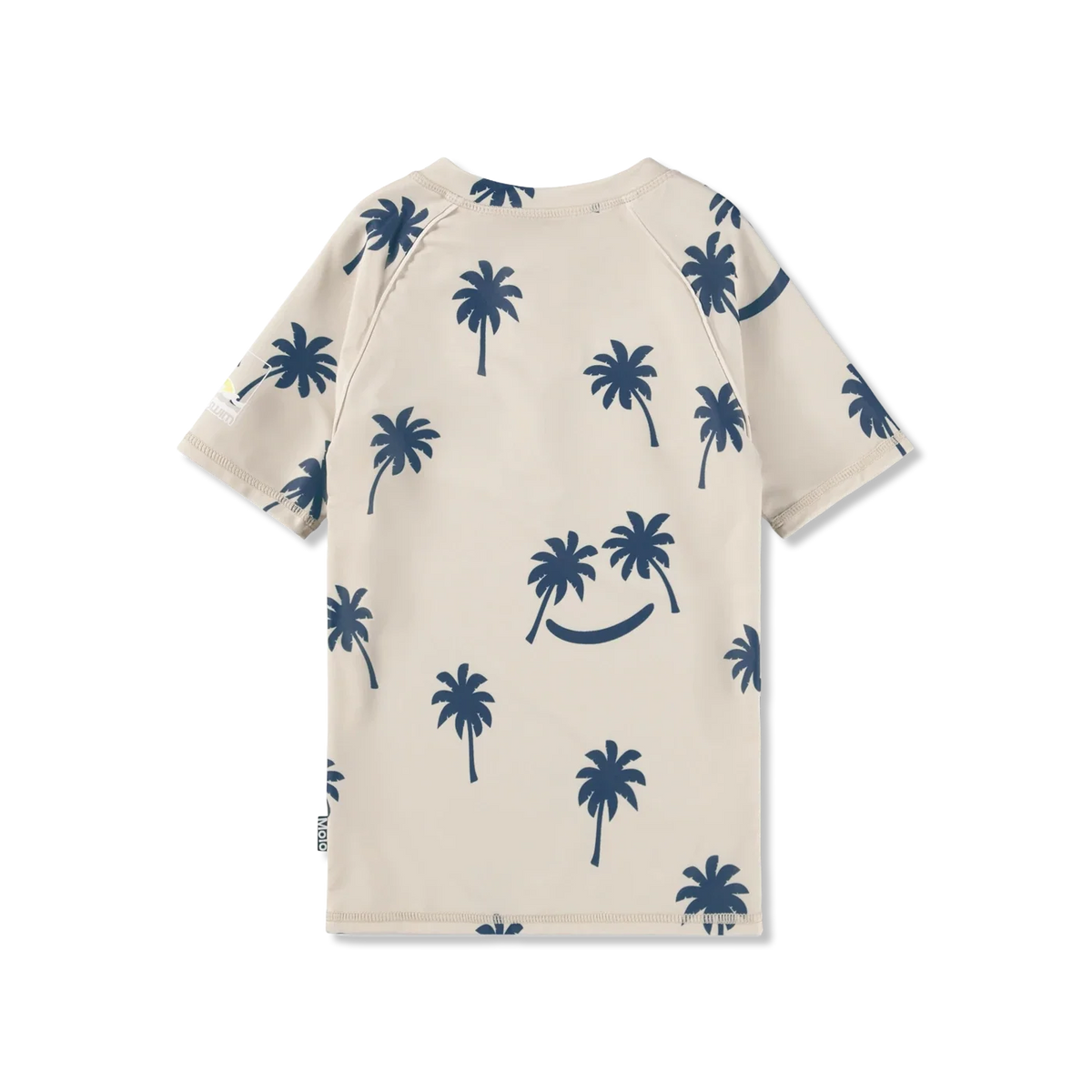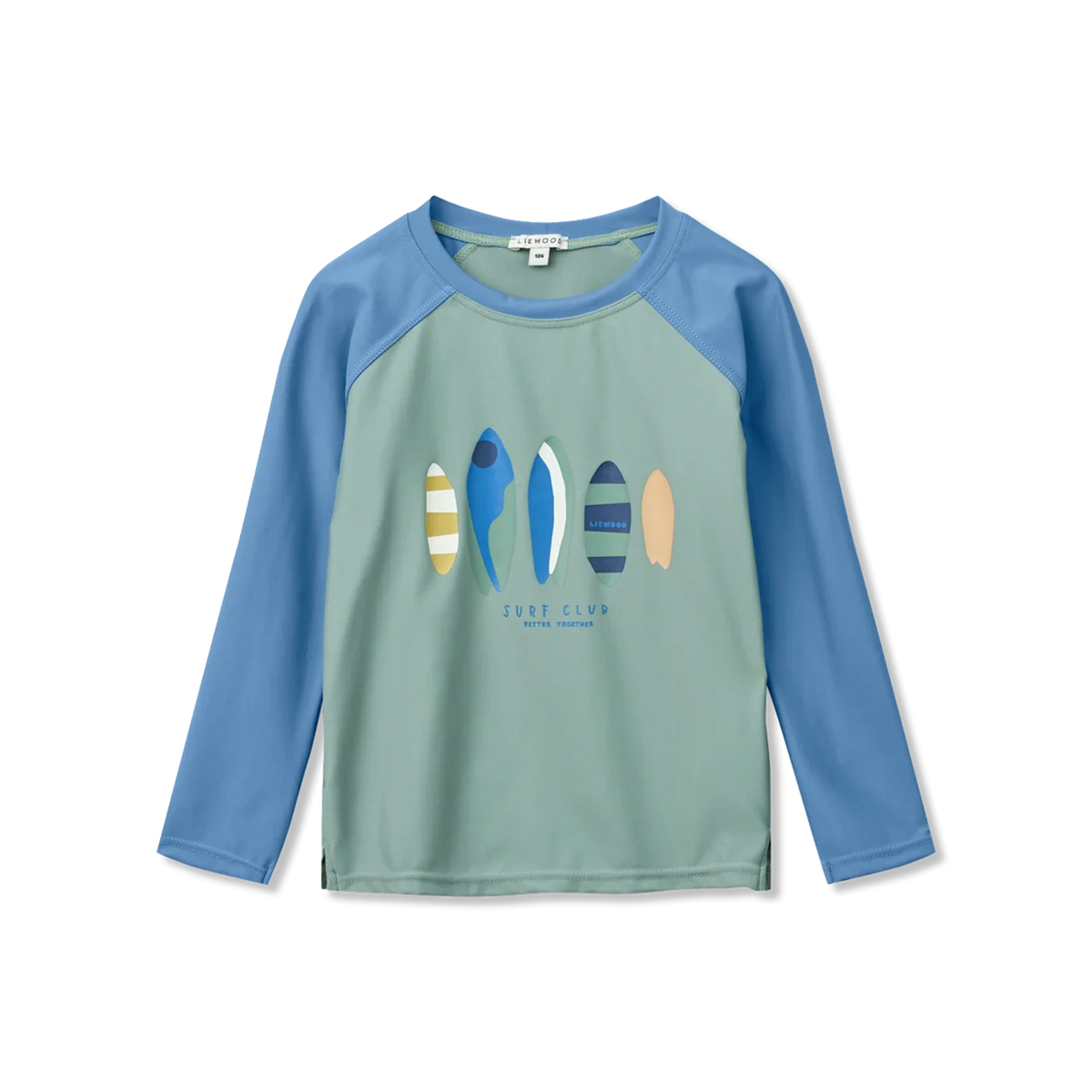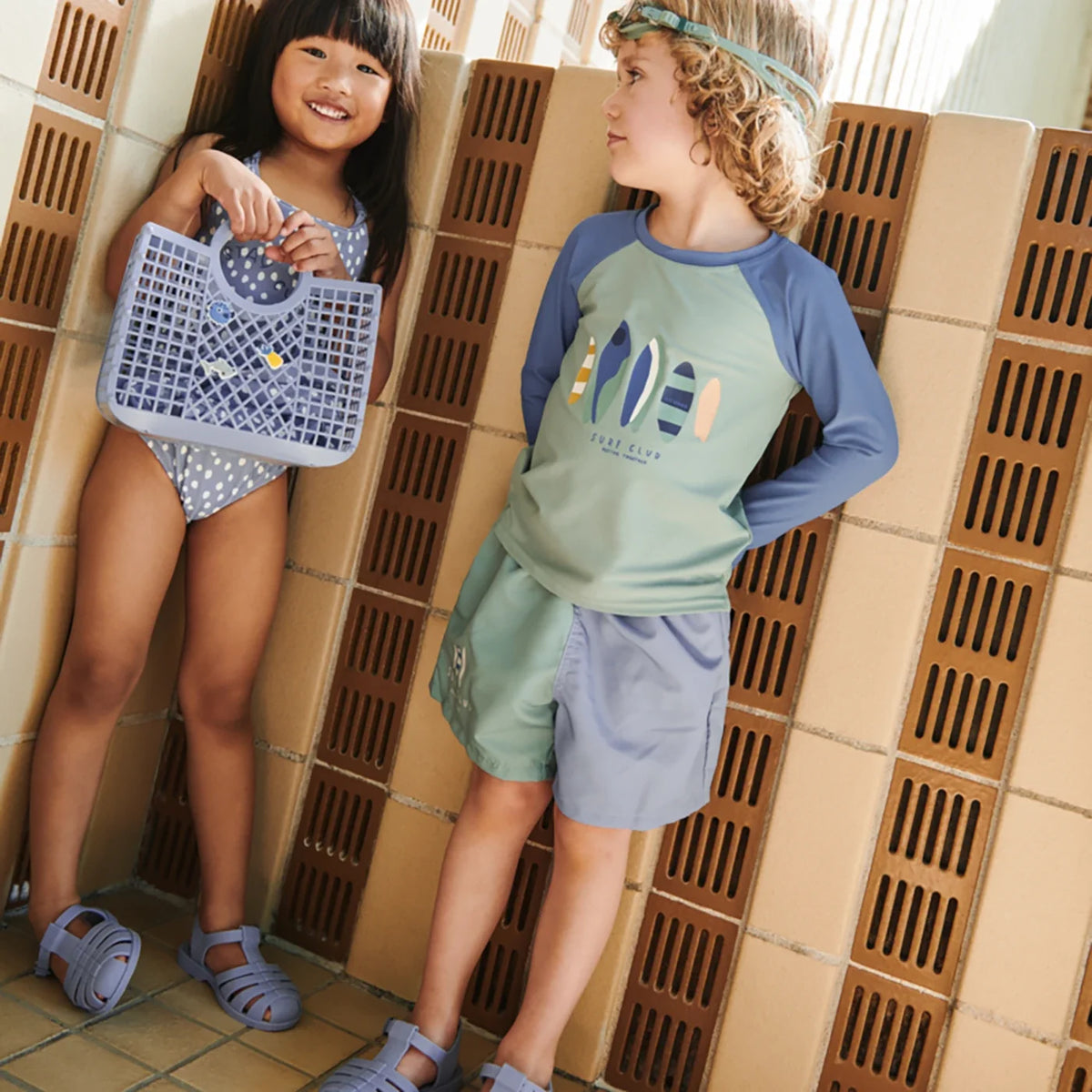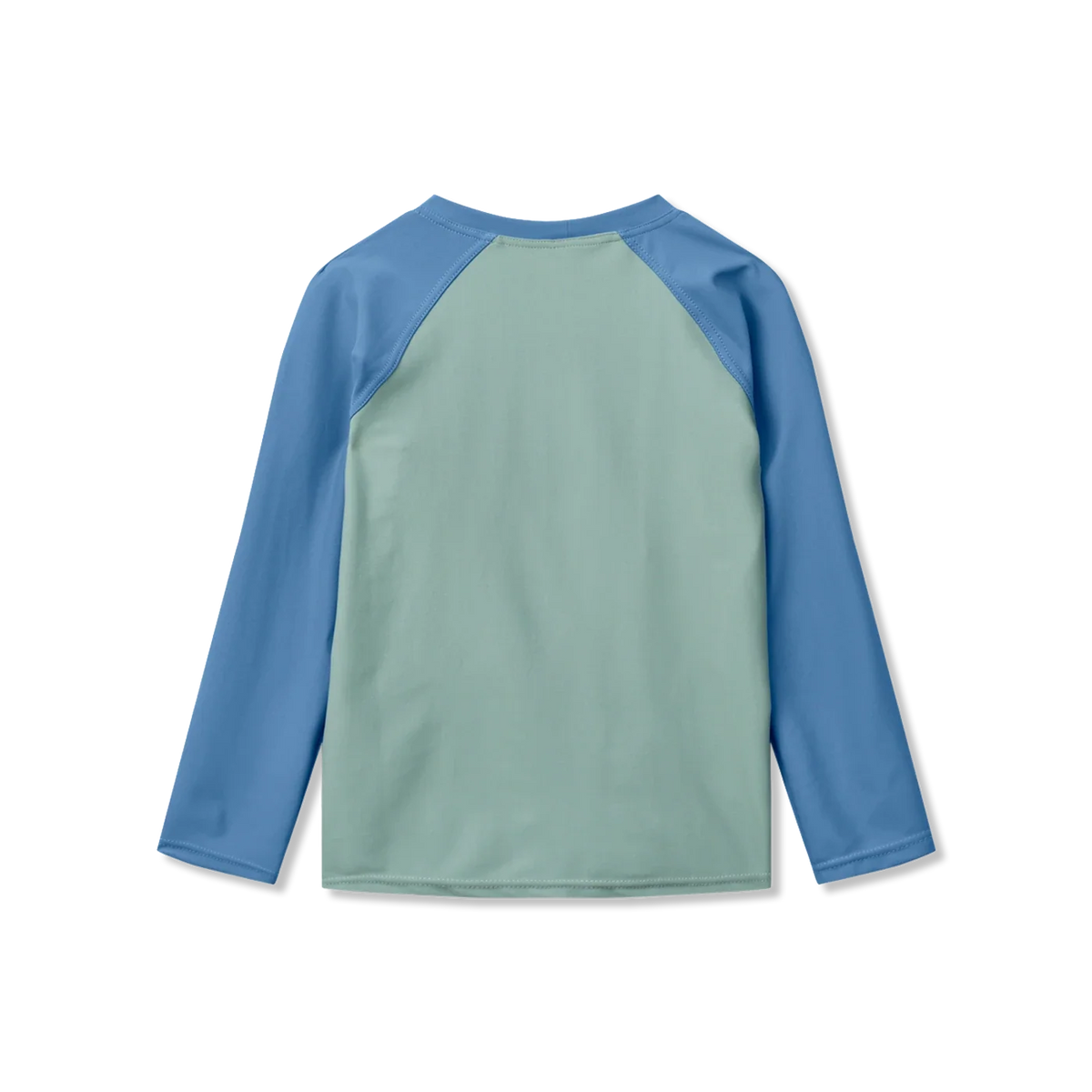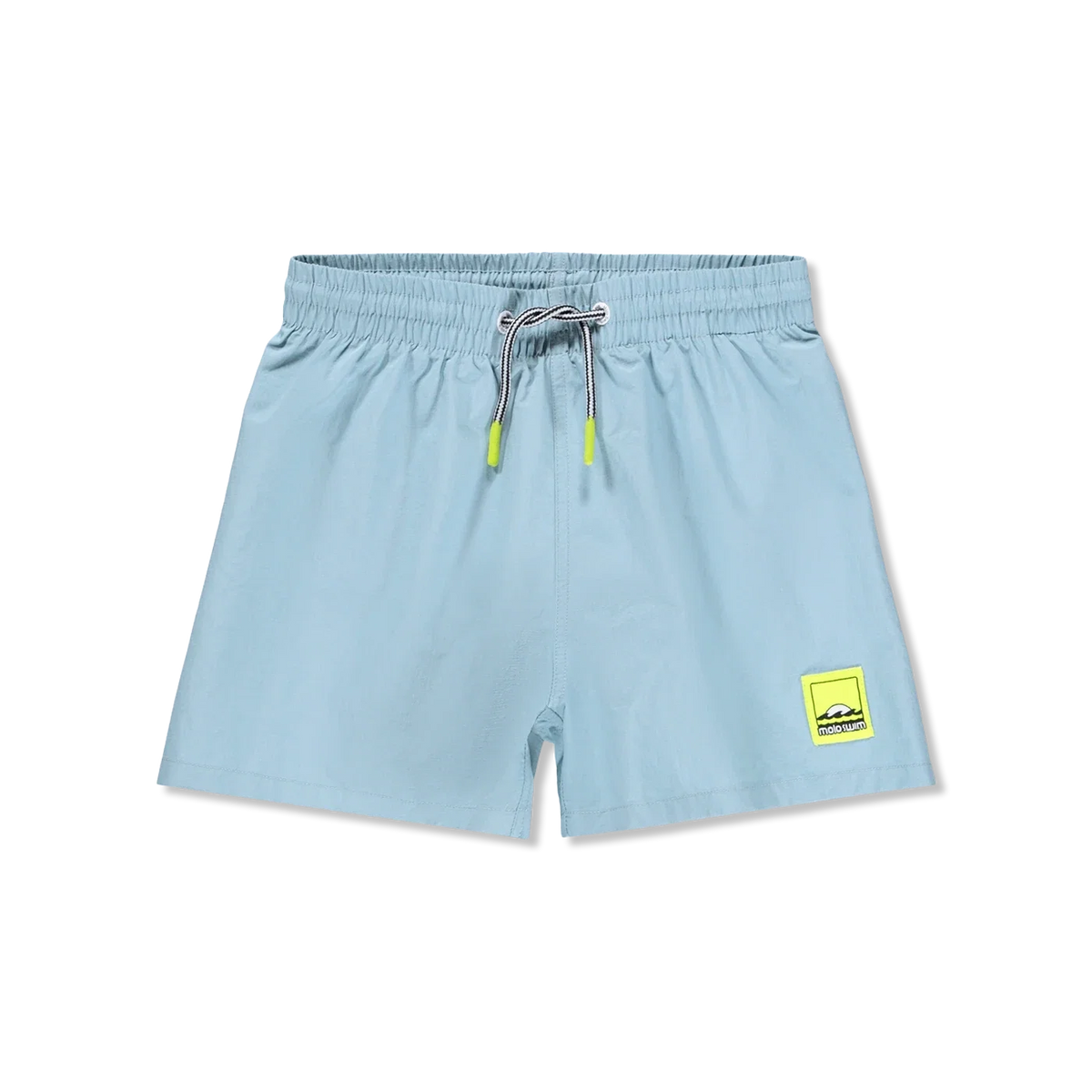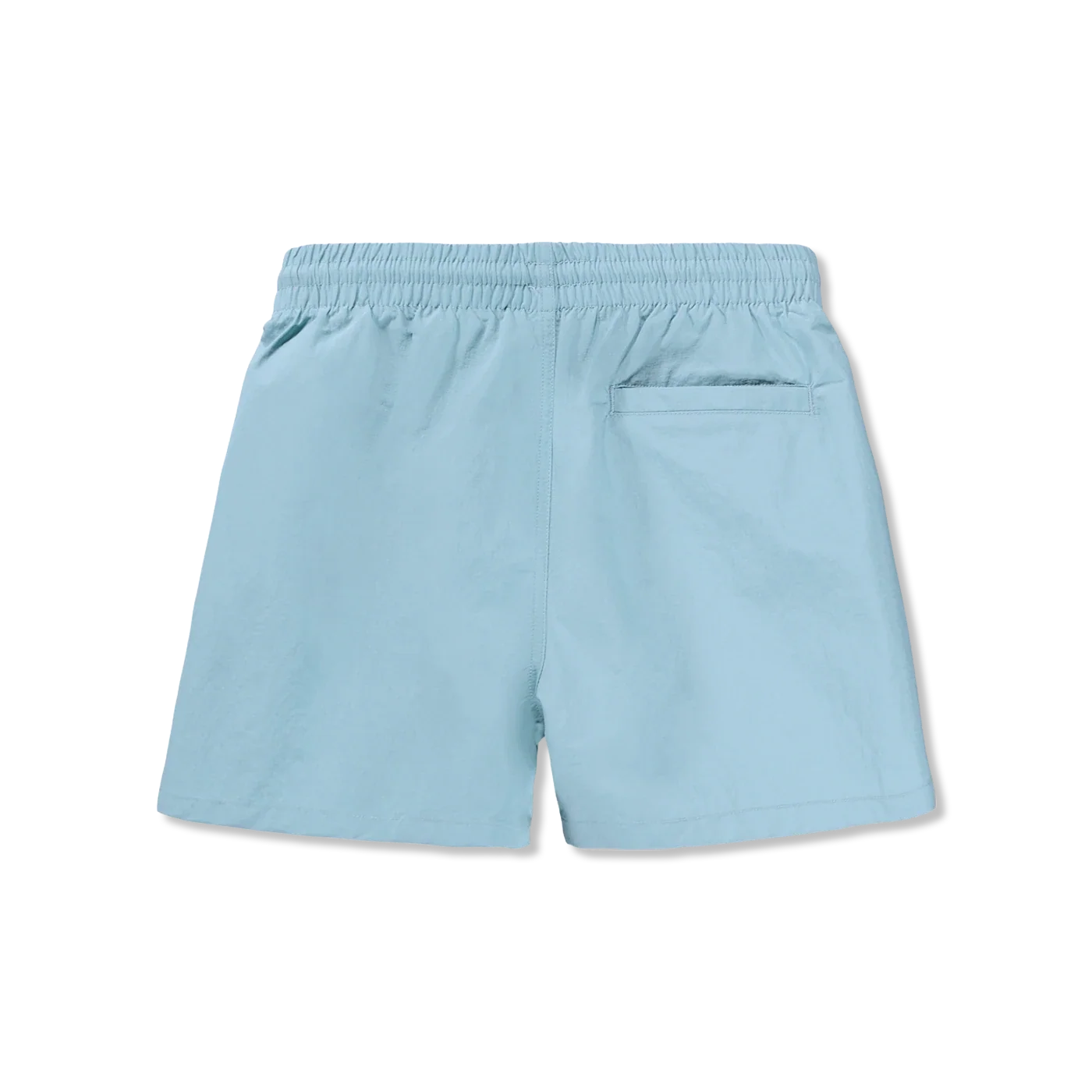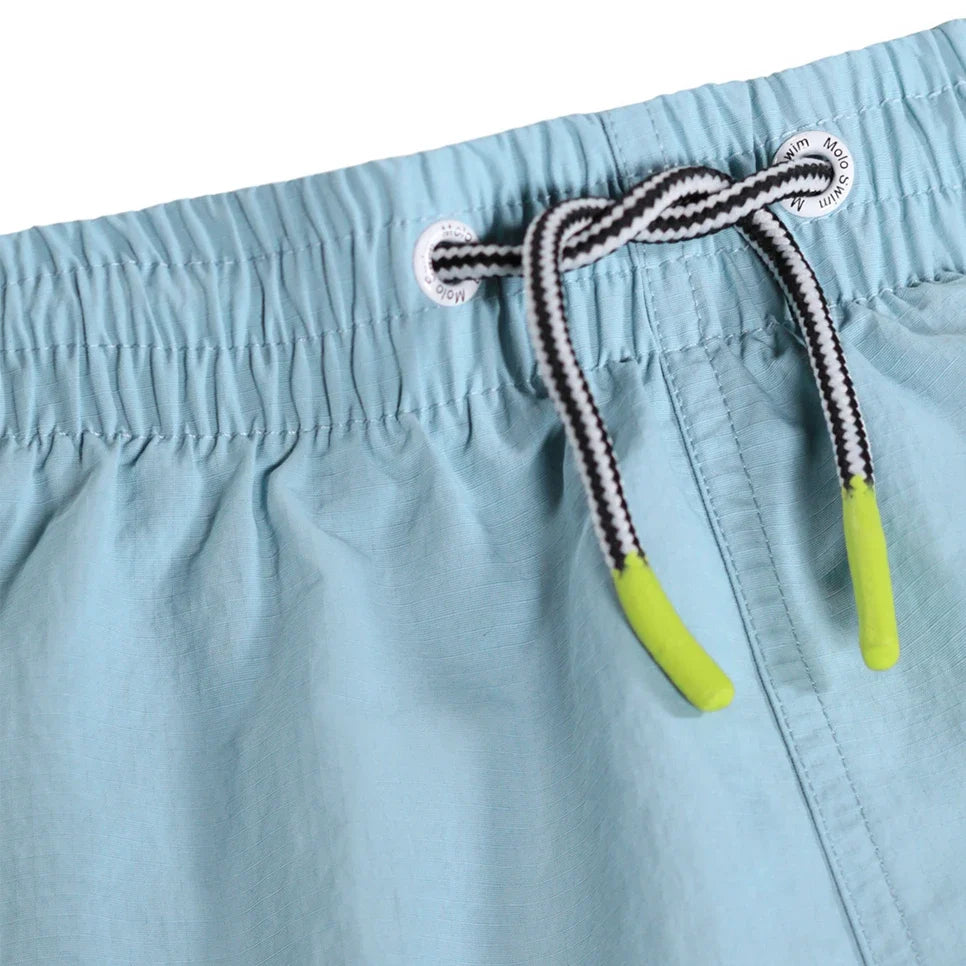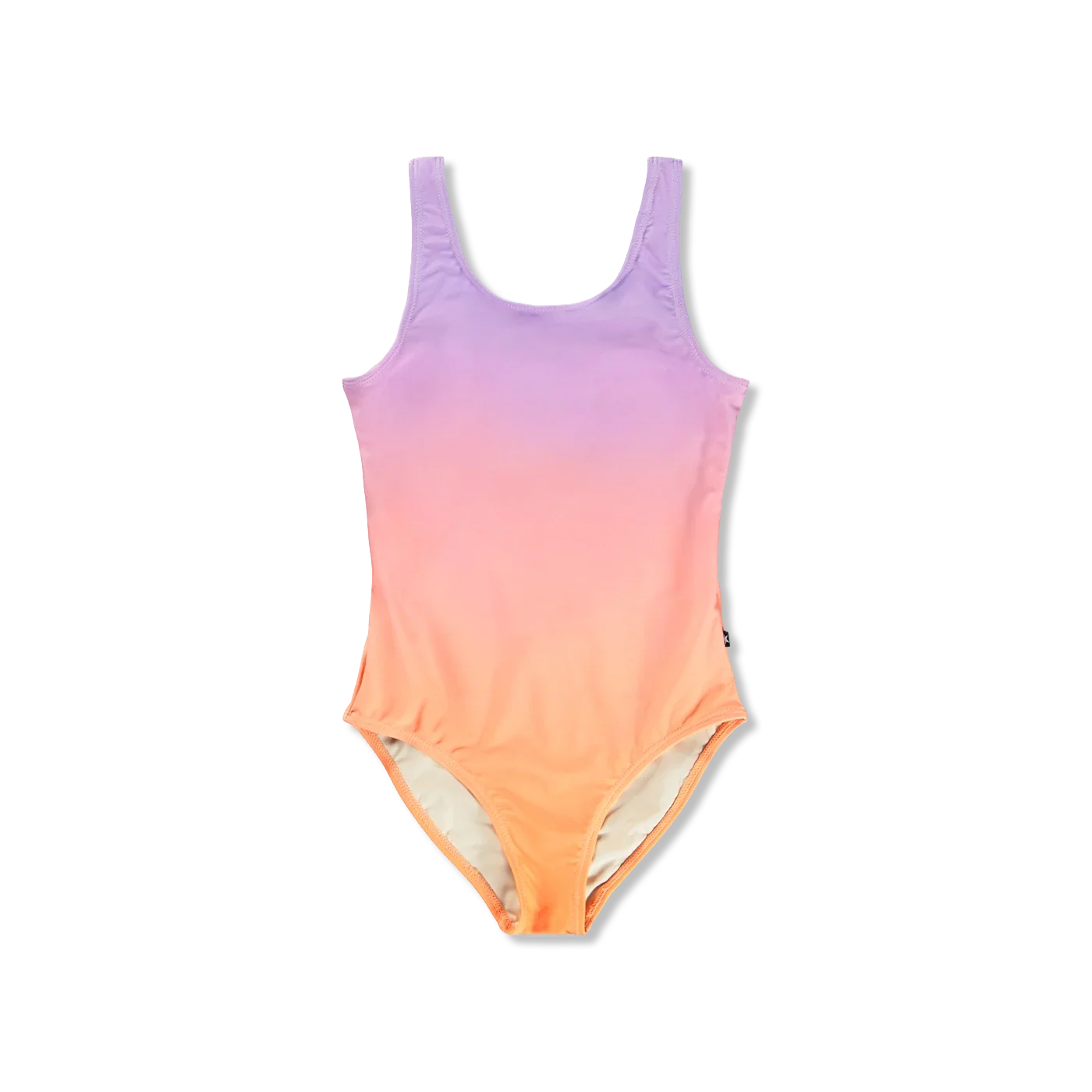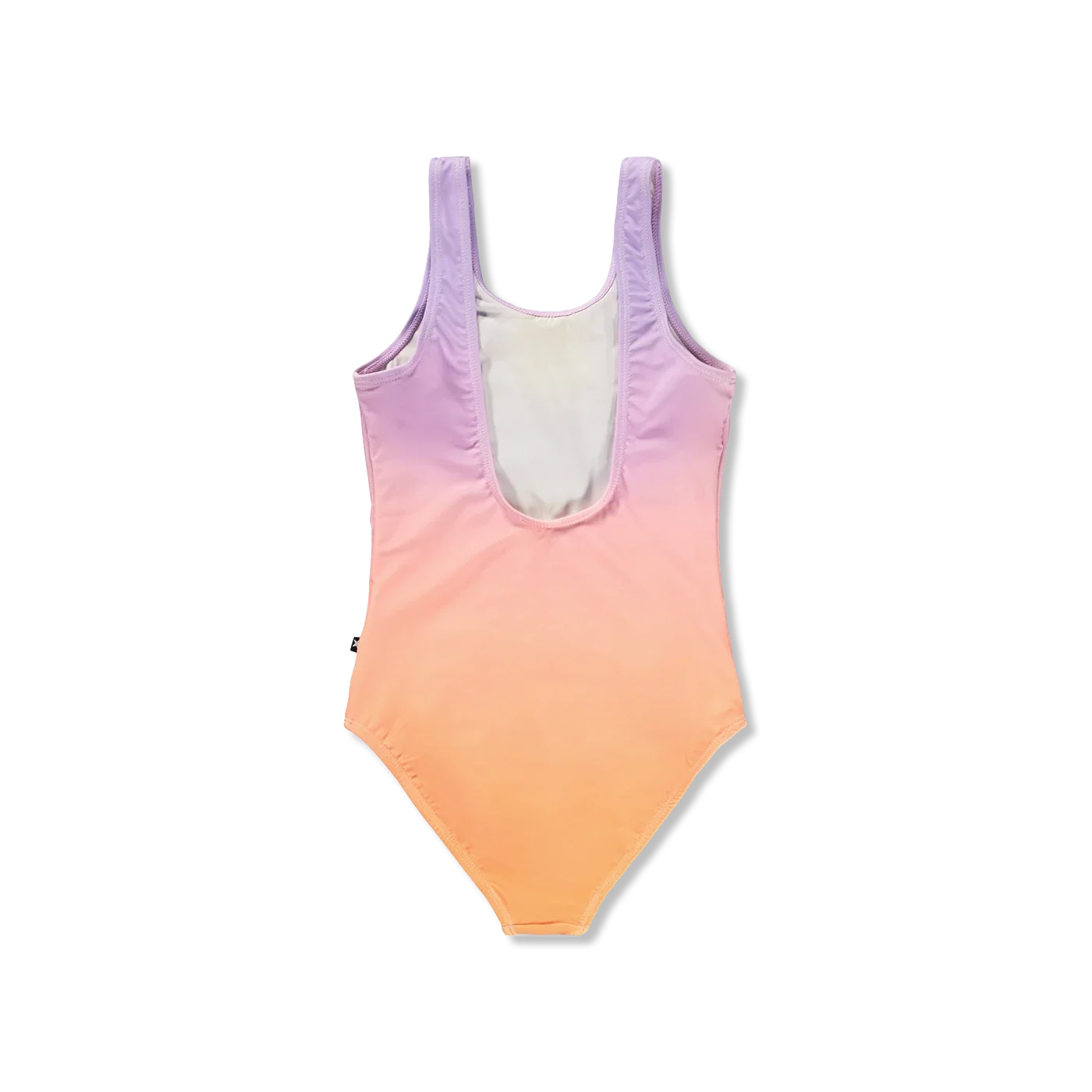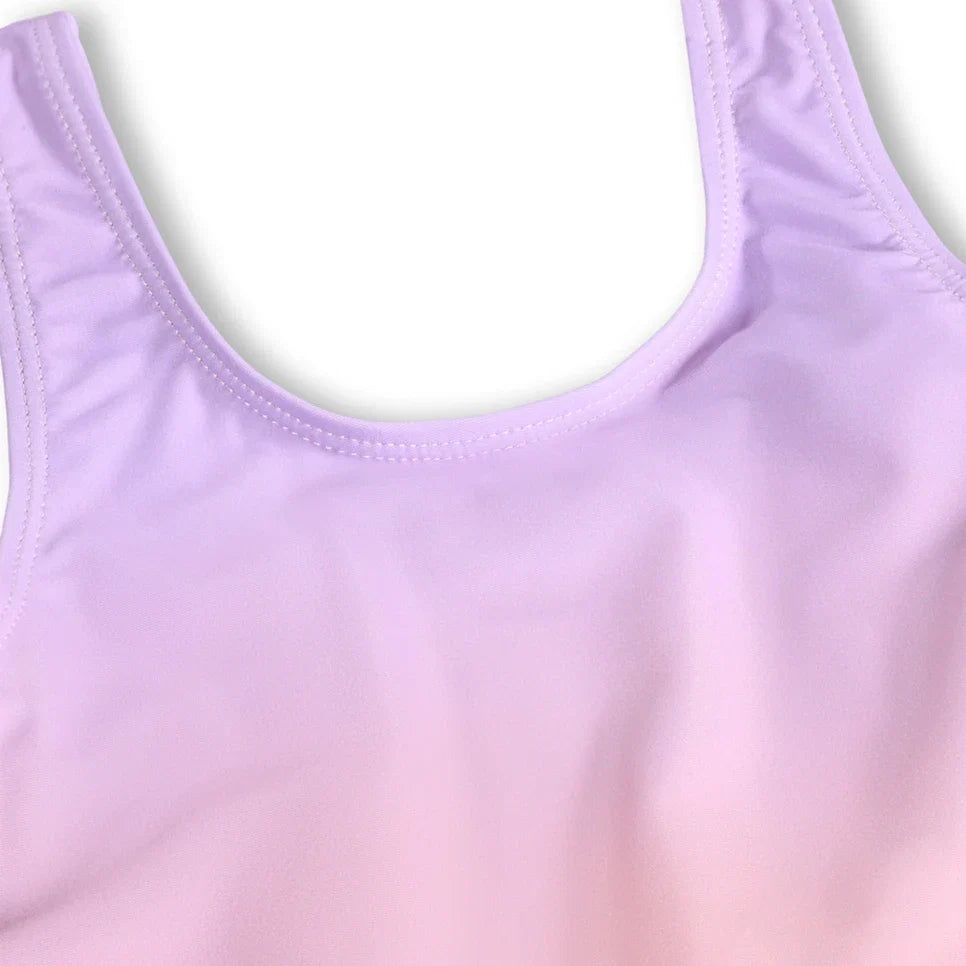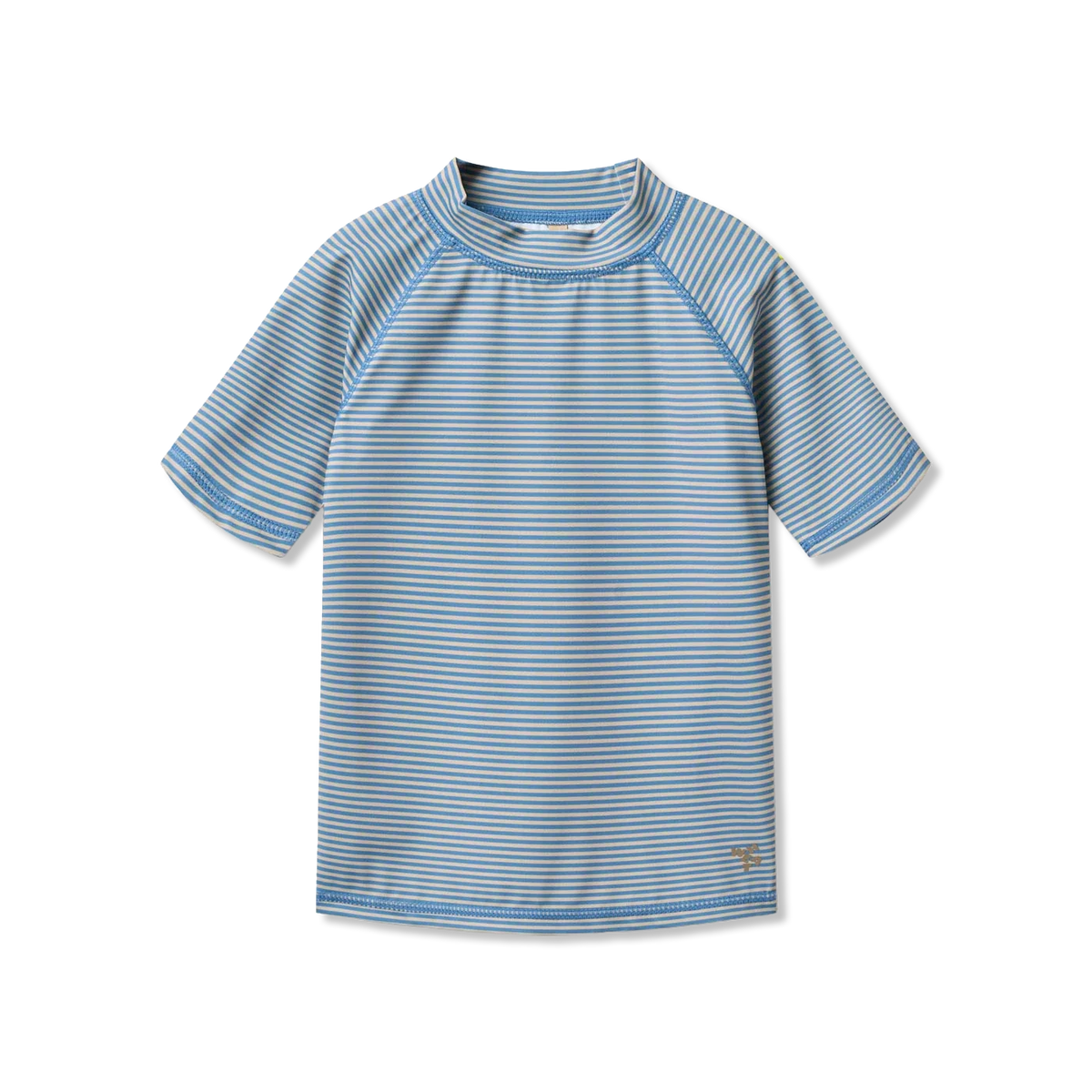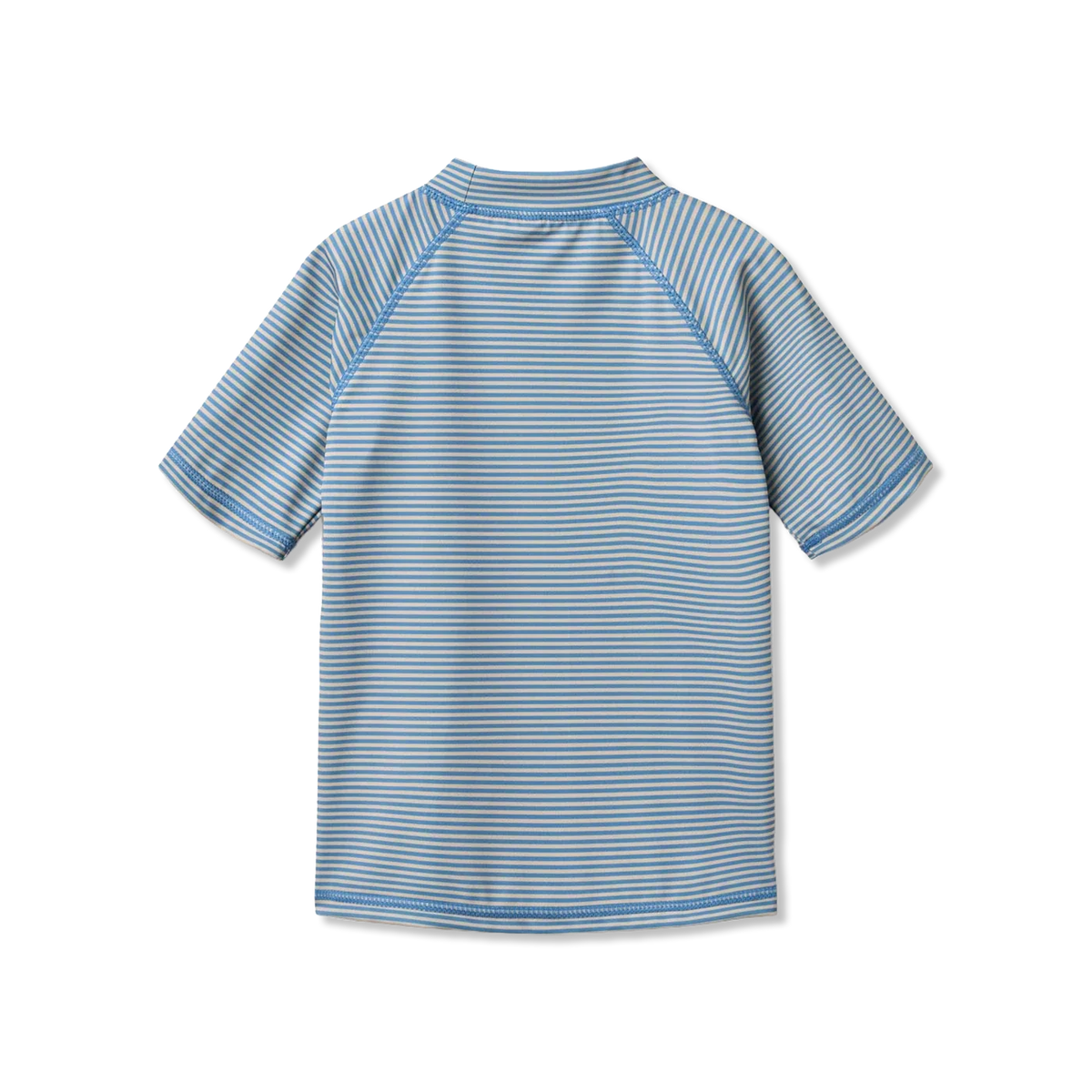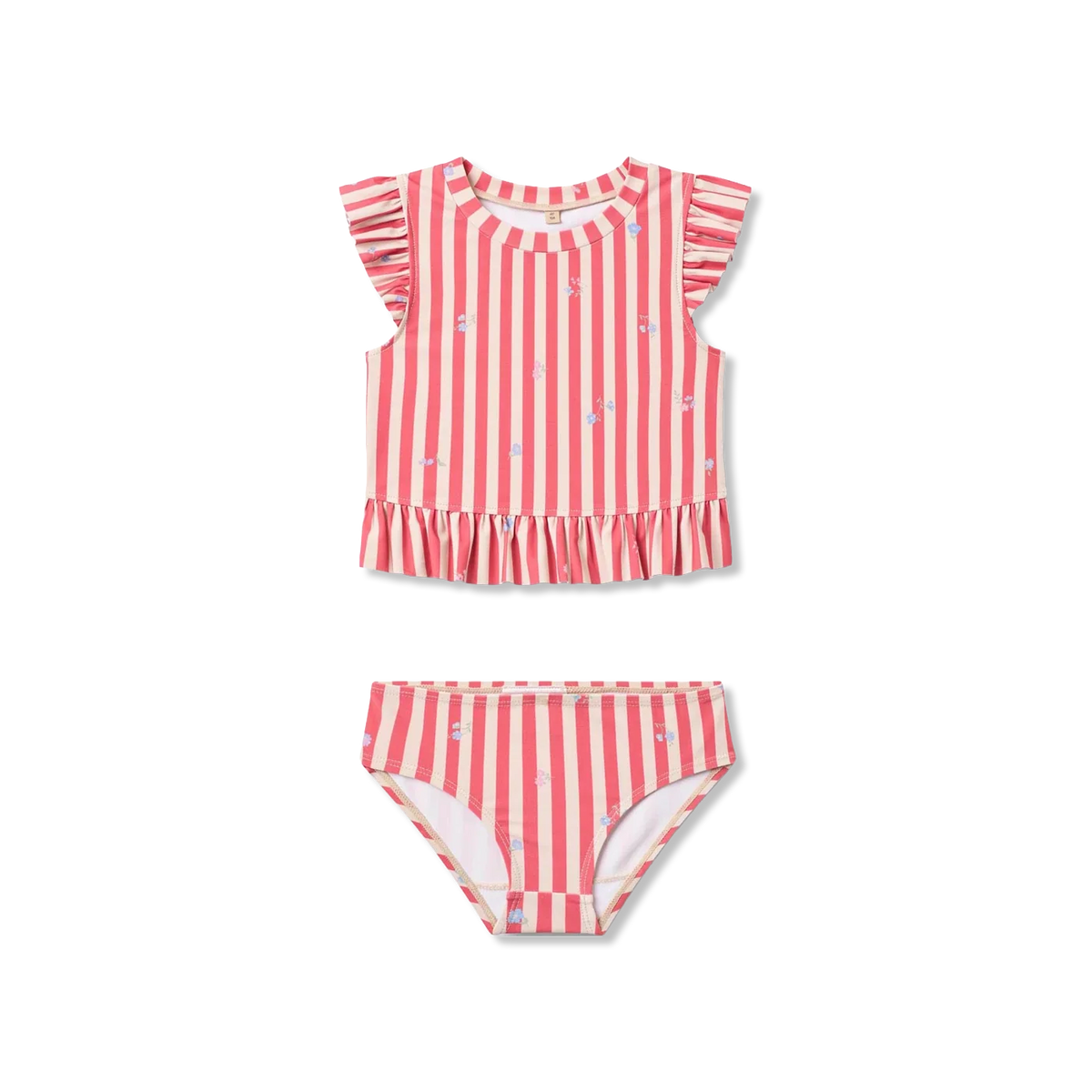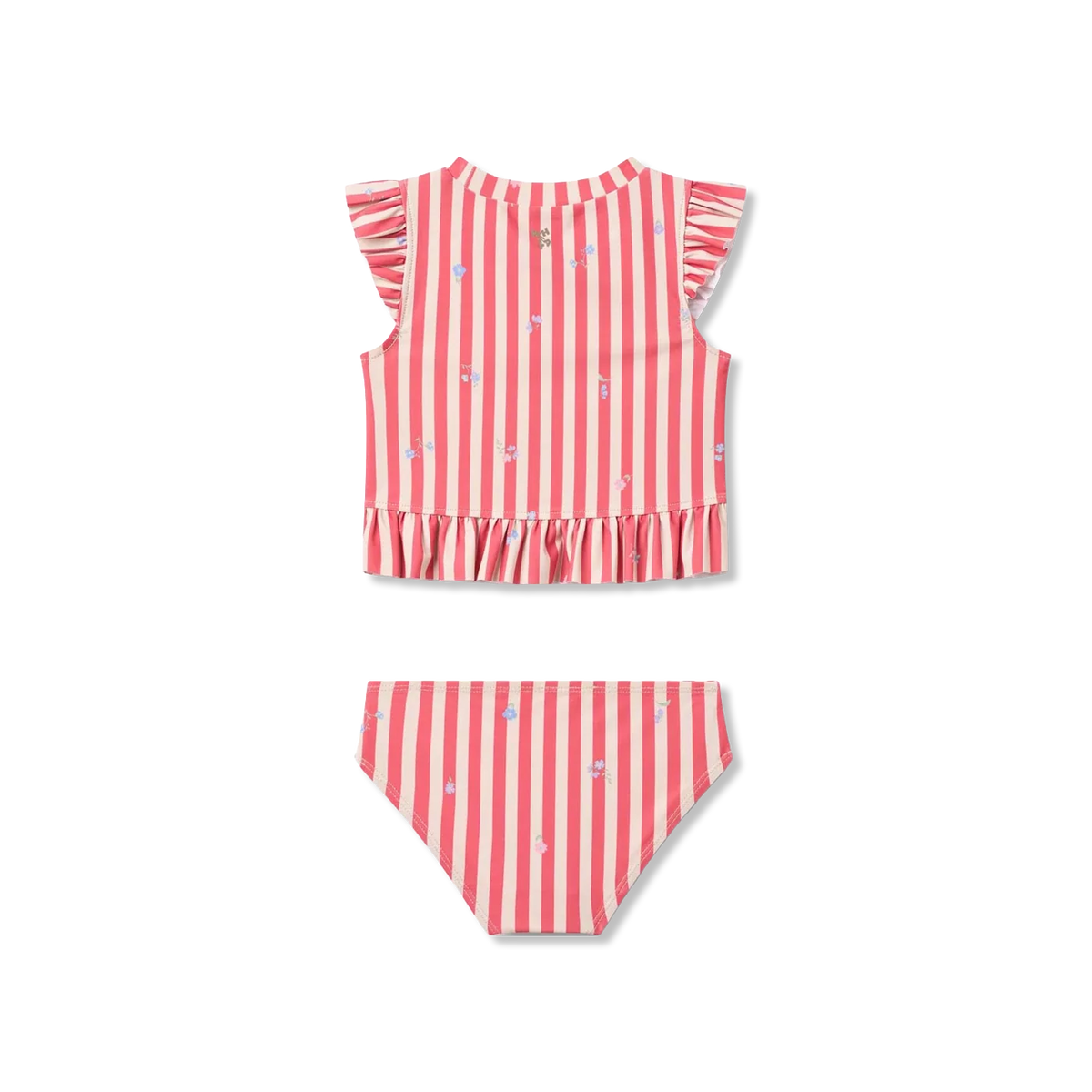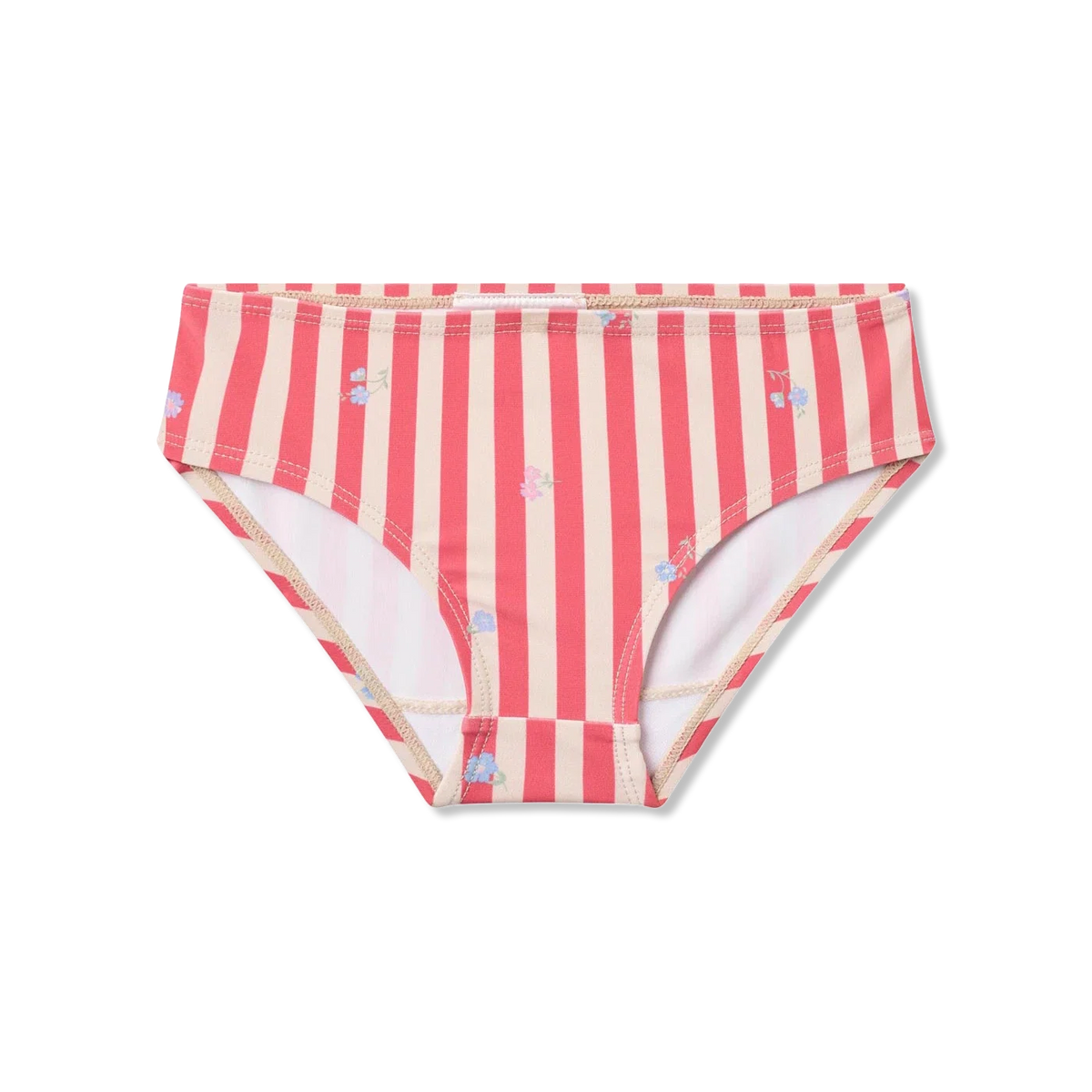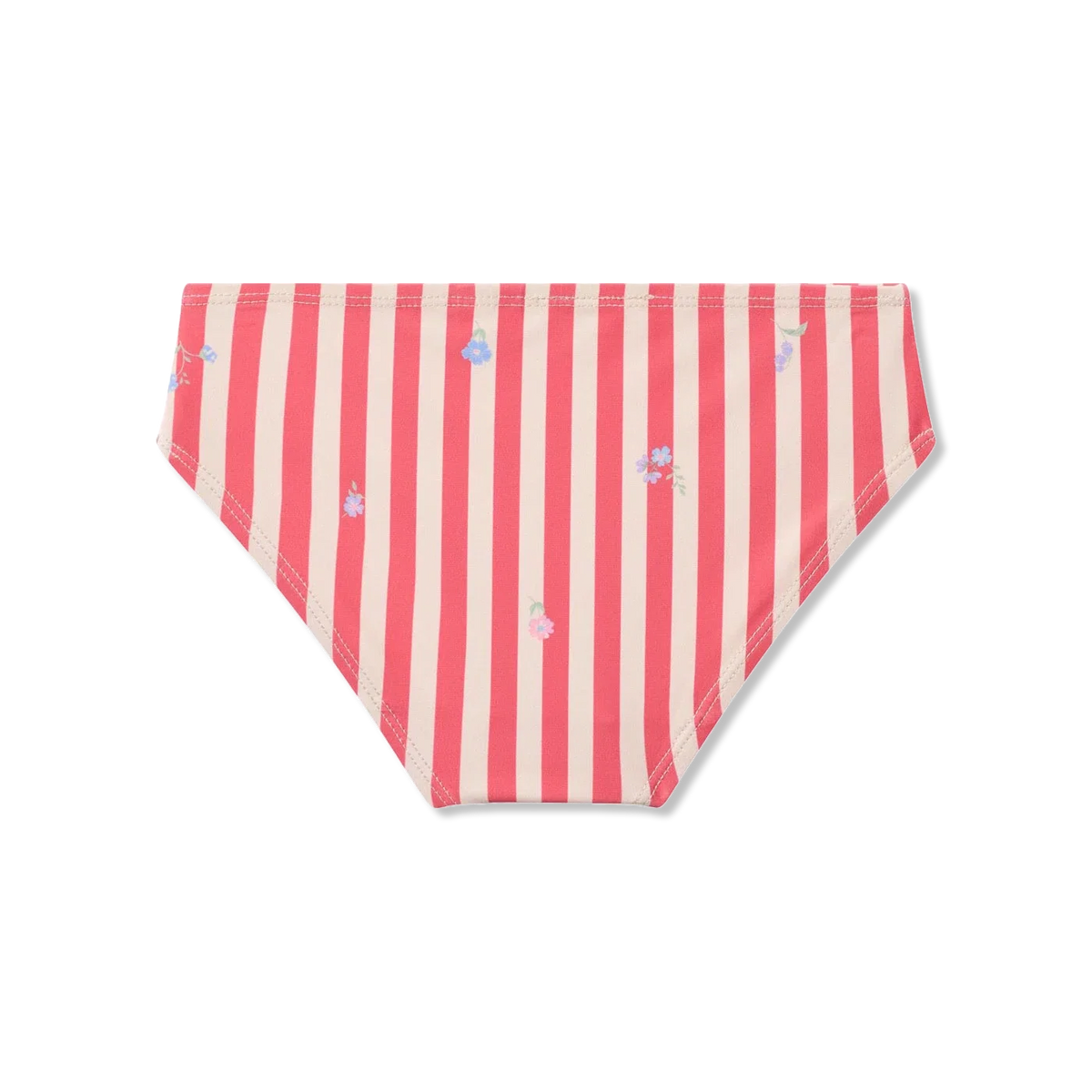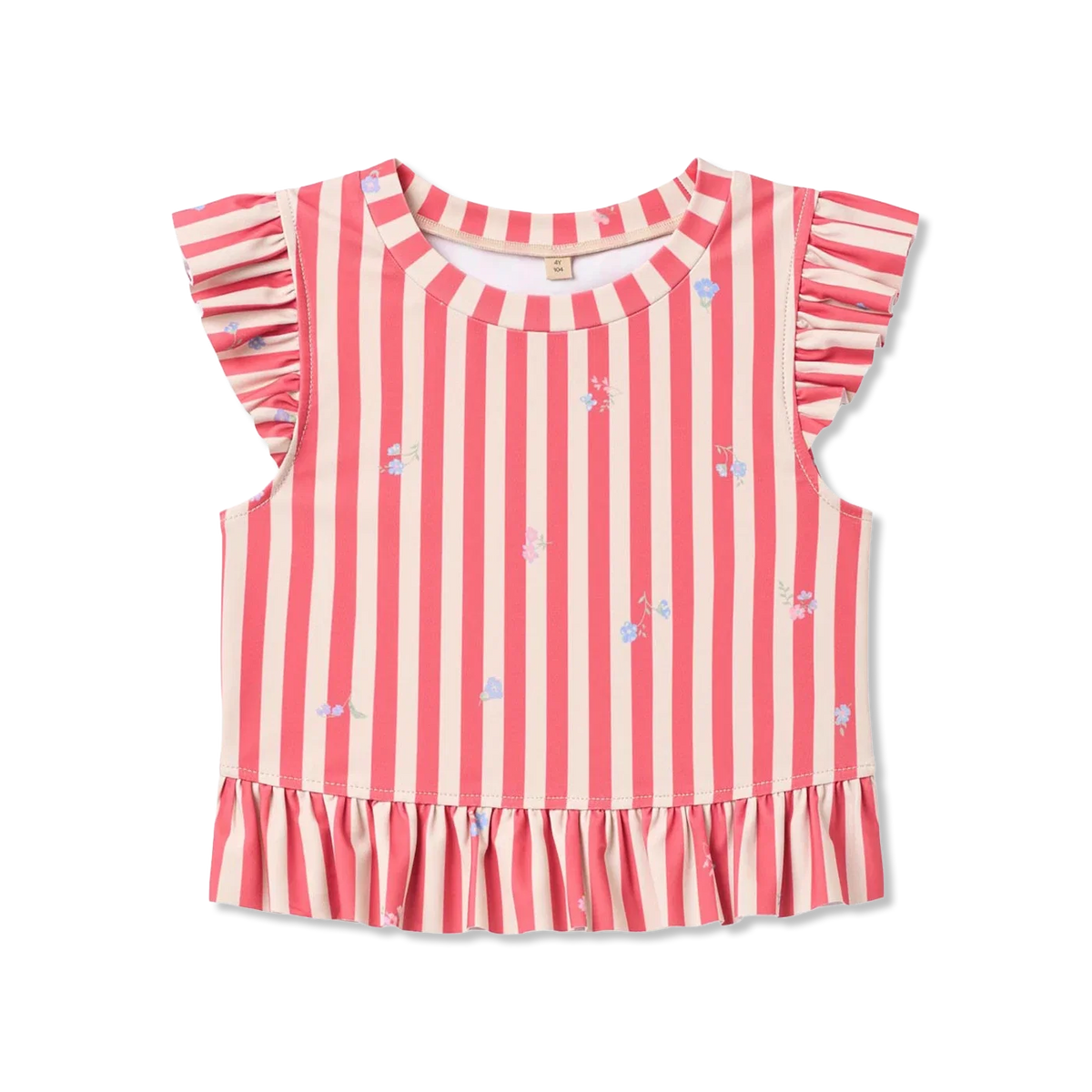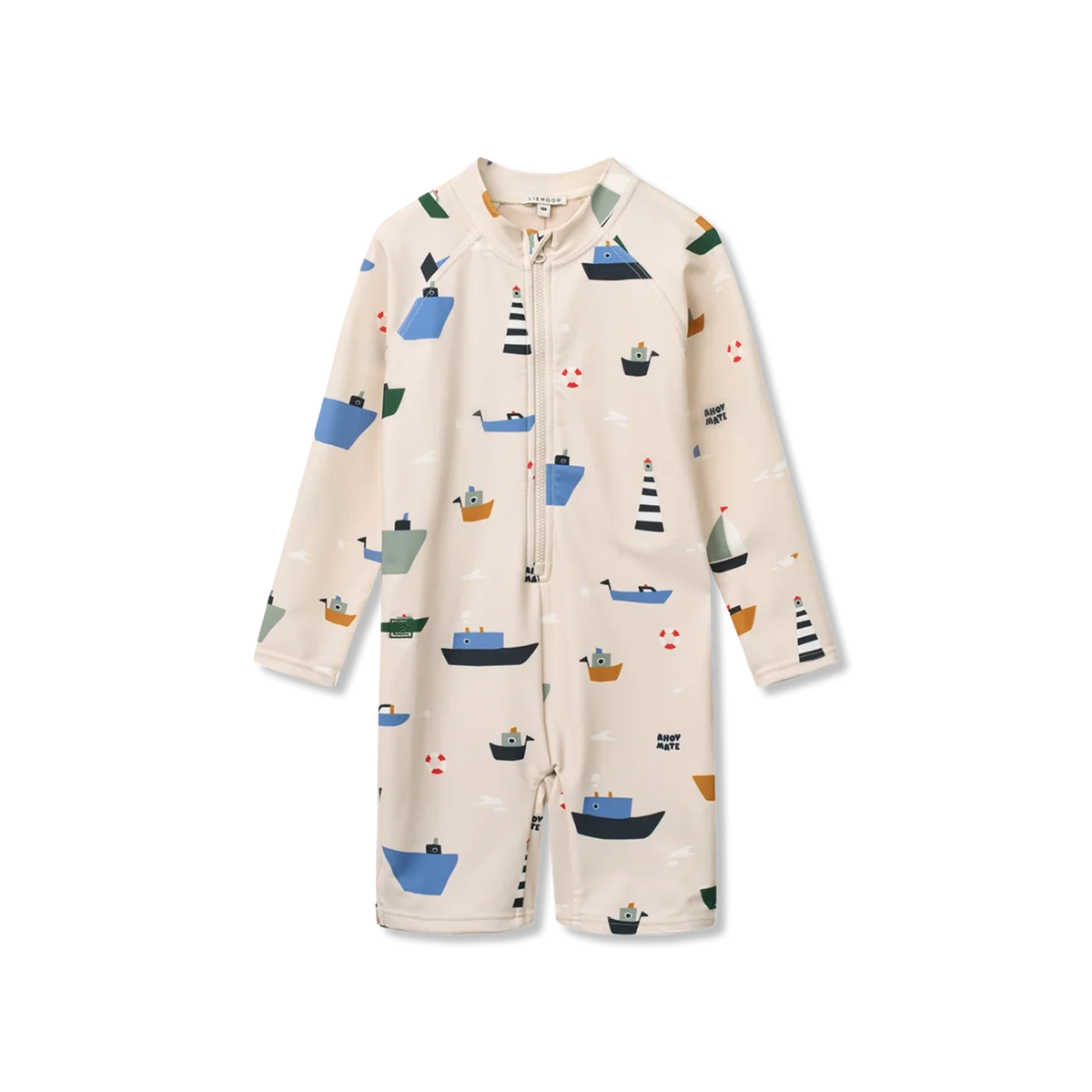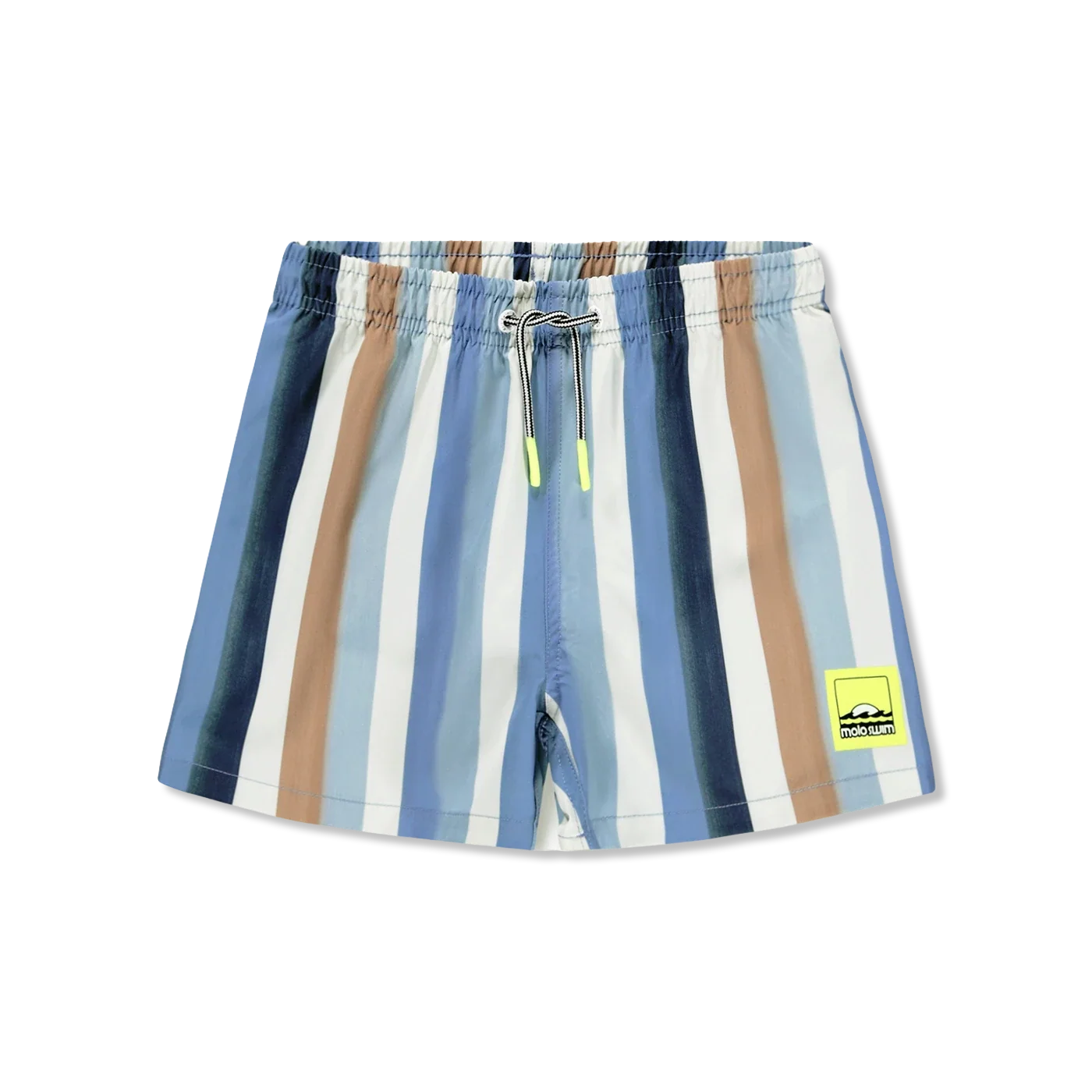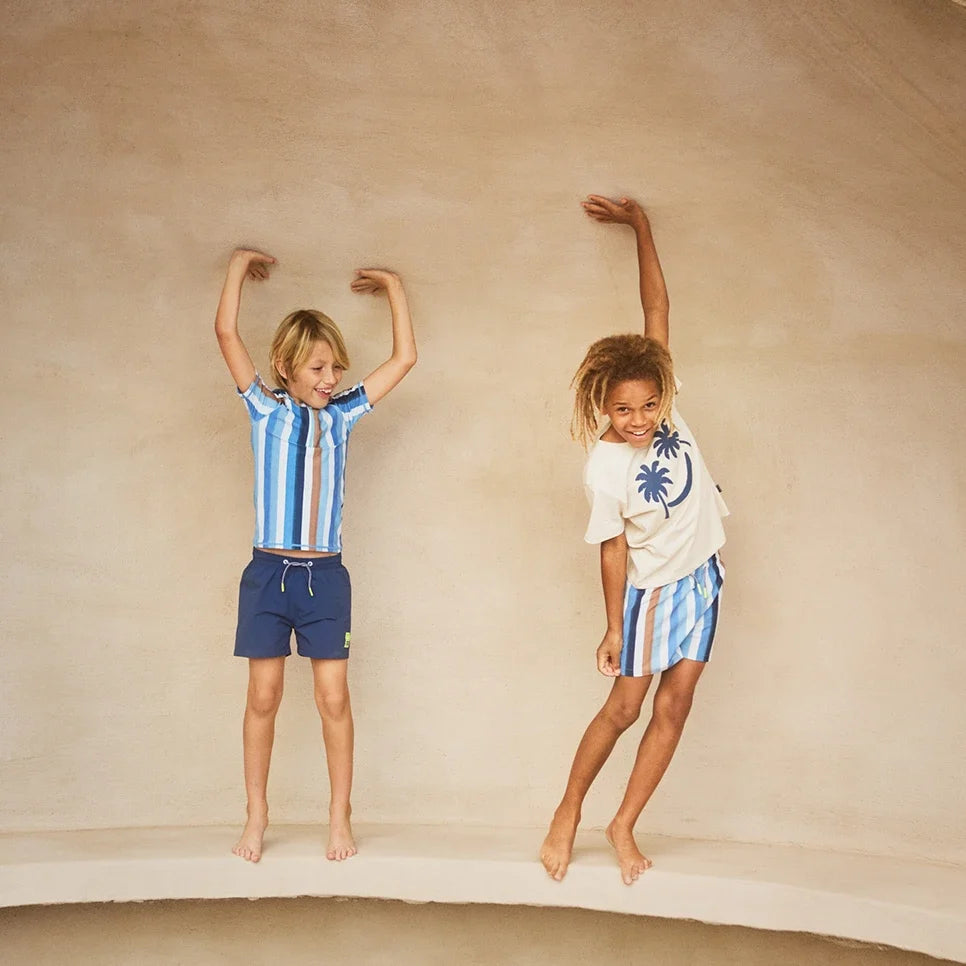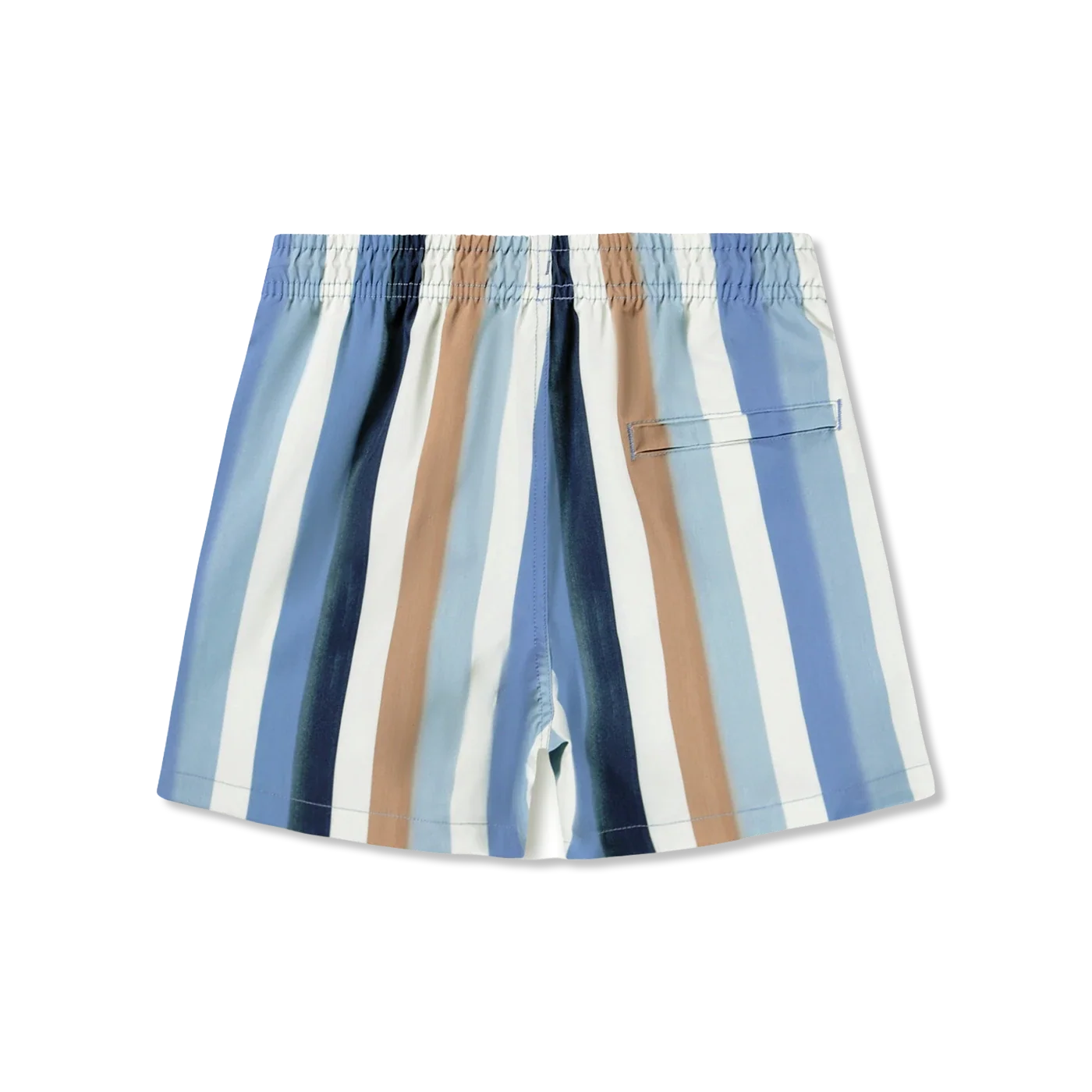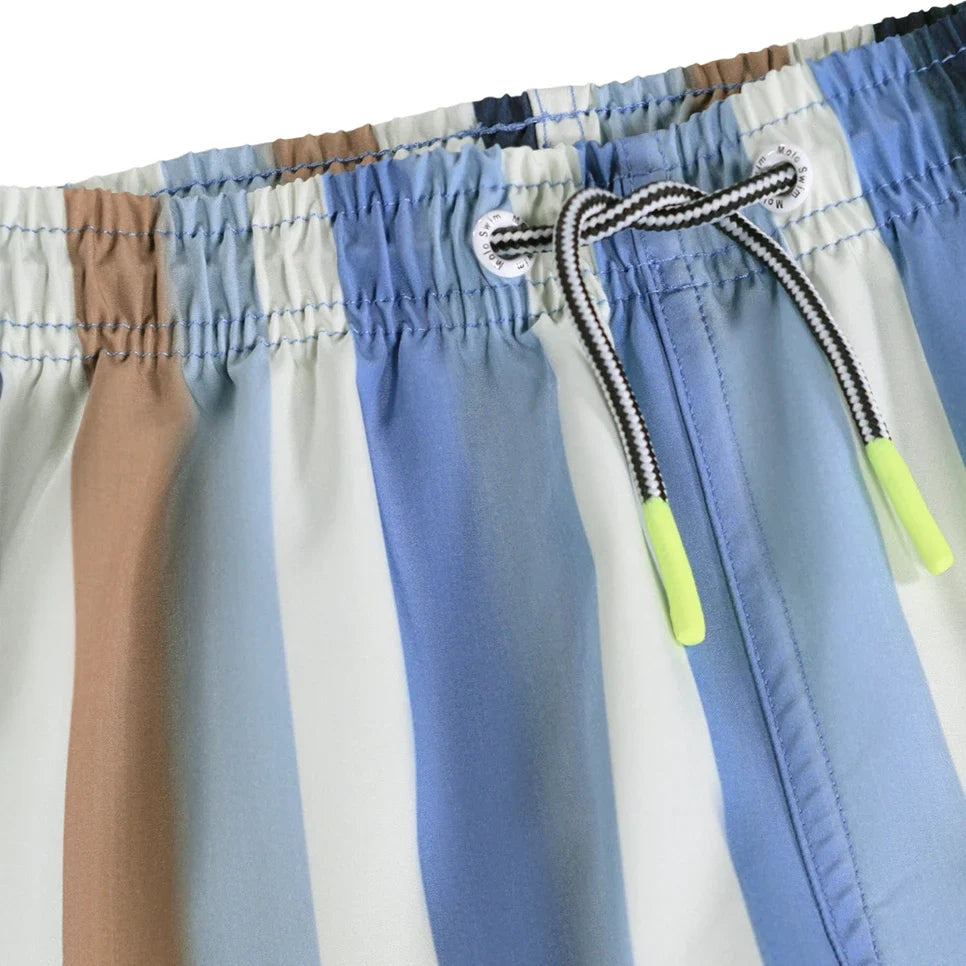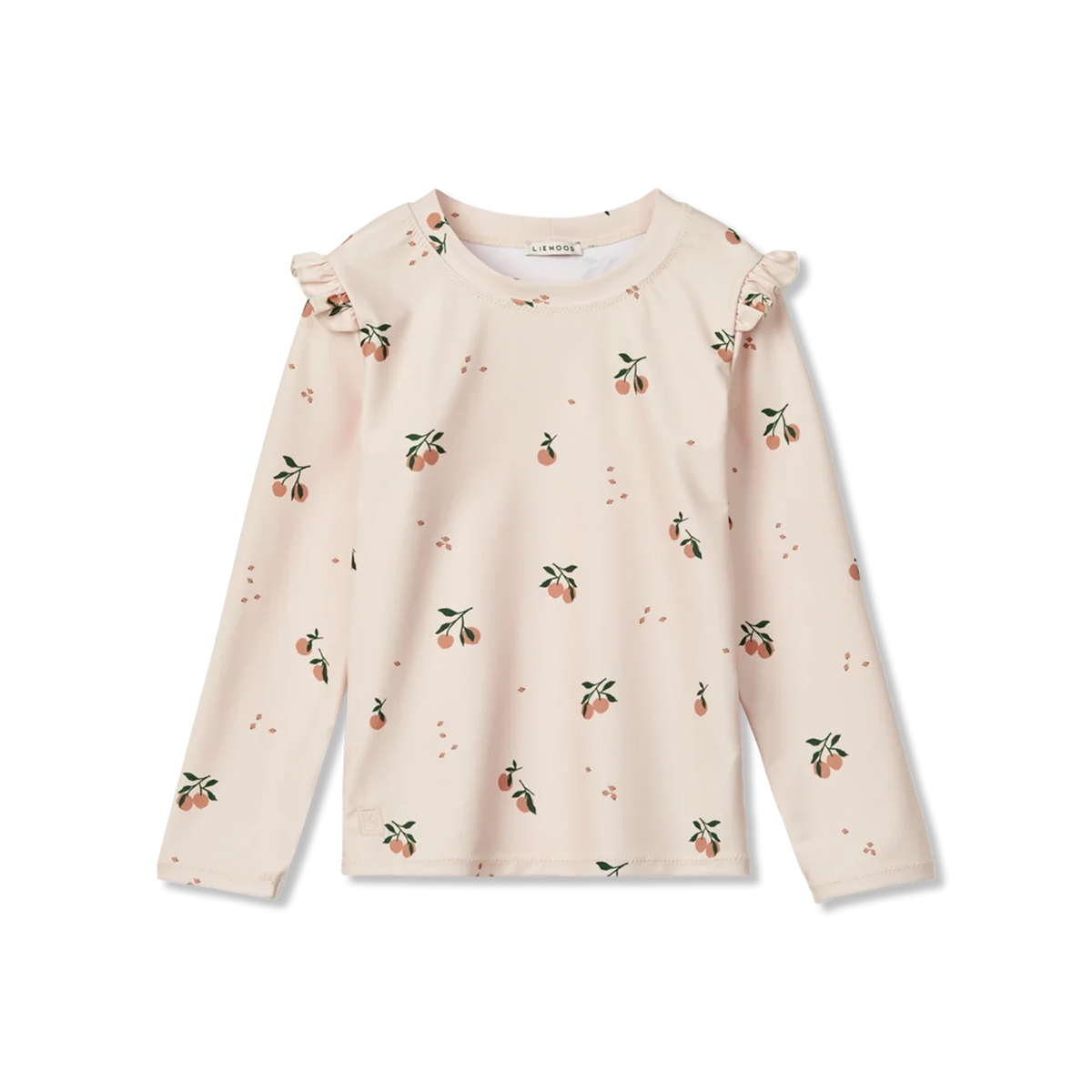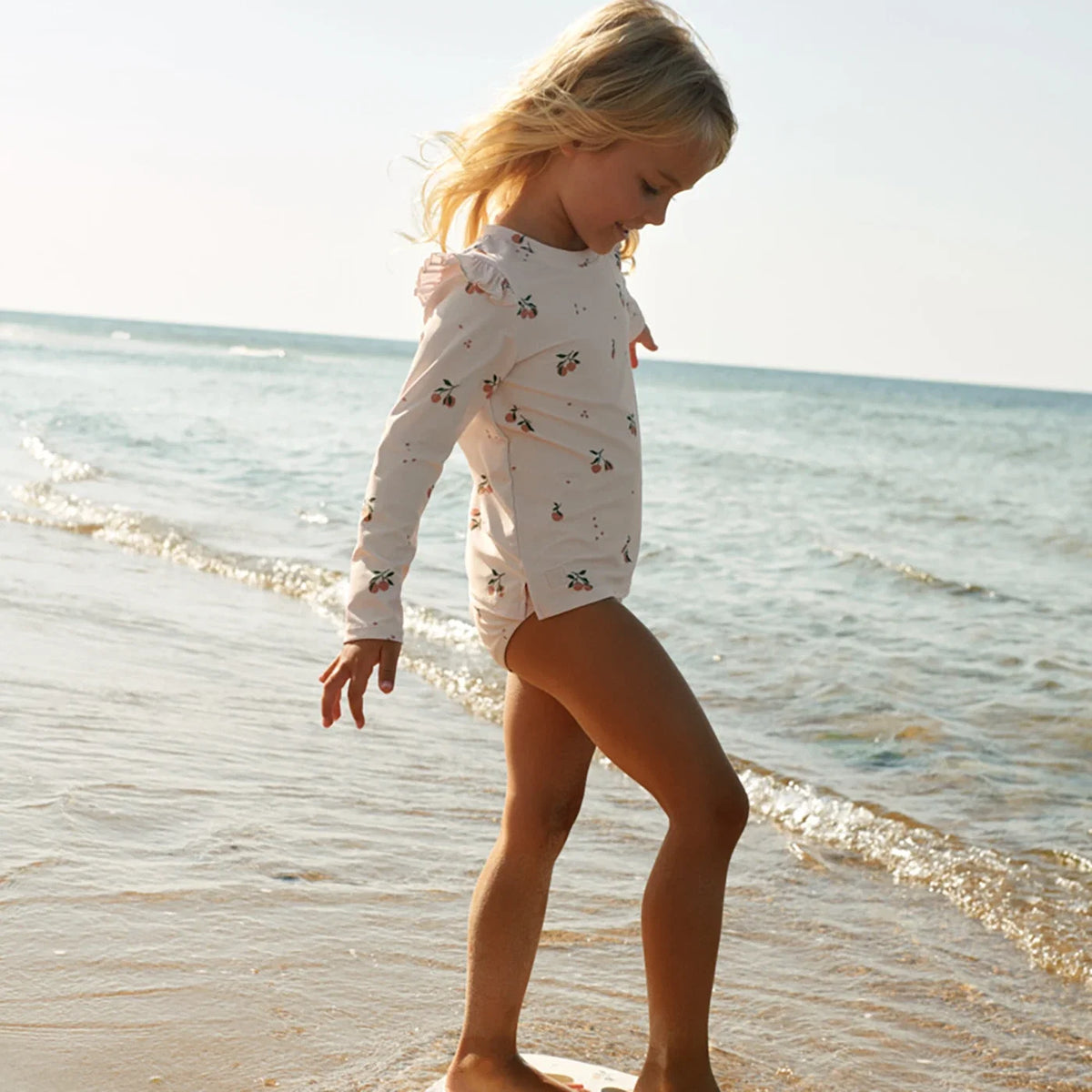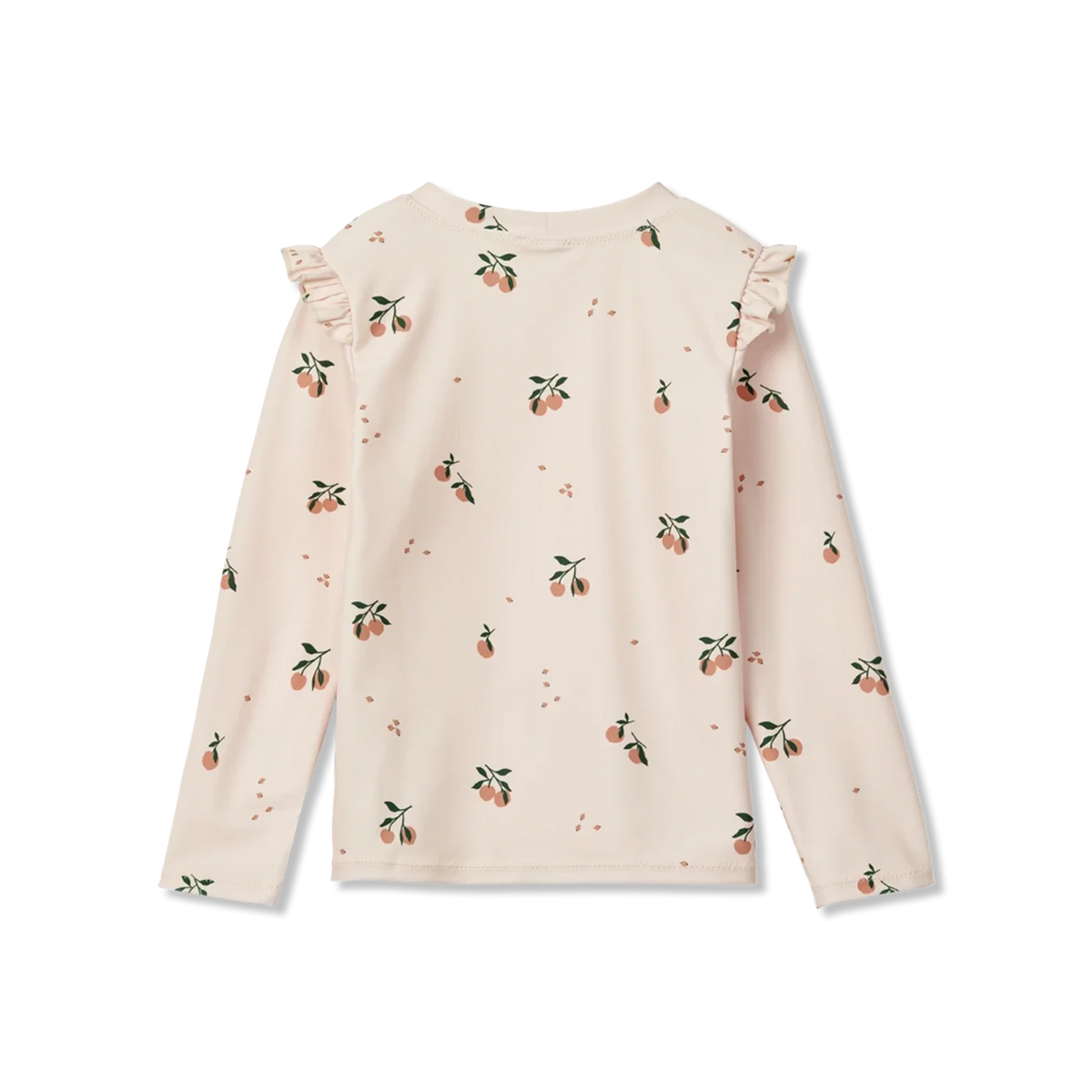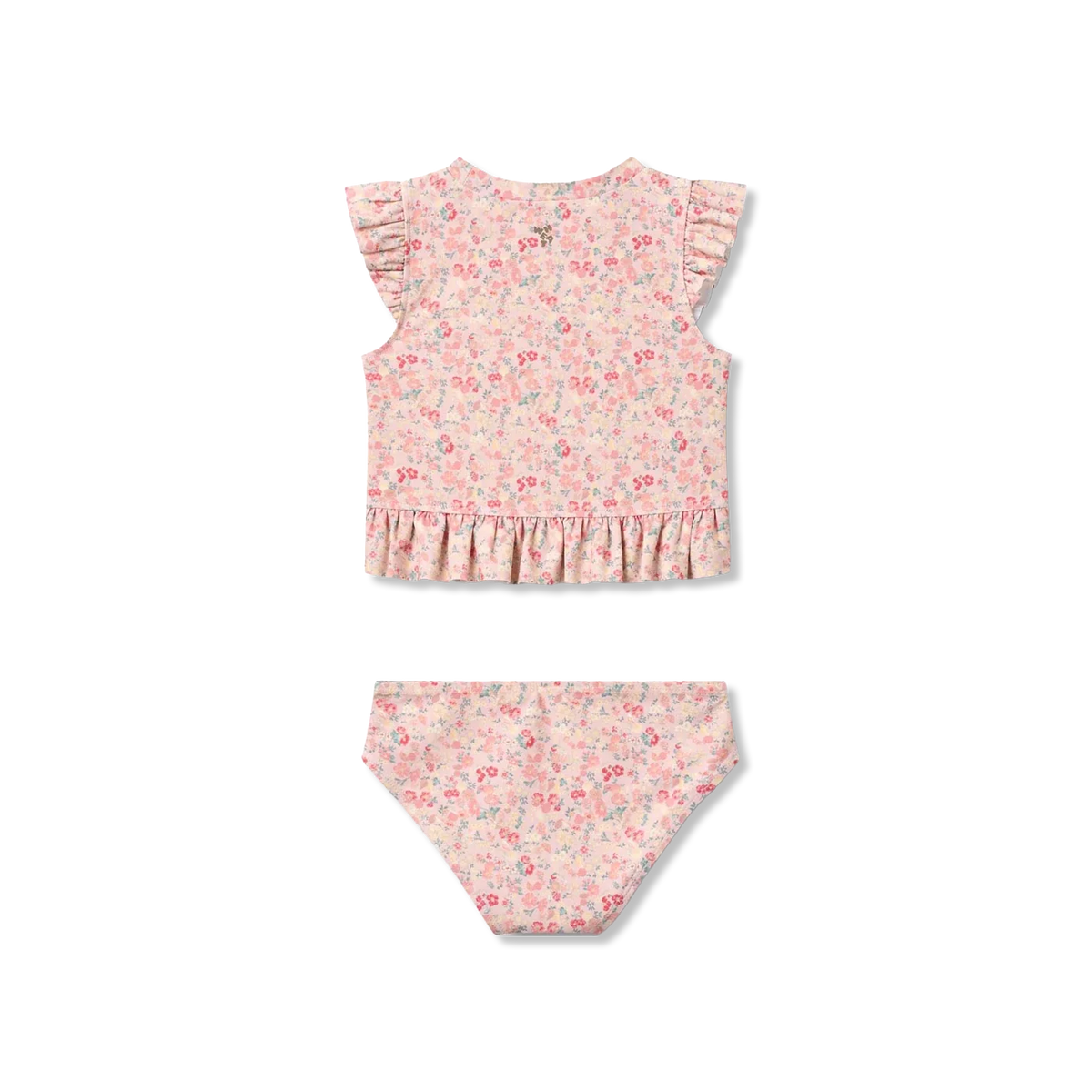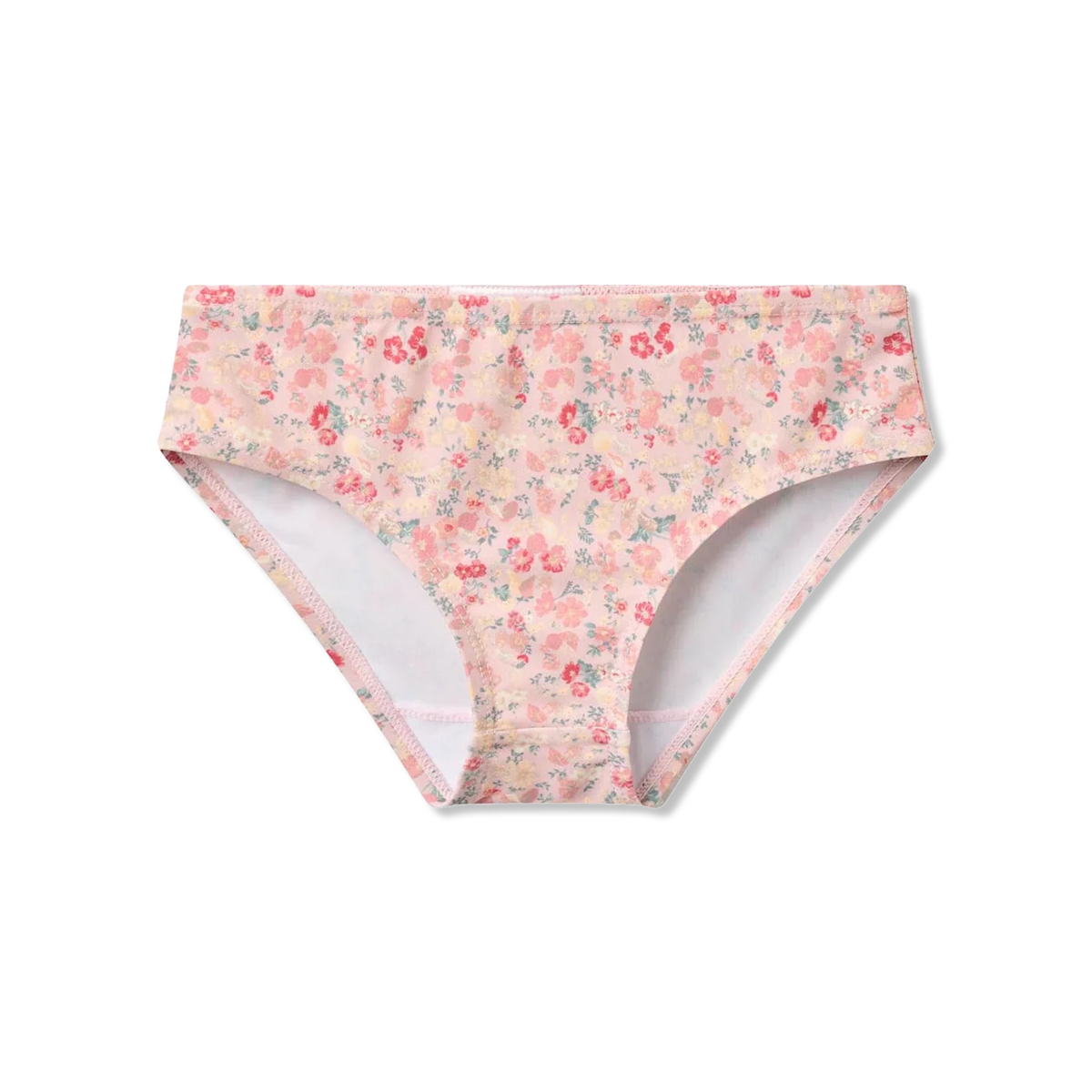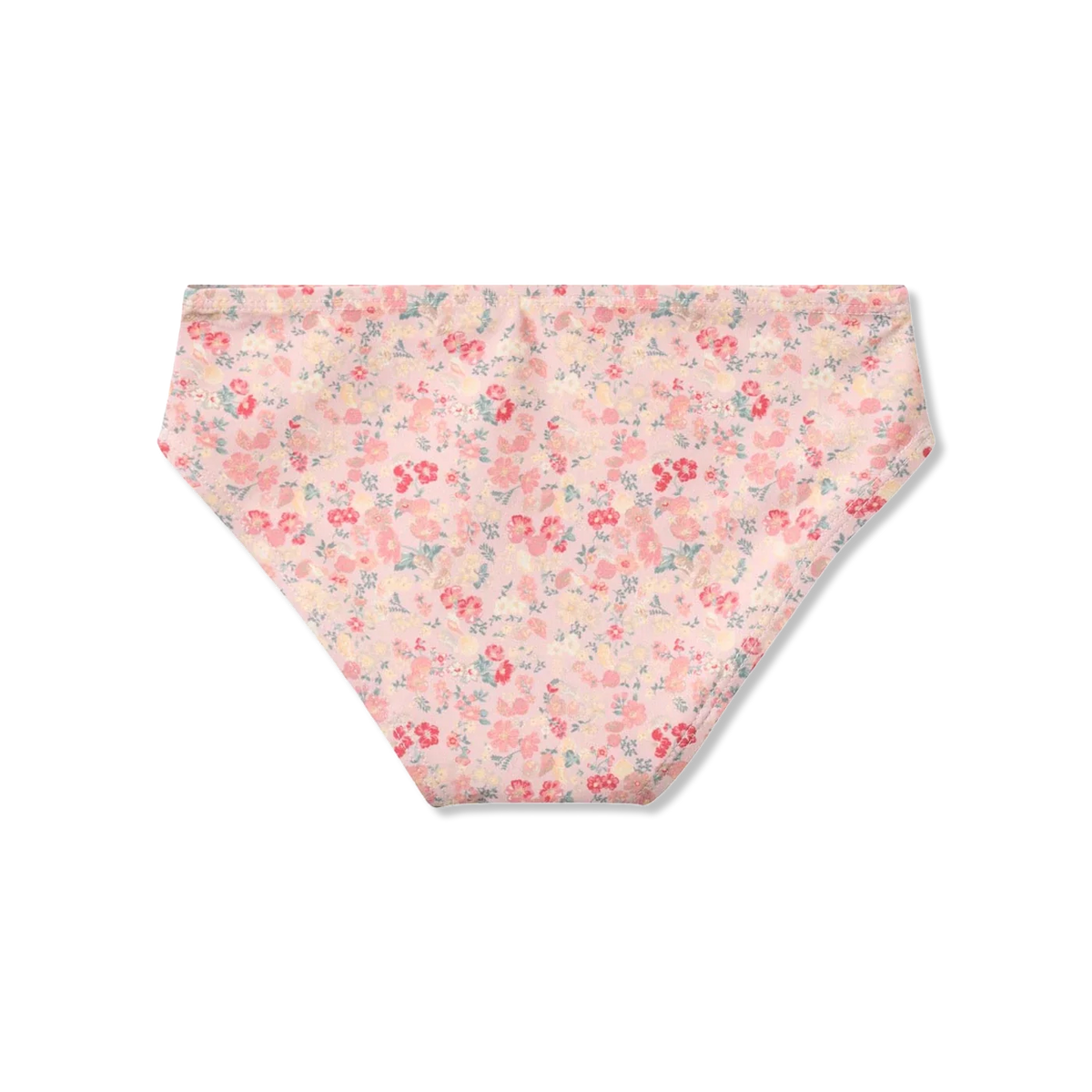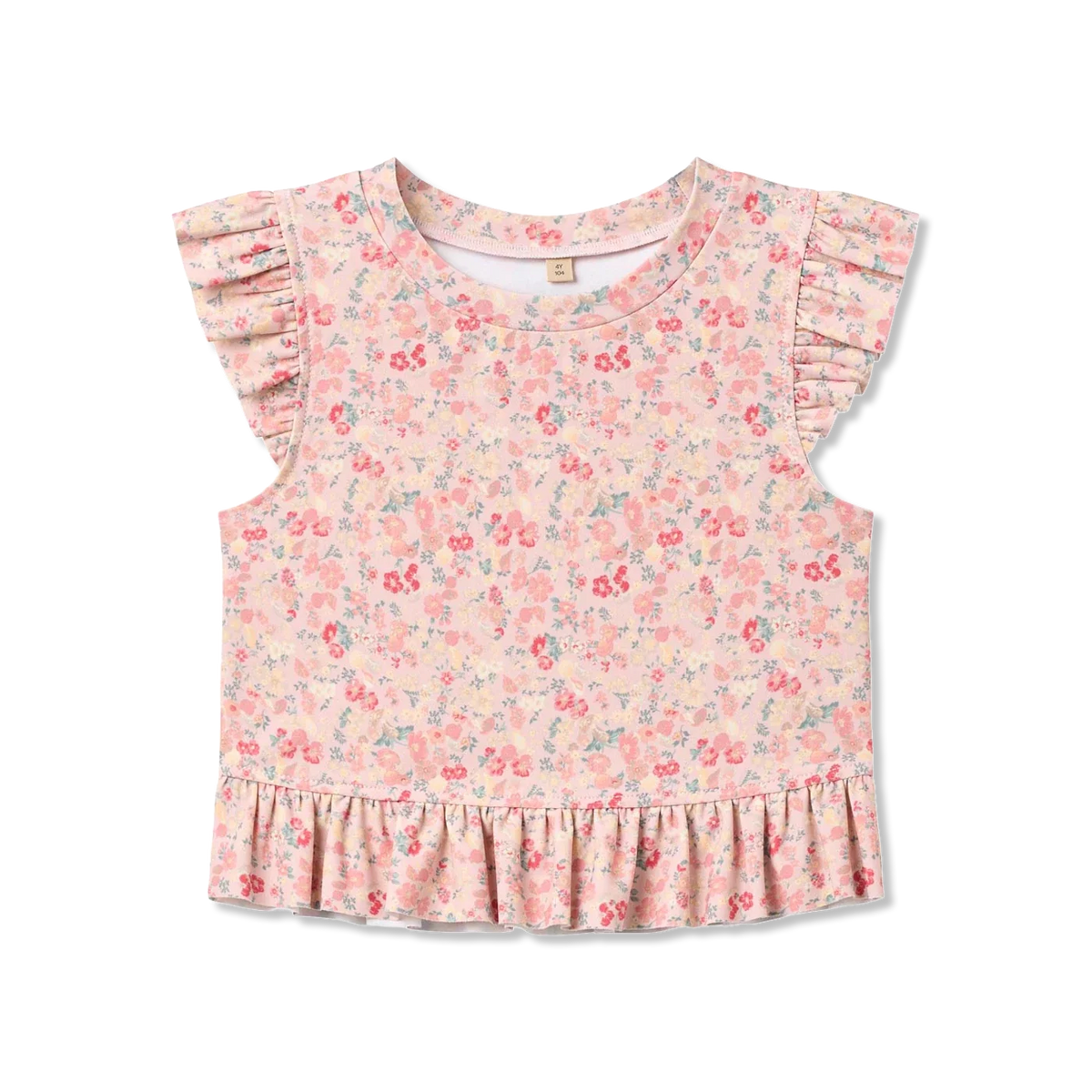
UV swimwear for children that protects in the sun and water
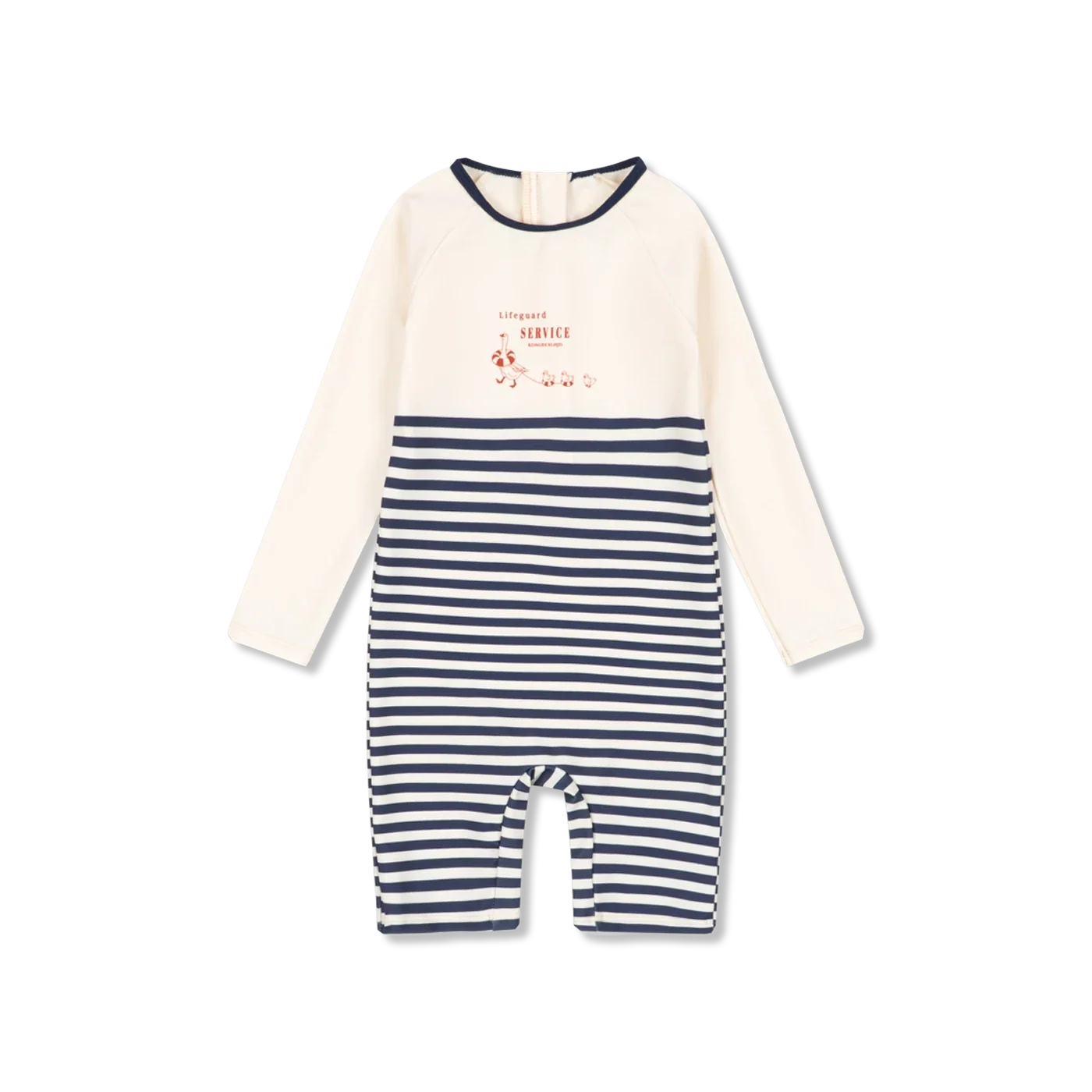
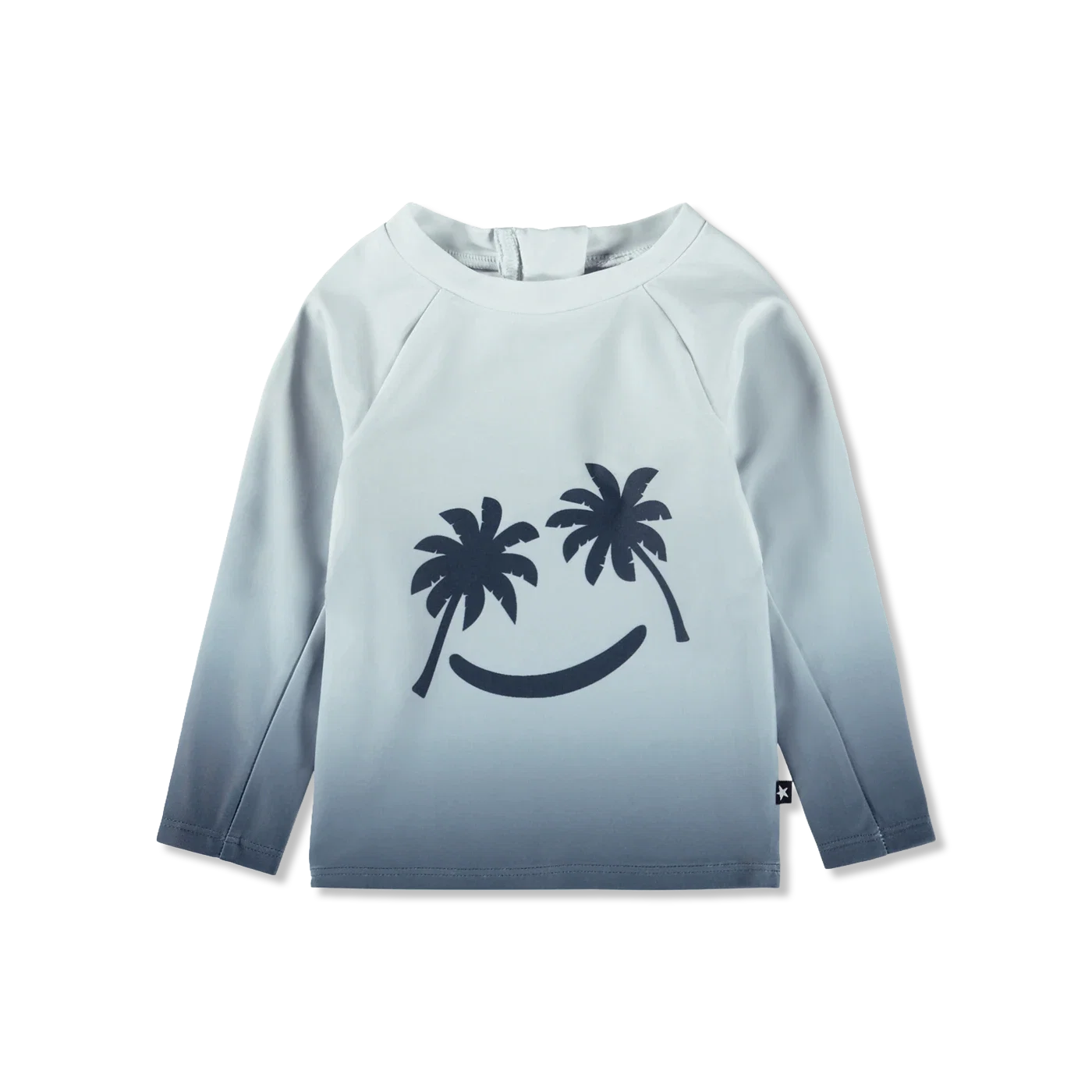
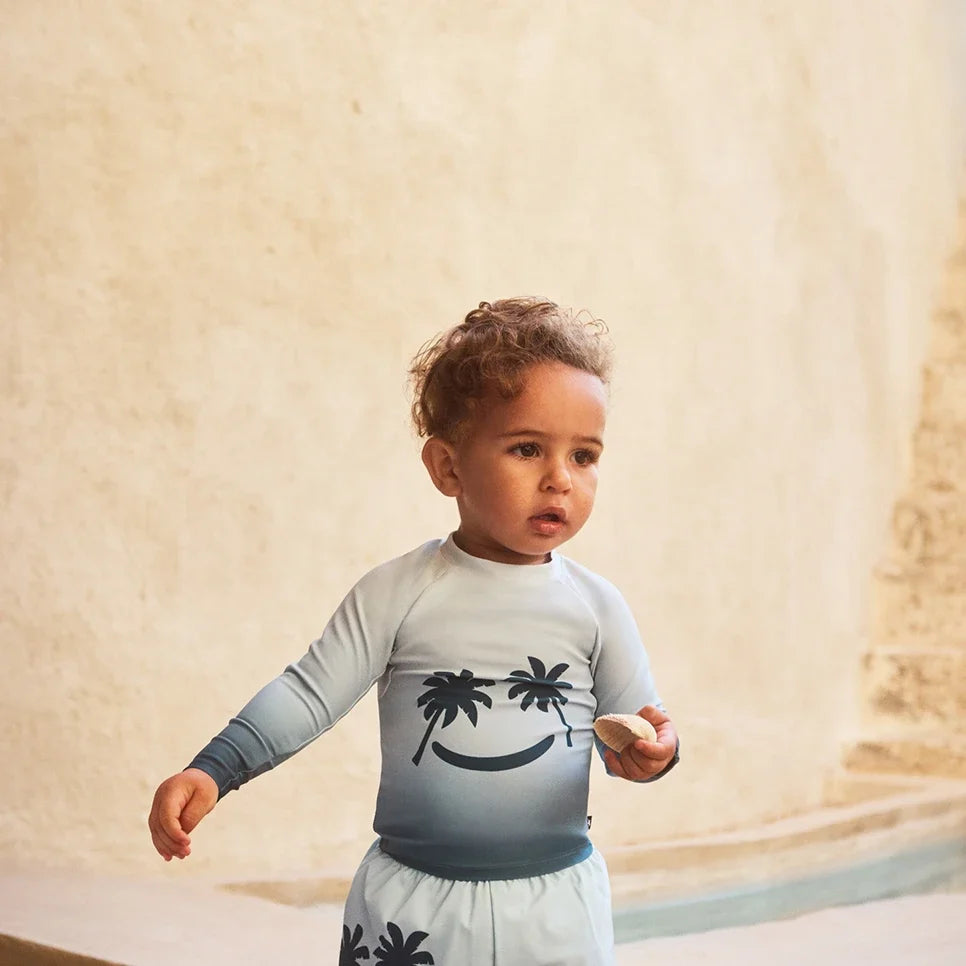
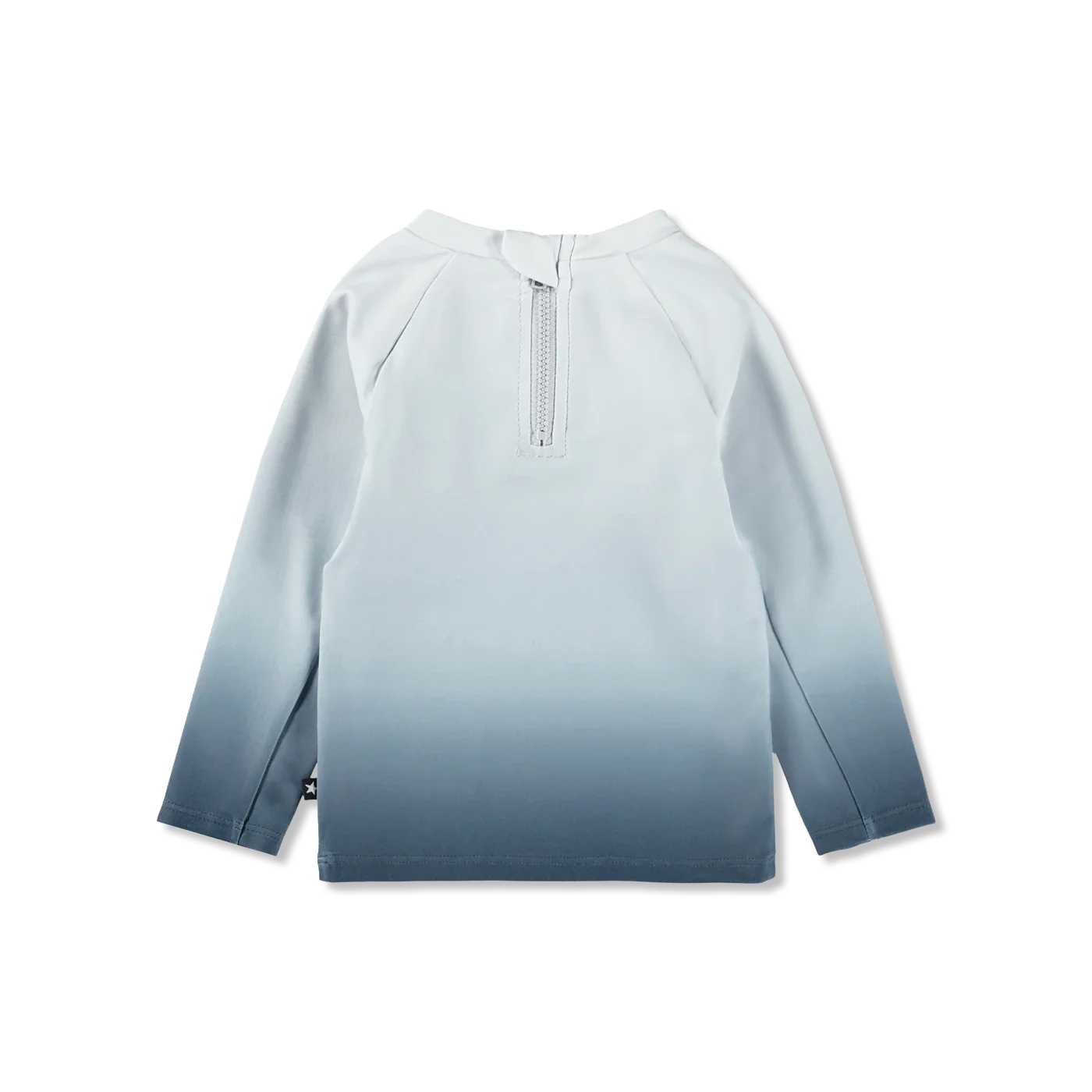
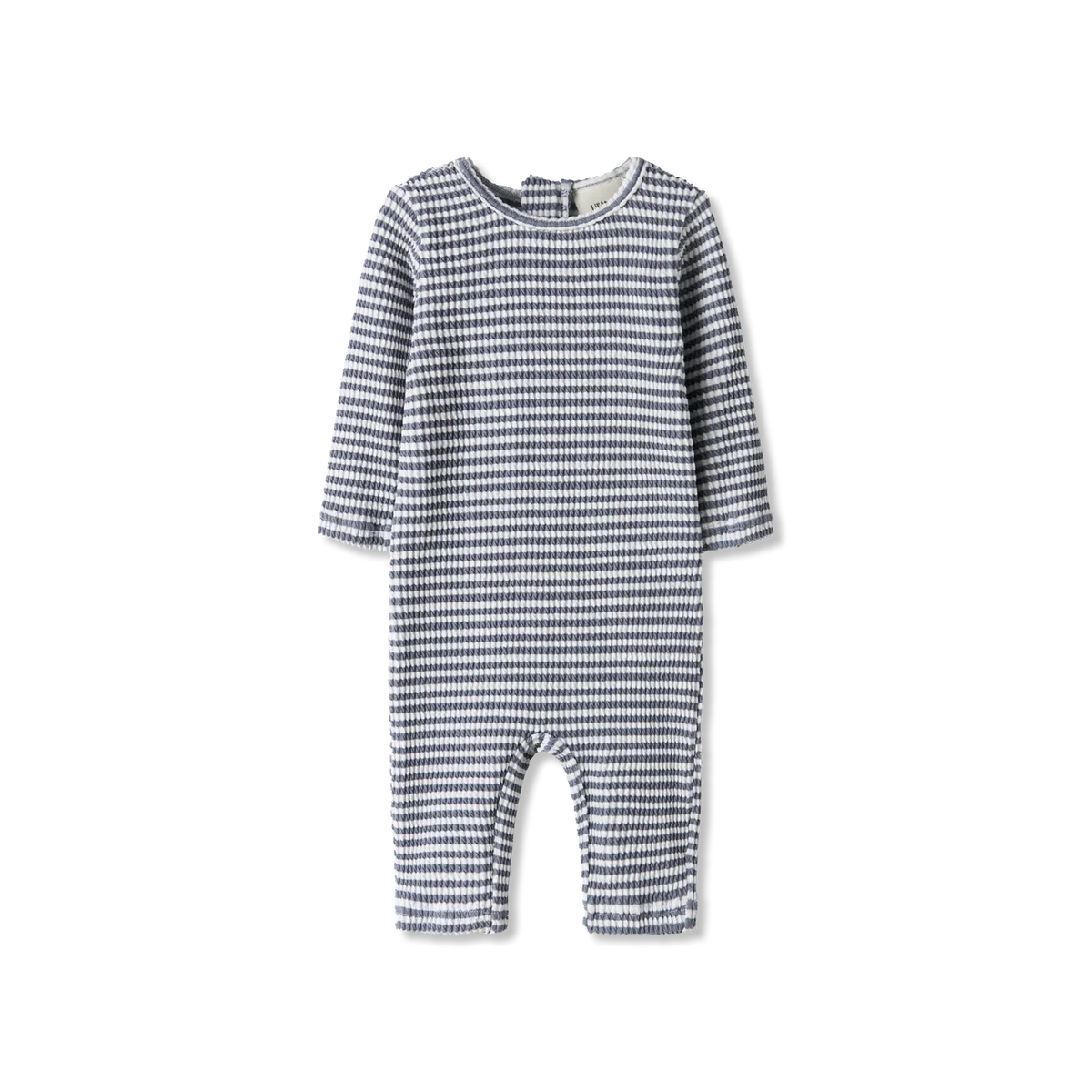
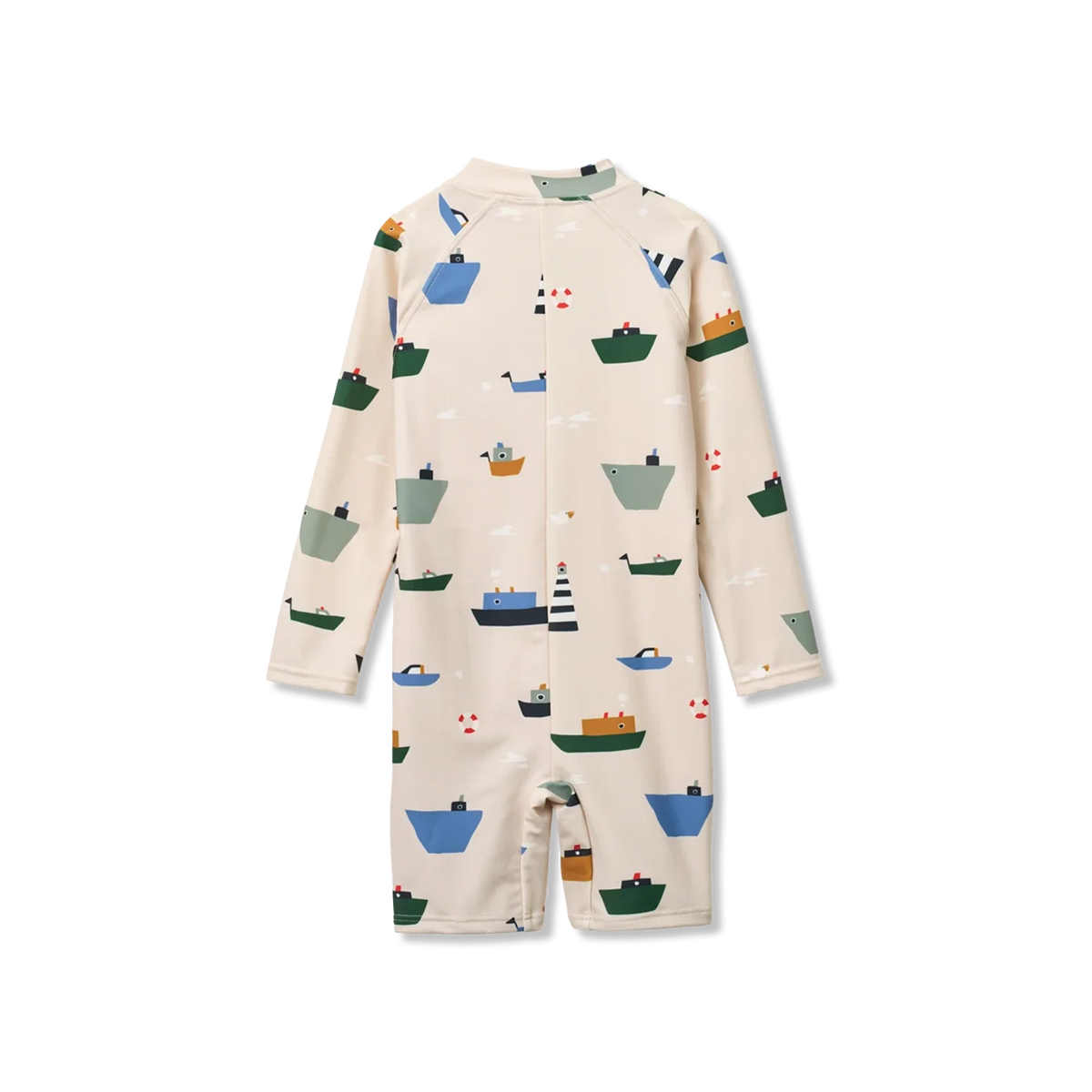
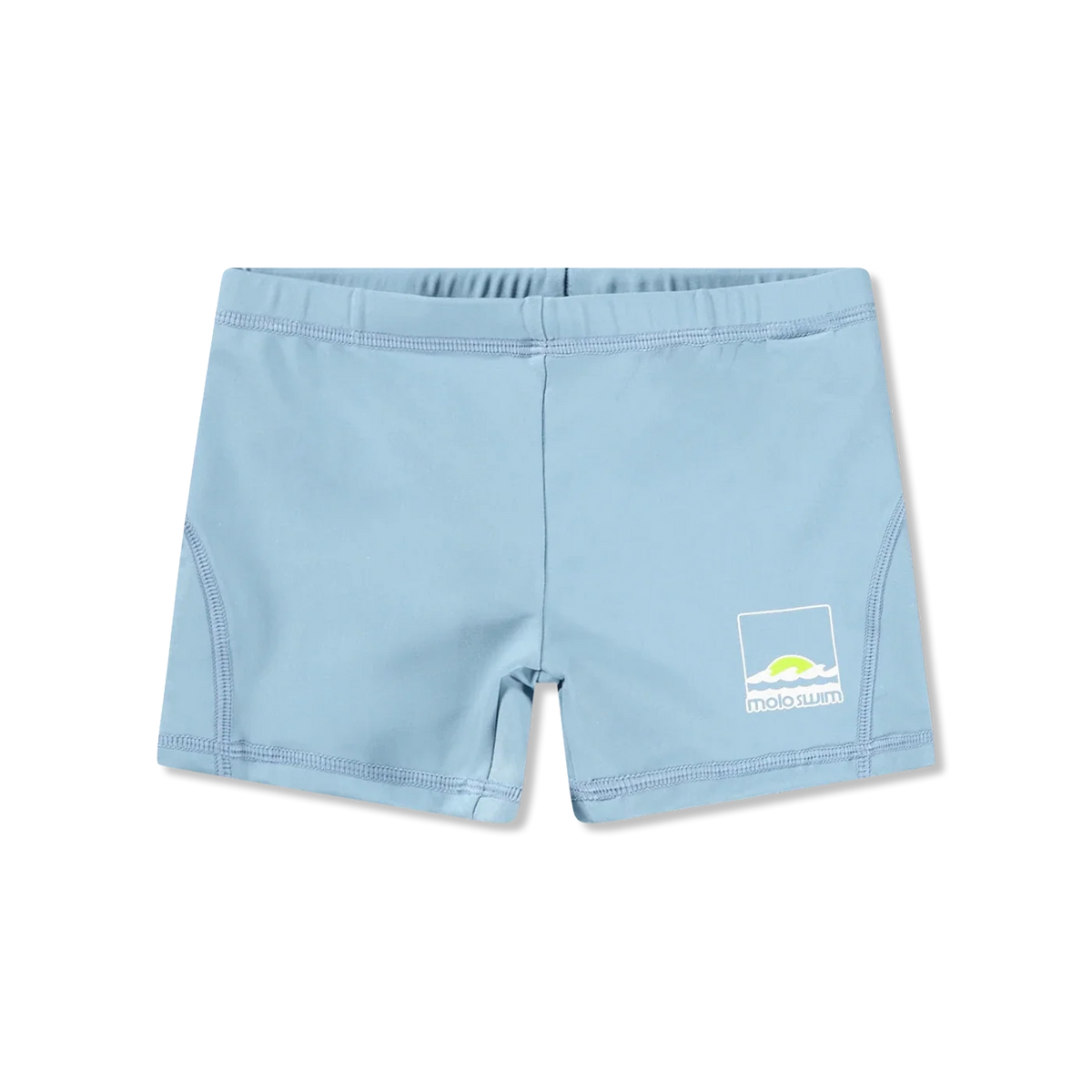
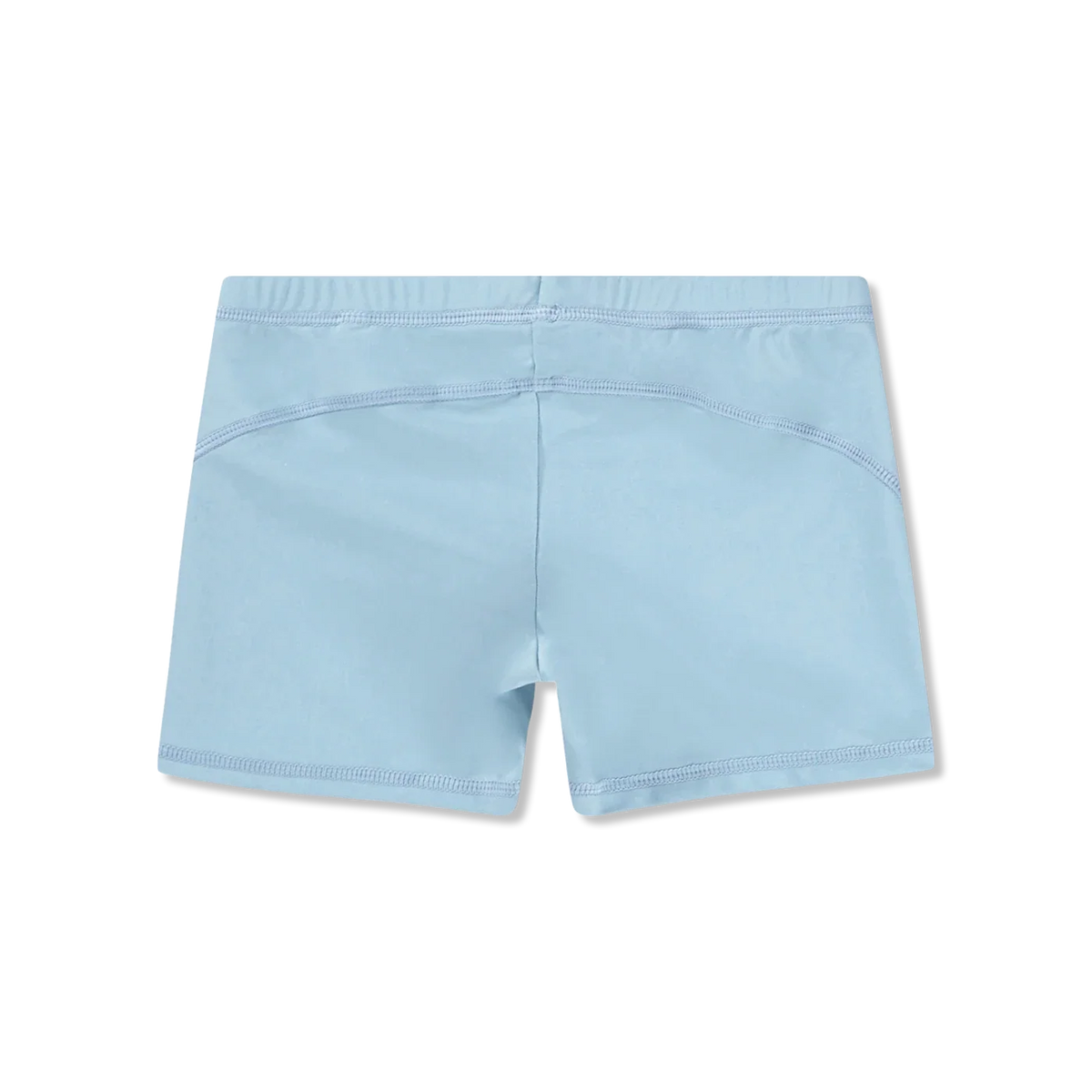
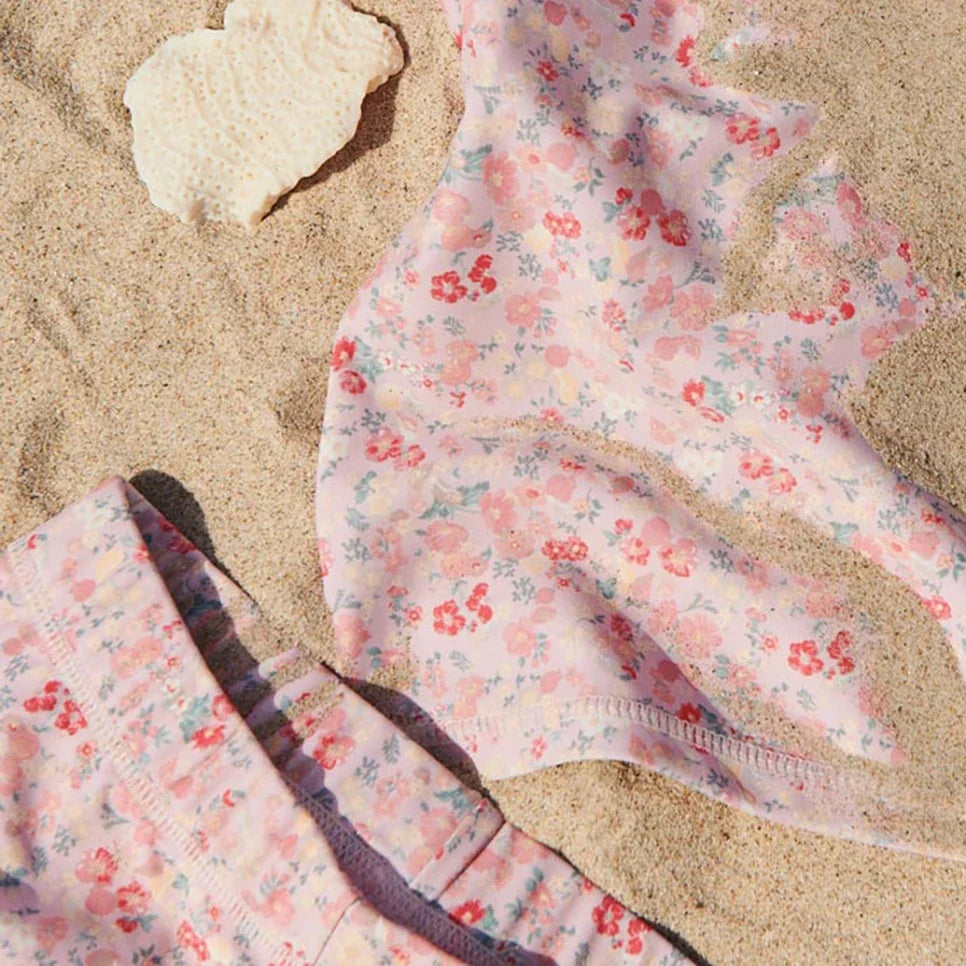
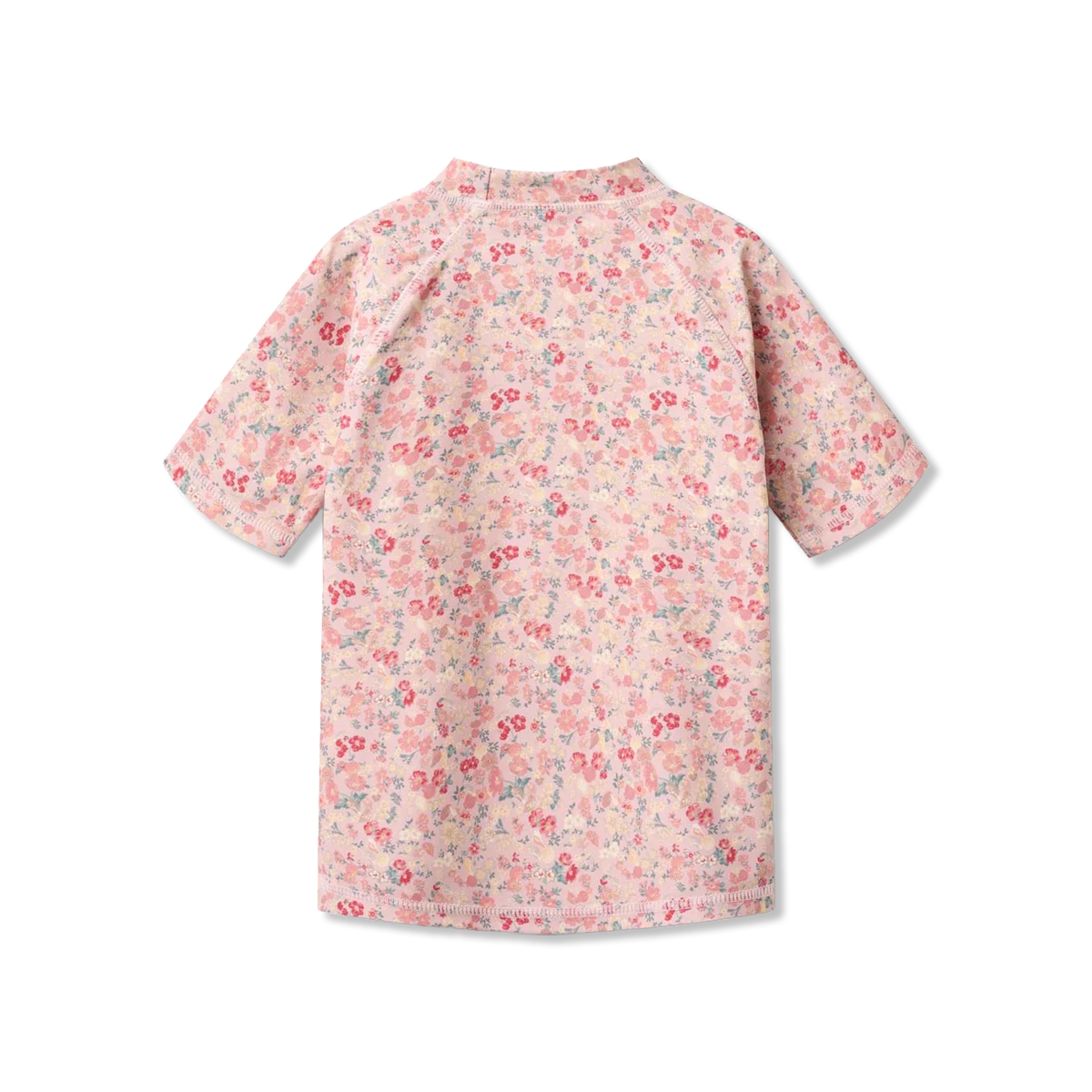
UV swimwear is made for children who play, swim and spend a lot of time outdoors in the sun, where regular swimwear often does not provide enough coverage. In this category, you will find sun-protective swimwear for babies and children, including full-body suits, UV tops, rashguards, shorts and other styles that offer a good balance of coverage, freedom of movement and comfort on warm days.
When choosing UV swimwear, there are three things that are especially worth considering: how much skin the swimwear should cover, how close-fitting it should be, and whether it has documented UV protection such as UPF 50+. This makes UV swimwear for children an ideal choice for beach trips, pool days, water parks and holidays where your child spends a long time in the sun. For the youngest children, a more covering style often gives extra peace of mind, while older children often do well with a combination of a UV top and swim trunks or shorts.
Which UV swimwear suits your child’s age and activity level?
The needs of a small baby lying on a blanket in the shade and splashing a little at the water’s edge are different from those of an older child running in and out of the water all day. That is why it makes sense to choose UV swimwear based on both age and how it will be used.
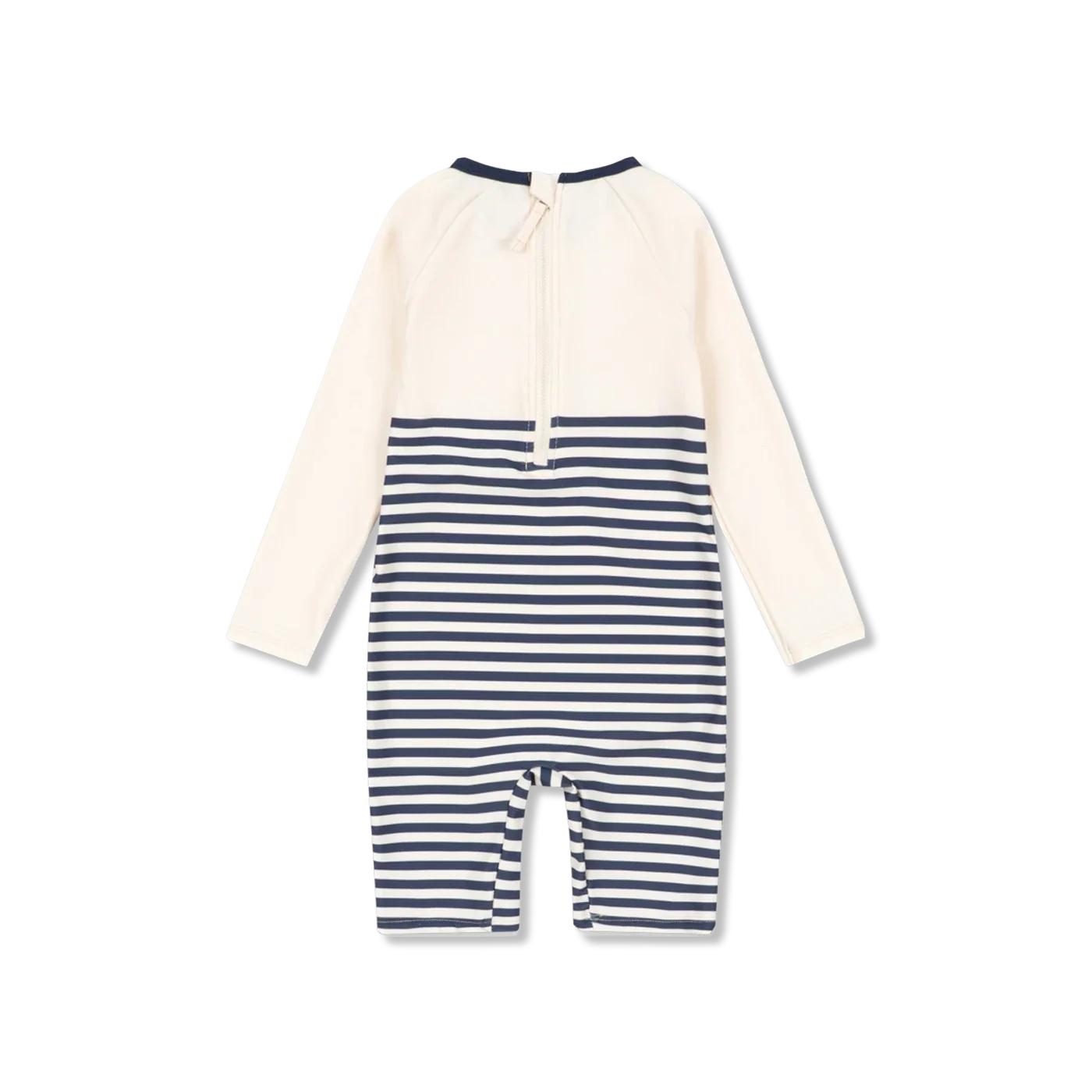
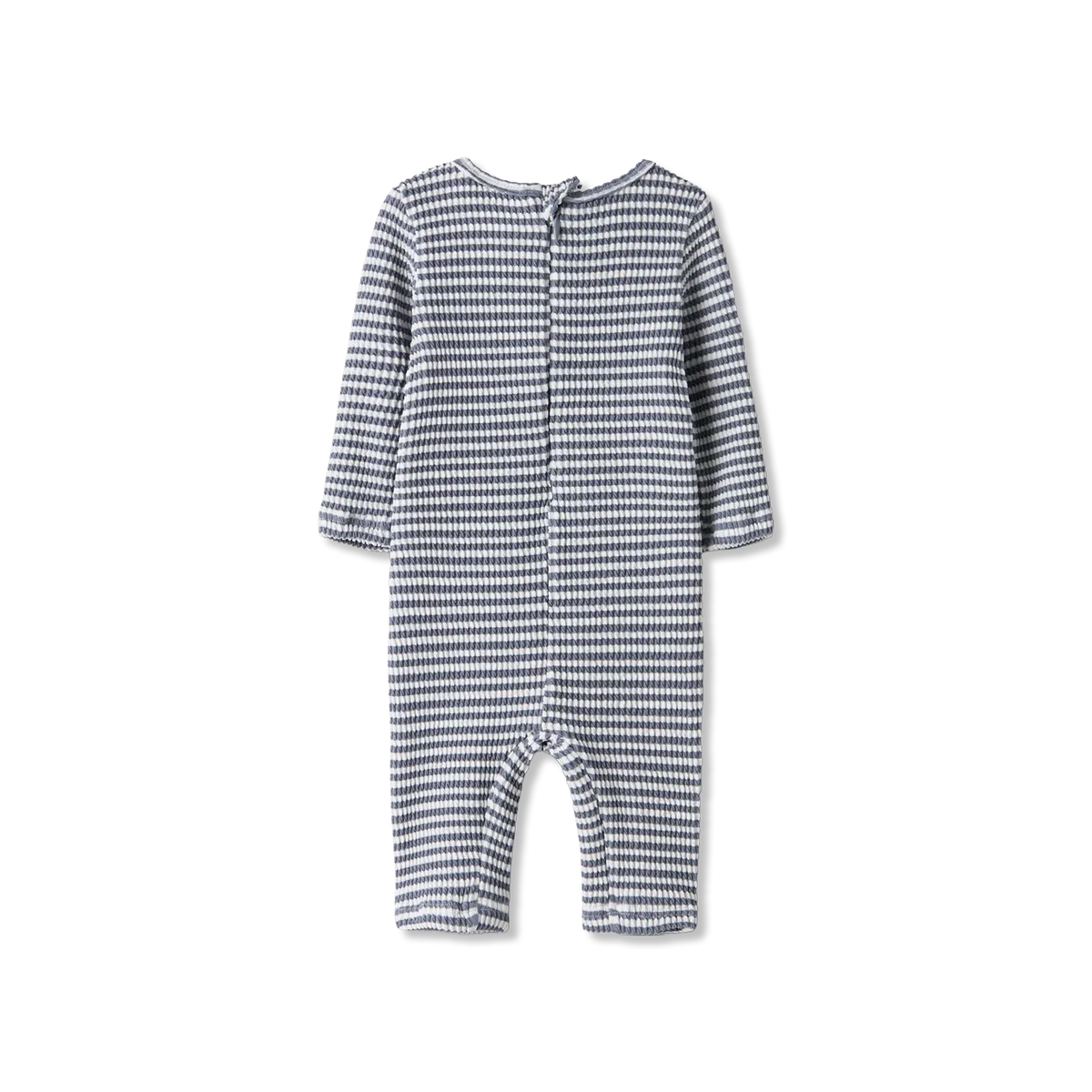
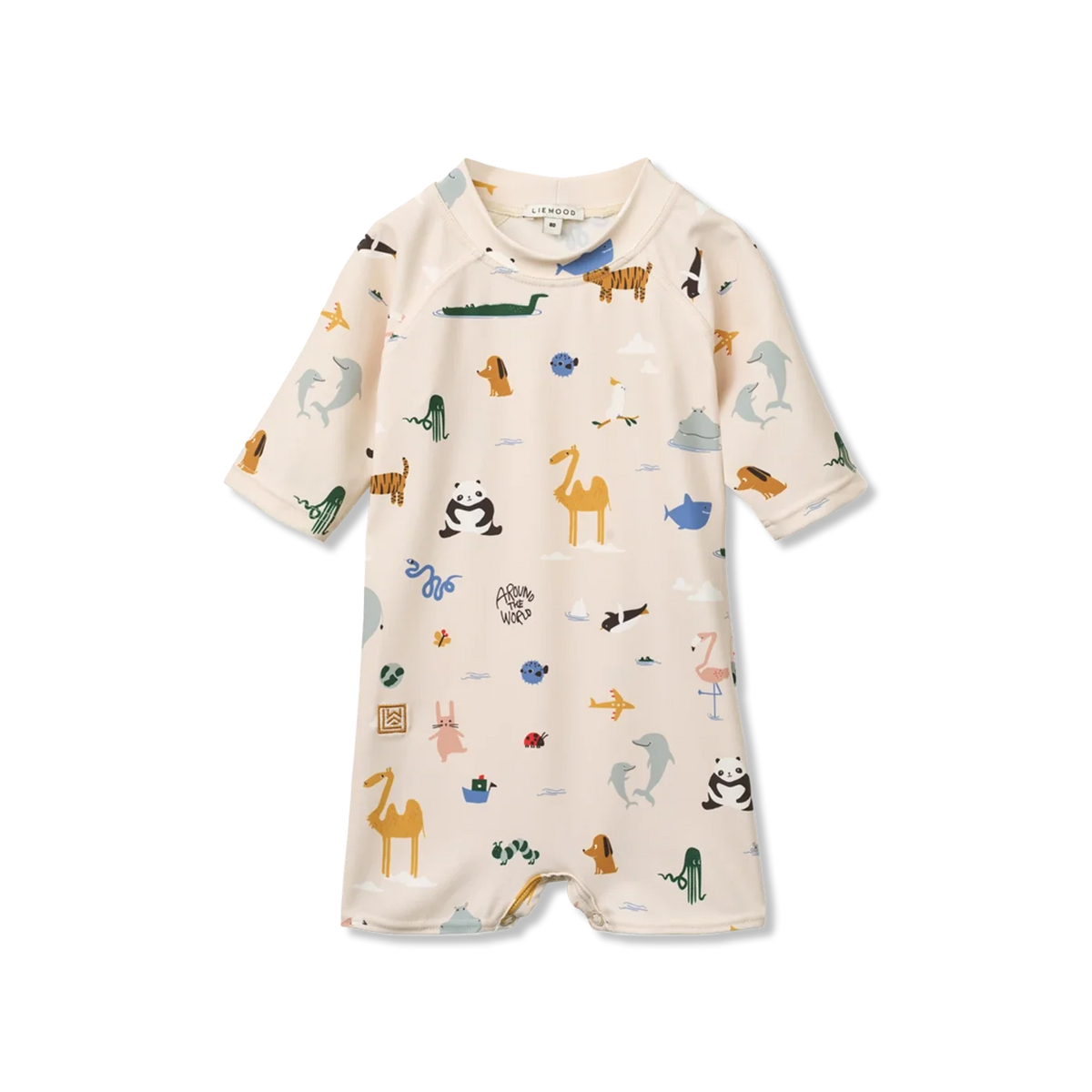
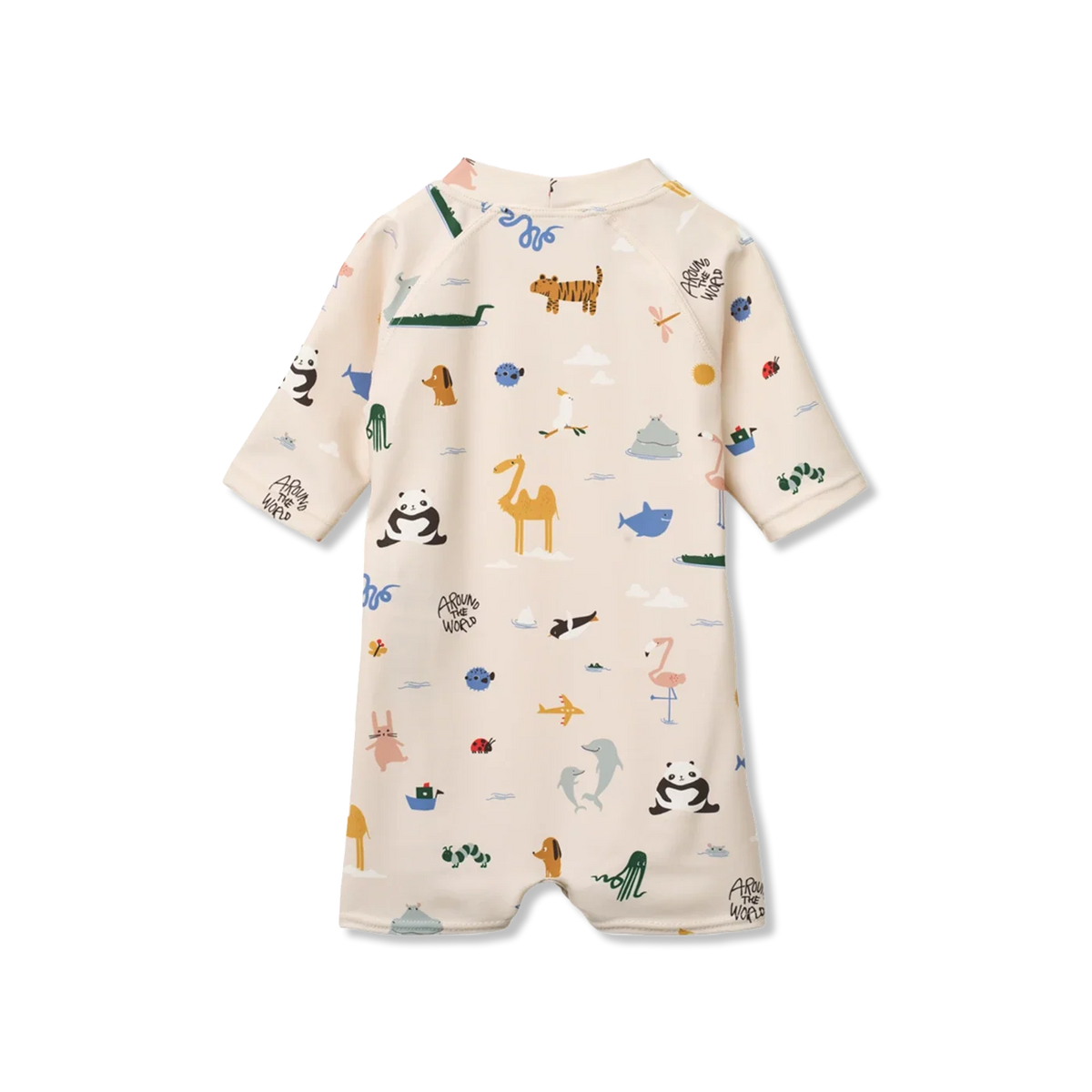
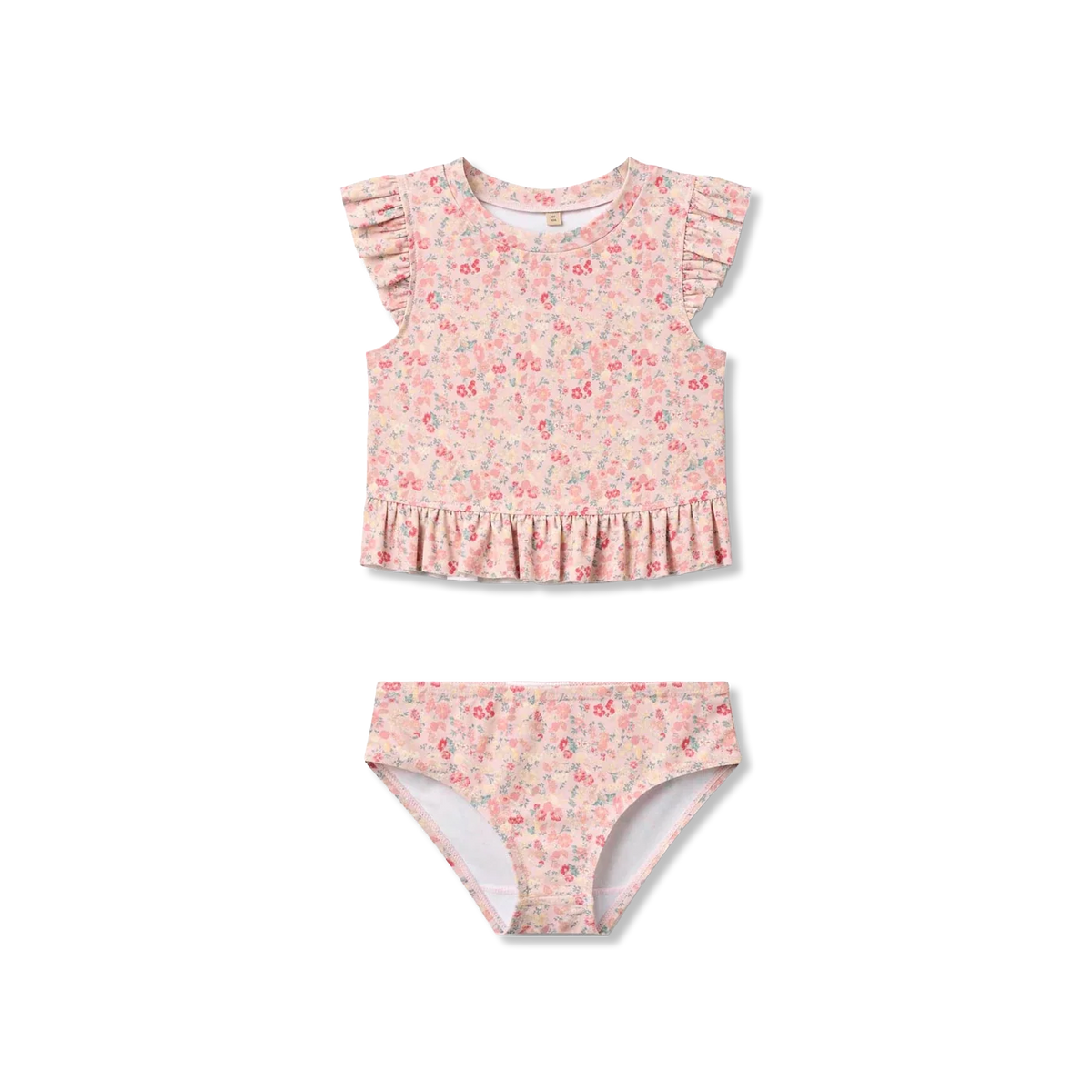
For babies and toddlers, a full UV suit or one-piece swimsuit is often a very good choice because it covers a lot of skin and stays in place, even when your child crawls, plays or is lifted up and down. Many parents also choose styles with long sleeves and a little extra leg length, especially for days with many hours outdoors. For older children, two-piece sets are often popular because they feel easy to move in and make it quick to jump back into the water.
As a general guide, you can consider:
- 0-2 years: full-body suits or covering UV sets with as much protection as possible.
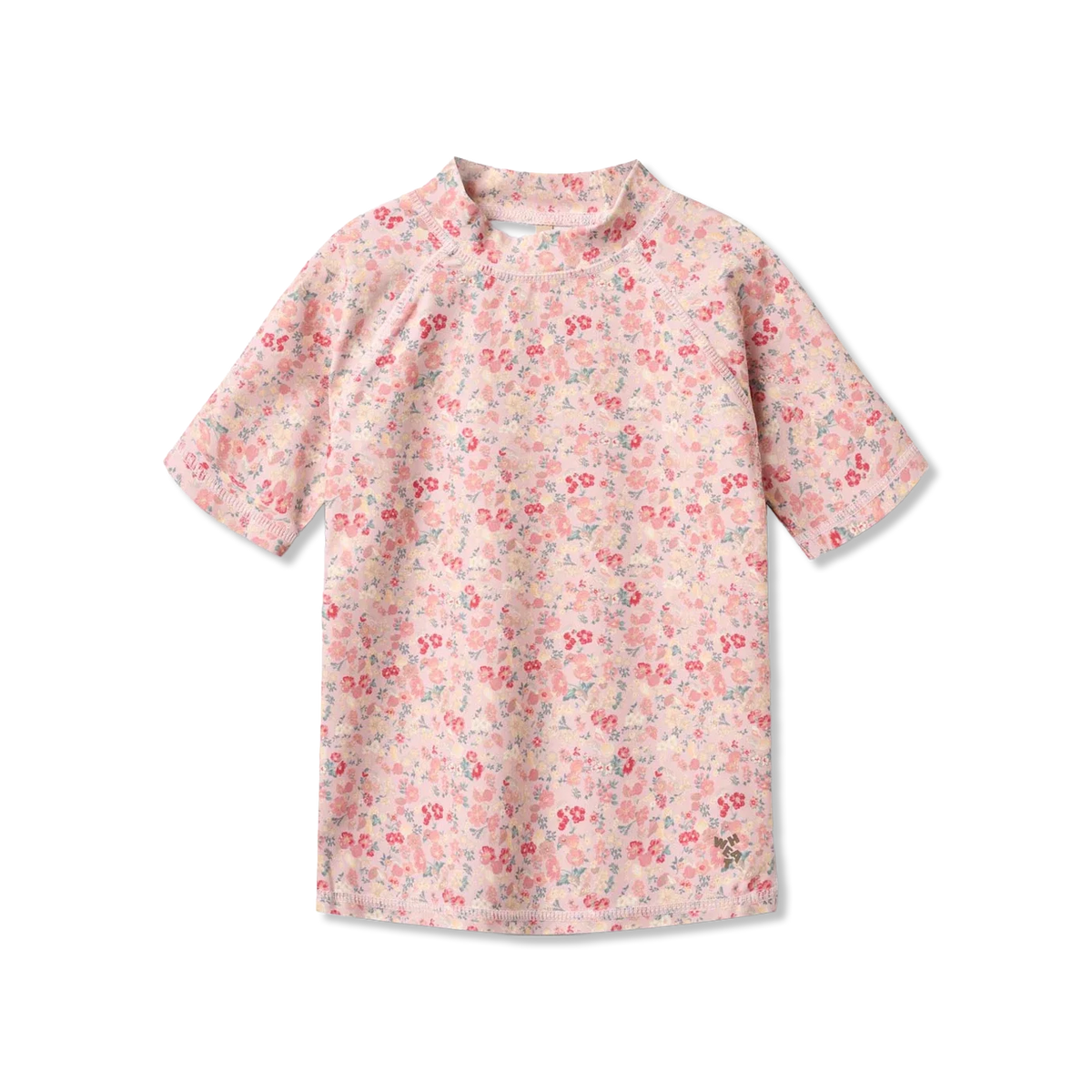
- 2-6 years: flexible sets with a UV top and bottoms for active play.
- 6+ years: rashguards, UV tops and shorts for the beach, swimming and water sports.
If you are unsure, it can help to think about how long your child will be in direct sunlight and how easy the swimwear needs to be to take on and off during the day.
UPF 50+ and the difference between UV swimwear and regular swimwear
The most important feature of UV swimwear is that it is developed to help protect against the sun’s rays. UPF 50+ means that the fabric blocks a very large amount of harmful UV radiation. This is where UV swimwear differs from regular swimwear, which is not necessarily made or tested with the same purpose in mind.
It is not enough to look at the colour or assume that a slightly thicker fabric automatically provides good protection. If your child will spend many hours at the beach, by the pool or on holiday, it is a good idea to choose swimwear with clearly stated UV protection. At the same time, it is important to remember that UV swimwear cannot stand alone. The face, hands, feet and other uncovered areas still need to be protected with sunscreen.
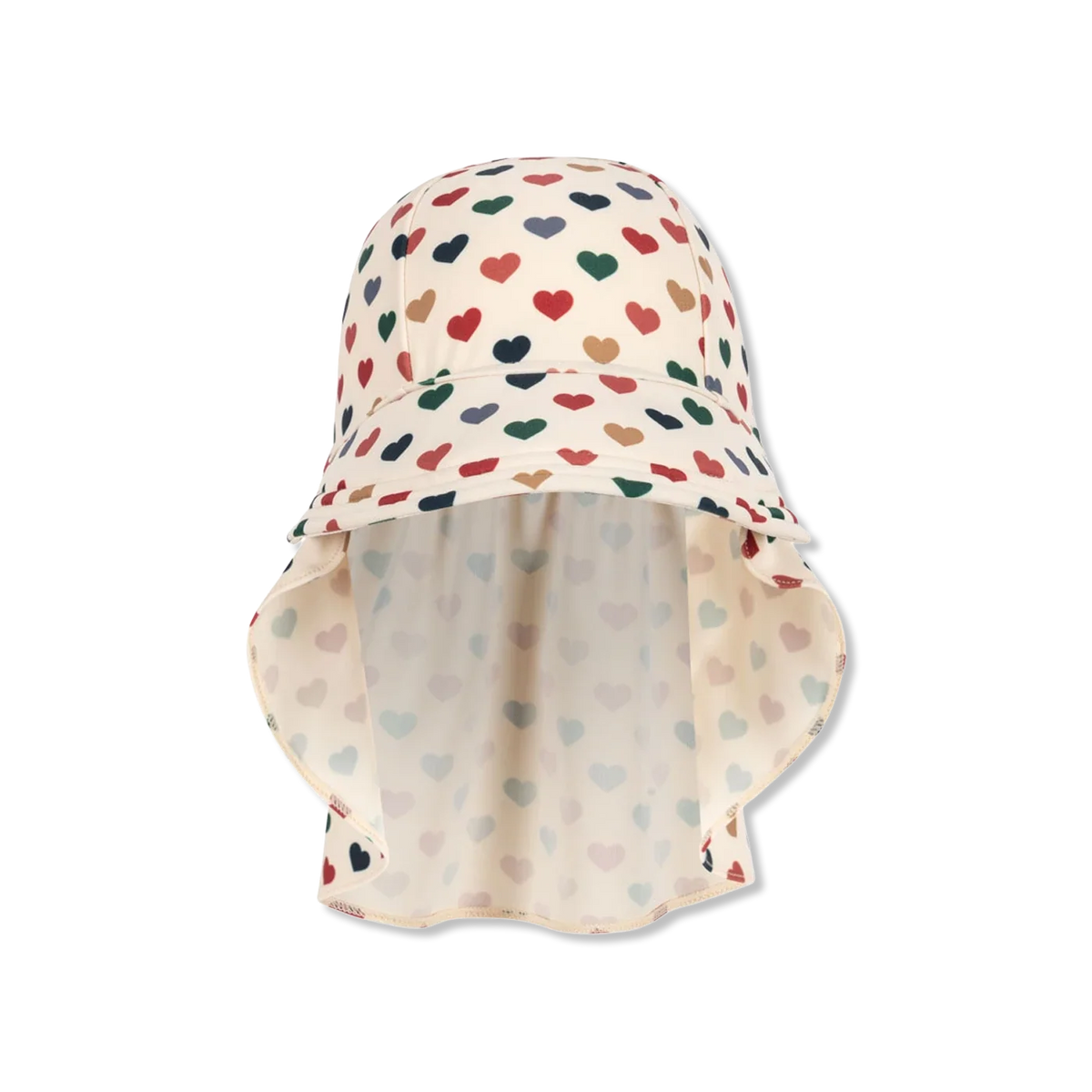
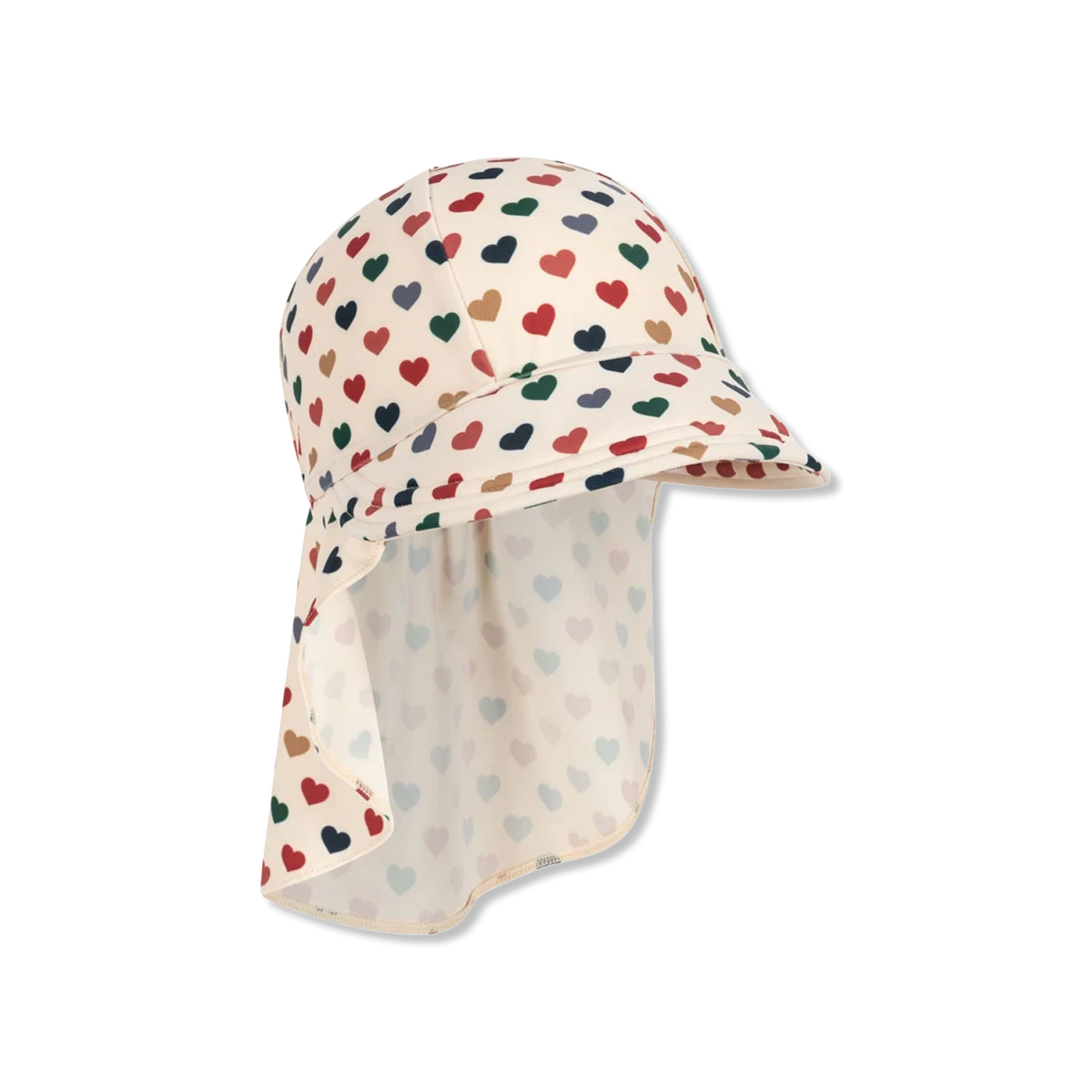
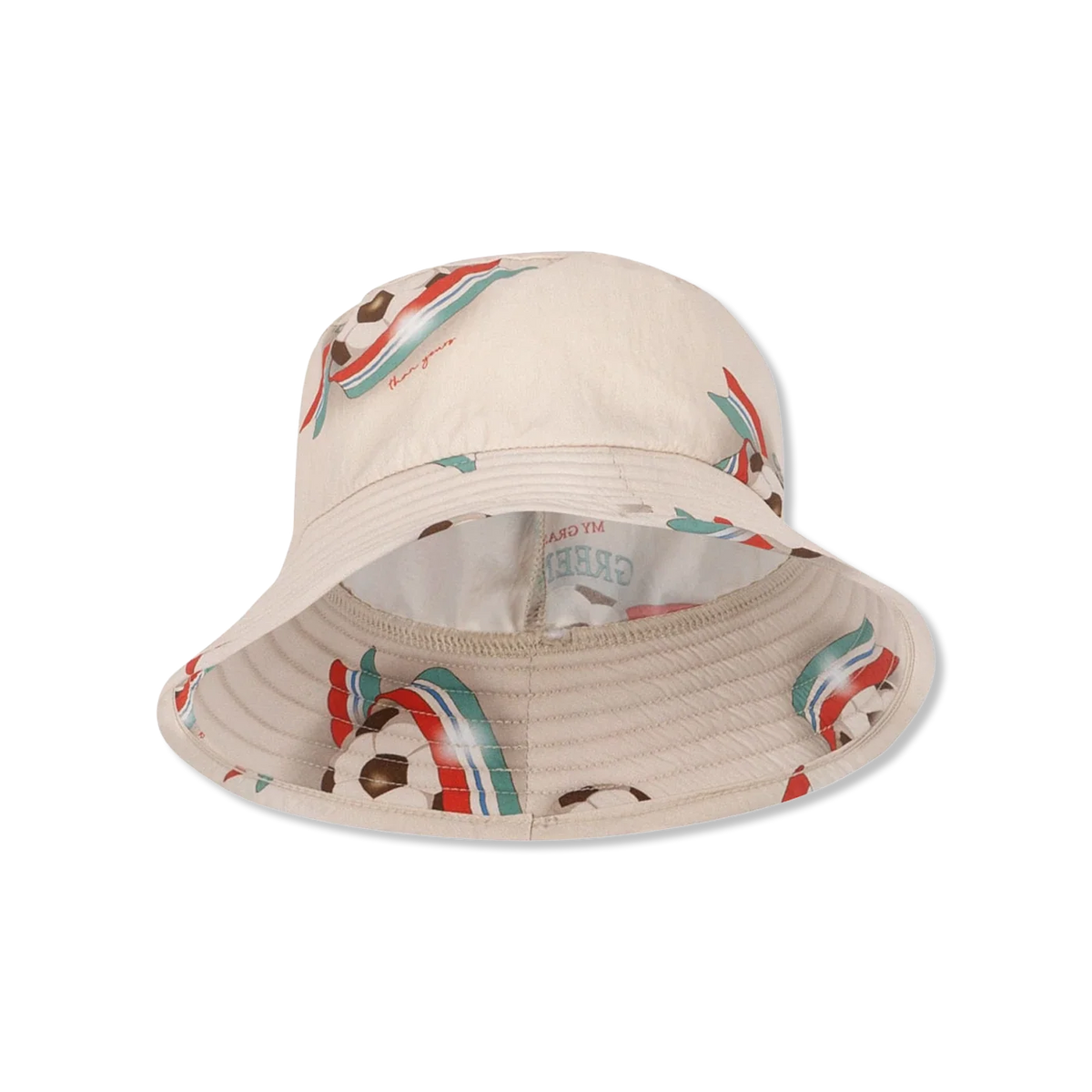
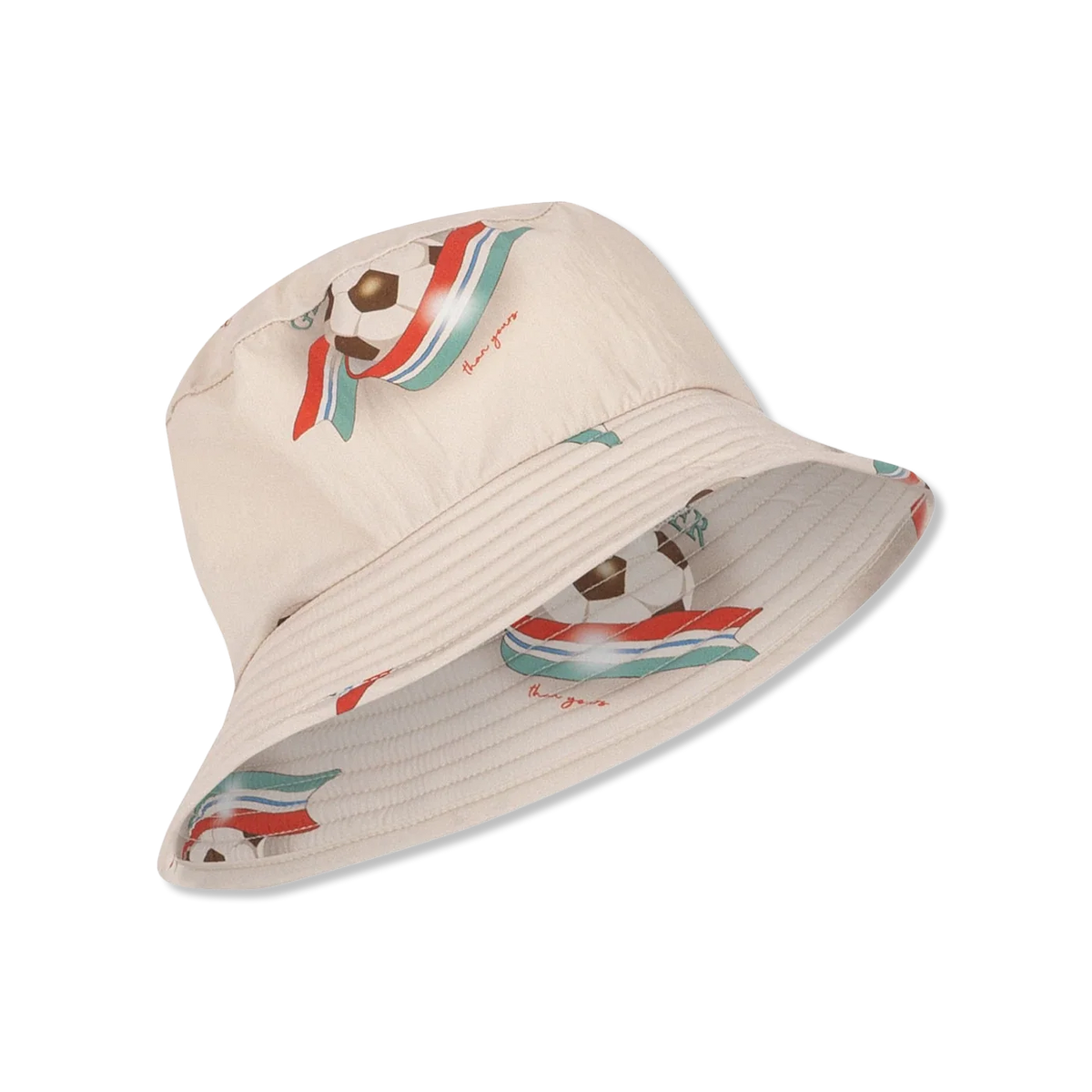
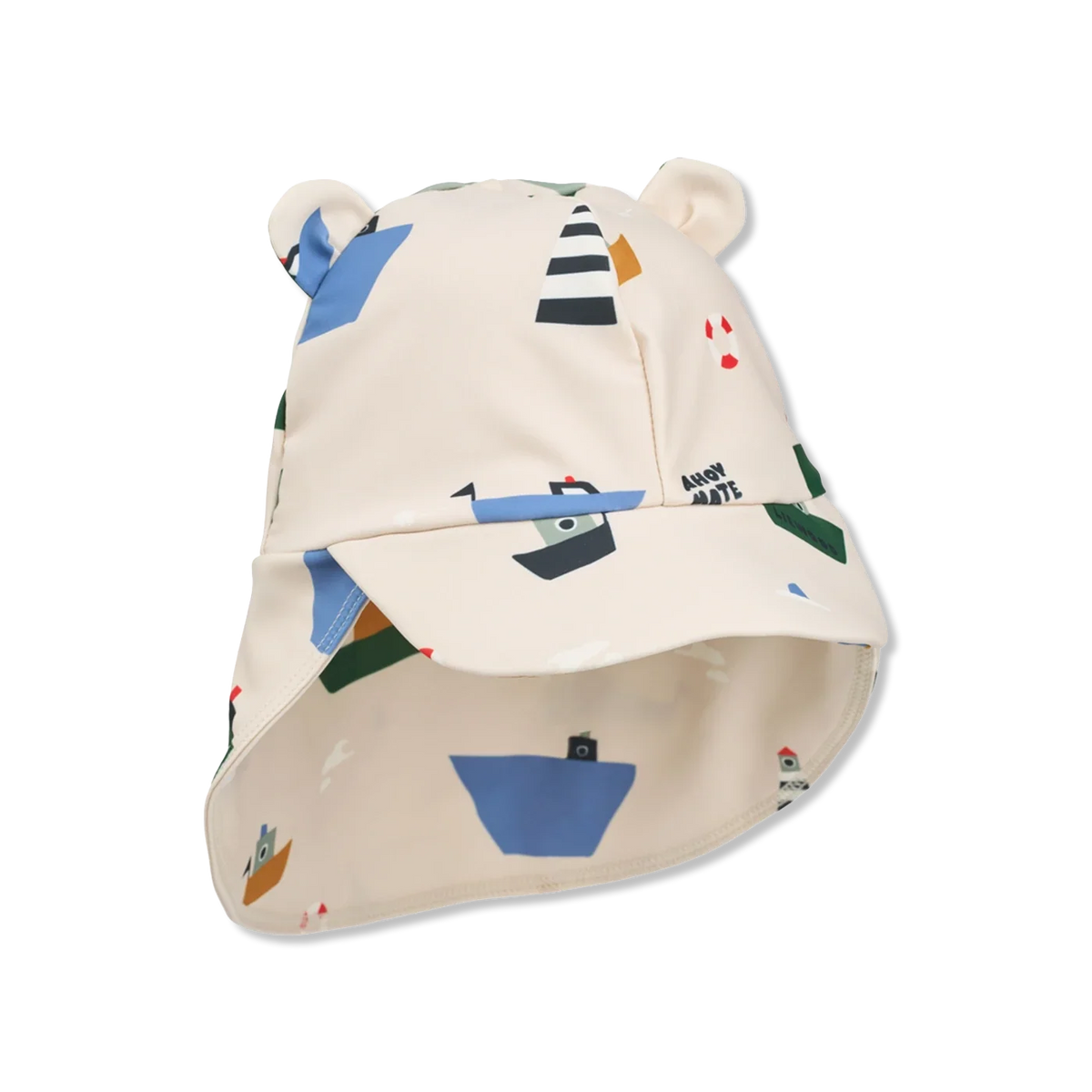
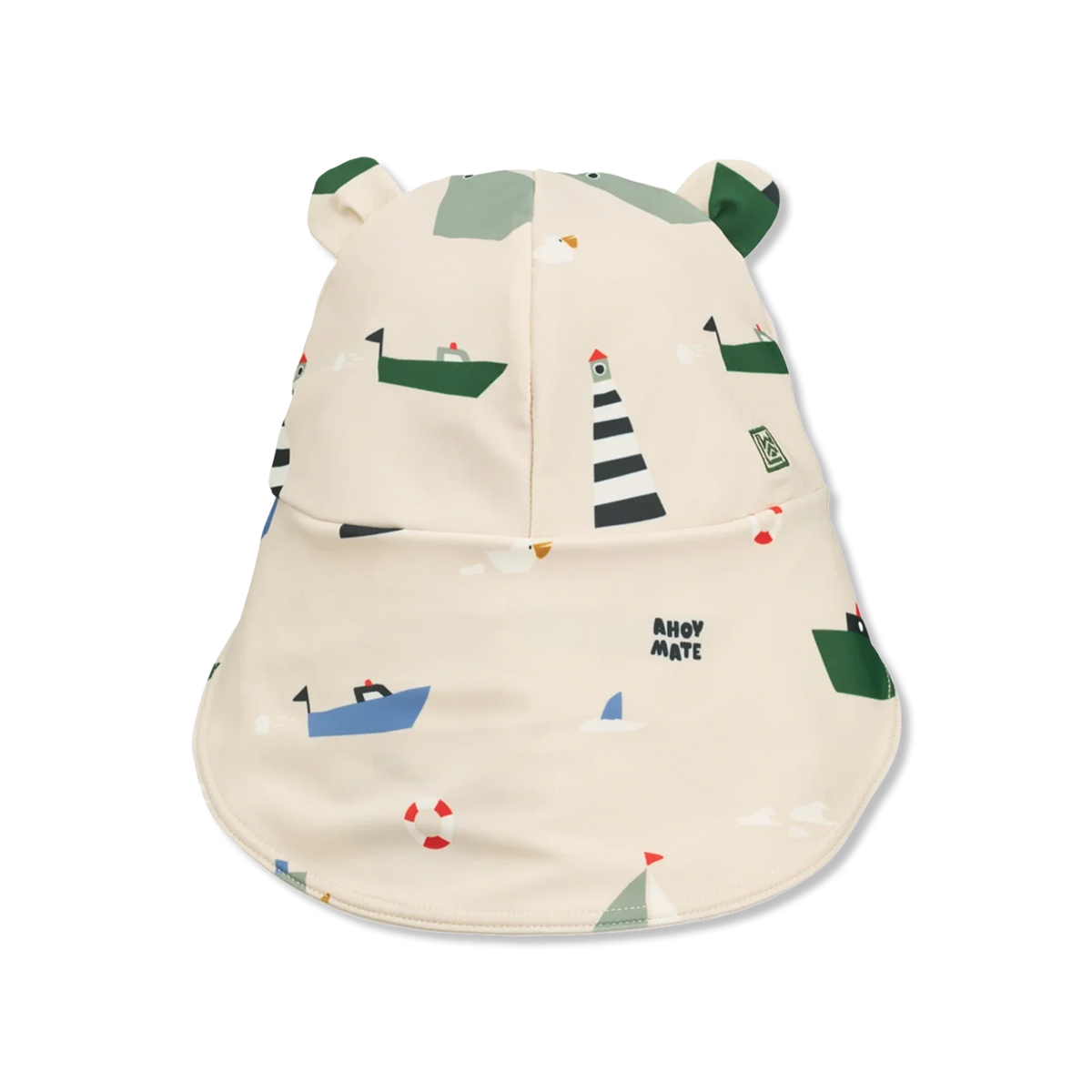
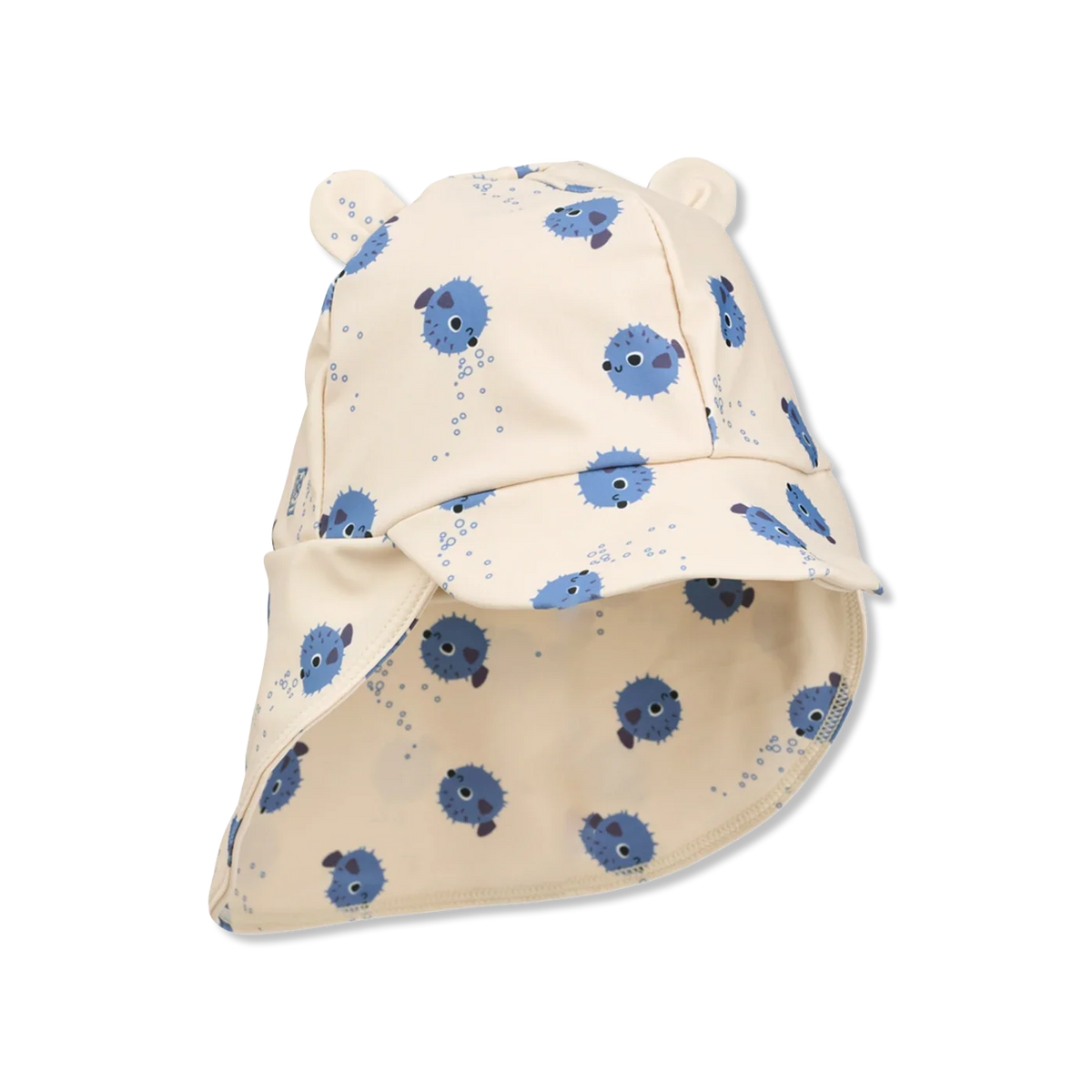
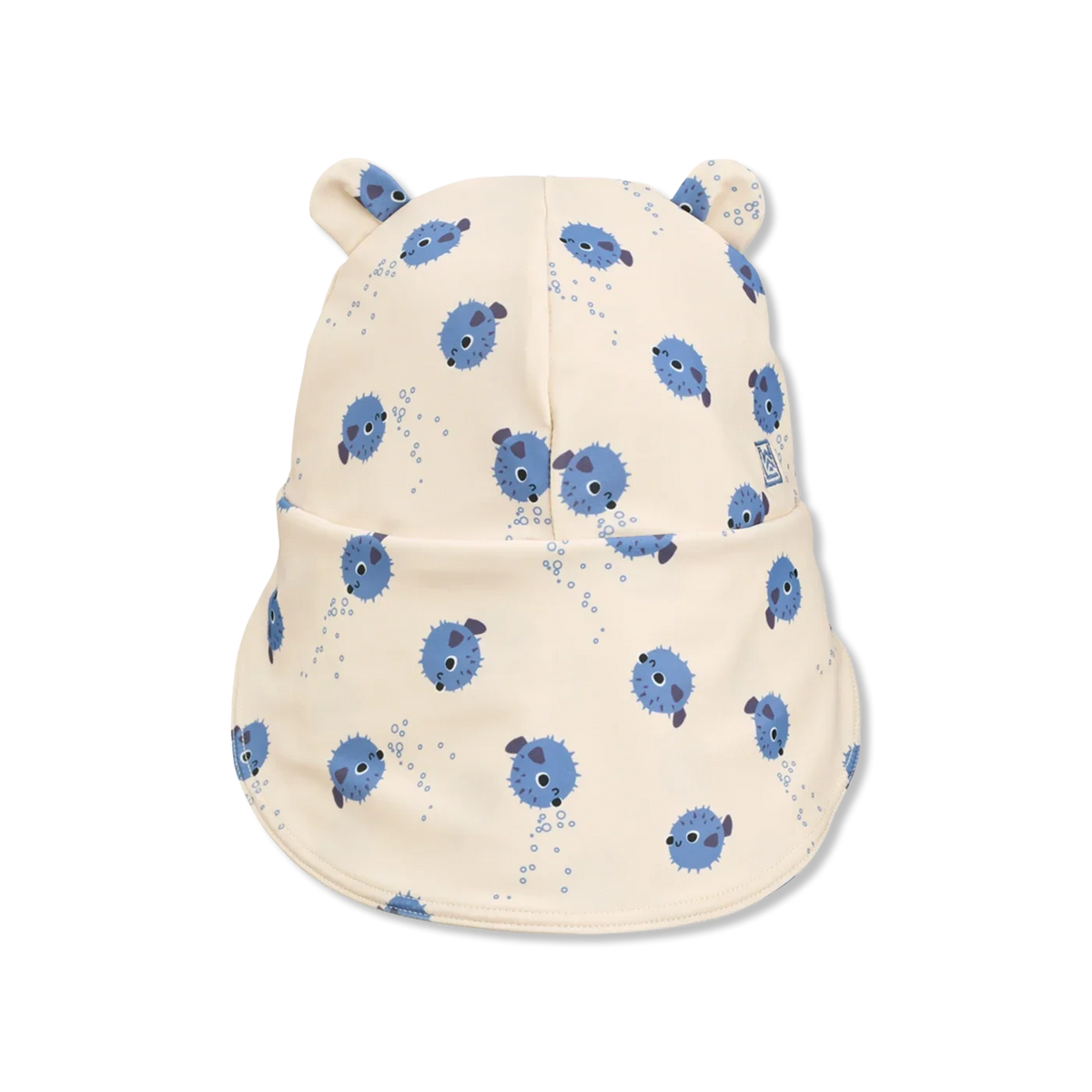
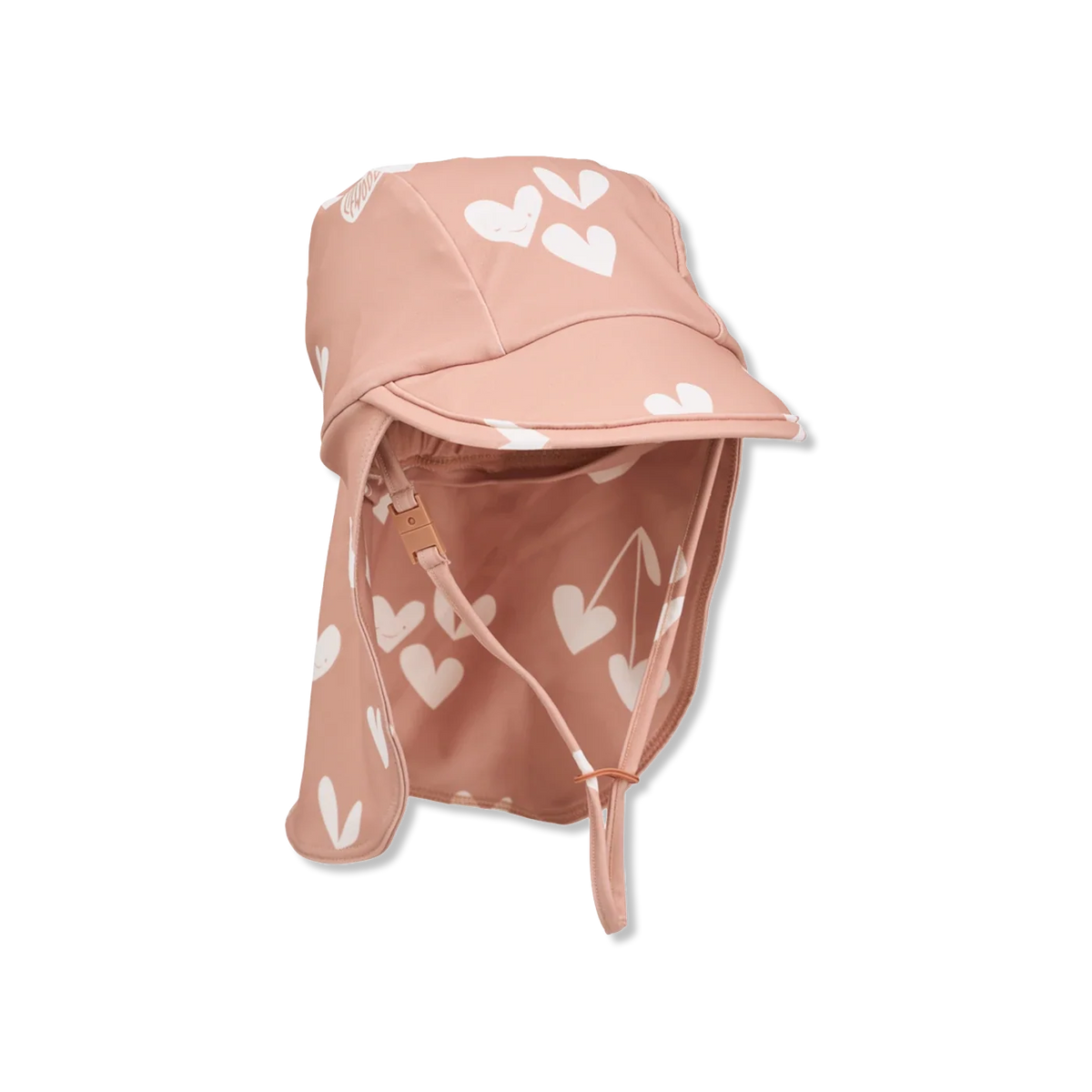
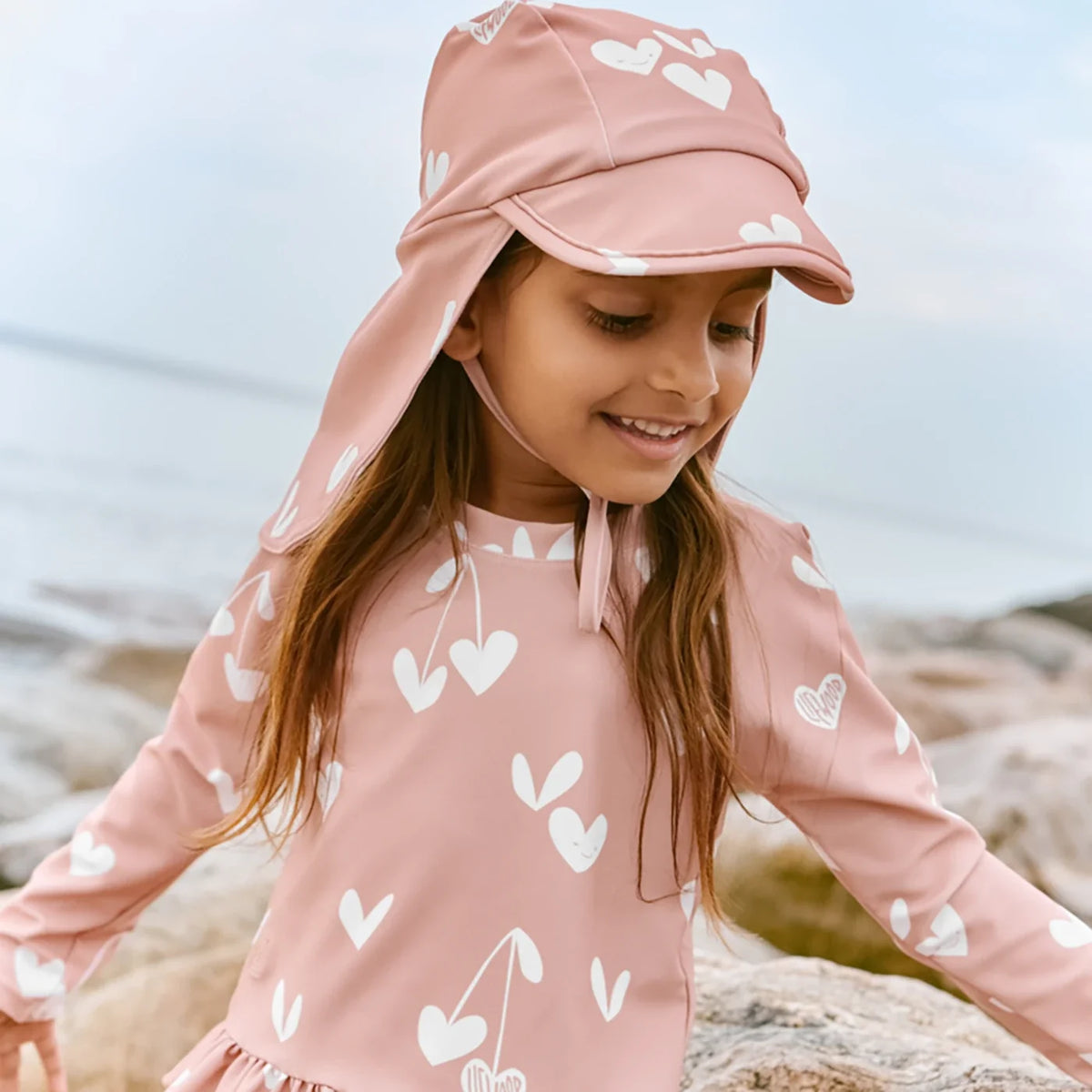
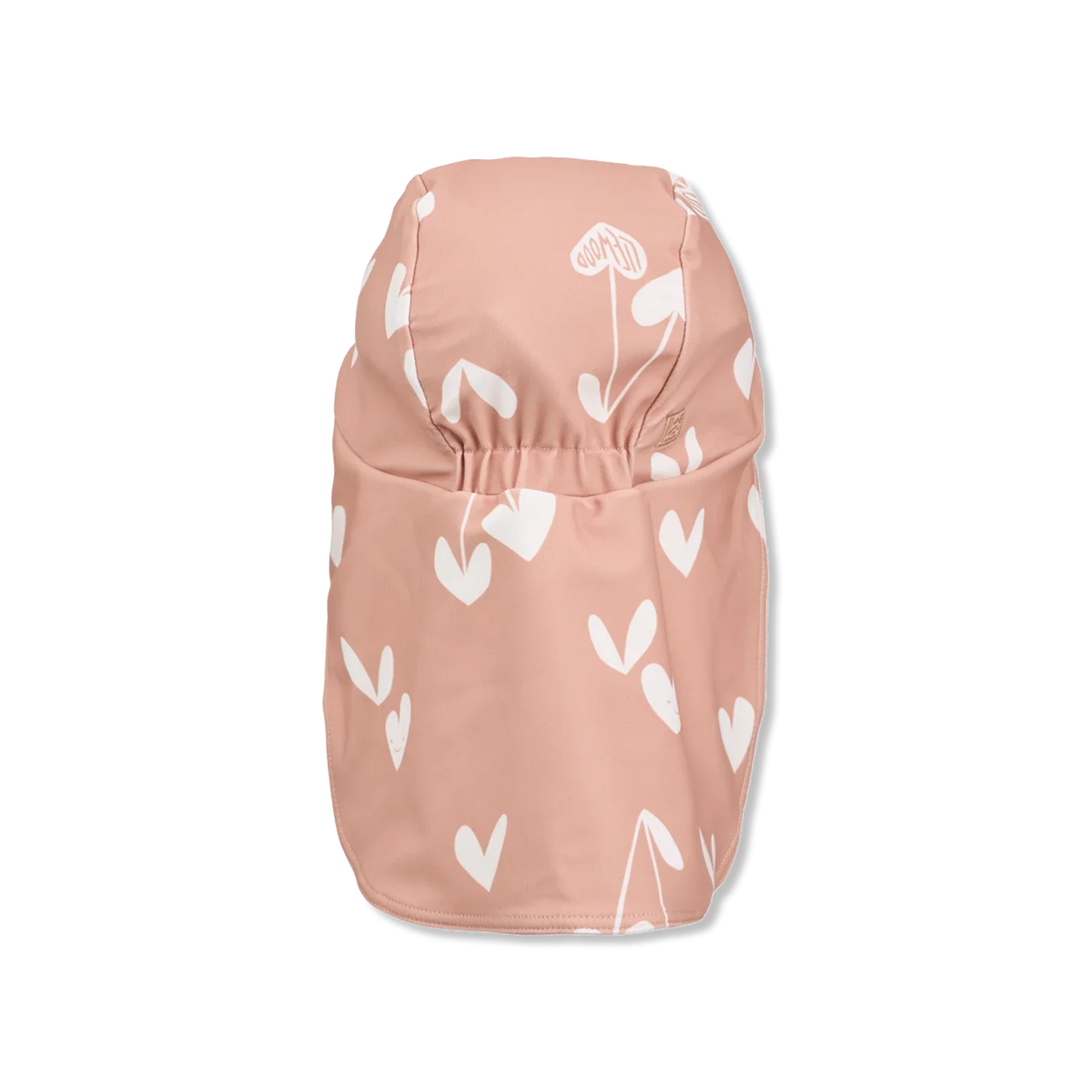
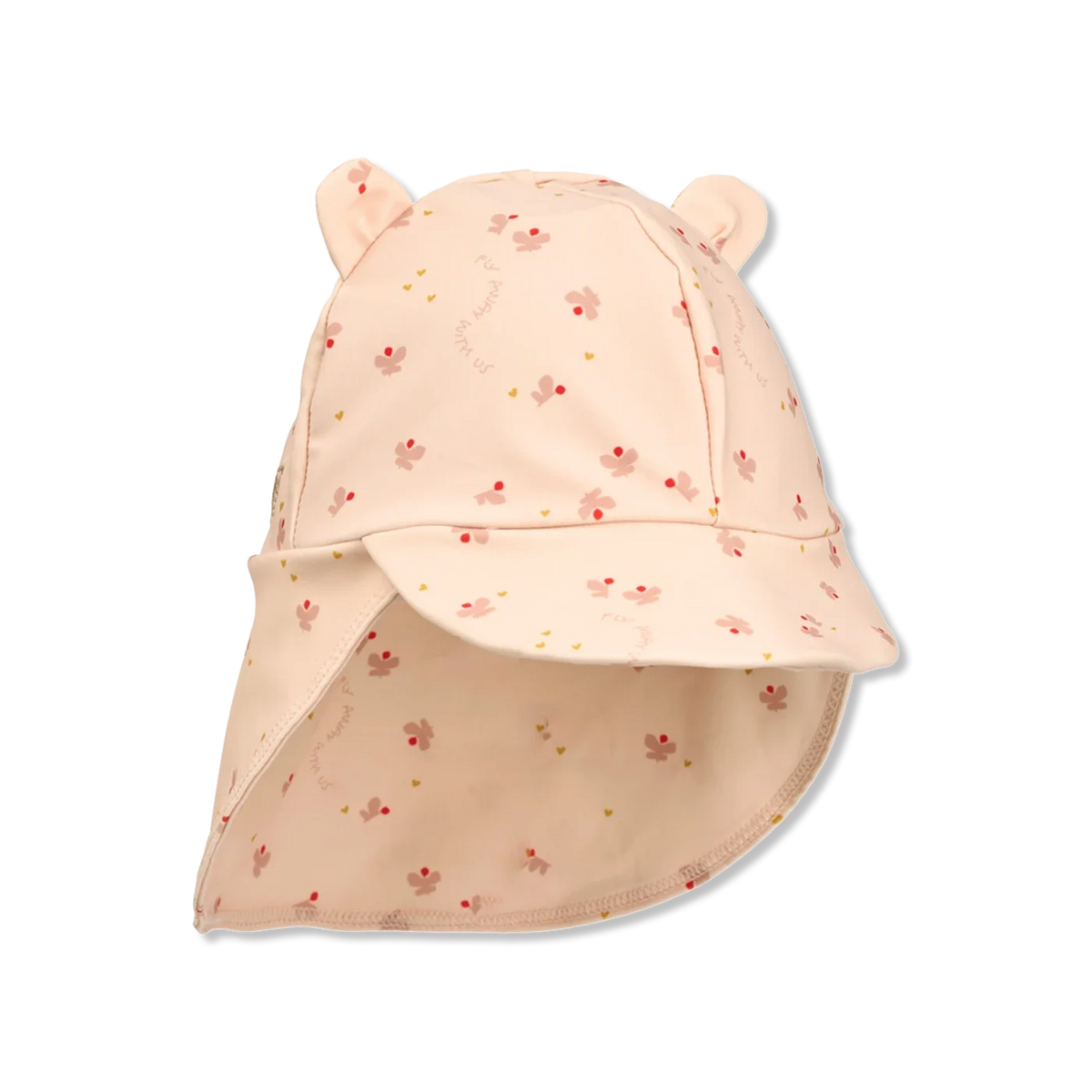
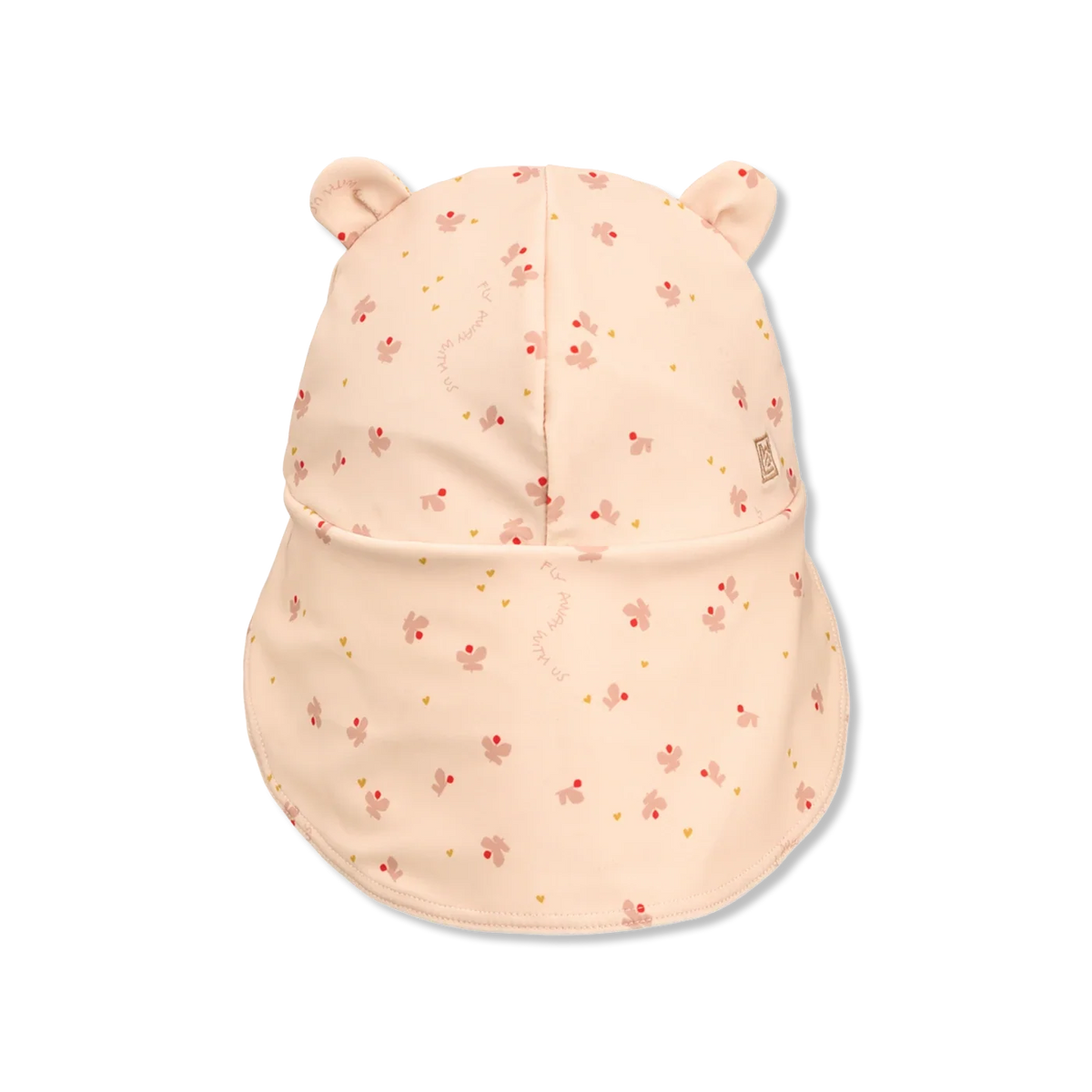
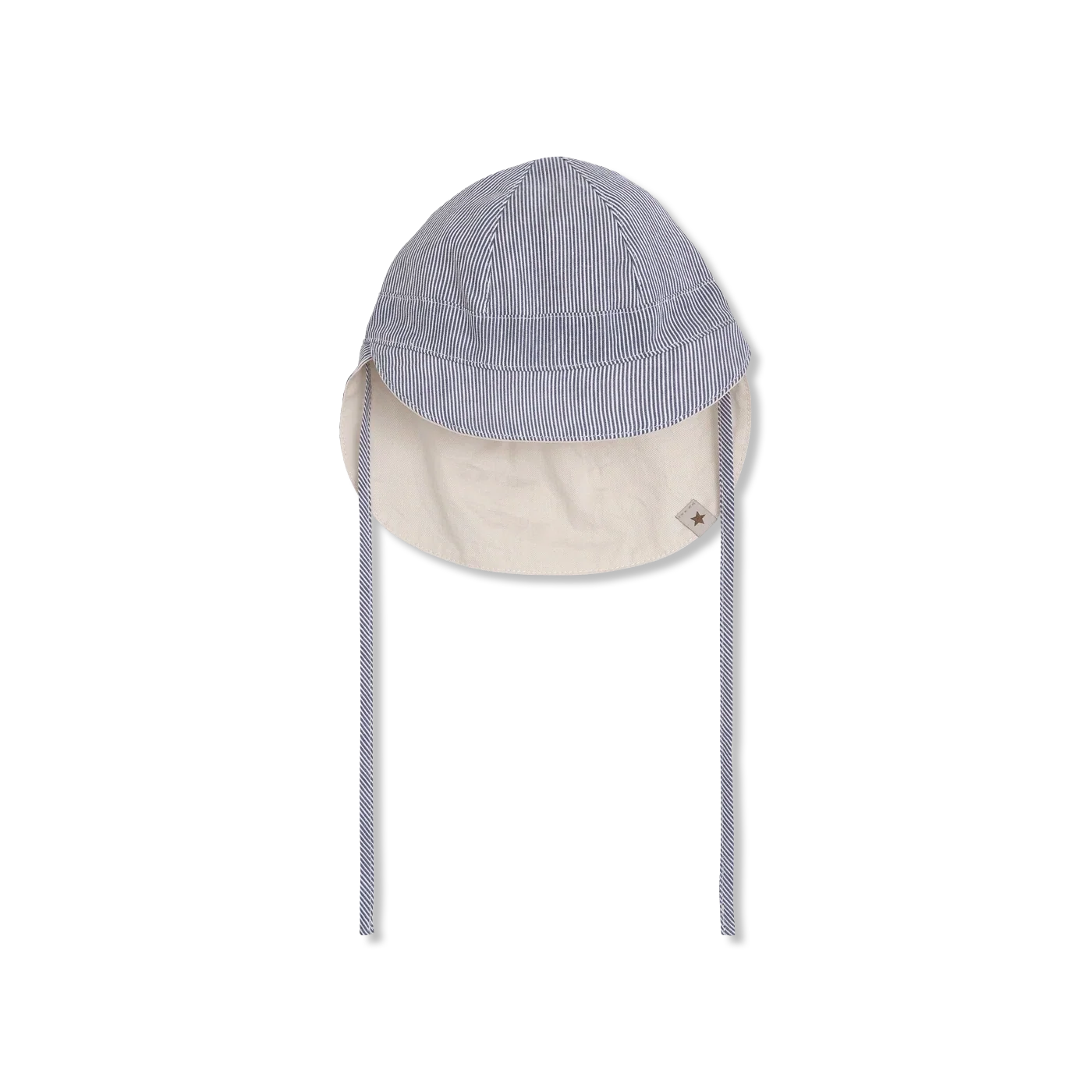
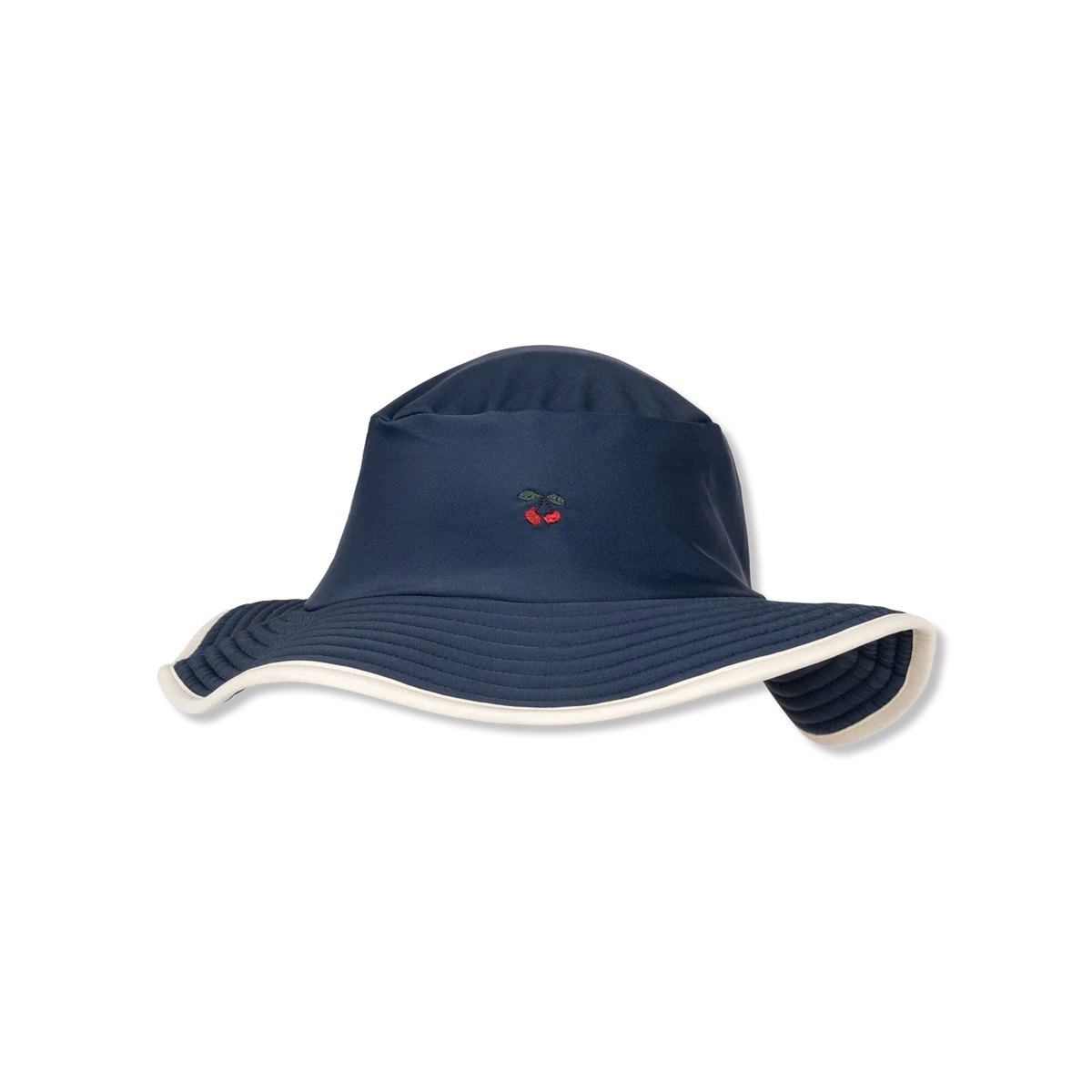
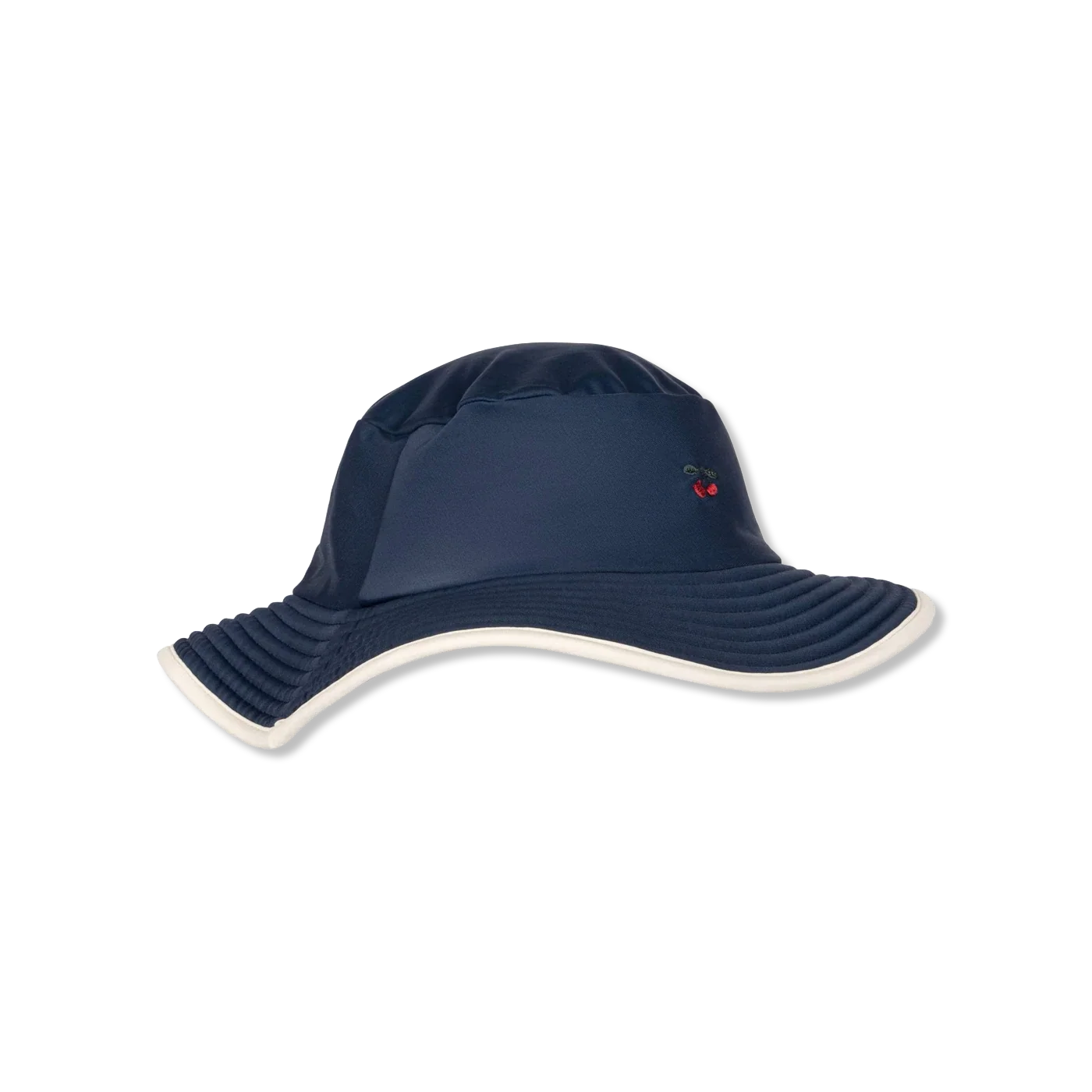
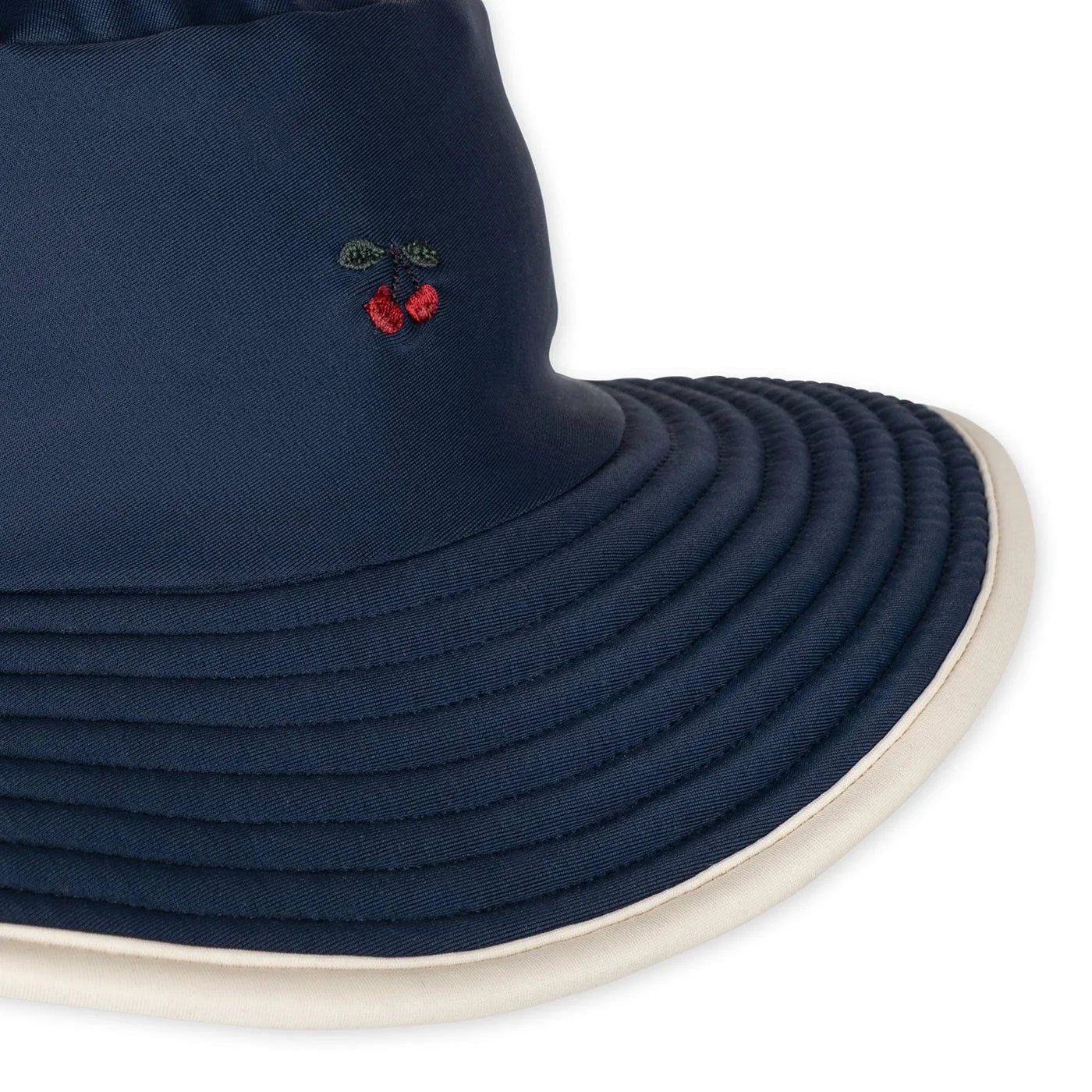
For extra shade and a more complete solution, you can combine the swimwear with sun hats or a practical swim hat, so the head, neck and face are also better covered.
Materials and fit that work in practice
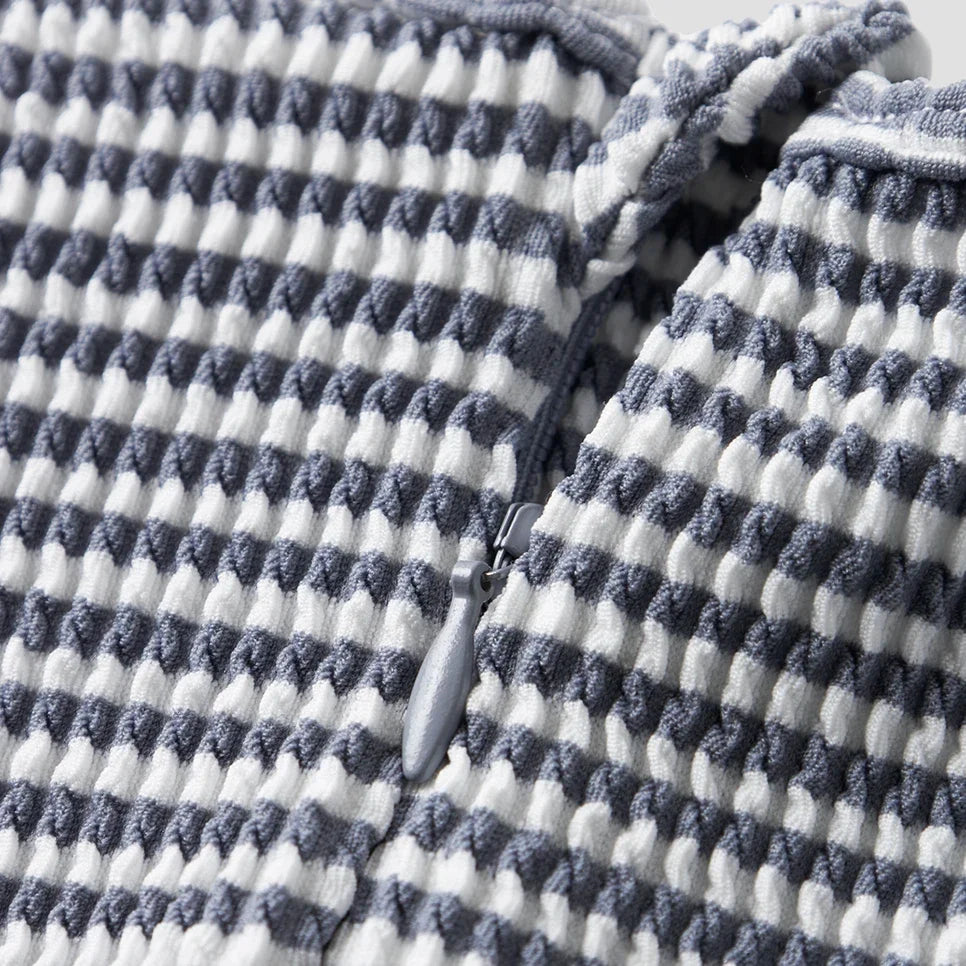
UV swimwear is often made from materials such as polyester or nylon with elastane. This provides a good combination of stretch, support and freedom of movement. In everyday use, it means the swimwear fits closely enough to protect, while still feeling comfortable when your child plays in the sand, jumps into the water or runs around between swims.
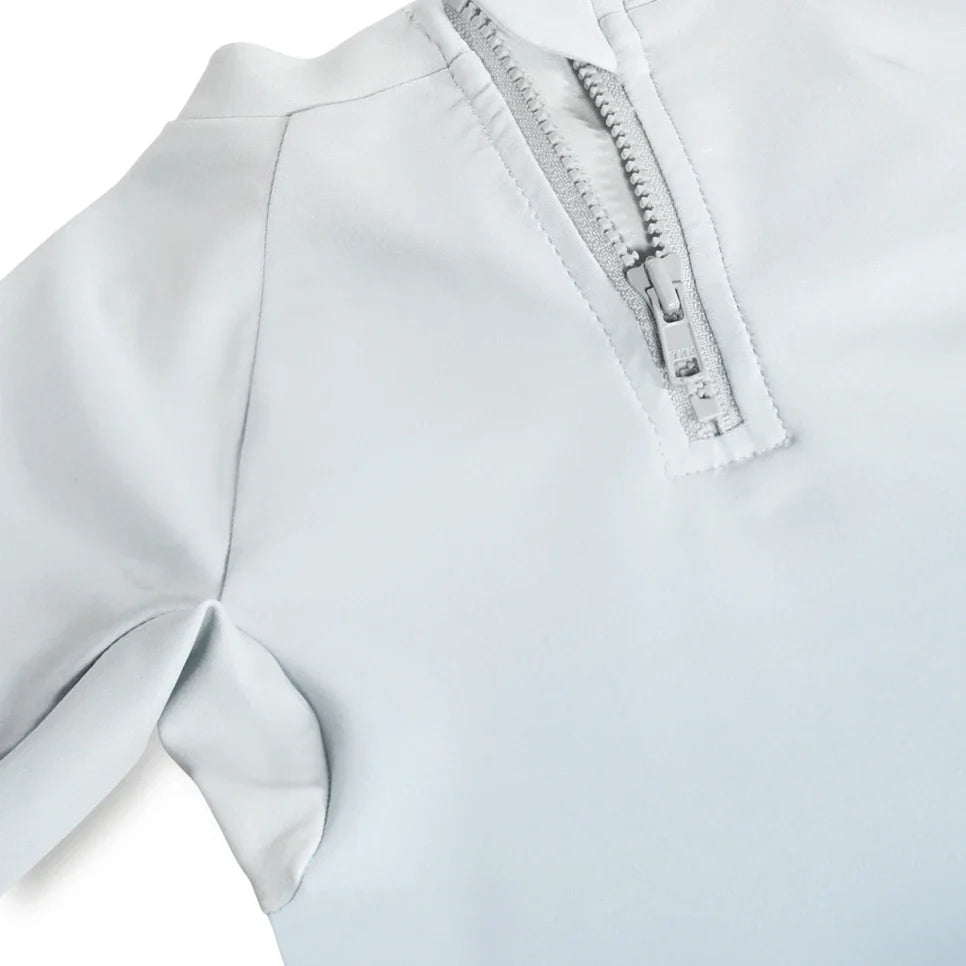
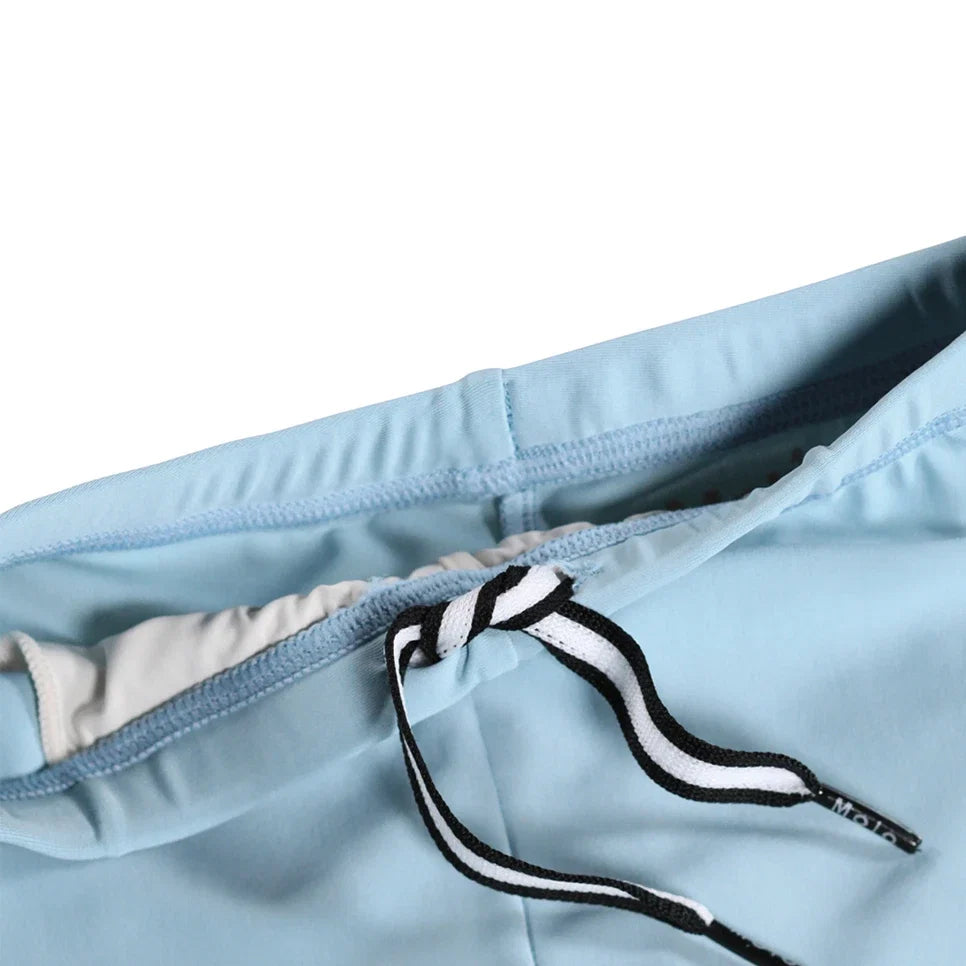
Quick-drying materials are a big advantage on warm days when your child moves between water and play on land. Many parents also look for swimwear that can withstand both salt water and chlorine, especially if it will be used in several places throughout the summer. Soft seams and a flexible fit also make a noticeable difference, as they reduce the risk of the swimwear rubbing at the shoulders, under the arms or between the legs.
UV swimwear can be more close-fitting than regular summer clothing, but it should still be comfortable to wear. It should not be so tight that it restricts your child’s movement. If your child is between two sizes, it is therefore worth checking whether the style is known to run small or fit closely.
How to build a good solution for the beach and holidays
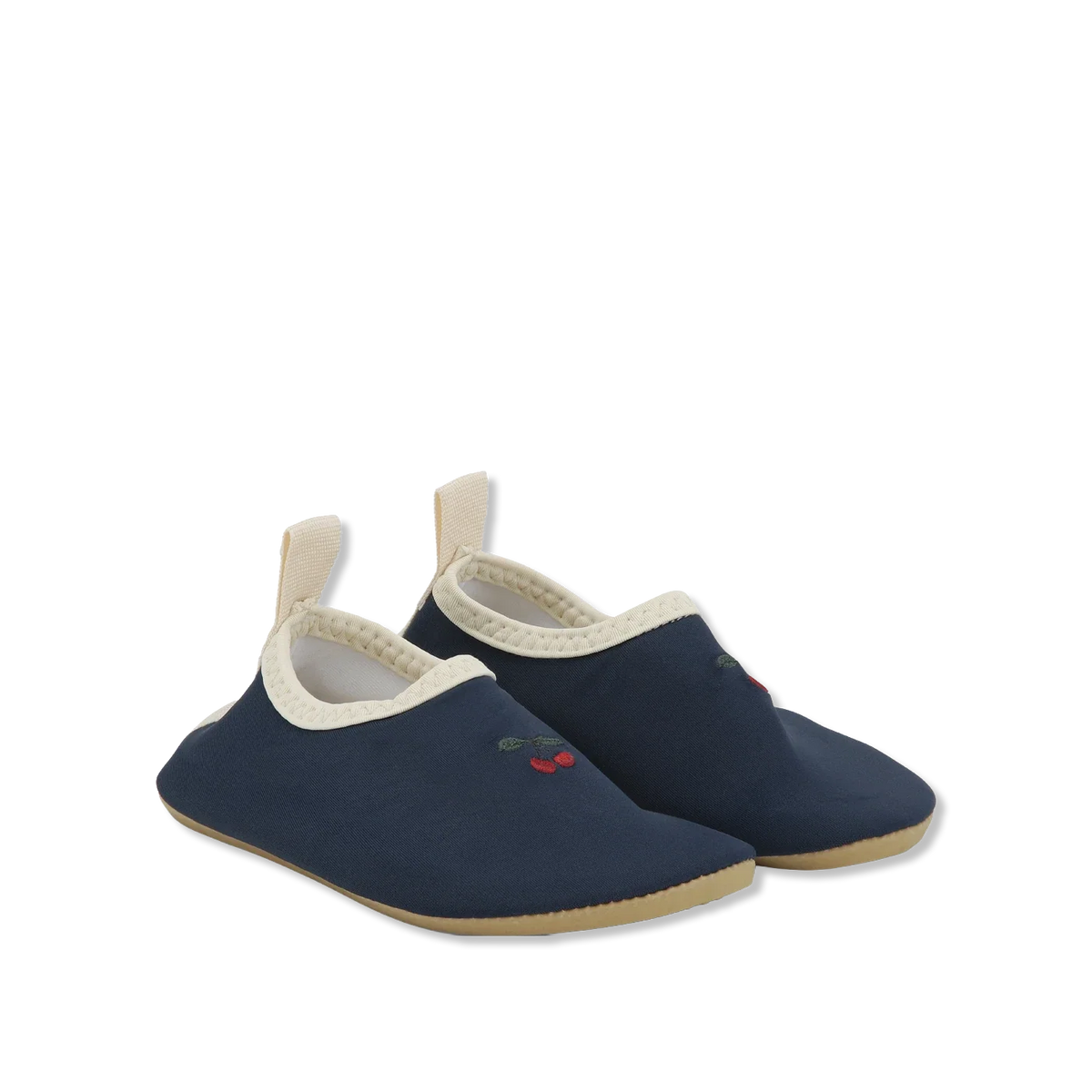
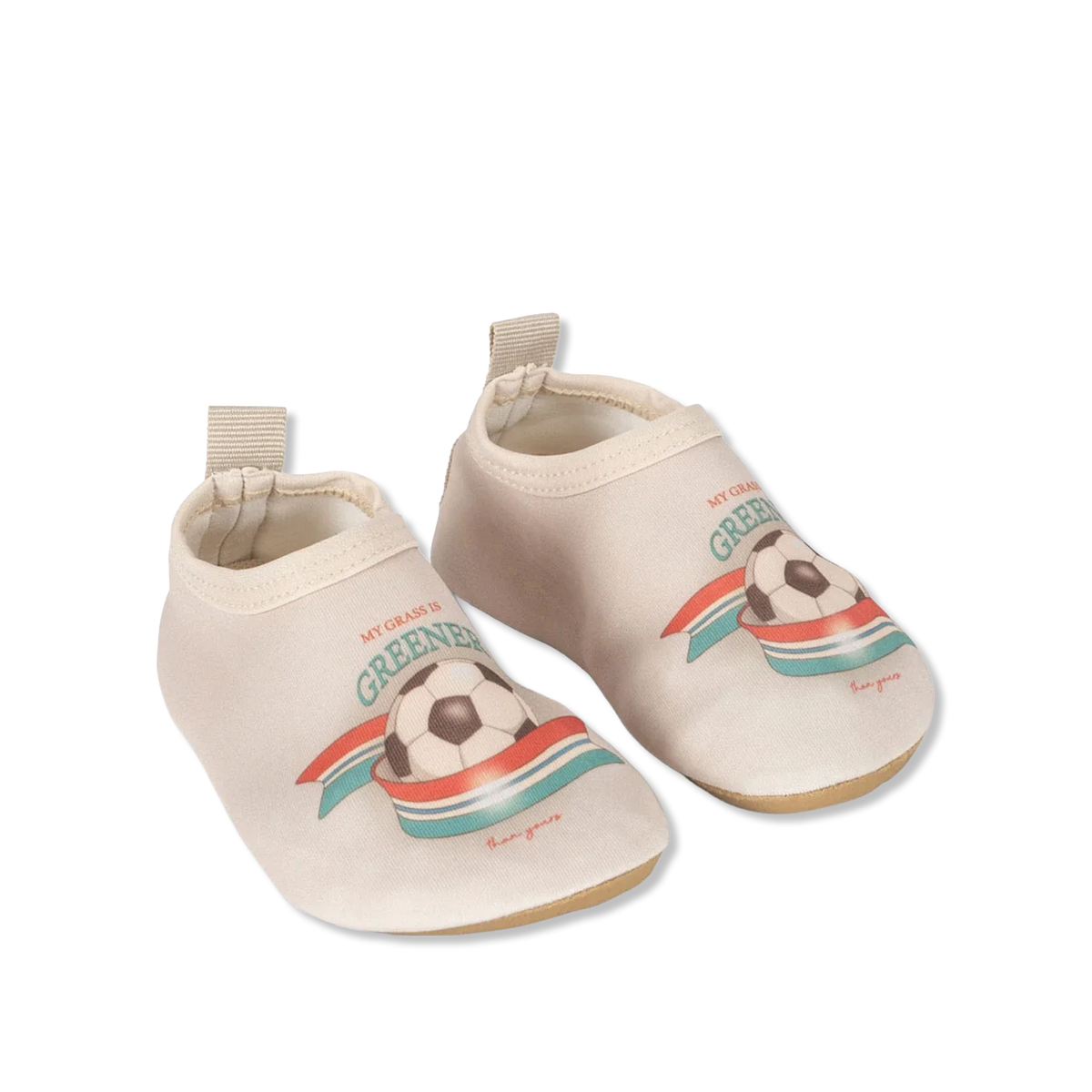
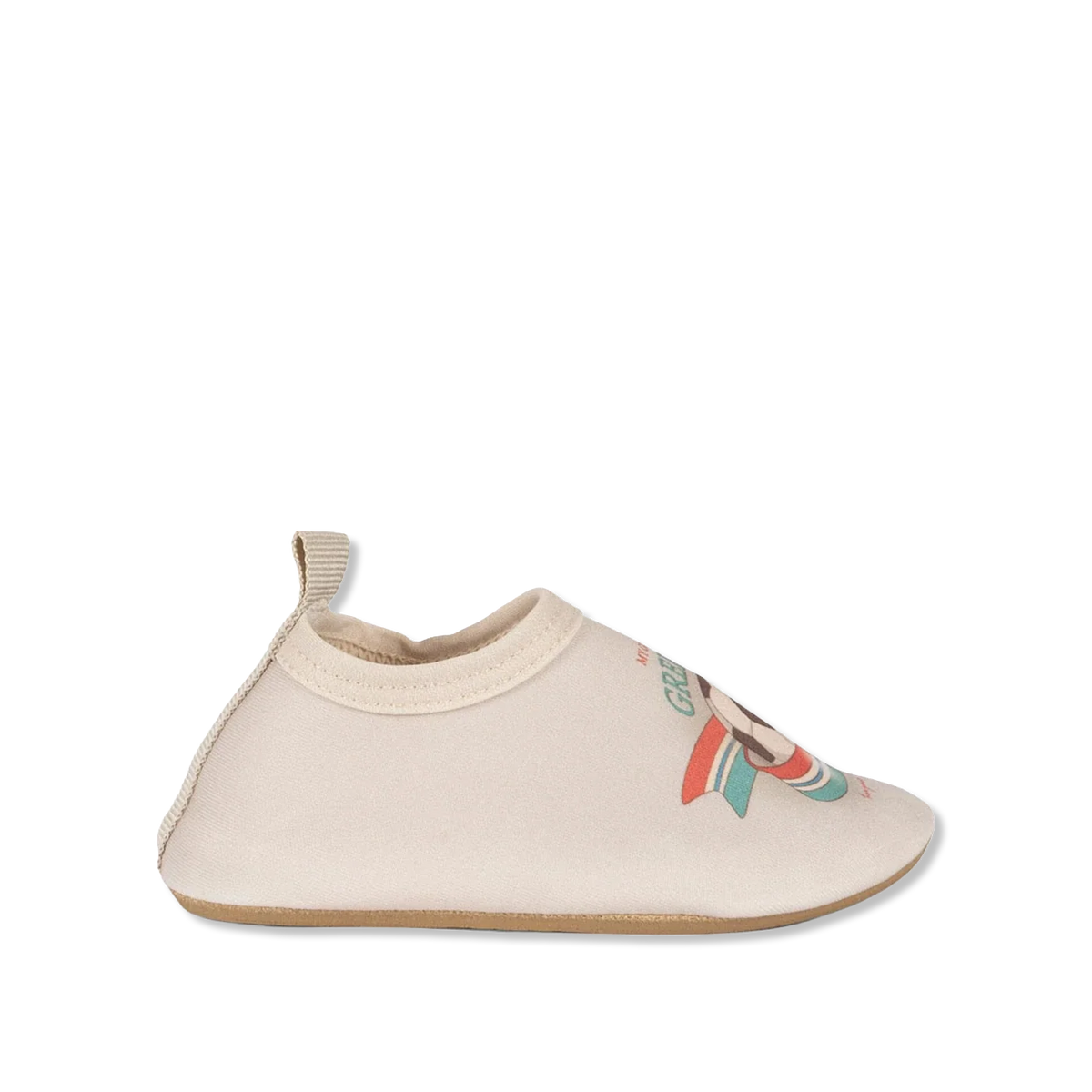
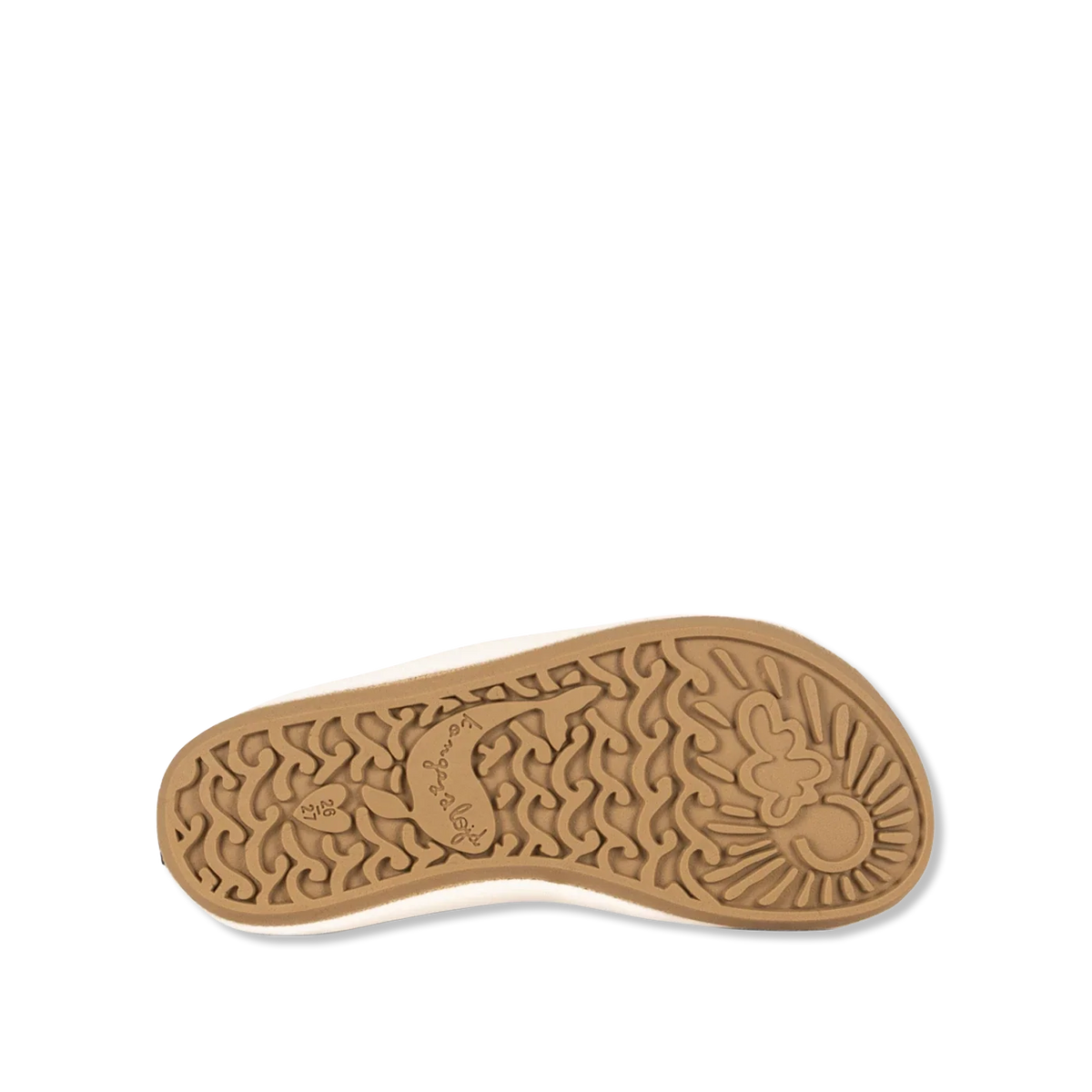
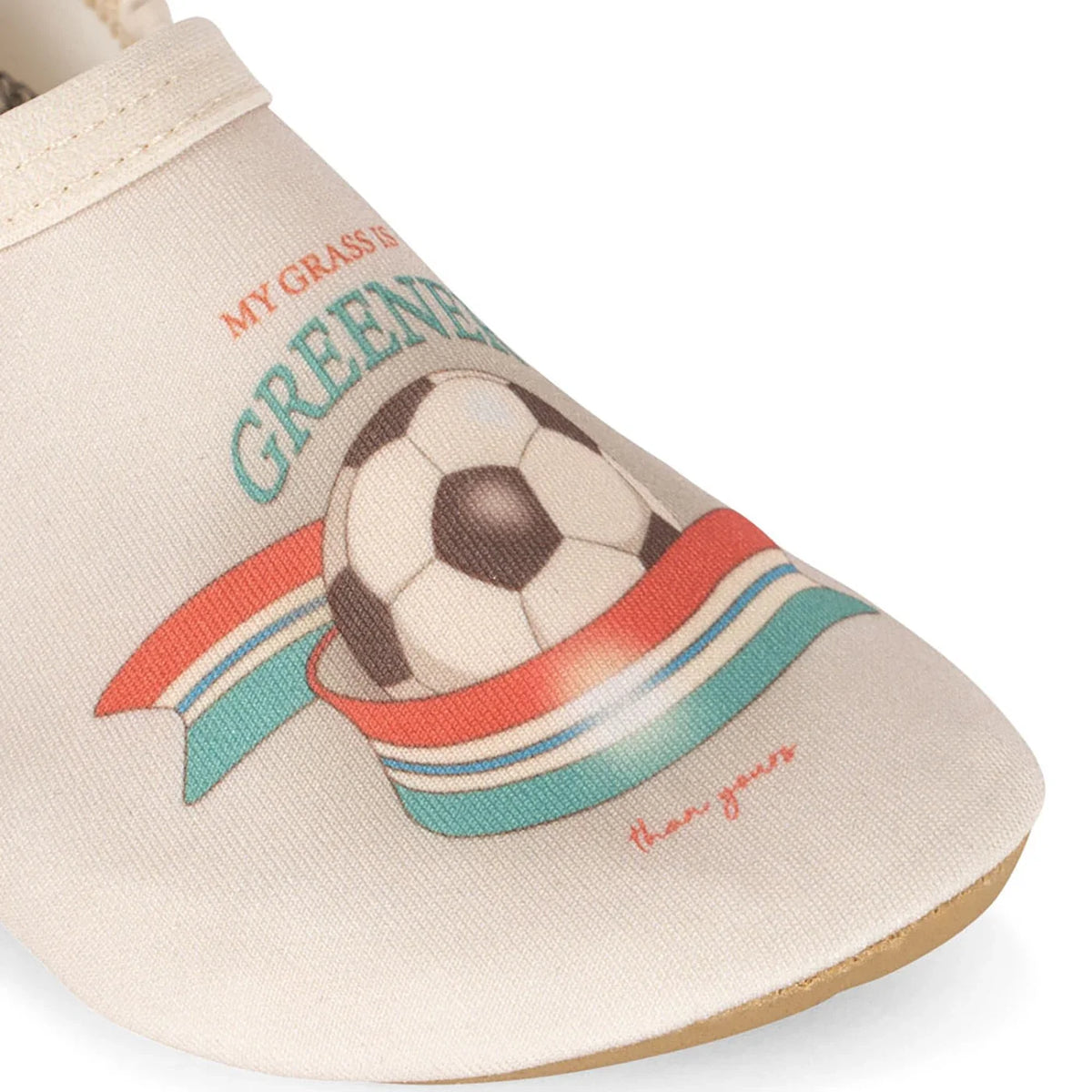
The right UV swimwear often works best as part of a complete setup for days with sun and water. For the beach, it can be nice to combine it with swim sandals, so little feet are better protected from hot sand, slippery tiles or the surface around the pool. After a swim, a soft bathrobe is also useful to bring along, especially if your child gets cold quickly.
If the swimwear is going to be used on a longer holiday or for many days by the water, it can be practical to bring more than one set. That way, there is always something dry ready if your child swims in the morning and wants to go back in the water later in the day.
UV swimwear is especially useful for children who rarely sit still for long. When the protection is built into the swimwear itself, it often gives a little extra peace of mind. At the same time, it becomes easier to find a solution that suits your child’s age, pace and the amount of time you plan to spend in the sun.