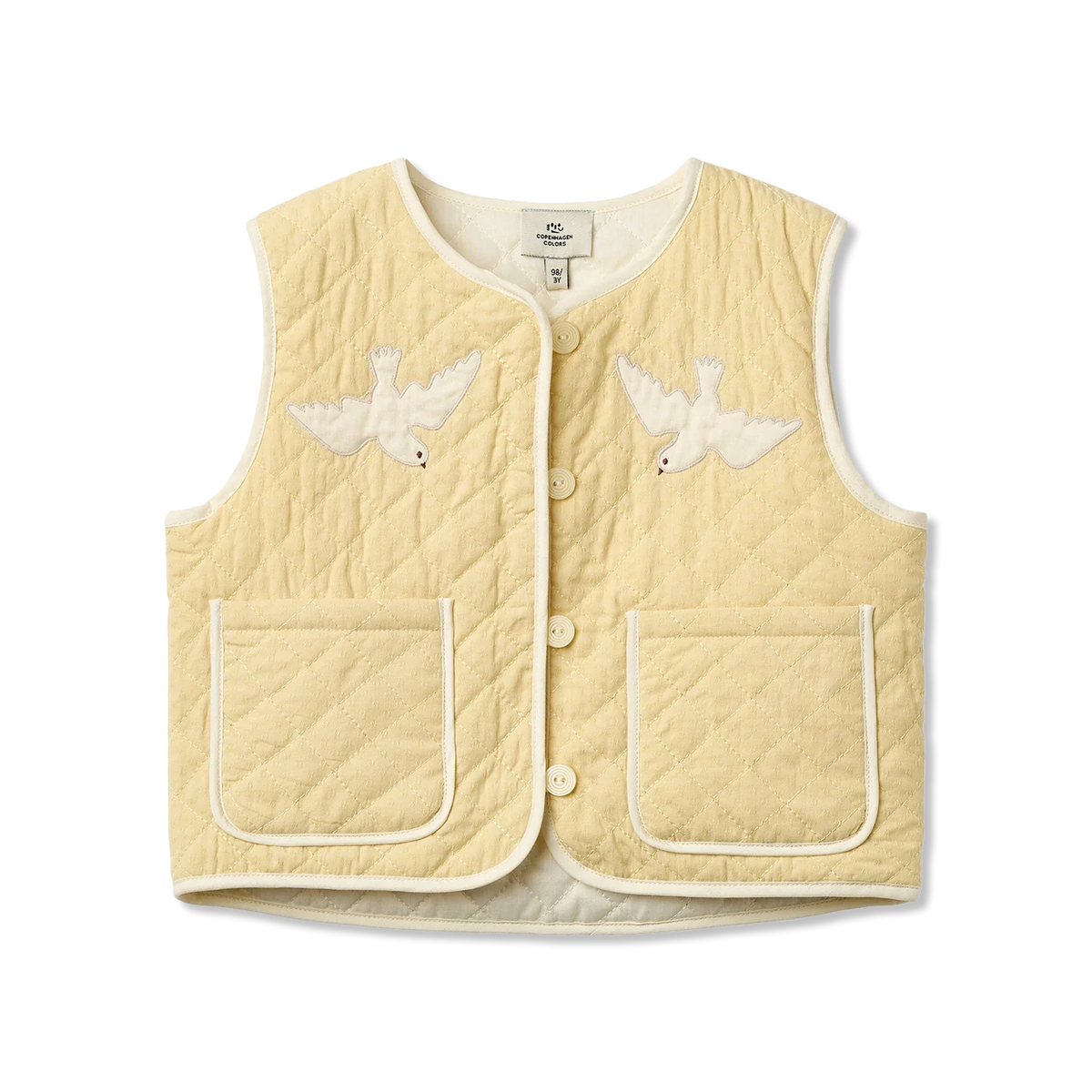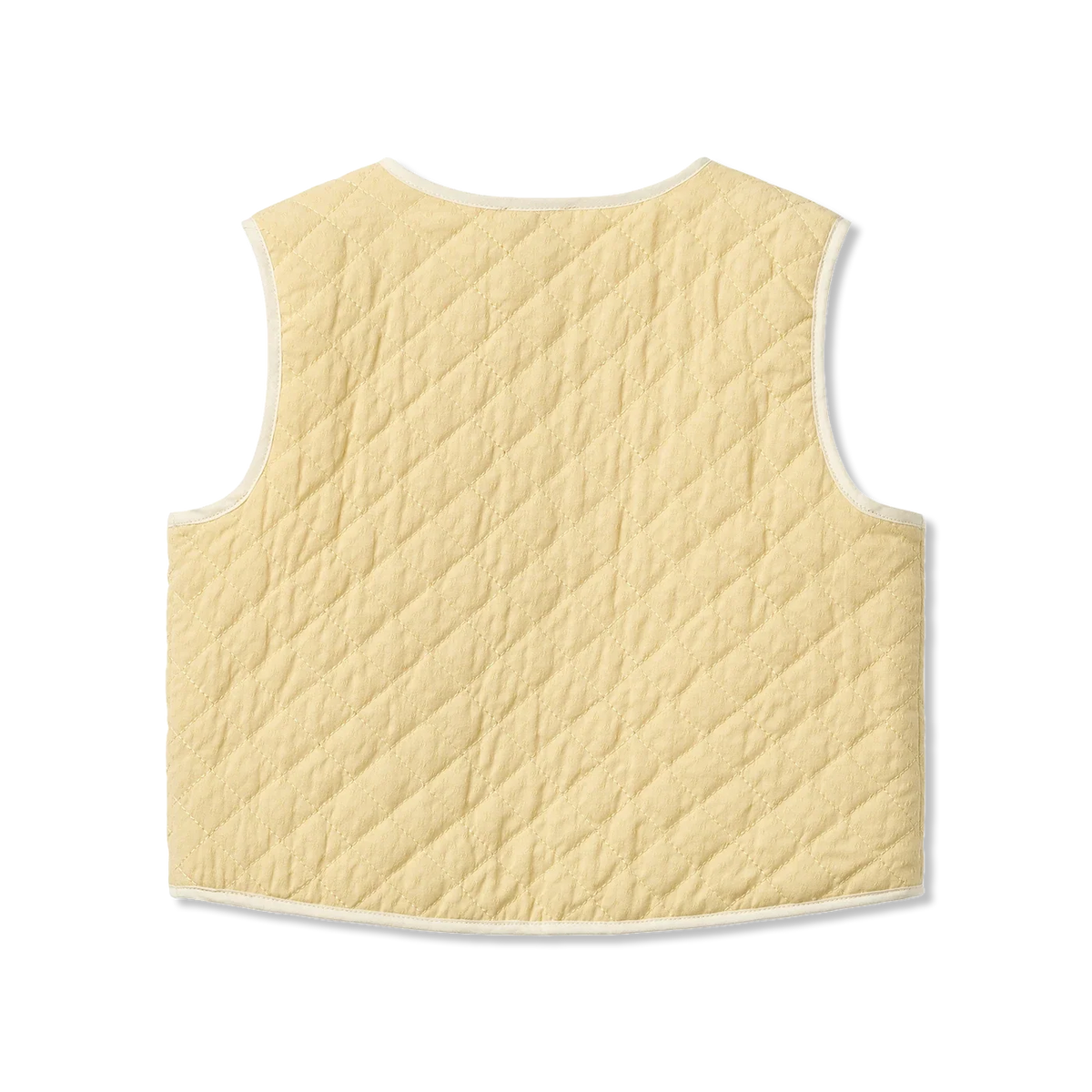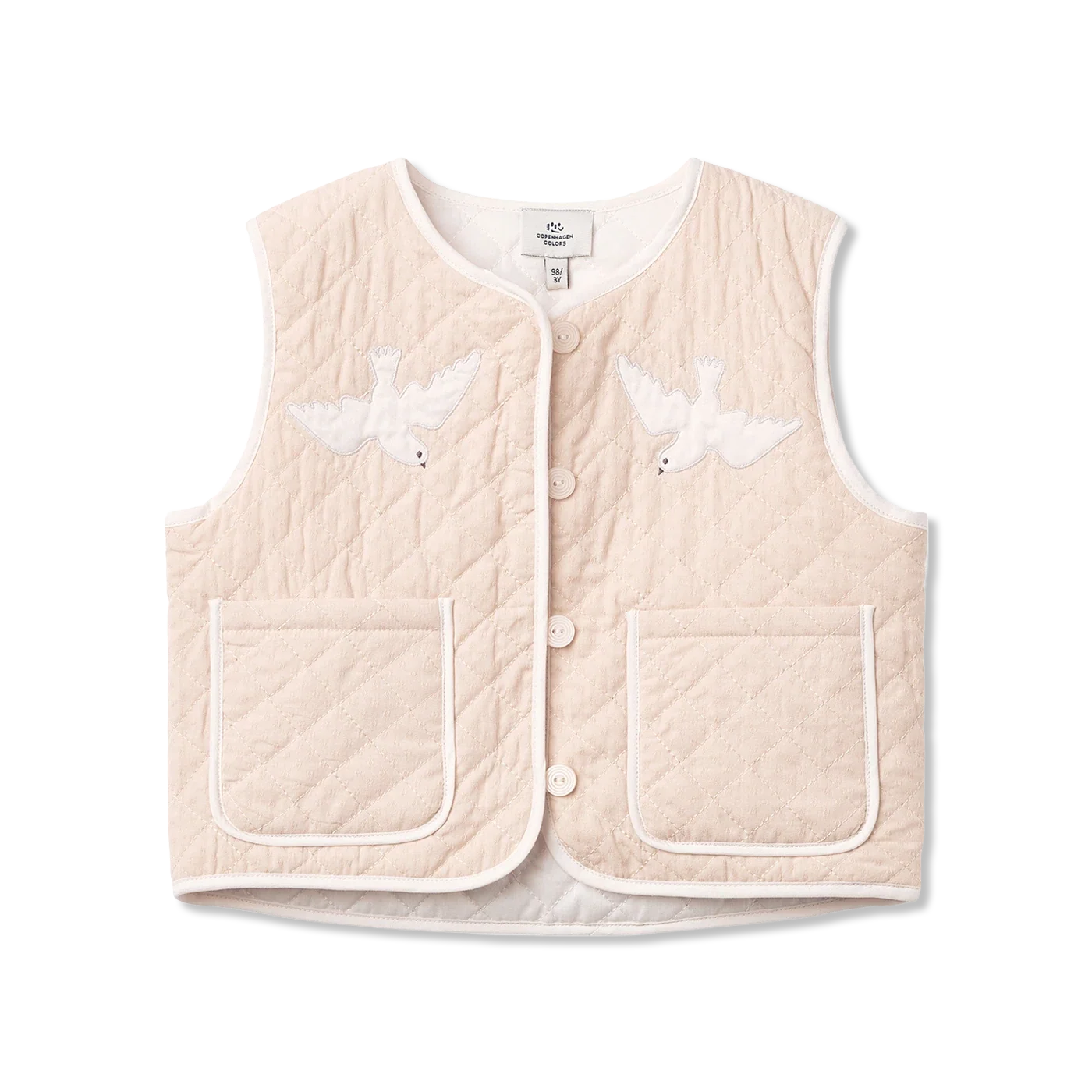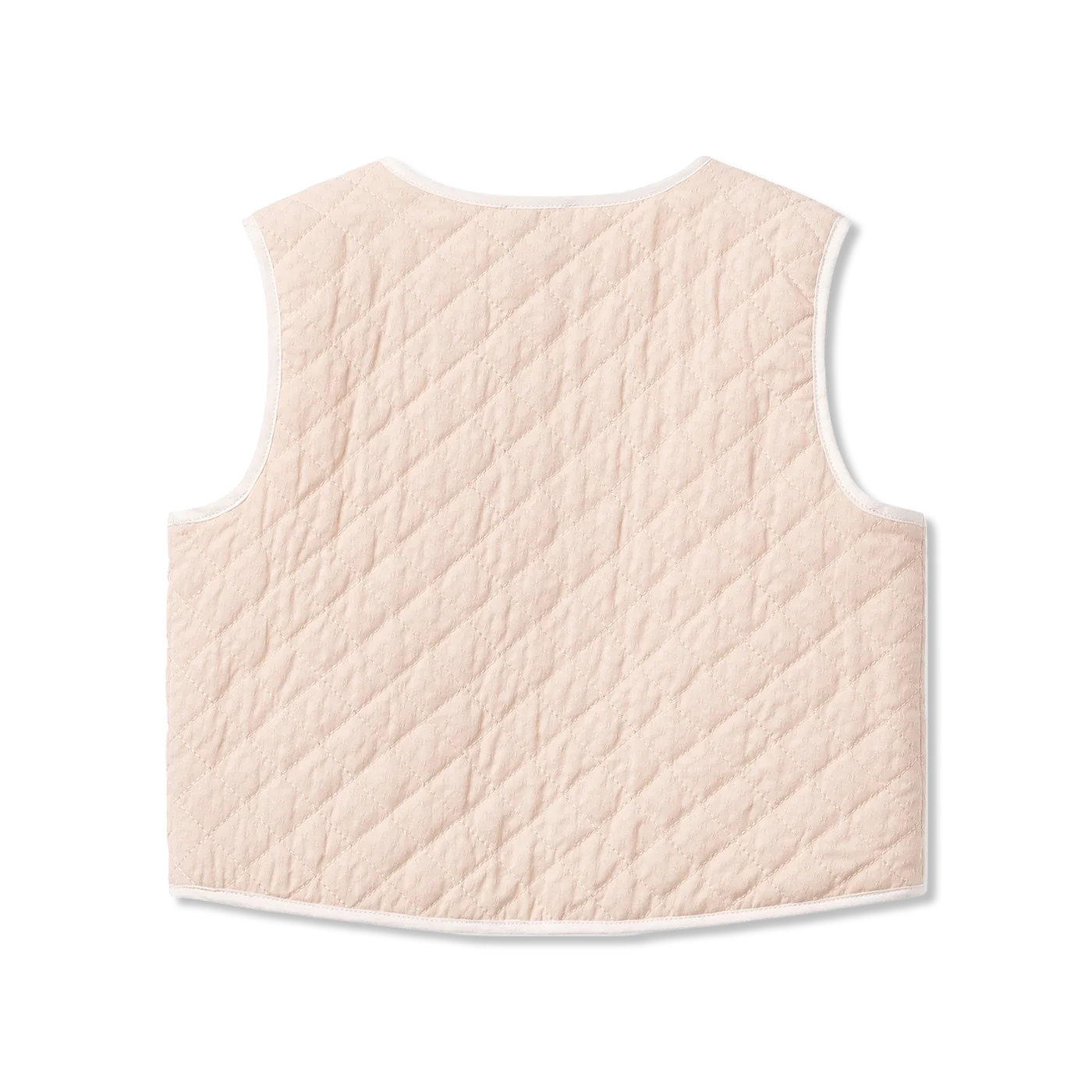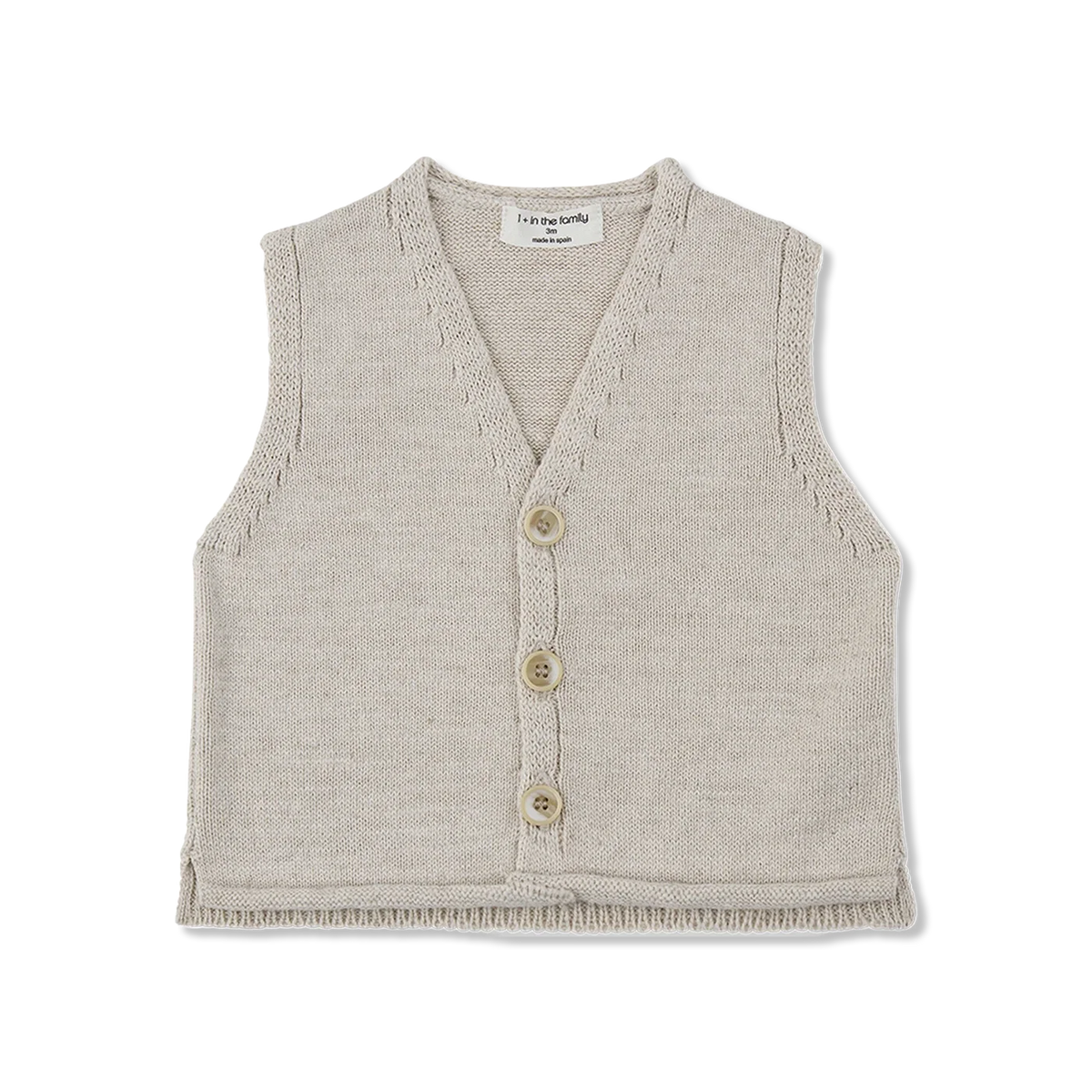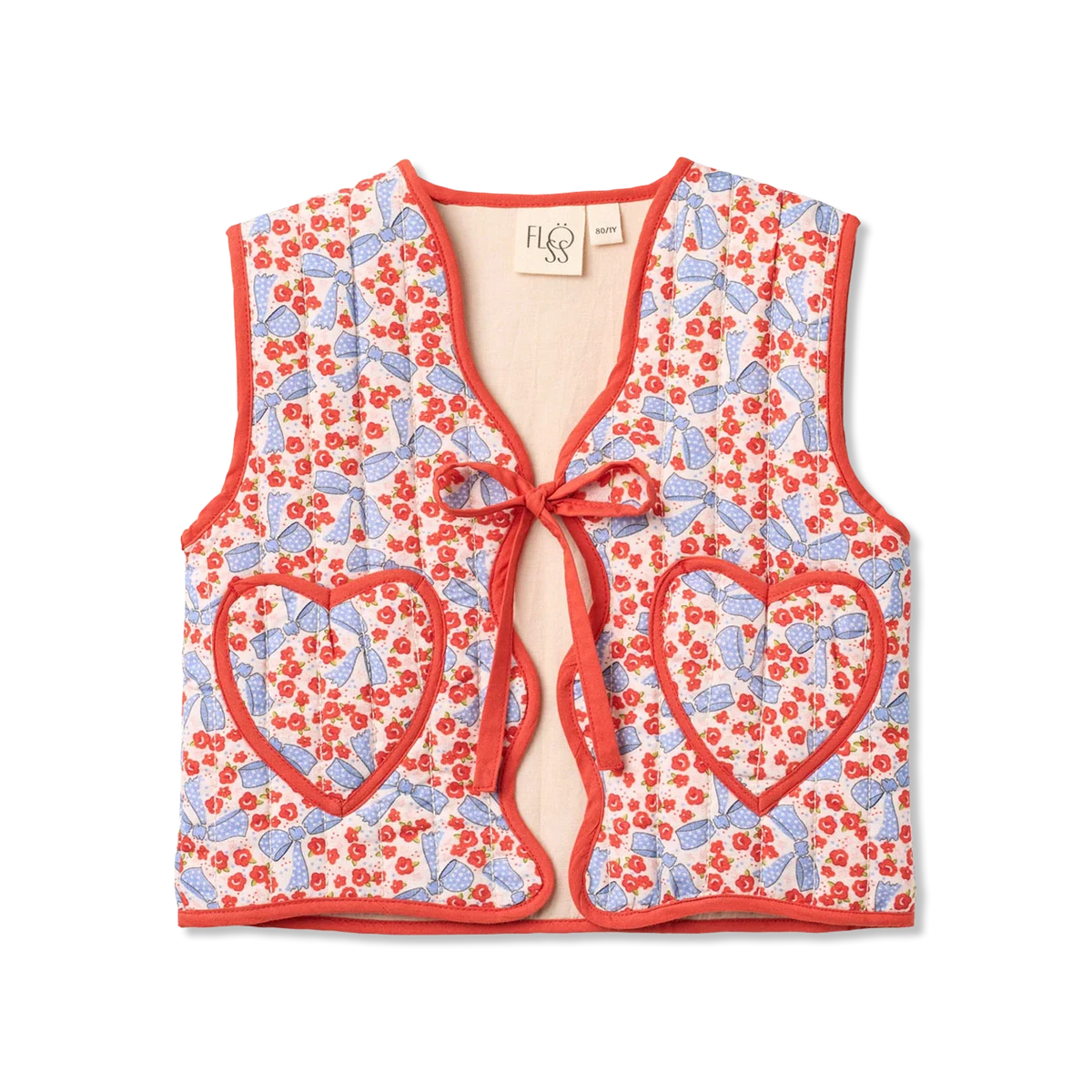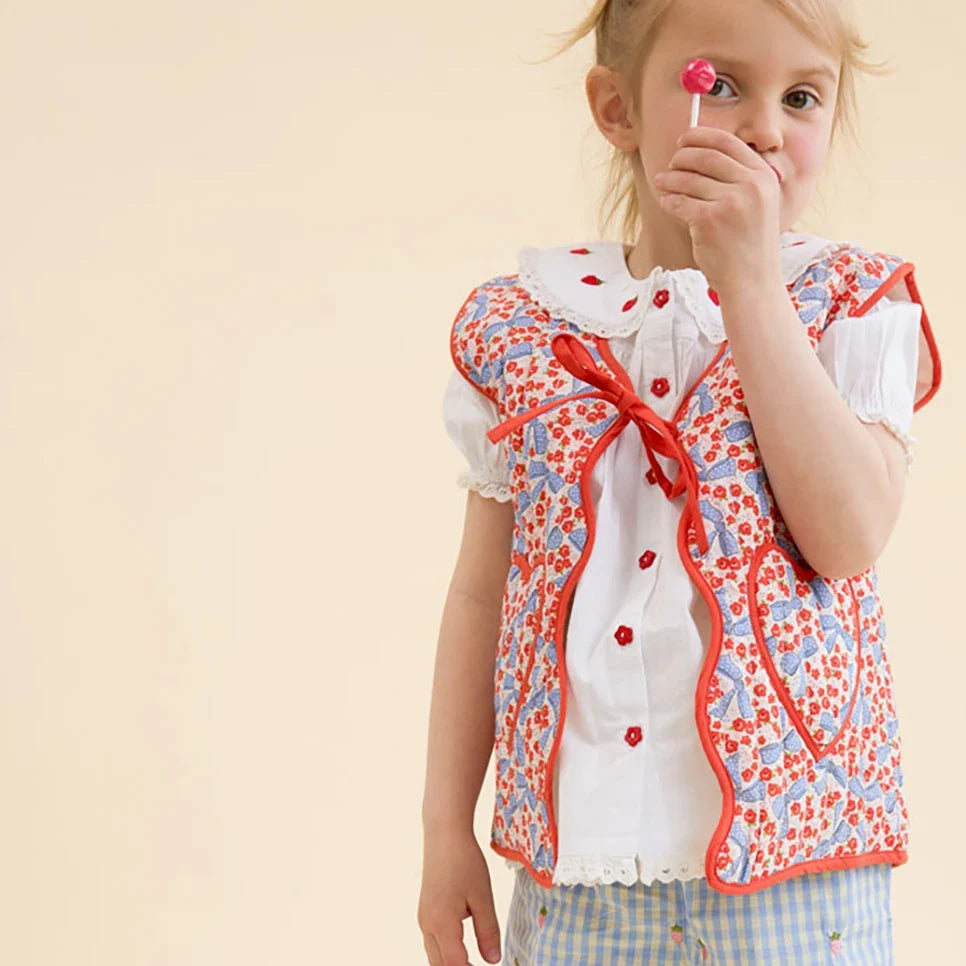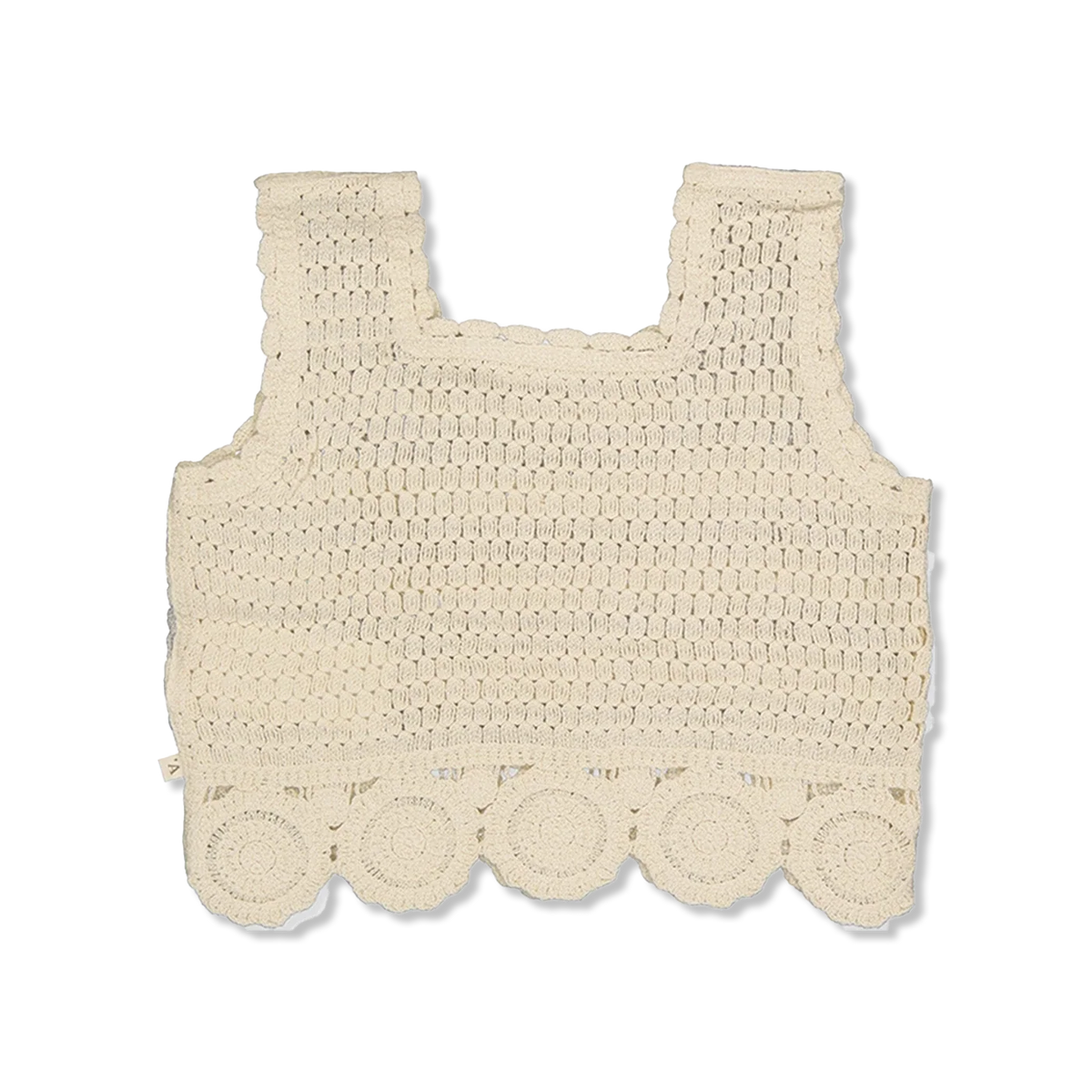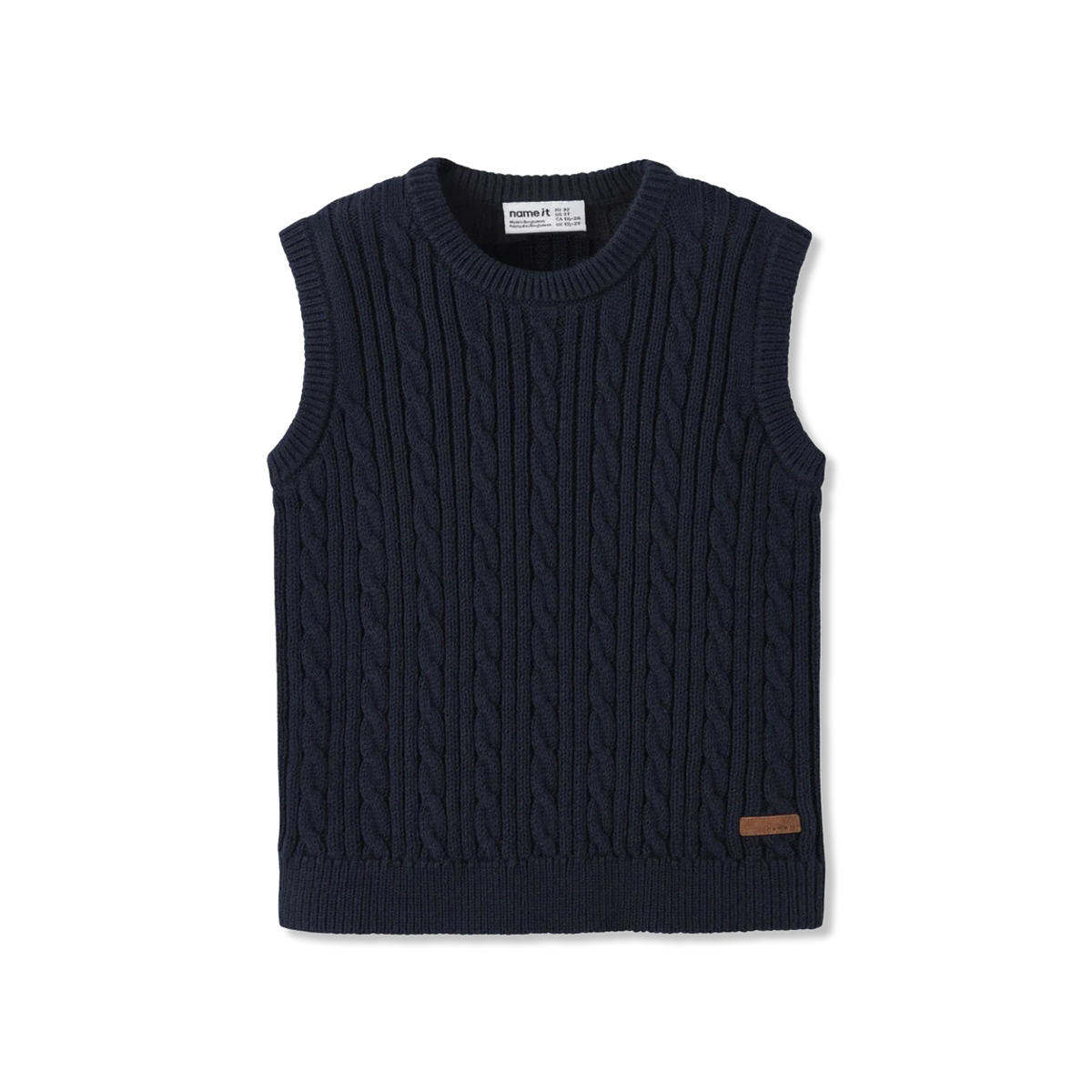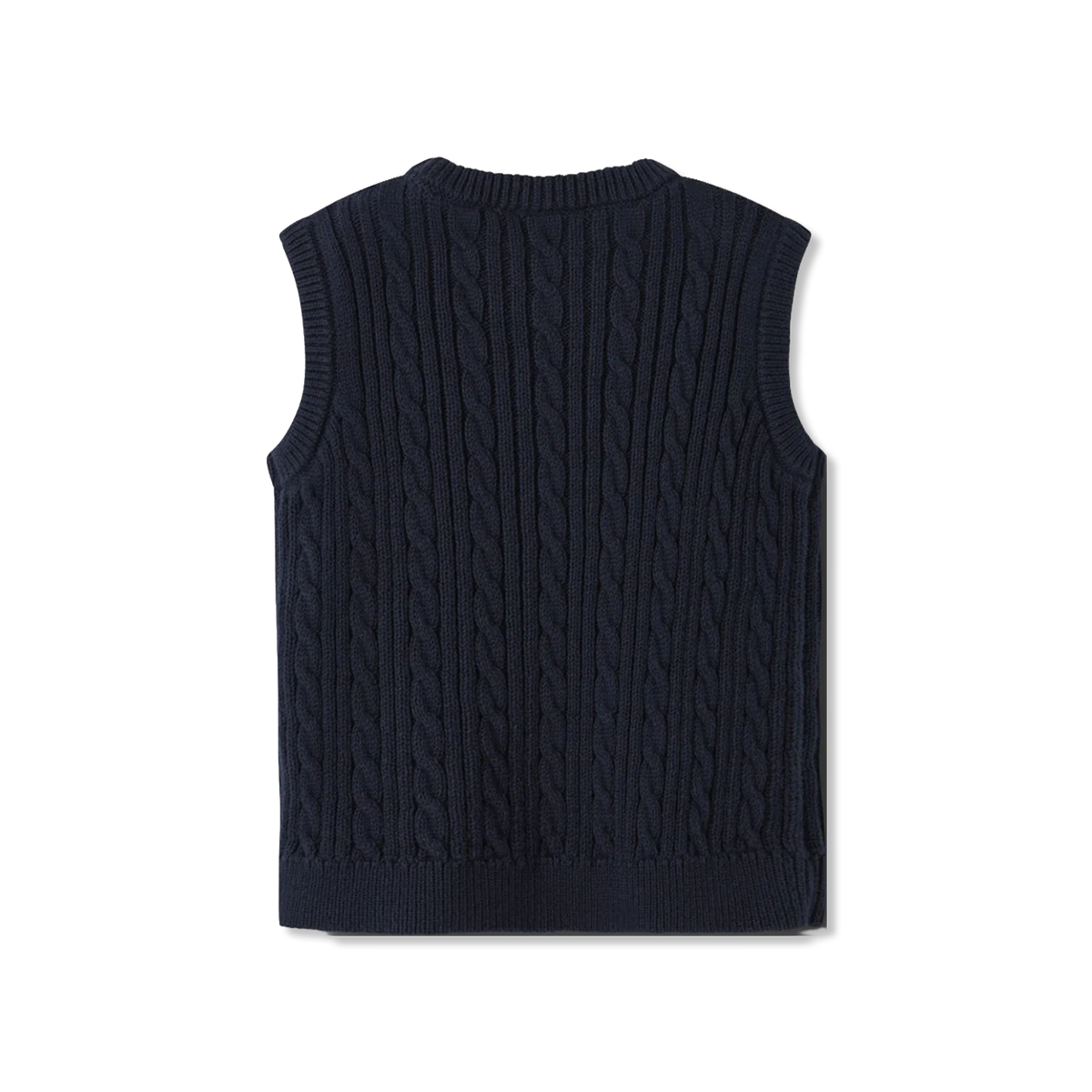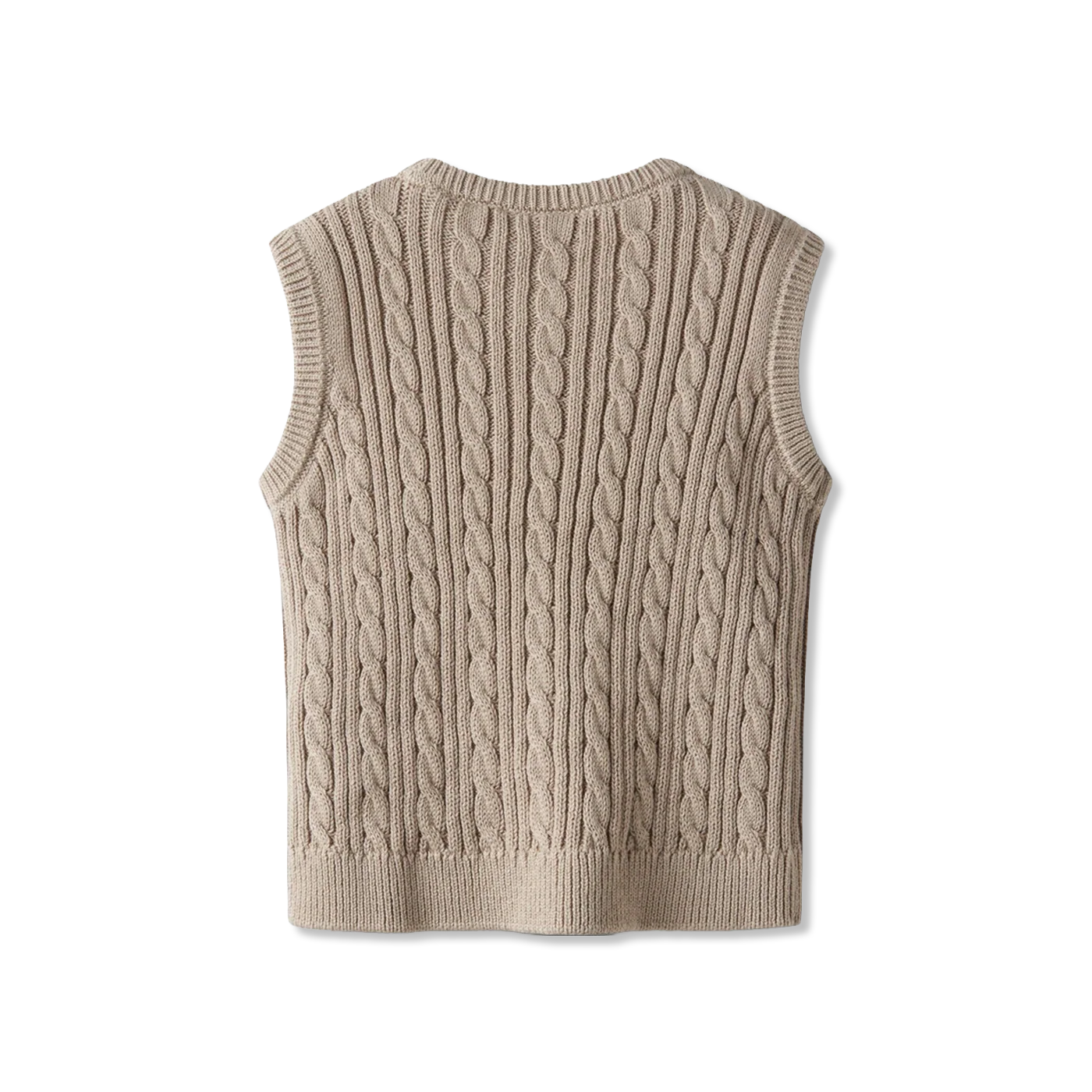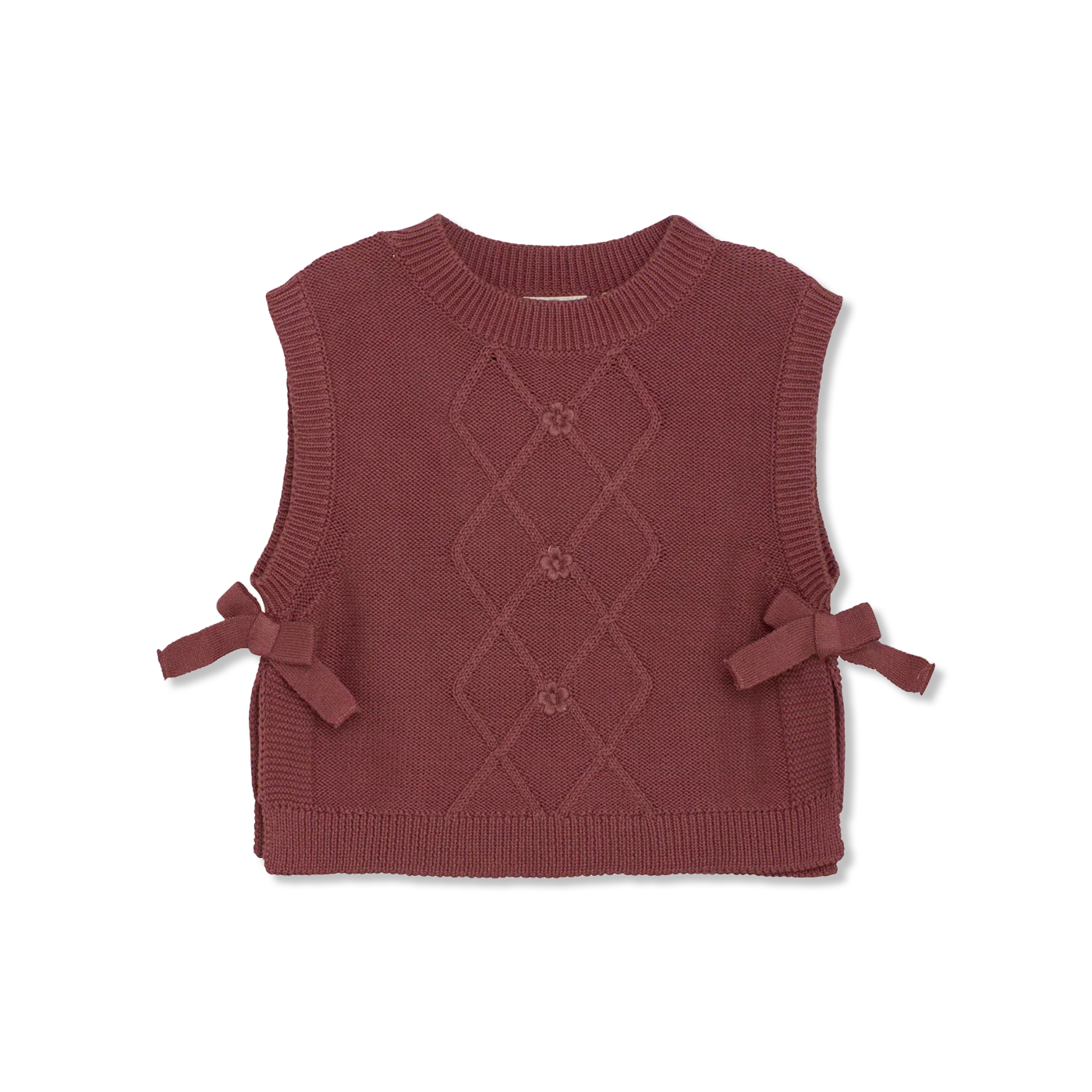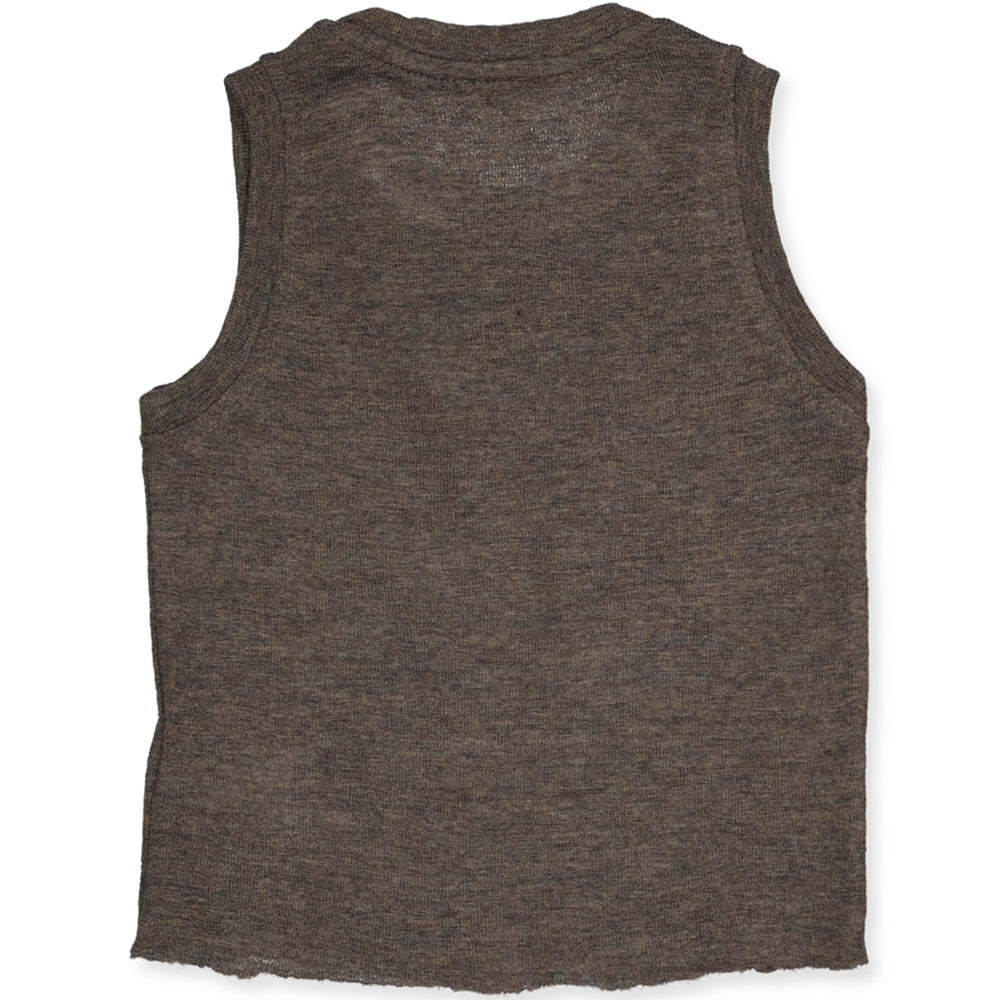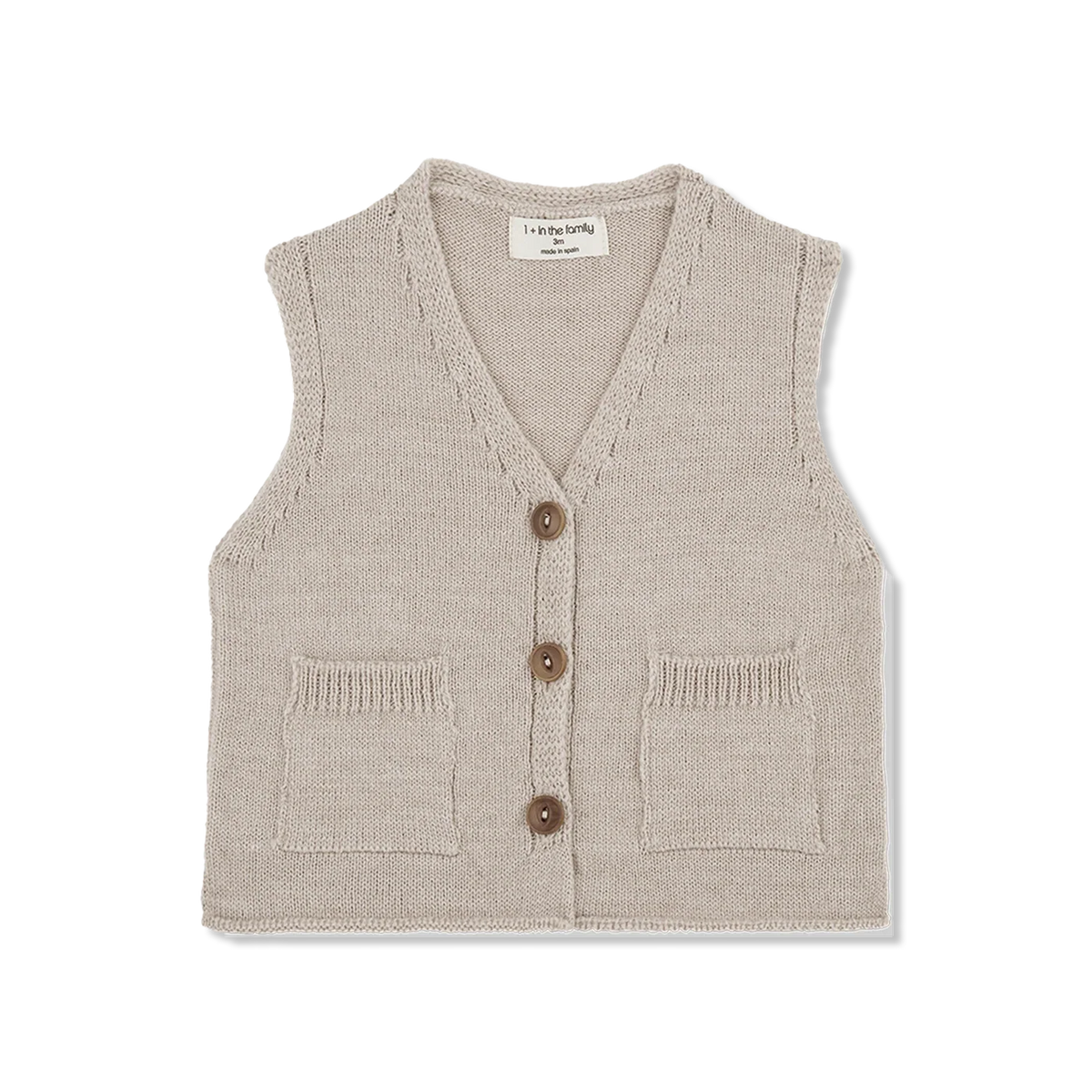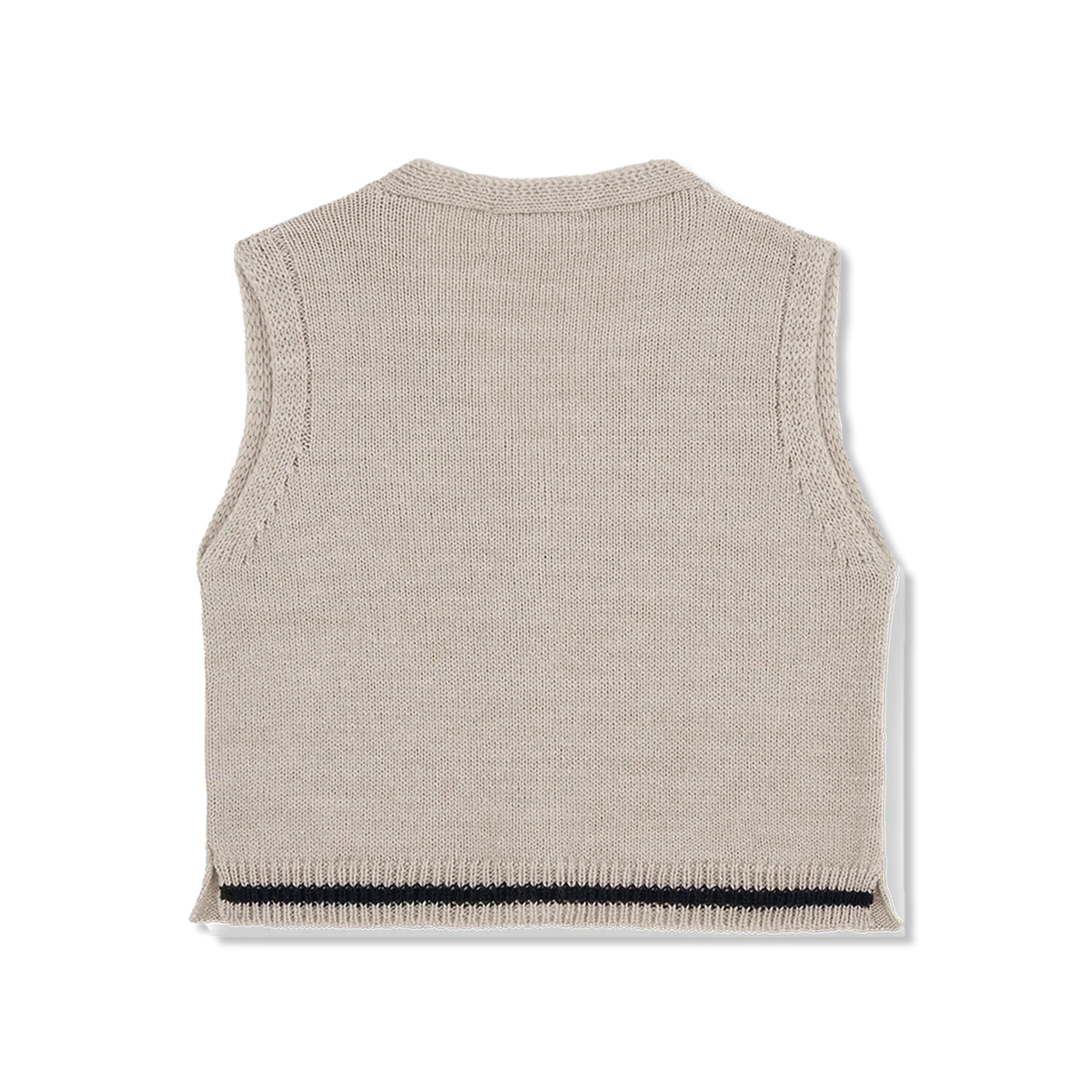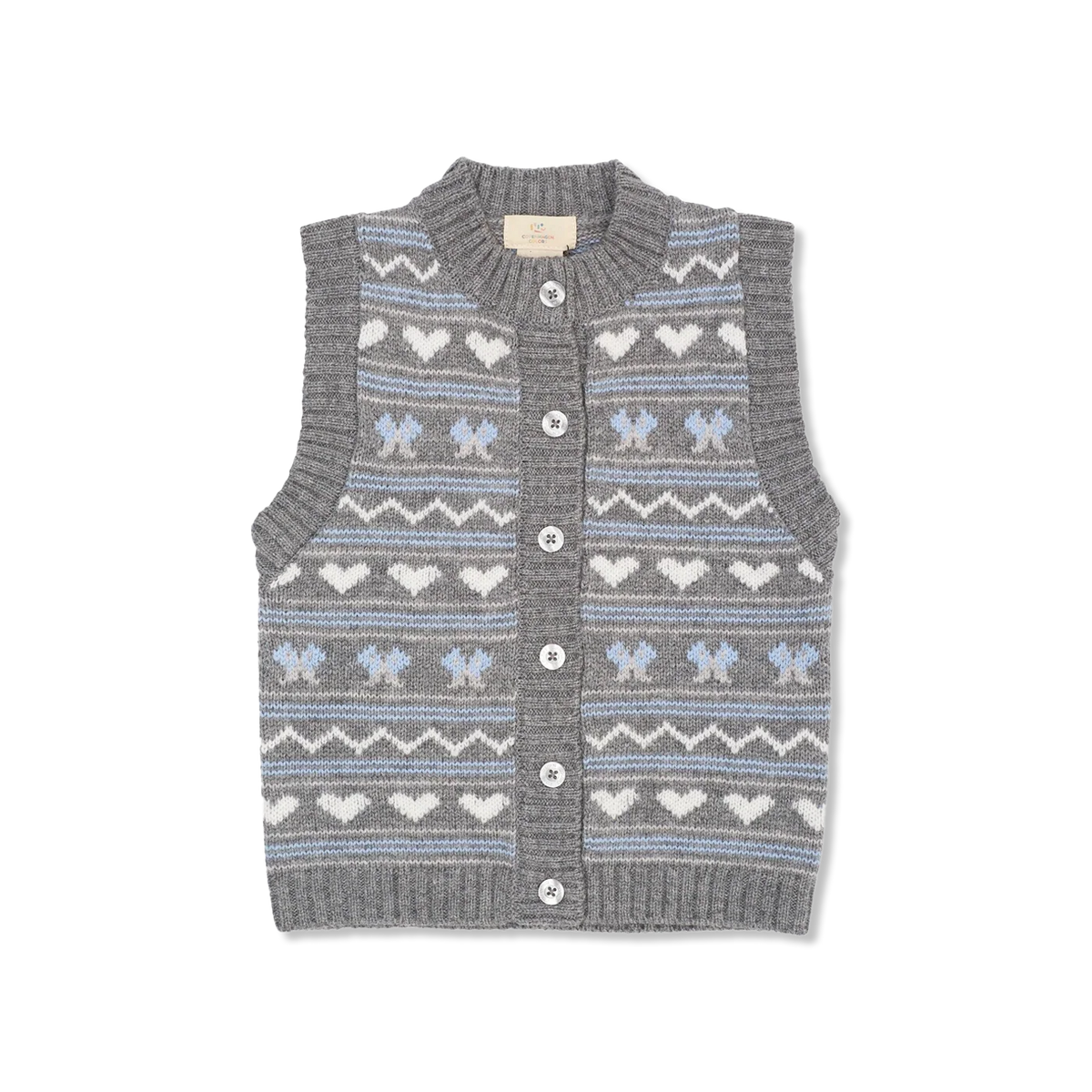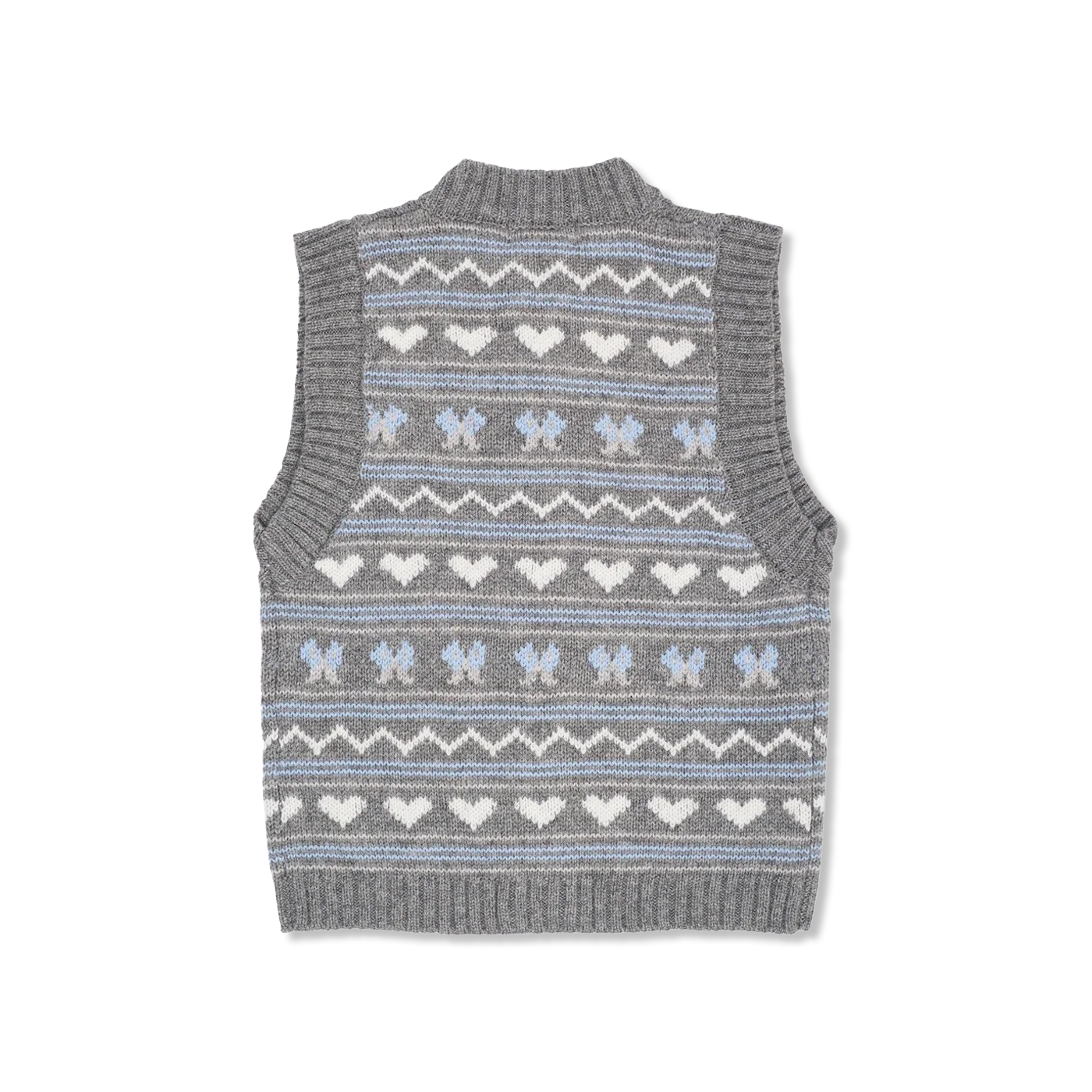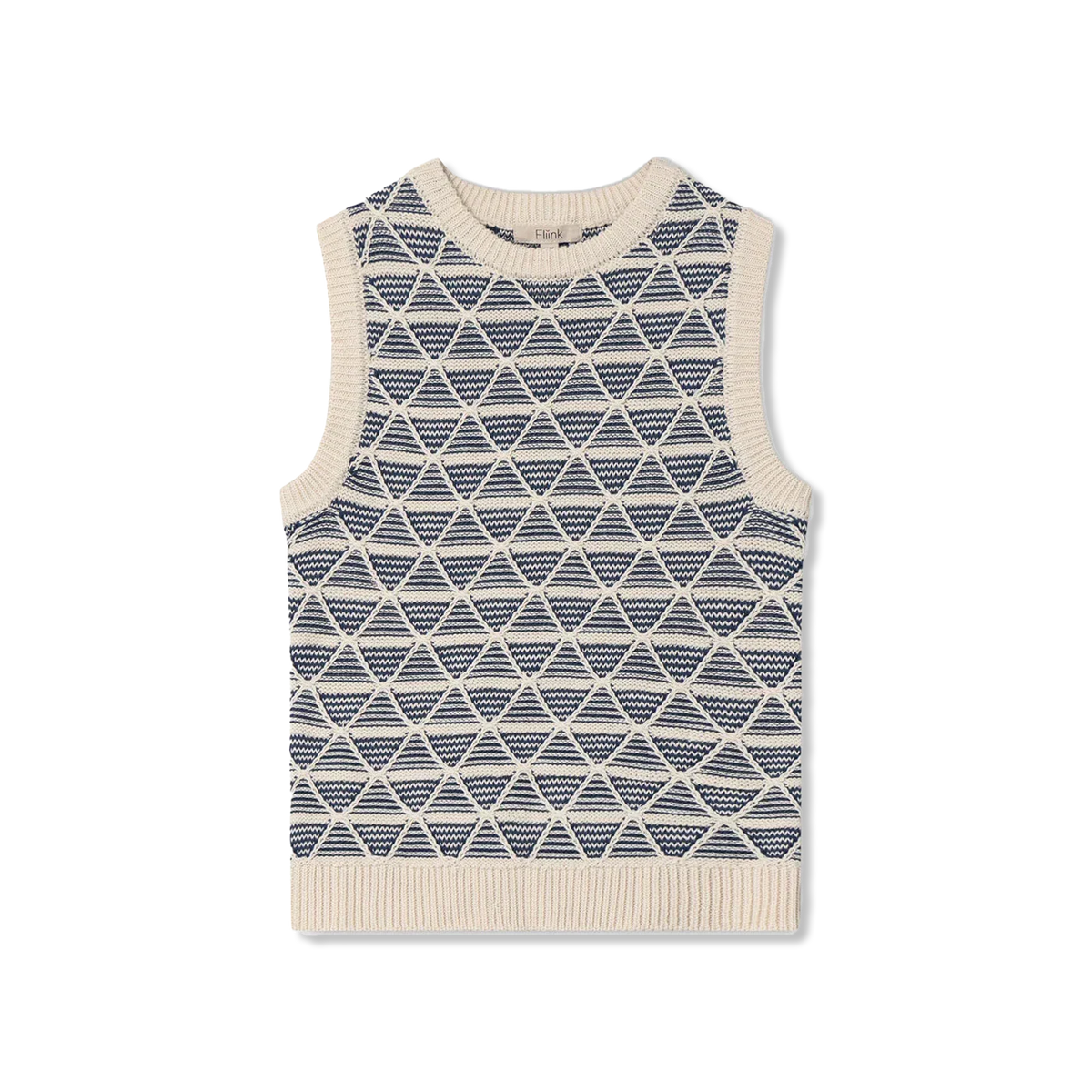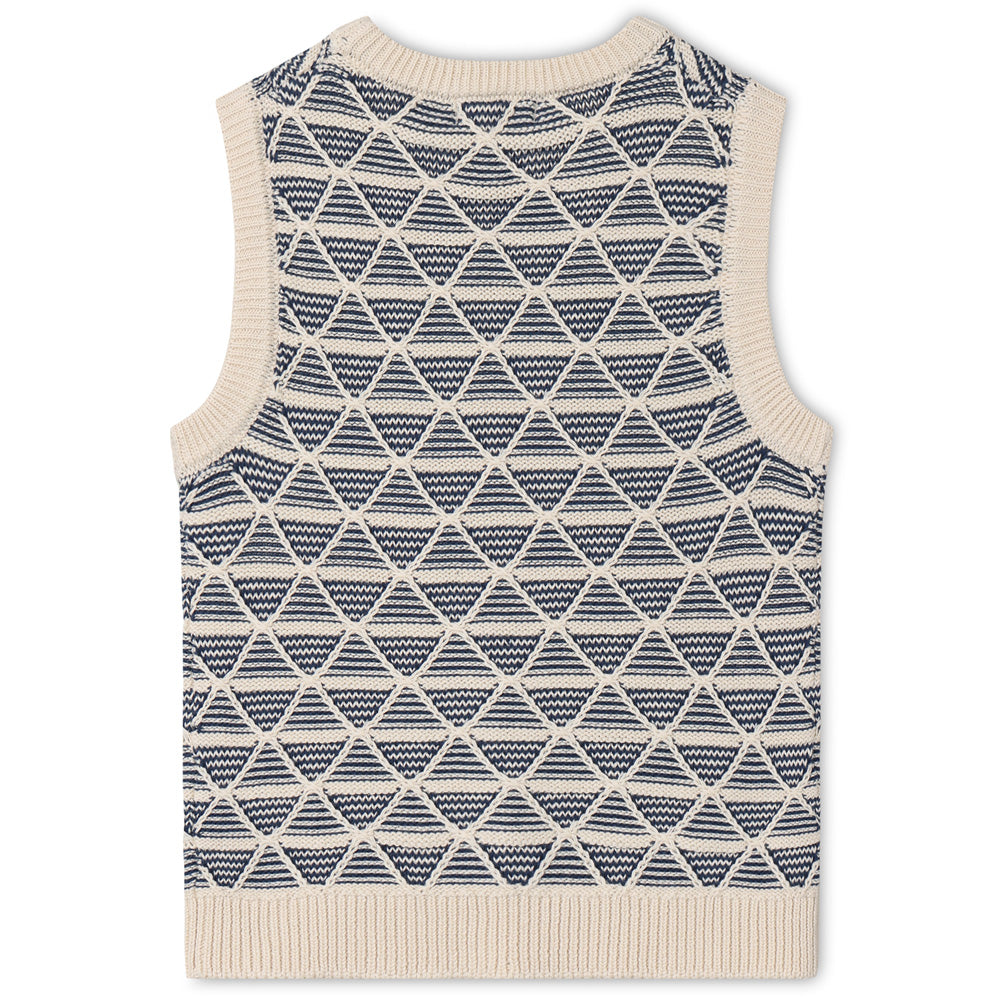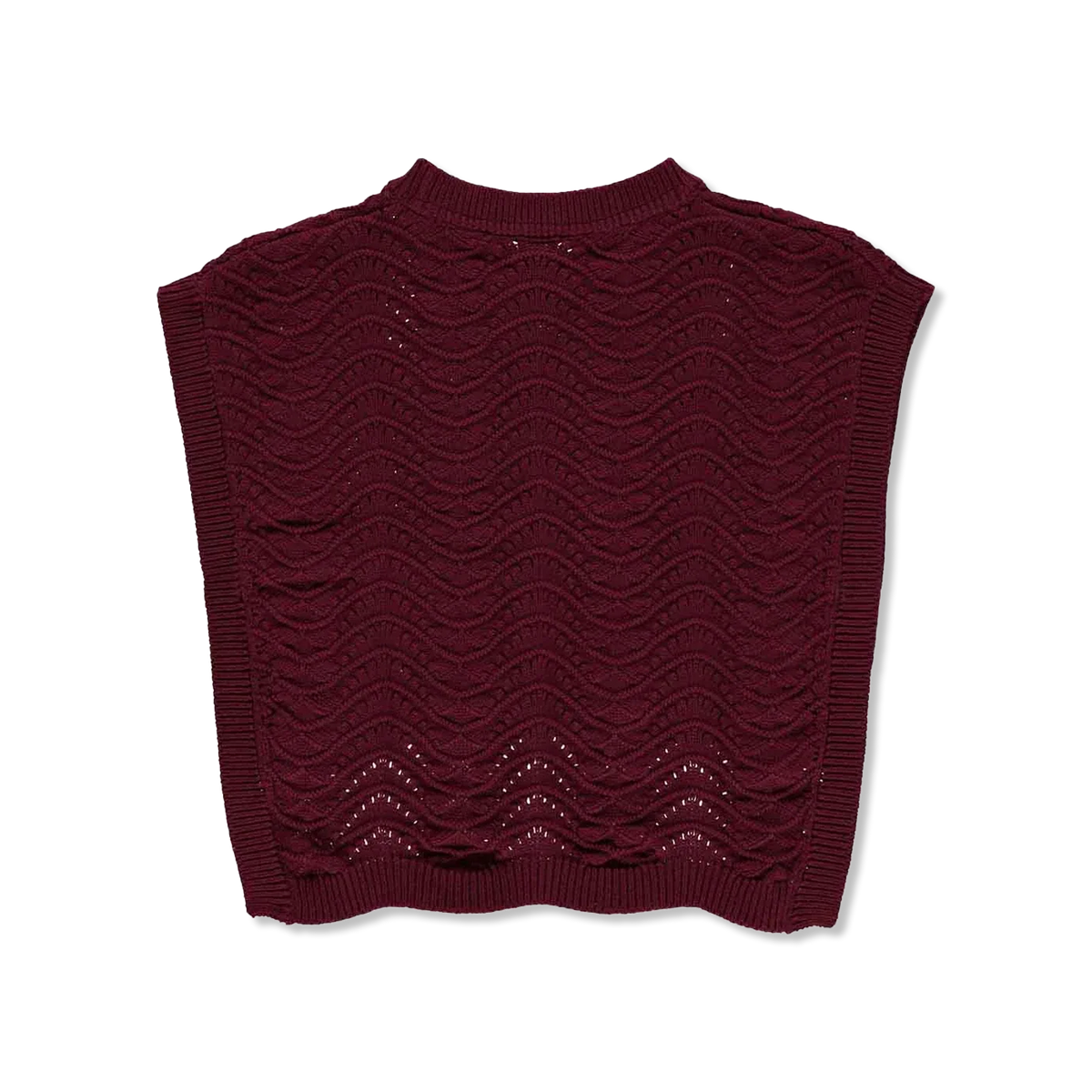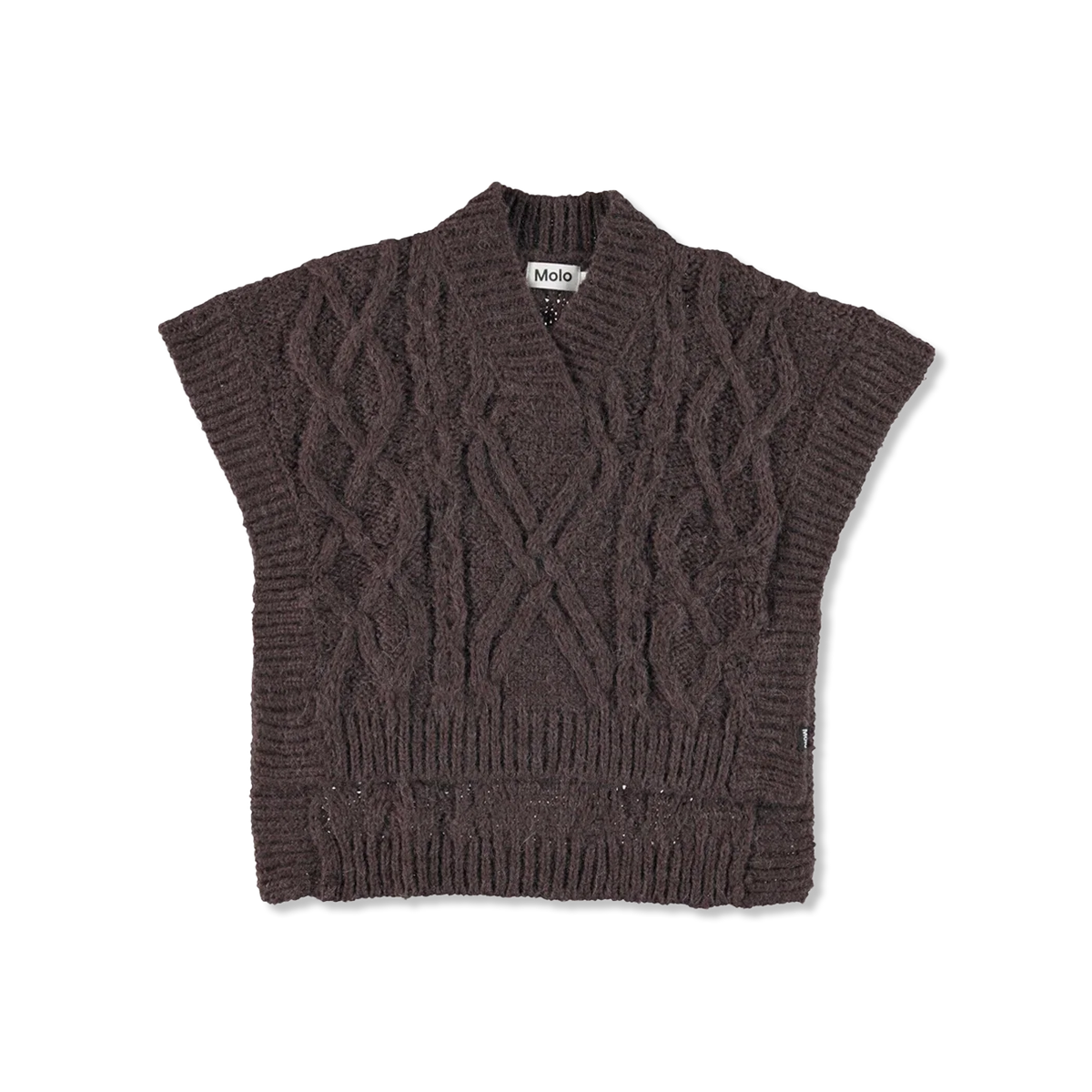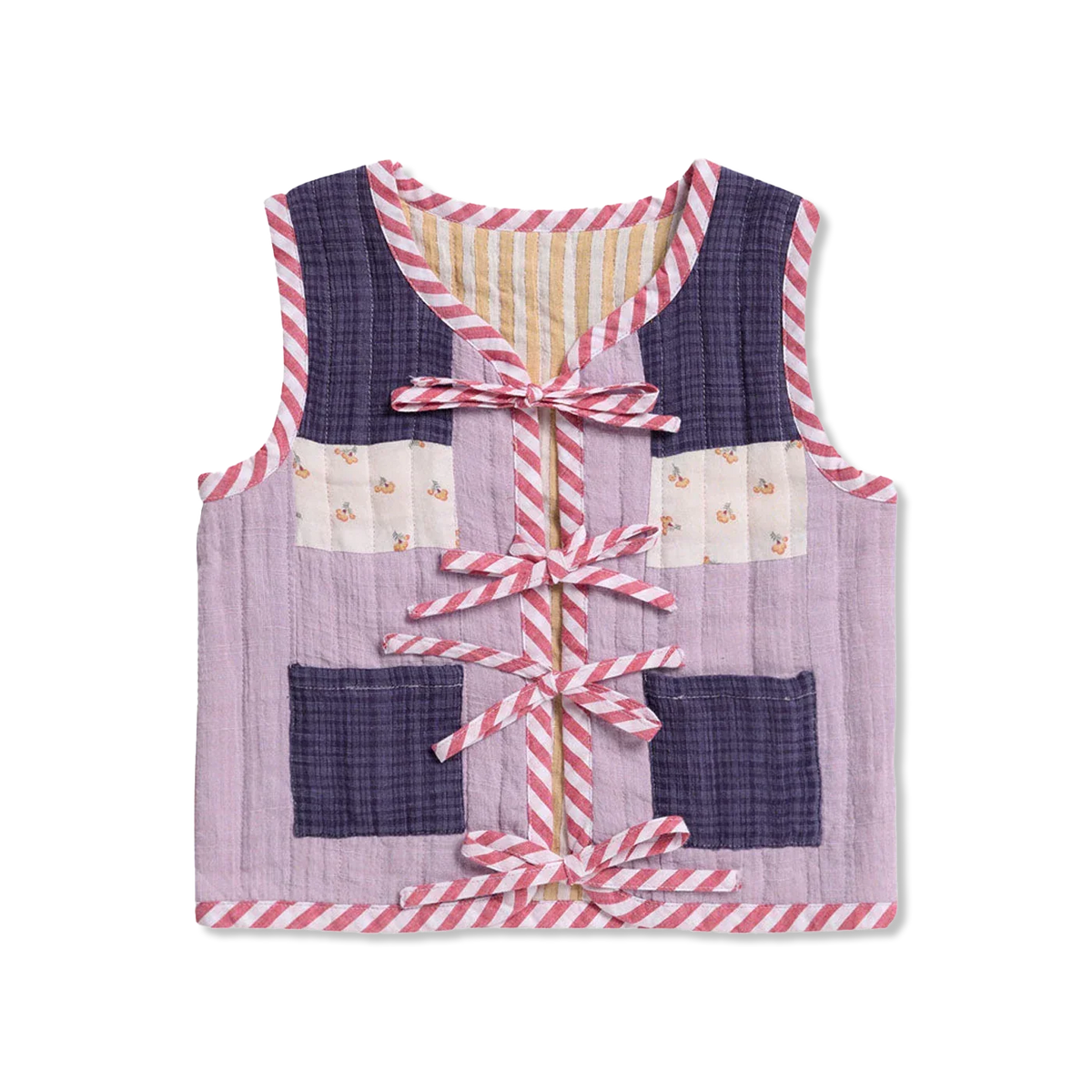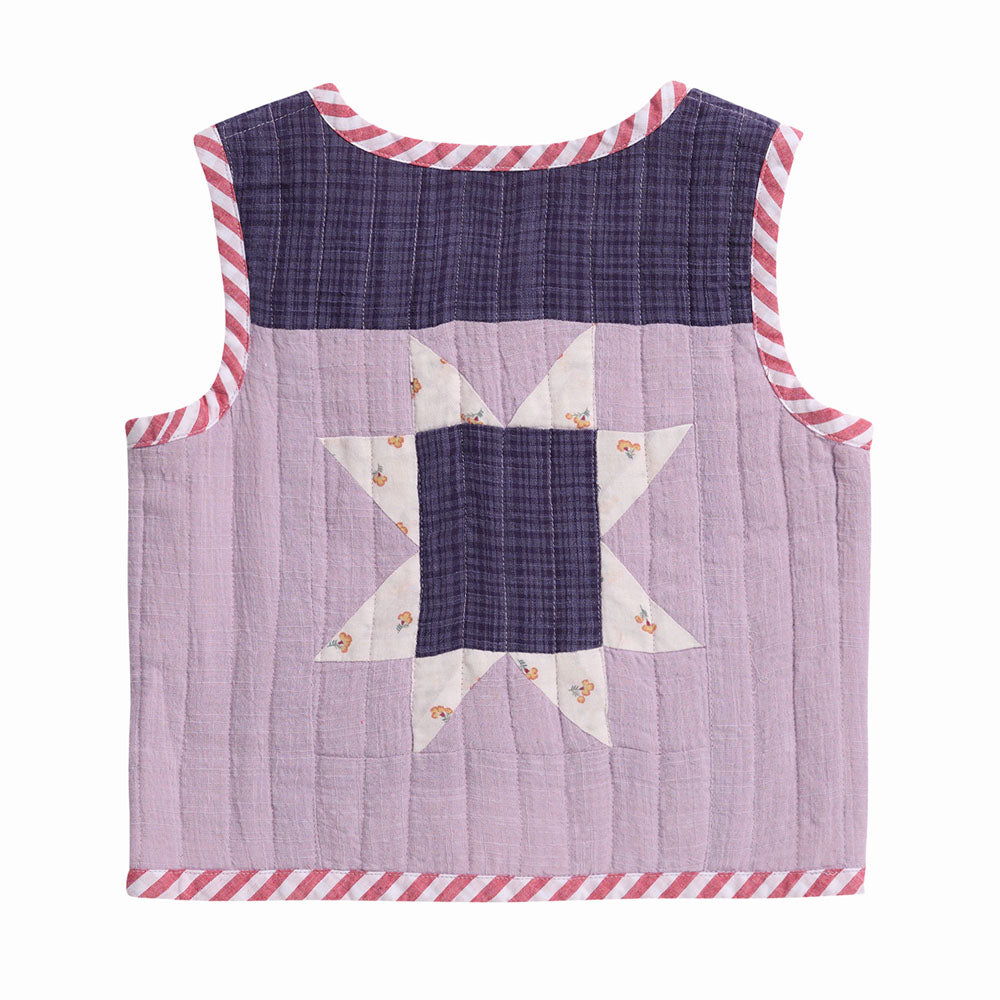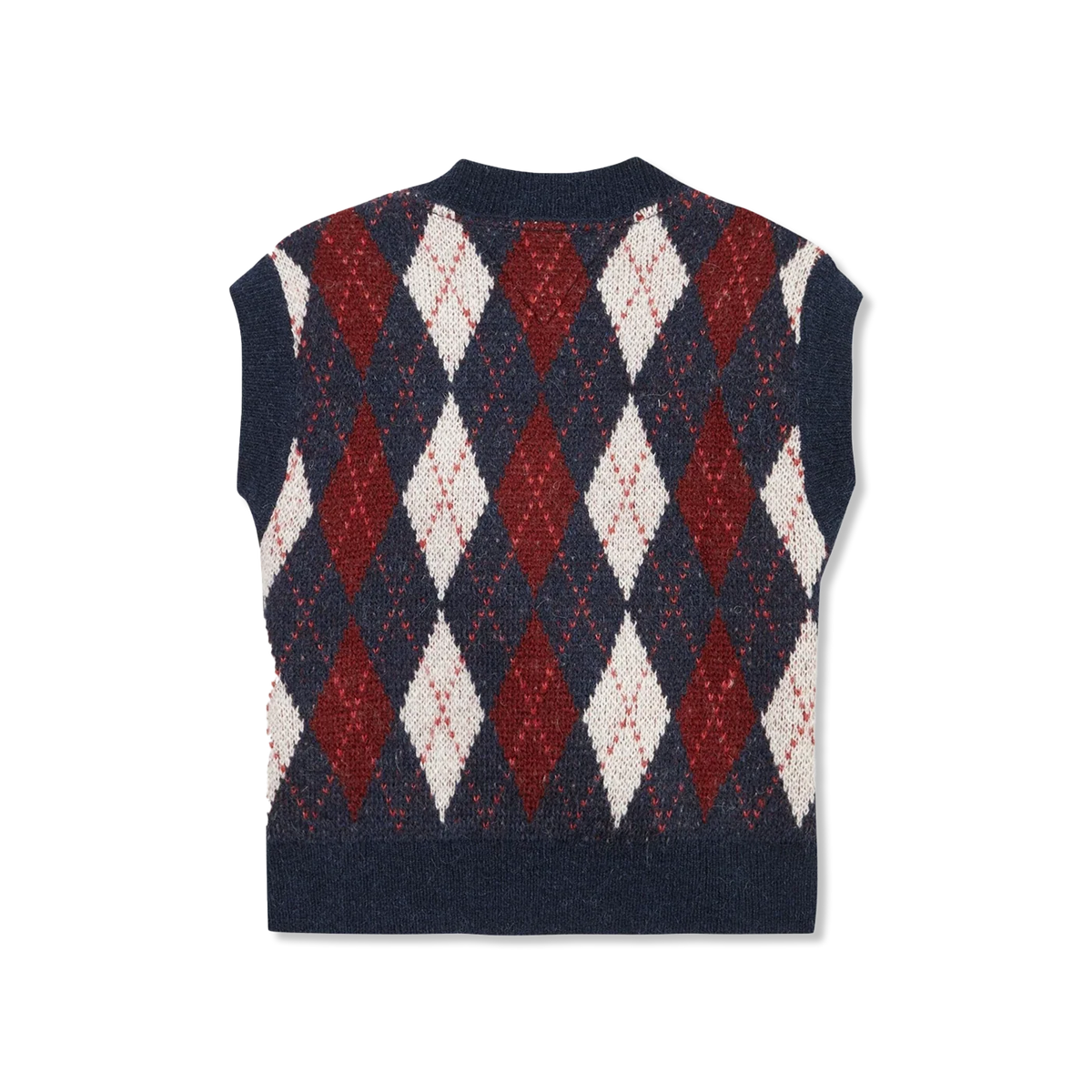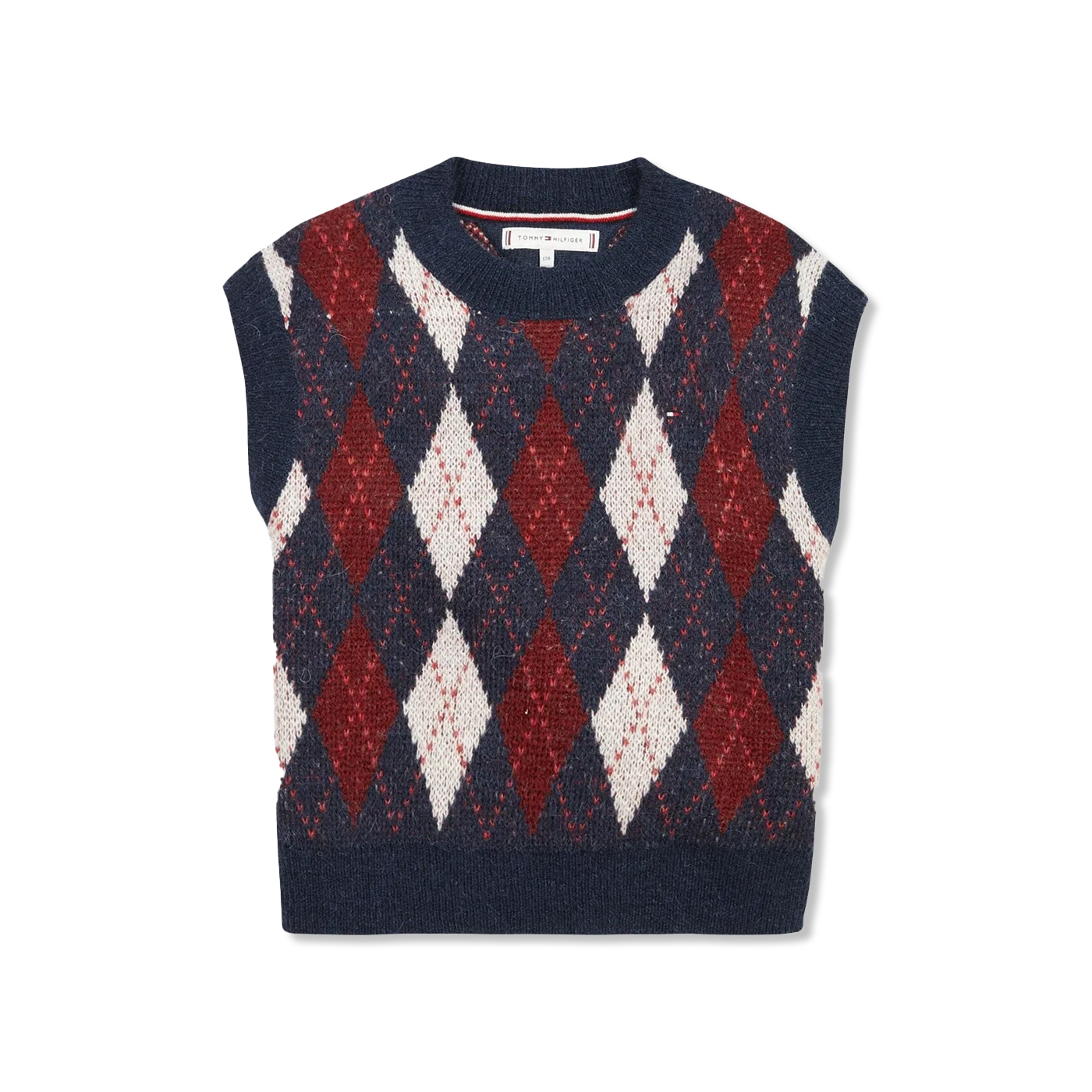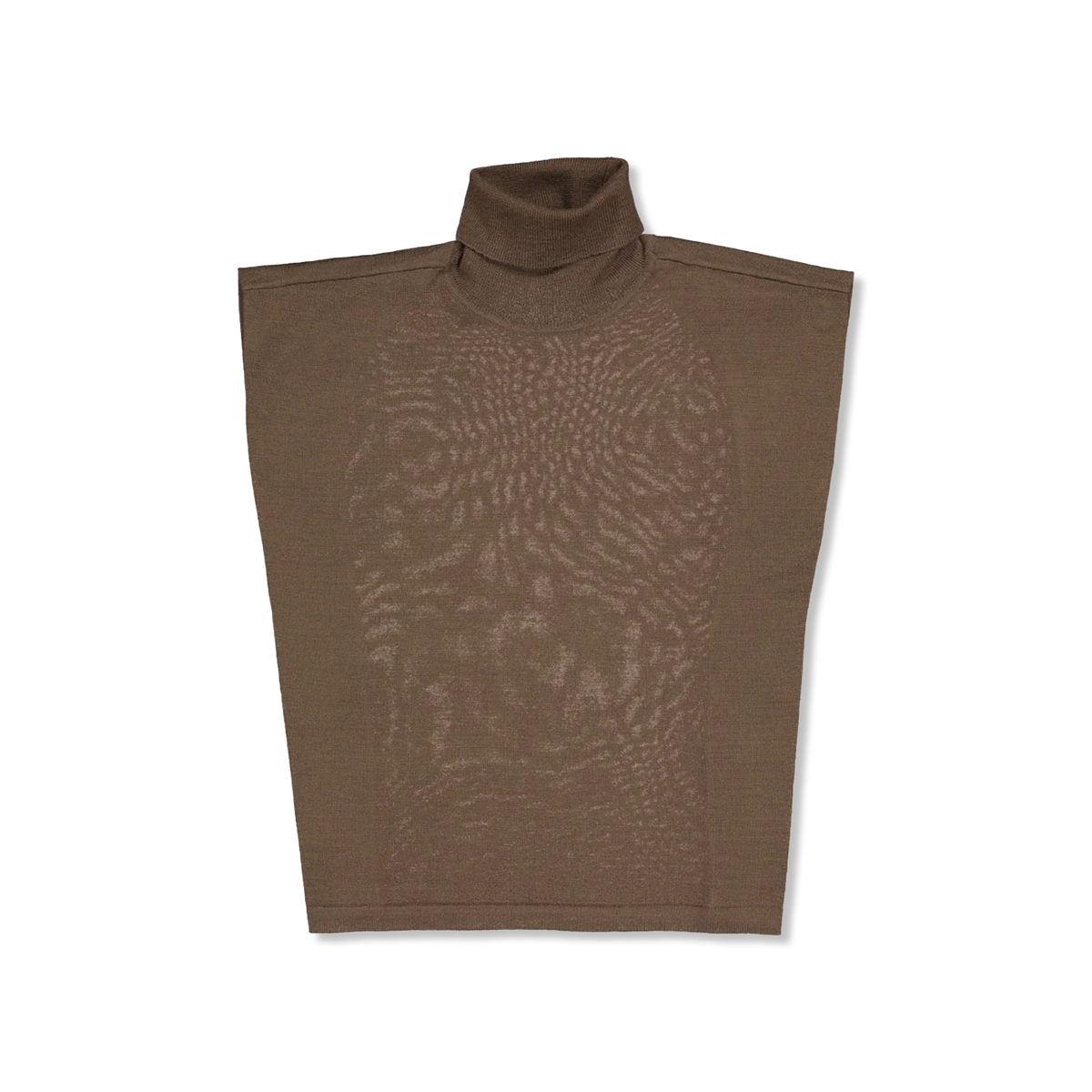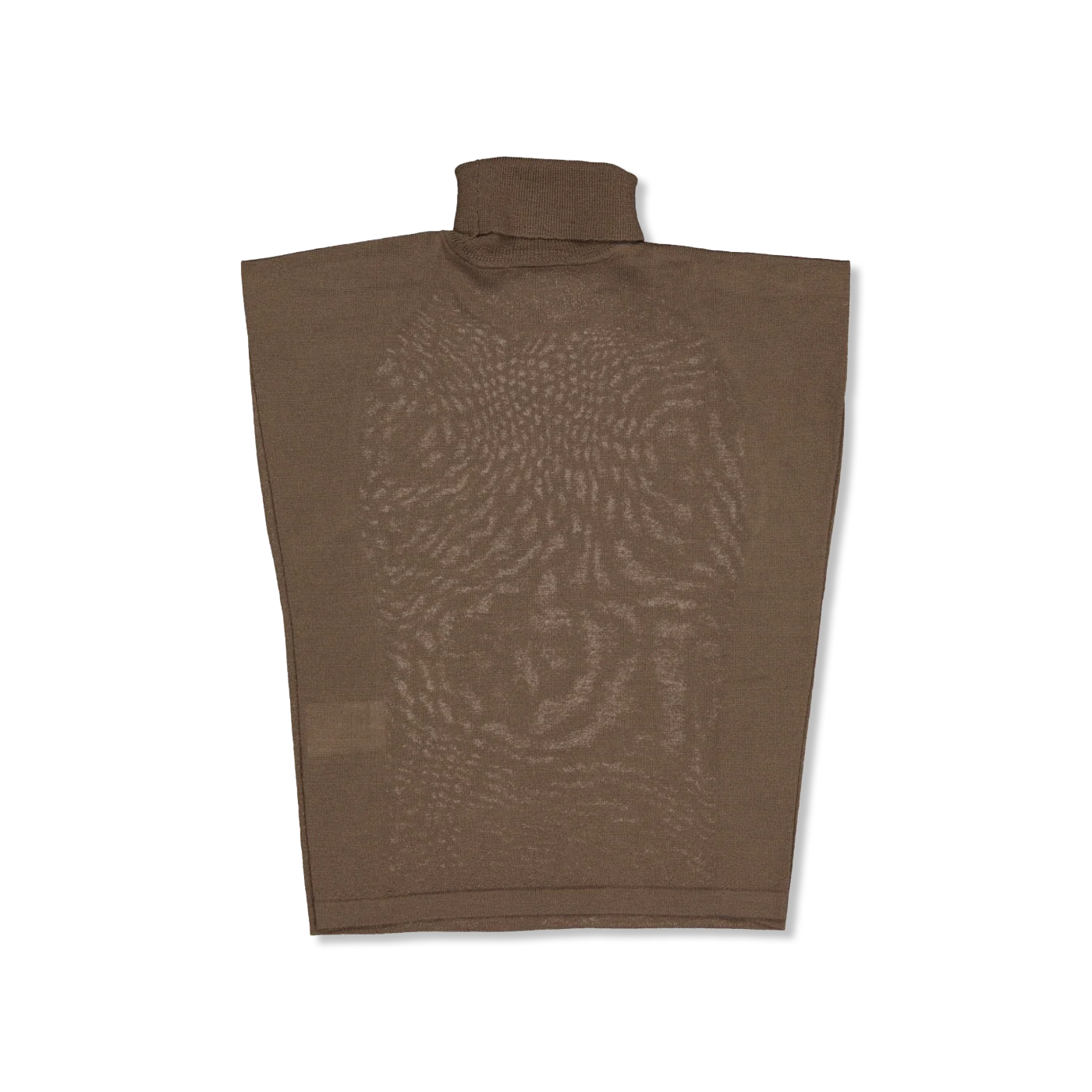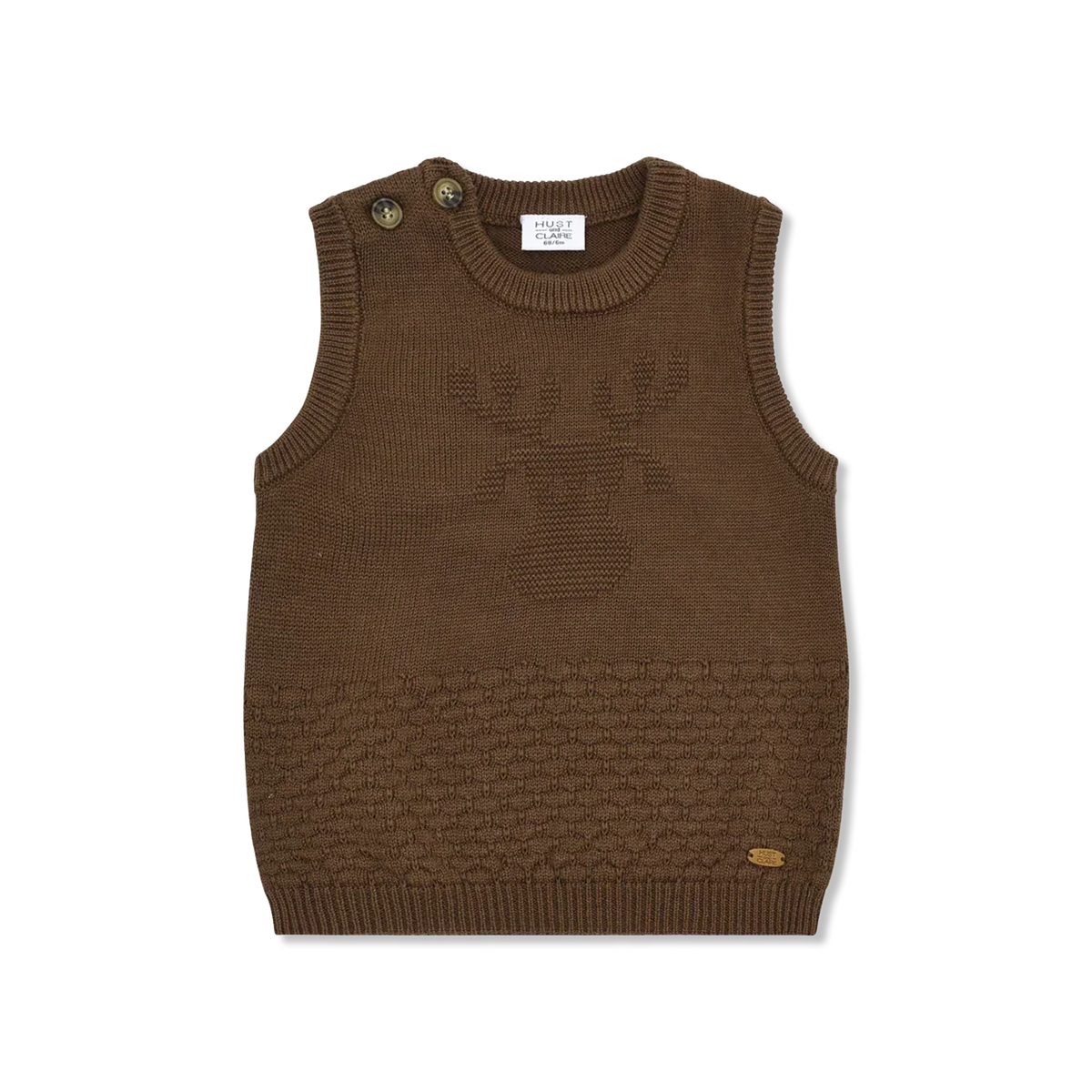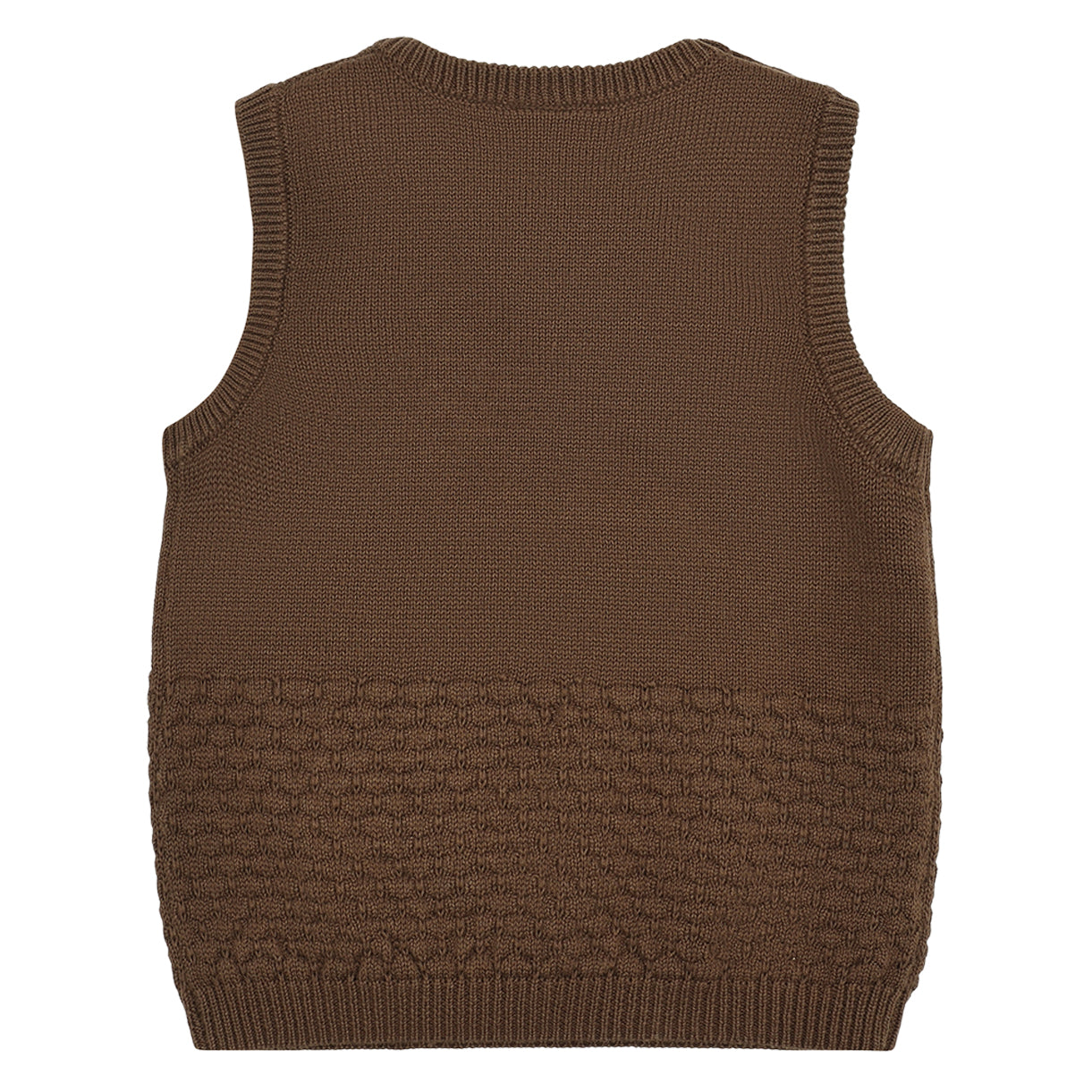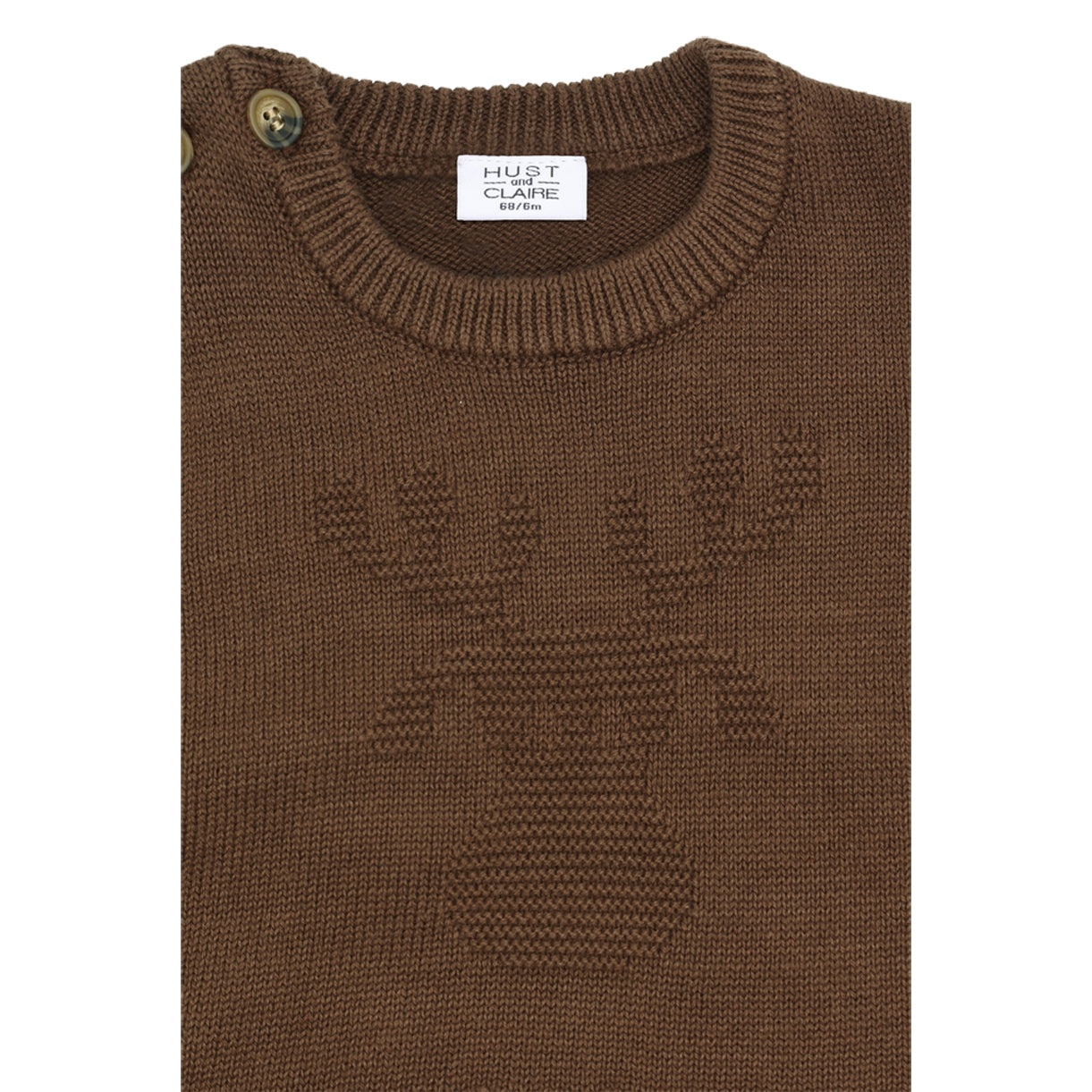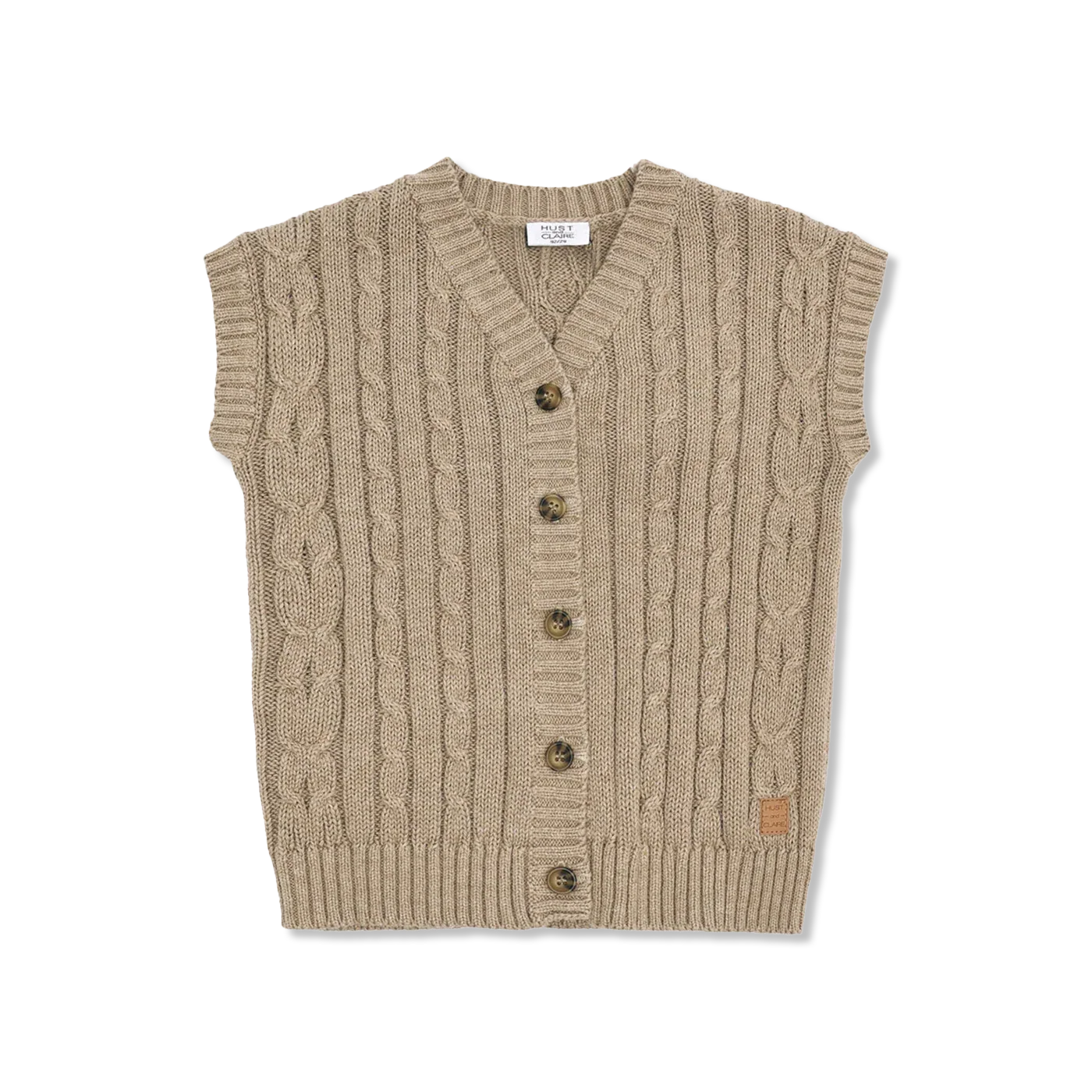
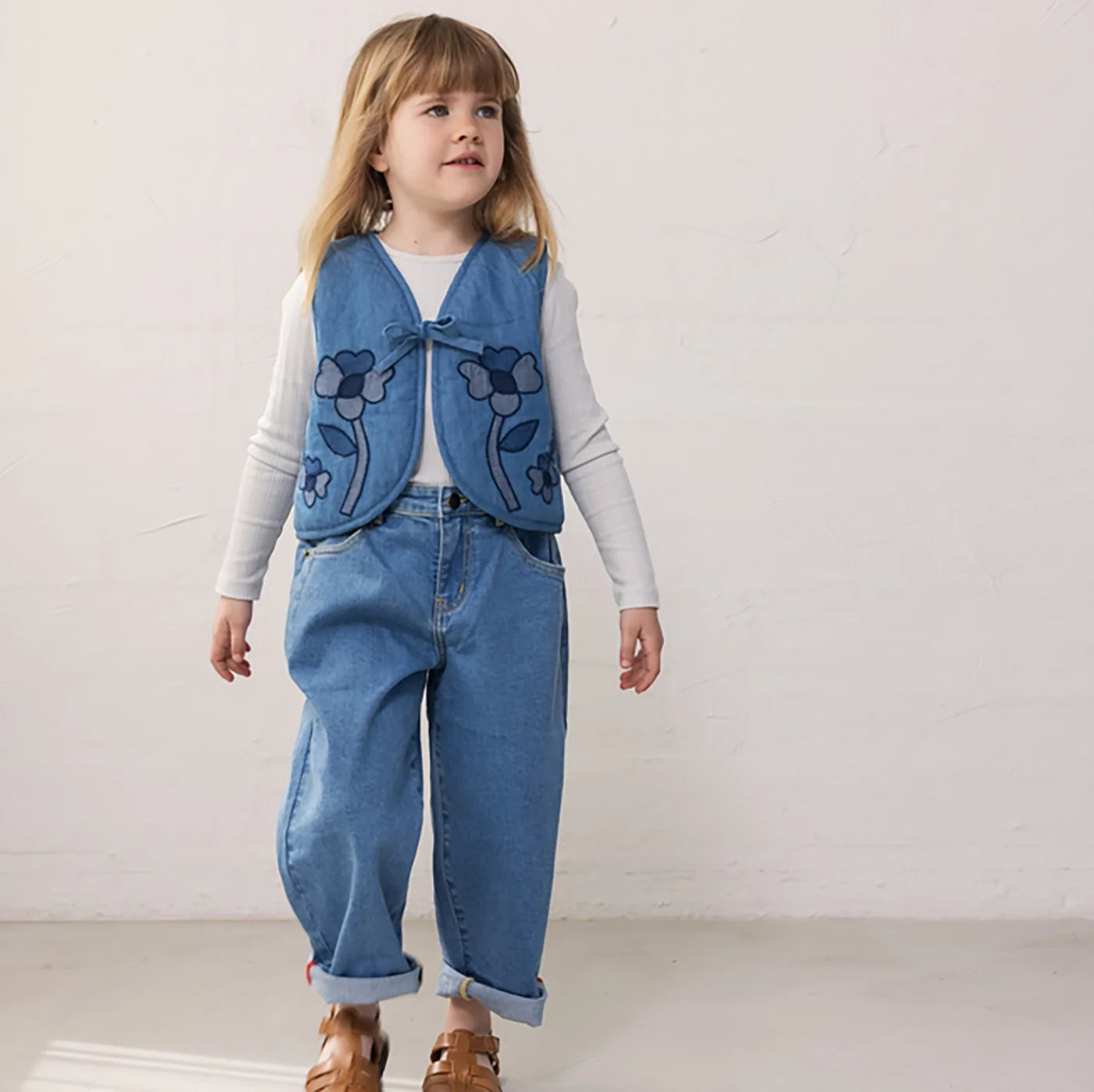
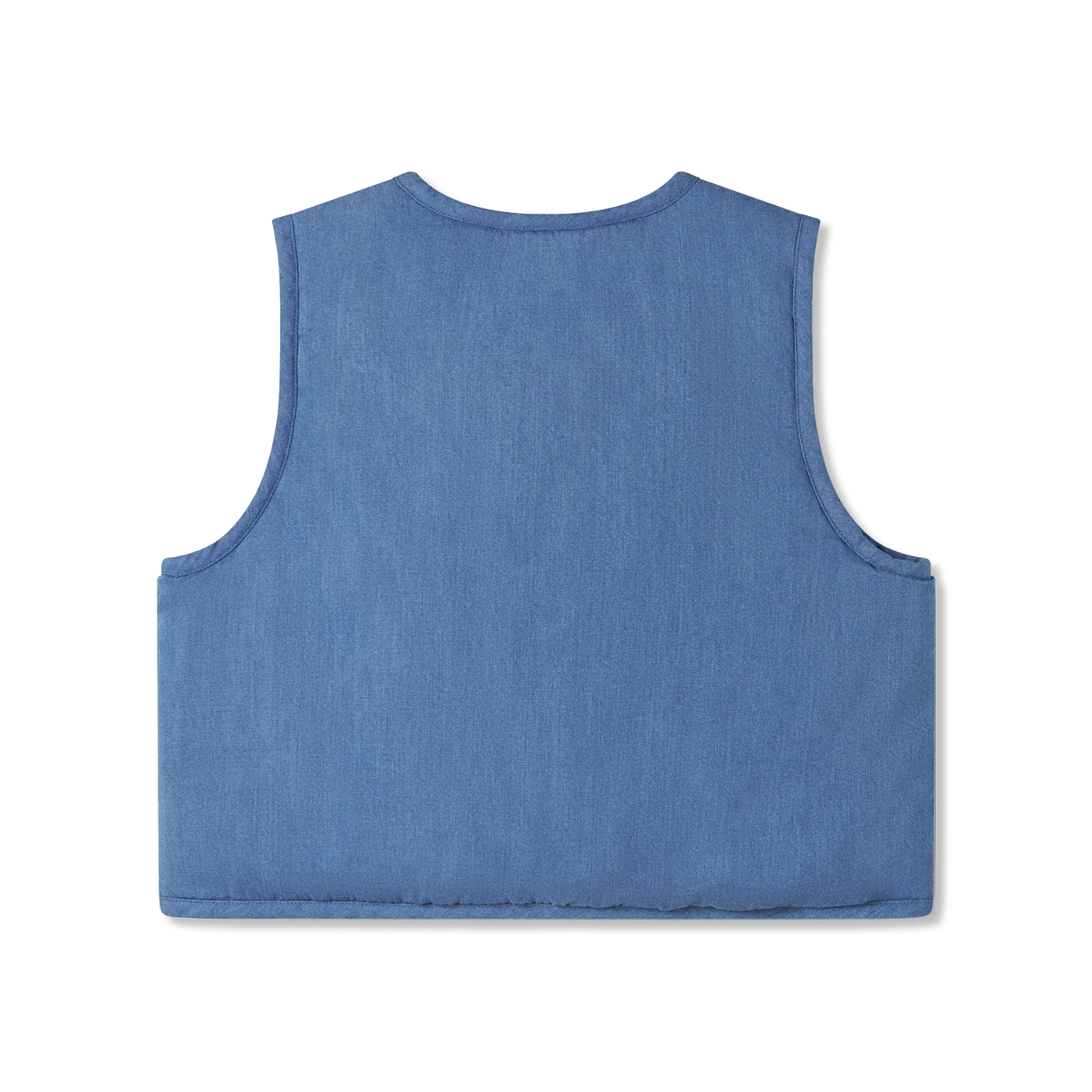
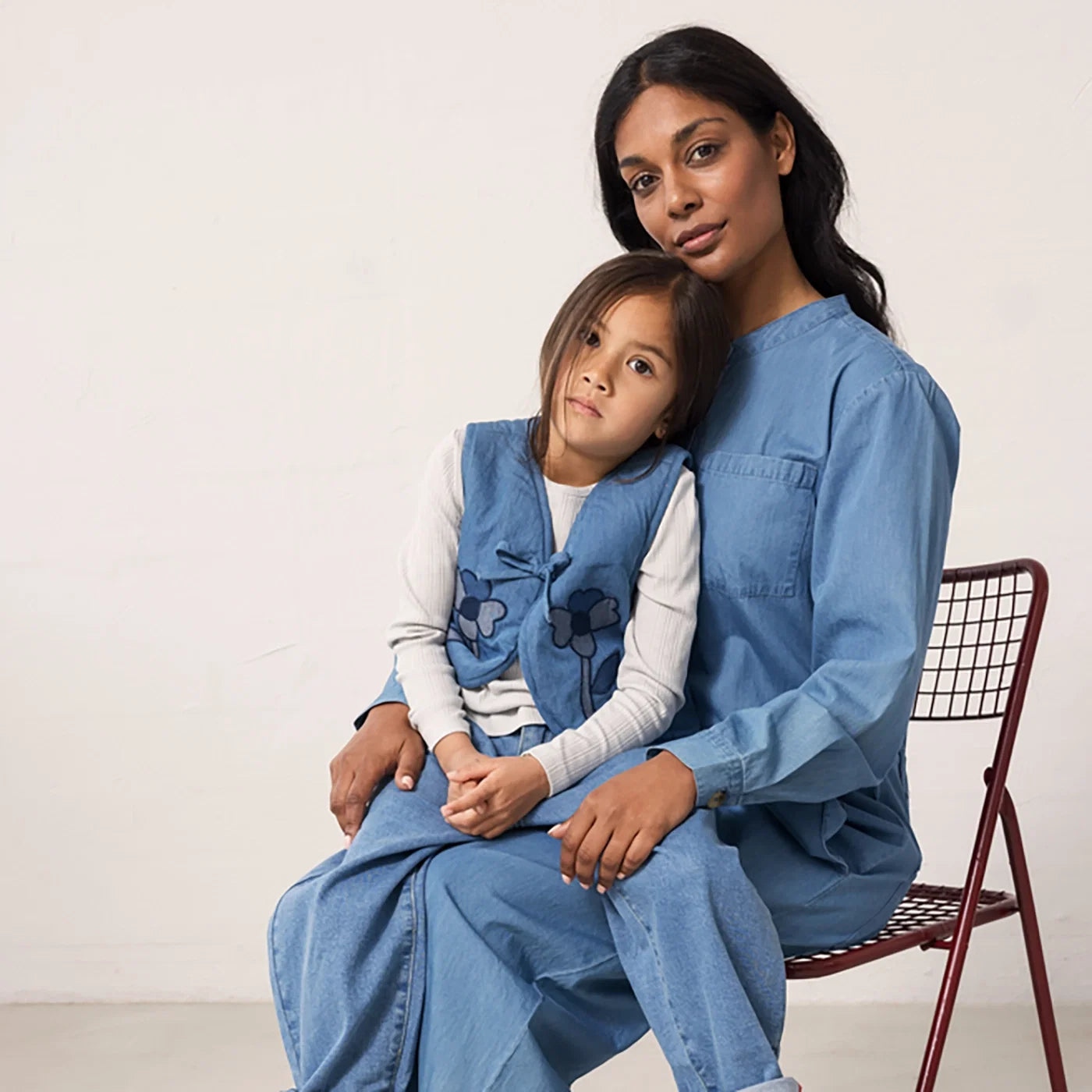
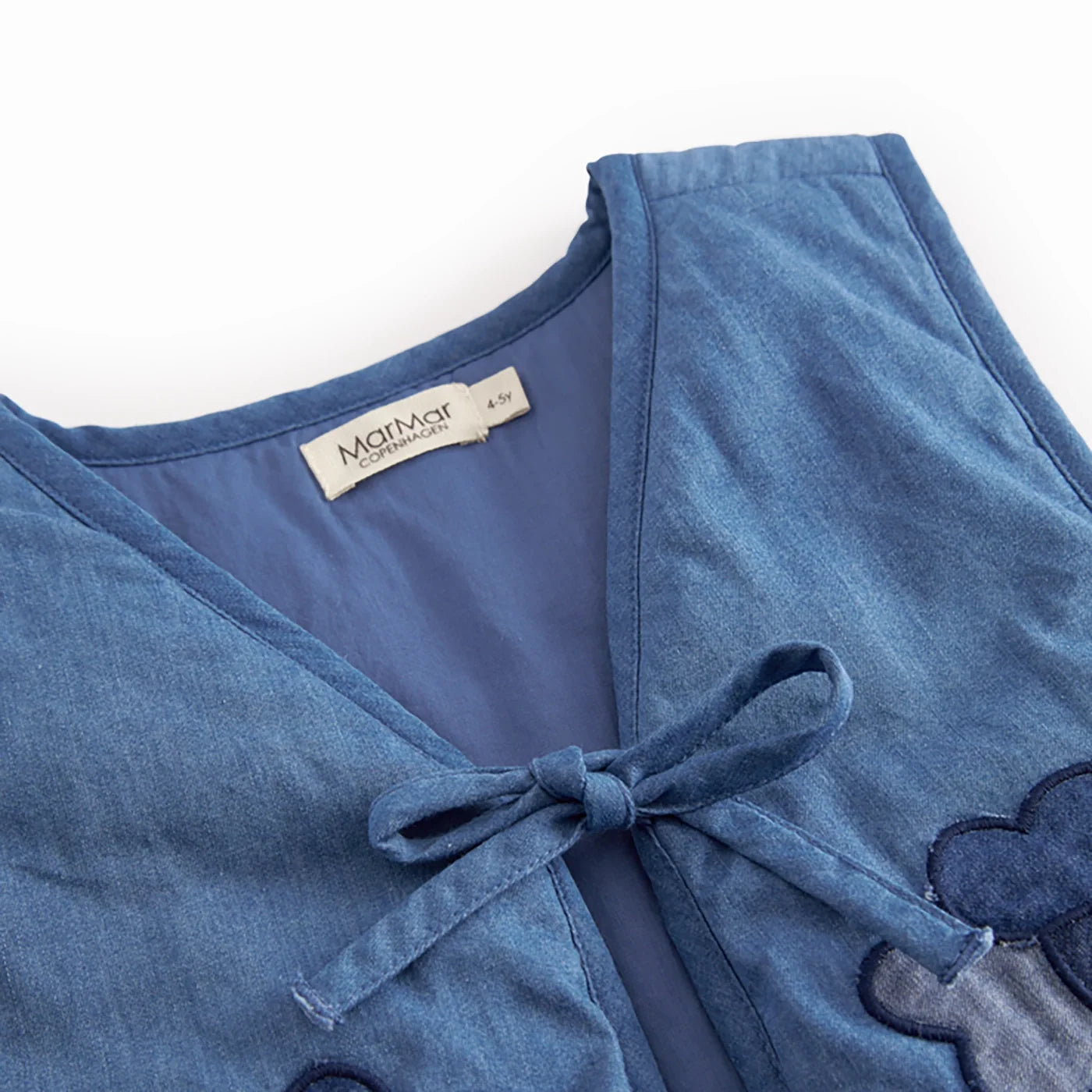
Indoor vests for children add warmth without bulk
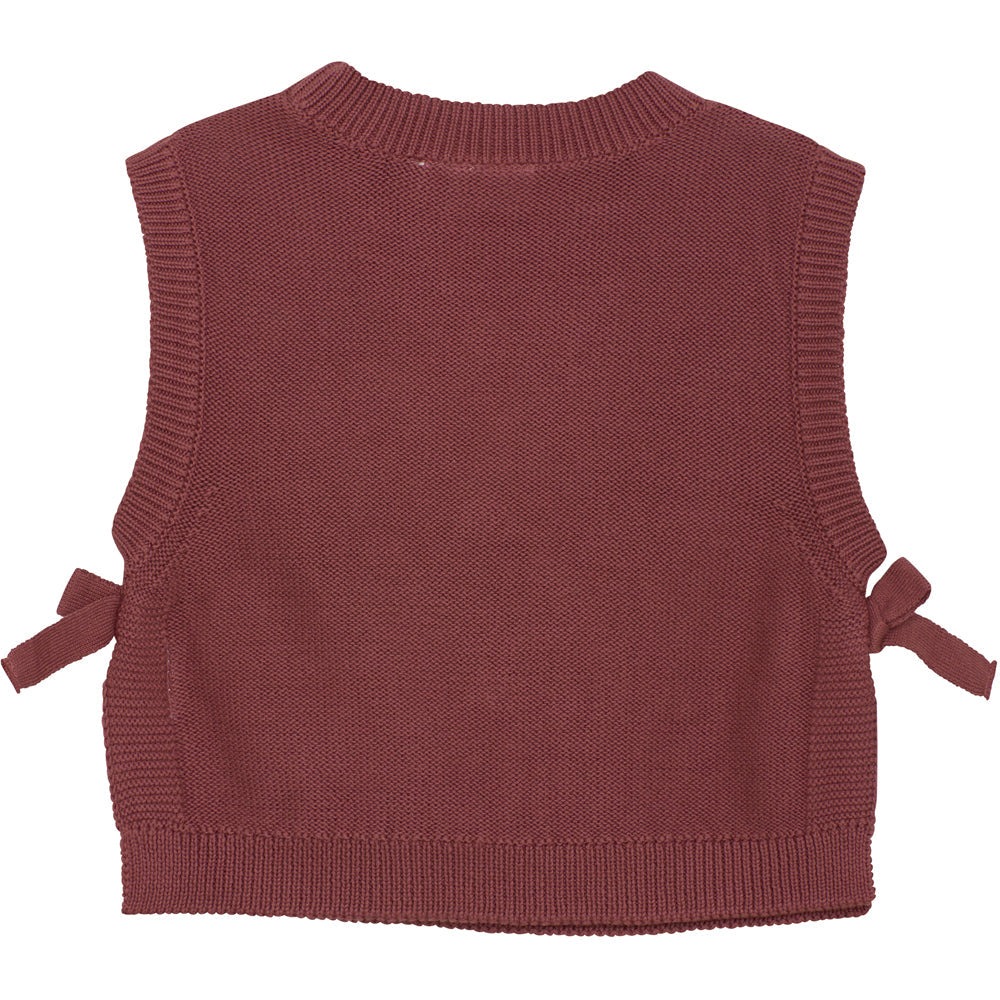
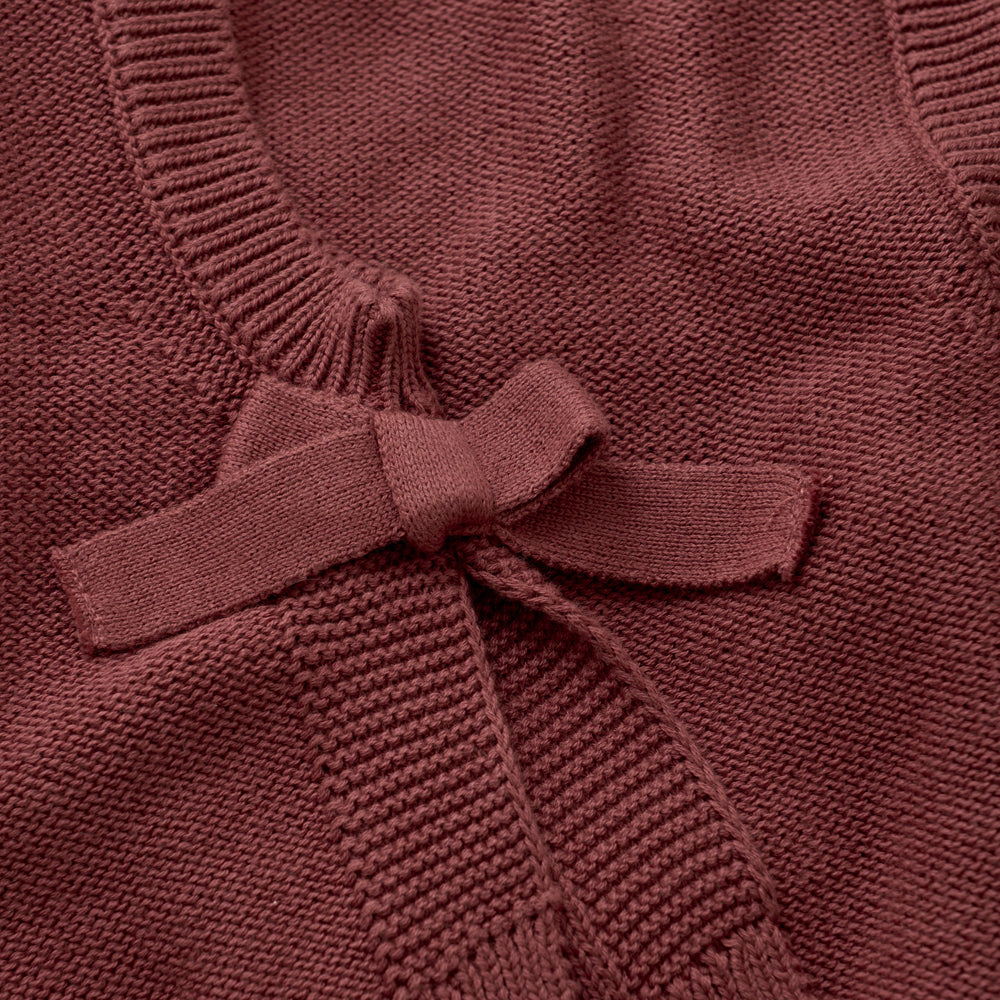
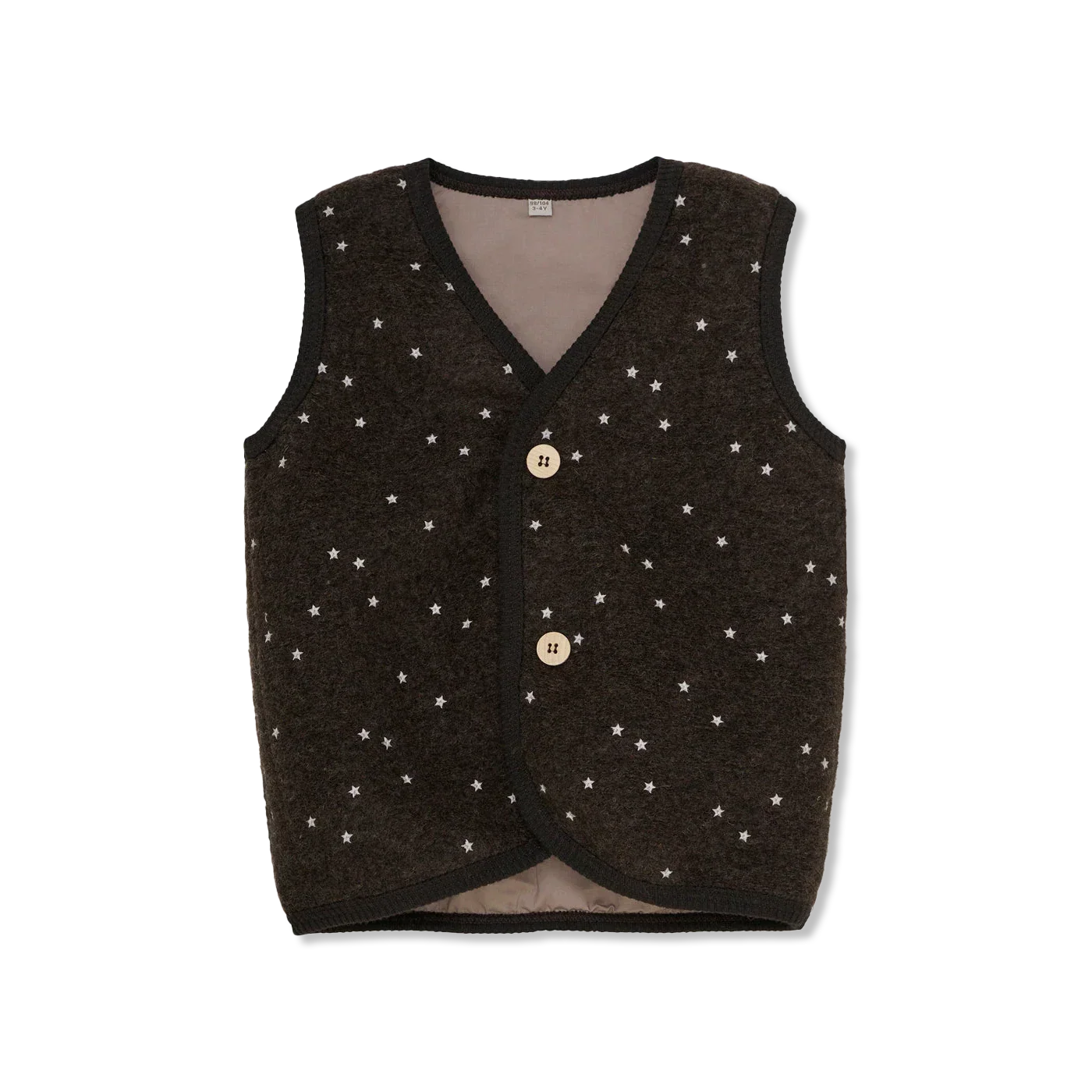
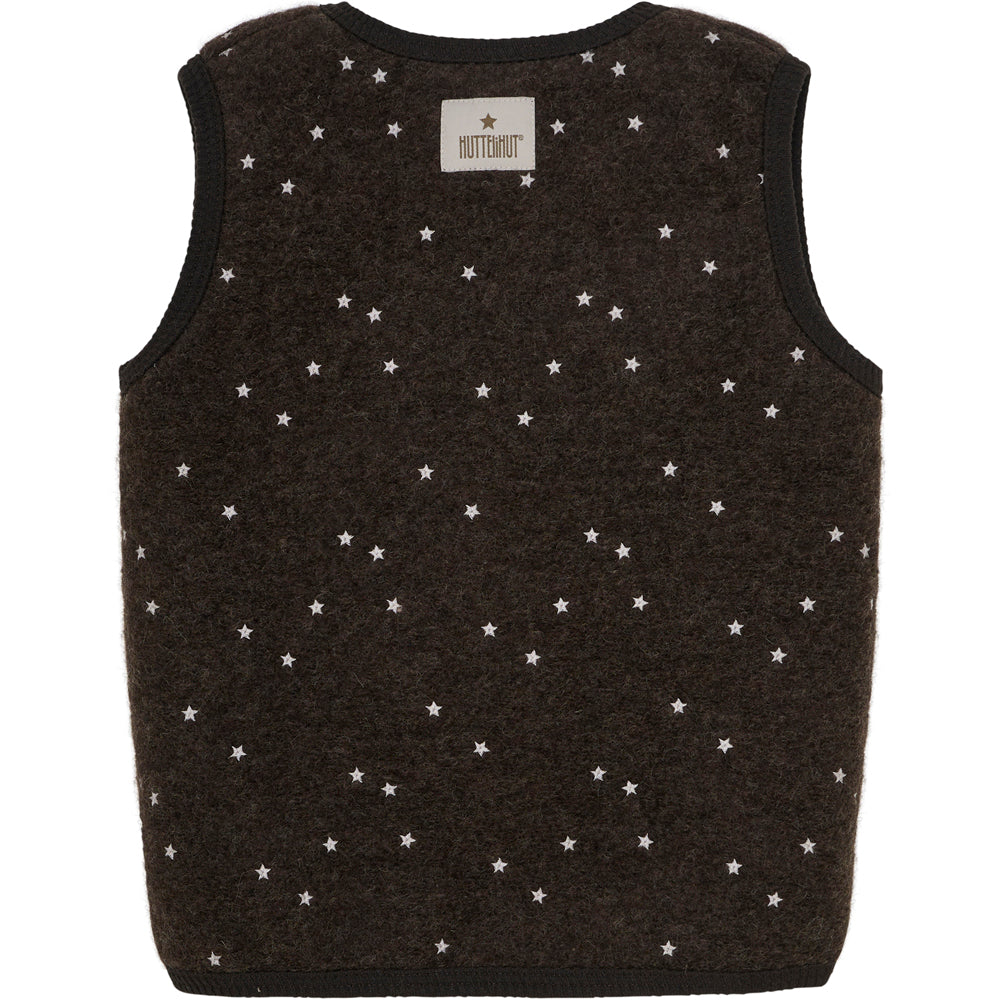
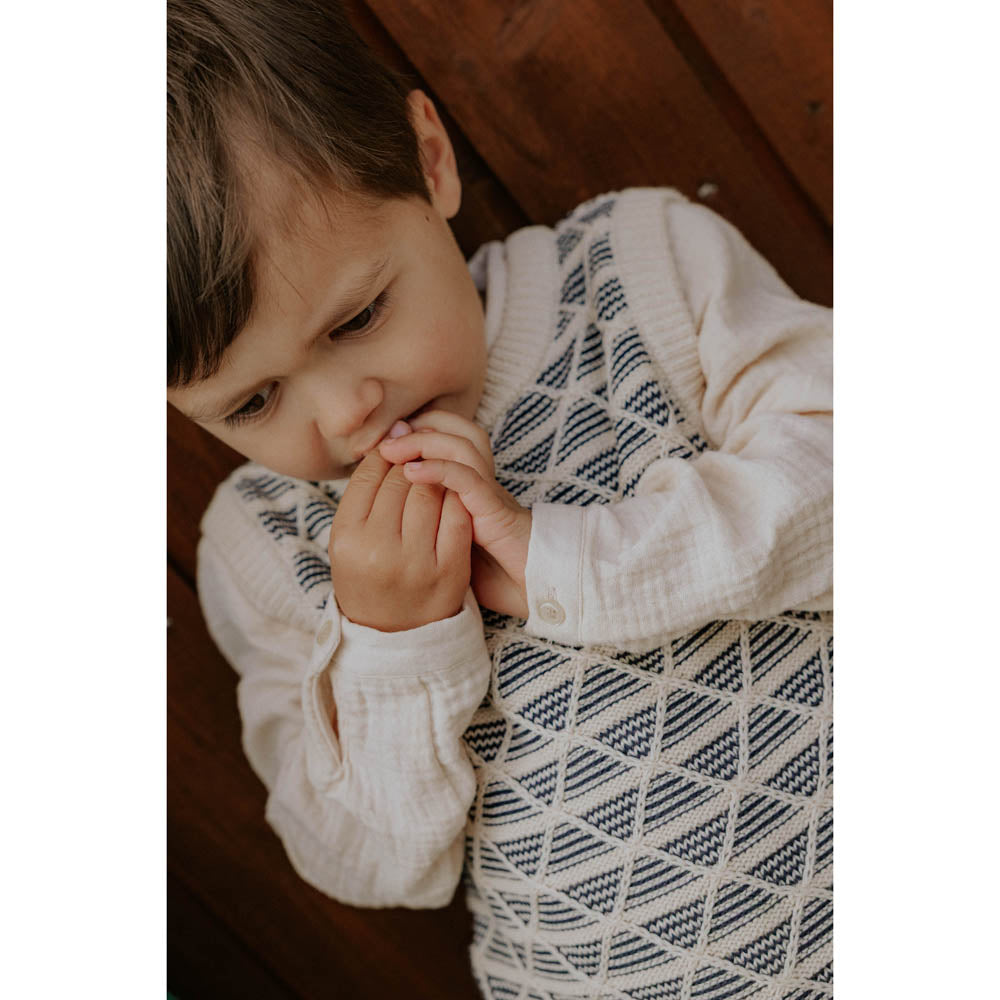
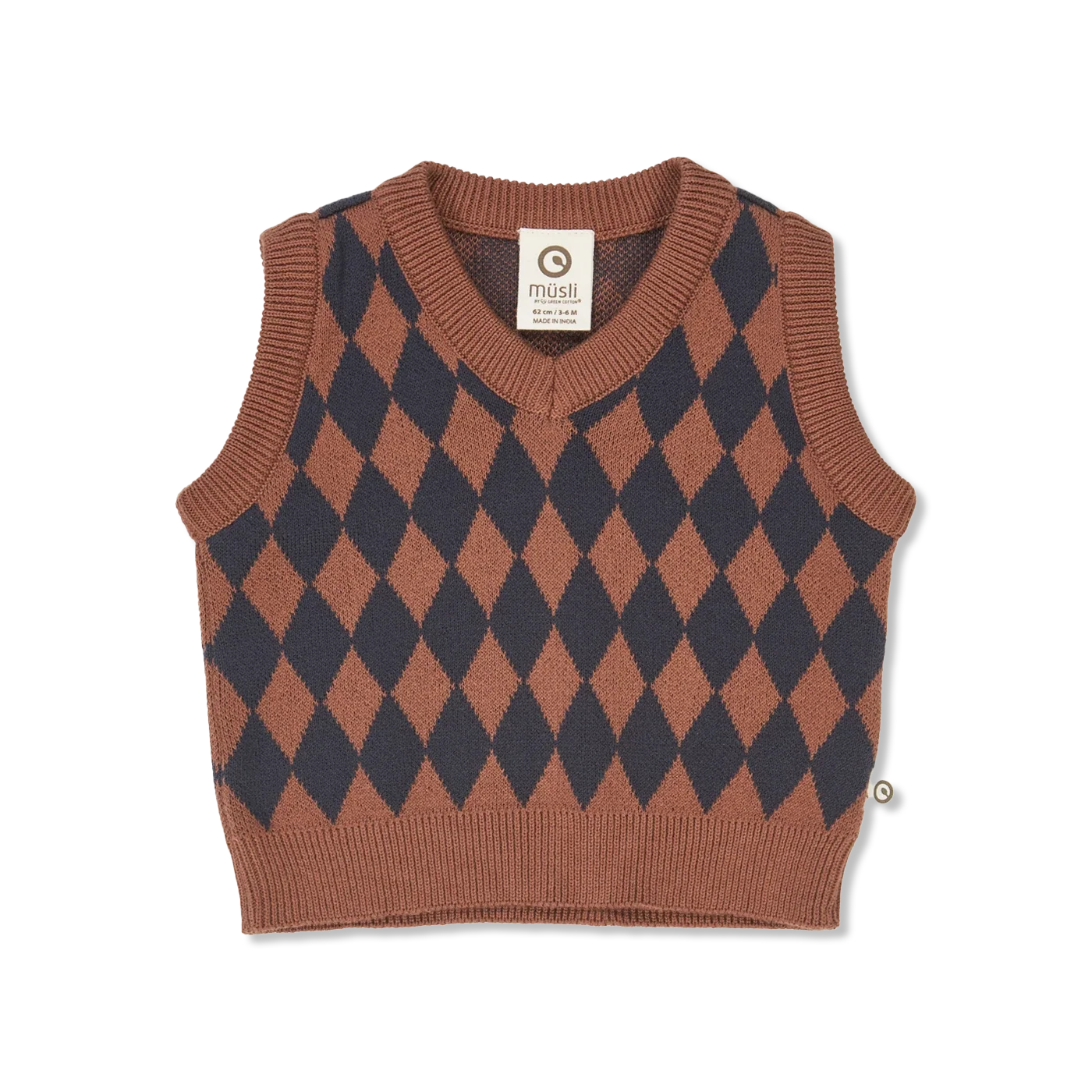
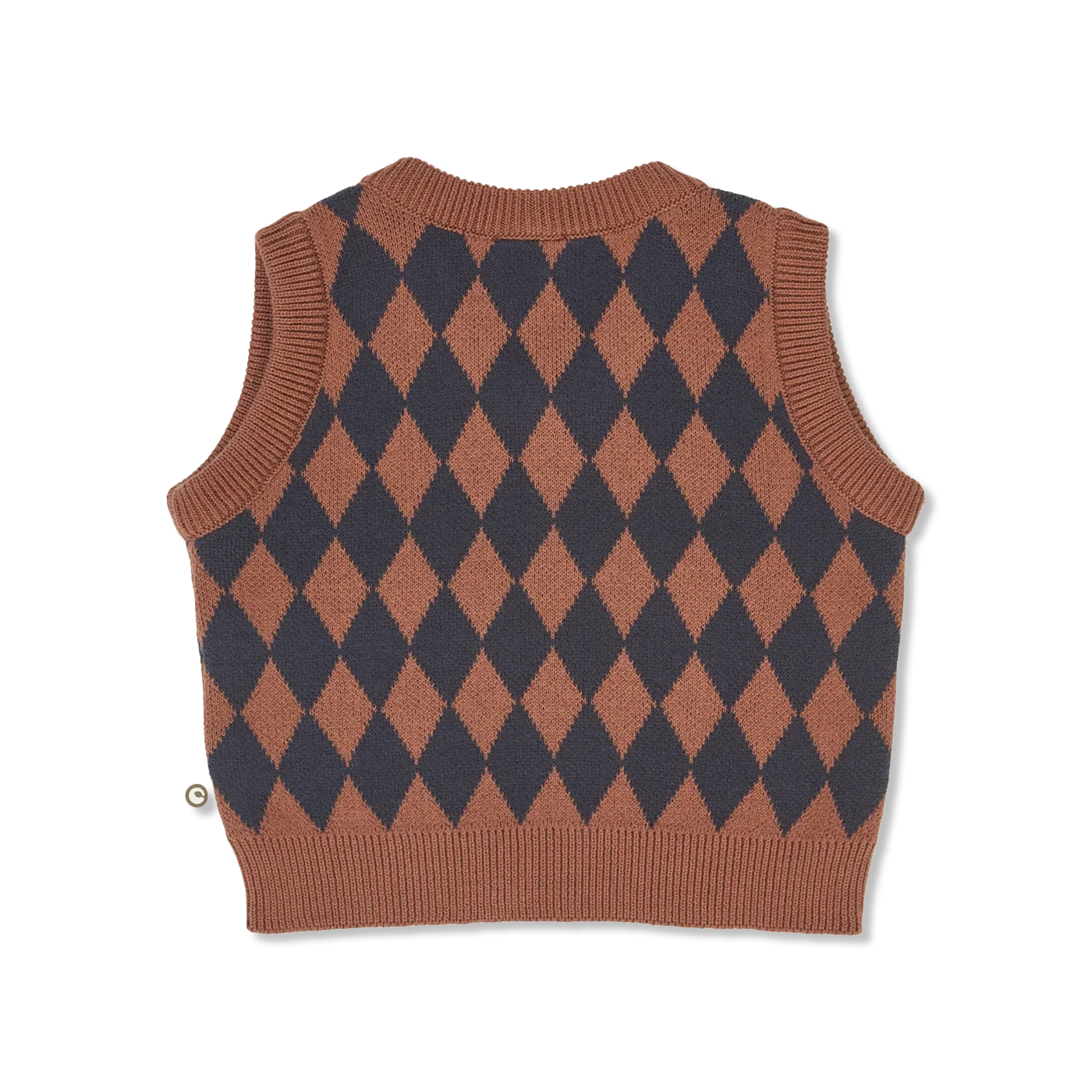
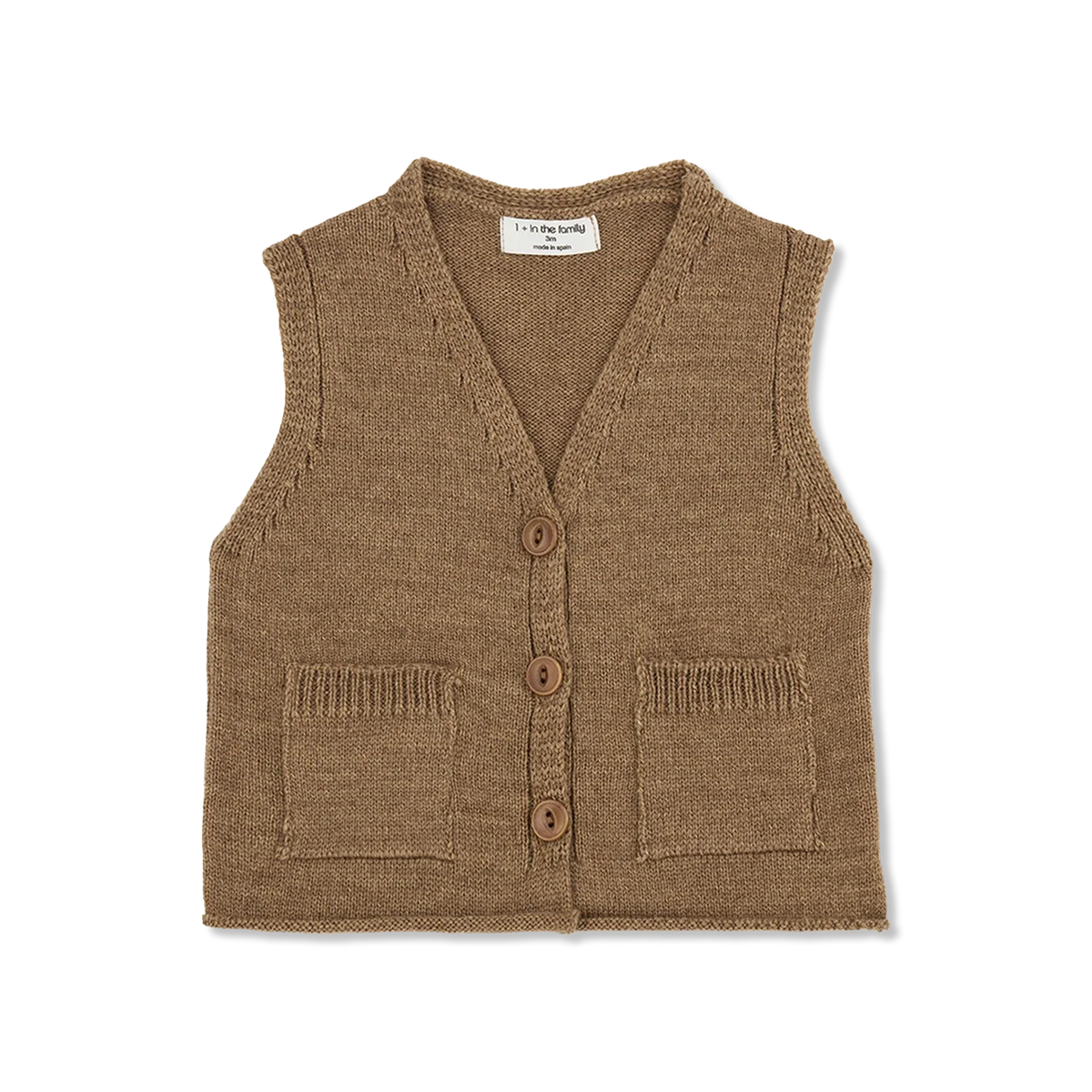
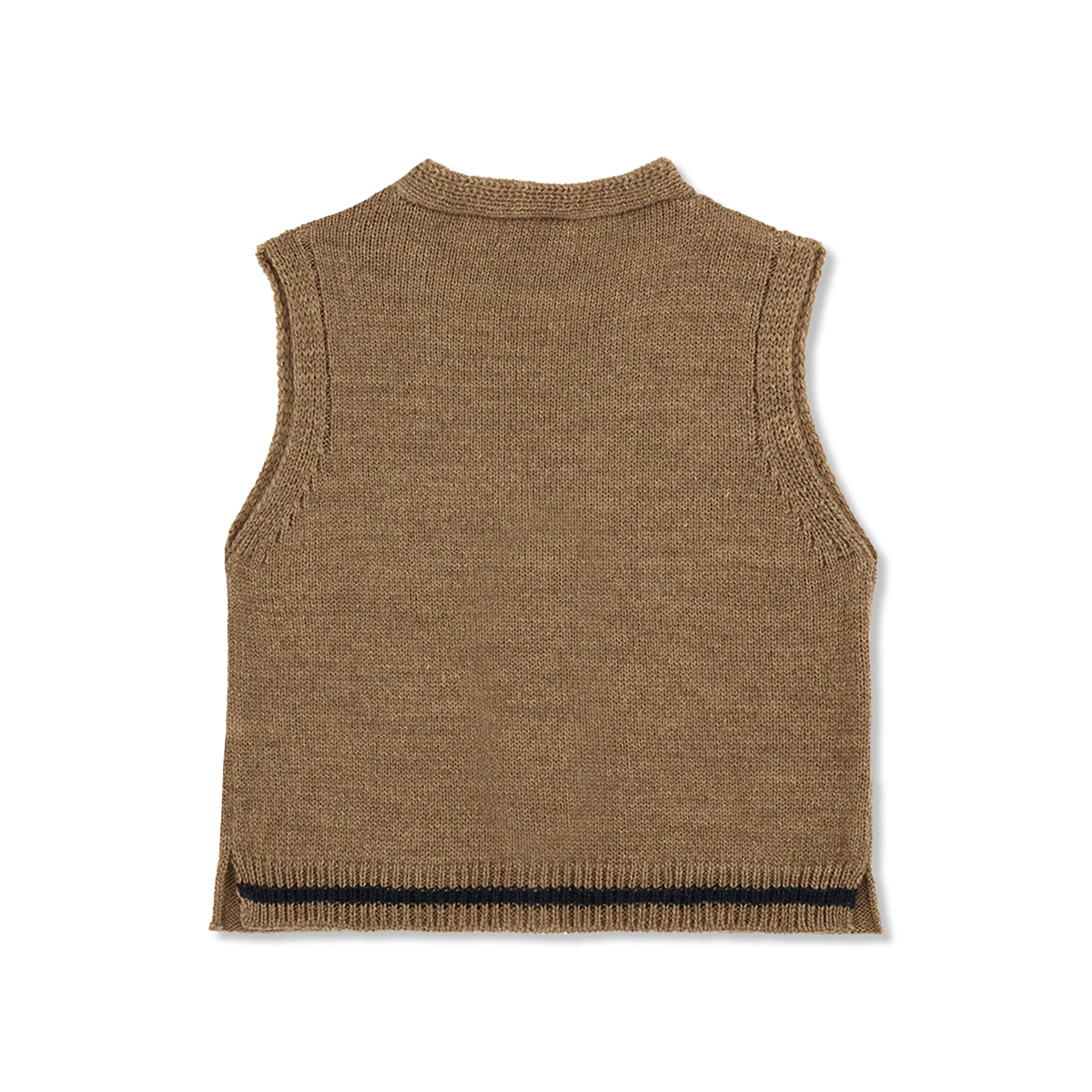
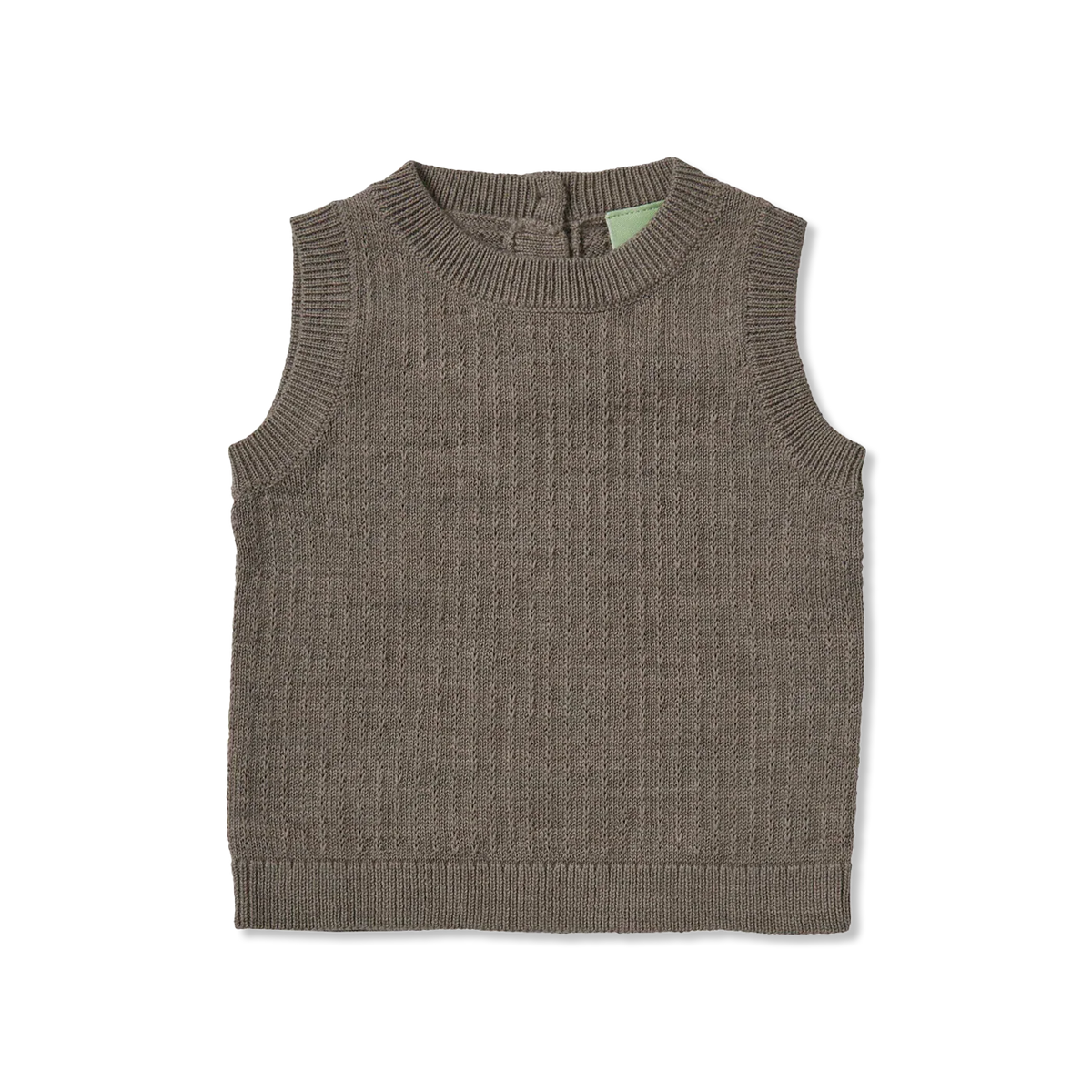
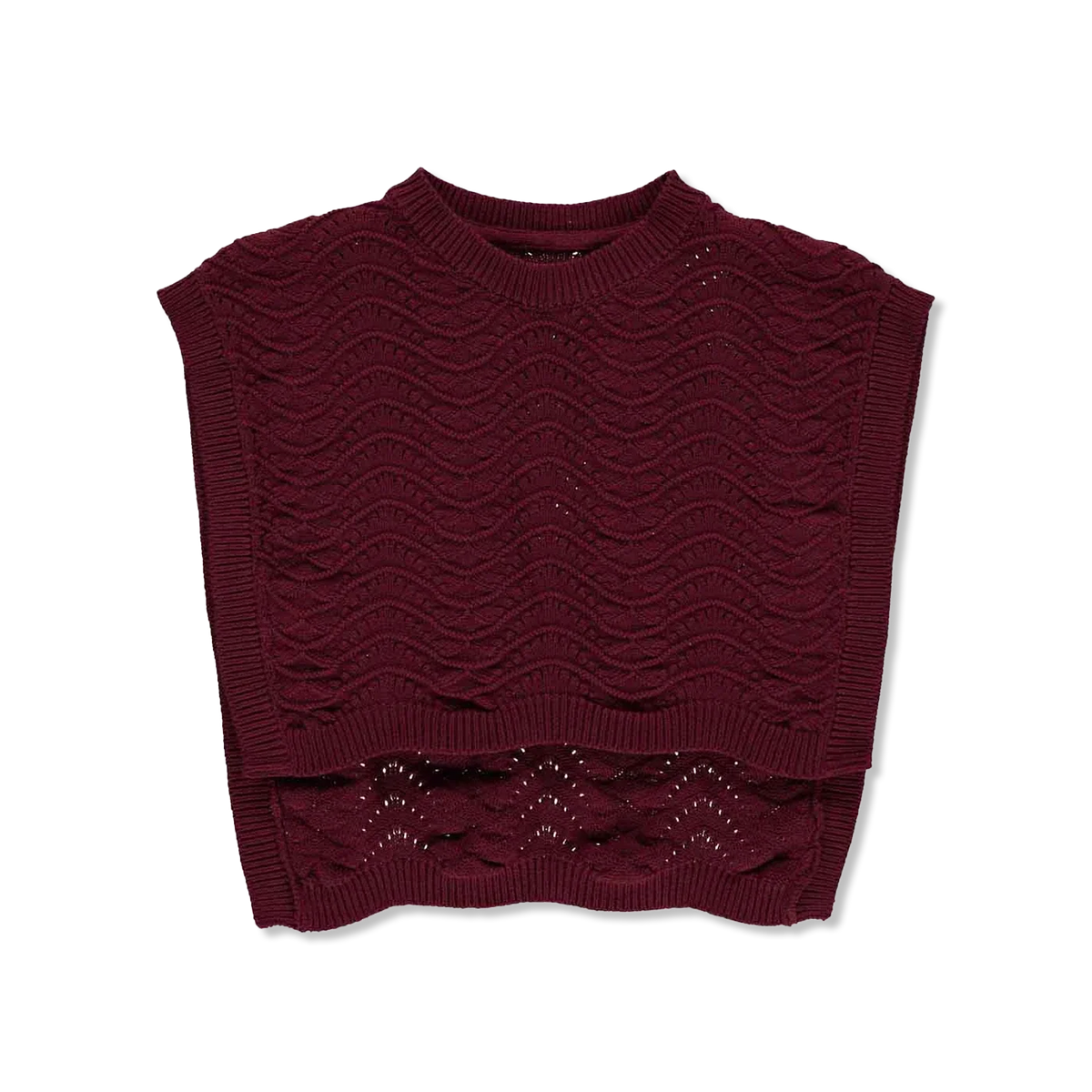
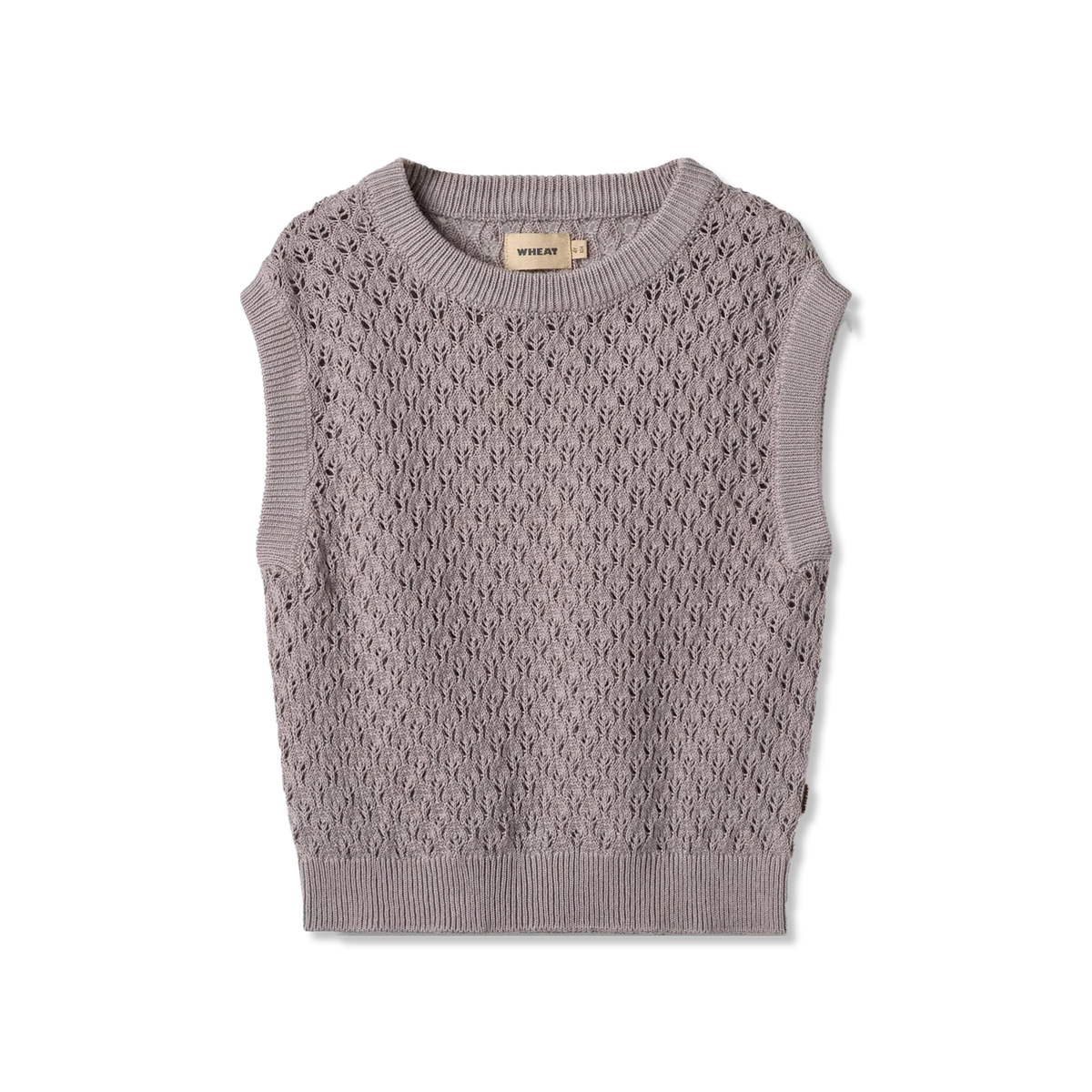
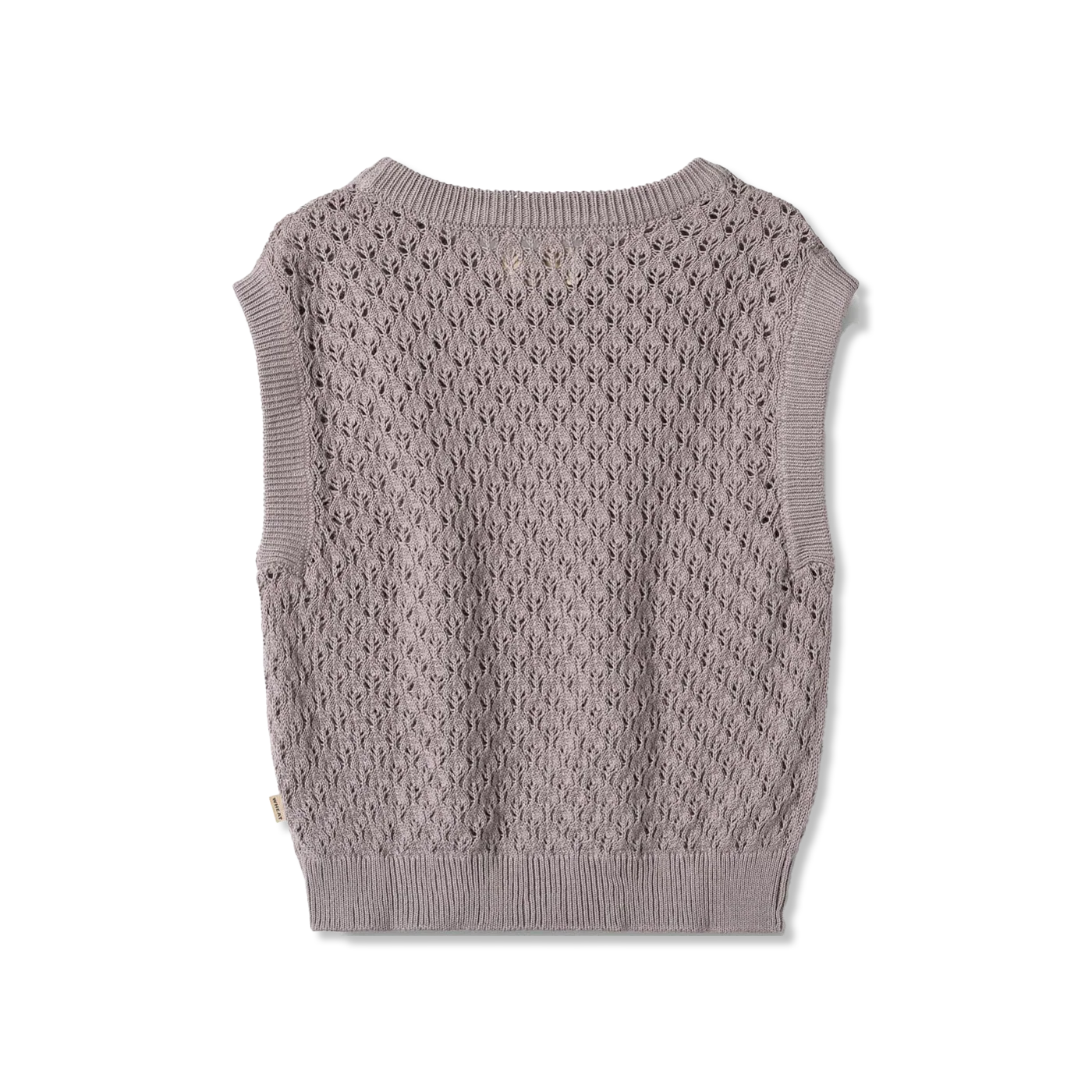
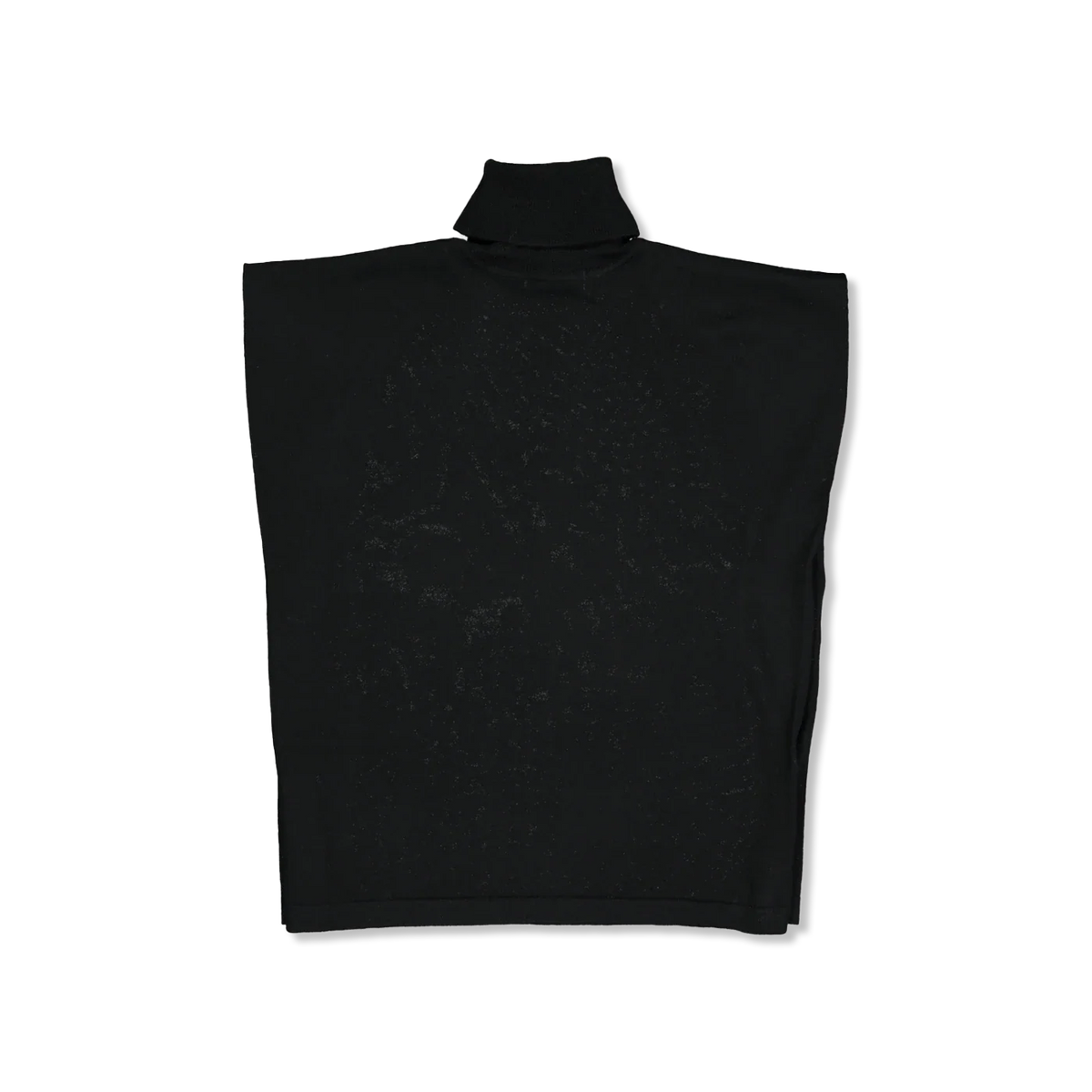
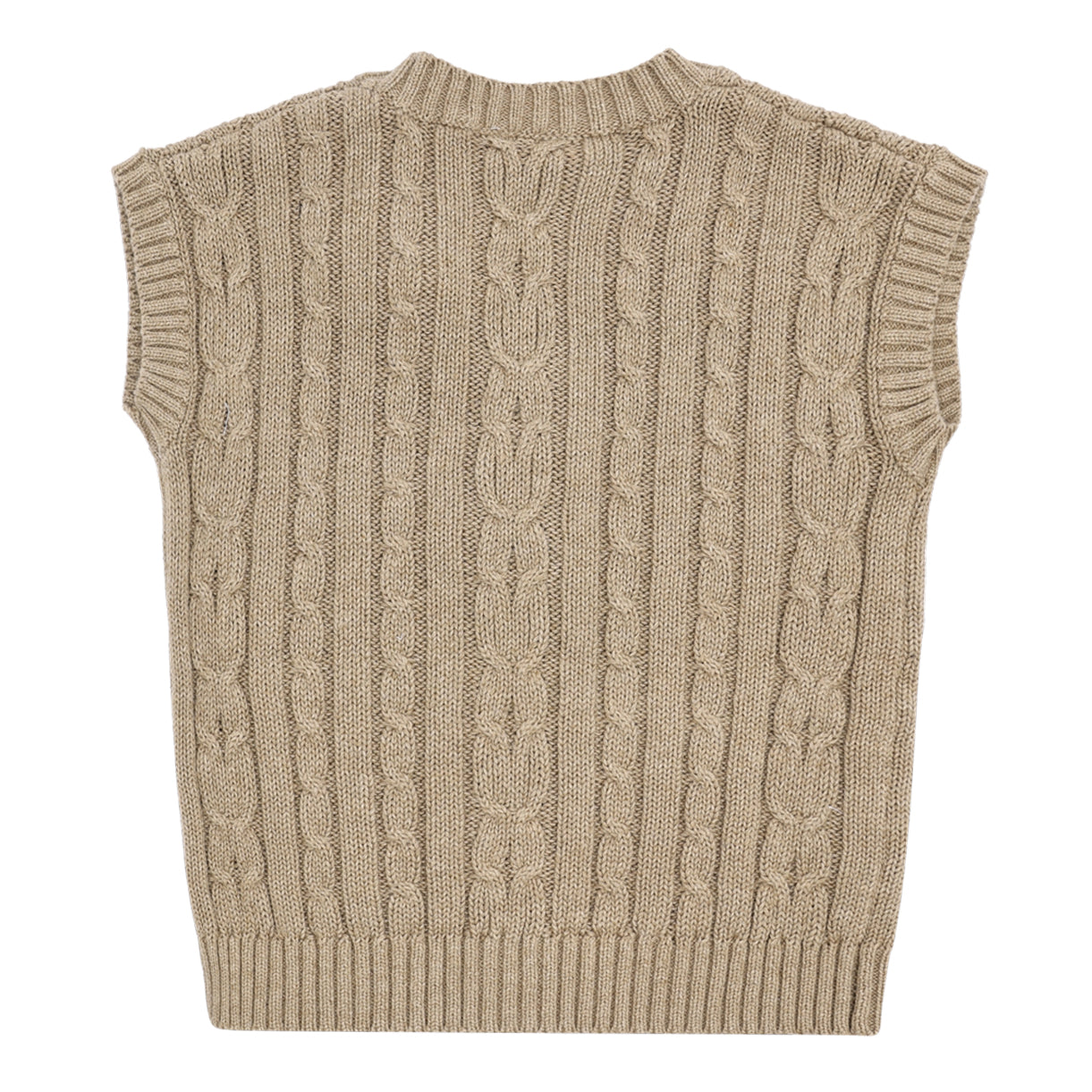
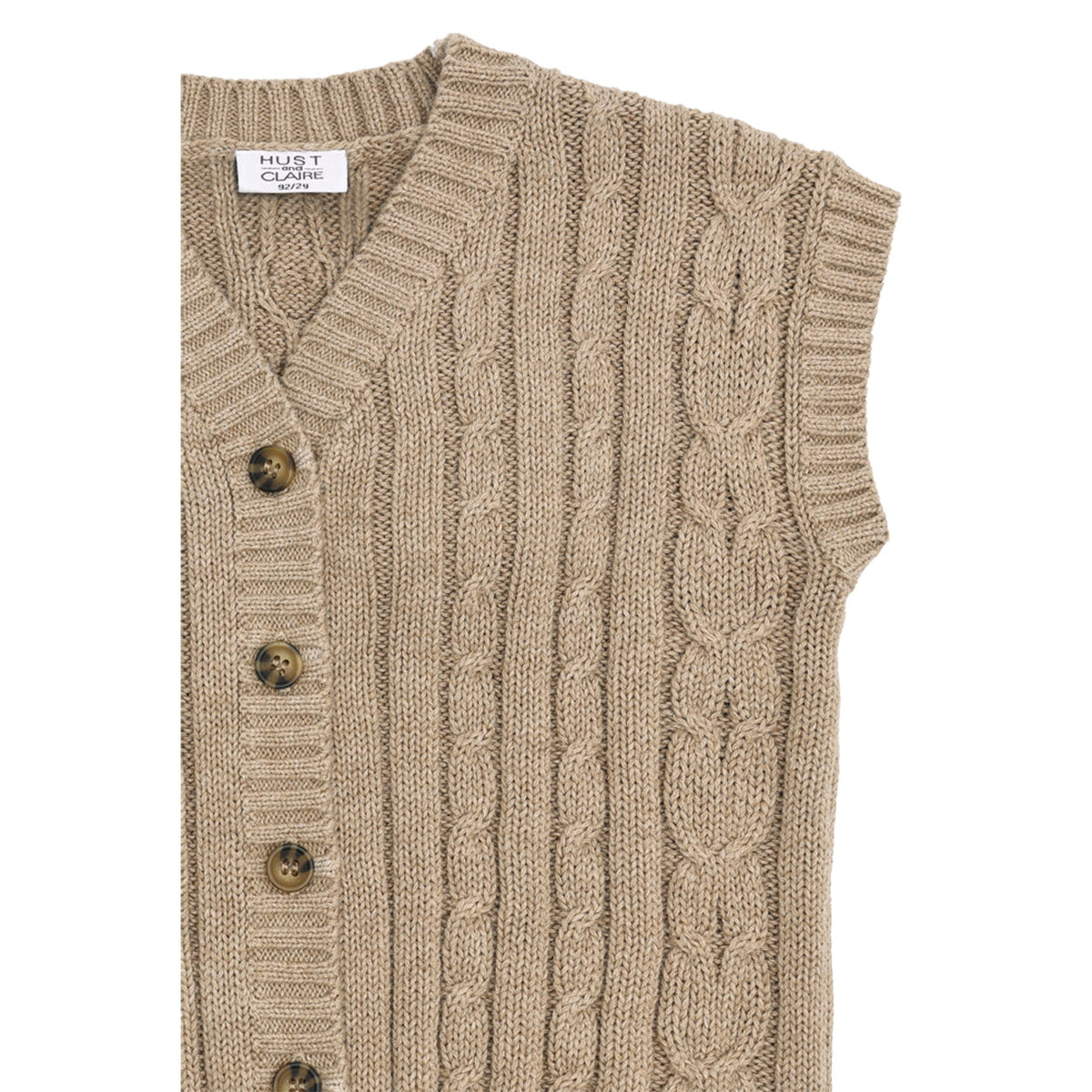
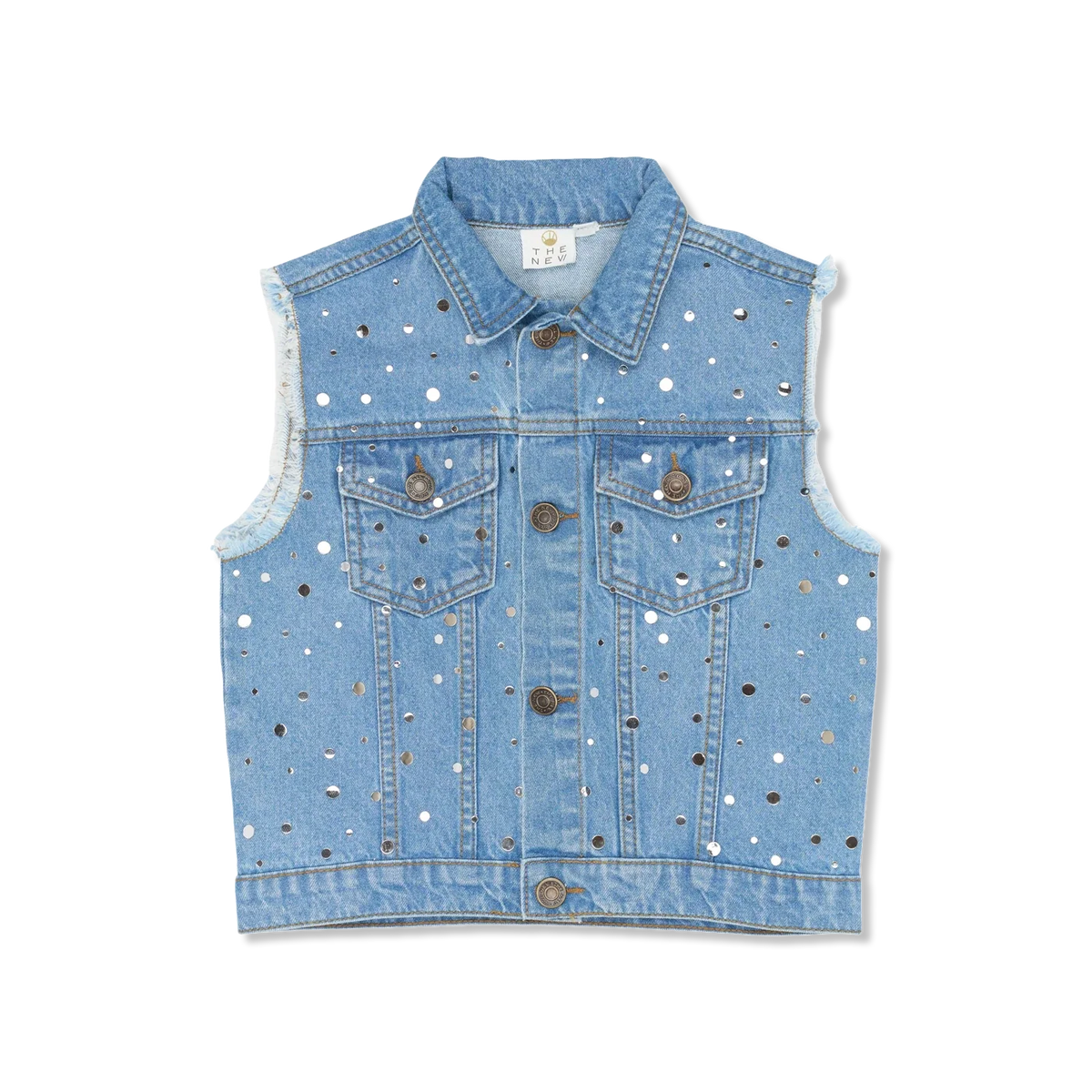
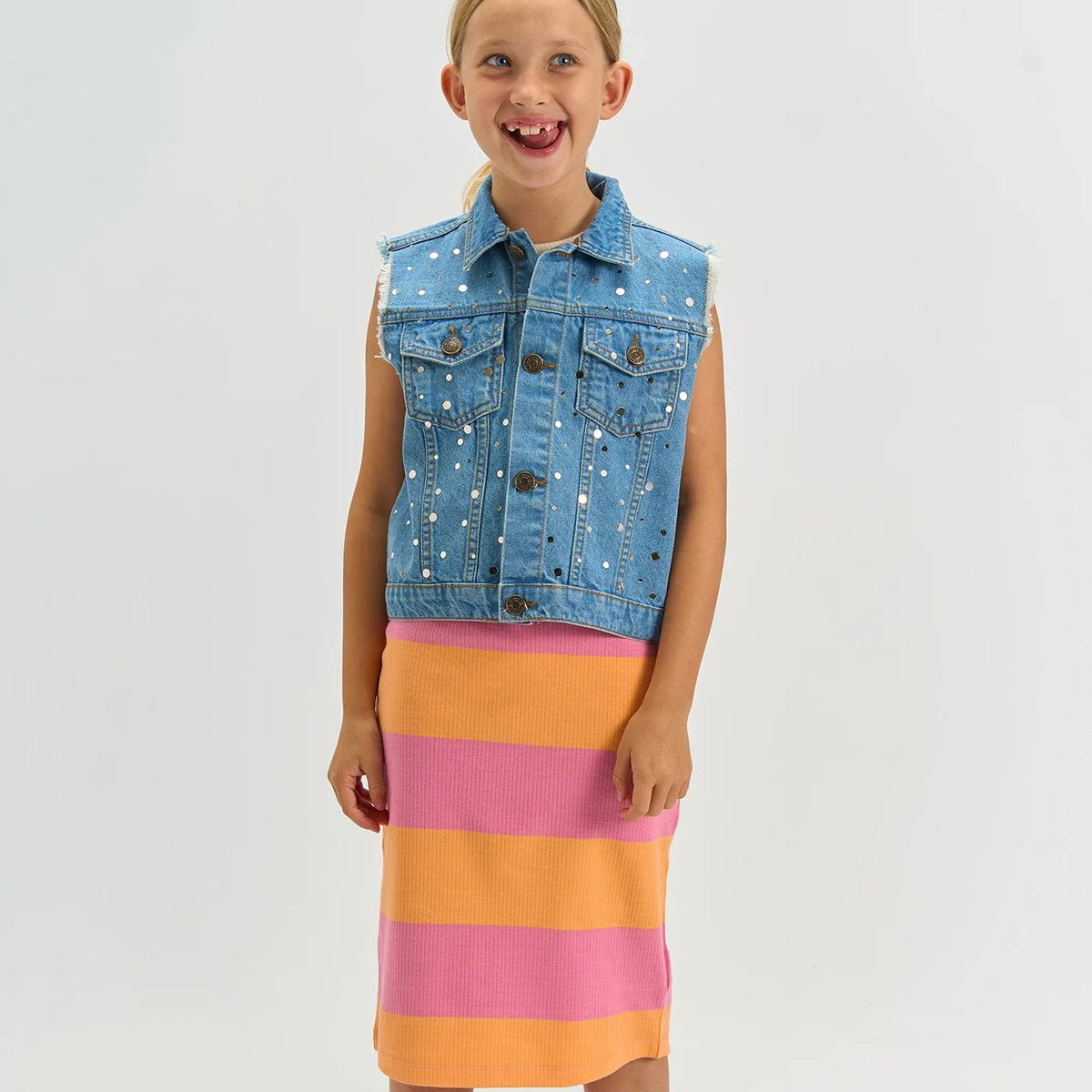
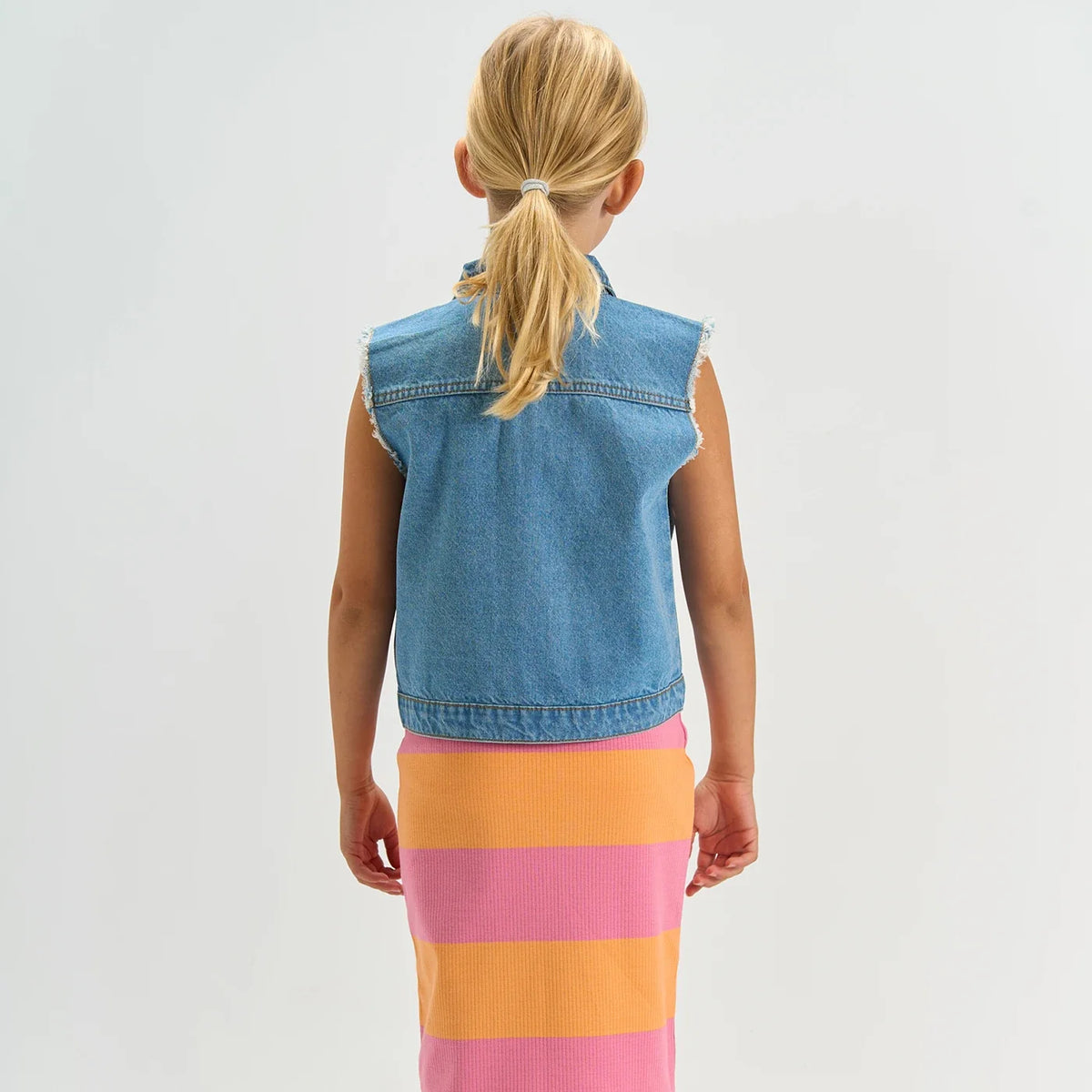
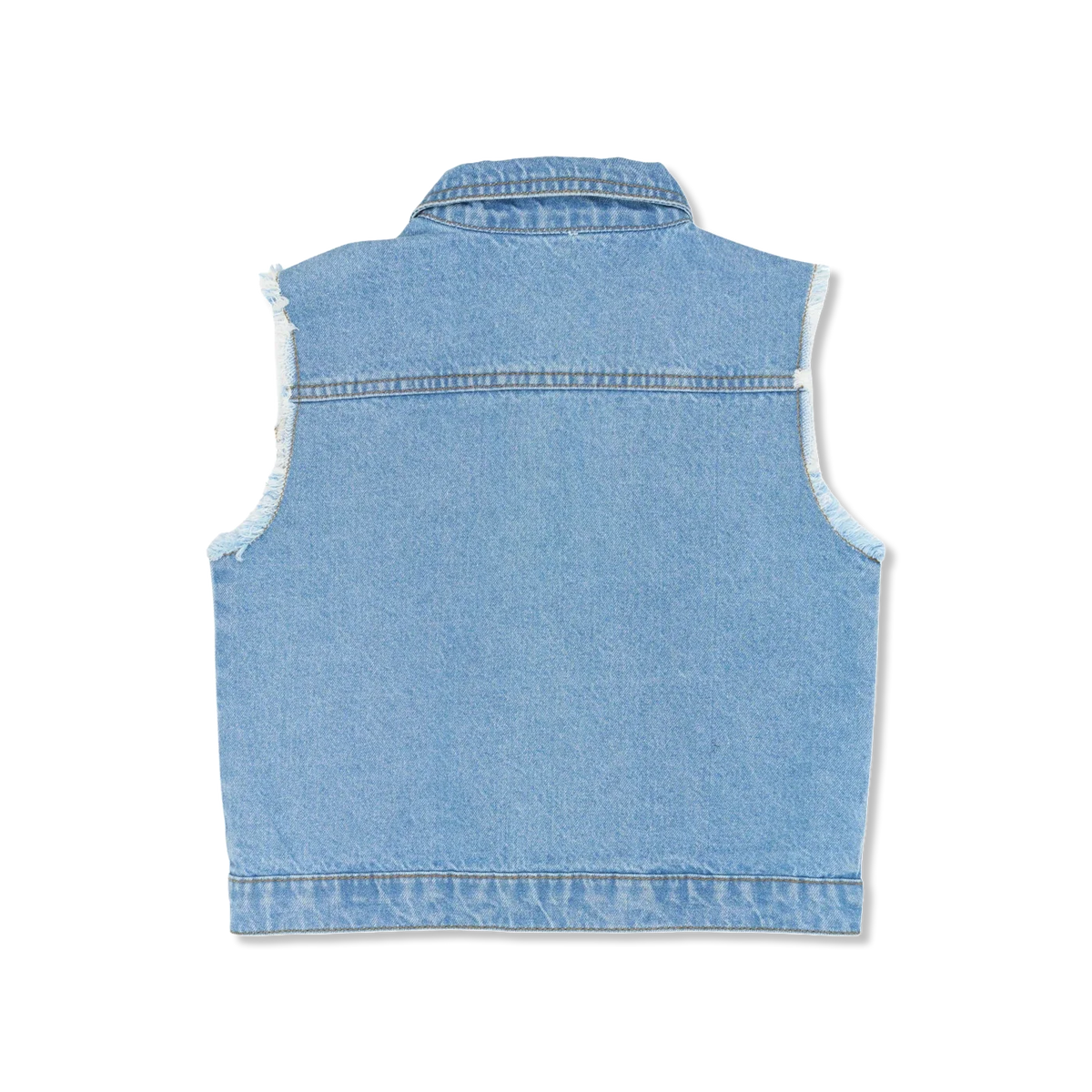
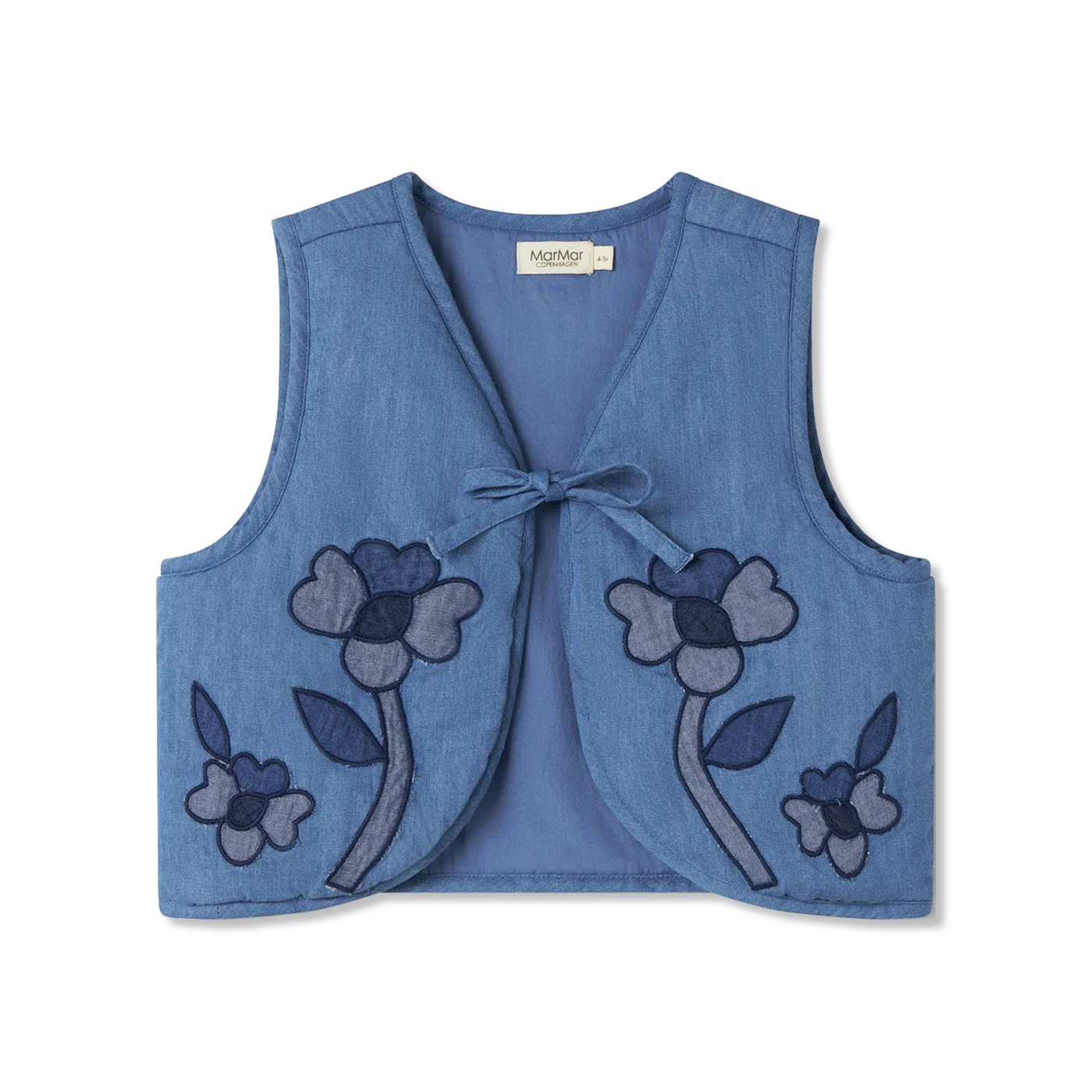
An indoor vest is a comfortable and practical layer for children who need a little extra warmth inside, while still being able to play, draw, eat and move freely. A kids' vest or gilet usually feels less bulky than a jacket and is easy to wear over a top, bodysuit or sweatshirt when the room is a little cool, or when long sleeves become too warm.
Here you will find indoor vests for different ages and needs – from soft styles for the smallest children to more robust vests for kindergarten and school. When choosing, fit, material and everyday use are often what matter most. Some children get the most out of a light vest at home, while others need a warmer style for daycare, school or as a calm extra layer indoors.
How to choose indoor vests by age and use
Your child's needs often depend on age. For babies and children around 0-2 years, an indoor vest in soft materials is usually a good choice, as it feels comfortable against the skin and is easy to put on over a bodysuit. At this age, lightness and comfort are often more important than smart details.
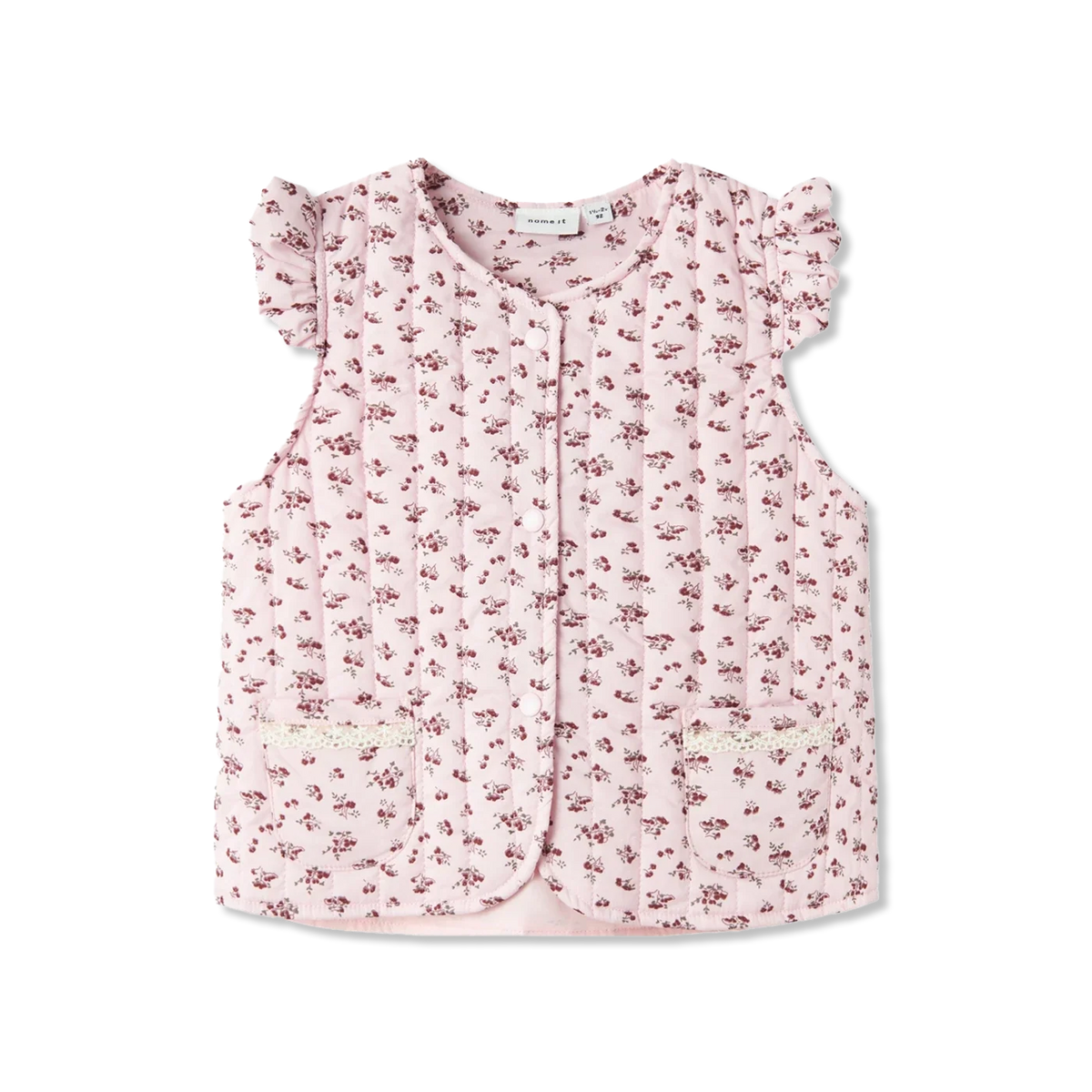
For children aged 2-6 years, it is especially important that the vest allows plenty of freedom to move. It should work for floor play, in the kindergarten cloakroom and at home in the living room without feeling tight across the shoulders. For some children, pockets are a favourite, while a simple style without a hood is often the easiest option on busy weekdays.
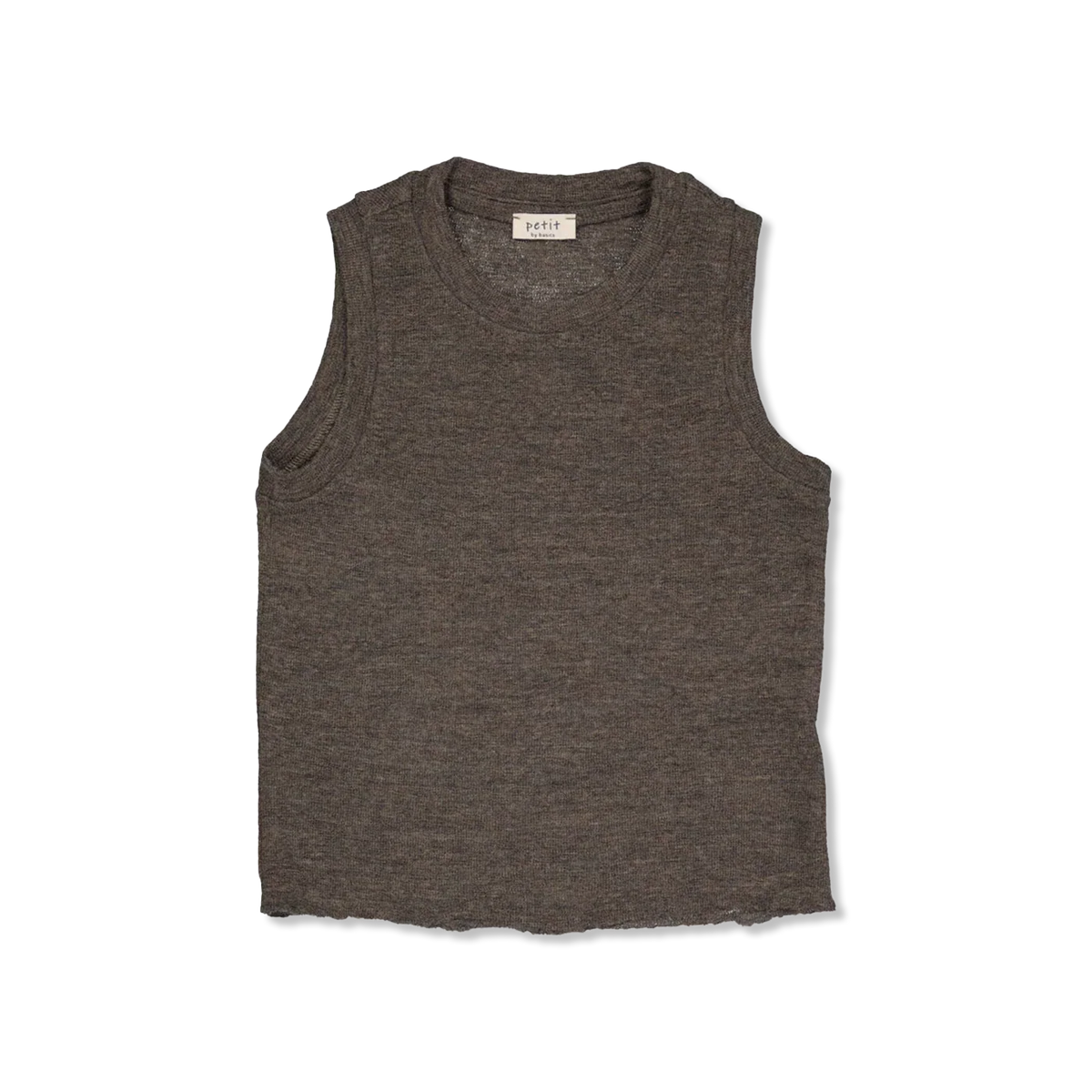
For older children from 6-12 years, many choose a slightly more simple and slim vest that can be worn at home or at school over a T-shirt, long-sleeved top or sweatshirt. Here, it is often about finding a vest that keeps them warm, while still feeling light and comfortable to wear.
The material of an indoor vest makes a big difference to comfort
The material is one of the first things many parents look at, and for good reason. Cotton is a safe choice if you want a soft and breathable indoor vest for everyday wear that feels pleasant against the skin. It is often a good option for children who do not like coarser or scratchier materials.
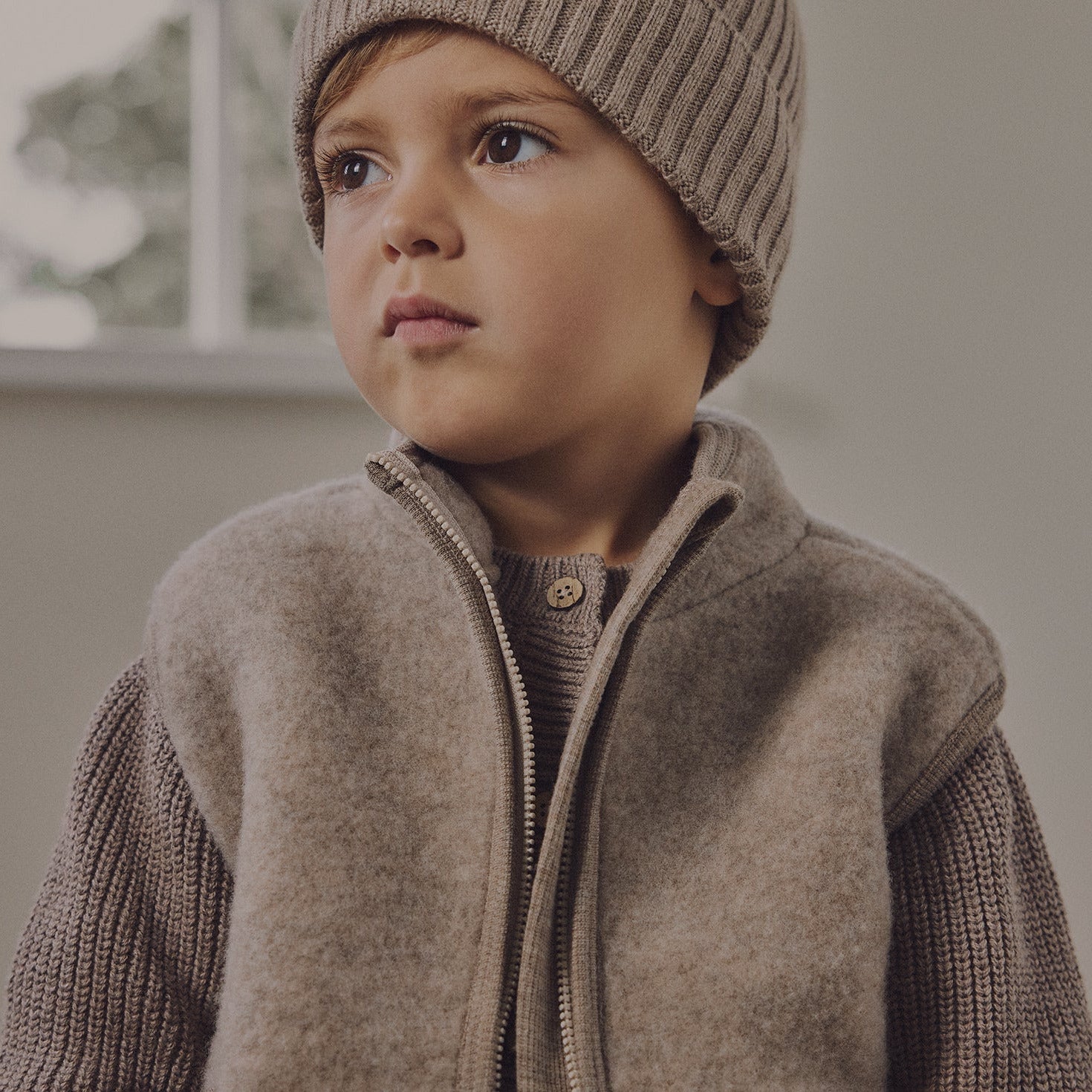
Fleece is a good solution if your child gets cold easily, or if the vest should be extra warm and easy to care for. A fleece vest for children is usually lightweight, dries quickly after washing and works well for active indoor play.
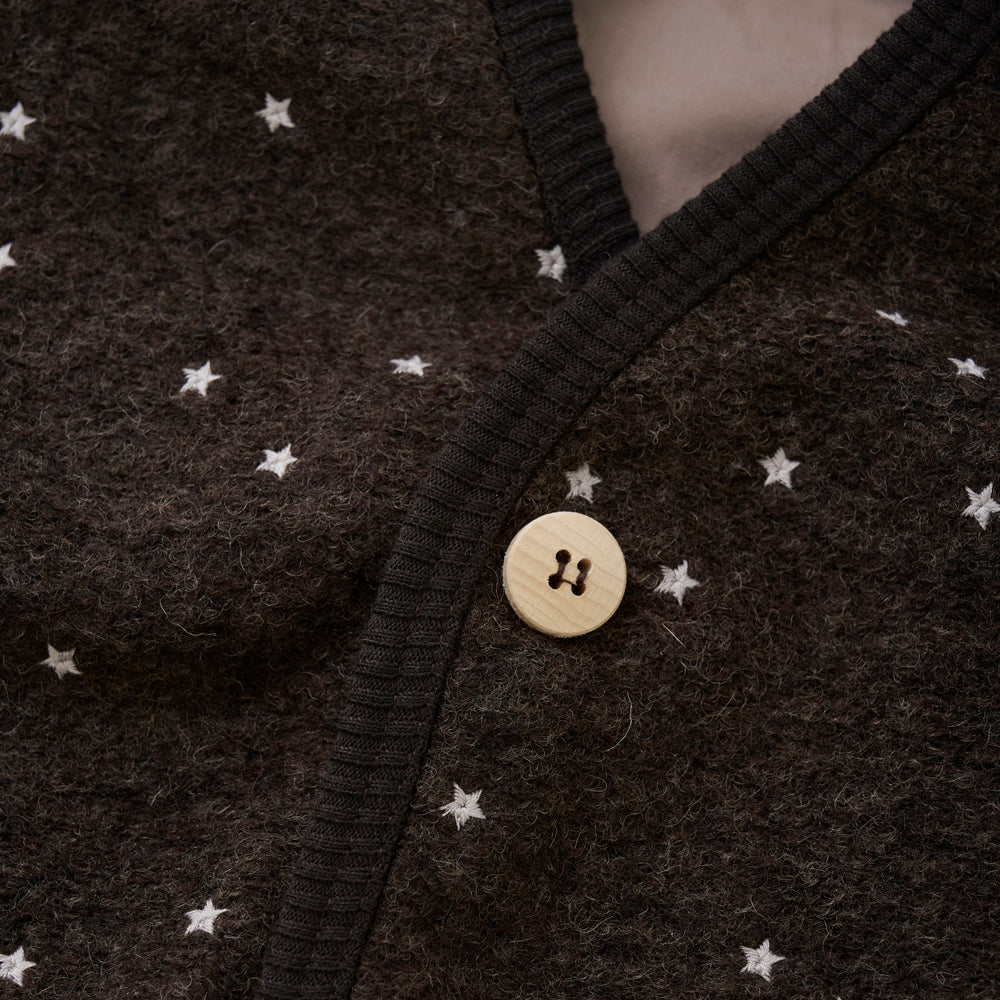
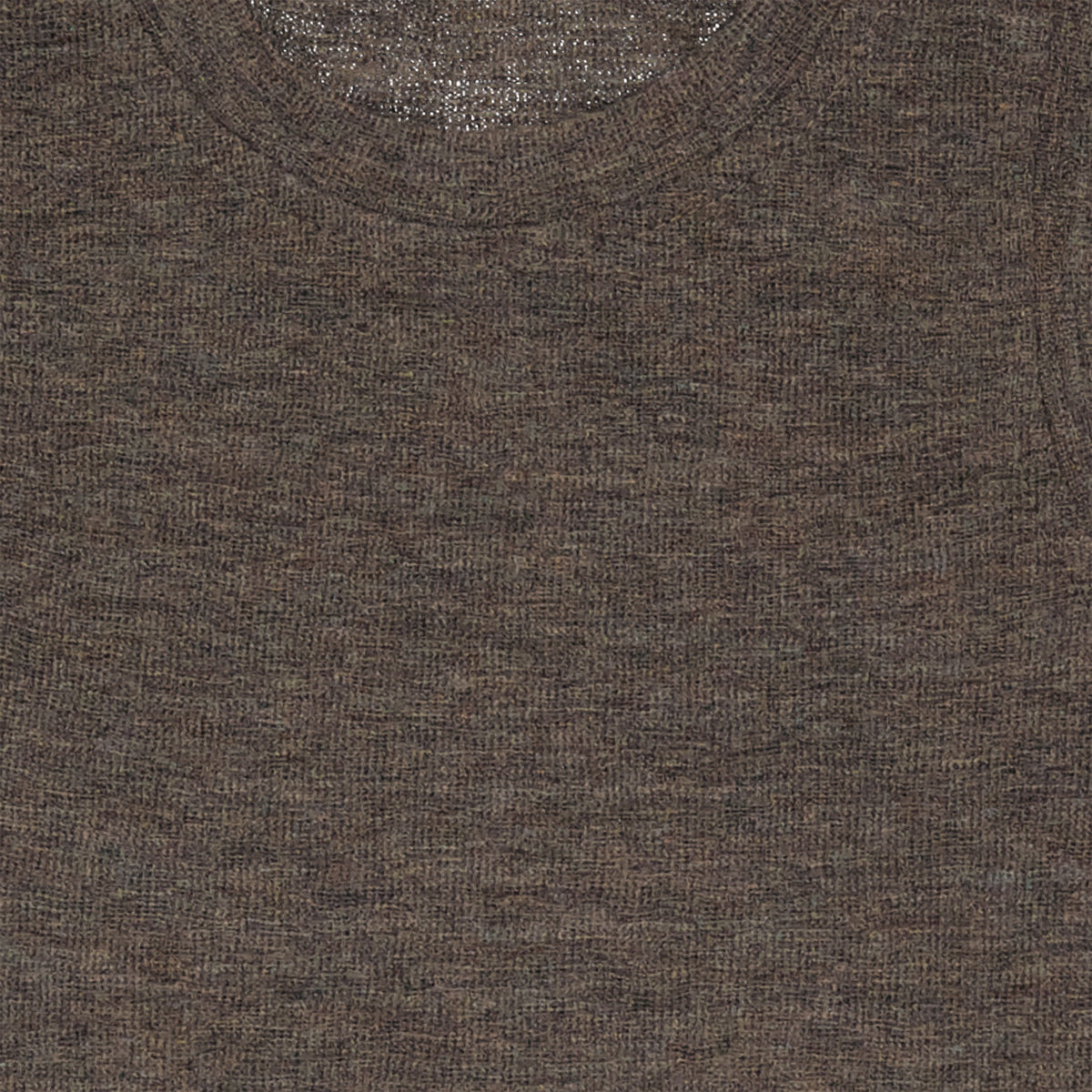
Wool and wool blends are ideal when you want natural warmth without the vest becoming heavy. Wool helps keep the temperature comfortable and is especially nice on chilly days and during transitional seasons. If you look for certified materials such as OEKO-TEX or similar, it can also provide extra peace of mind when choosing.
Fit, length and details make everyday wear easier
An indoor vest should fit so that your child can move their arms freely and still have room for a layer underneath. If it is too tight, it quickly becomes difficult to use – especially if it needs to go over knitwear, tops or several layers. If it is too large, it may shift around and feel like it gets in the way.
It can be helpful to look for:
- a fit with plenty of room across the shoulders
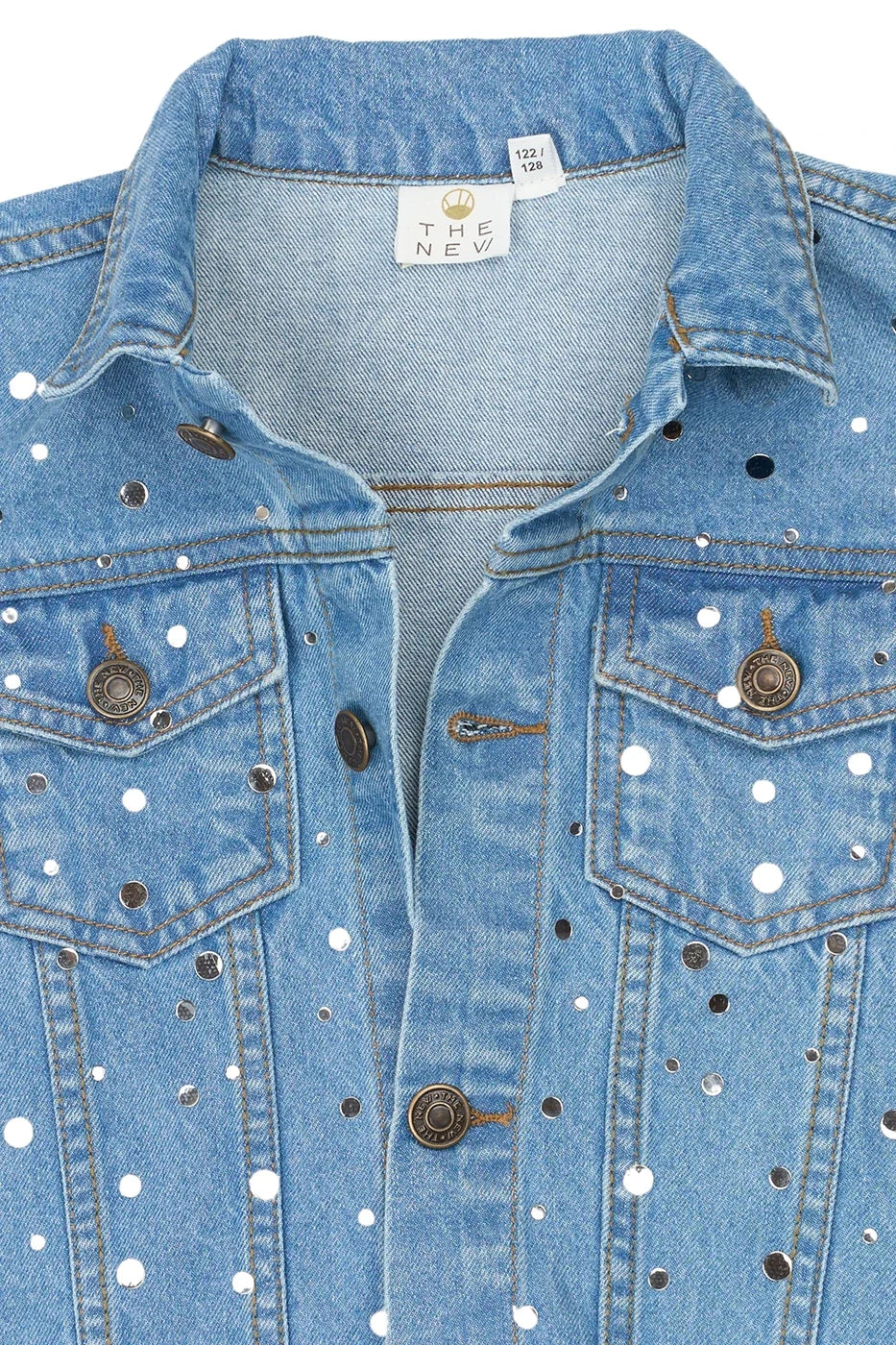
- a zip or button closure that the child can manage themselves
- a length that suits the purpose – shorter for active play, longer for more warmth
- seams and finishing that can withstand repeated washing
Short vests often work well for active children because they do not add bulk around the hips. Longer styles provide a little more warmth around the body and can be nice for quiet play, story time or slow mornings at home. A hood can feel cosy, but for indoor use many parents choose a simple vest without a hood because it is easier to wear over and under other clothing.
Indoor vests work well for layering
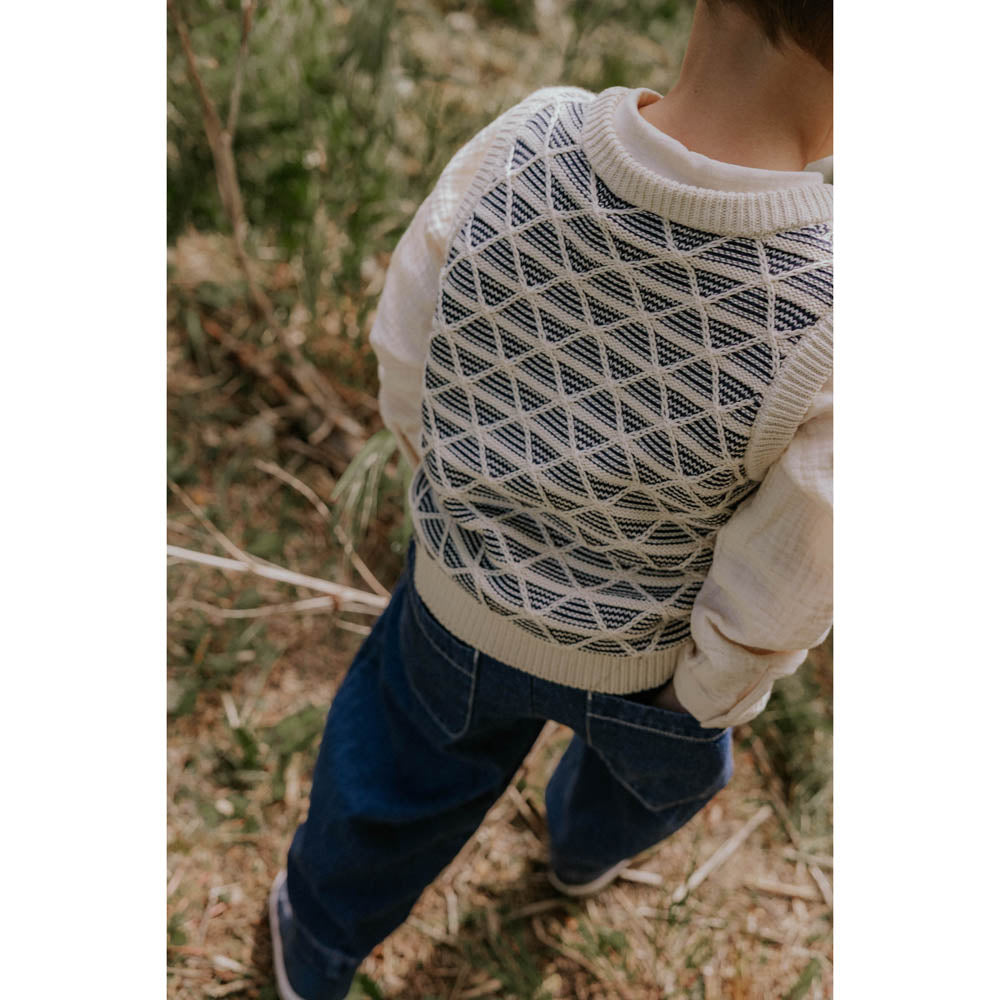
The clever thing about indoor vests is that they are easy to combine with the rest of your child's wardrobe. They work well as an extra layer over tops, knitwear and other tops when your child needs a little more warmth without overheating. For the youngest children, a vest is lovely over a bodysuit and soft trousers, while older children often wear it with sweat styles or light everyday pieces.
At home, it also makes sense to think in terms of a full cosy outfit. A light vest together with soft trousers and a pair of slippers can feel really comfortable on chilly floors and slow mornings. An indoor vest does not replace a jacket, but it fills the practical gap where your child simply needs a little extra warmth.
A reliable choice for children who need light extra warmth
Many parents wonder whether an indoor vest is really necessary, but in everyday life it often ends up being used more than expected. It is useful on days when your child feels slightly cold indoors but does not need outerwear. At the same time, it is easy to take on and off during the day when the temperature changes.
The best choice is usually a style that suits your child's age, feels comfortable against the skin and can handle regular wear and washing. That way, the indoor vest becomes a simple and useful piece of children's clothing that makes sense at home, in daycare and at school.