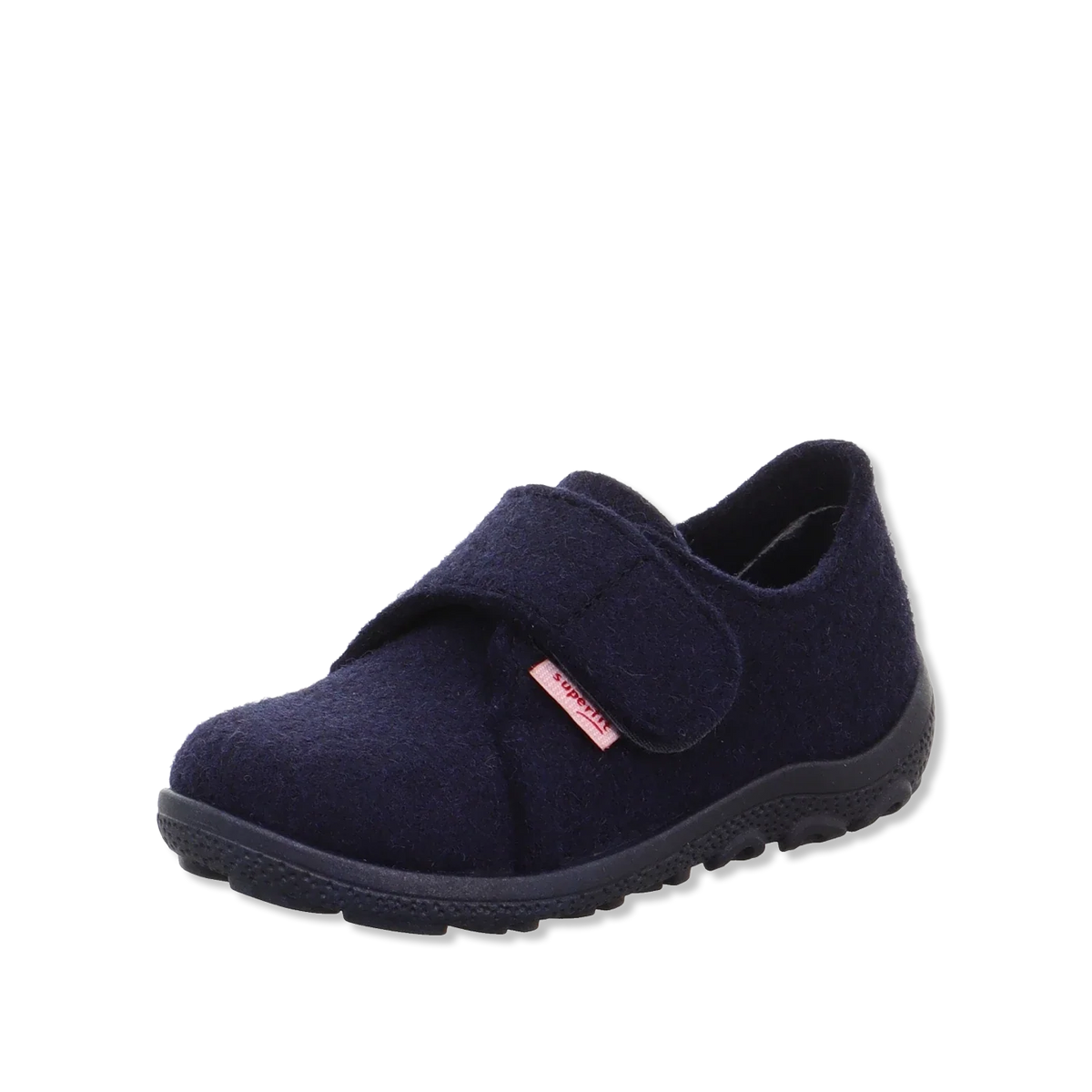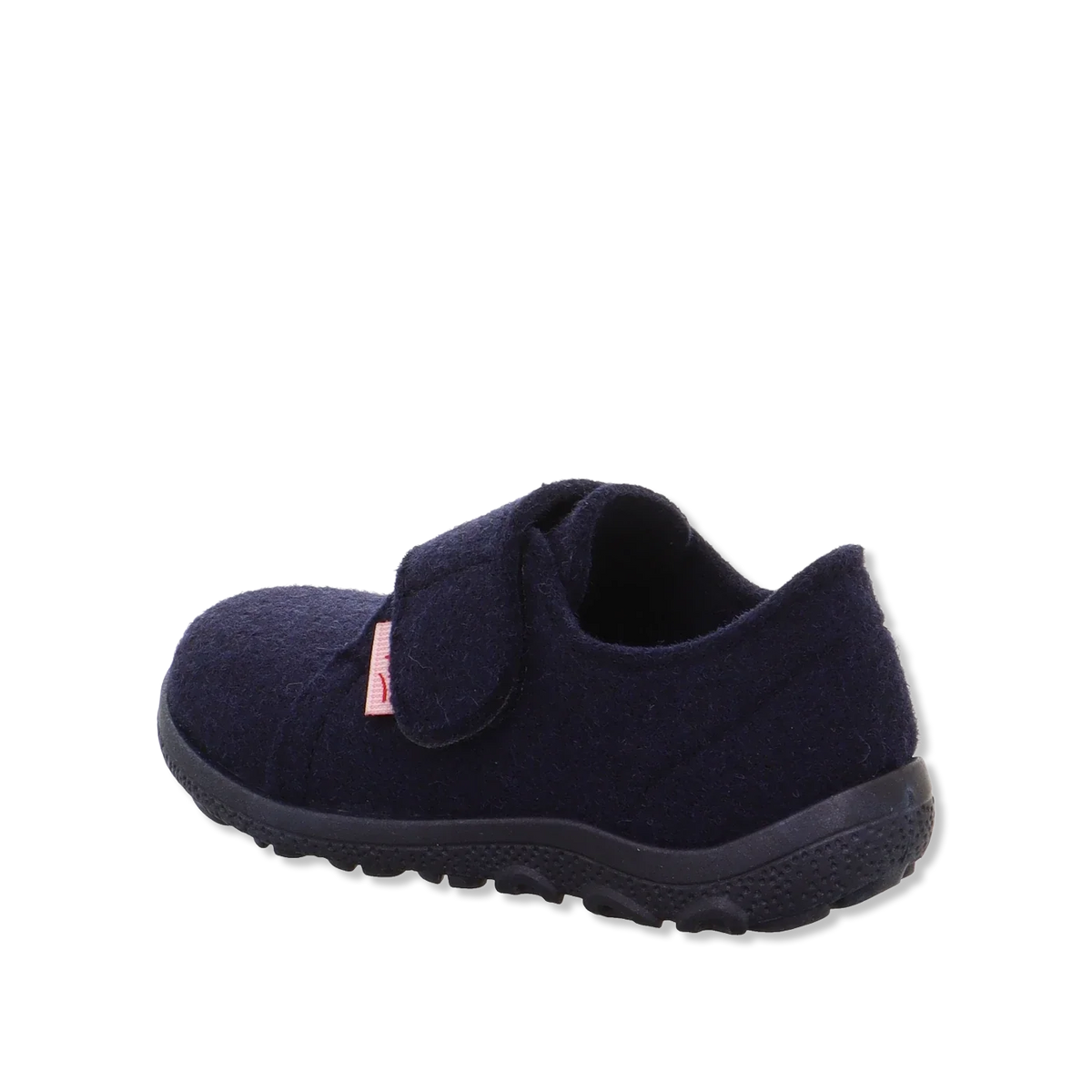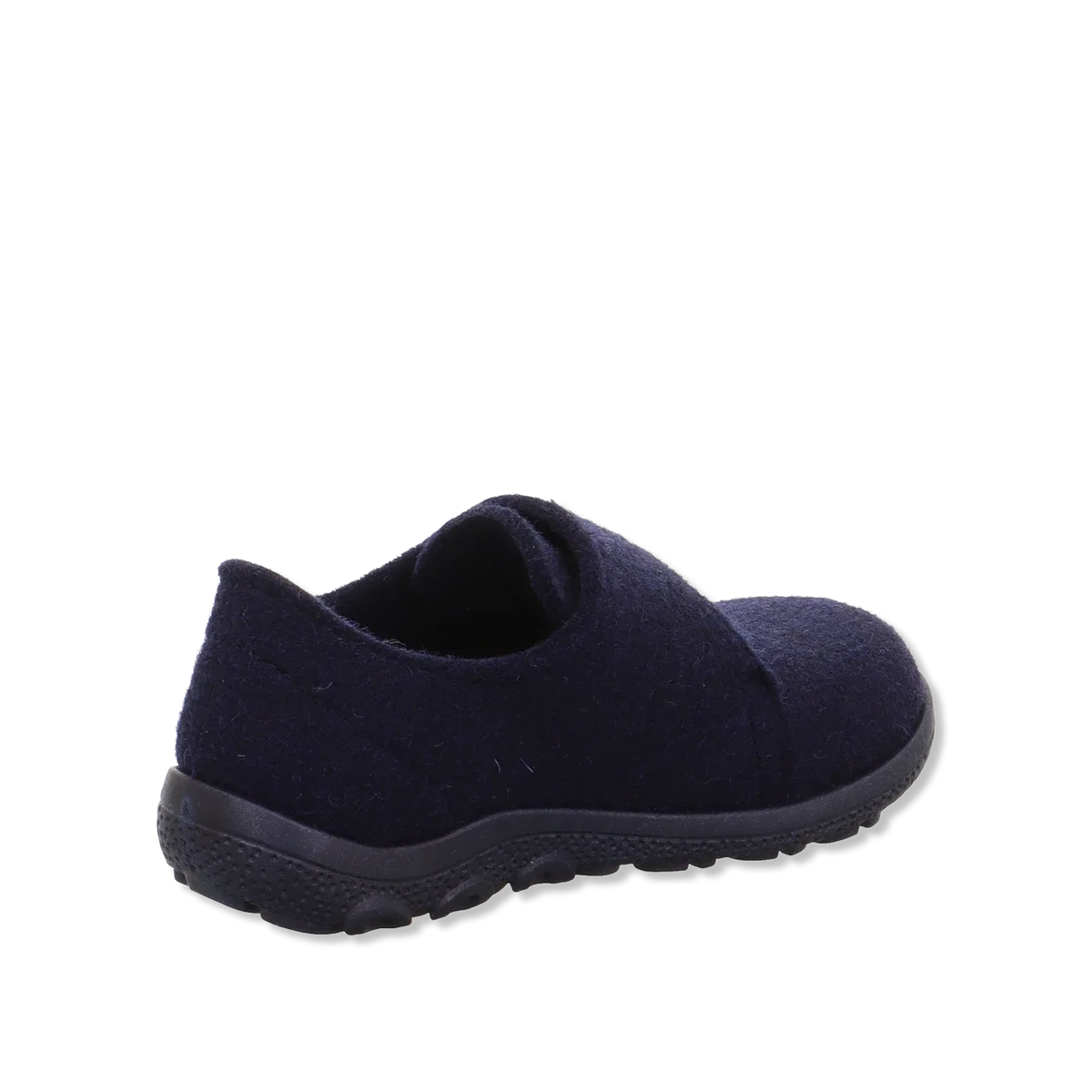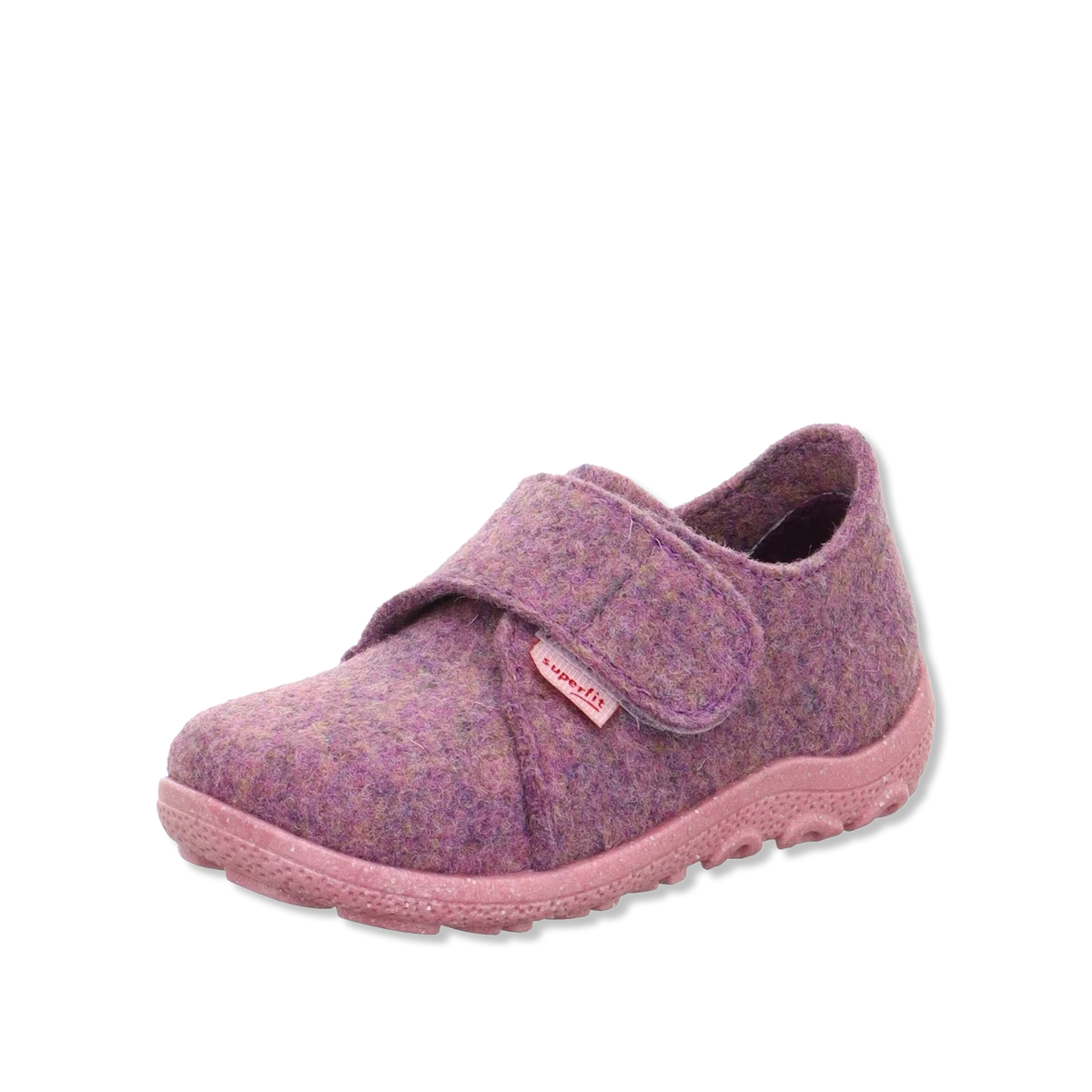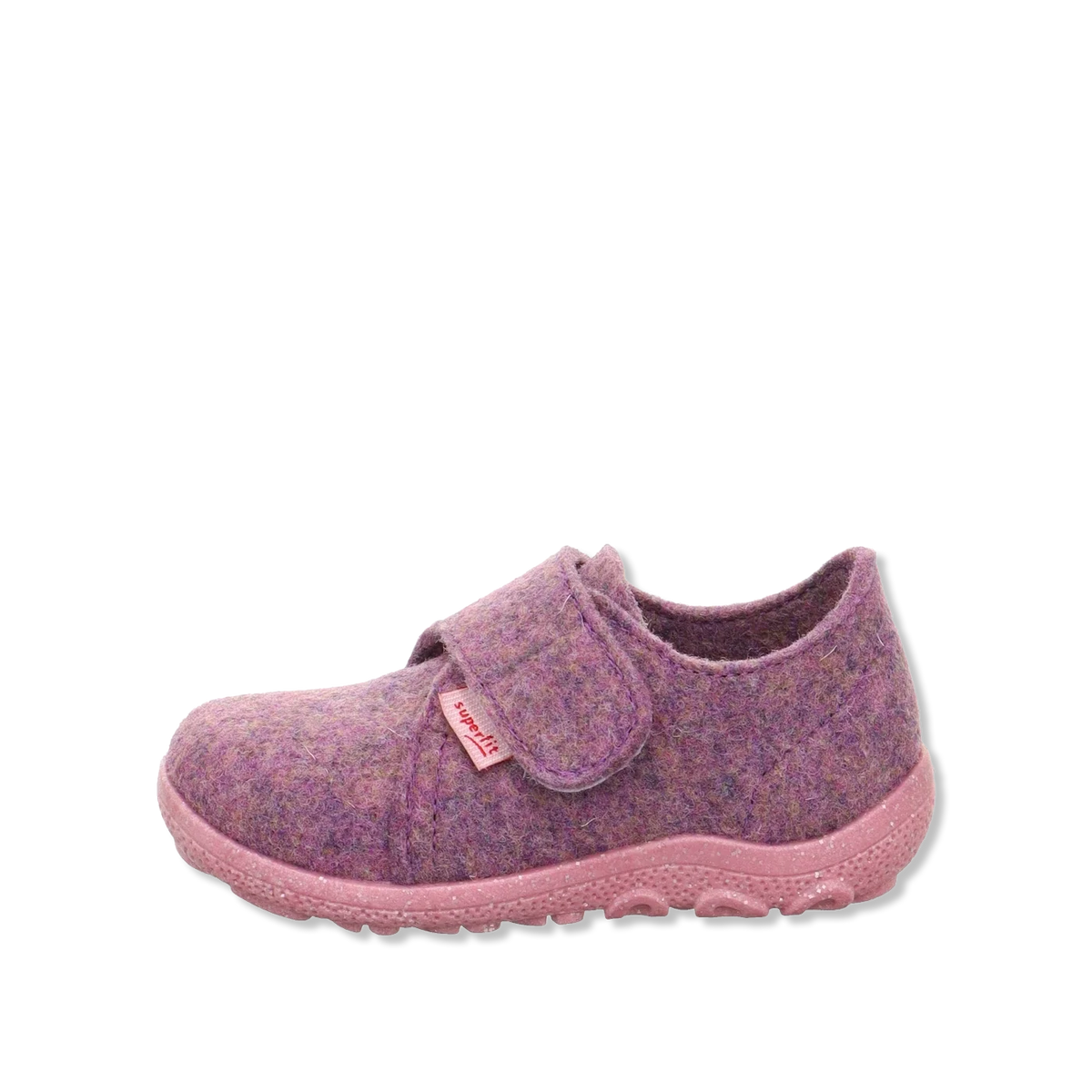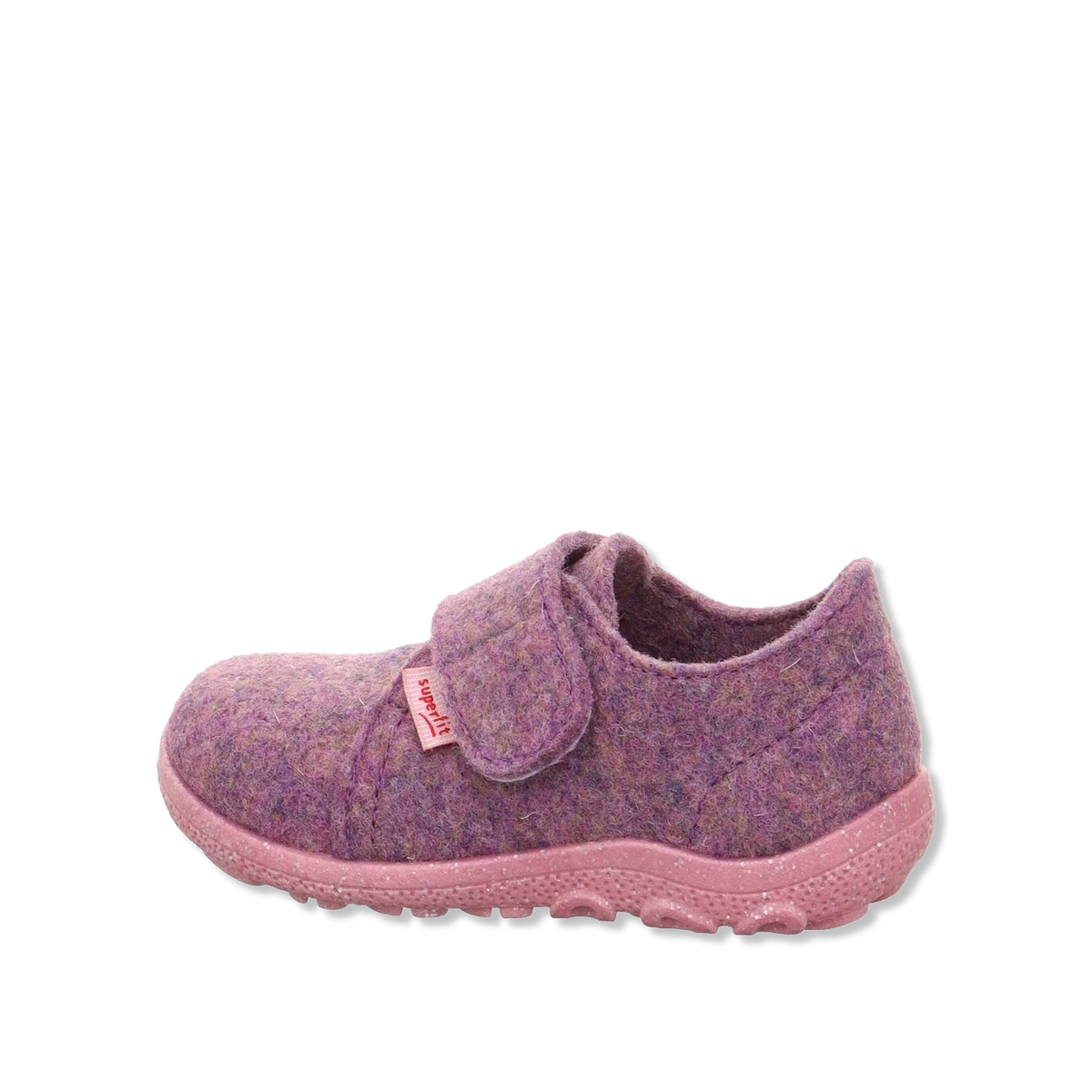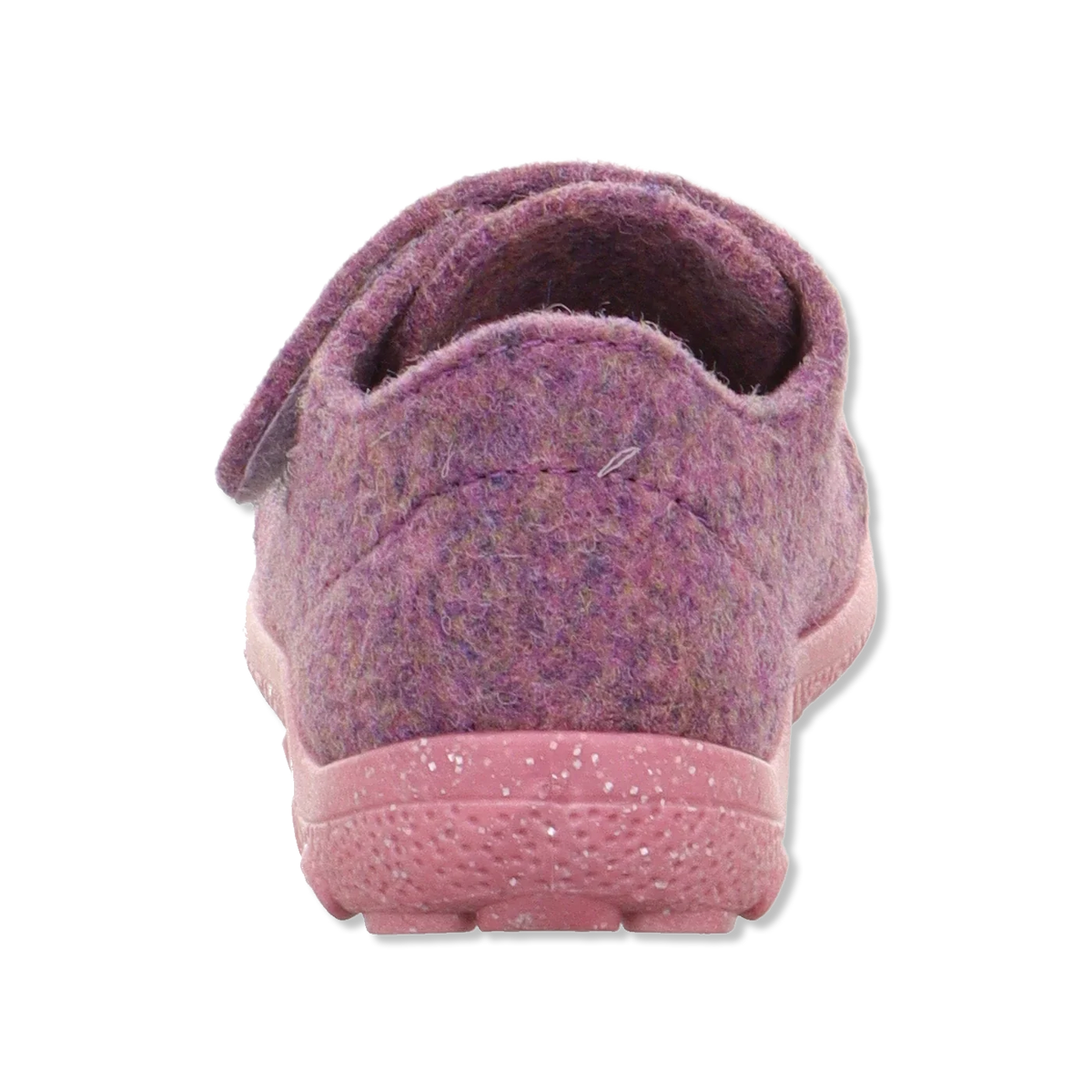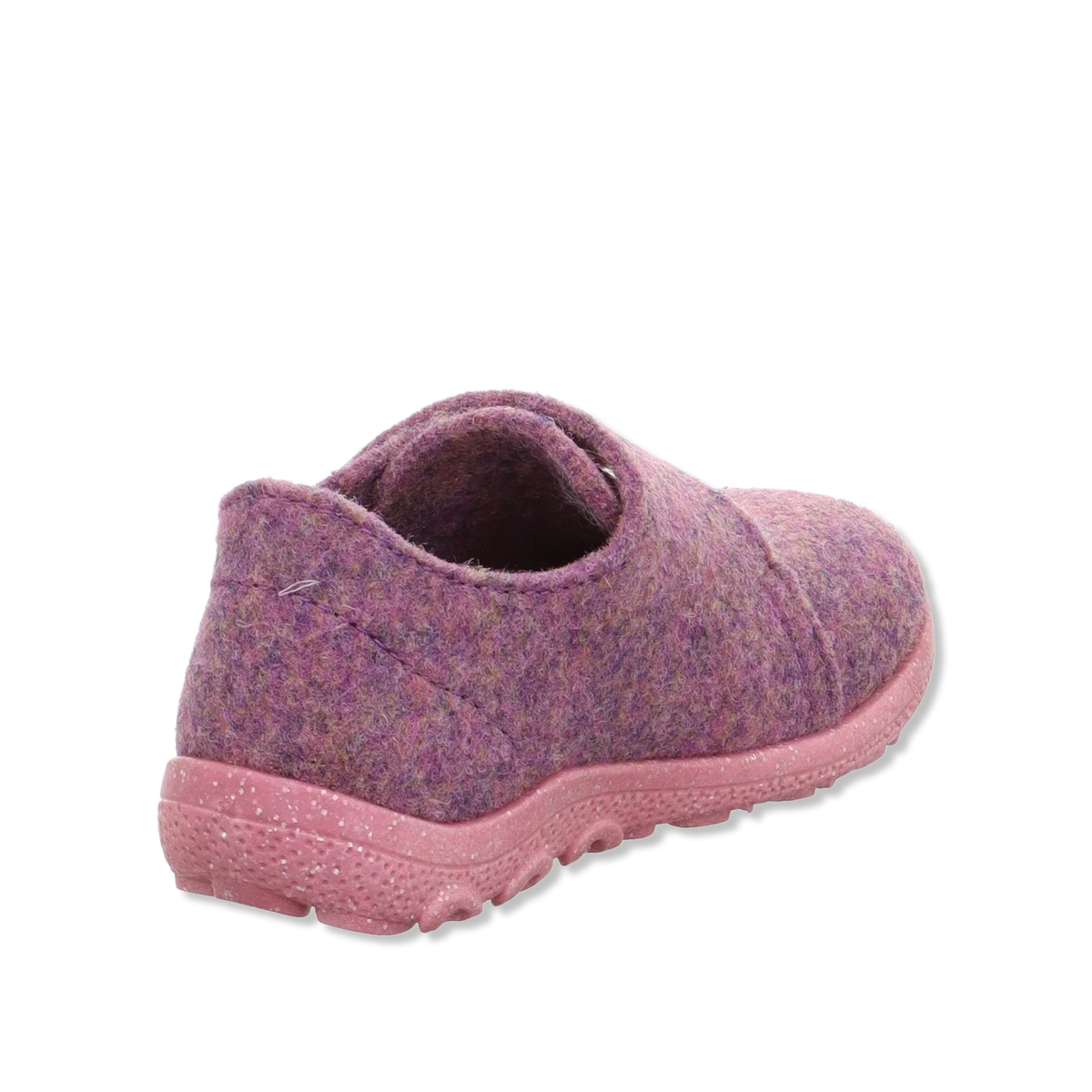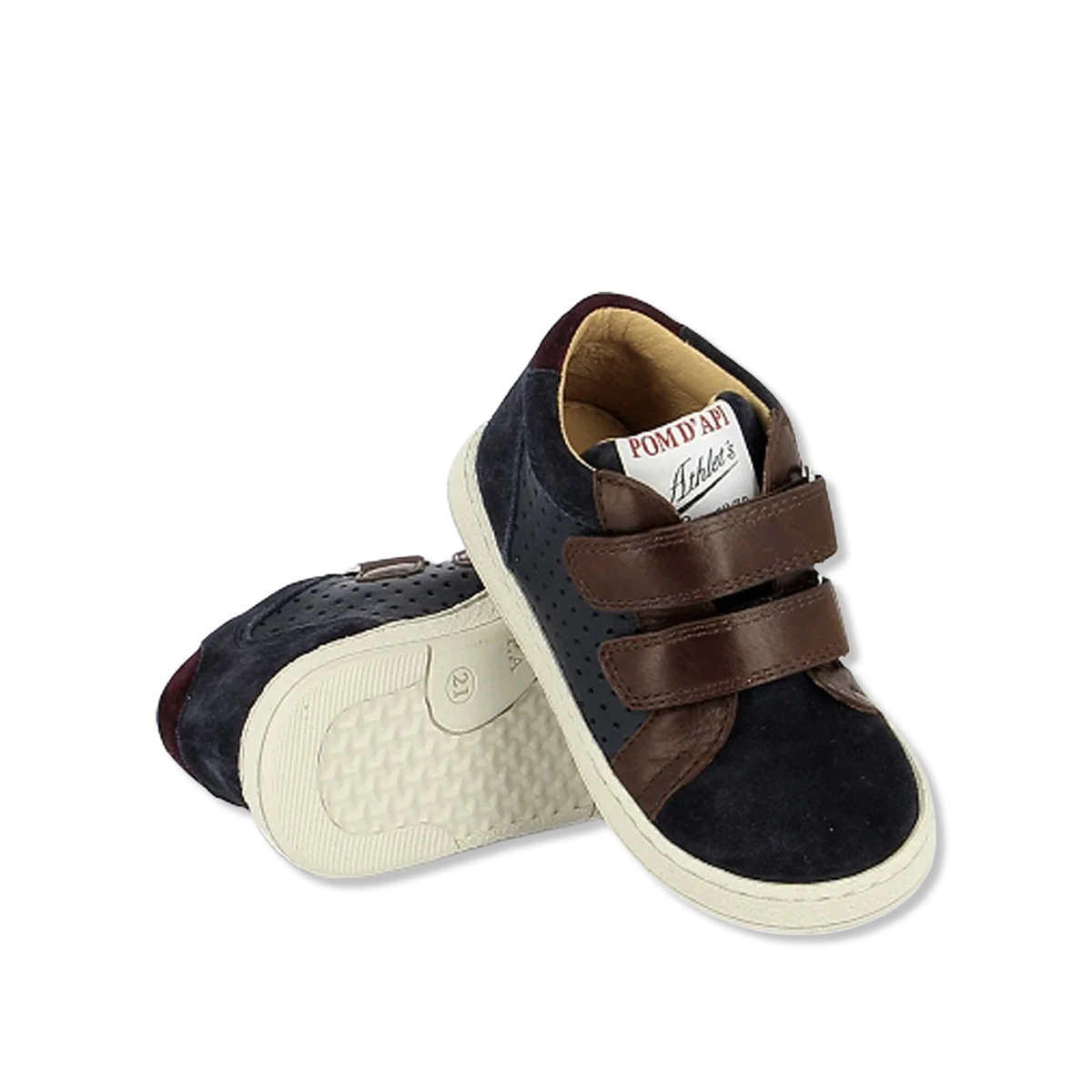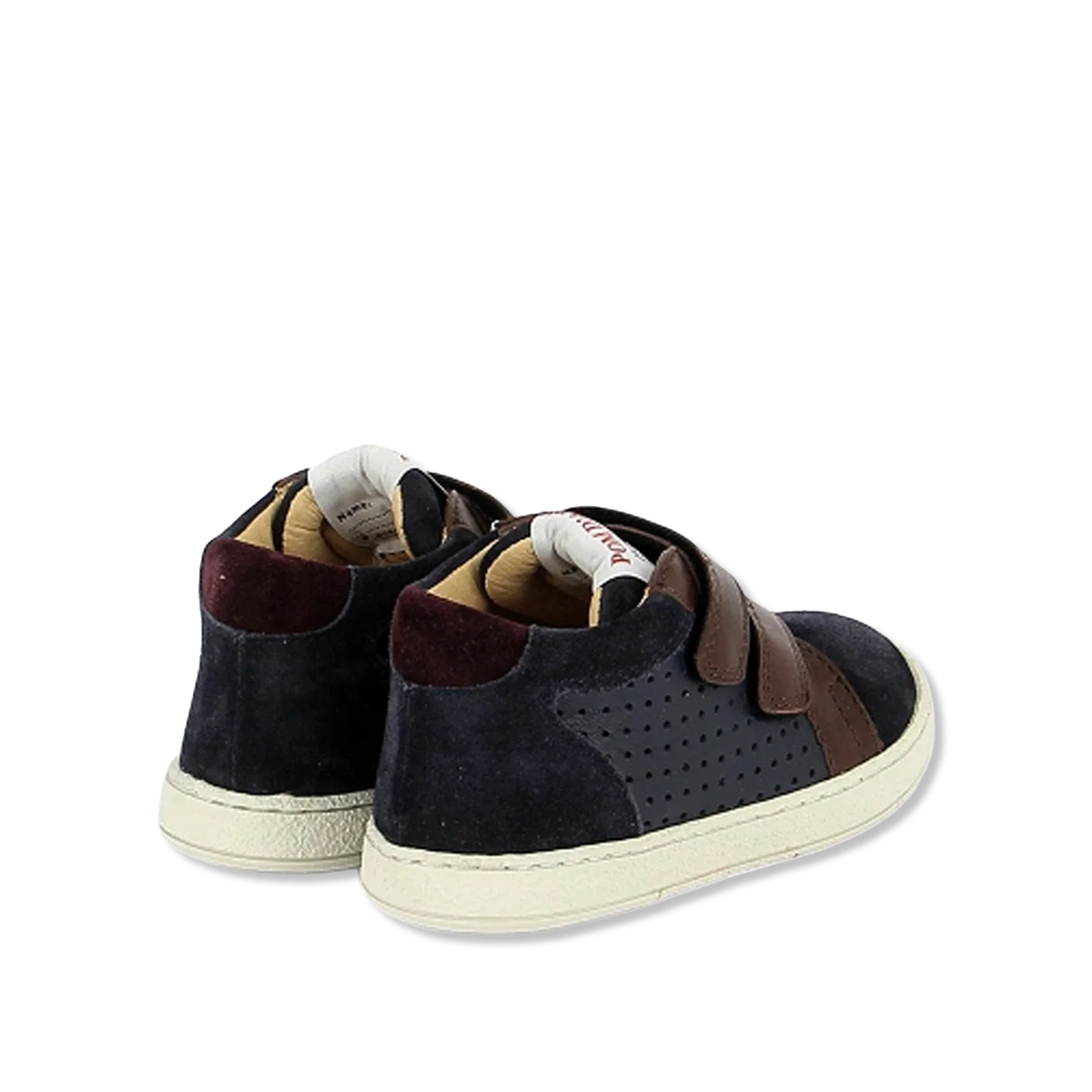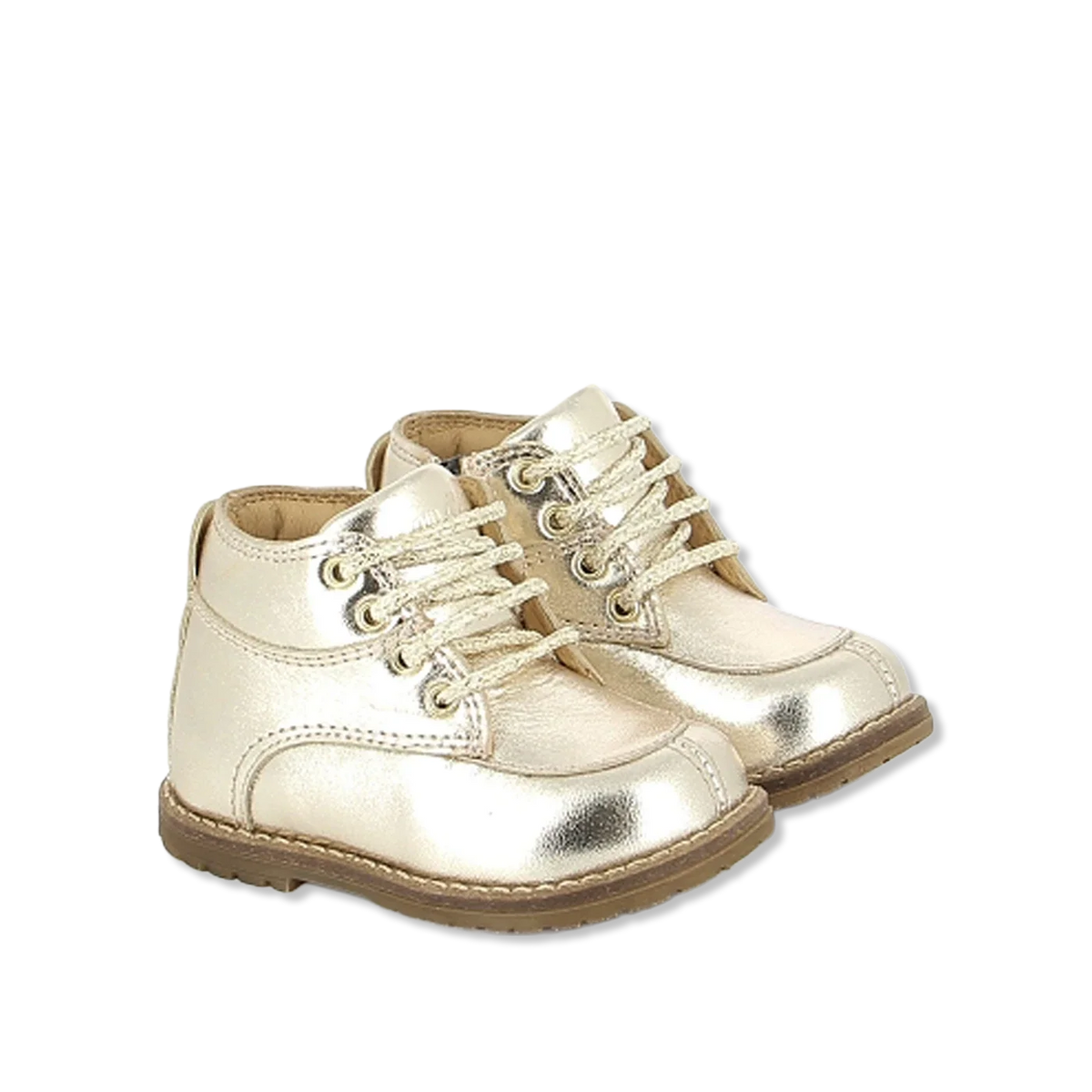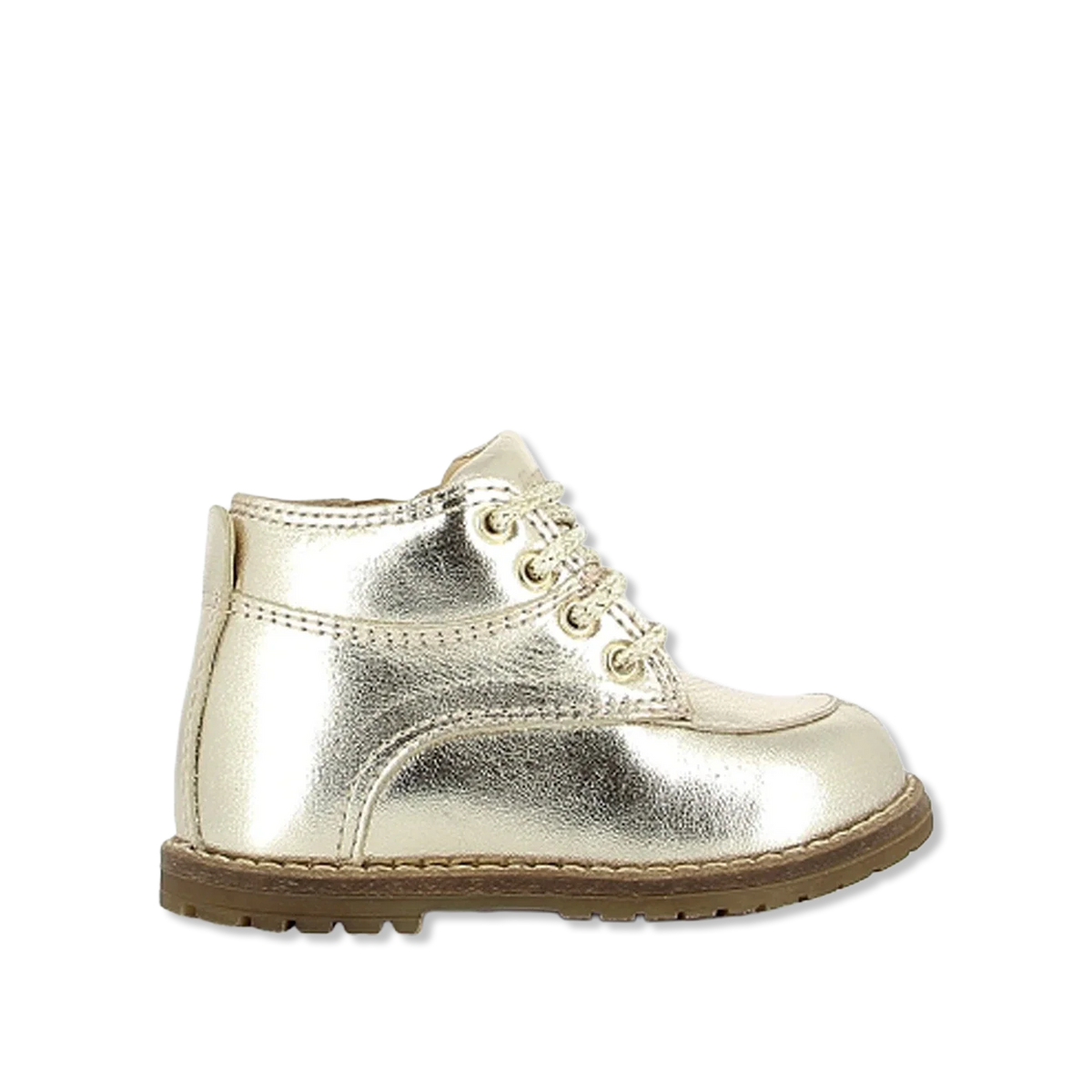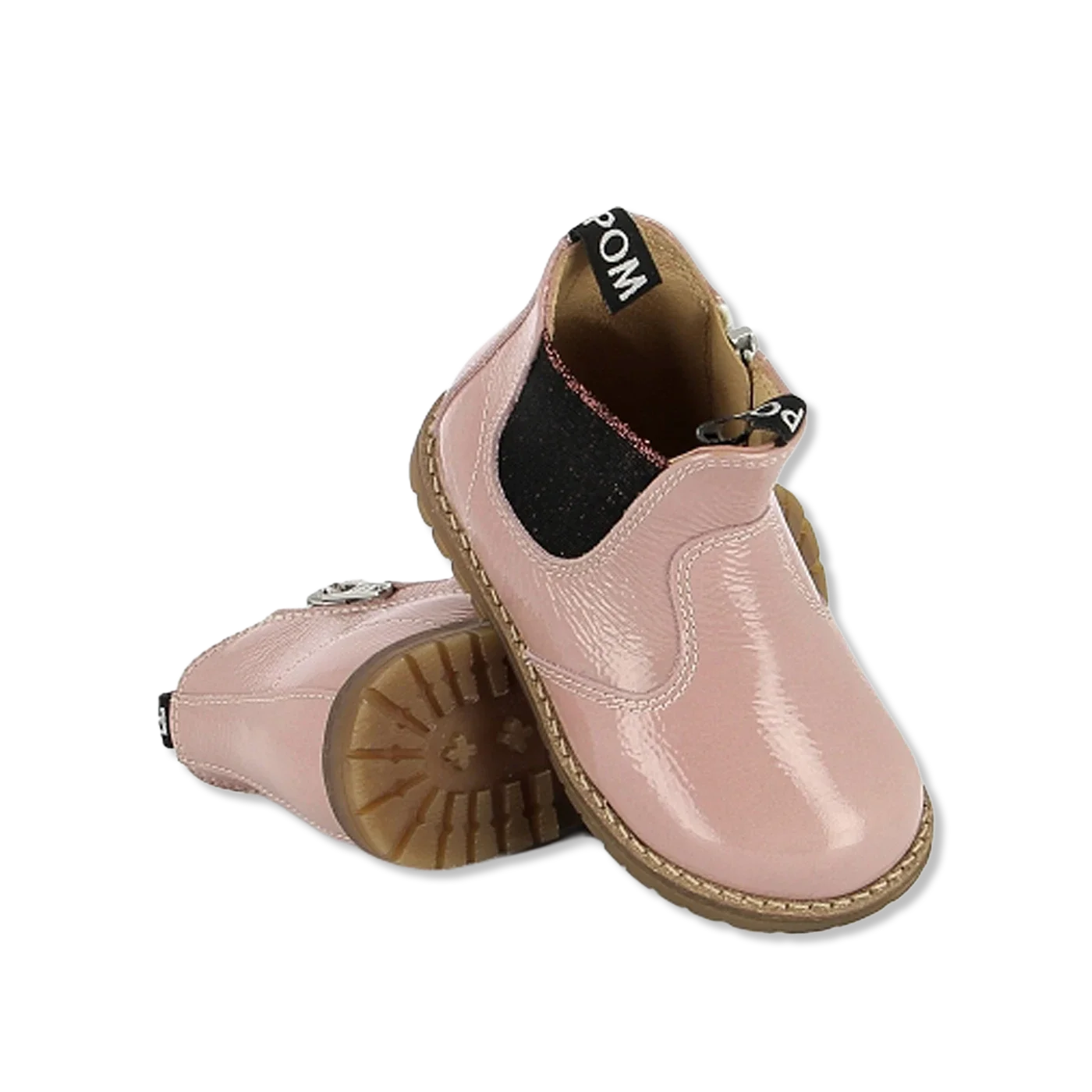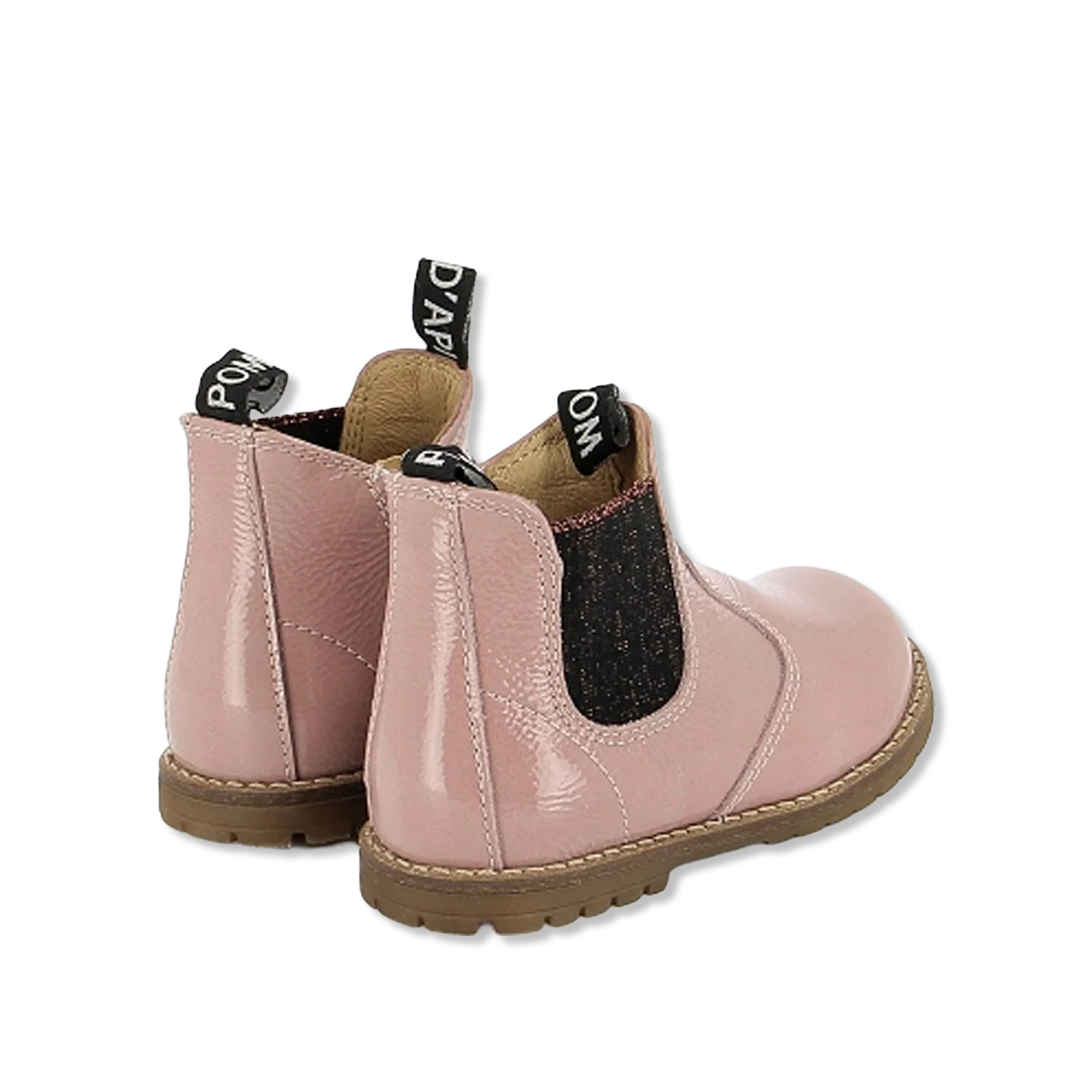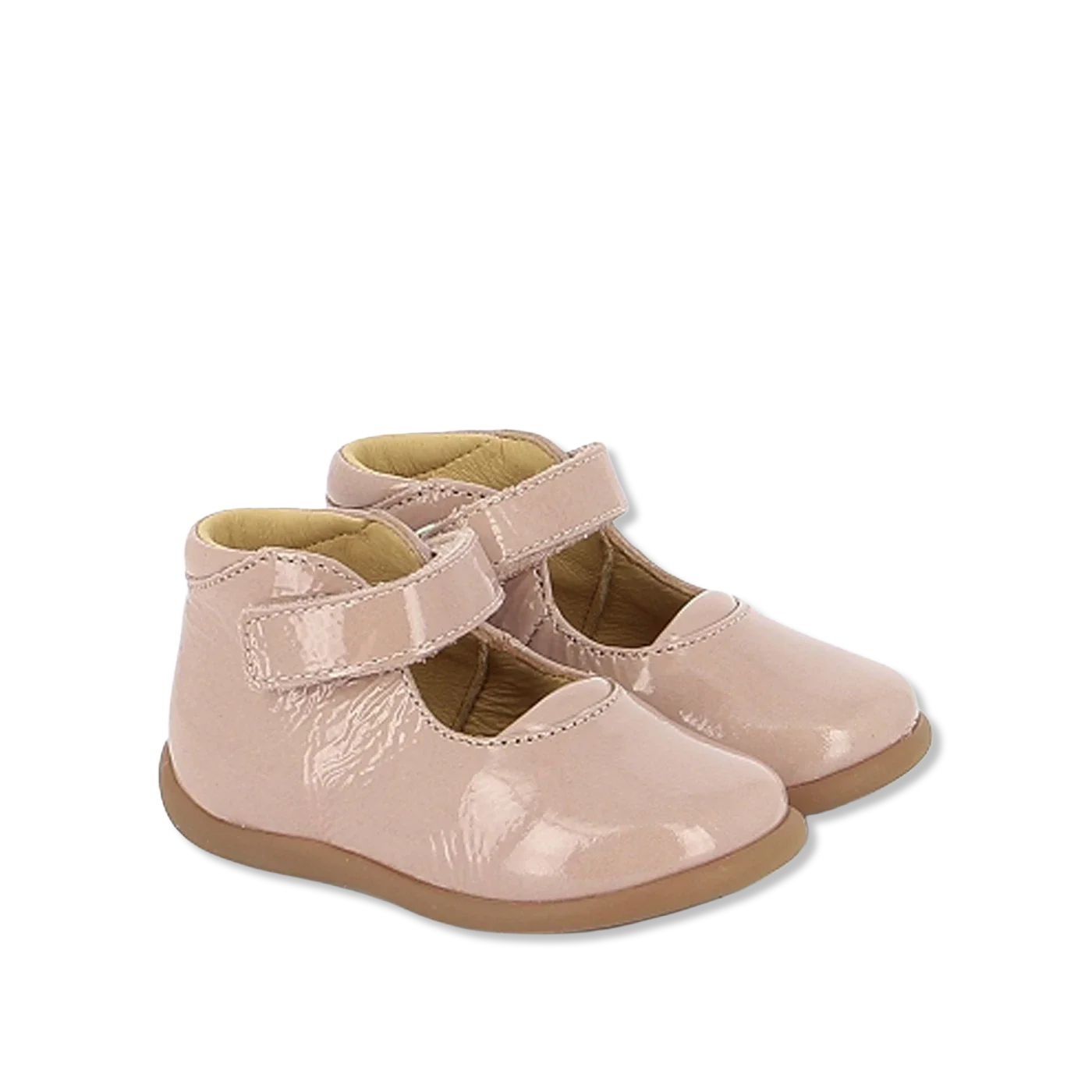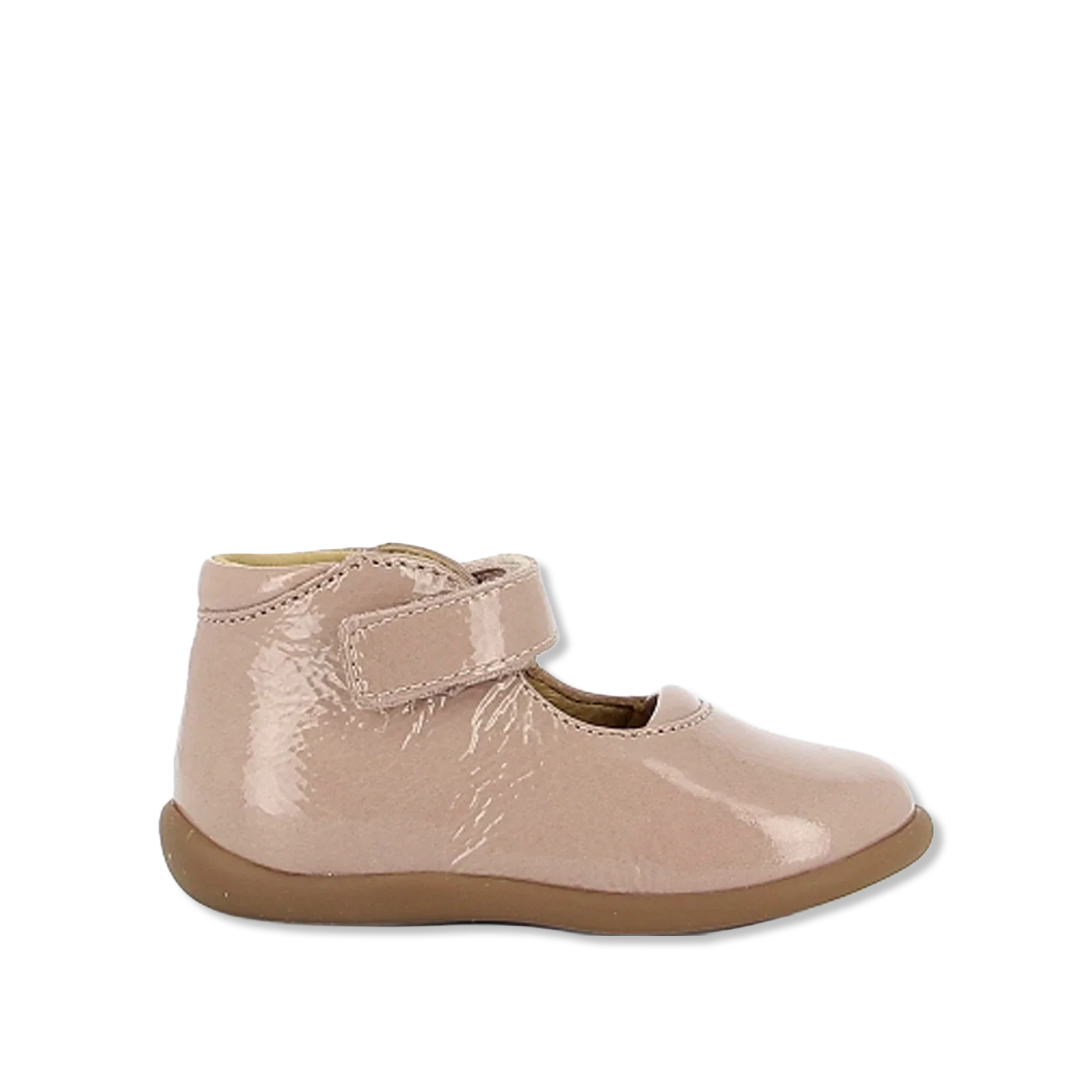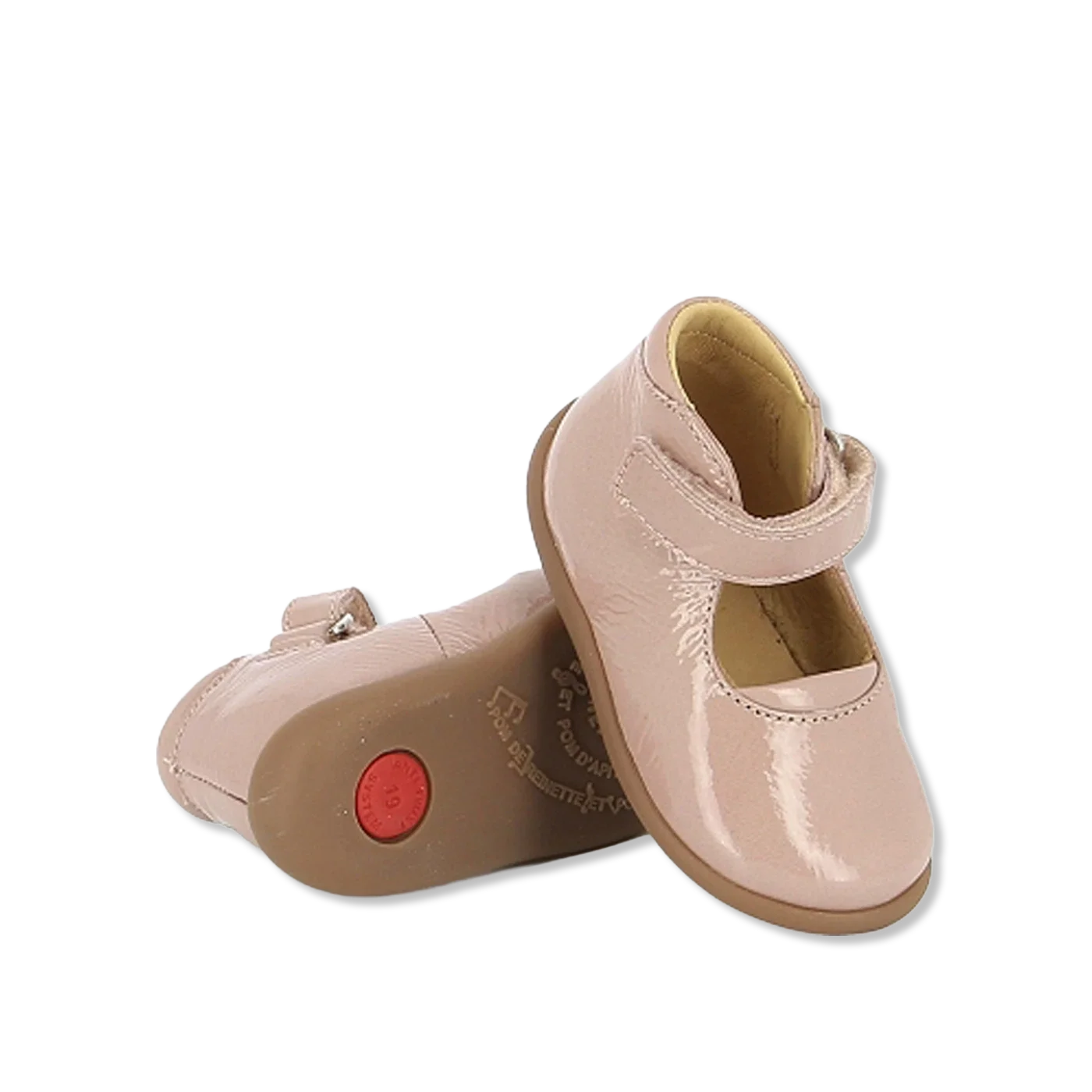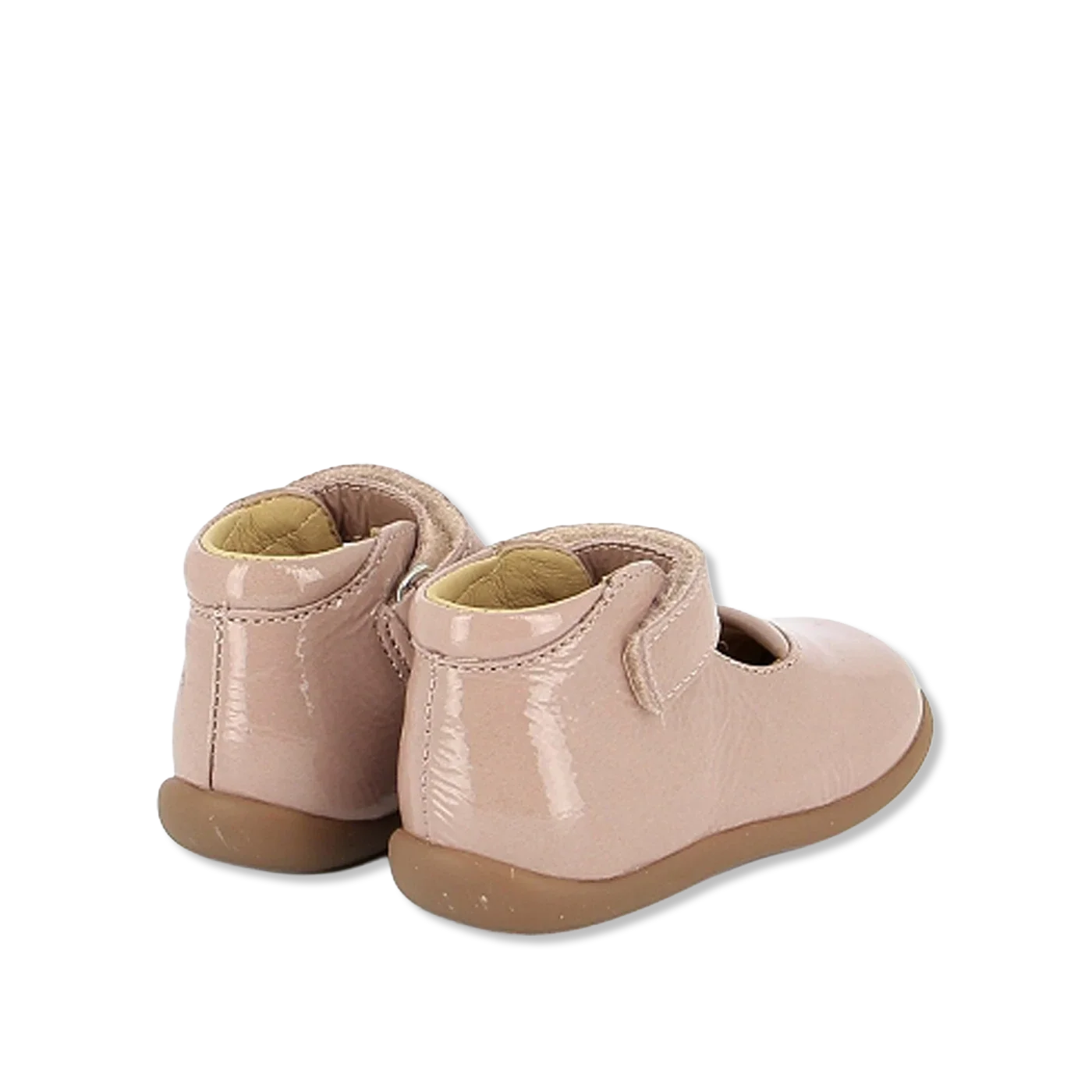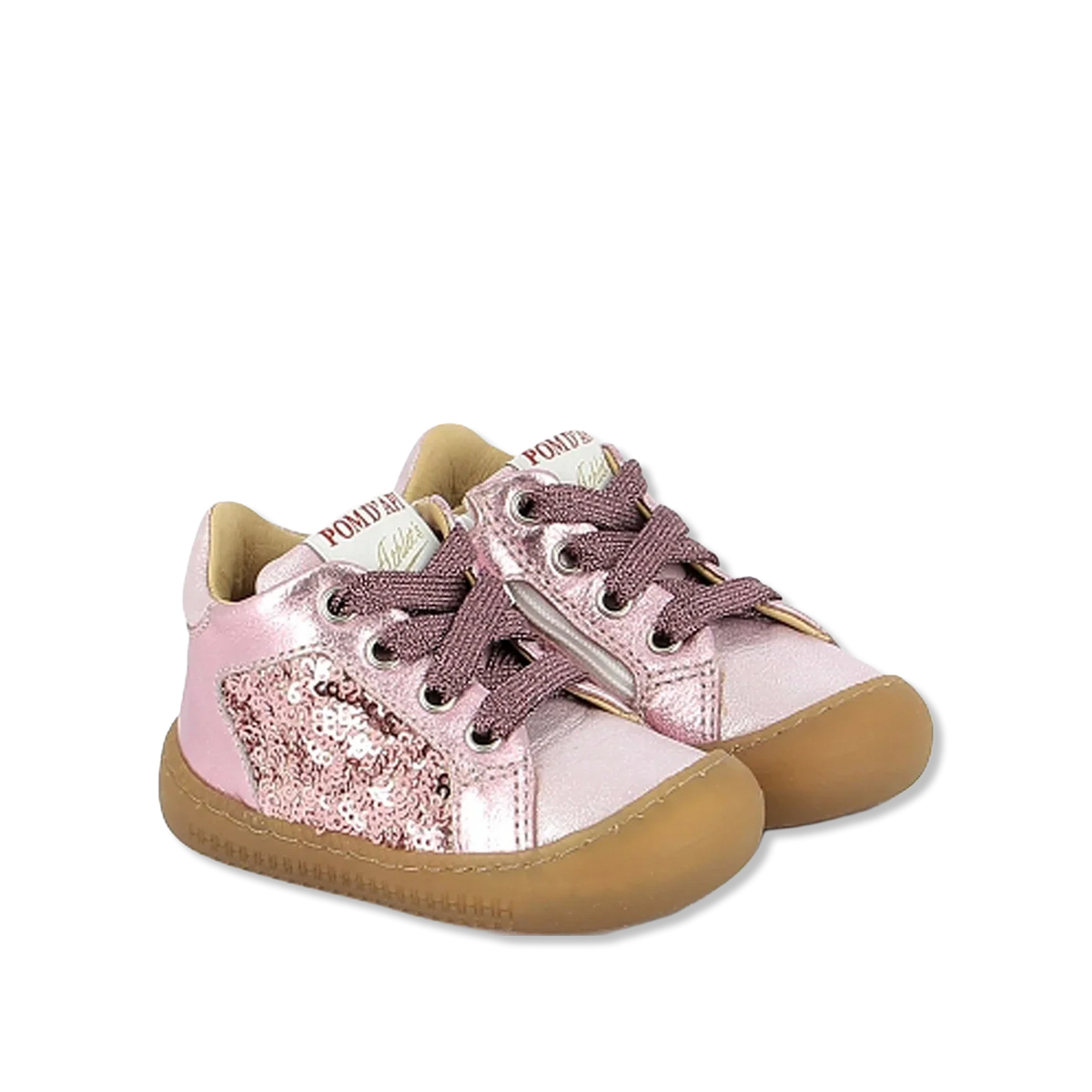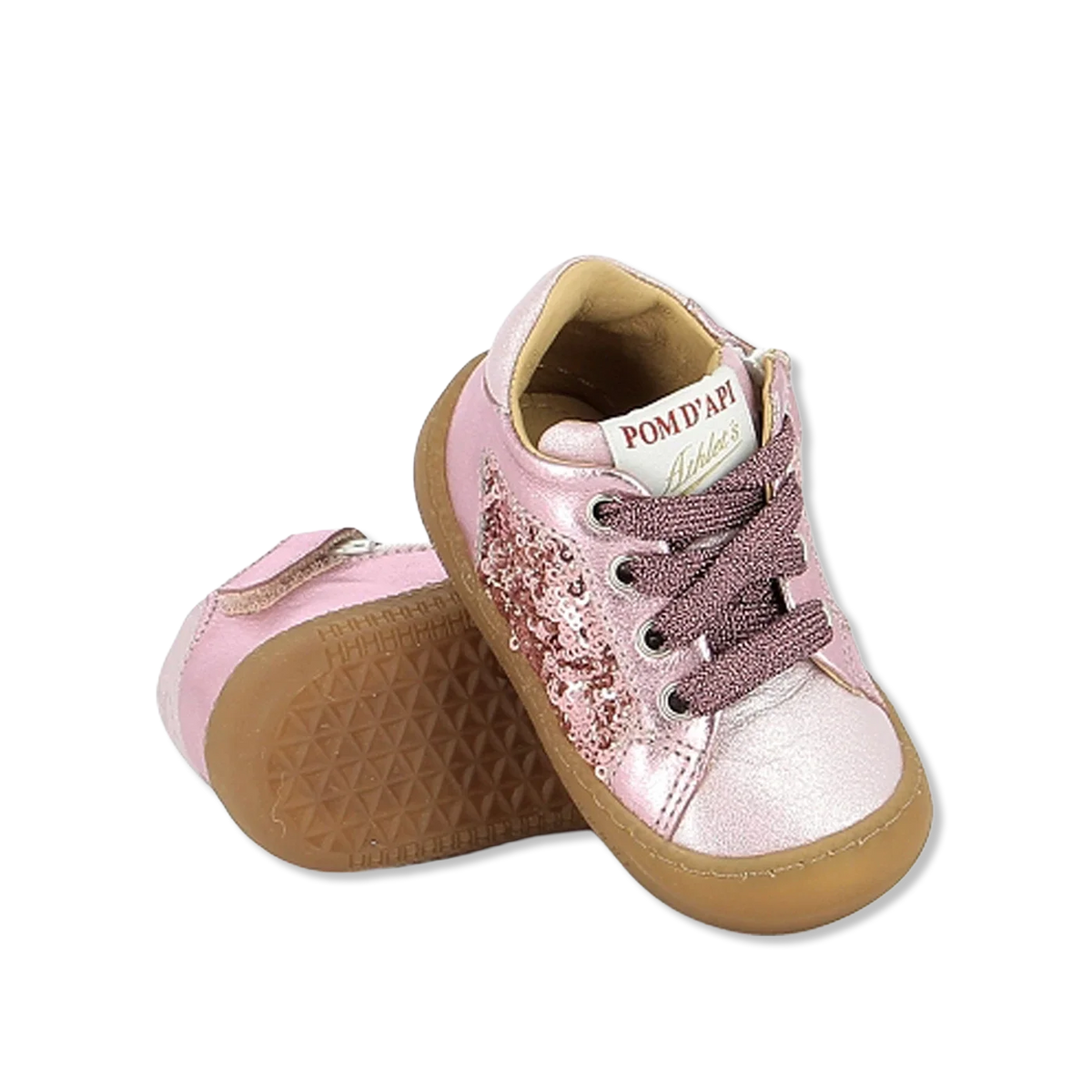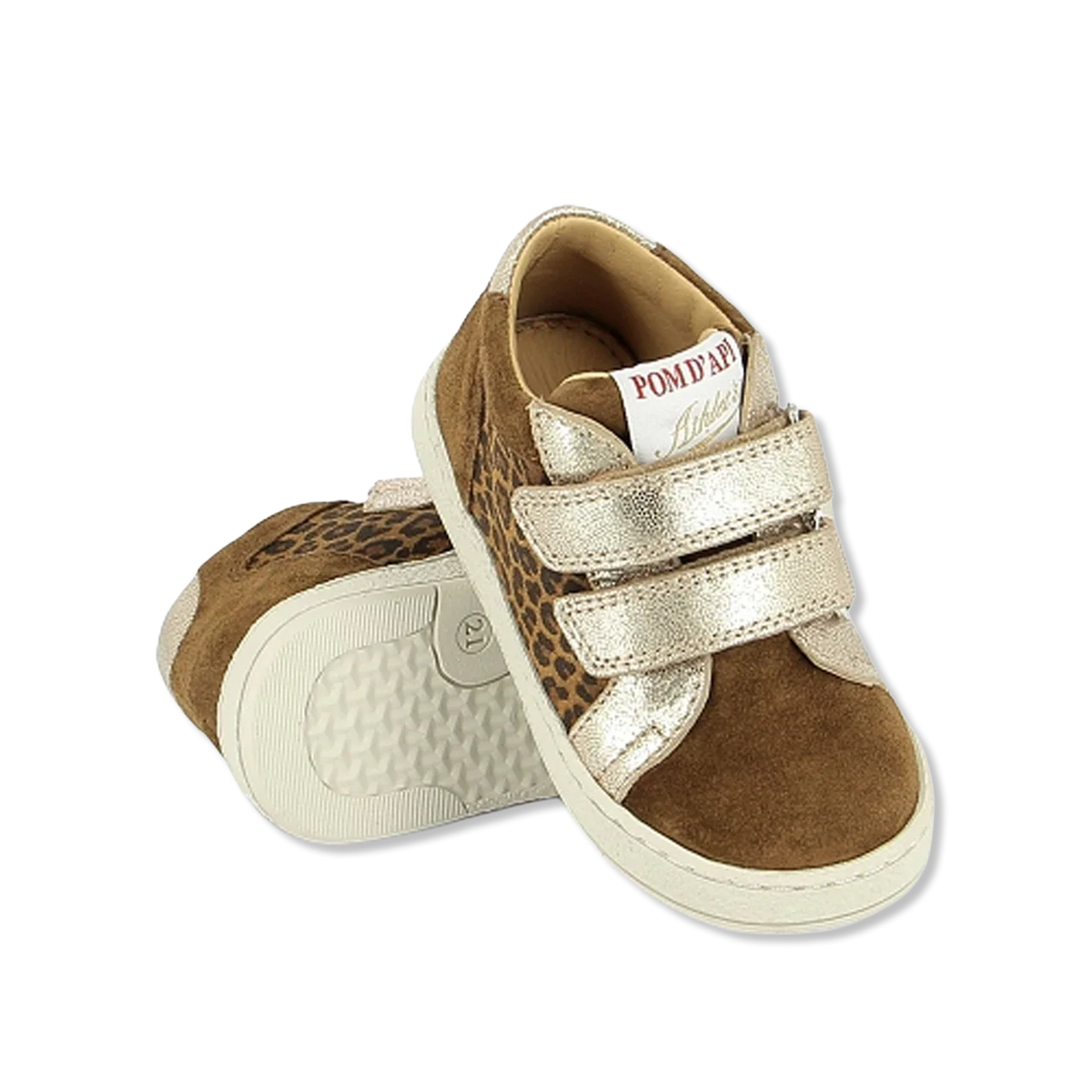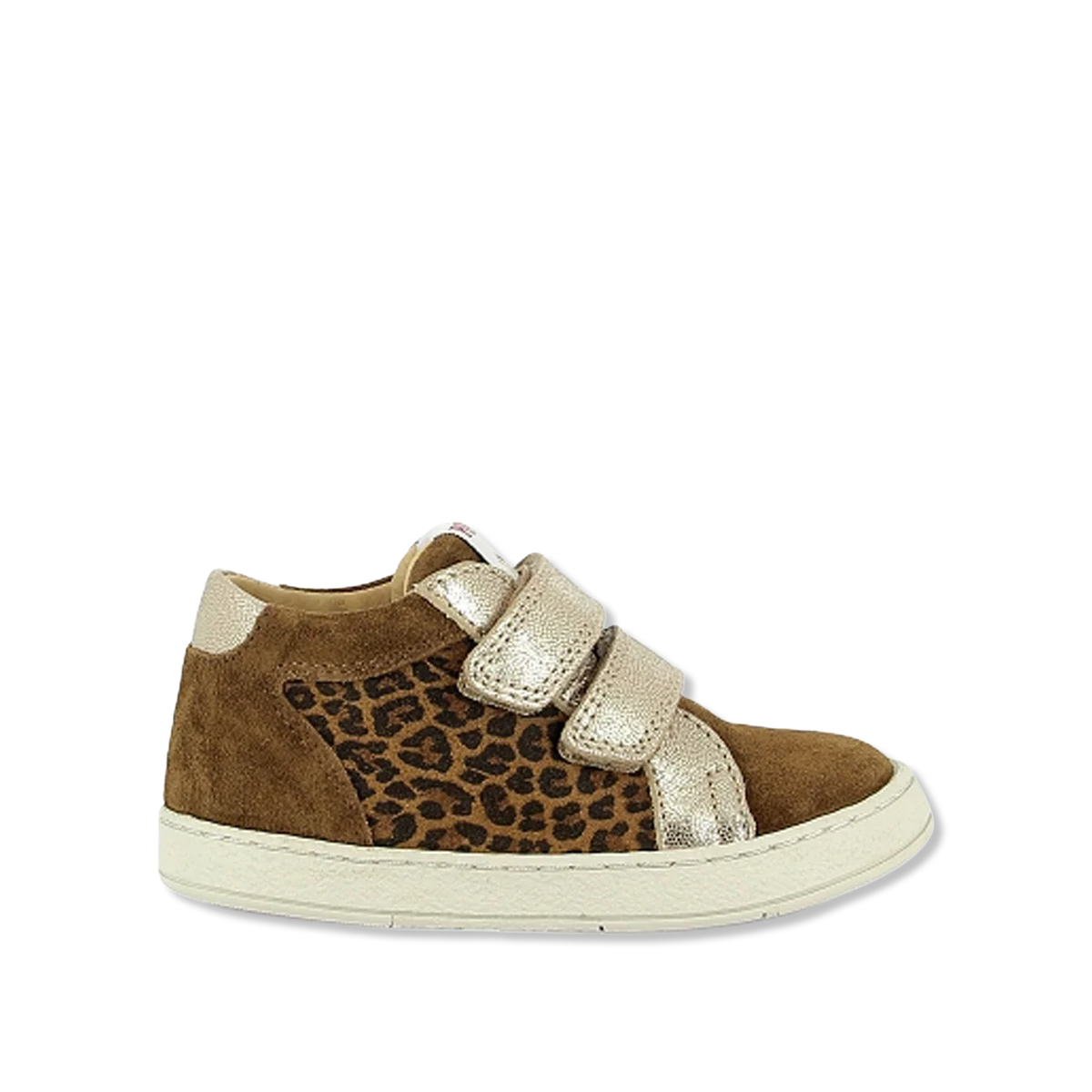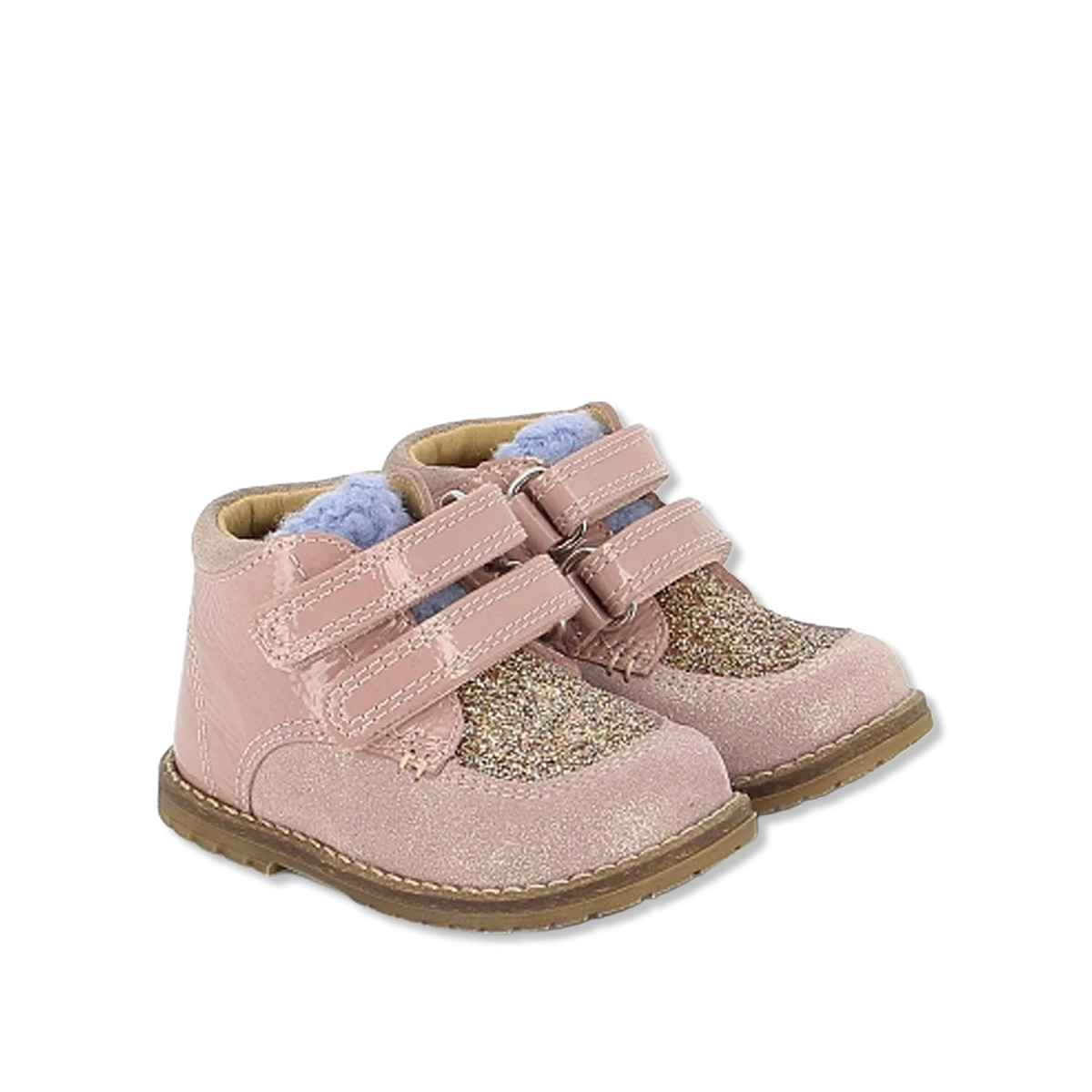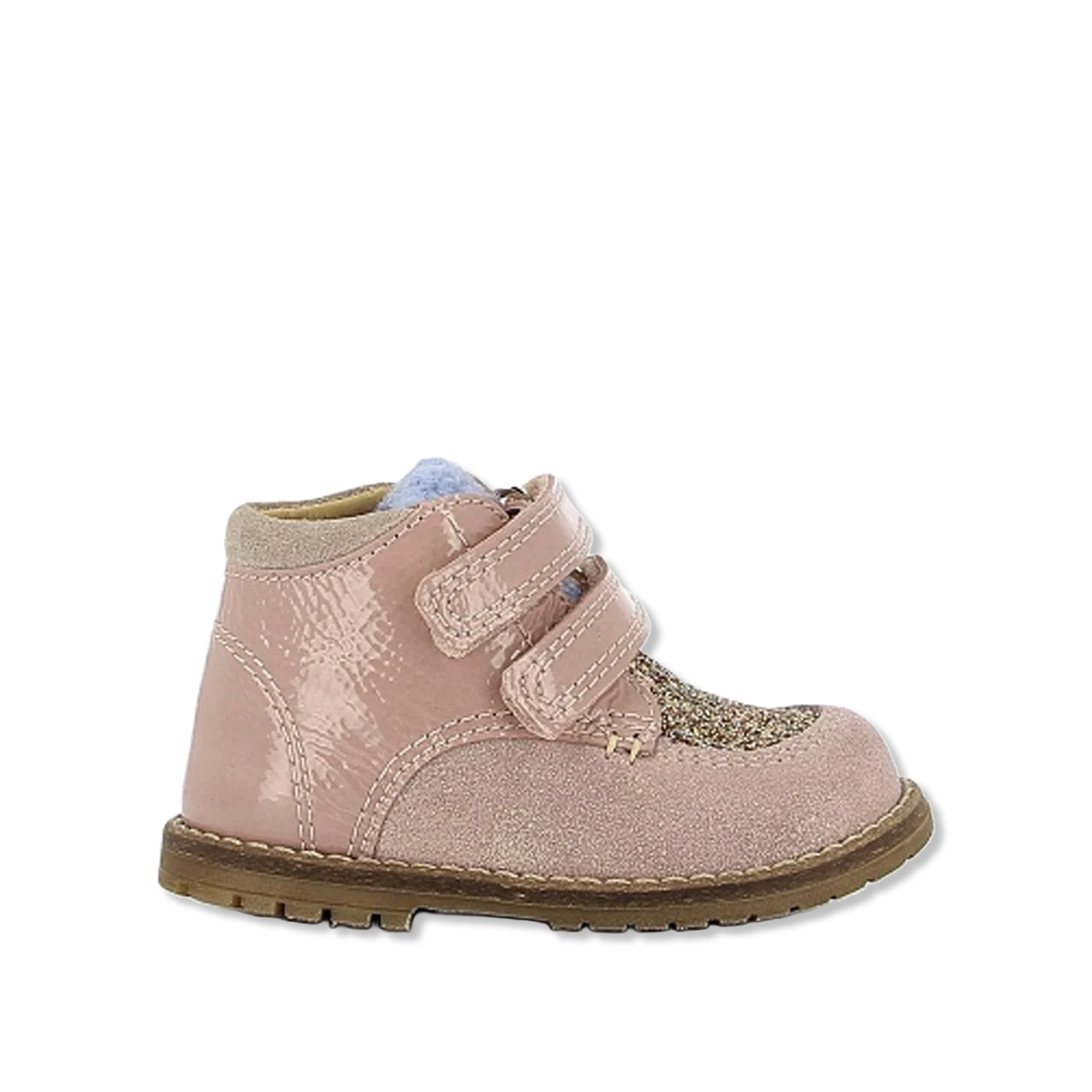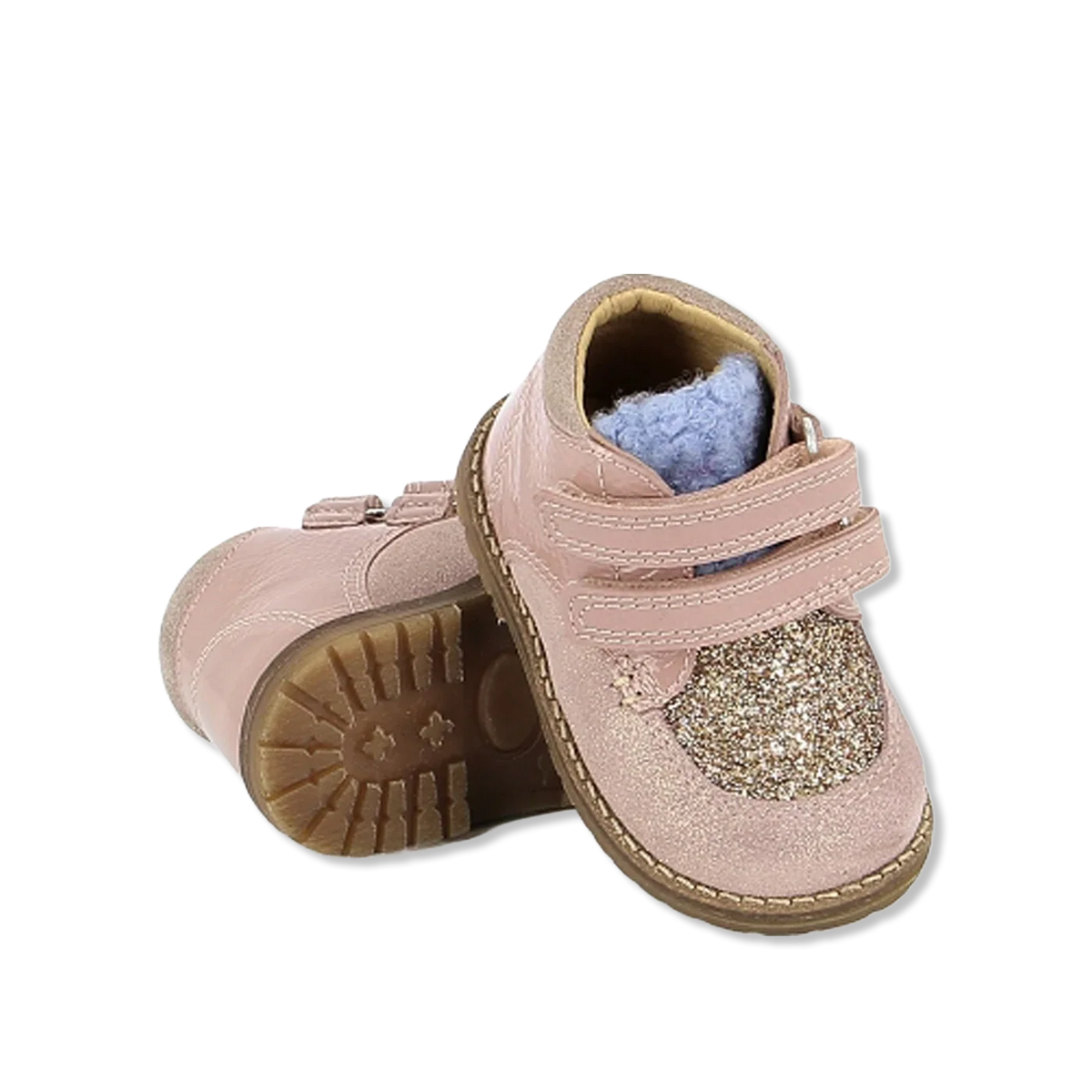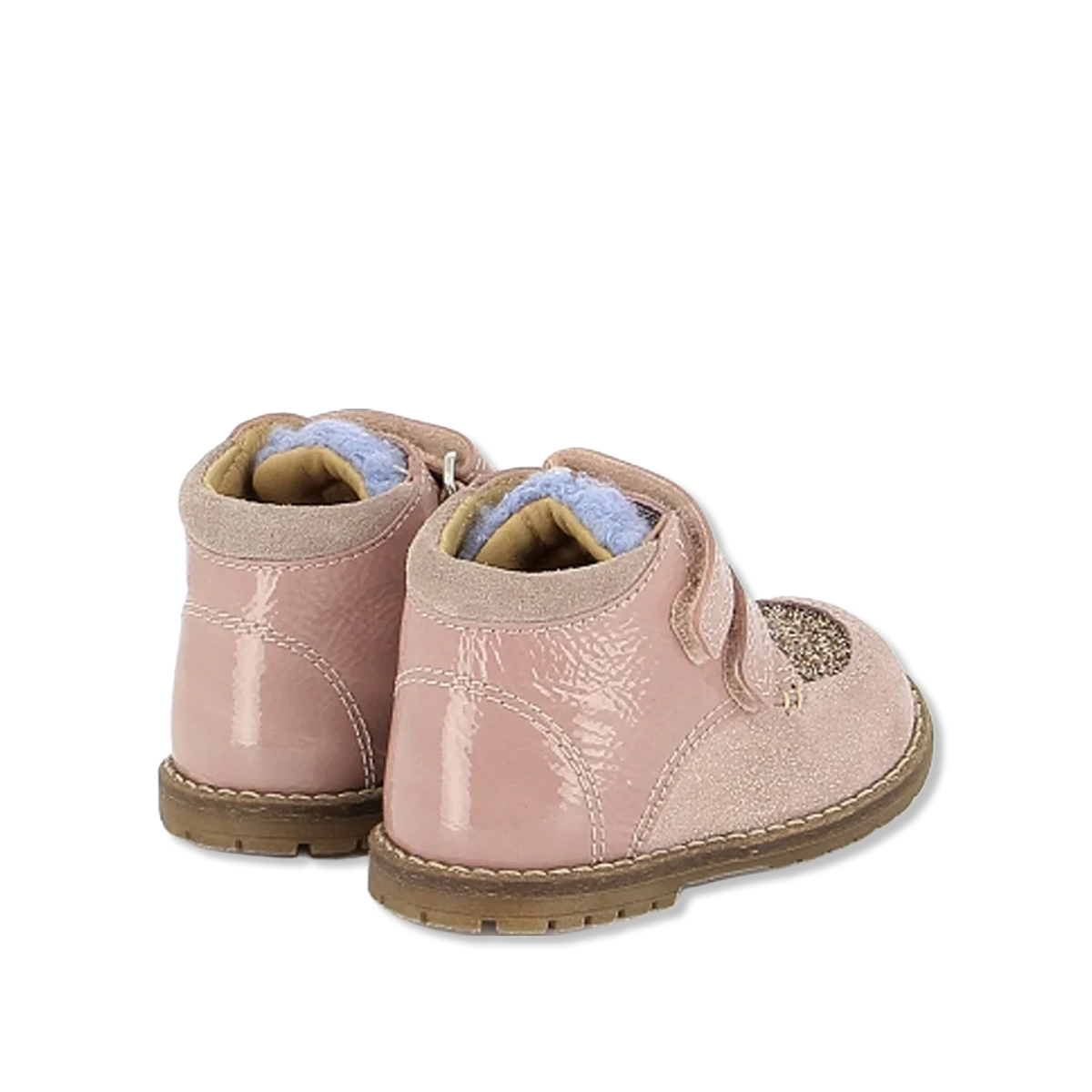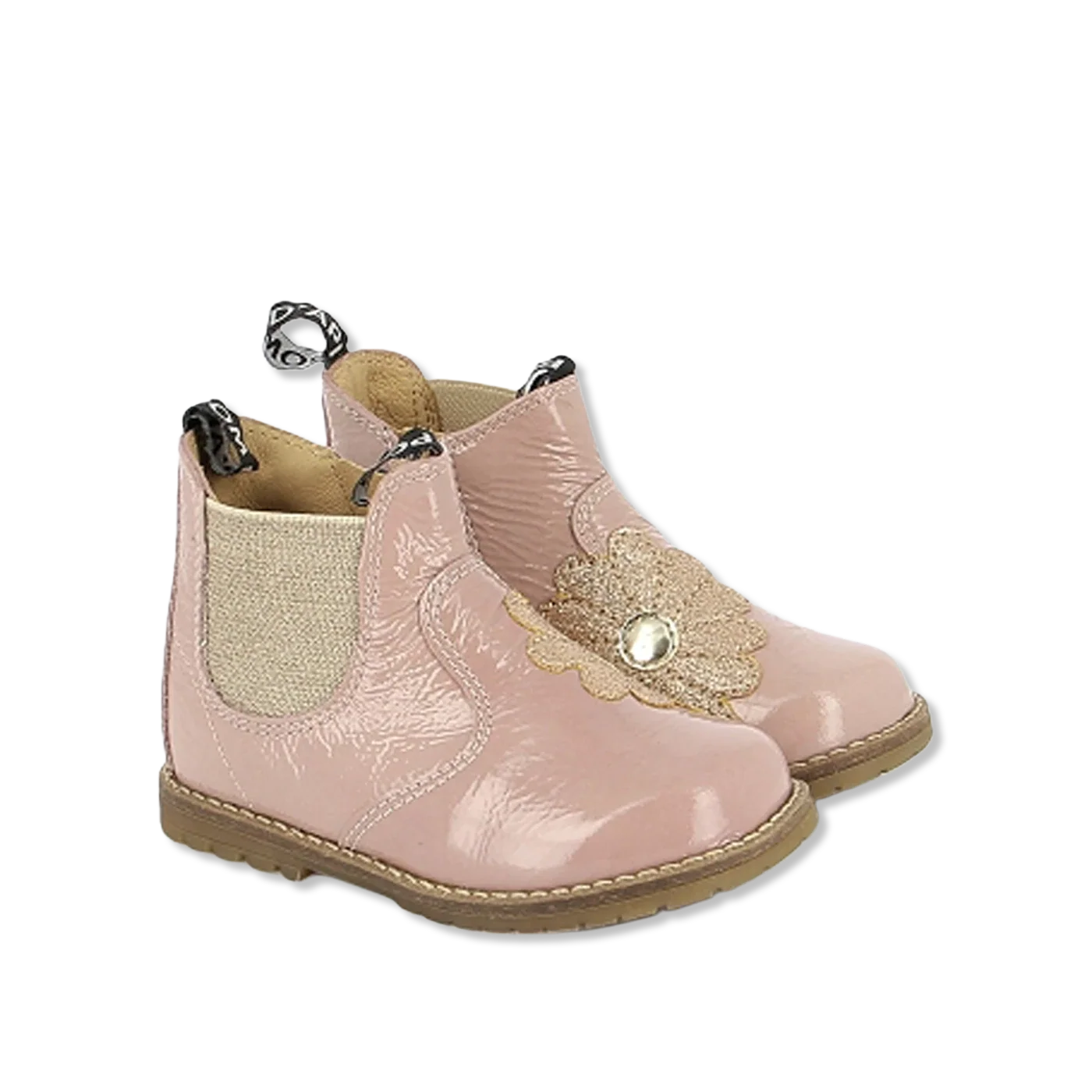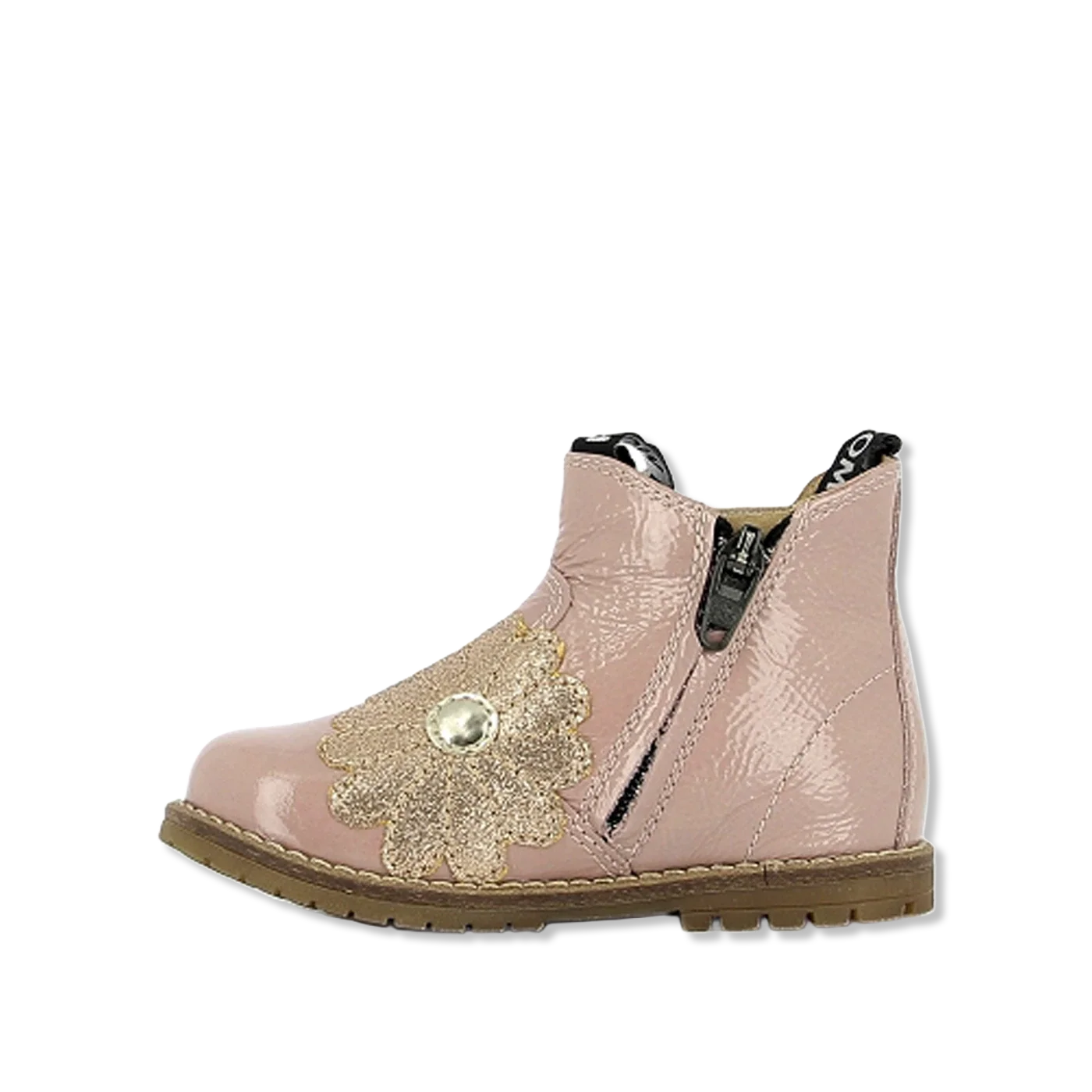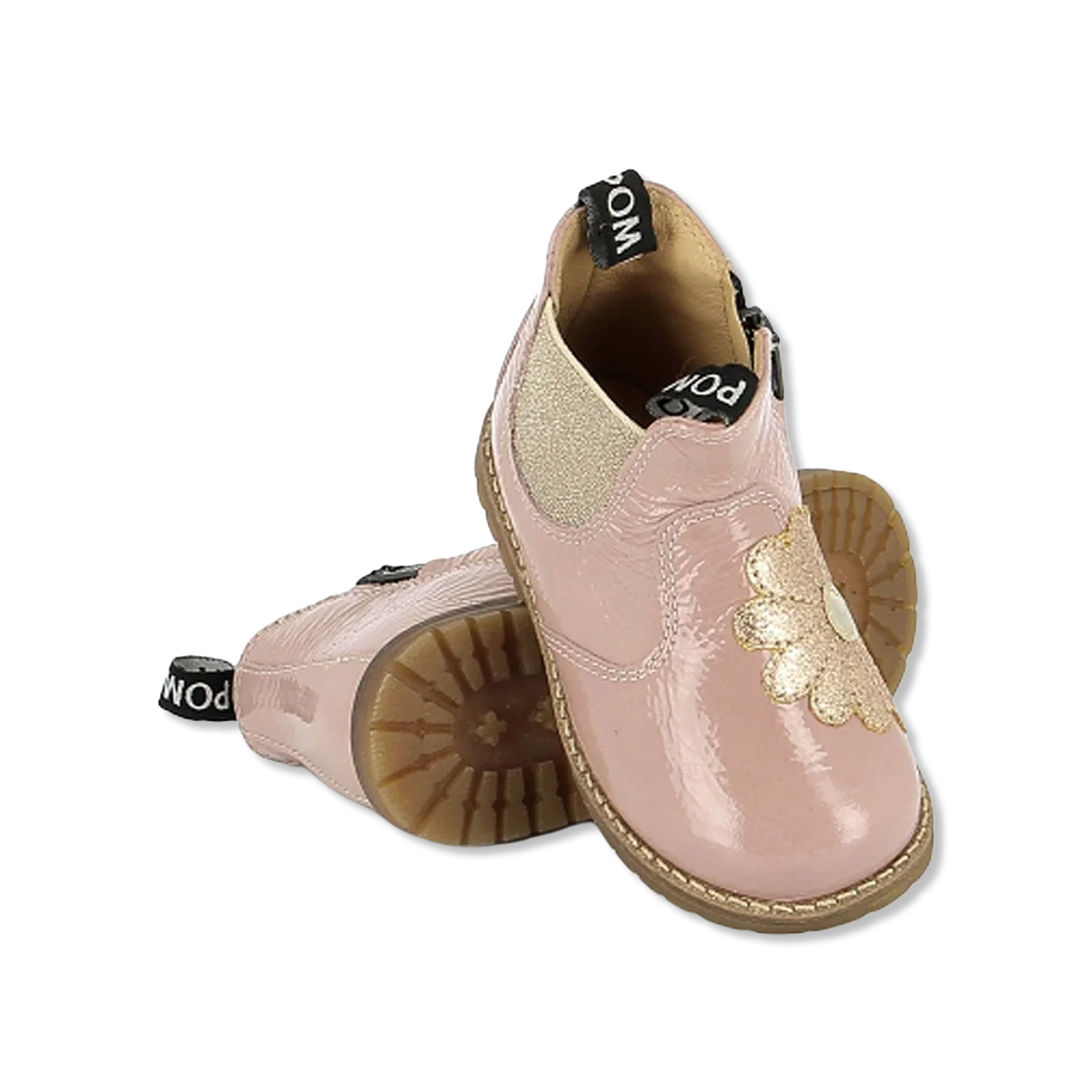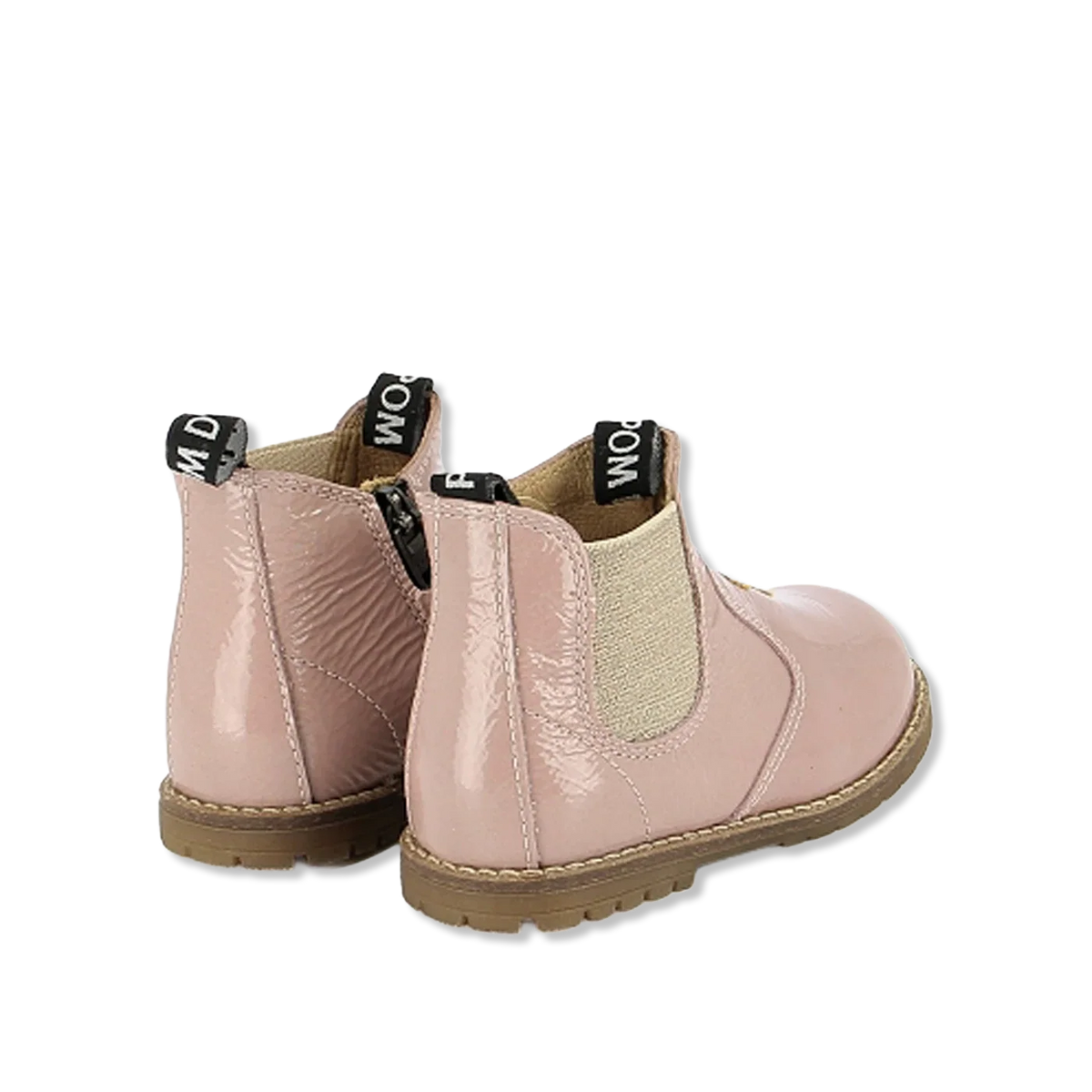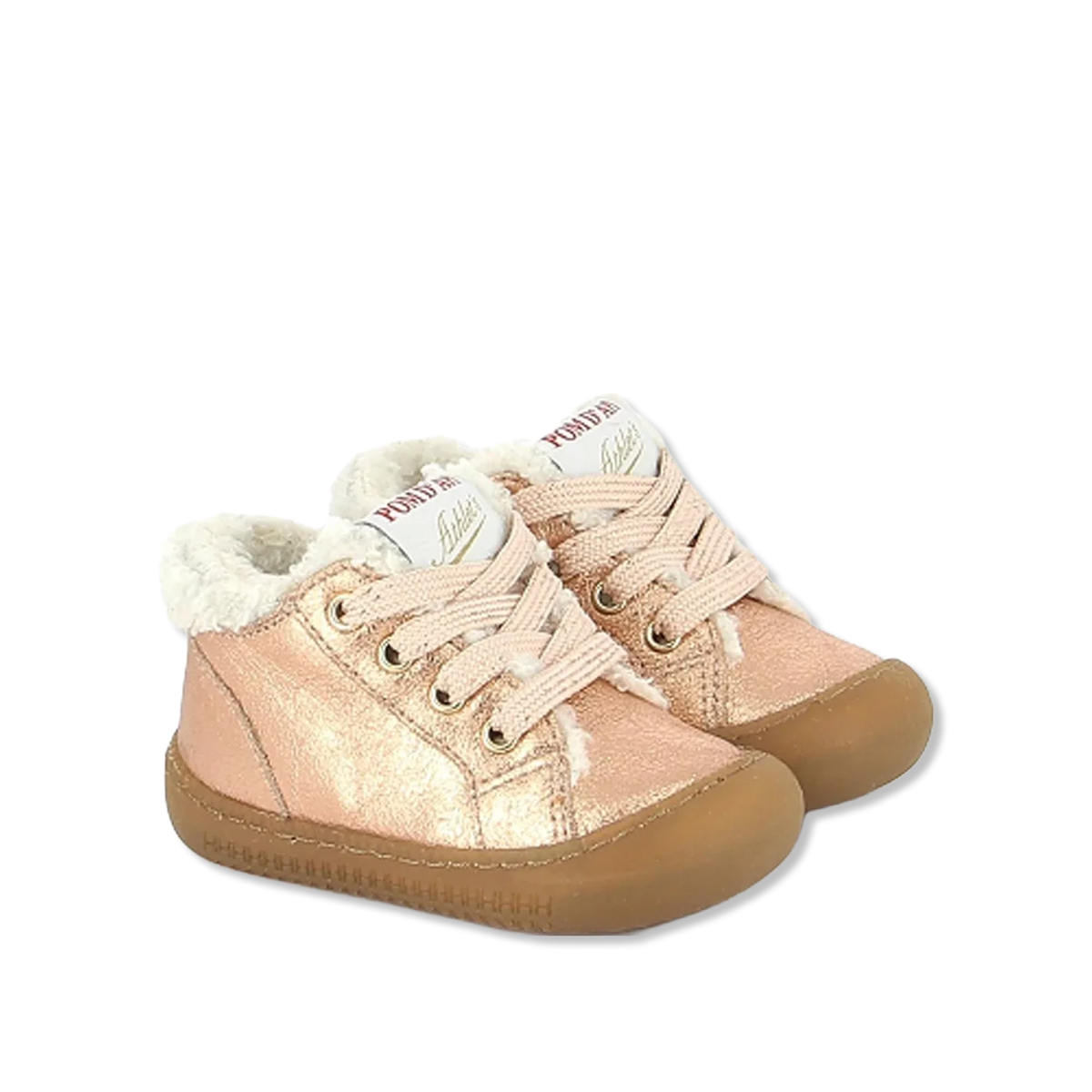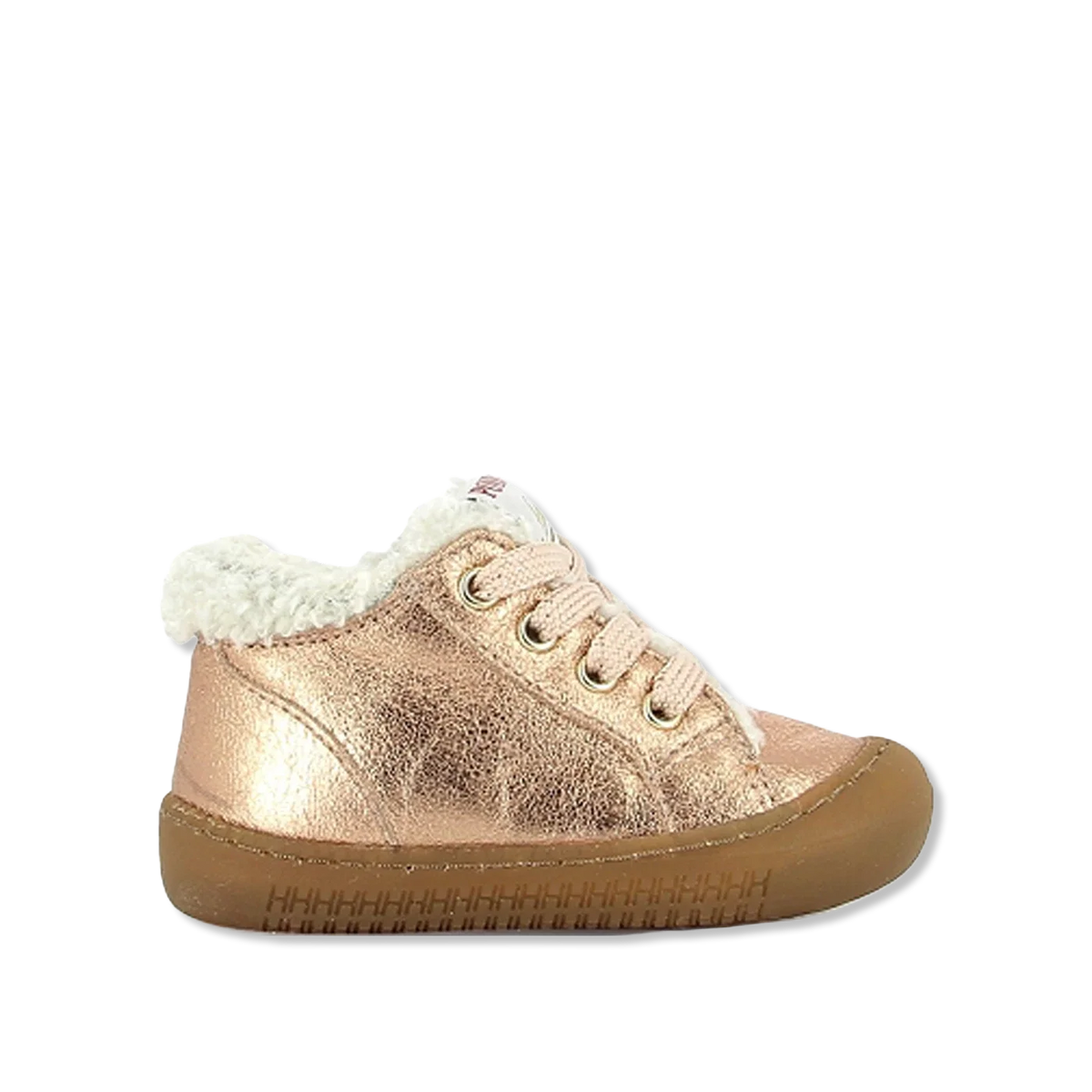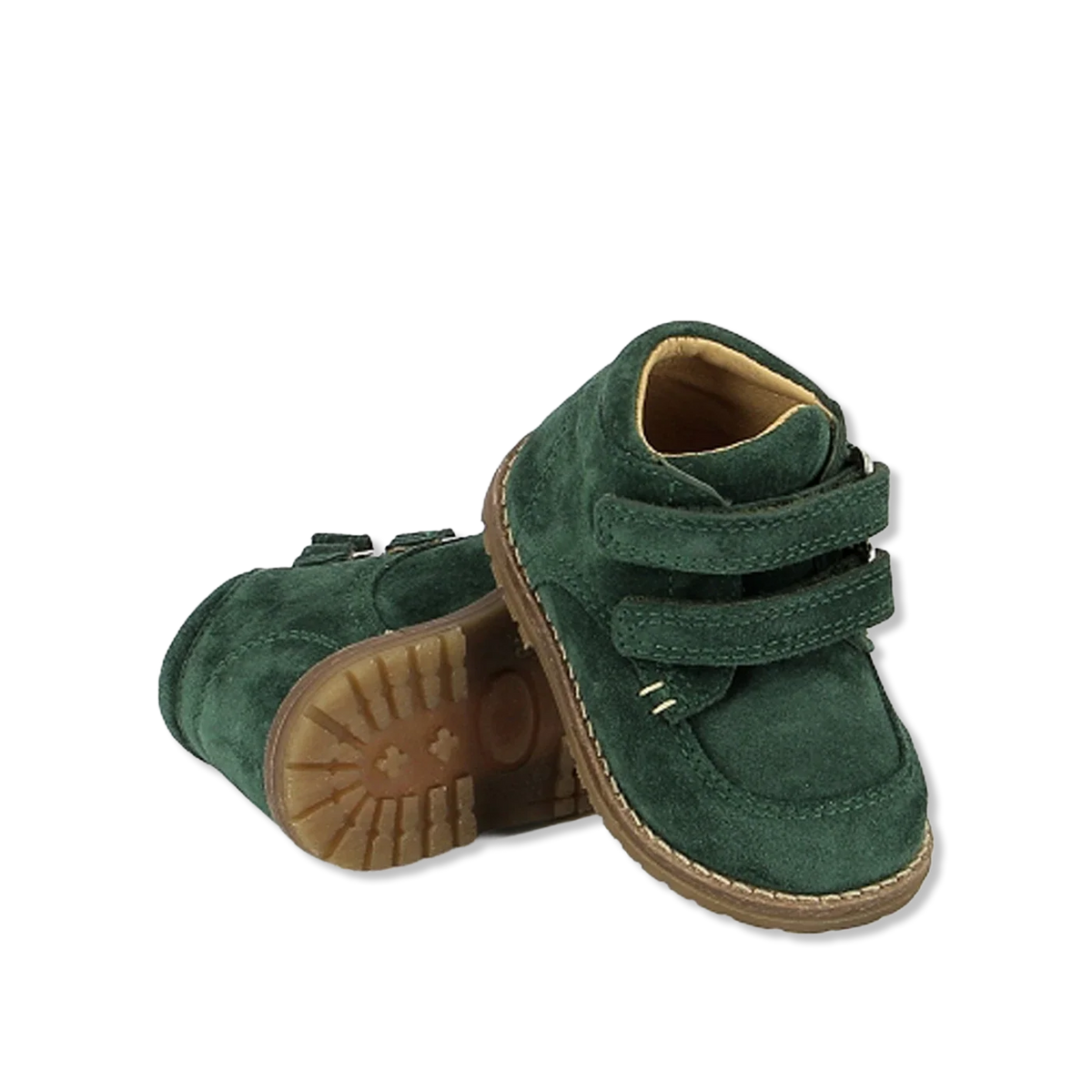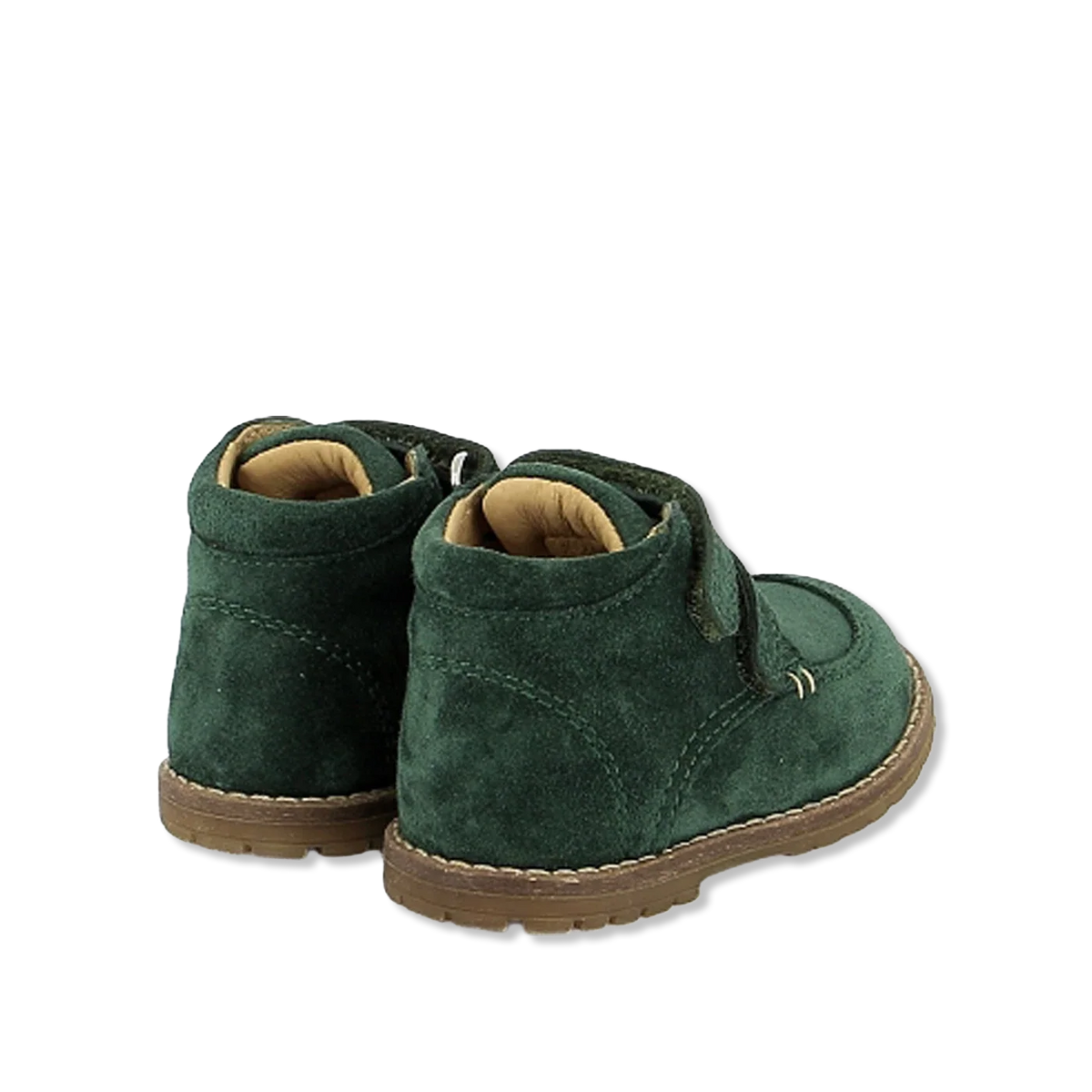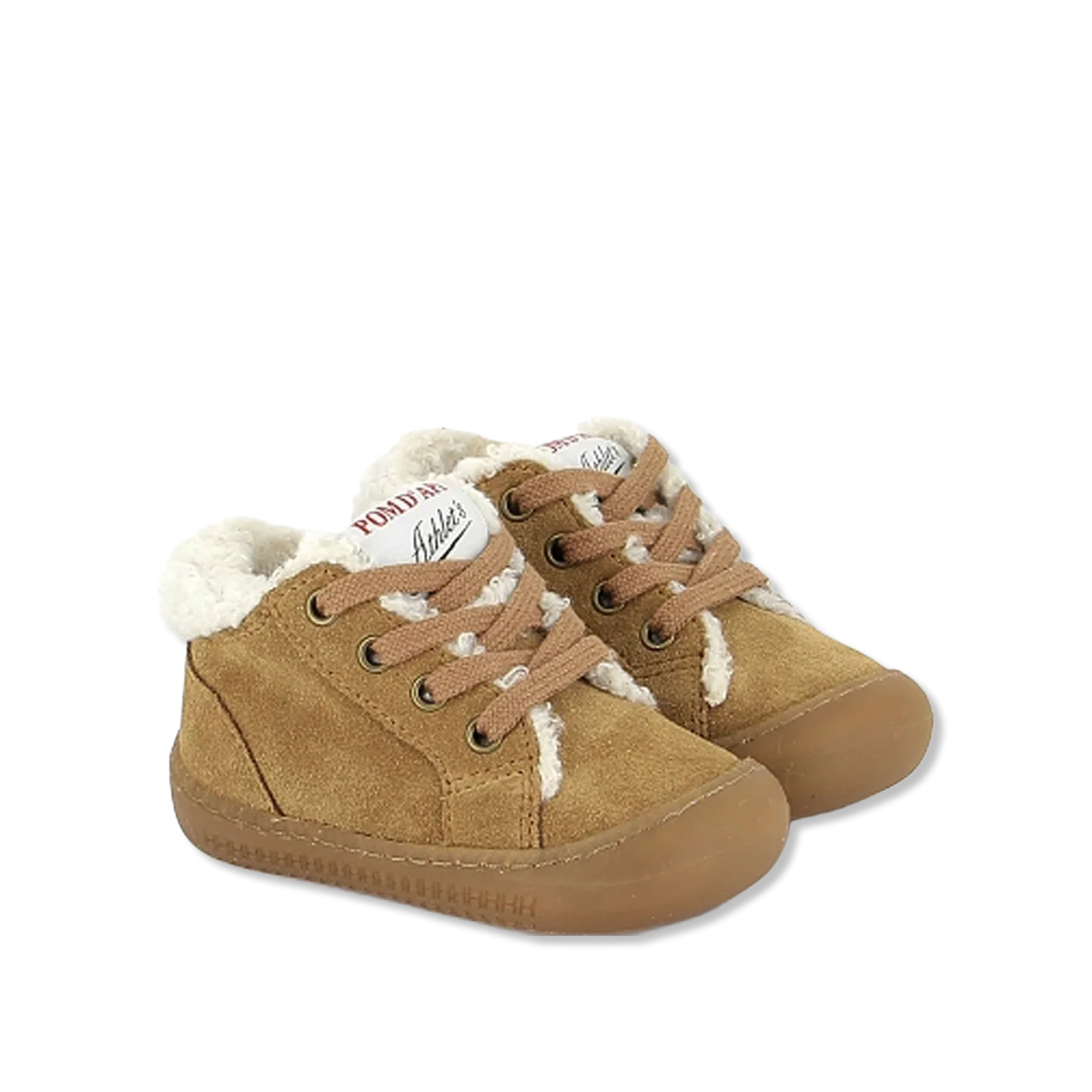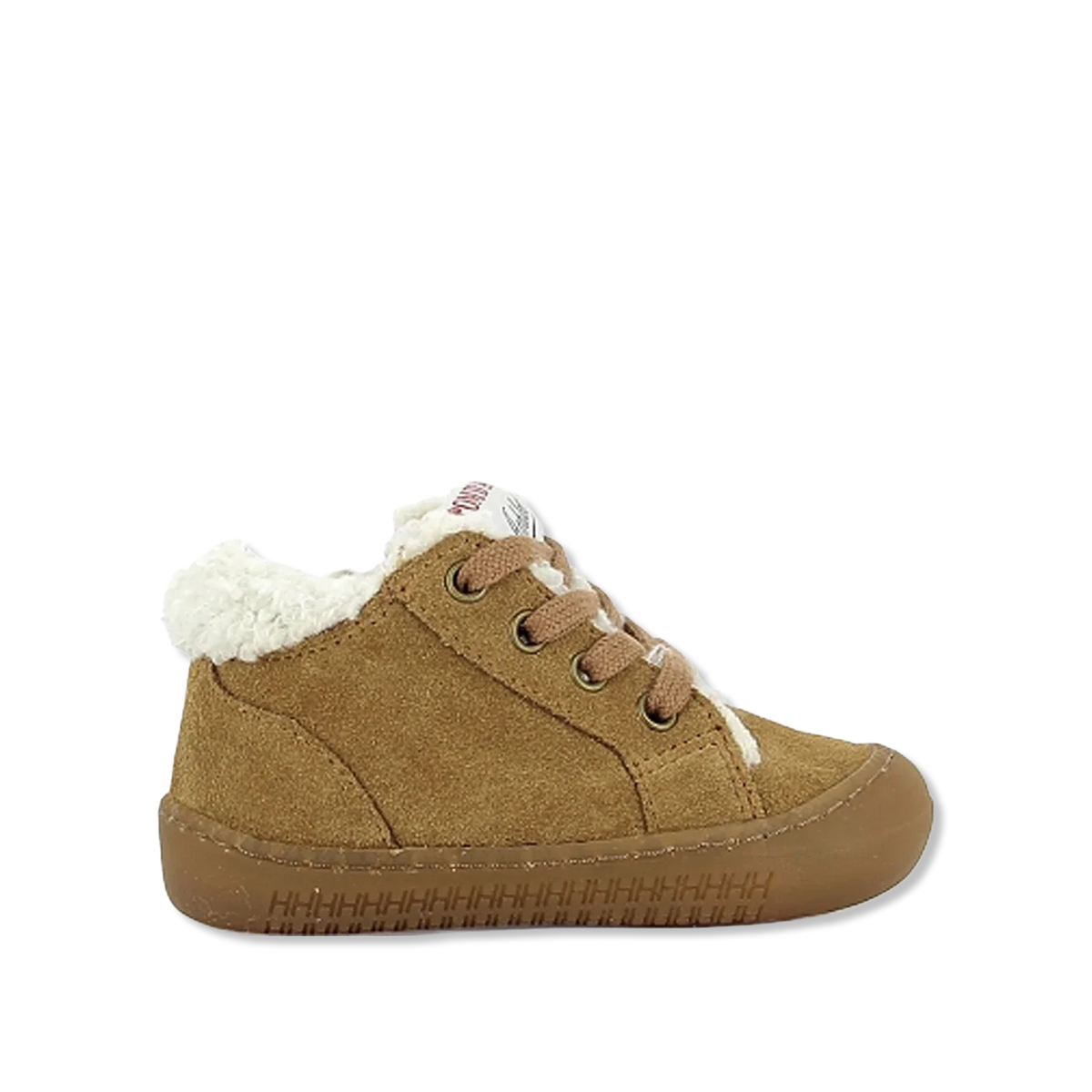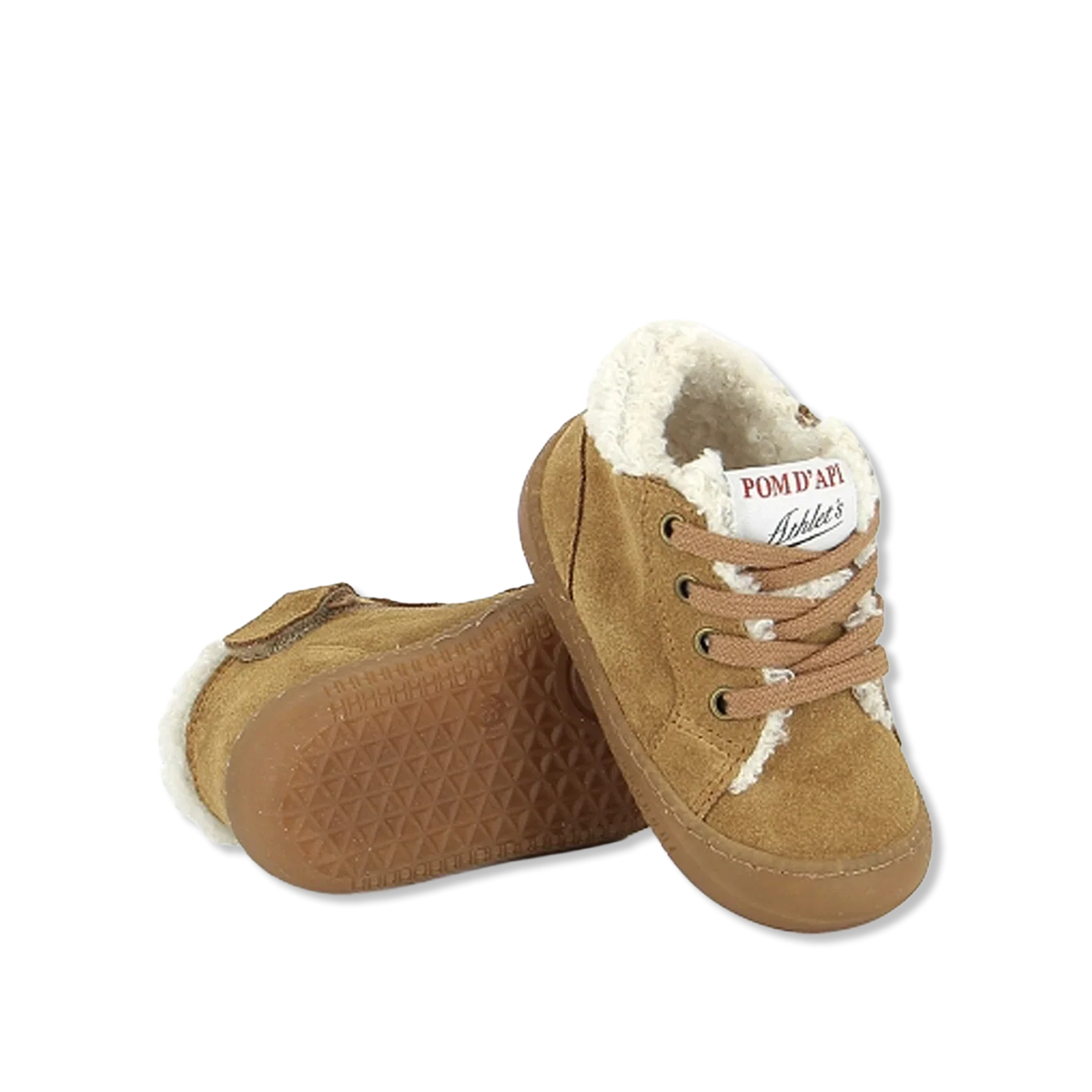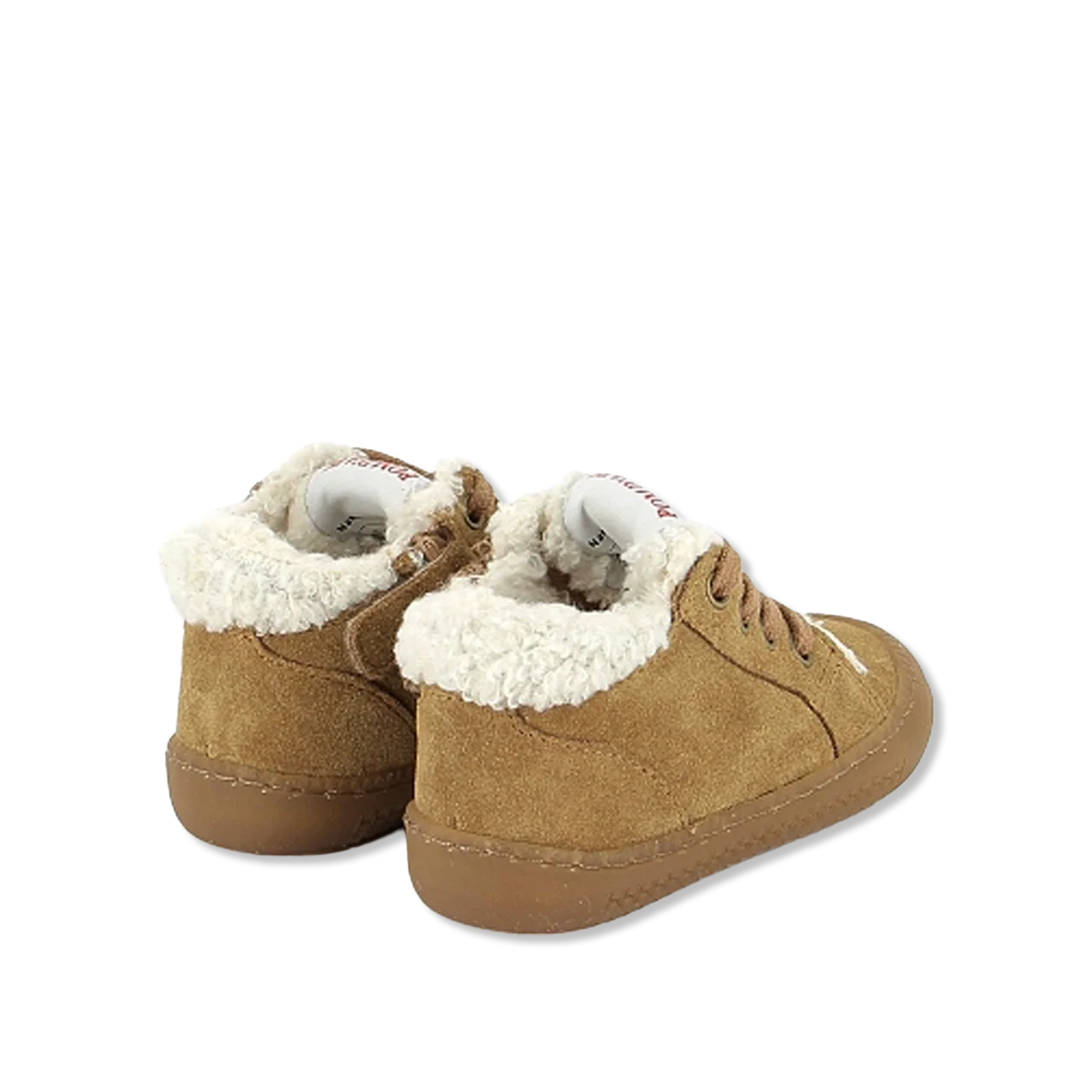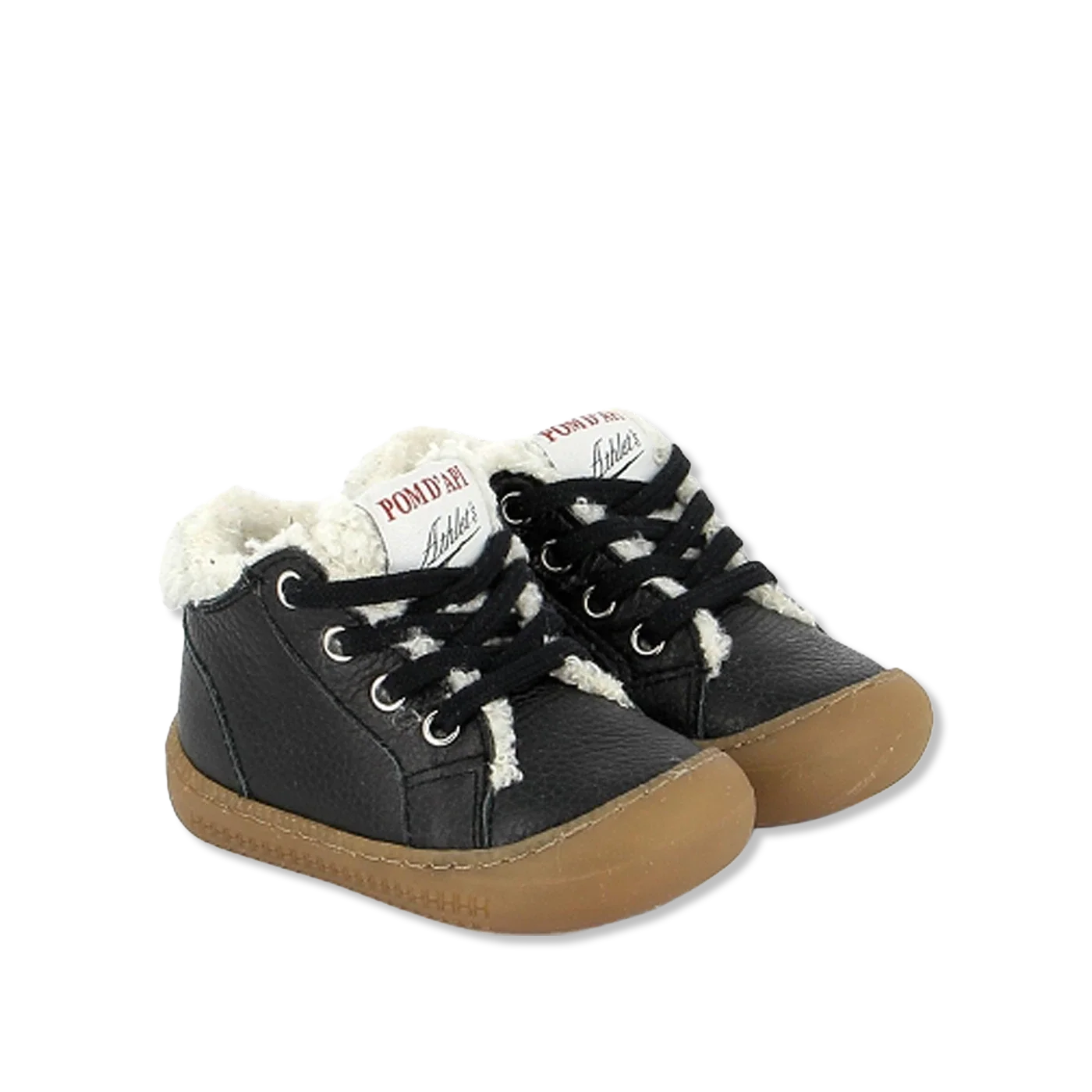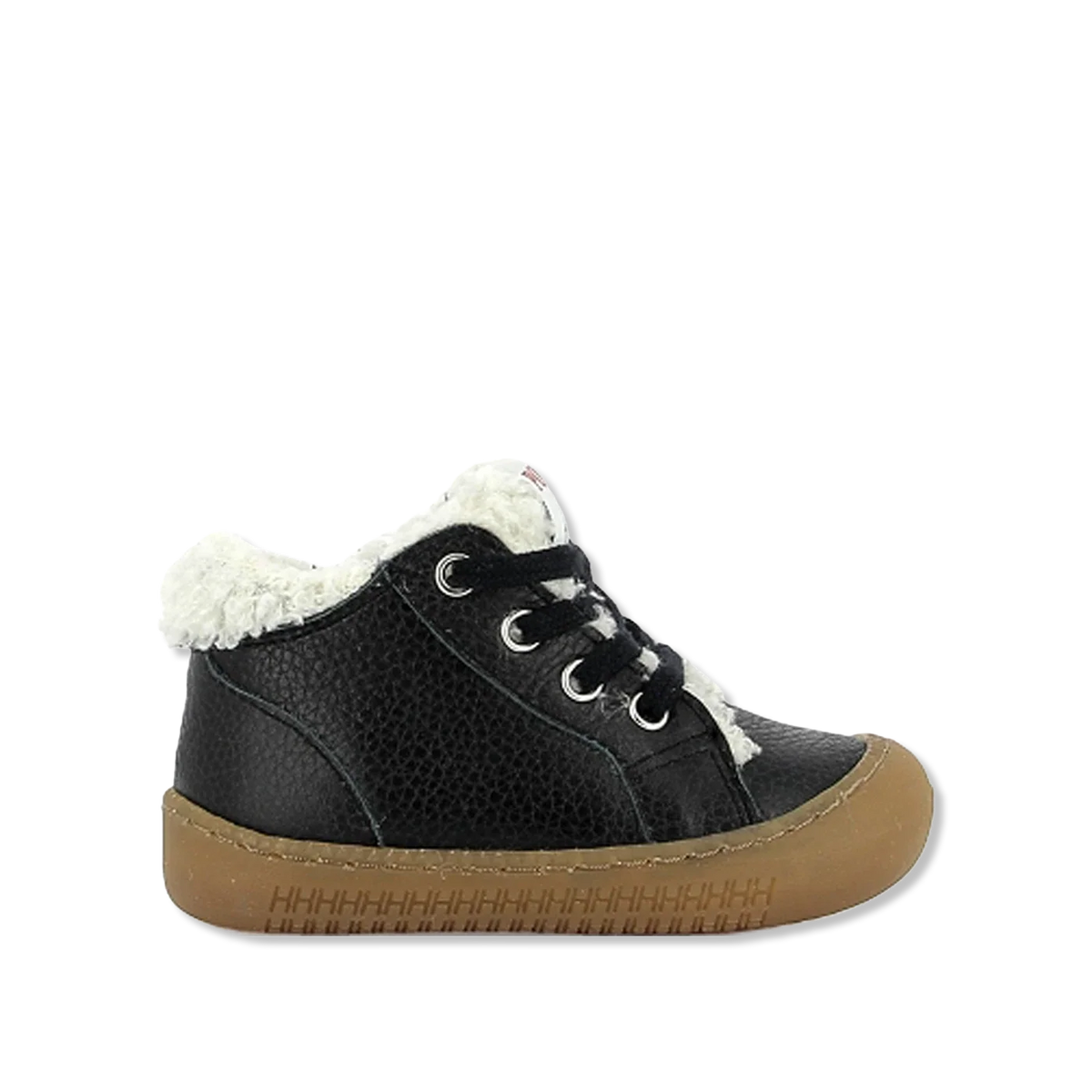
Children’s shoes for babies, kids and tweens
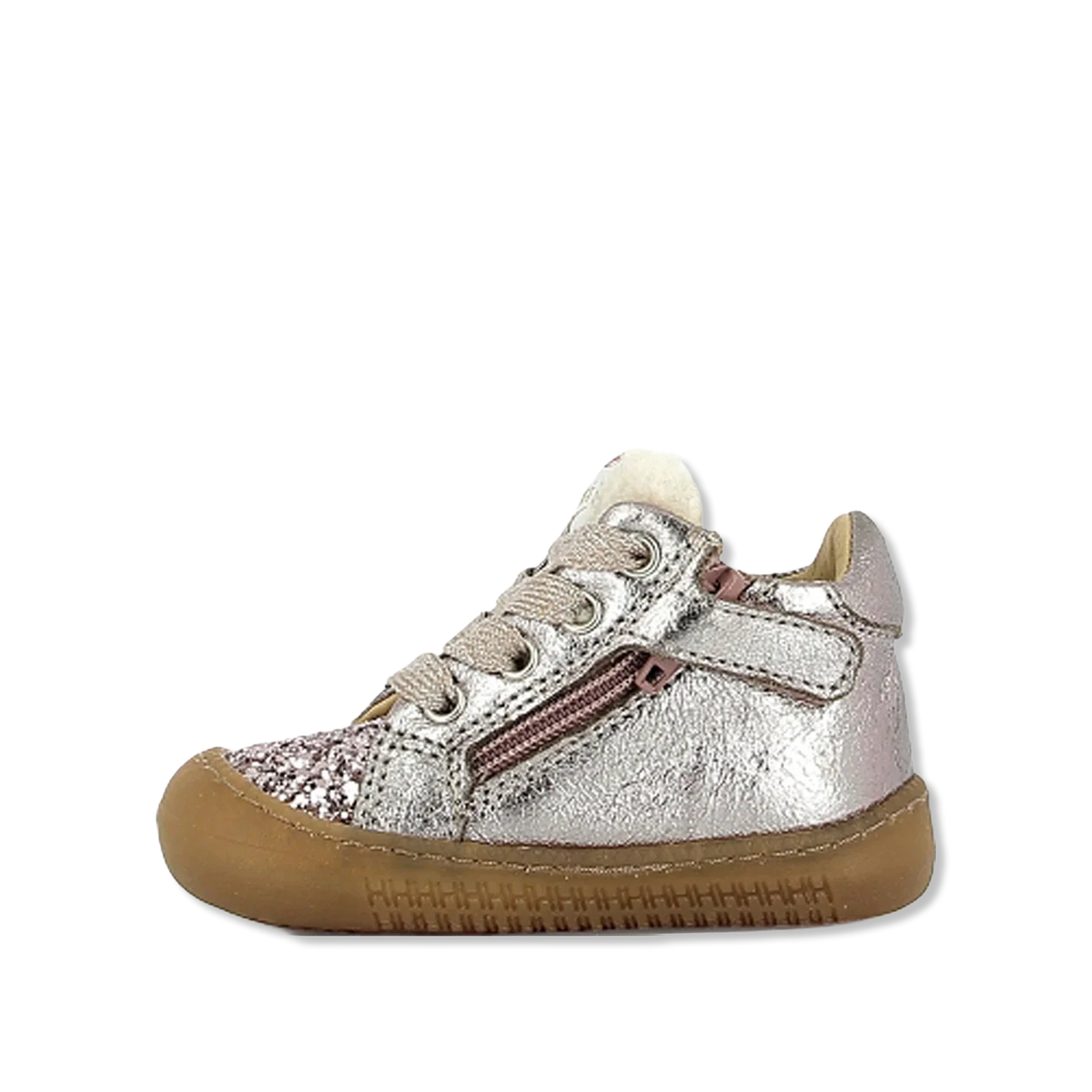
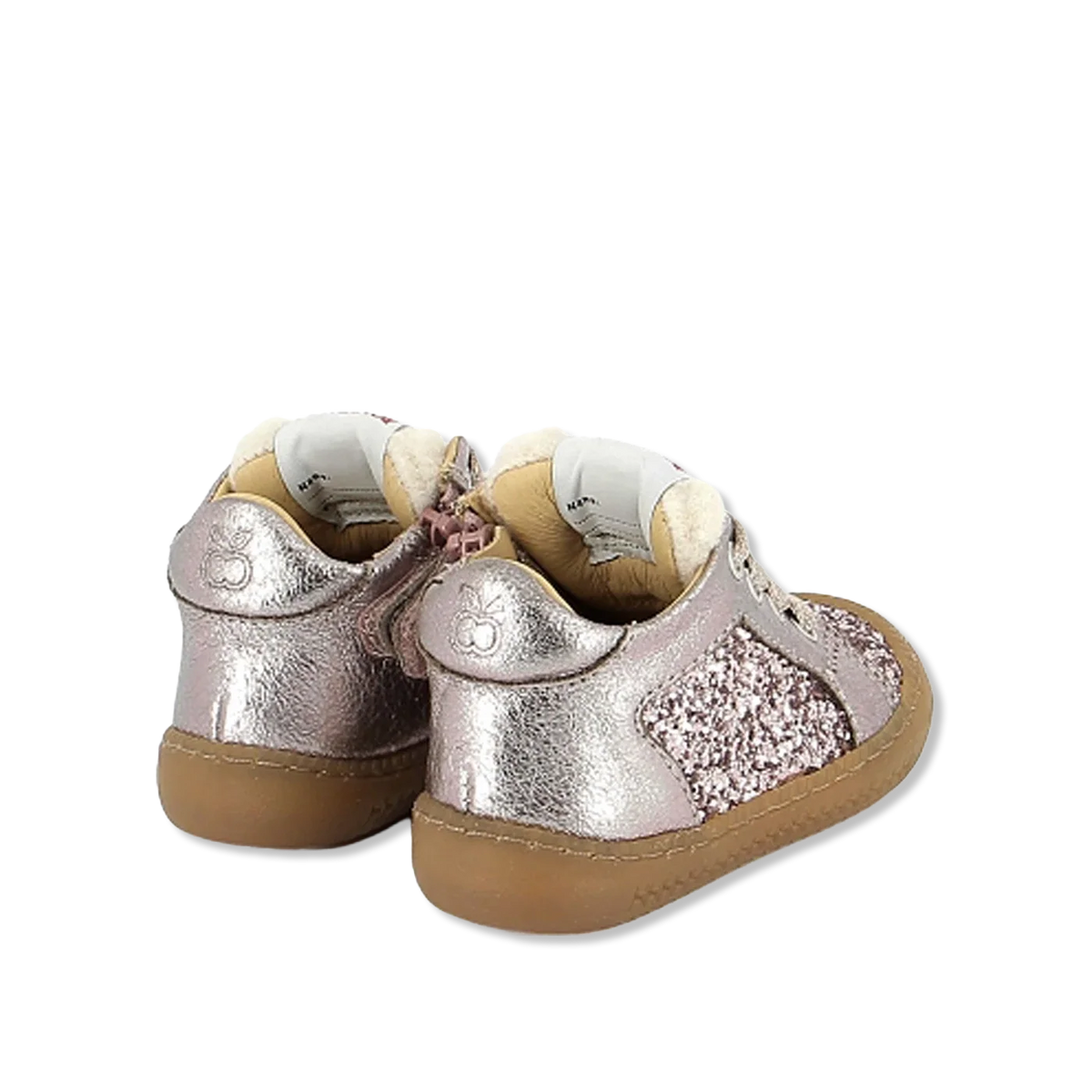
Children’s shoes need to meet many different needs, because there is a big difference between what a 1-year-old and a school child require. Here you’ll find shoes for children from those very first little steps and onwards to everyday wear, play, school and outdoor life. When choosing the right pair, it usually makes sense to start with your child’s age, activity level, the season and the fit.
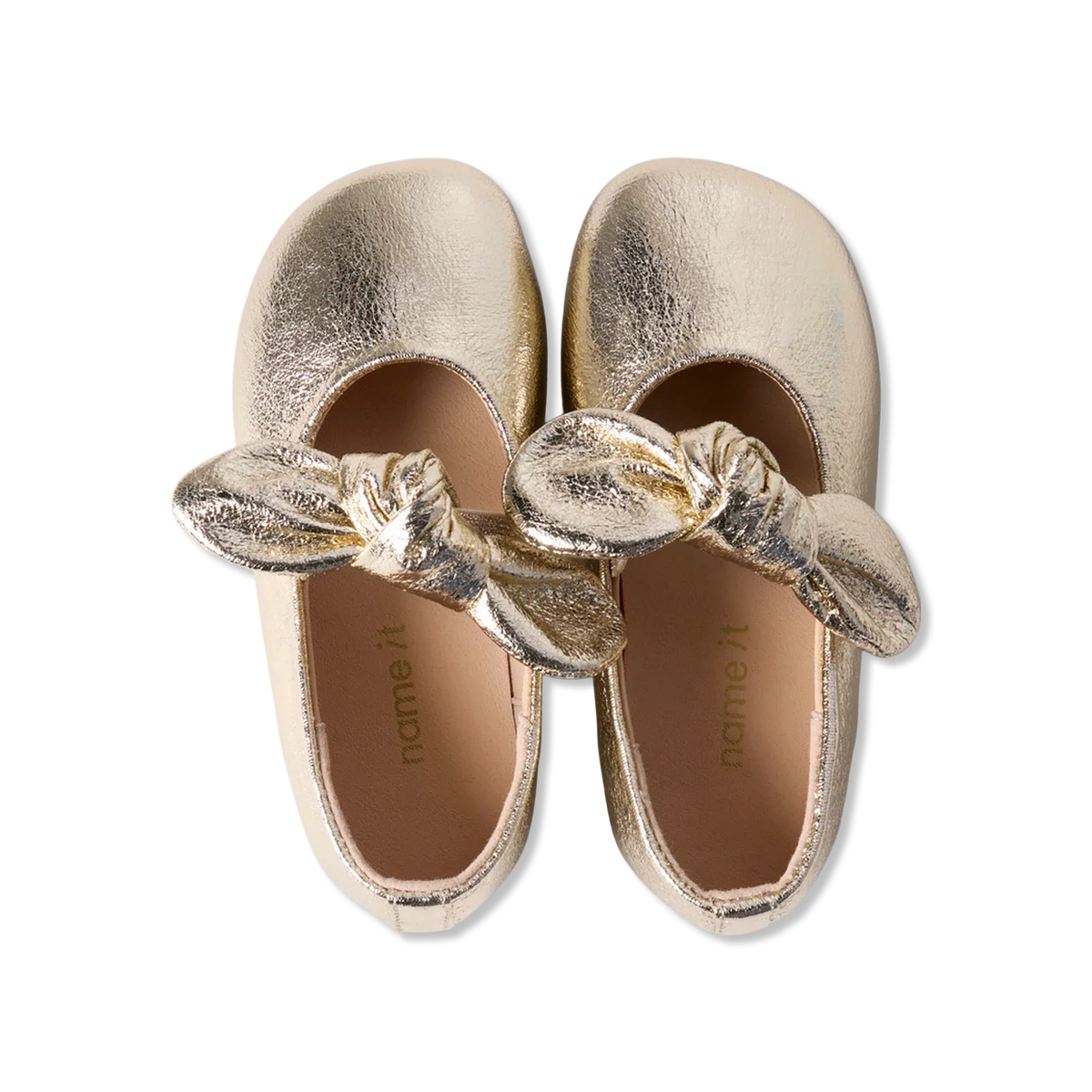
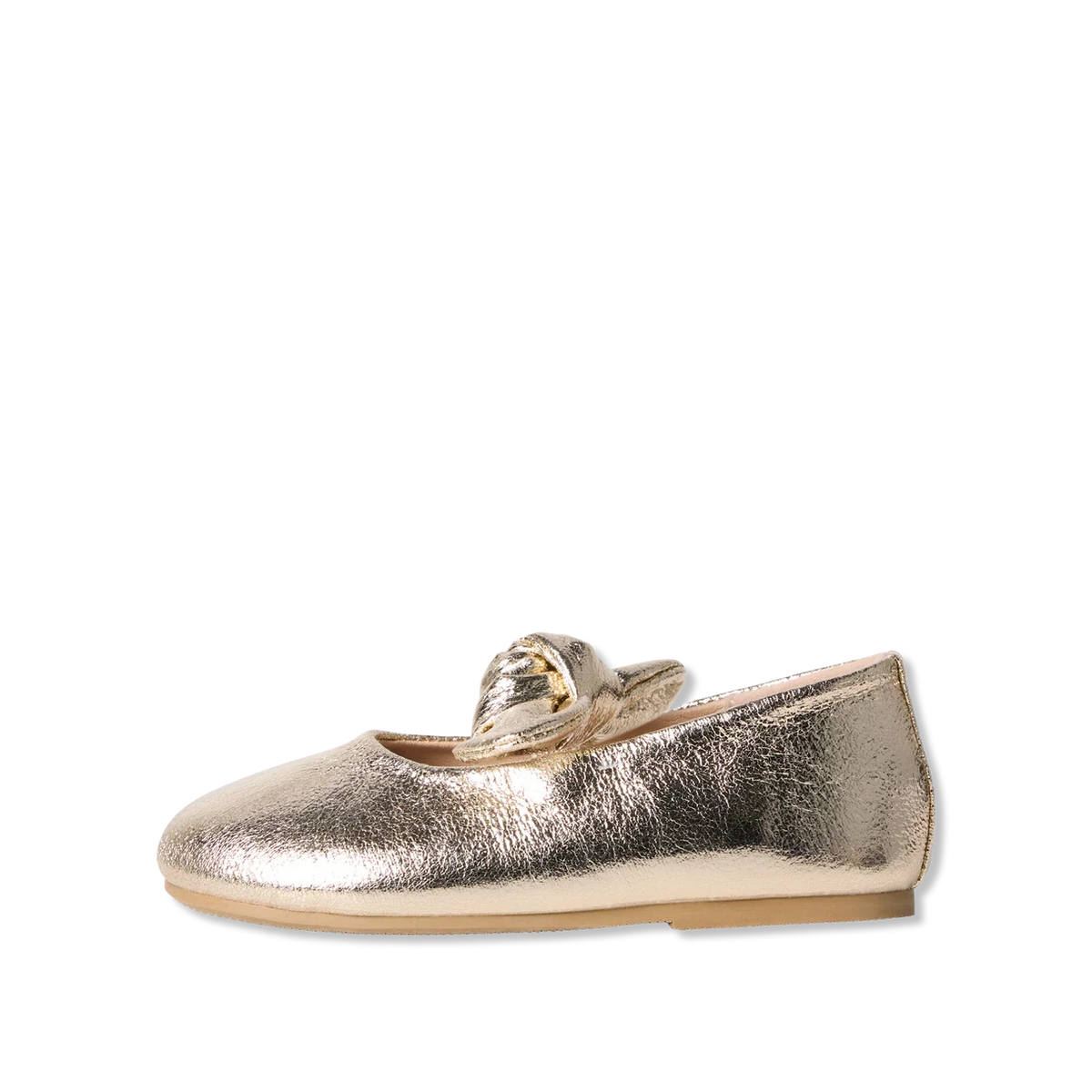
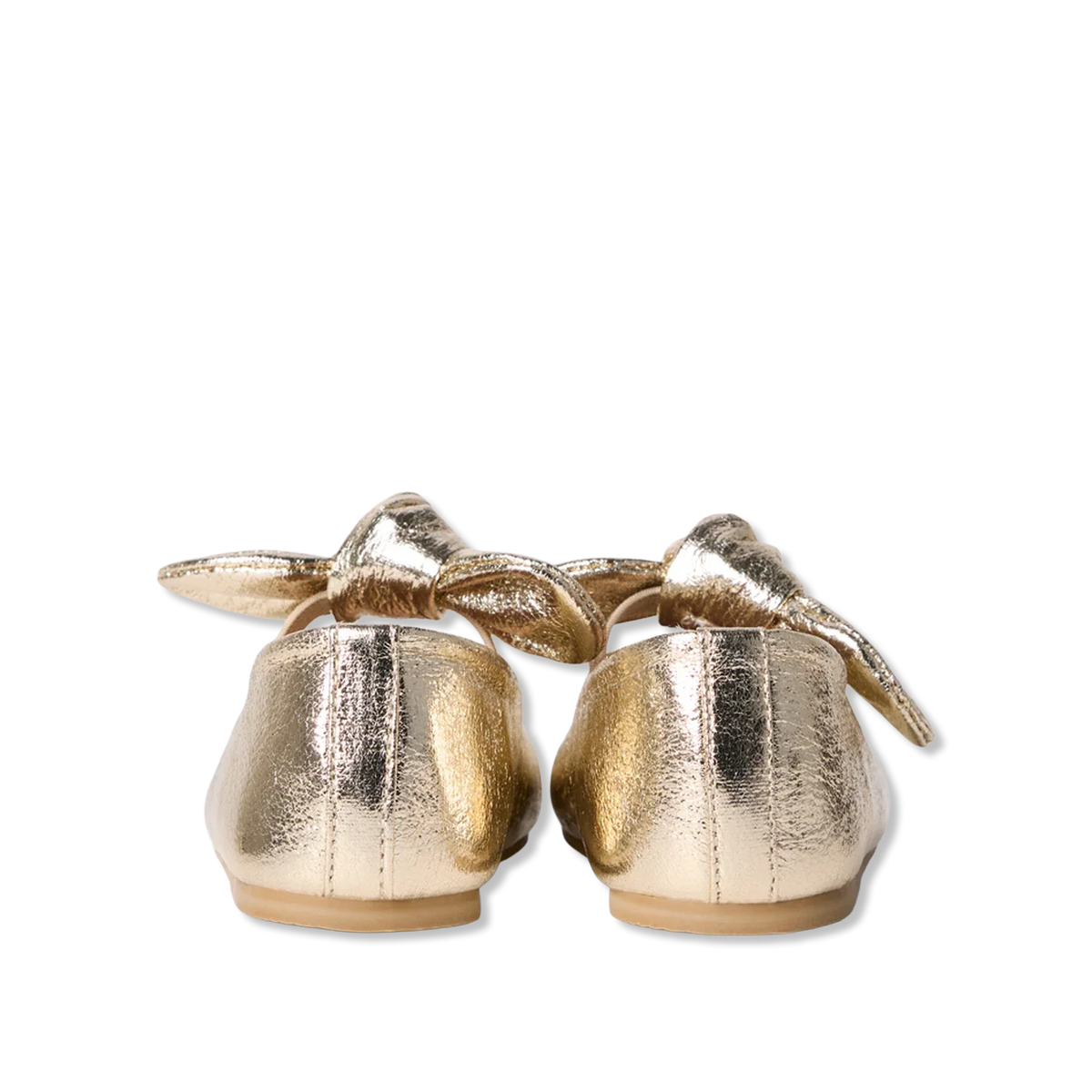
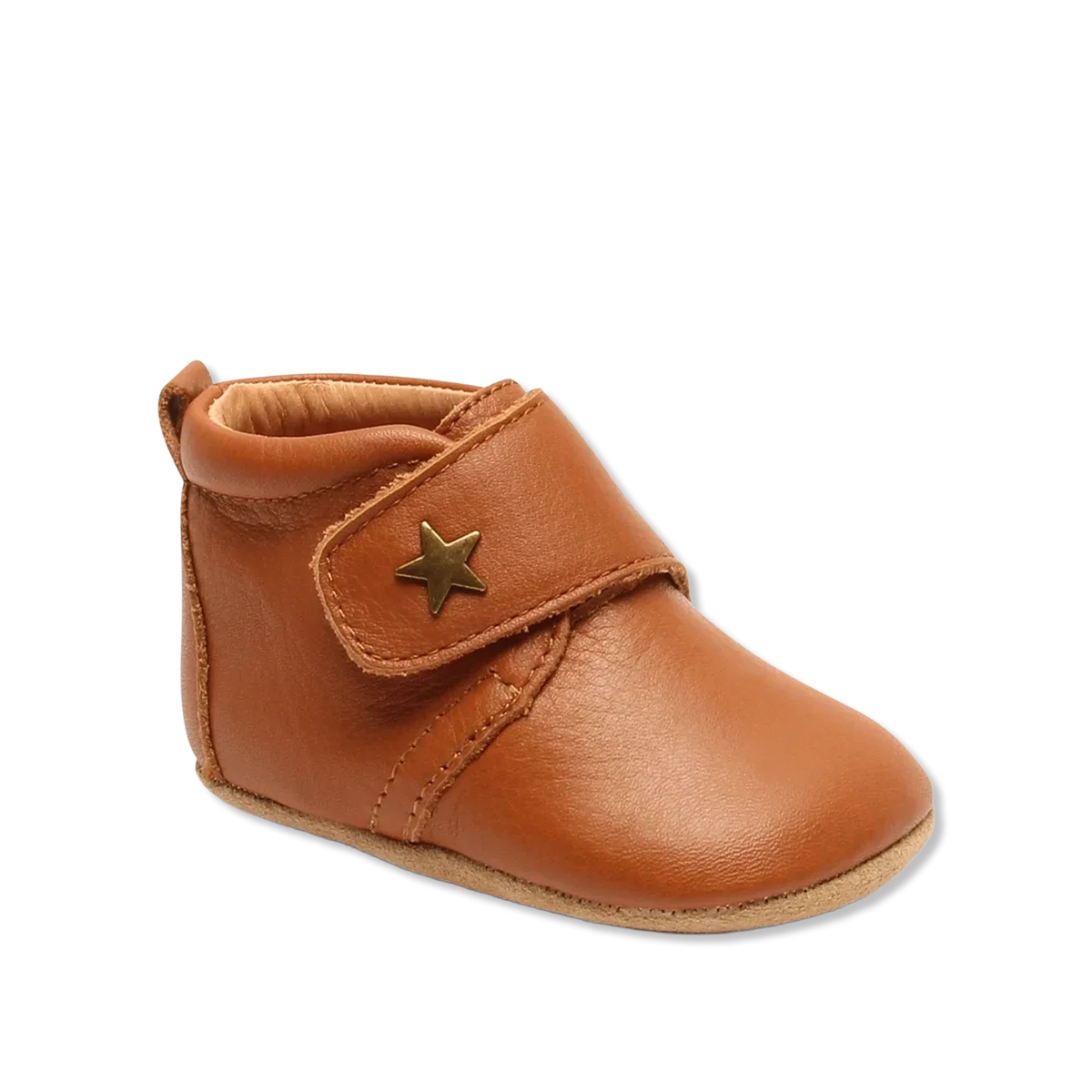
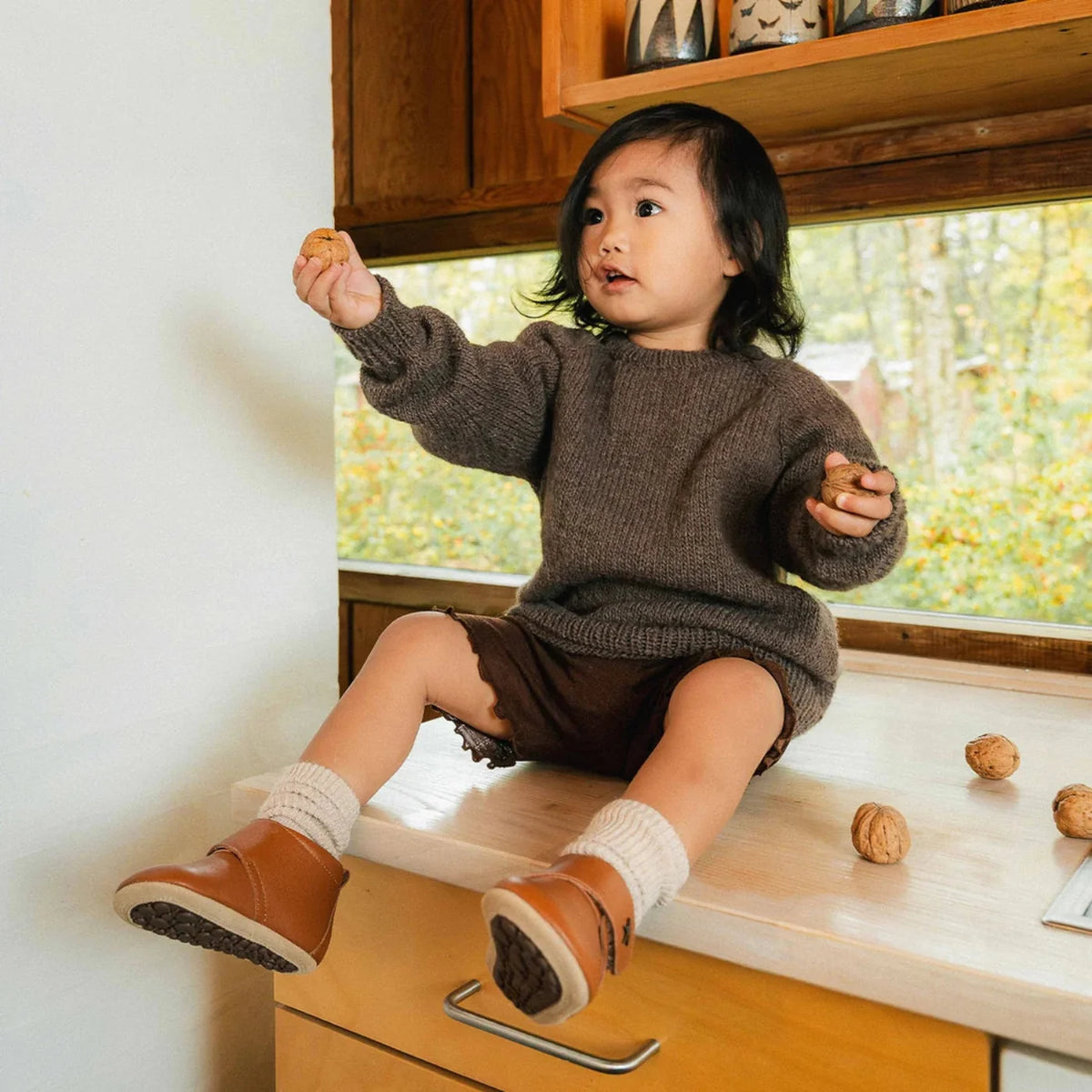
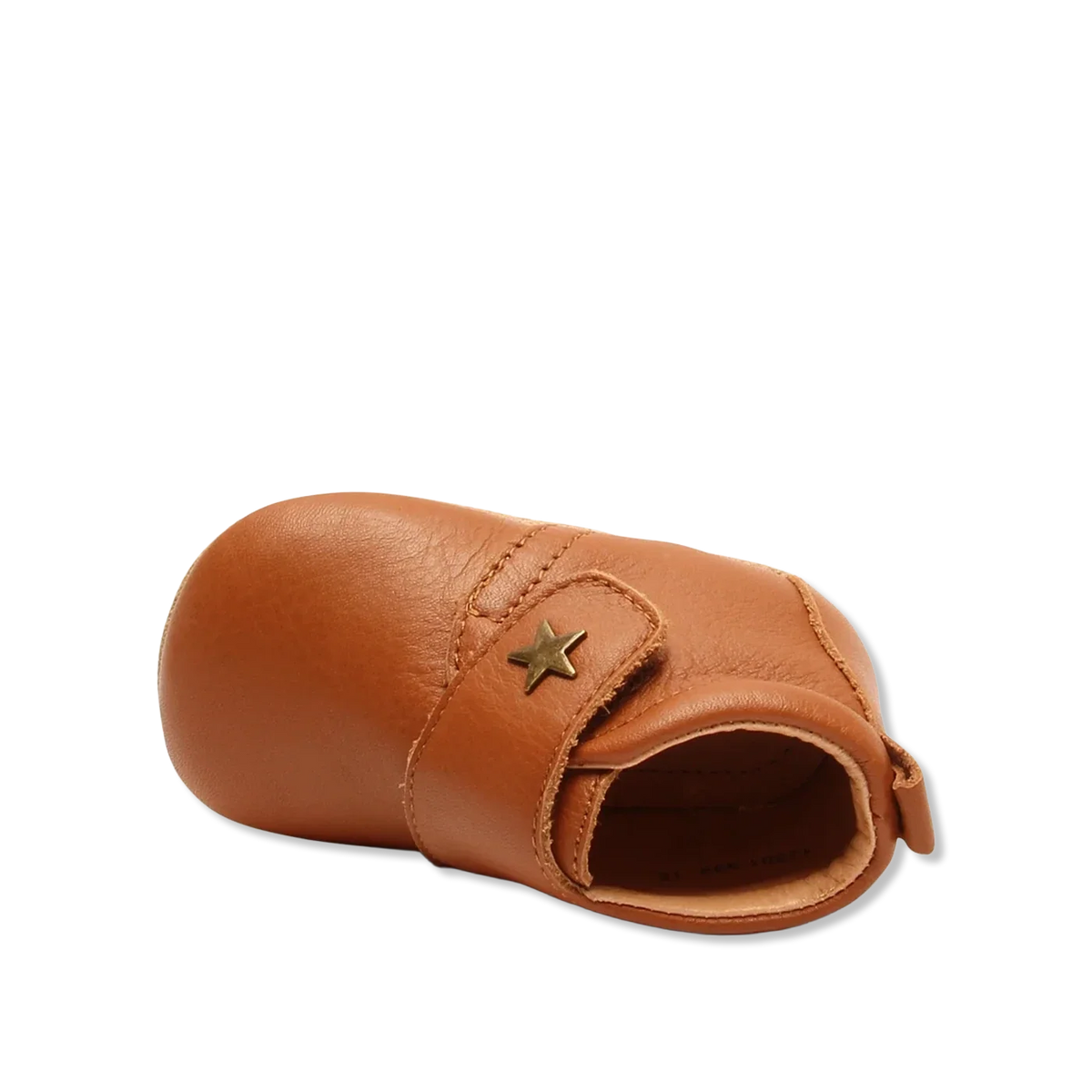
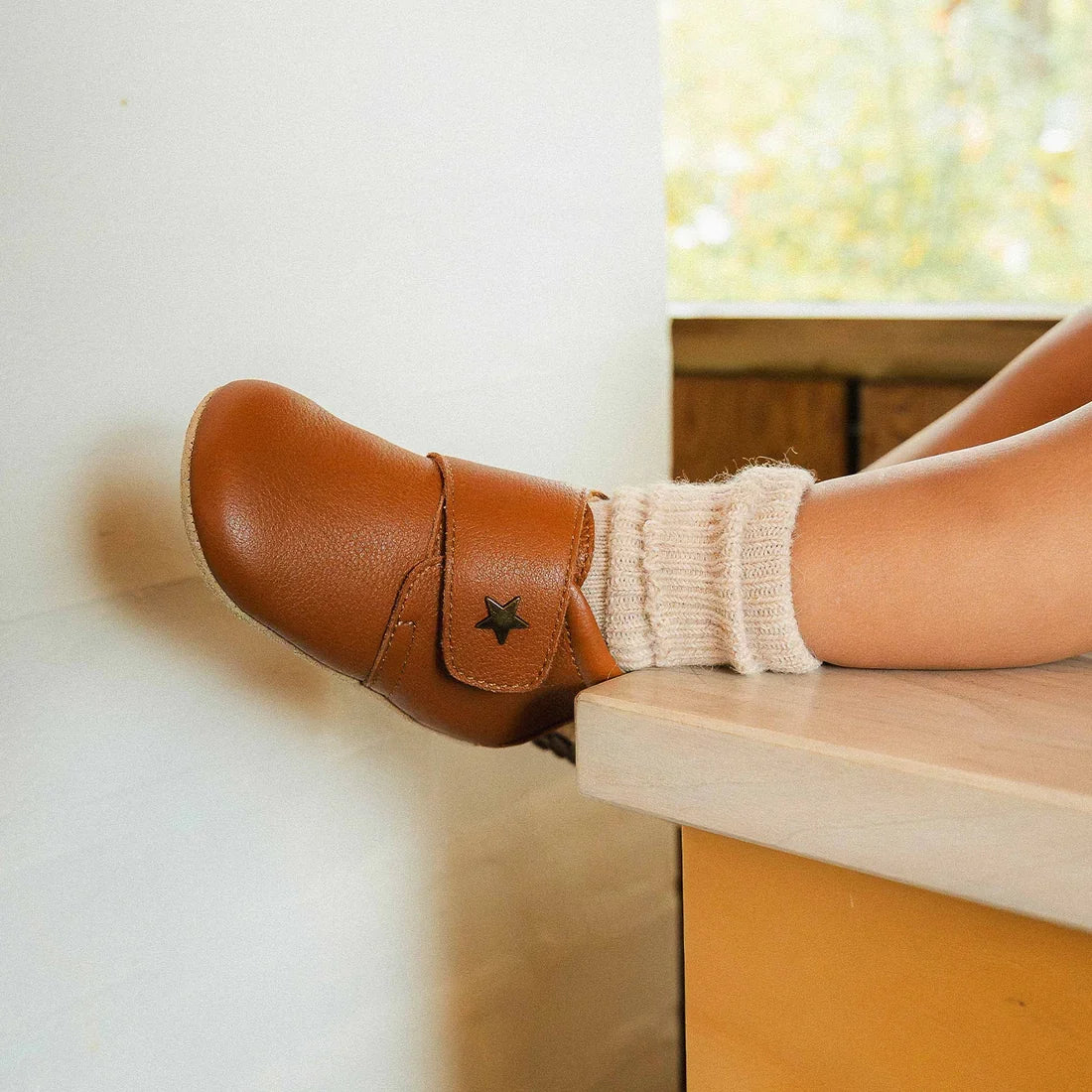
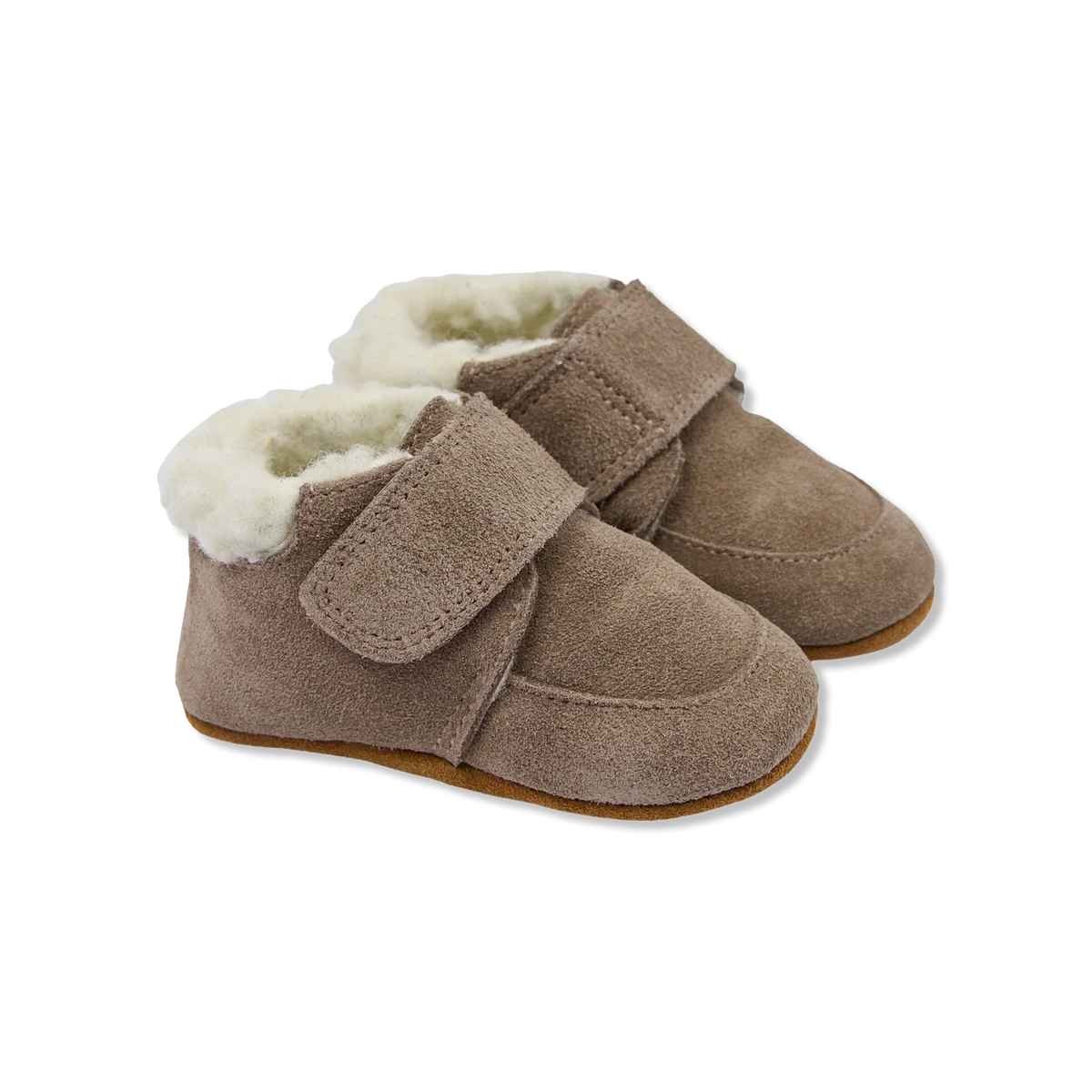
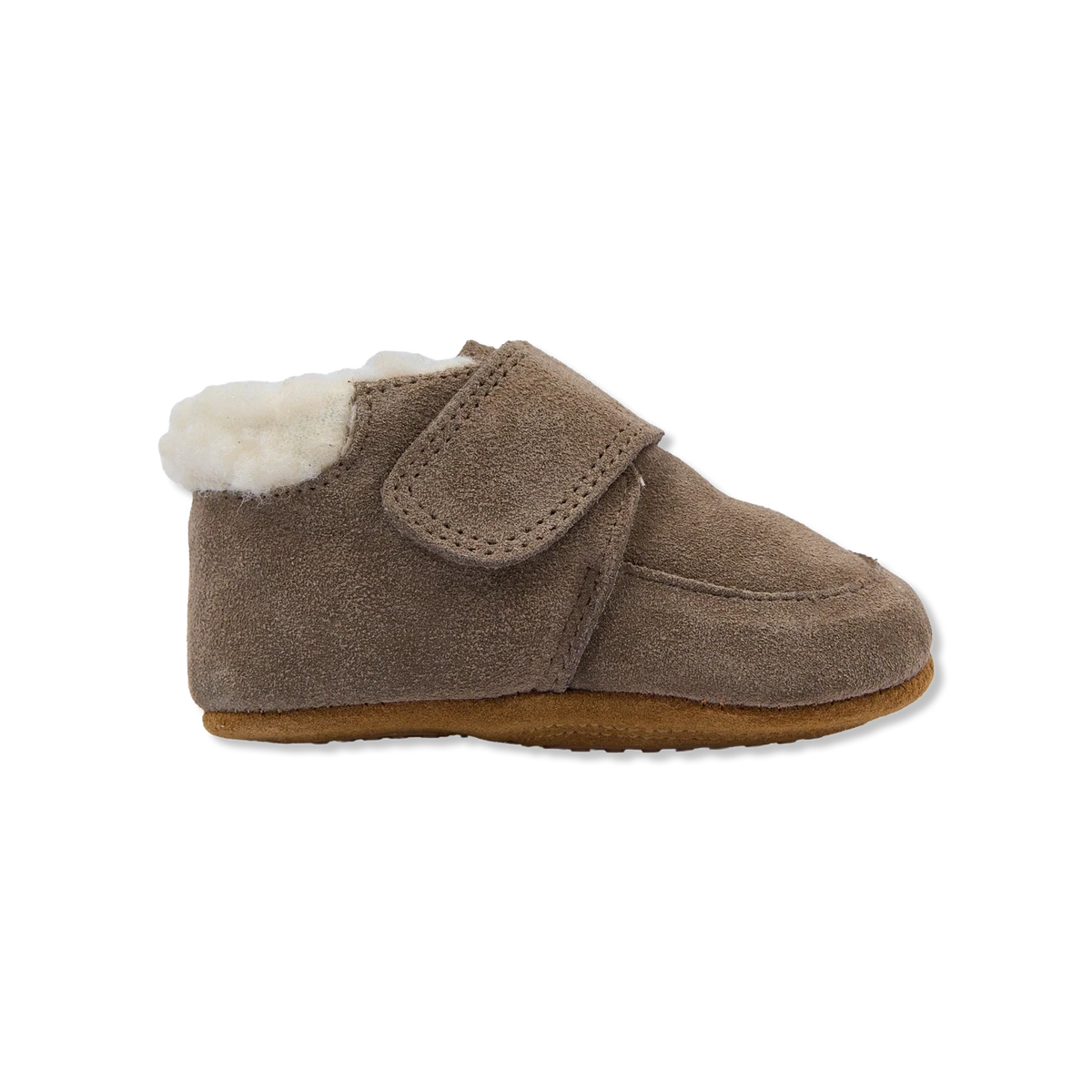
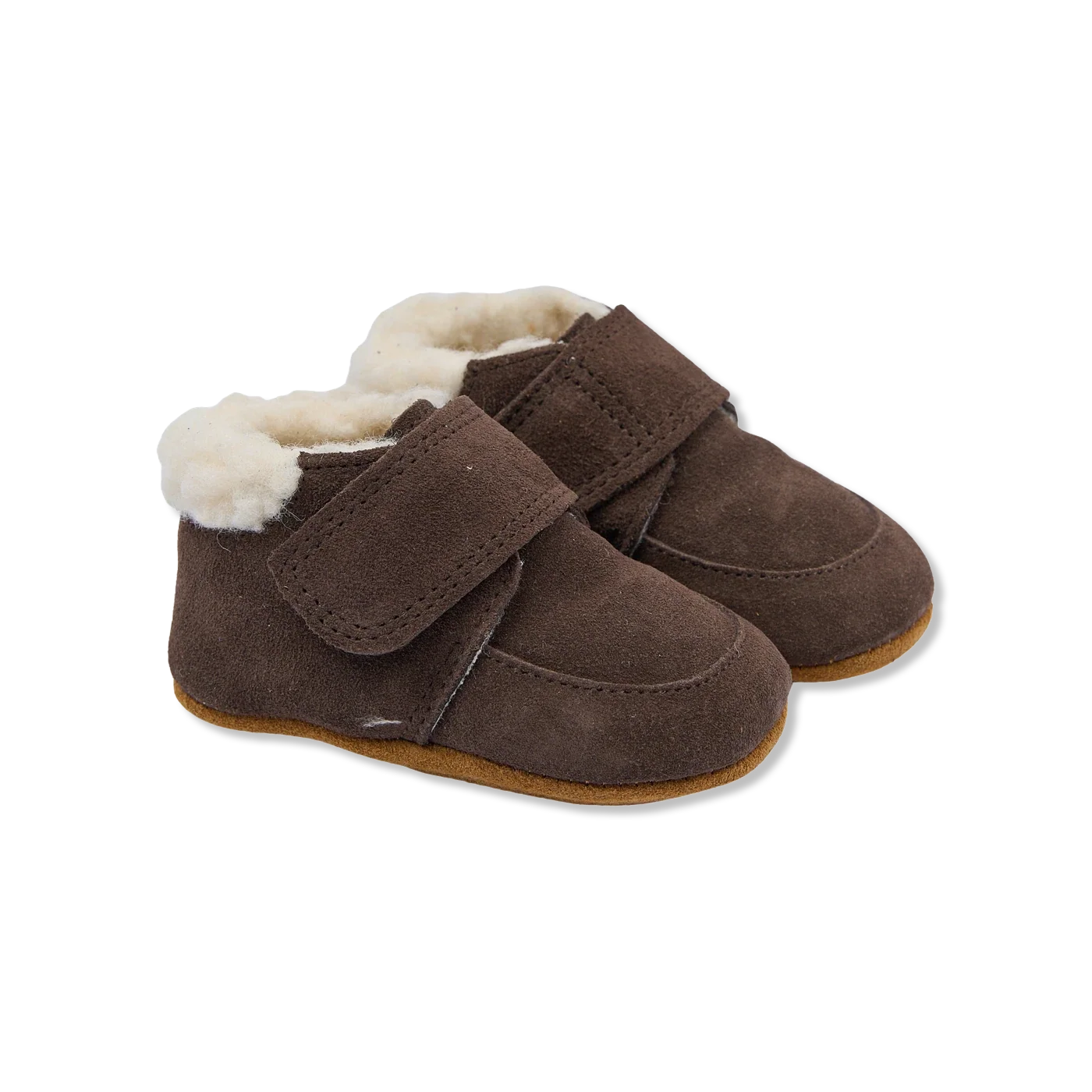
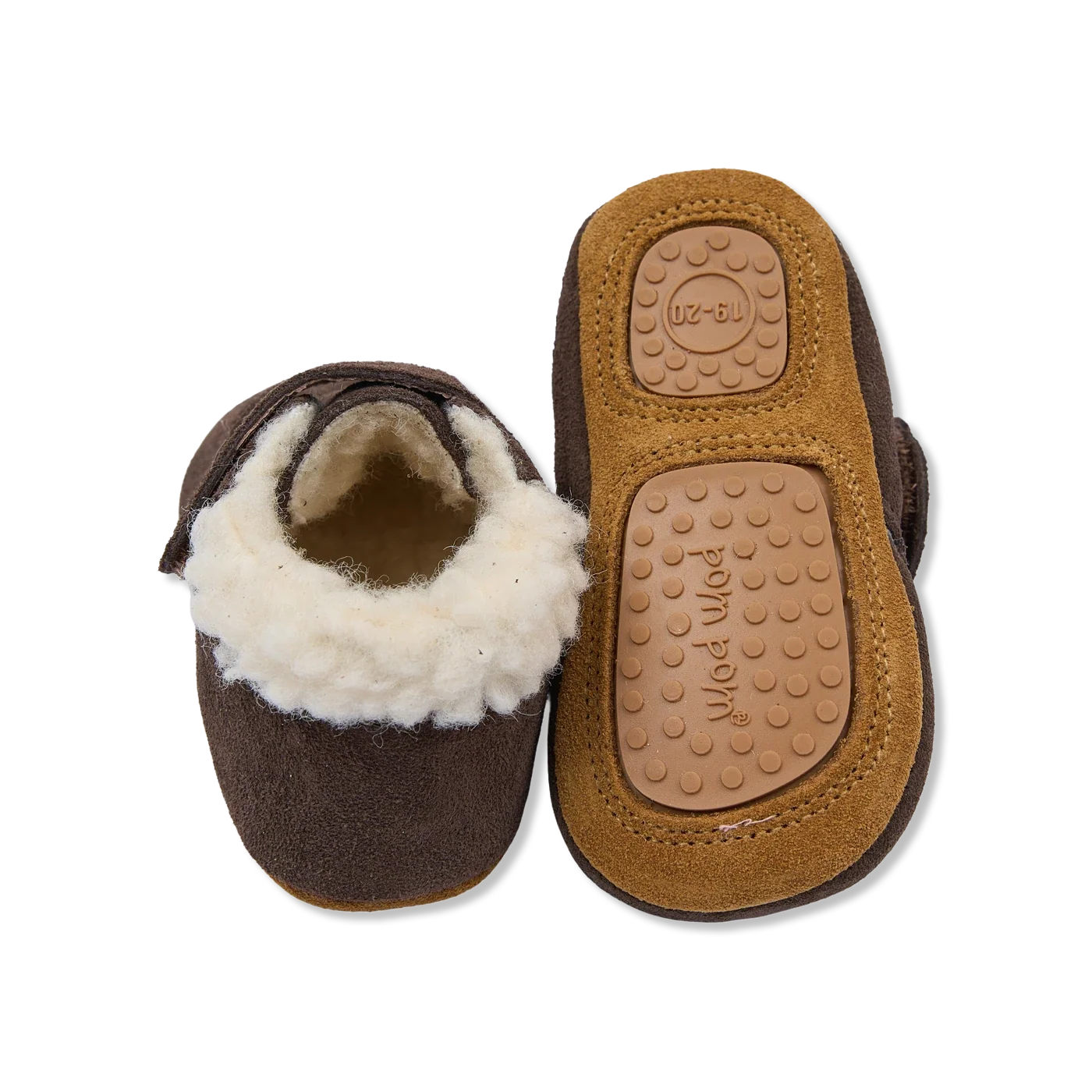
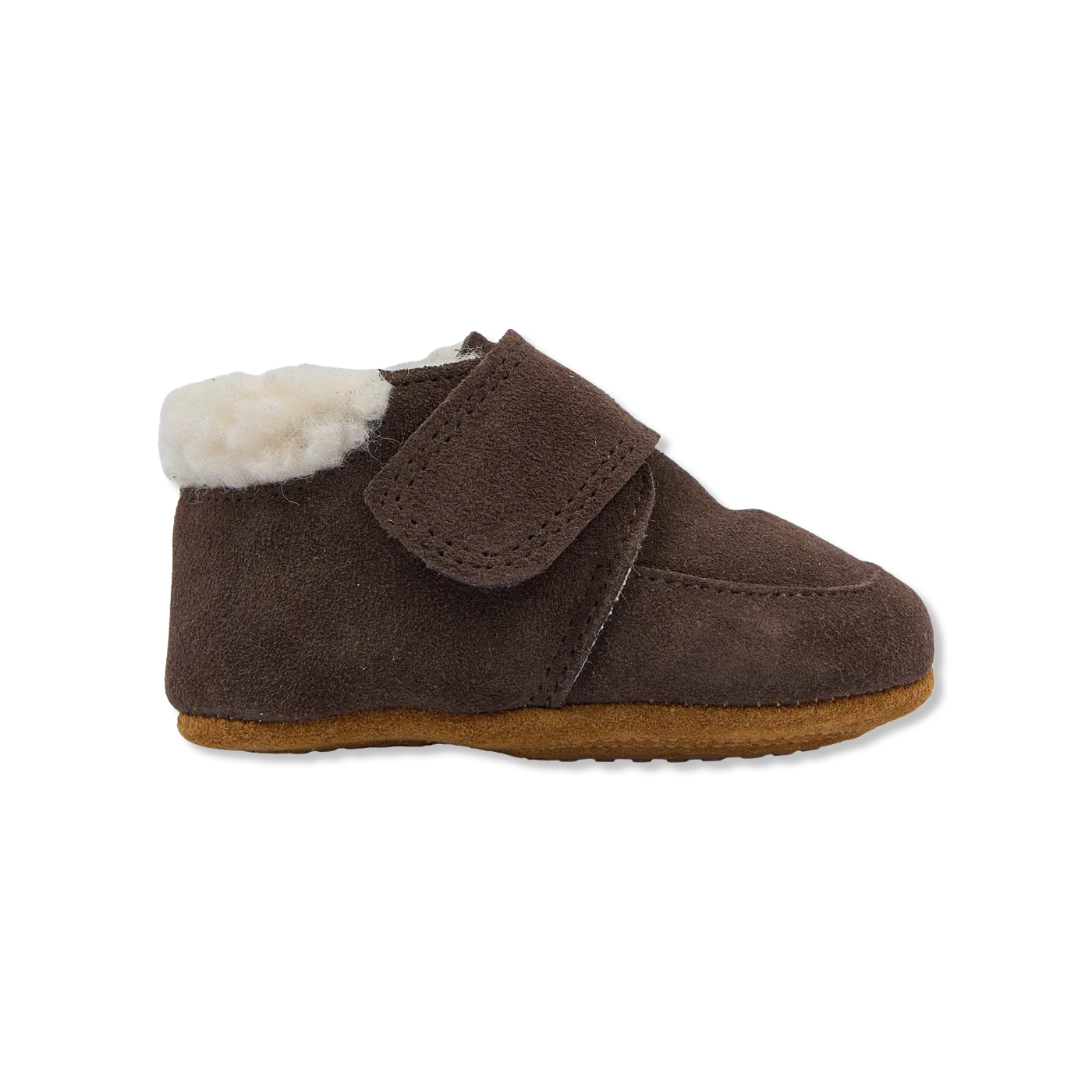
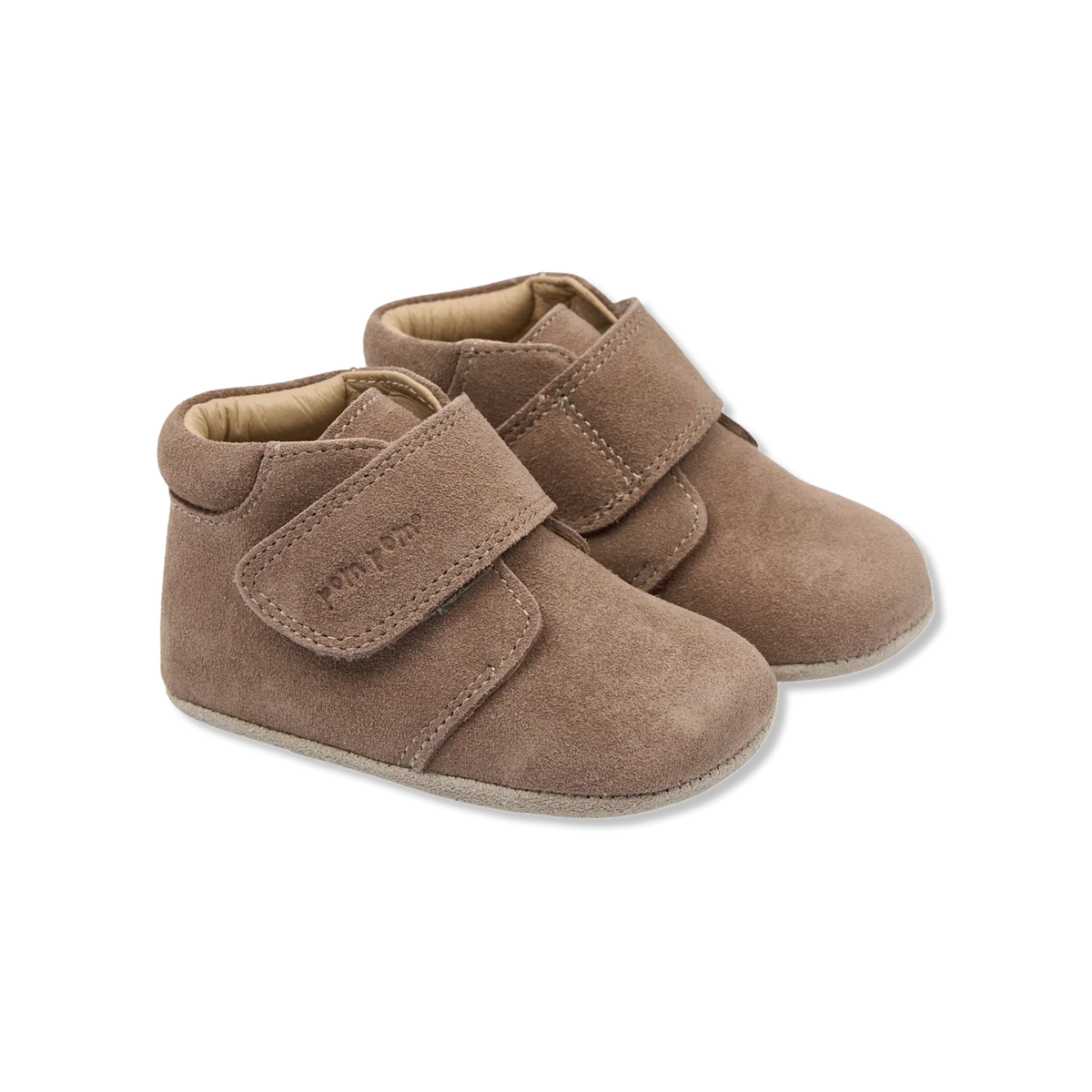
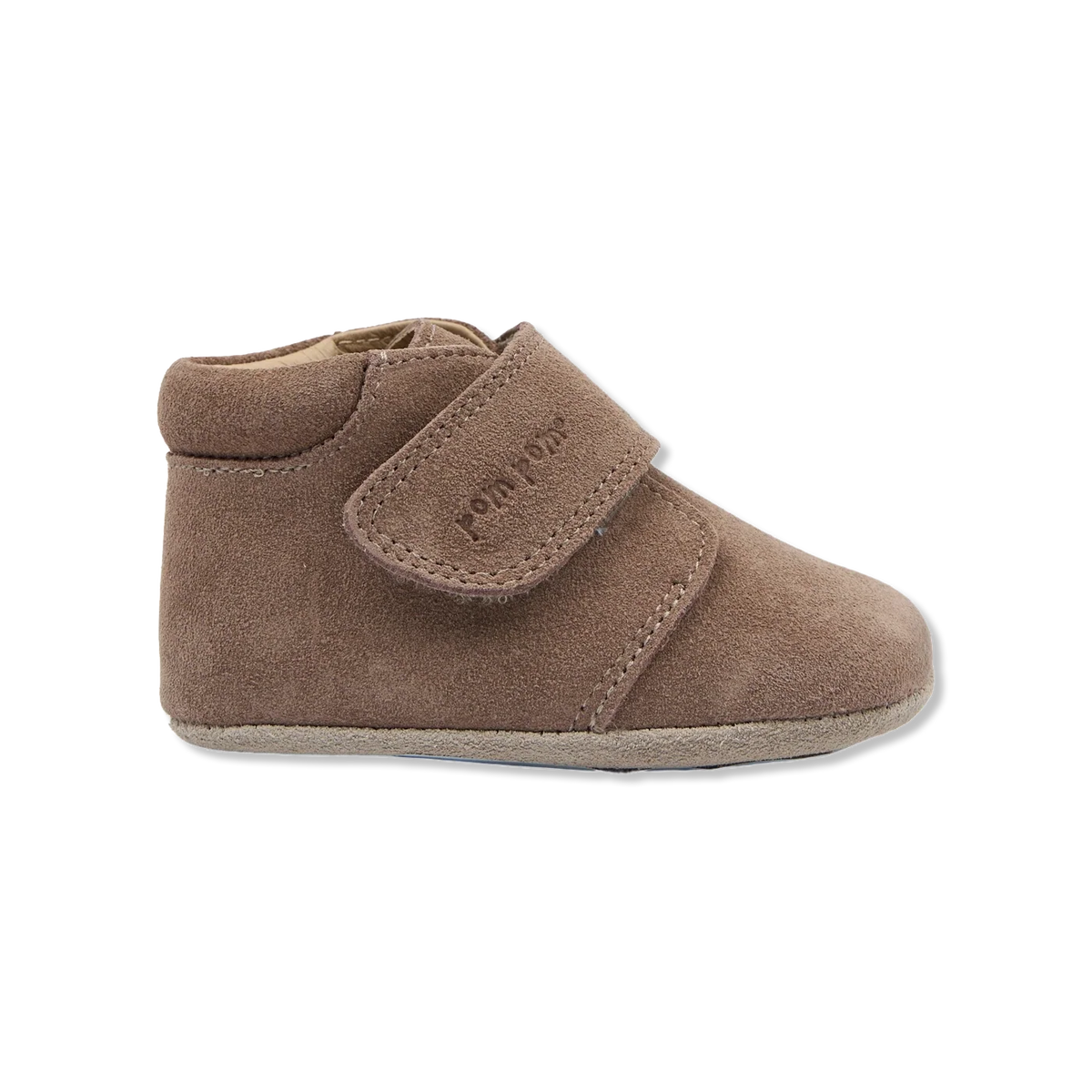
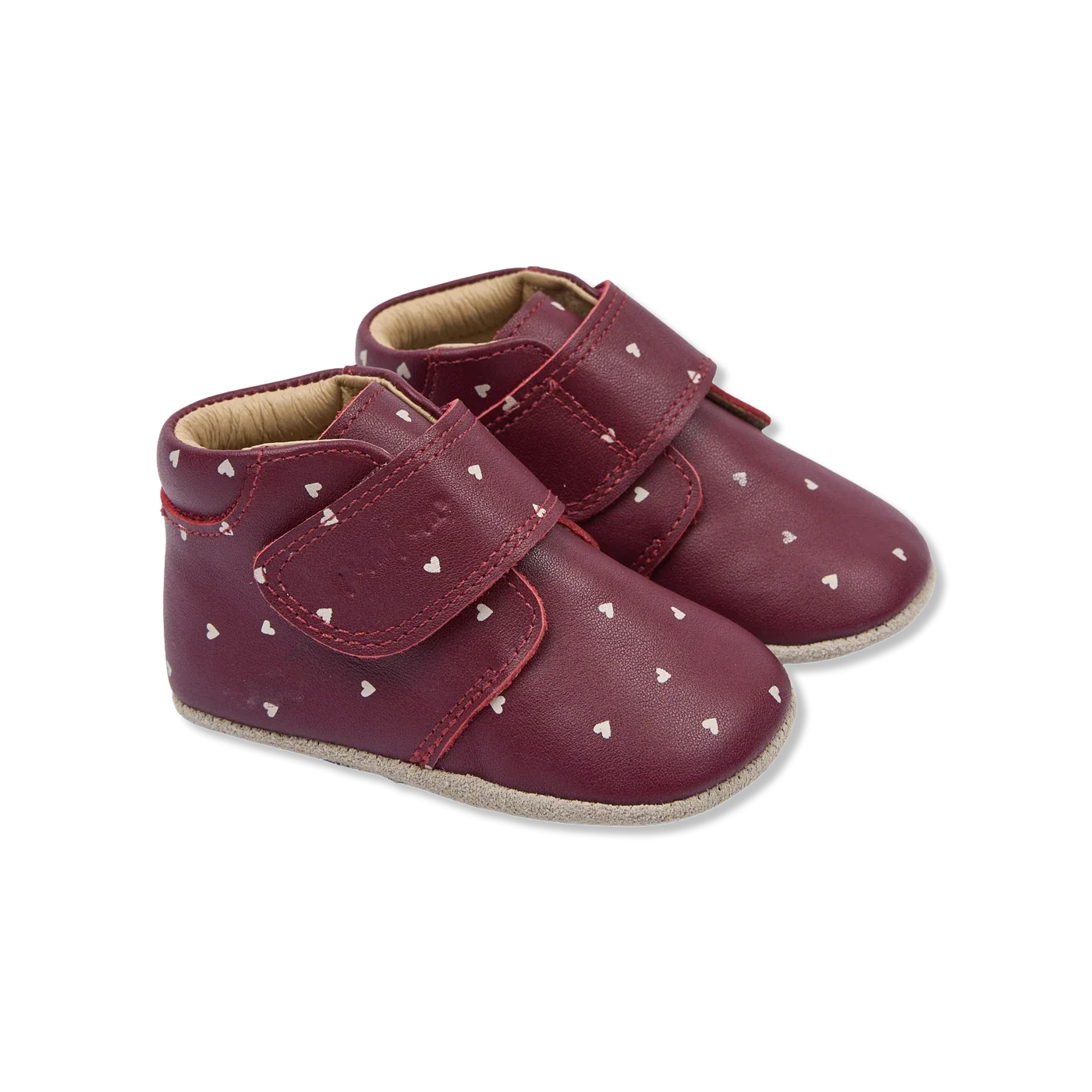
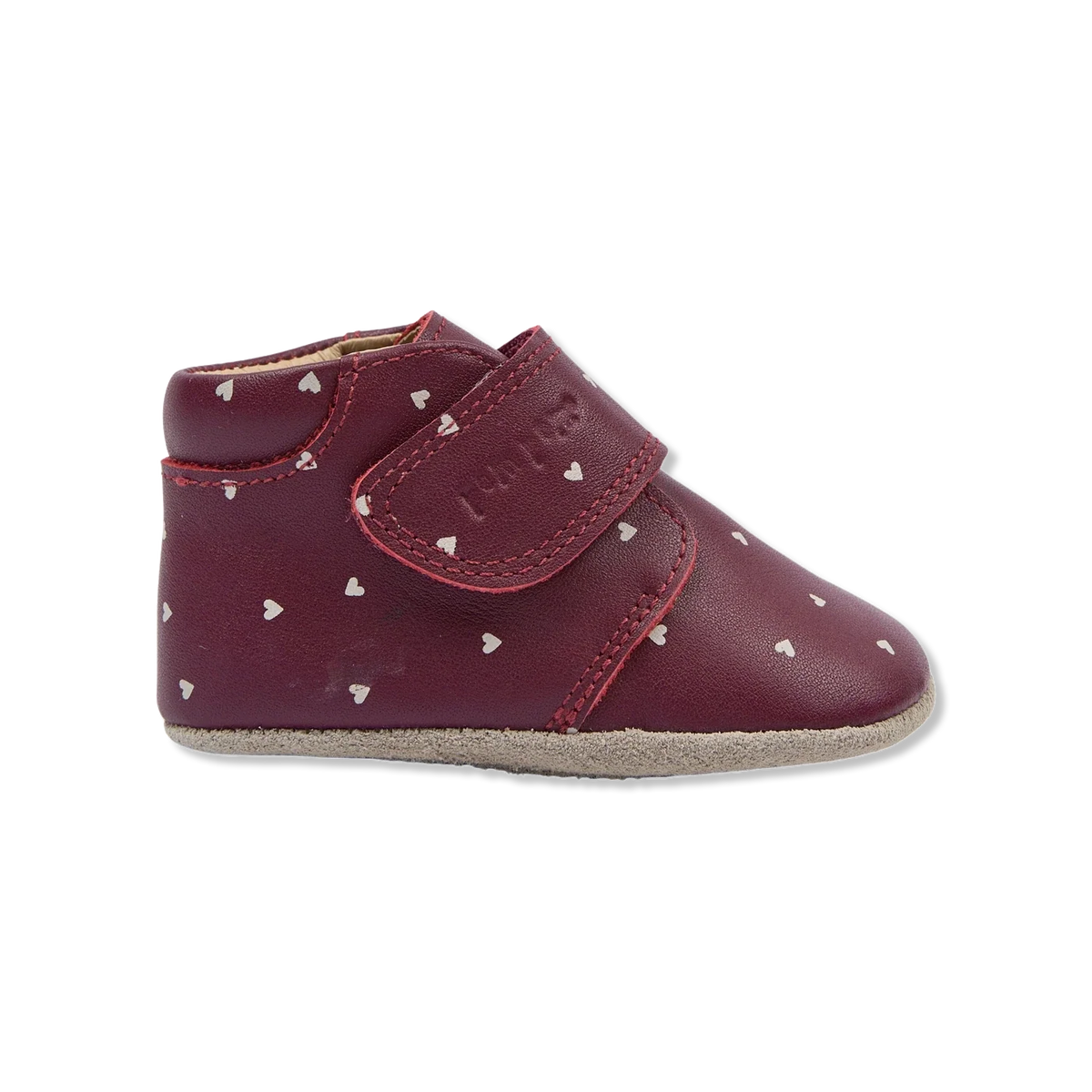
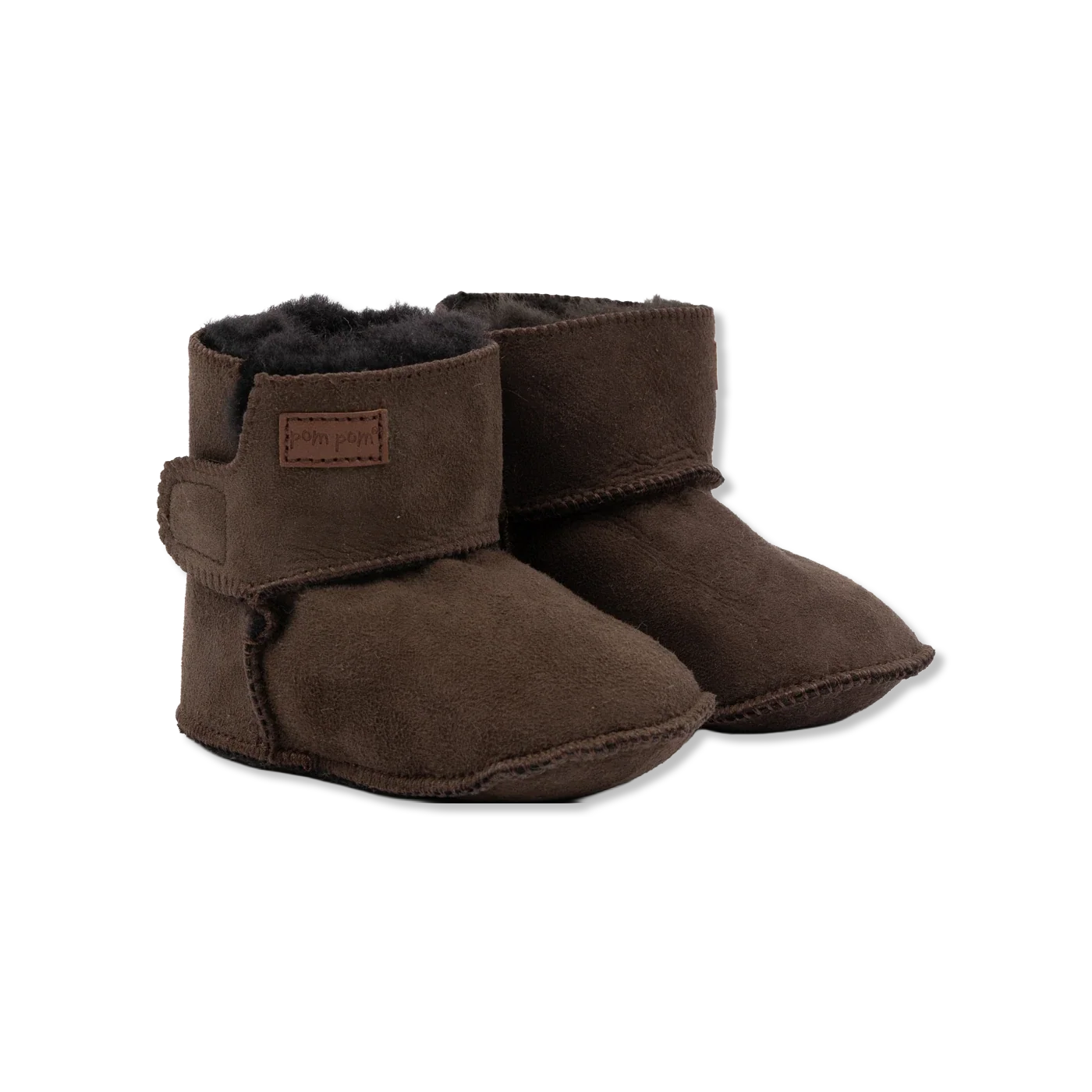
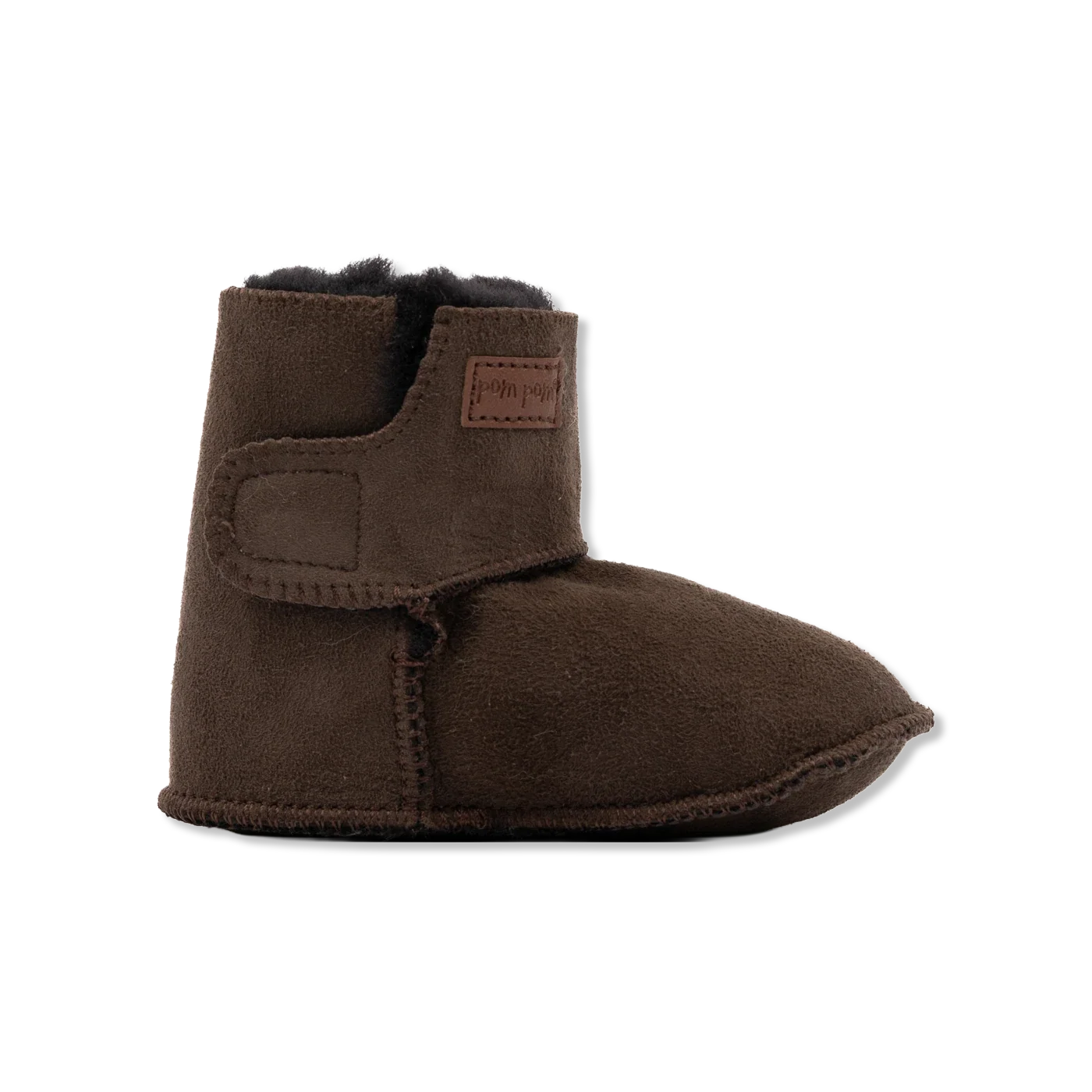
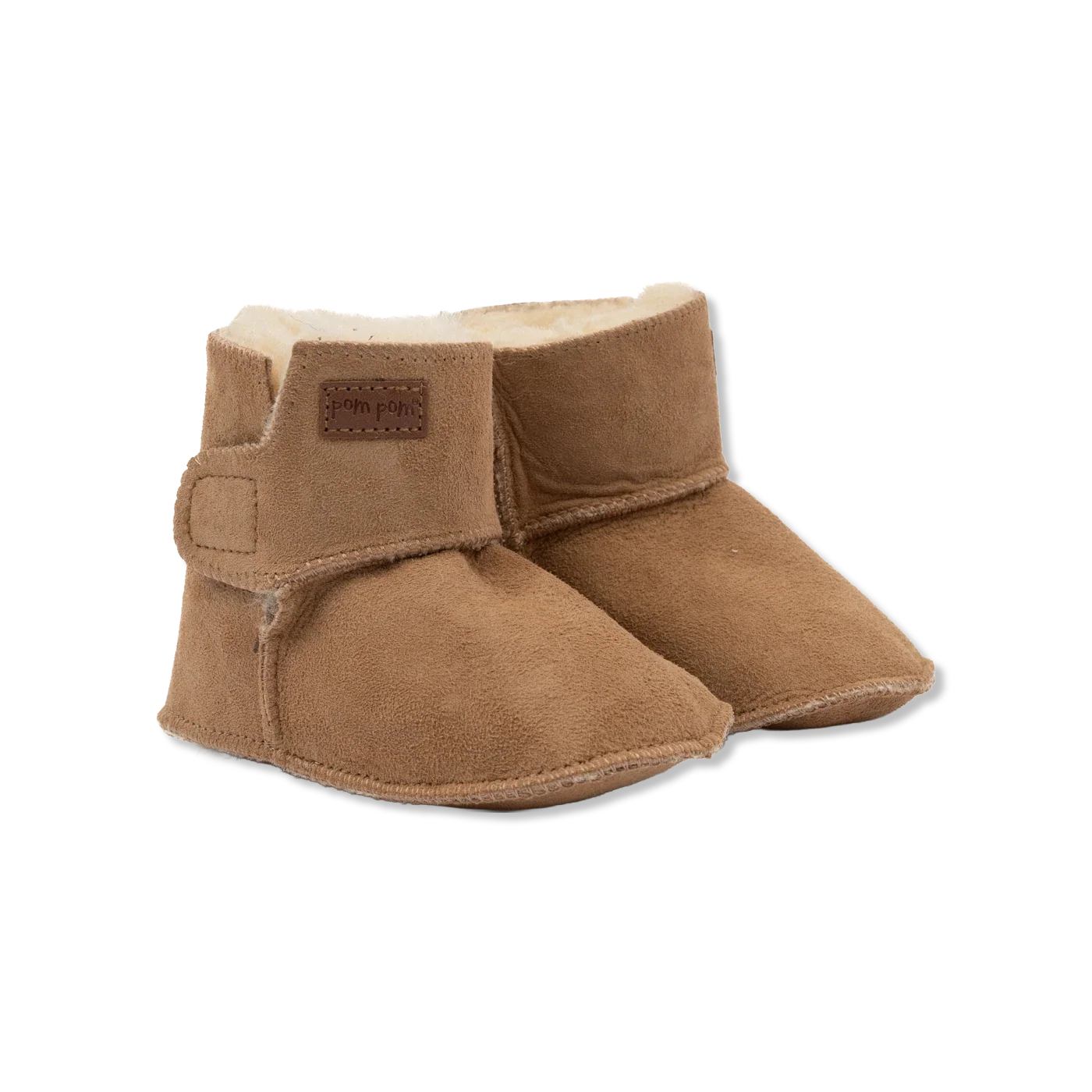
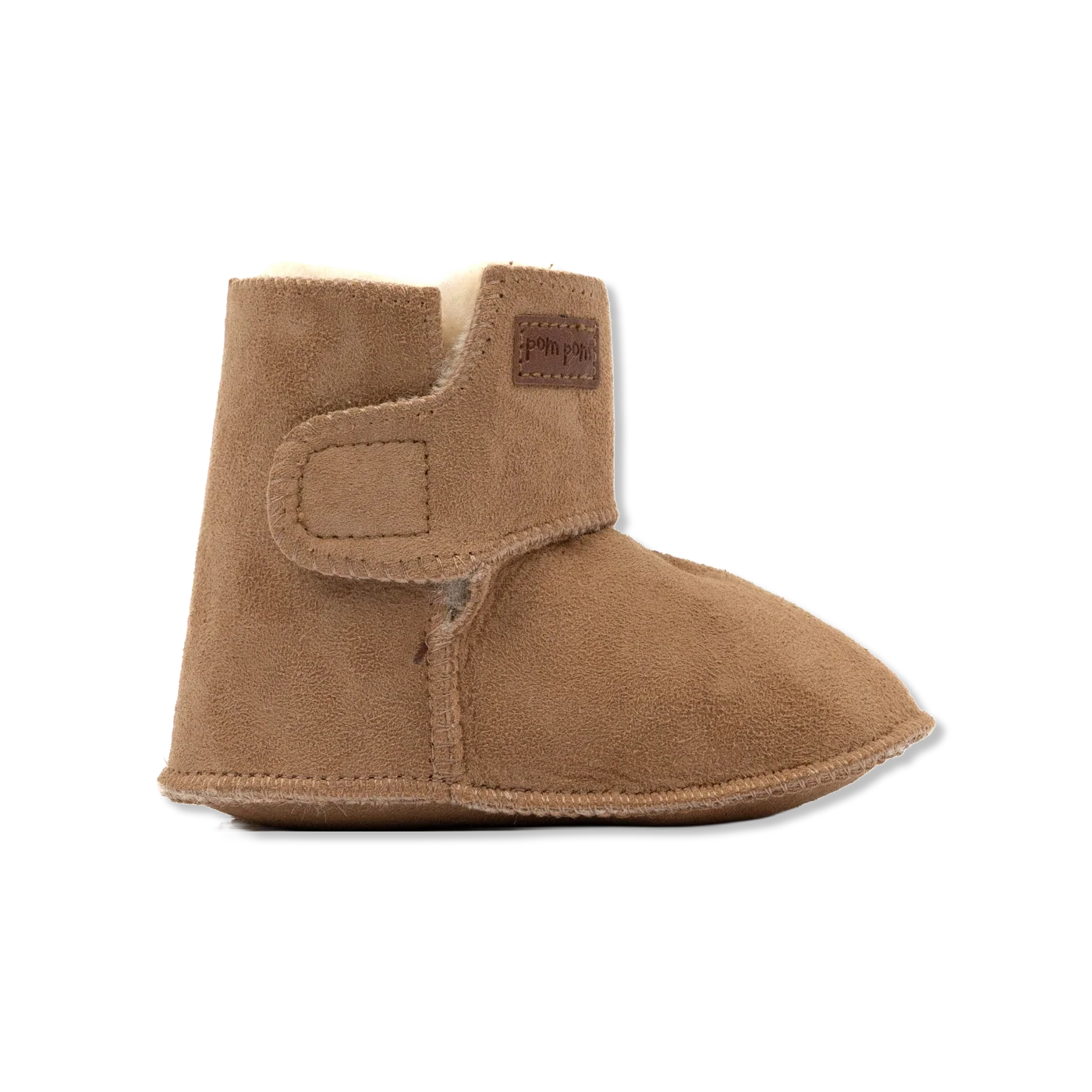
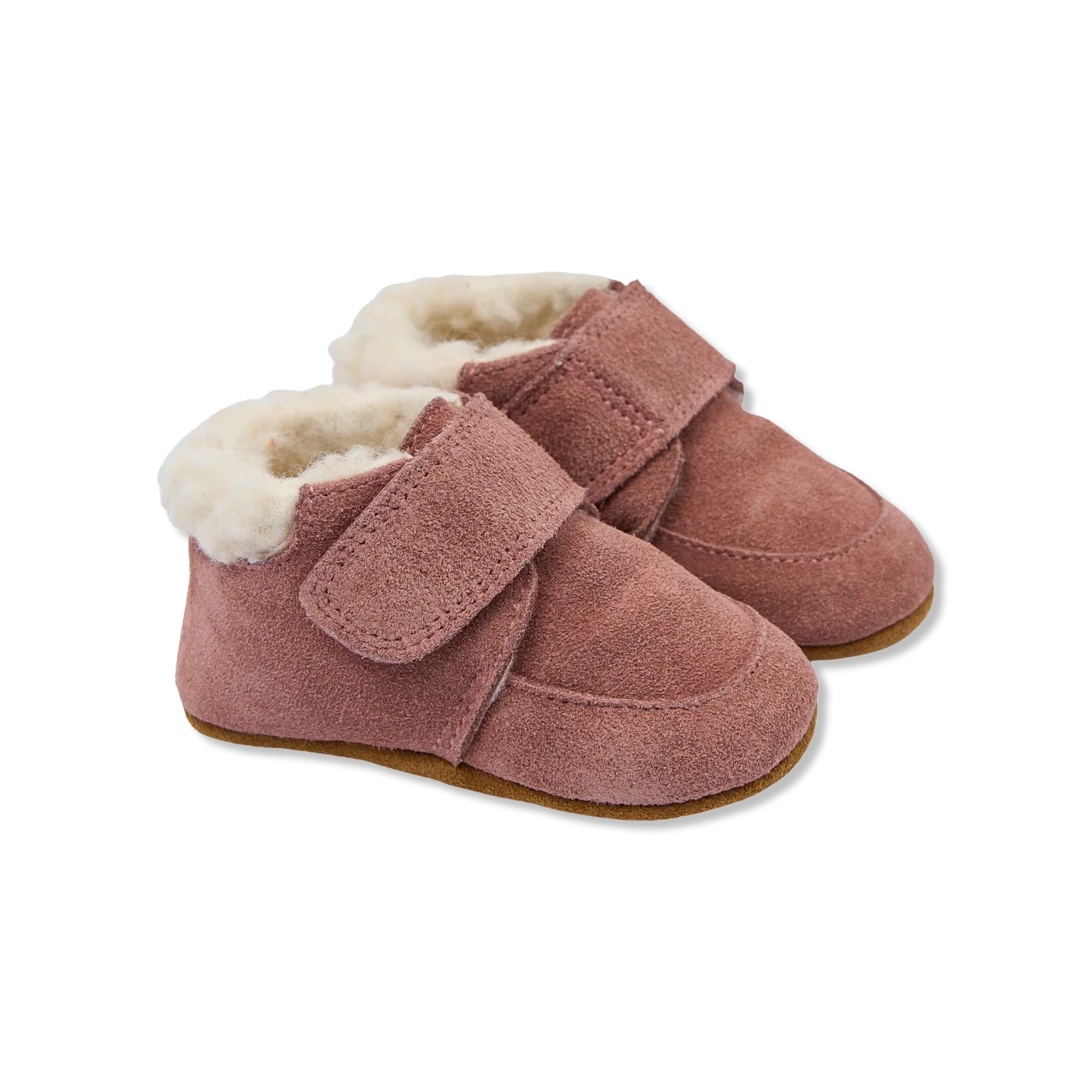
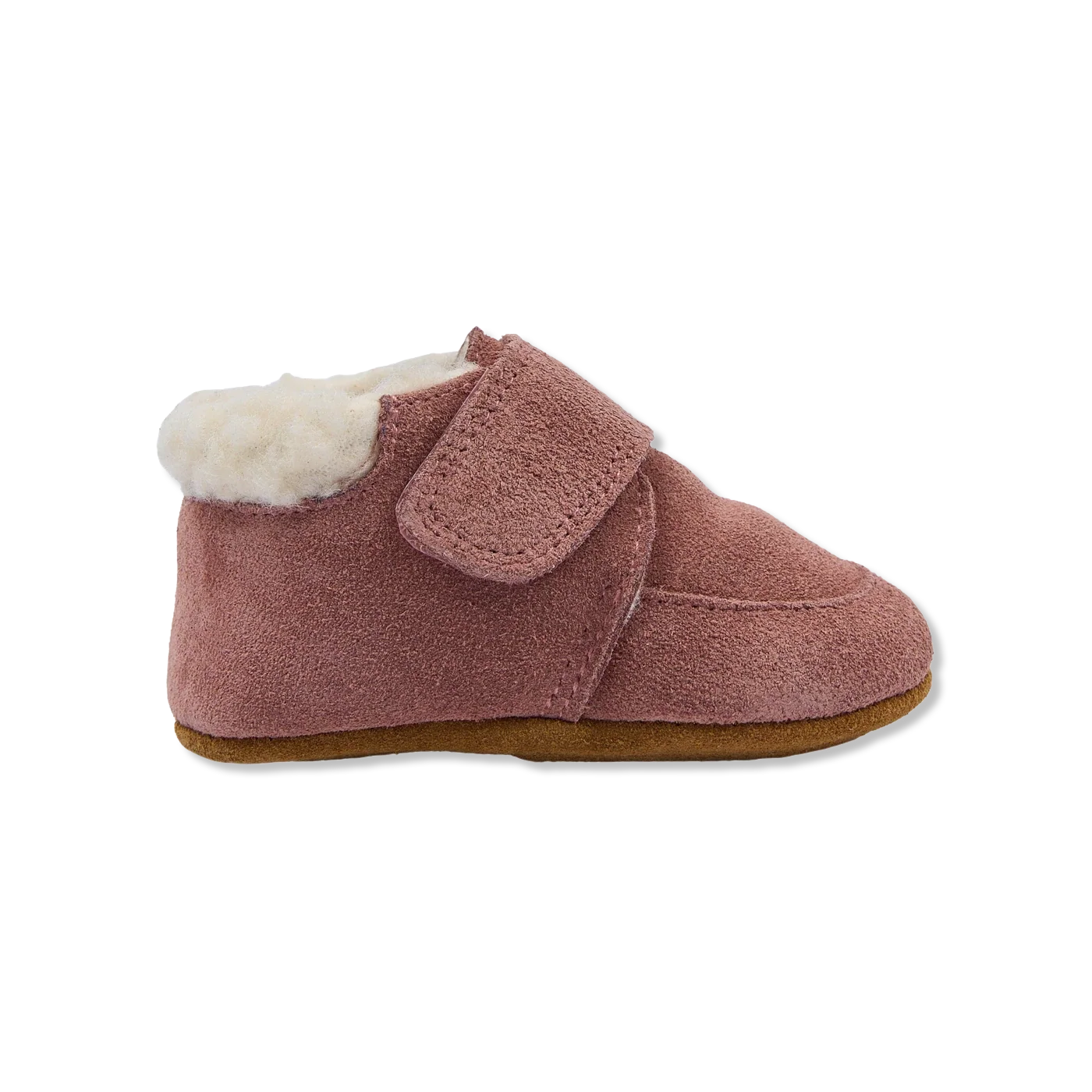
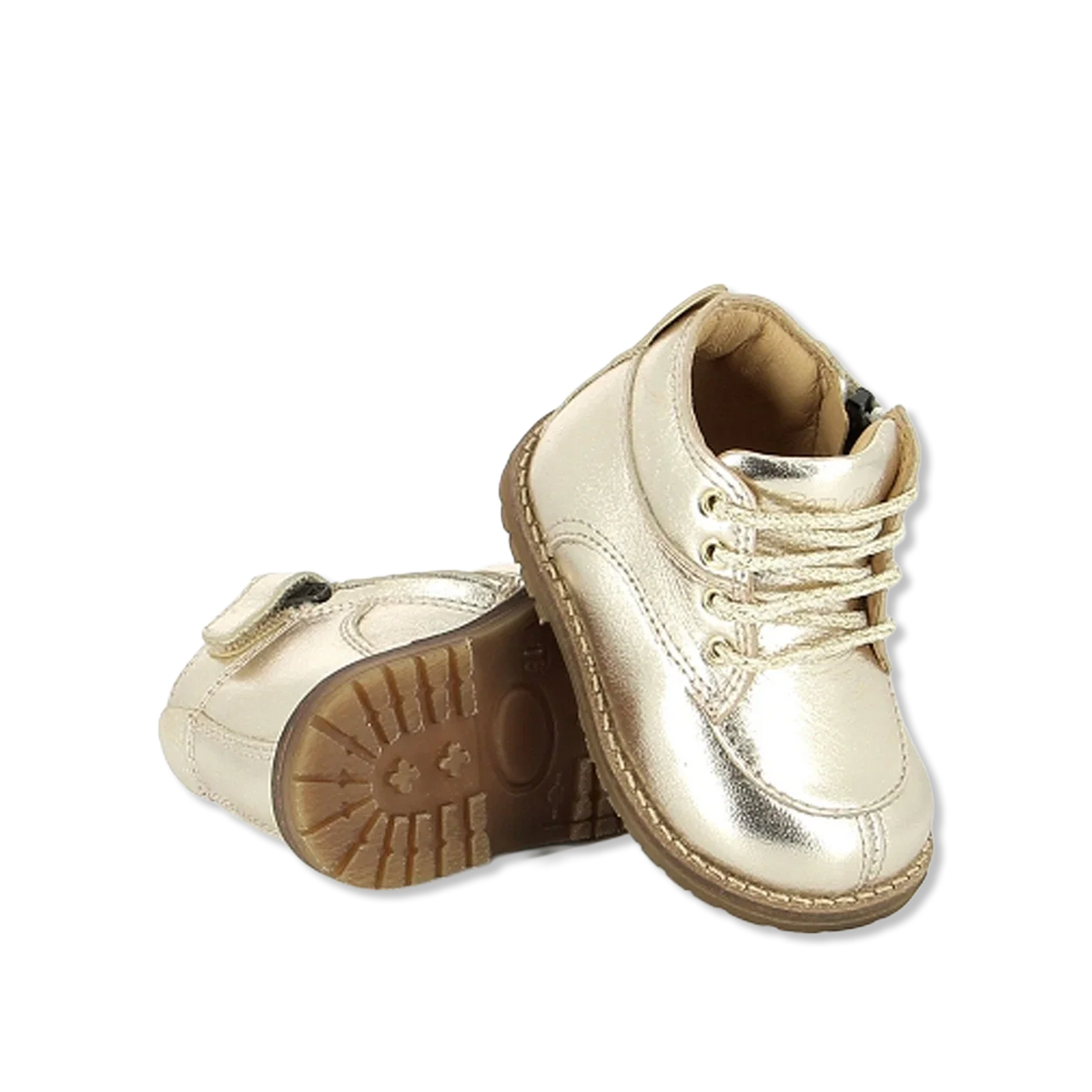
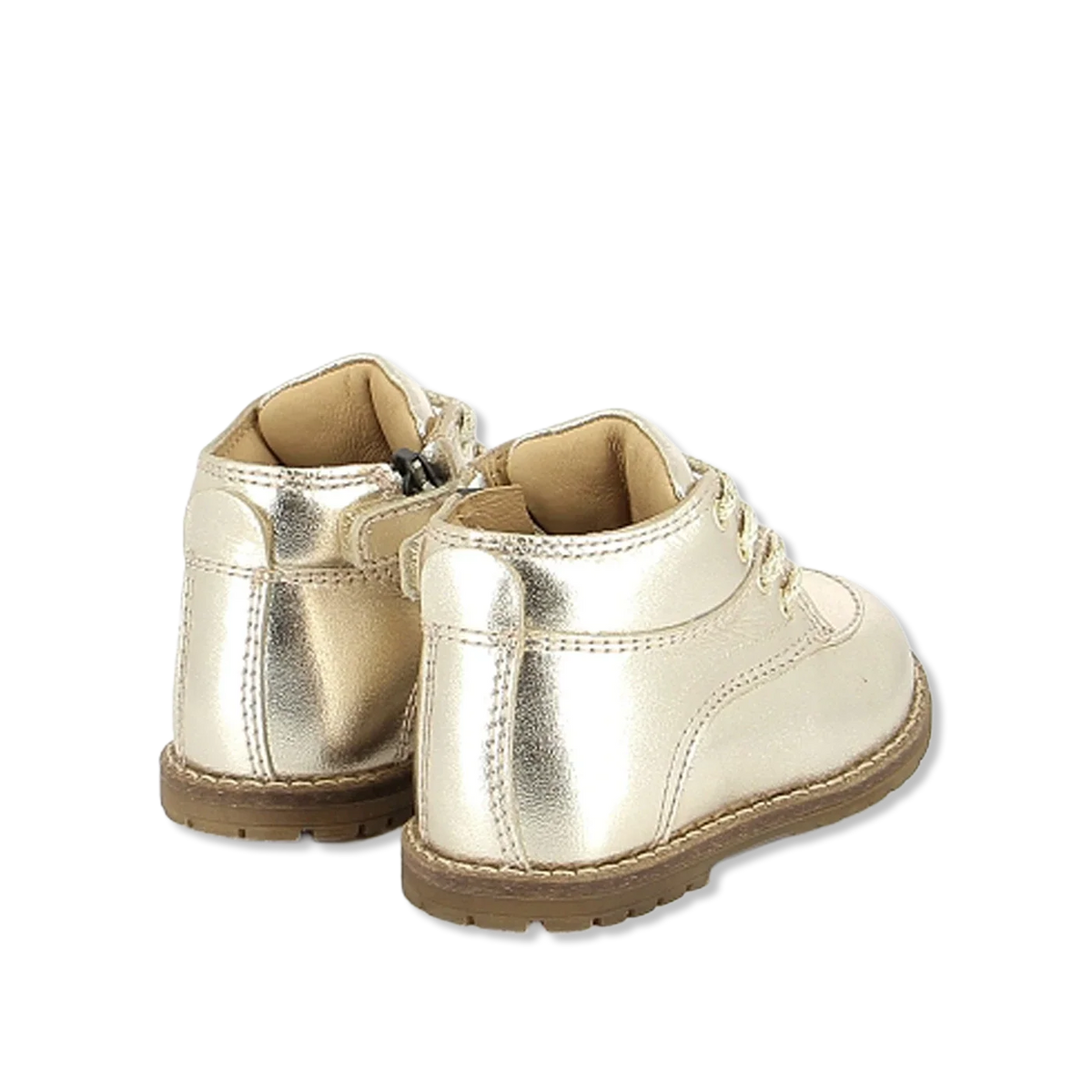
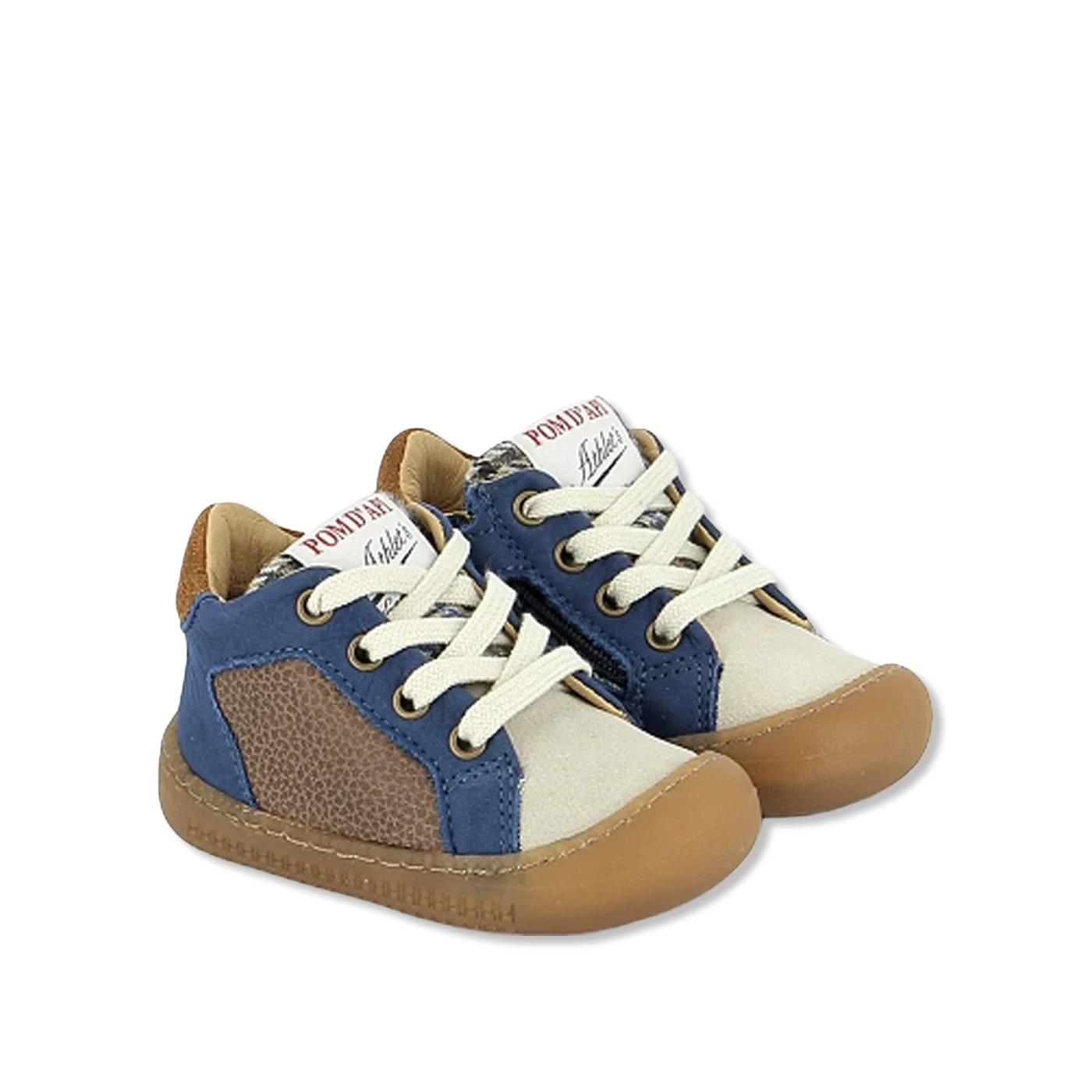
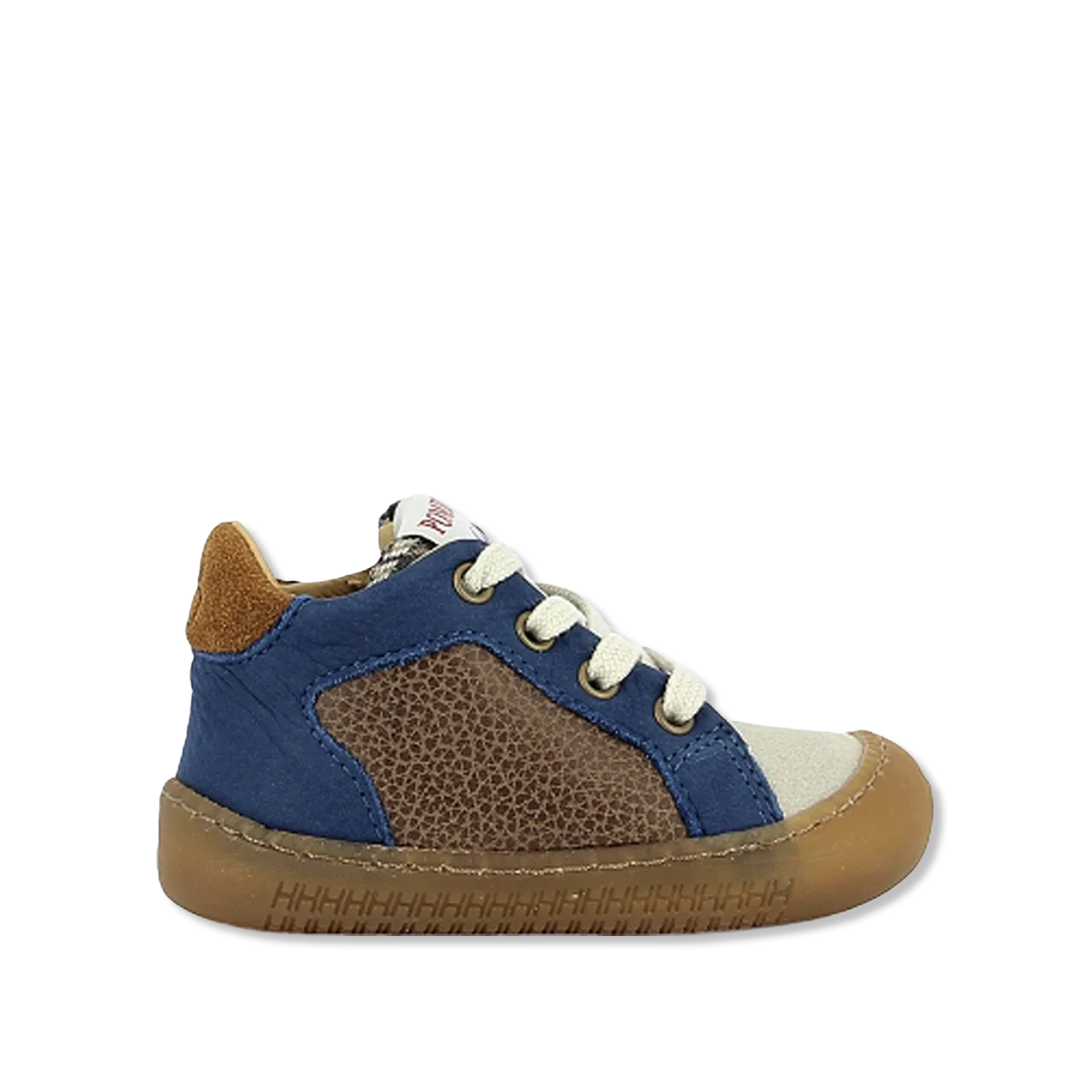
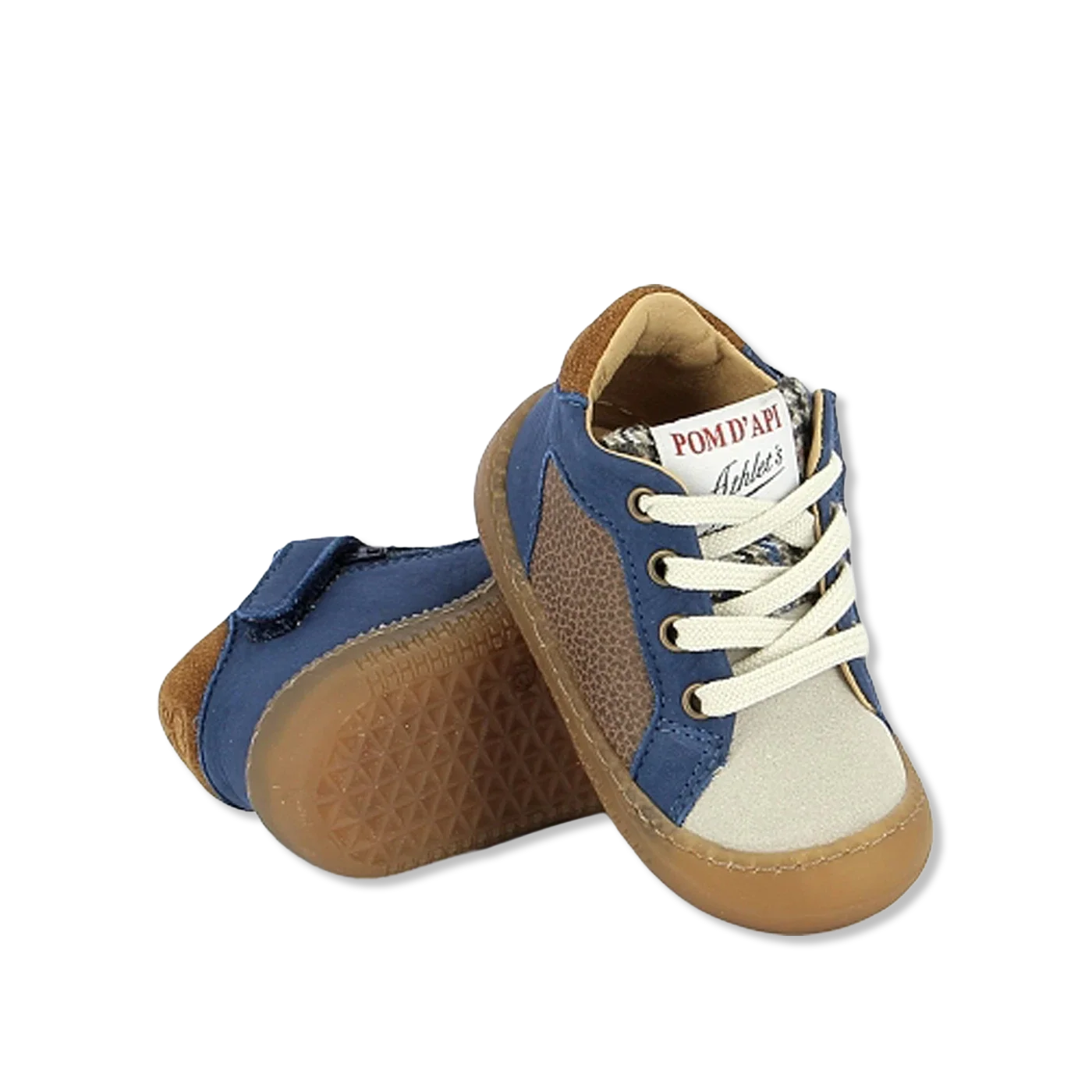
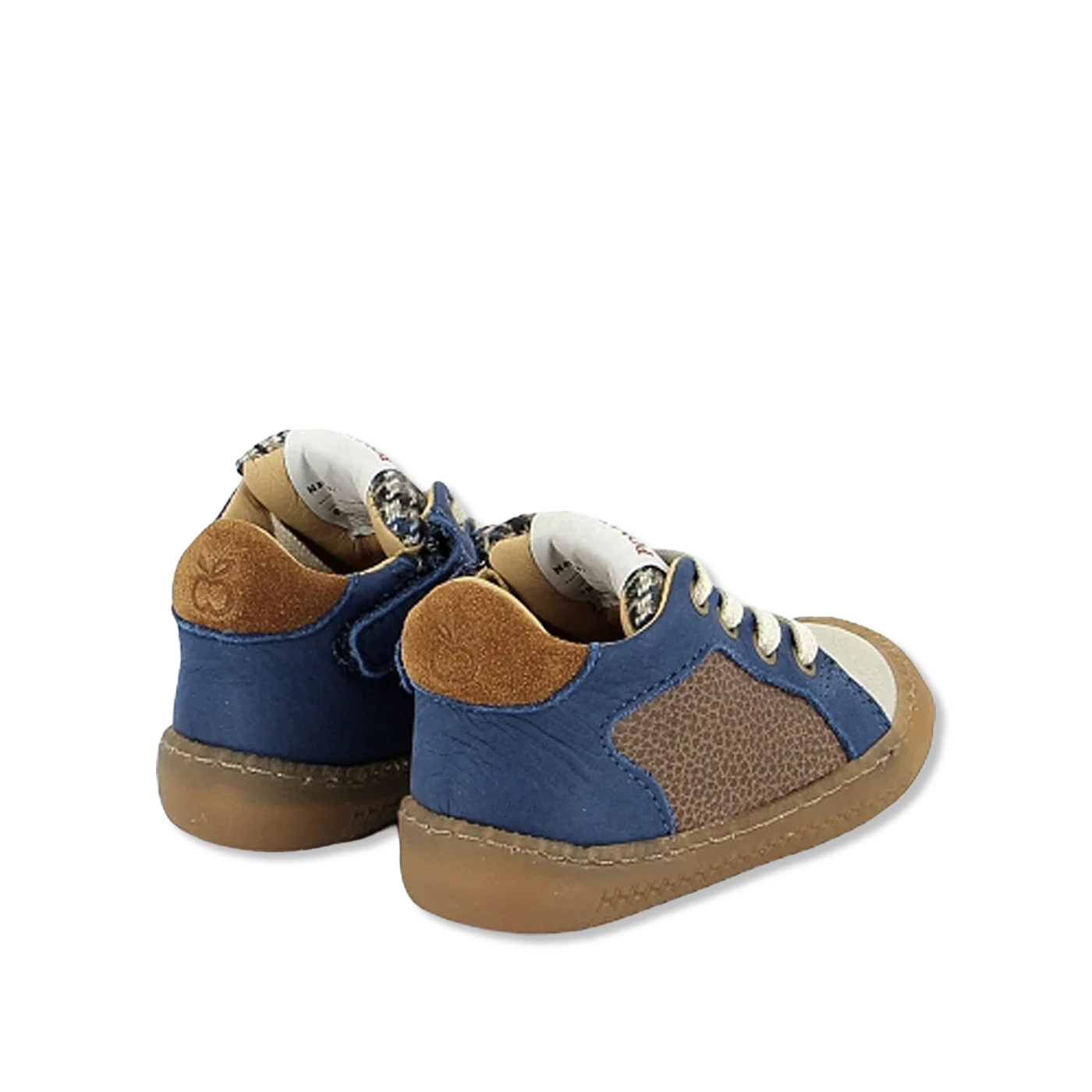
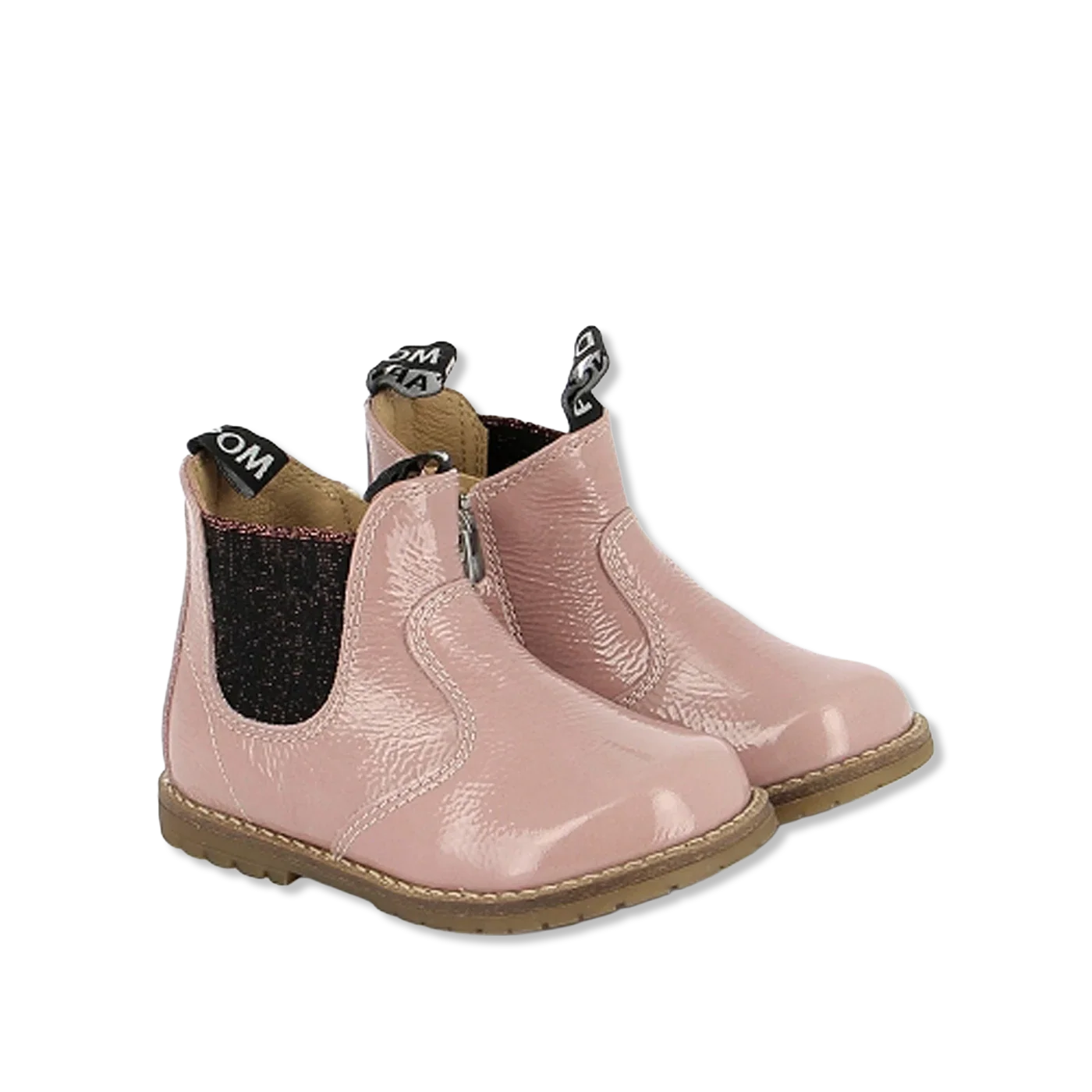
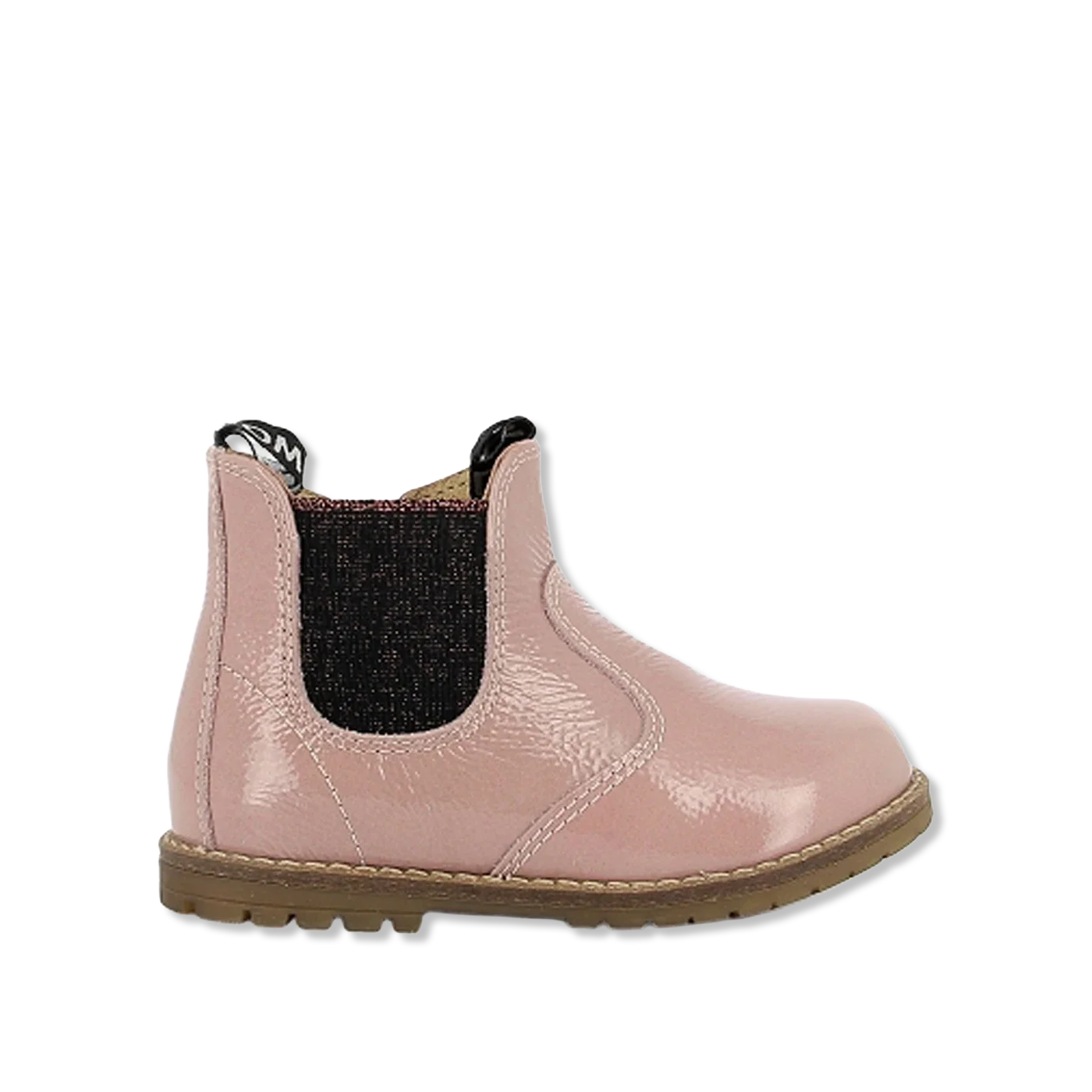
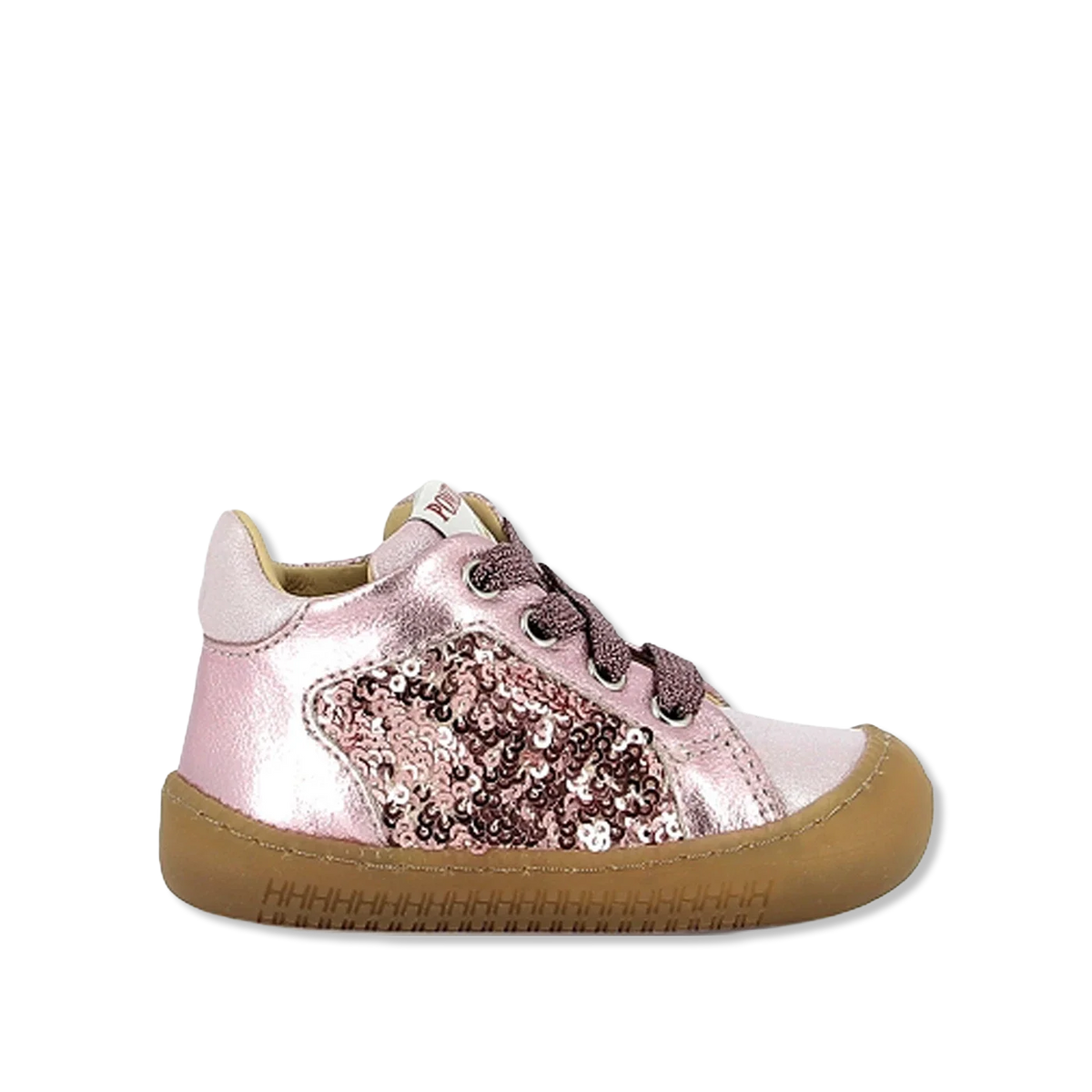
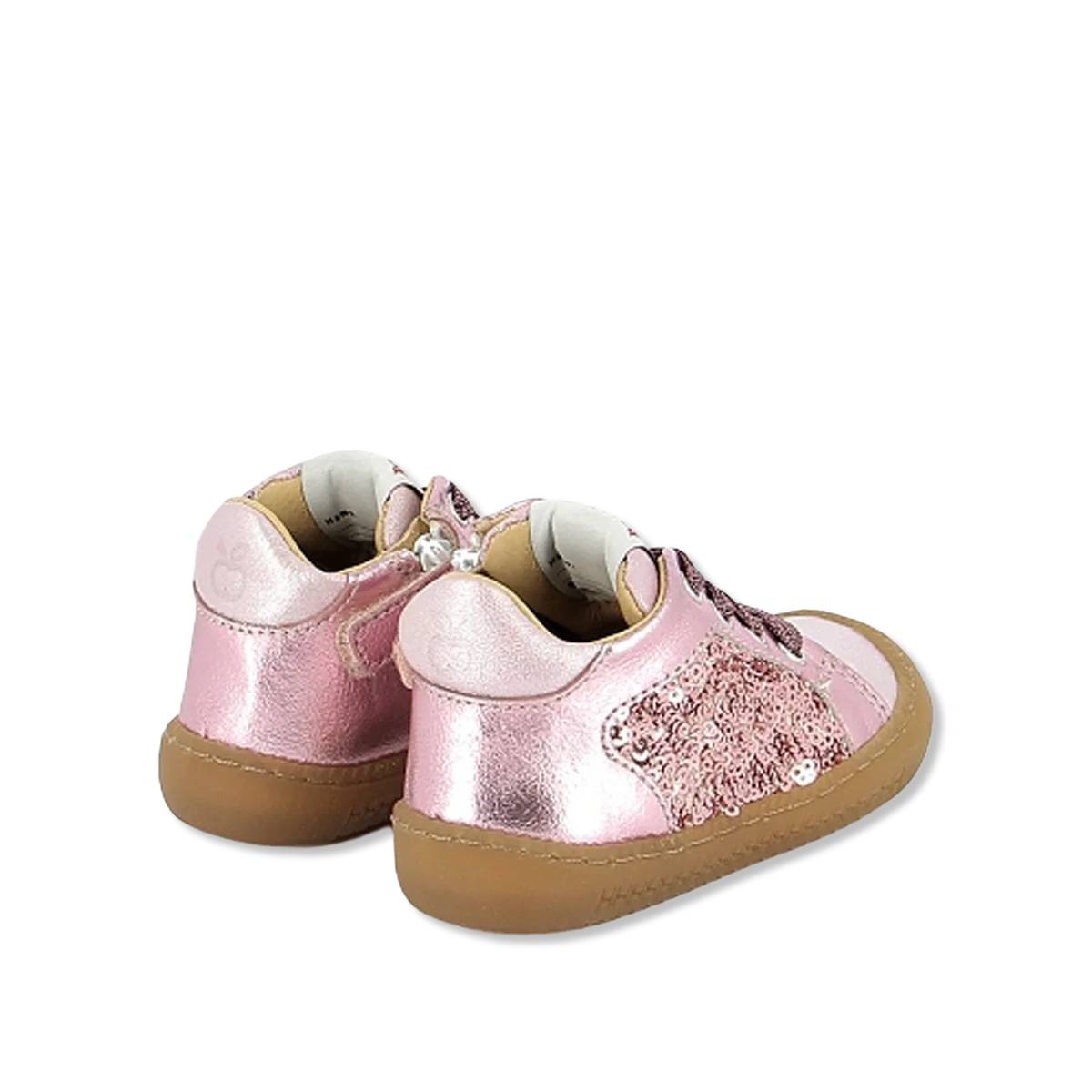
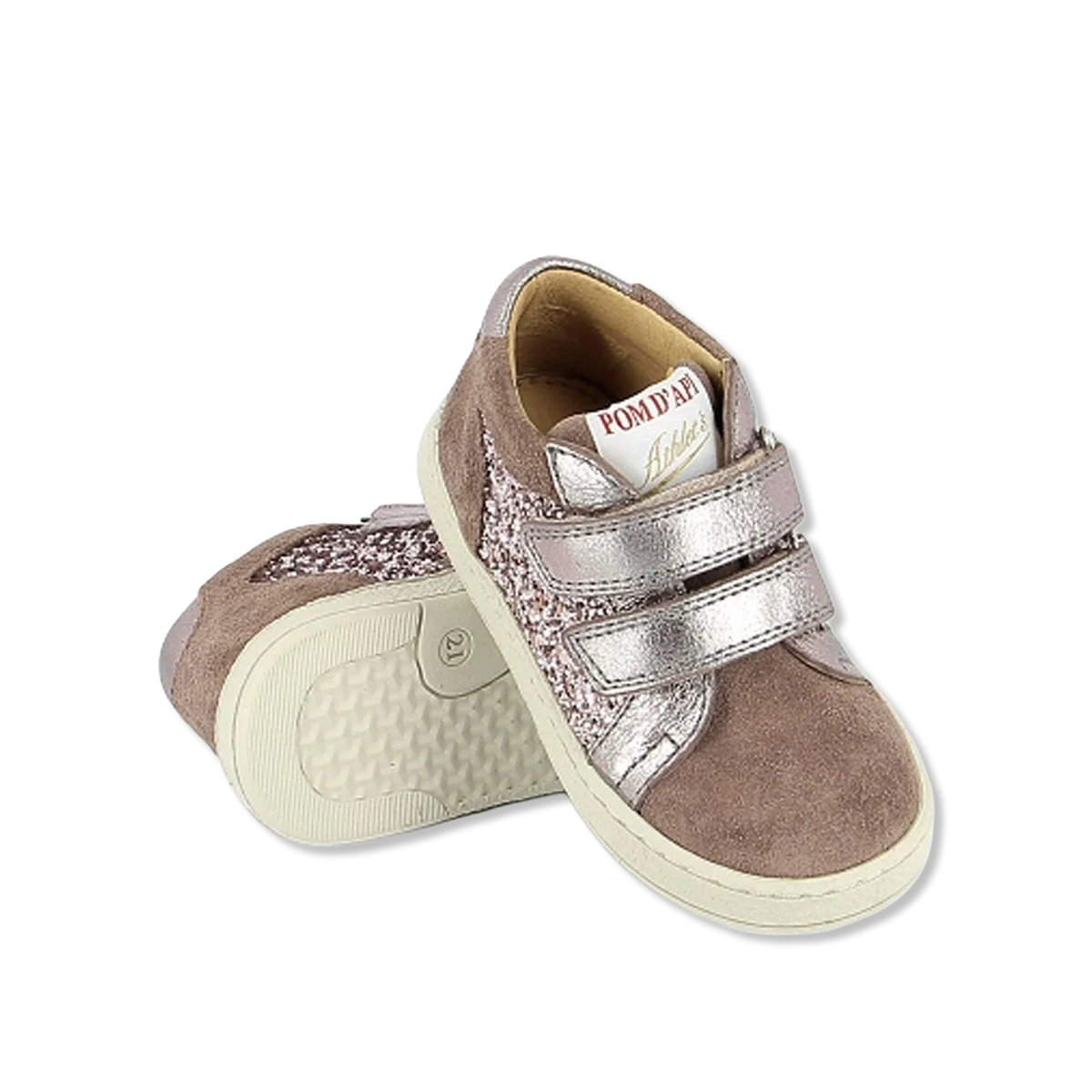
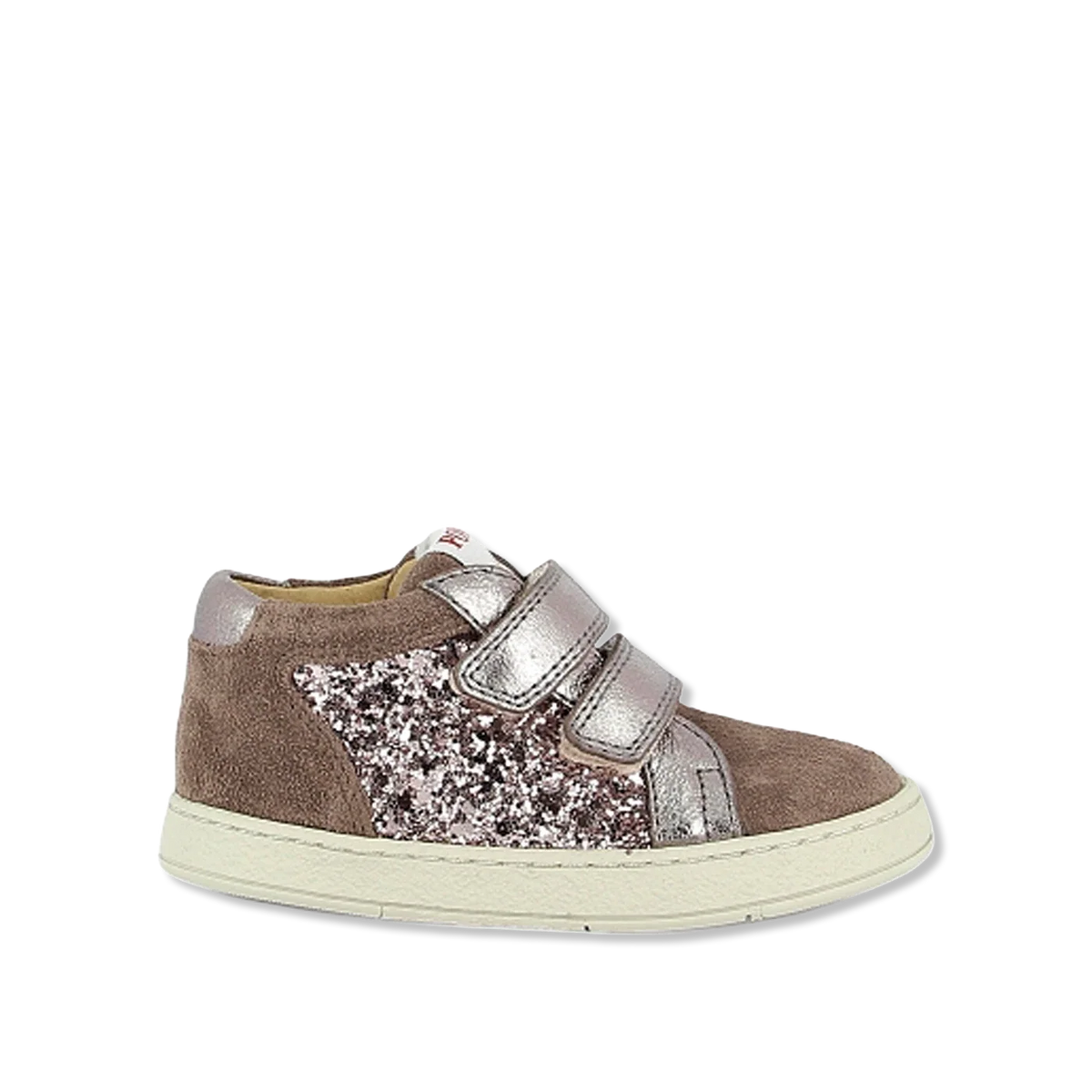
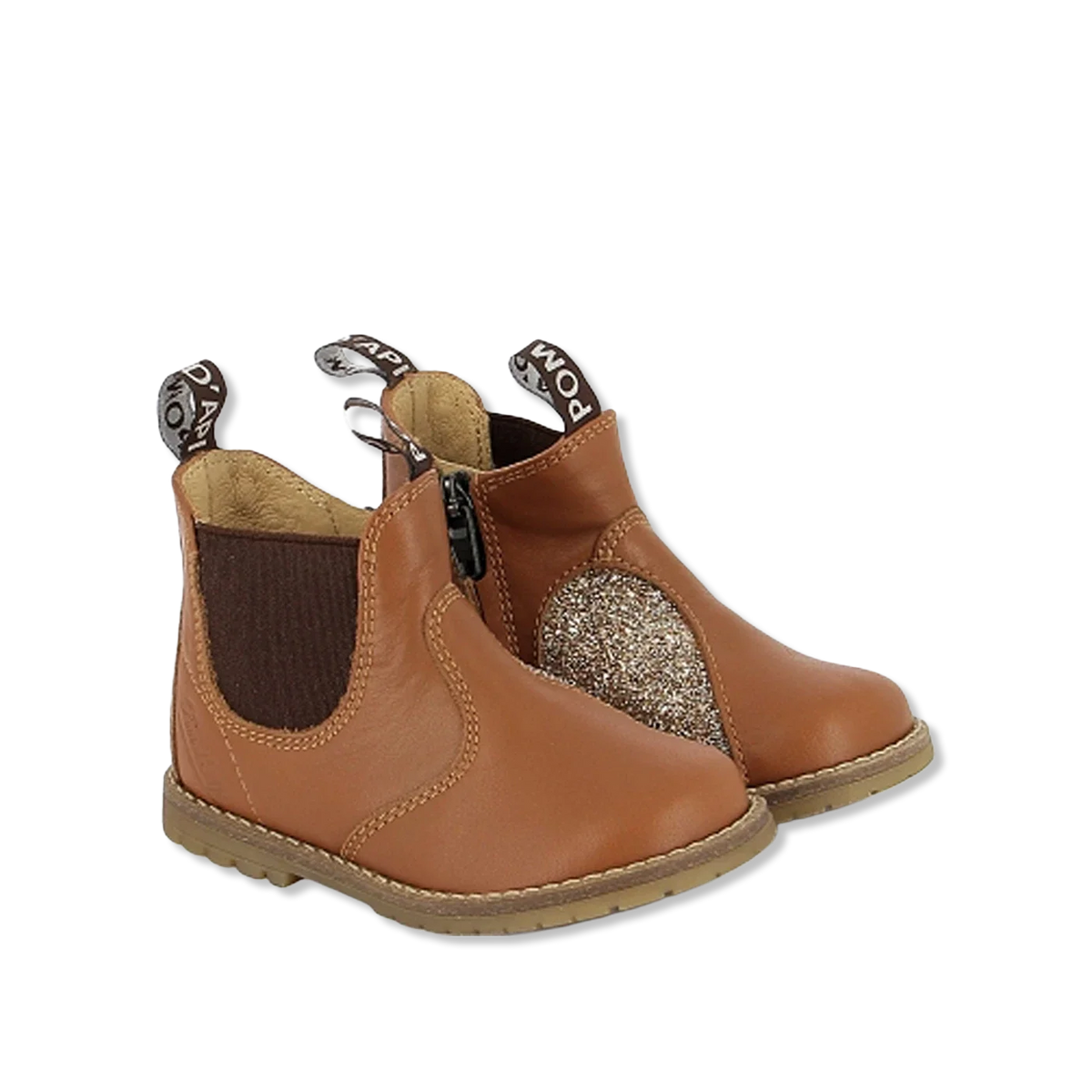
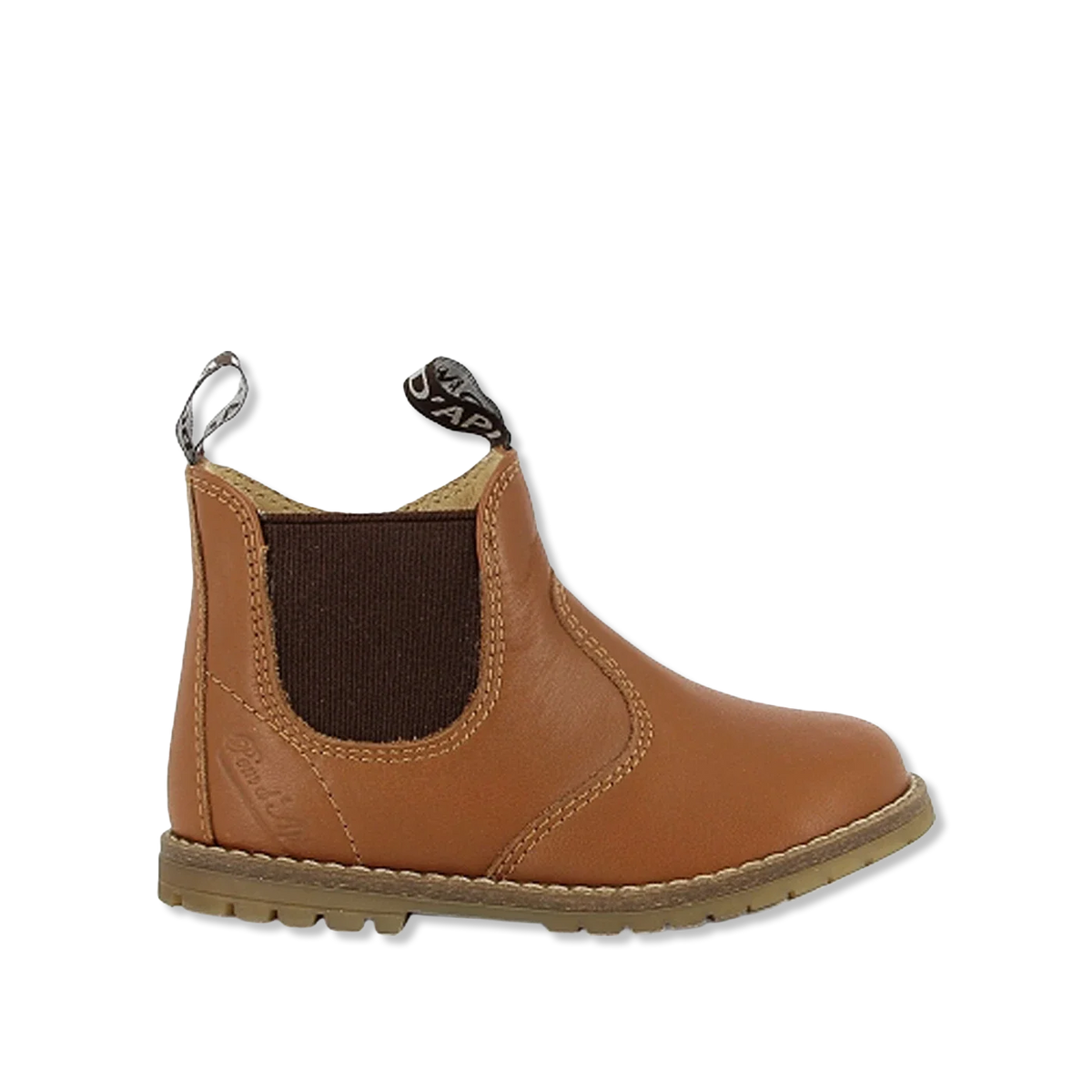
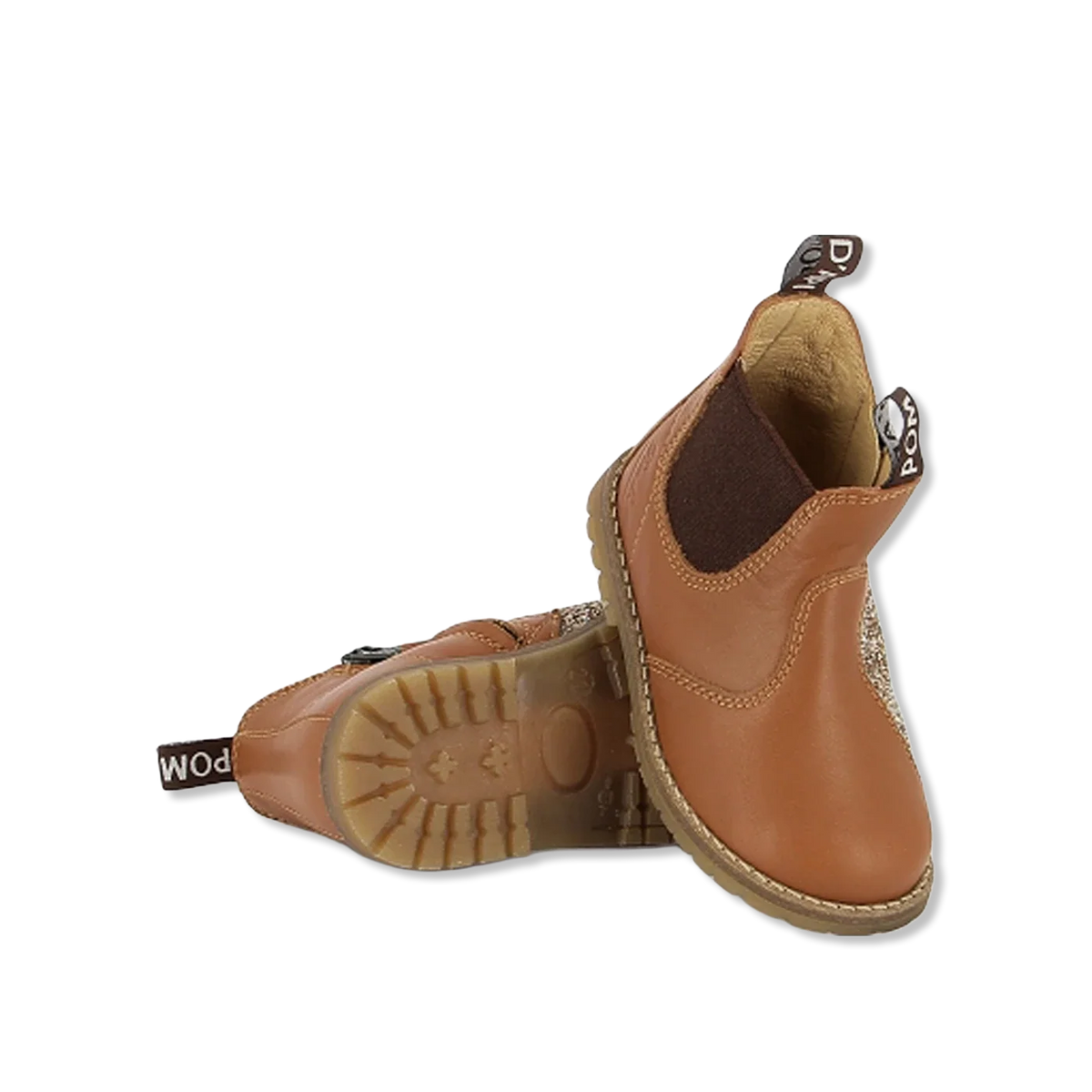
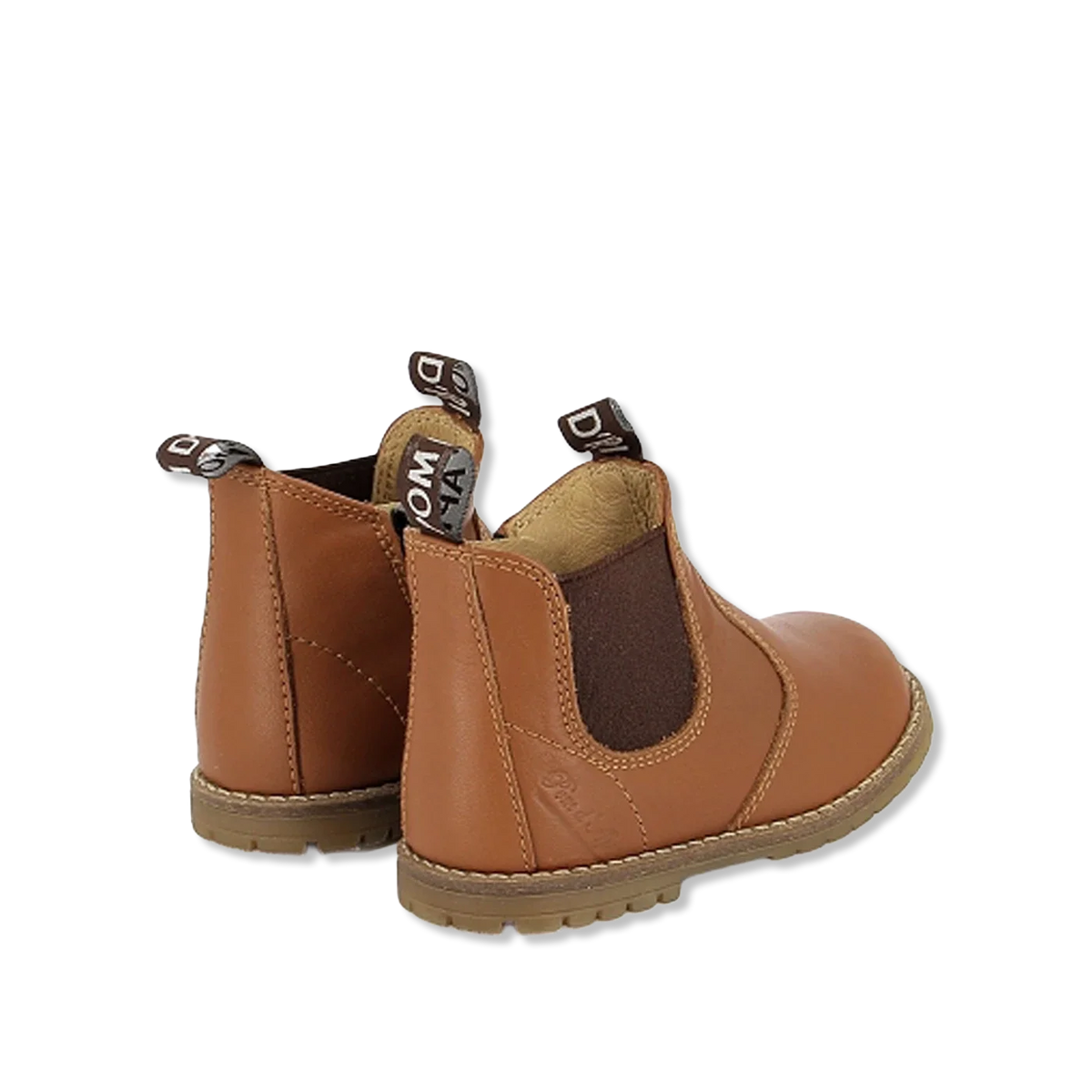
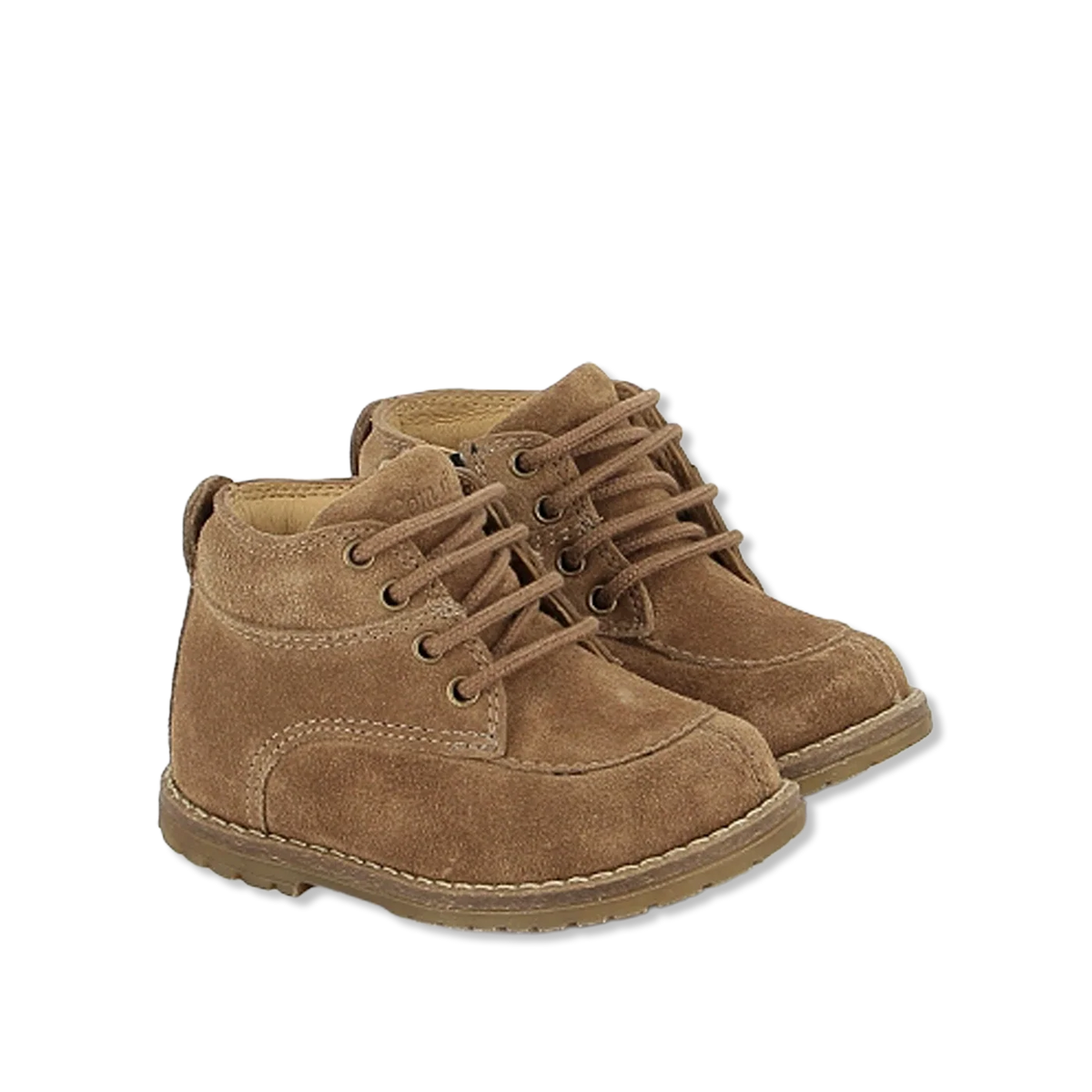
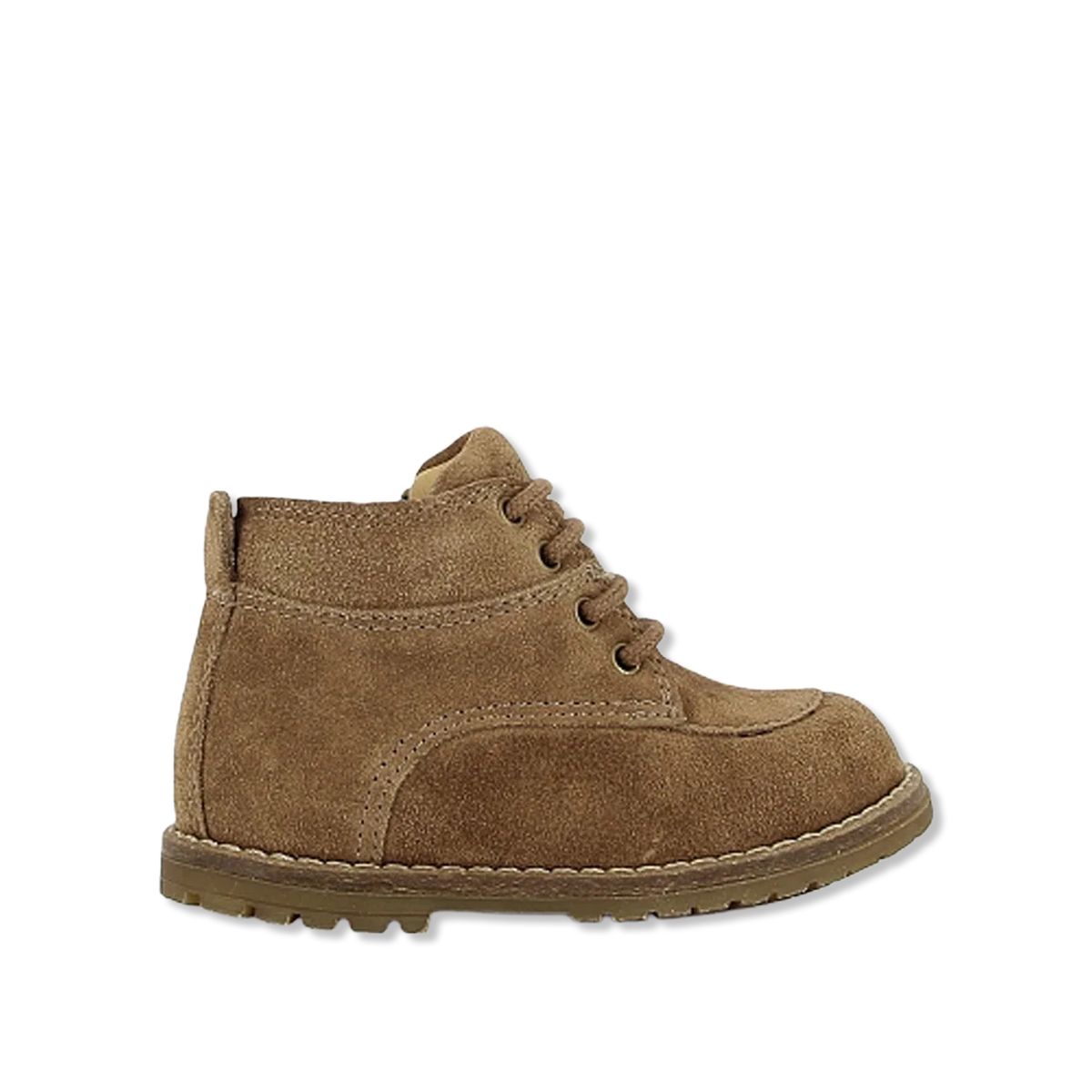
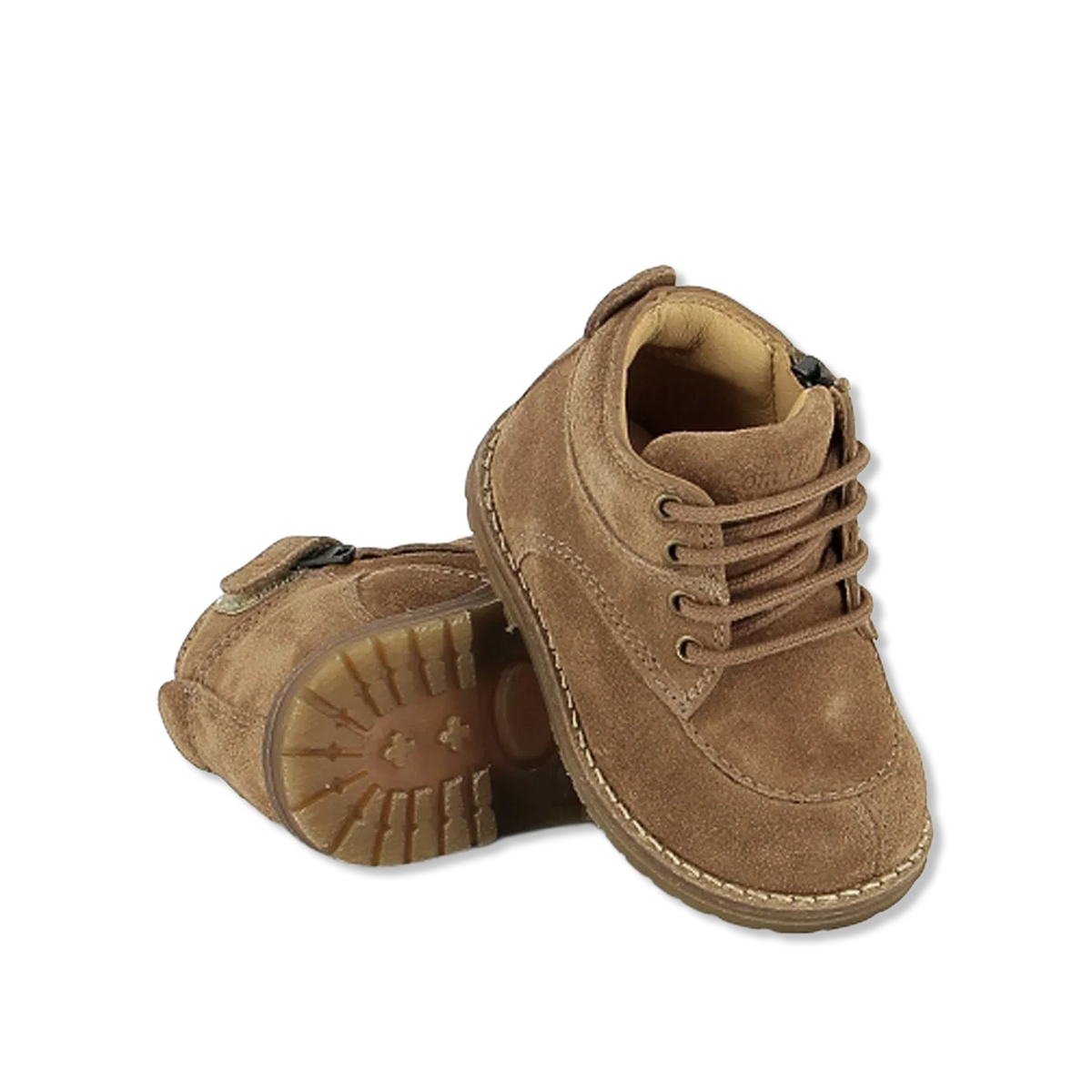
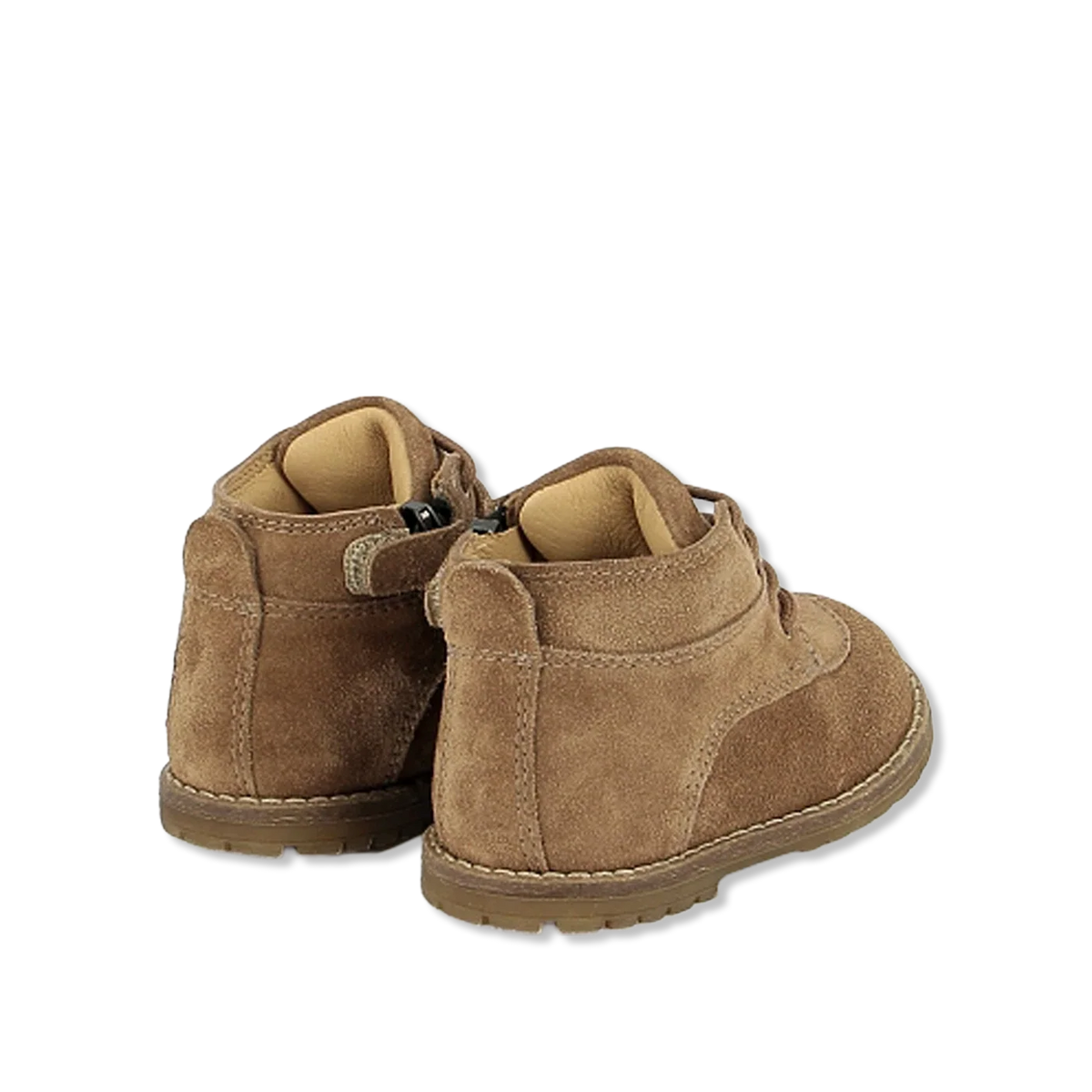
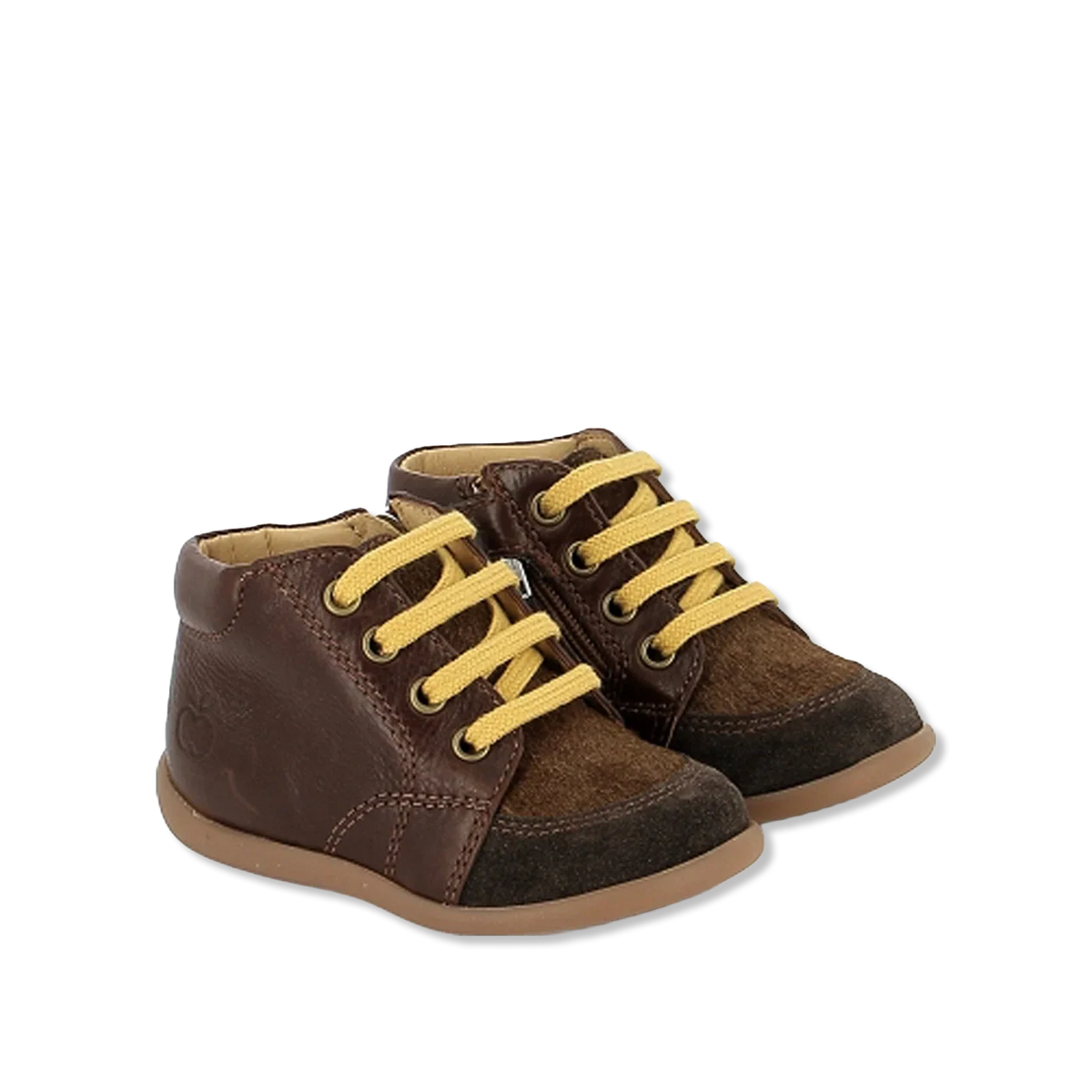
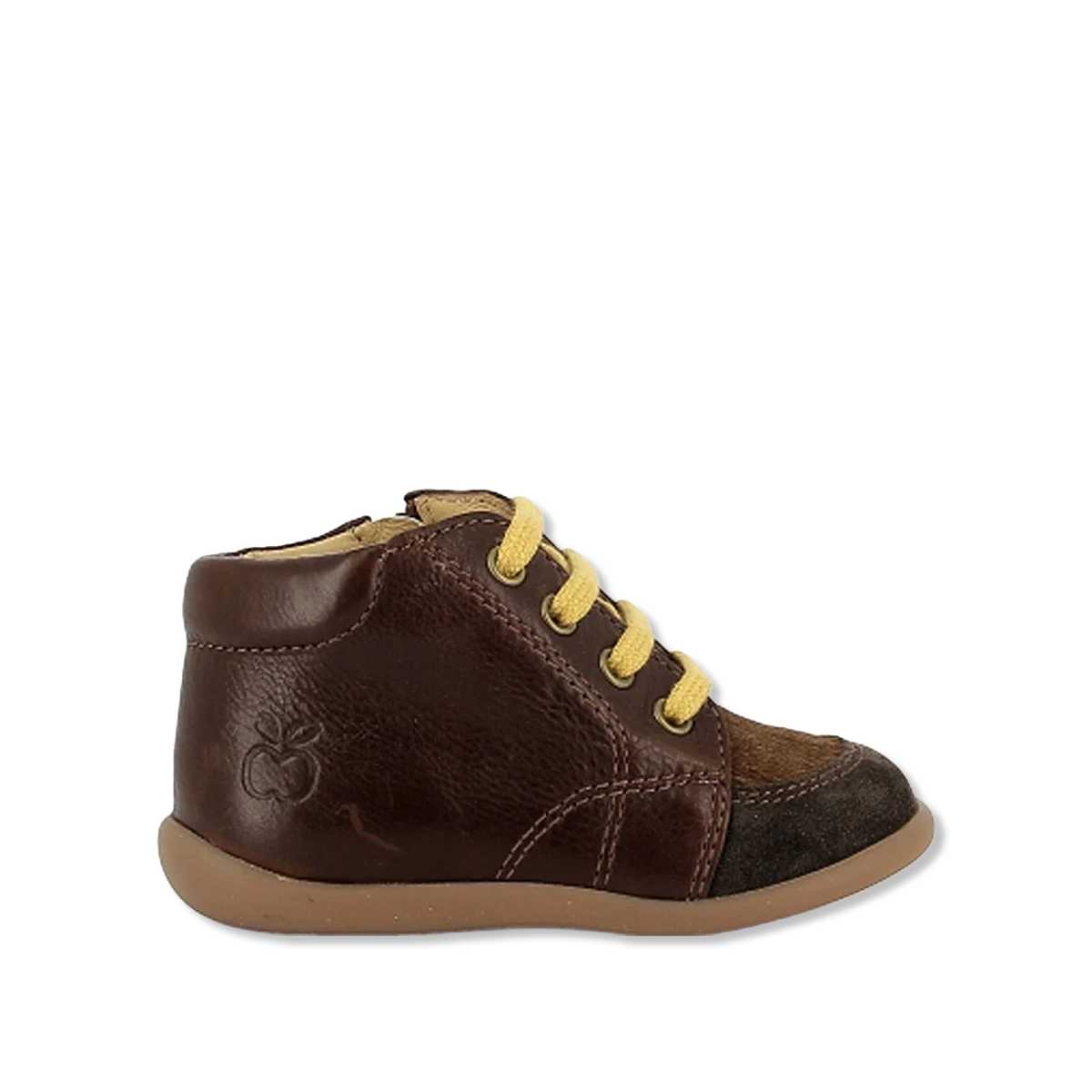
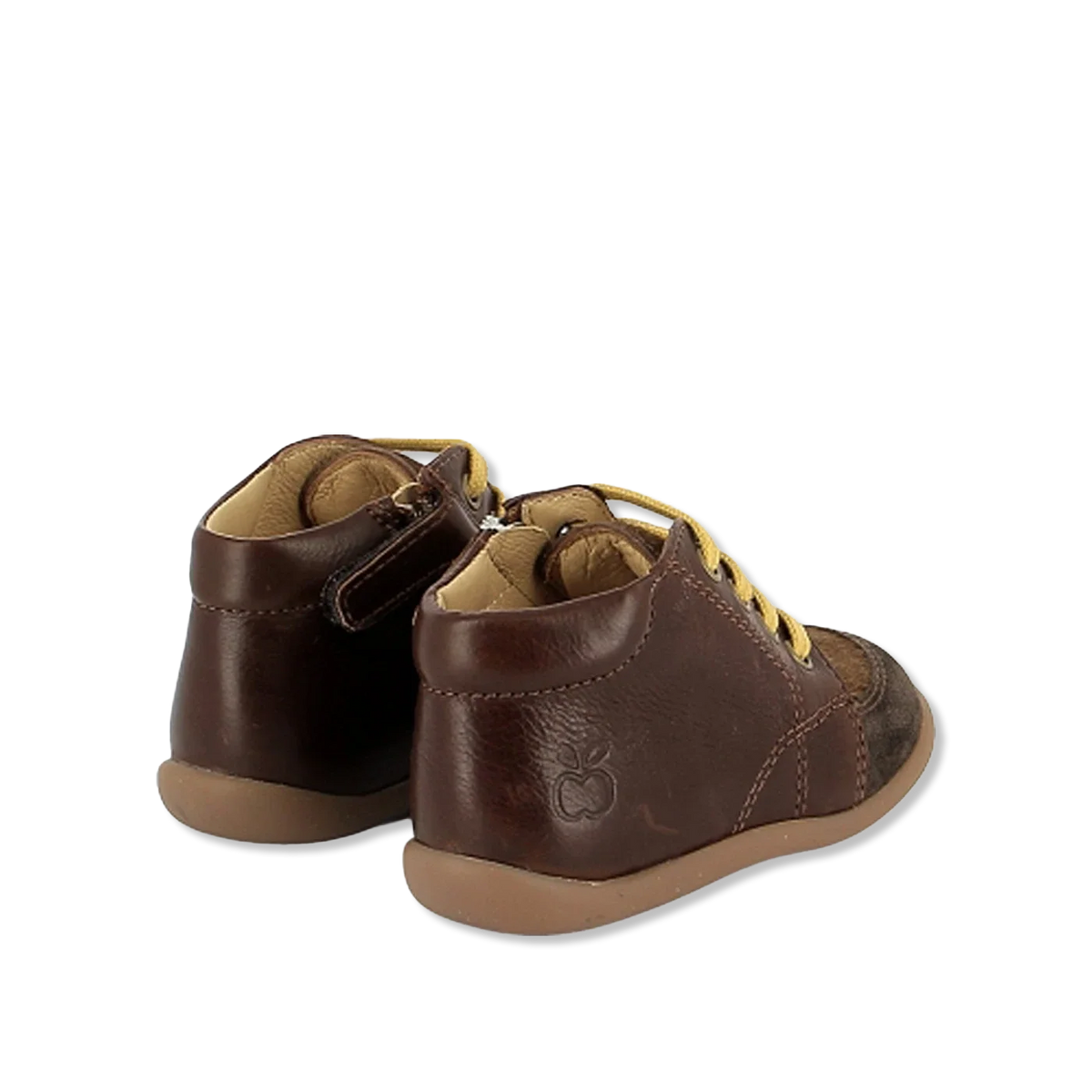
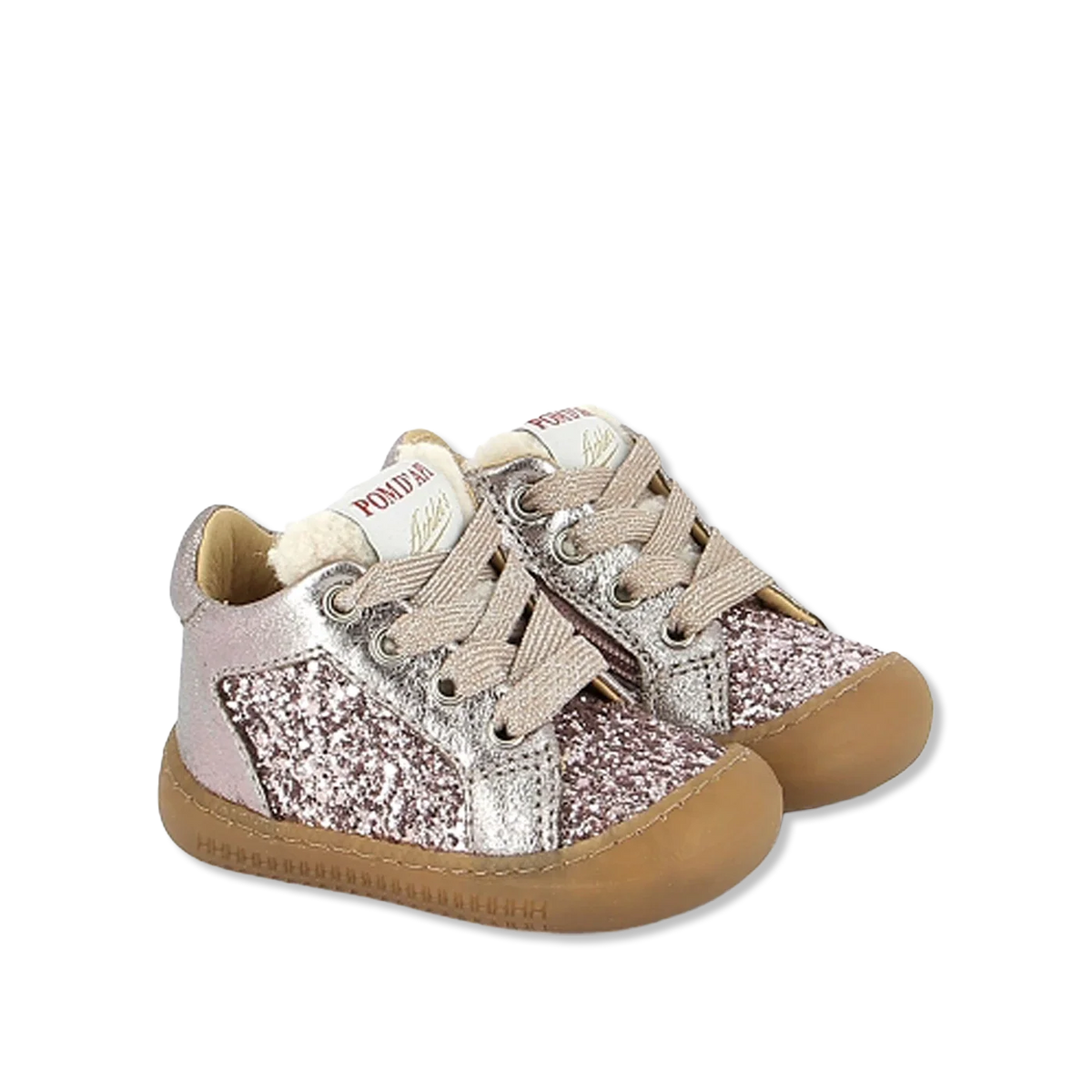
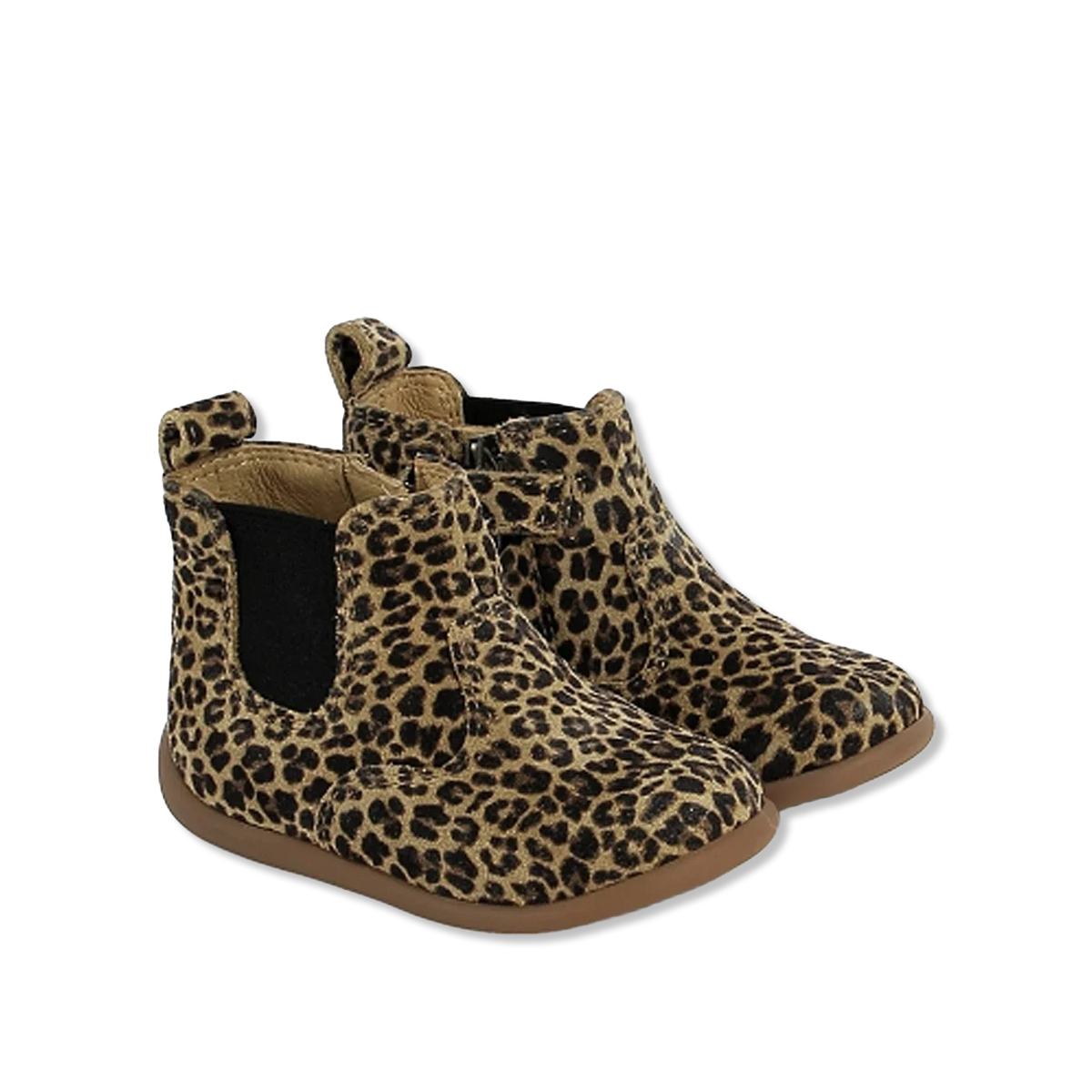
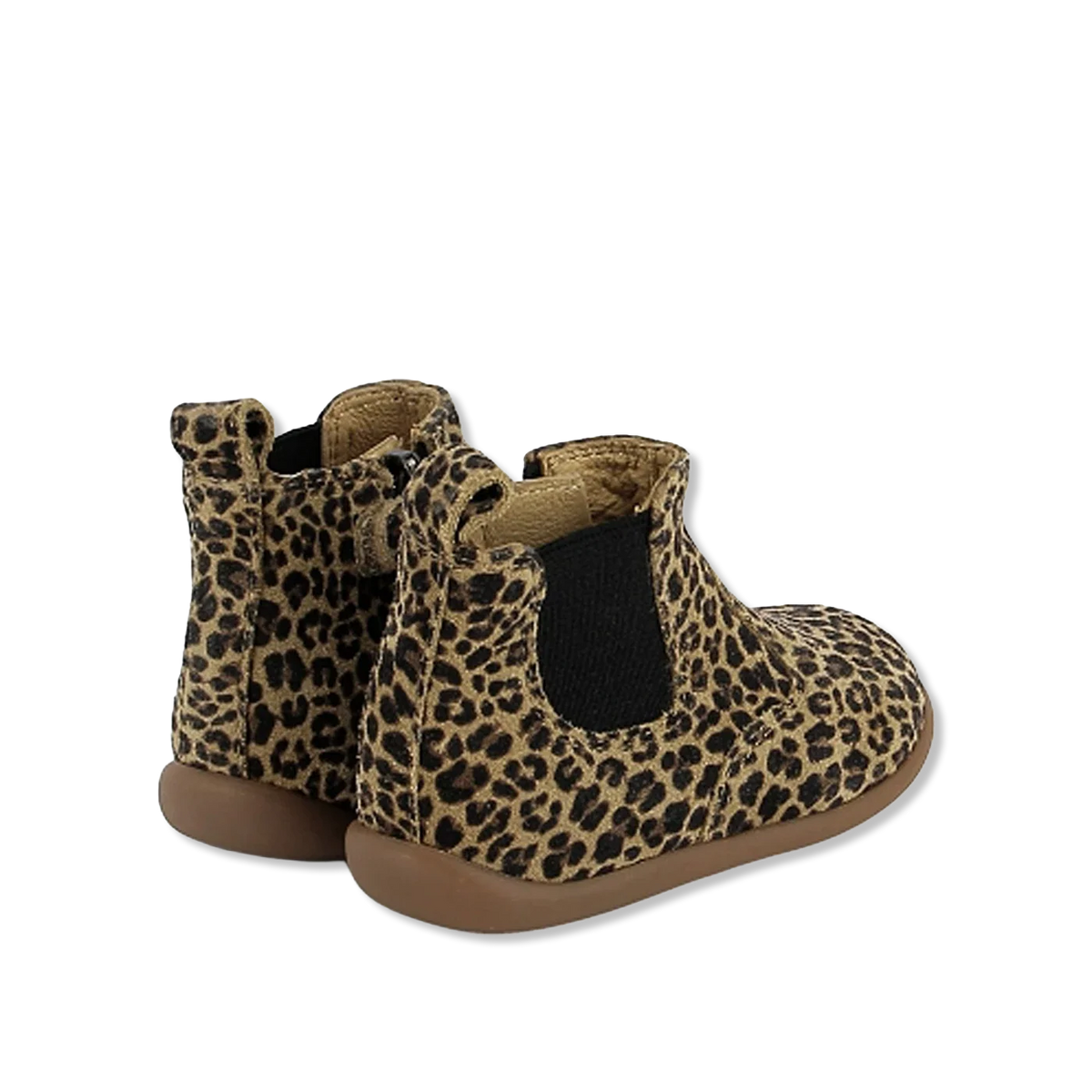
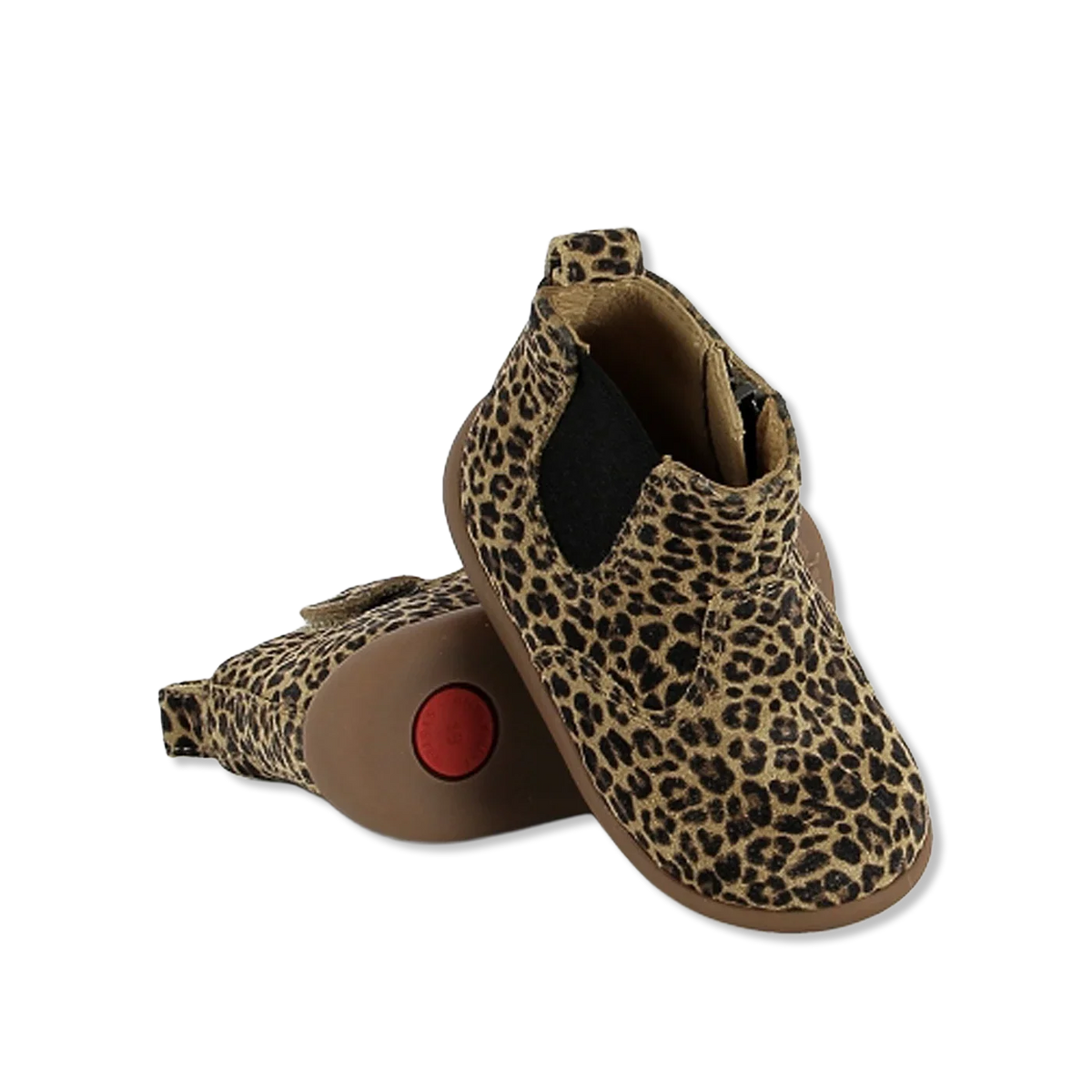
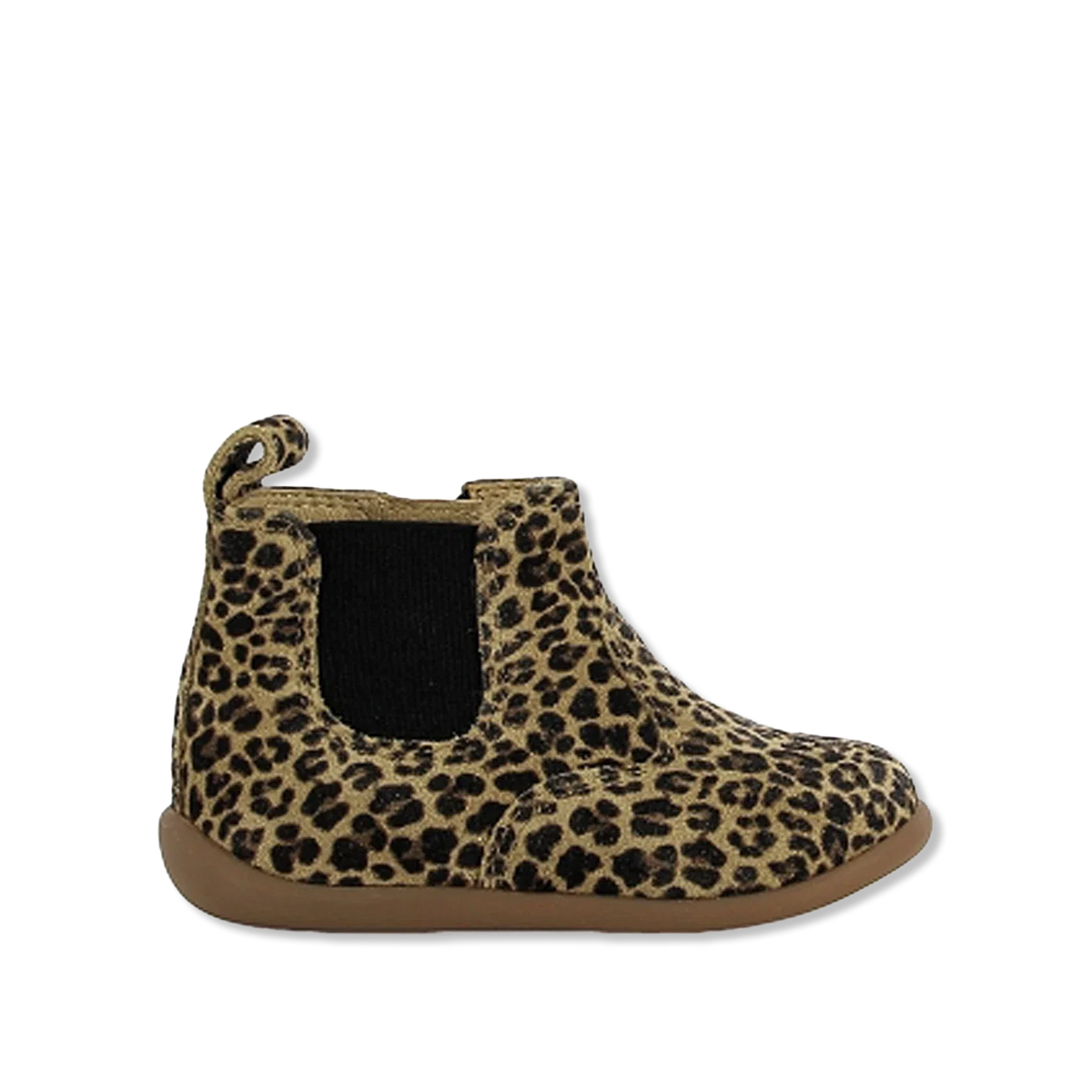
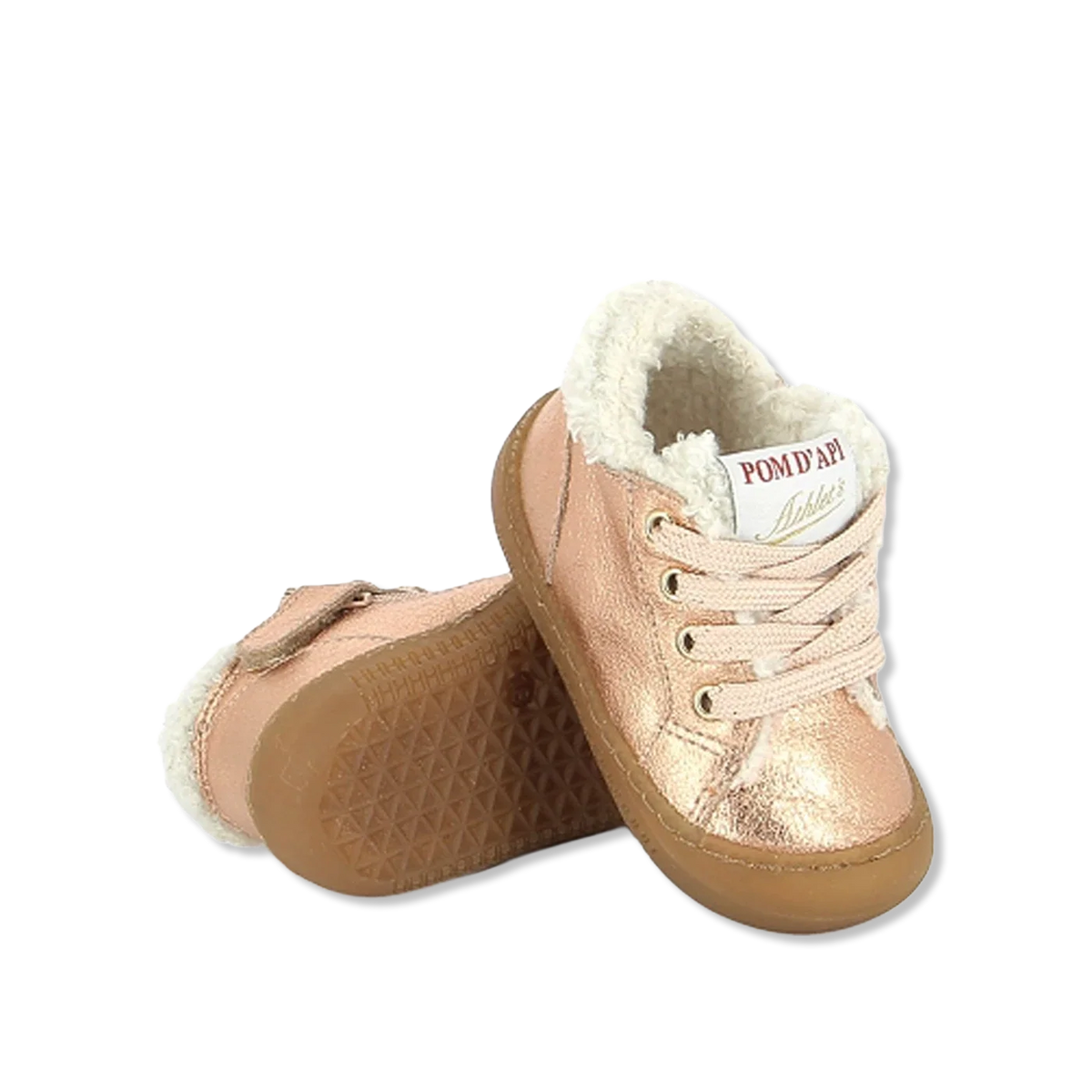
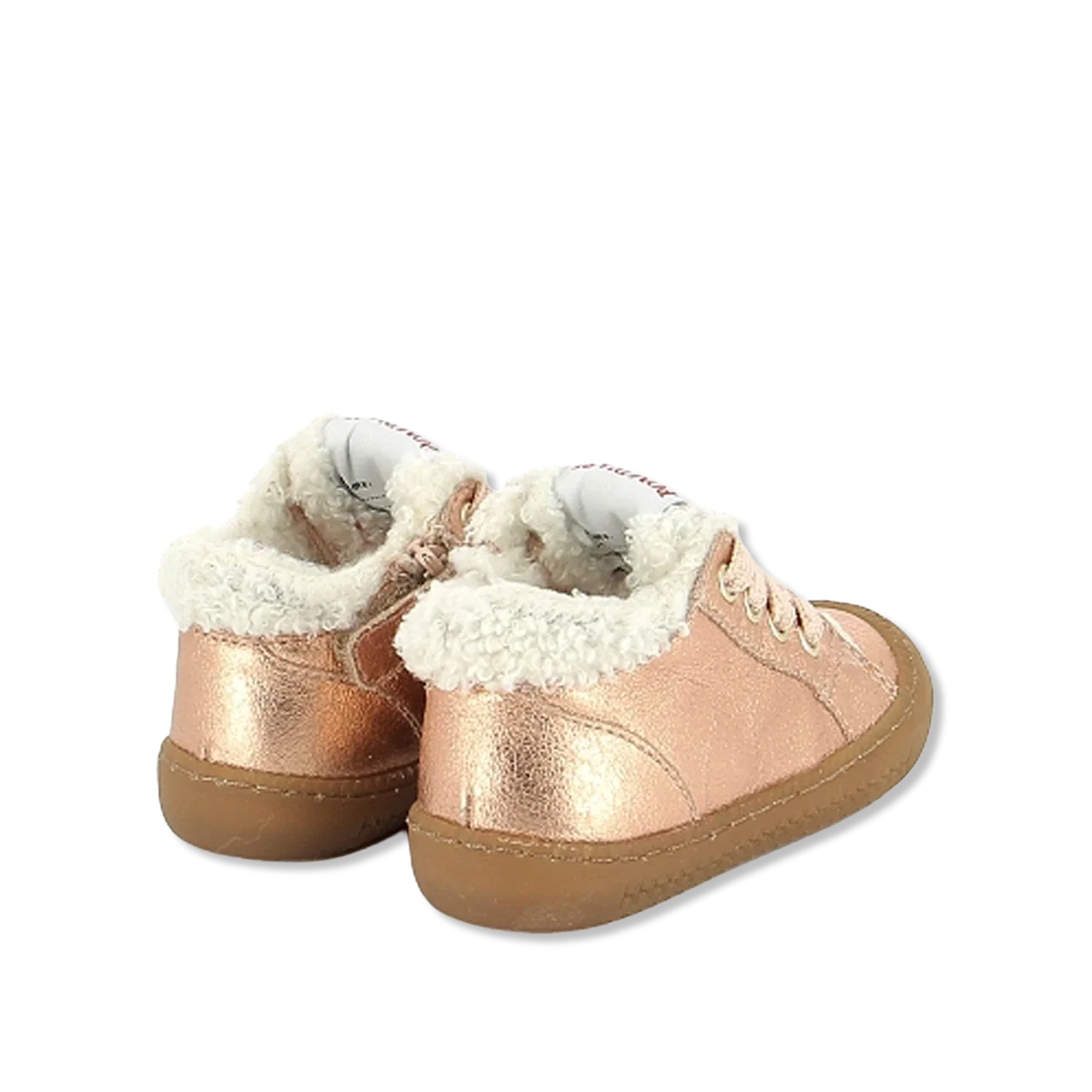
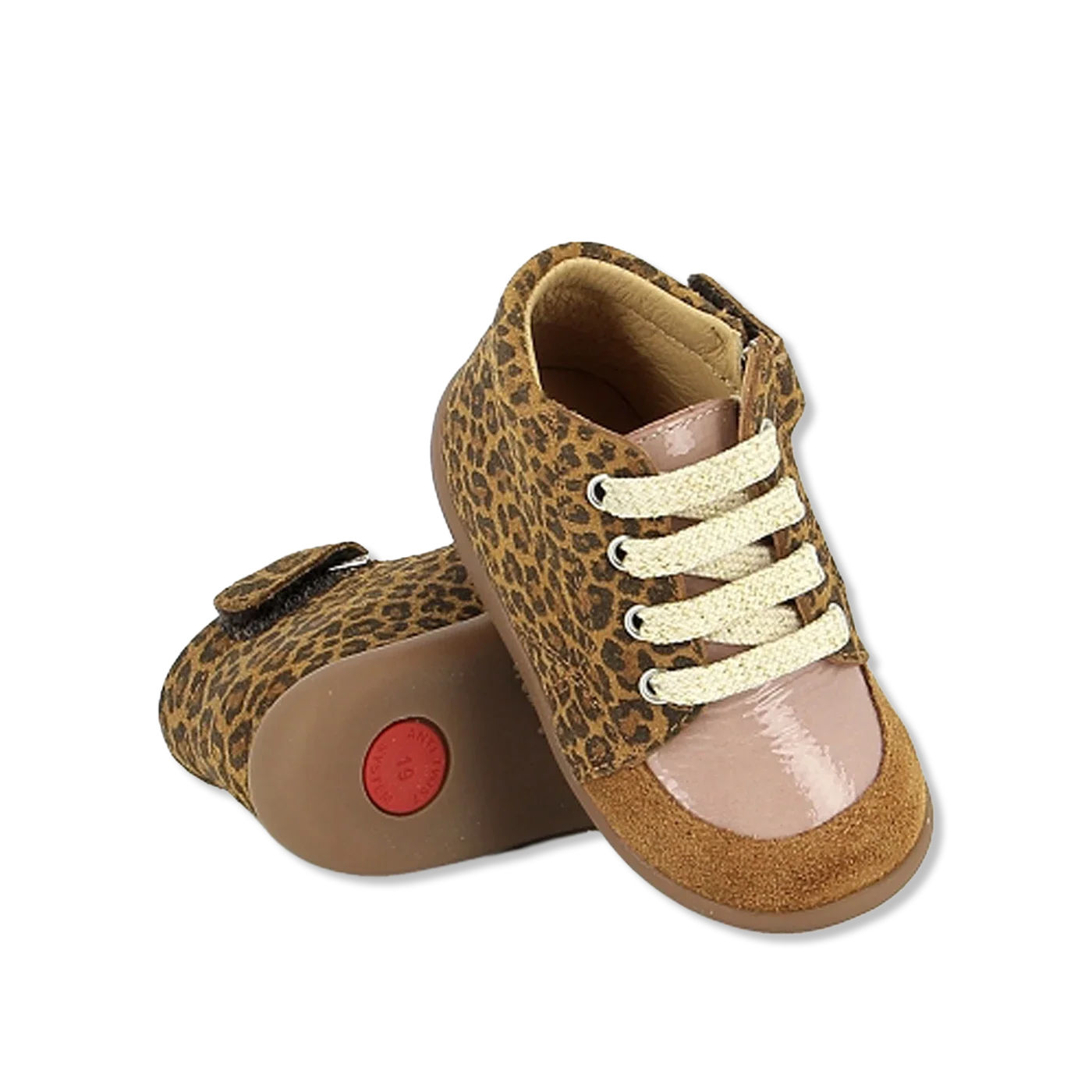
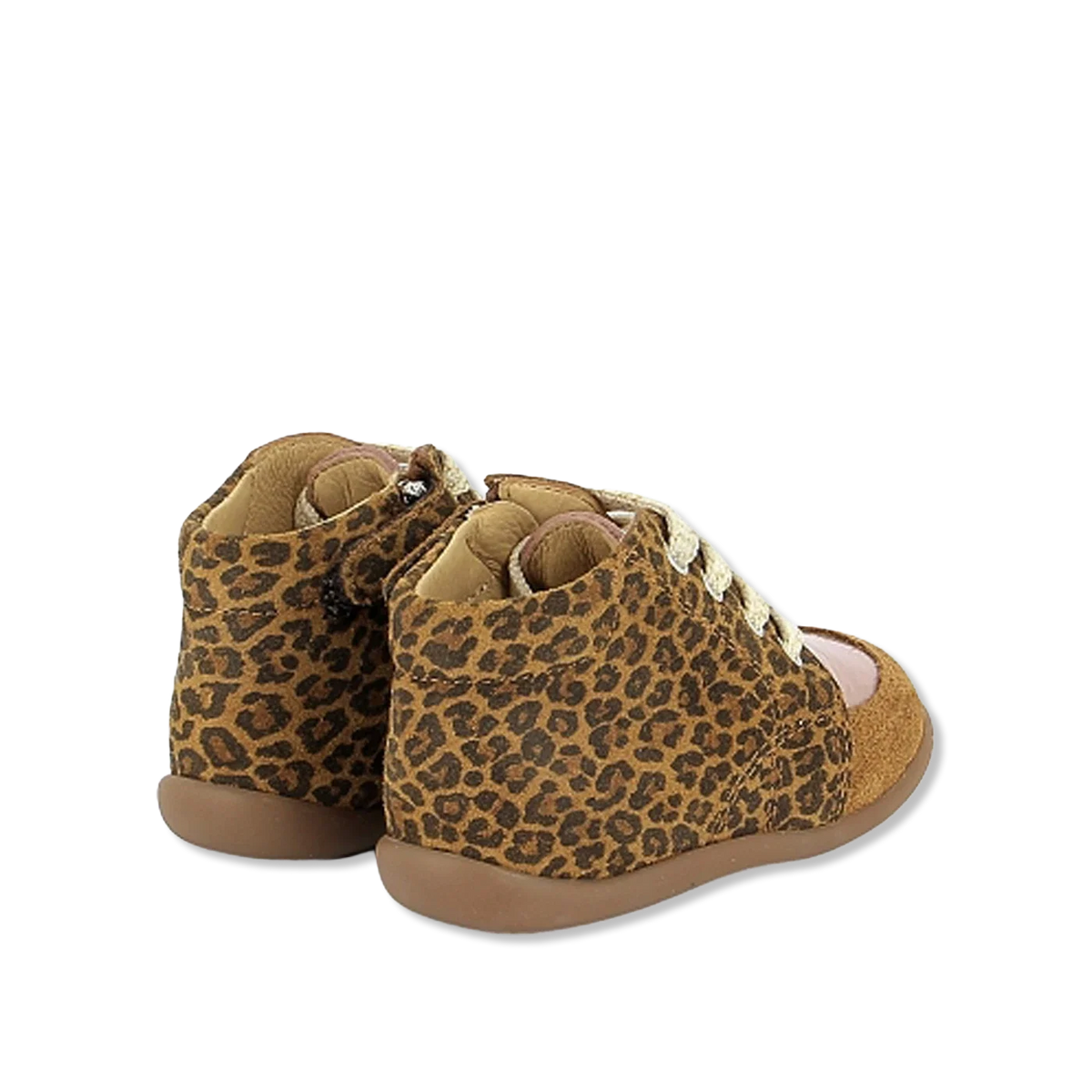
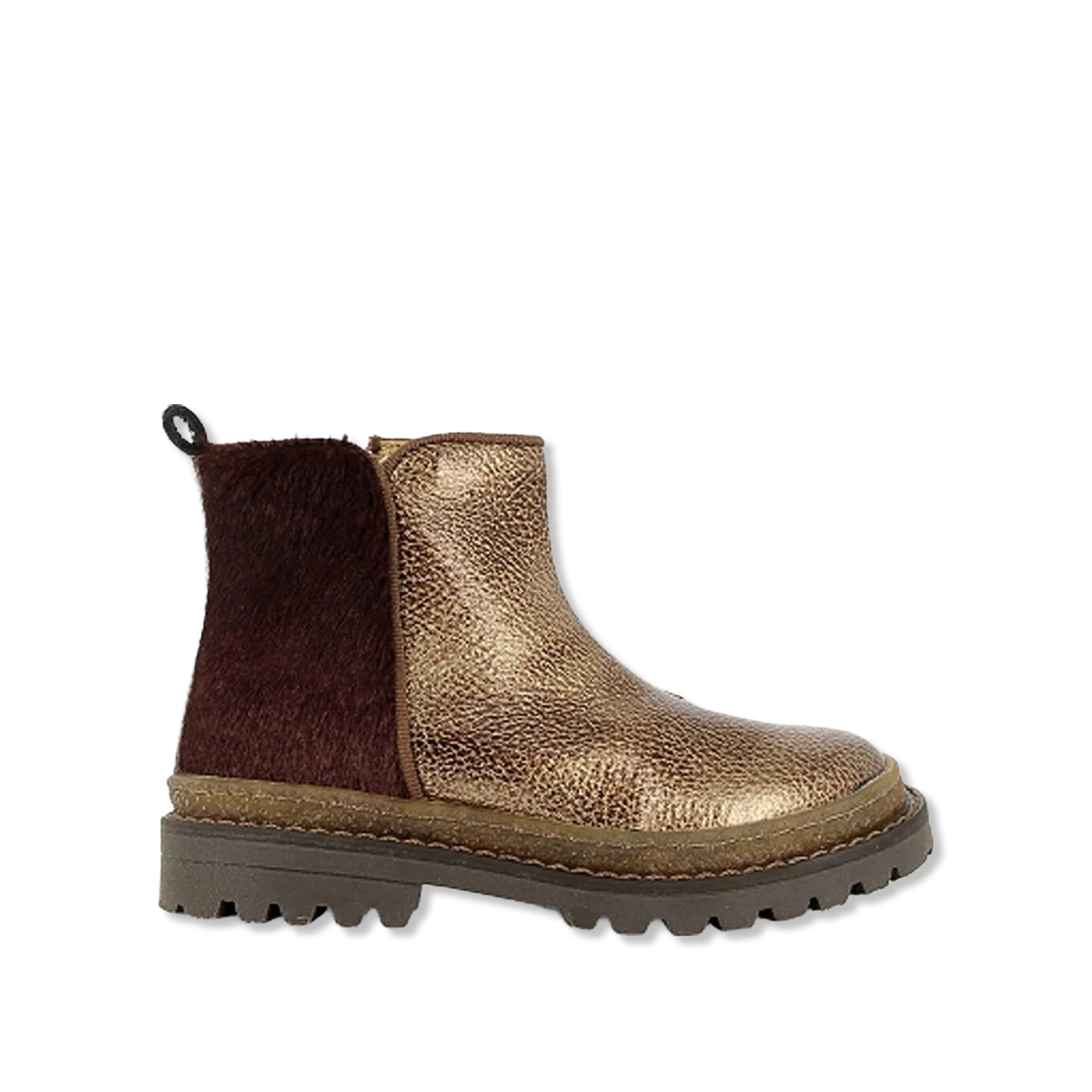
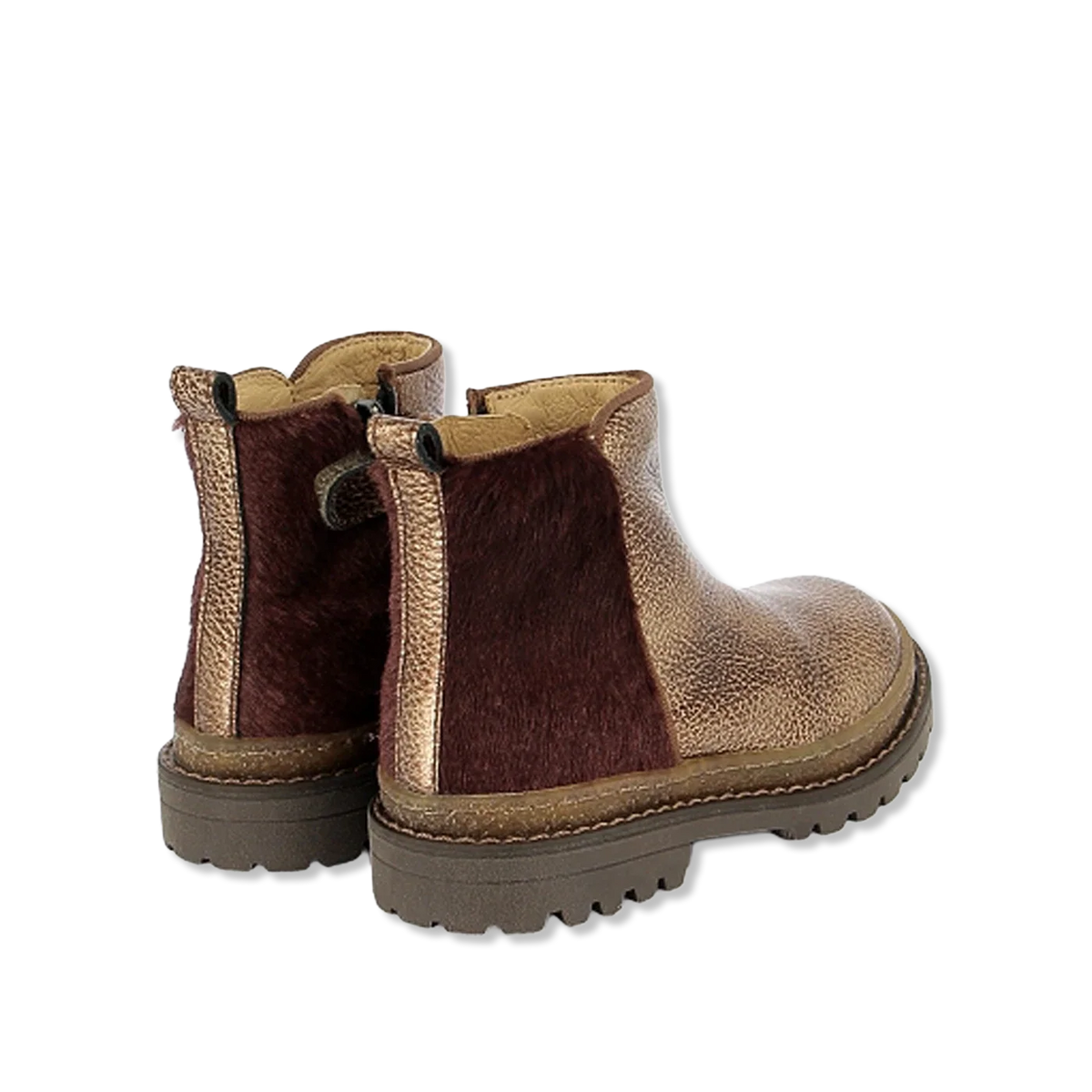
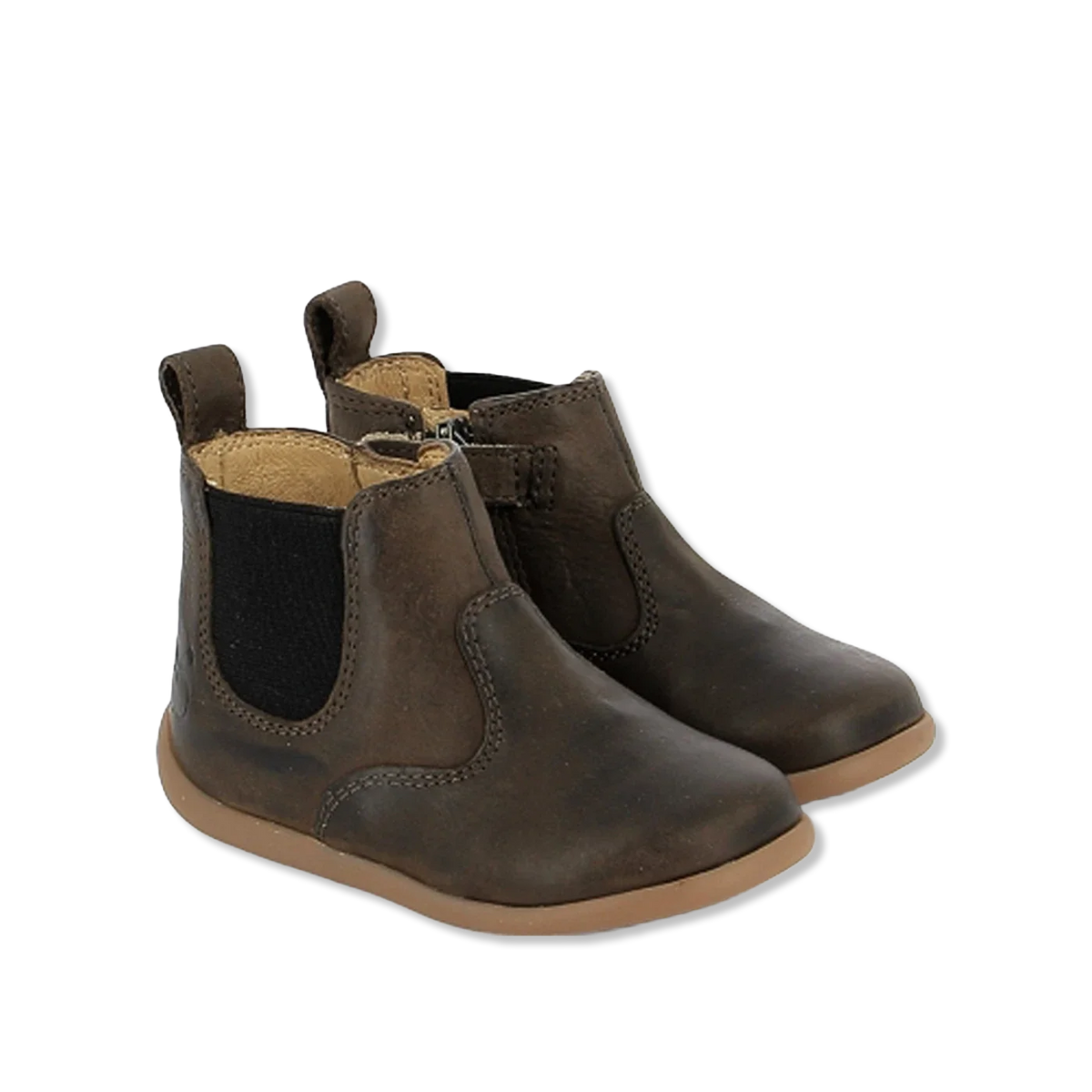
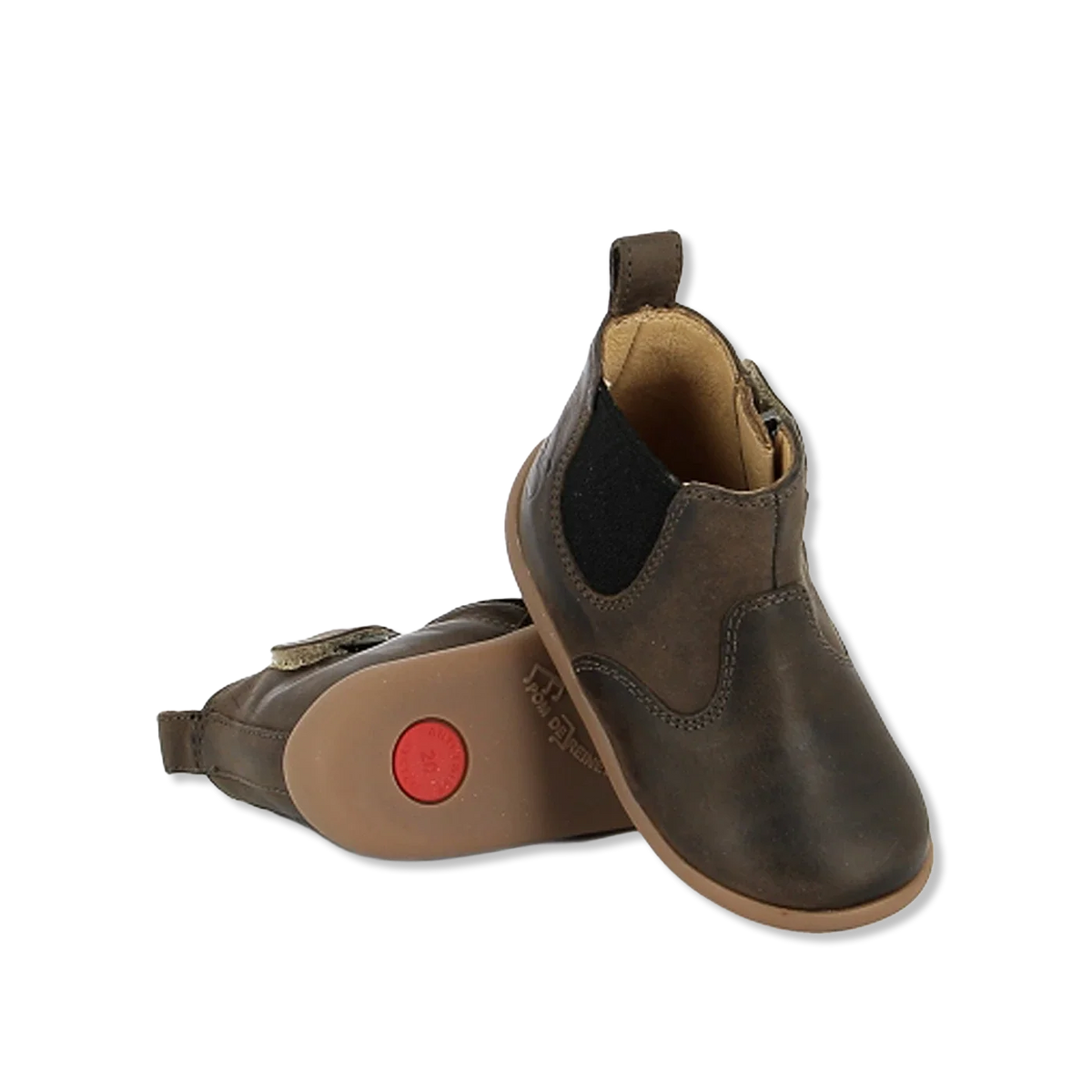
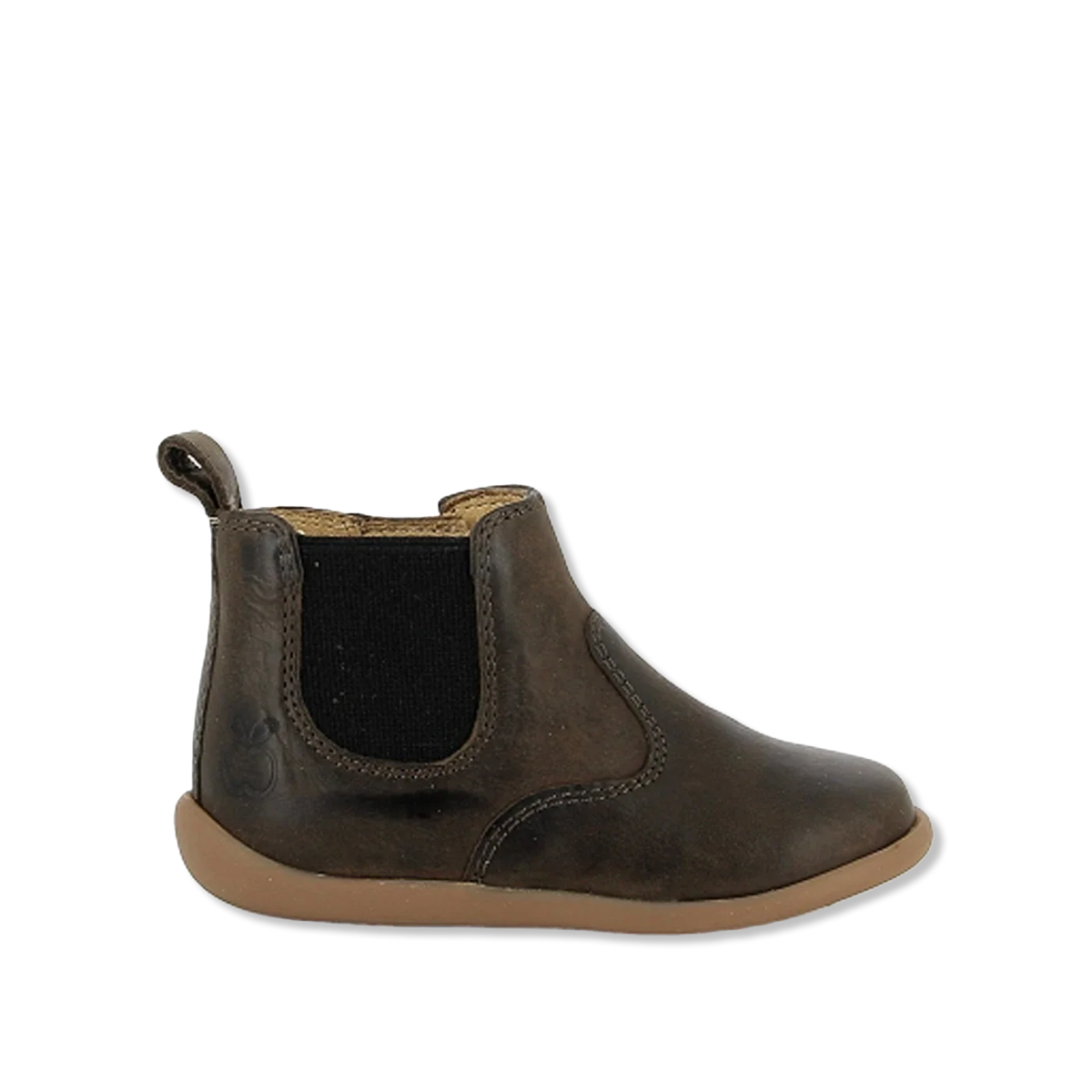
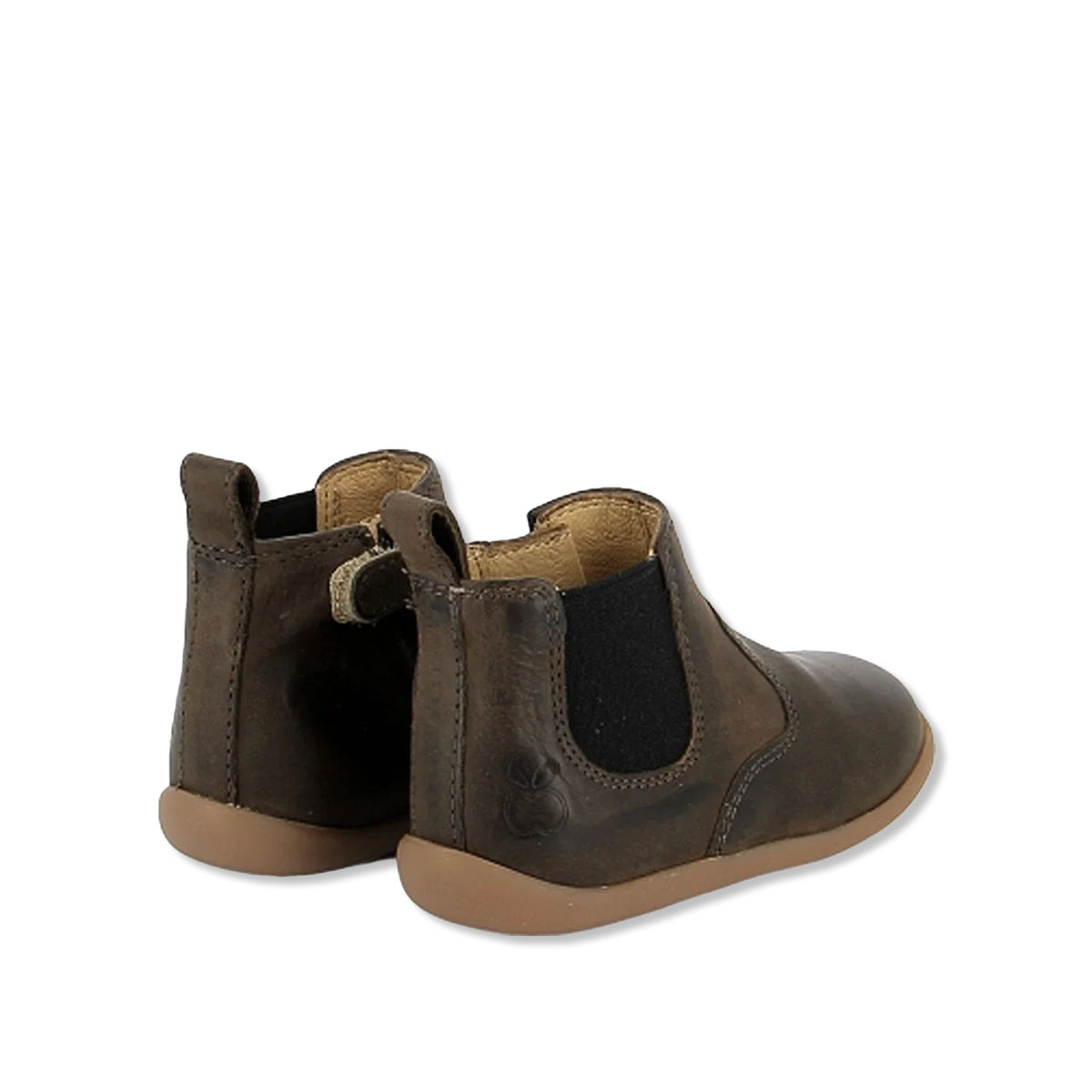
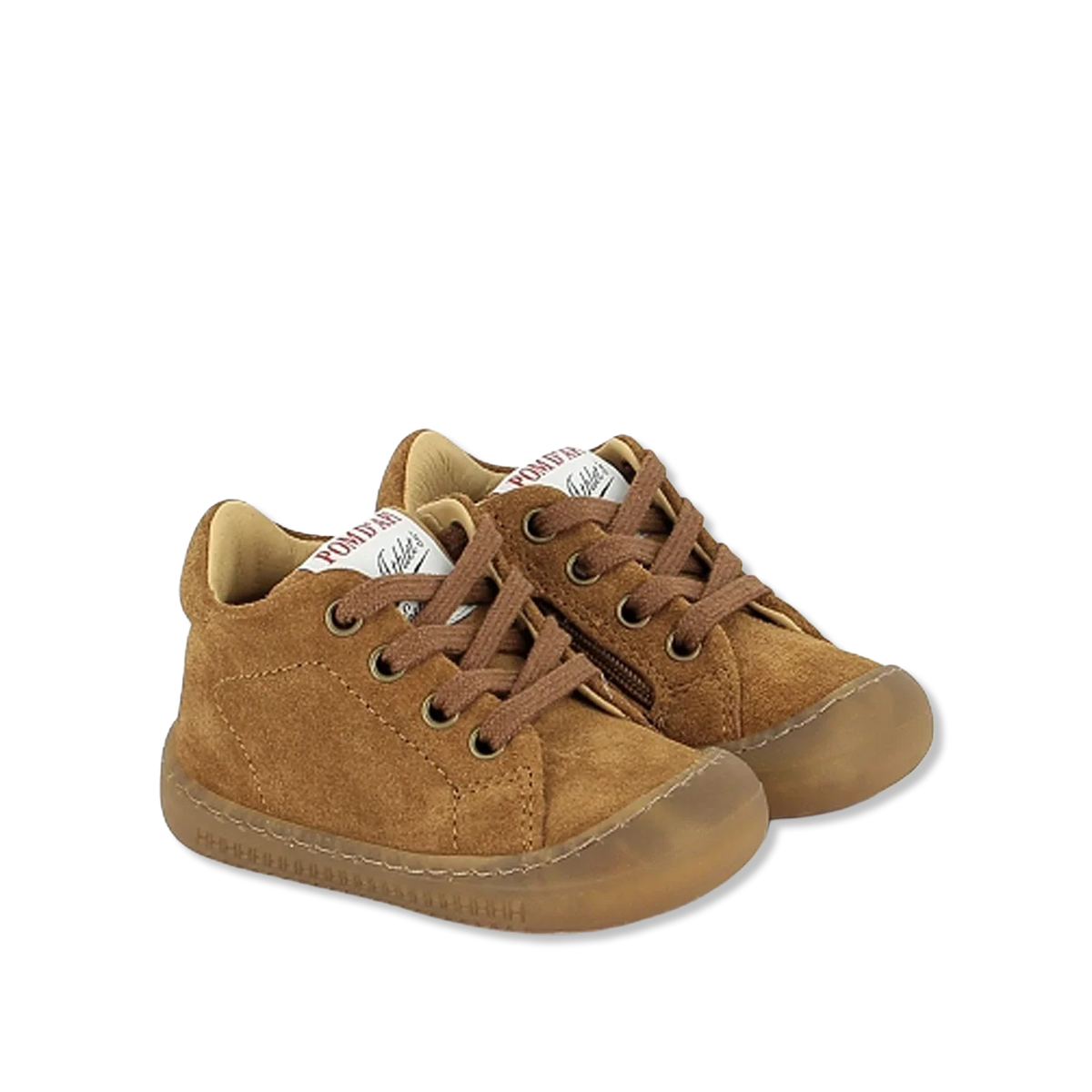
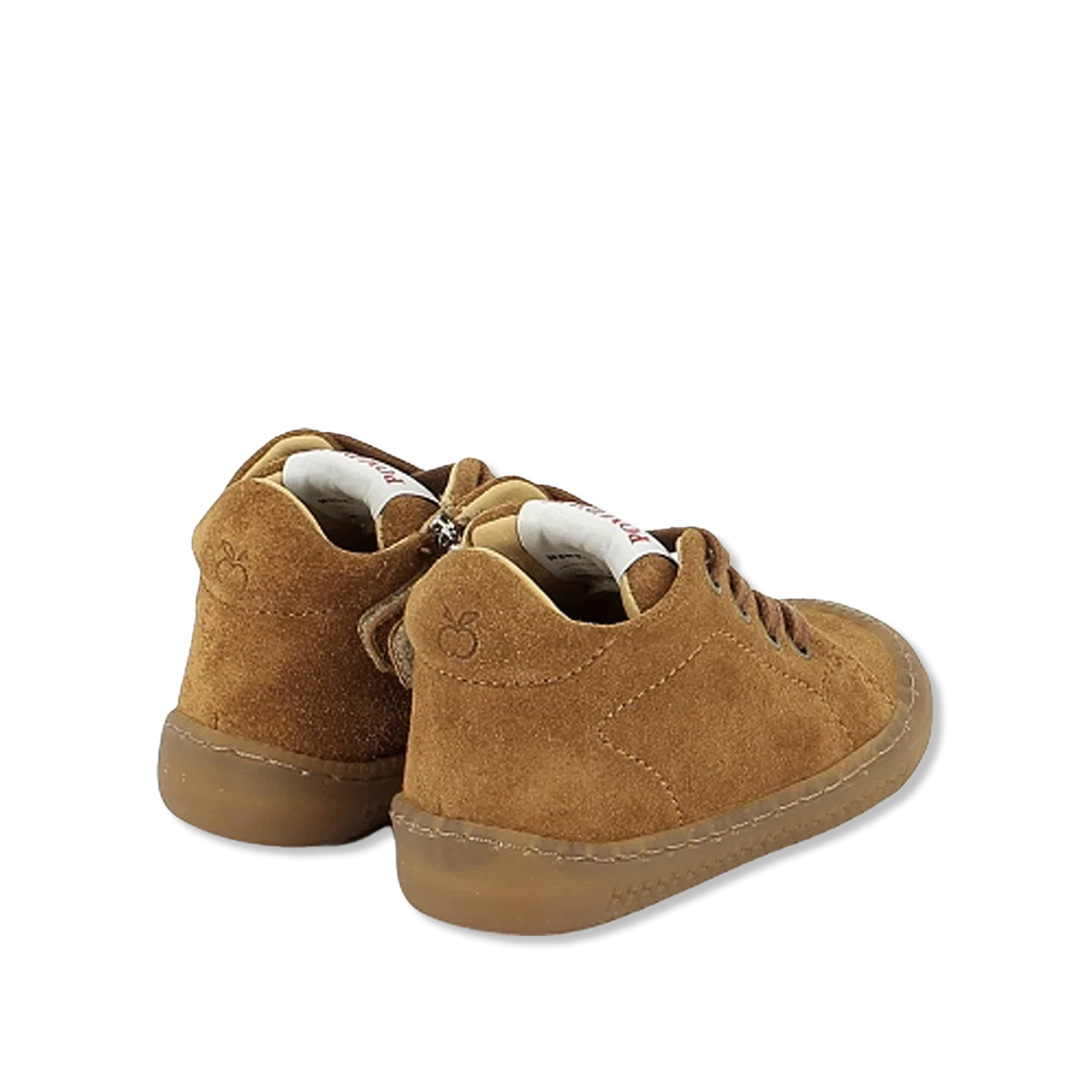
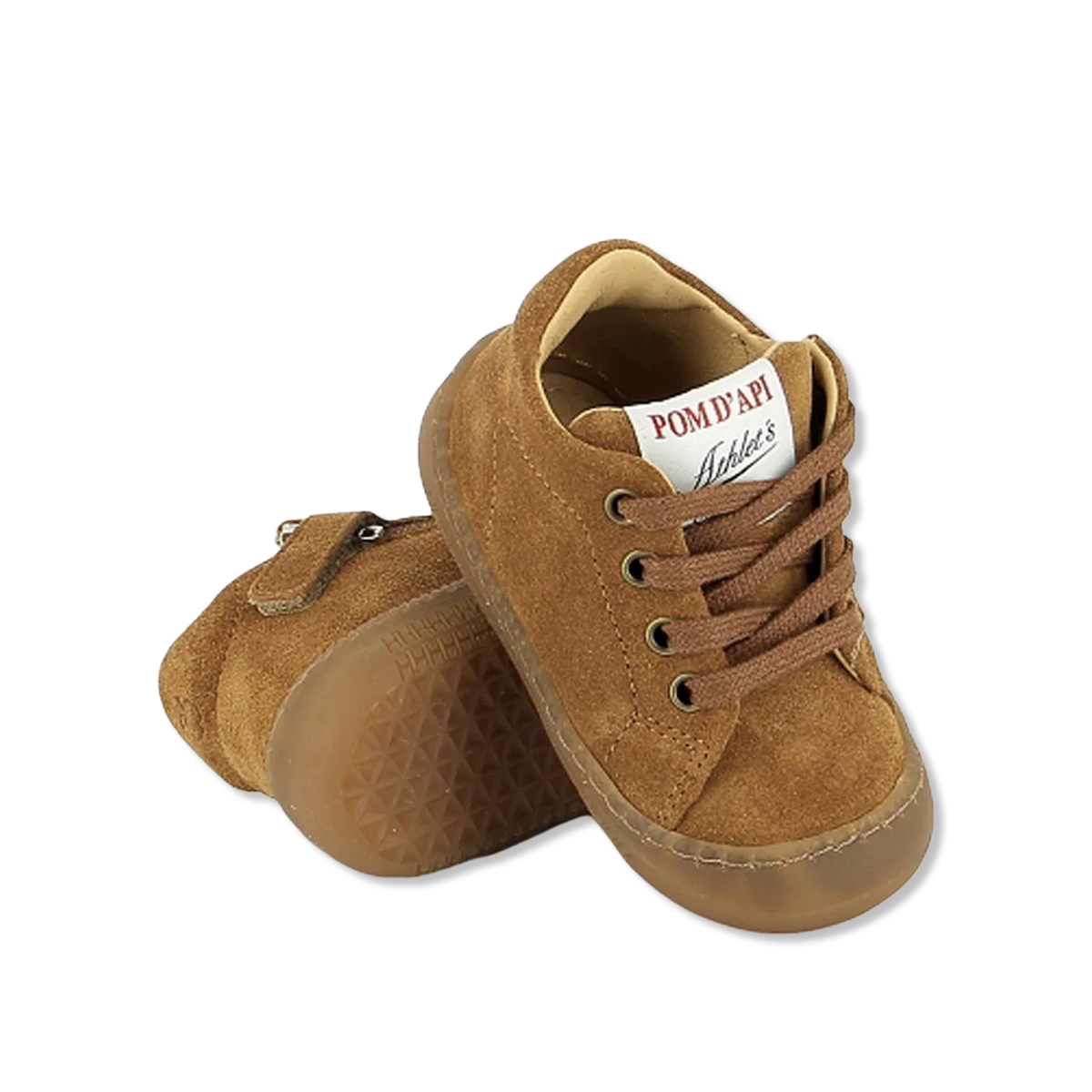
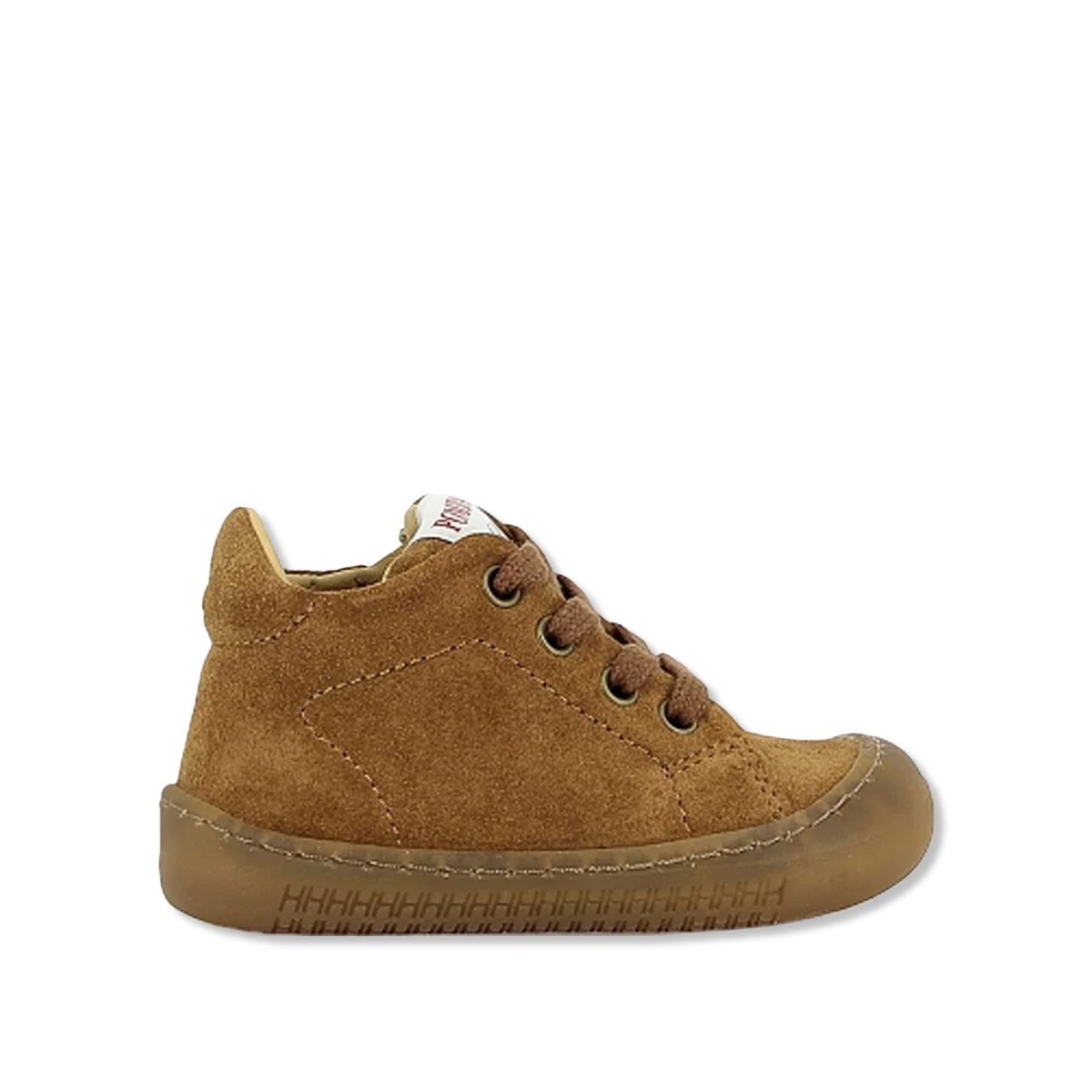
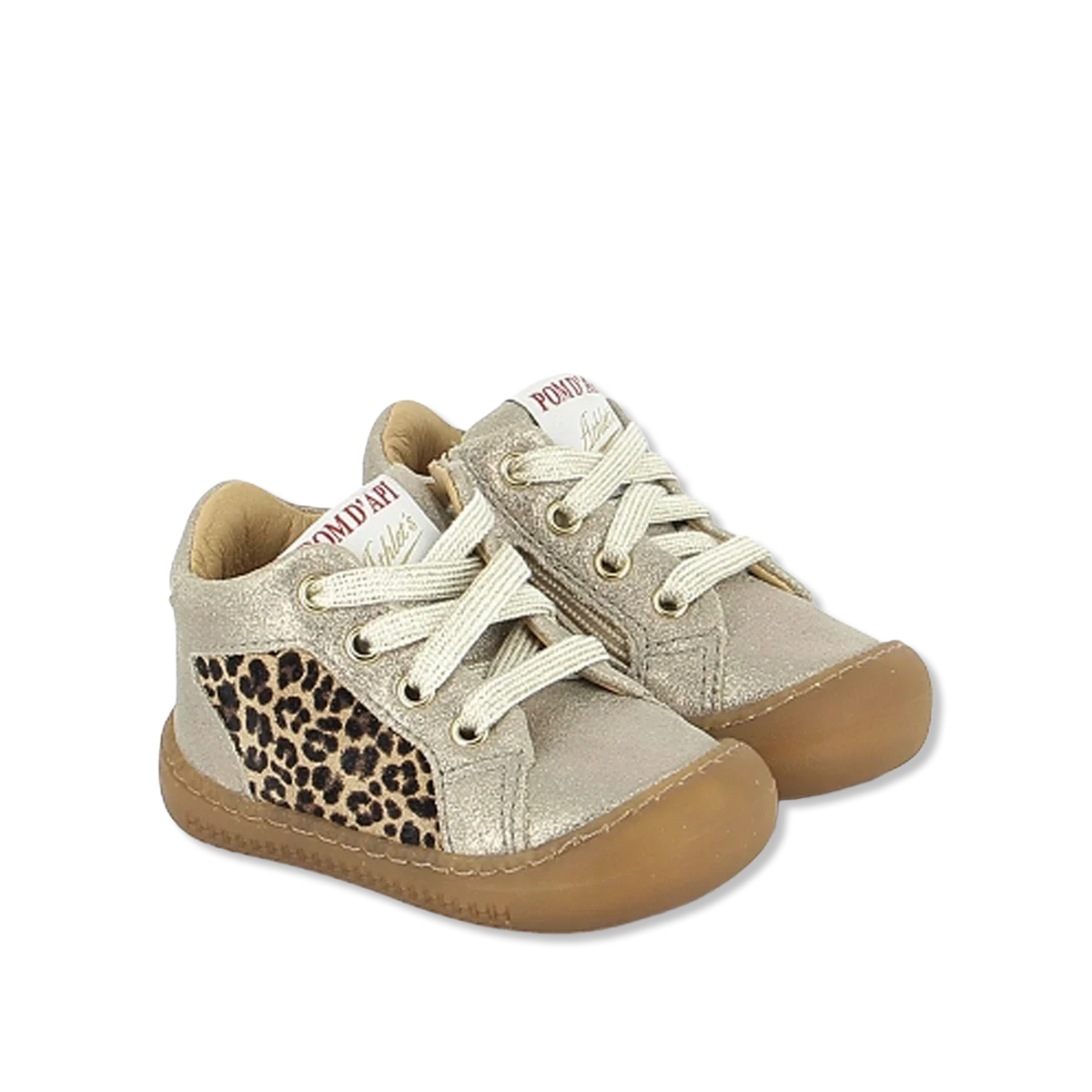
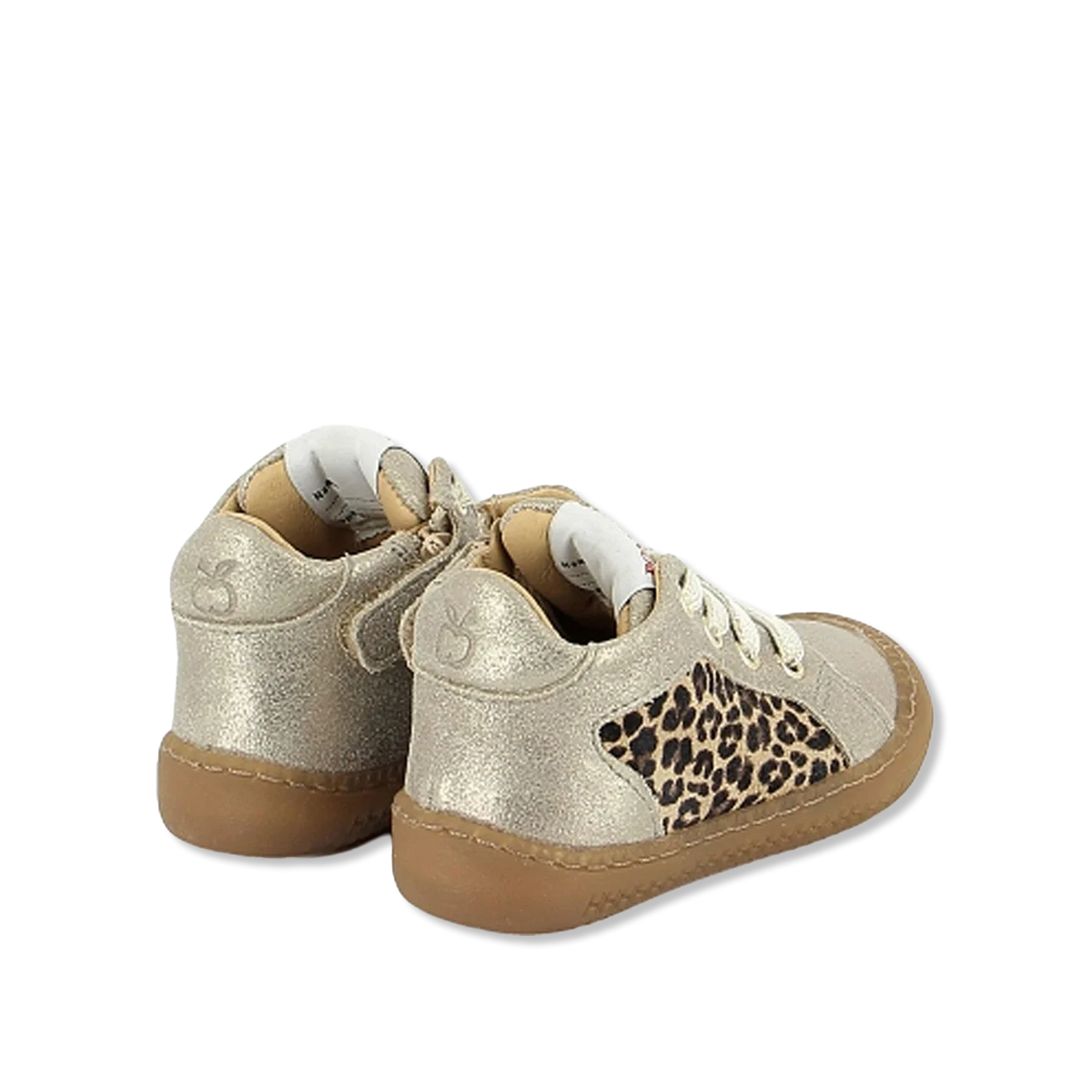
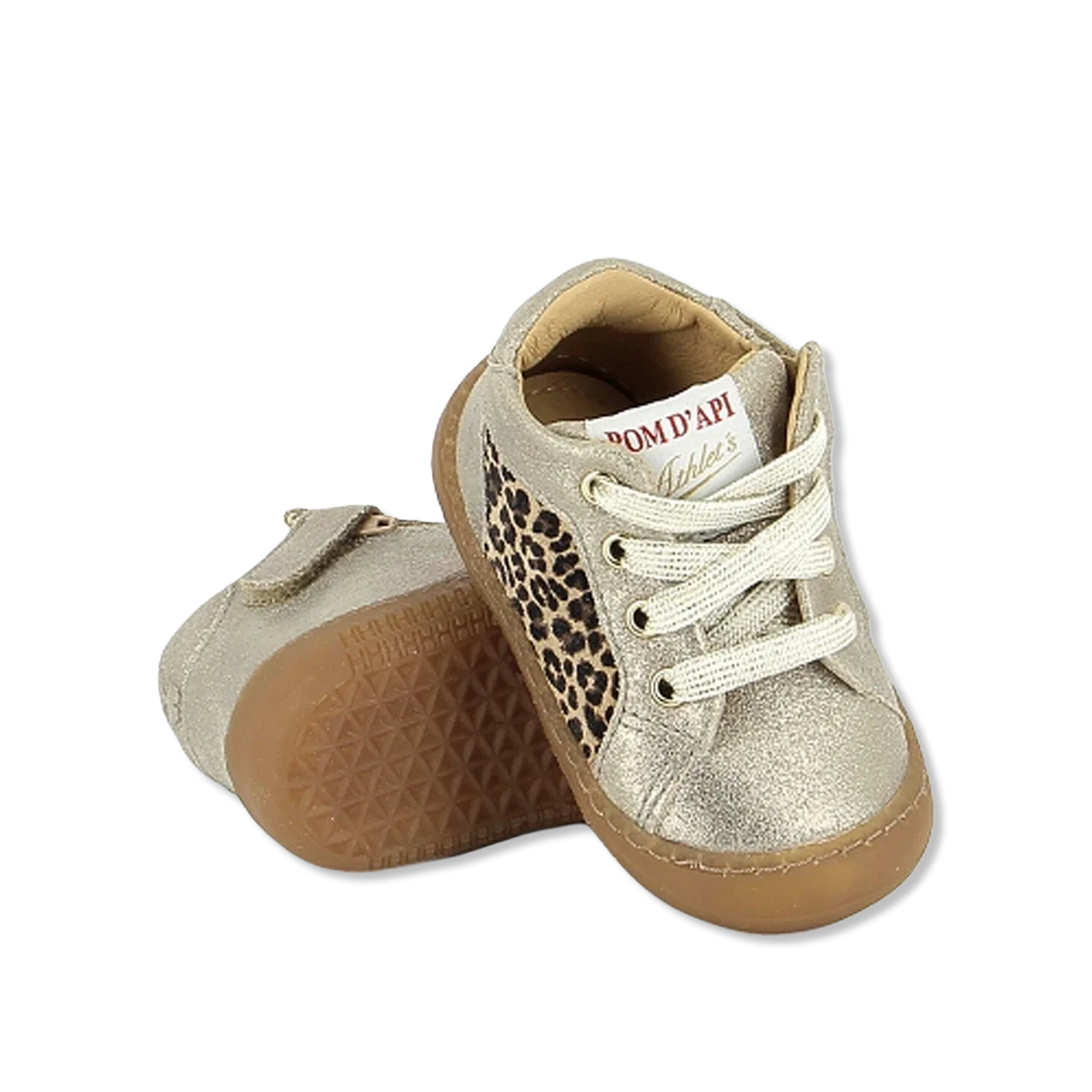
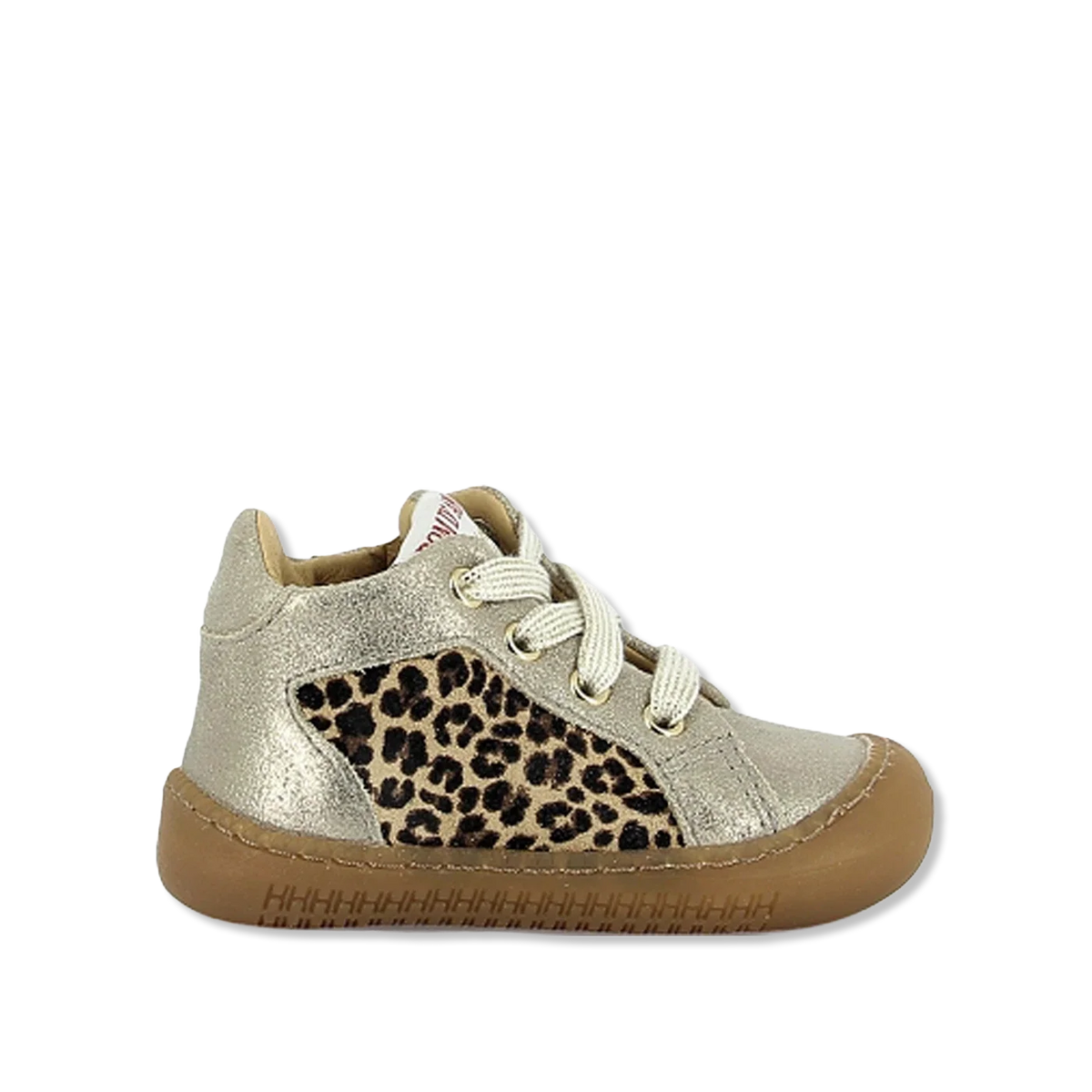
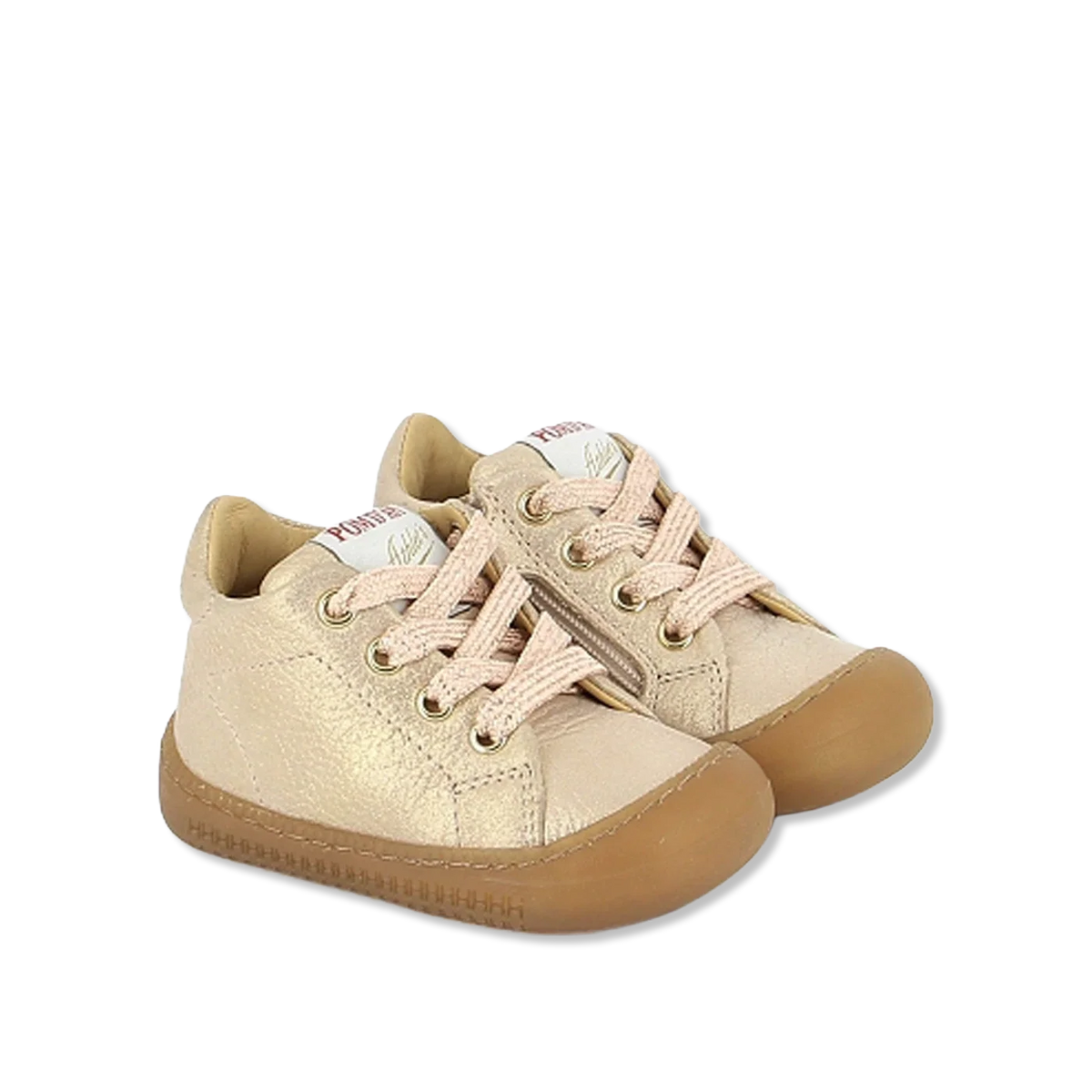
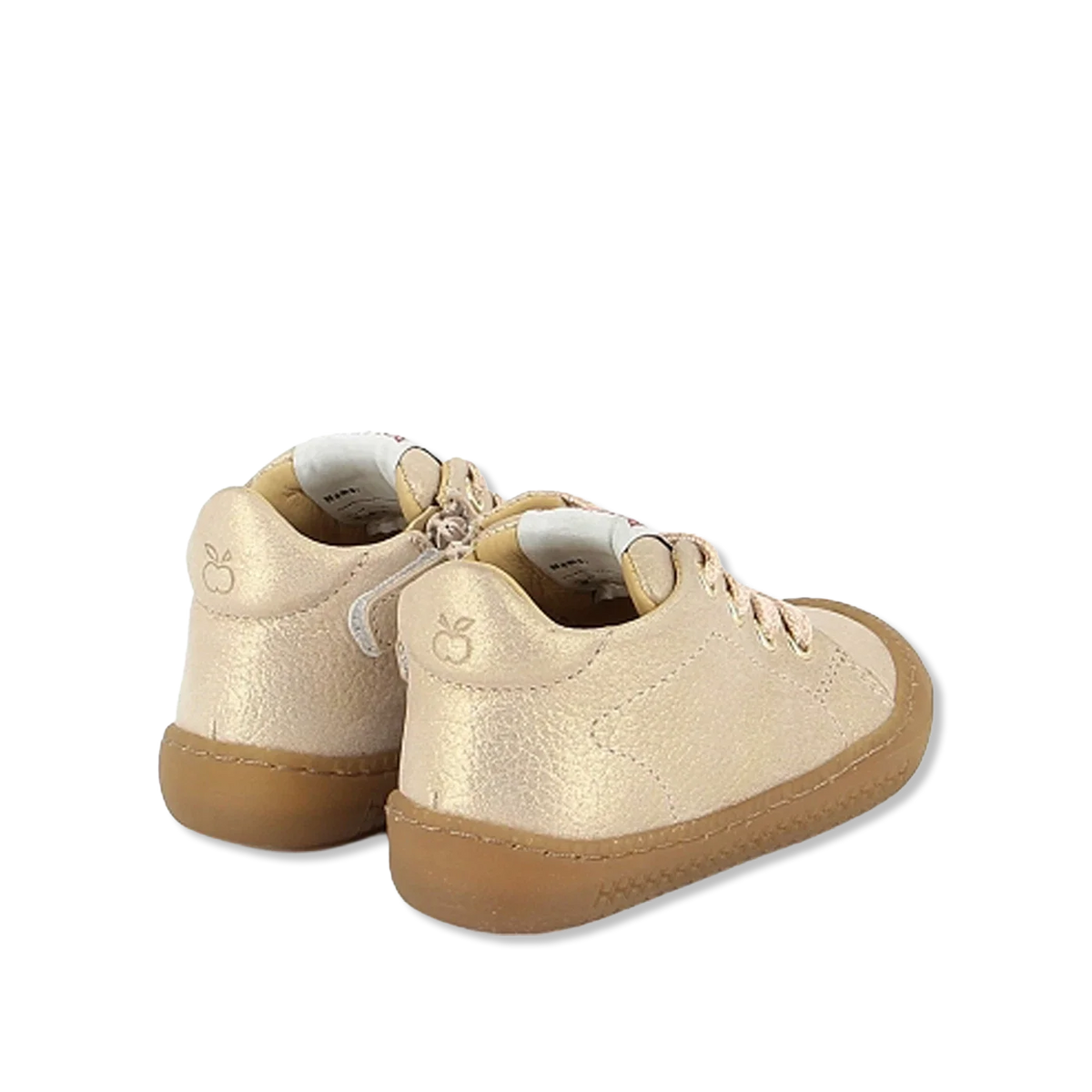
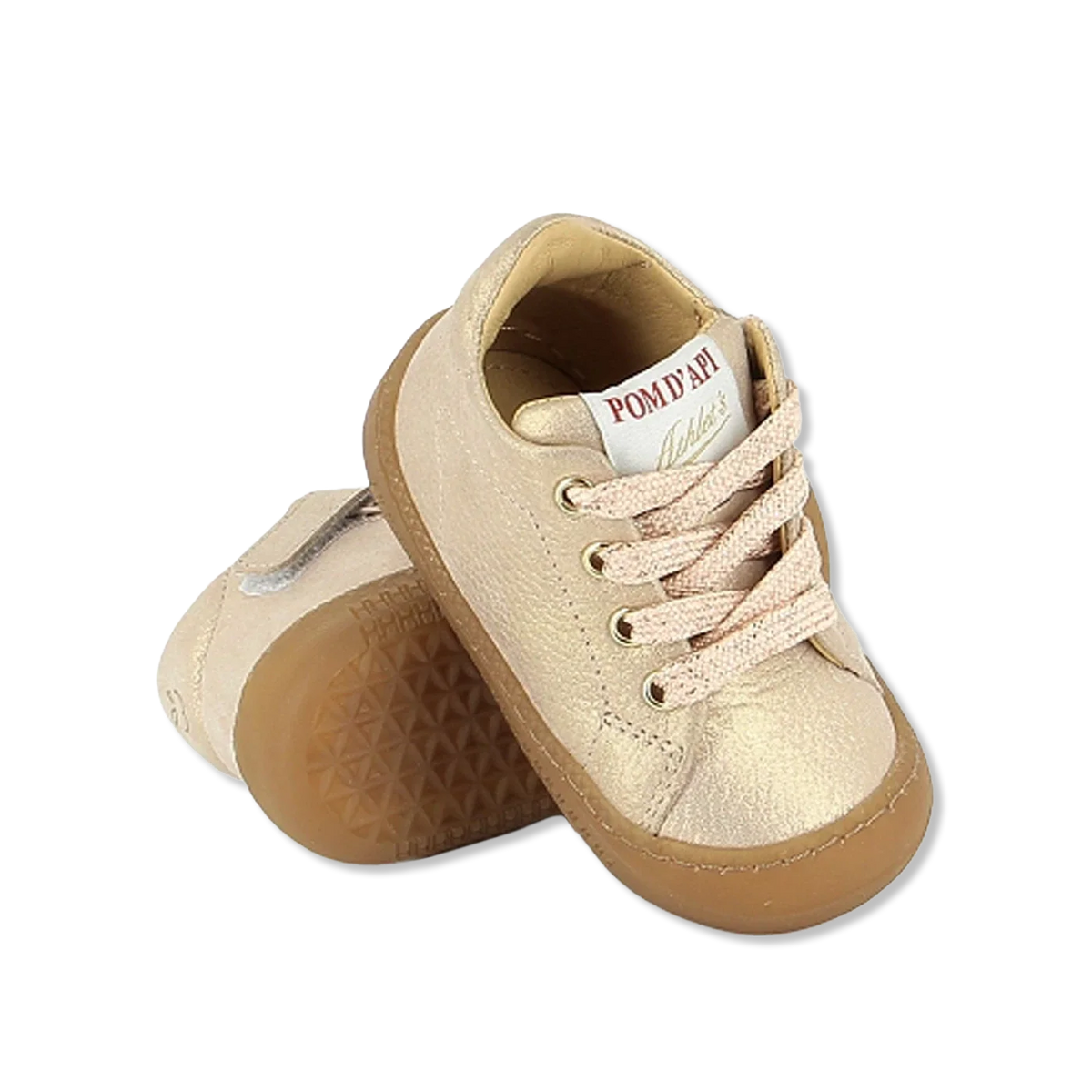
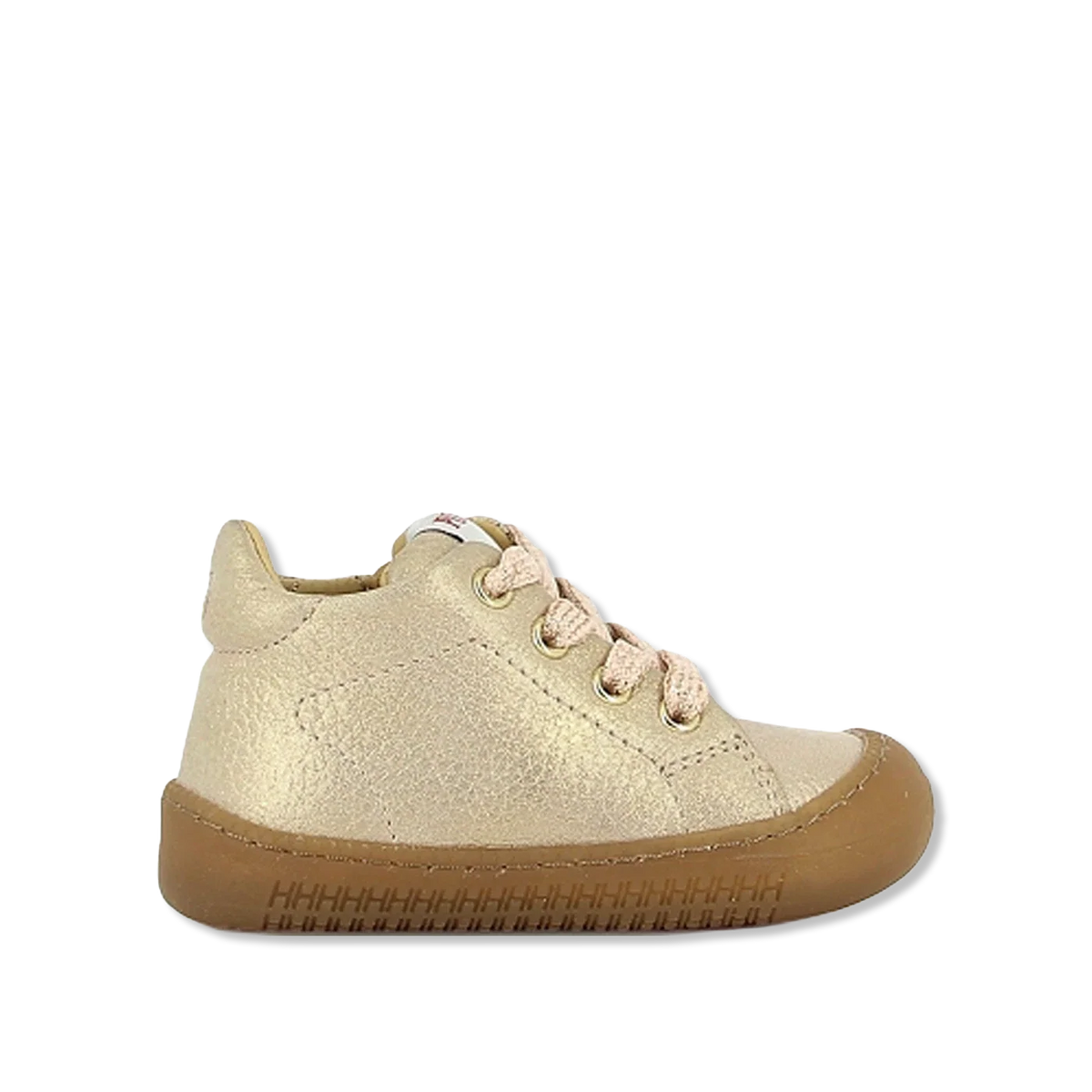
For the youngest children, soft and flexible baby shoes or starter shoes often make the most sense, as little feet still need to feel the ground and move freely. As children get older, it becomes more important to choose shoes that fit well, can handle more wear and are easy to take on and off on busy days. That is why you’ll find sneakers, sandals, boots and shoes for rainy and cold days, making it easier to find a pair that suits your child’s everyday life.
How to choose children’s shoes with the right fit
Fit is one of the most important things to consider when choosing children’s shoes. Children’s feet grow quickly, and shoes should neither be too tight nor so large that the foot slides around inside. There should be a little growing room, while still allowing your child to walk safely and naturally.
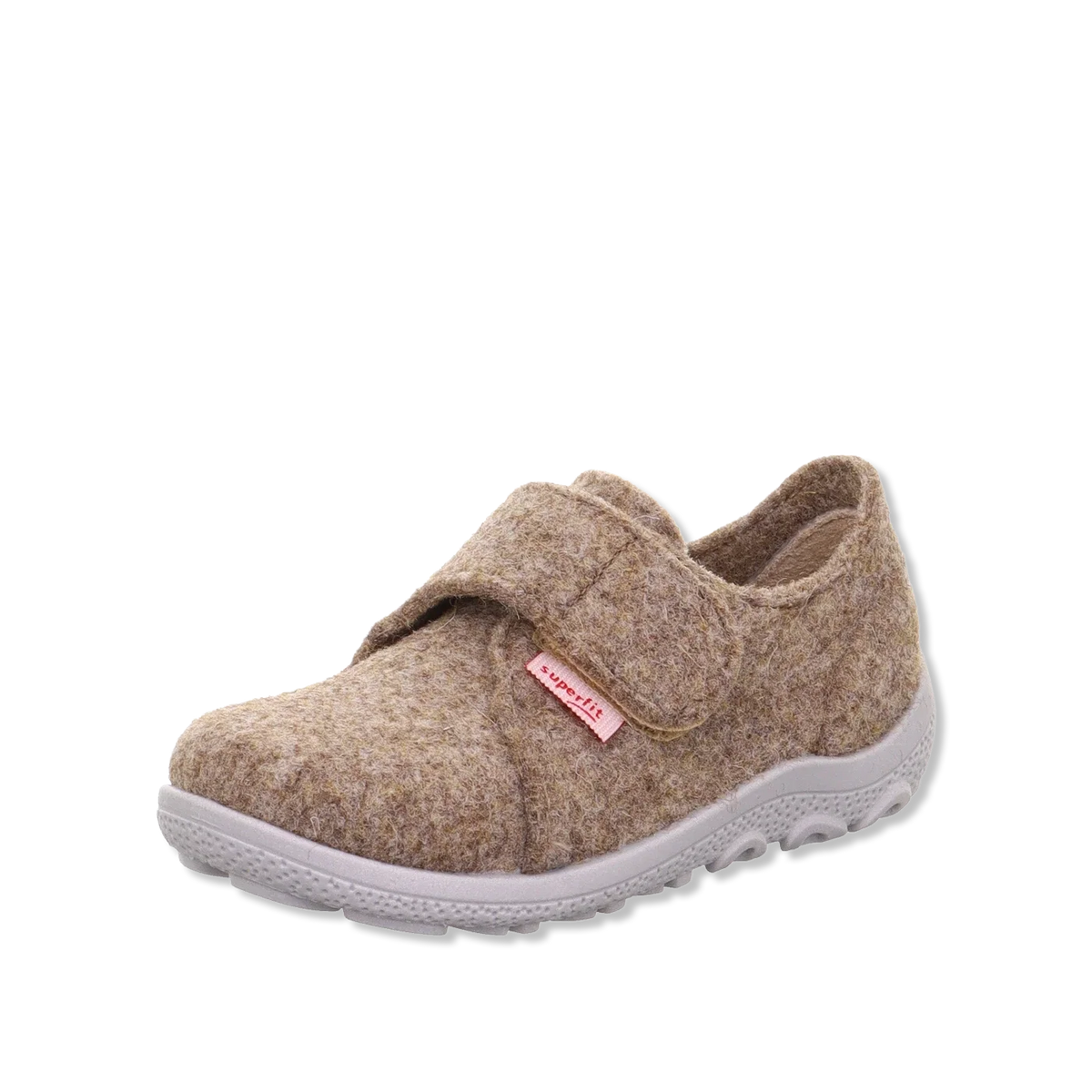
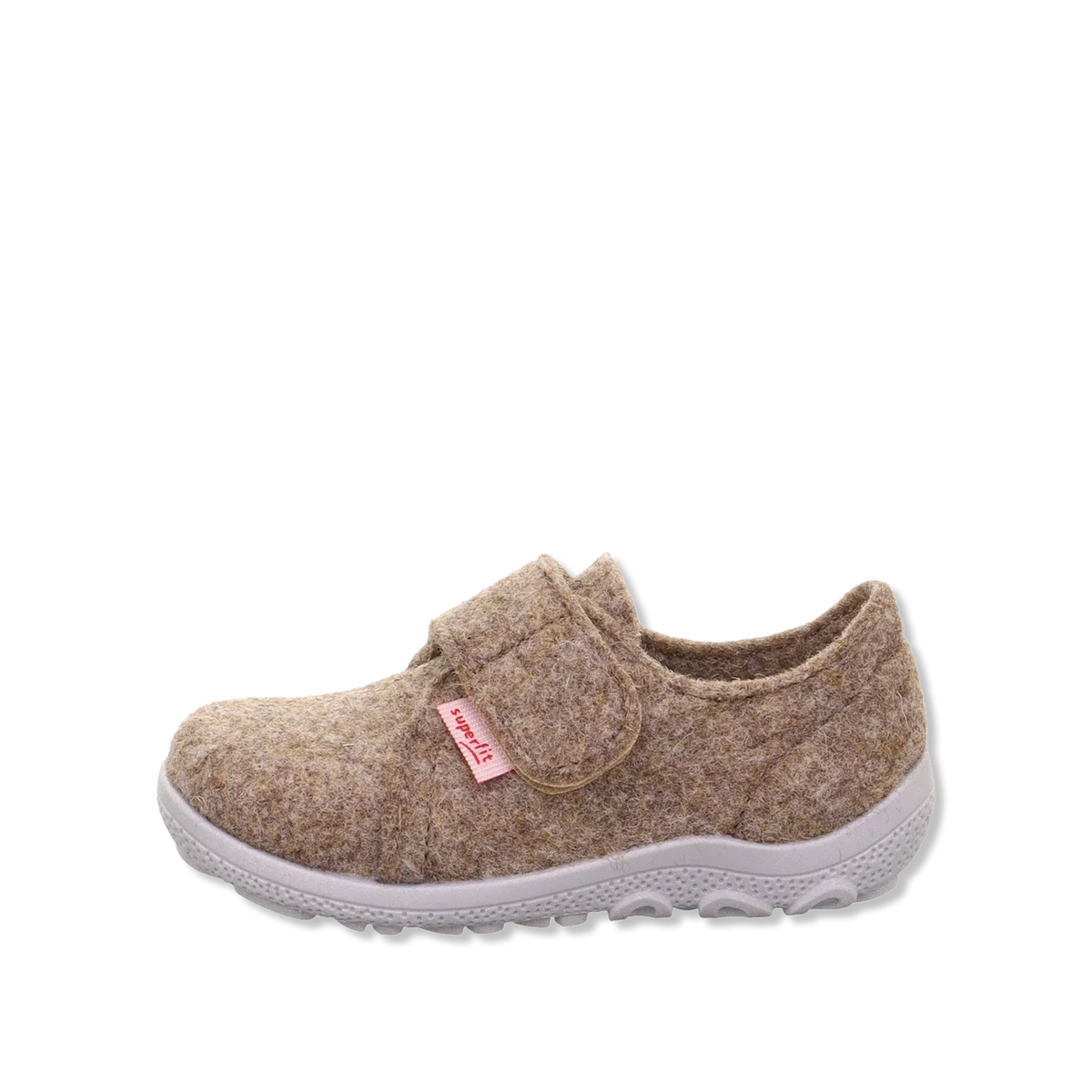
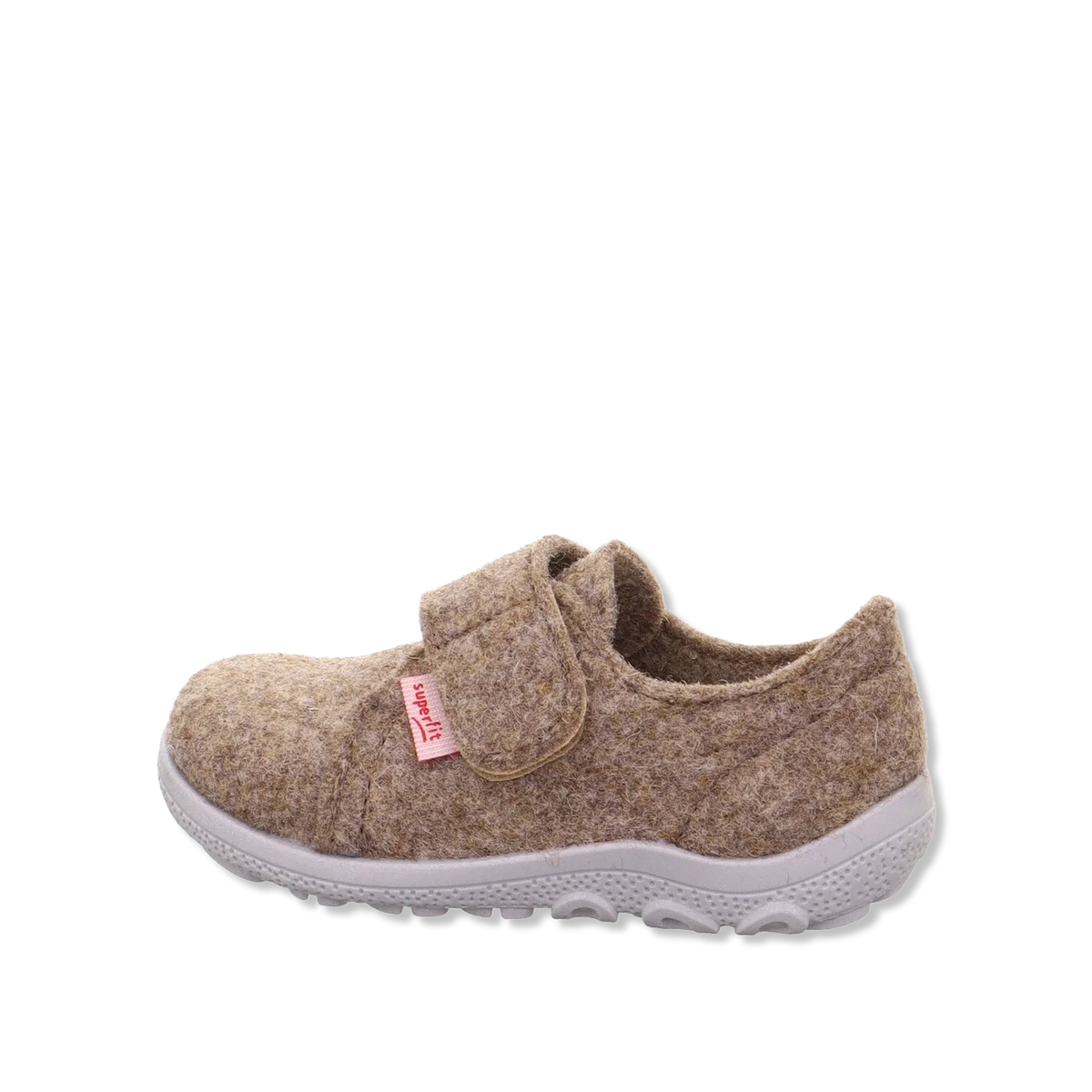
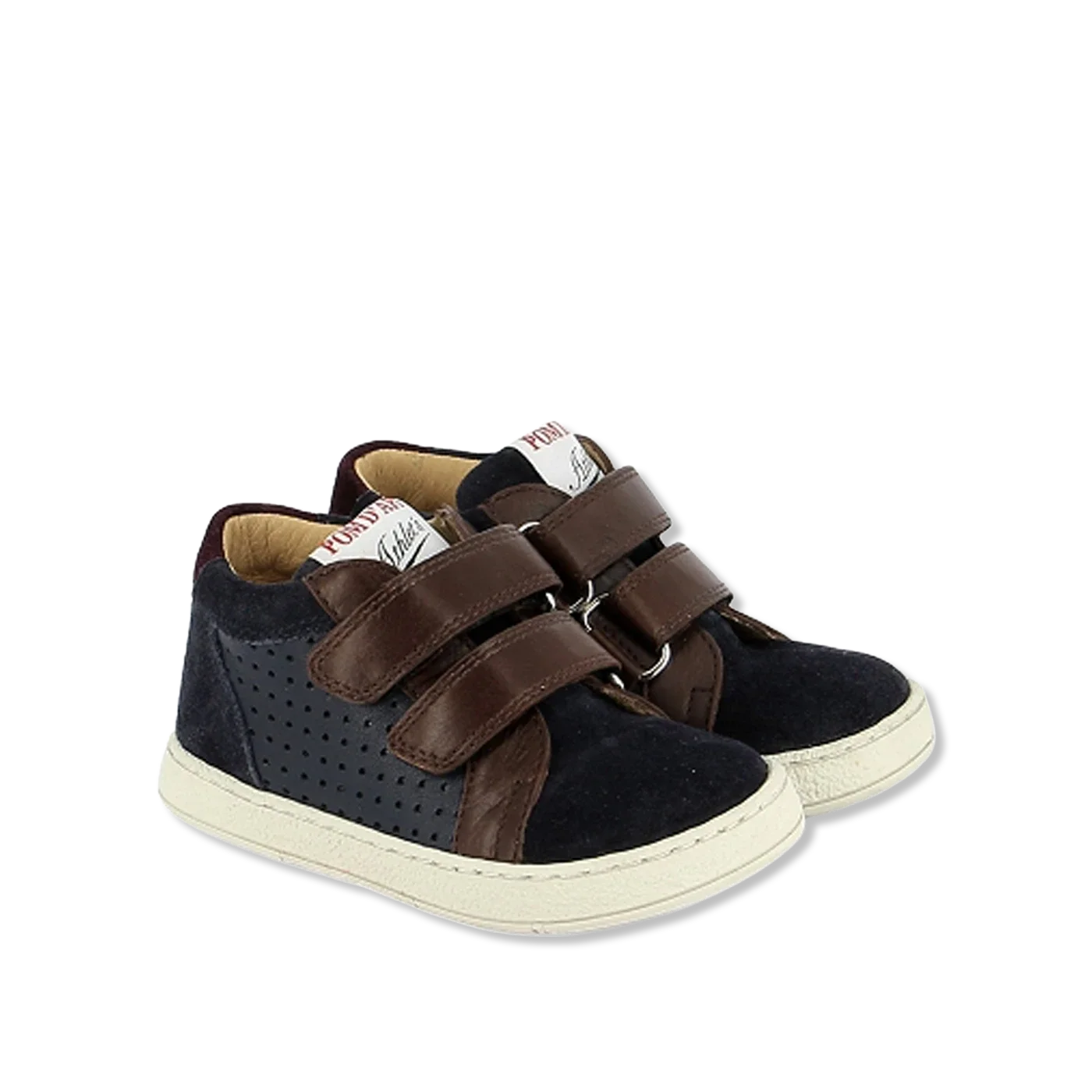
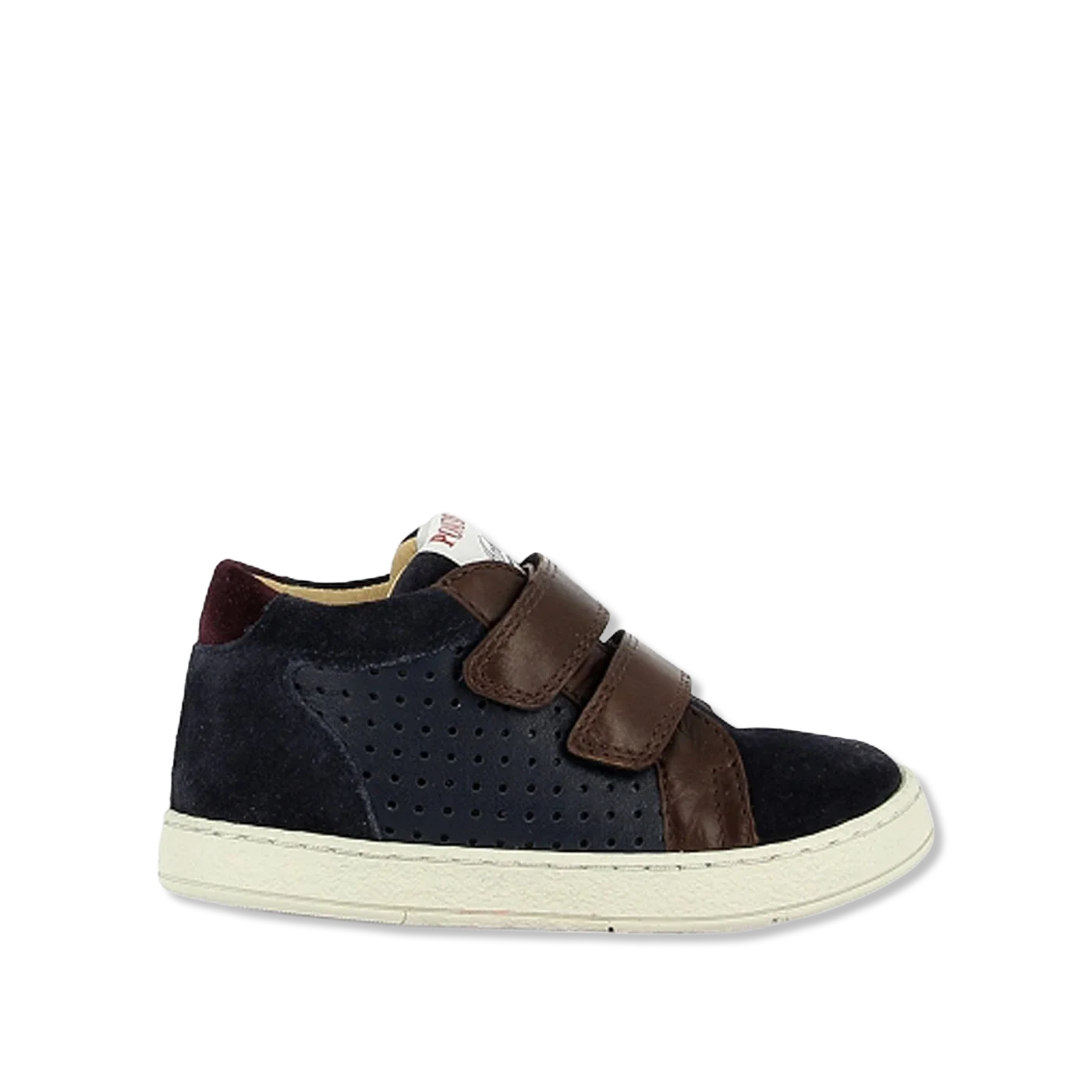
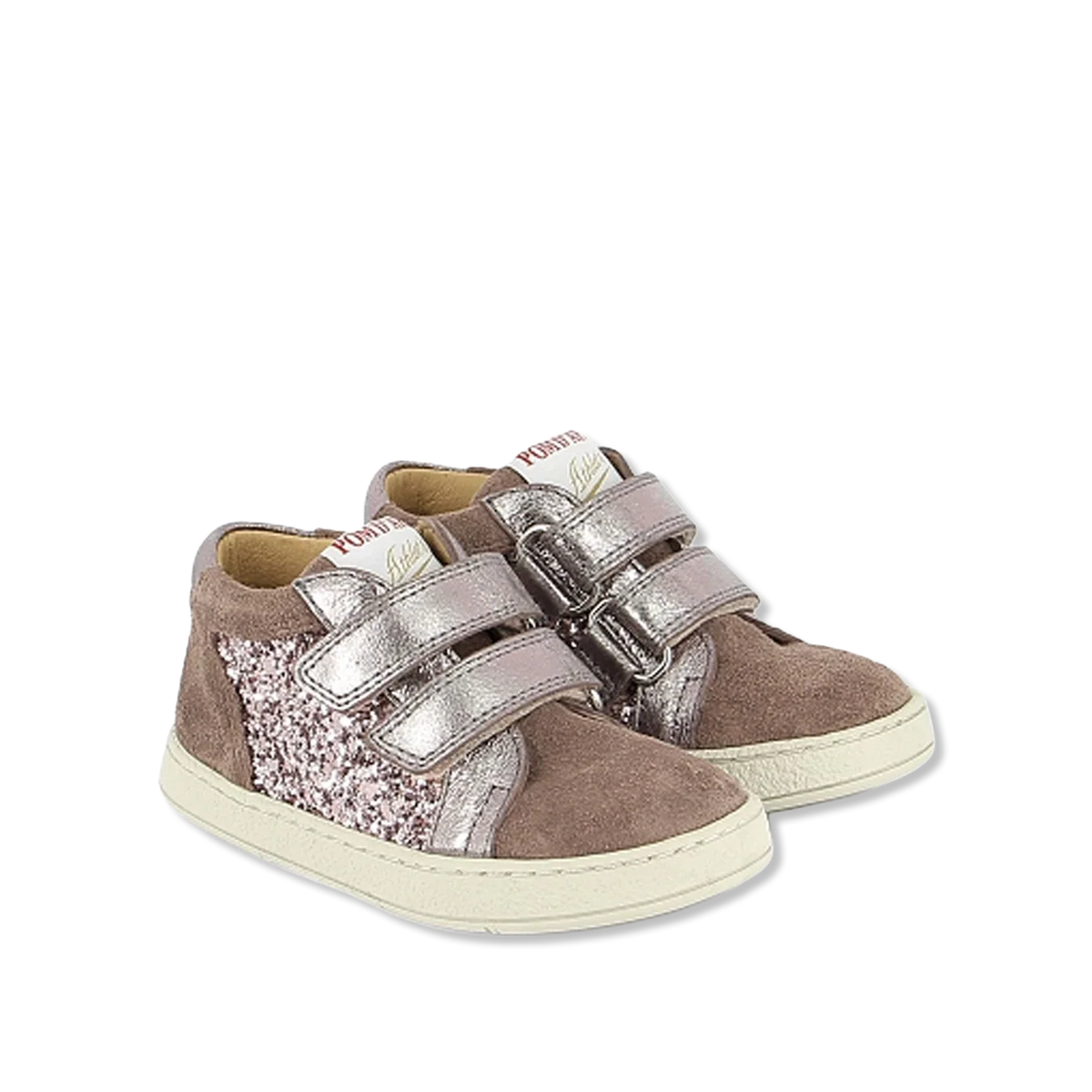
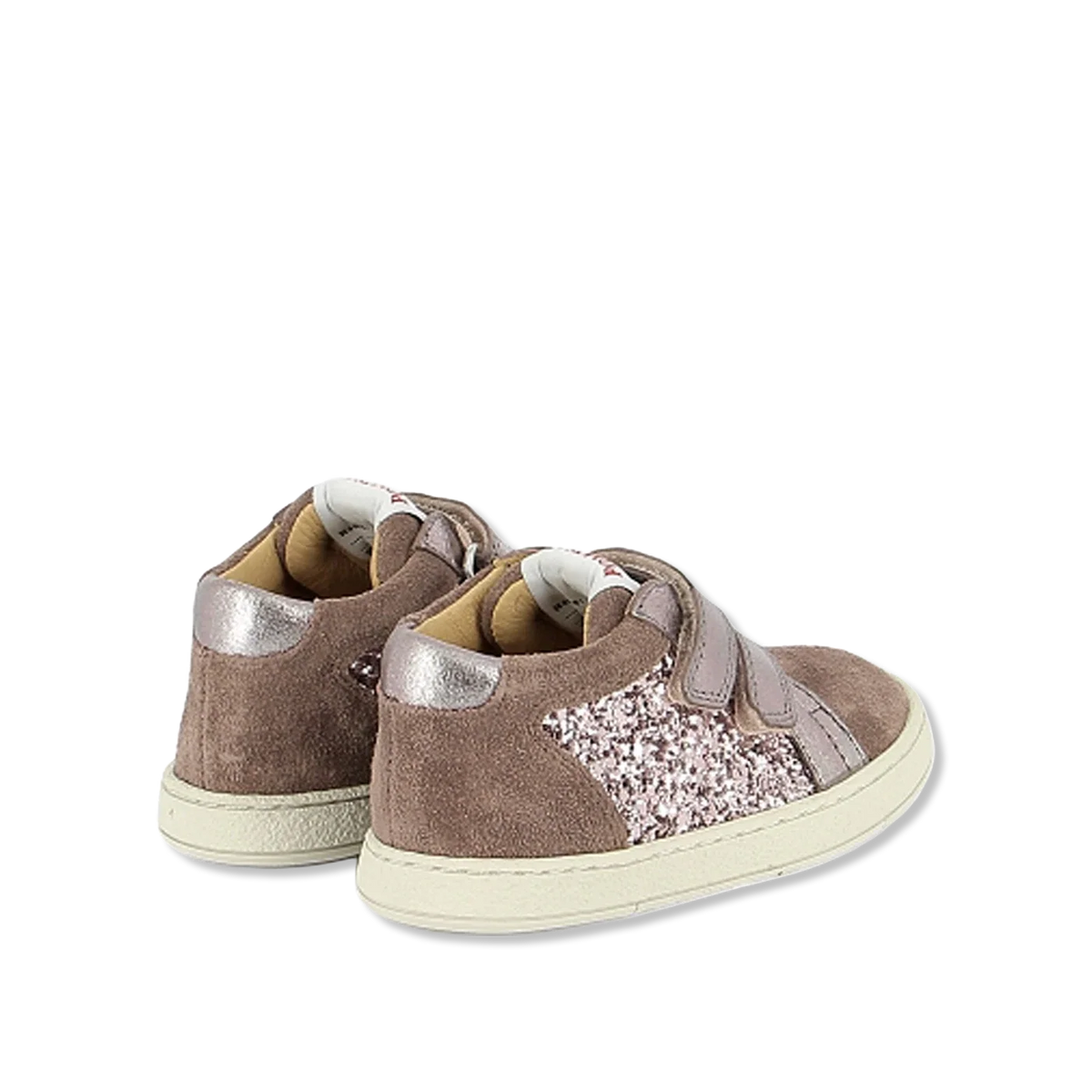
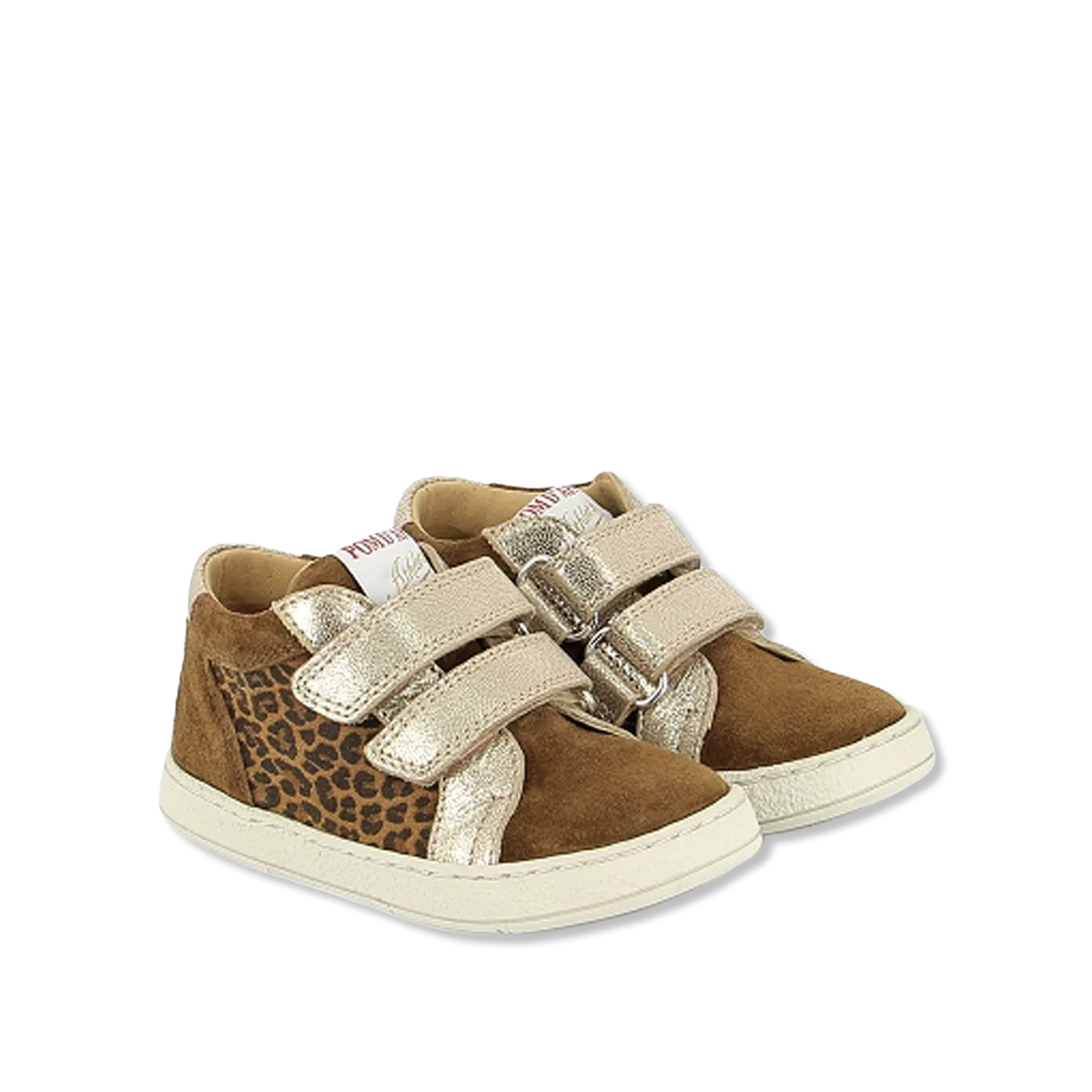
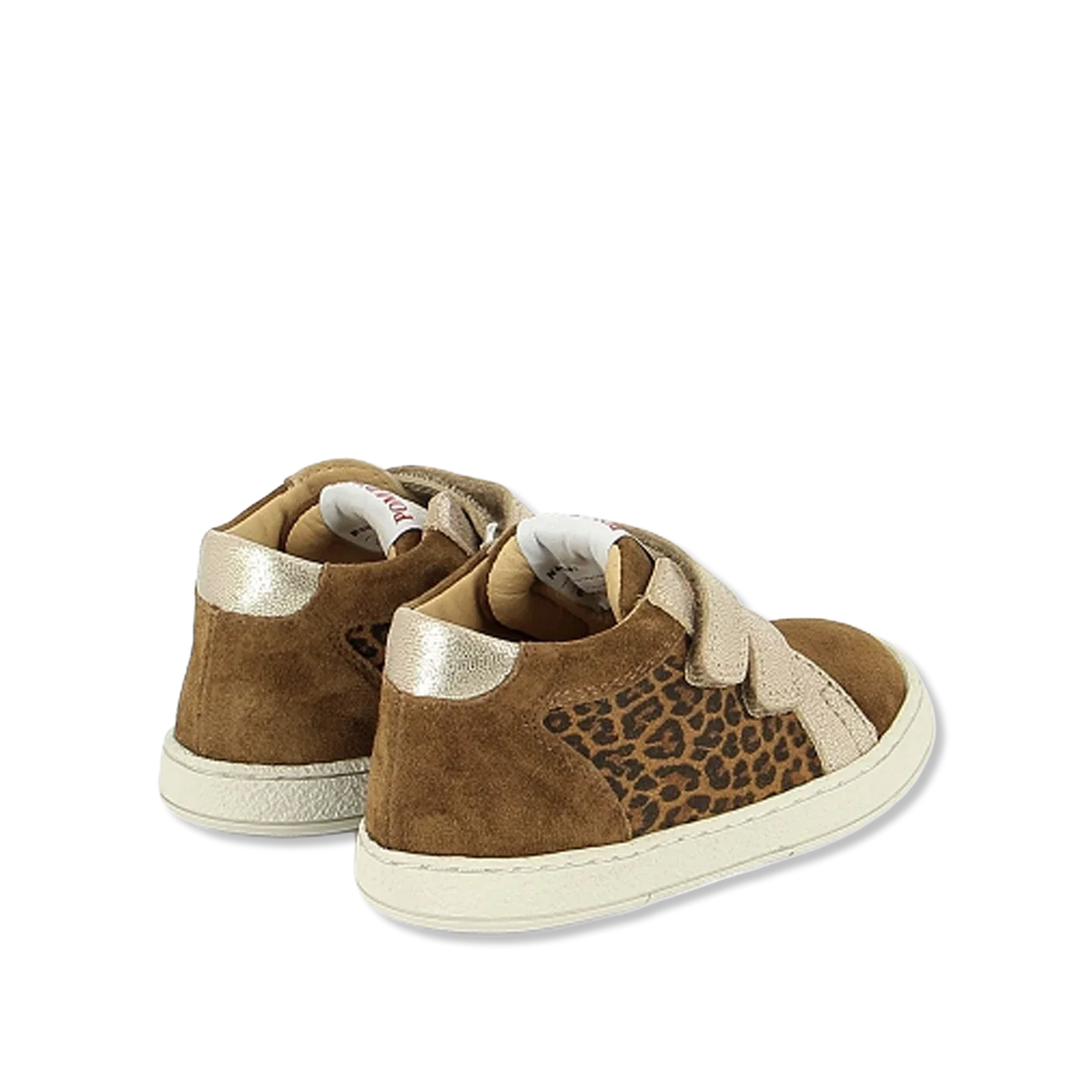
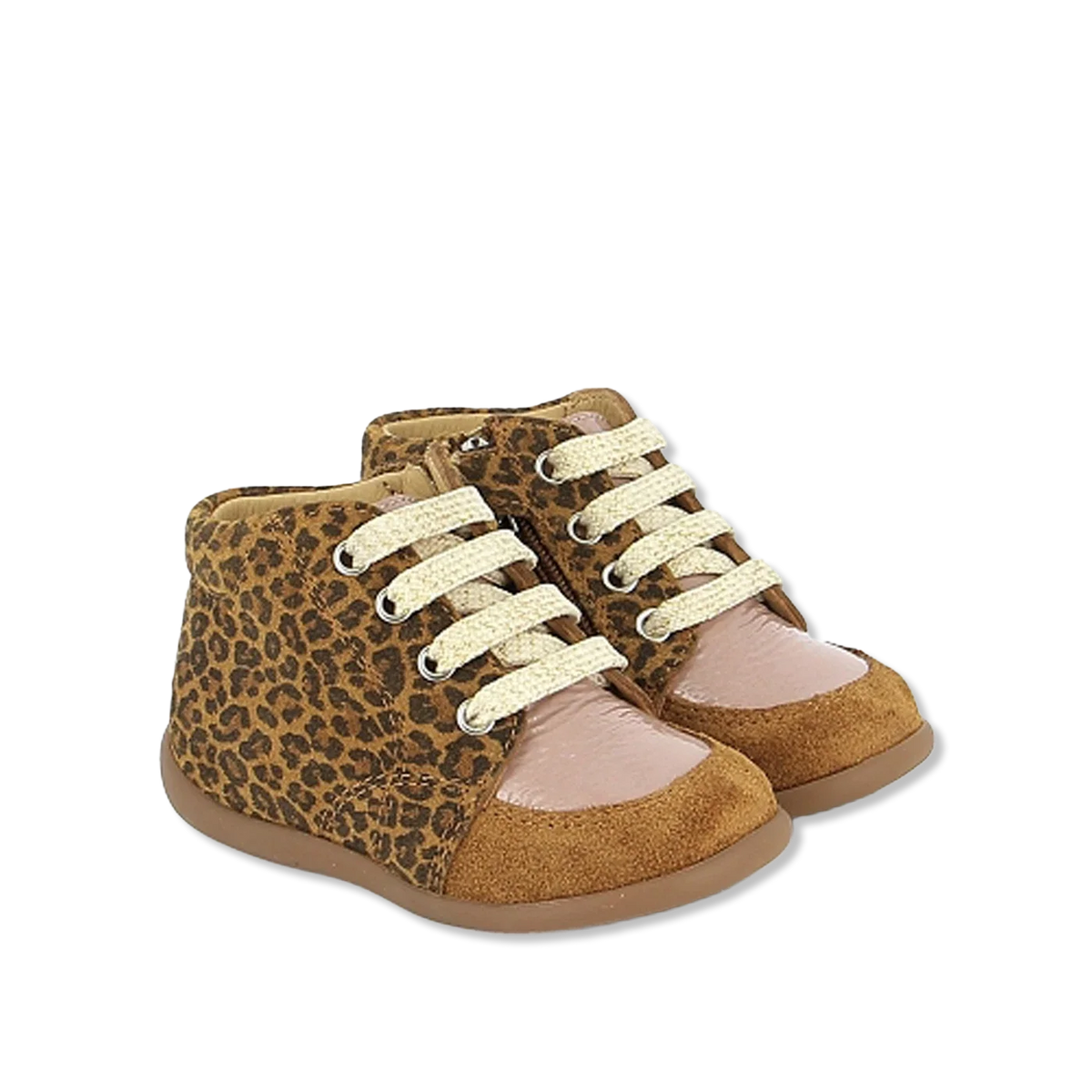
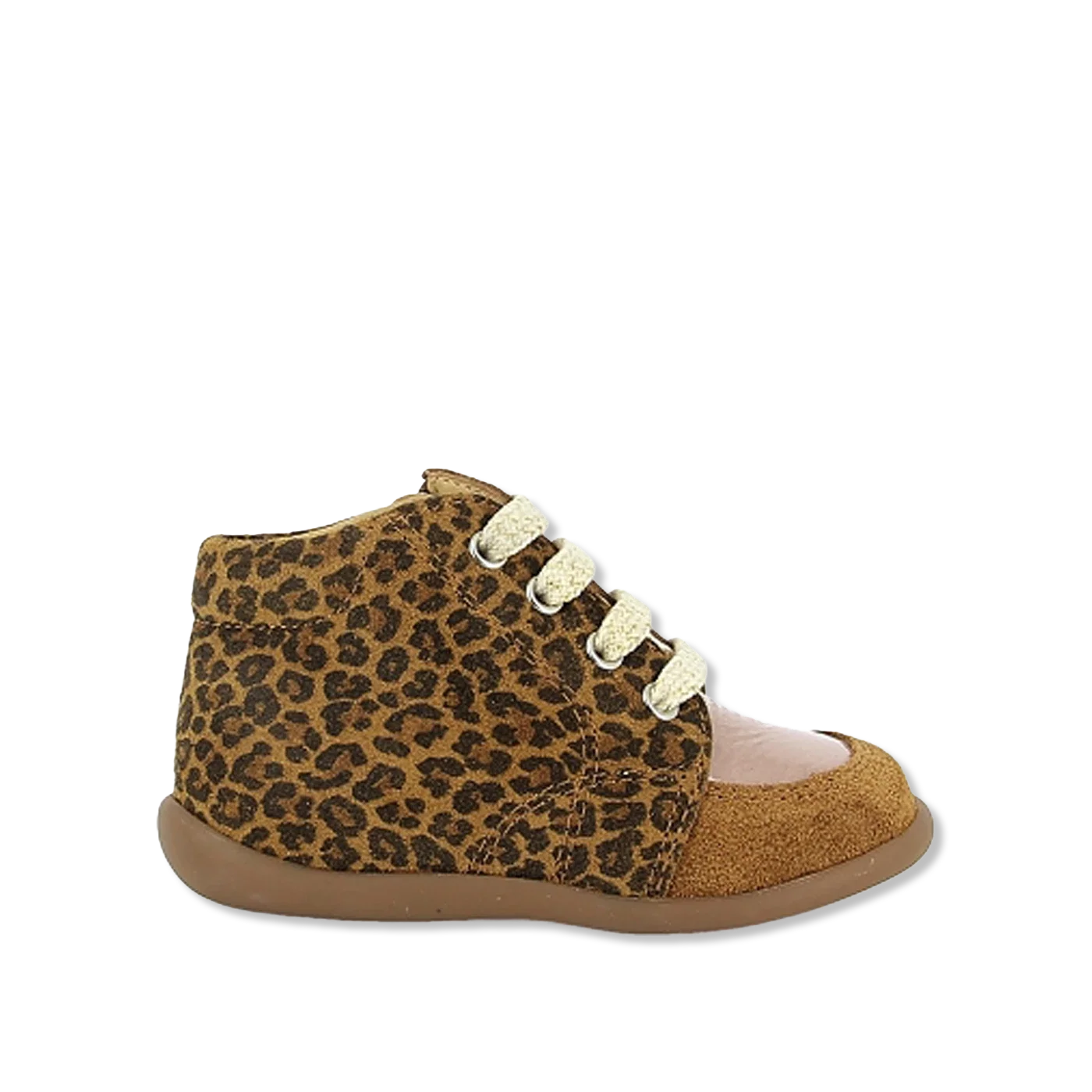
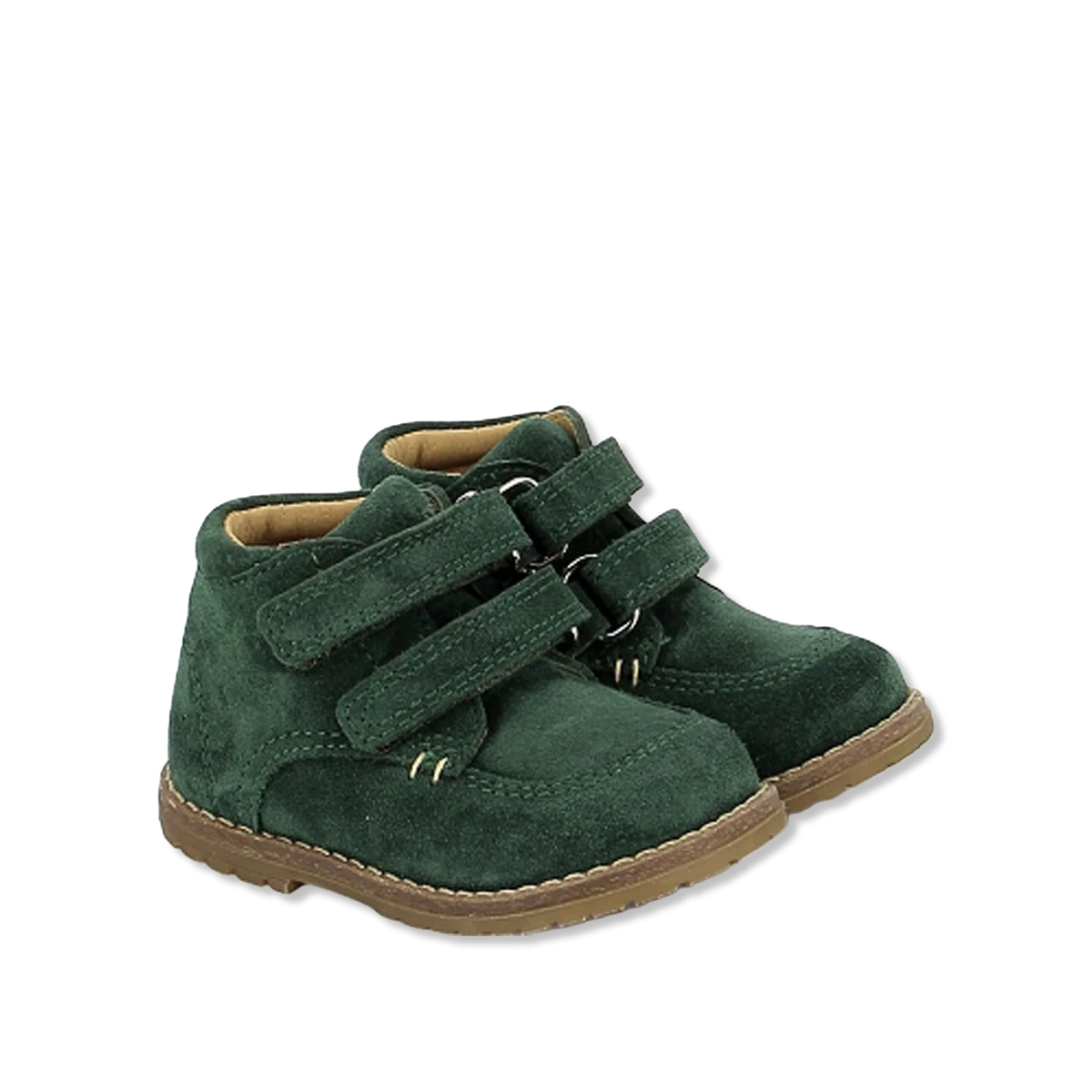
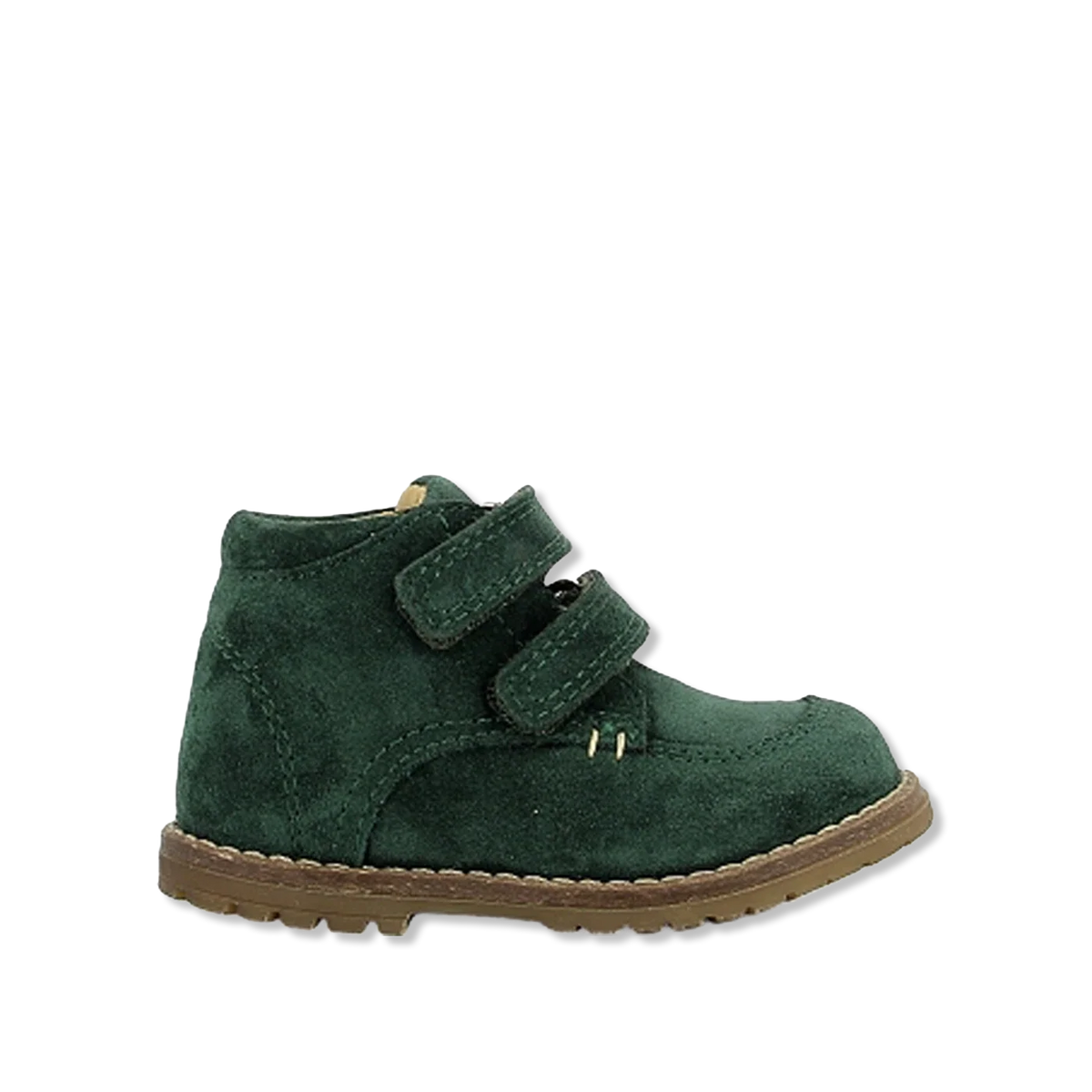
A helpful starting point is to measure your child’s feet and look for a shoe that matches their specific foot shape. Some children have narrow feet, while others need more width or extra room over the instep. Adjustable Velcro, laces or buckles often make a big difference, as they help the shoe sit better and make everyday use easier.
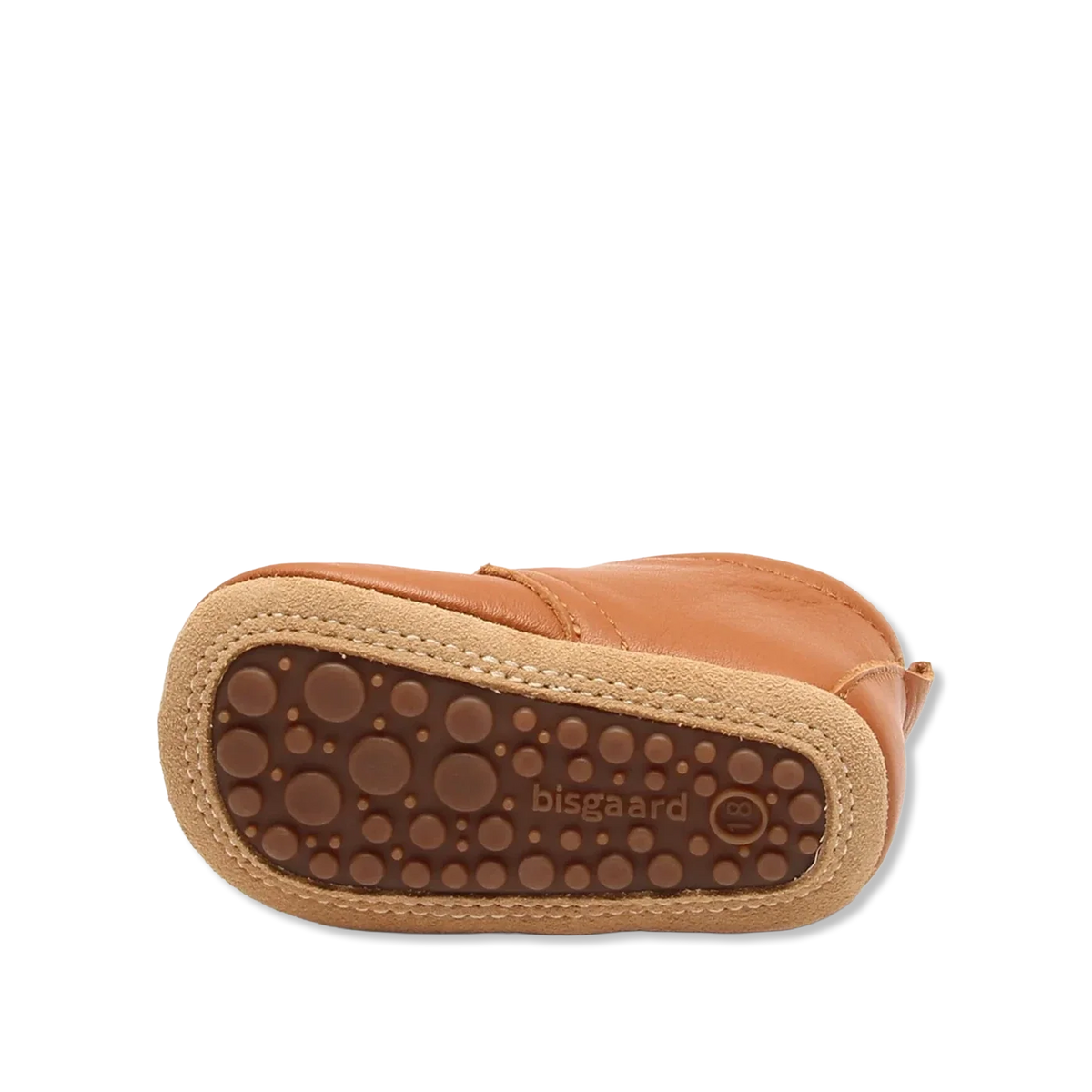
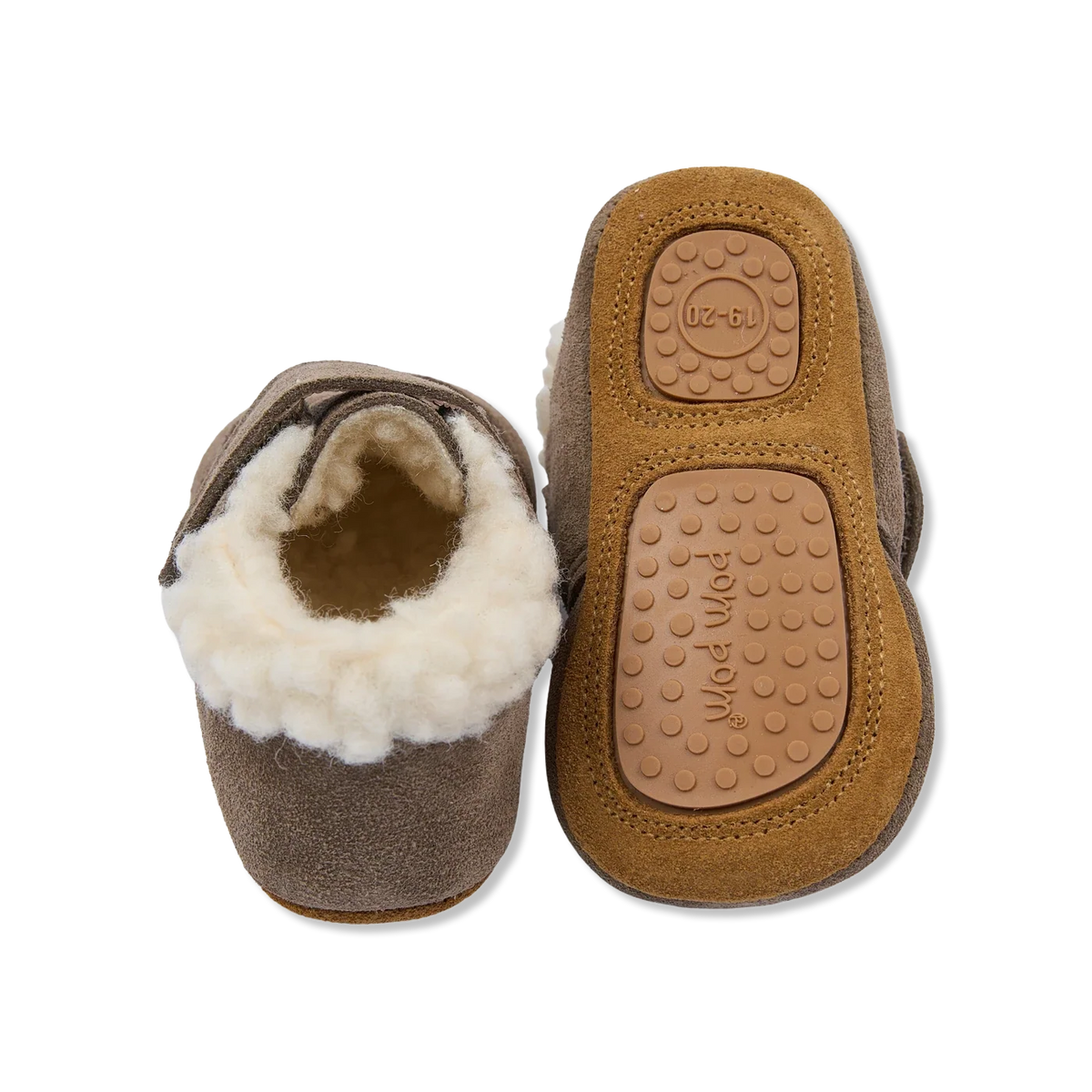
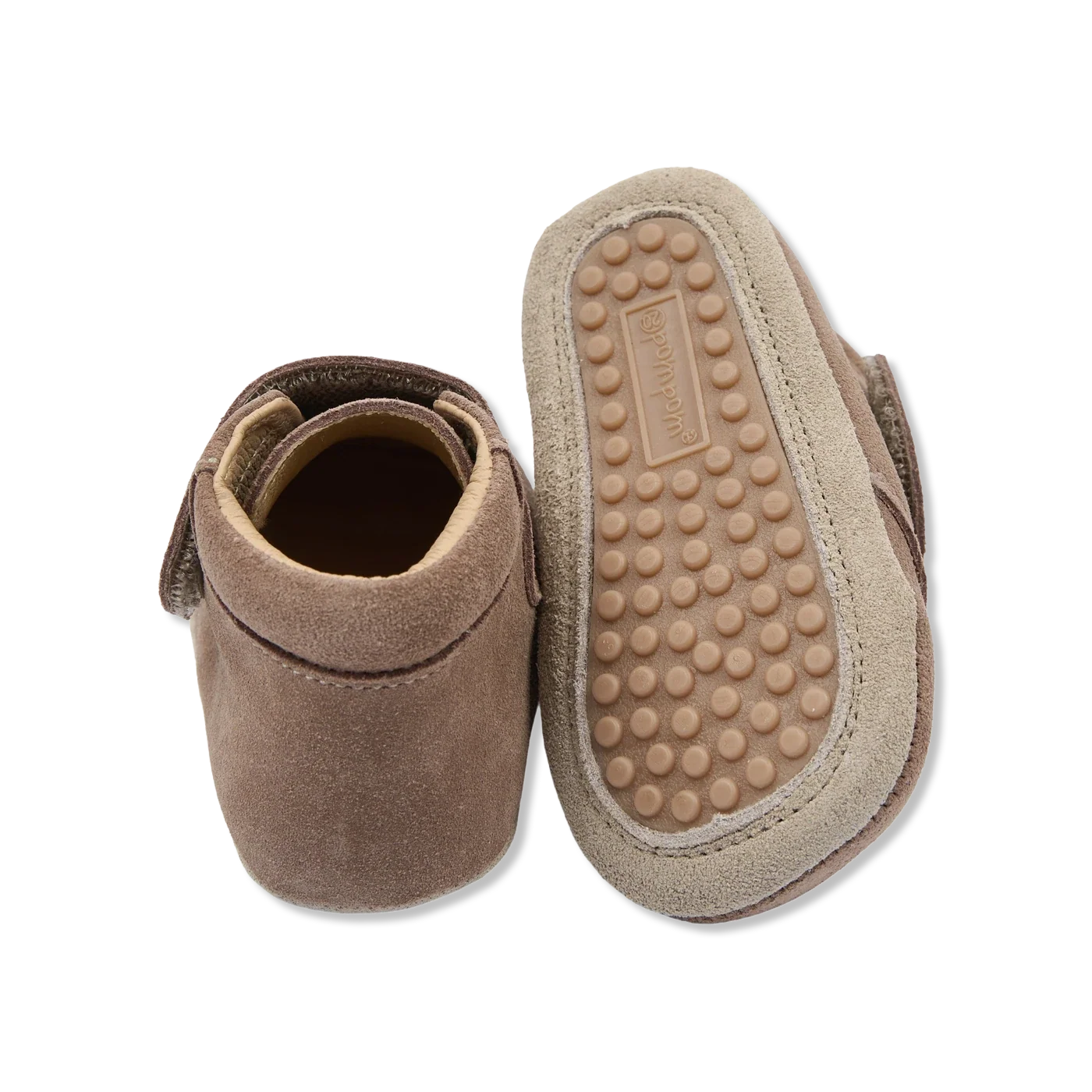
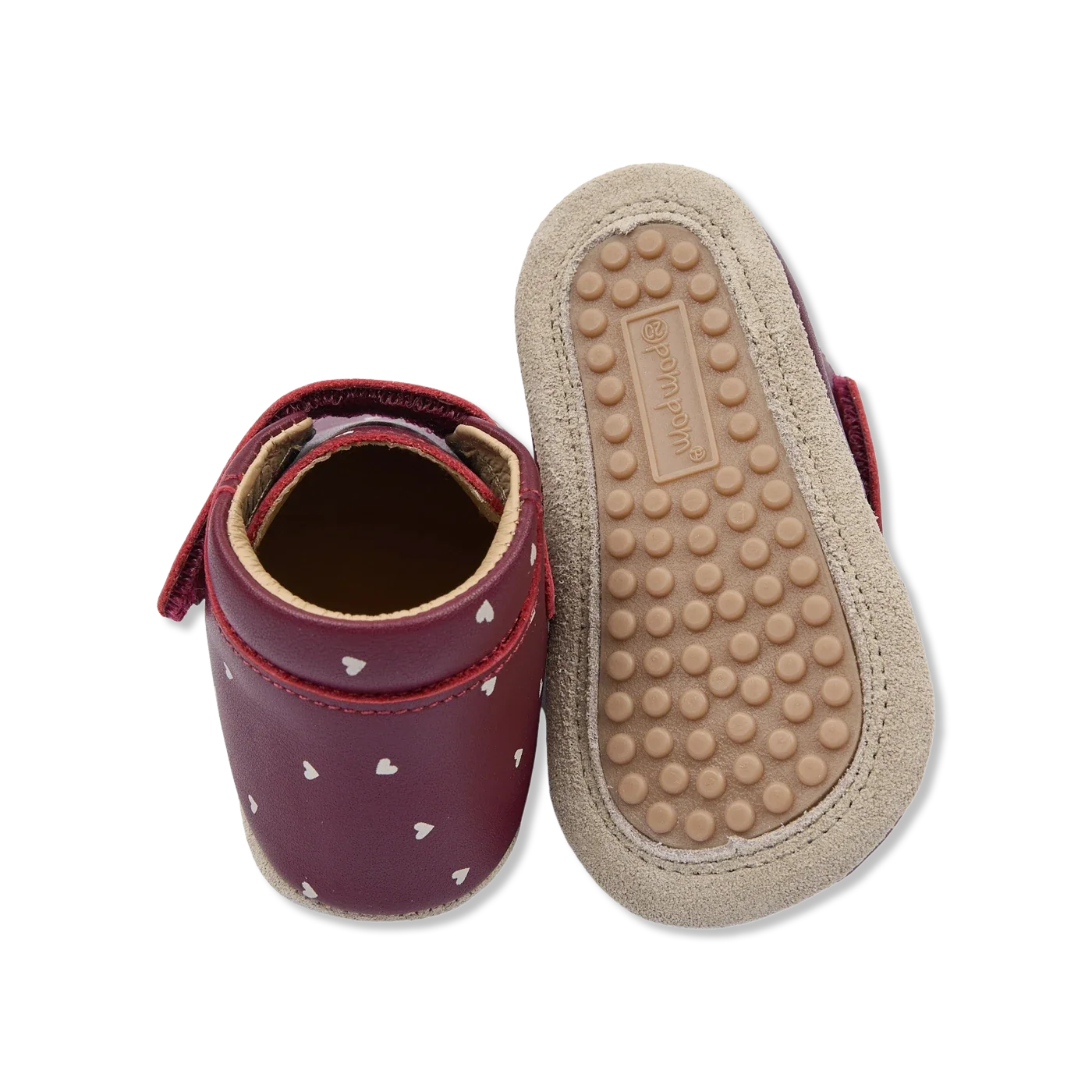
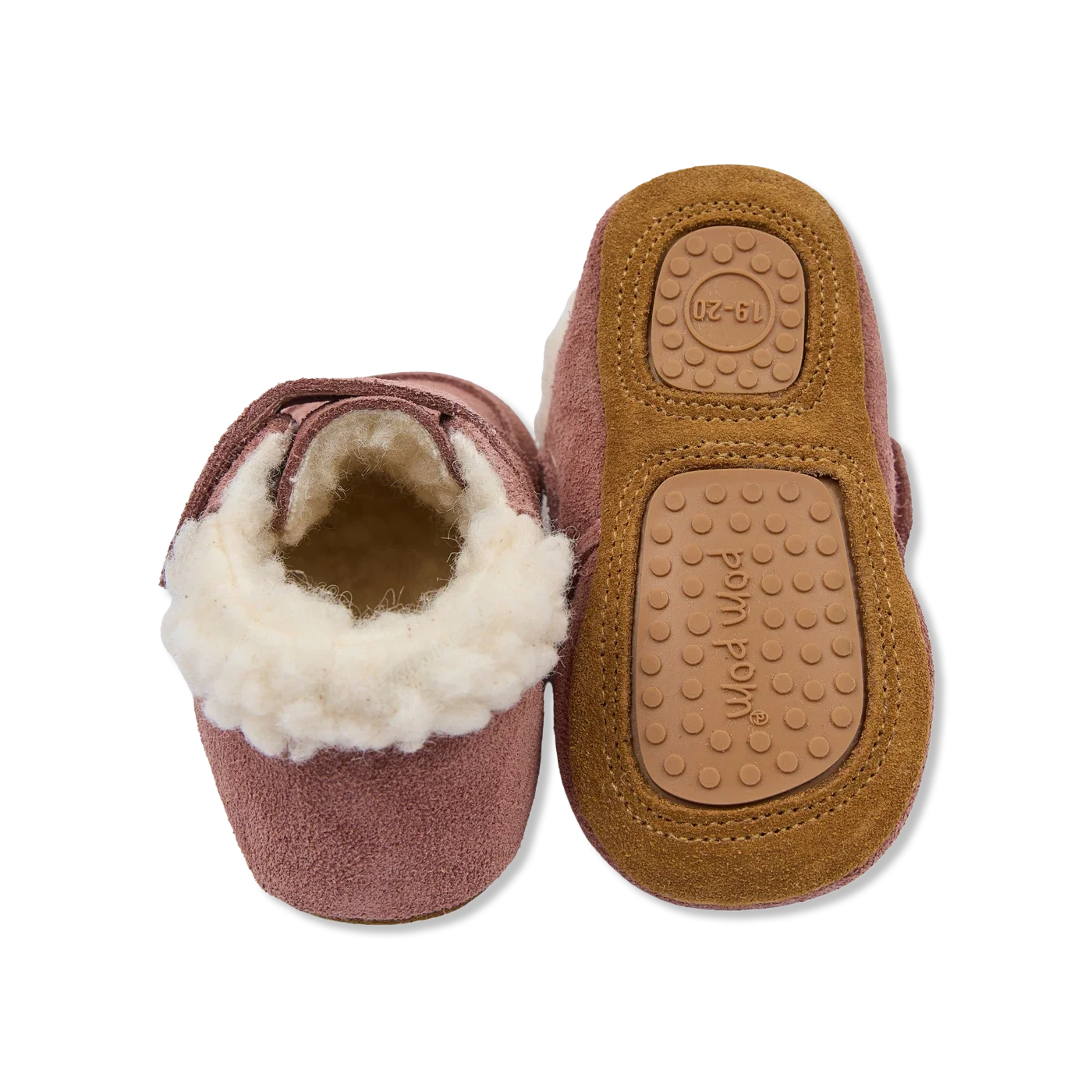
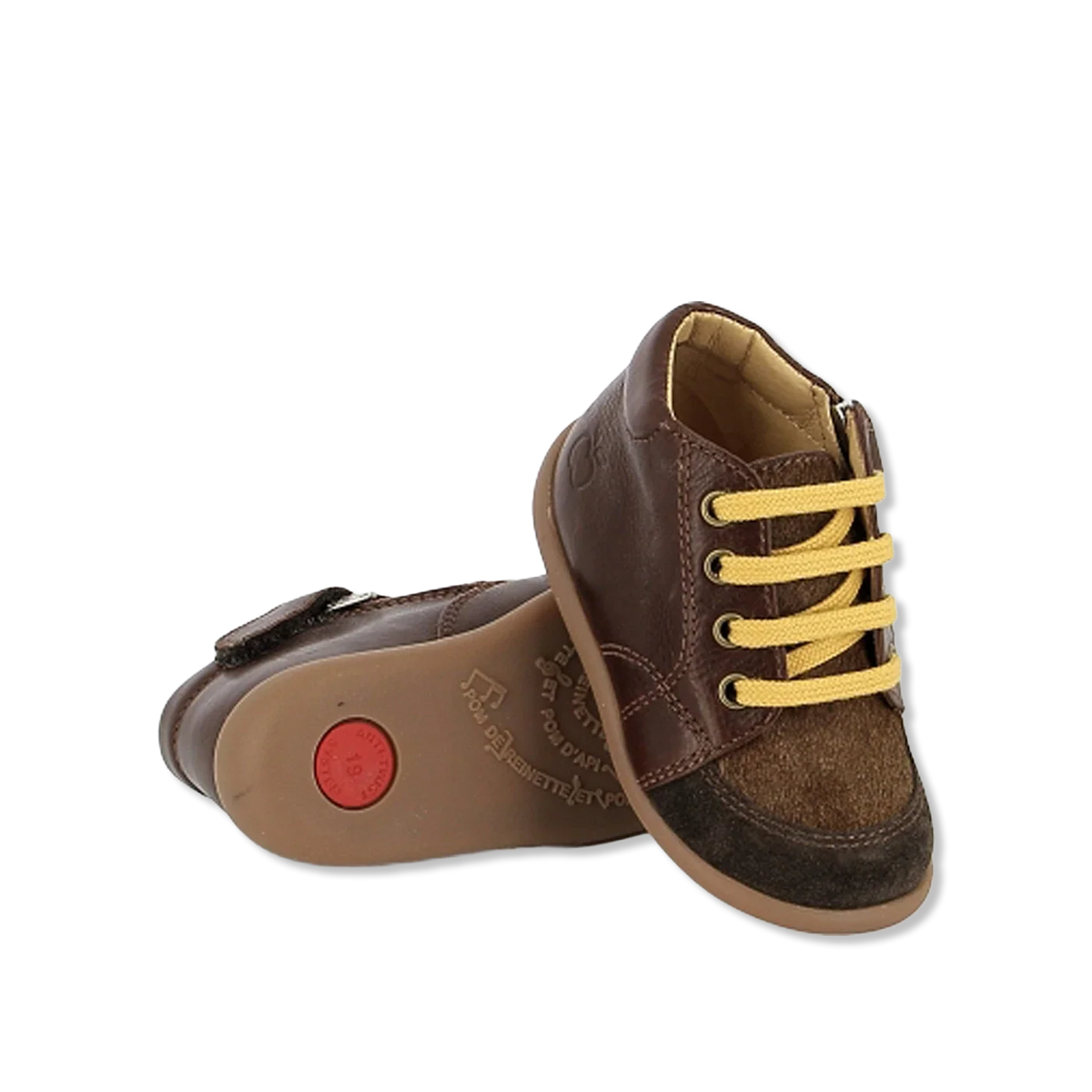
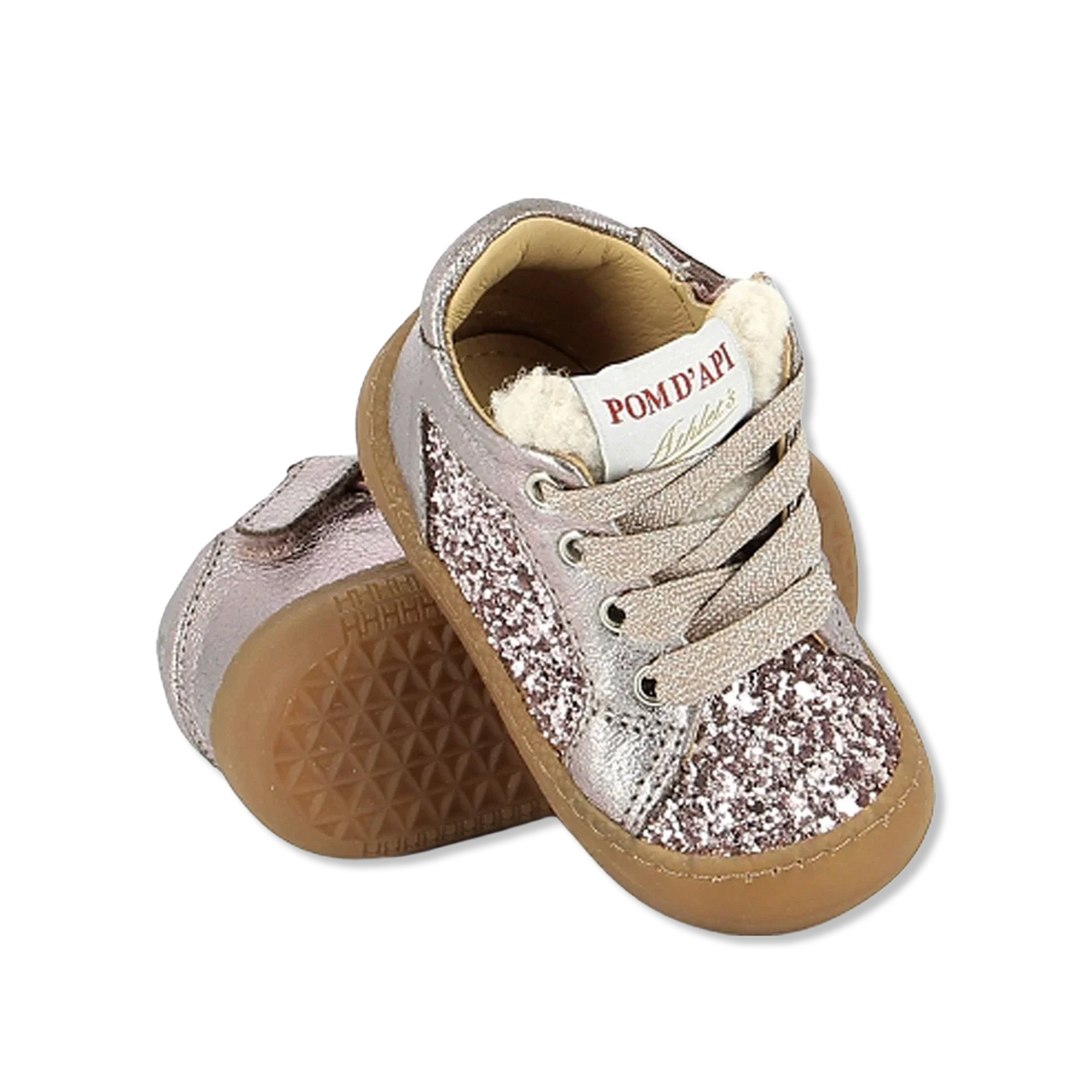
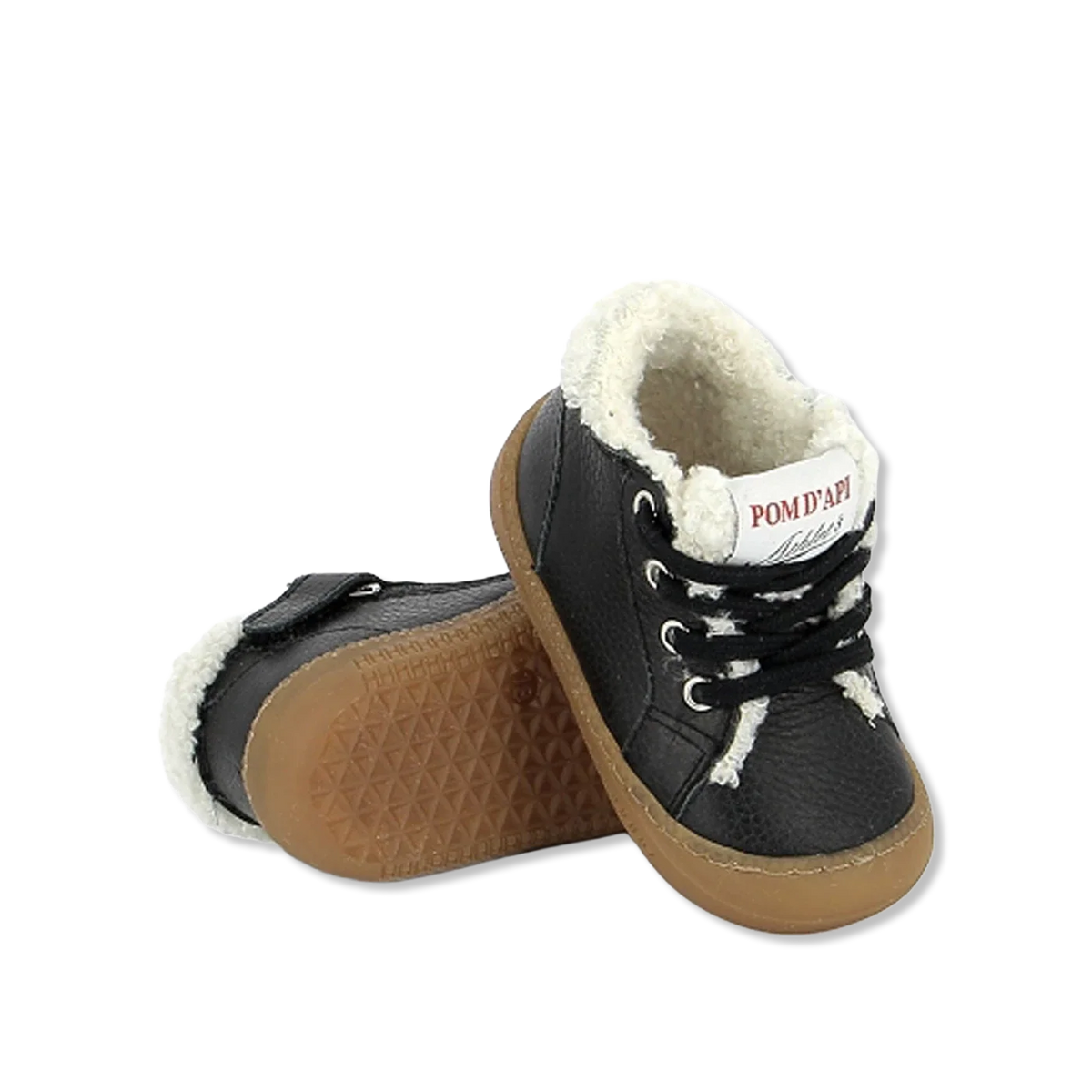
For a child’s first shoes, a light and flexible sole is usually the best choice. For older children, a little more support and a durable outsole often make more sense, especially when shoes need to handle daycare, the schoolyard and after-school activities. Together with a good pair of socks and tights, shoes can also feel more comfortable and stay more secure throughout the day.
Children’s shoes for different seasons and activities
Children’s shoes should suit both the weather and the life your child lives in them. For dry days, school and play, sneakers are often a great choice because they are lightweight, versatile and easy to wear again and again. In summer, sandals are comfortable when feet need air, while closed-toe styles can be a good option for children who run around a lot and need a little extra protection at the toes.
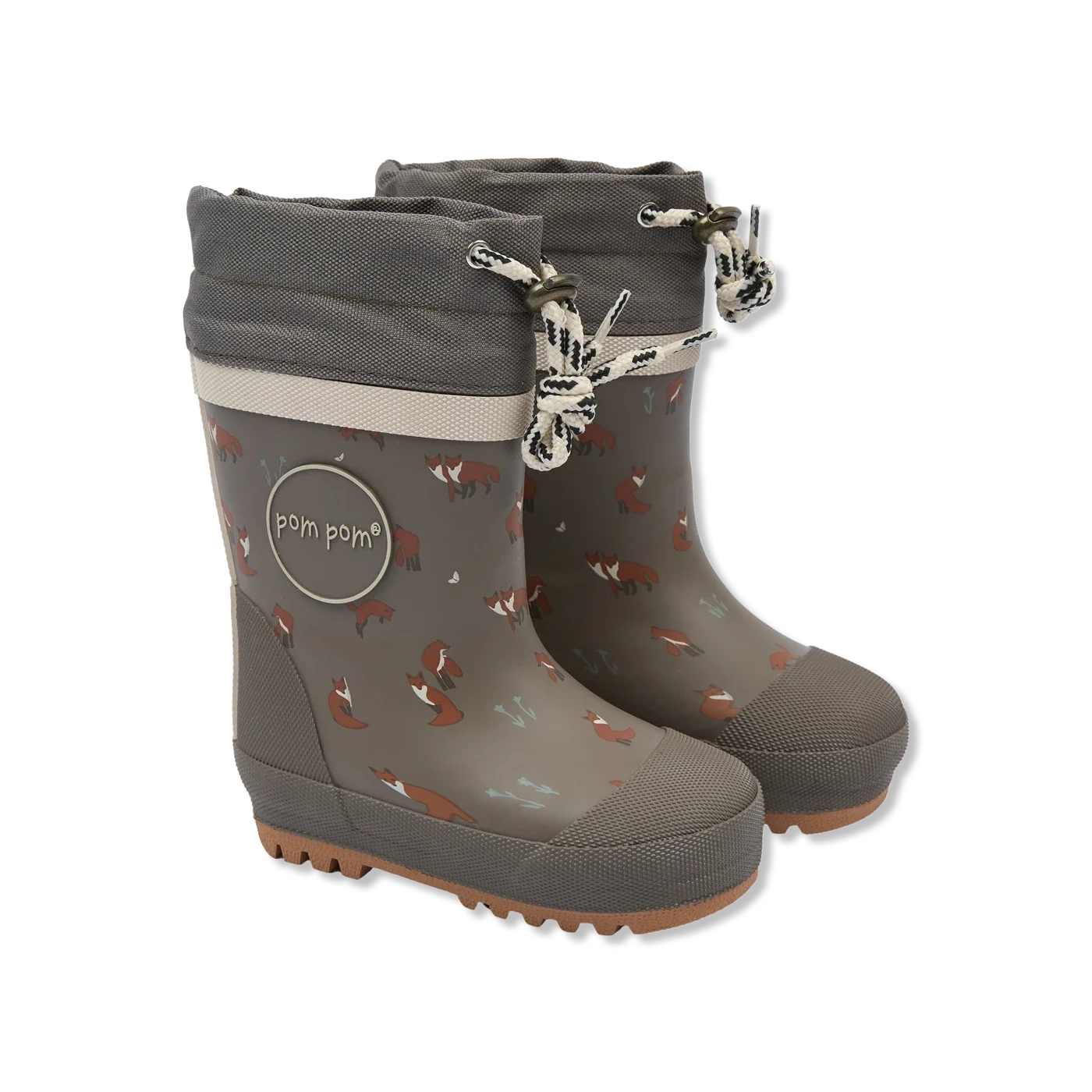
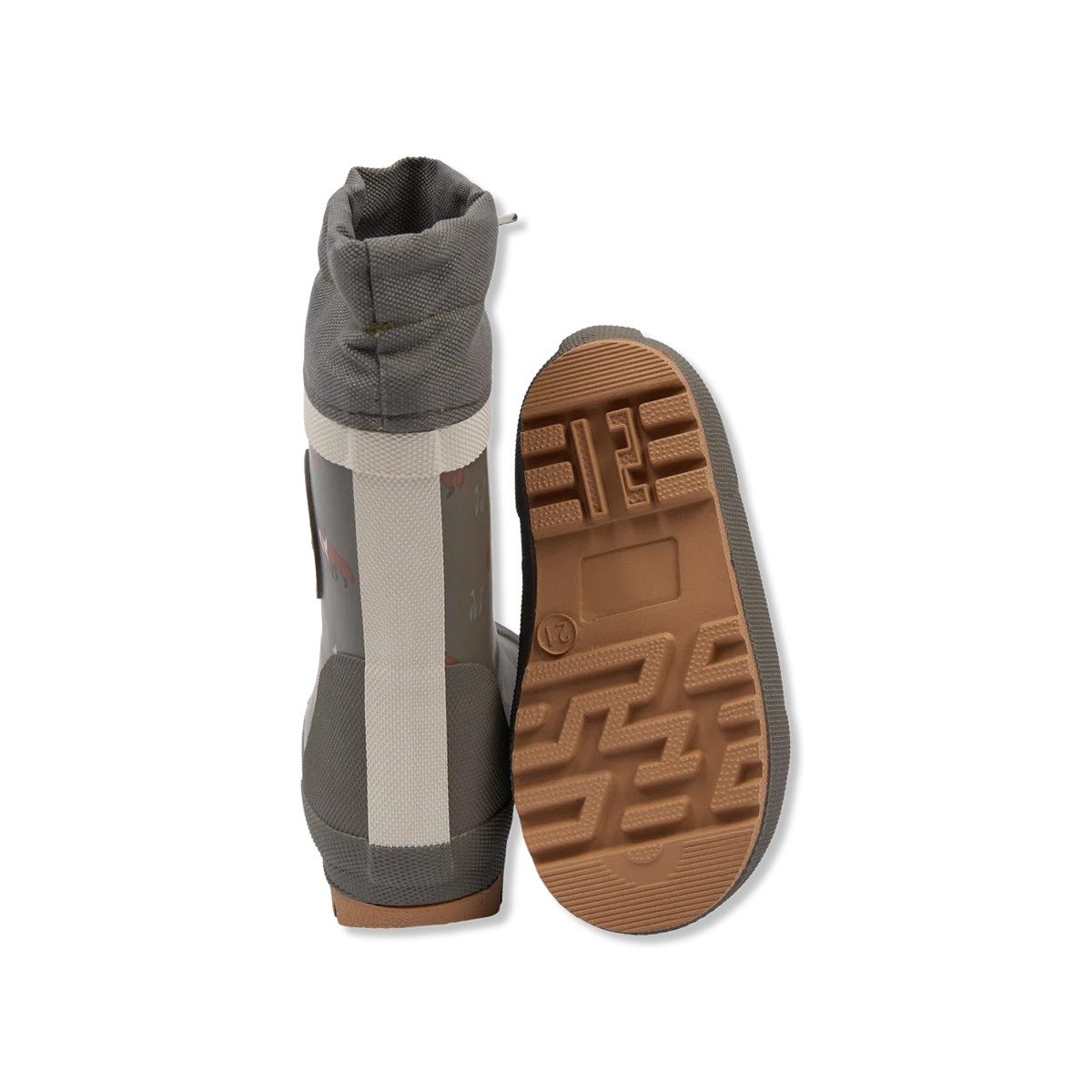
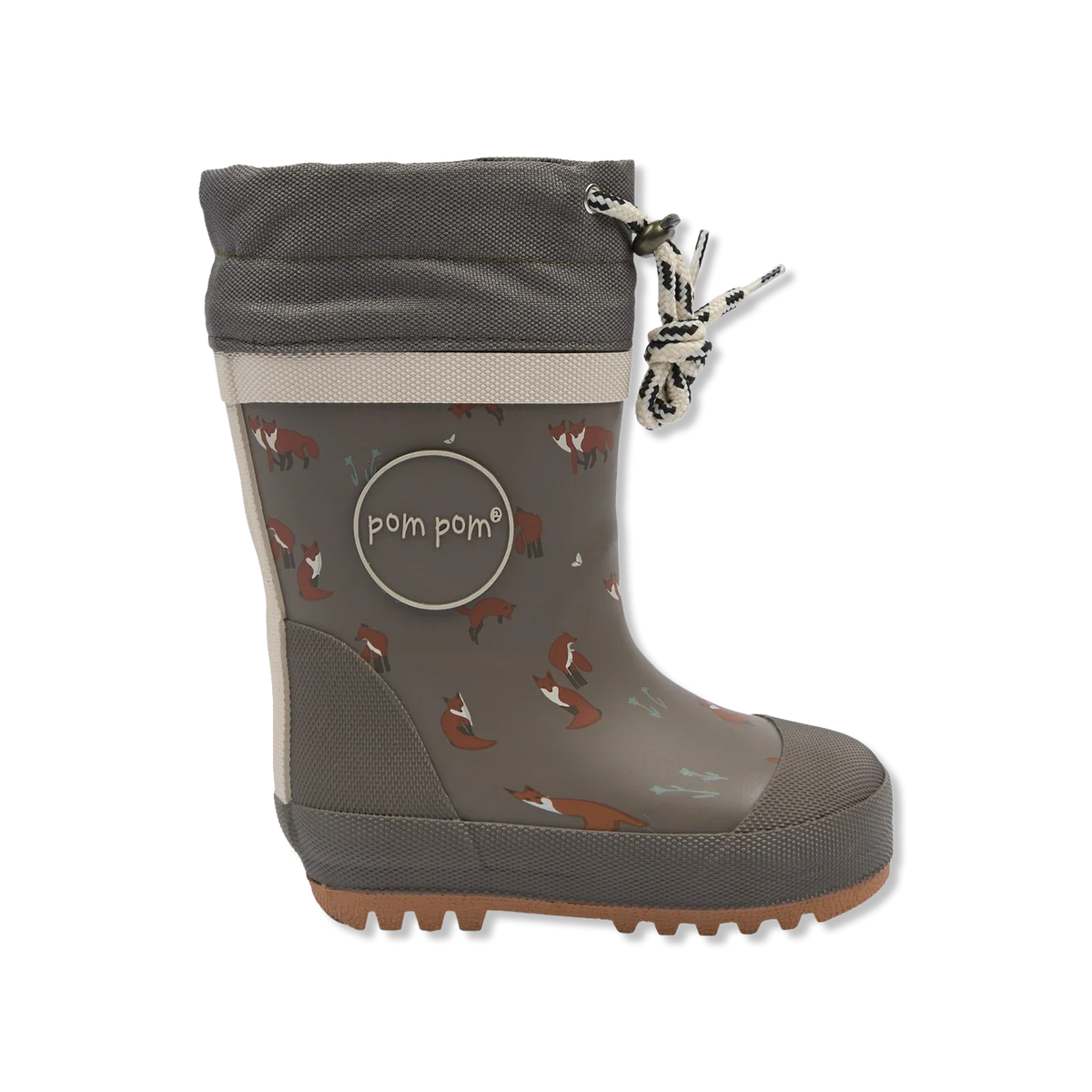
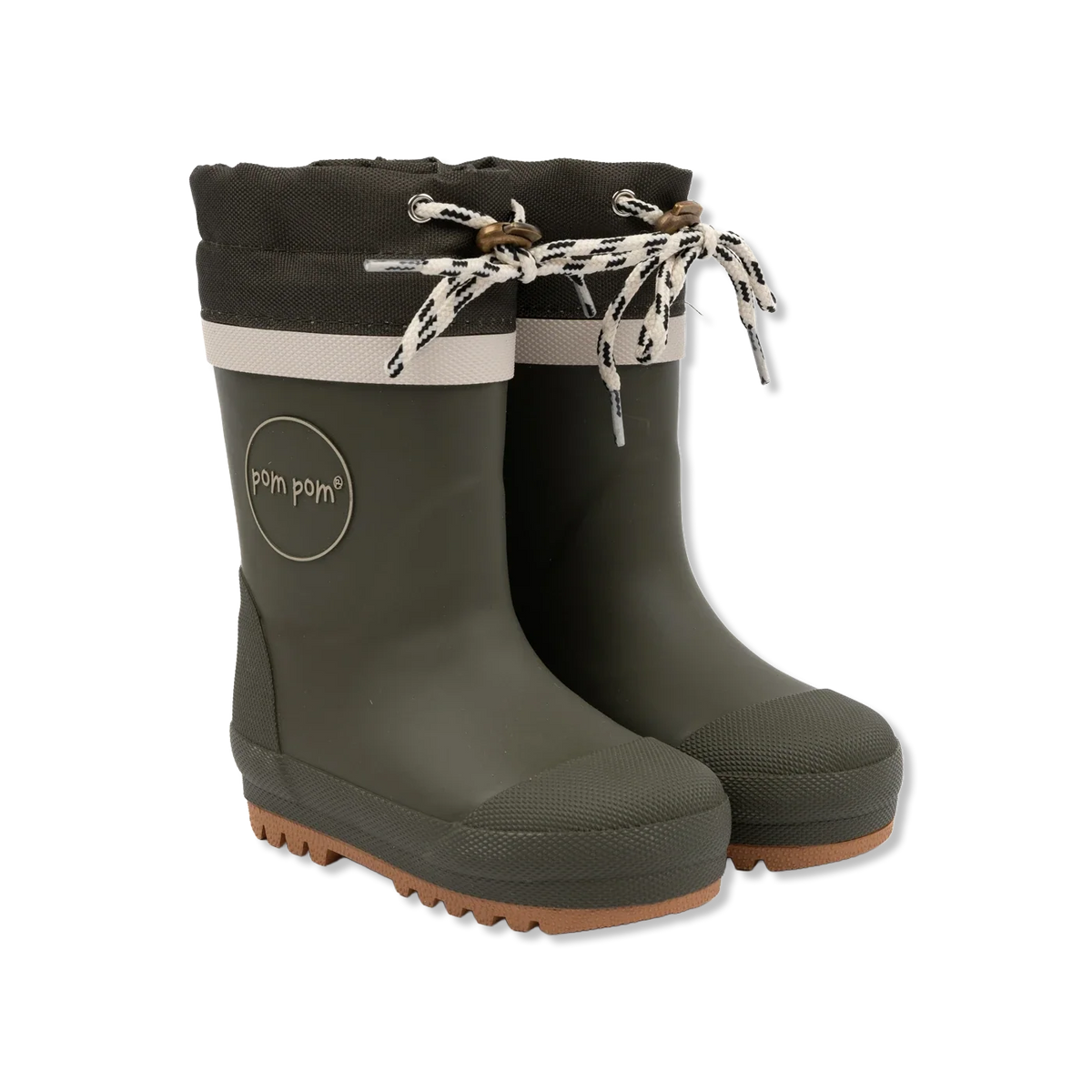
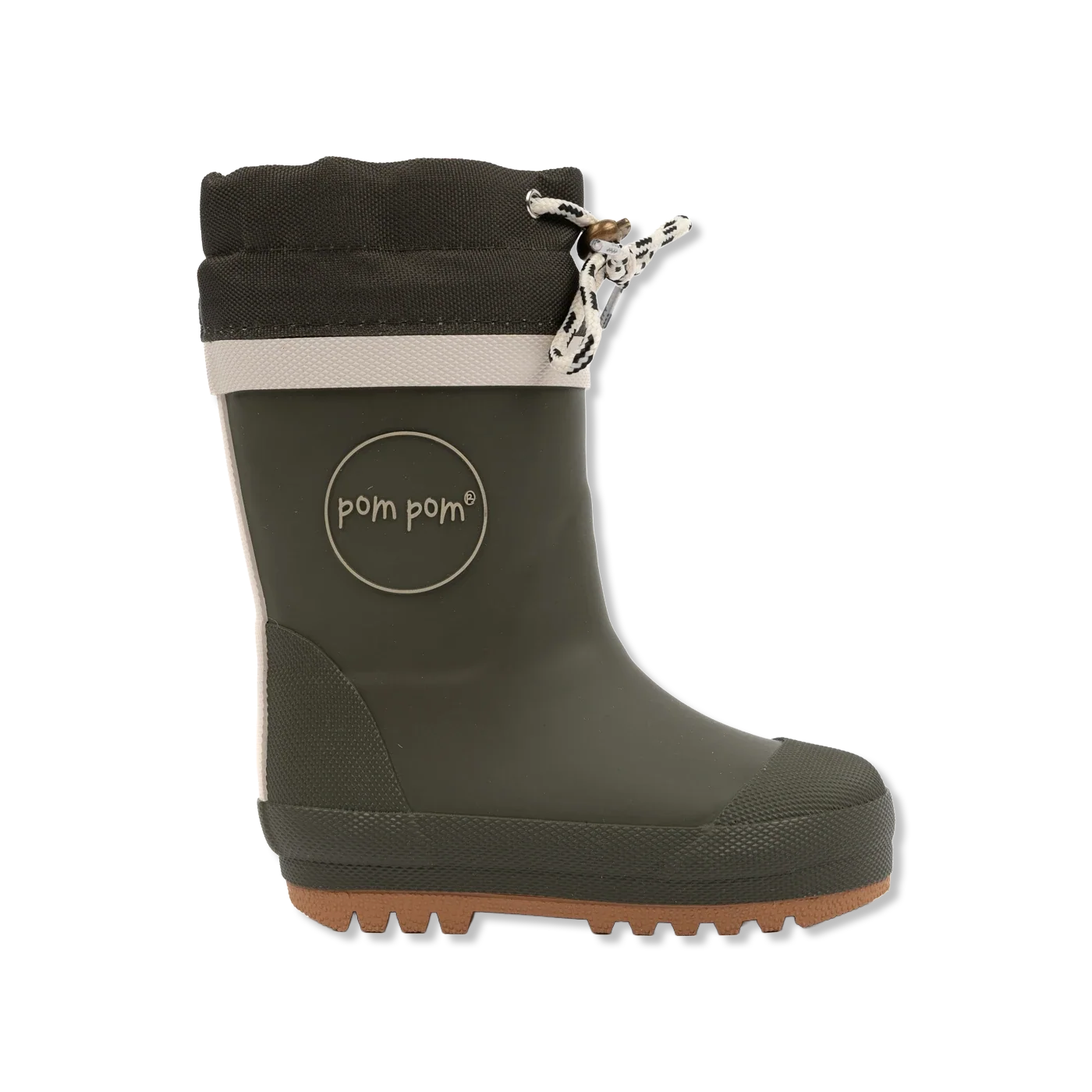
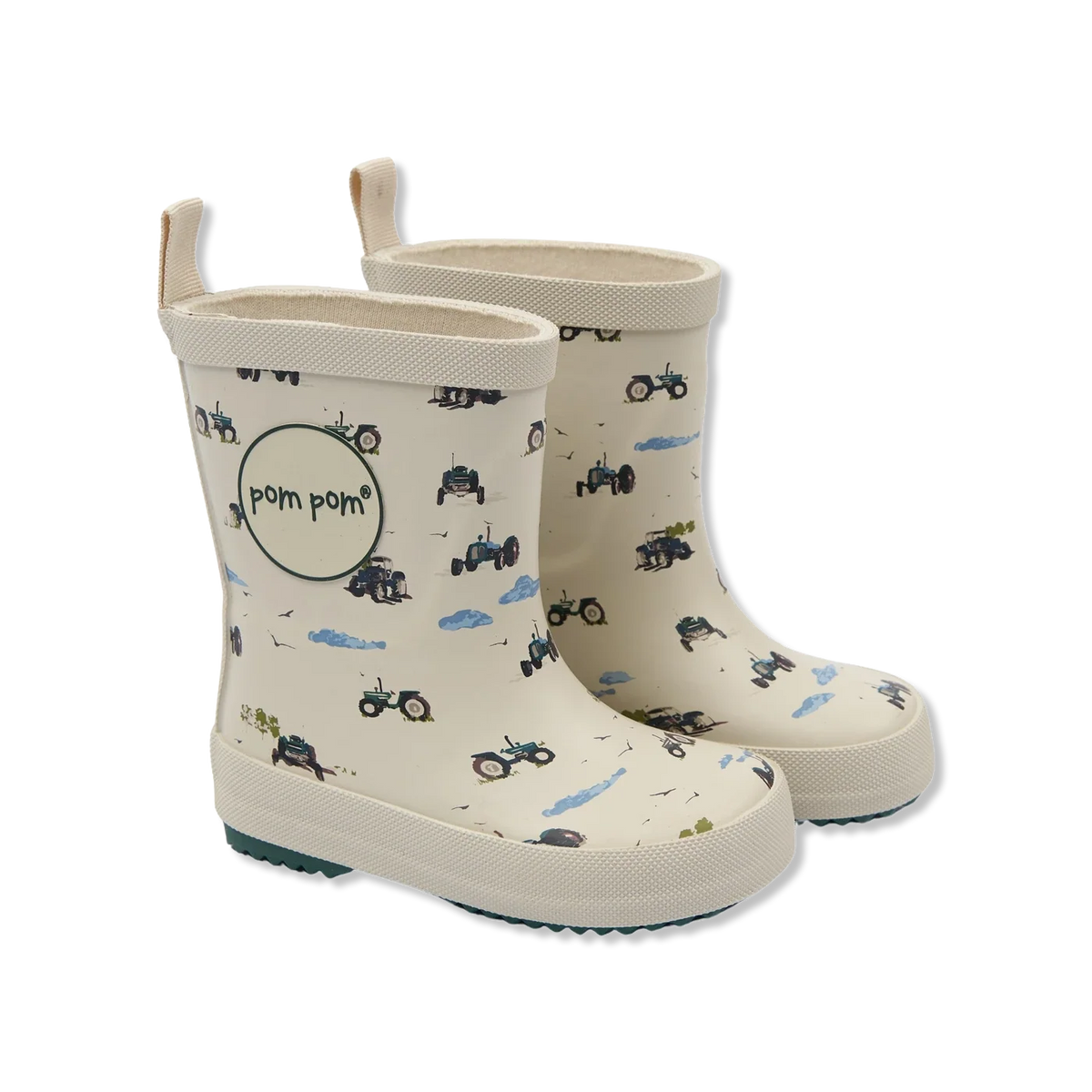
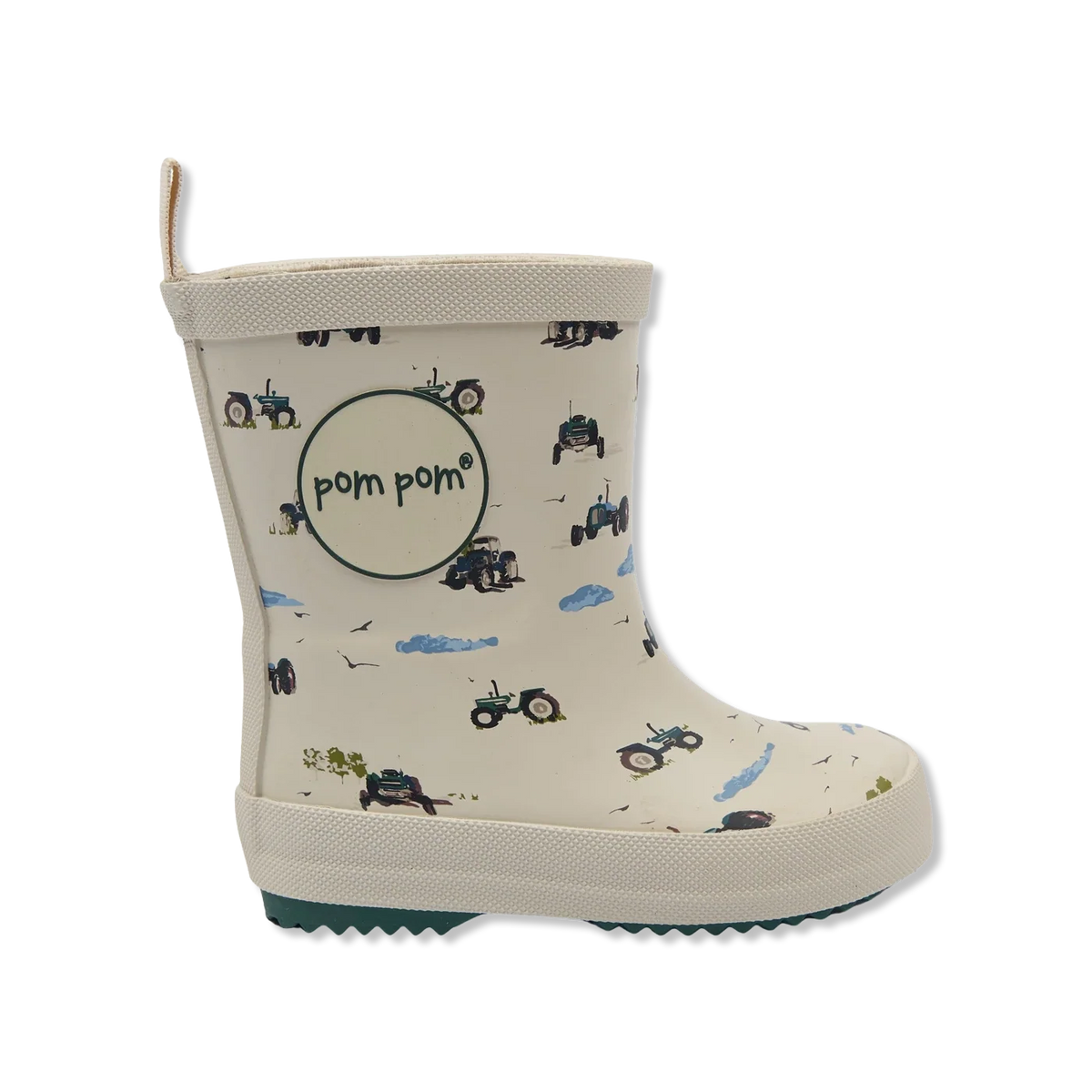
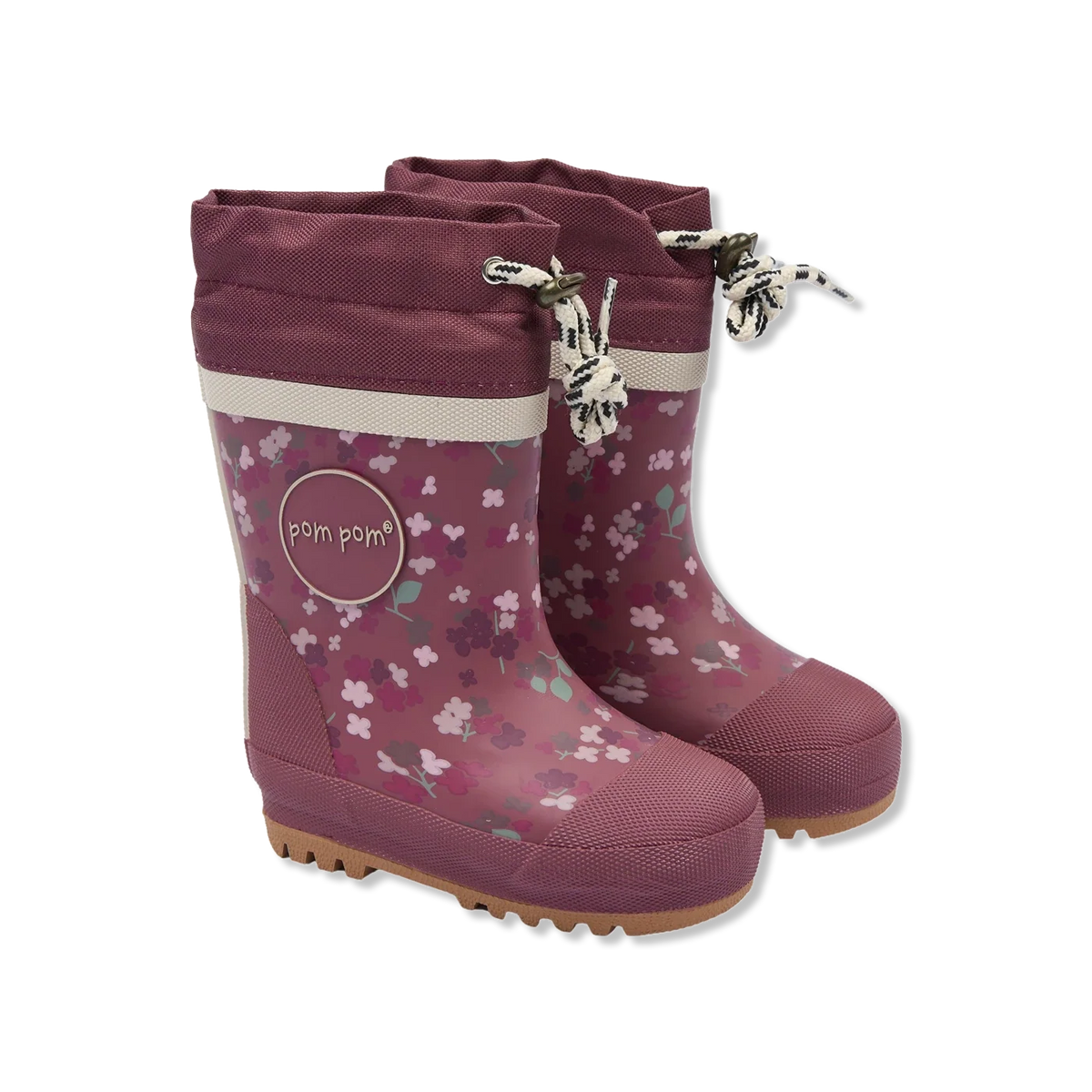
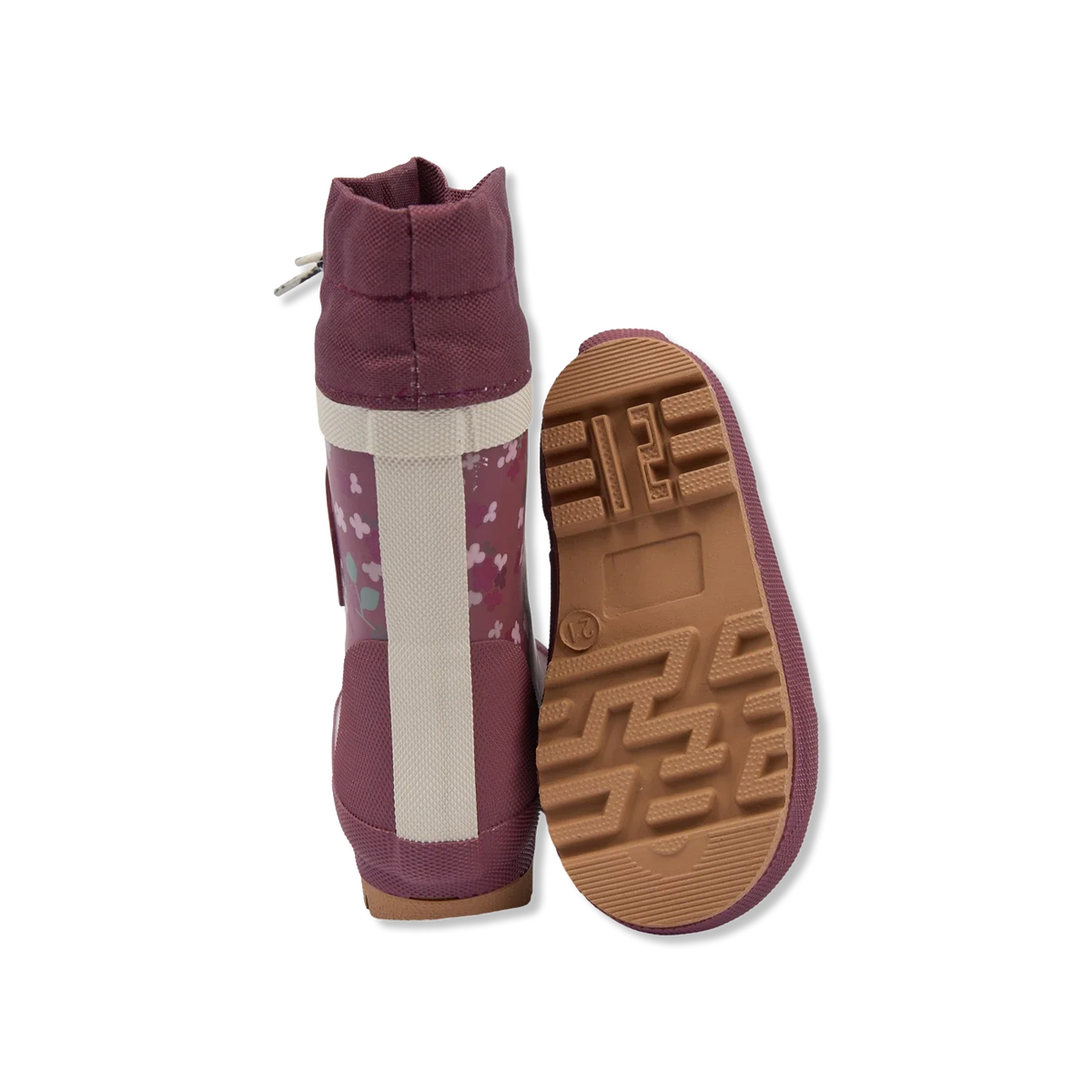
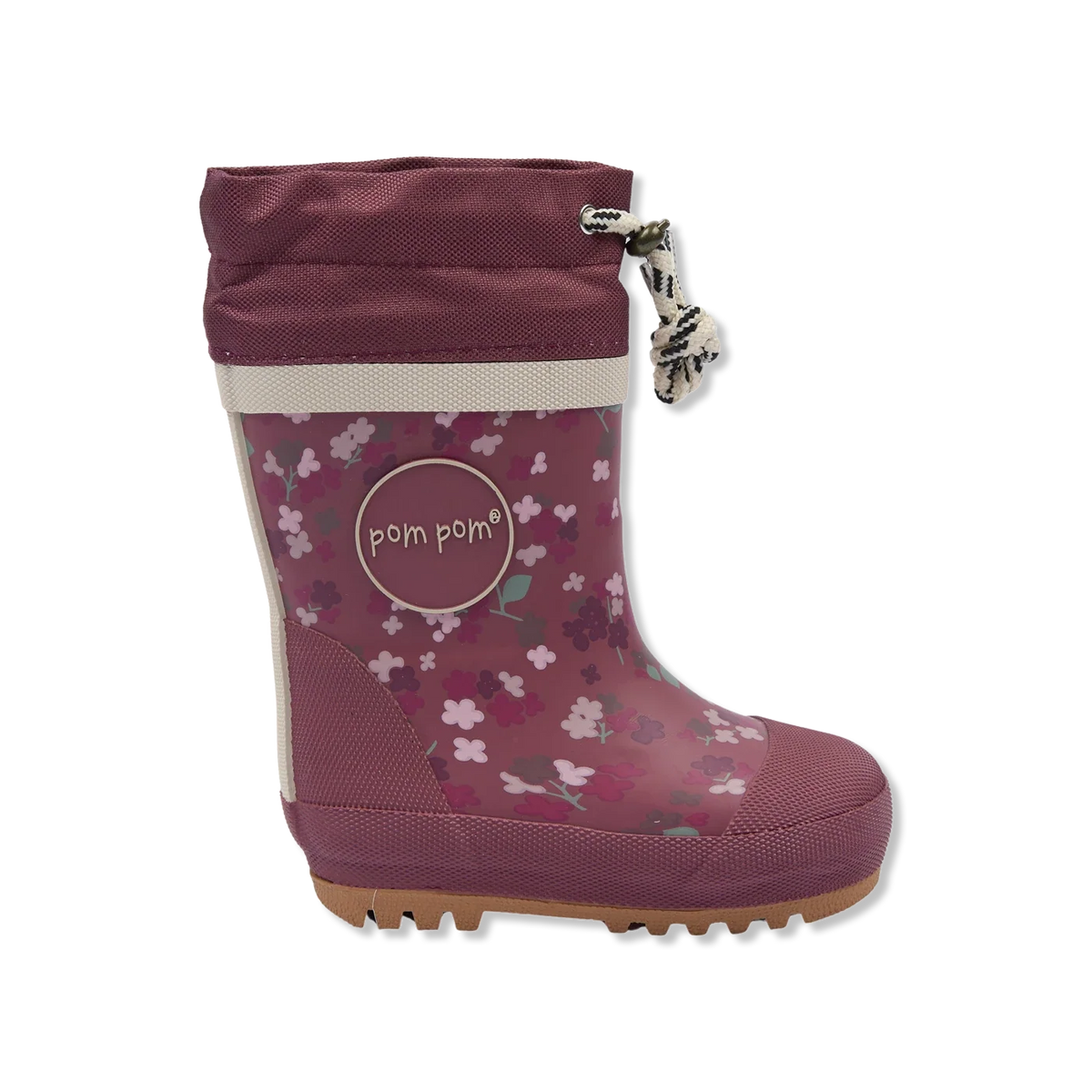
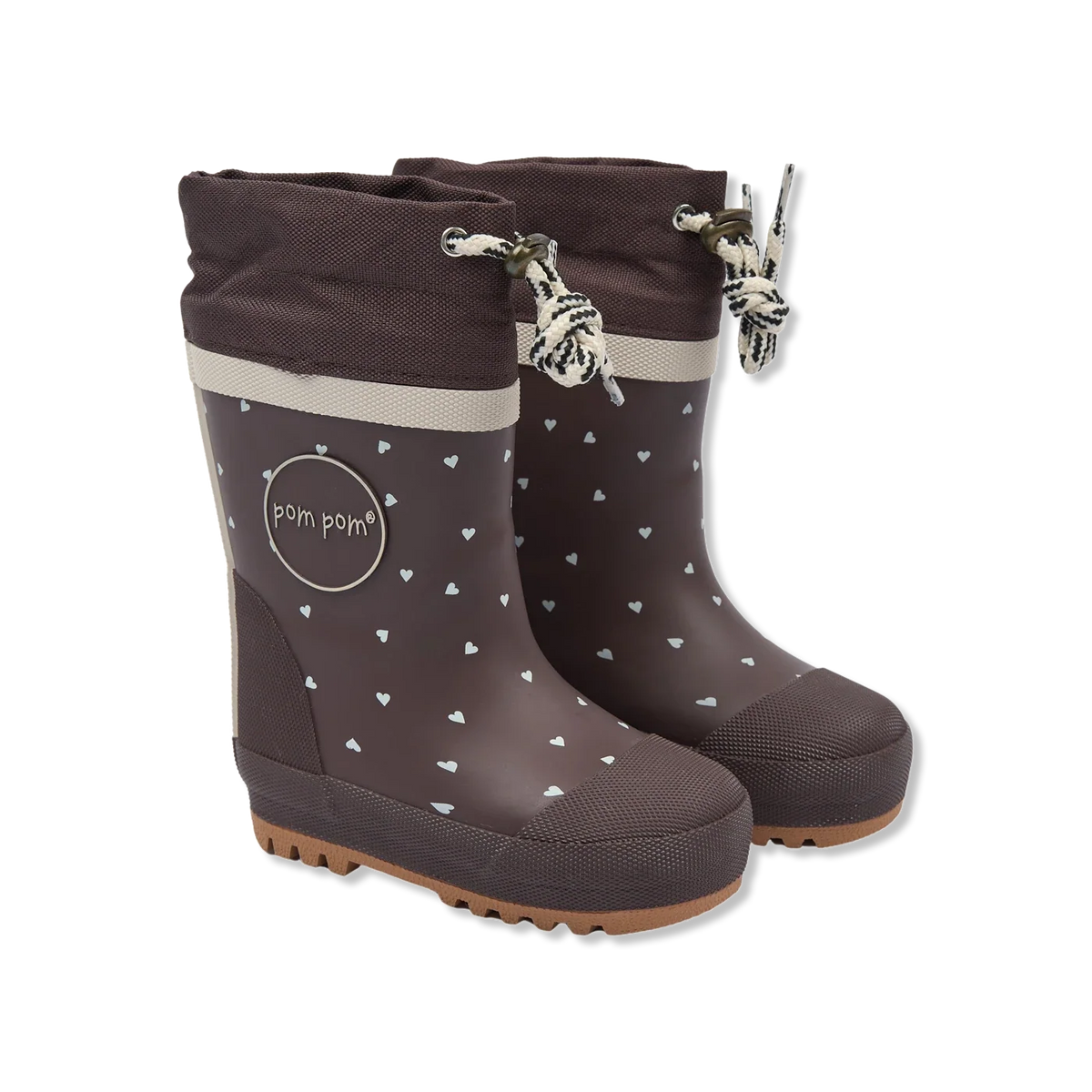
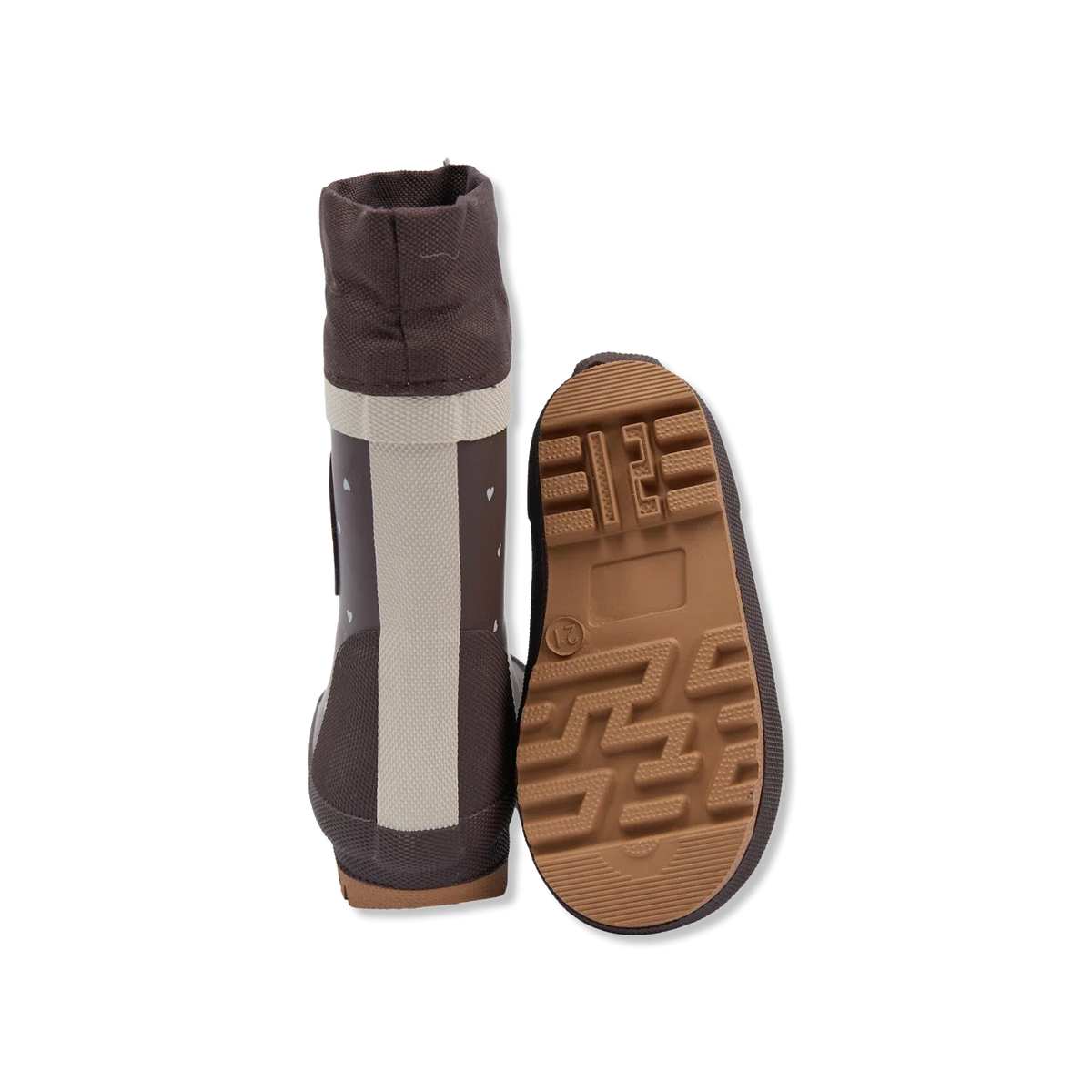
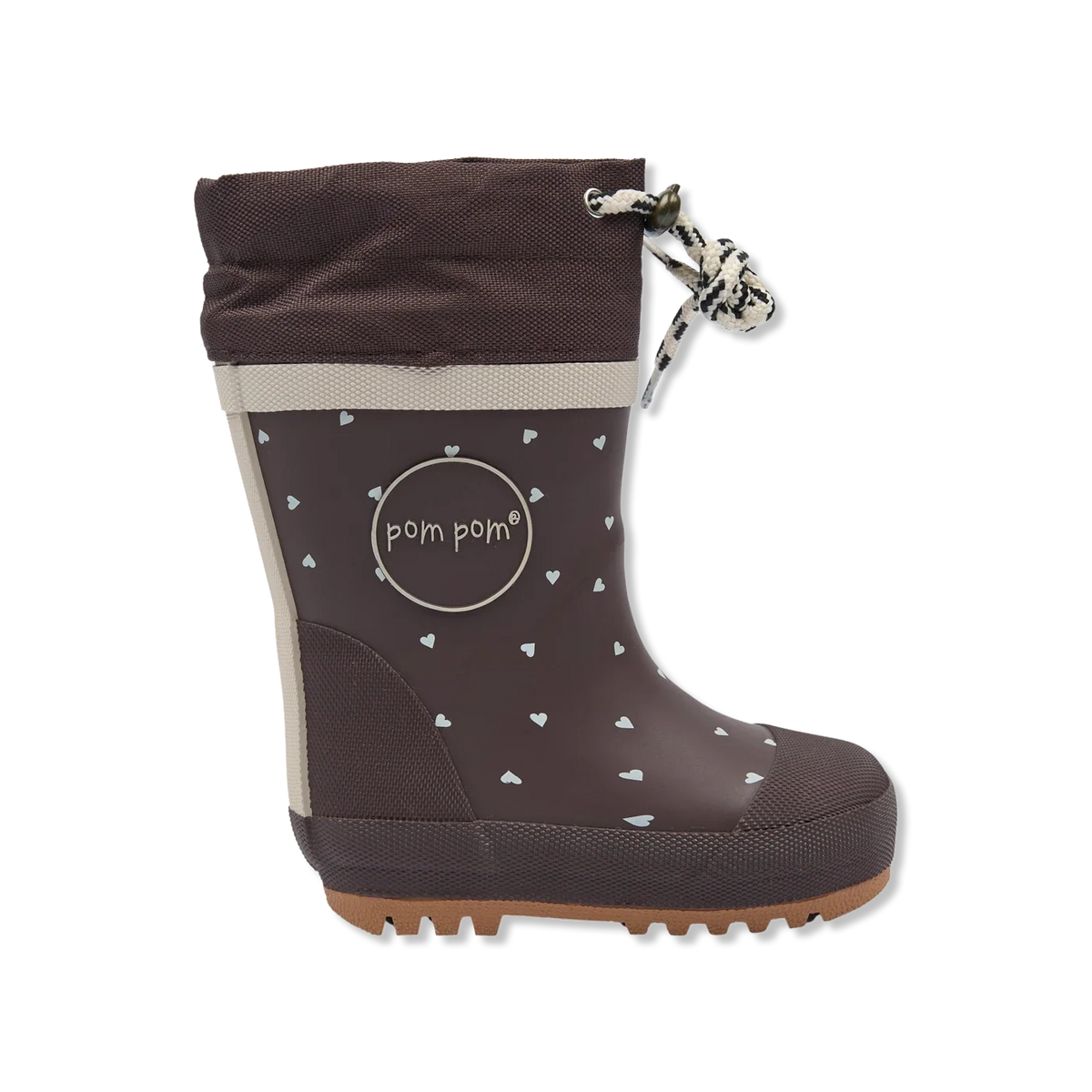
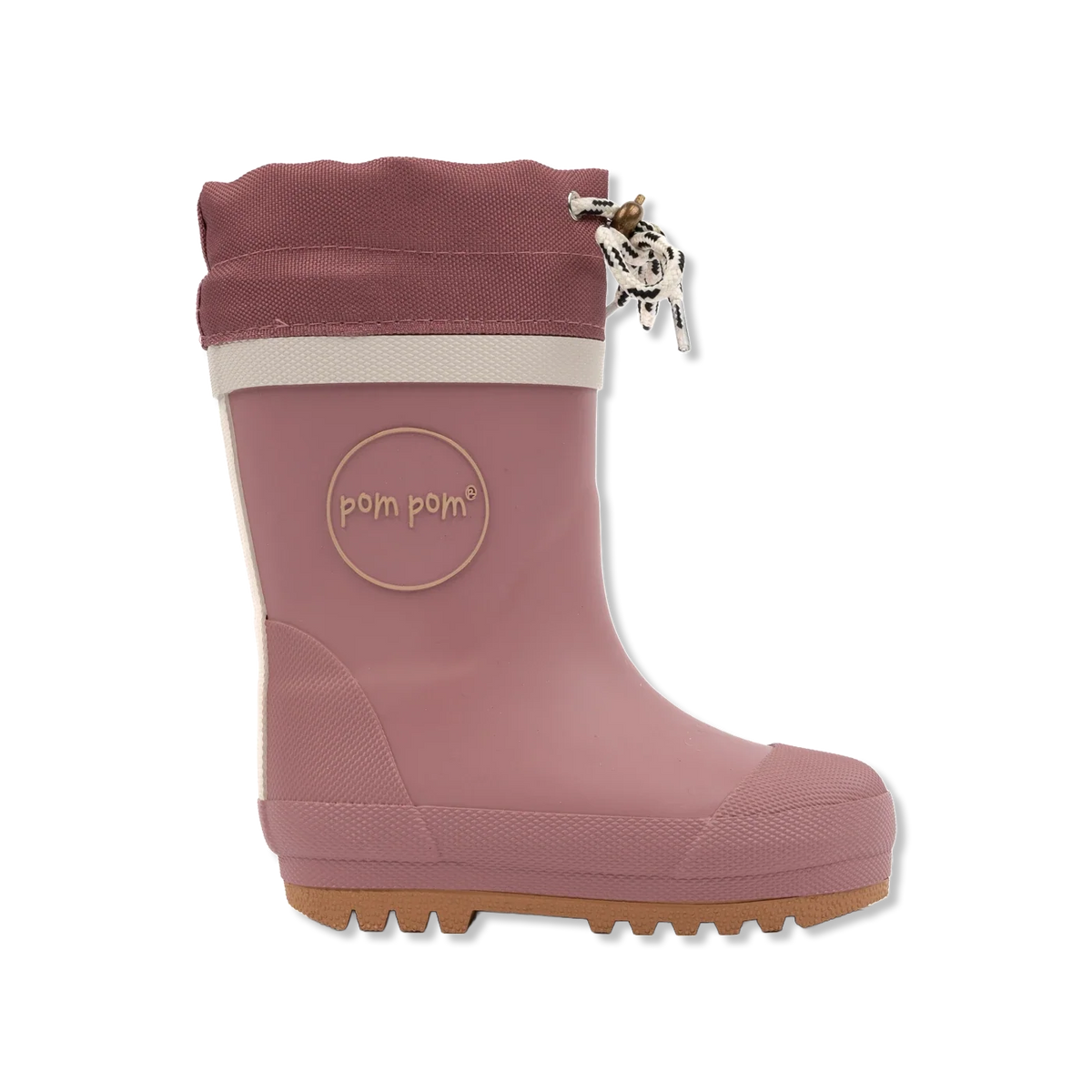
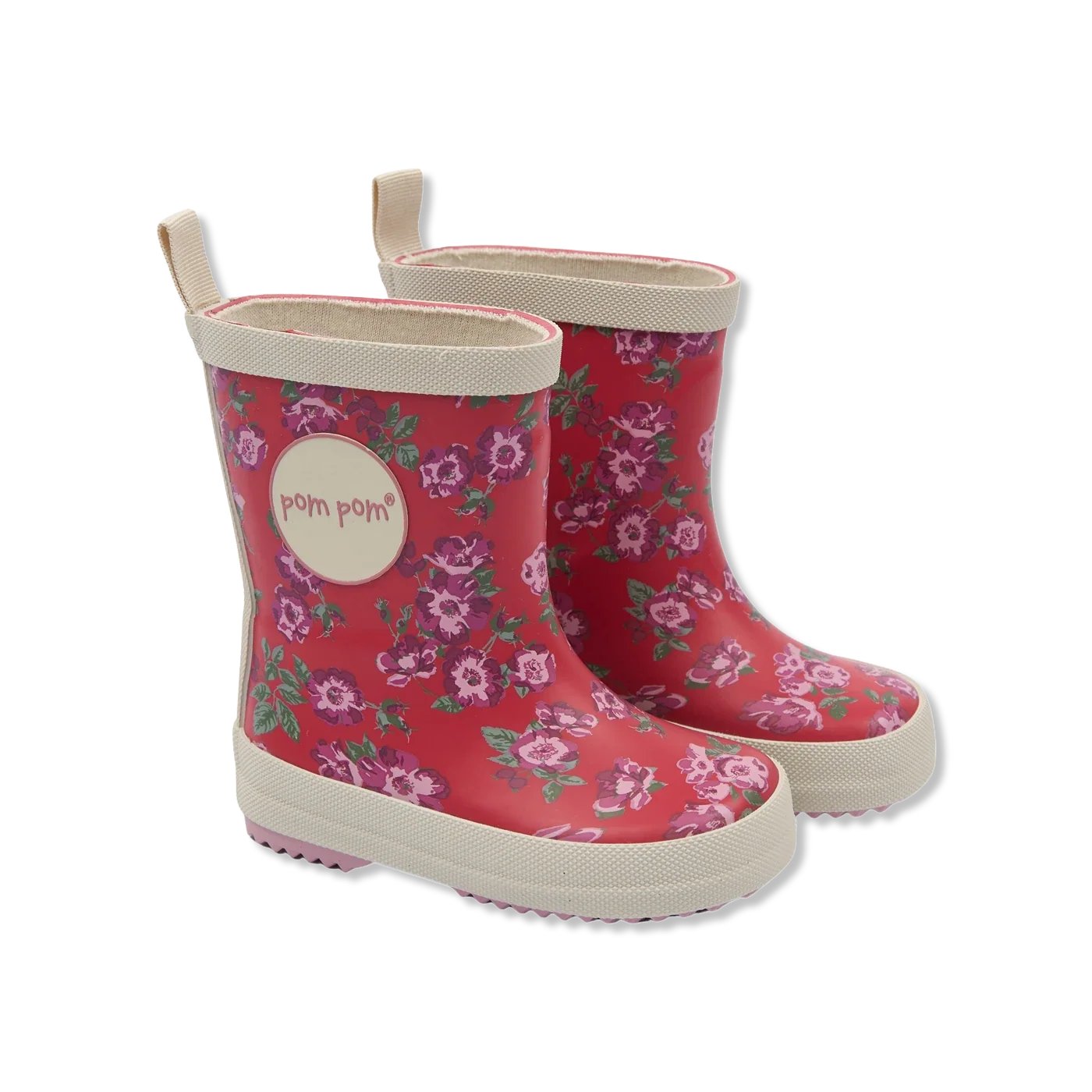
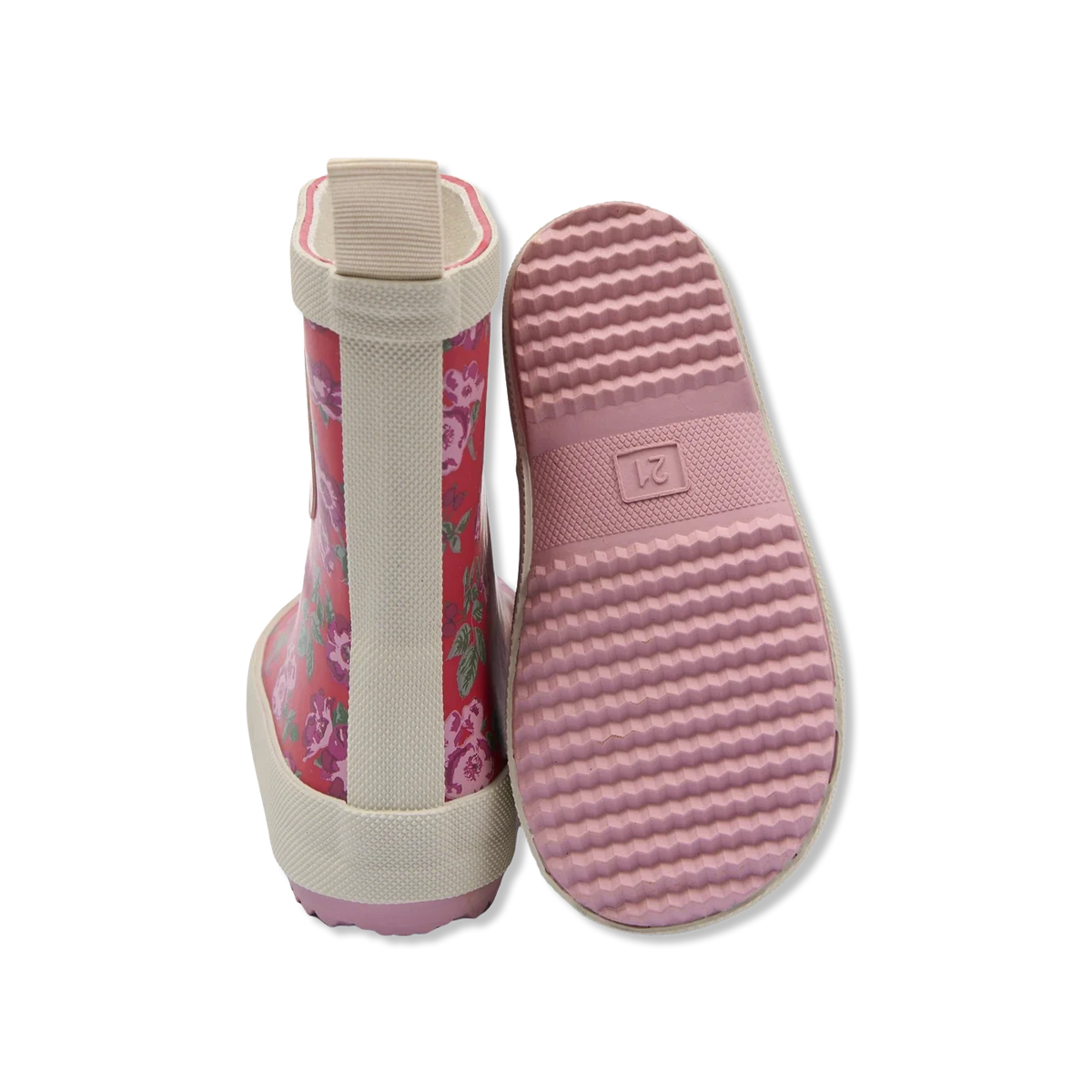
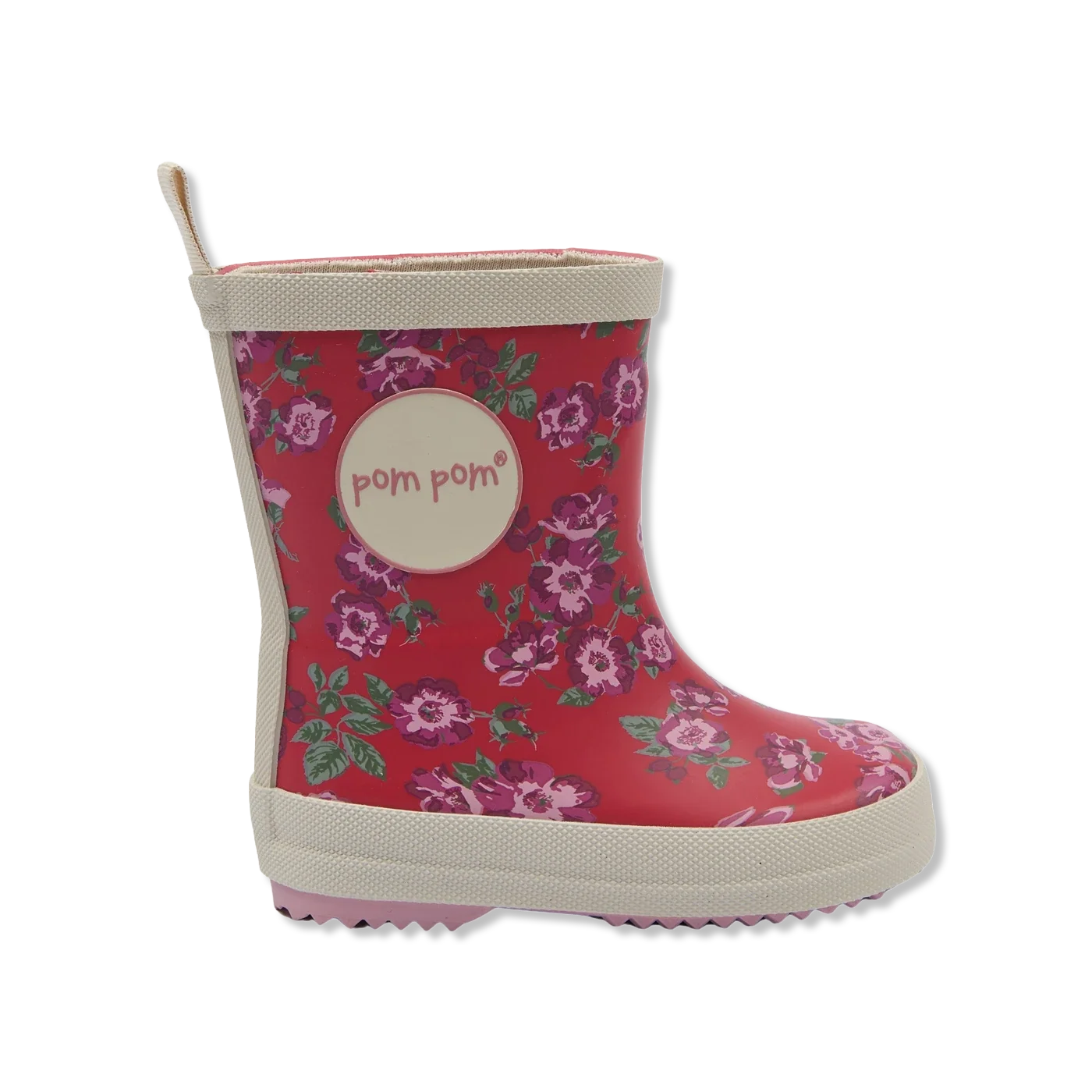
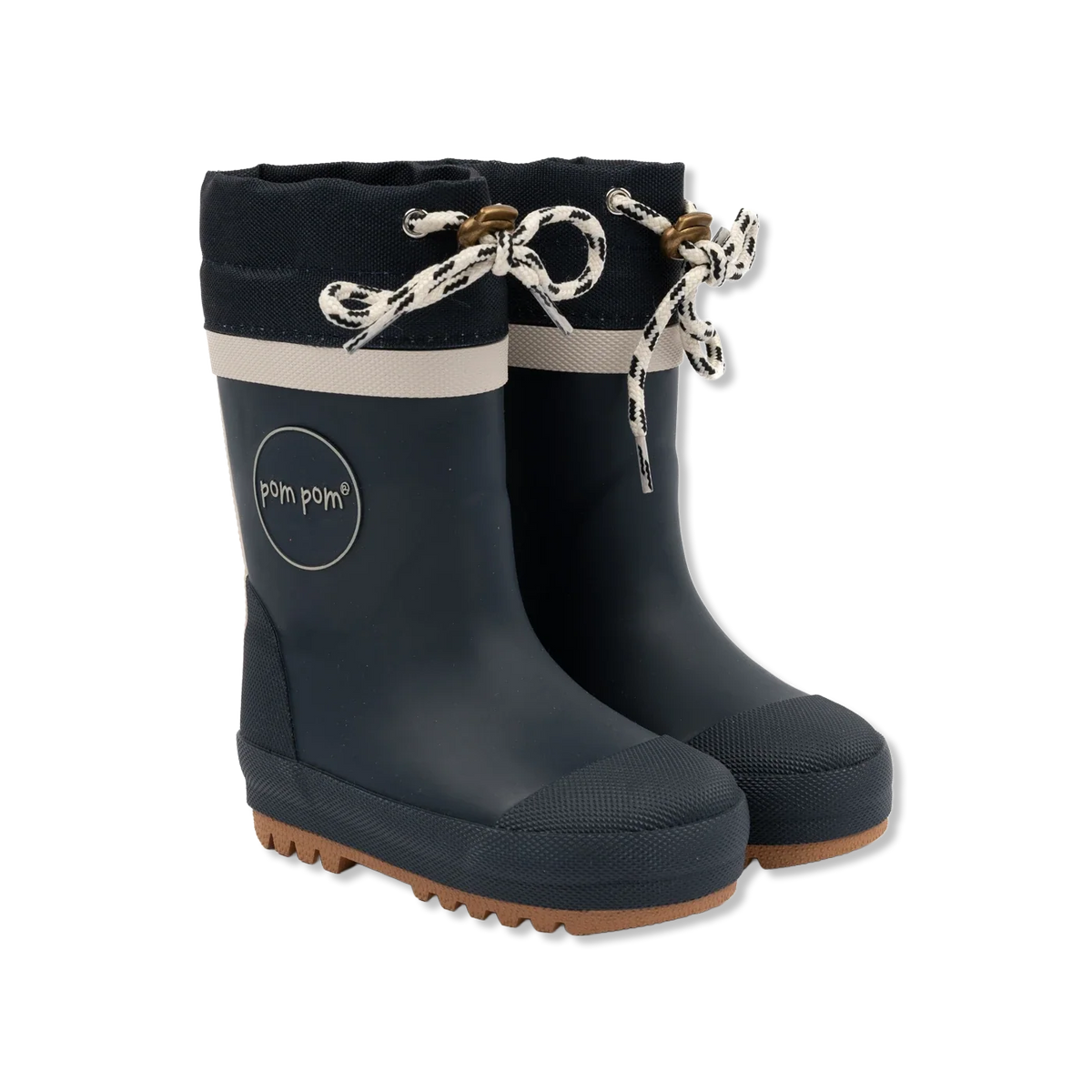
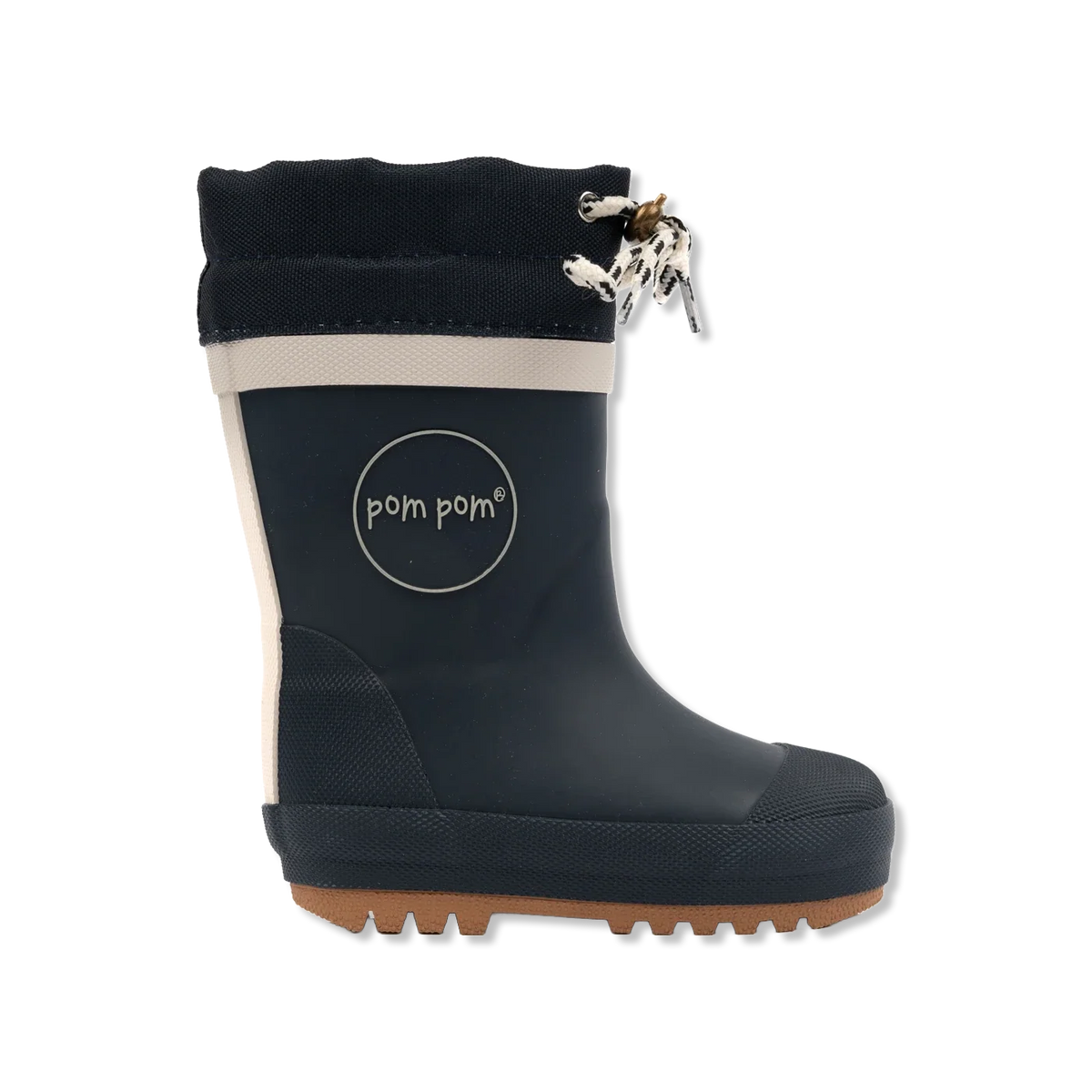
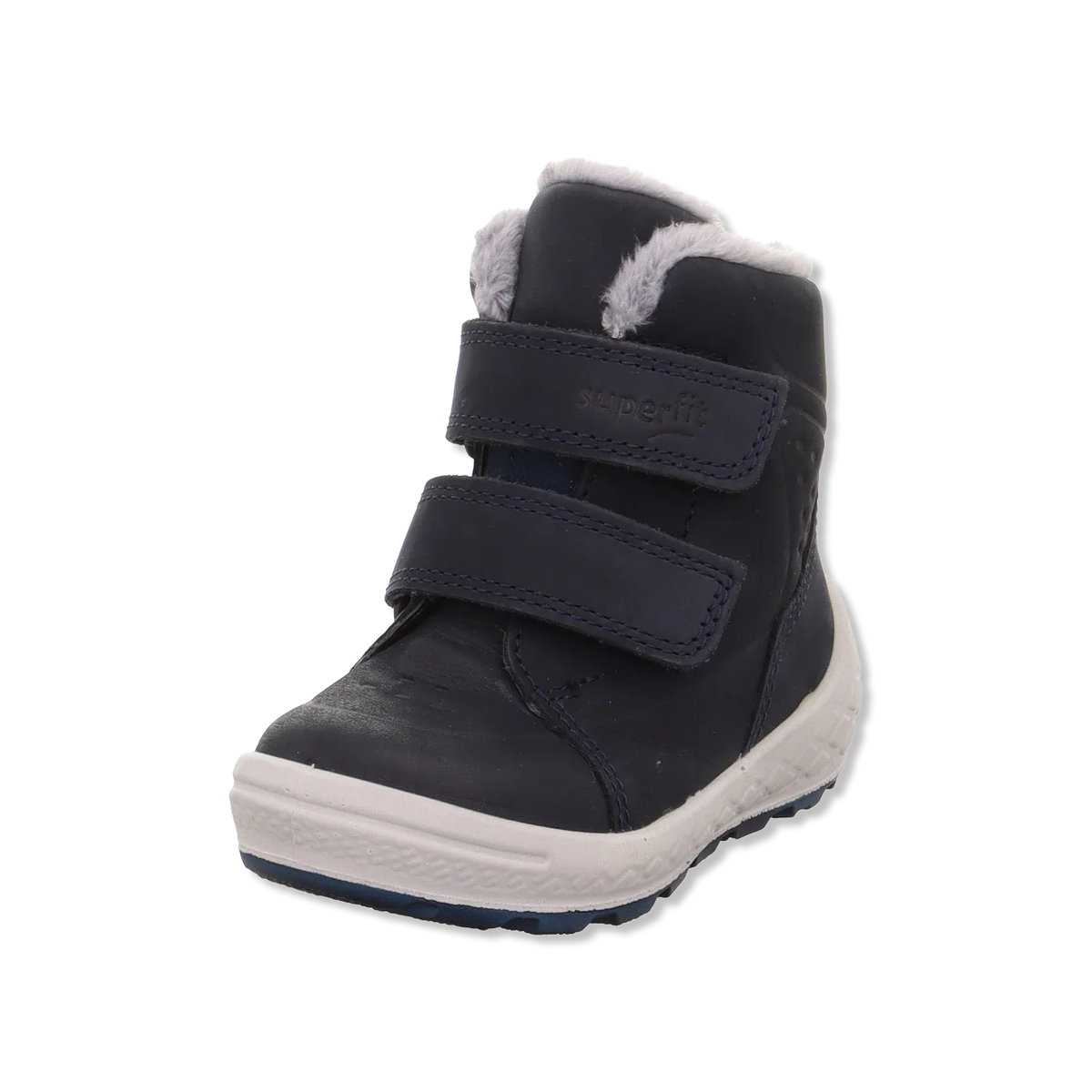
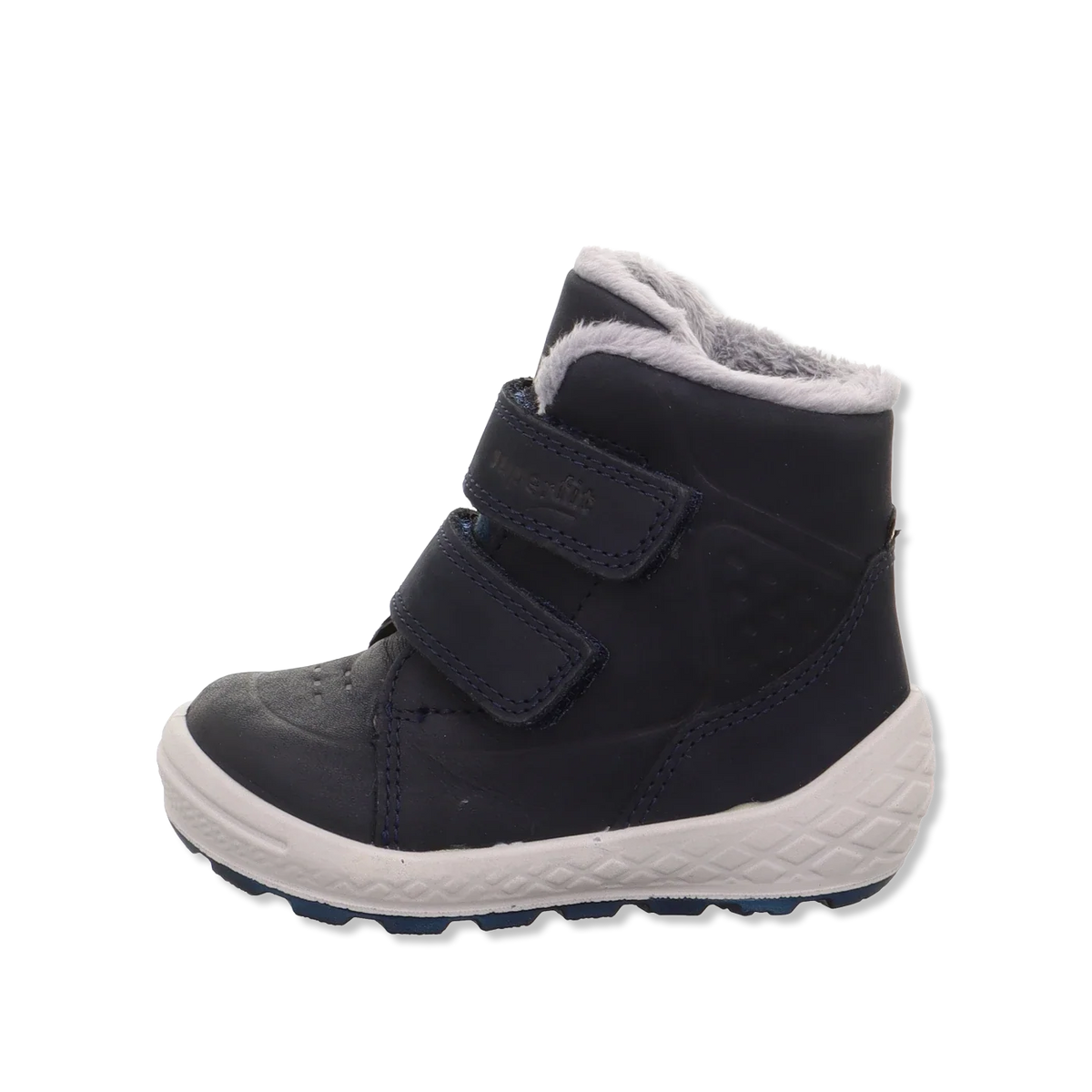
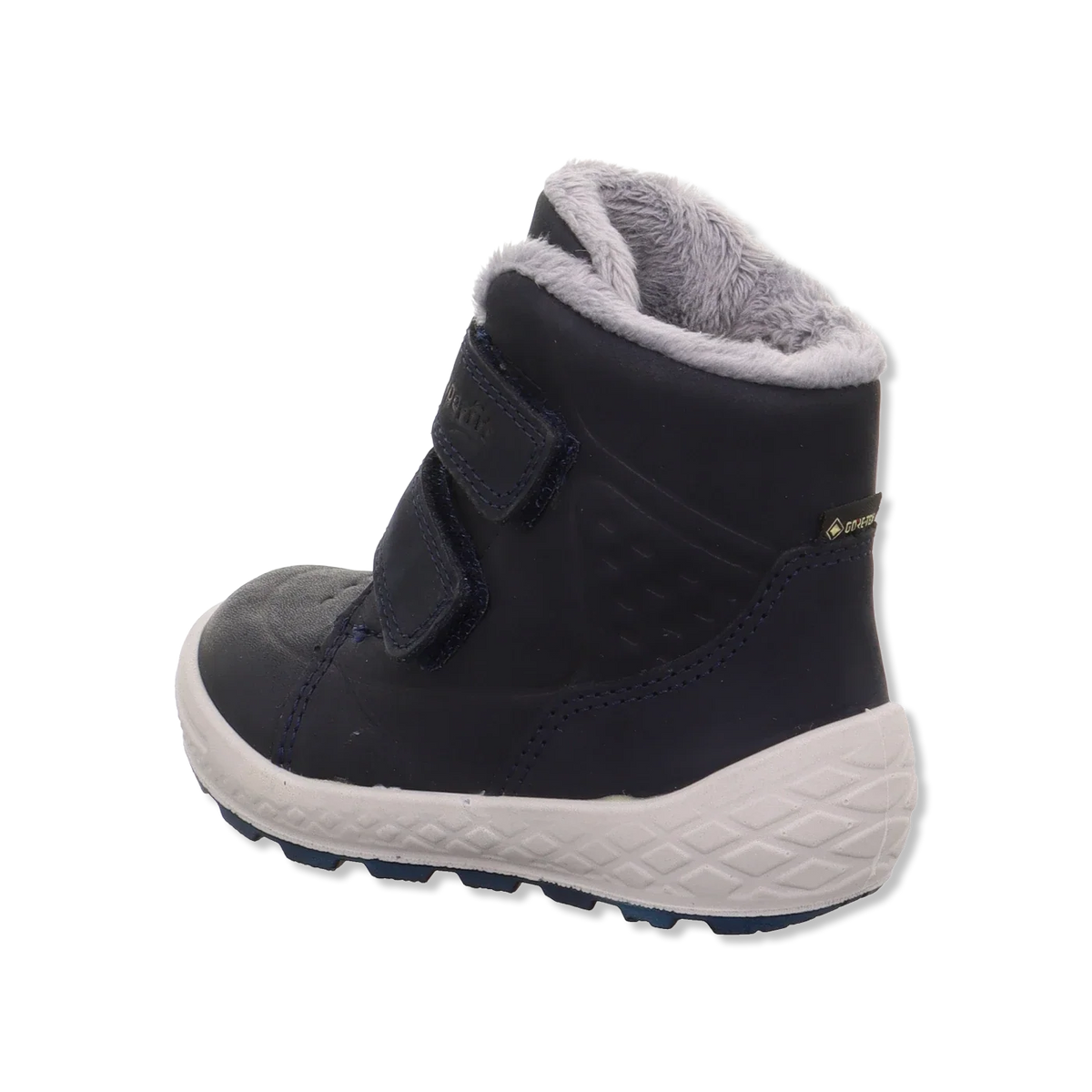
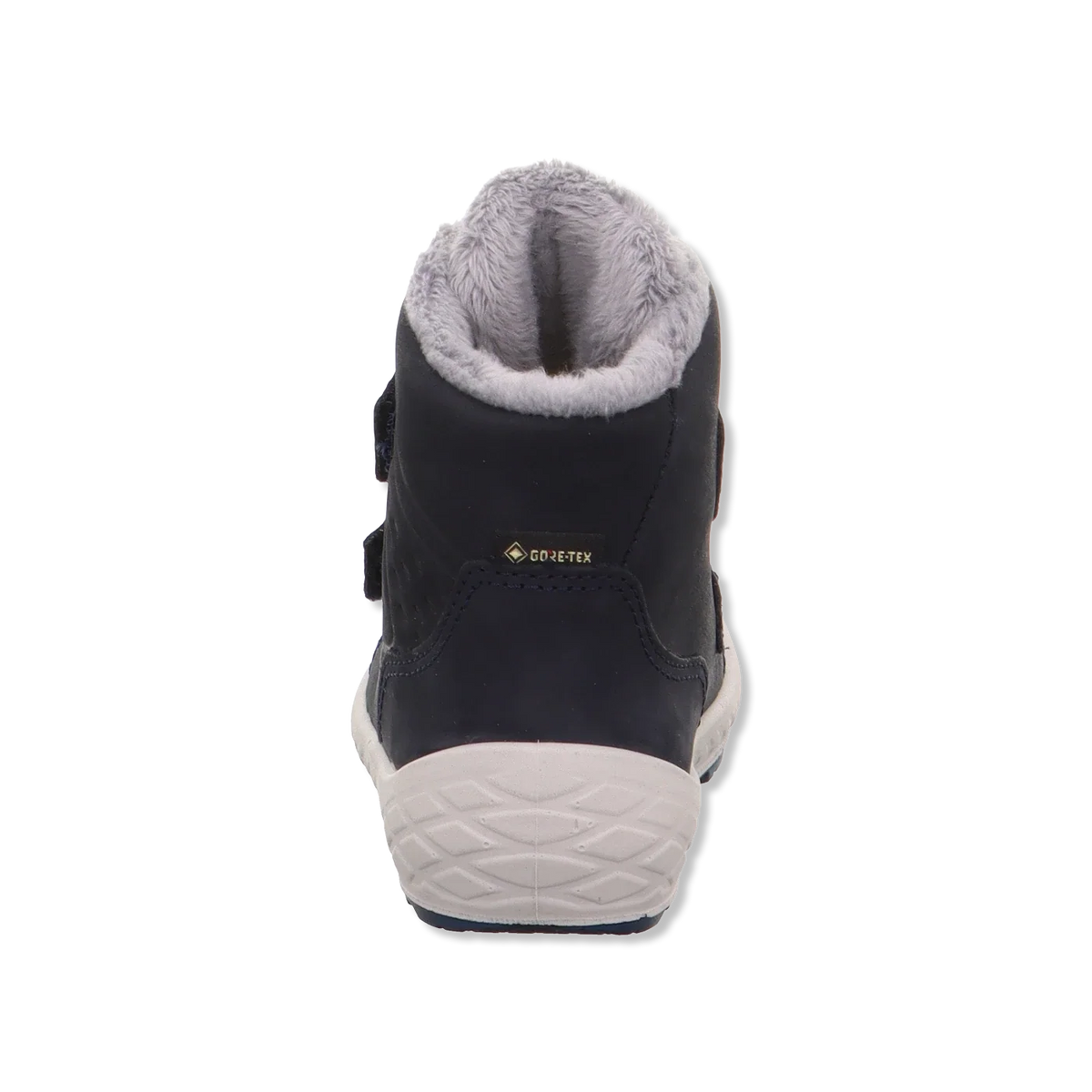
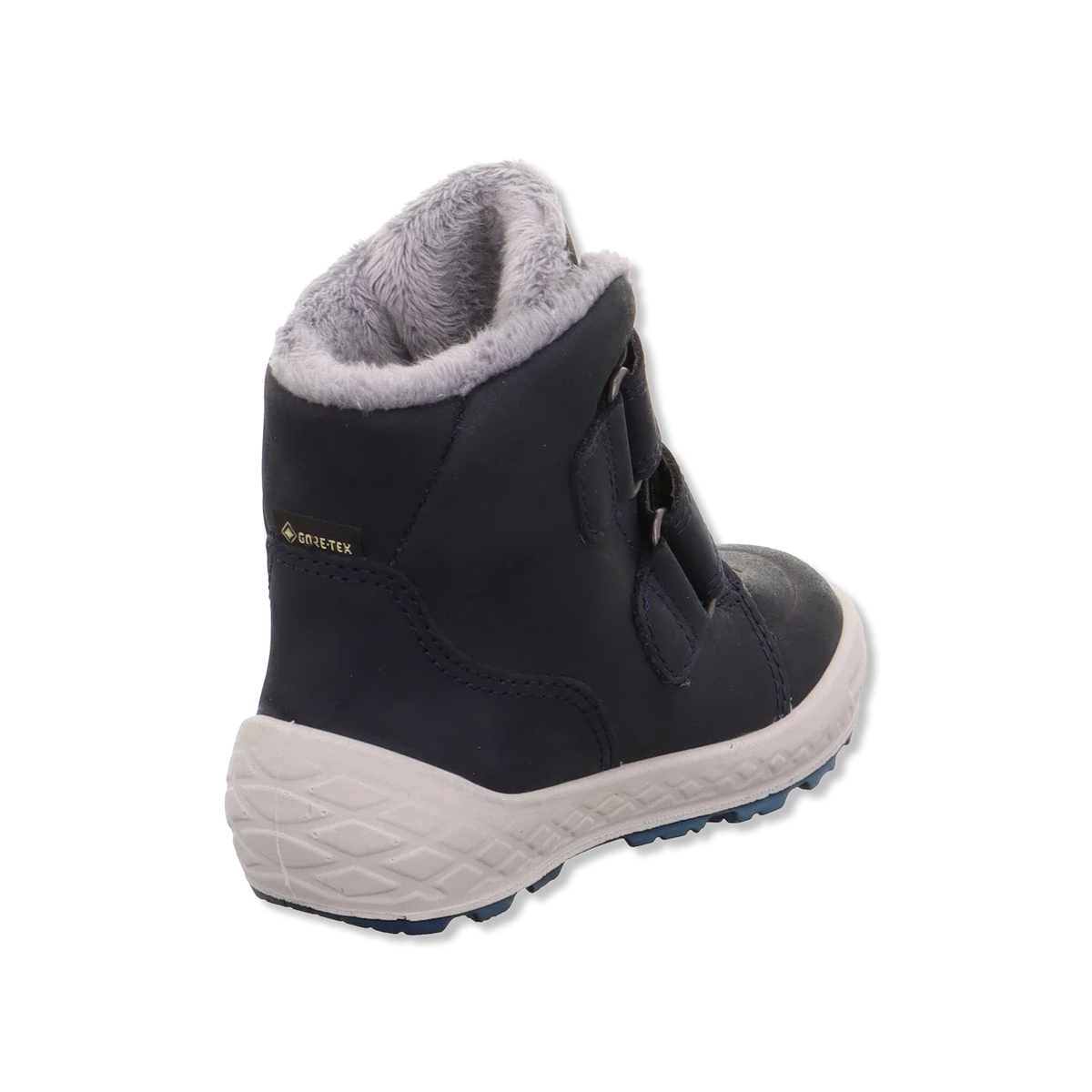
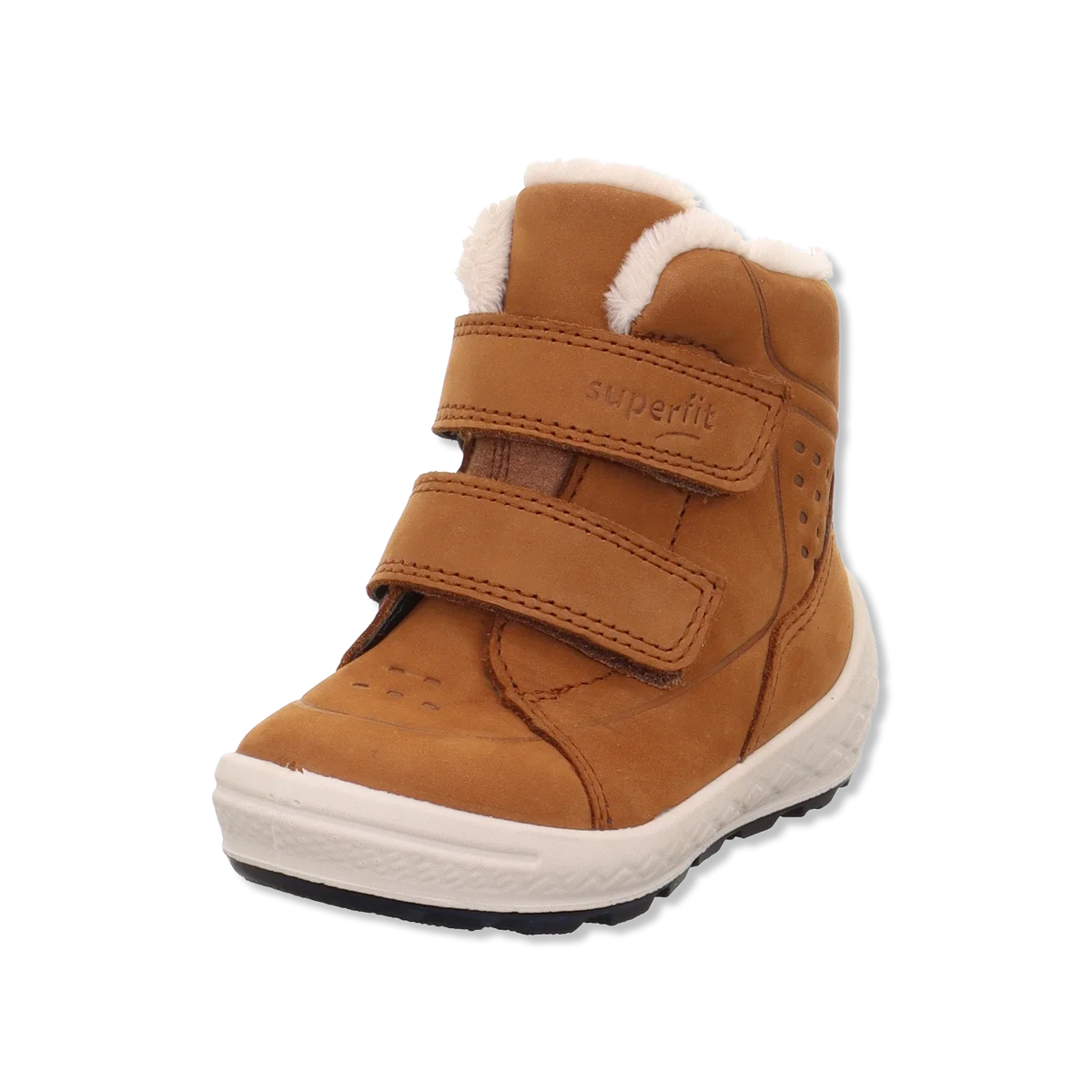
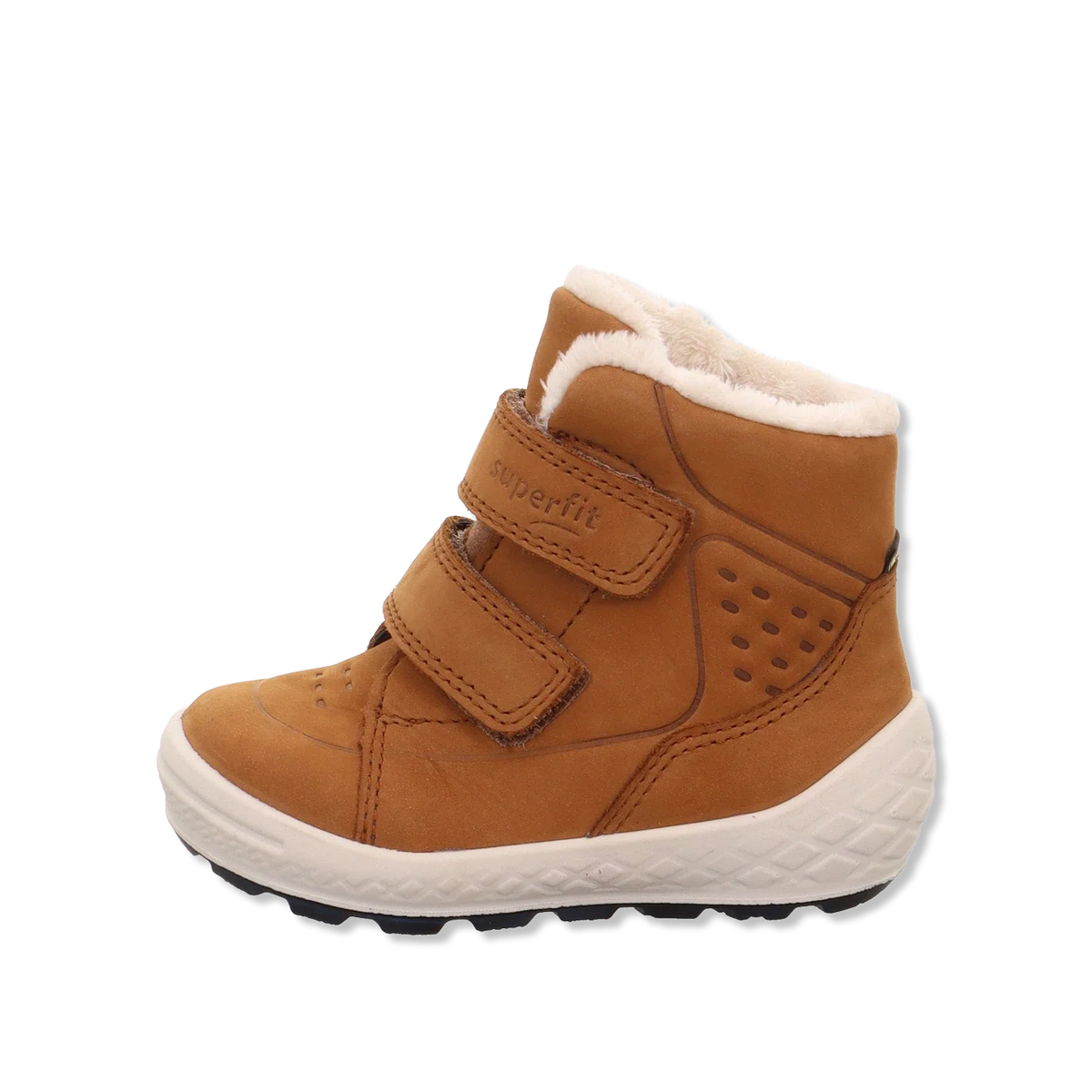
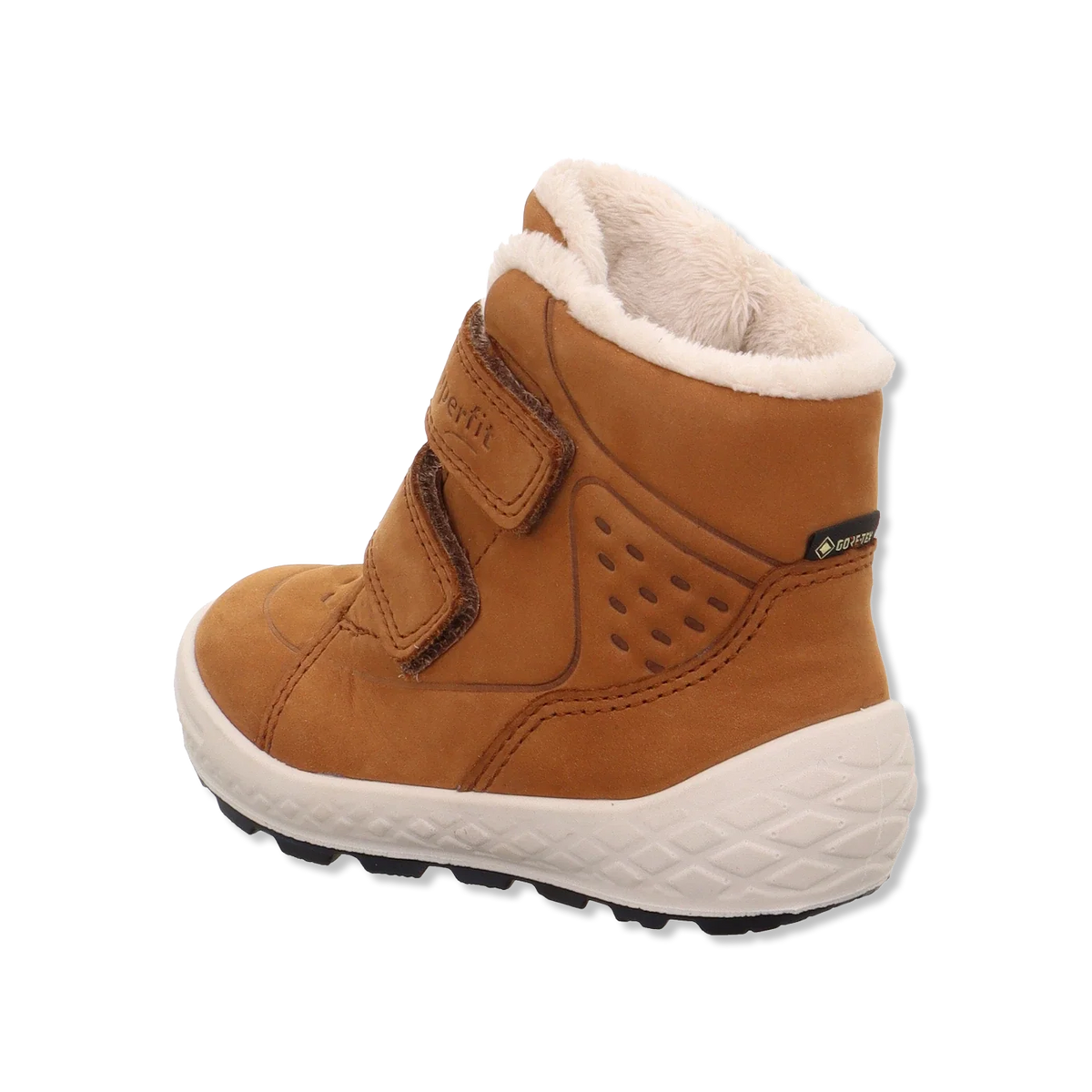
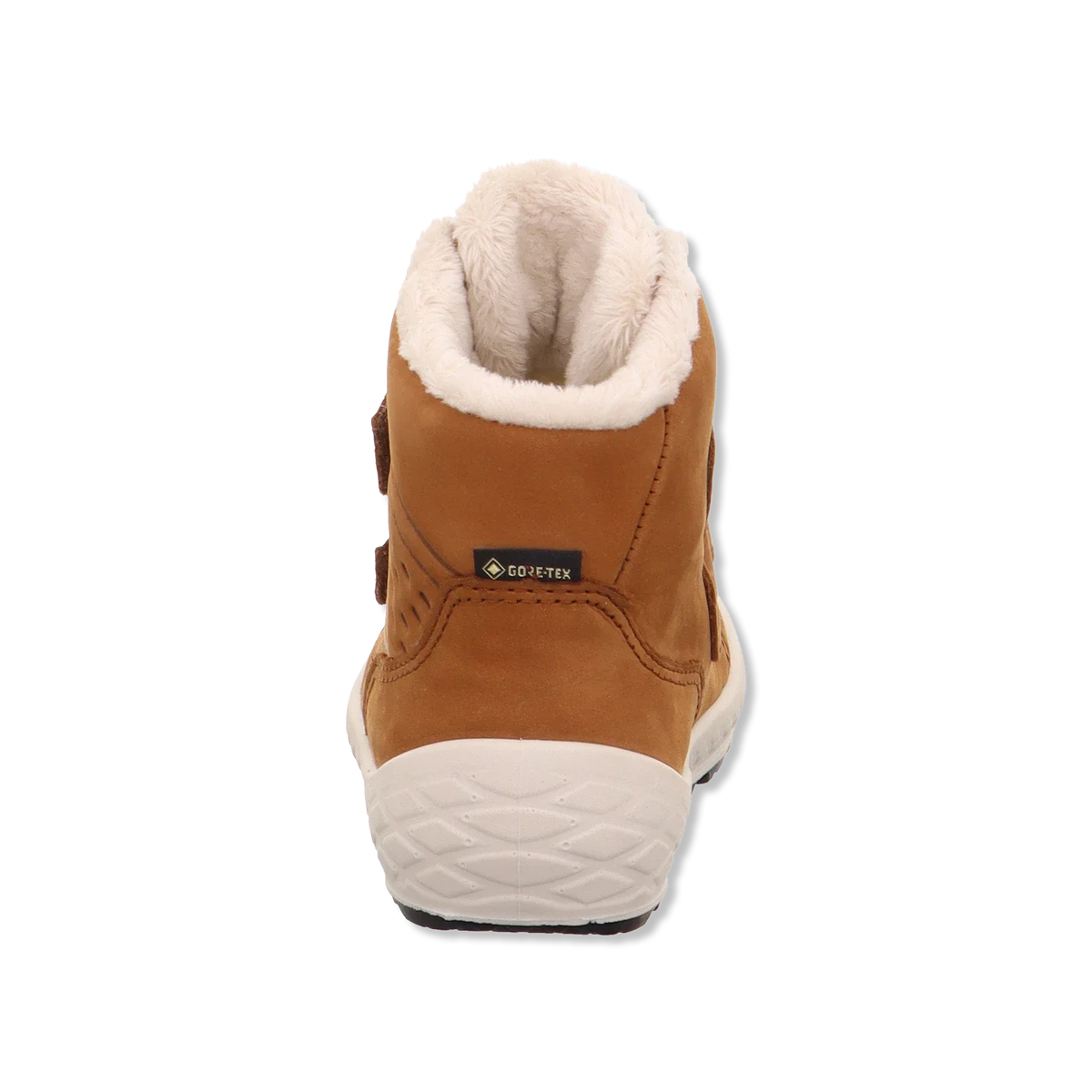
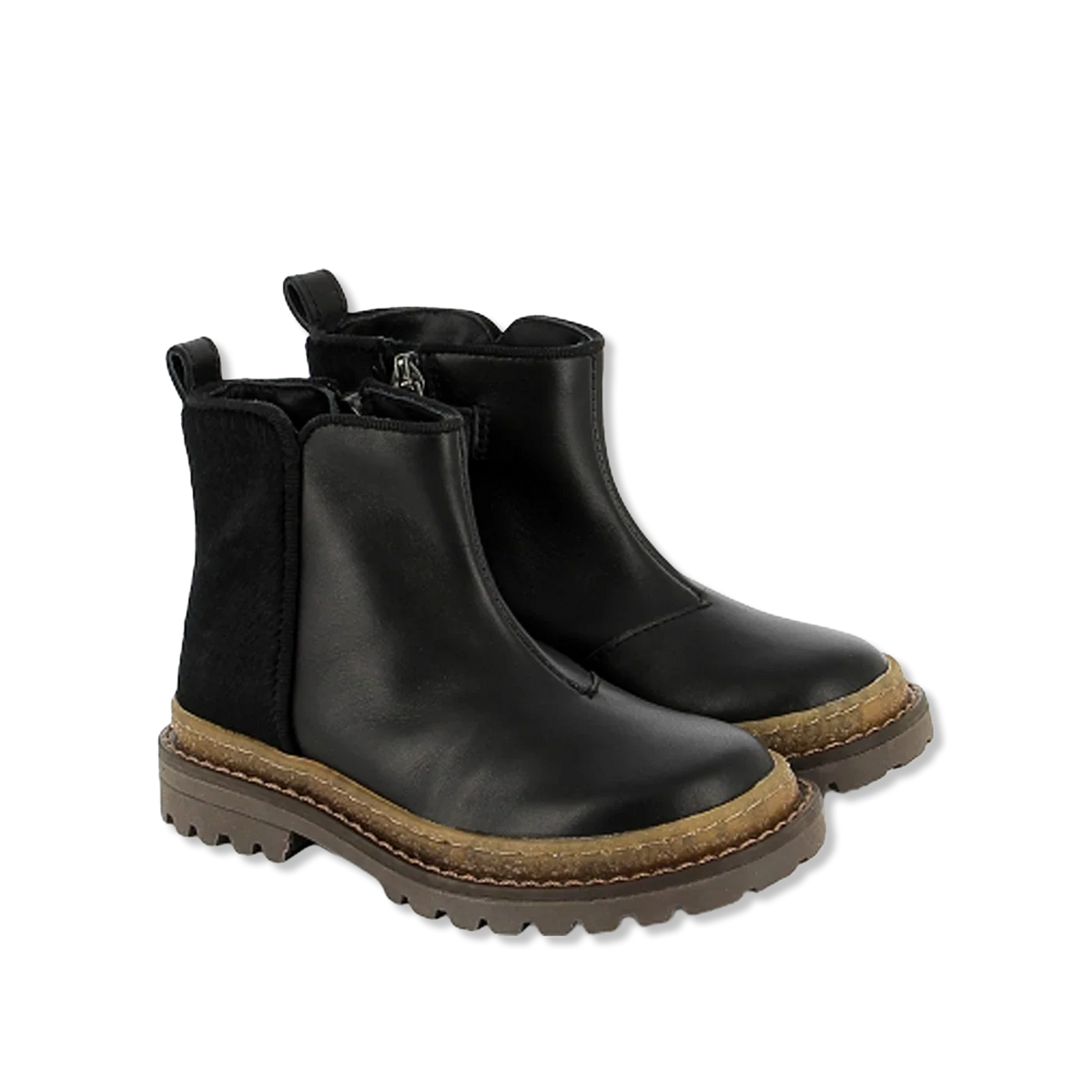
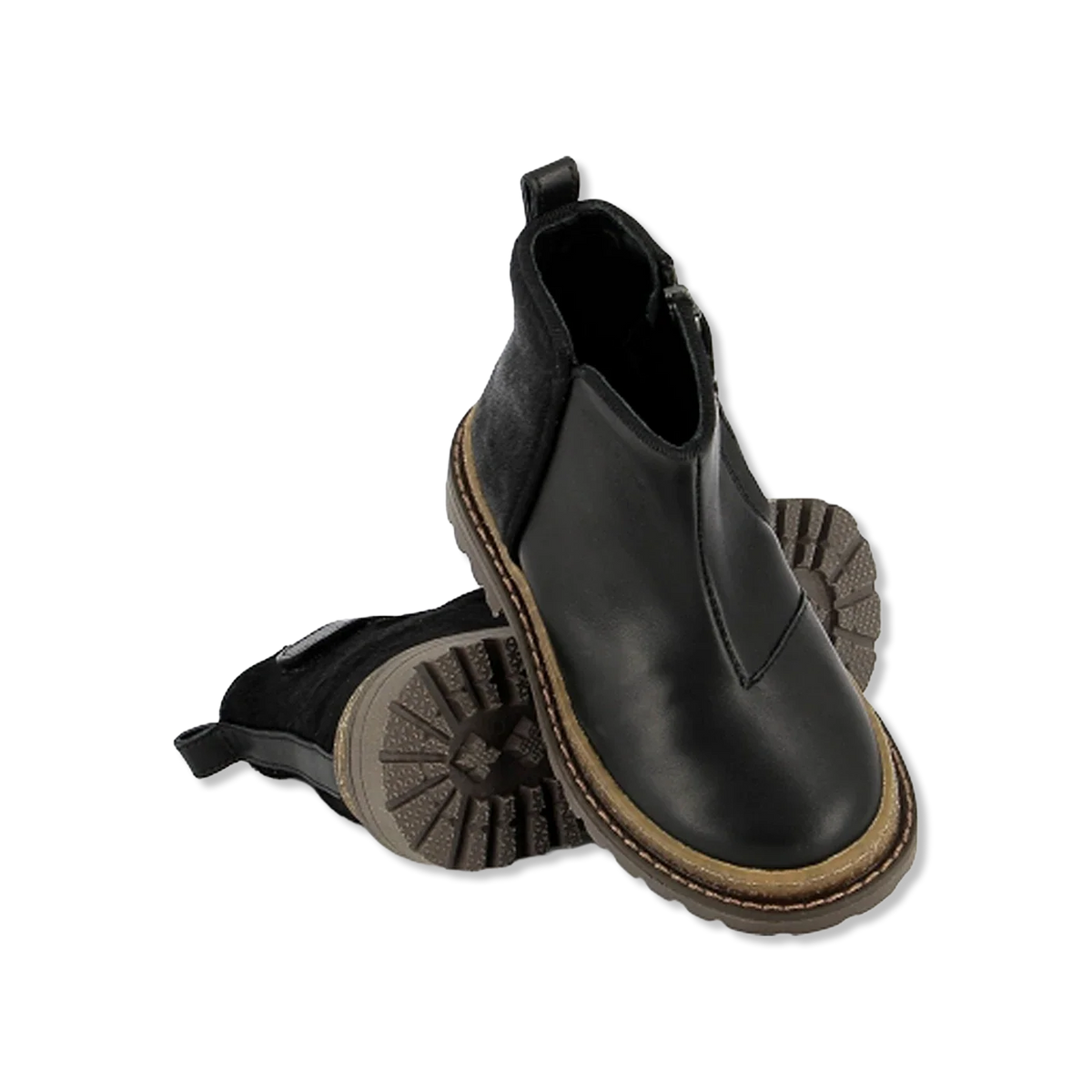
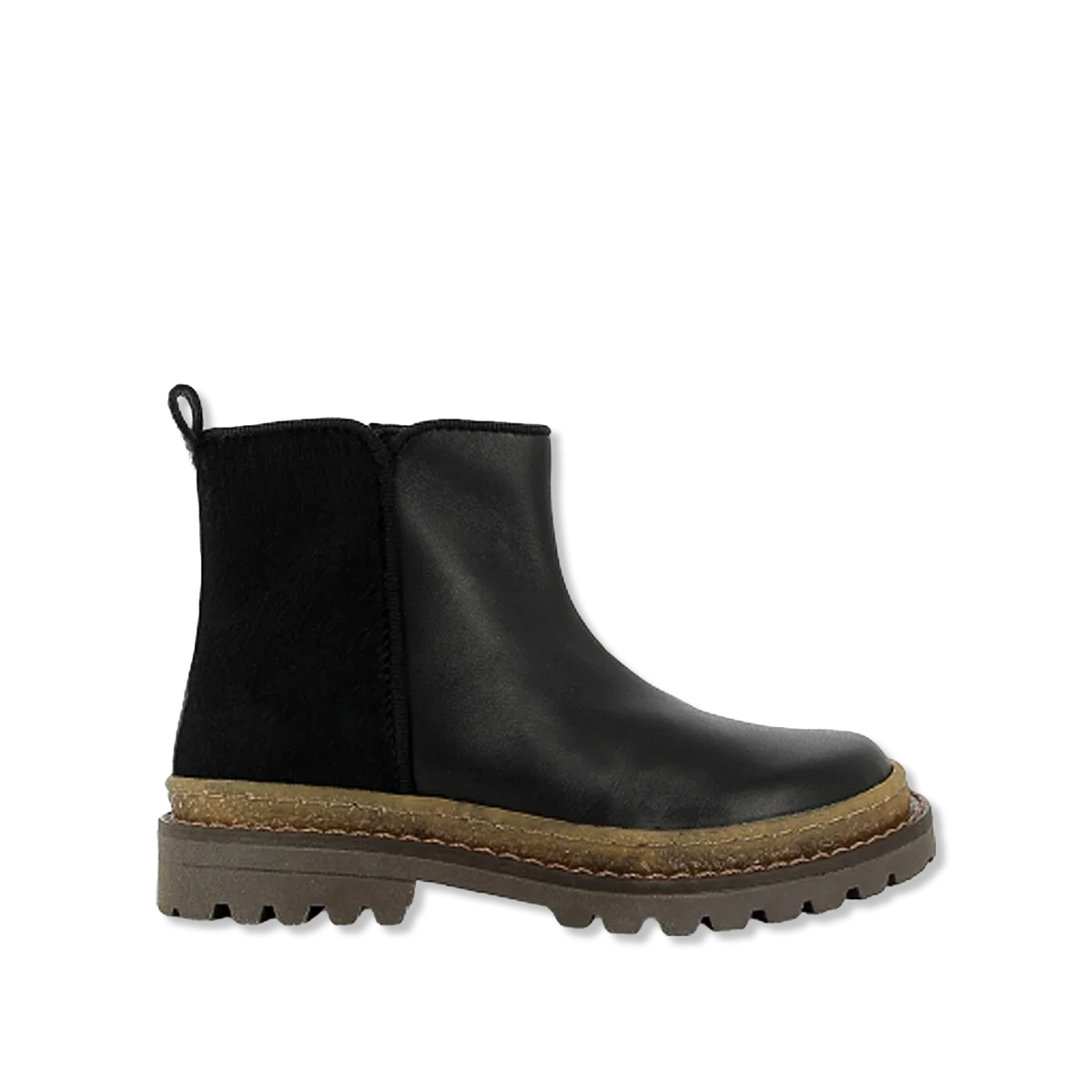
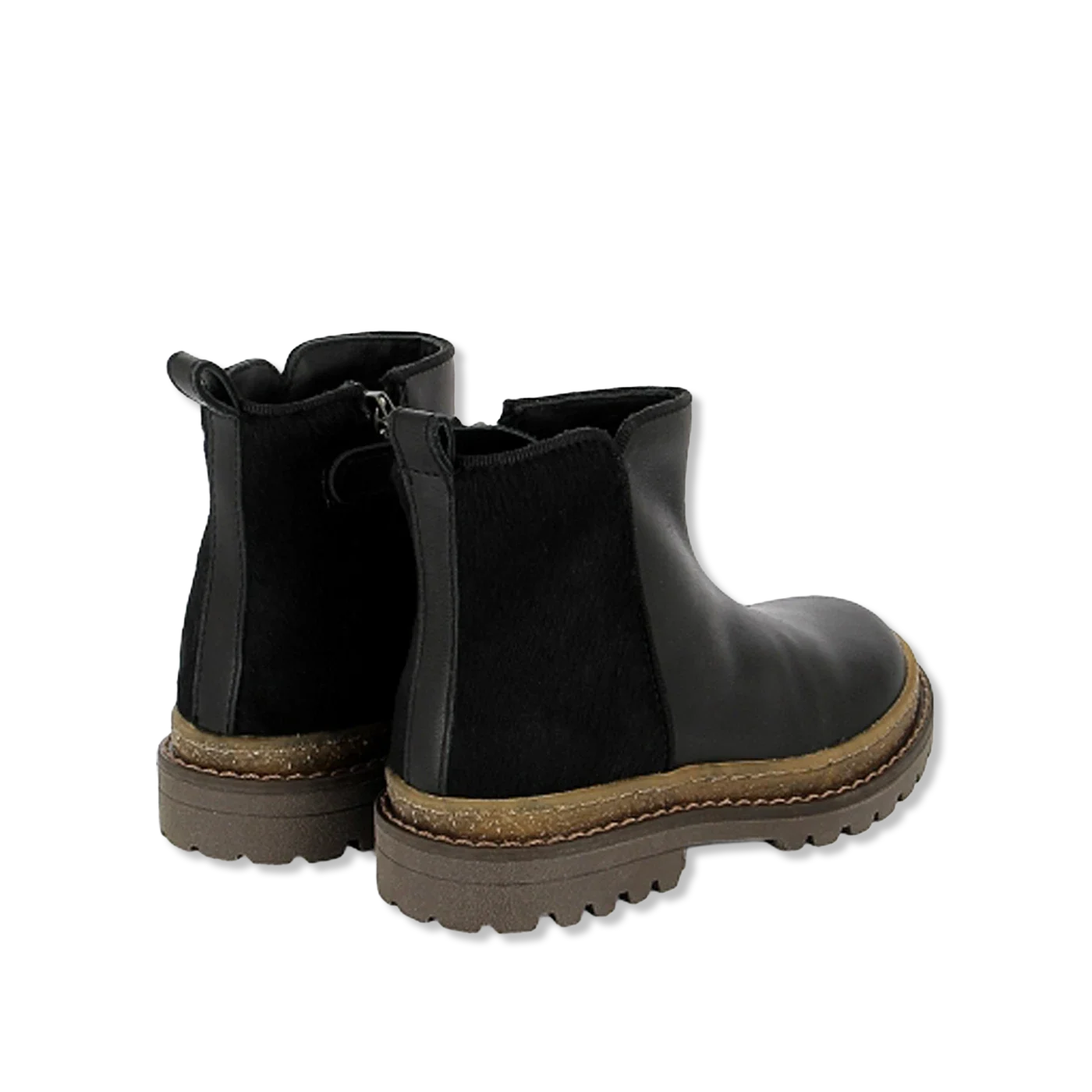
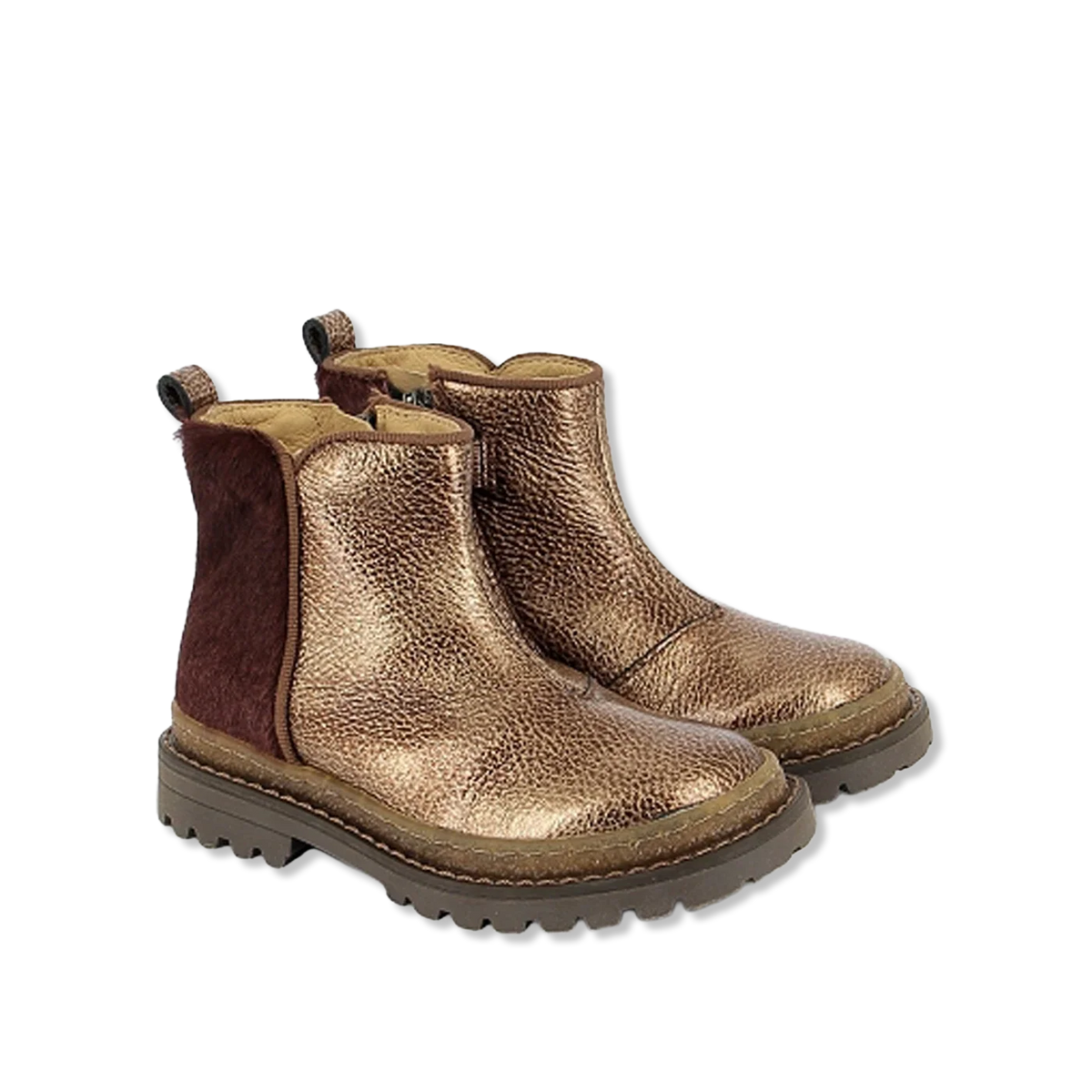
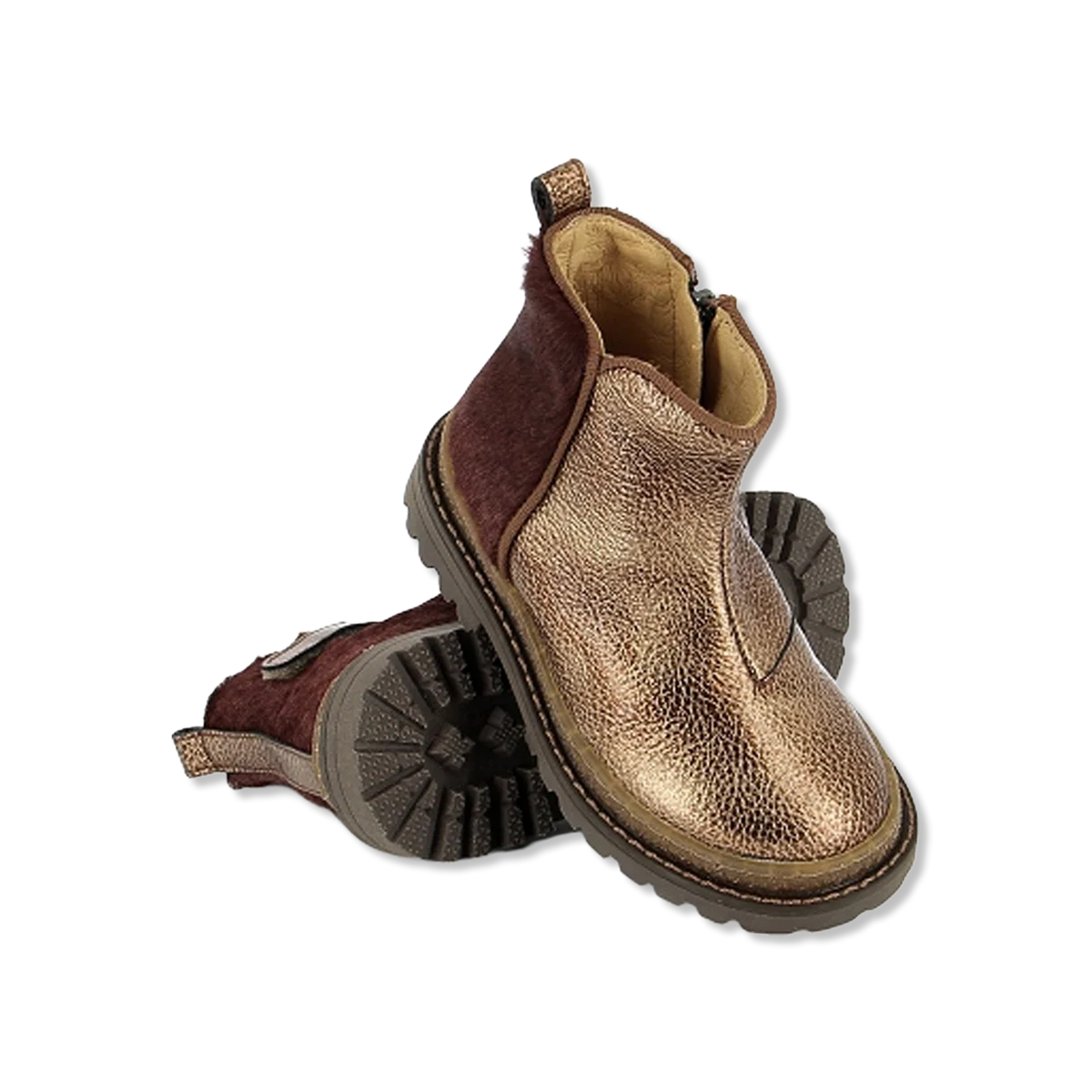
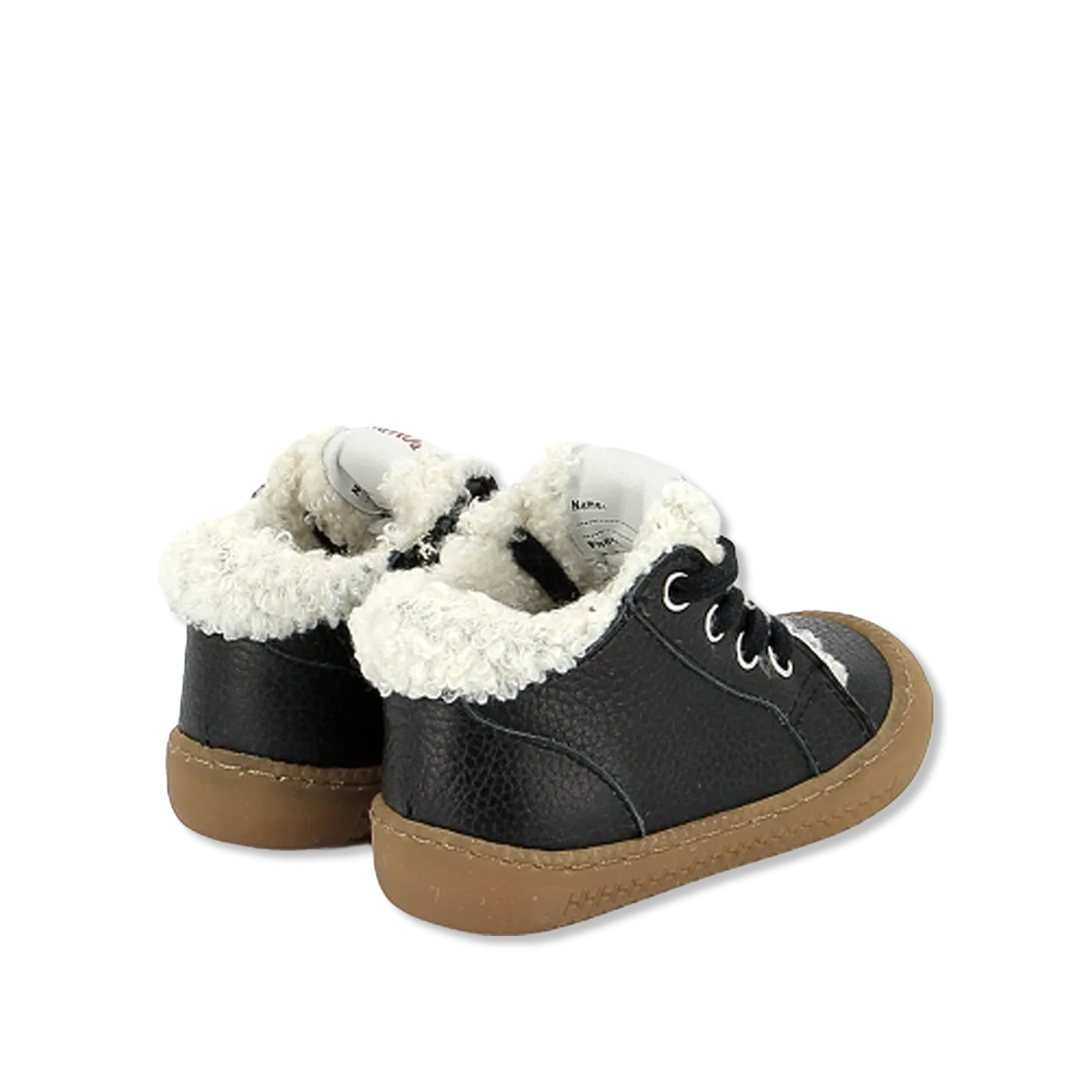
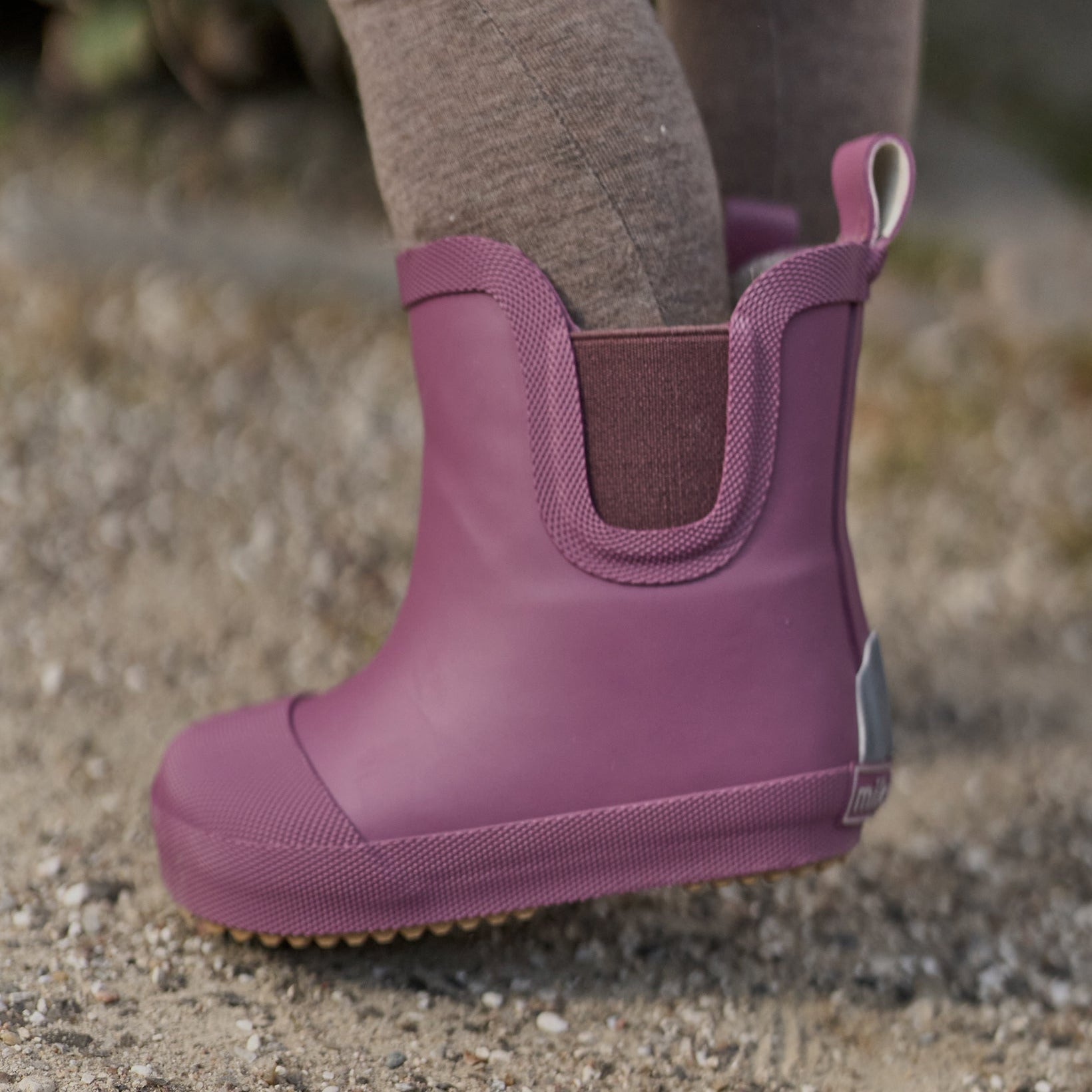
When the rain arrives, wellies are often the natural choice. They are practical on wet days, in mud and on the playground, where regular shoes can quickly get soaked. During the colder months, warm winter boots or other insulated boots with a sole that grips well on slippery surfaces can be a comfortable and practical choice.
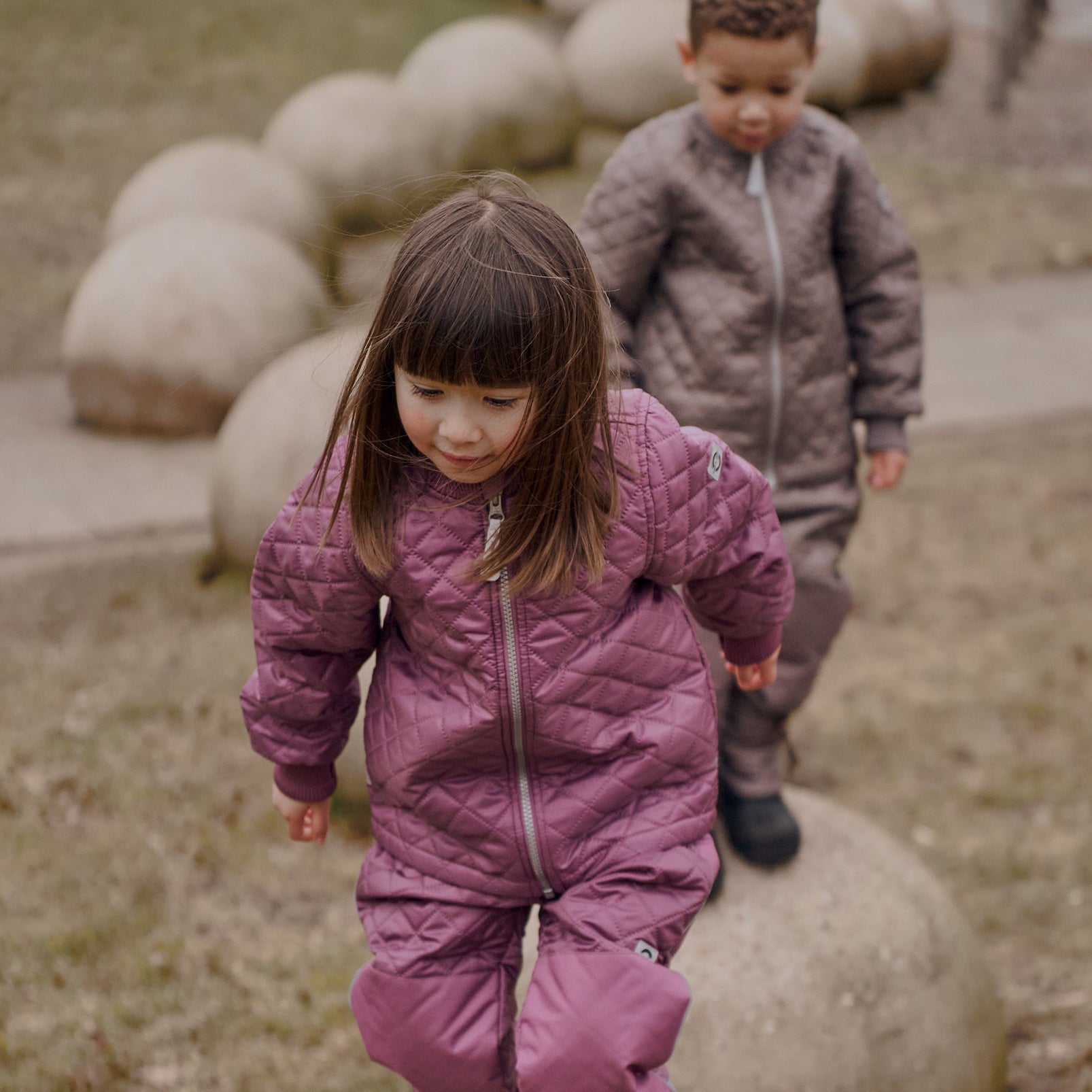
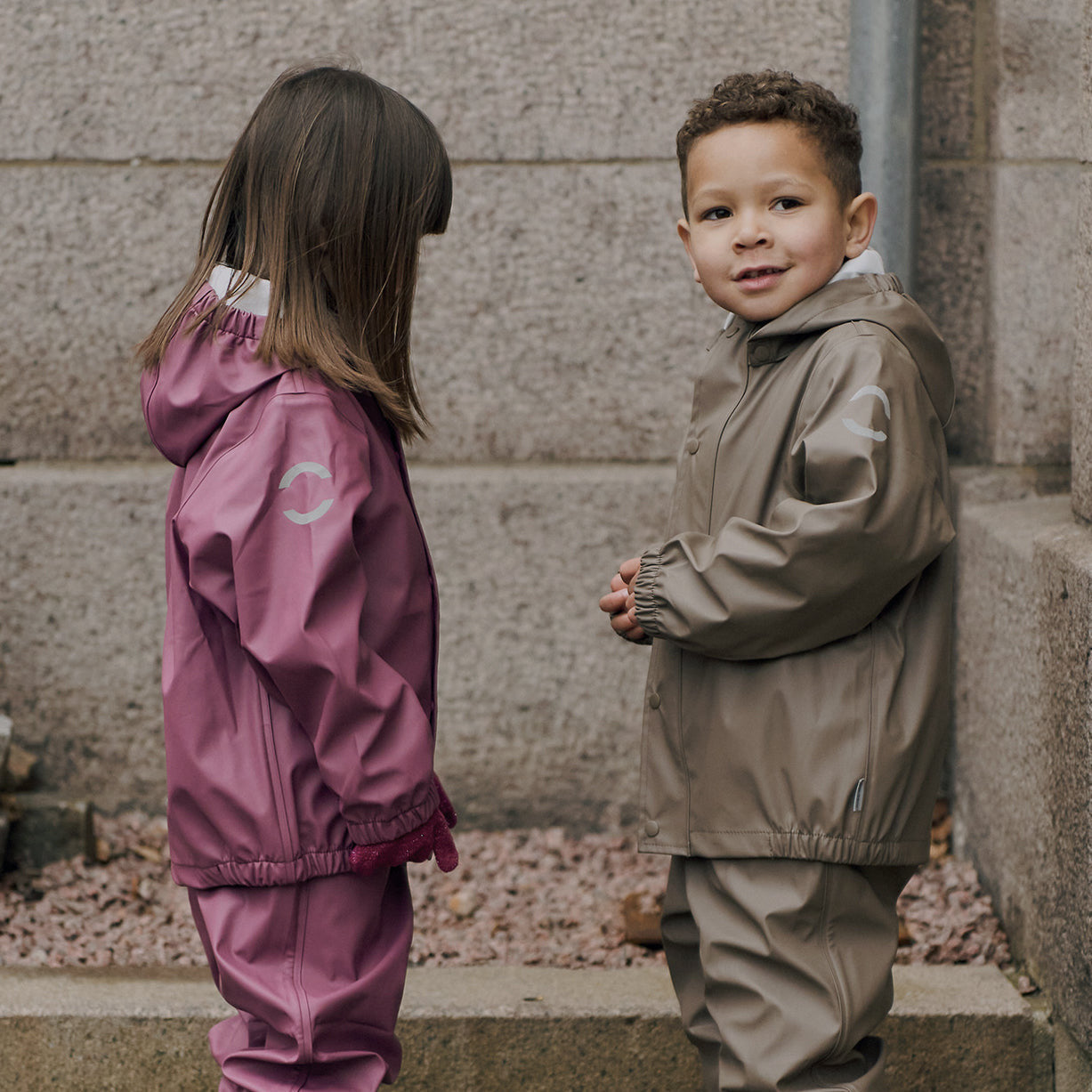
If your child spends a lot of time outdoors, it can be helpful to think of shoes as part of the wider wardrobe. On rainy days, footwear works best when it pairs well with rainwear, so your child can stay dry while still moving freely.
Materials in children’s shoes make a noticeable difference
The material matters a great deal for comfort, durability and how well the shoes work in everyday life. Leather is a popular choice because it is soft, flexible and allows the foot to breathe. Textile can be comfortable on warm days and for very active children, while rubber is especially practical when shoes need to handle rain and wet surroundings.
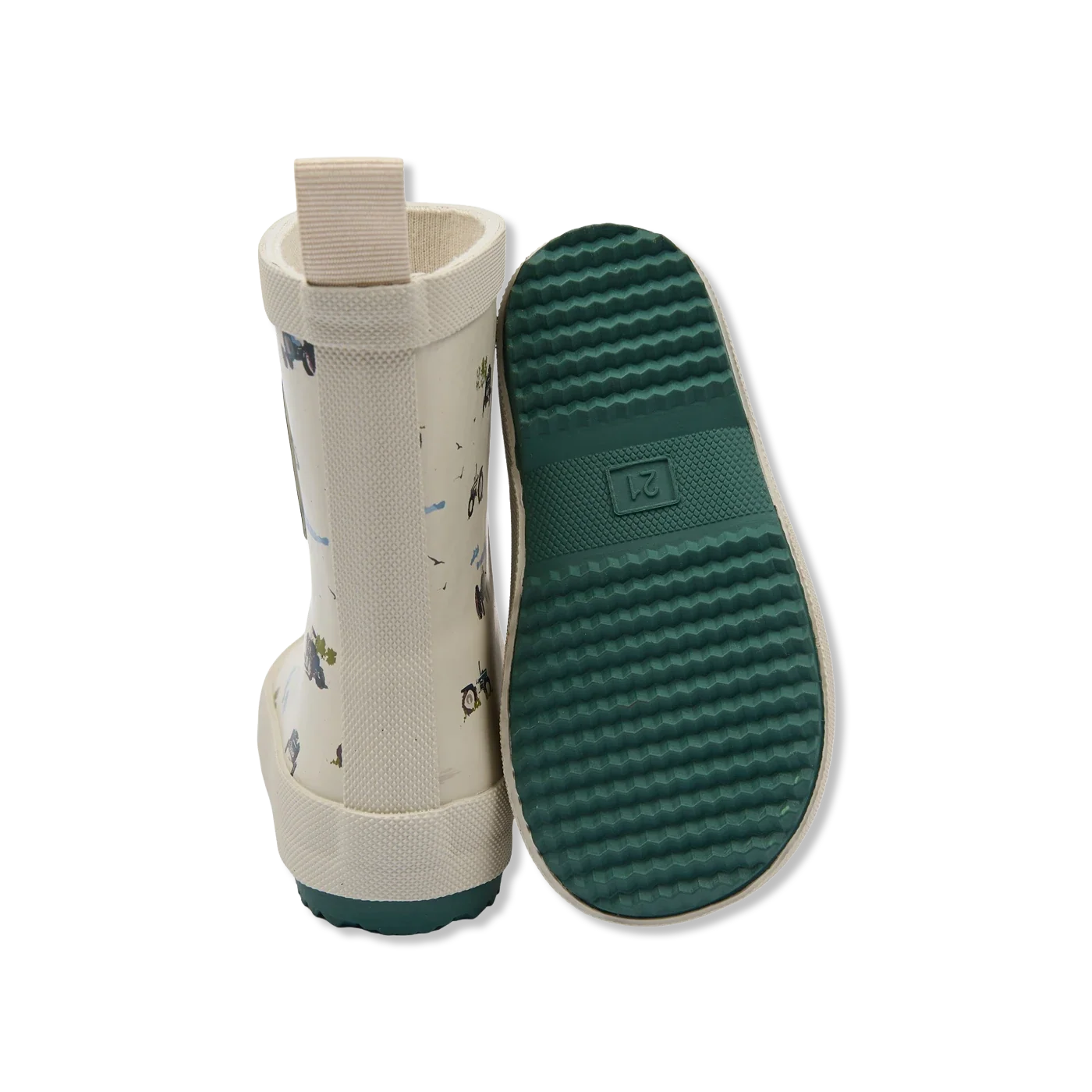
It can also be worth looking for details such as soft lining, a flexible upper and a non-slip sole. These features make the shoes comfortable to wear and give your child better freedom of movement. For many parents, choosing materials with care also provides extra peace of mind, and in the selection you may also find styles with certifications such as OEKO-TEX, where relevant.
In everyday life, it also matters that shoes are easy to wipe clean, quick to put on and robust enough to be used again and again. This is especially useful when they are going to daycare, worn on trips or kept on little feet for many hours at a time.
From first steps to bigger children on the move
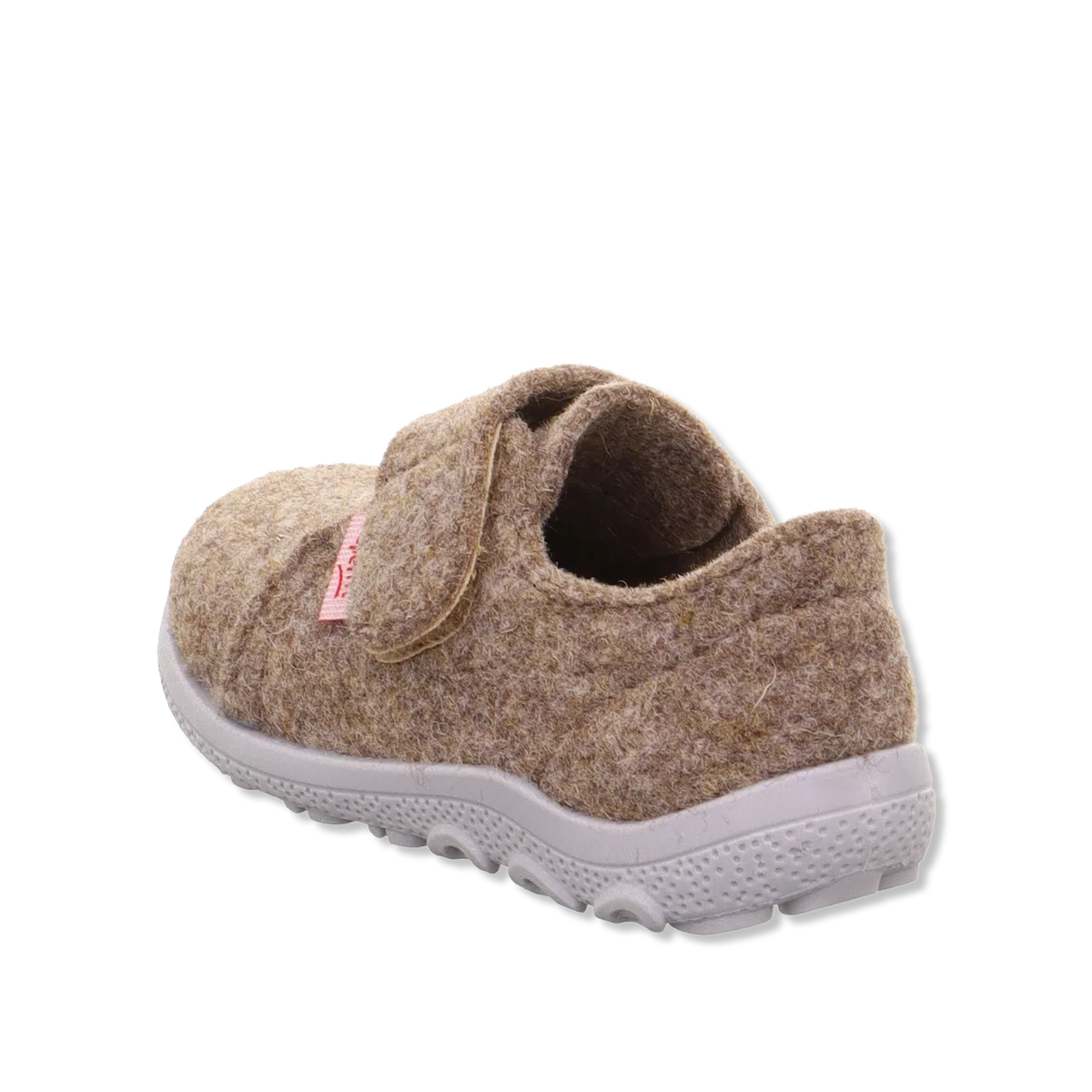
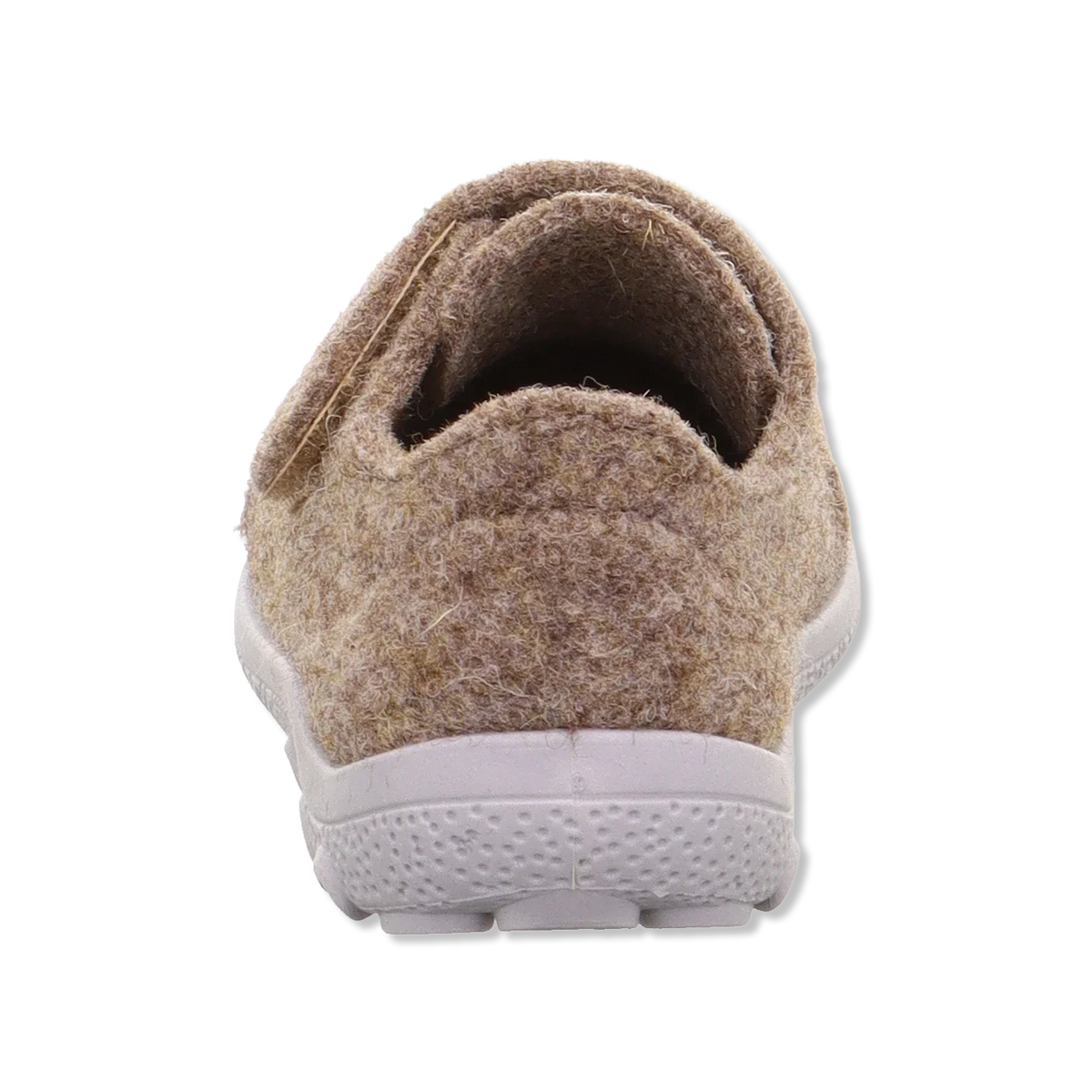
Your child’s needs change as they grow. Baby shoes and first walking shoes should usually be soft, light and flexible, so the foot can move naturally. Heavy or stiff shoes are rarely the right choice at this stage. As children get older, their shoes need to keep up with a more active everyday life, more hours on their feet and more wear.
For preschool children, durability, easy fastening and good comfort are often what matter most. School children and tweens often need shoes that can be used for several parts of the day: at school, on the playground and on the way to leisure activities. That is why it often makes sense to have more than one type of shoe in the wardrobe, so one pair does not have to do everything.
If you are unsure what will work best, start simple: think about your child’s age, the current weather and where the shoes will be used most. This makes the choice more manageable and helps you find children’s shoes that fit naturally into everyday life.