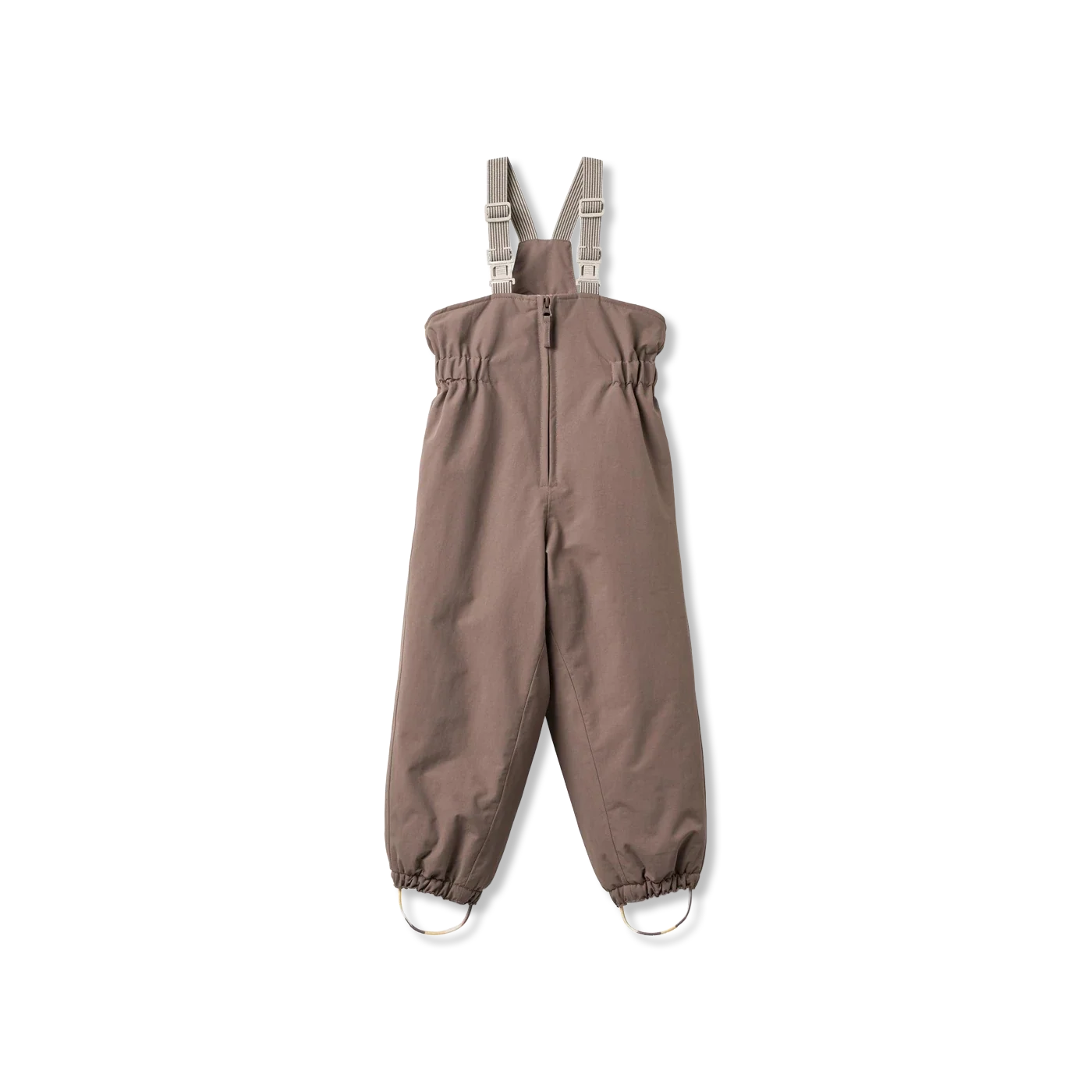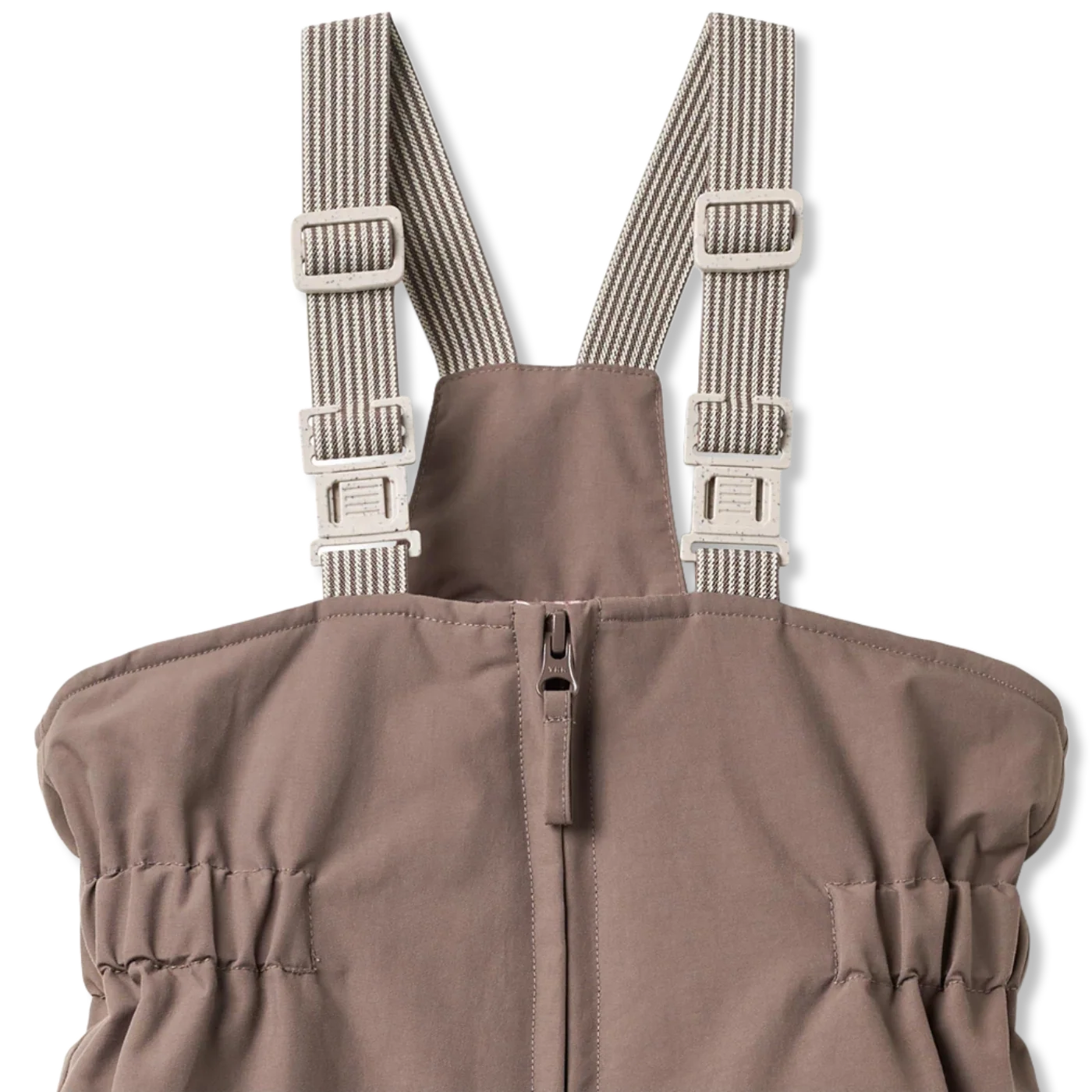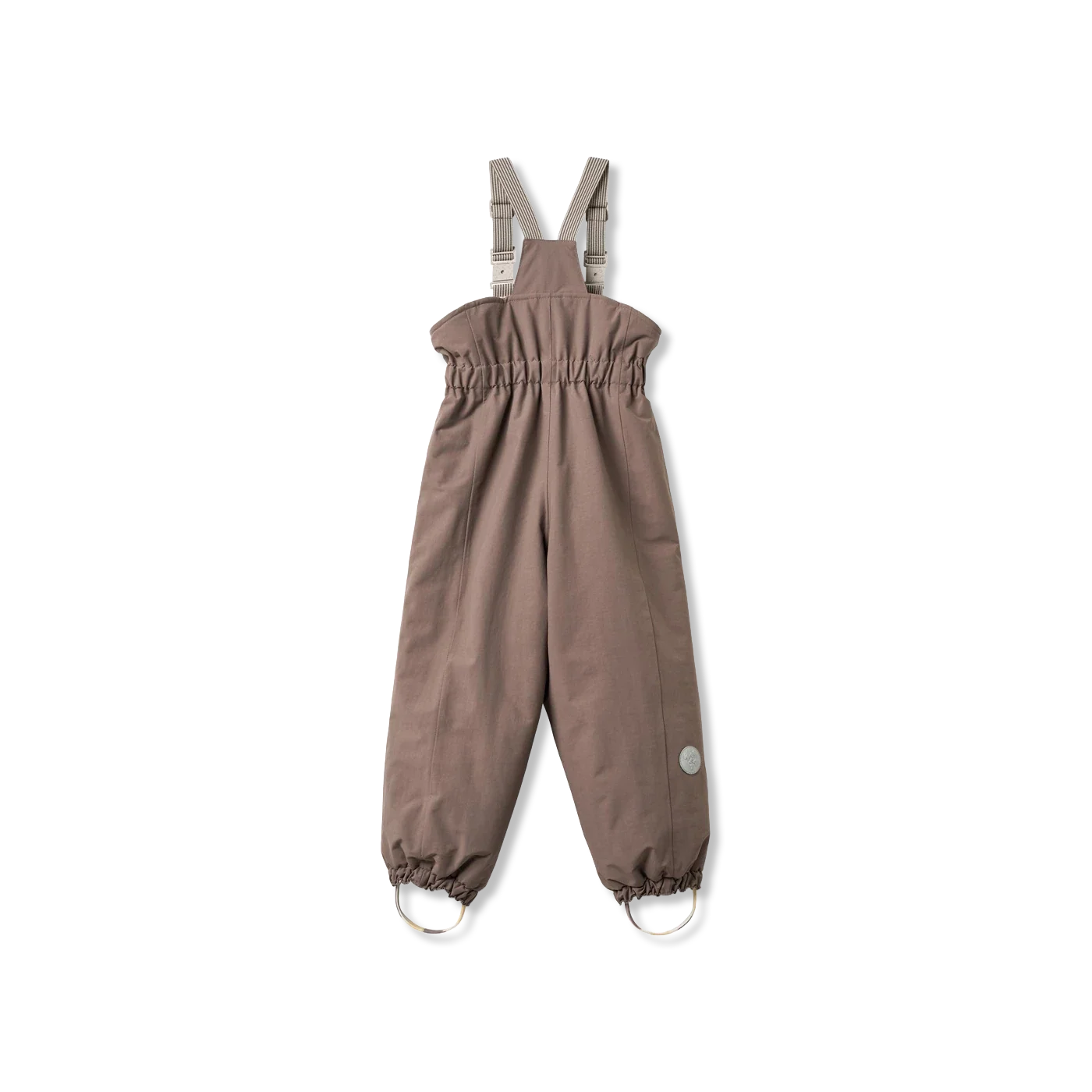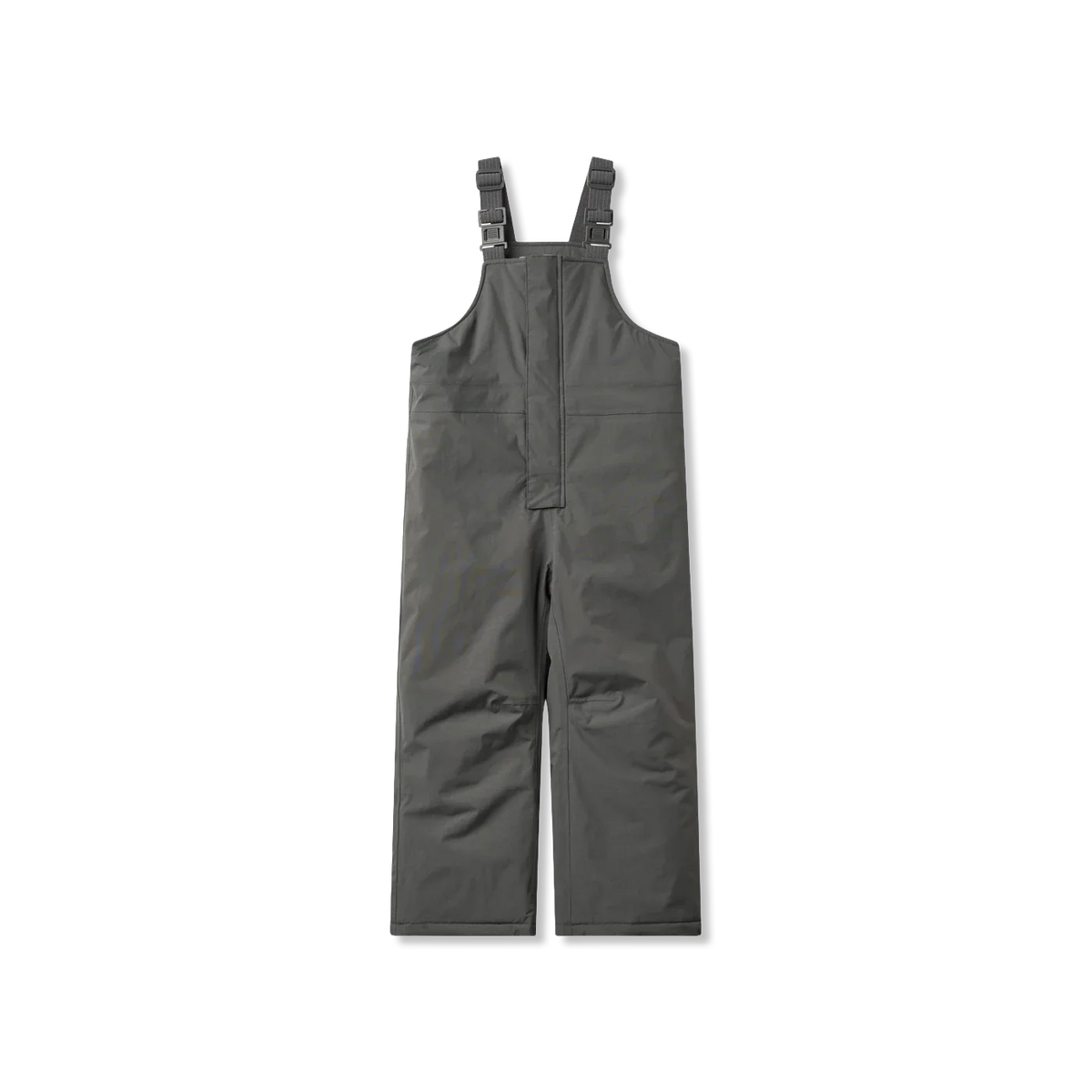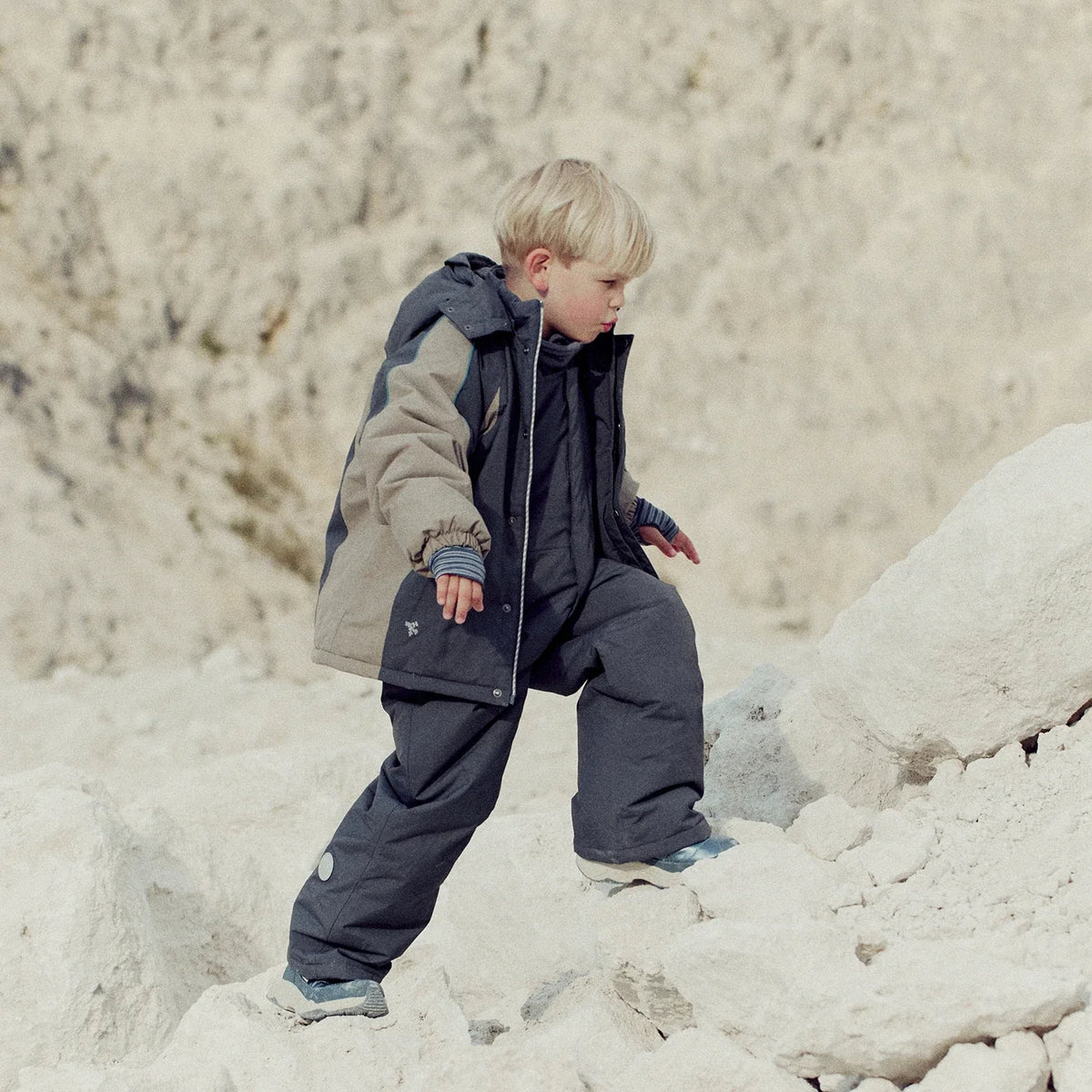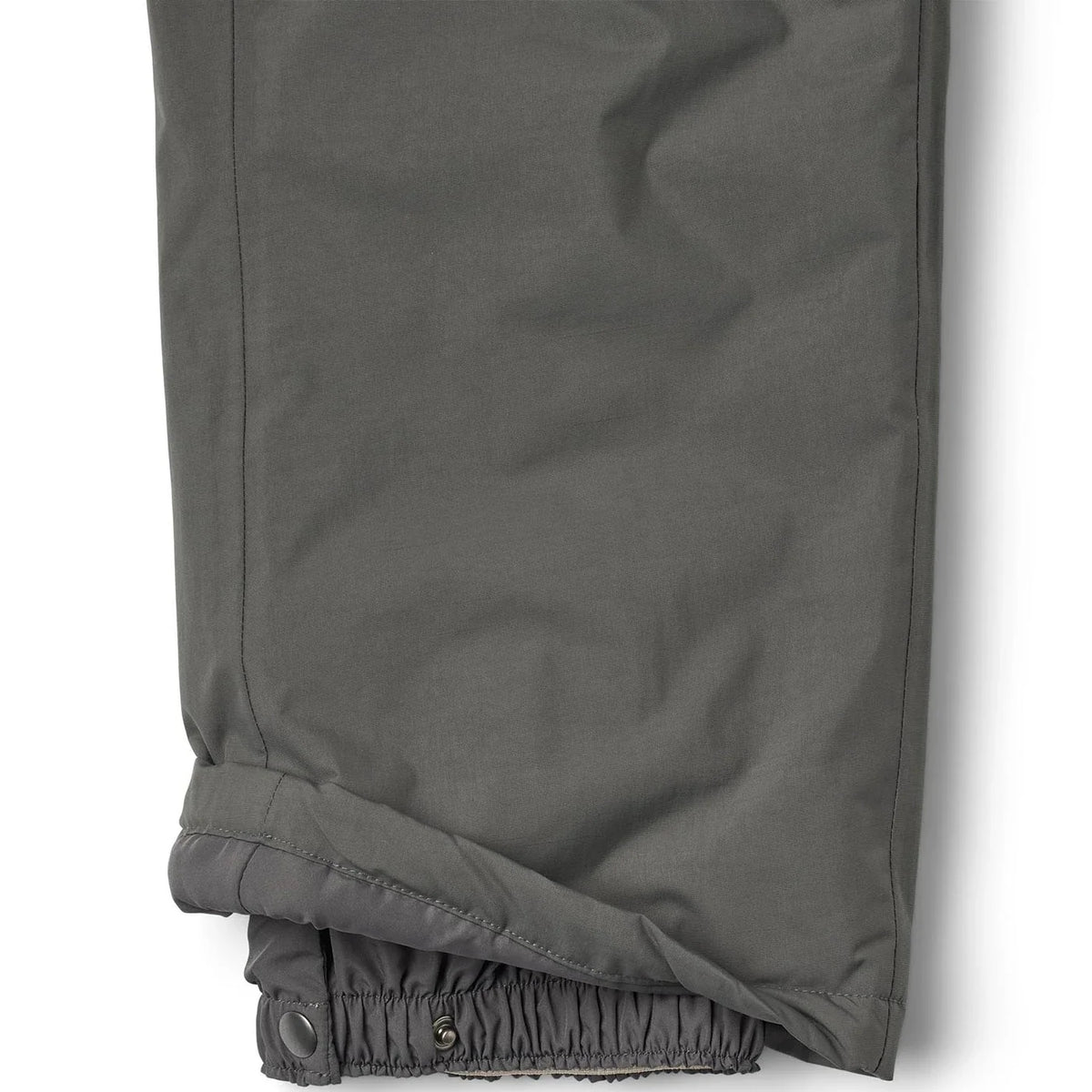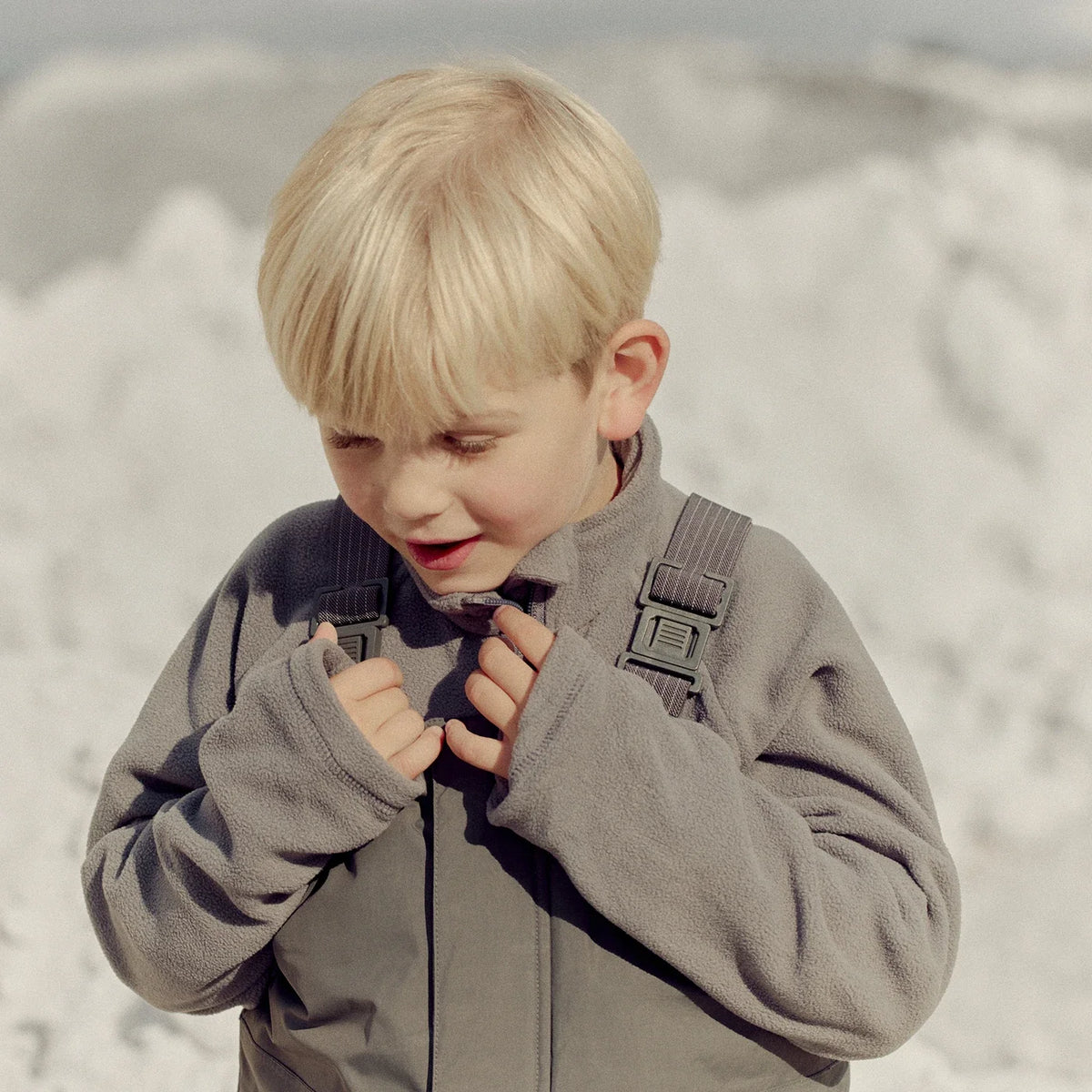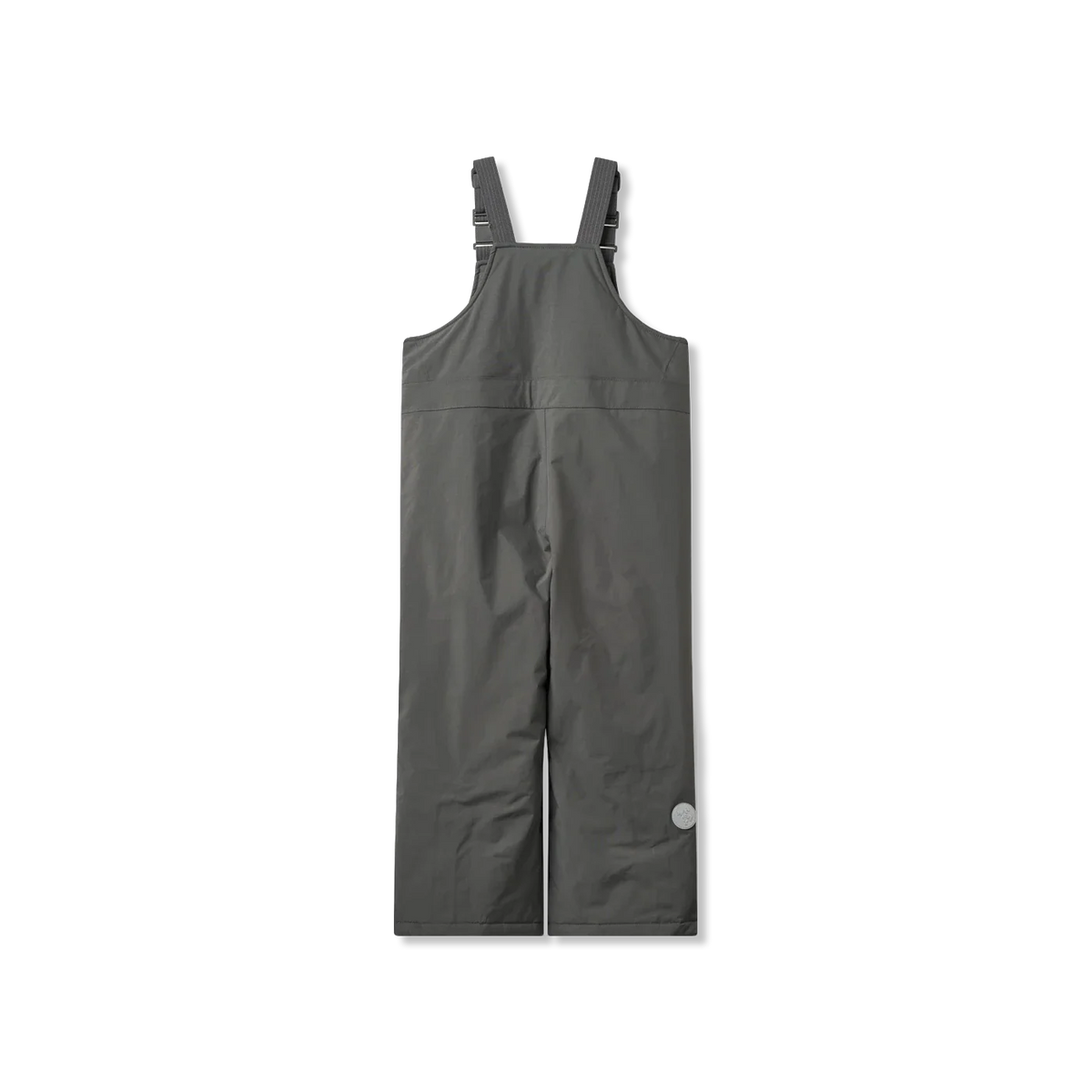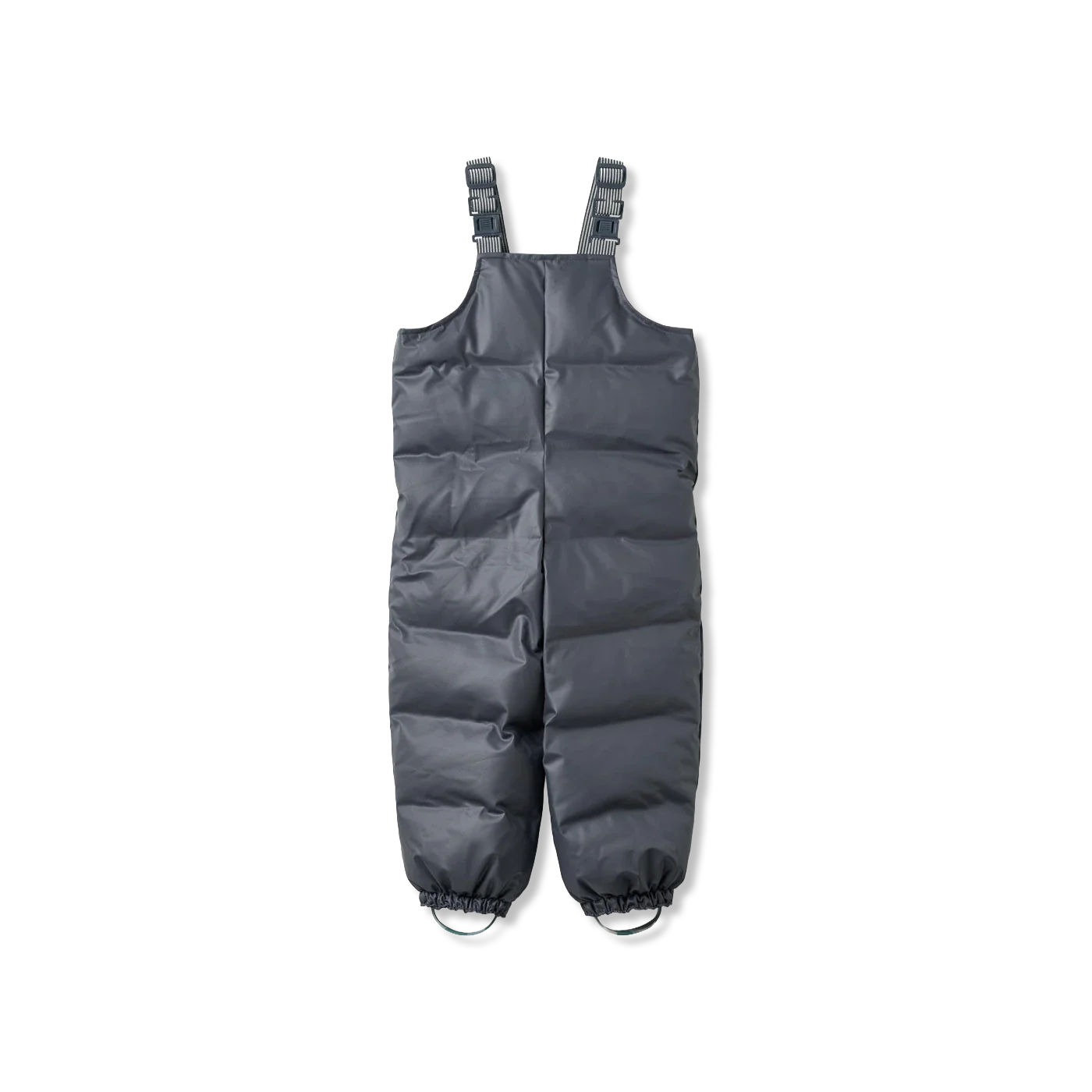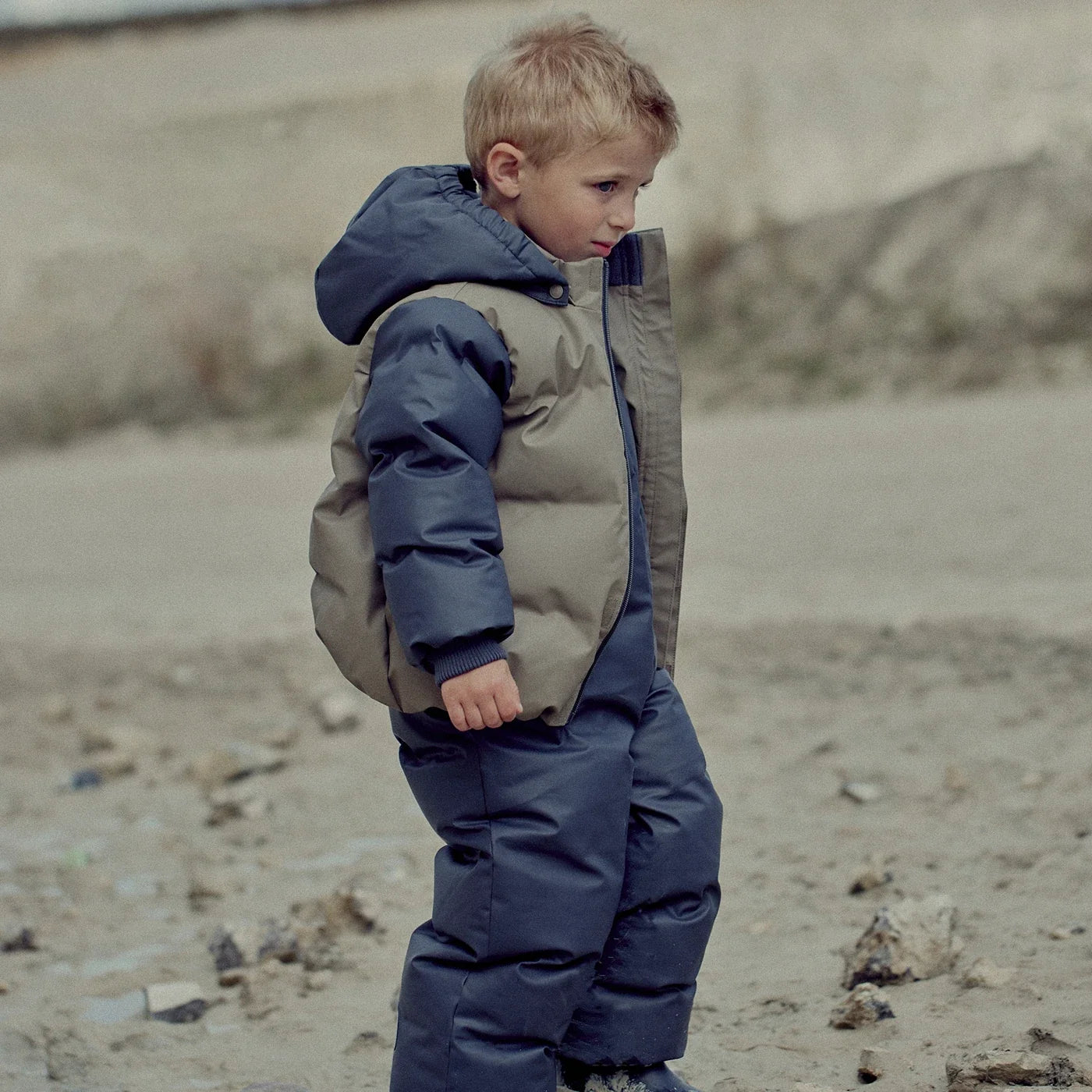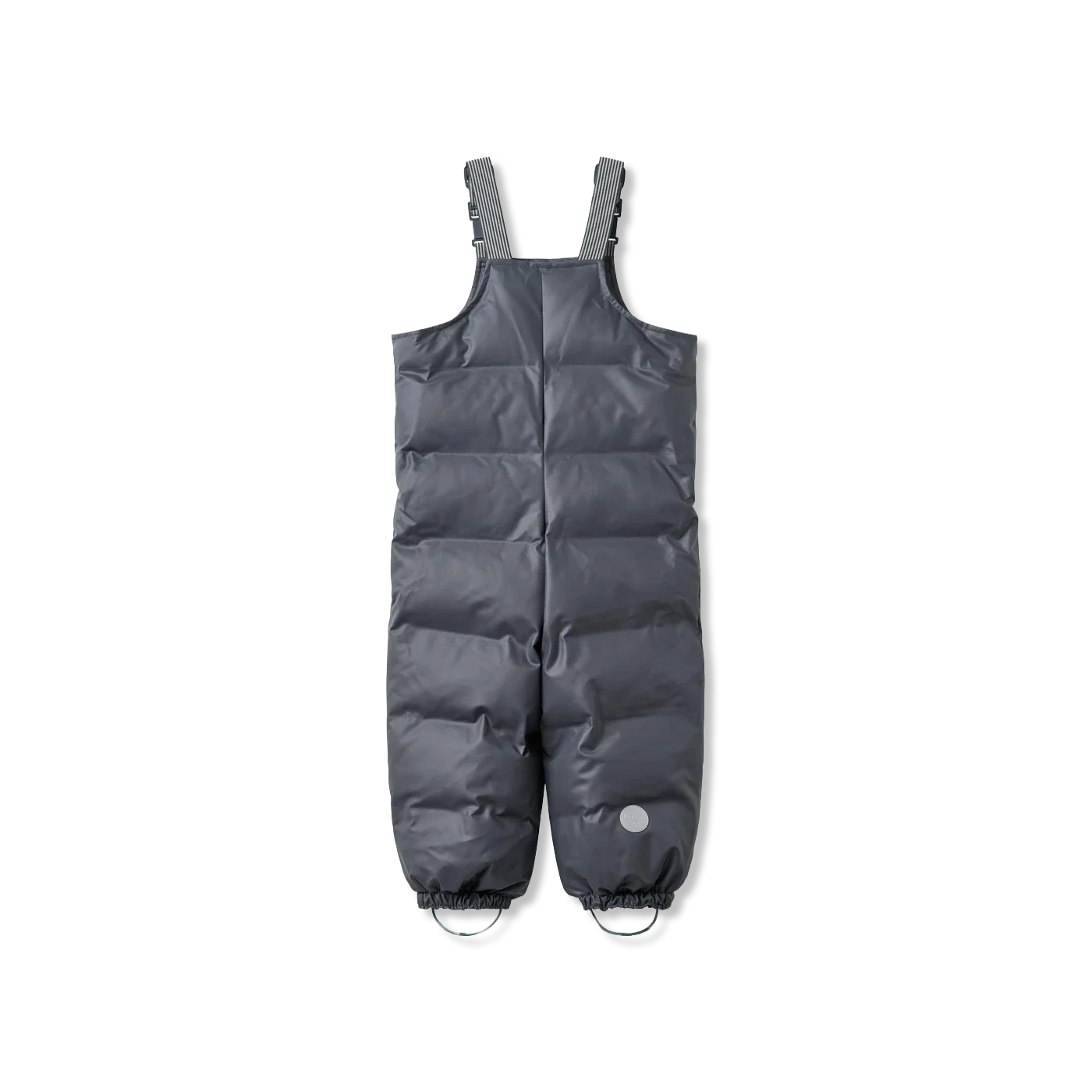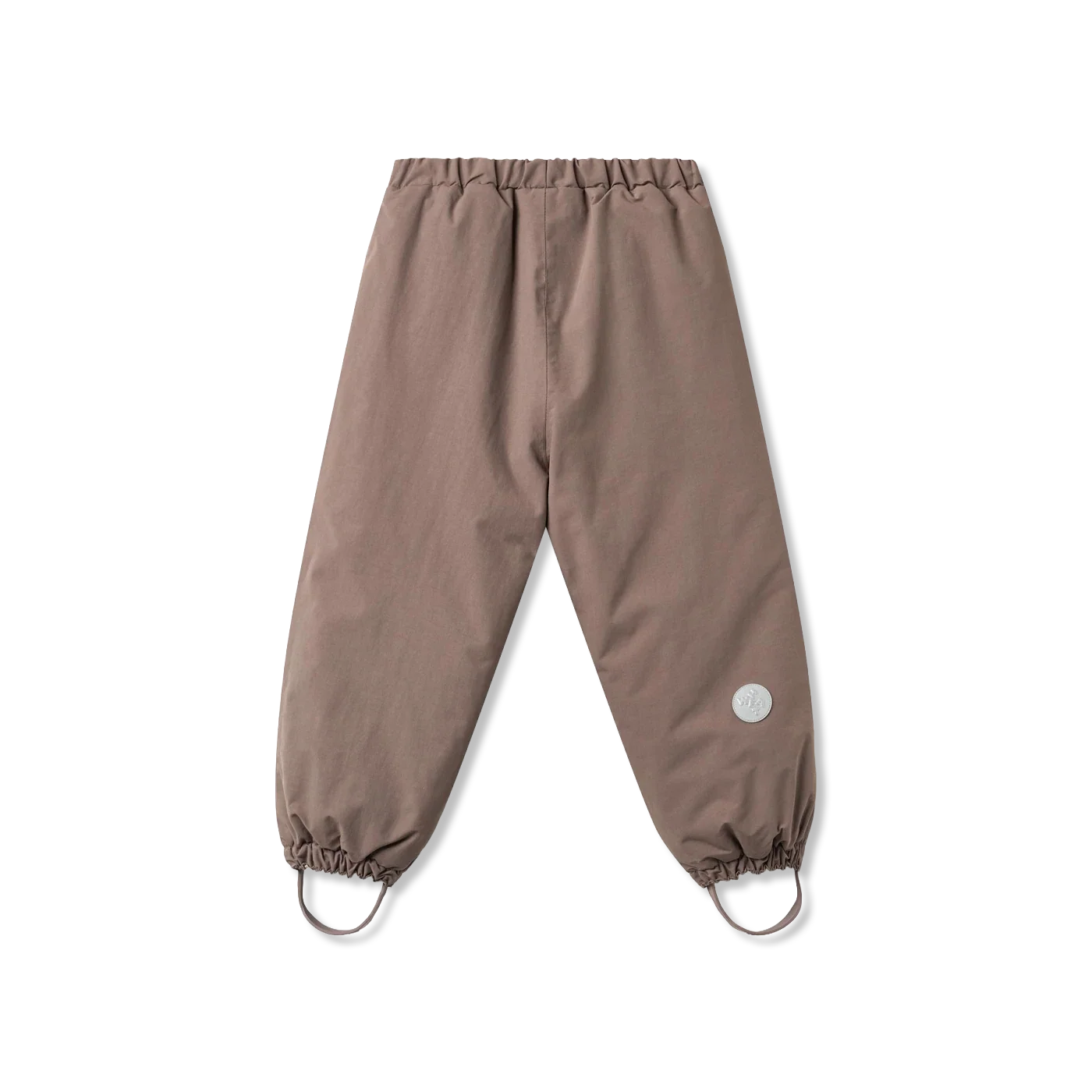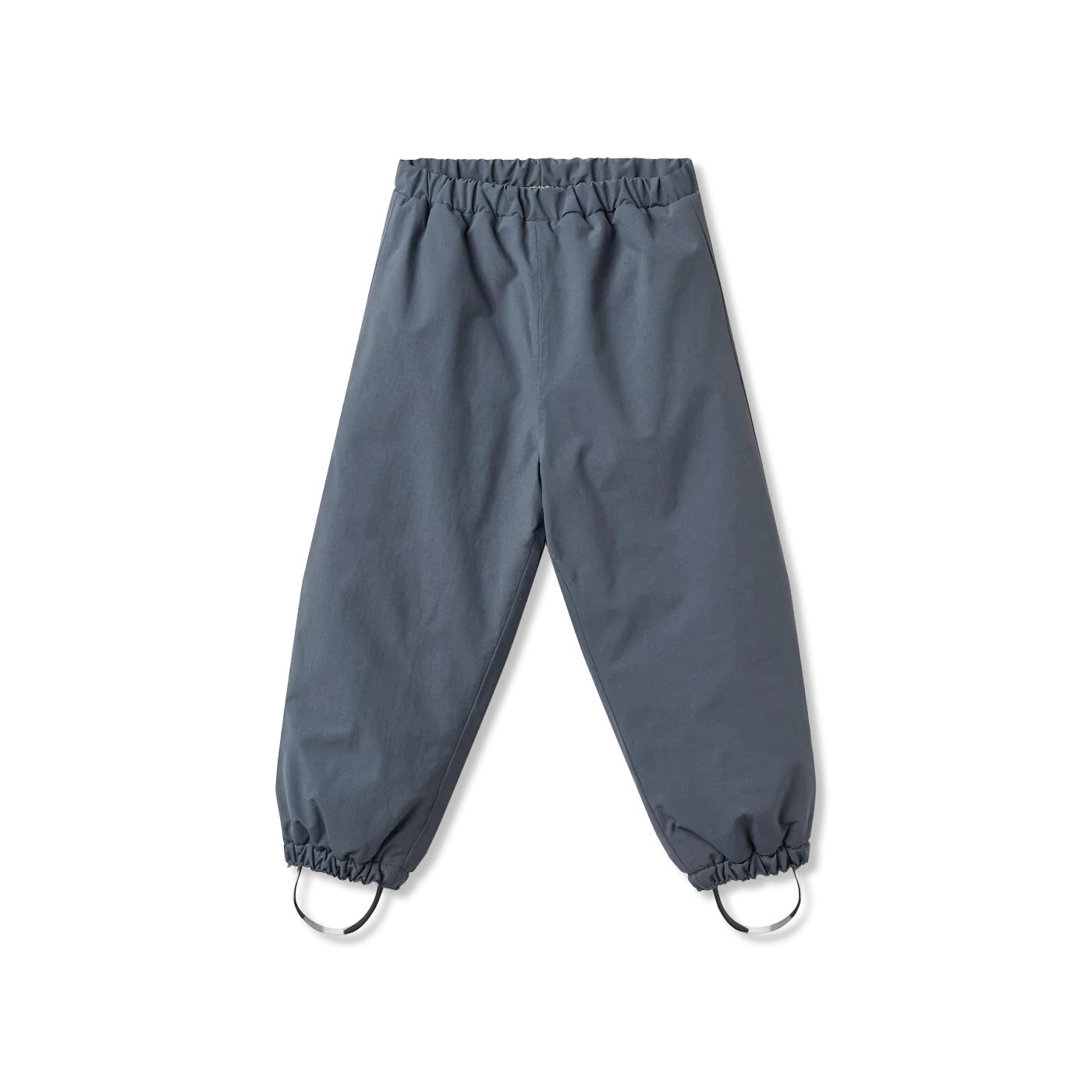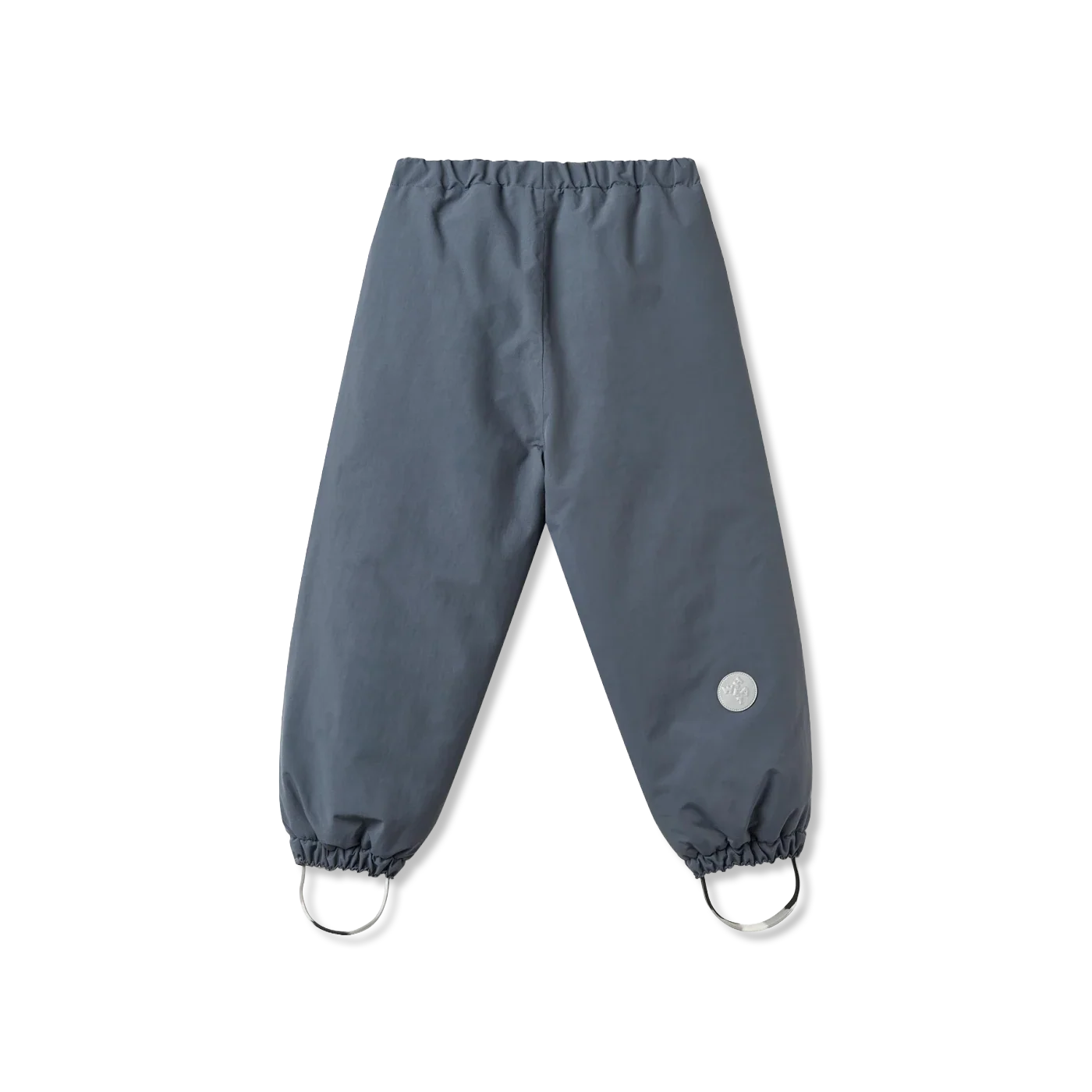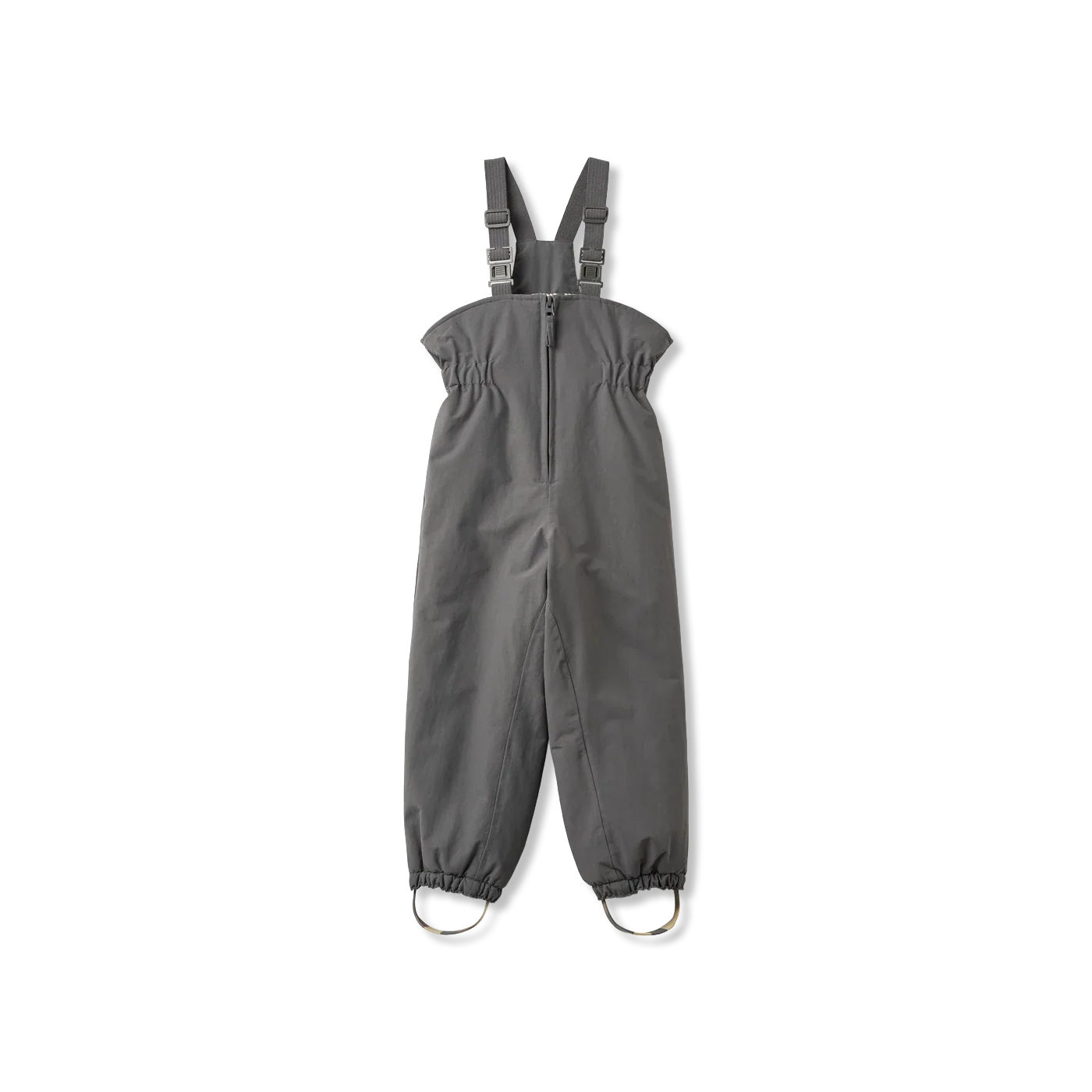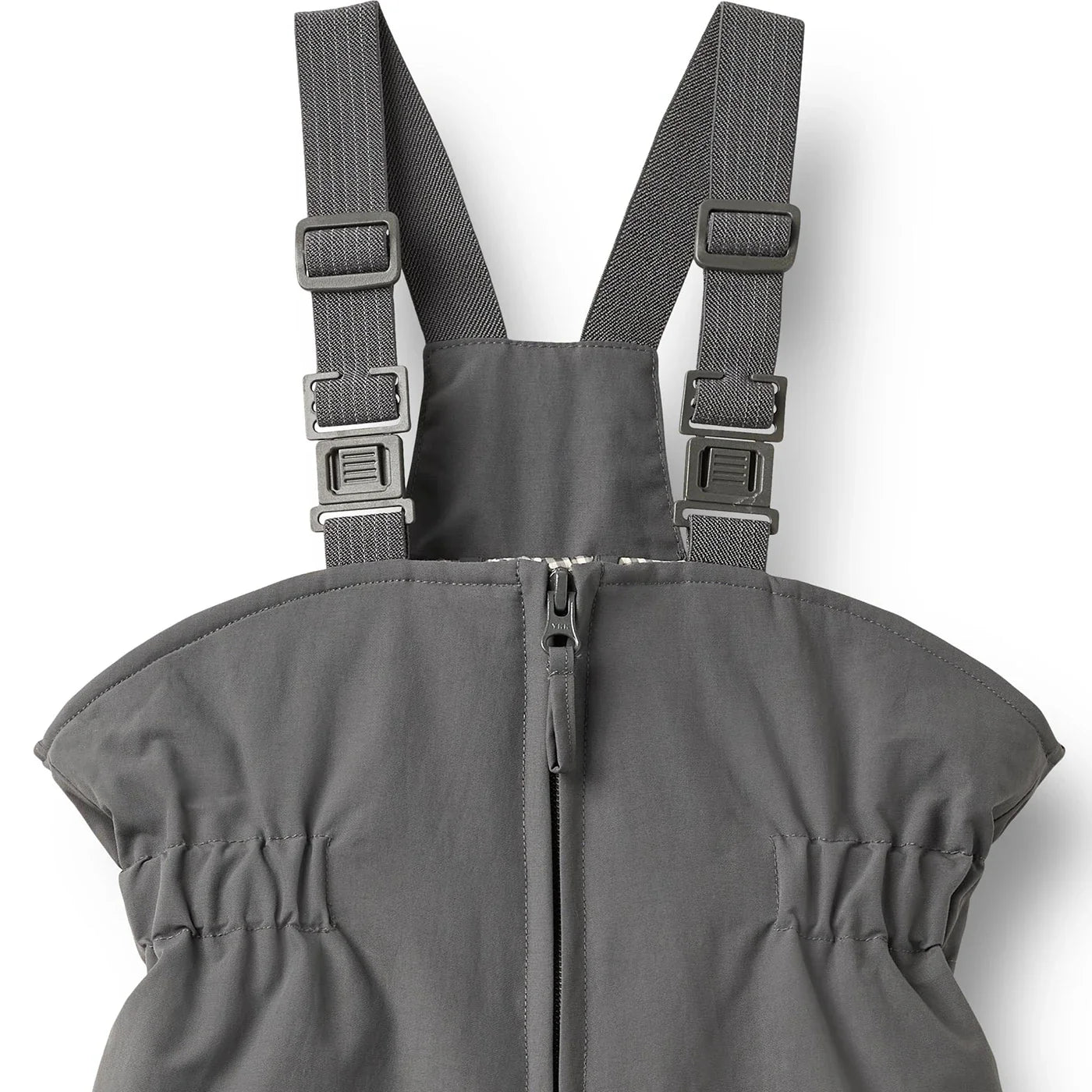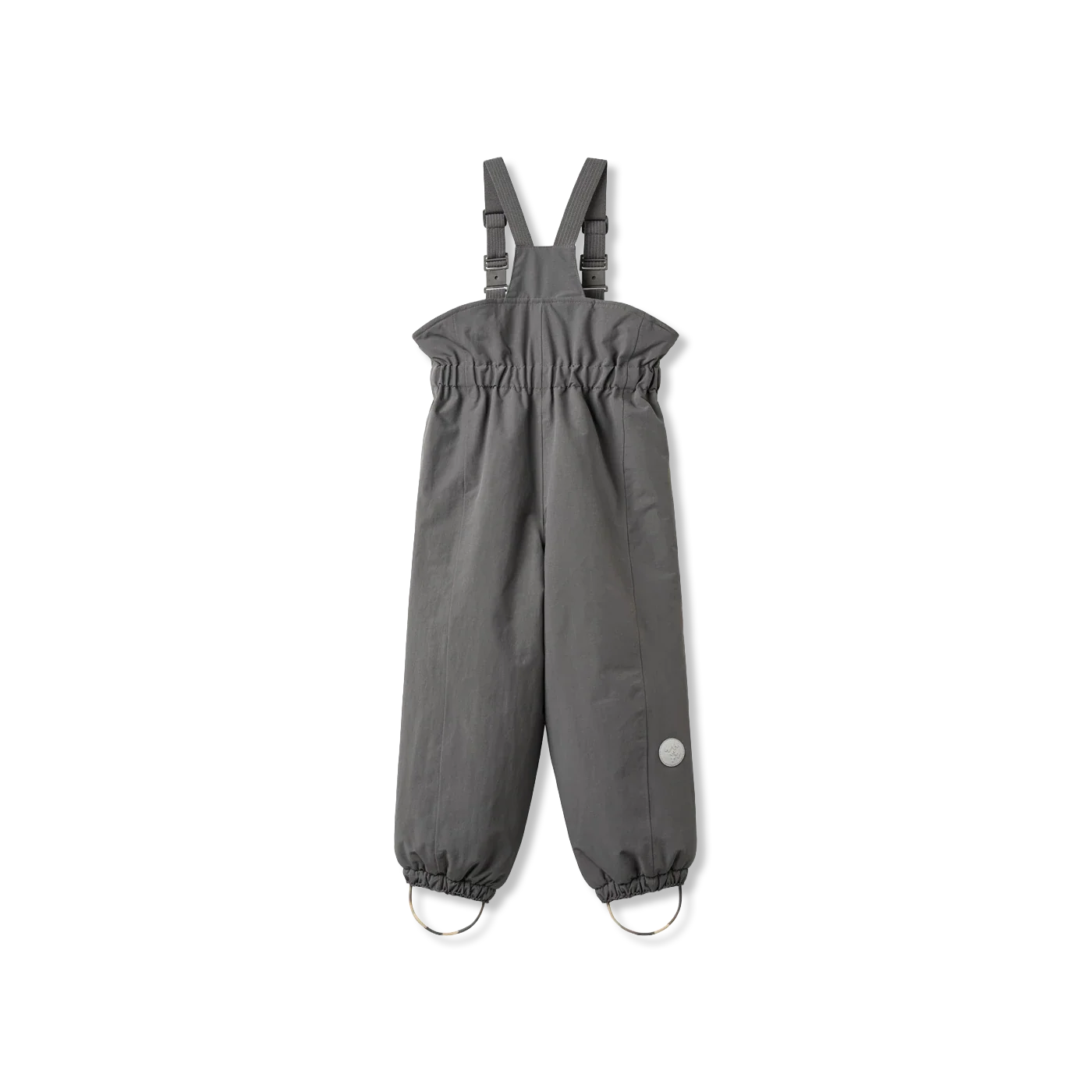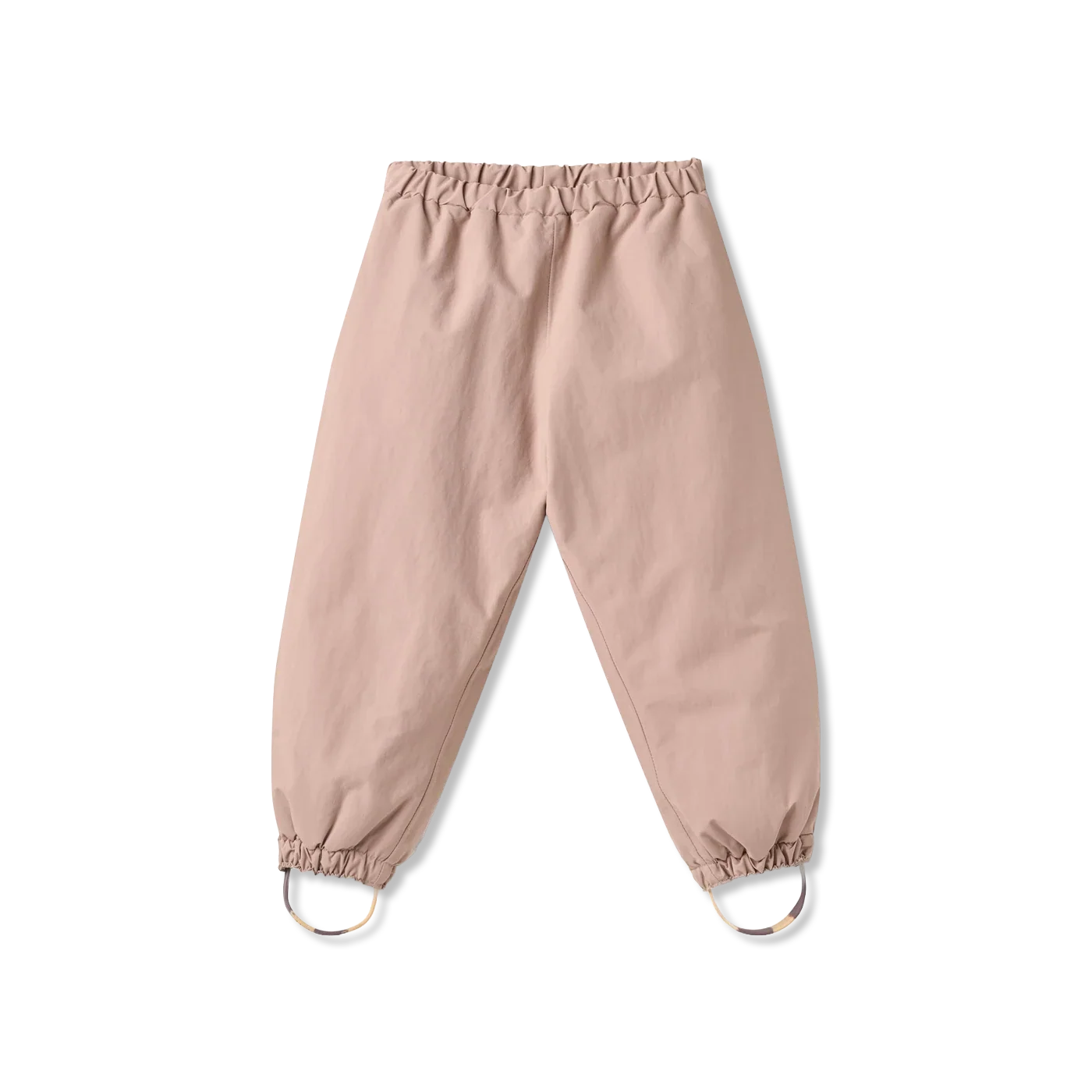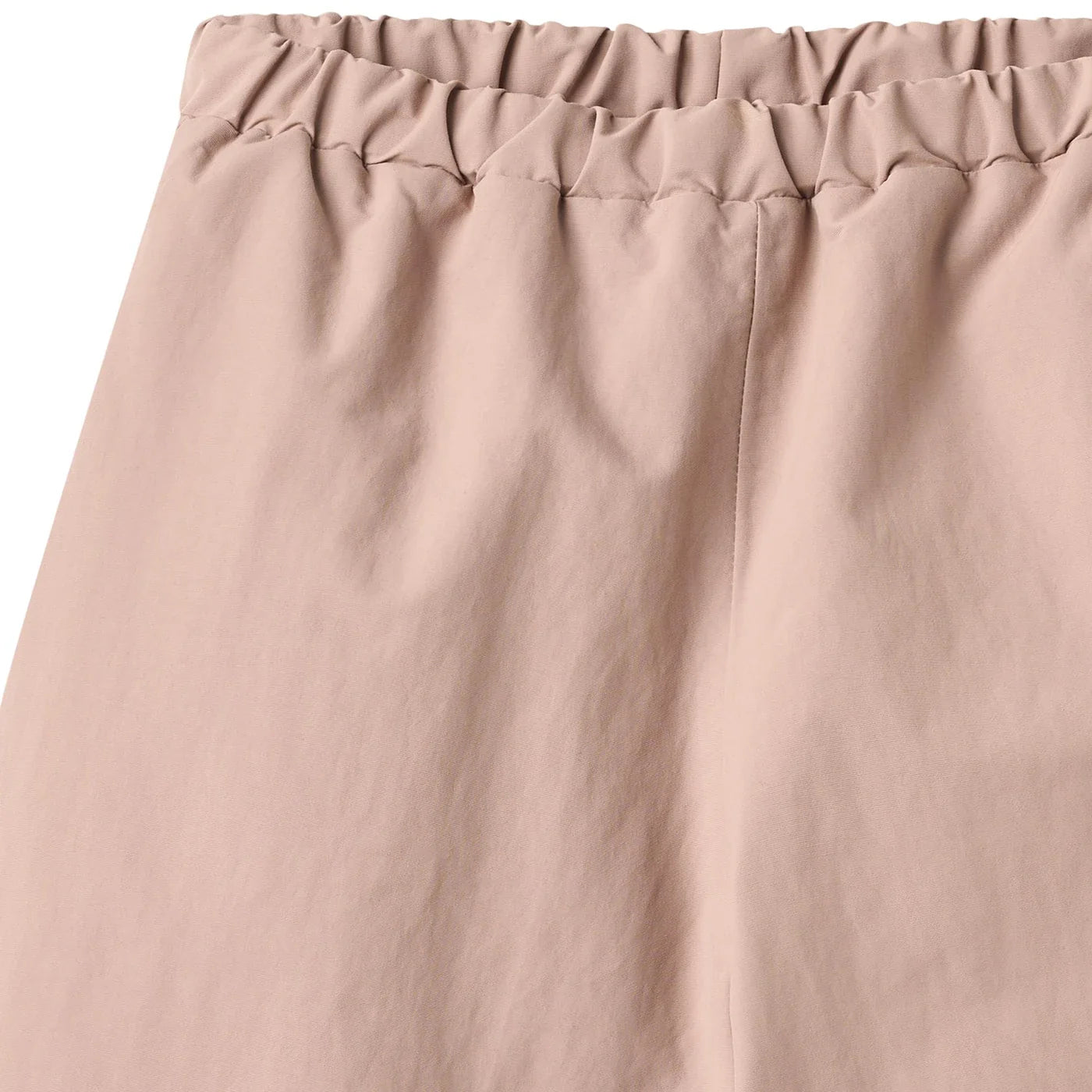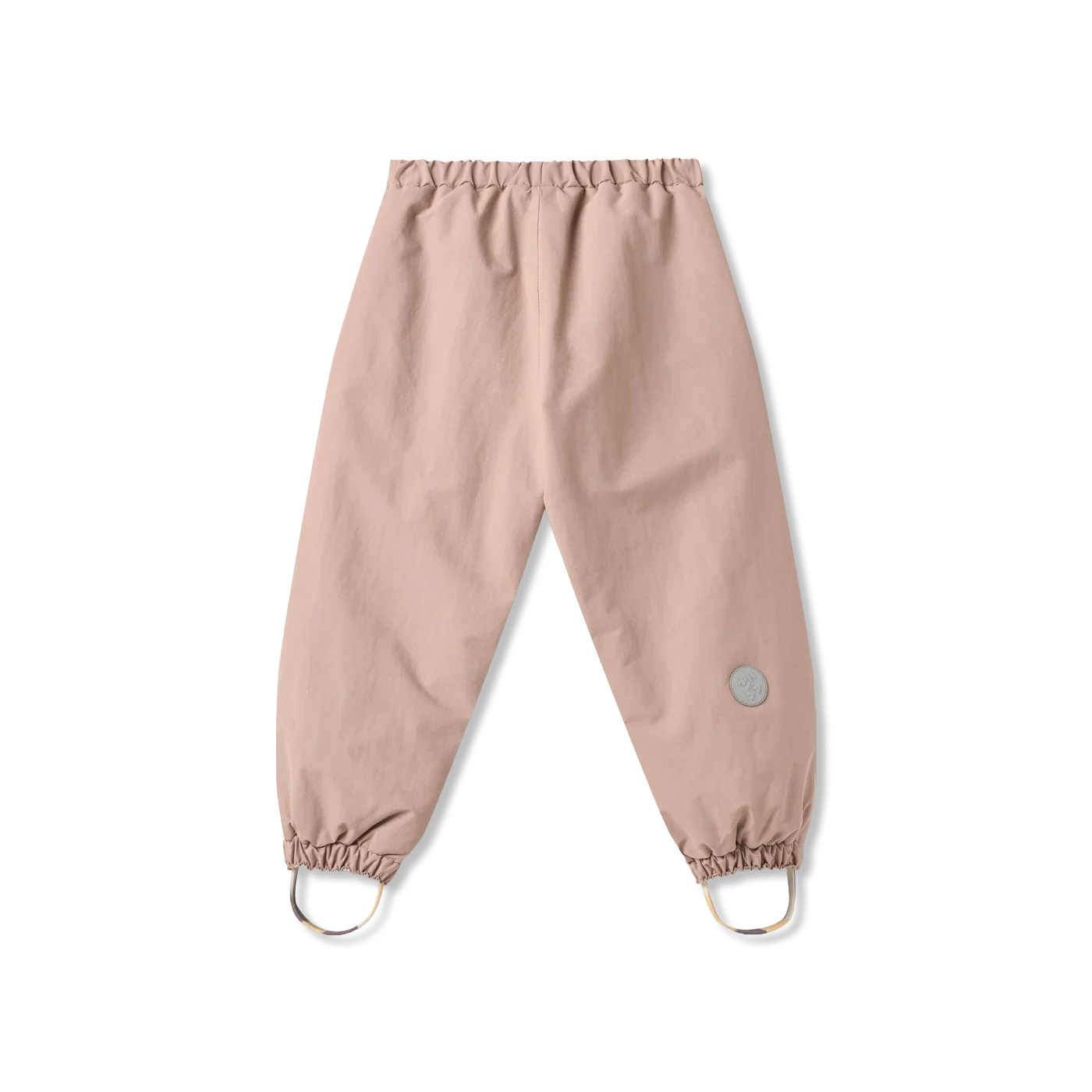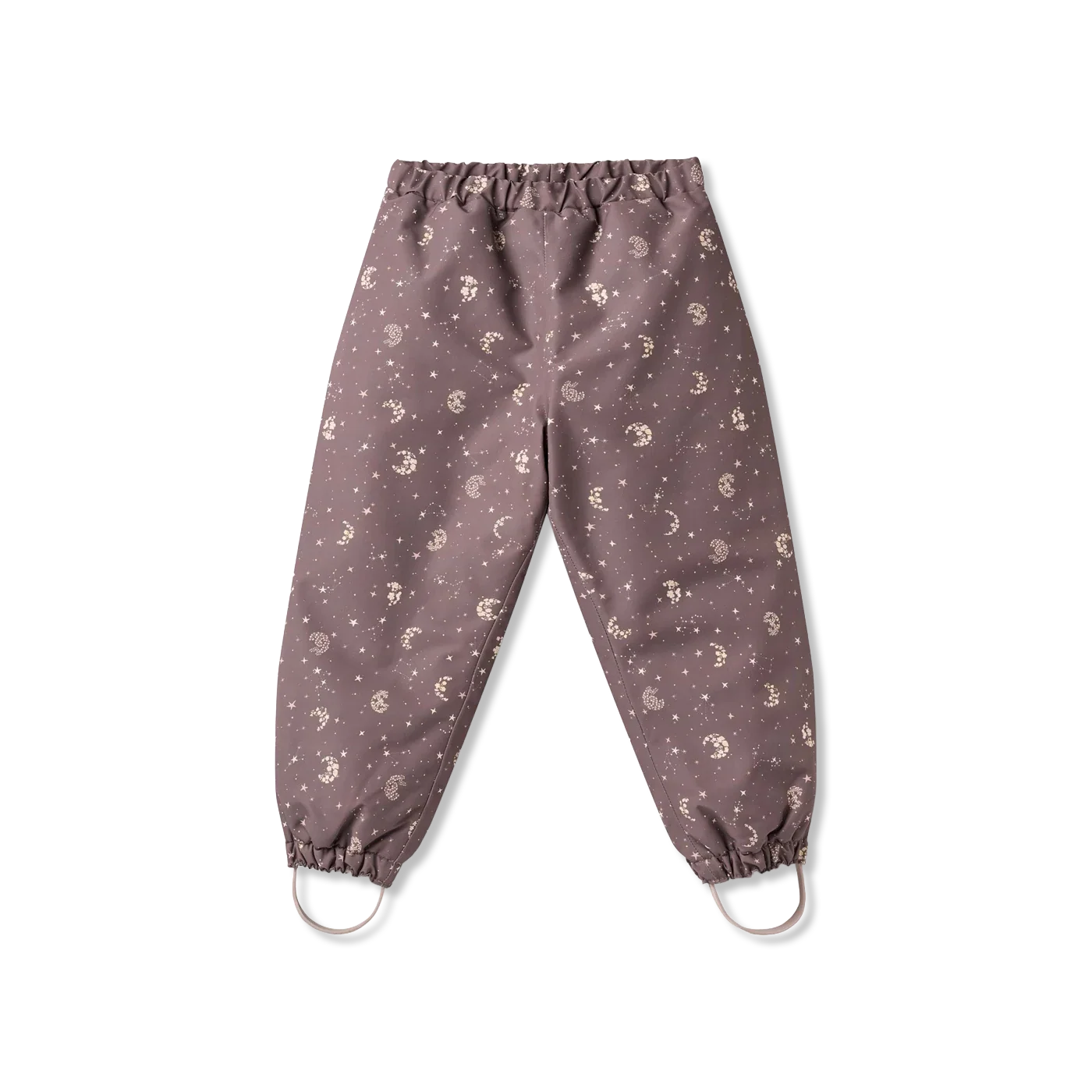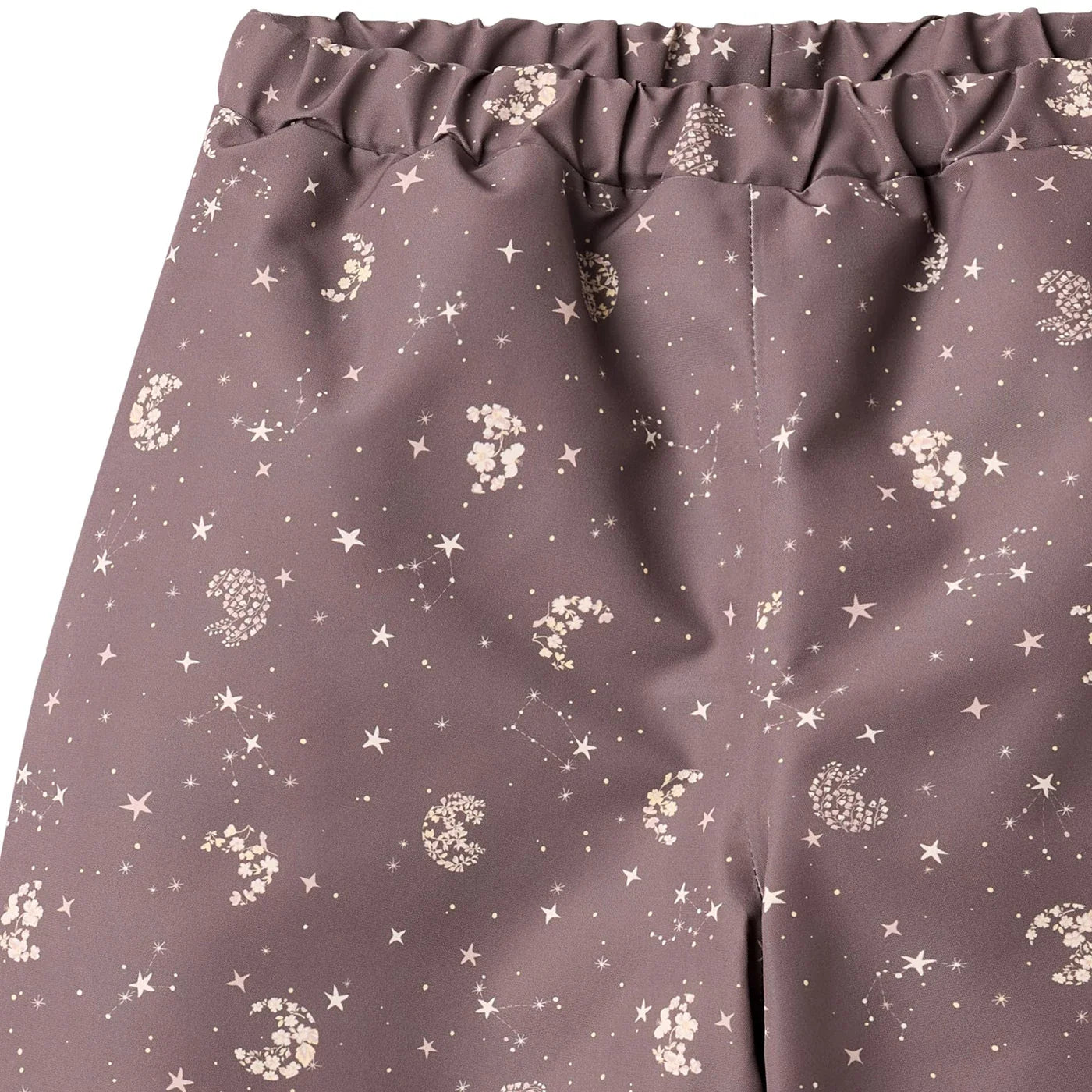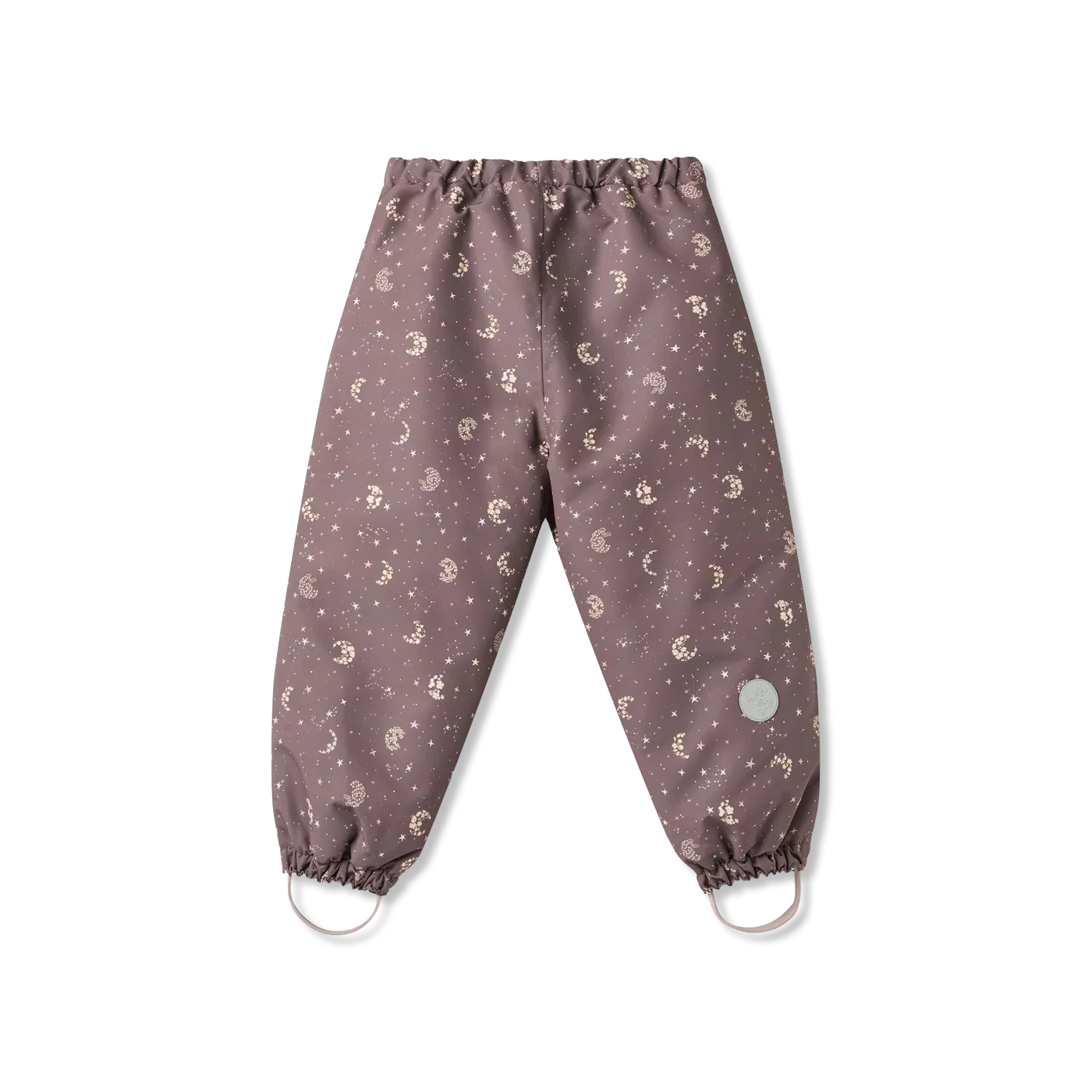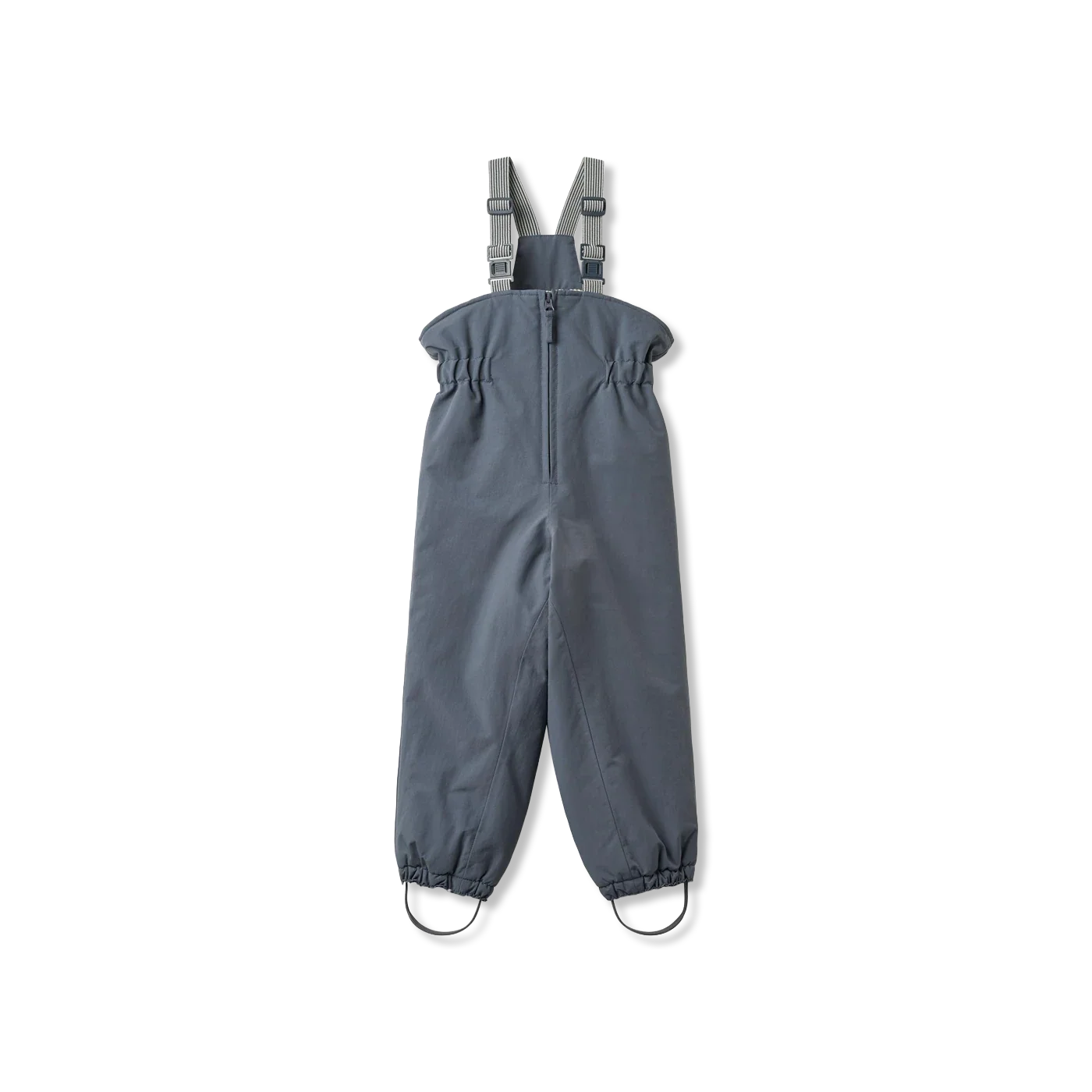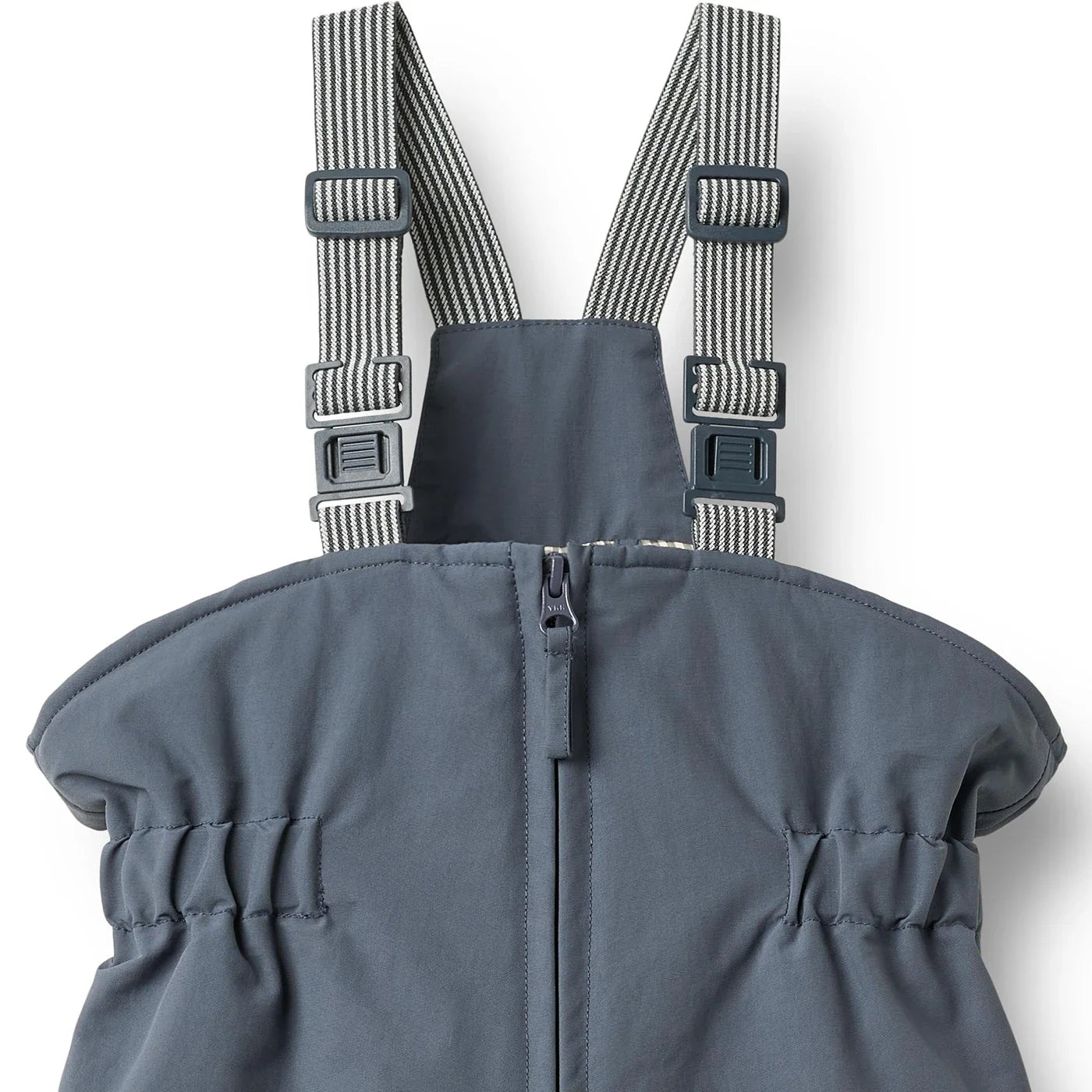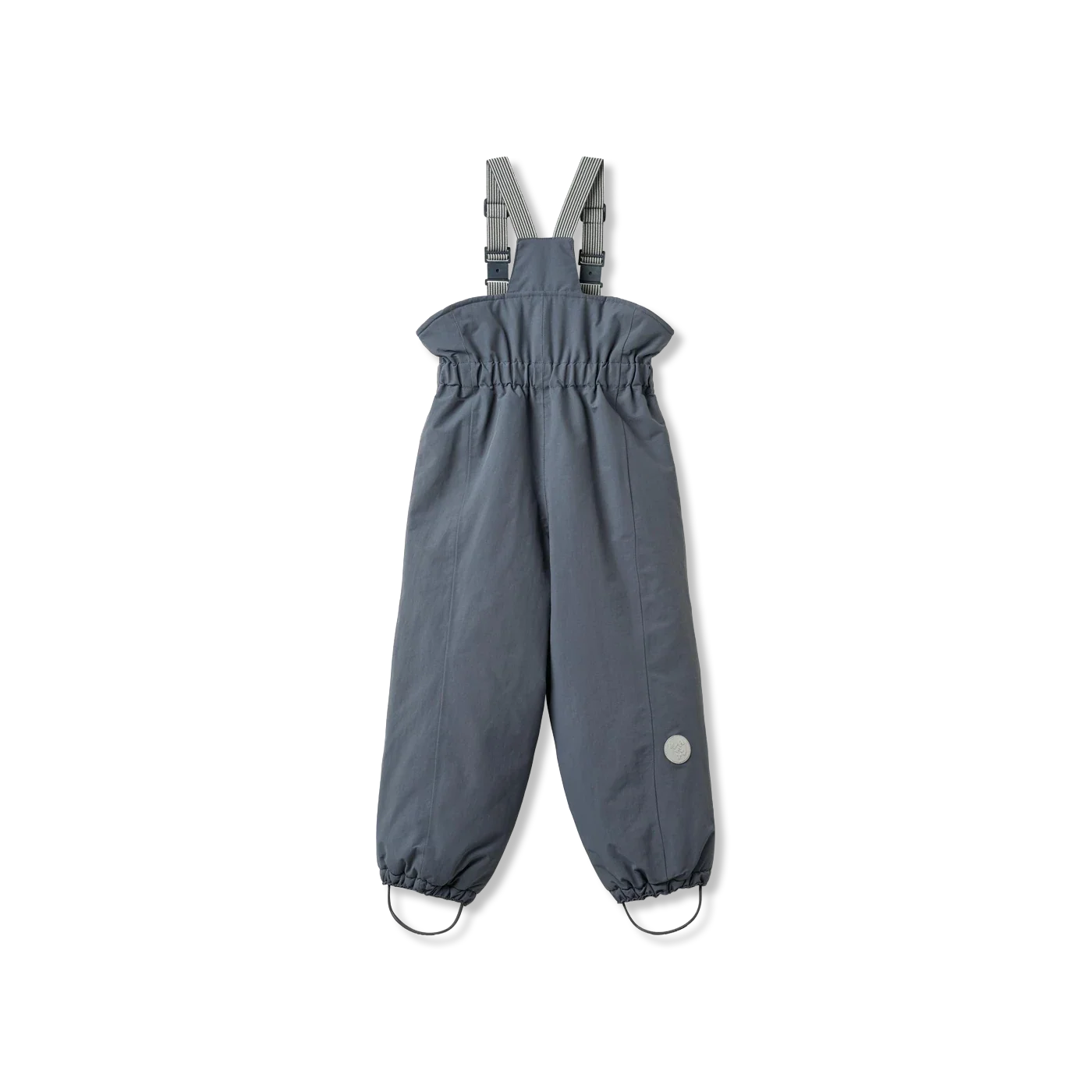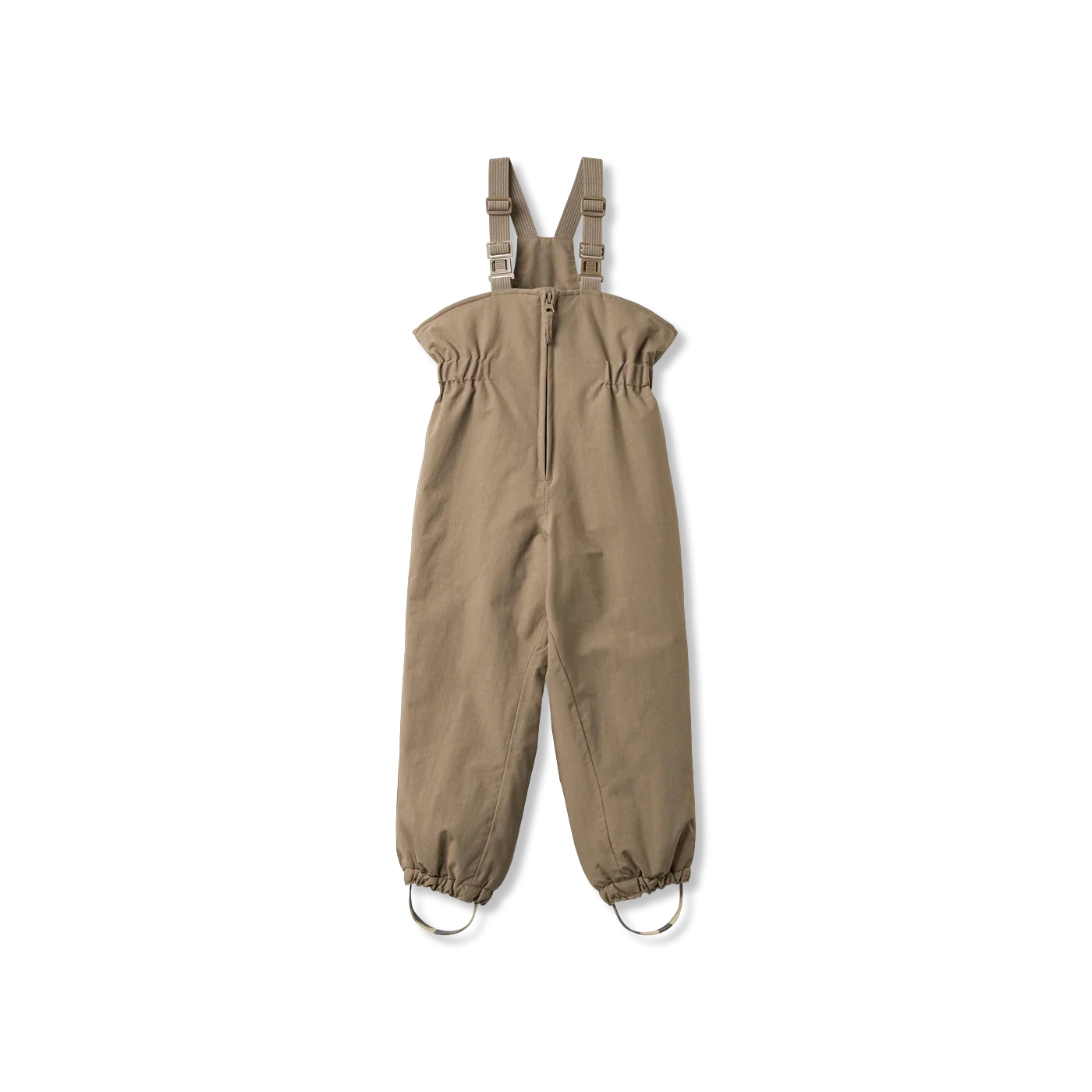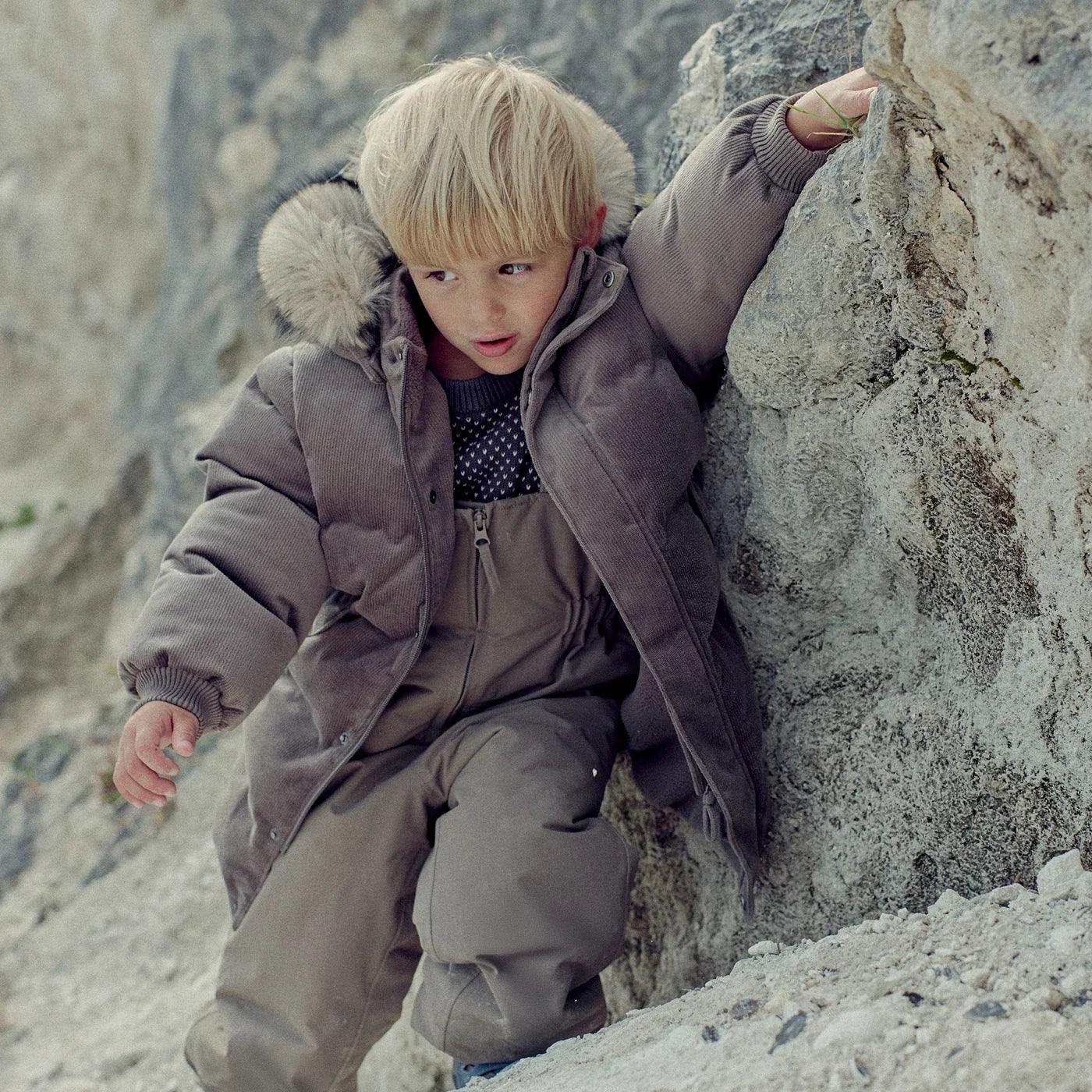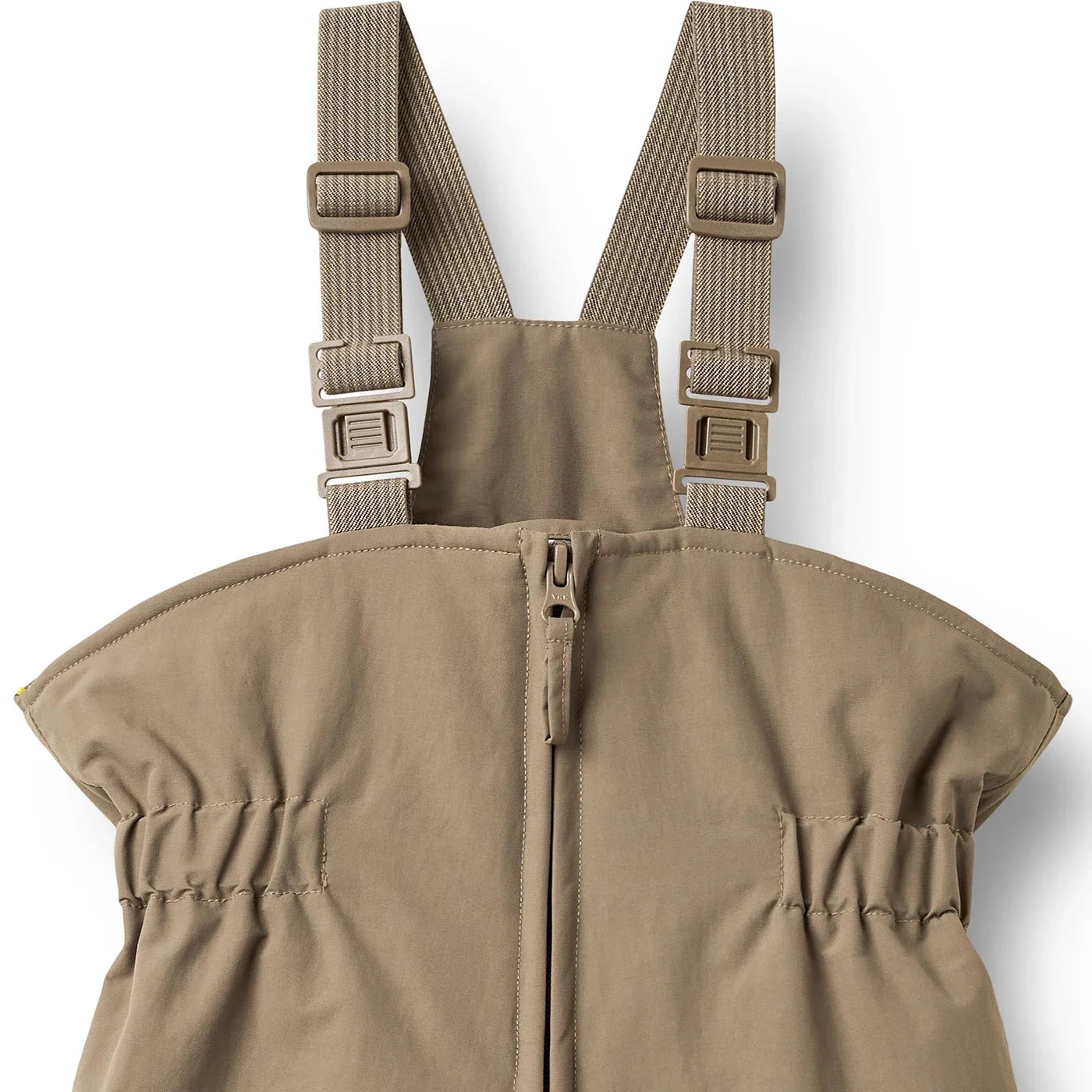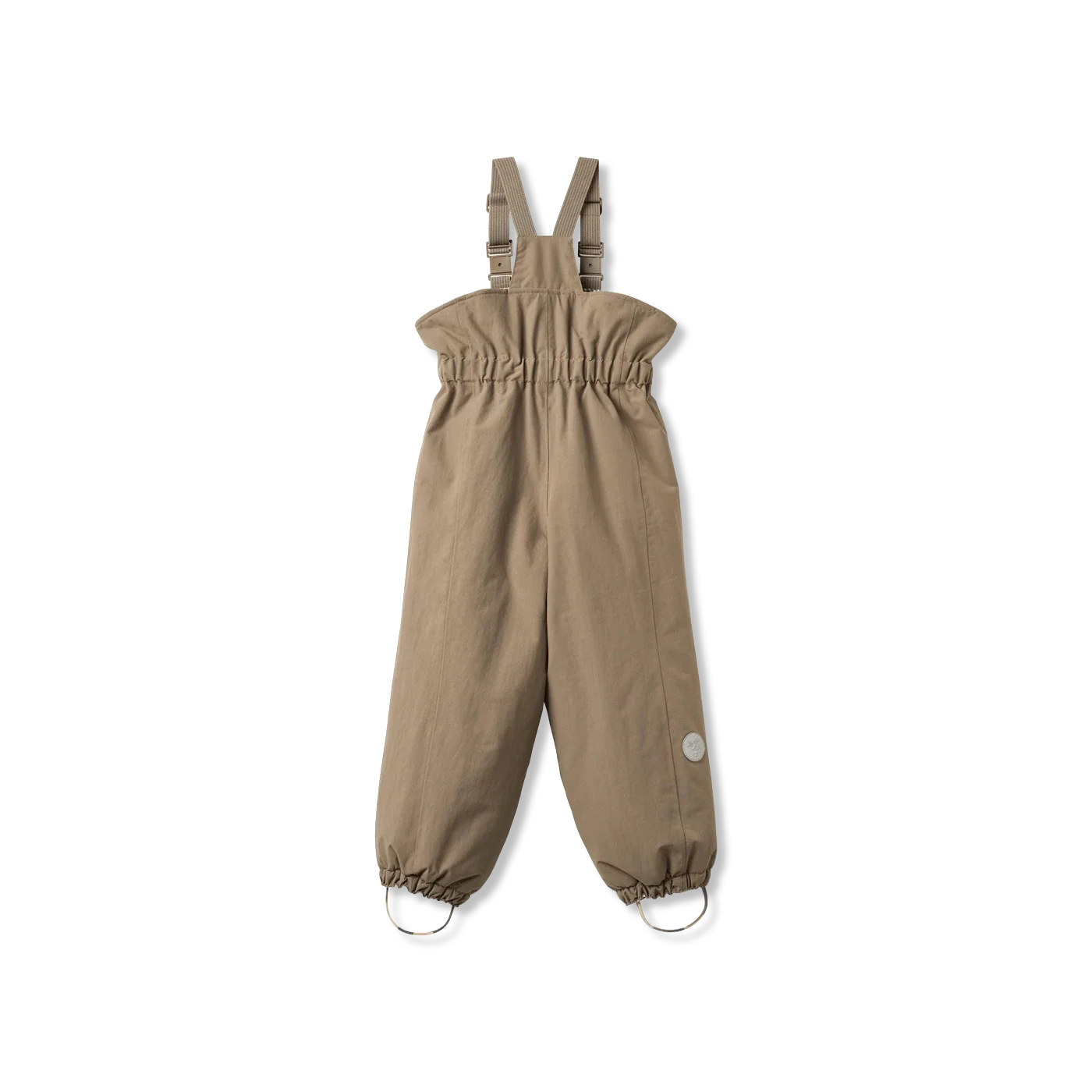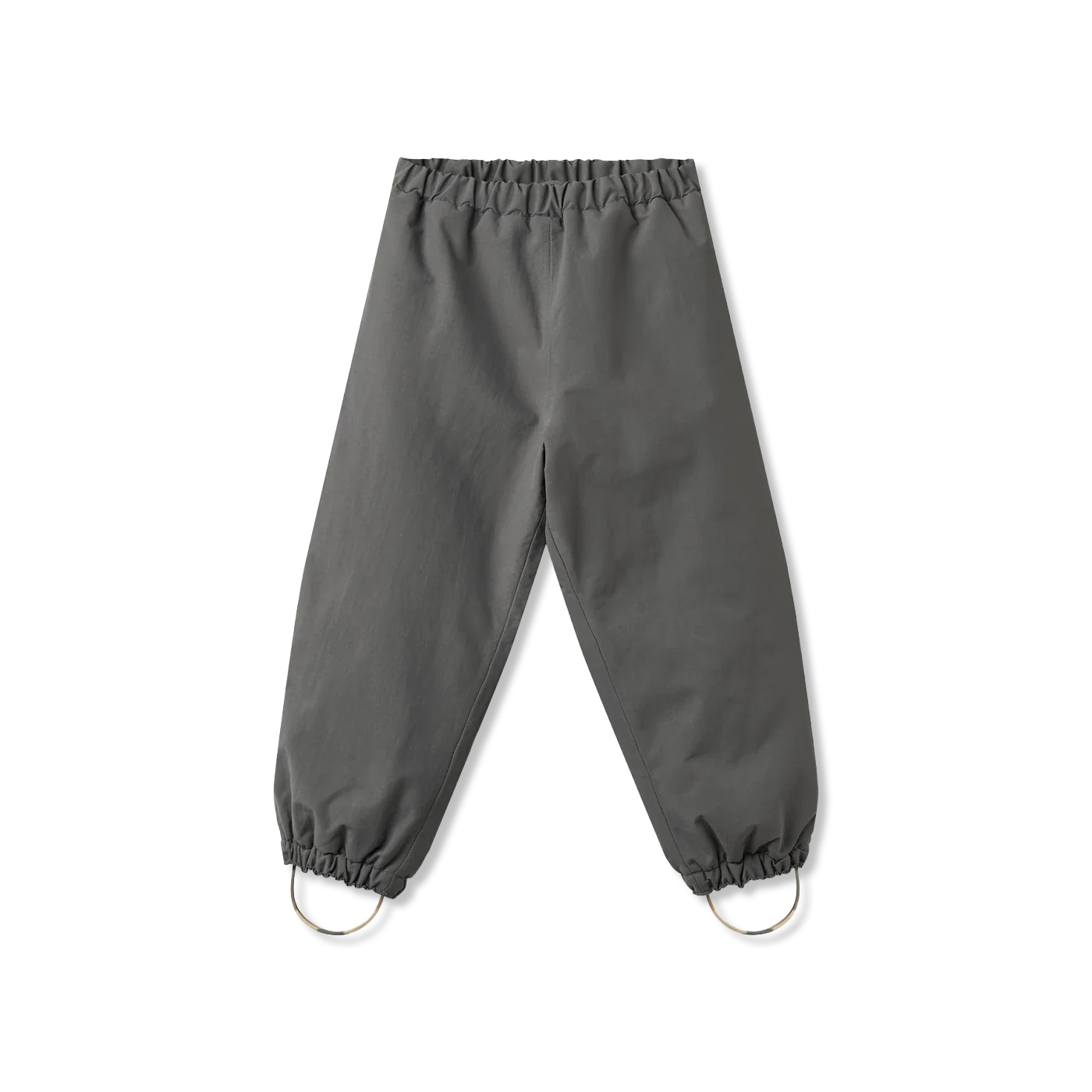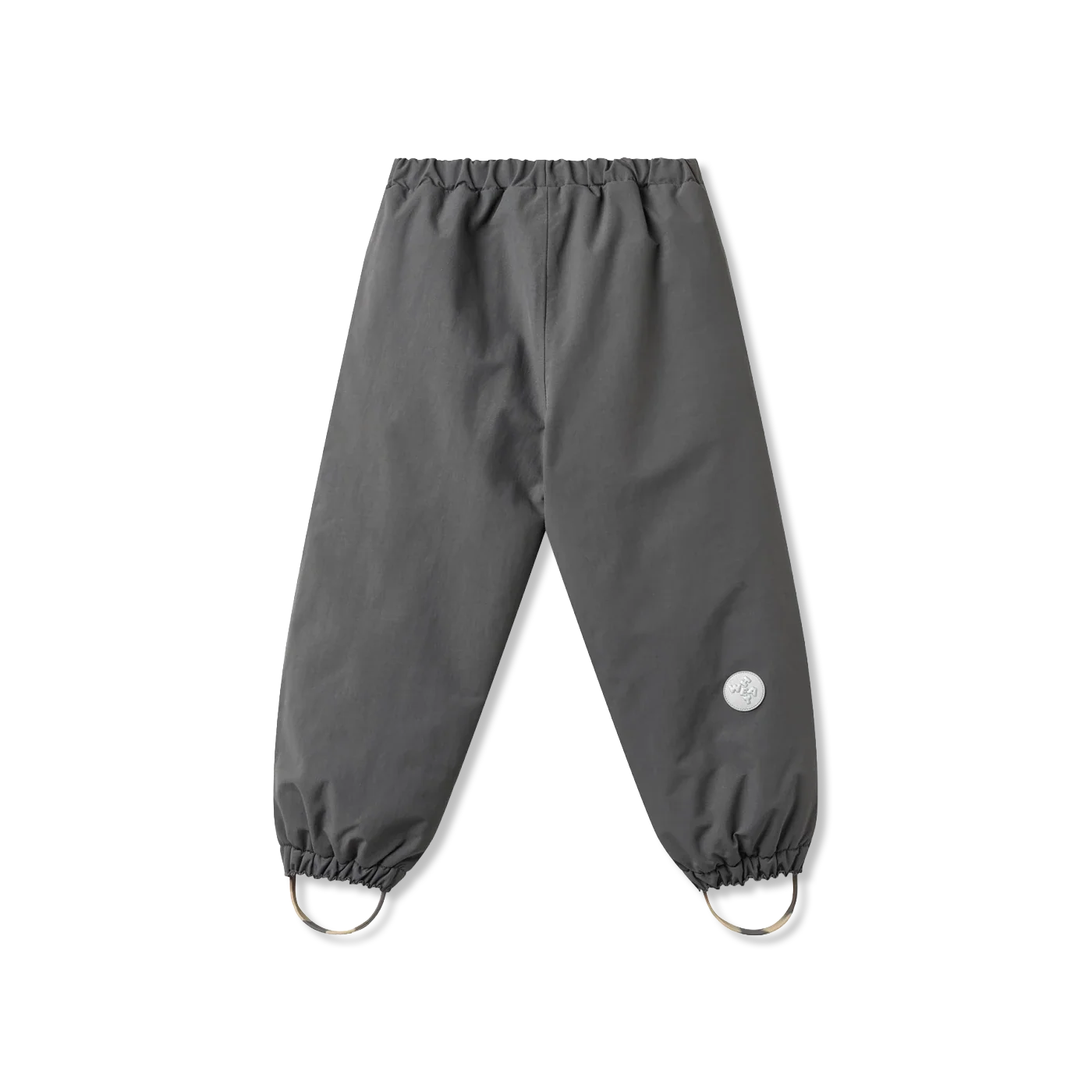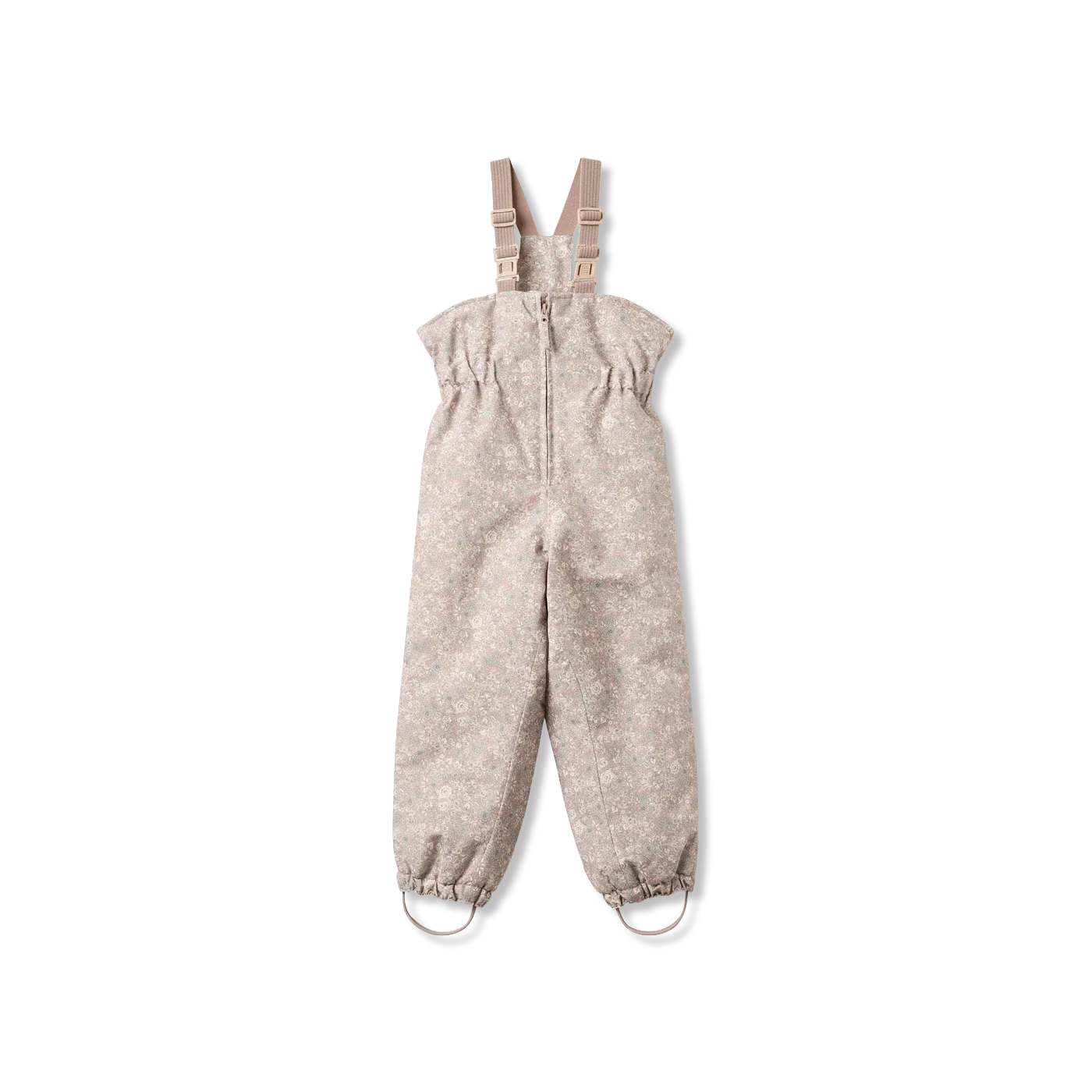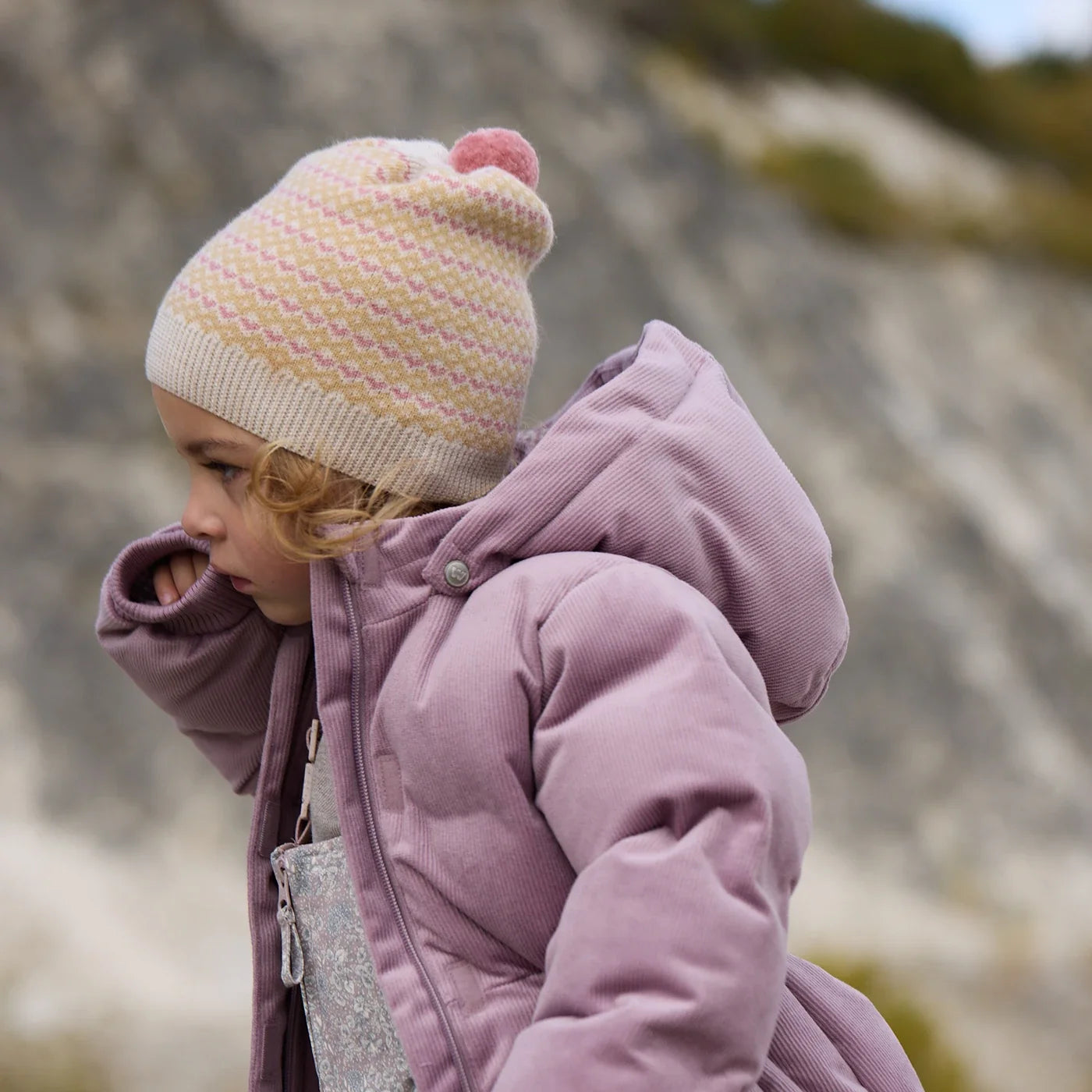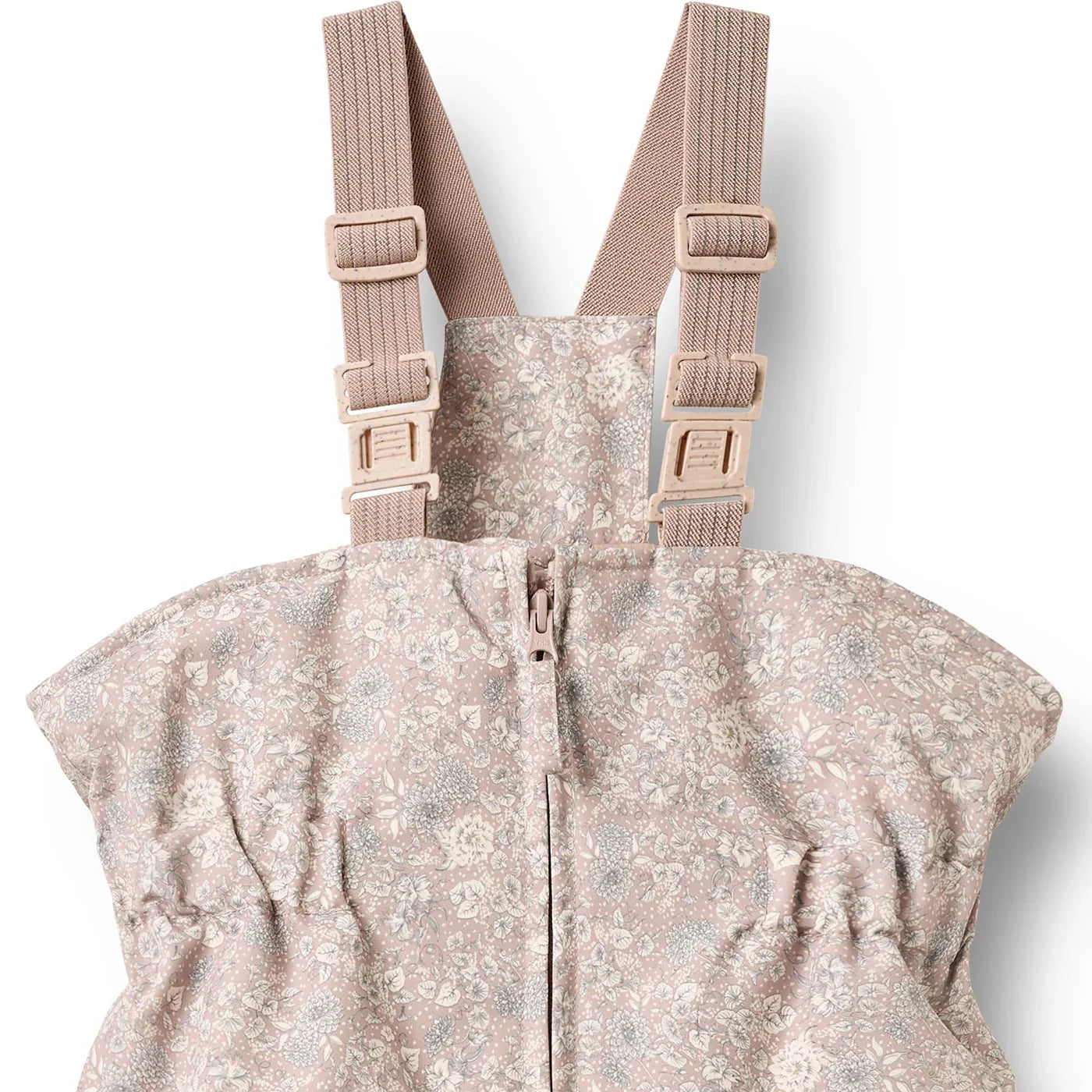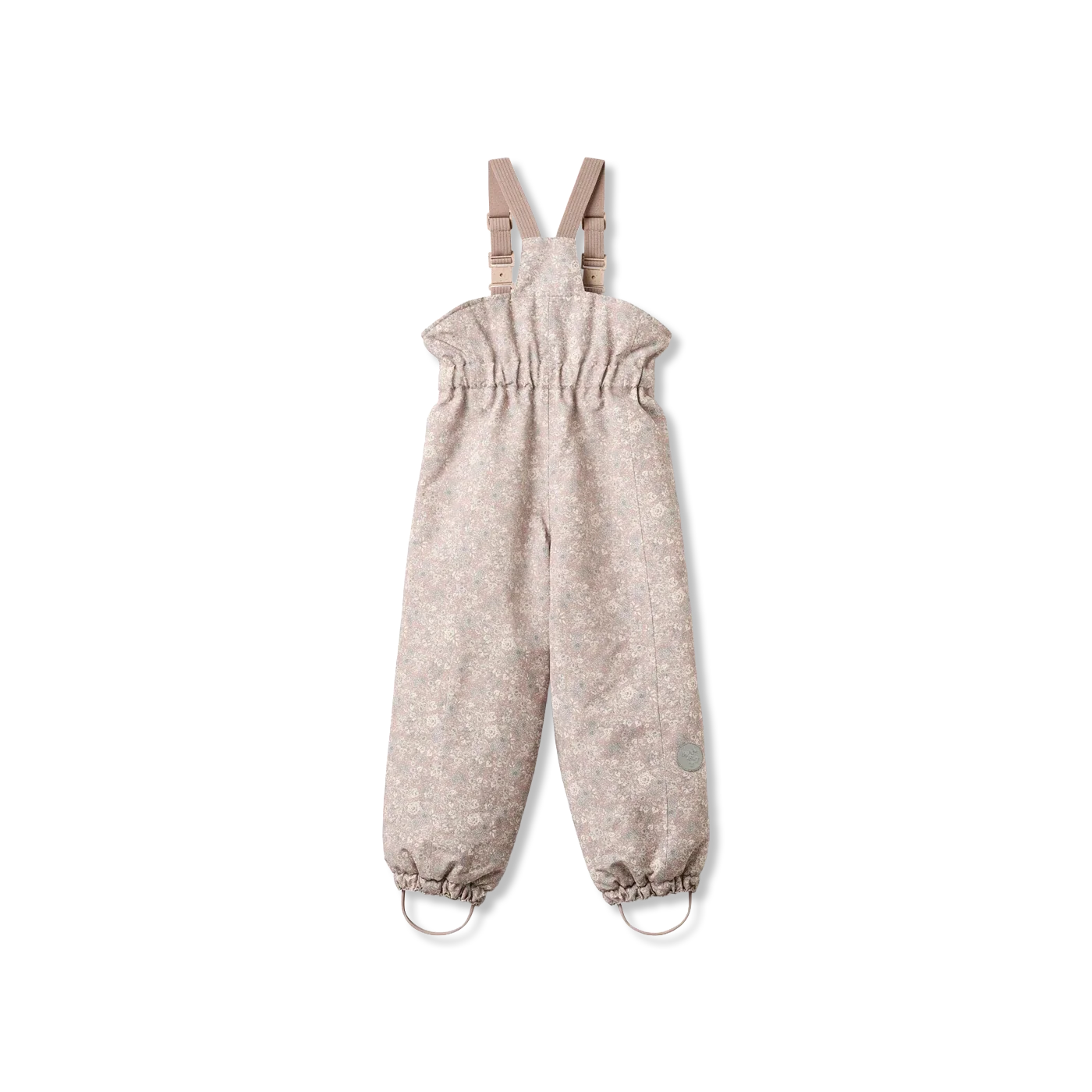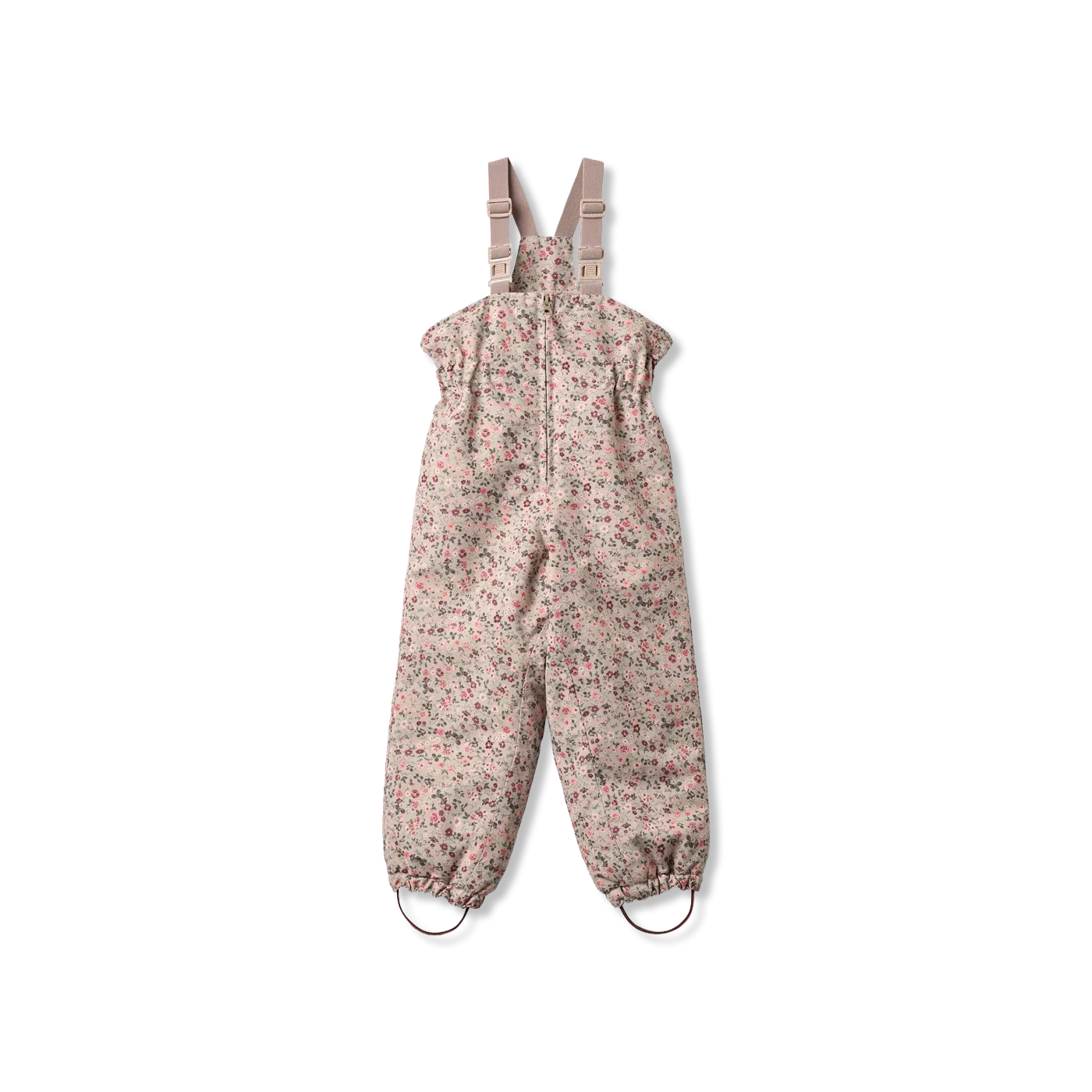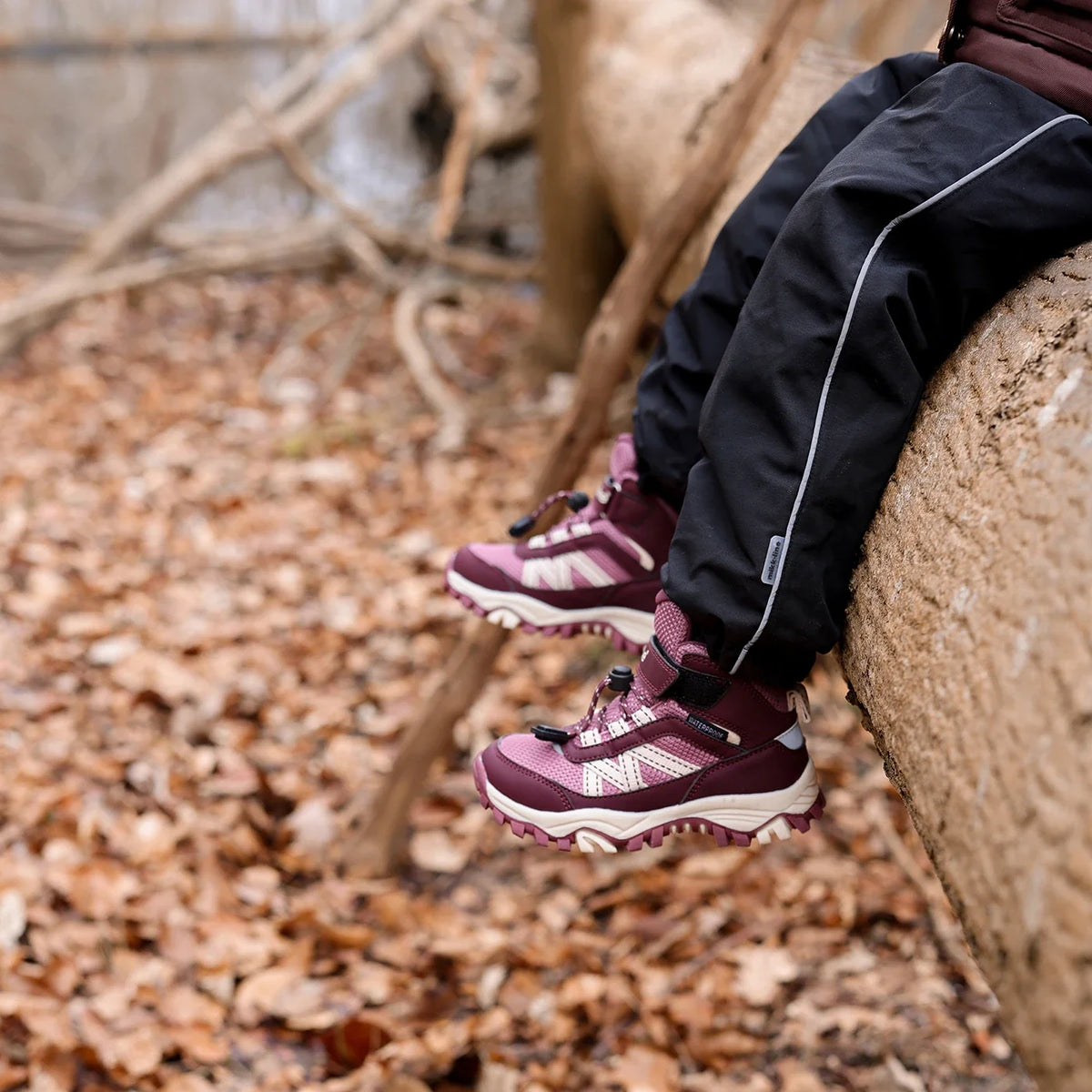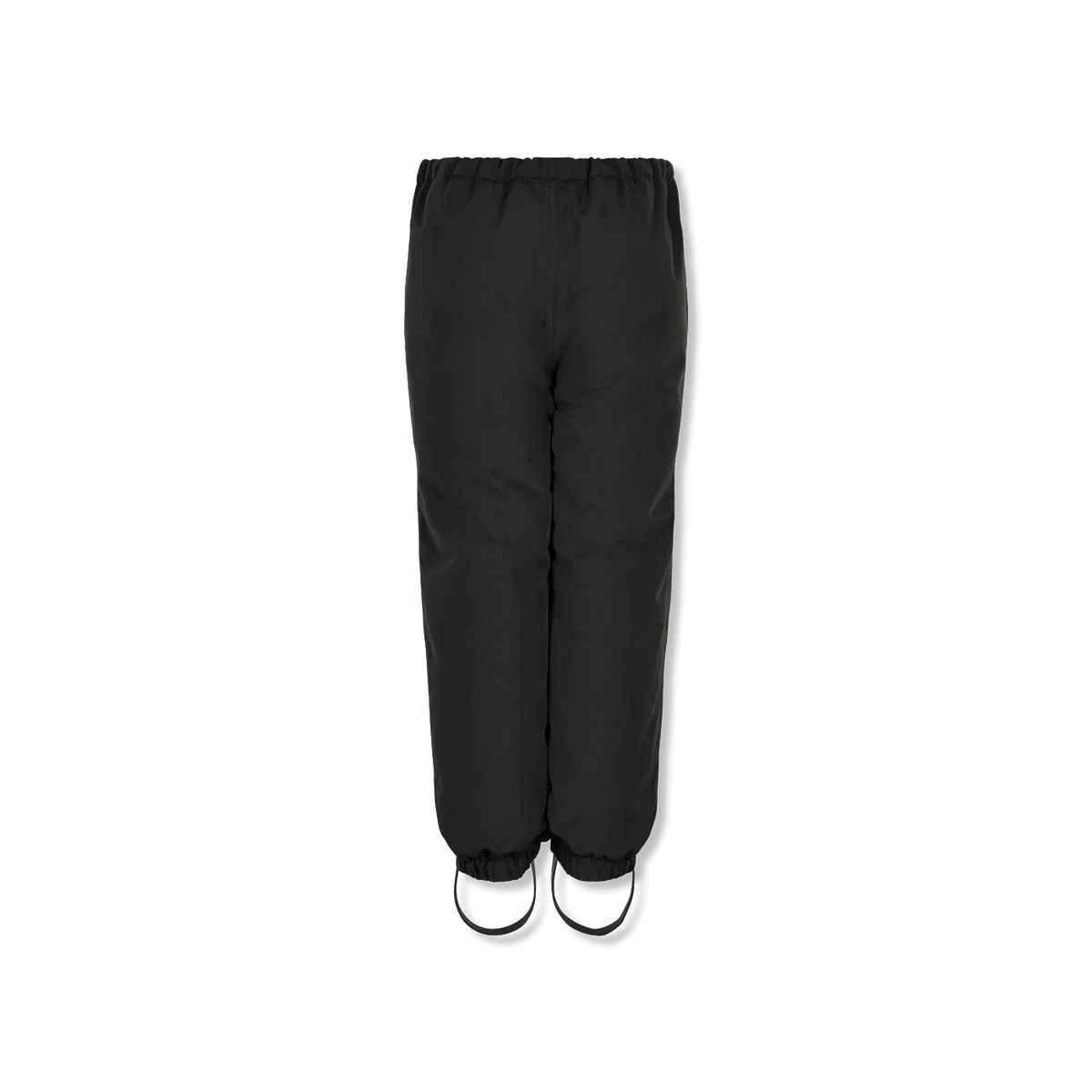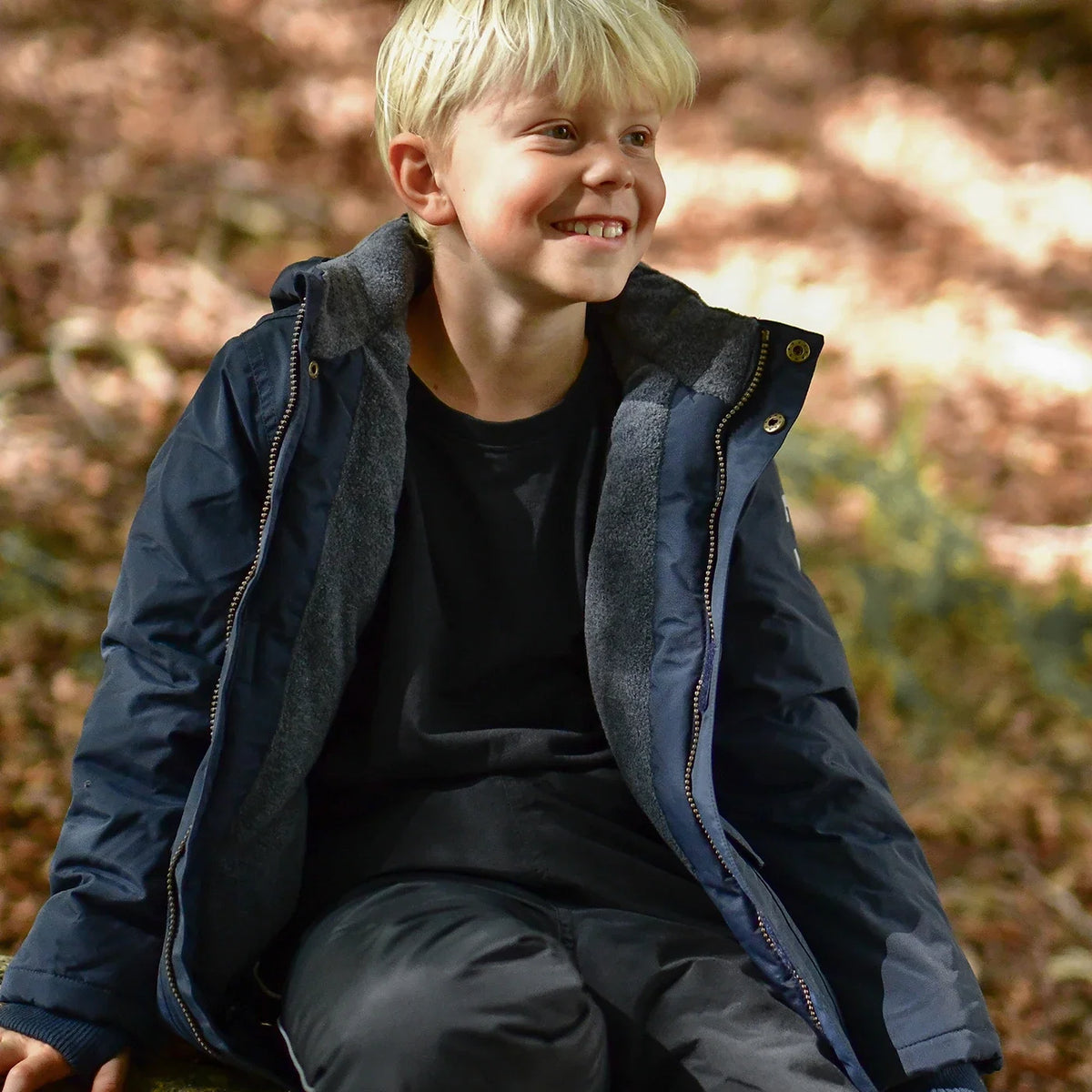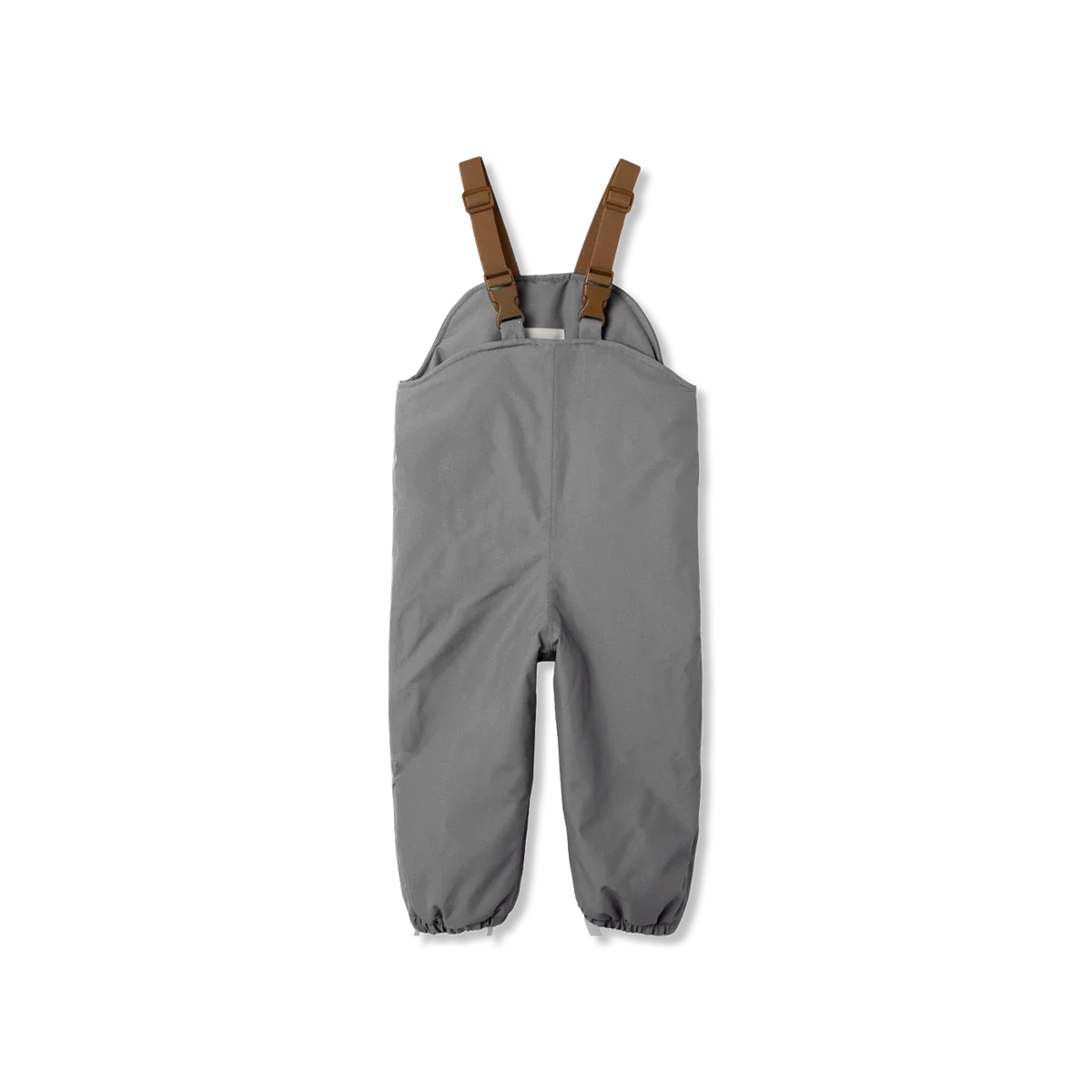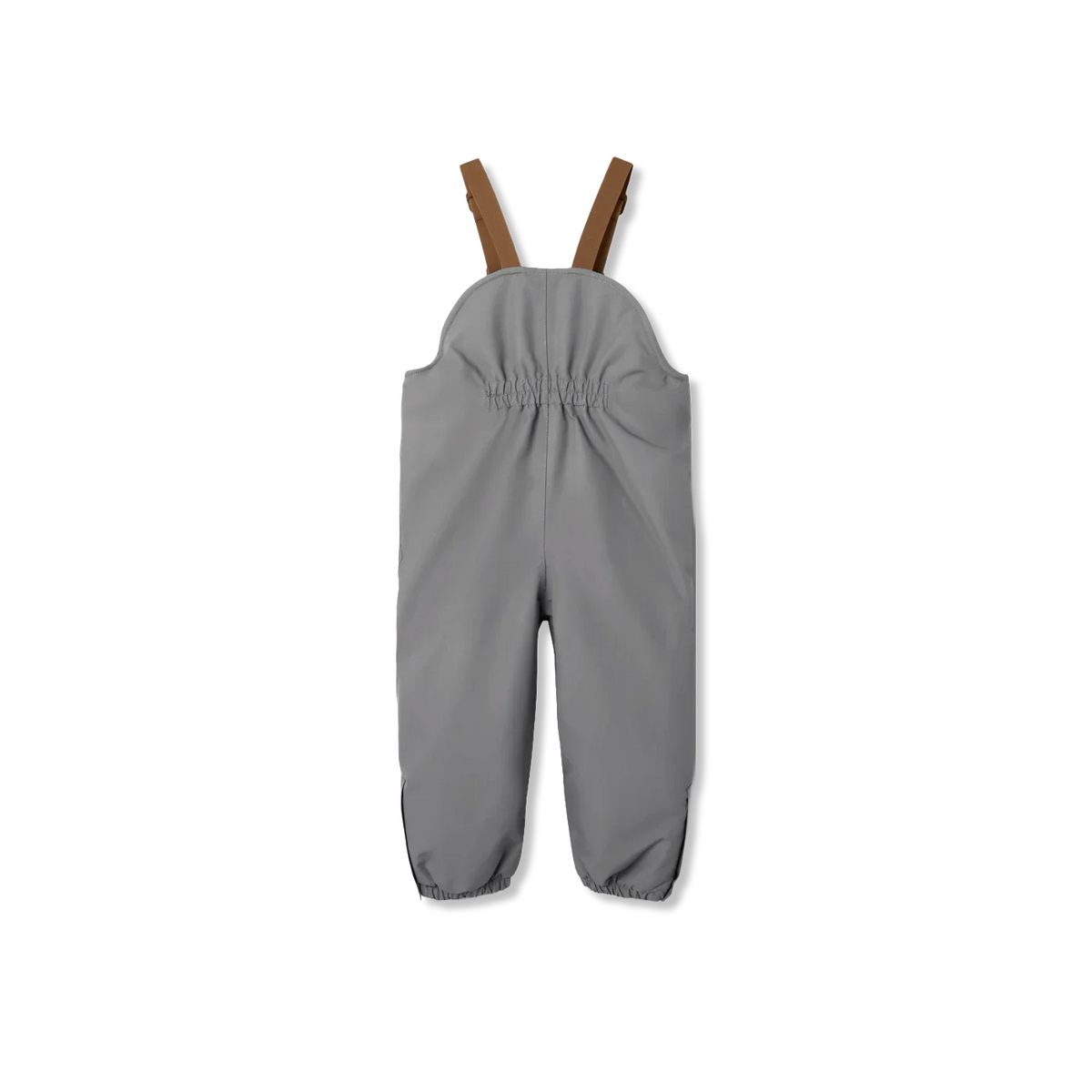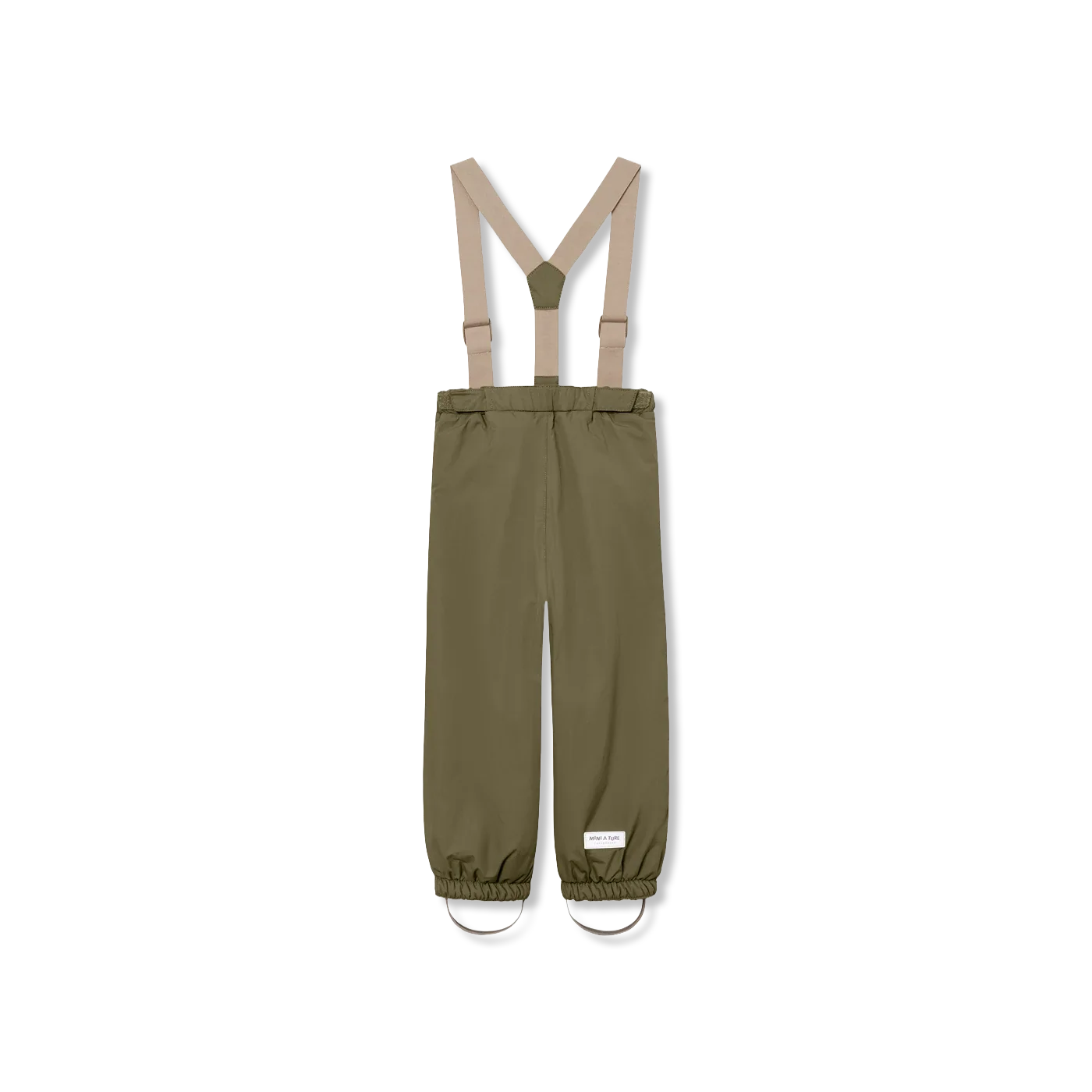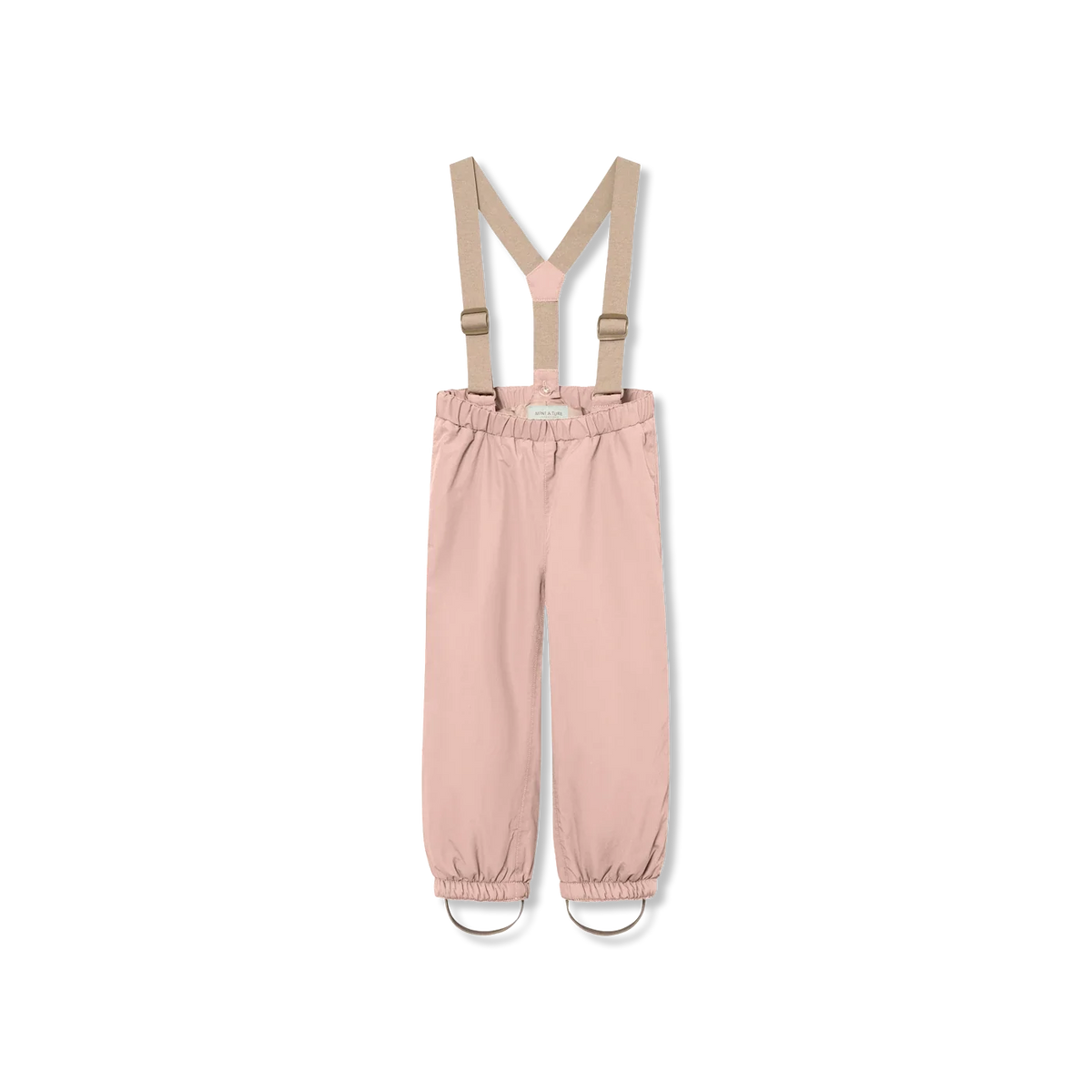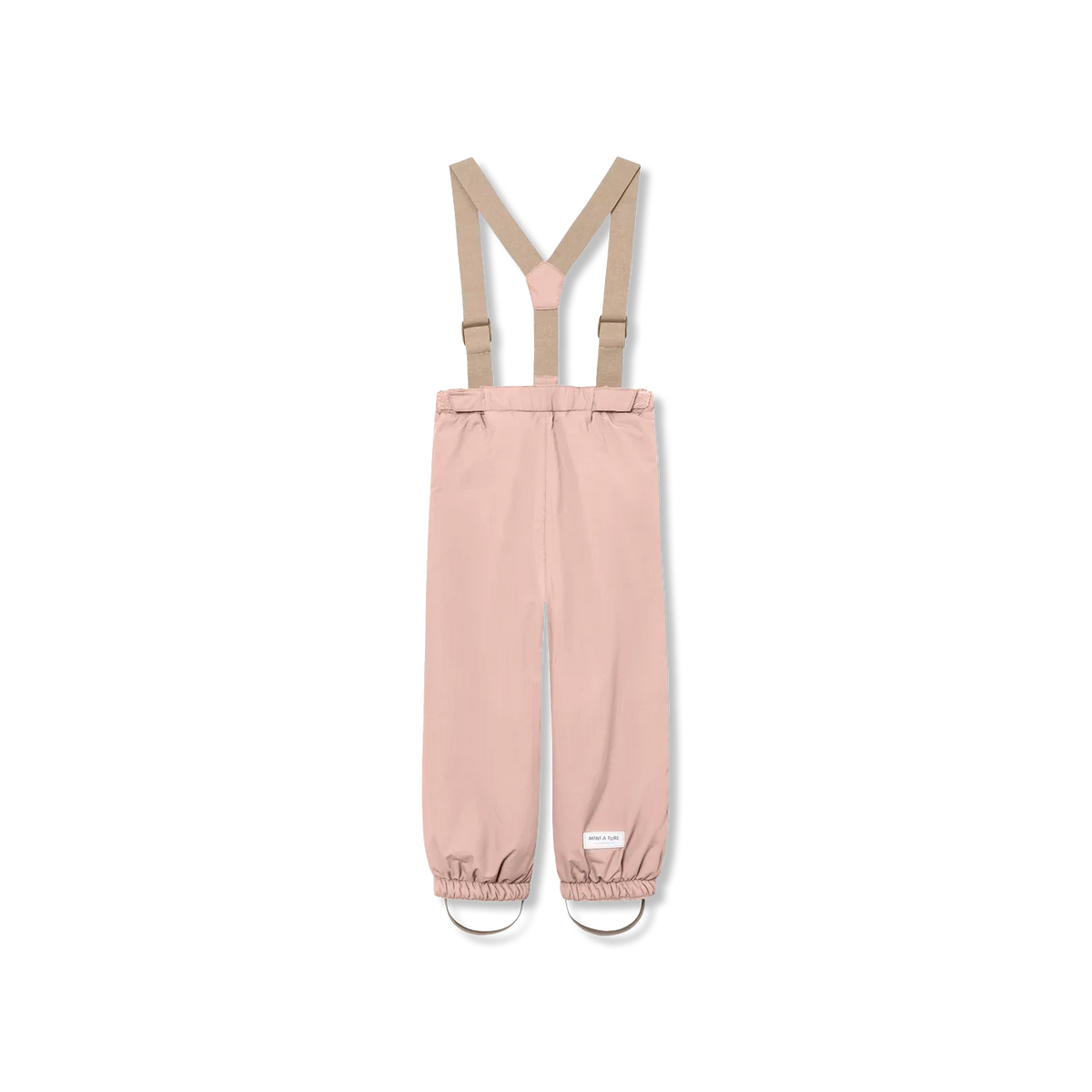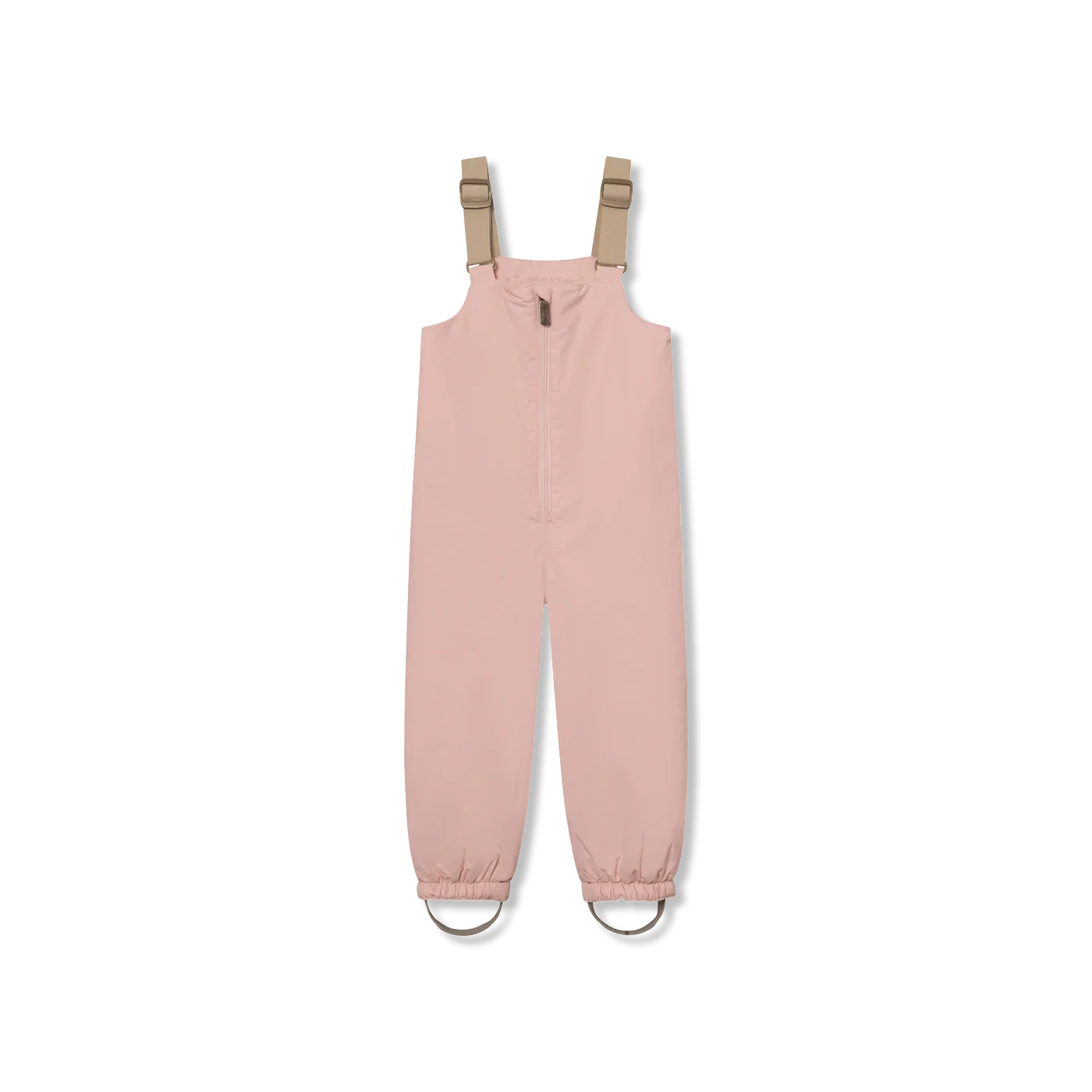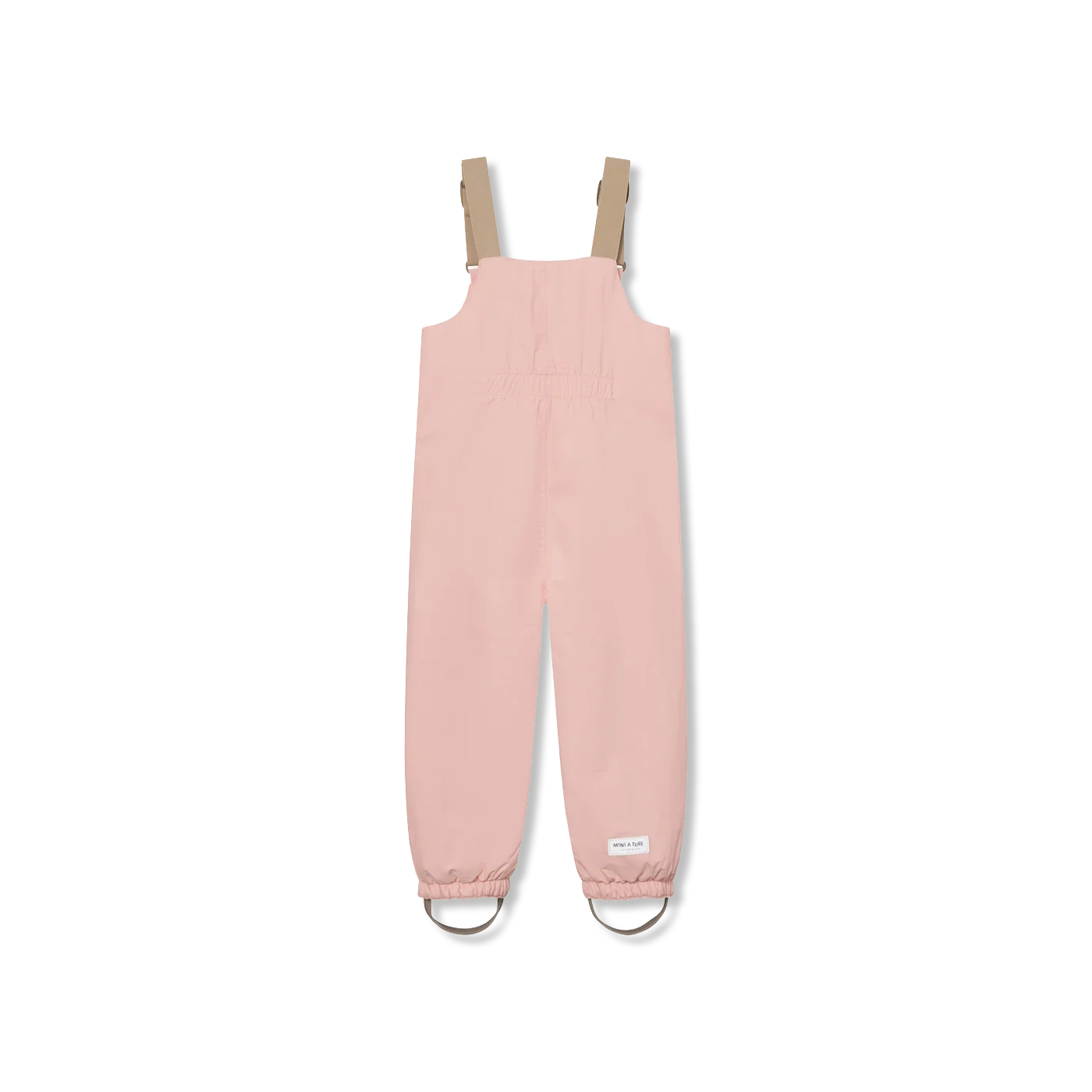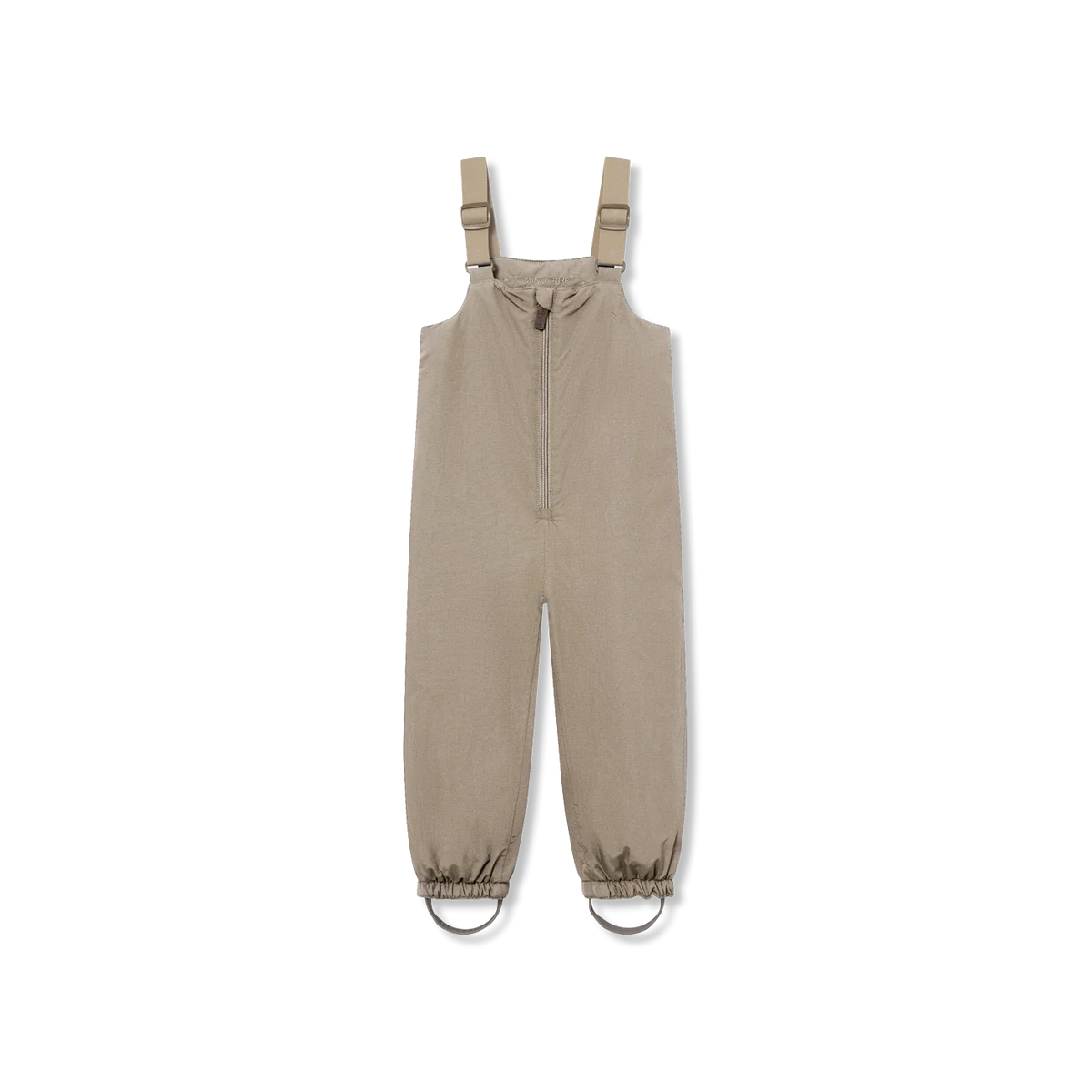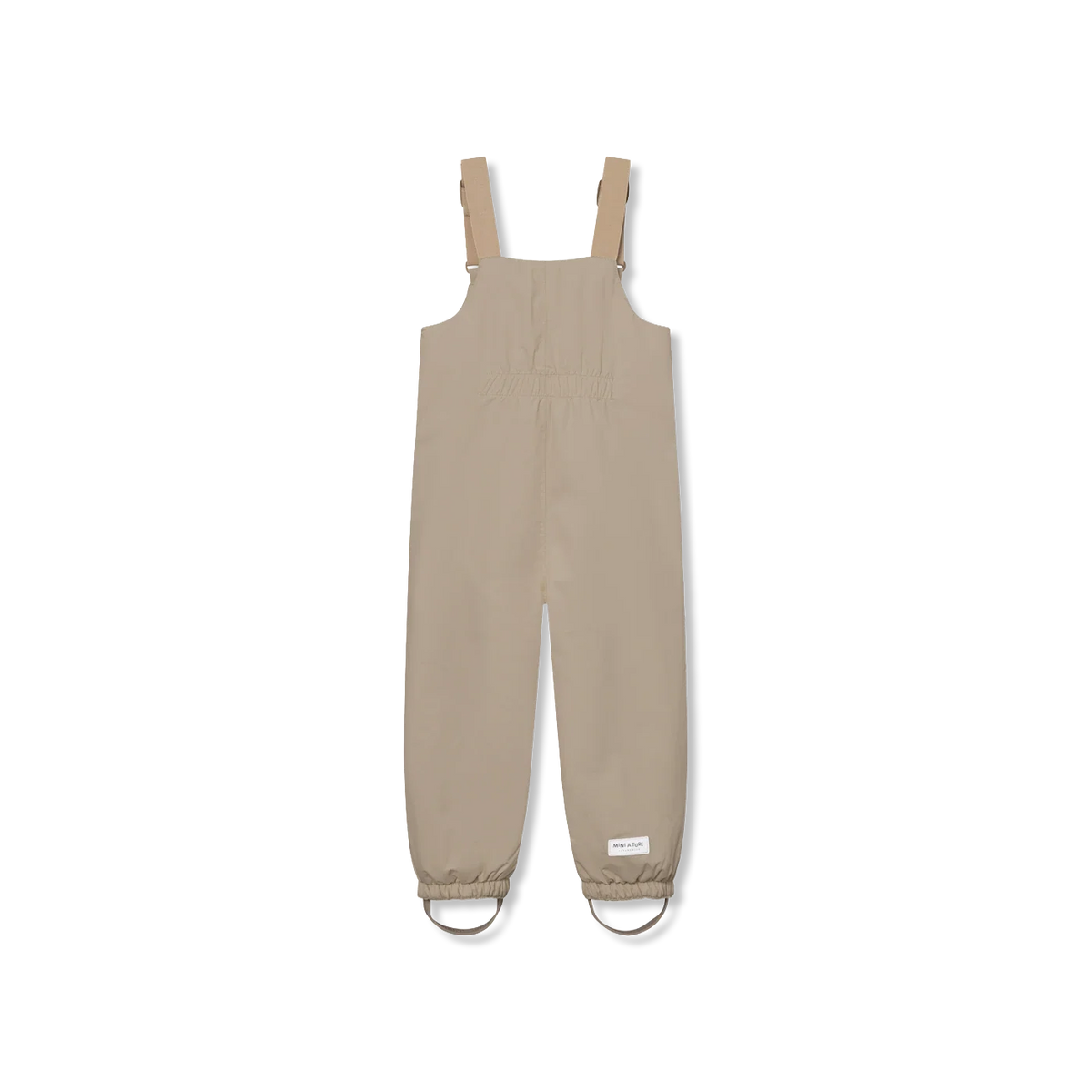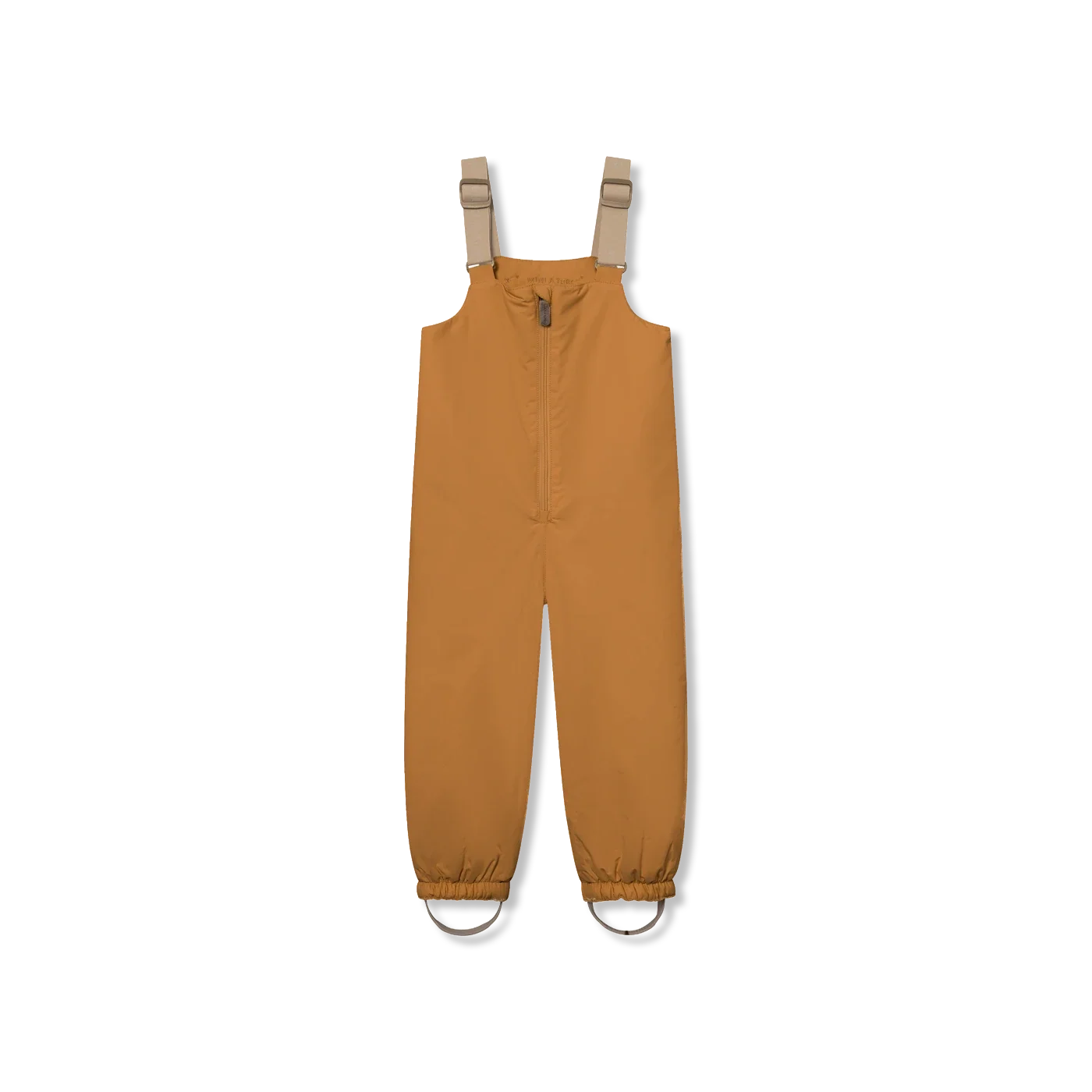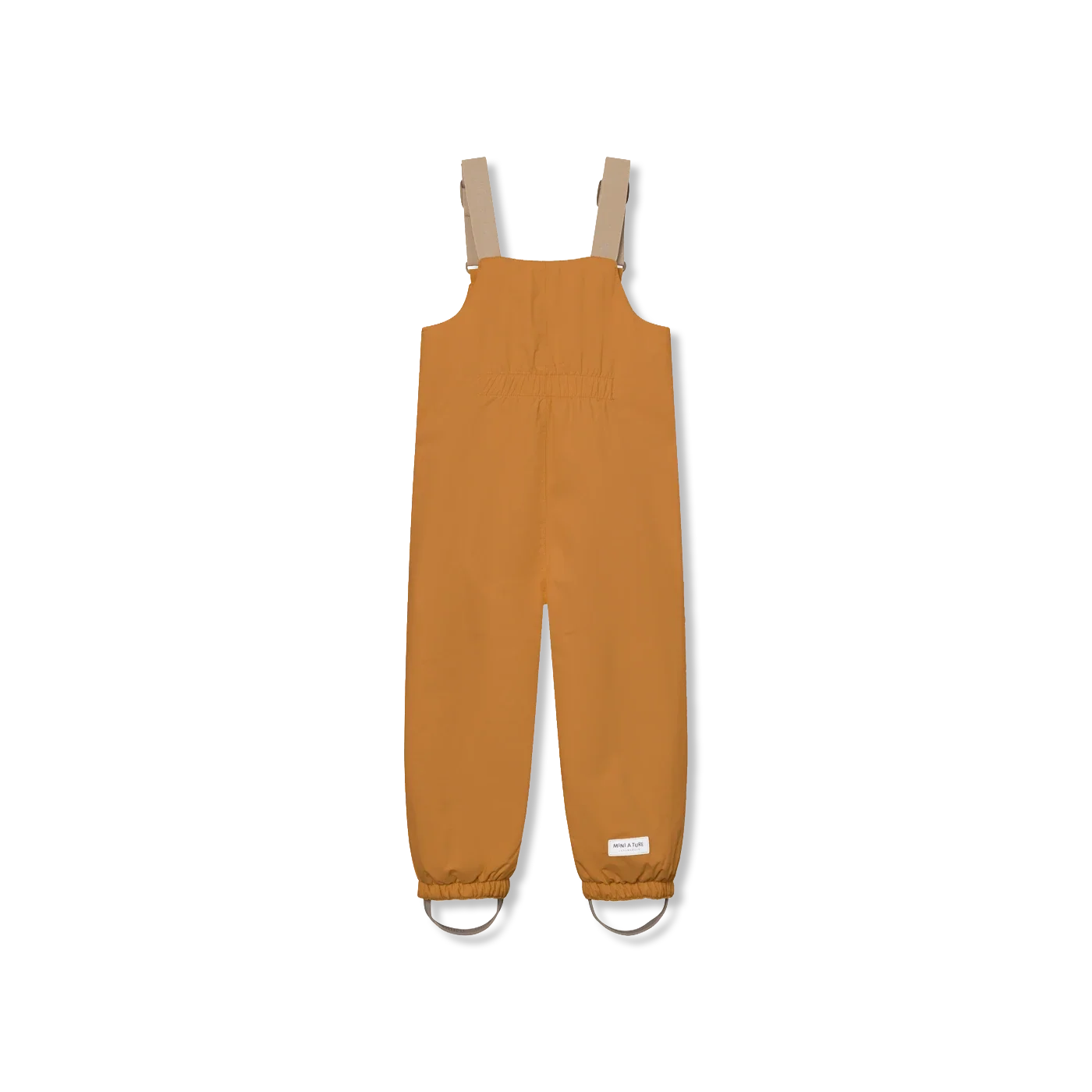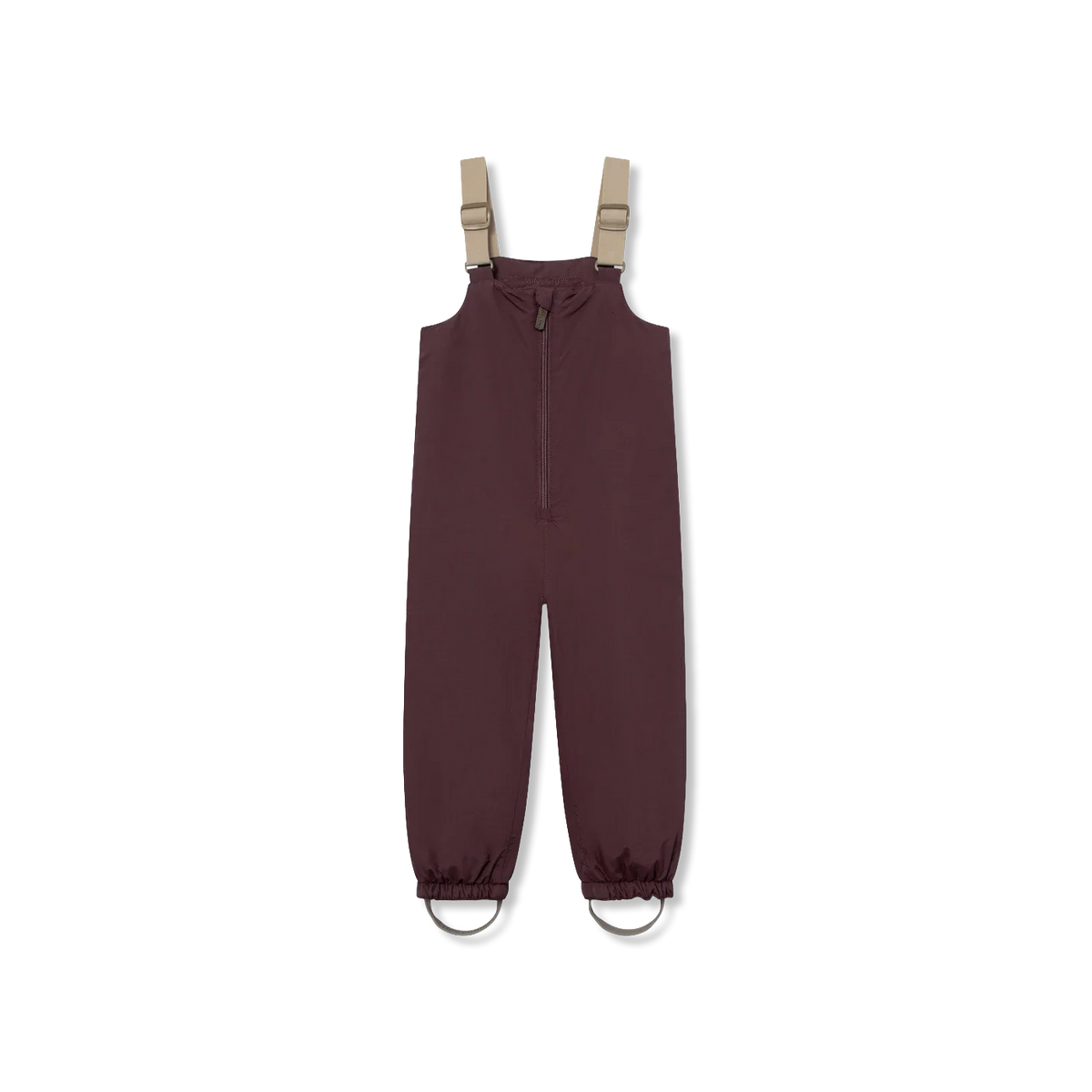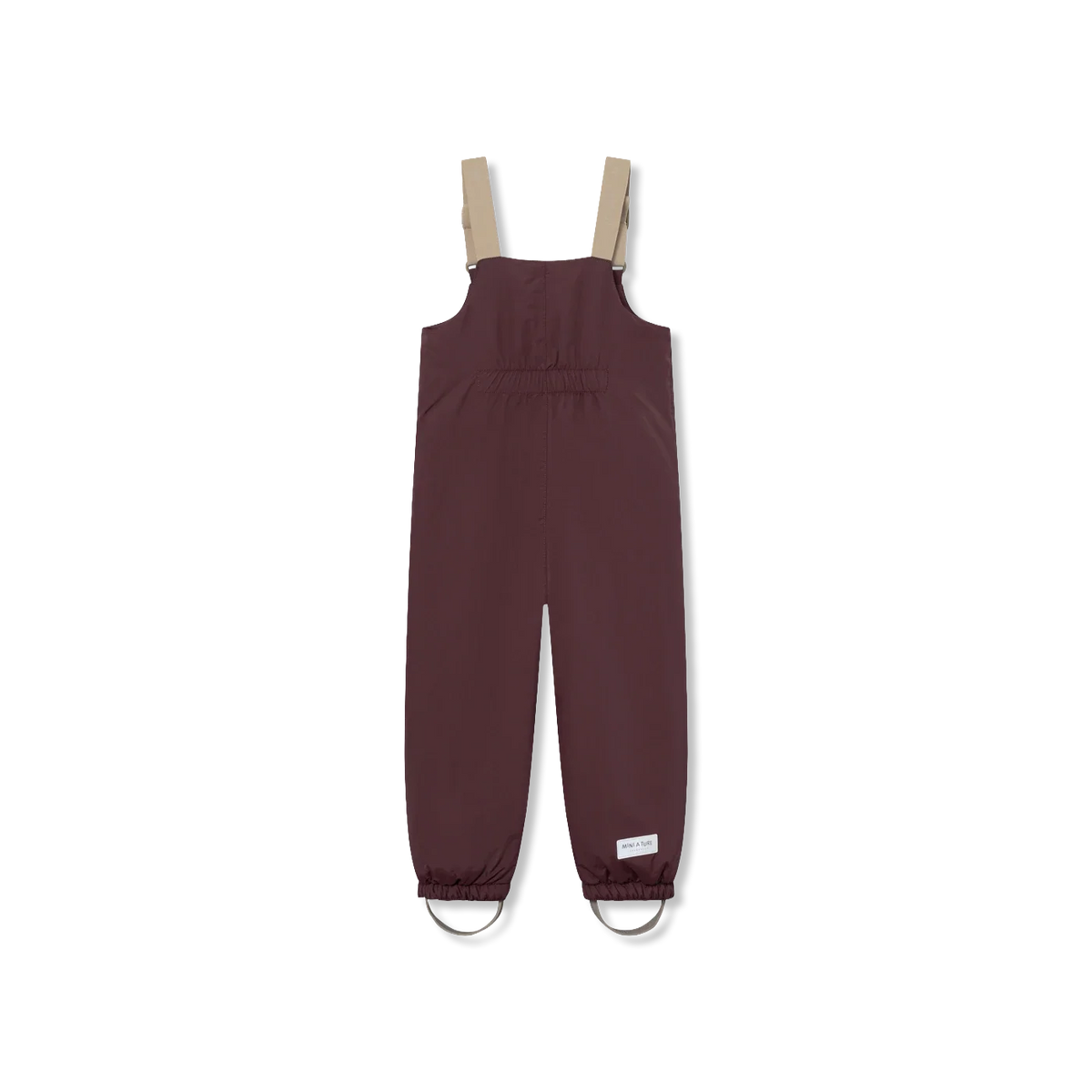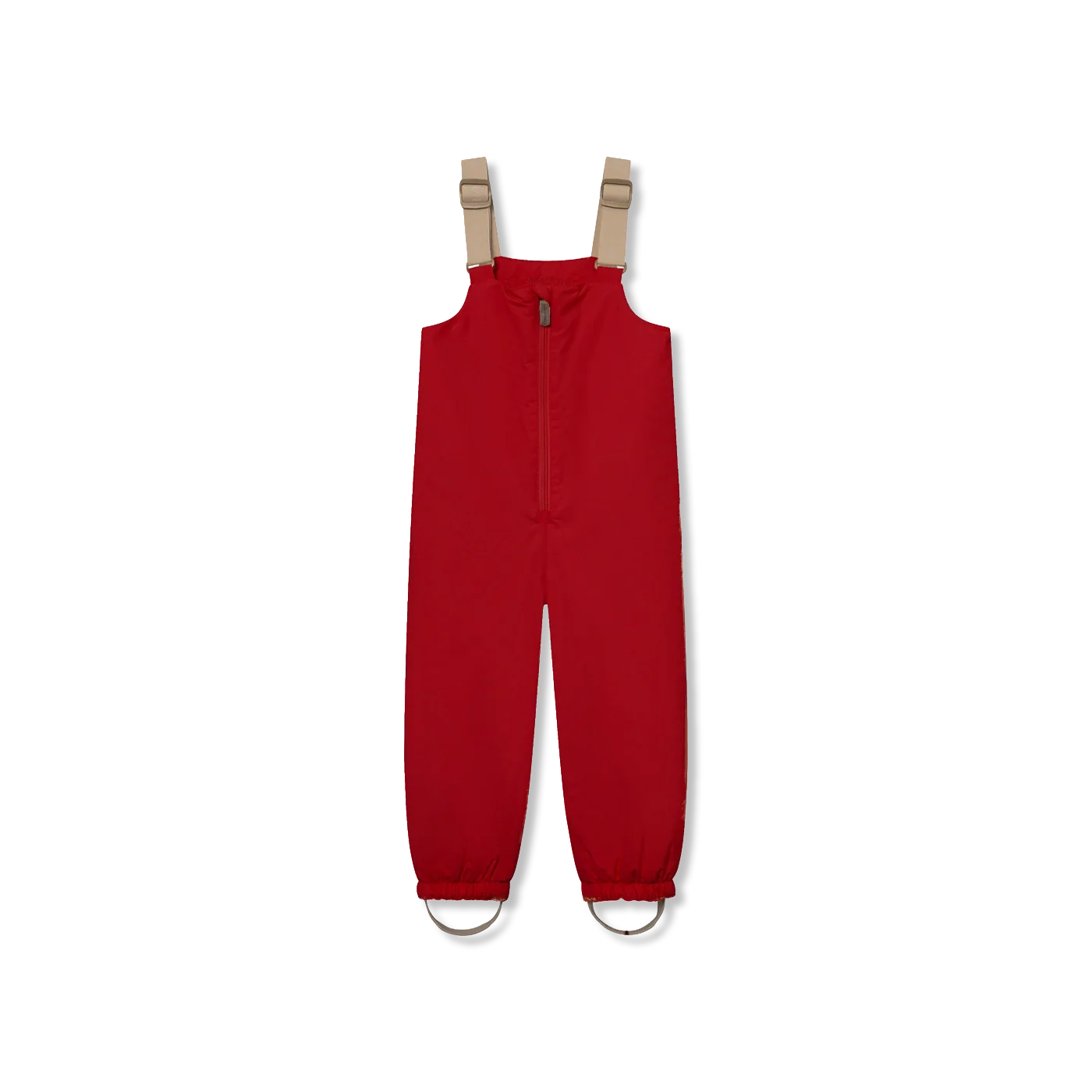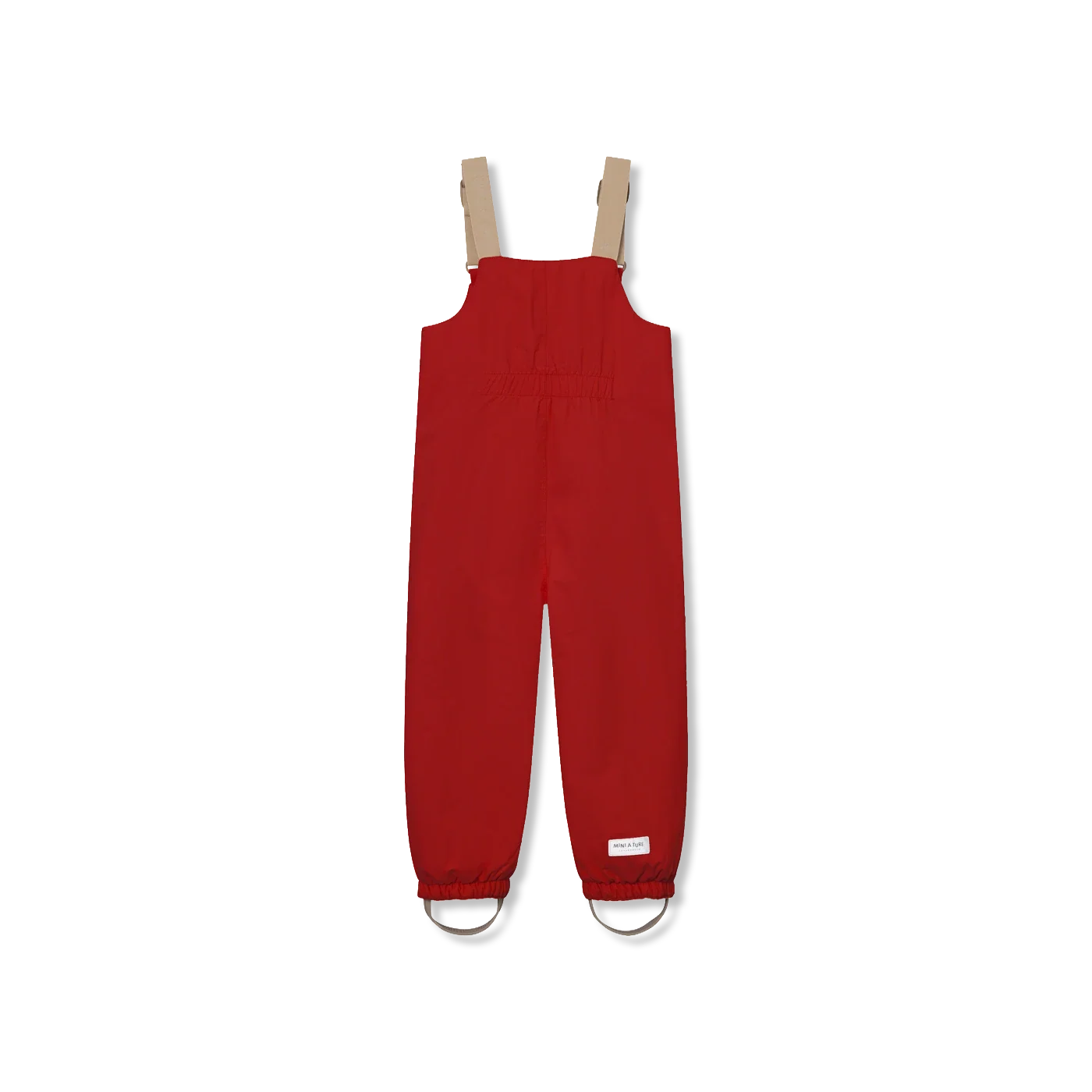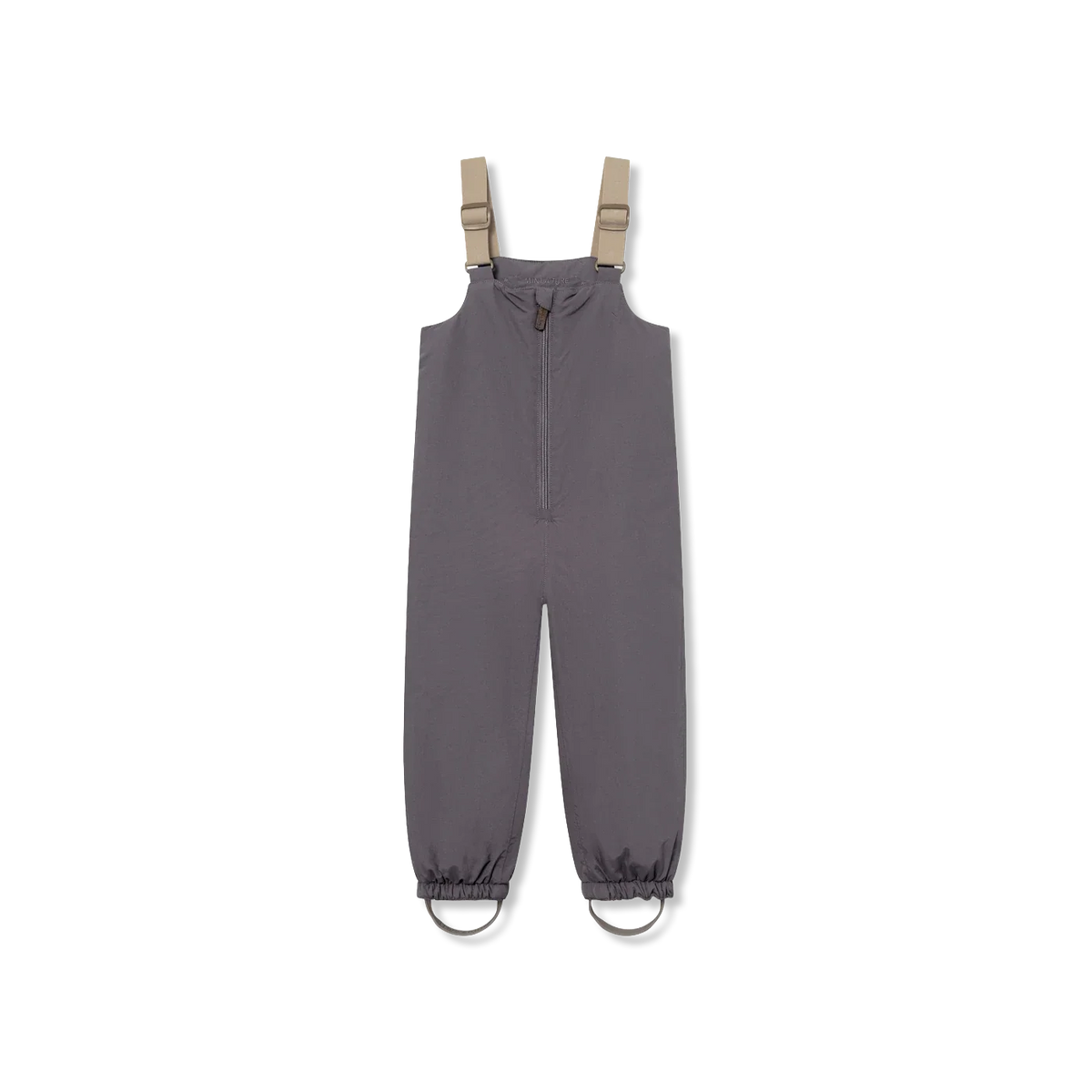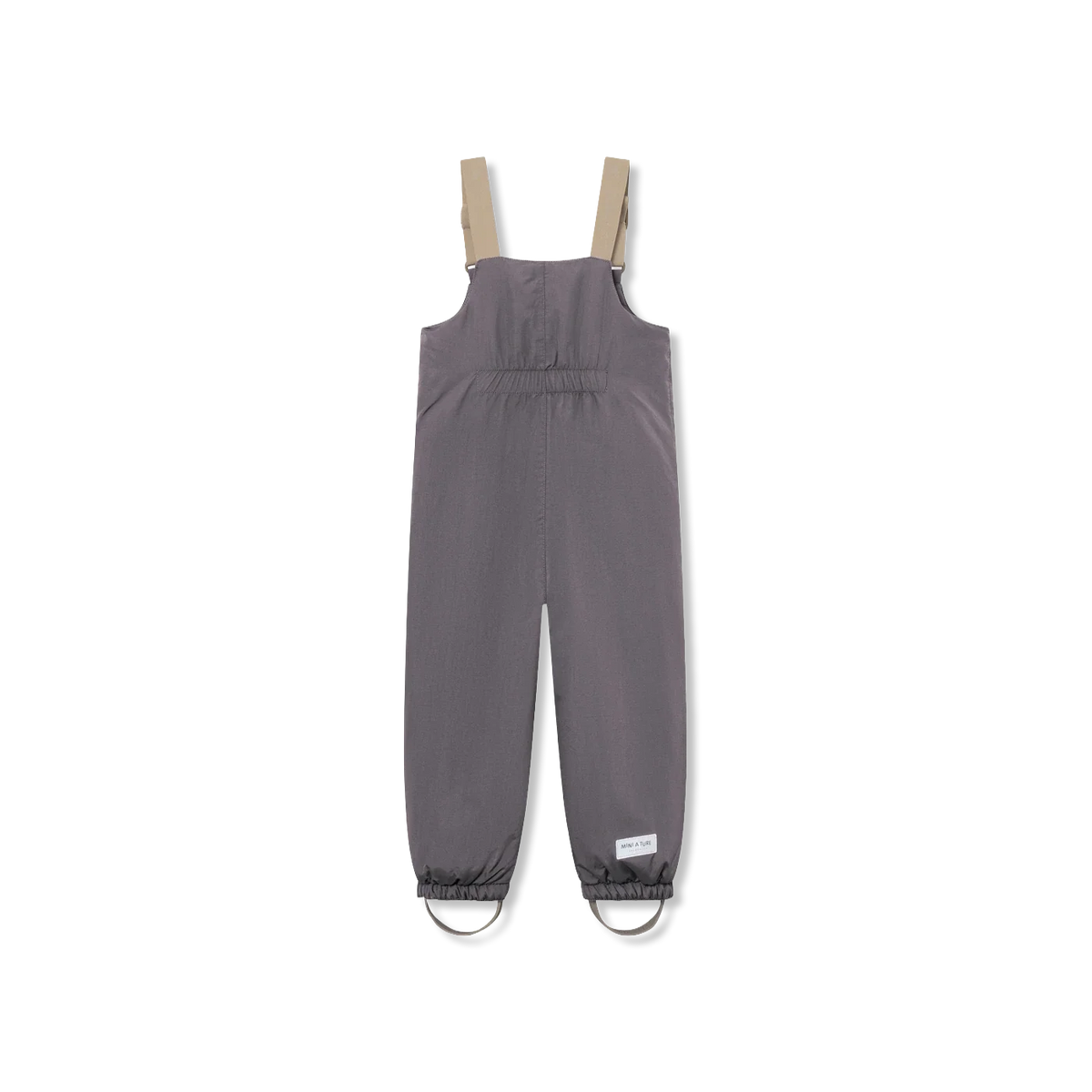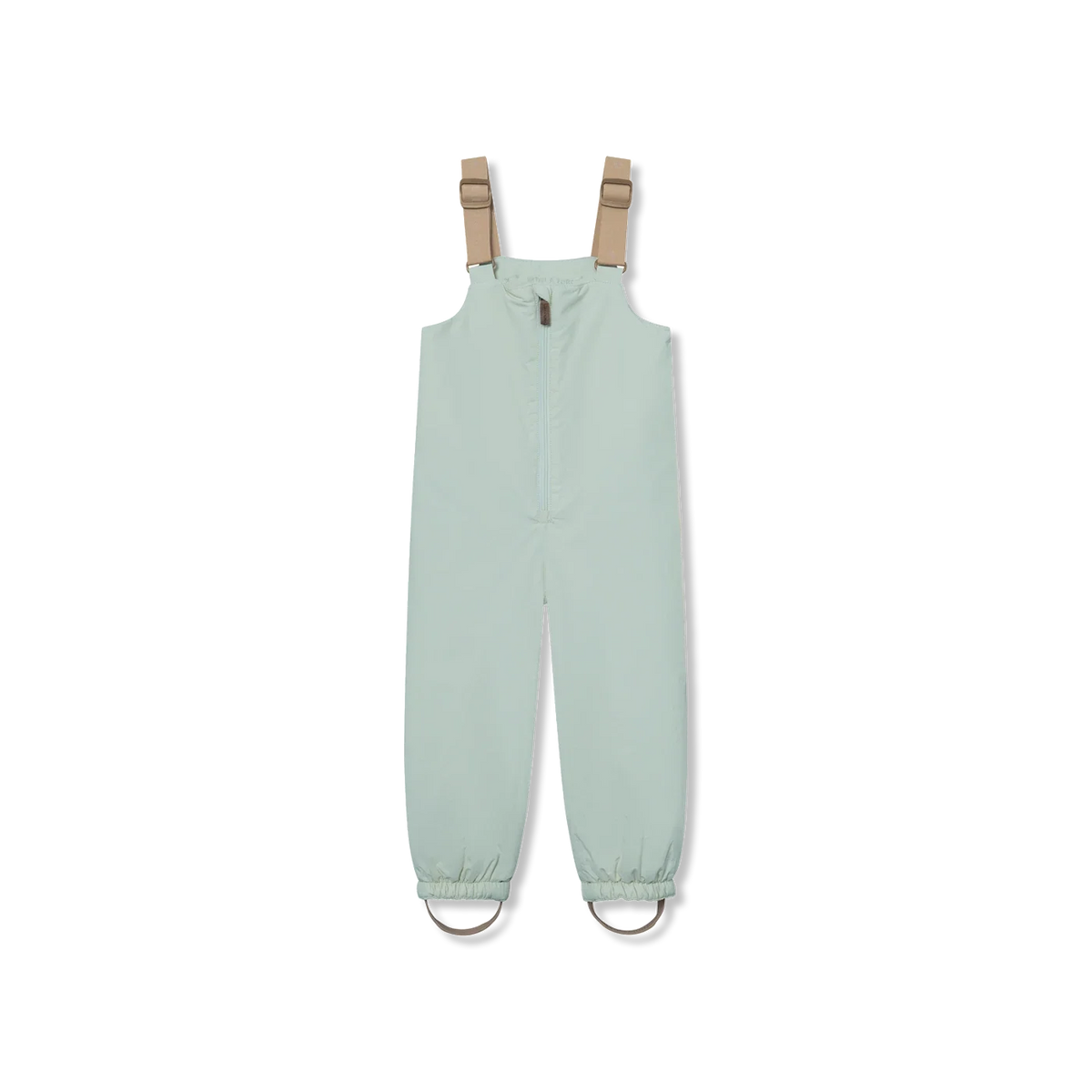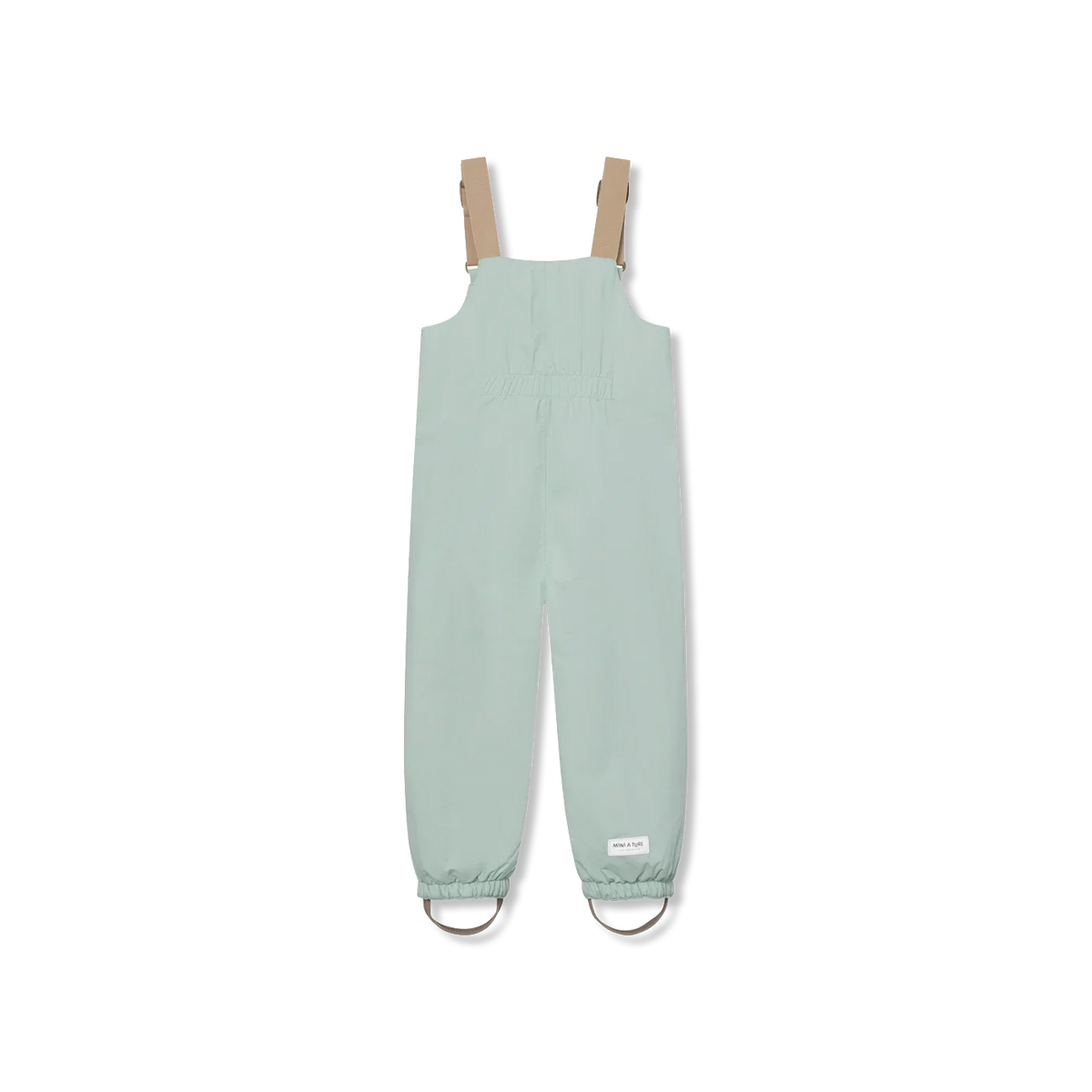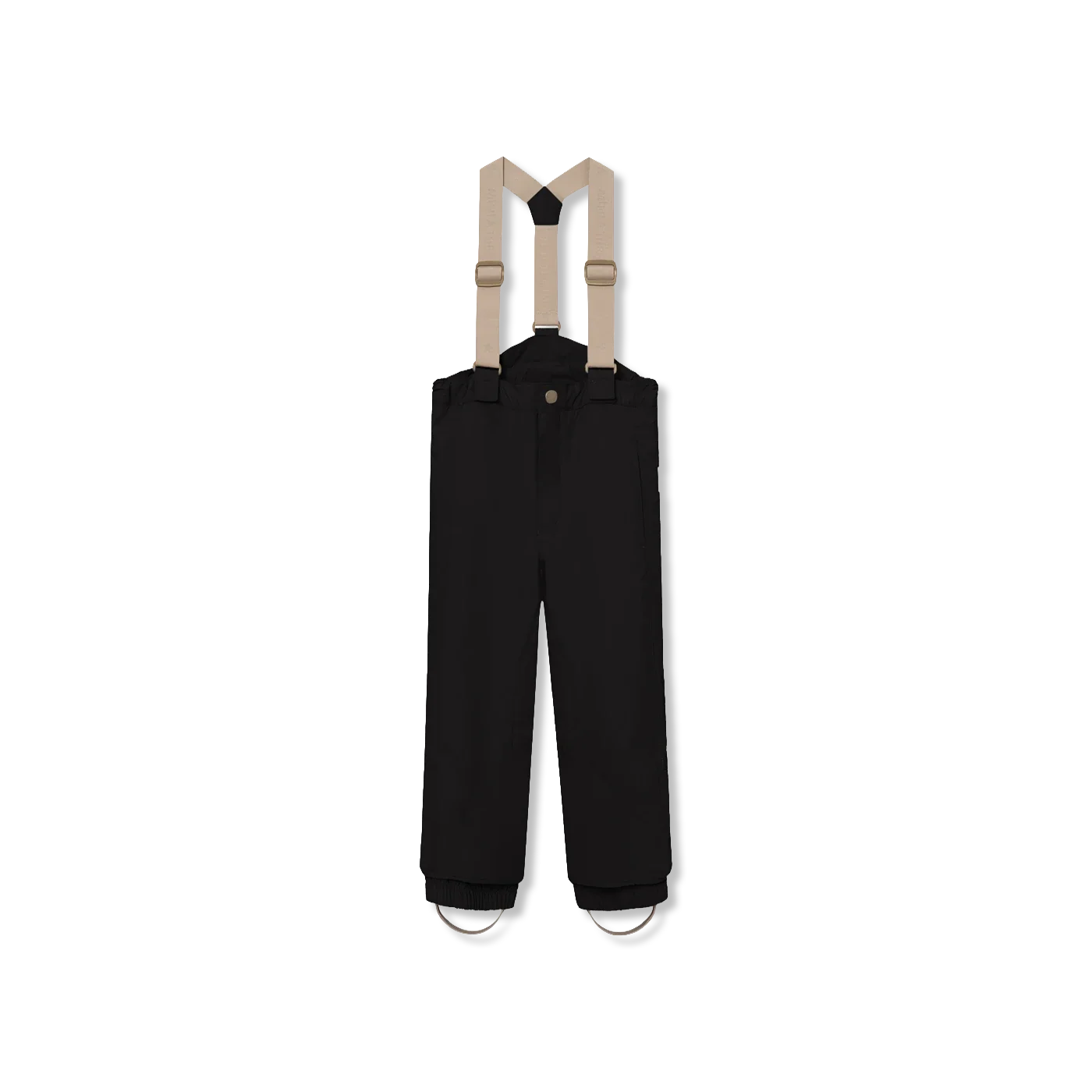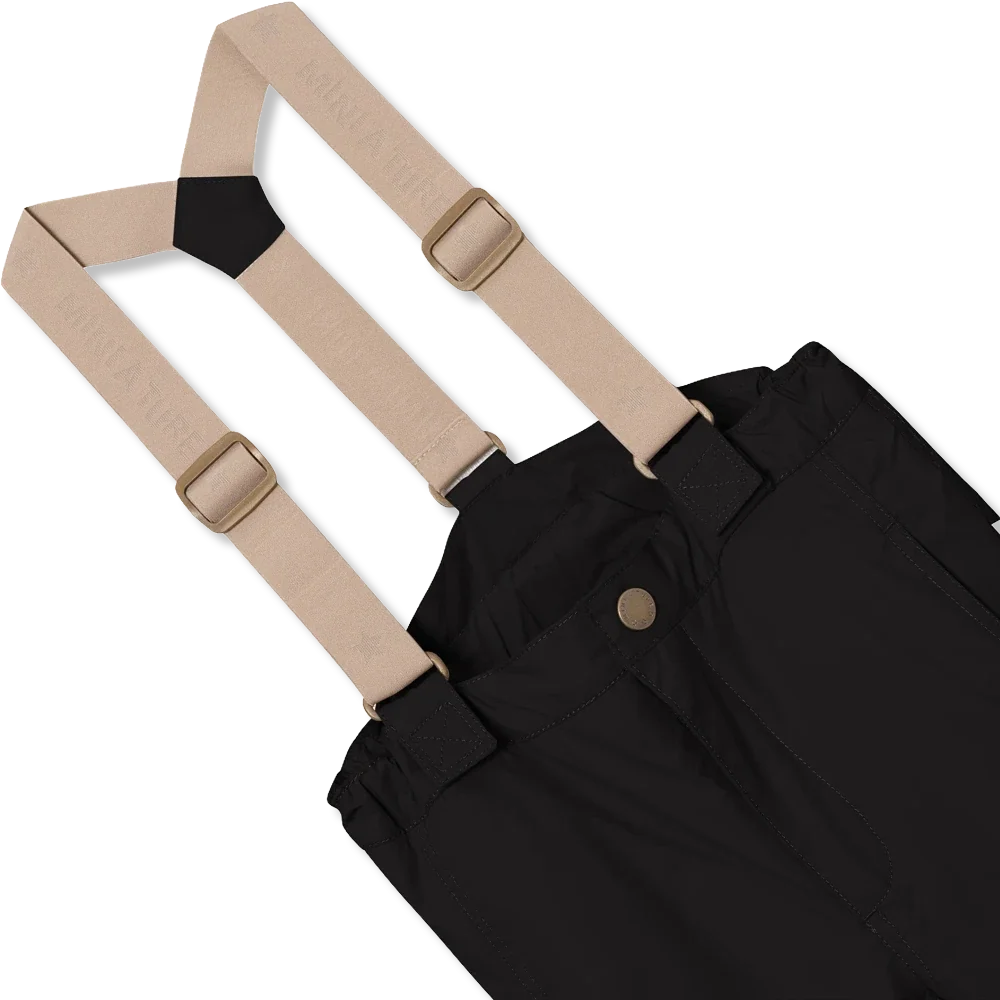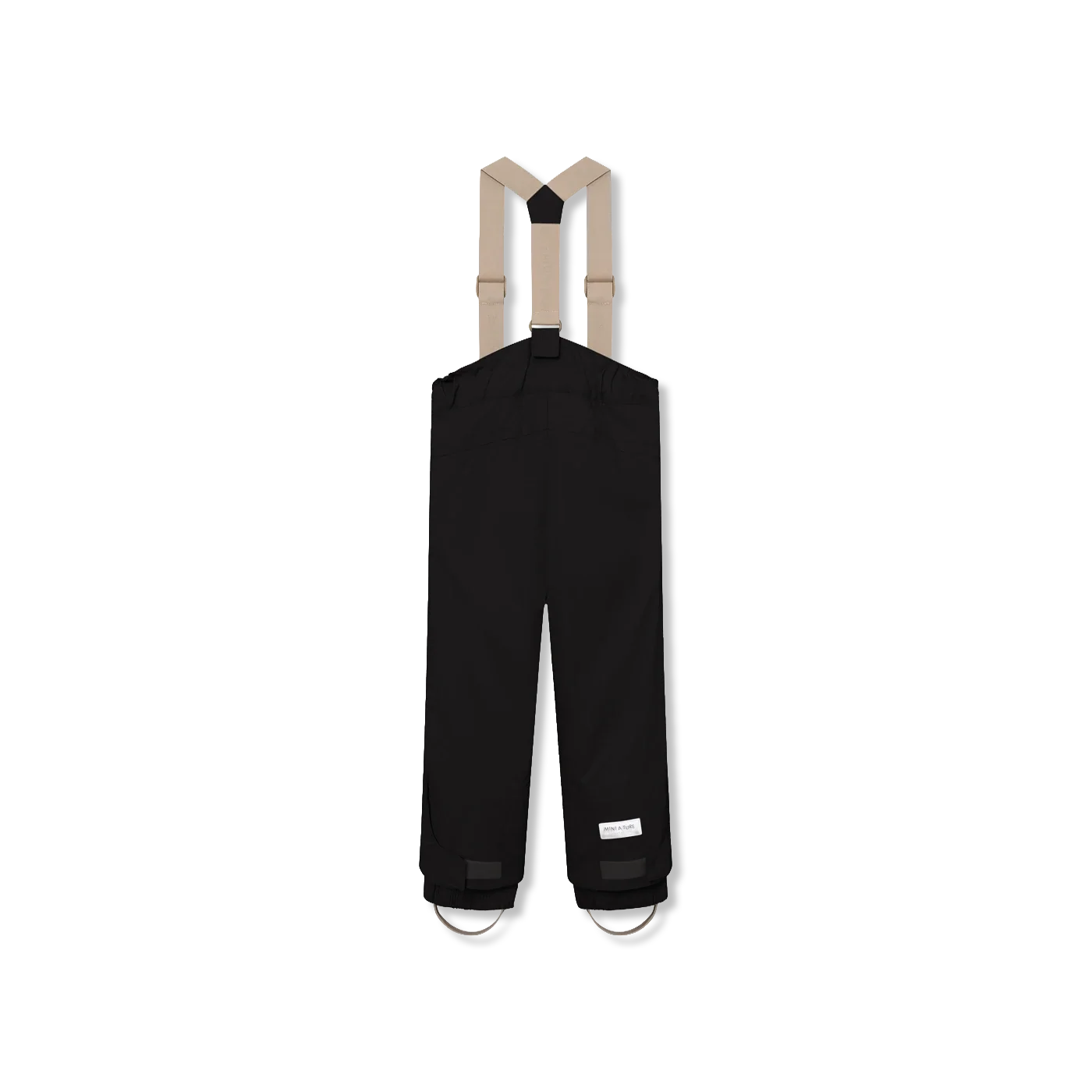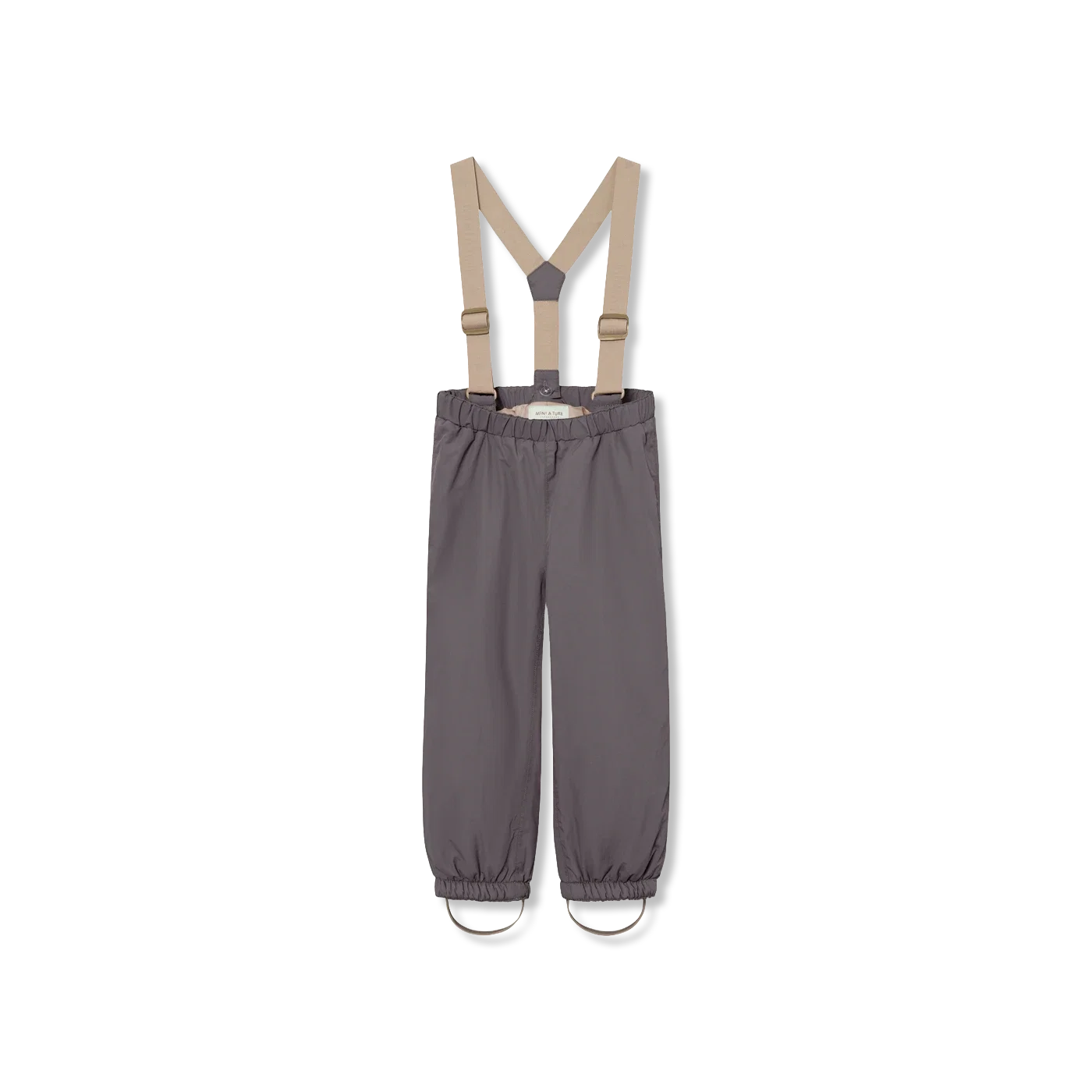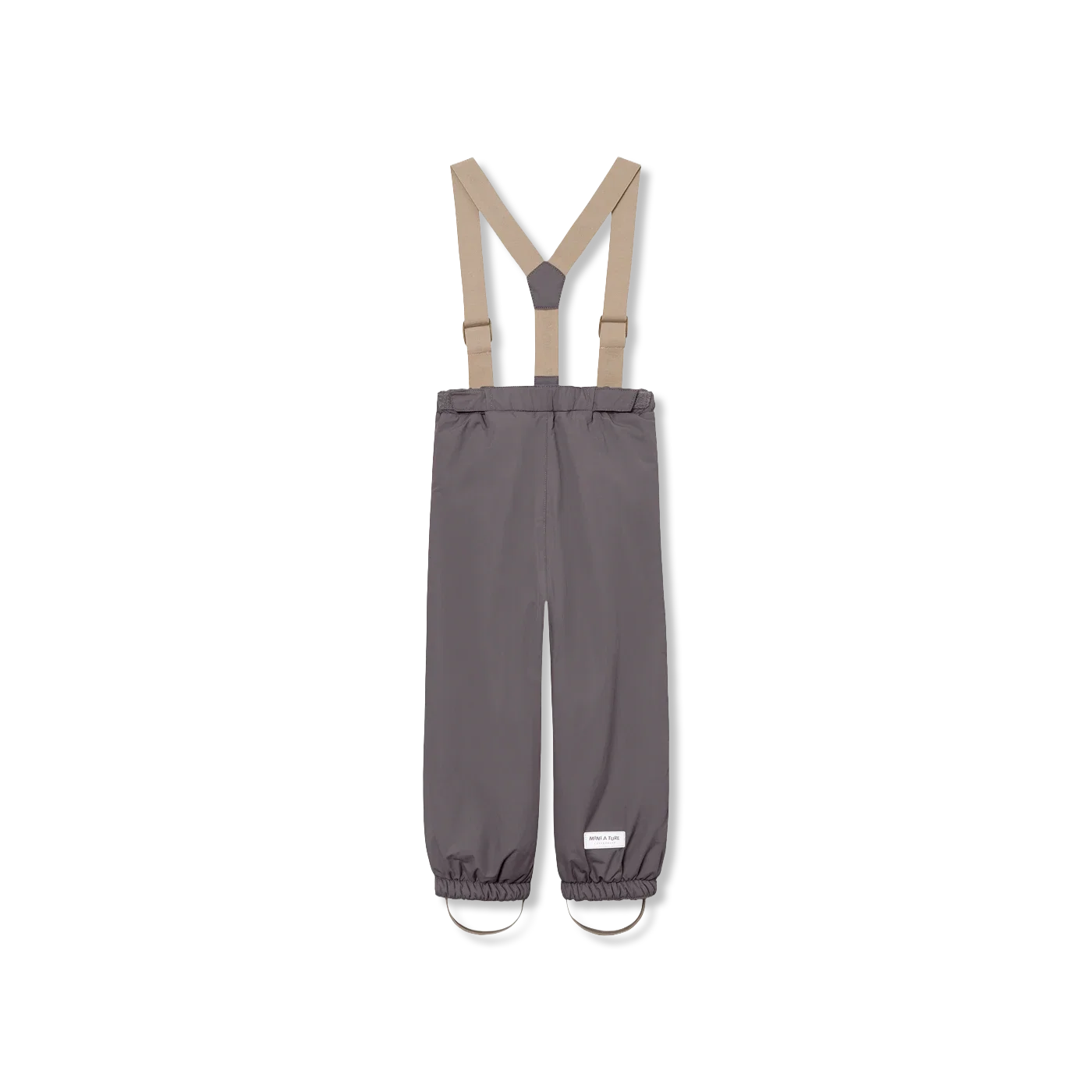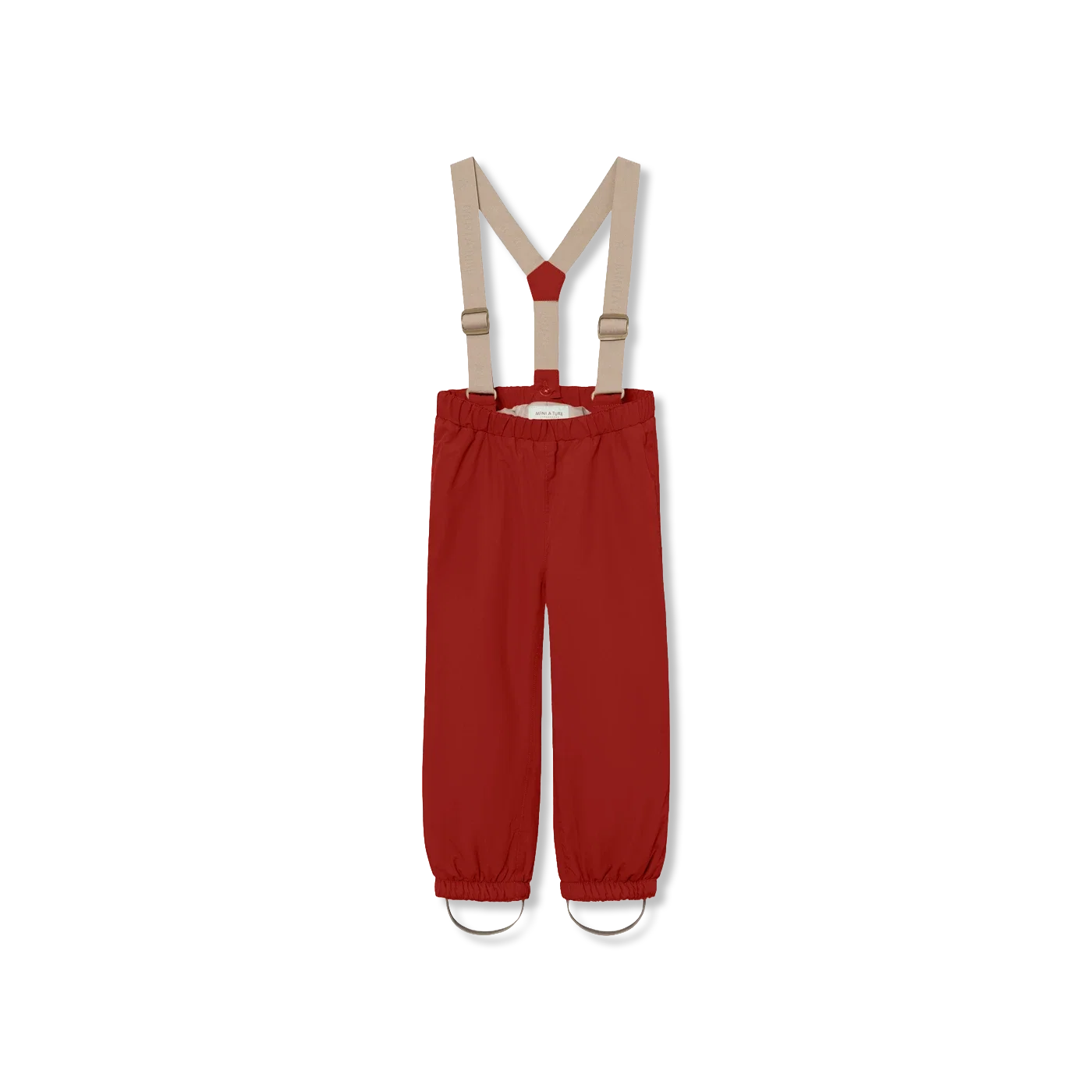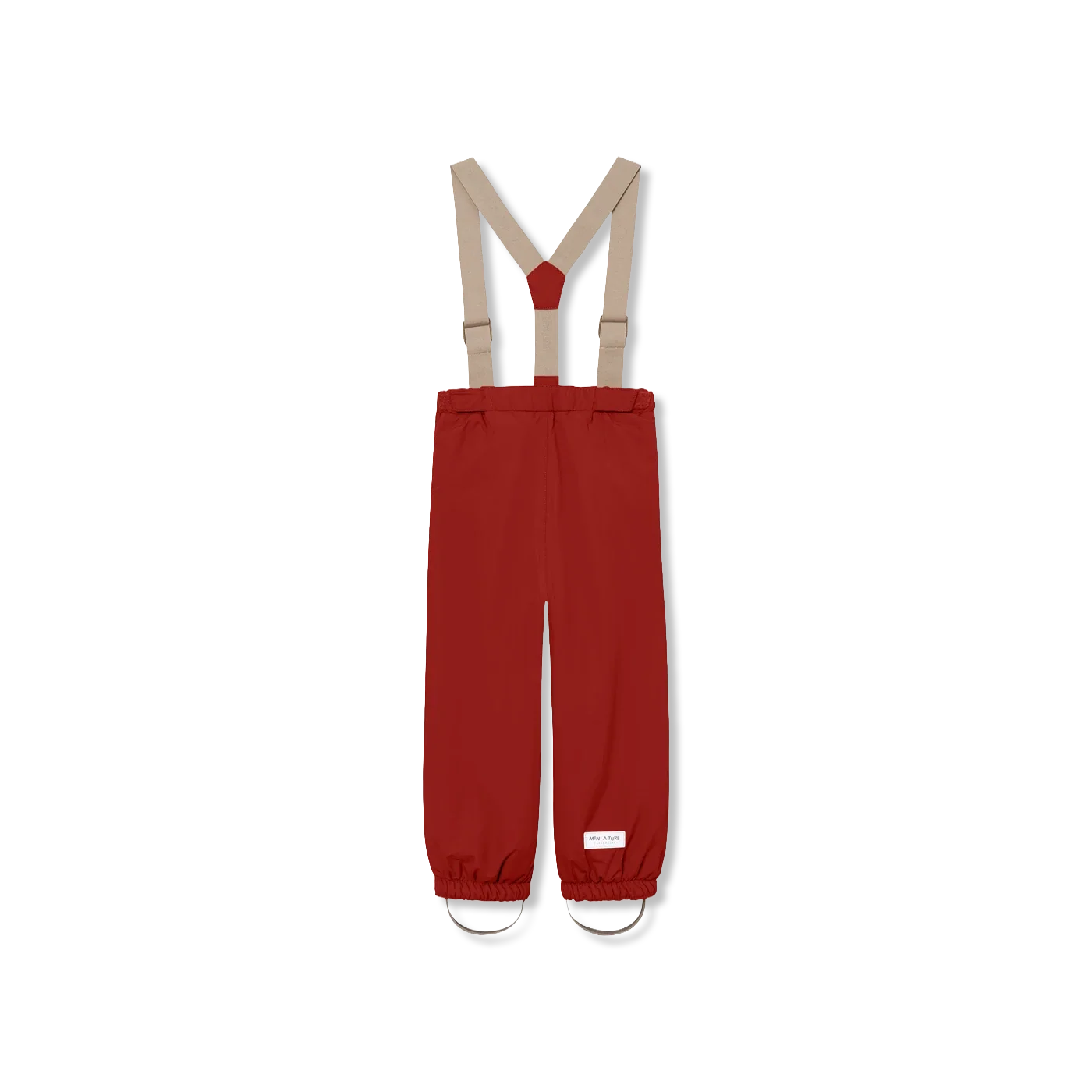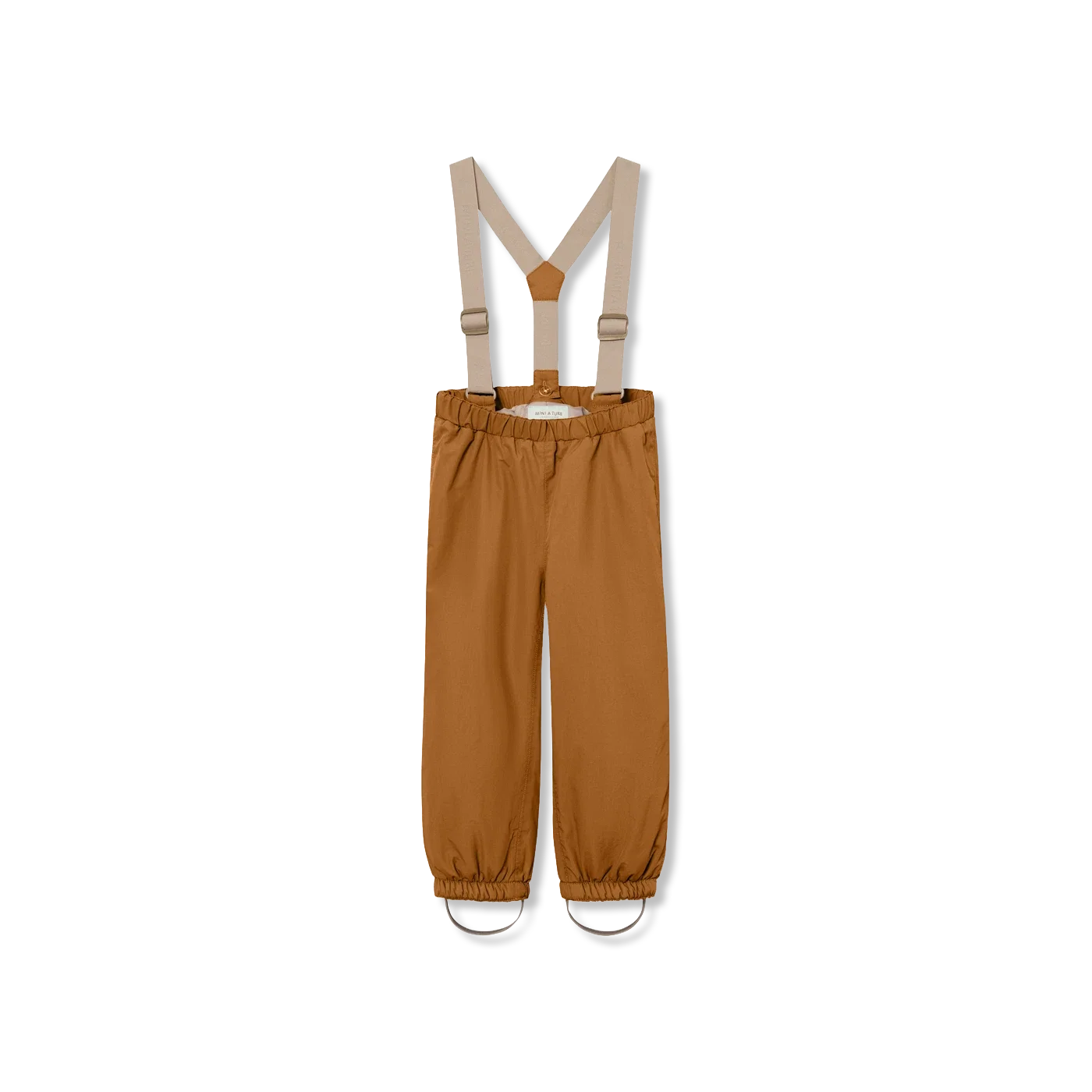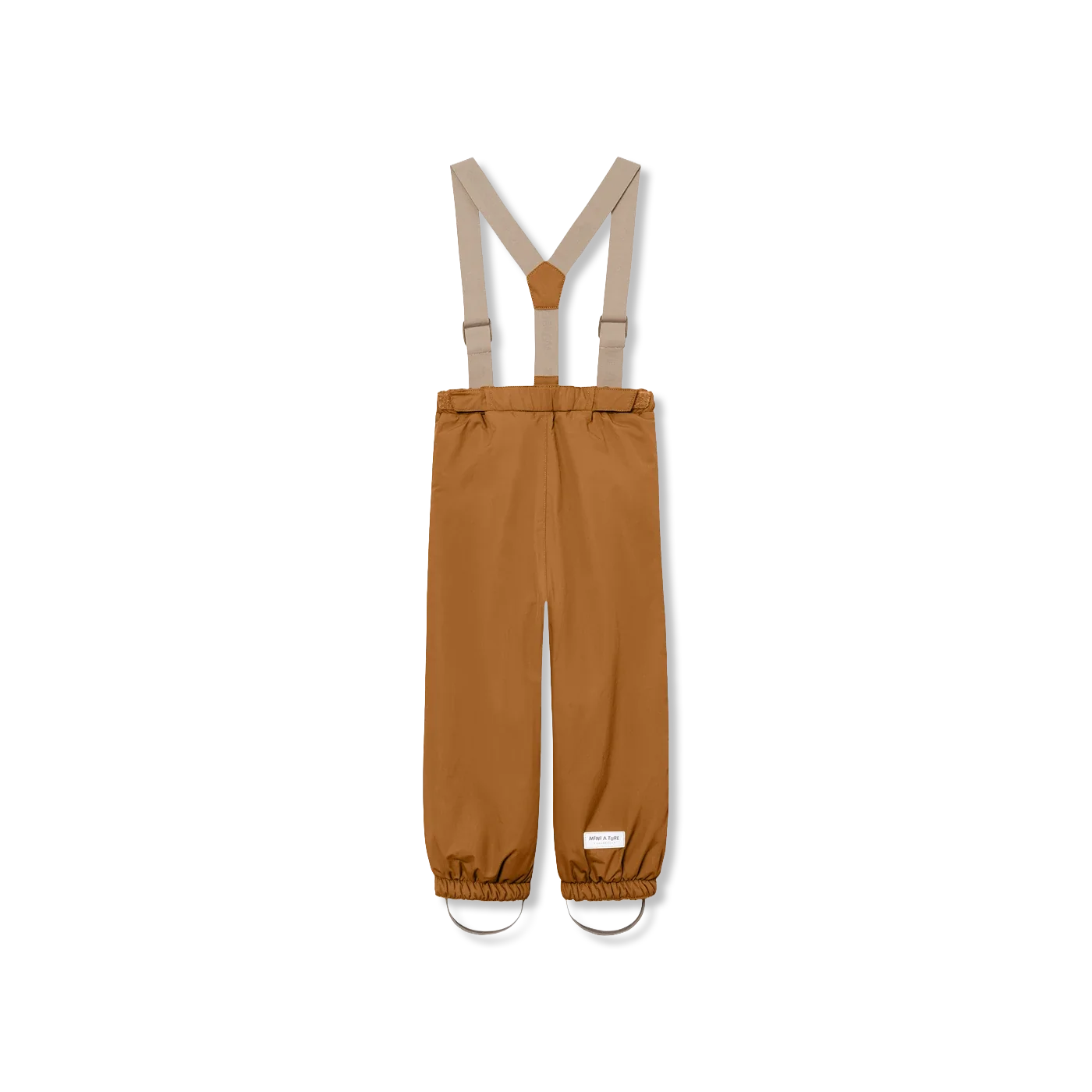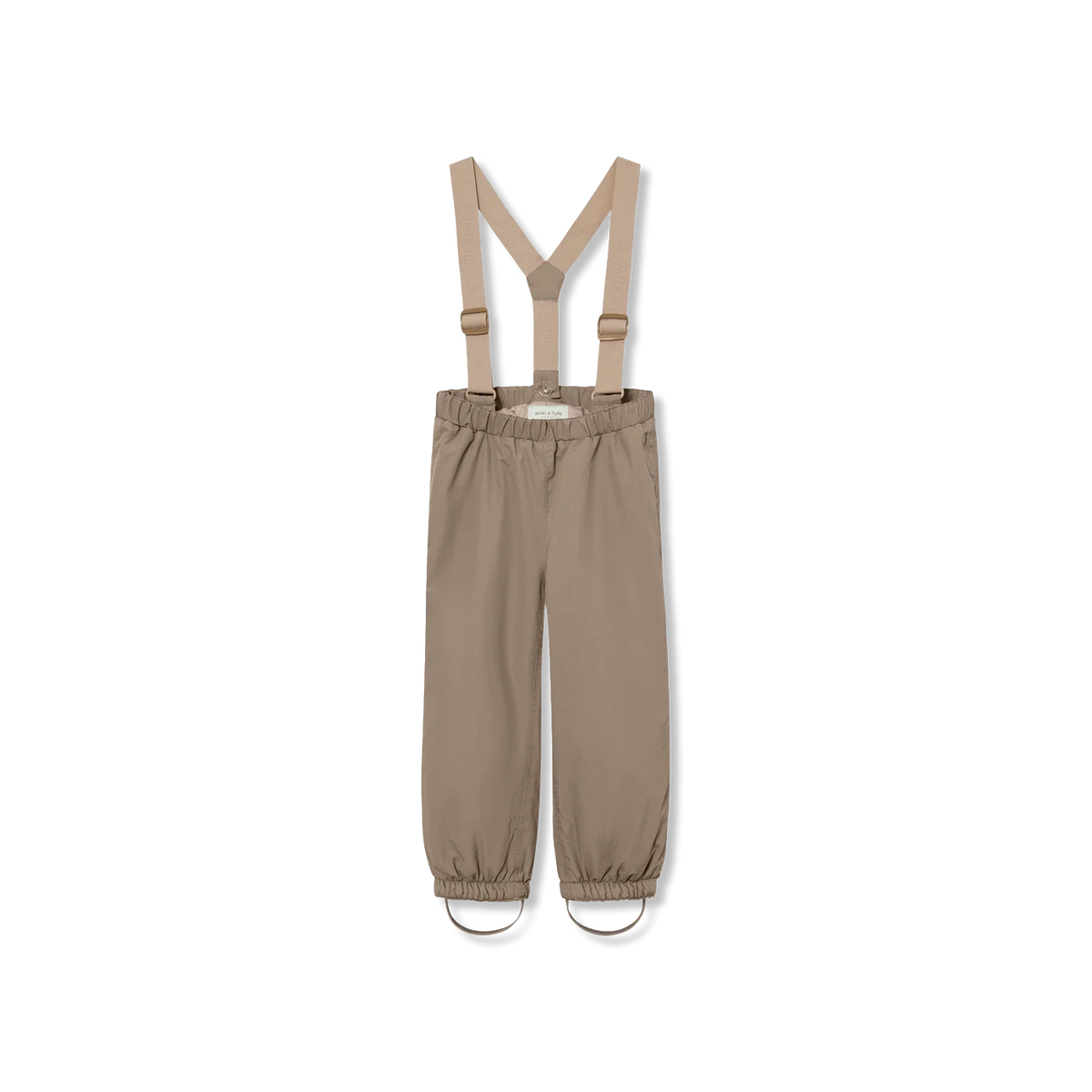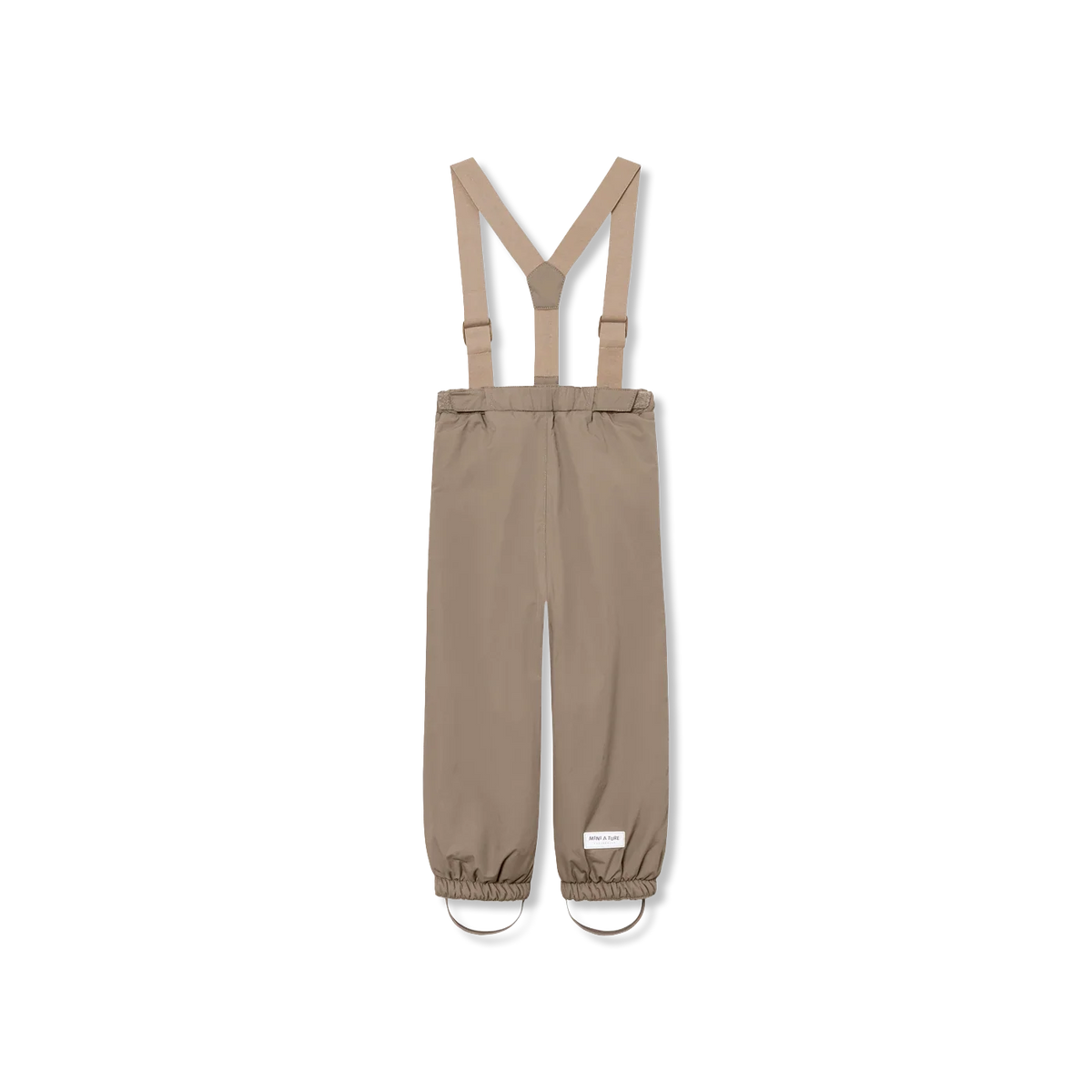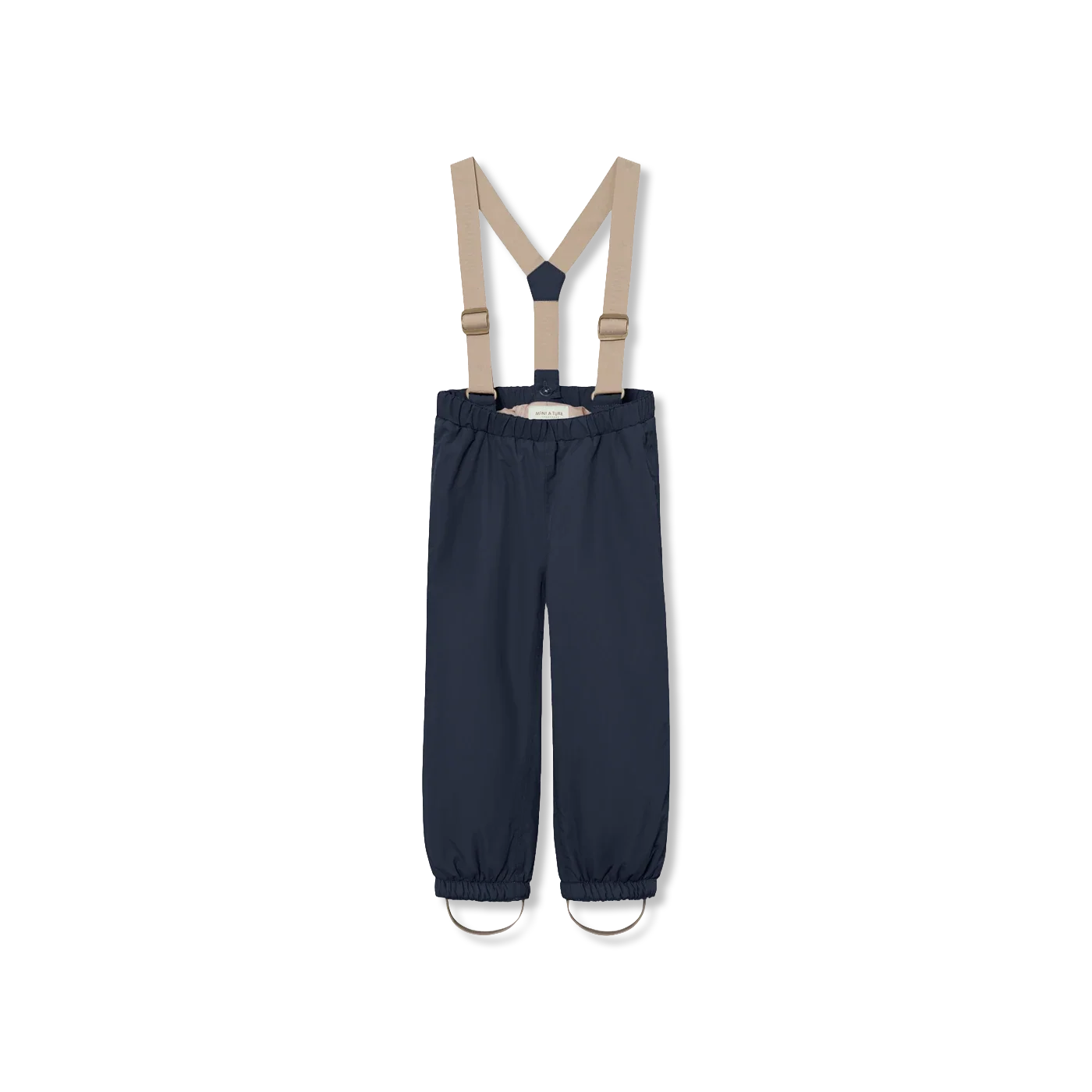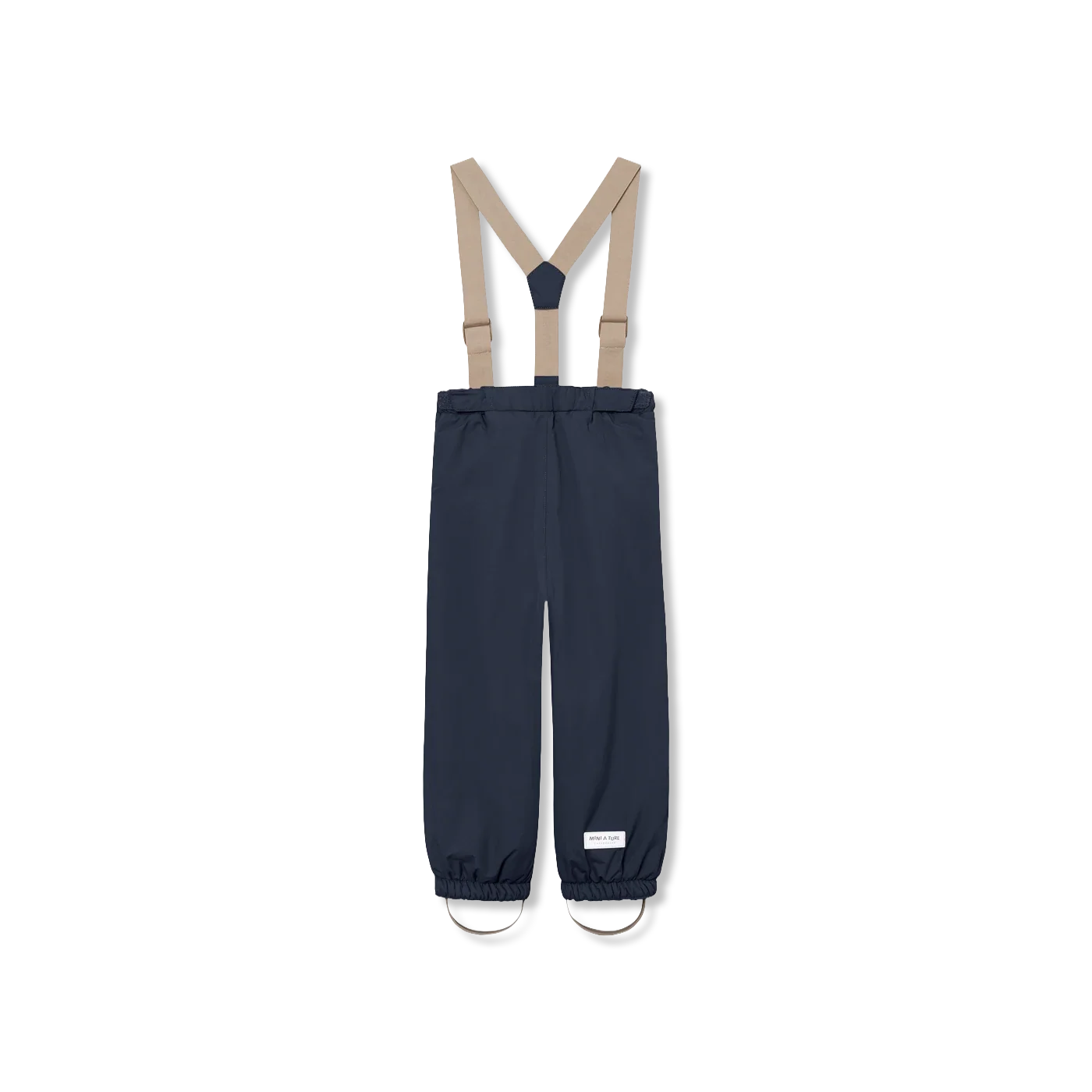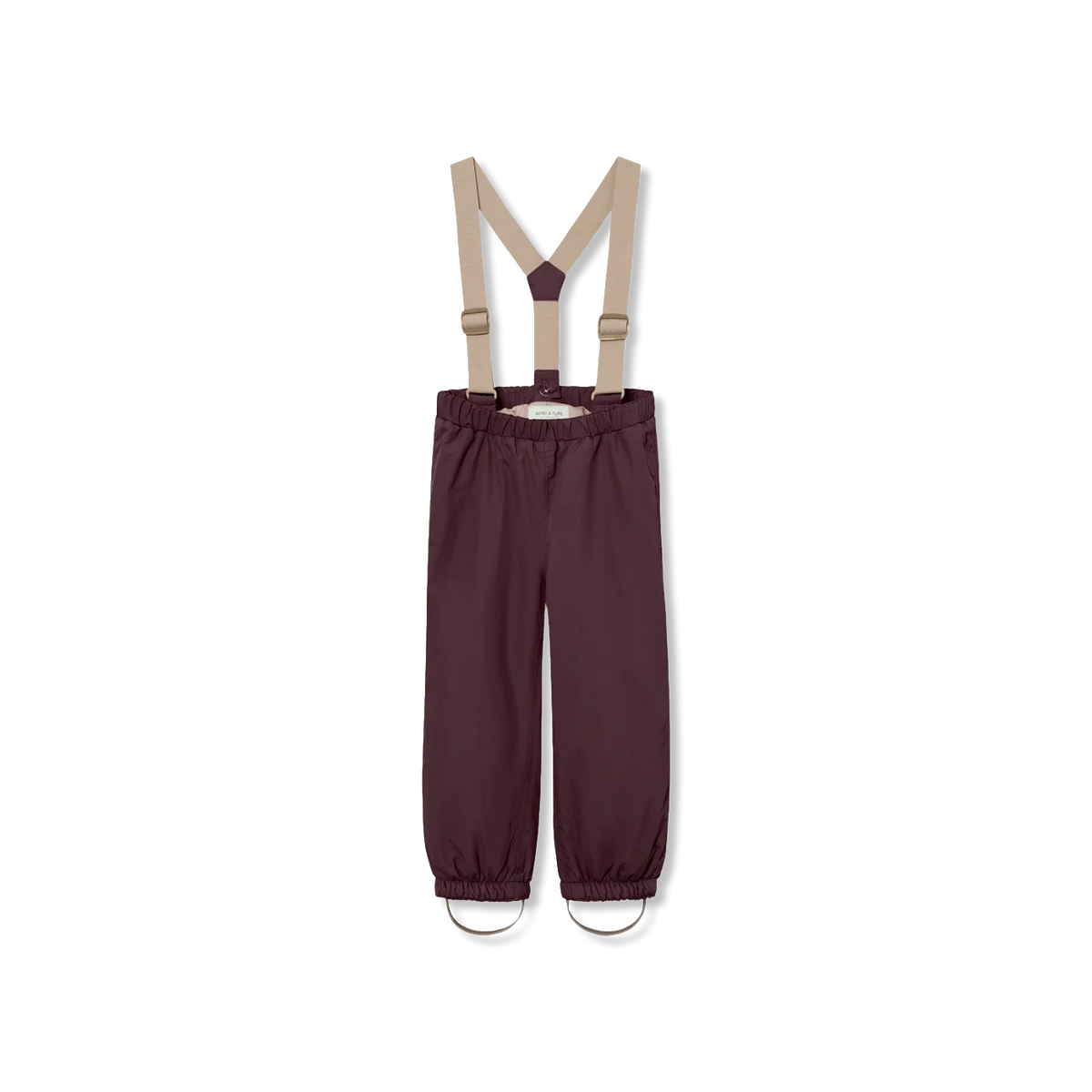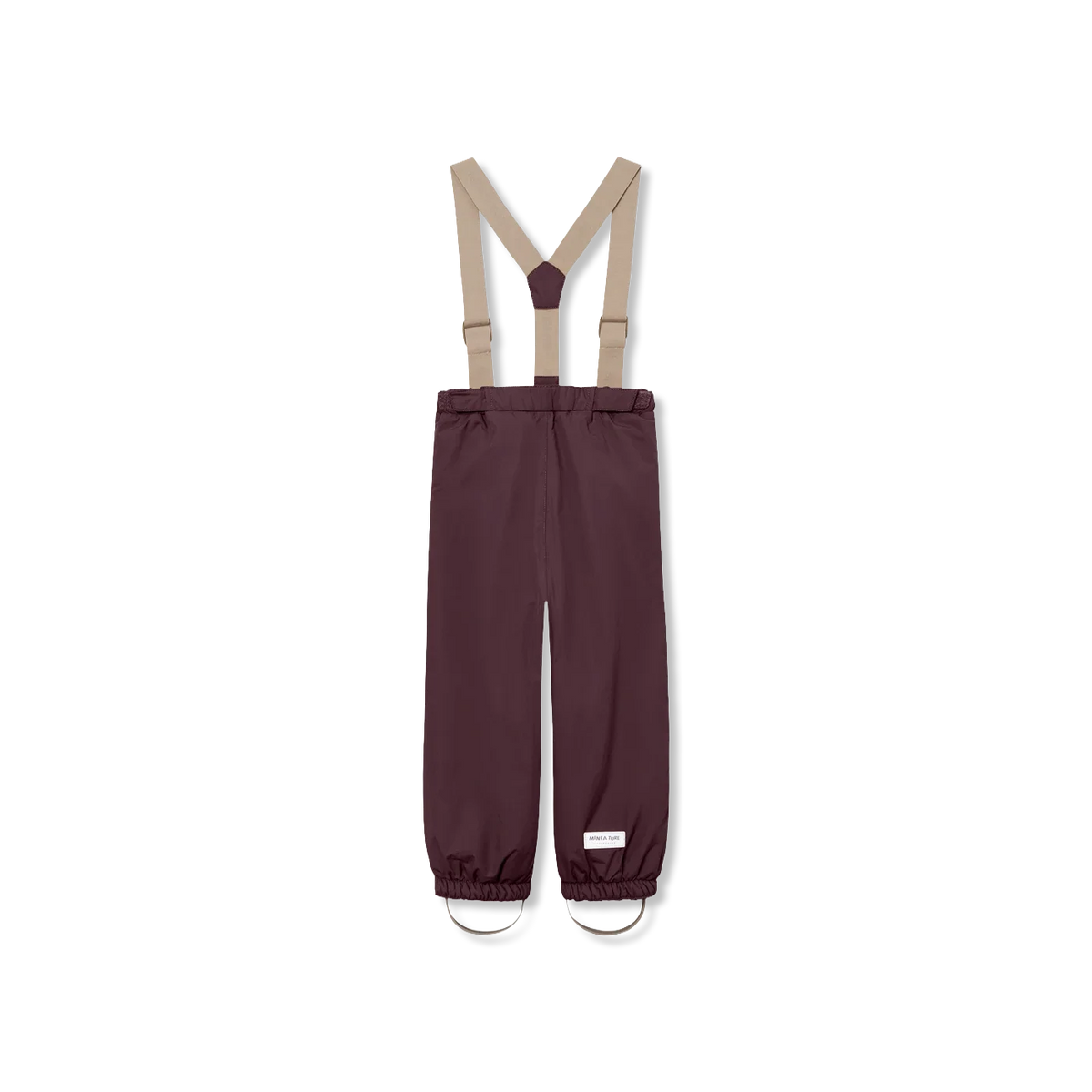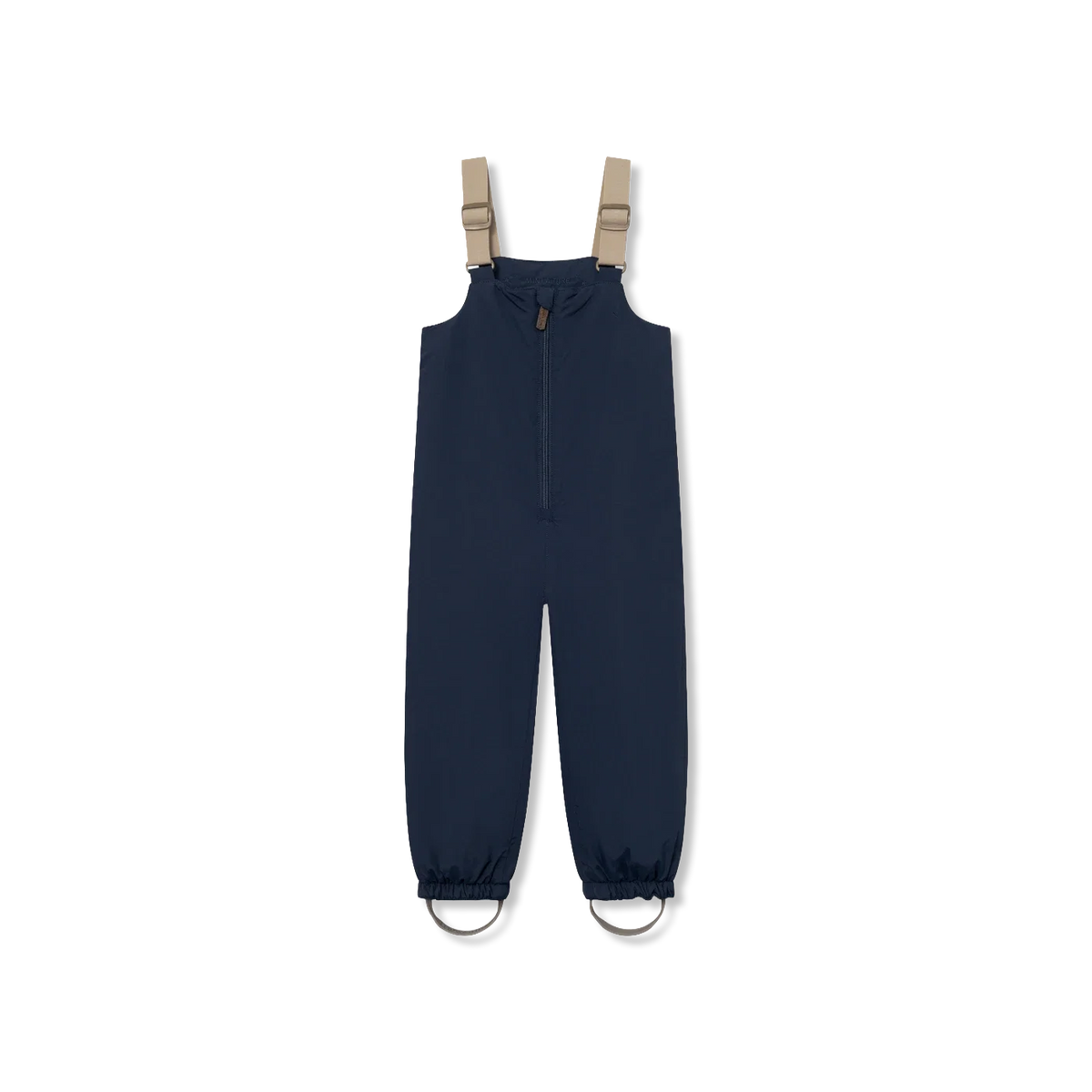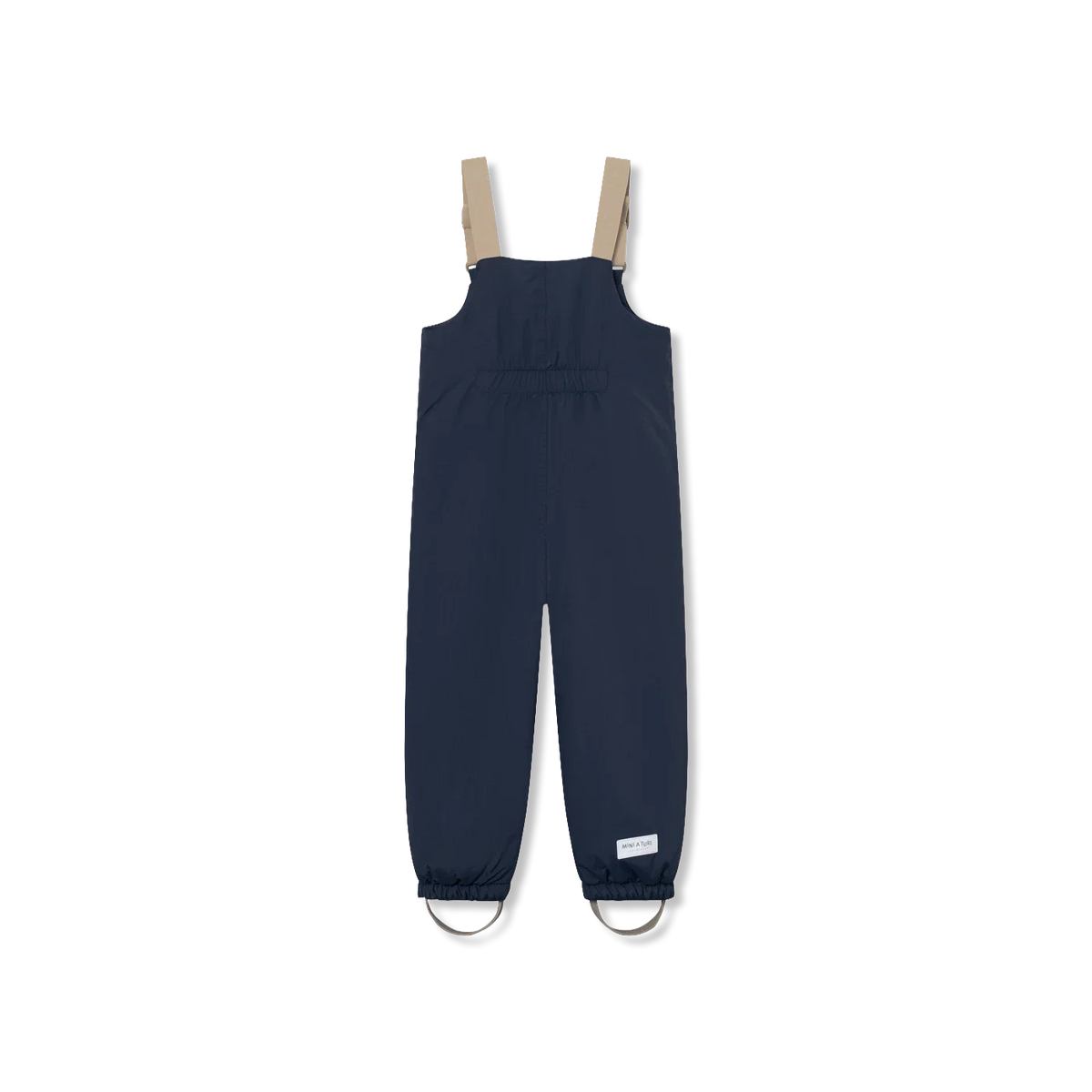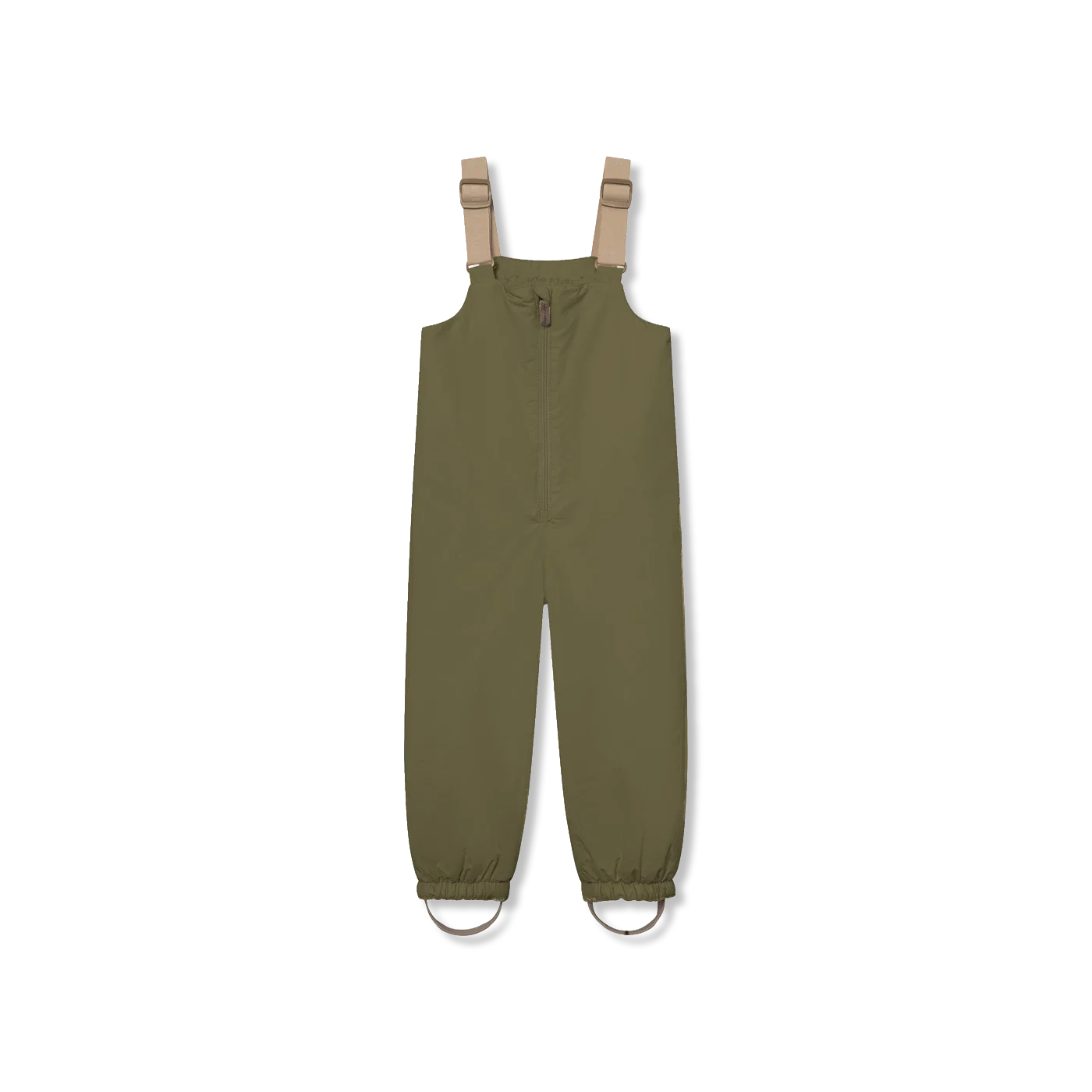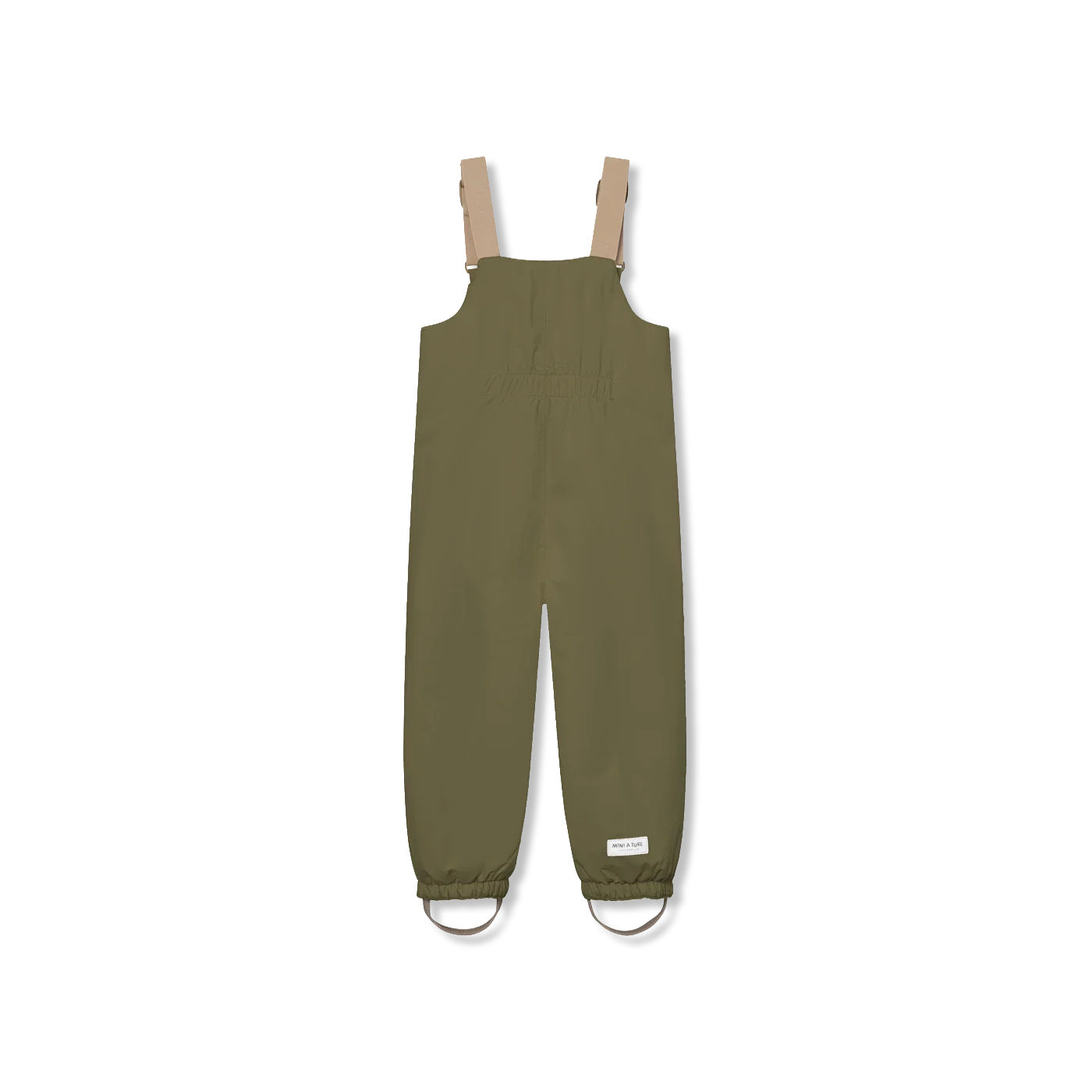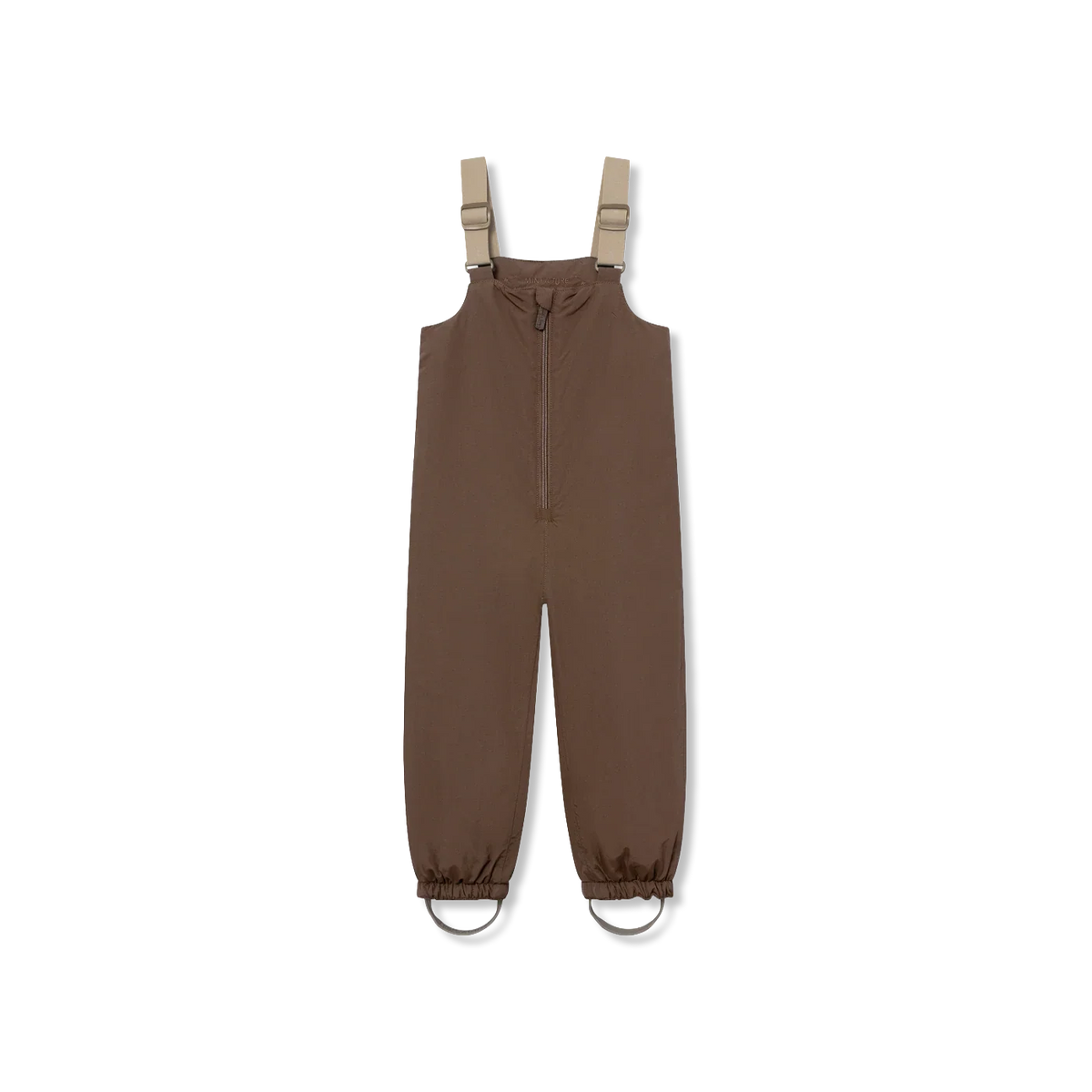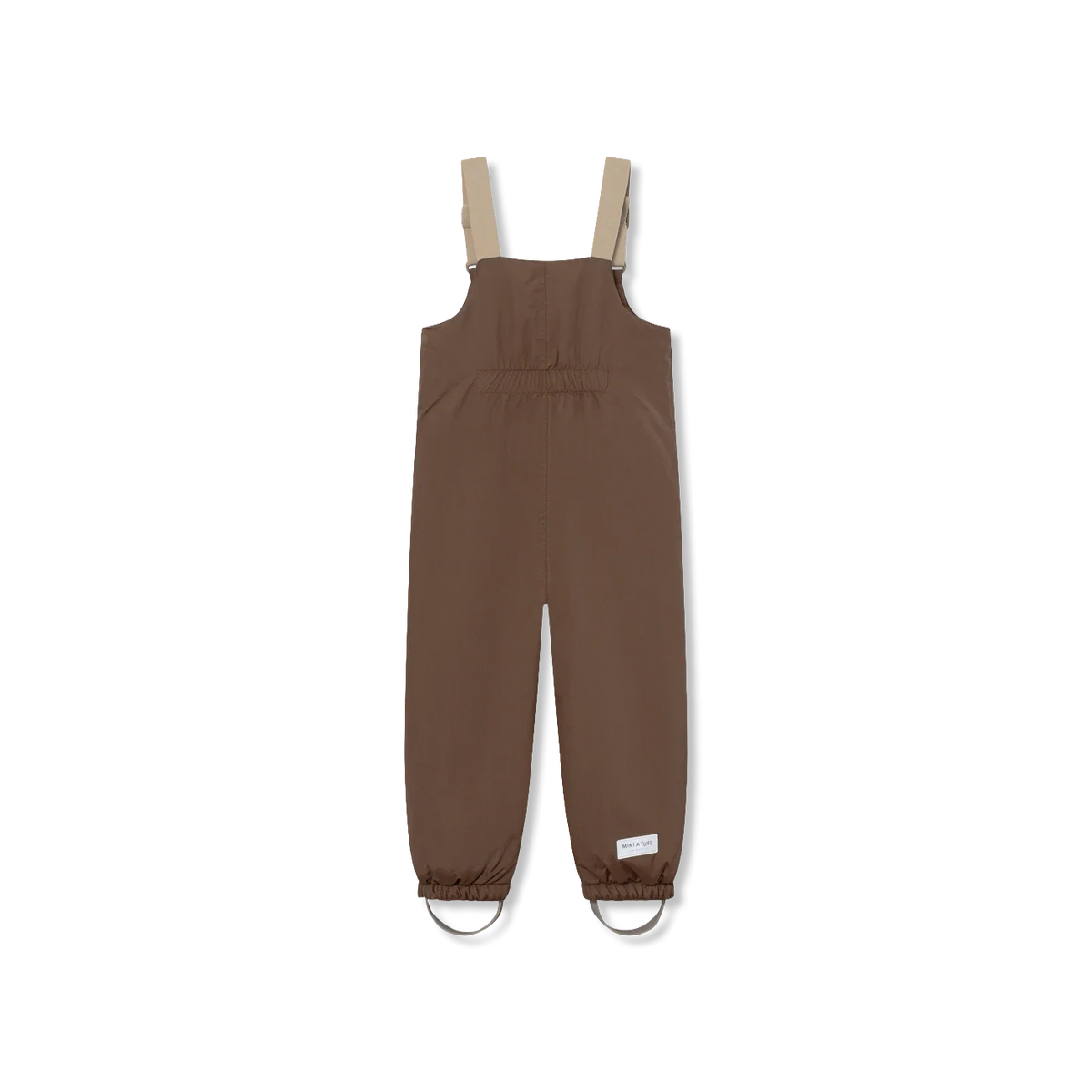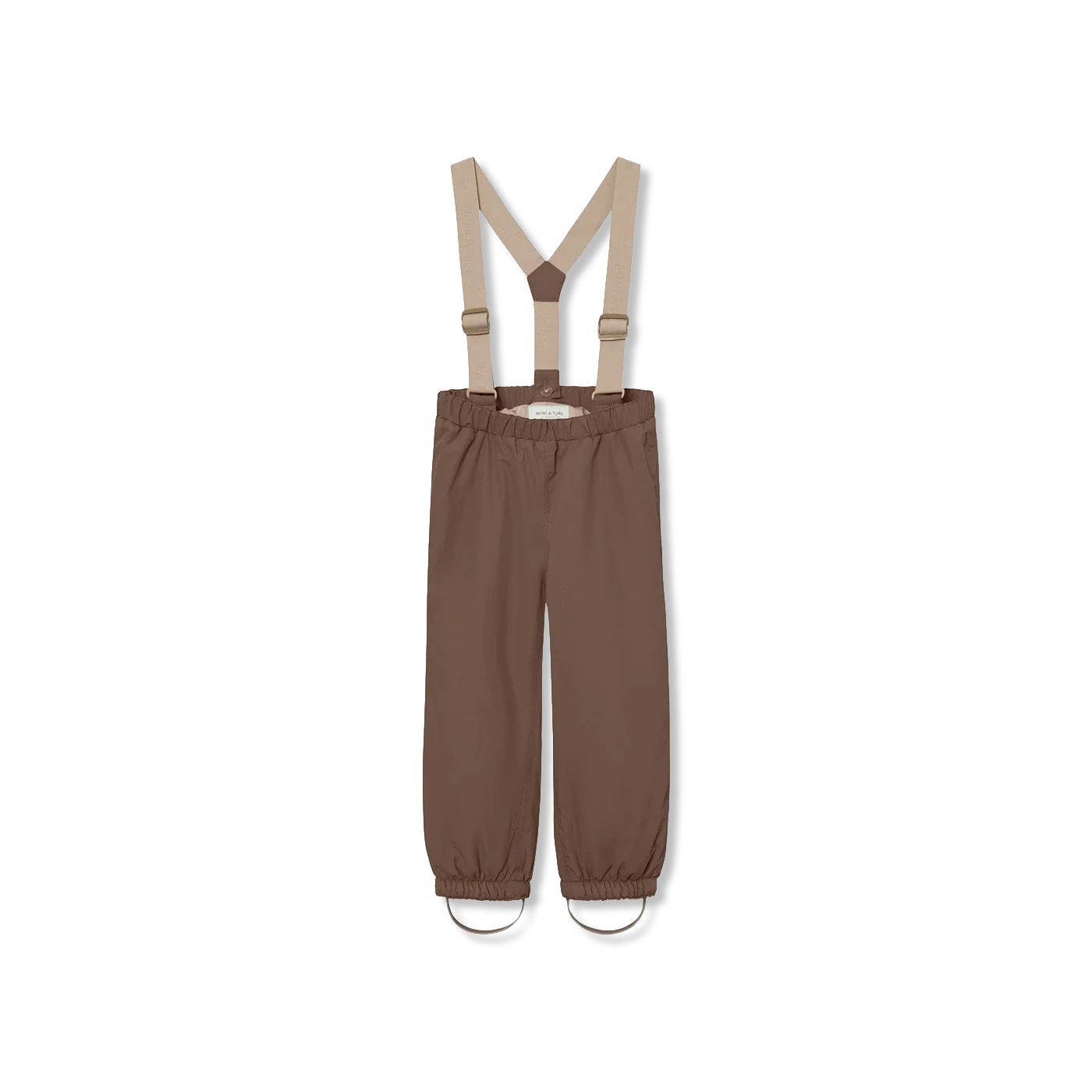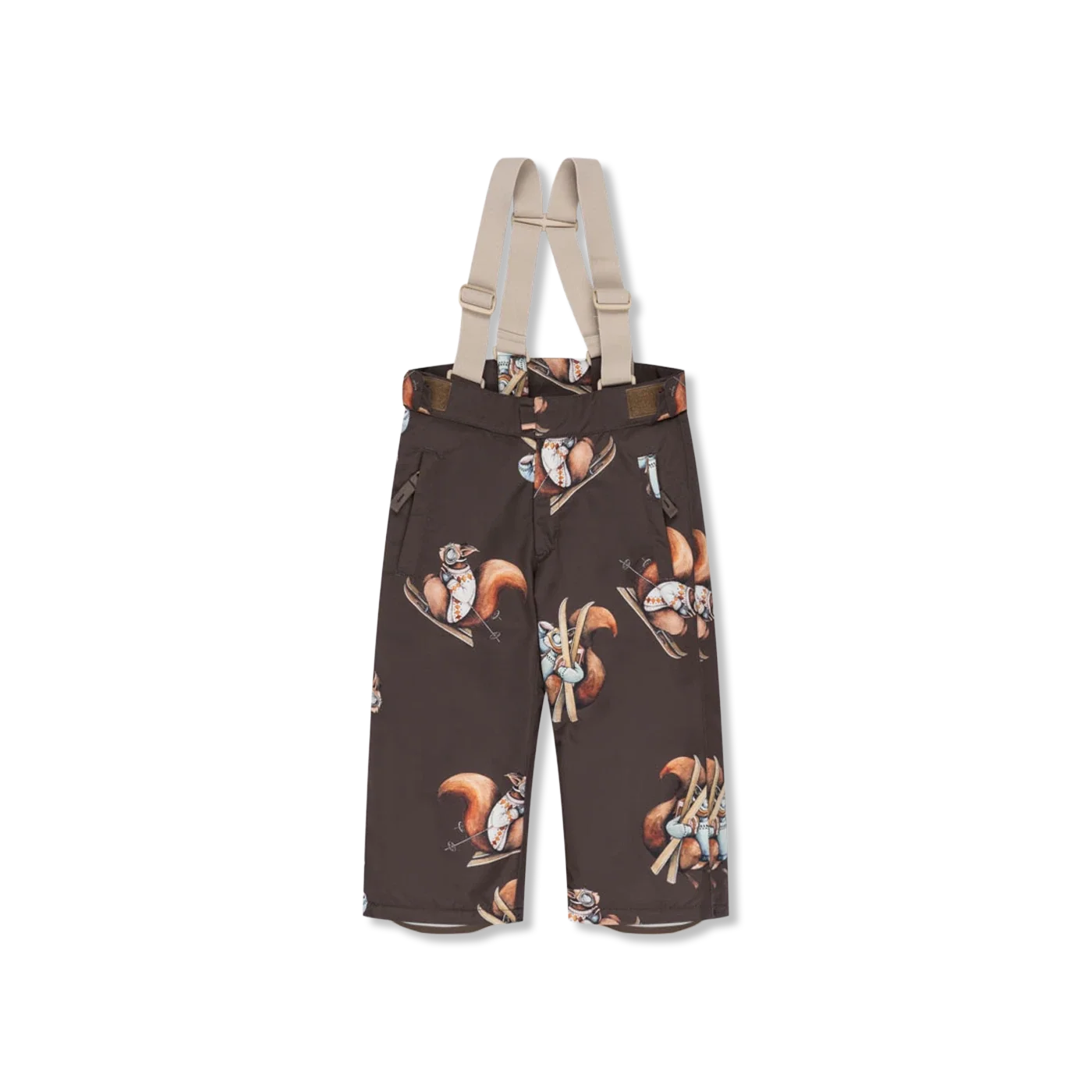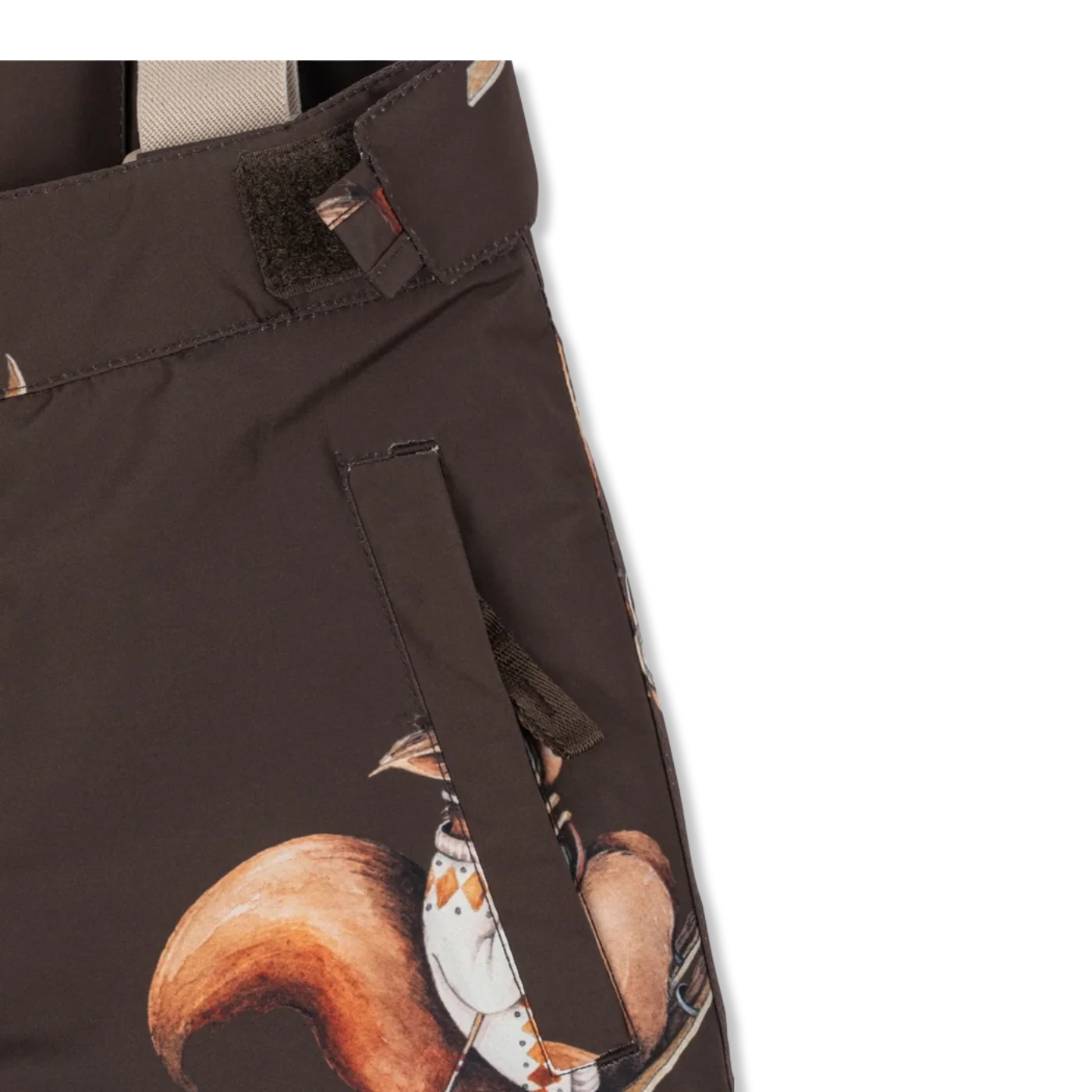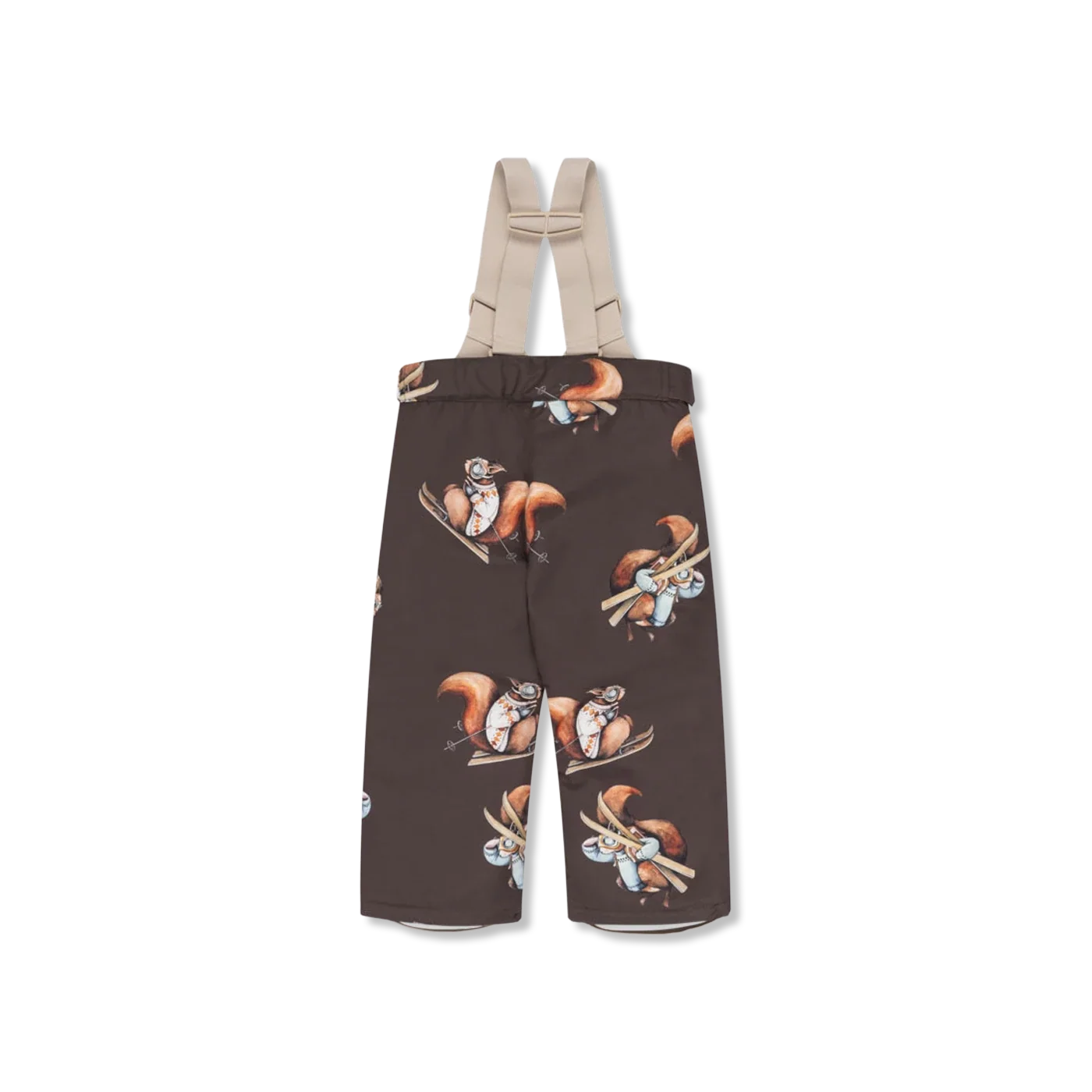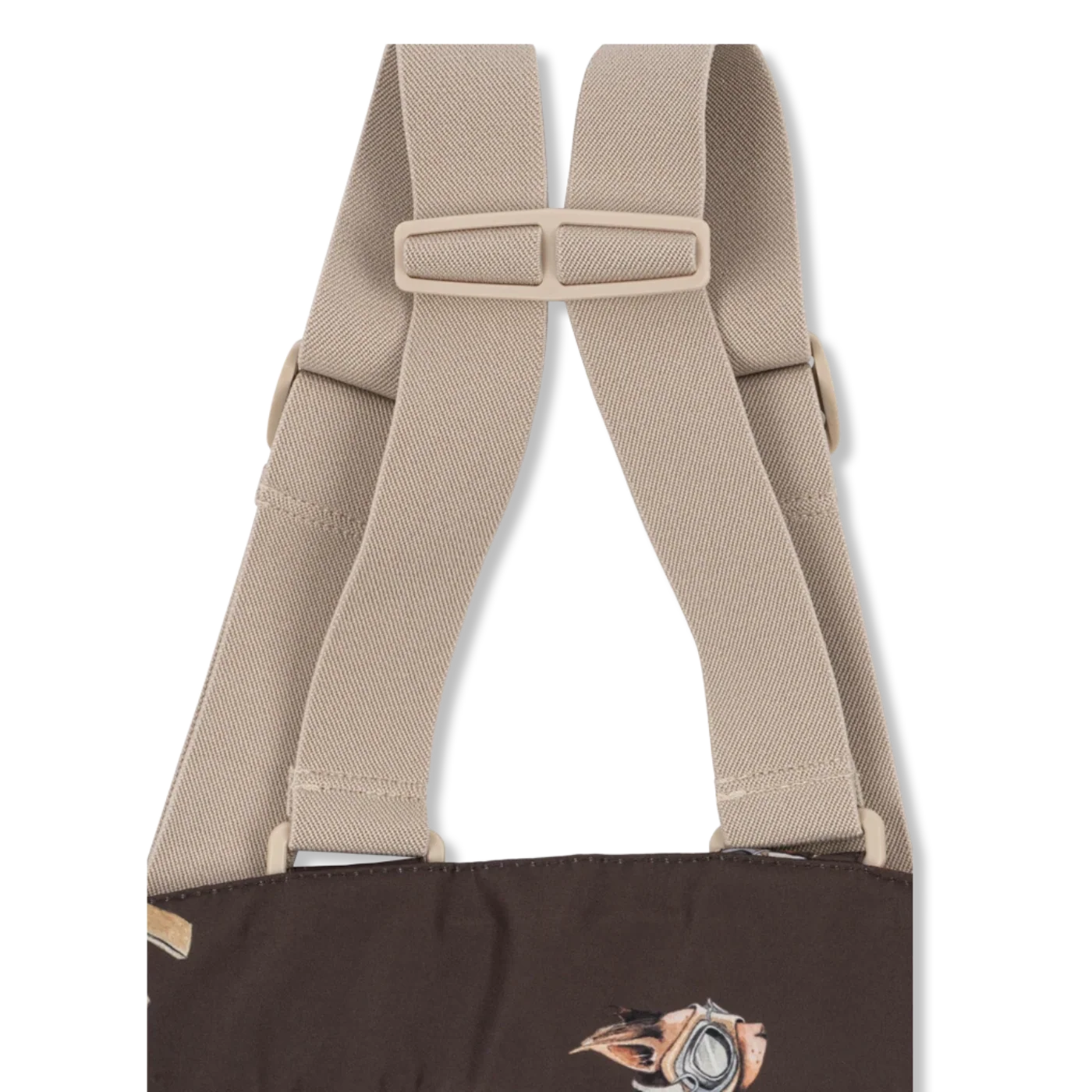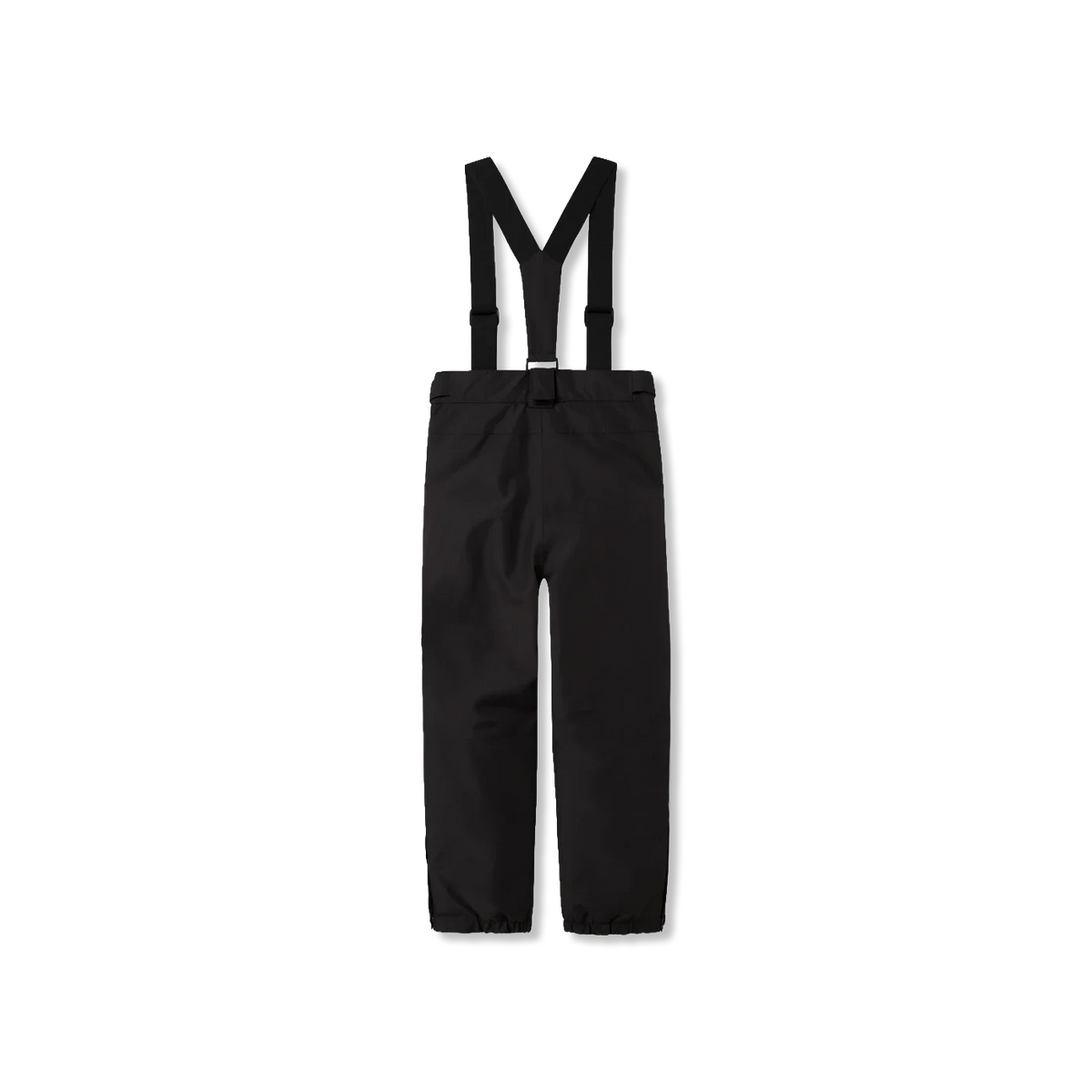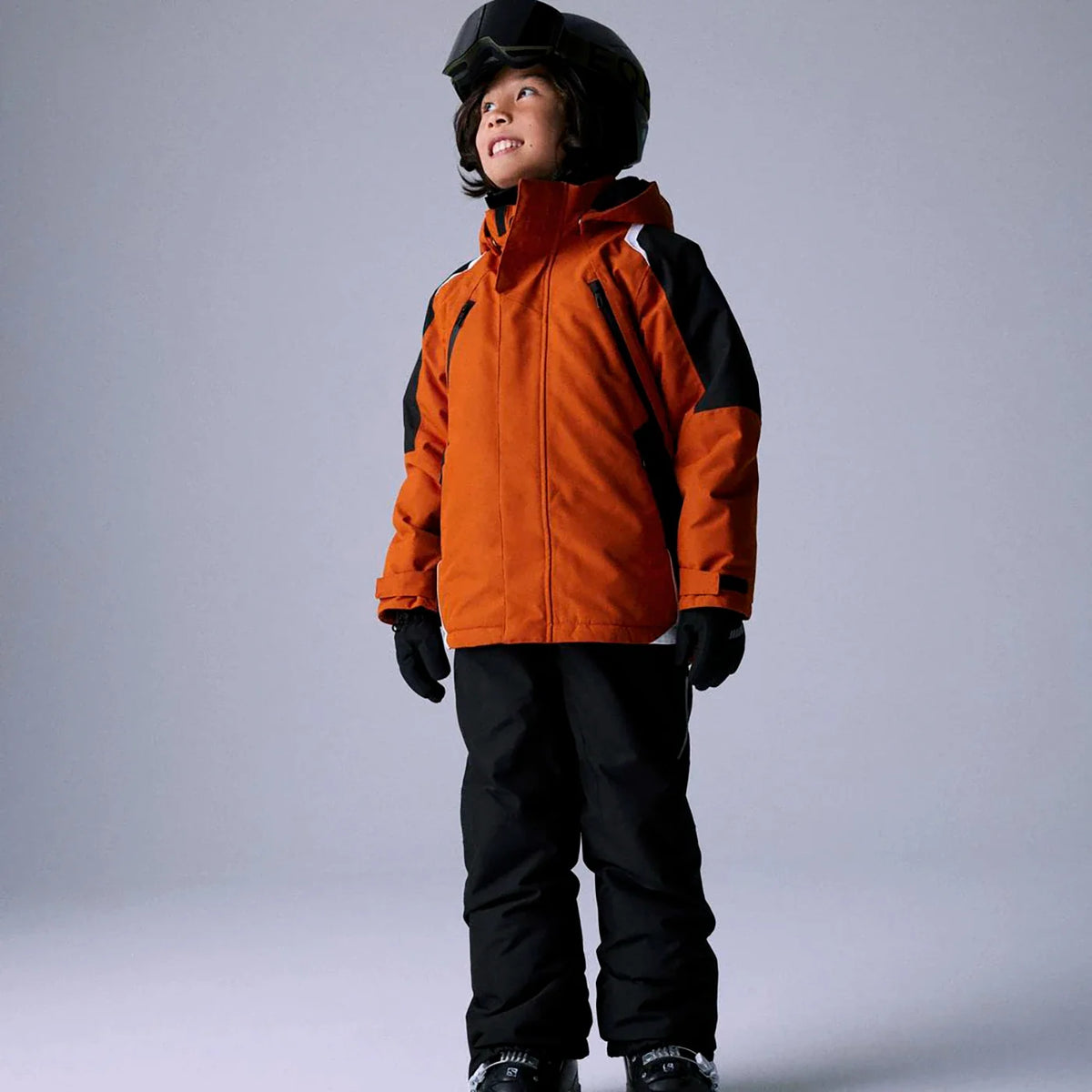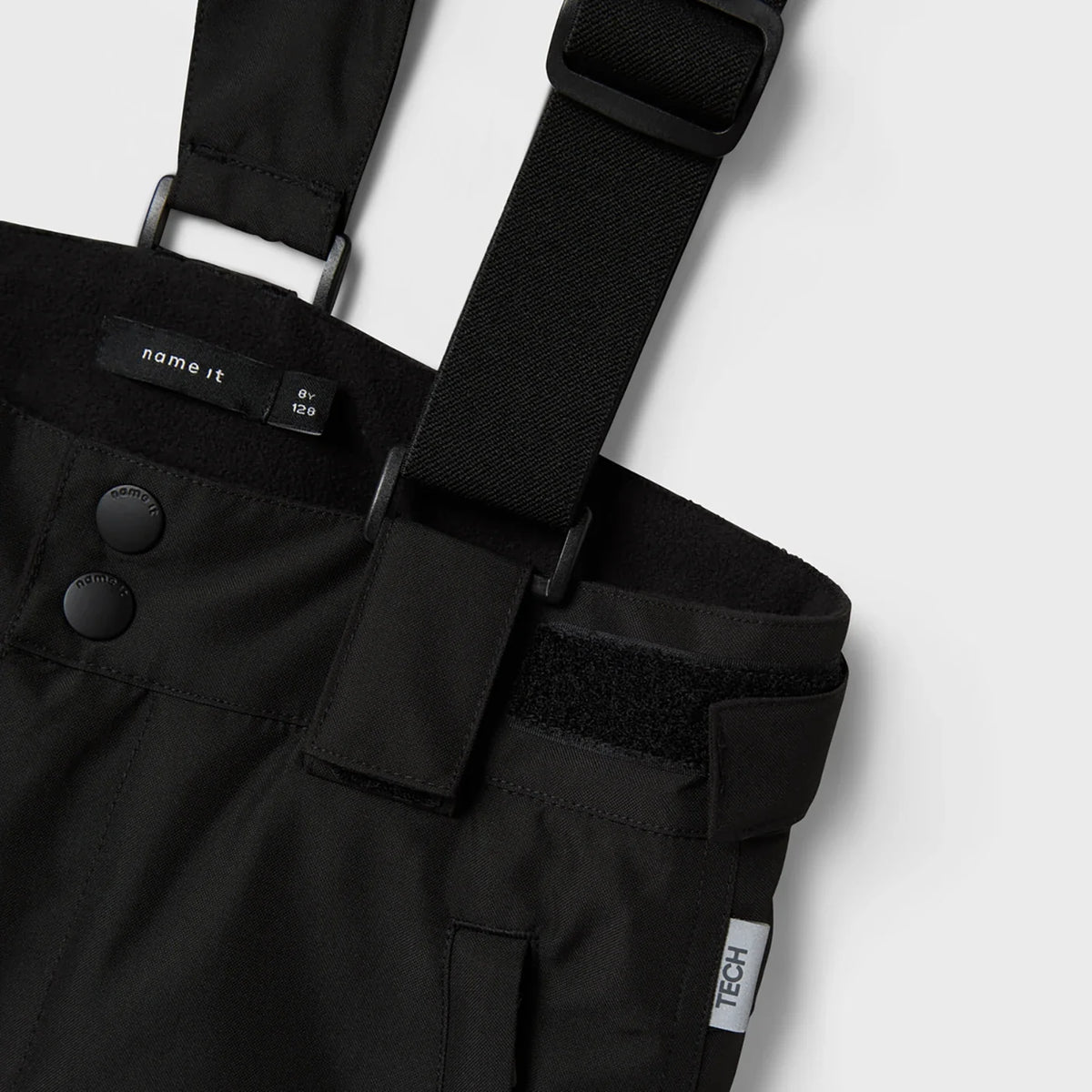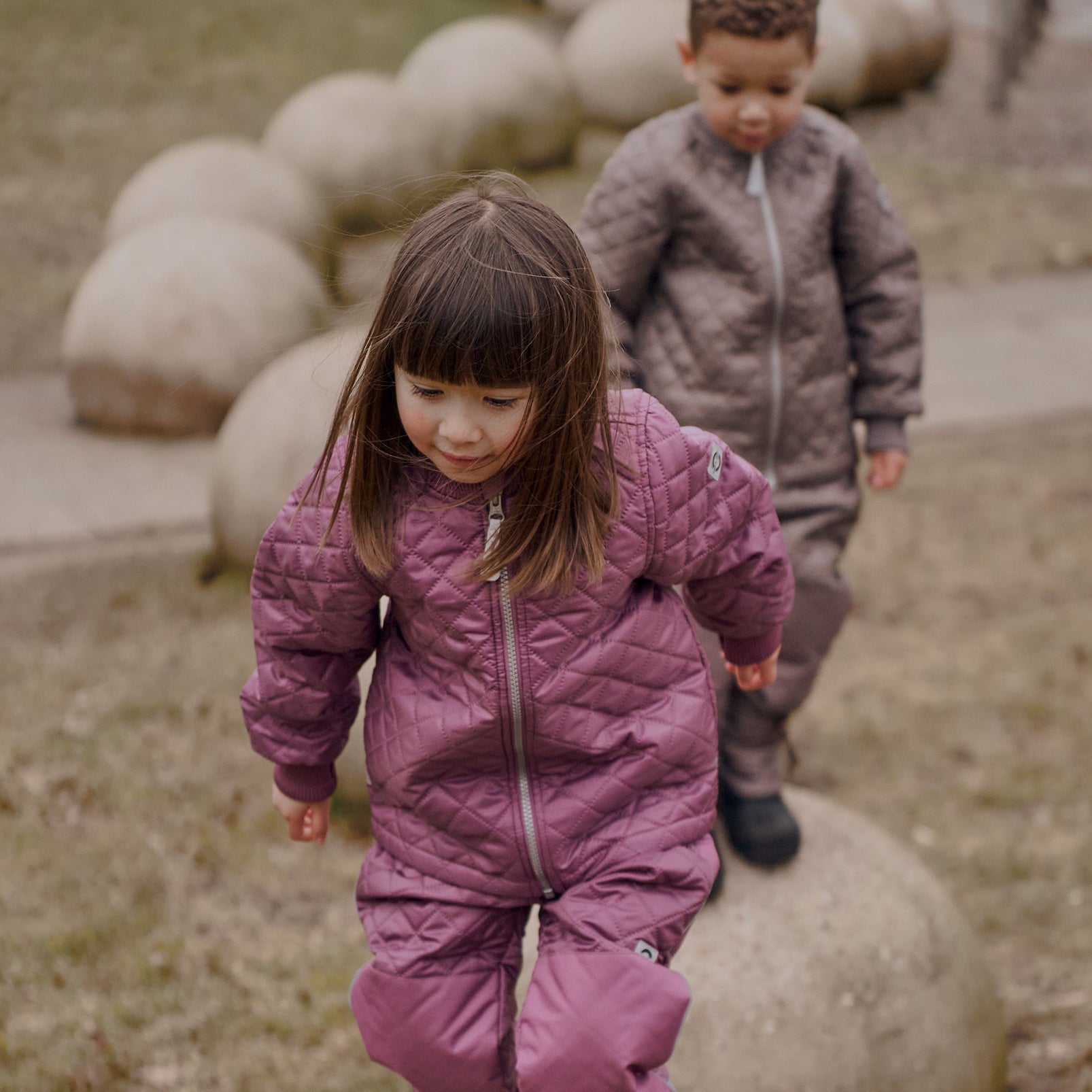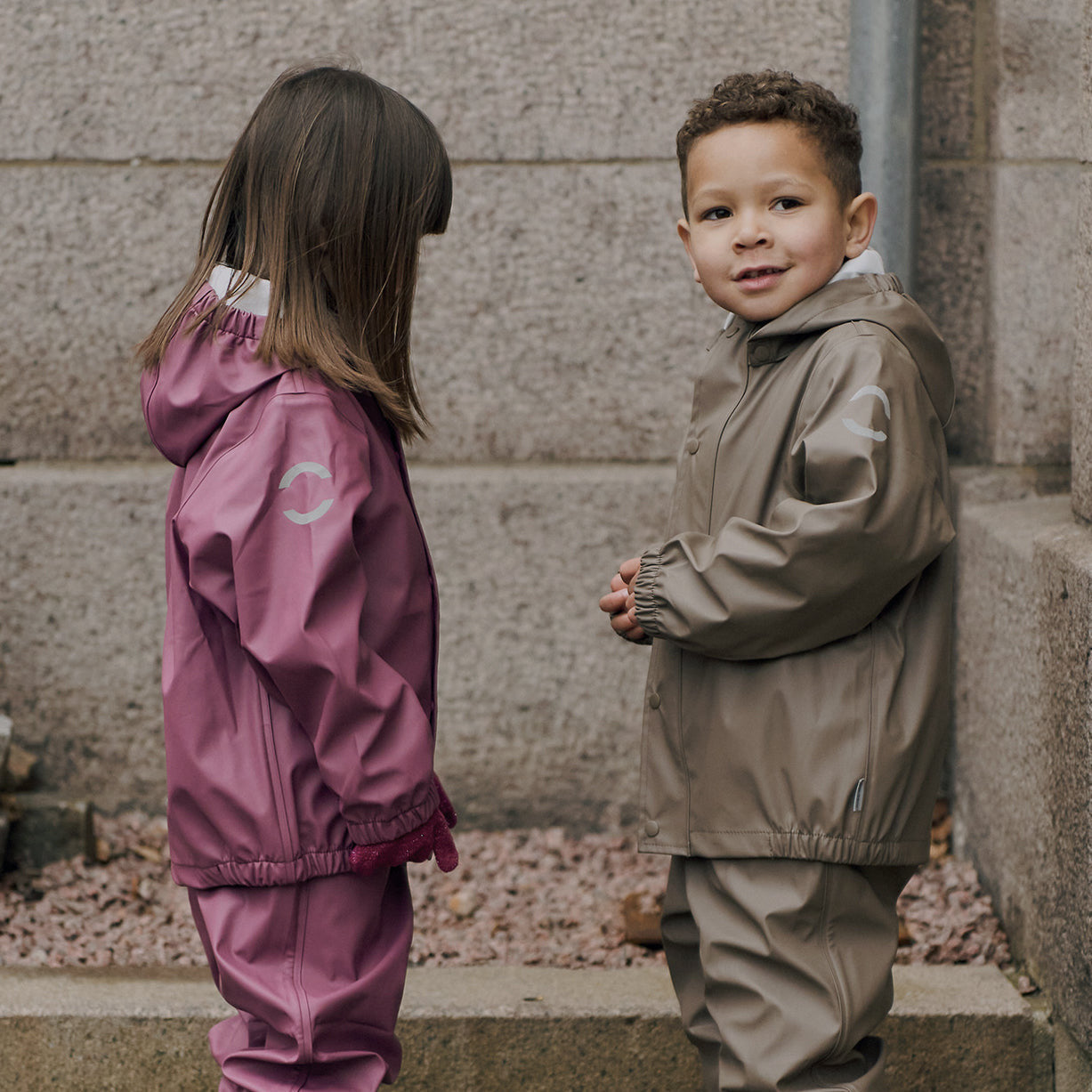
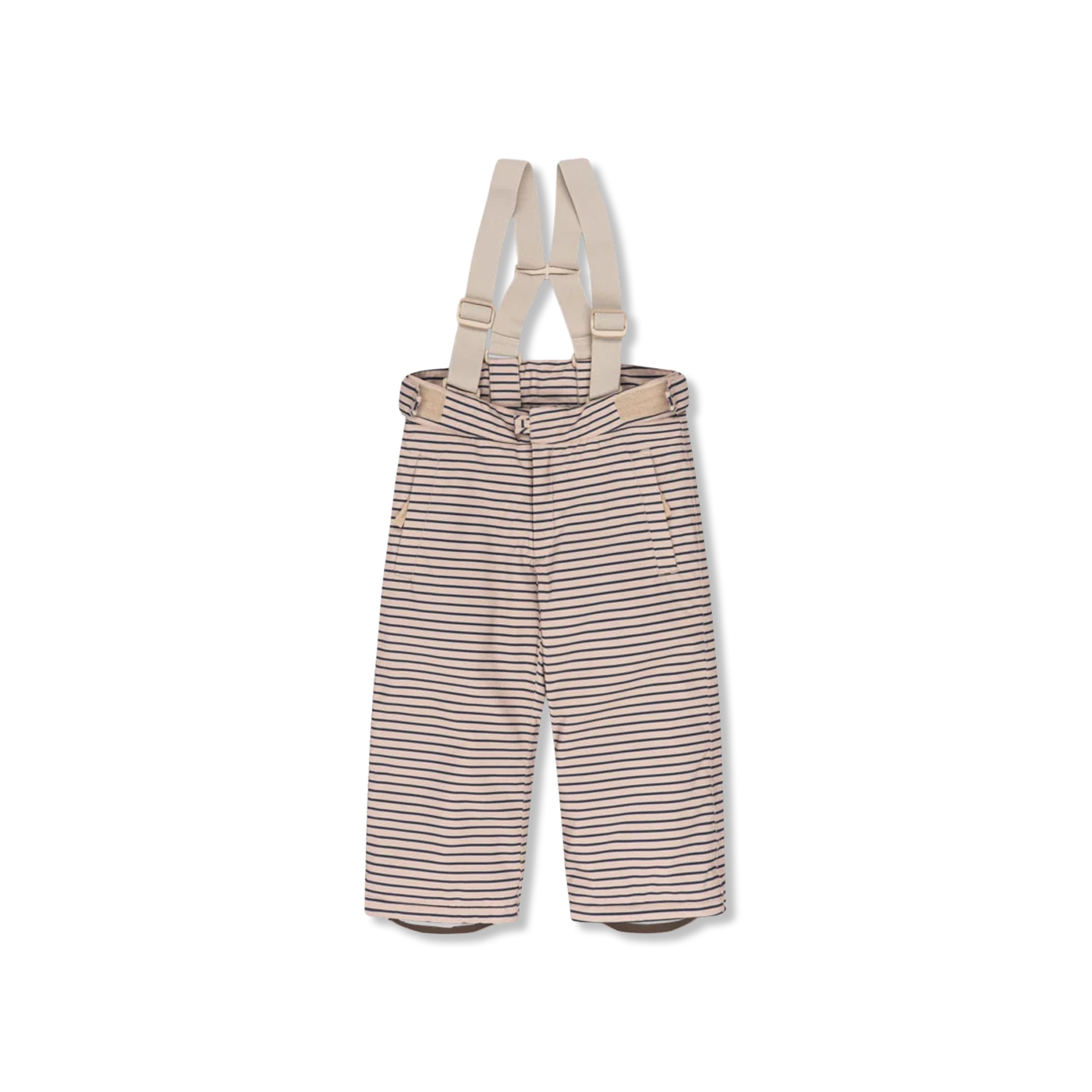
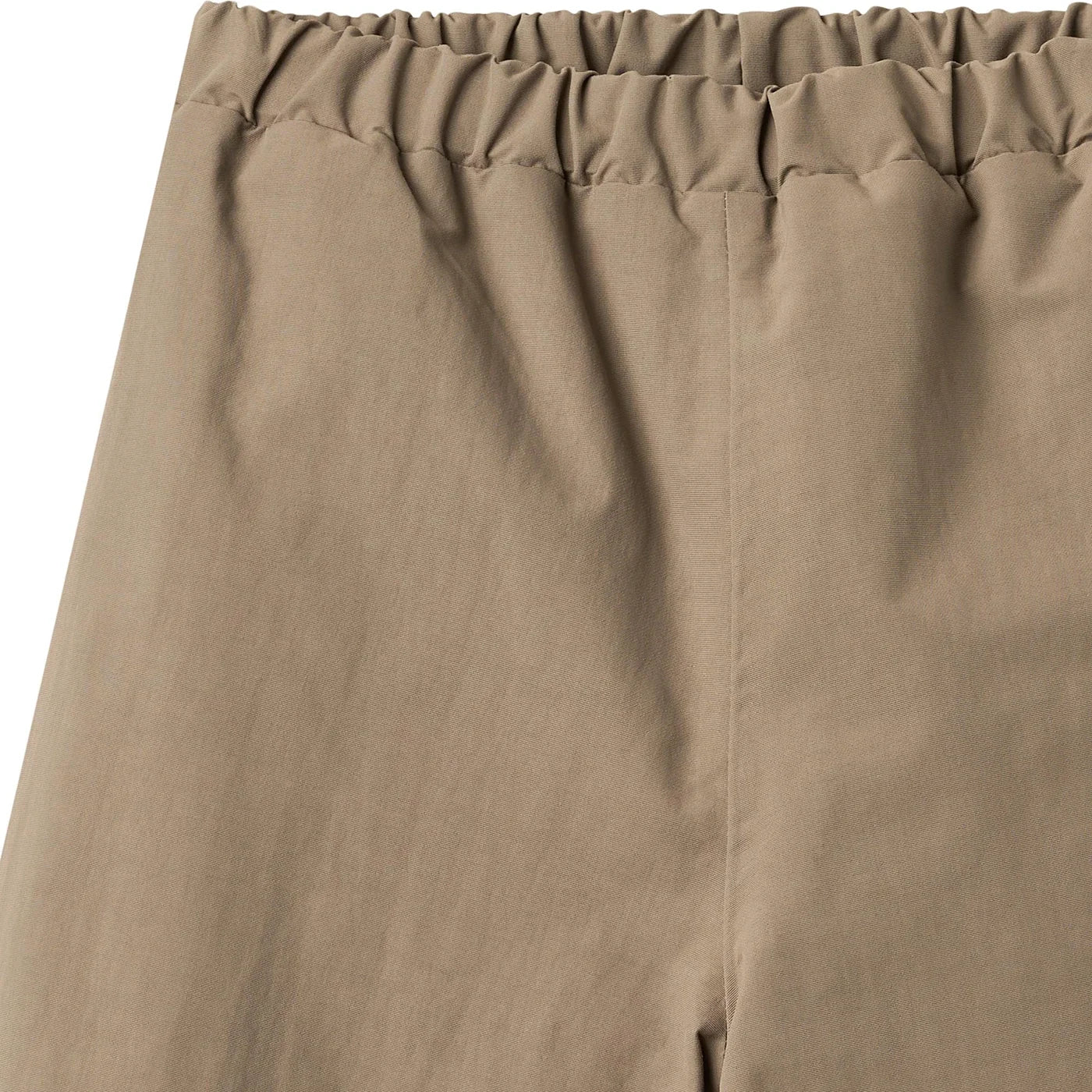
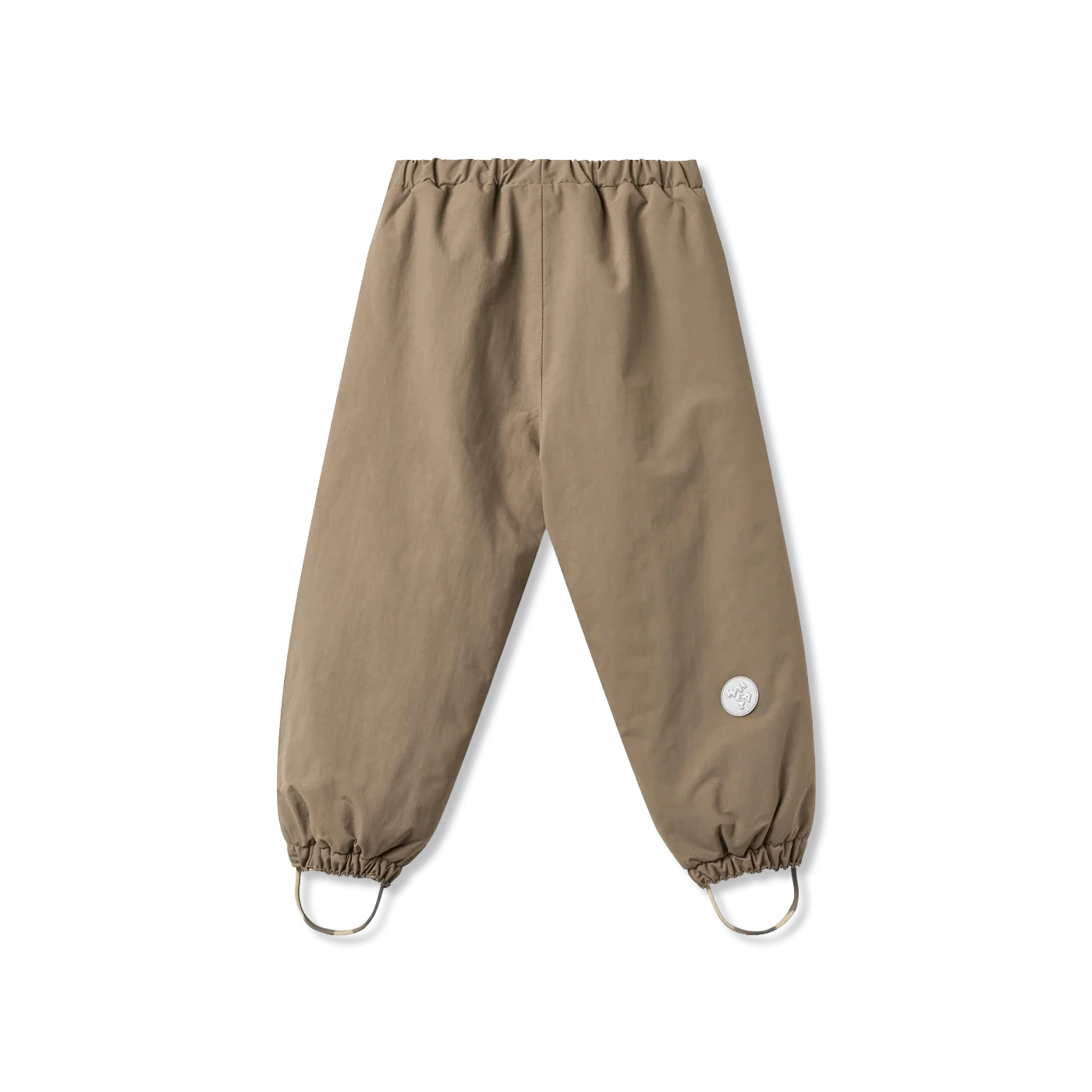
Rain trousers for children who need to keep playing in wet weather
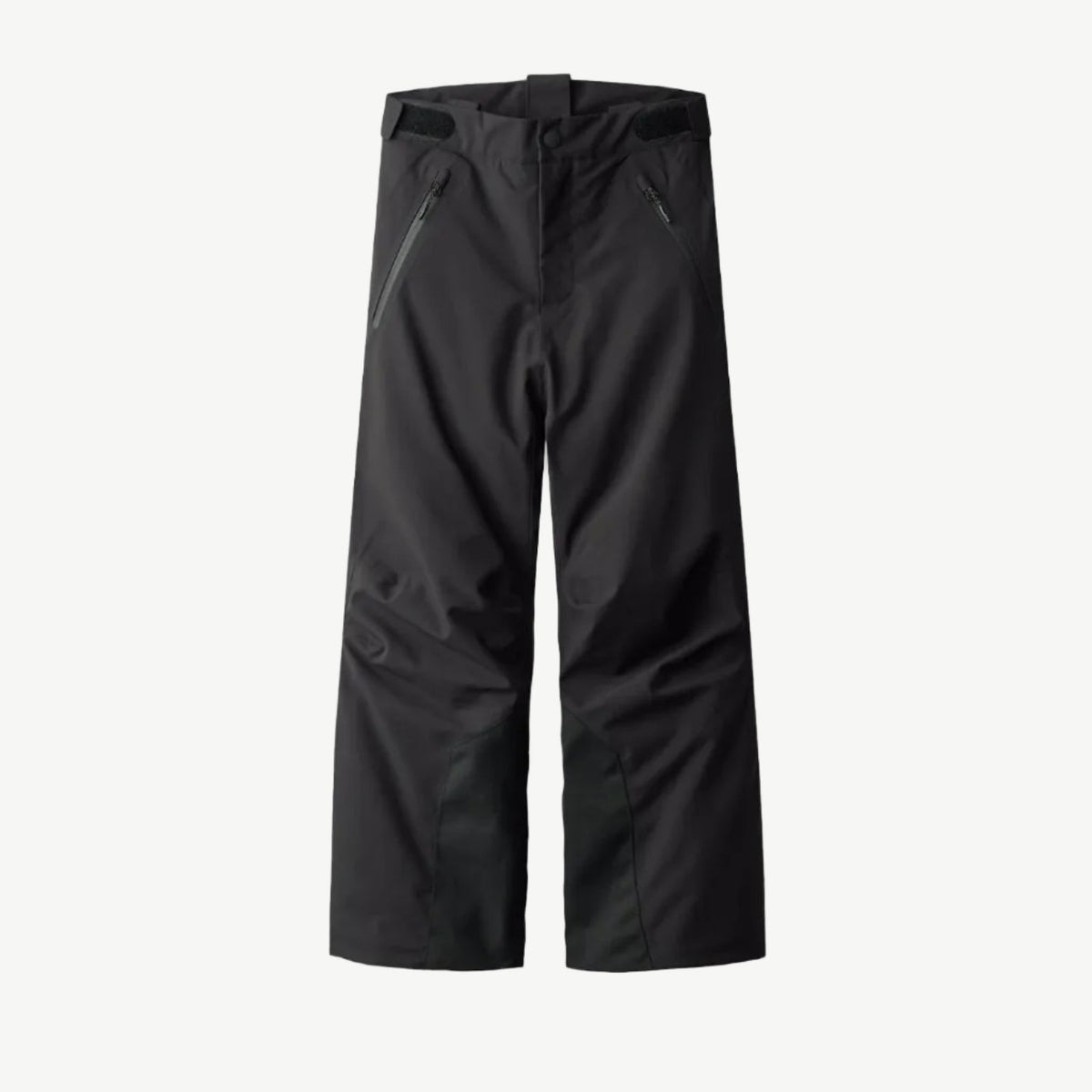
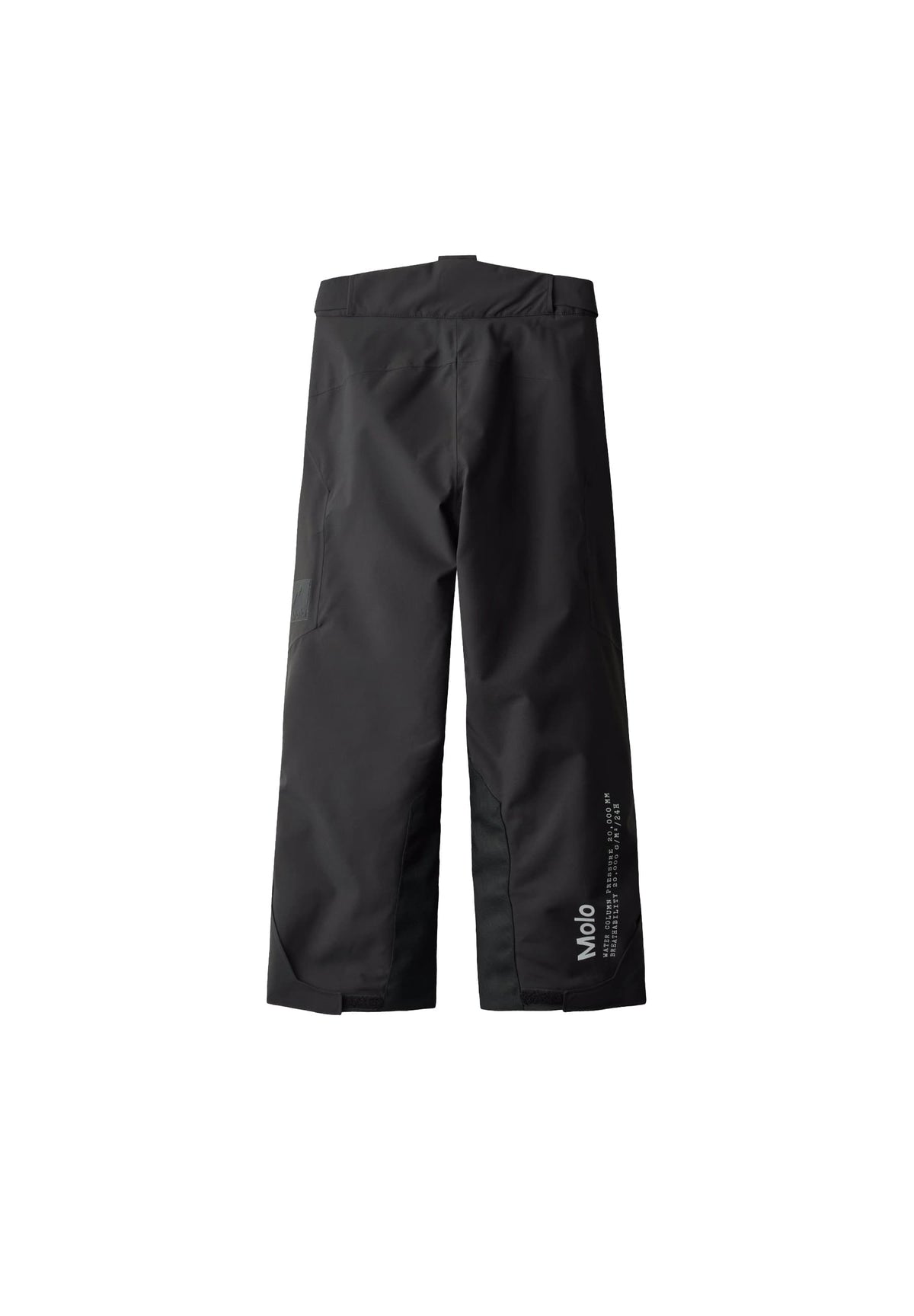
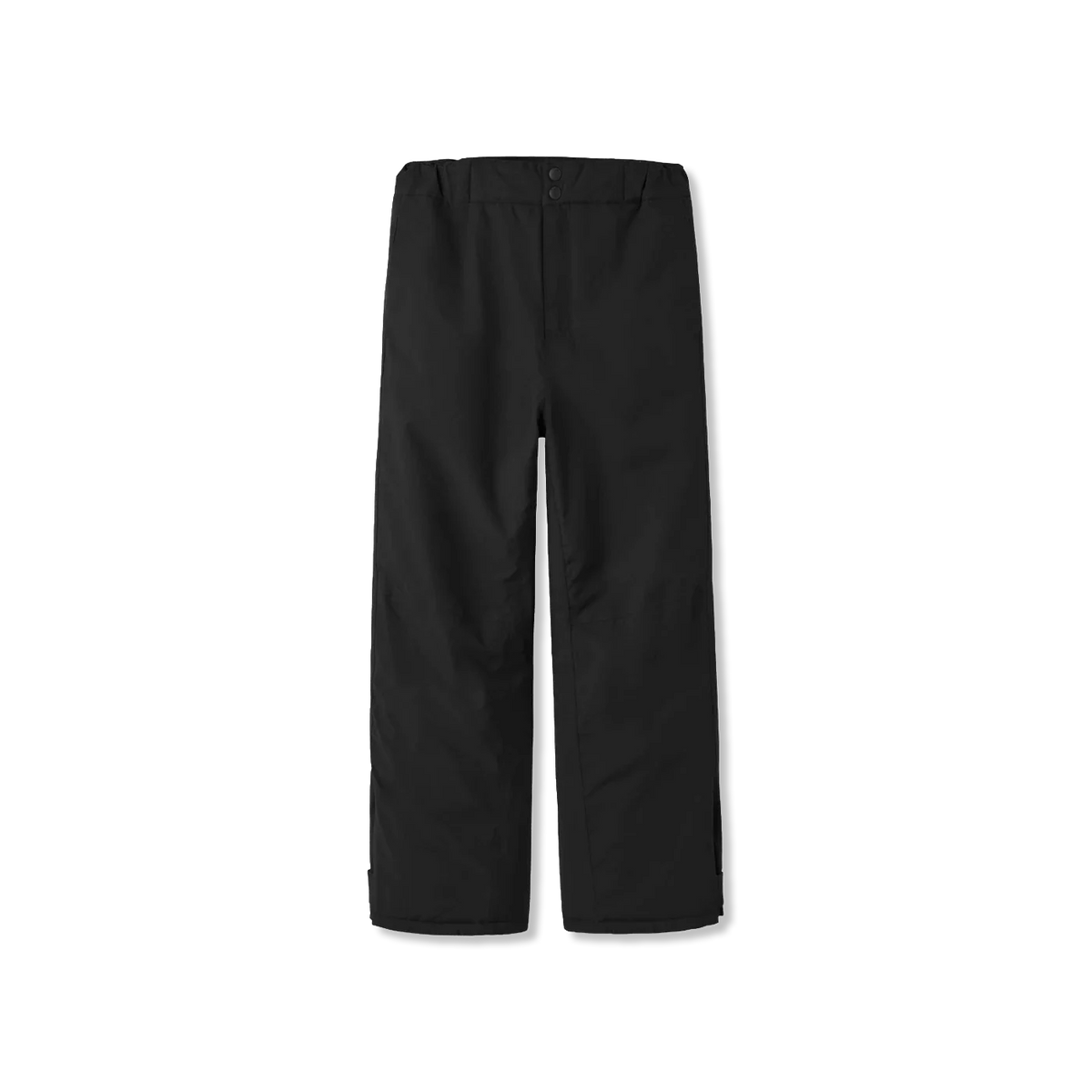
Rain trousers are great to have when your child is heading out into rain, mud, slush and wet playgrounds without ending up with cold, soaked legs. They are worn over everyday clothing and add an extra protective layer over trousers, leggings or tights. For many families, they are exactly what makes the difference between a quick trip outside and long, happy play in all kinds of weather.
Here you will find rain trousers for different ages and needs – from the youngest children who need extra protection around the feet, to older kids who need to move freely at nursery, in the playground and on the way home again. When choosing a pair, it usually makes sense to consider:
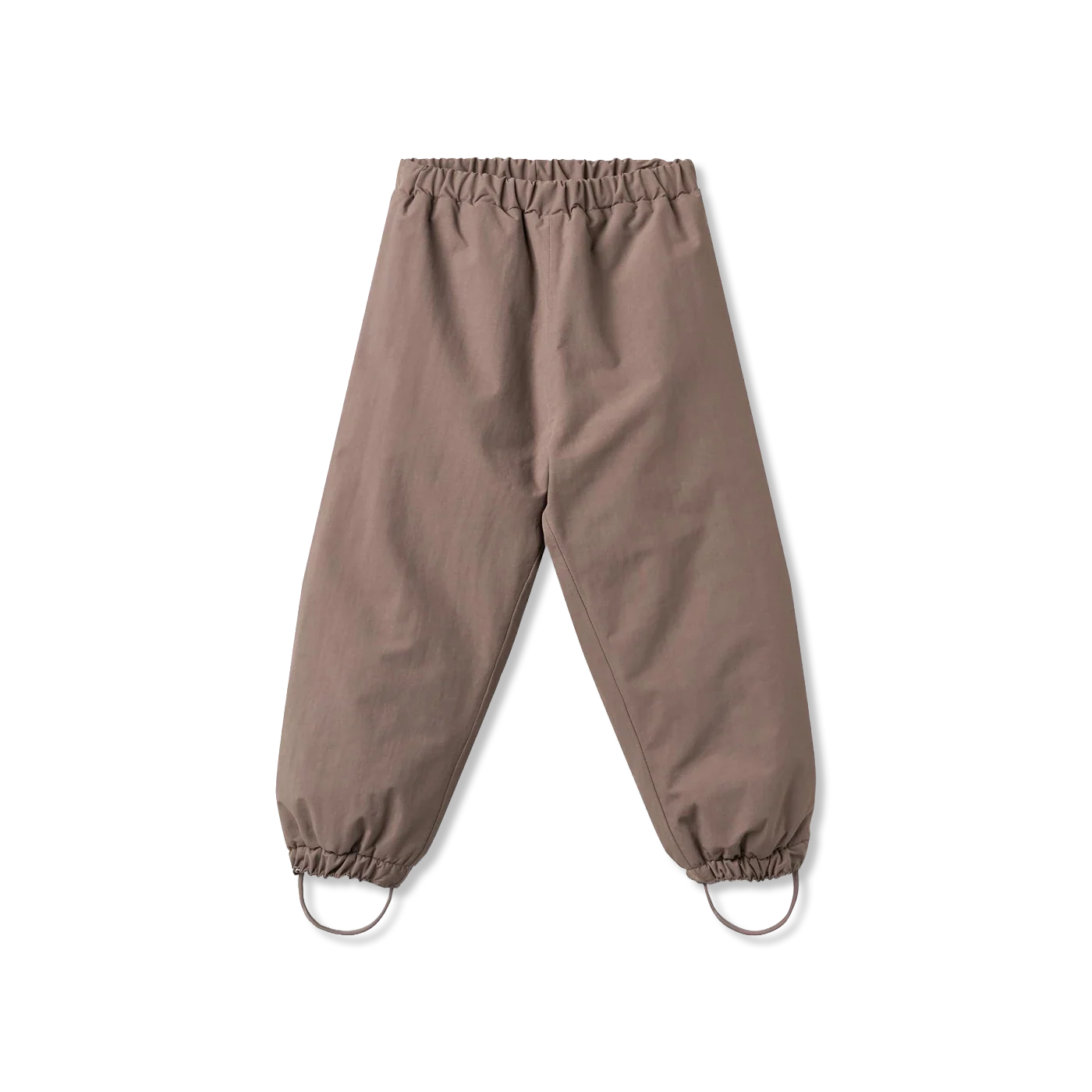
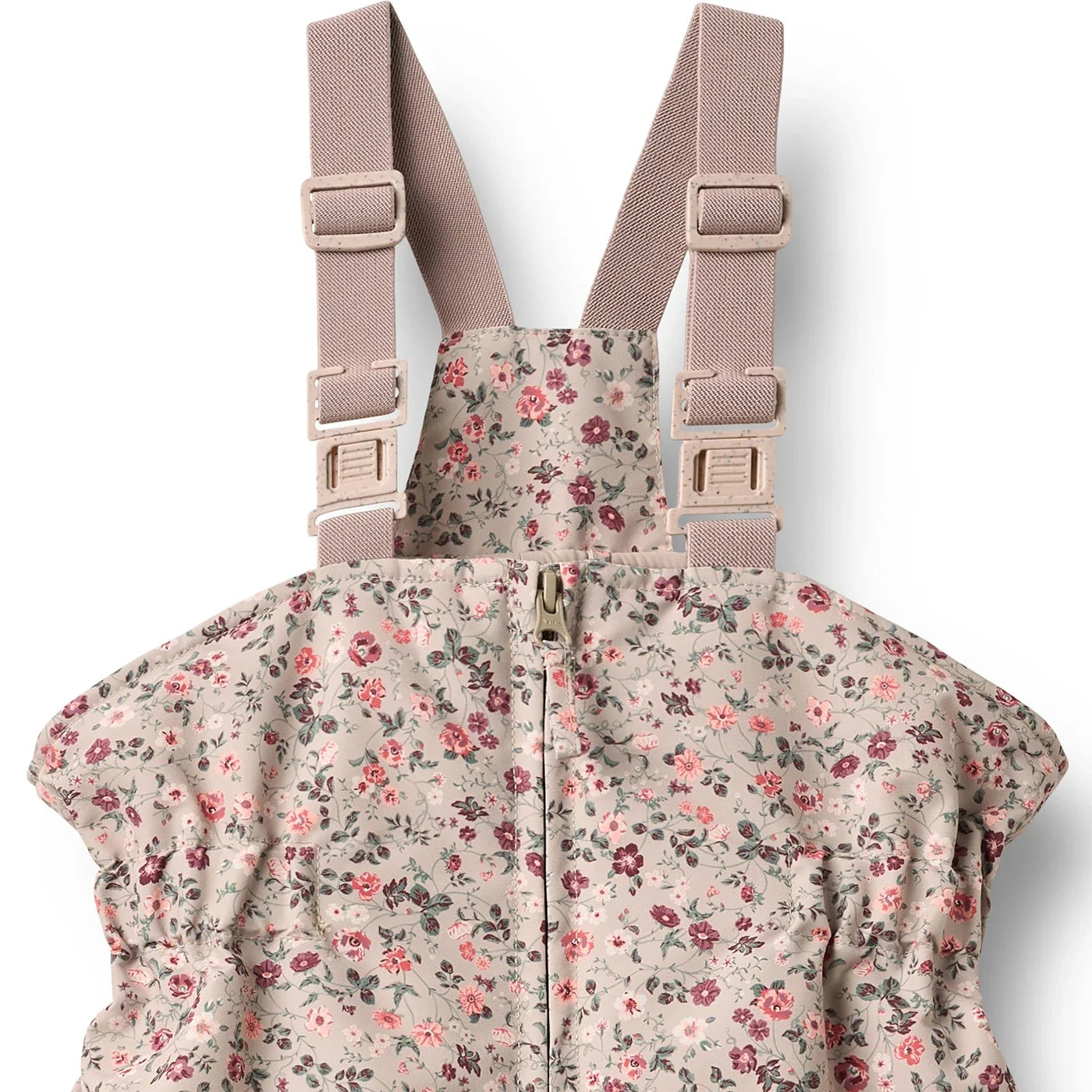
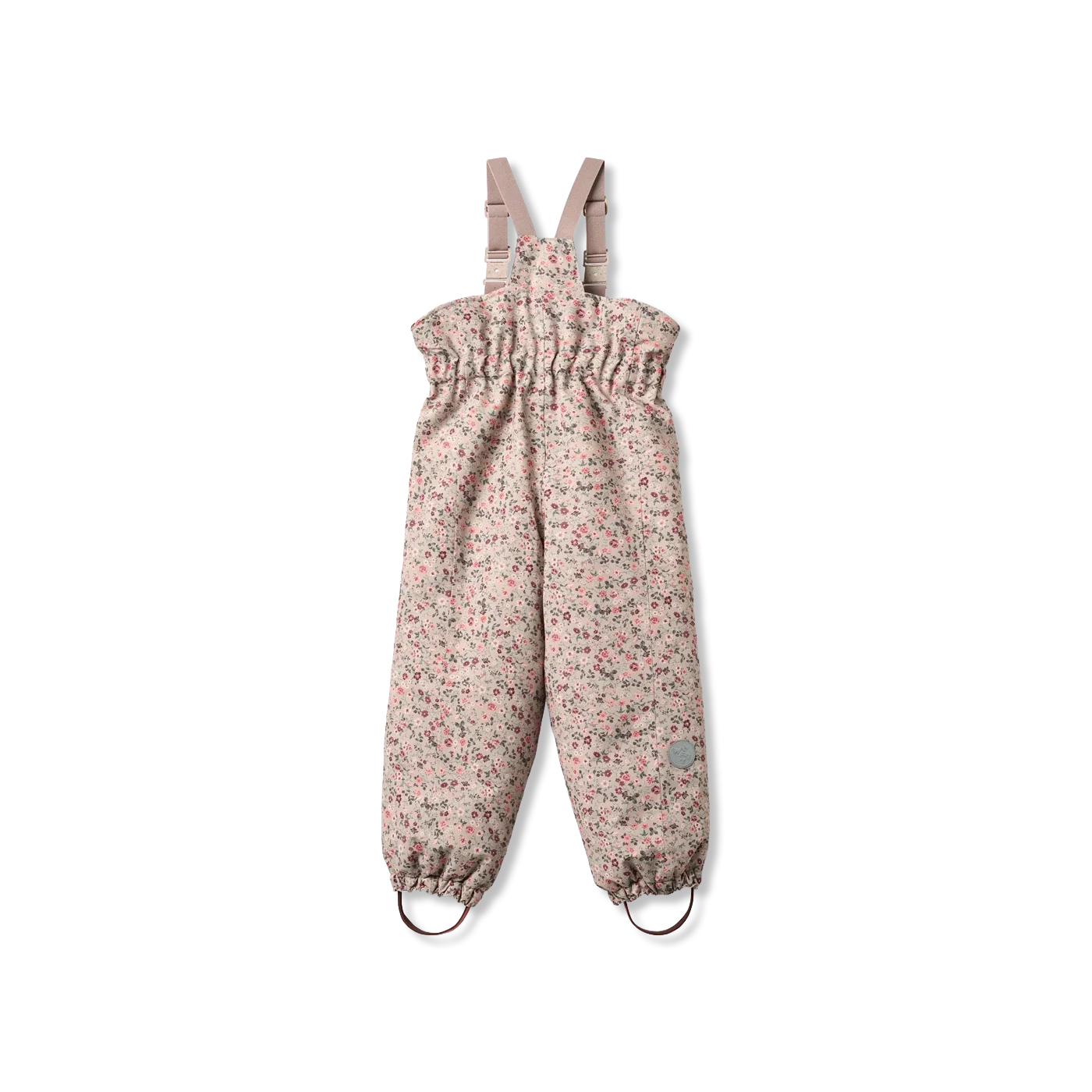
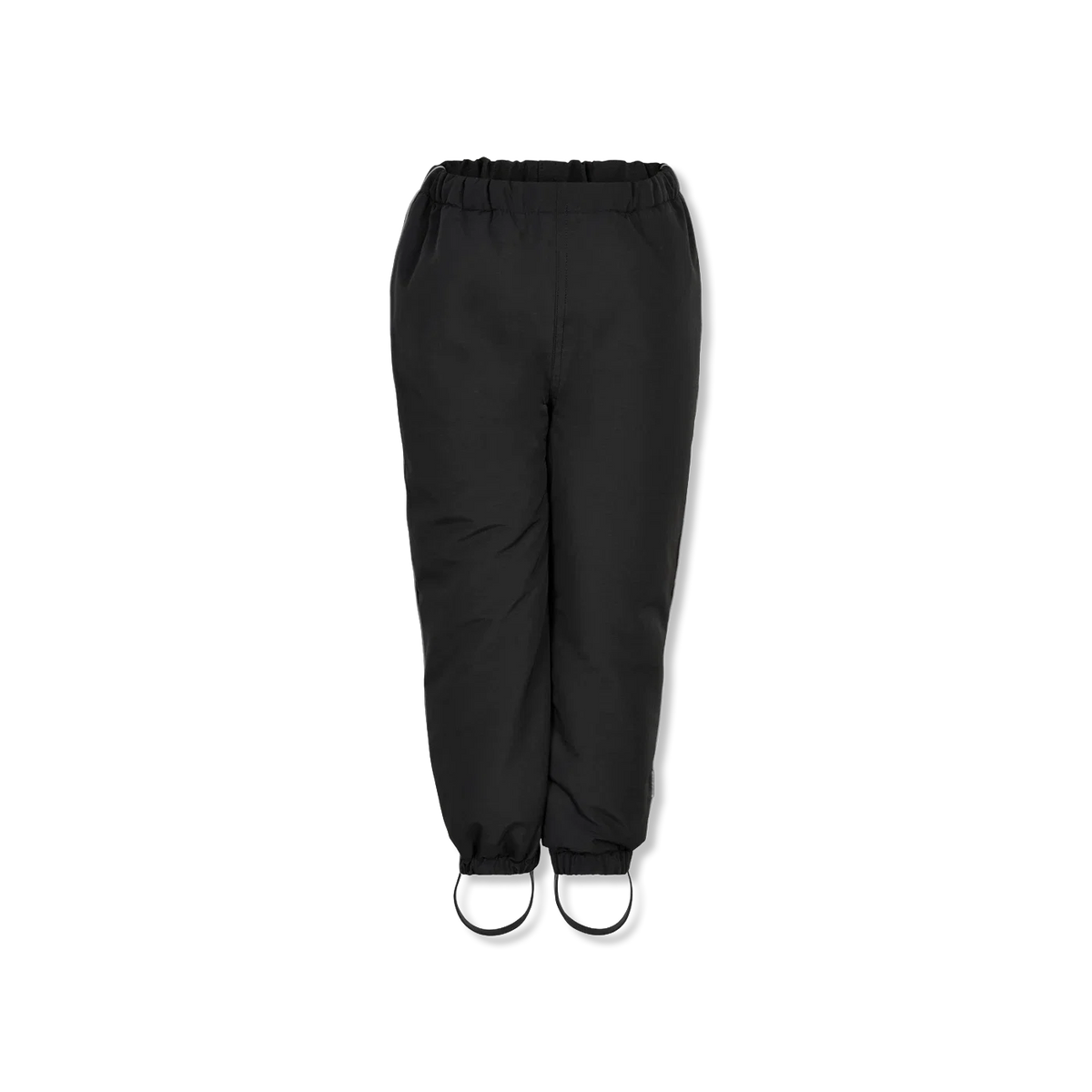
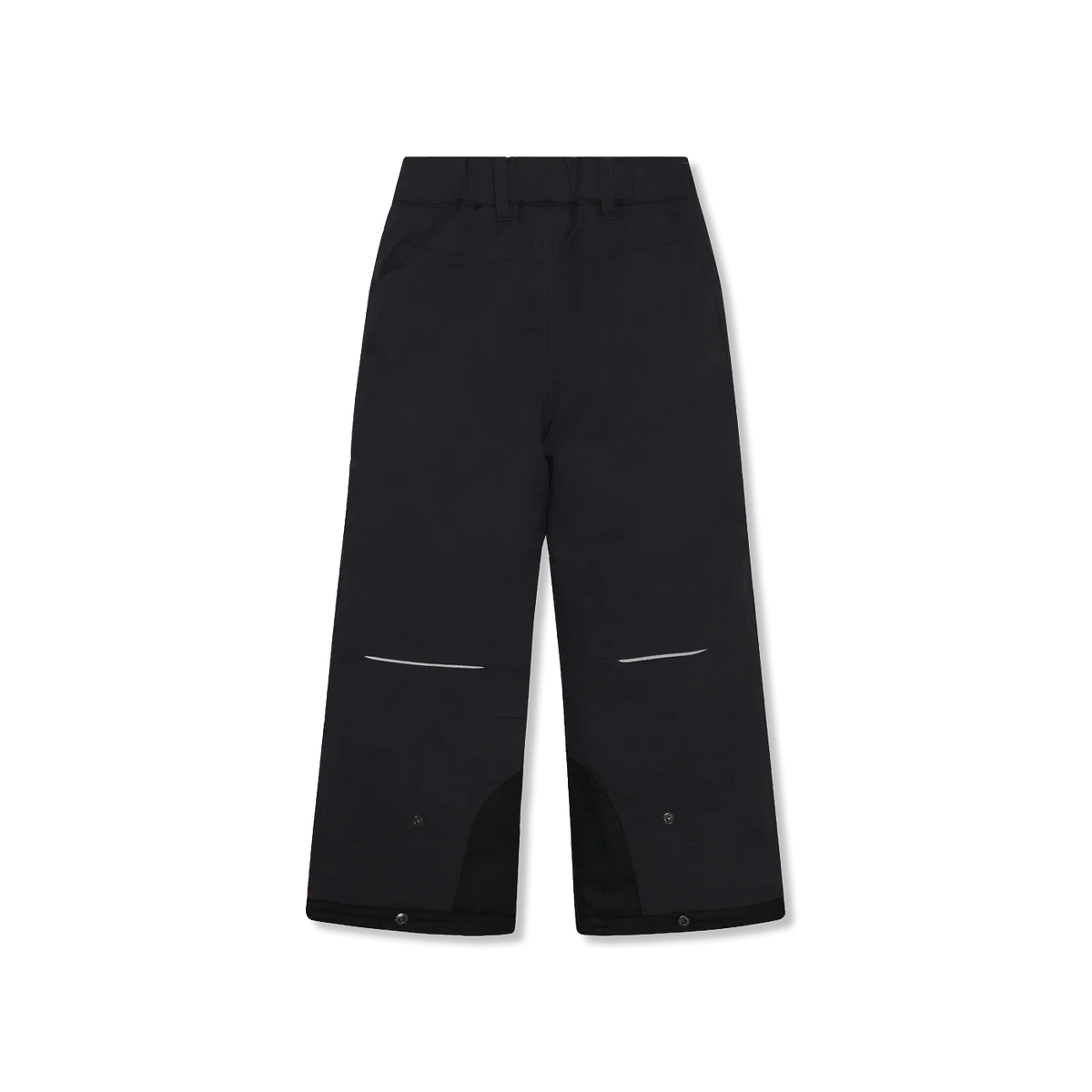
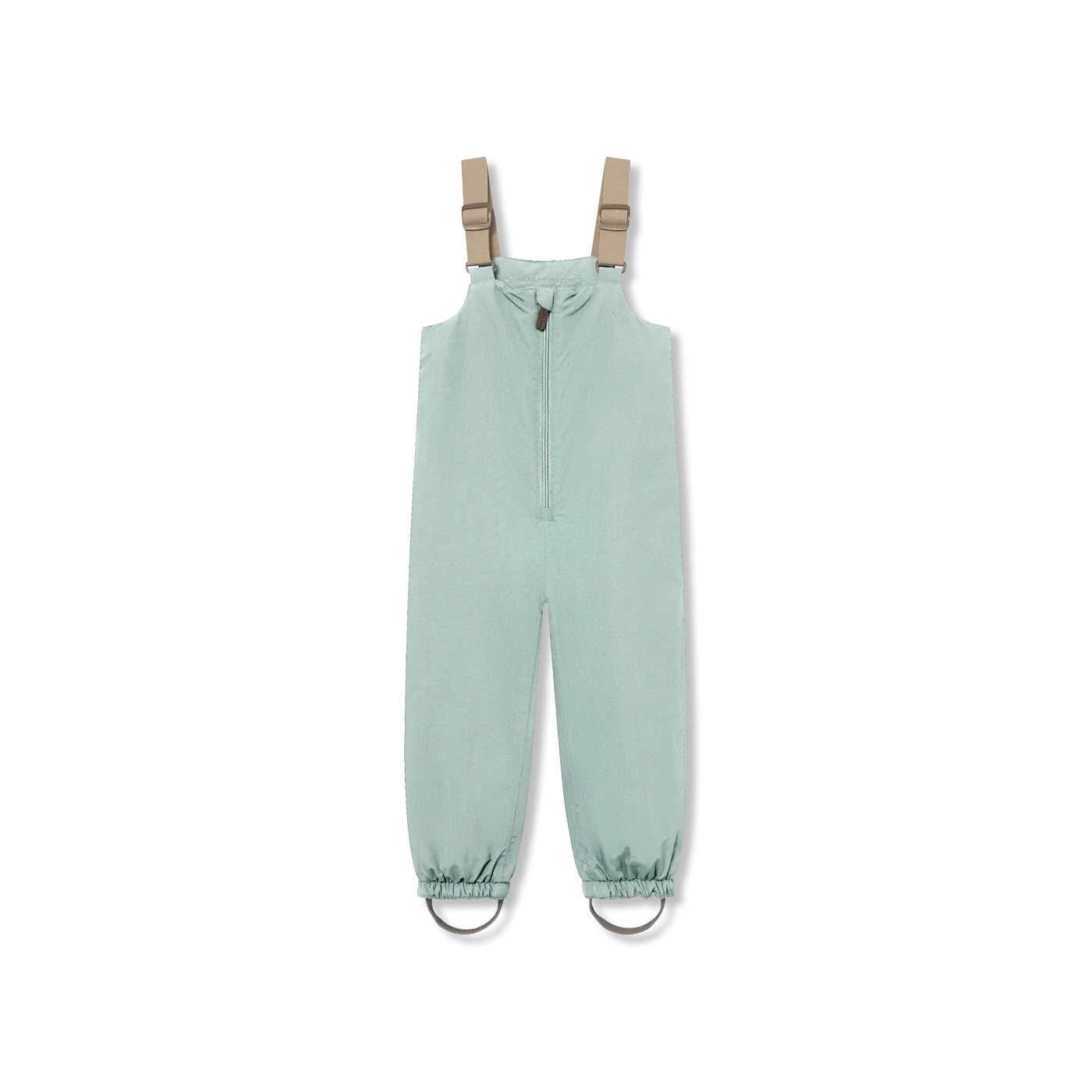
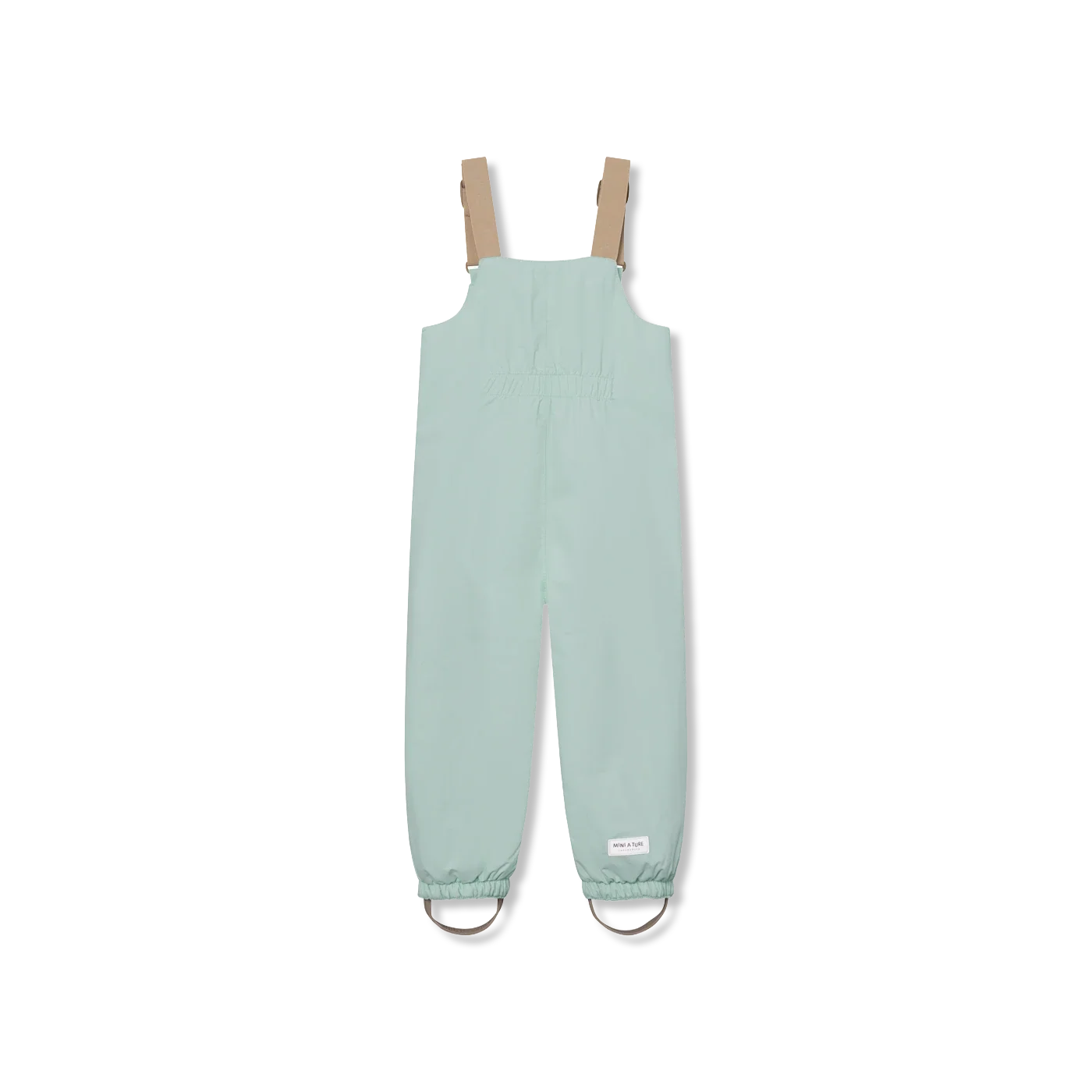
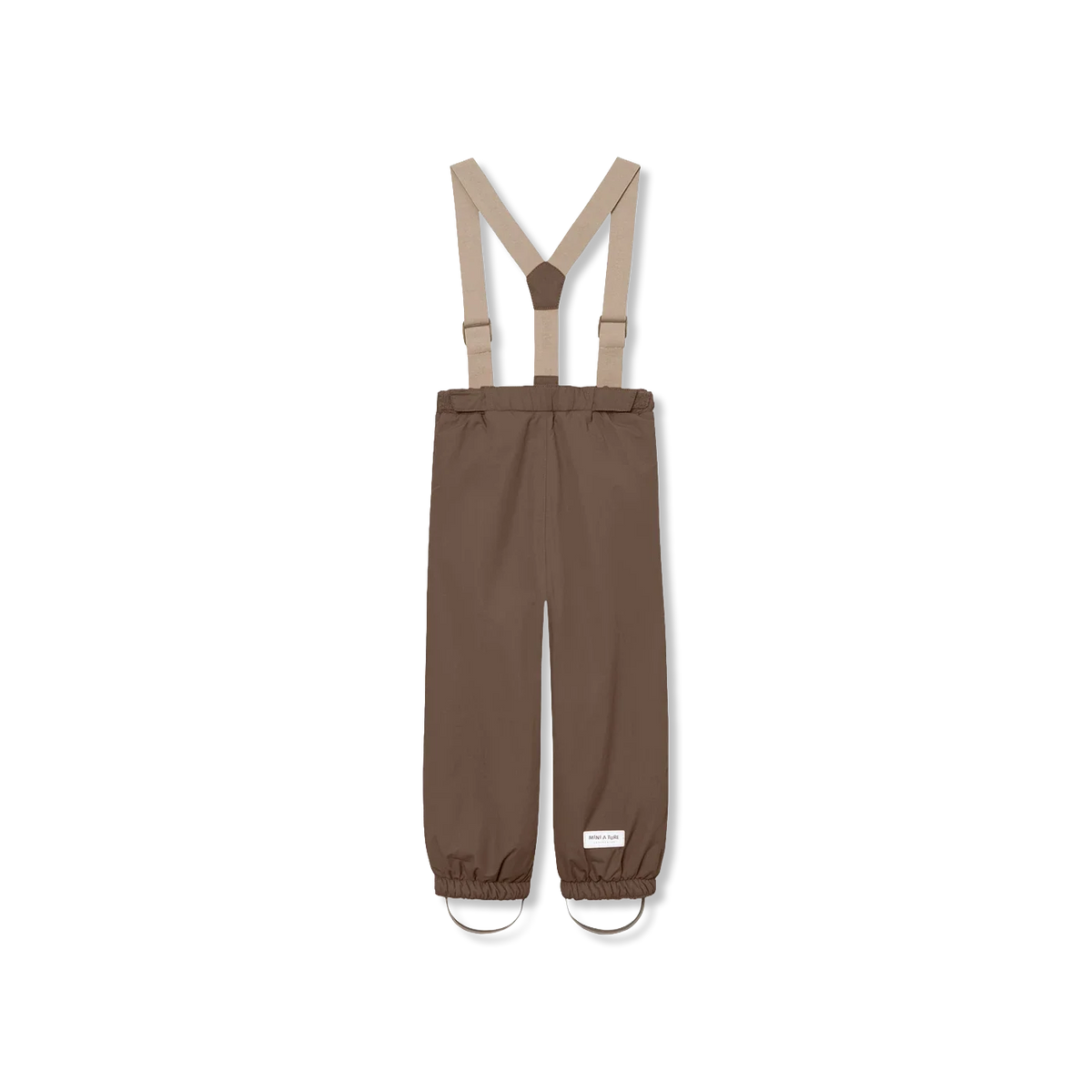
- whether your child needs a style with foot straps or without
- how much rain and wear the trousers need to withstand
- whether there should be plenty of room for layers underneath
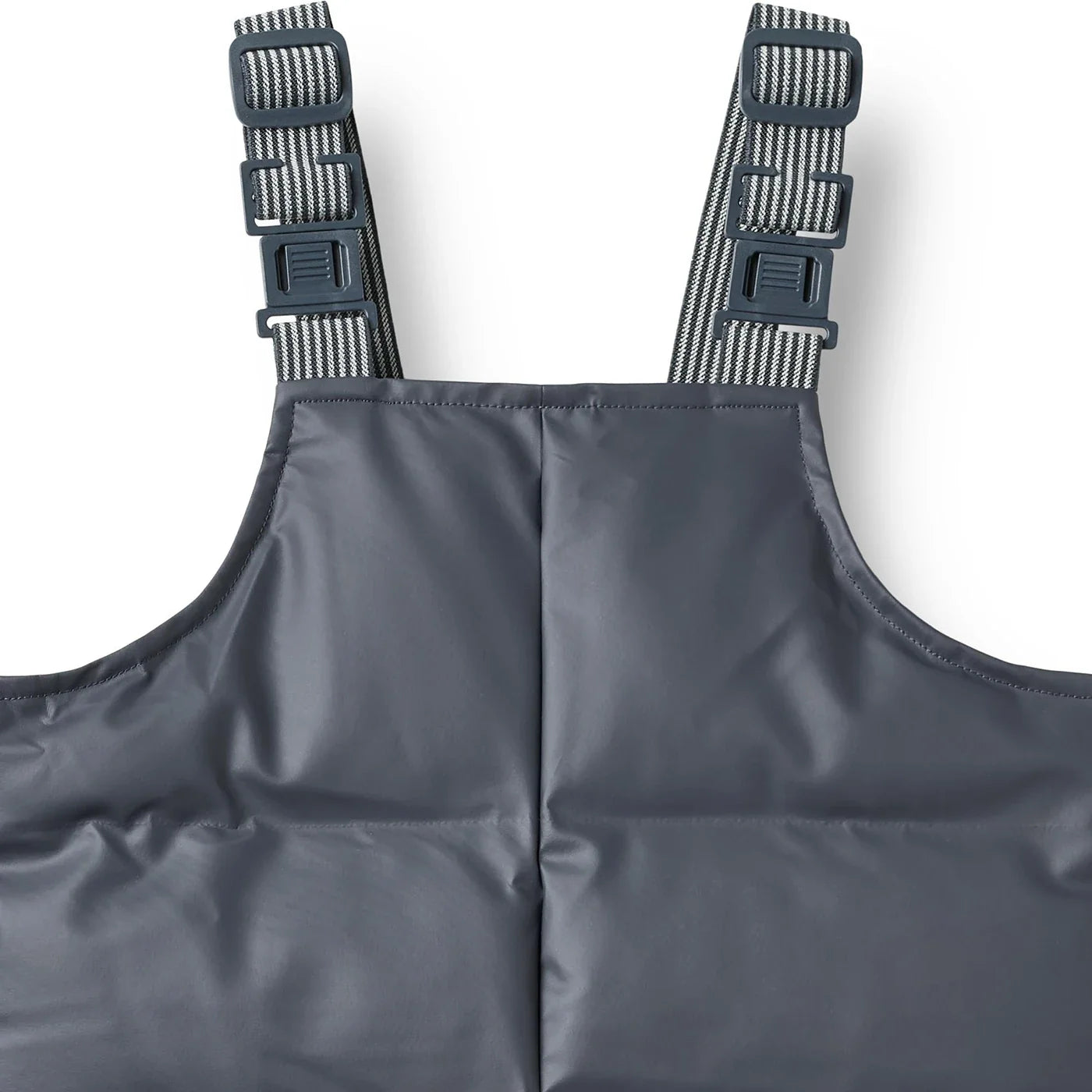
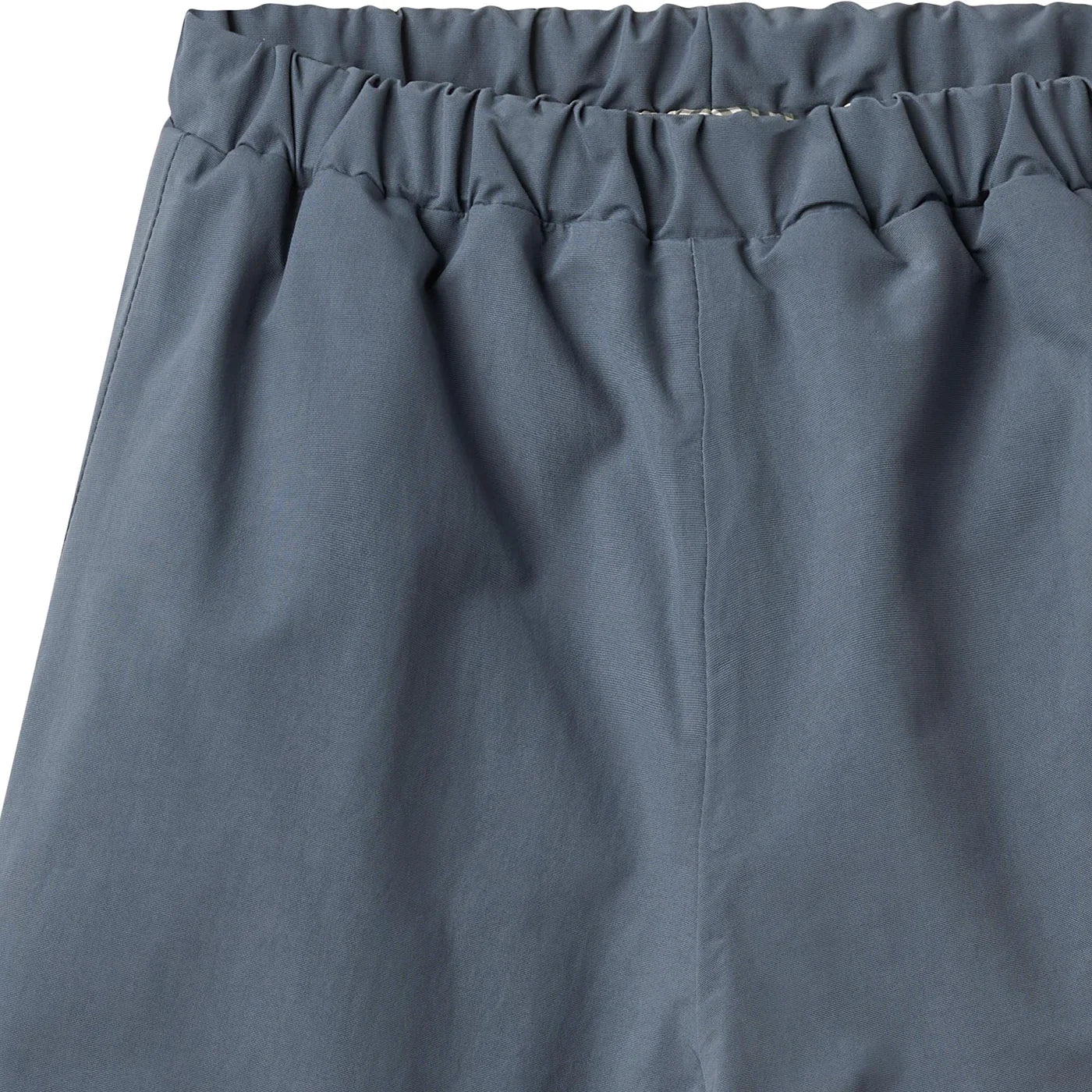
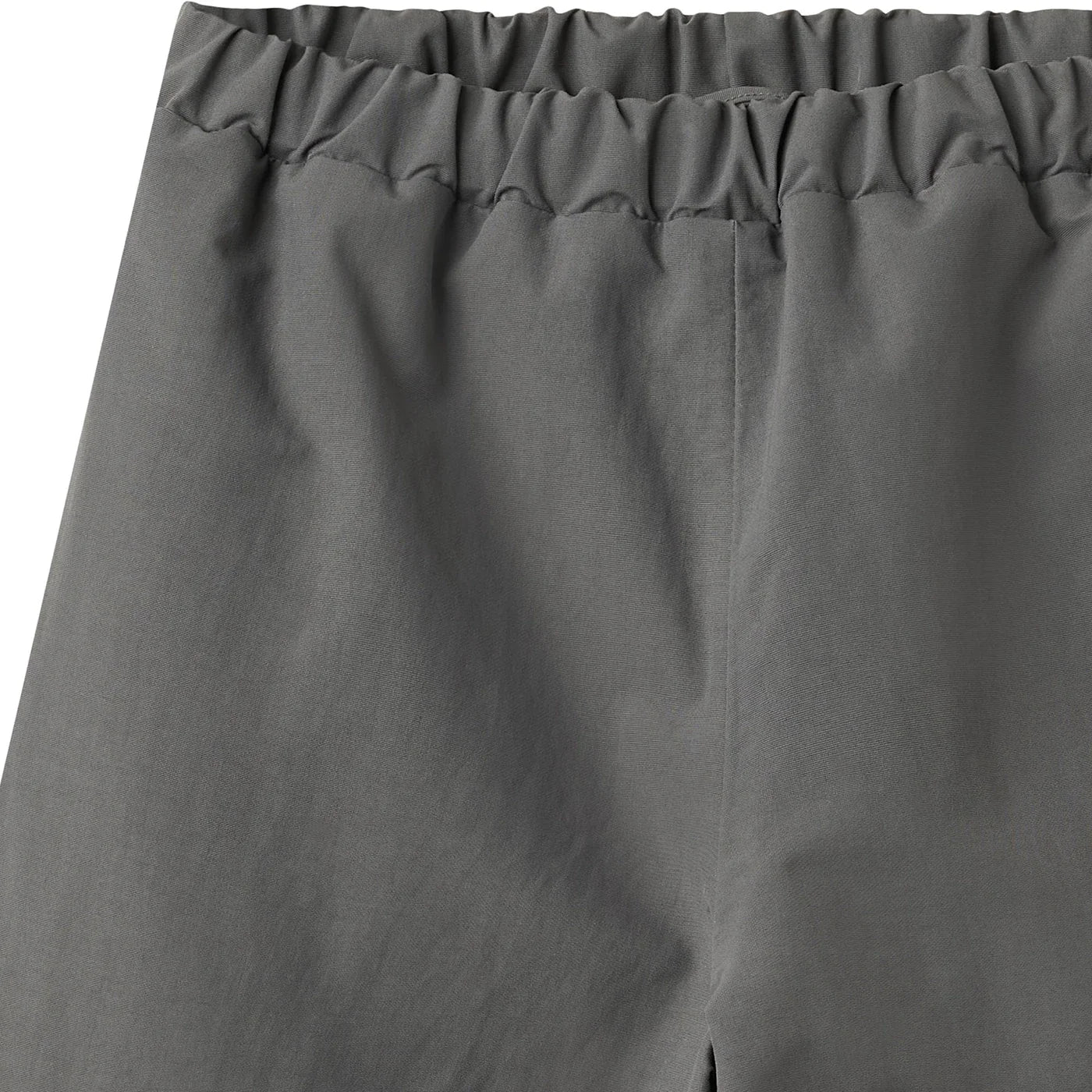
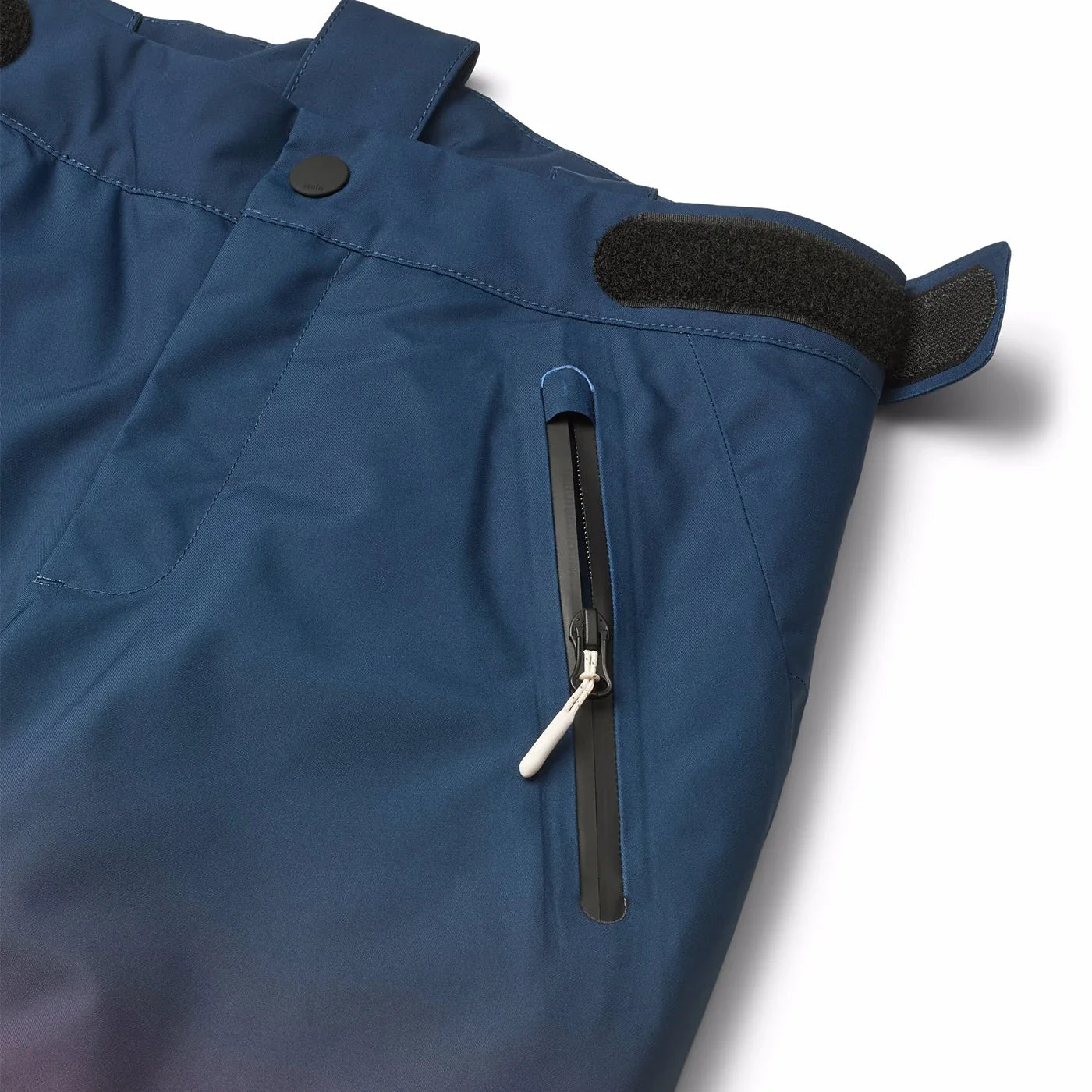
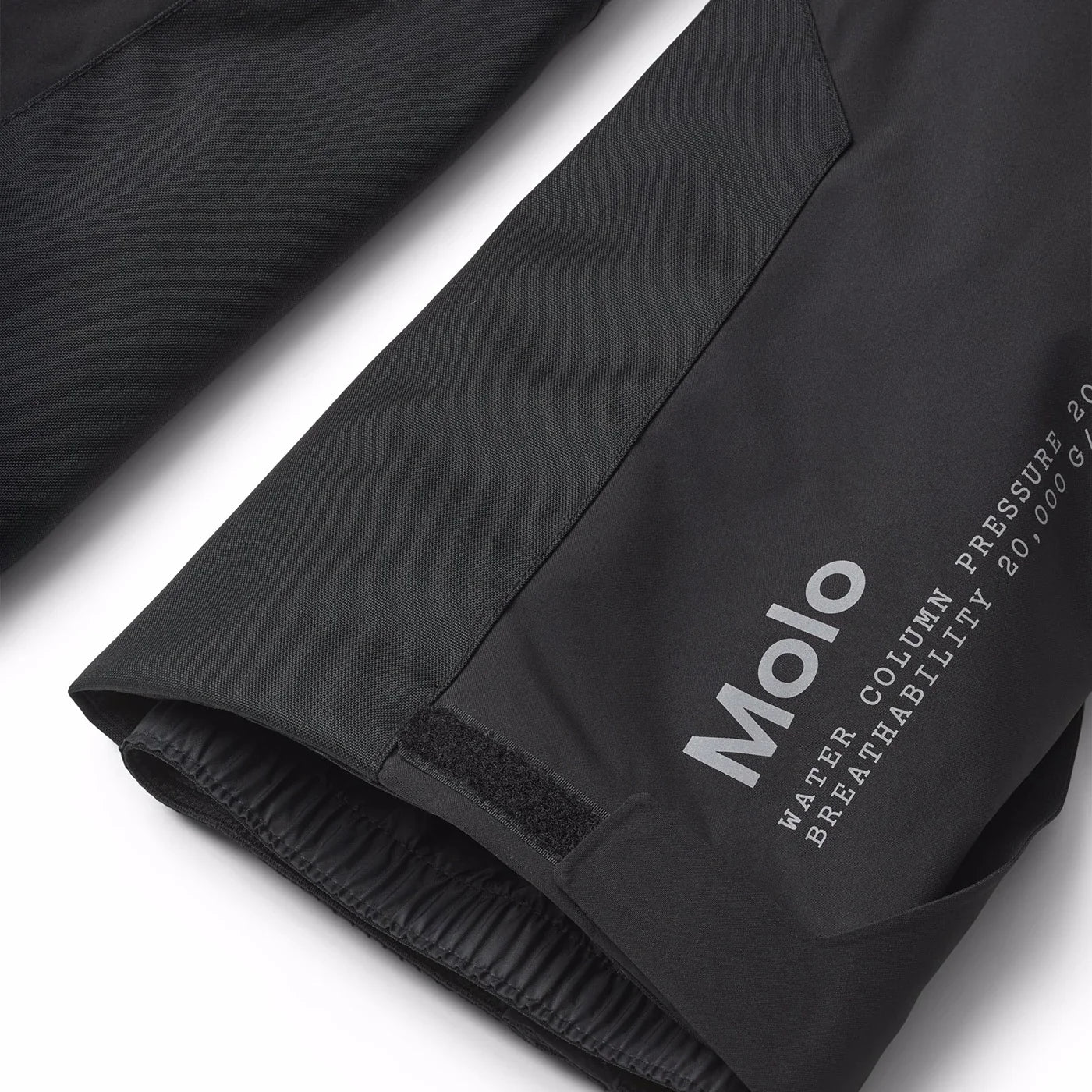
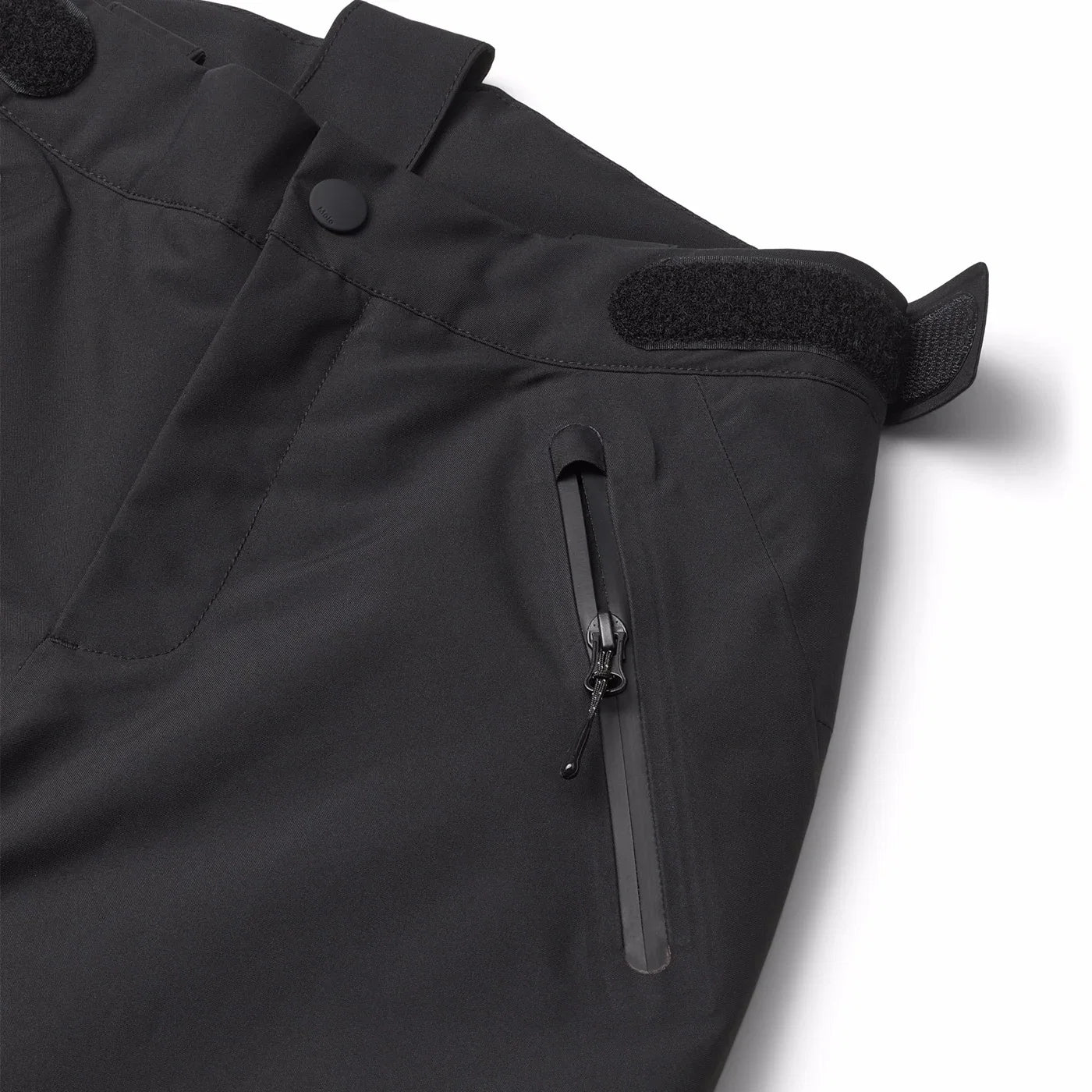
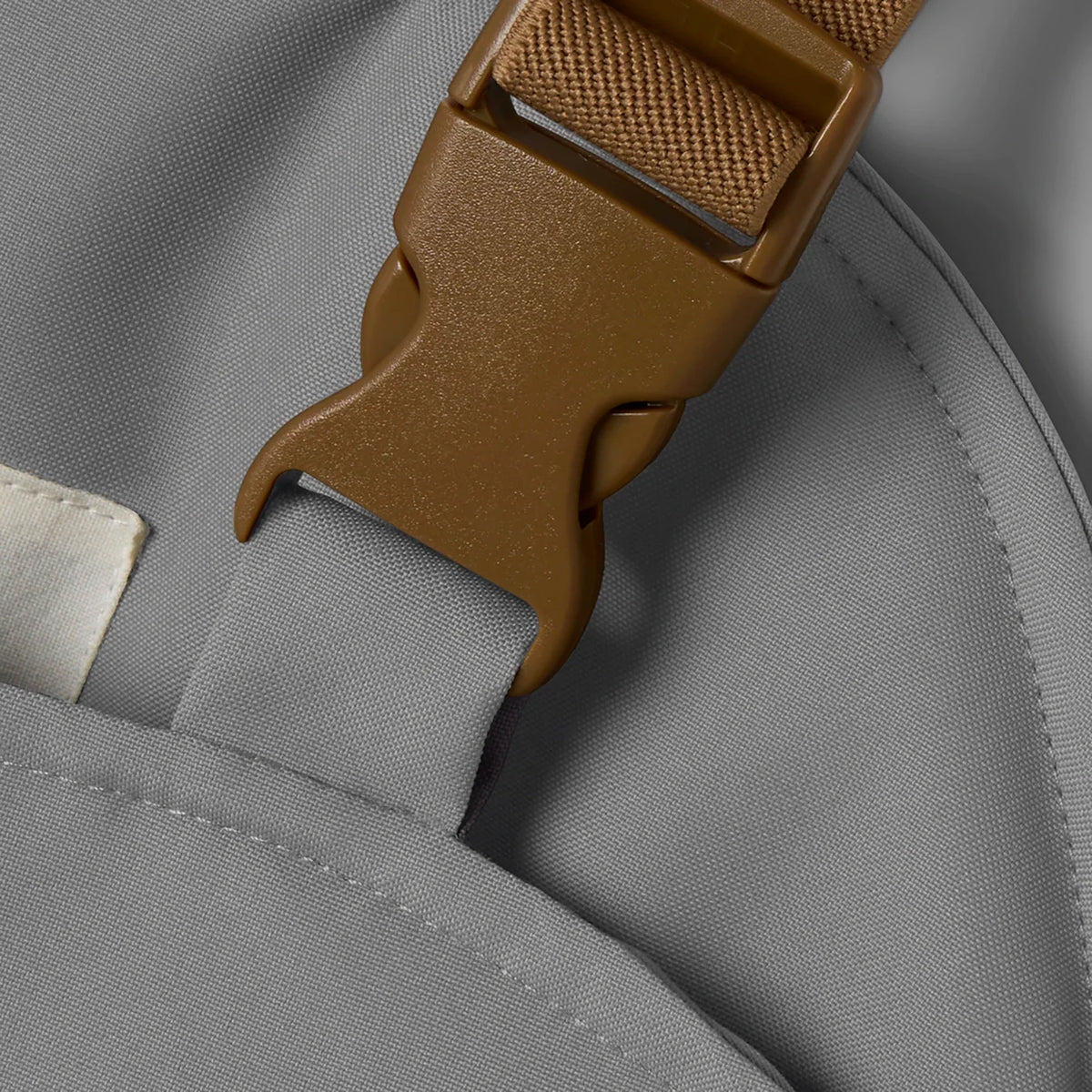
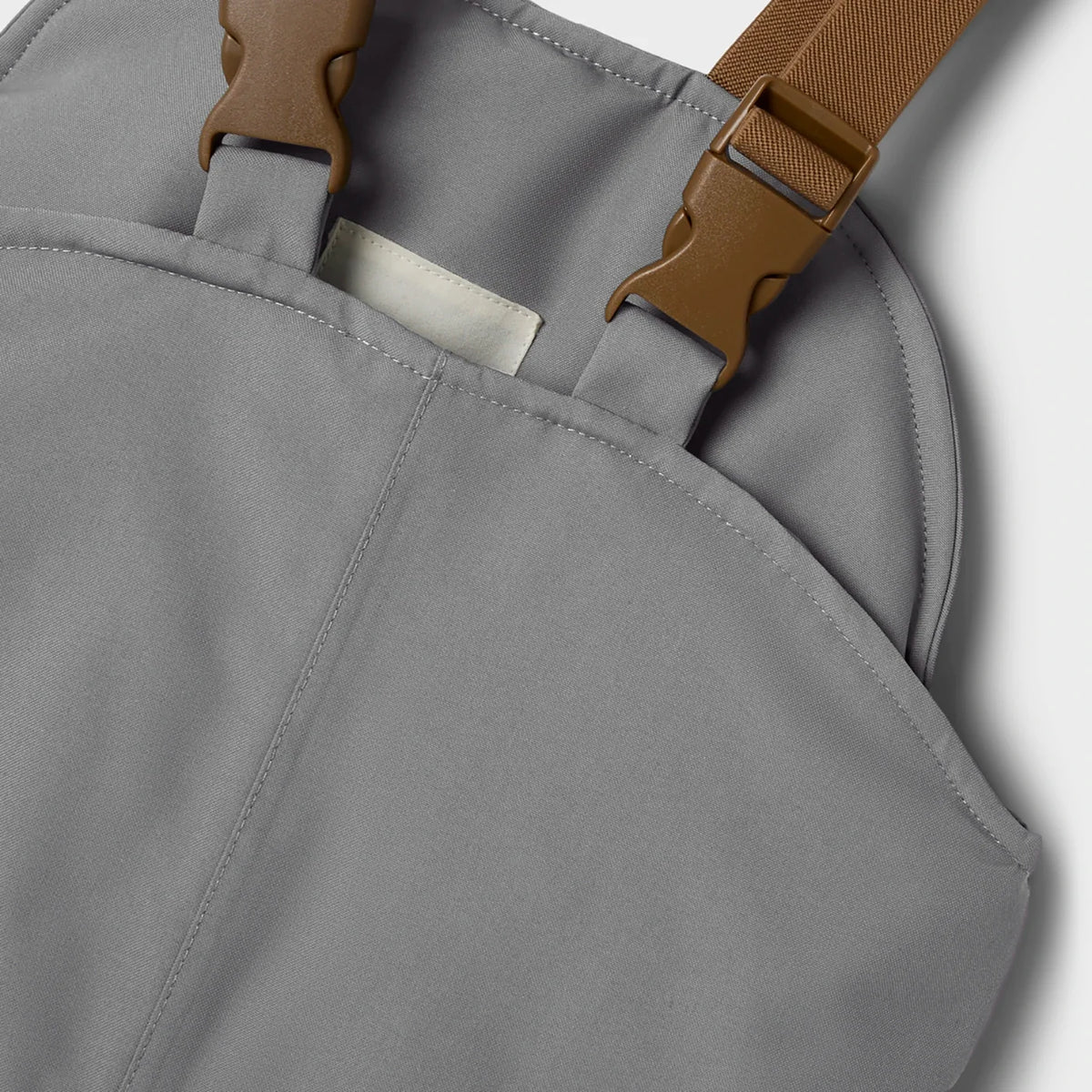
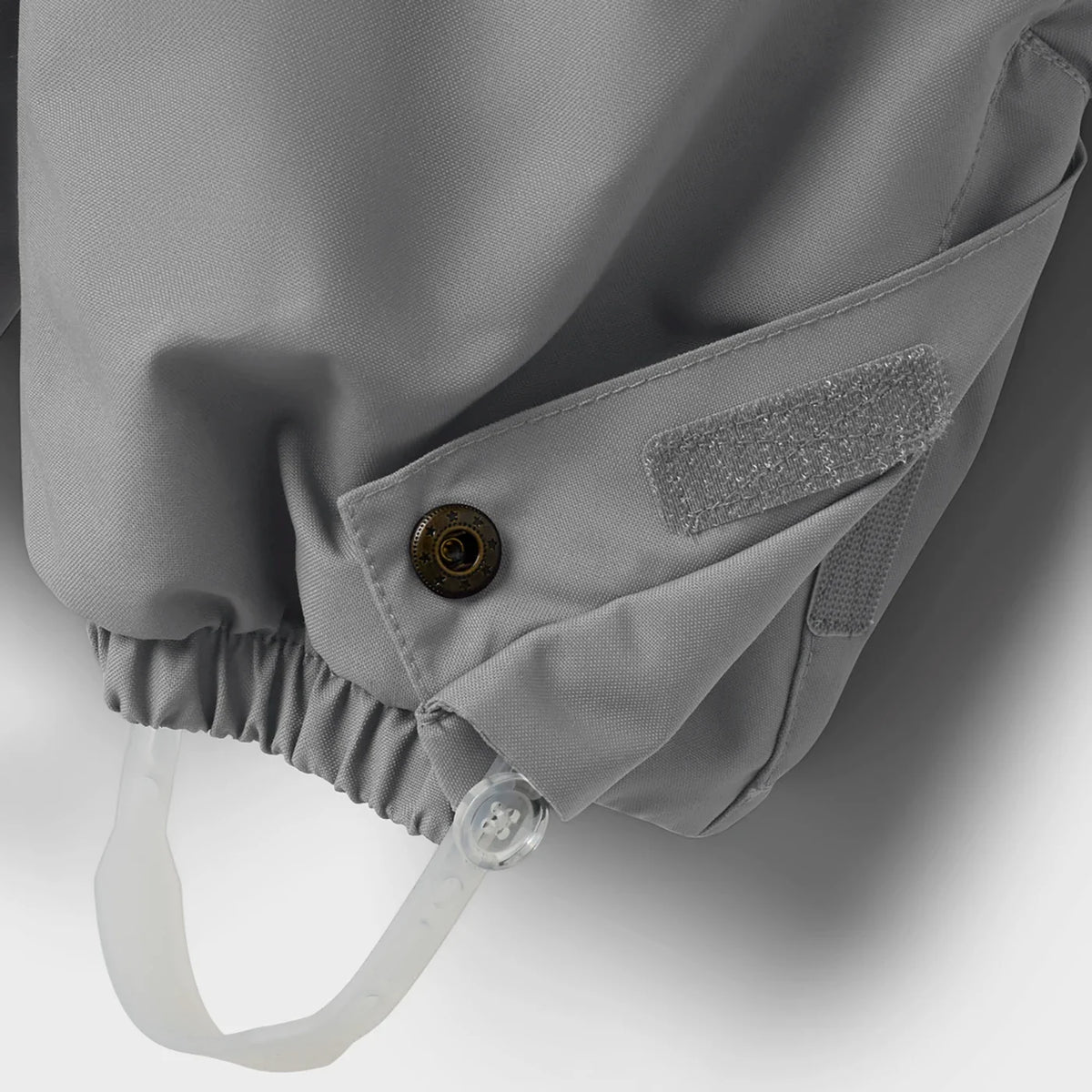
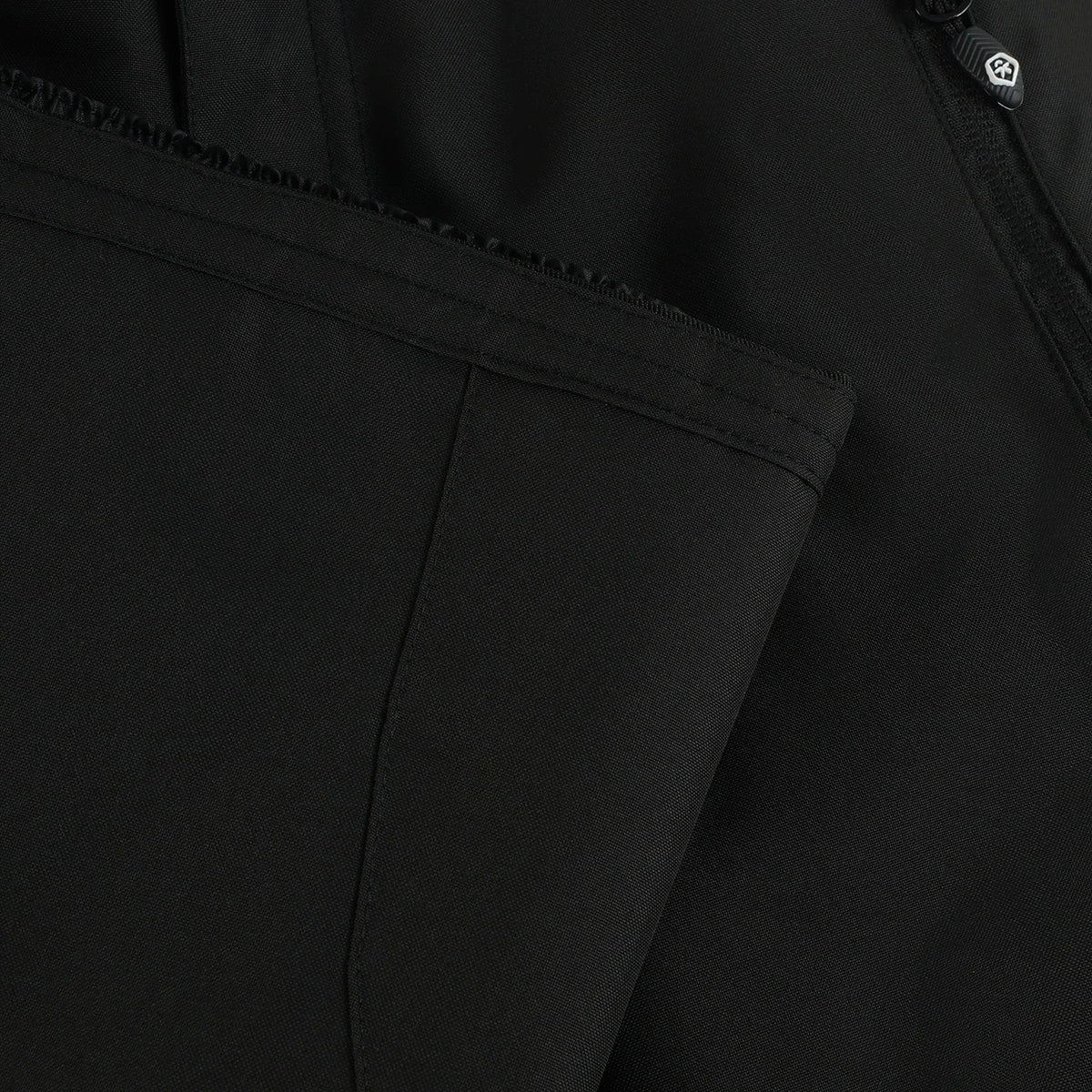
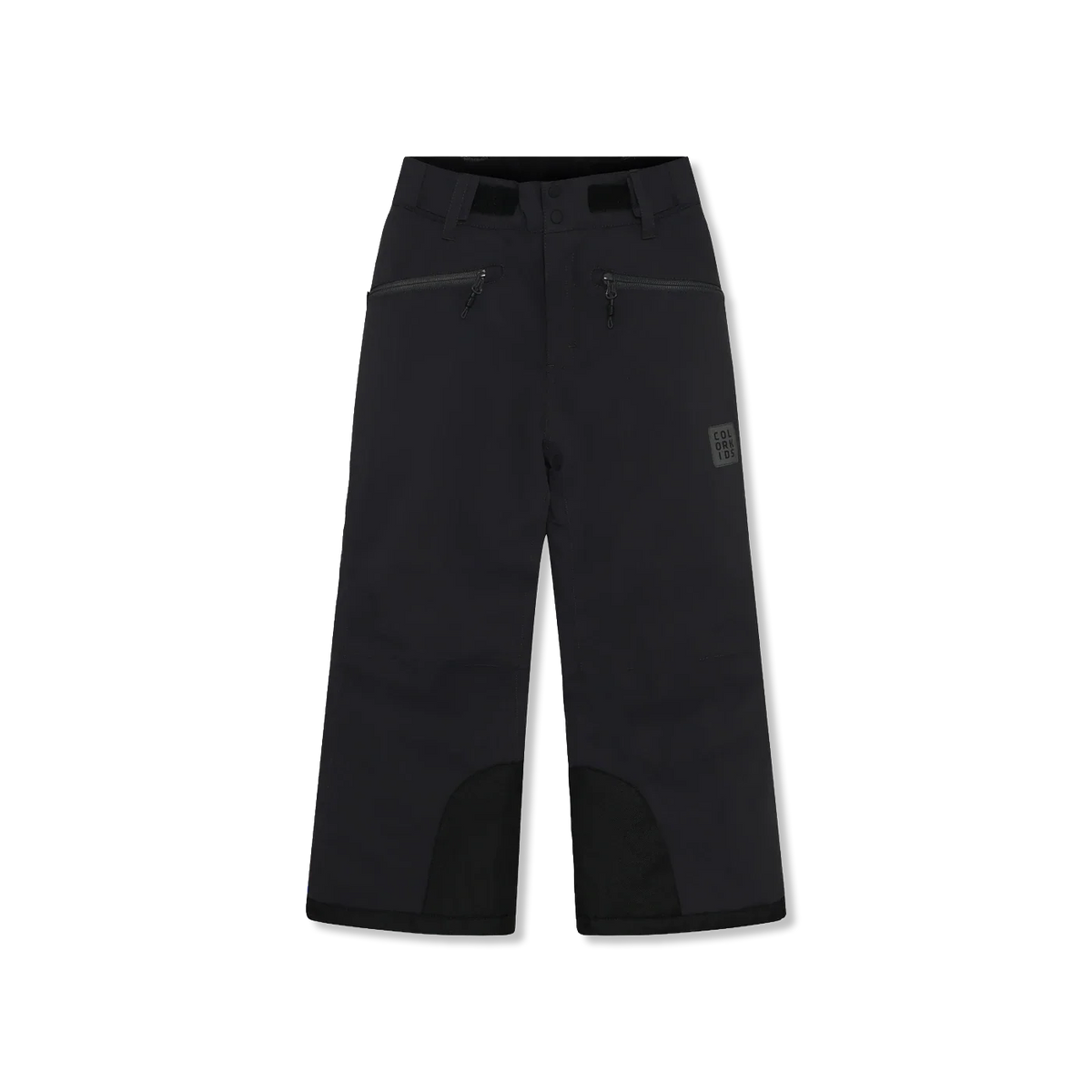
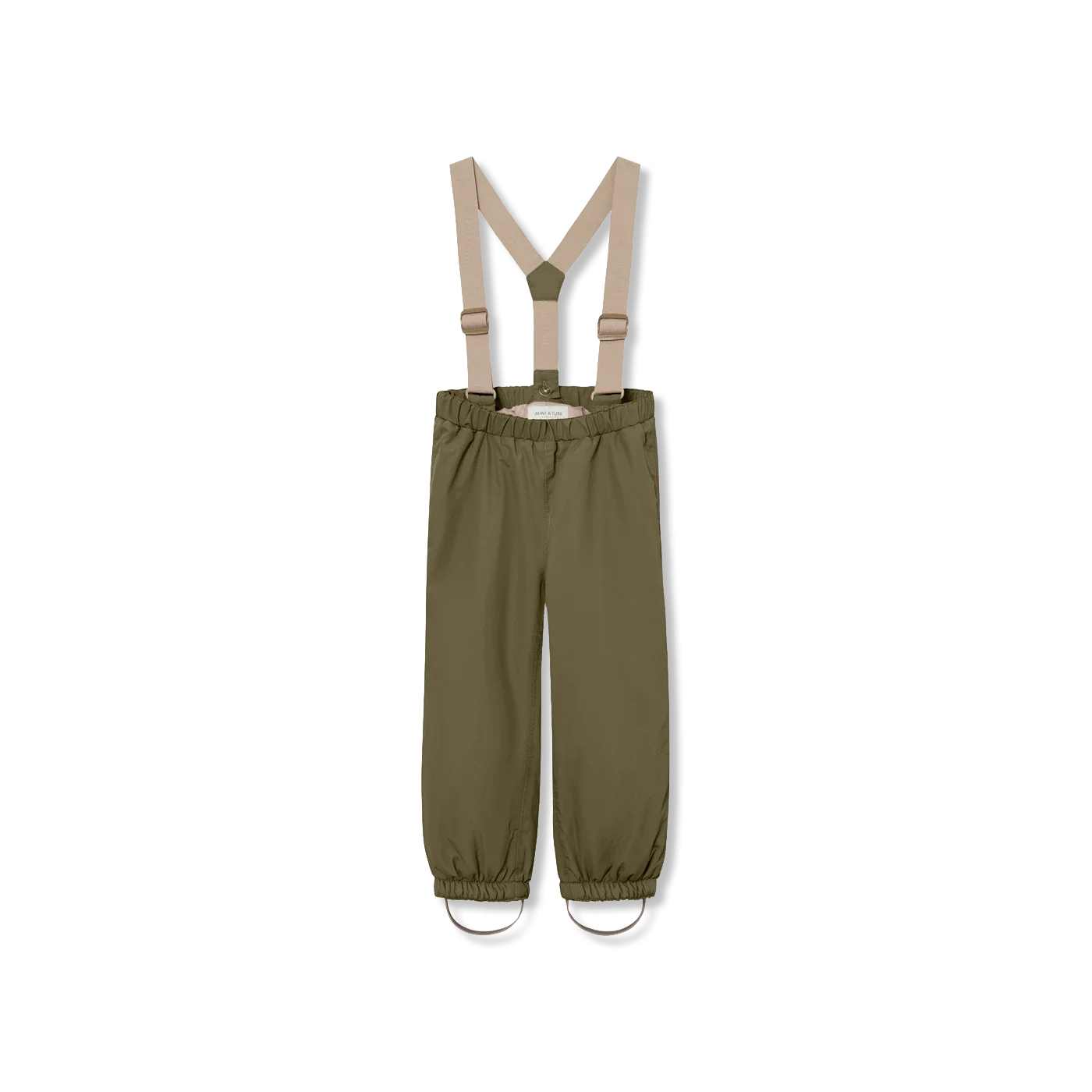
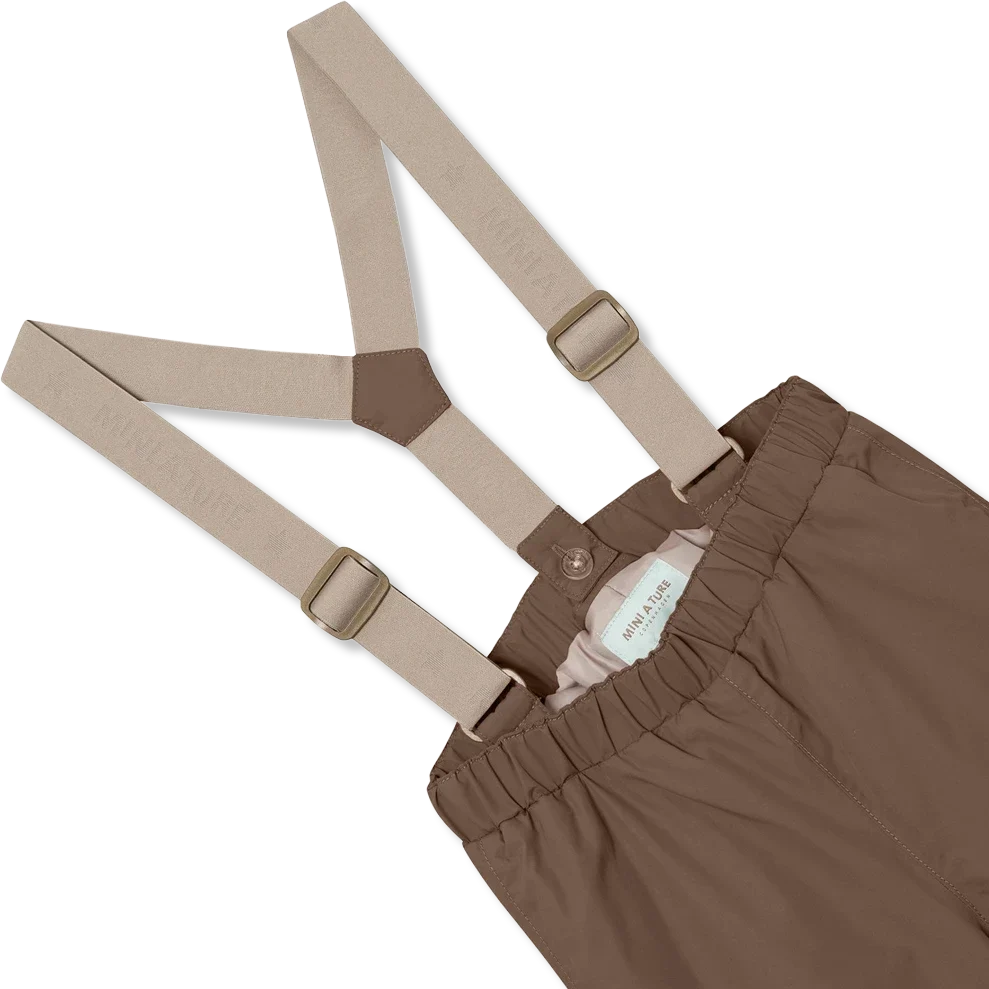
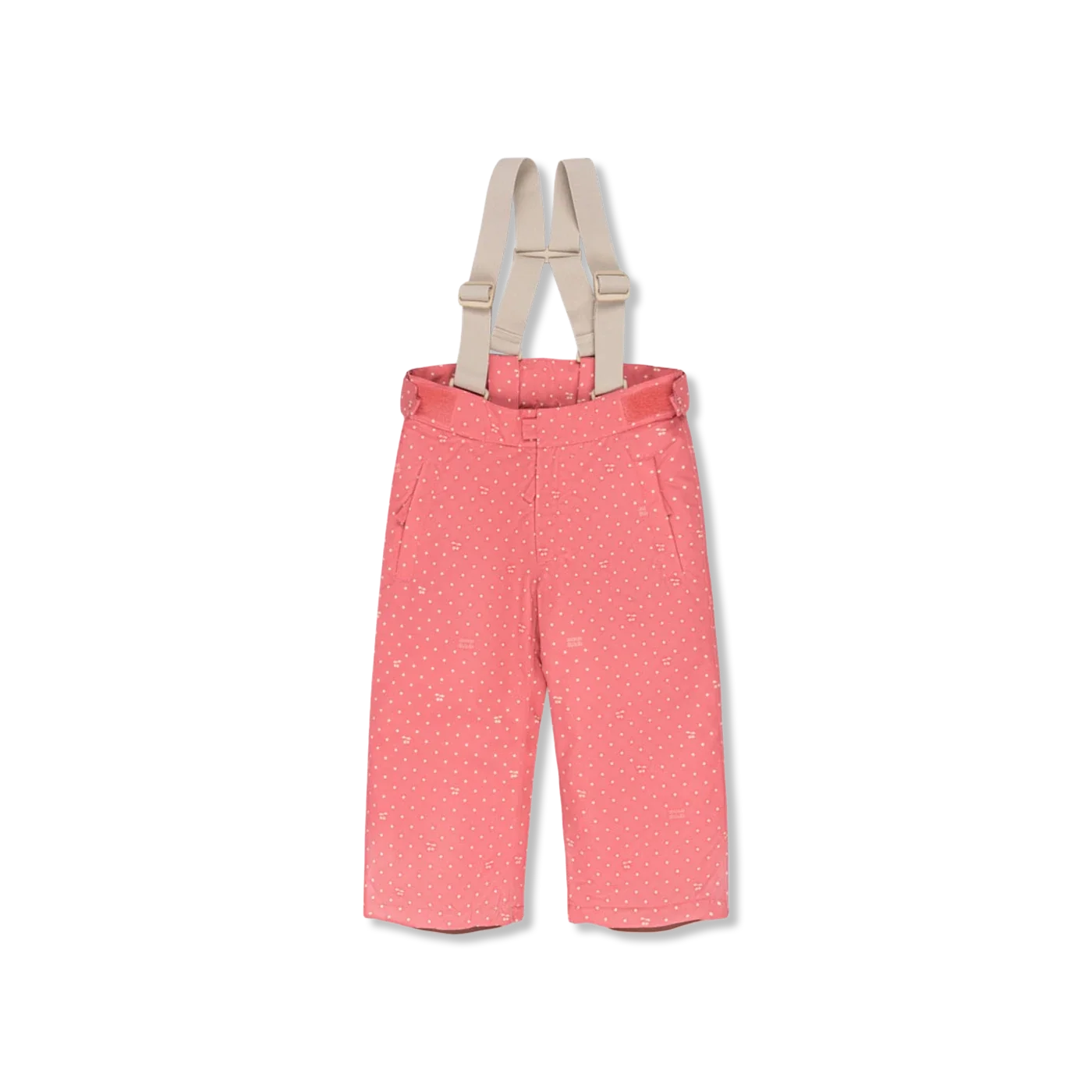
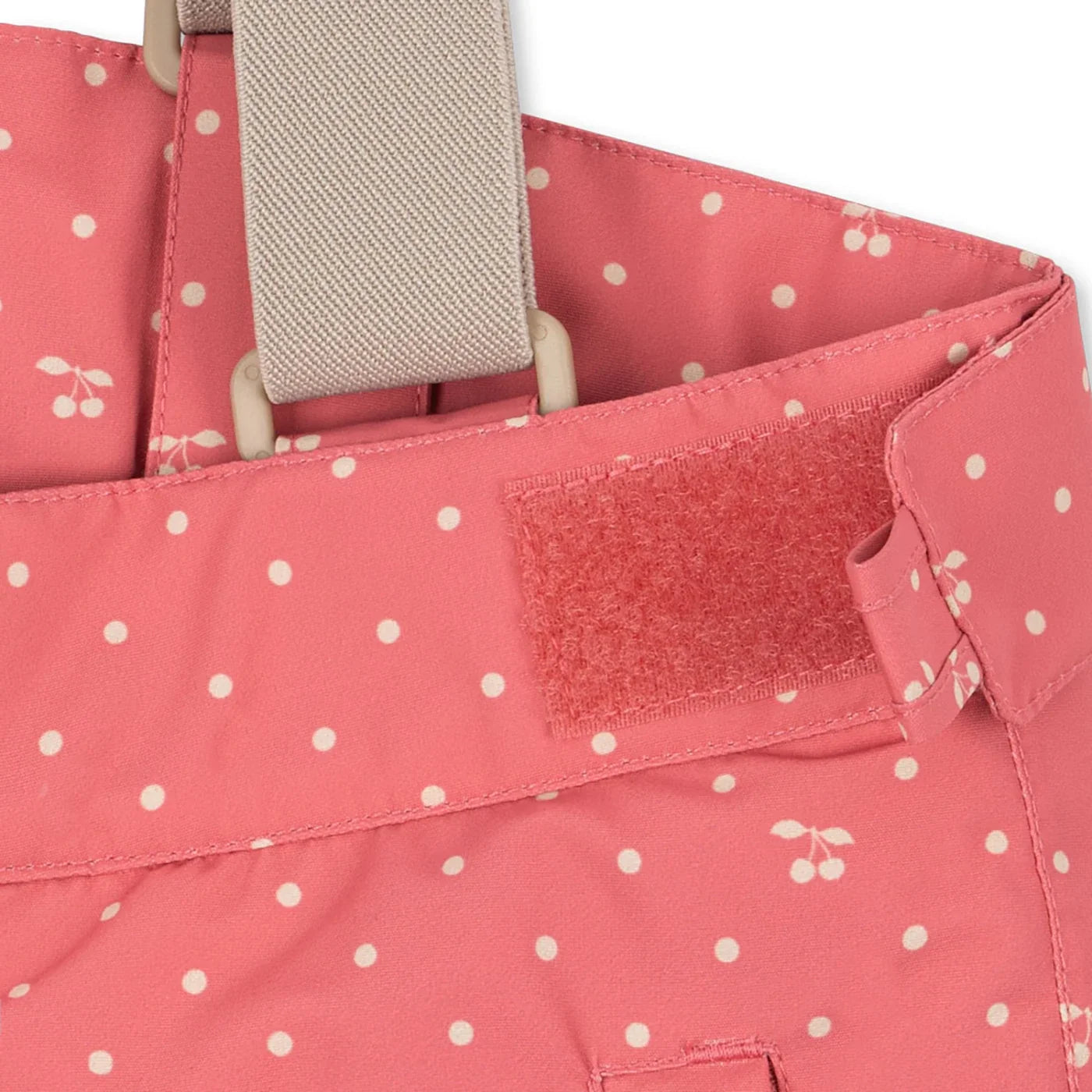
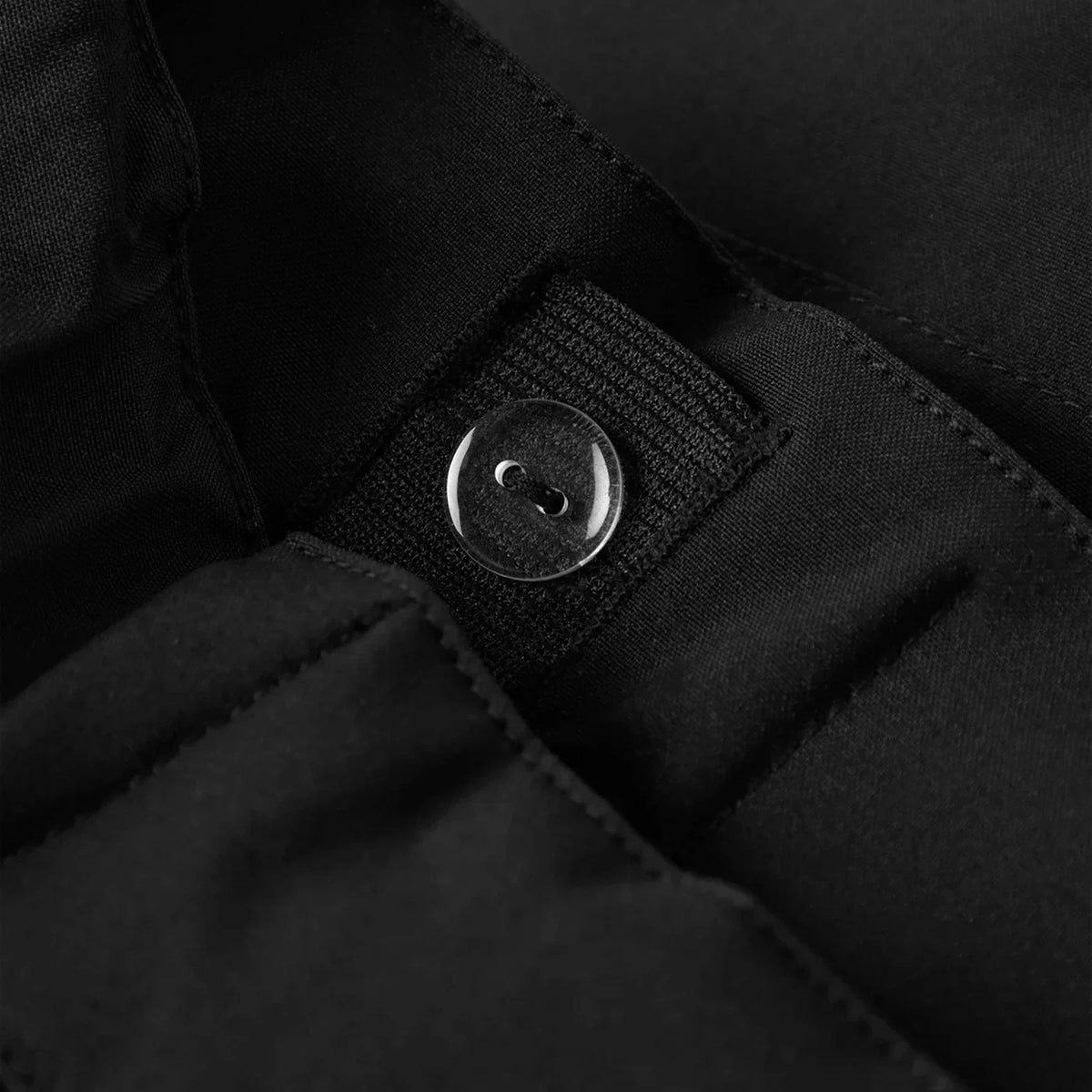
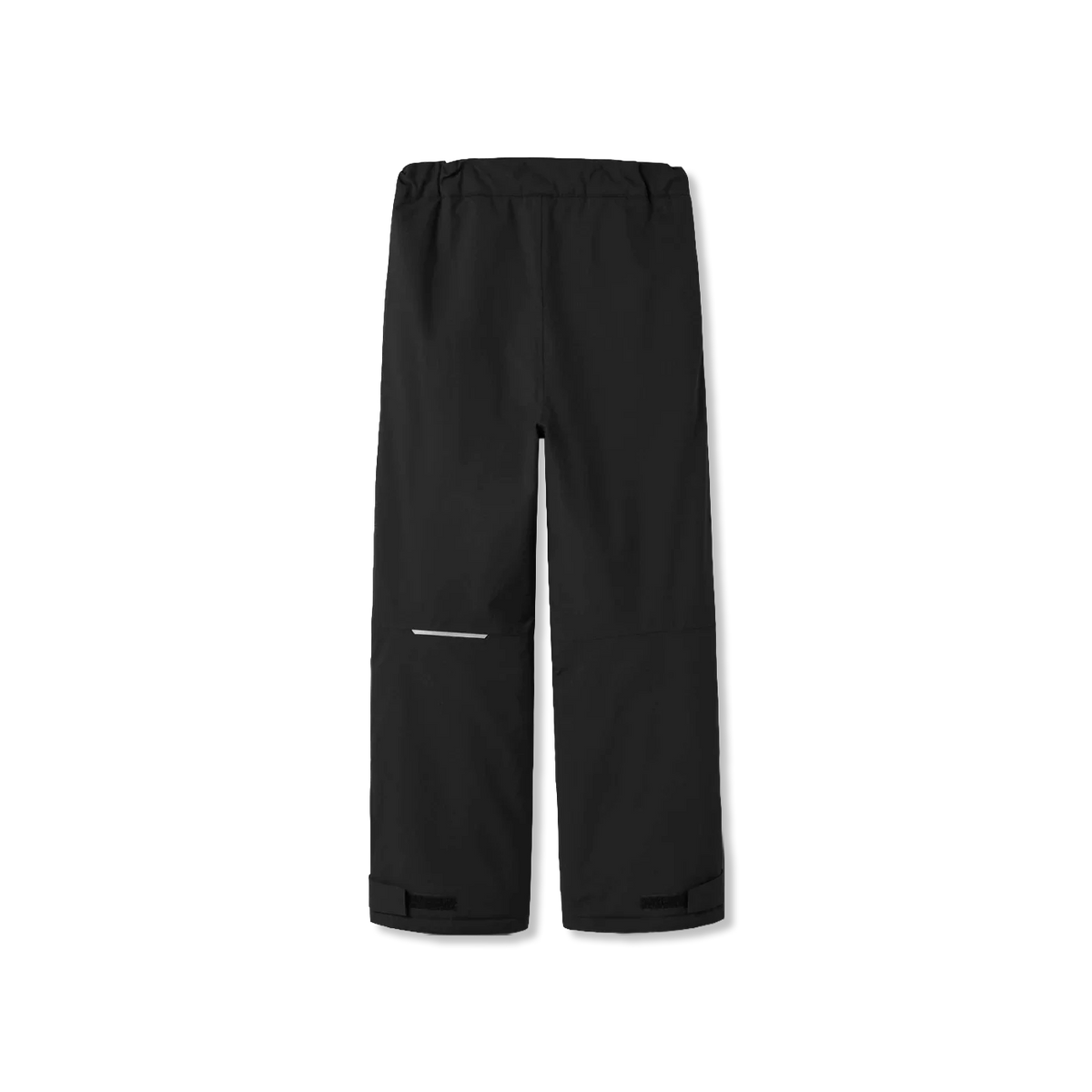
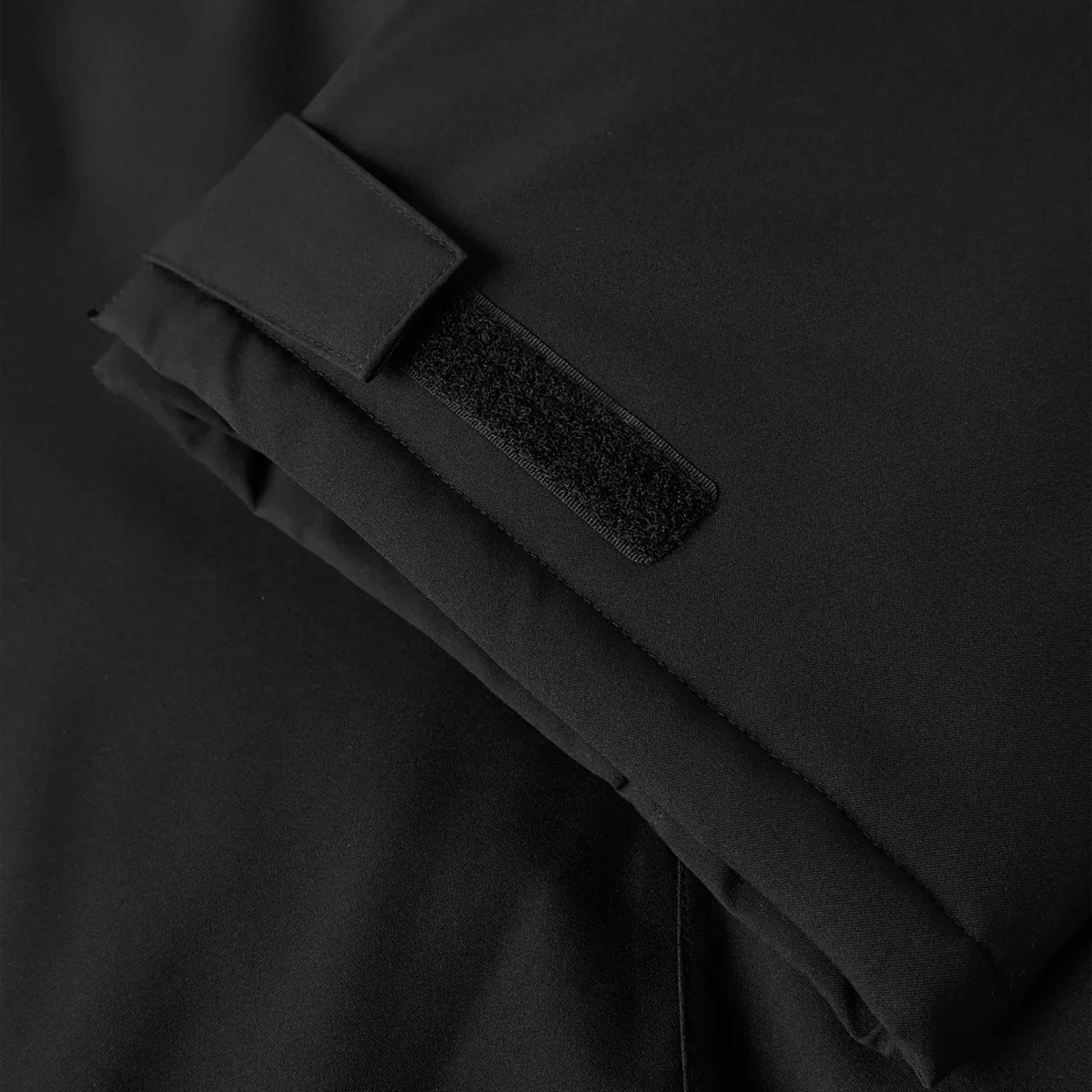
- whether an adjustable waist, elasticated details and reflectors are important for everyday use
If you are looking for a complete set, it may also be worth browsing our rainwear or pairing the trousers with a rain jacket.
Which rain trousers suit your child’s age, movement and the weather?
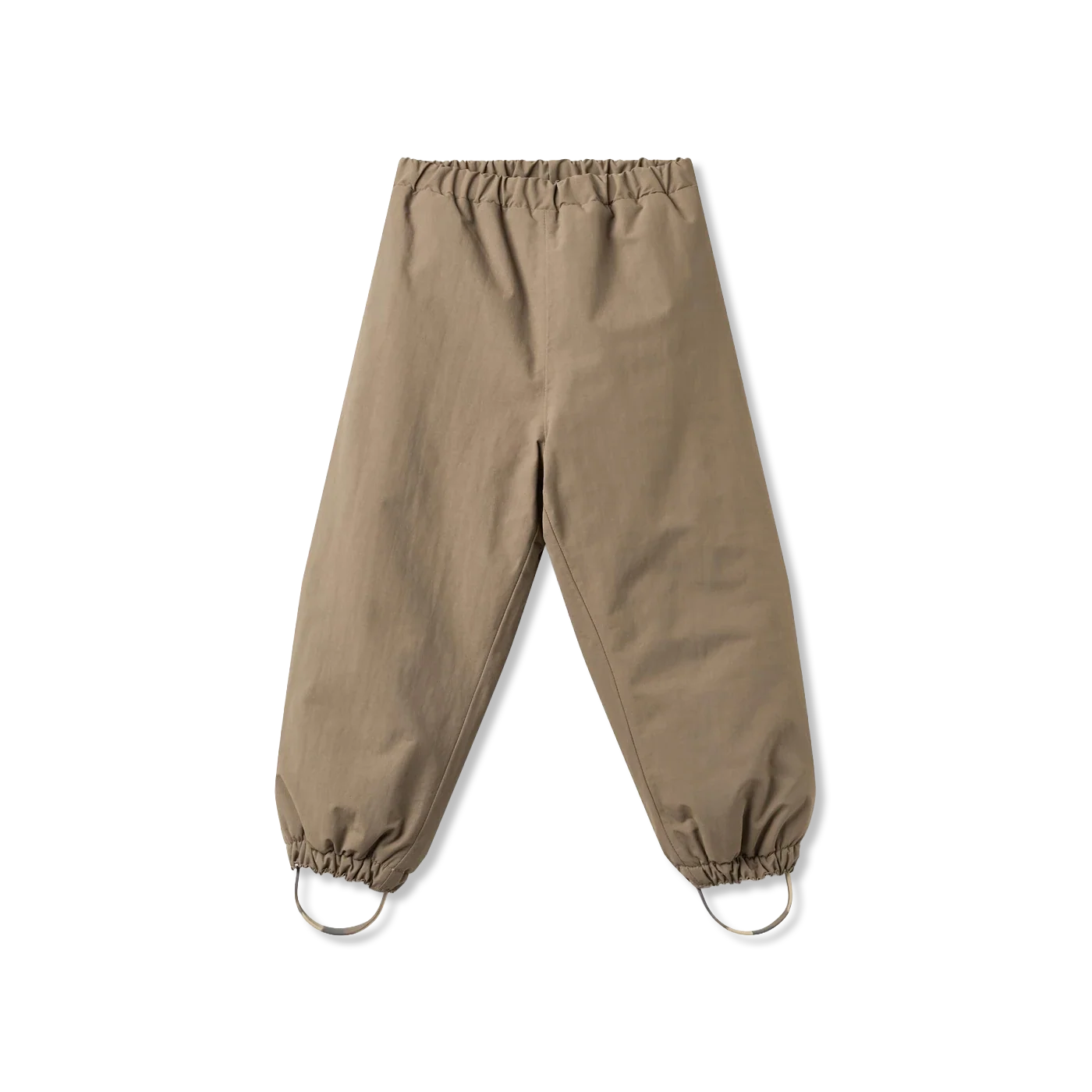
Your child’s needs change a lot with age. For babies and the youngest children, rain trousers with foot straps are often a reassuring choice. Foot straps help keep the legs securely in place around the feet and ankles, so the trouser legs do not ride up as easily. This is practical when your child is sitting in a pram, crawling around or playing close to the ground where everything quickly becomes wet.
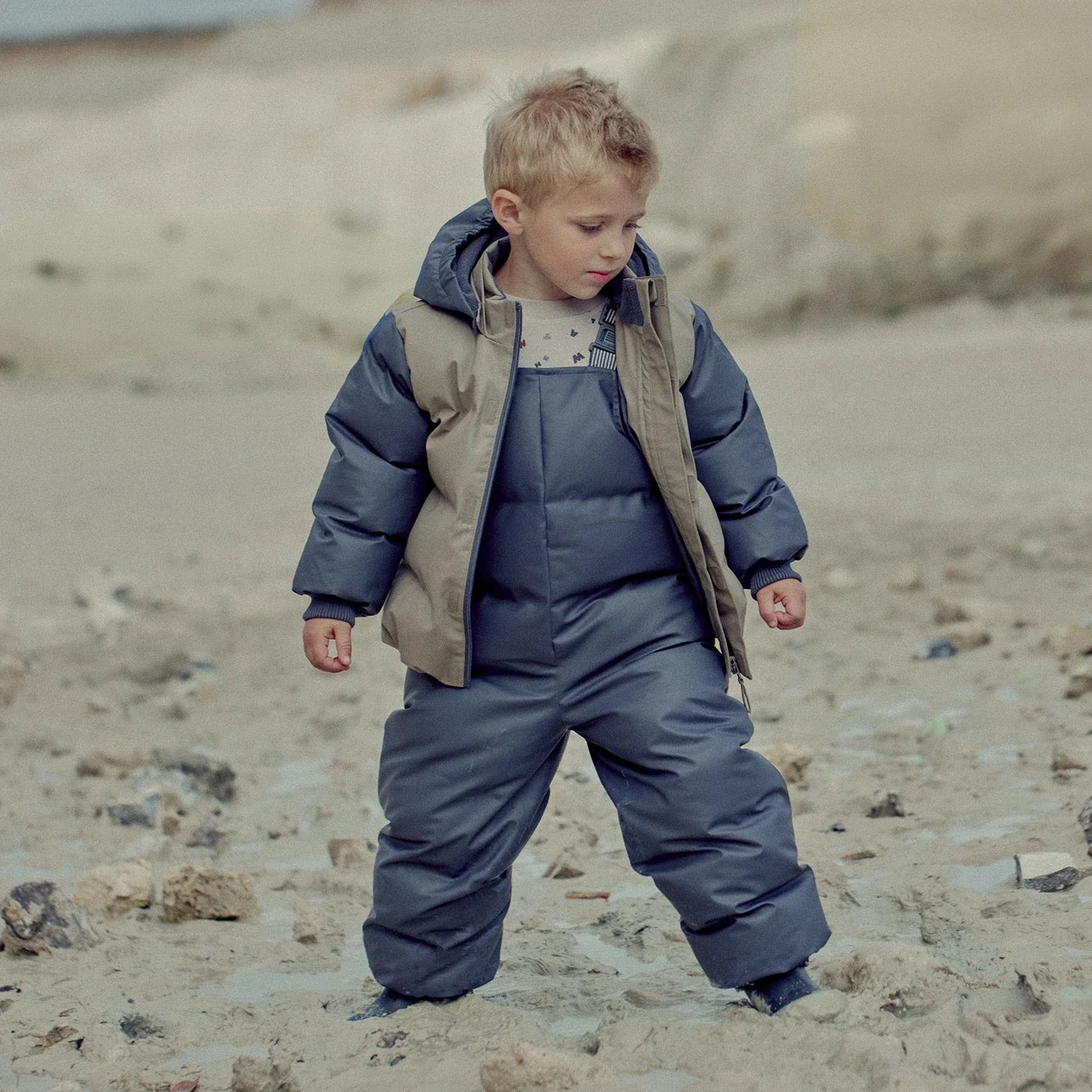
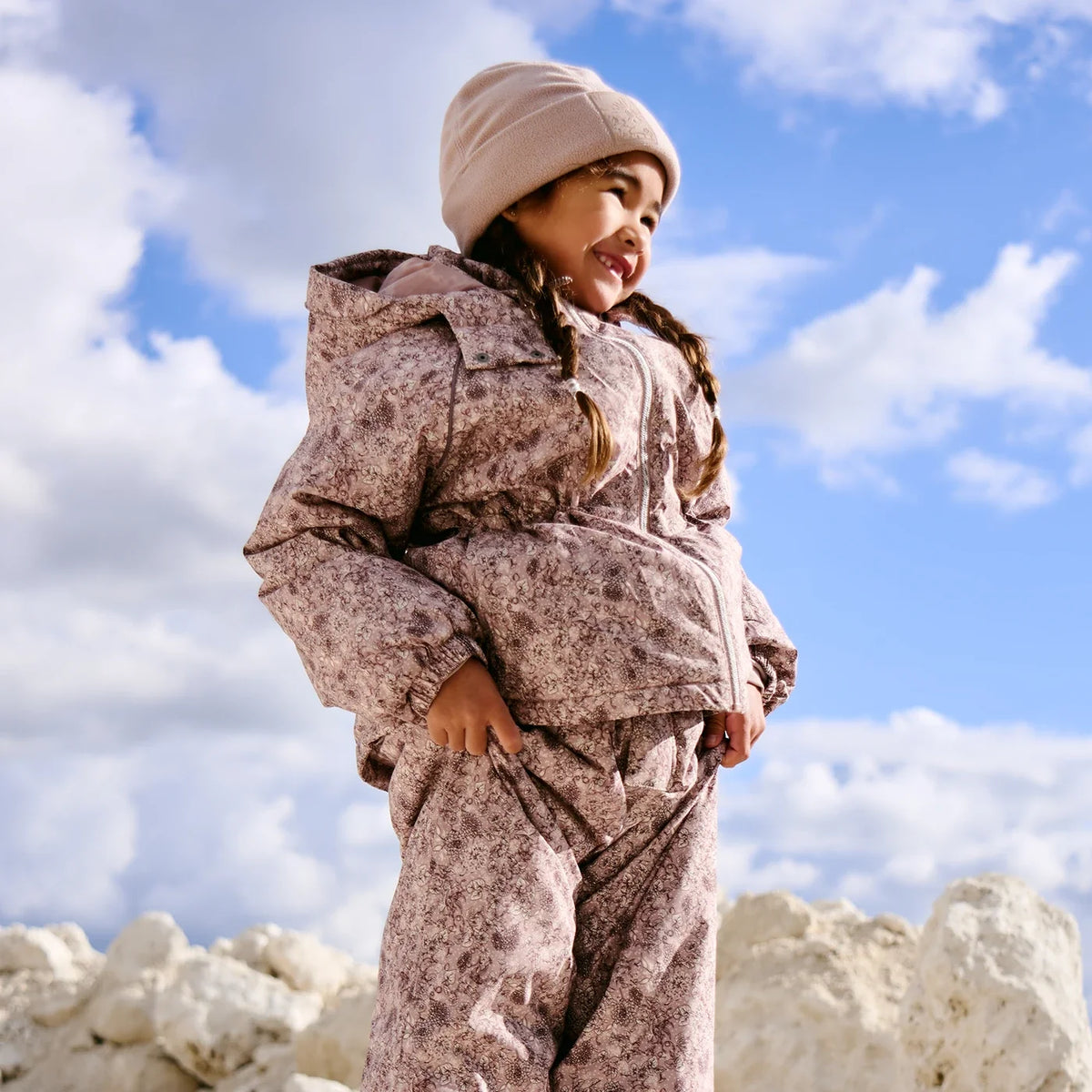
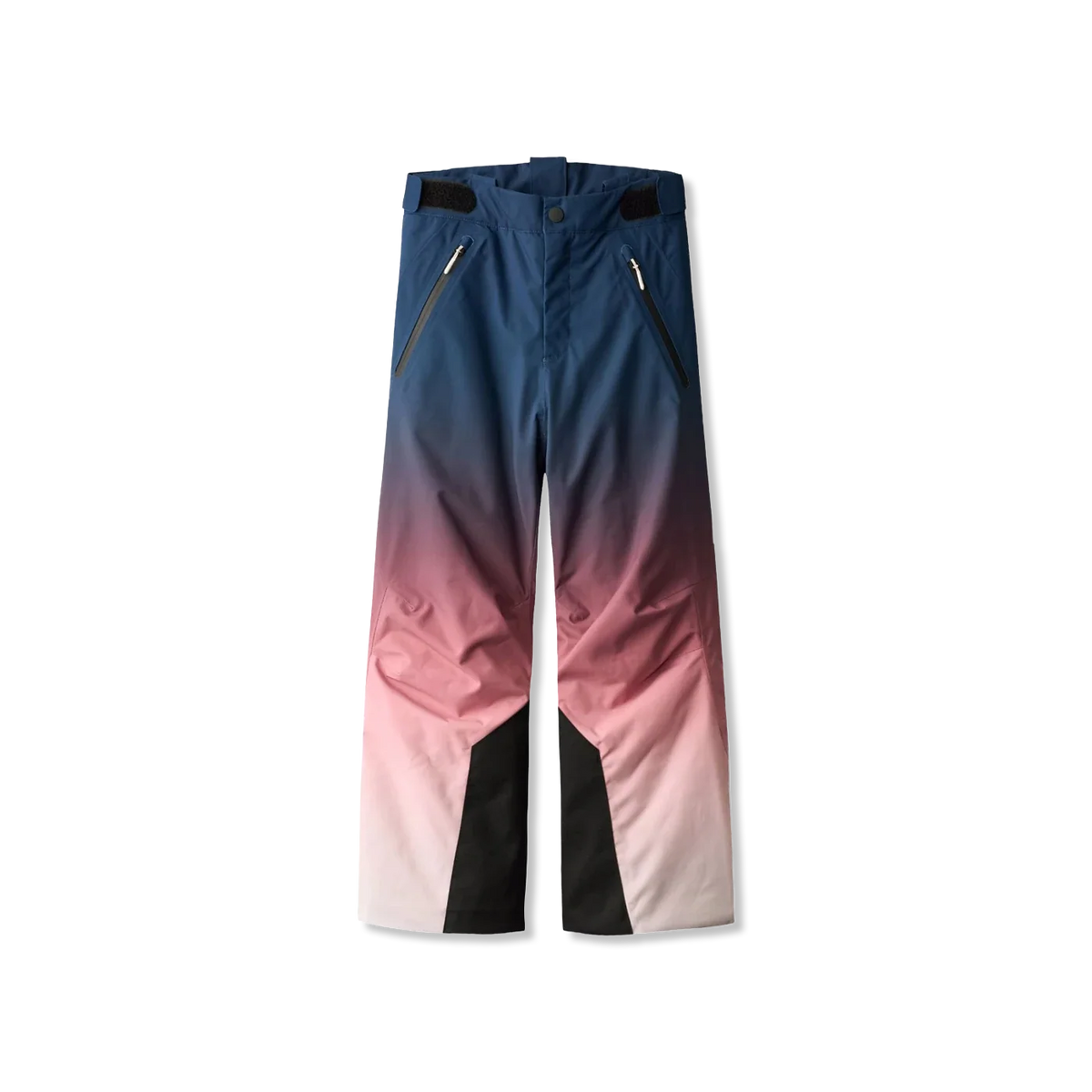
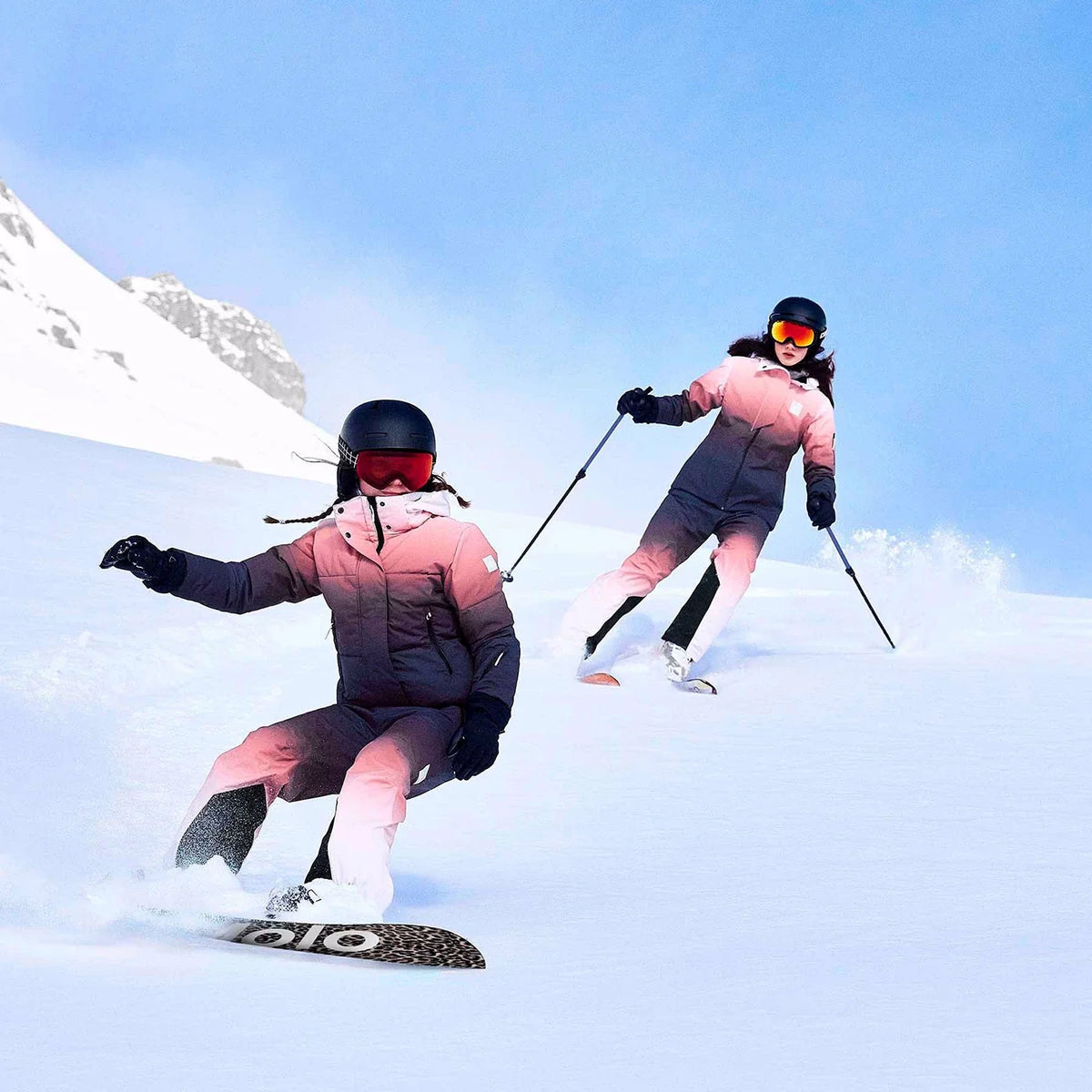
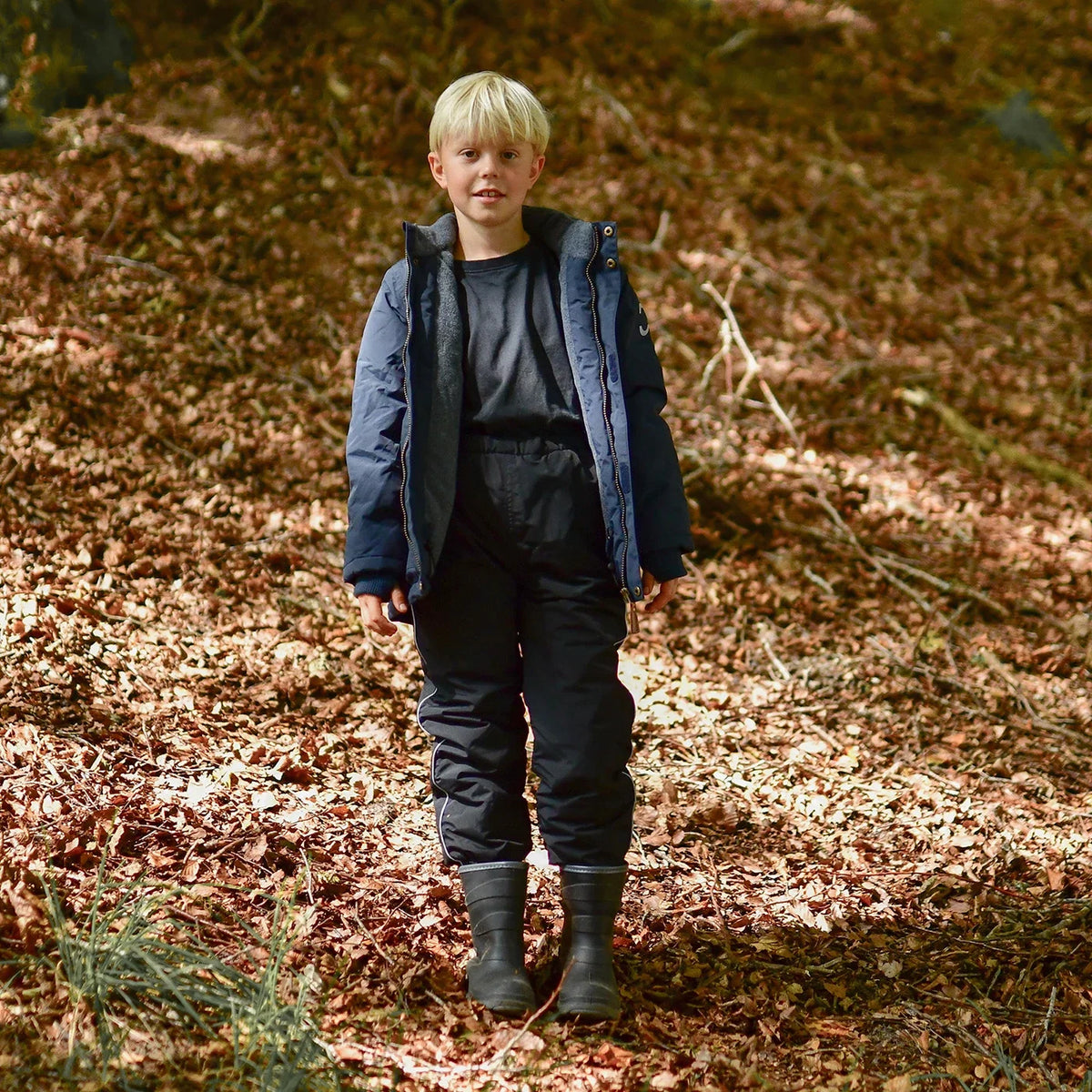
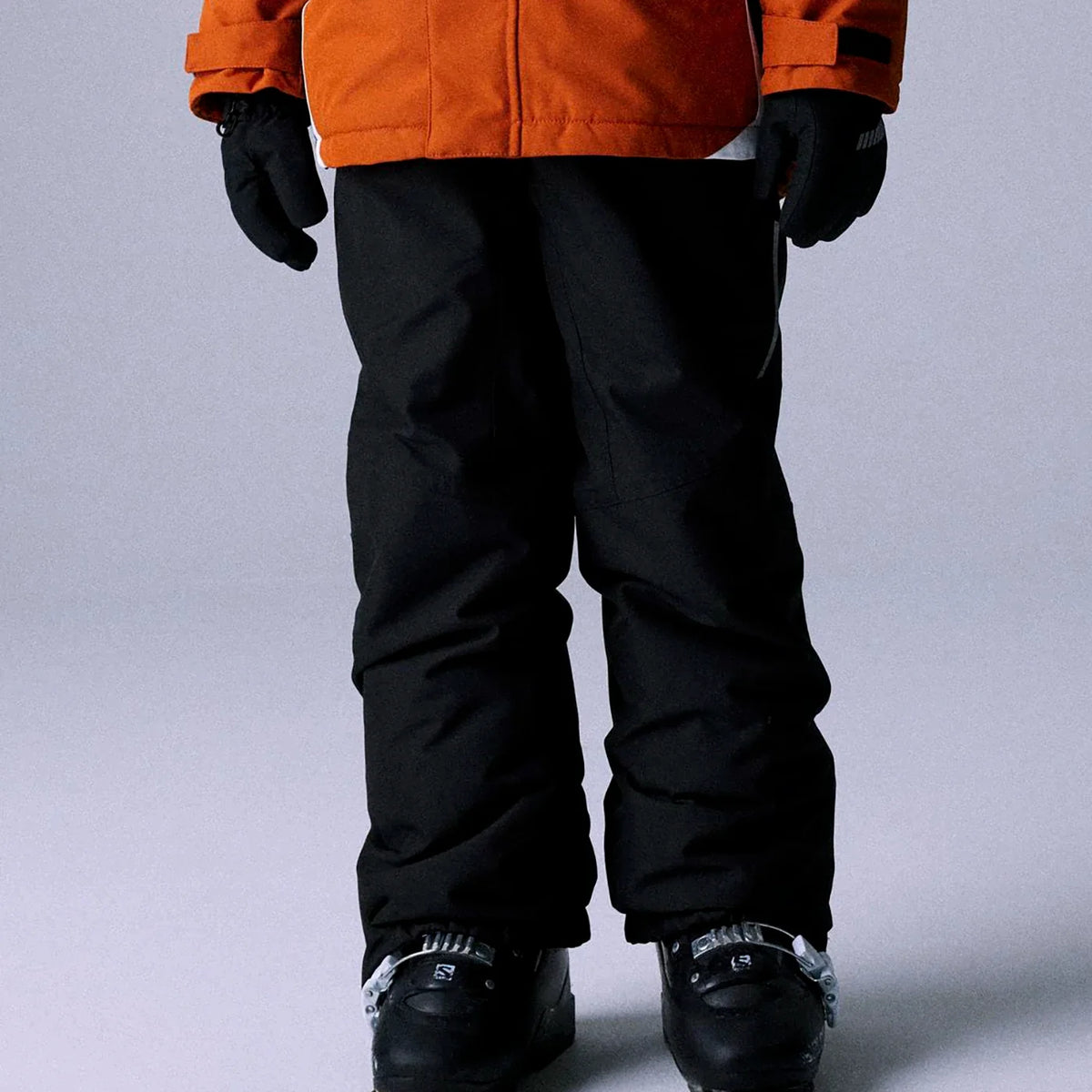
For nursery children and older kids, many parents choose rain trousers without foot straps because they are easier to pull on and off over shoes and boots. At this age, fit, freedom of movement and durability often matter more. A child who climbs, cycles and jumps in puddles will usually get the most out of children’s rain trousers that allow free movement without feeling tight around the knees or hips.
The weather naturally plays a role too. For light rain and damp days, water-repellent trousers may be enough, while prolonged rain and many hours outdoors call for rain trousers with a clear waterproof function and sealed seams. During the colder months, many children also wear them over warm layers, making them a natural part of their outerwear together with, for example, thermal clothing.
How to choose the right size in rain trousers
The most common mistake is choosing a size that is too small. Rain trousers should not fit like ordinary trousers; they need room for the clothing your child is already wearing underneath. If your child usually wears jeans, leggings or soft trousers below, there should still be enough space for them to play, run and sit down comfortably.
A good fit is often recognised by:
- a waist that sits securely without feeling tight
- enough room for your child to squat without resistance
- trouser legs that stay down over the boots
- space for an extra layer on cold days
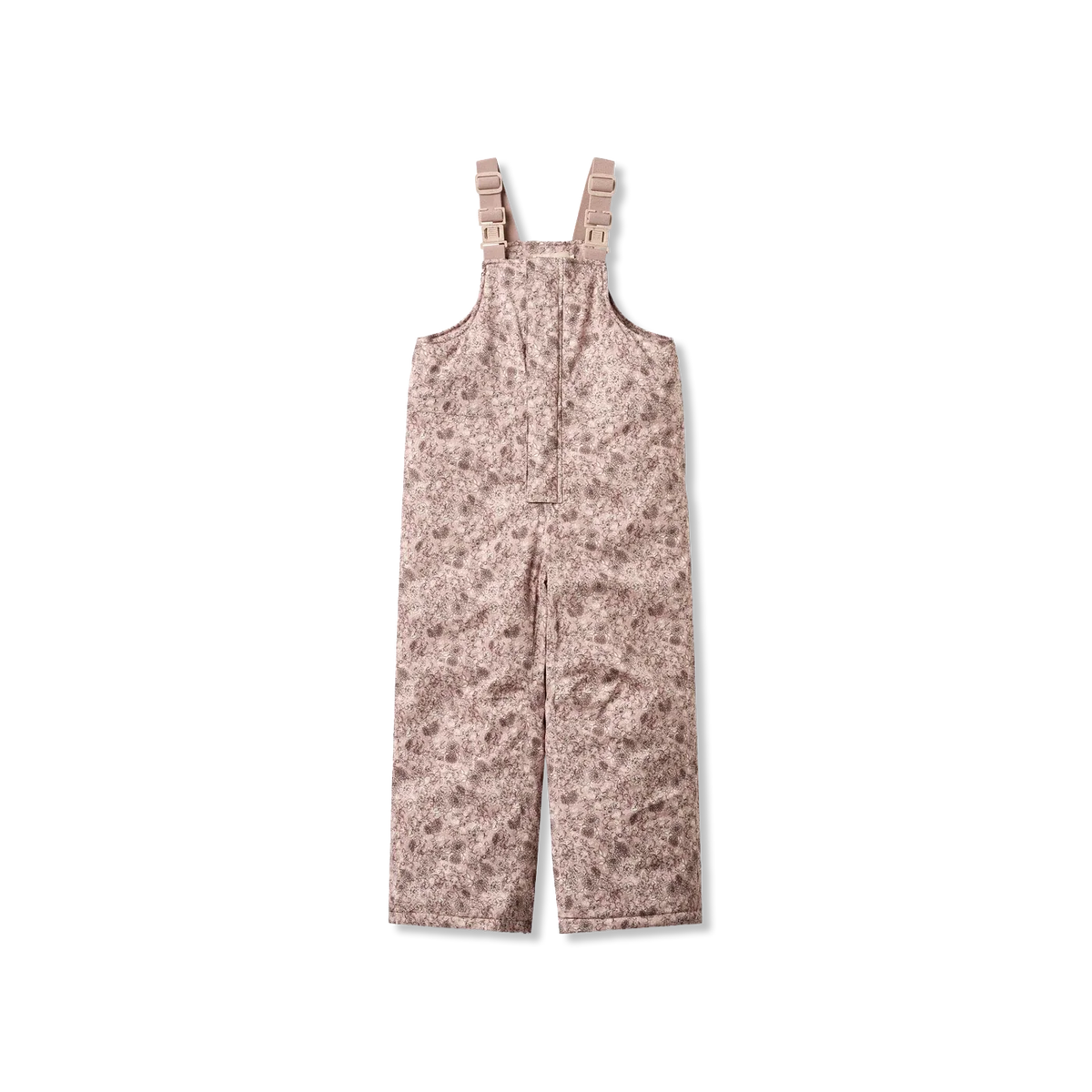
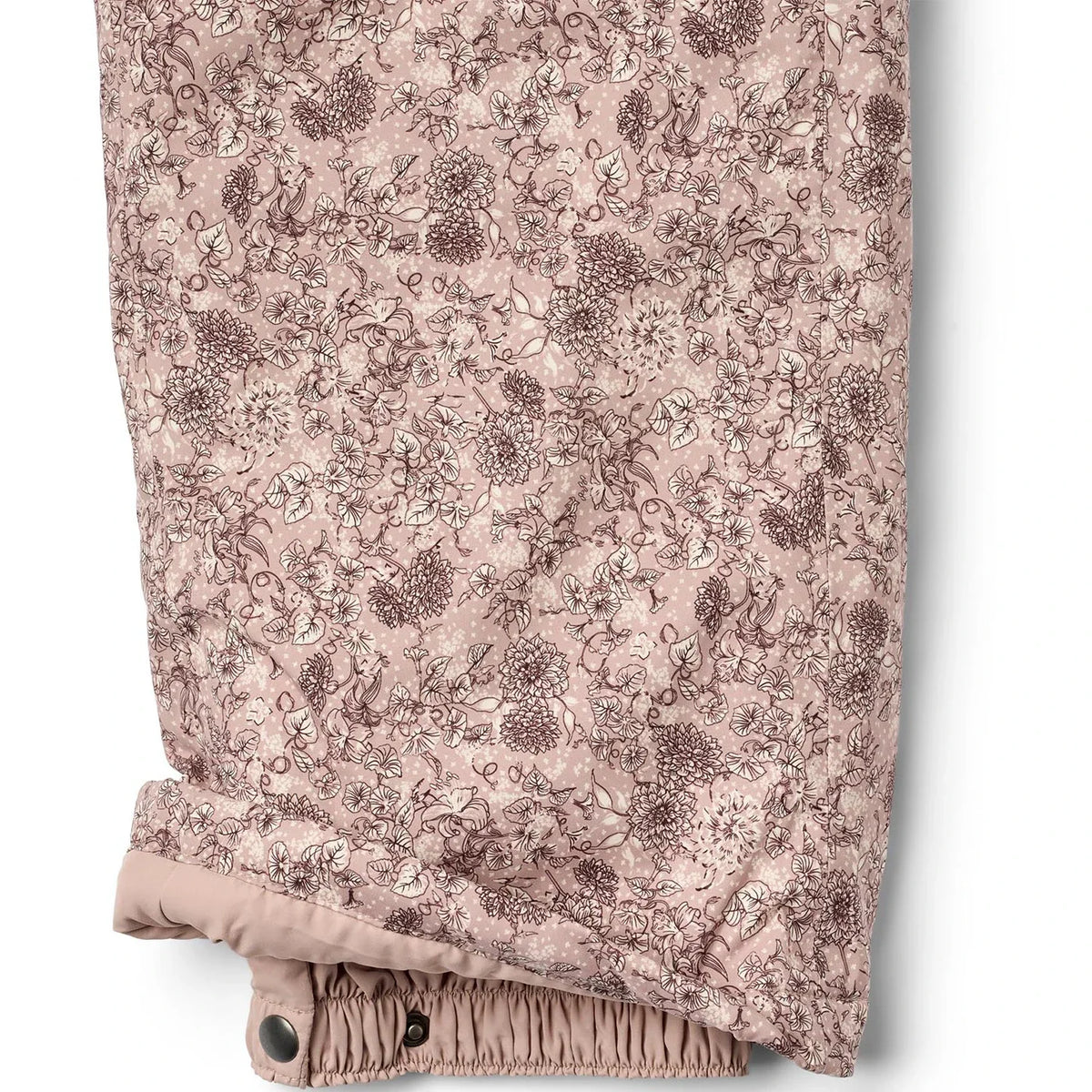
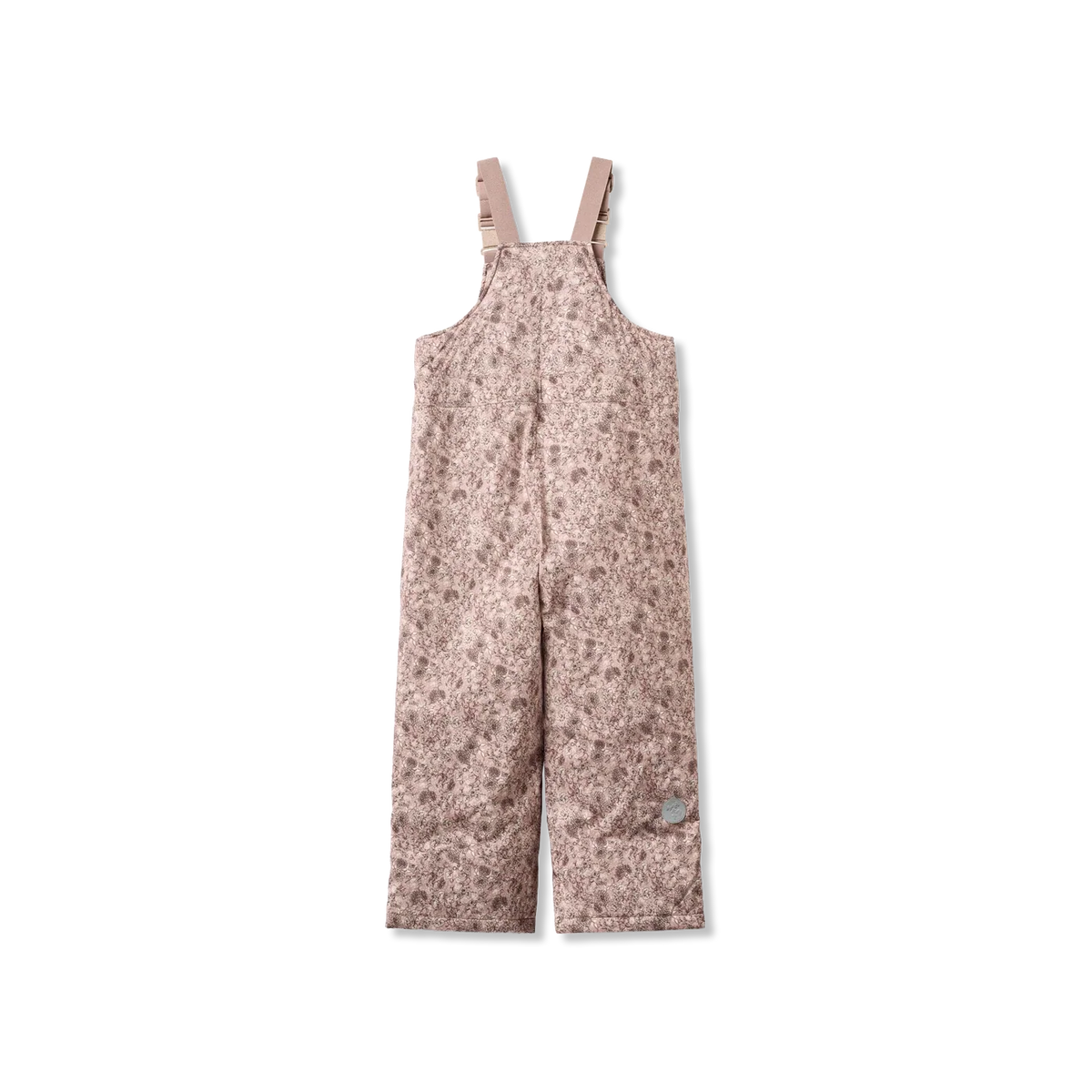
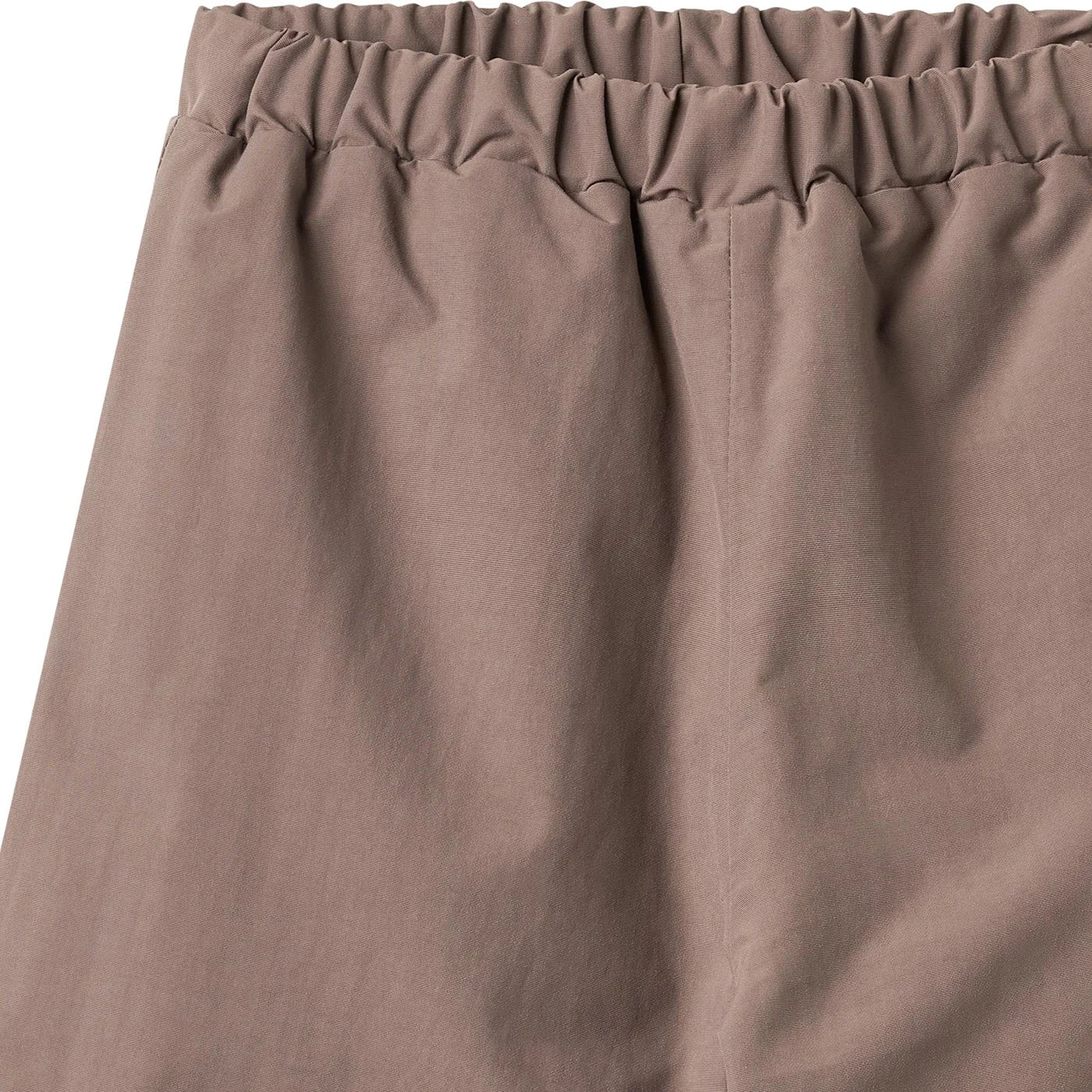
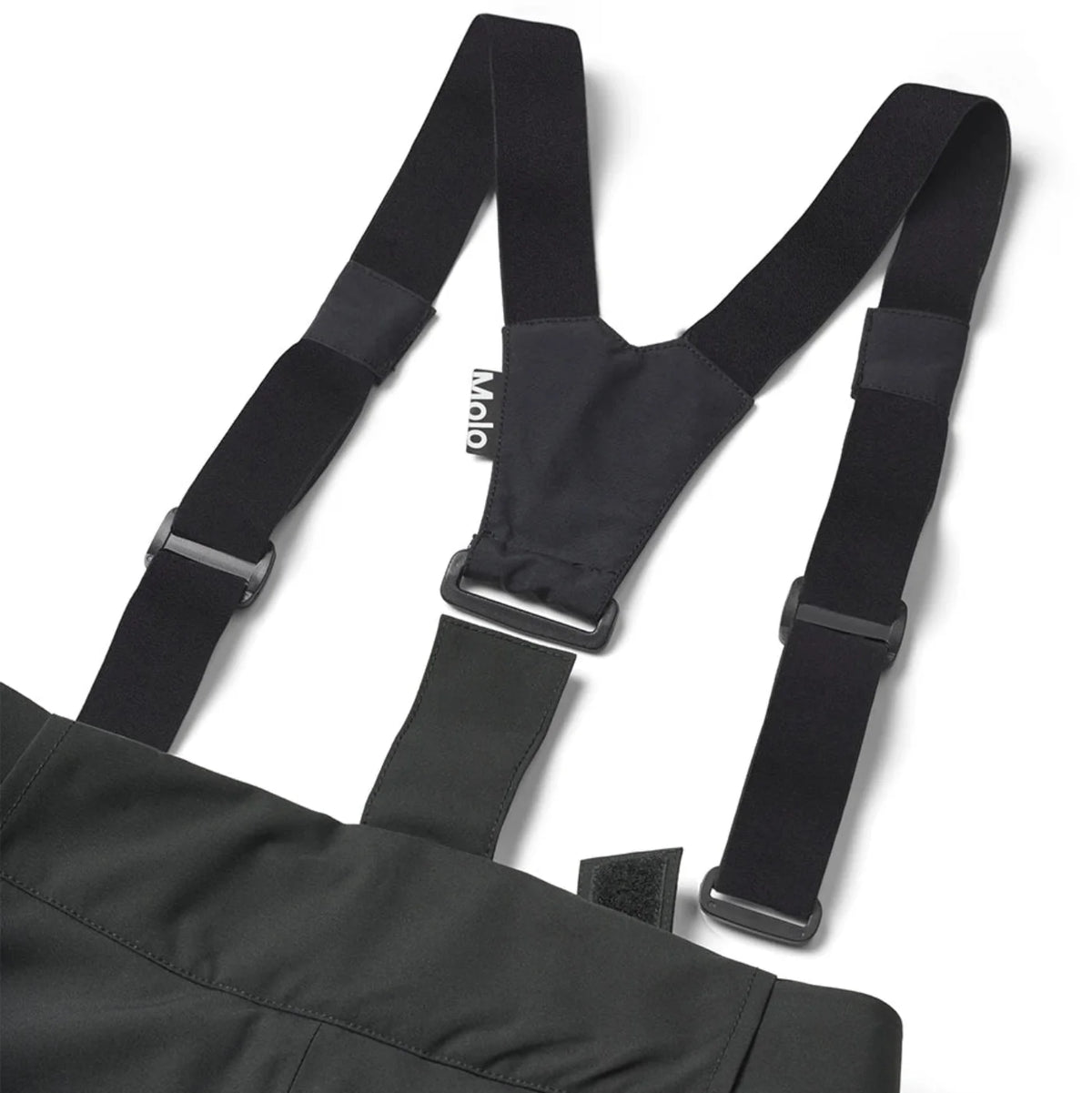
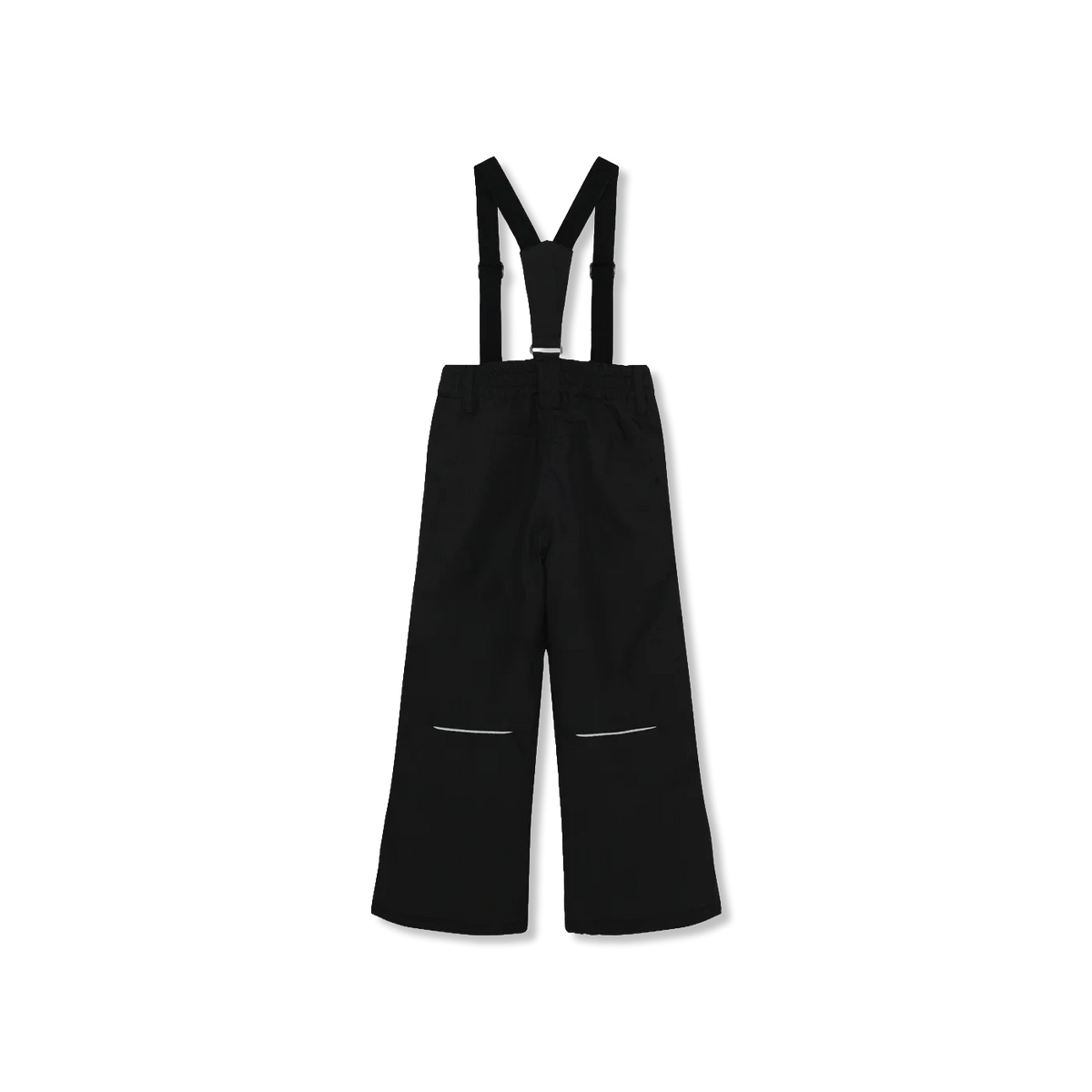
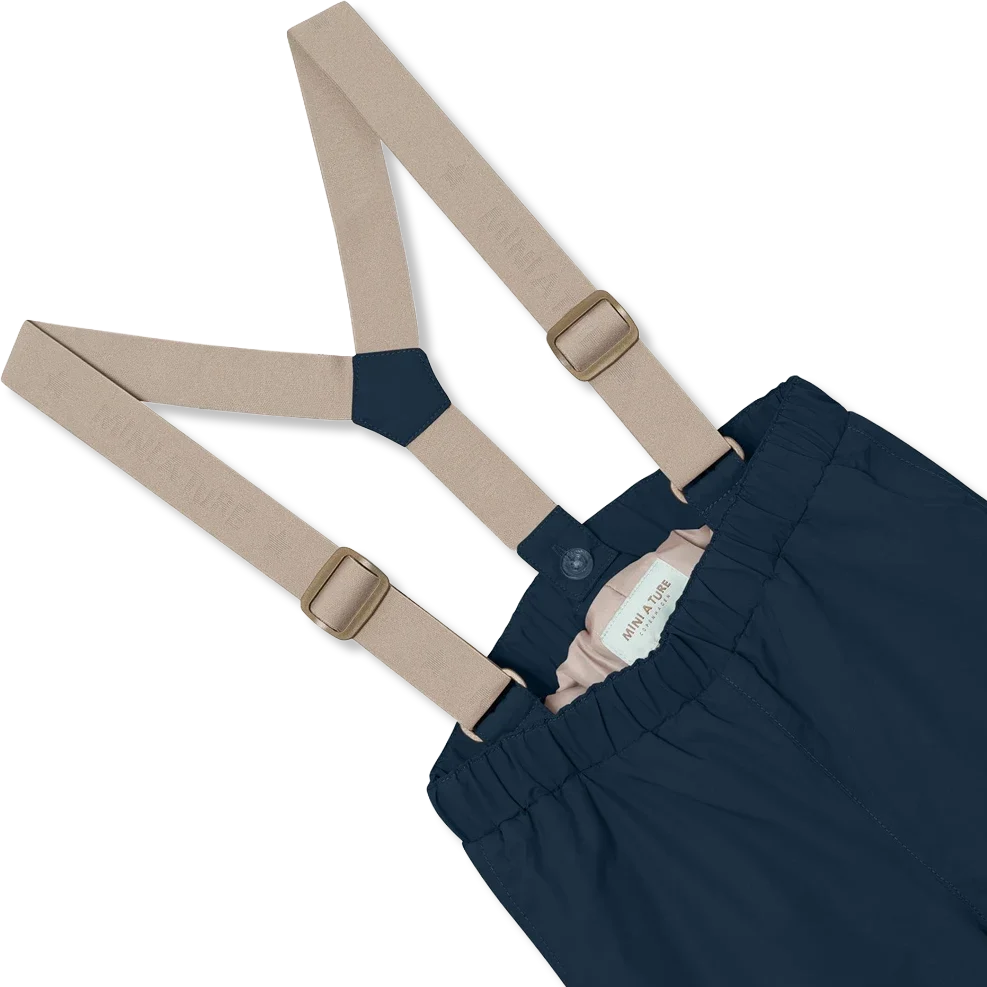
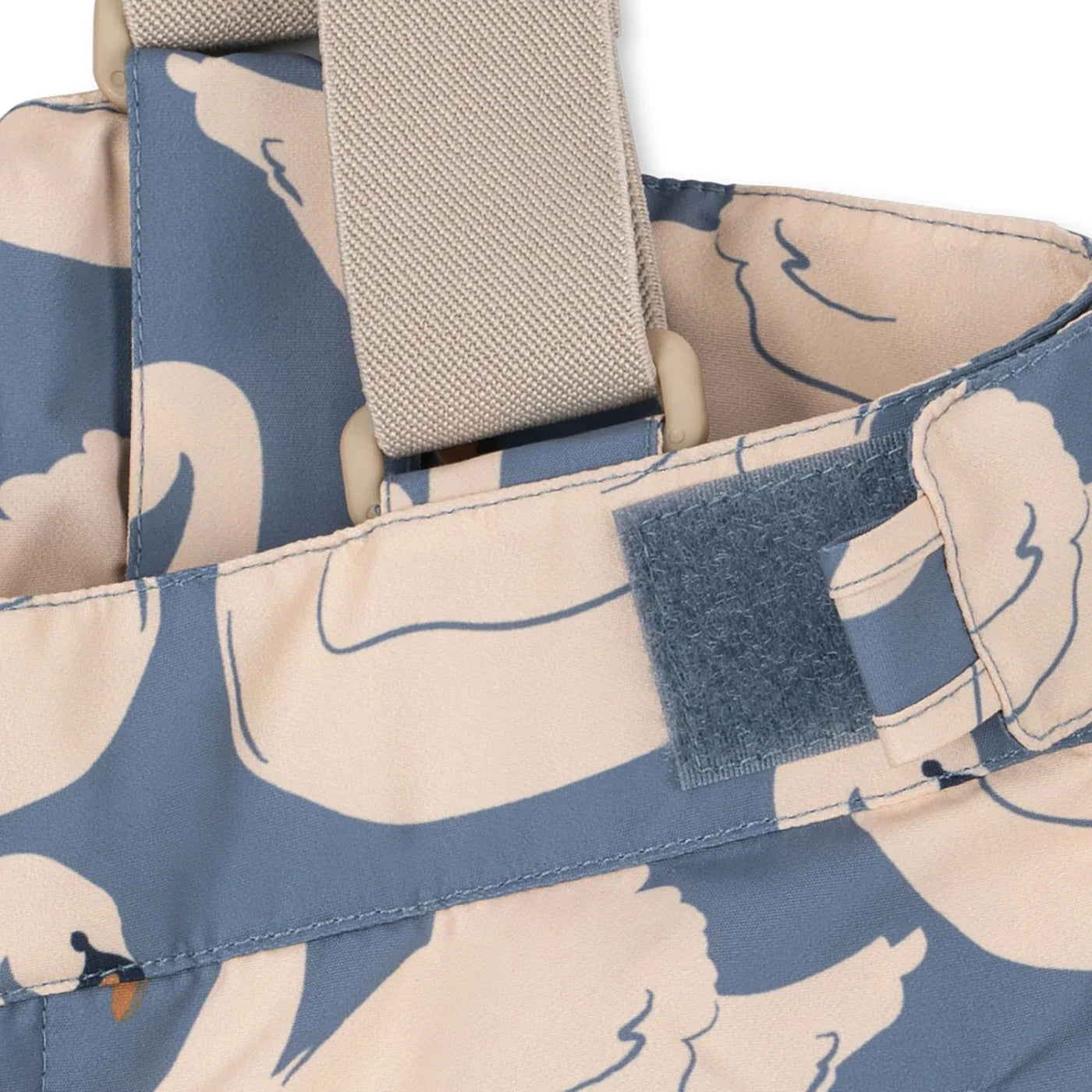
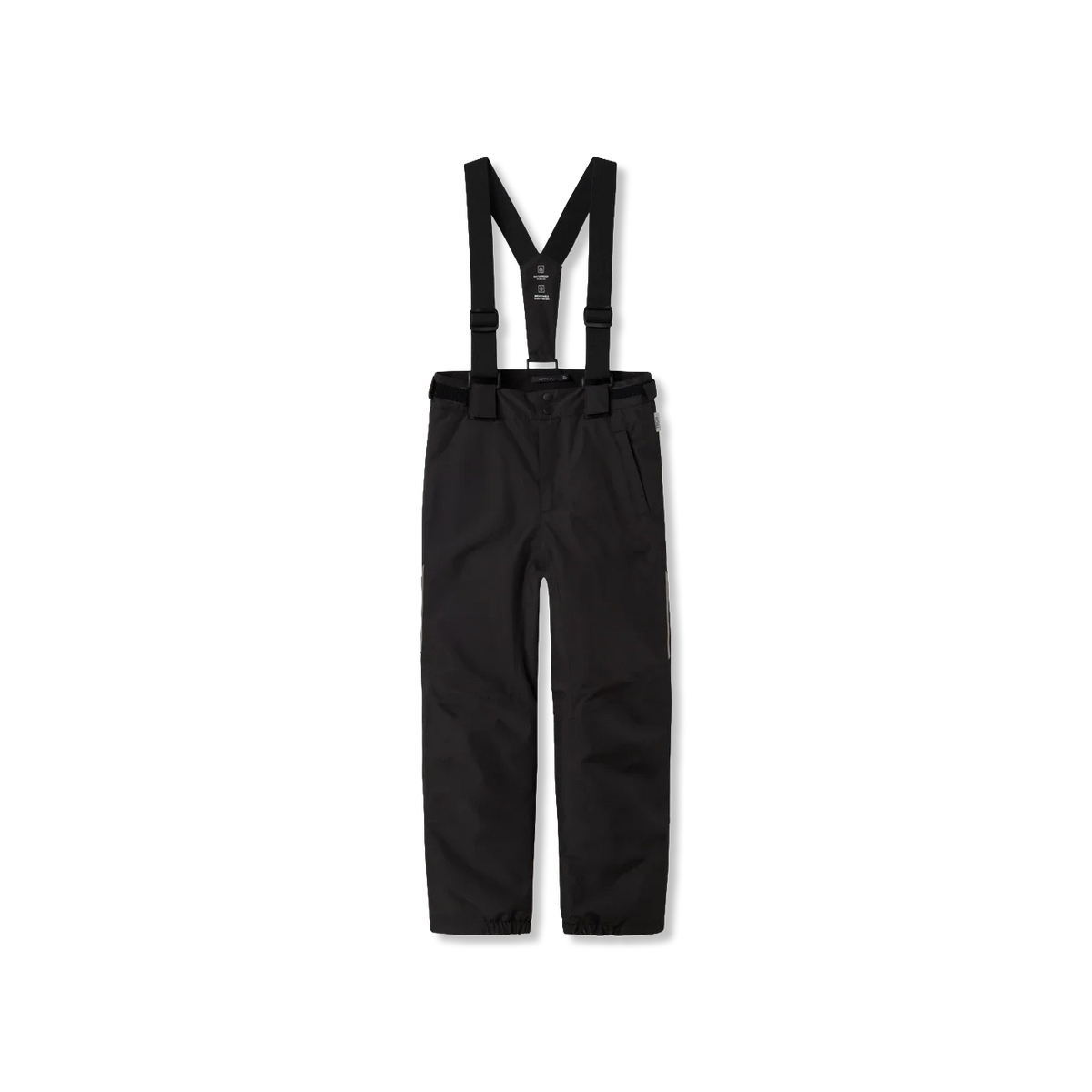
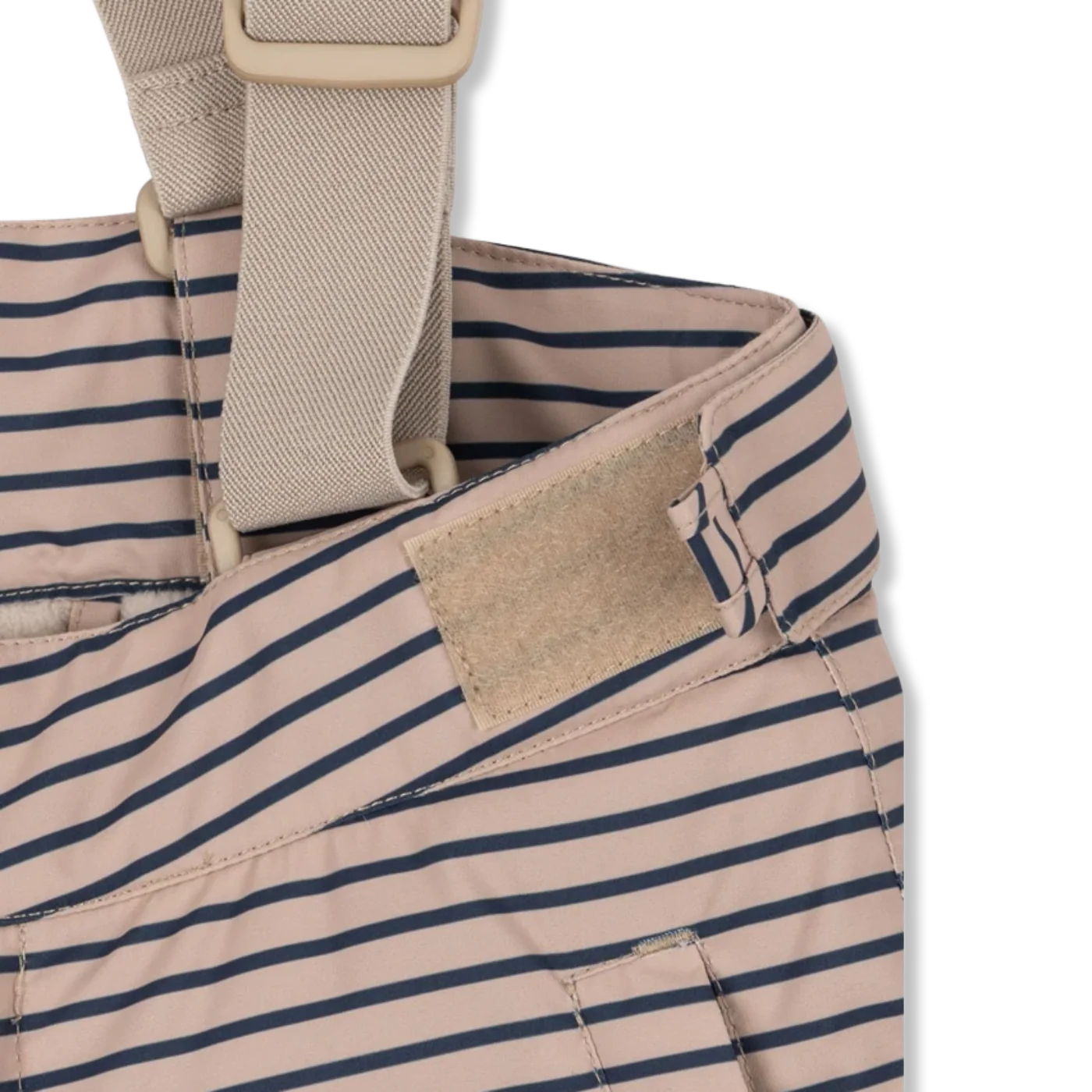
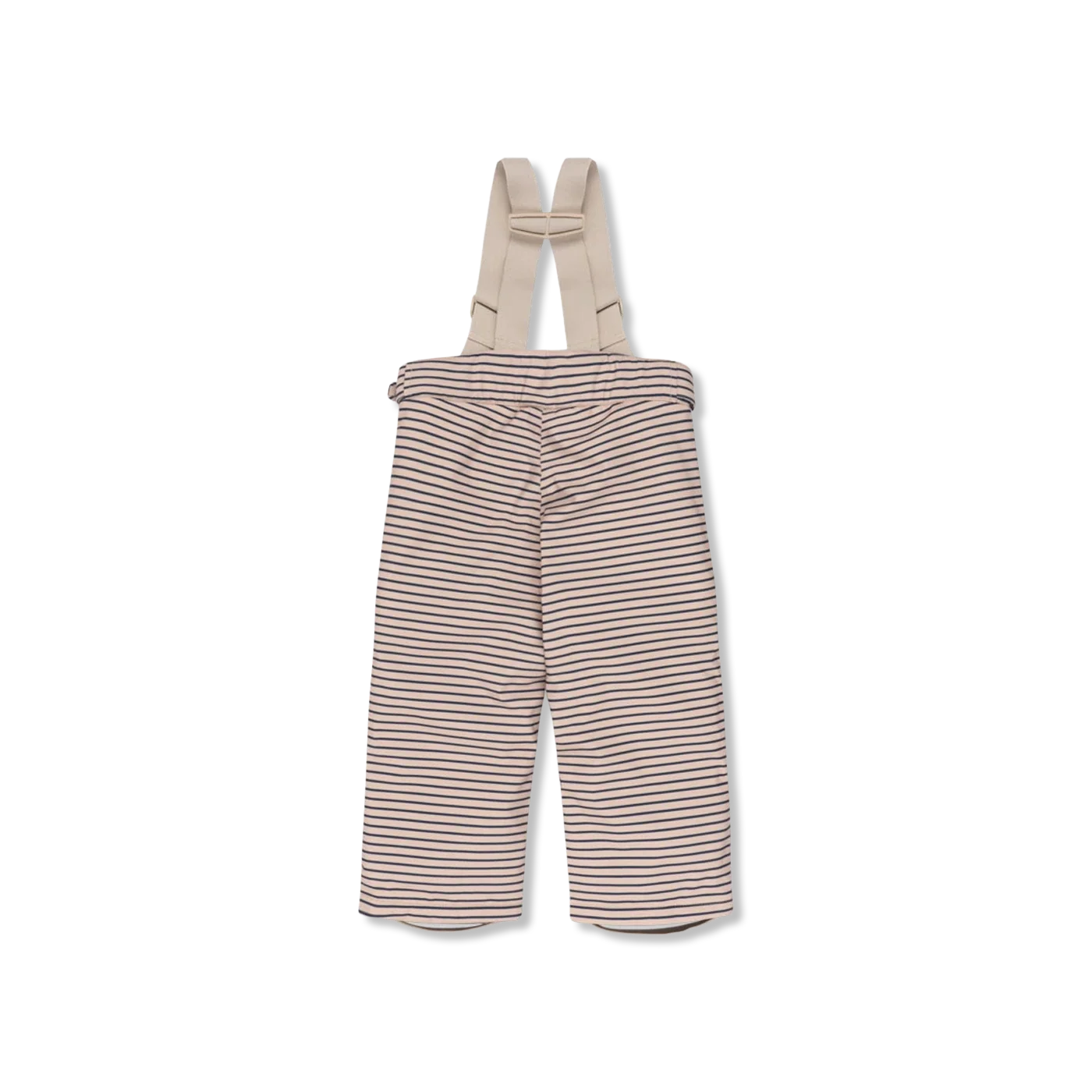
In the smallest sizes, foot straps can create a more enclosed and stable fit. For older children, an adjustable waist, elasticated leg openings and possibly braces are often the details that make everyday use easier. If your child uses them at nursery or school, it is also helpful to choose a style they can easily take on and off themselves.
Materials and details that make rain trousers more practical
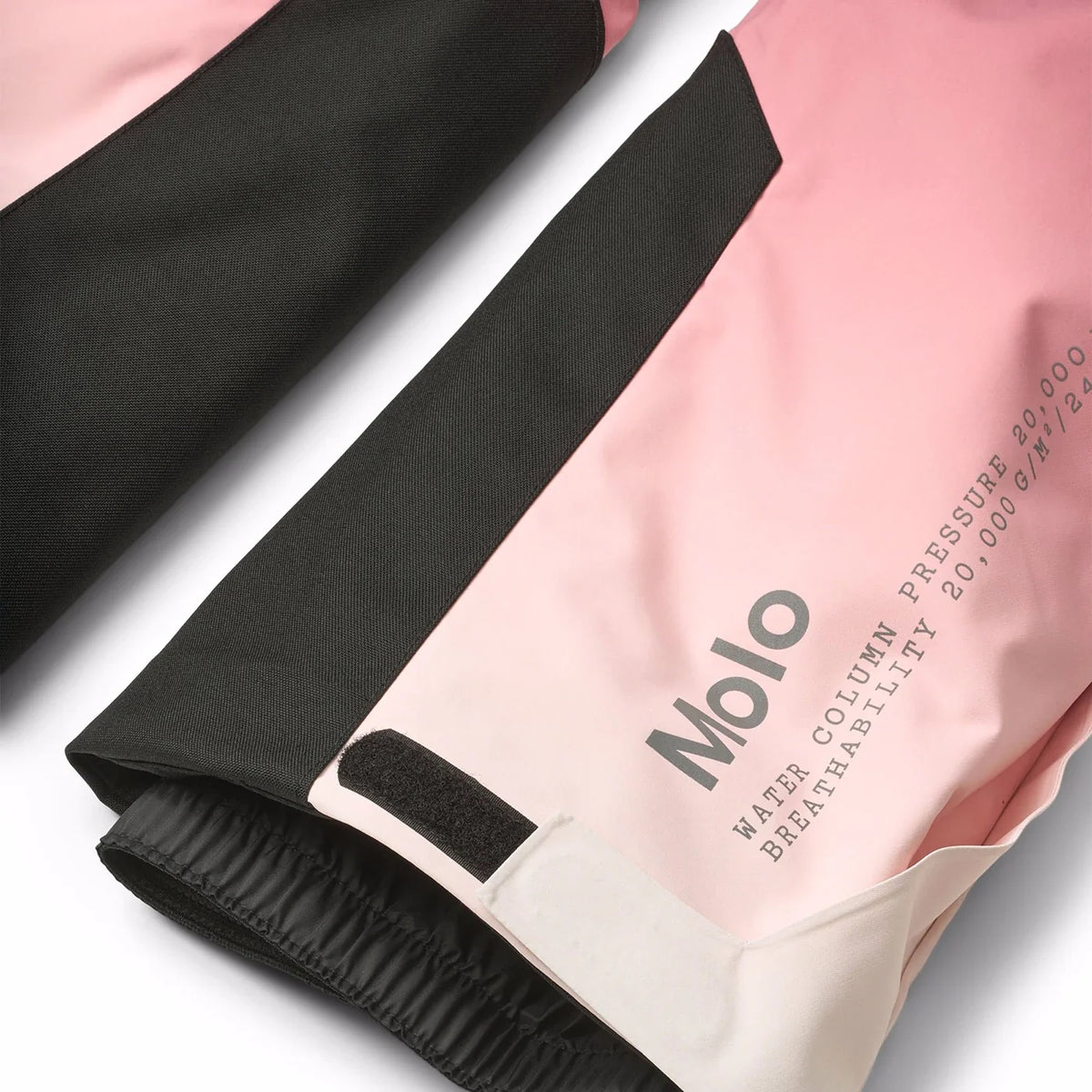
Many rain trousers are made from polyester or nylon with a water-repellent or waterproof coating, often PU. This creates a surface that keeps rain and mud out while being easy to wipe clean after use. In practice, it means less moisture coming through the fabric and fewer changes of all the clothes your child is wearing underneath.
It is worth looking out for details that make a real difference:
- taped or welded seams if the trousers will be used in very wet weather
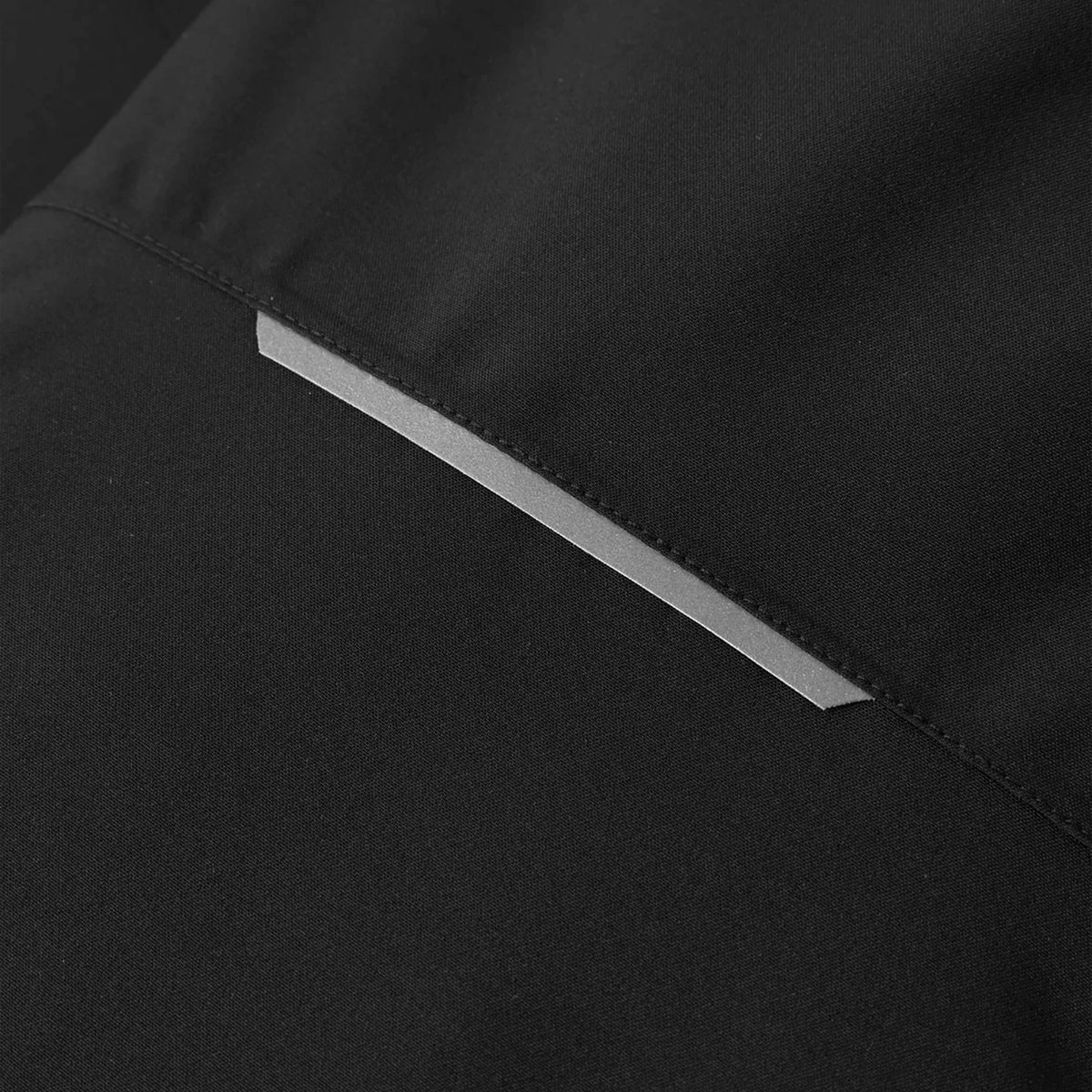
- reflective details to make your child more visible on dark and grey afternoons
- elastic or adjustable details at the ankles and waist
- a material that is flexible enough for play and movement
Breathability can also be an advantage, especially if your child is very active. If the trousers are worn for longer periods at a time, it is nice to have a style that does not feel heavy or too closed in. It is not only about keeping the rain out, but also about ensuring your child can wear the clothing without feeling clammy or uncomfortable.
When rain trousers need to work with the rest of the wardrobe
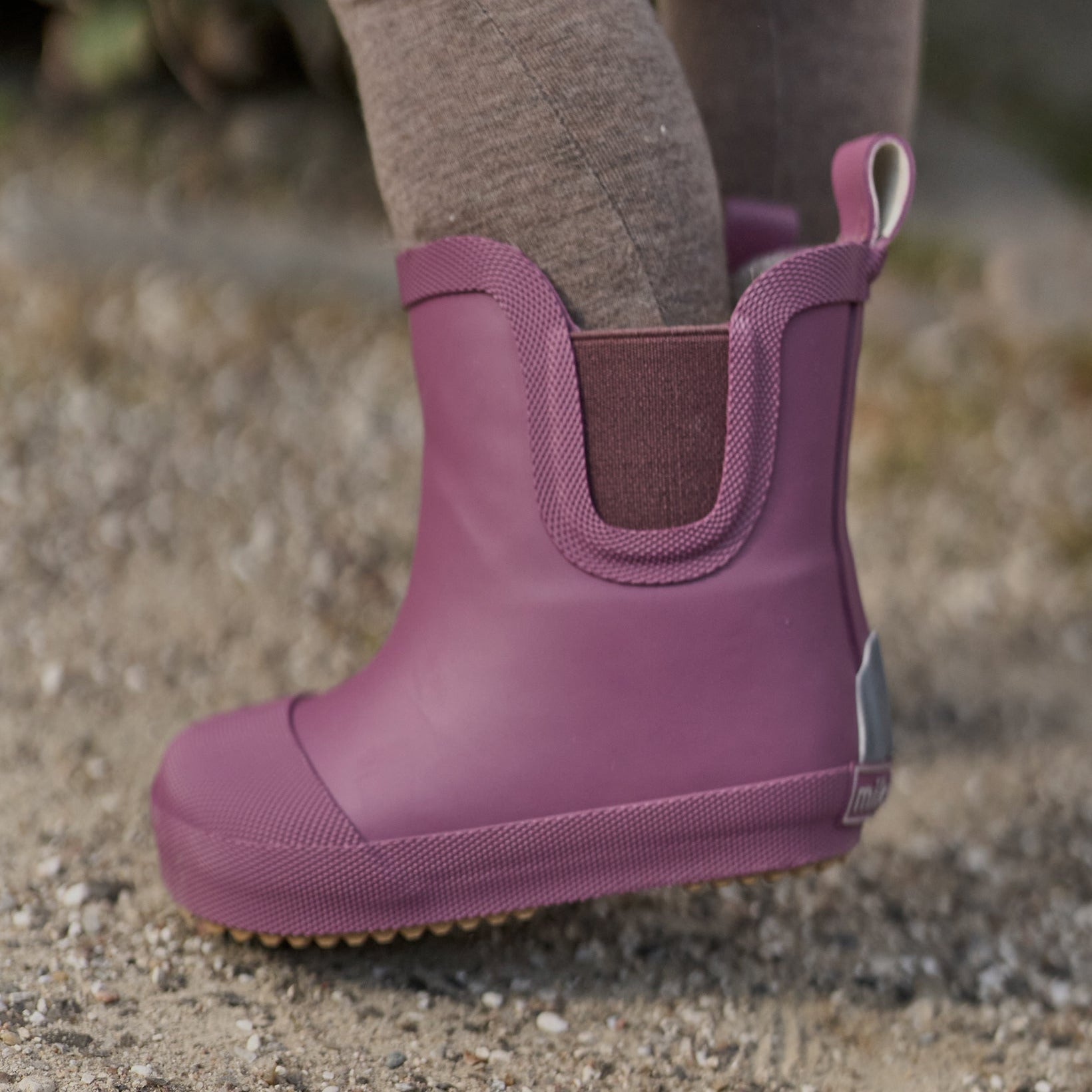
Rain trousers work best as part of a practical solution for wet and changeable weather. On mild days, they can be worn over ordinary trousers, while in colder periods they often make the most sense with warm layers underneath. For rainy days and slushy walks, many parents also choose a good pair of wellies, so the child is well protected all the way down to the feet.
For children who spend long periods outdoors, it can be a good idea to think in full sets rather than individual pieces. Some children mainly need lightweight rain trousers for nursery and spare clothing, while others need a more durable style for many hours of outdoor play. If you are looking for a warmer alternative for cold and wet months, you can also take a look at thermal rainwear.
The most important thing is that the rain trousers suit your child’s everyday life. When fit, waterproof protection and freedom of movement work together, they become easier to use in practice – and make it a little easier to send children outside to play, even when the weather is grey and wet.