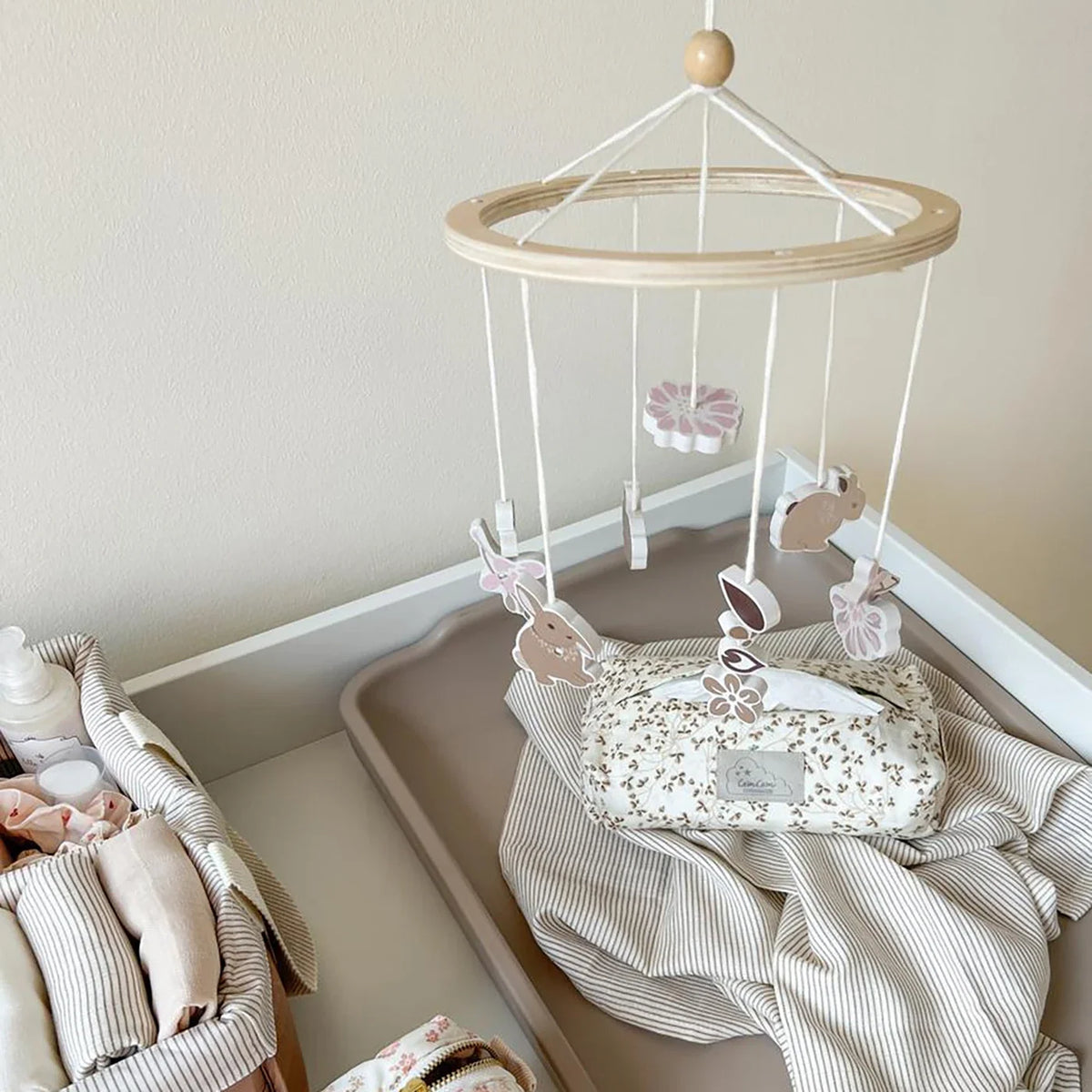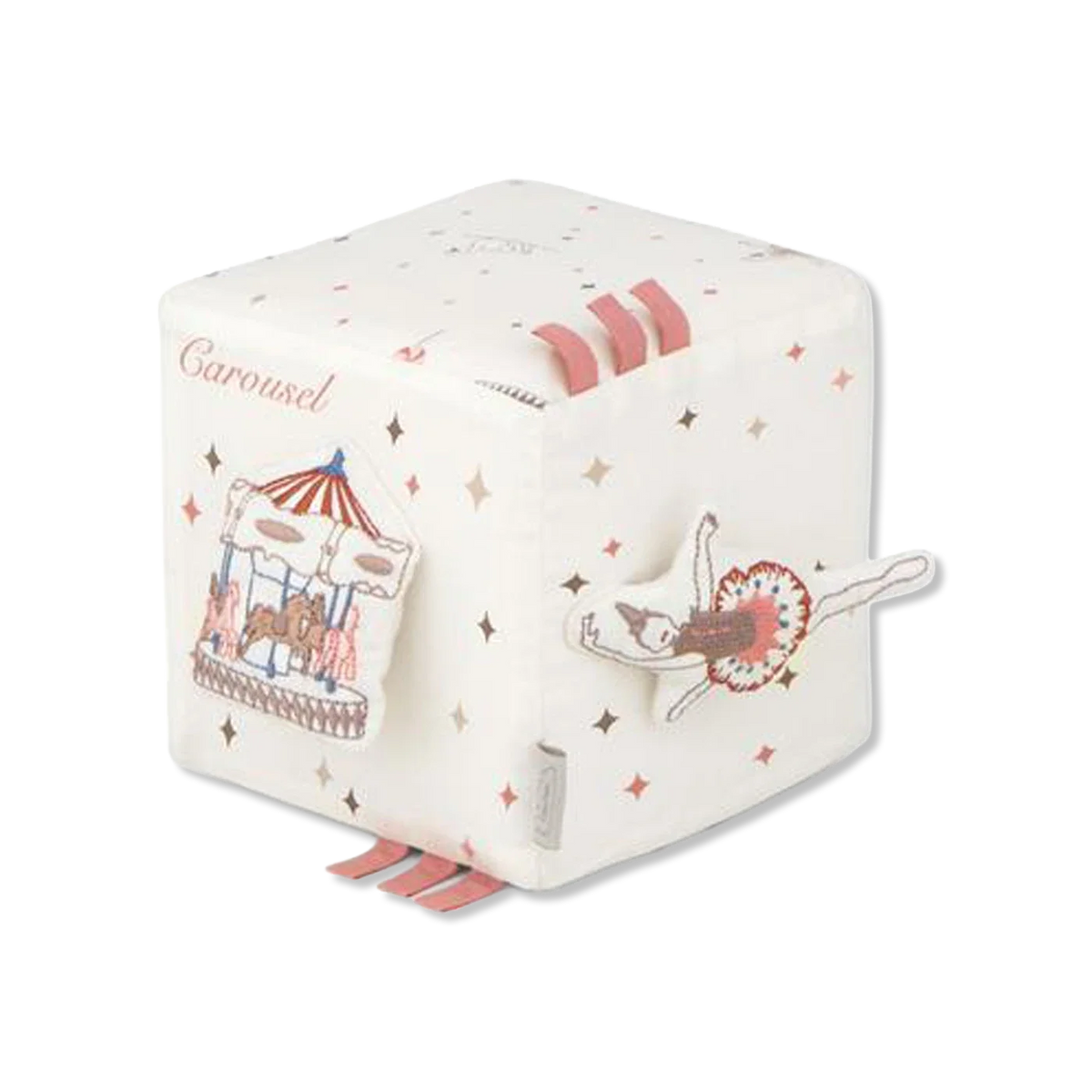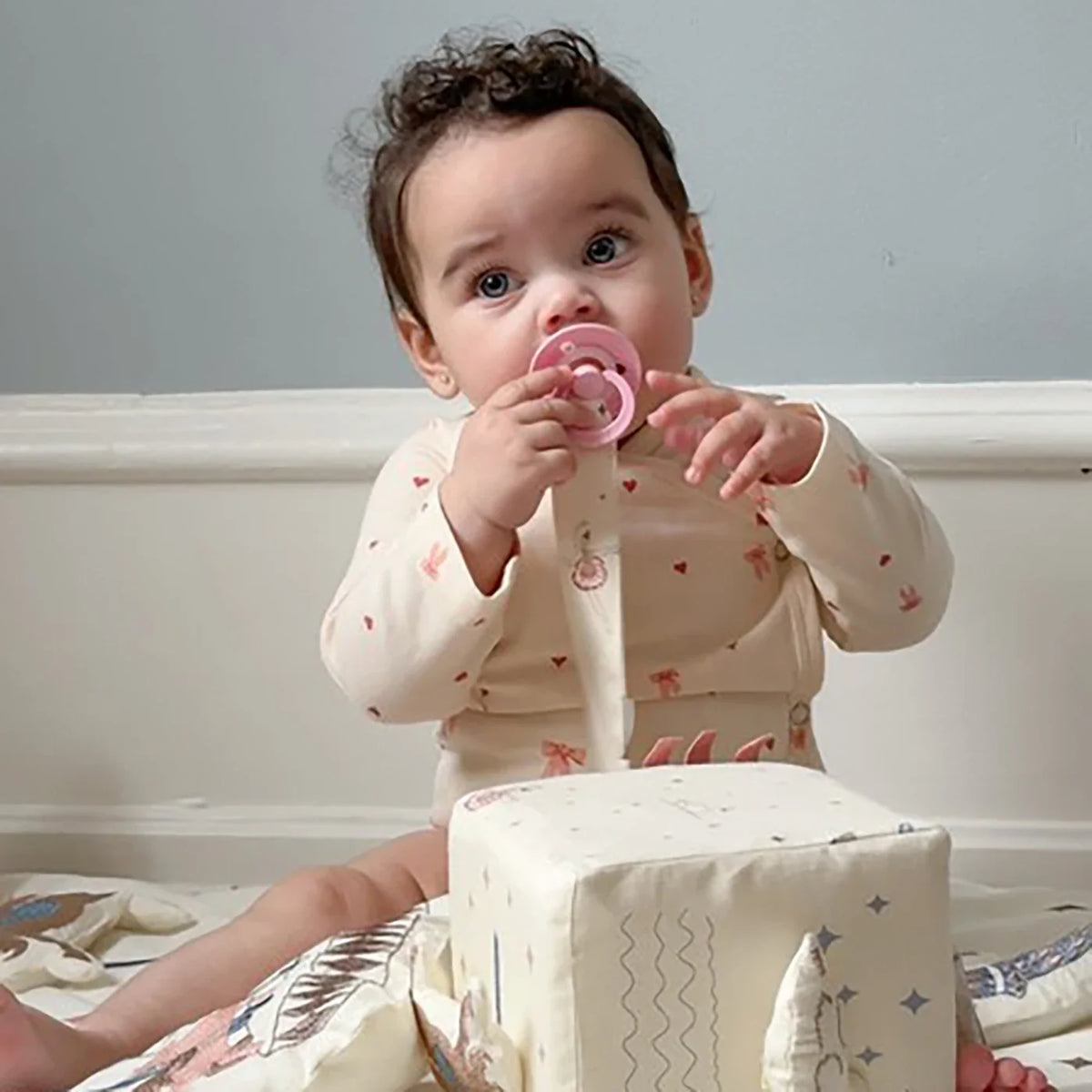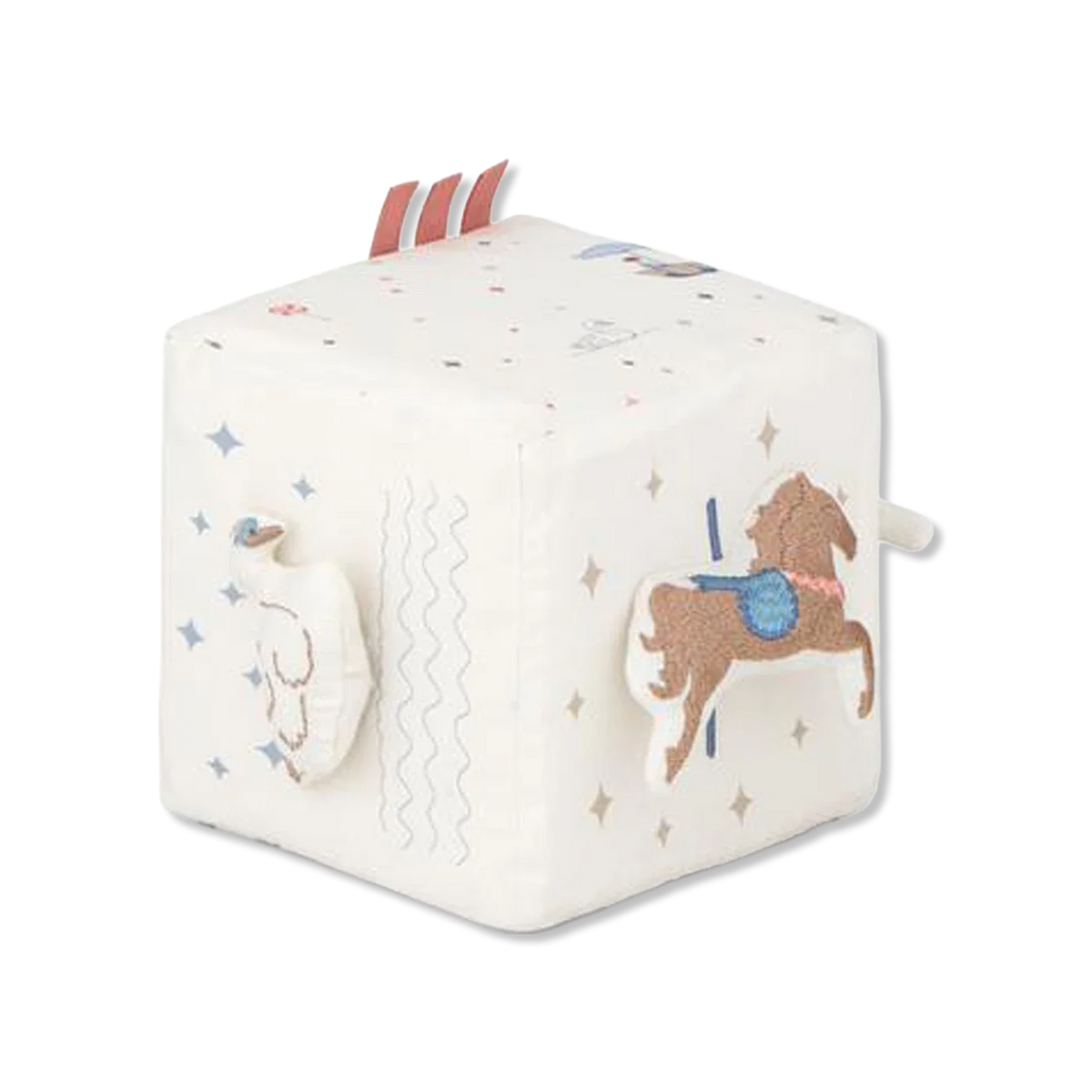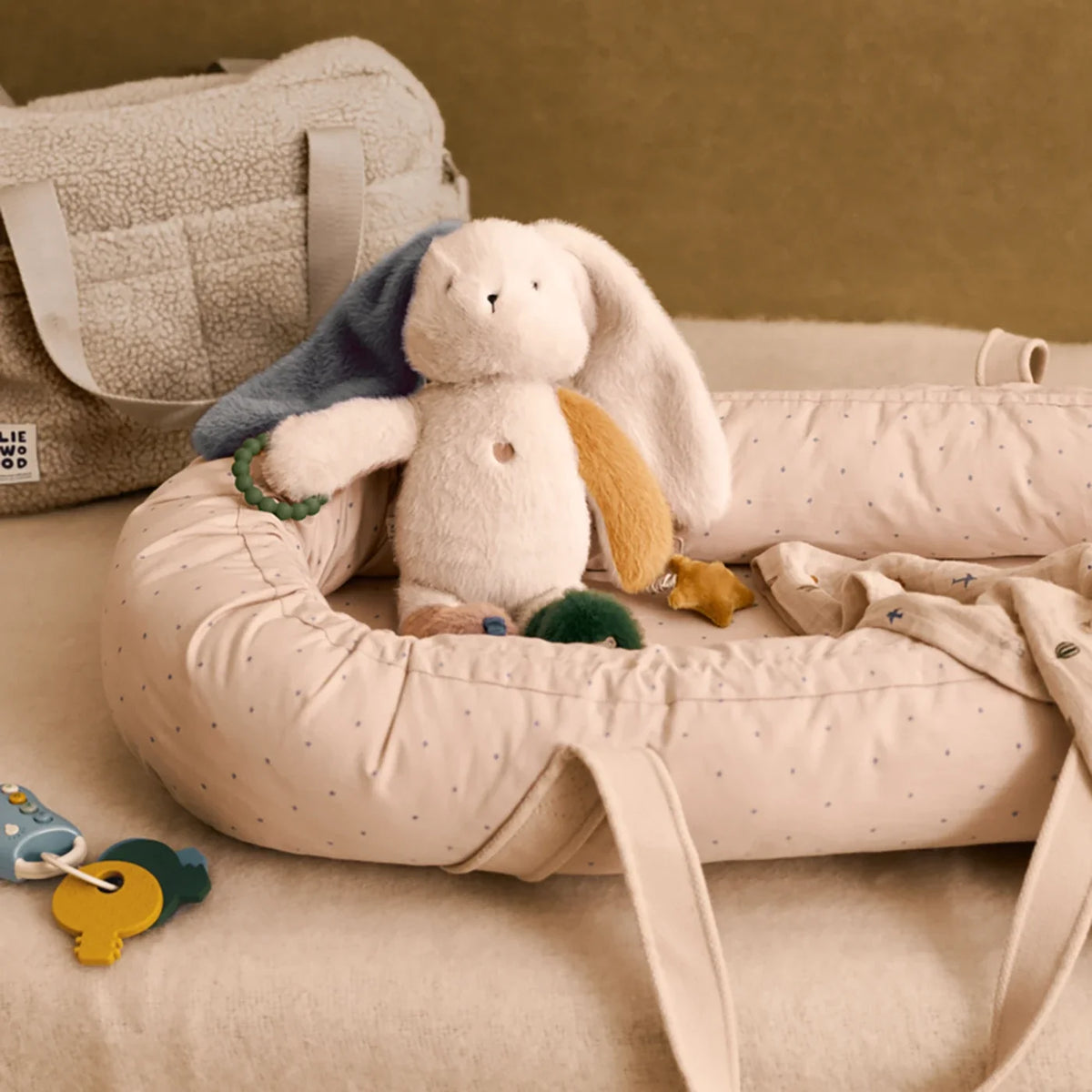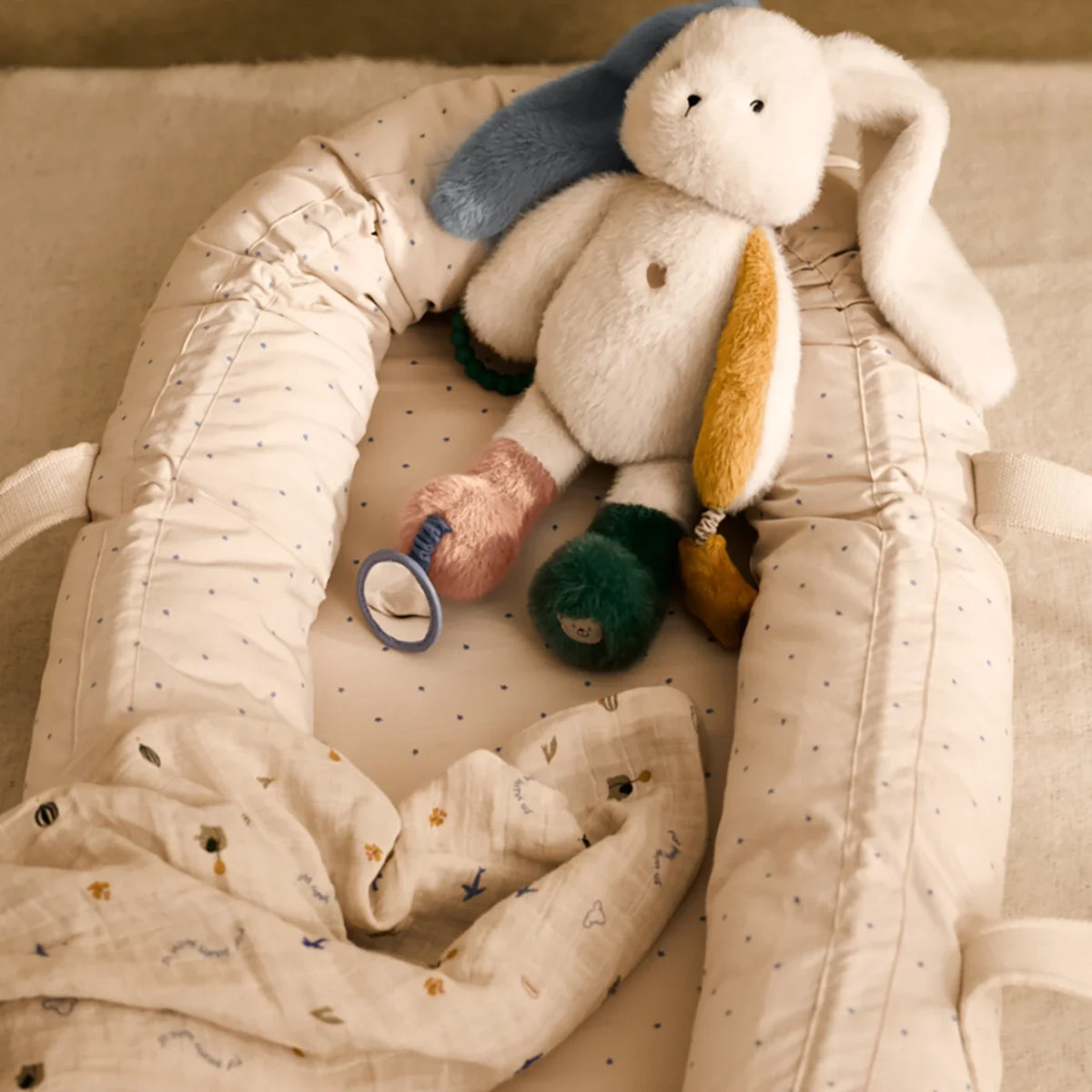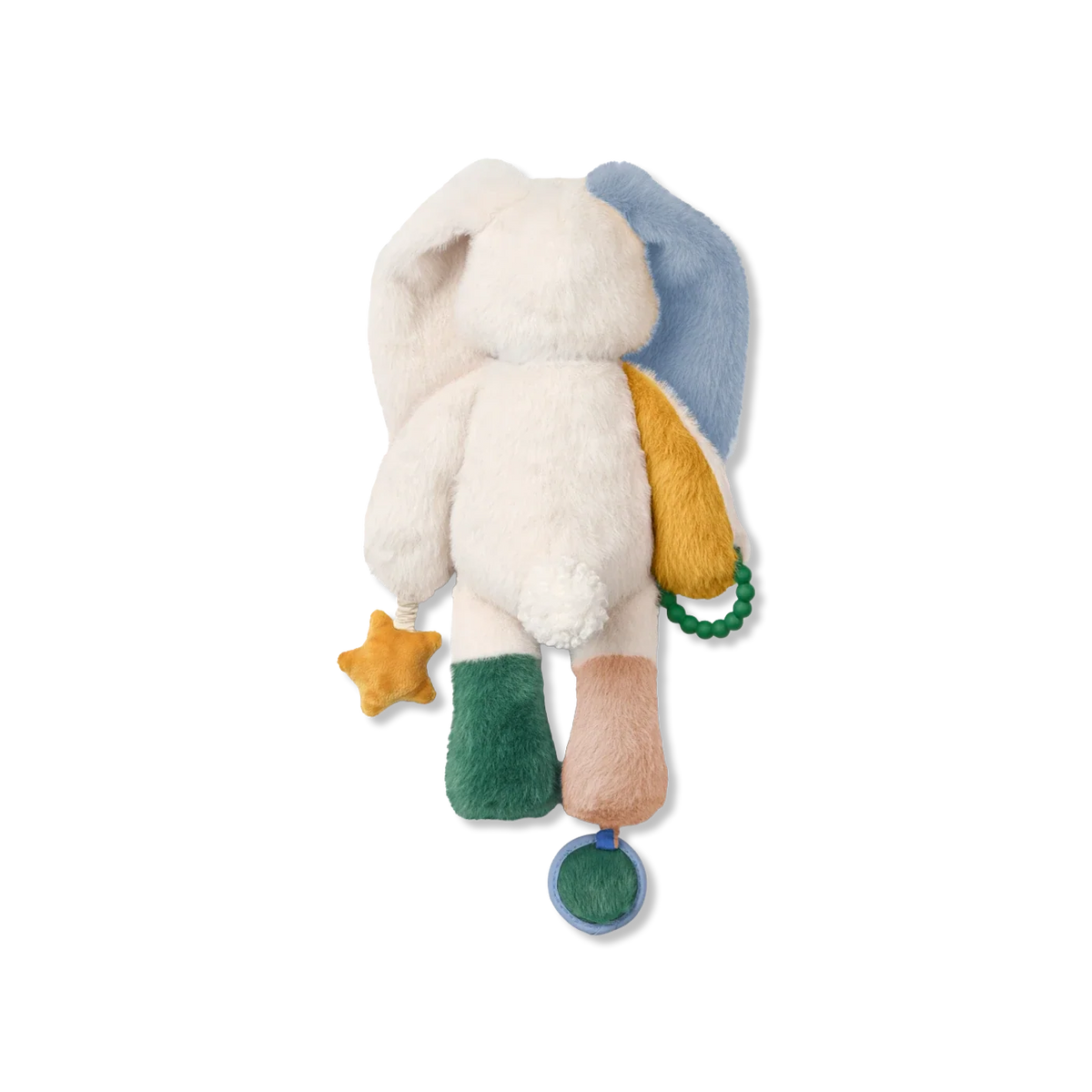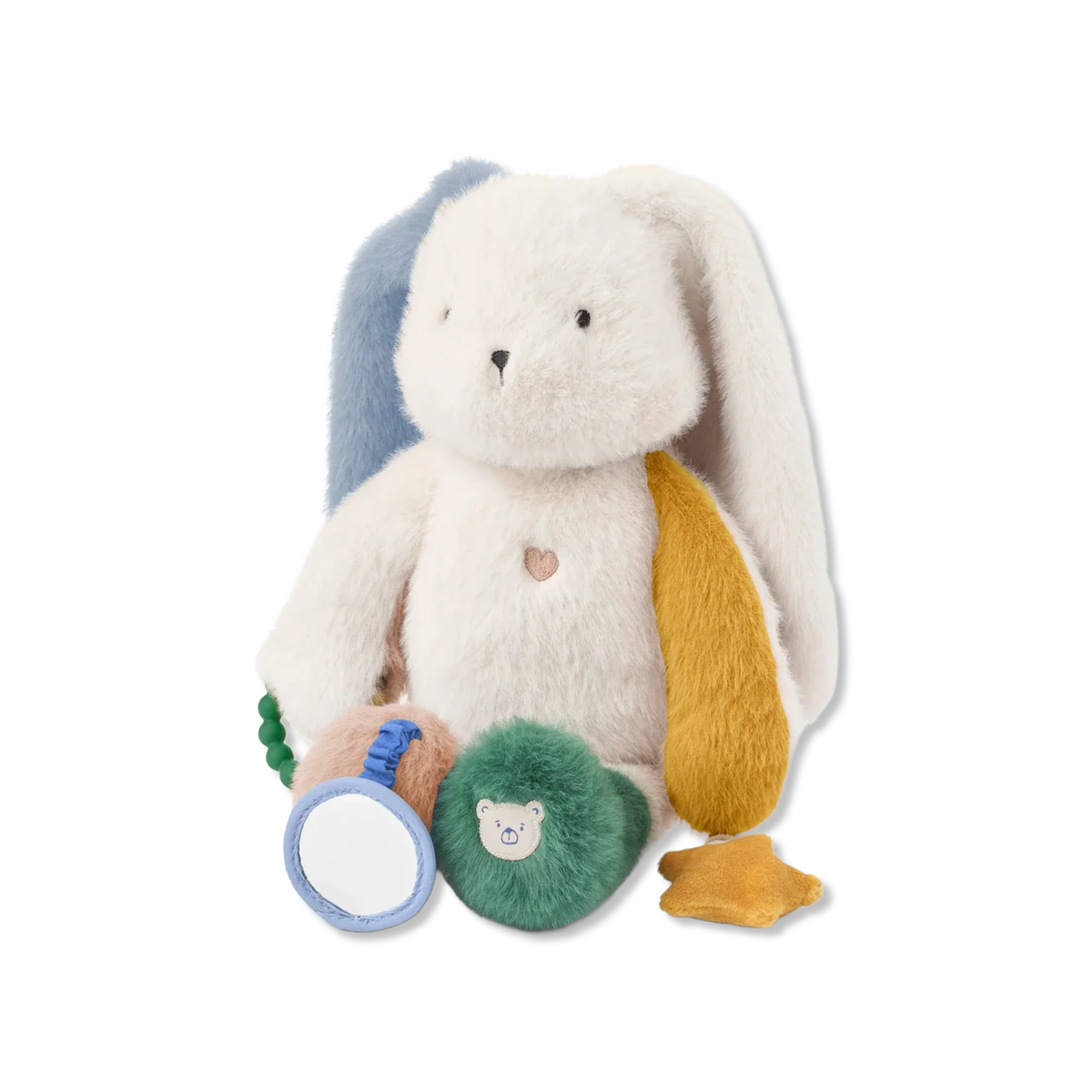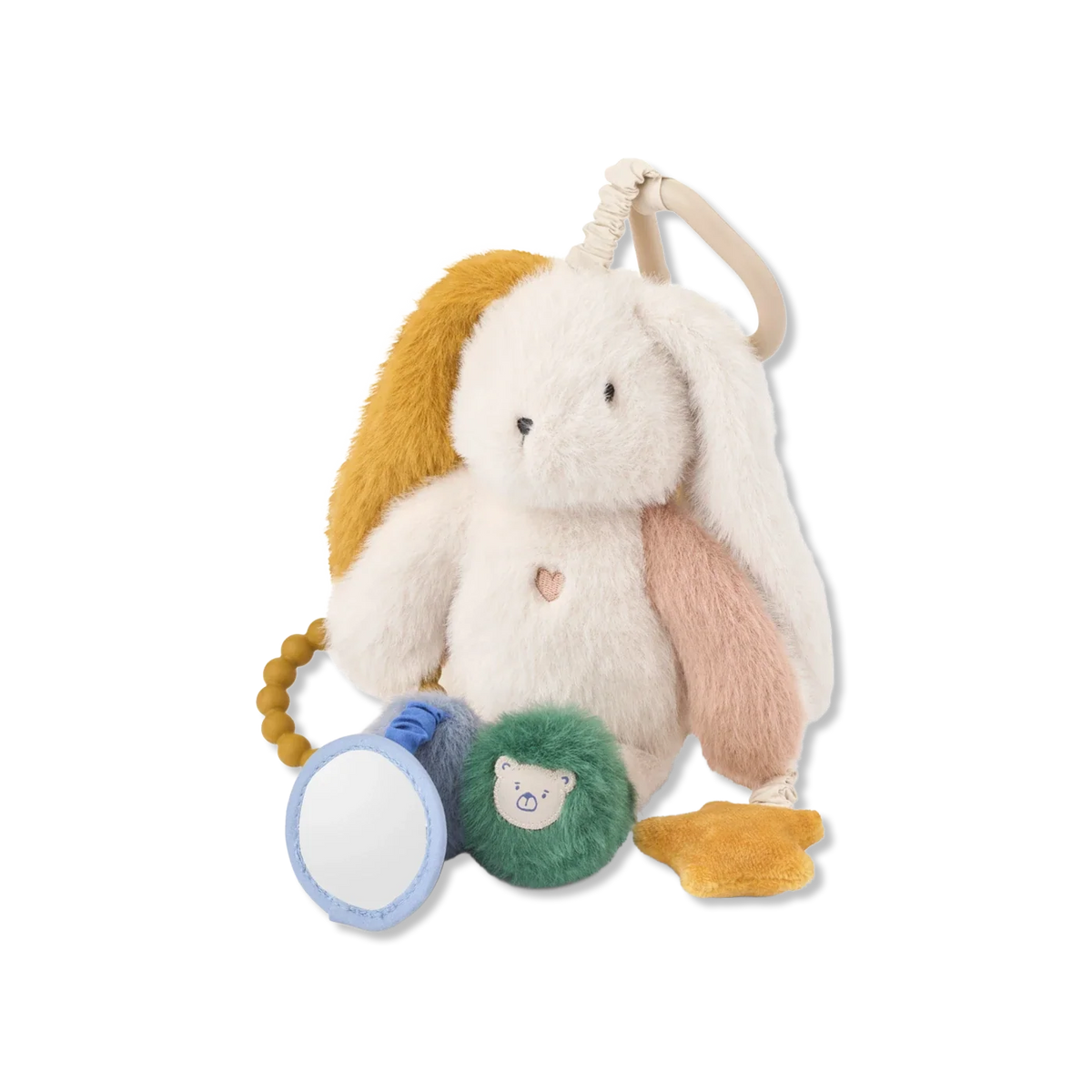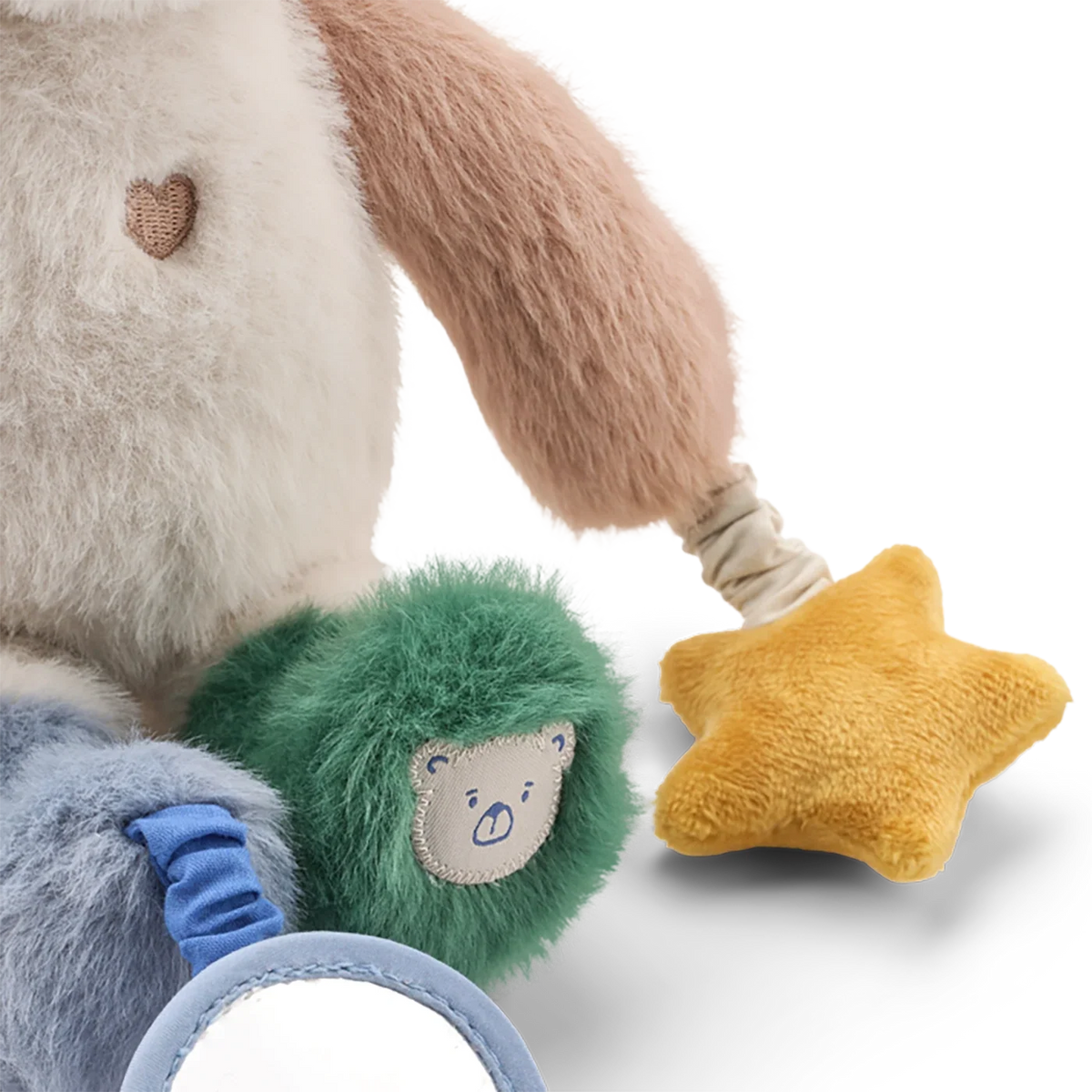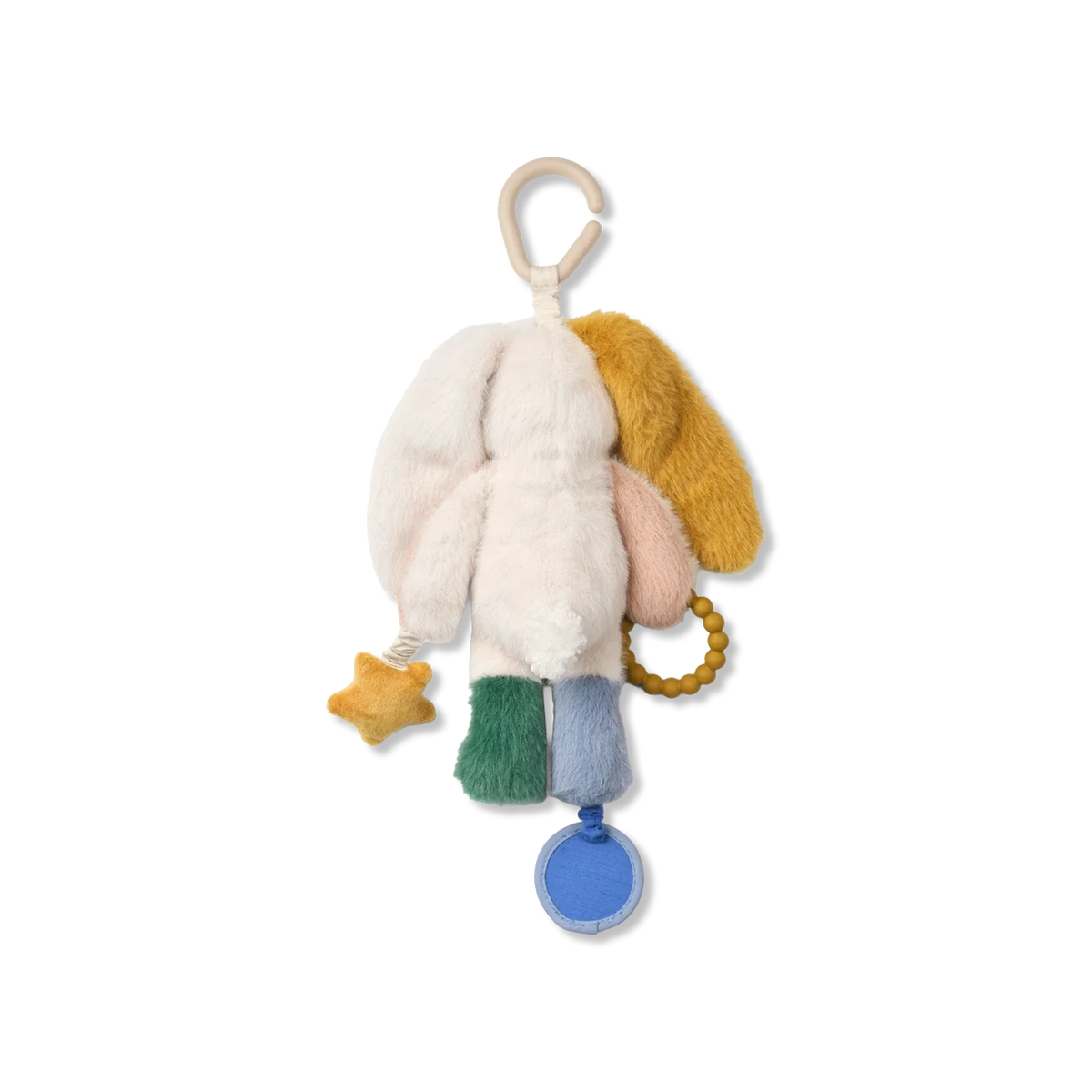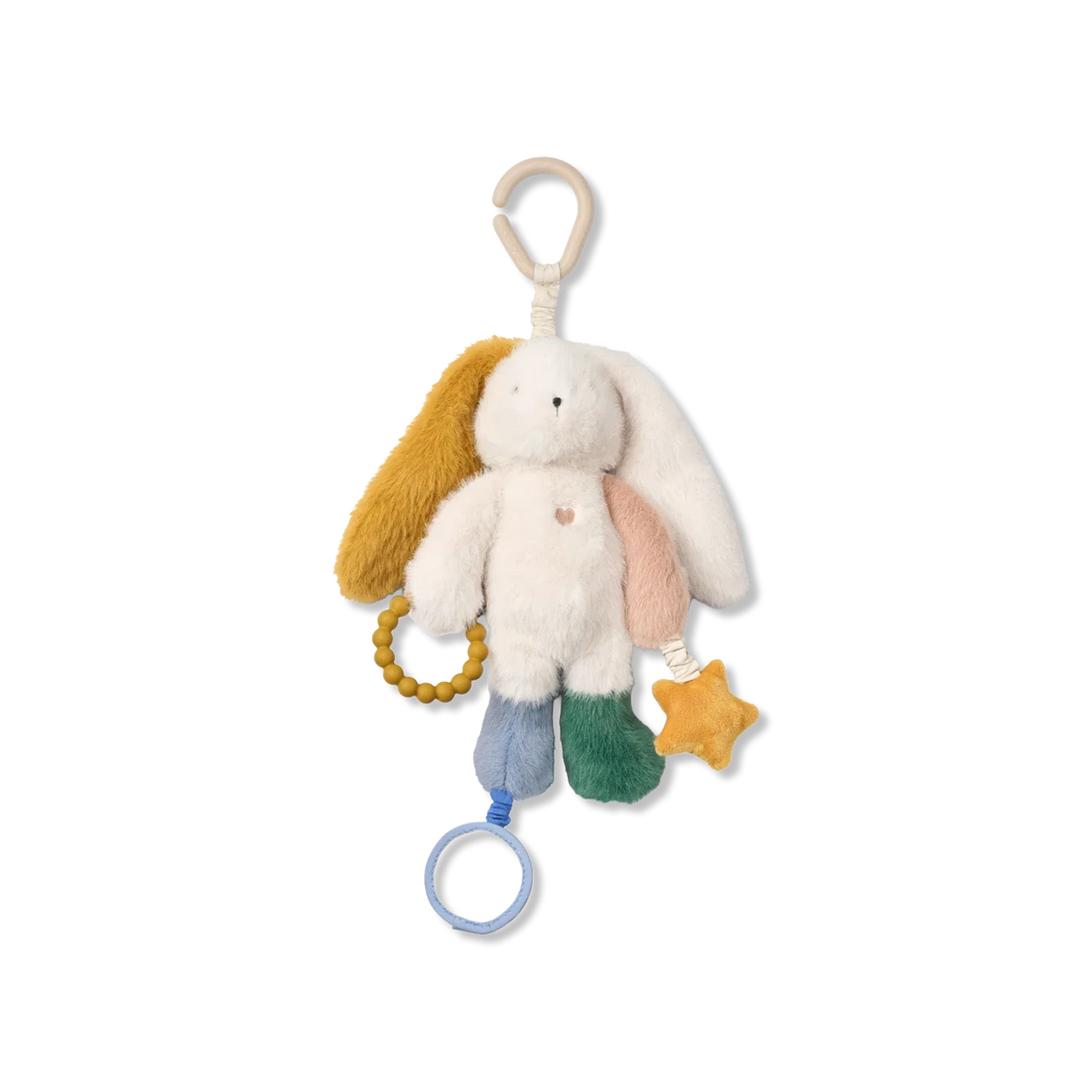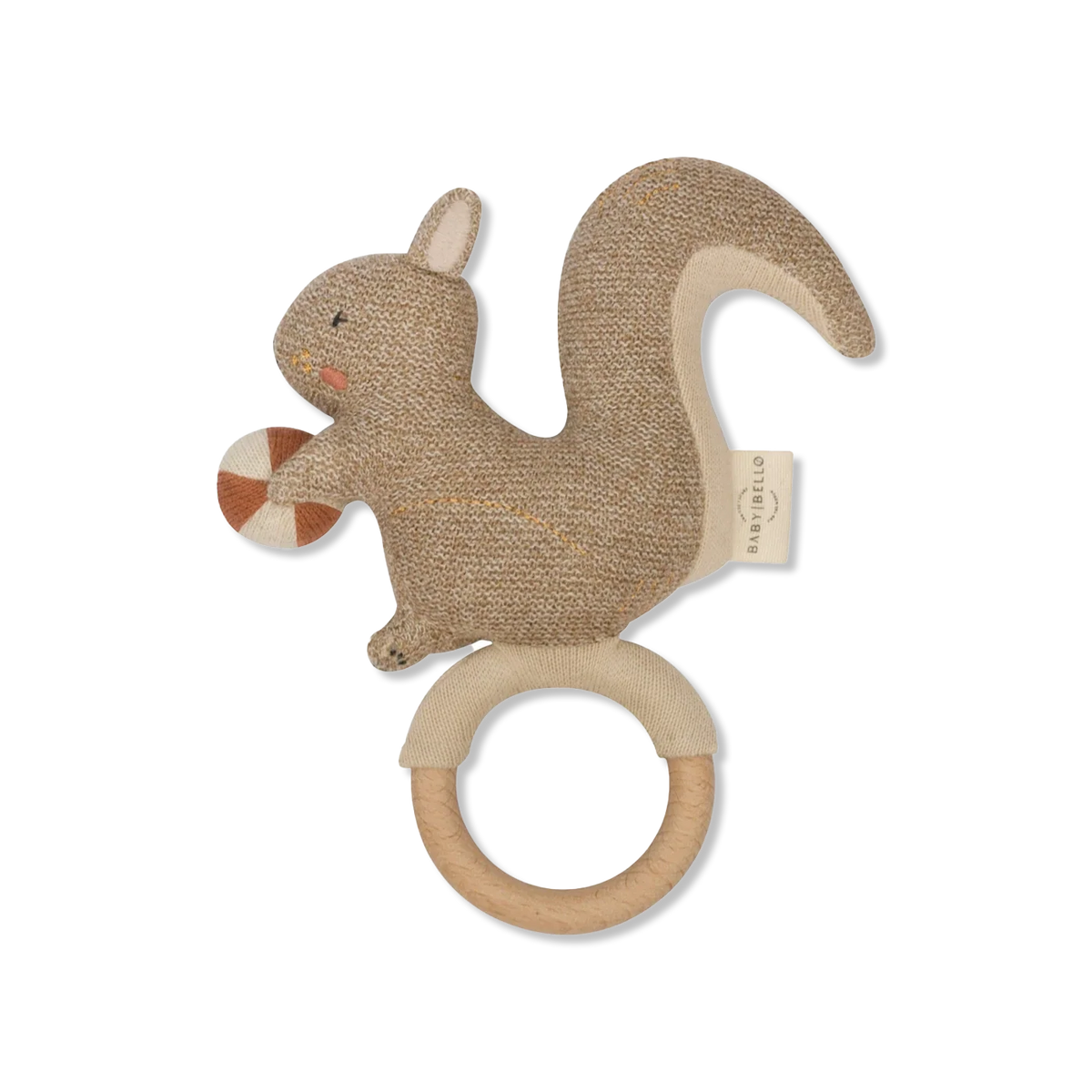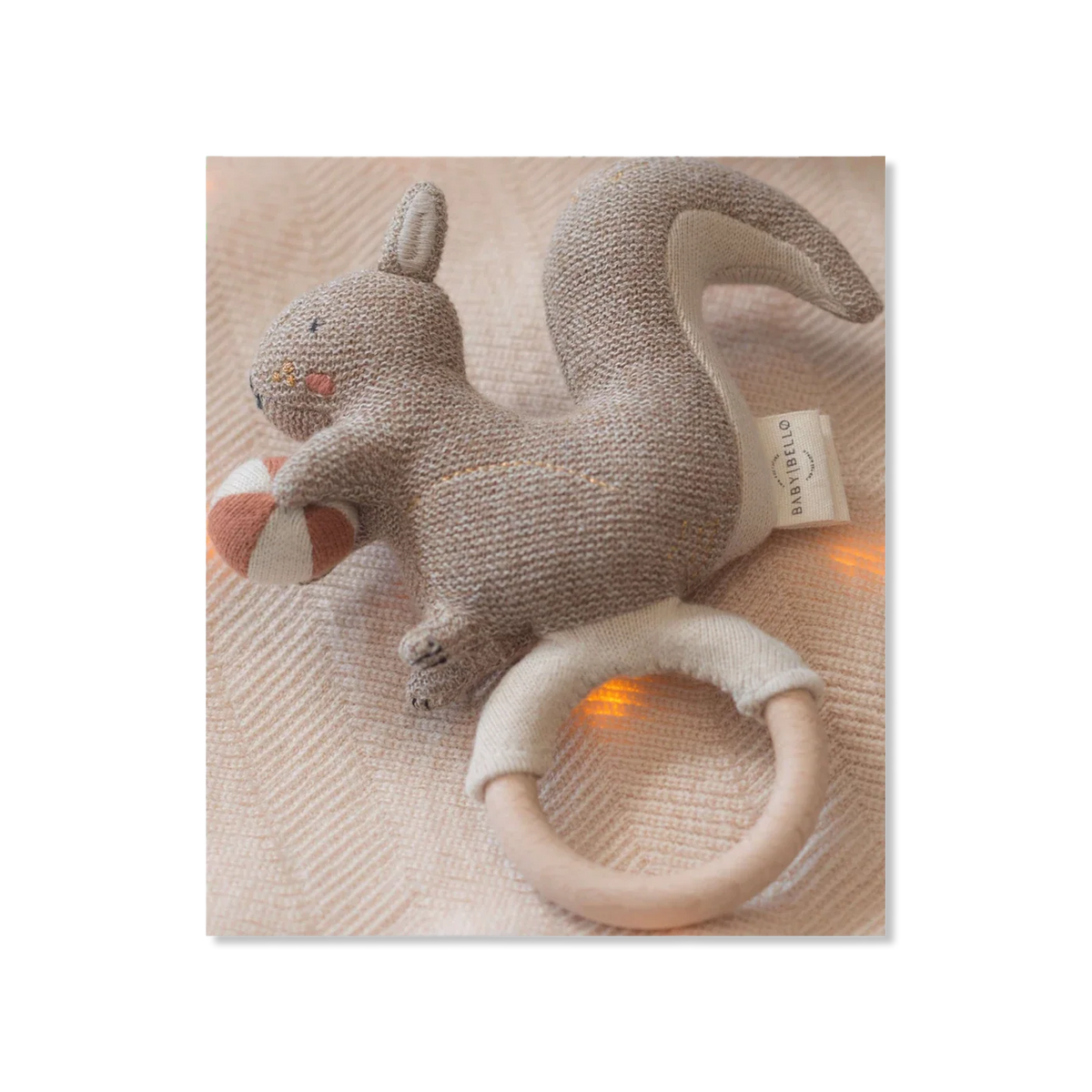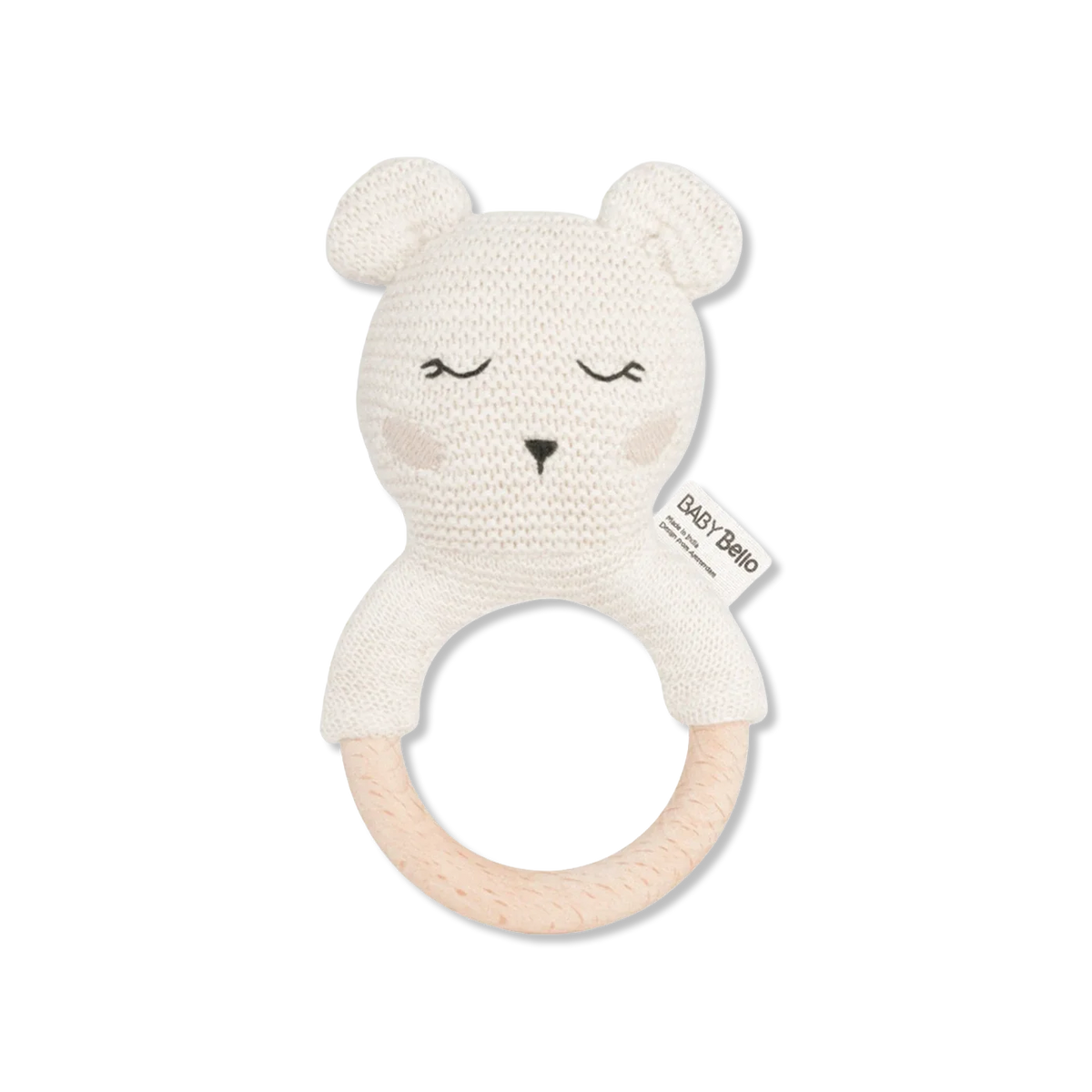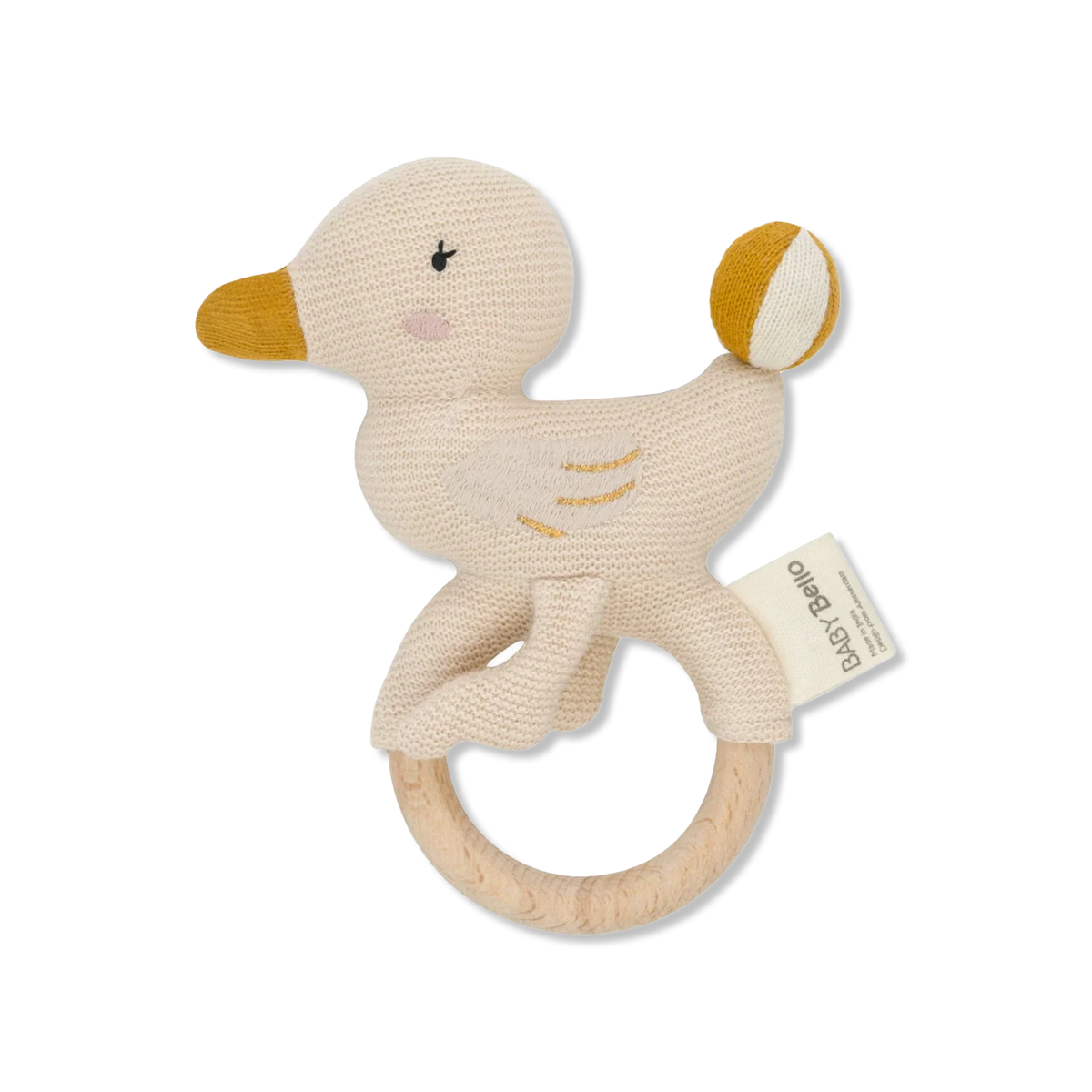
Baby toys for 0–12 months with a focus on senses, grasping and safe play
Baby toys are designed for the very first stage of life, when your little one slowly begins to discover the world through hands, eyes, ears and mouth. In this category, you will find toys for babies that suit the first months and the first year, when comfort, sensory experiences and small developmental steps are a big part of everyday life.
When choosing baby toys, it often helps to consider three things: your baby’s age, how the toy will be used, and which materials it is made from. A newborn or a baby aged around 3–4 months will usually enjoy lightweight rattles, soft figures, mirrors and sensory toys with gentle sounds and different textures. From around 6–12 months, teething toys, activity toys and developmental toys often become more relevant, as your baby’s grip becomes stronger and they begin to sit, roll, crawl and explore more actively.
For many parents, it is also about finding baby toys that feel nice to hold, are safe to put in the mouth and are easy to use in a day full of drool, dribble and plenty of repetition. Soft materials, smooth surfaces and toys that can easily be wiped clean or washed are often a practical advantage. If you are also gathering the first everyday essentials for your little one, it can be a good idea to combine them with other baby essentials.
Which baby toys suit your baby’s age?
Age matters because your baby’s needs change quickly during the first year. Baby toys do not need to do everything at once – the most important thing is that they suit the stage your child is at right now.
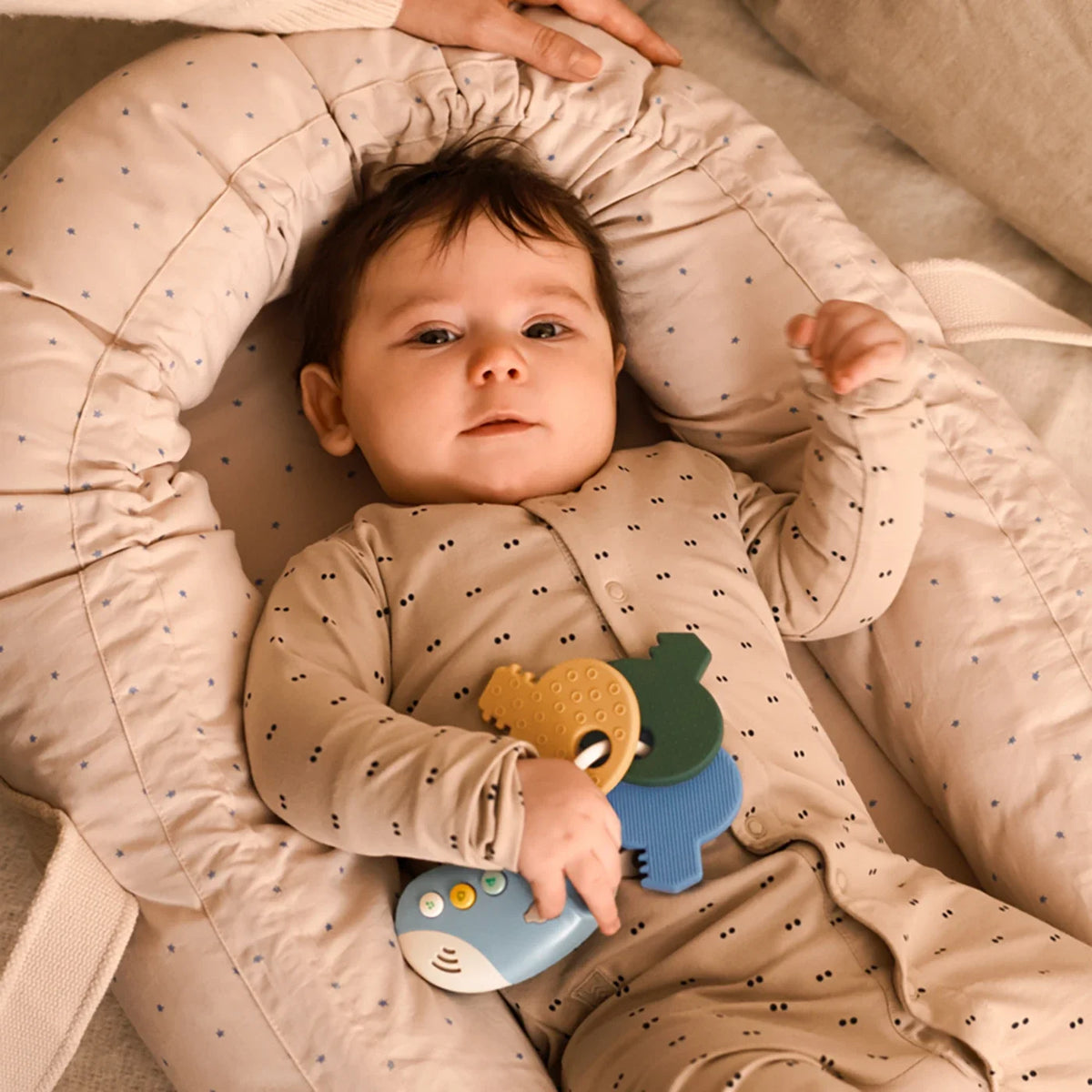
For 0–6 months, it is often a good idea to choose:
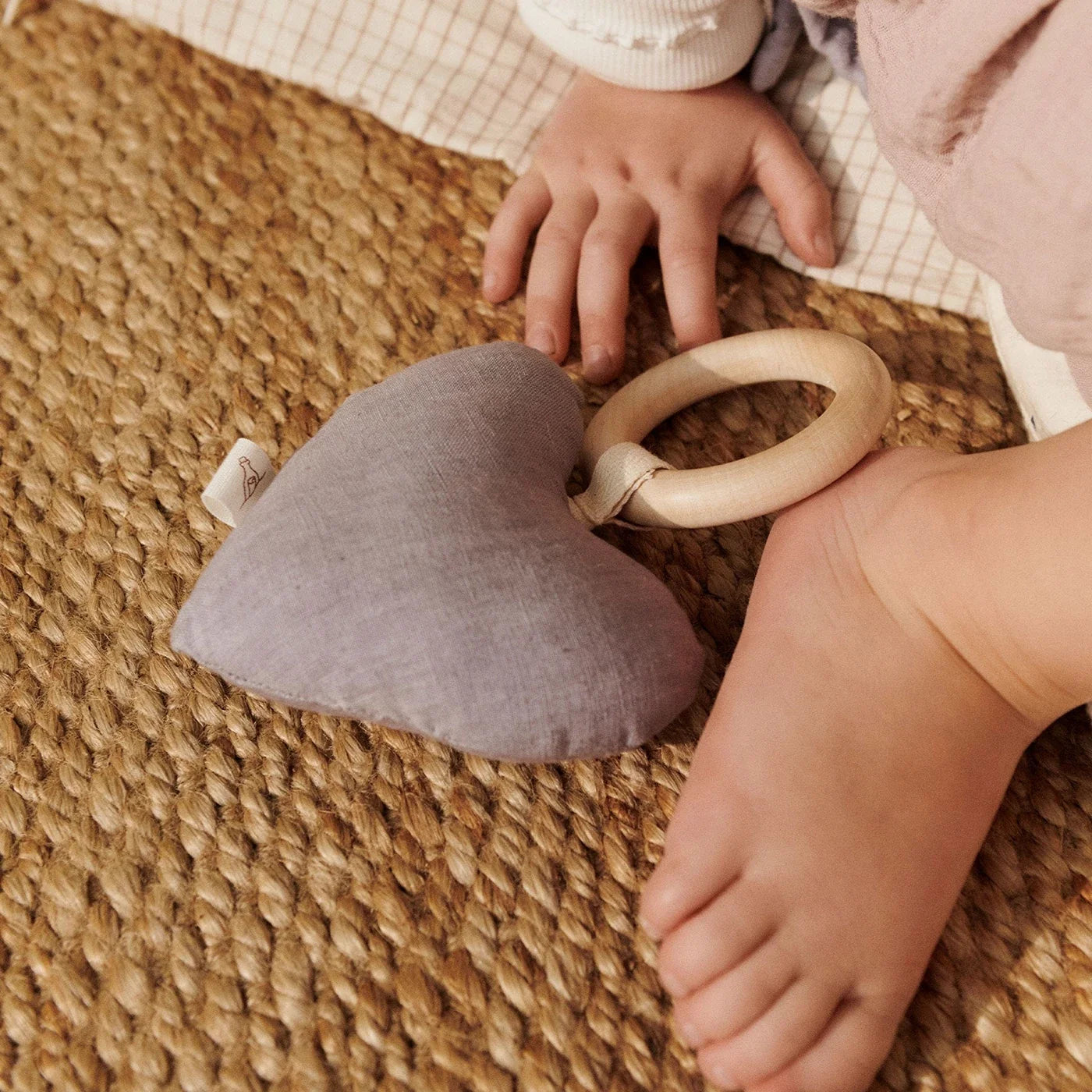
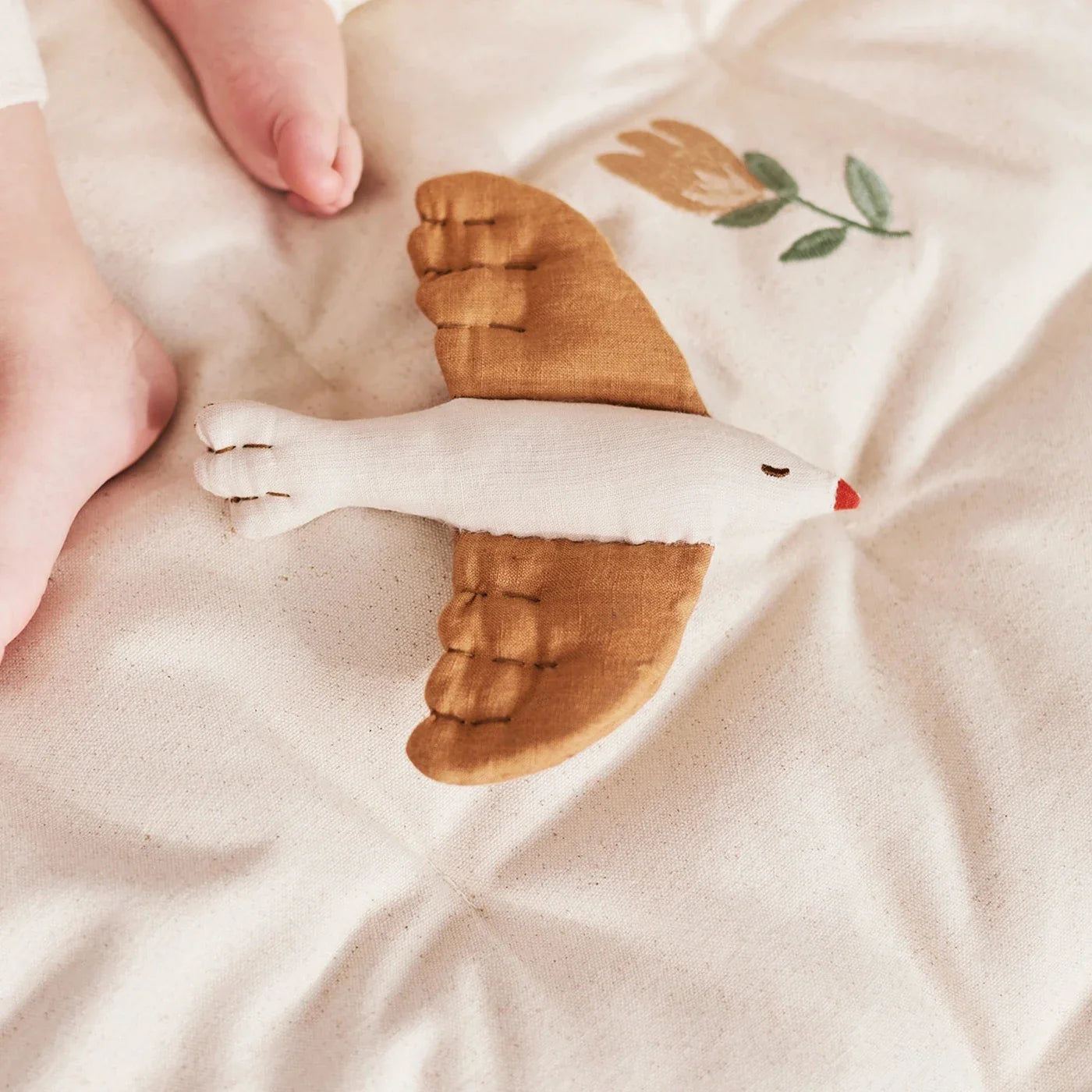
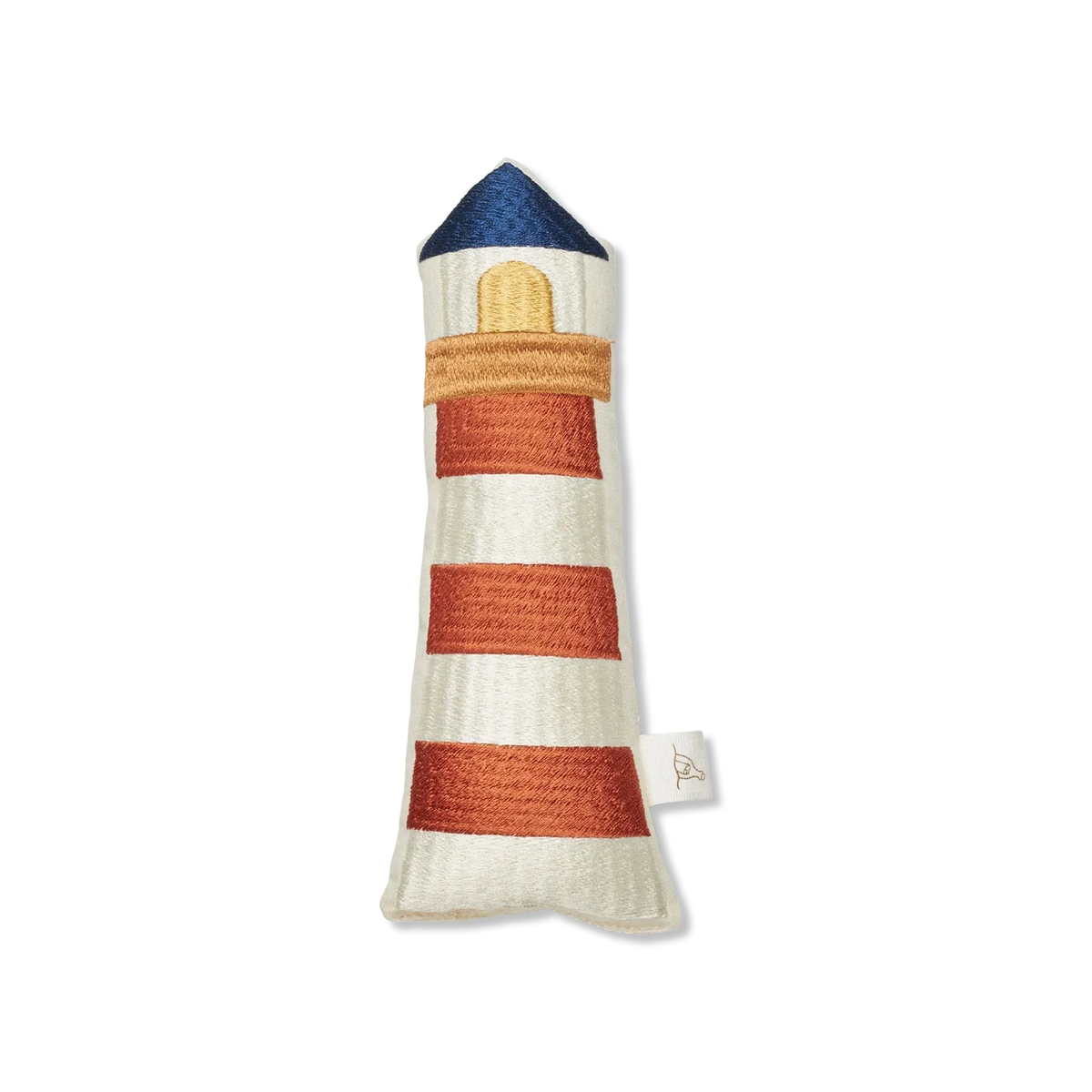
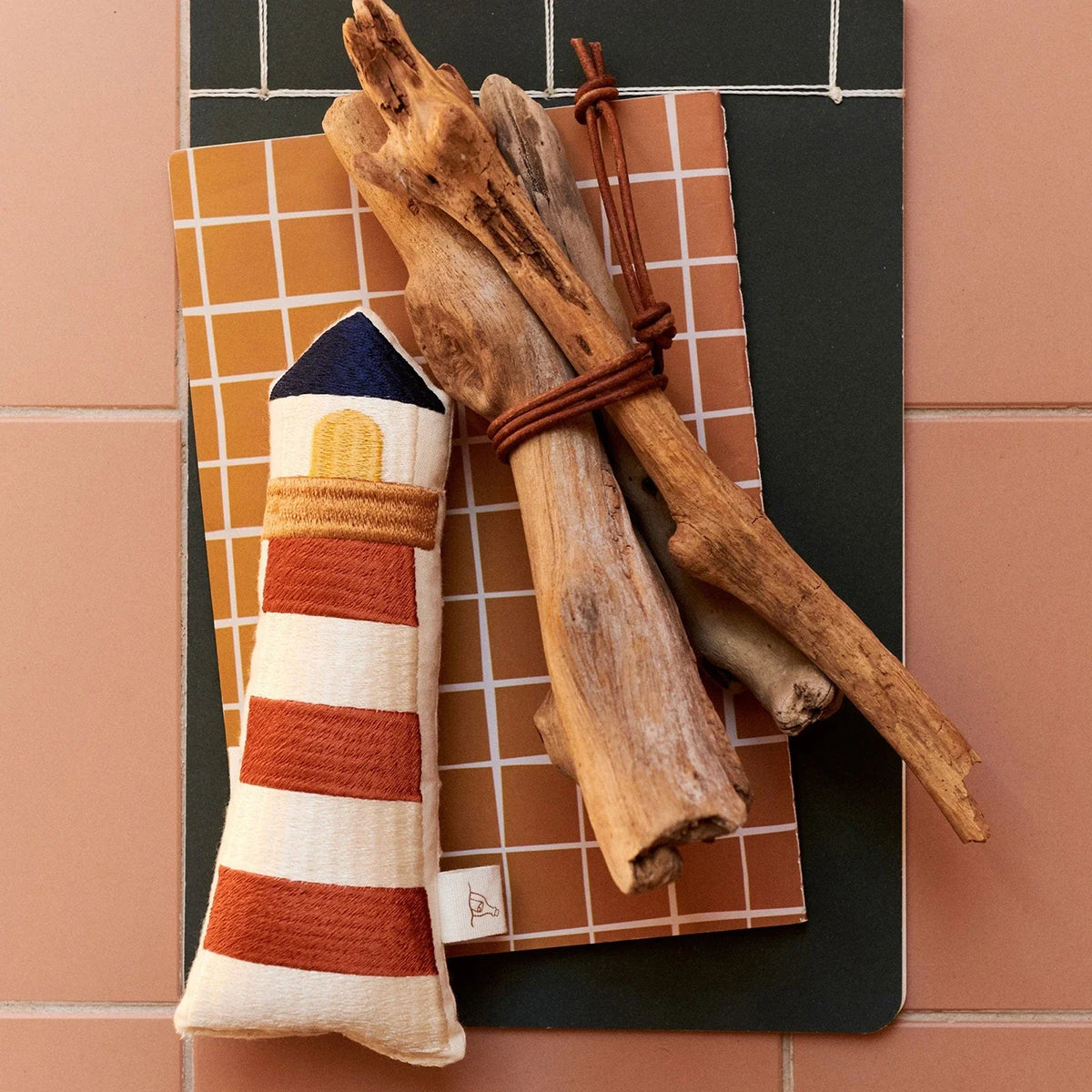
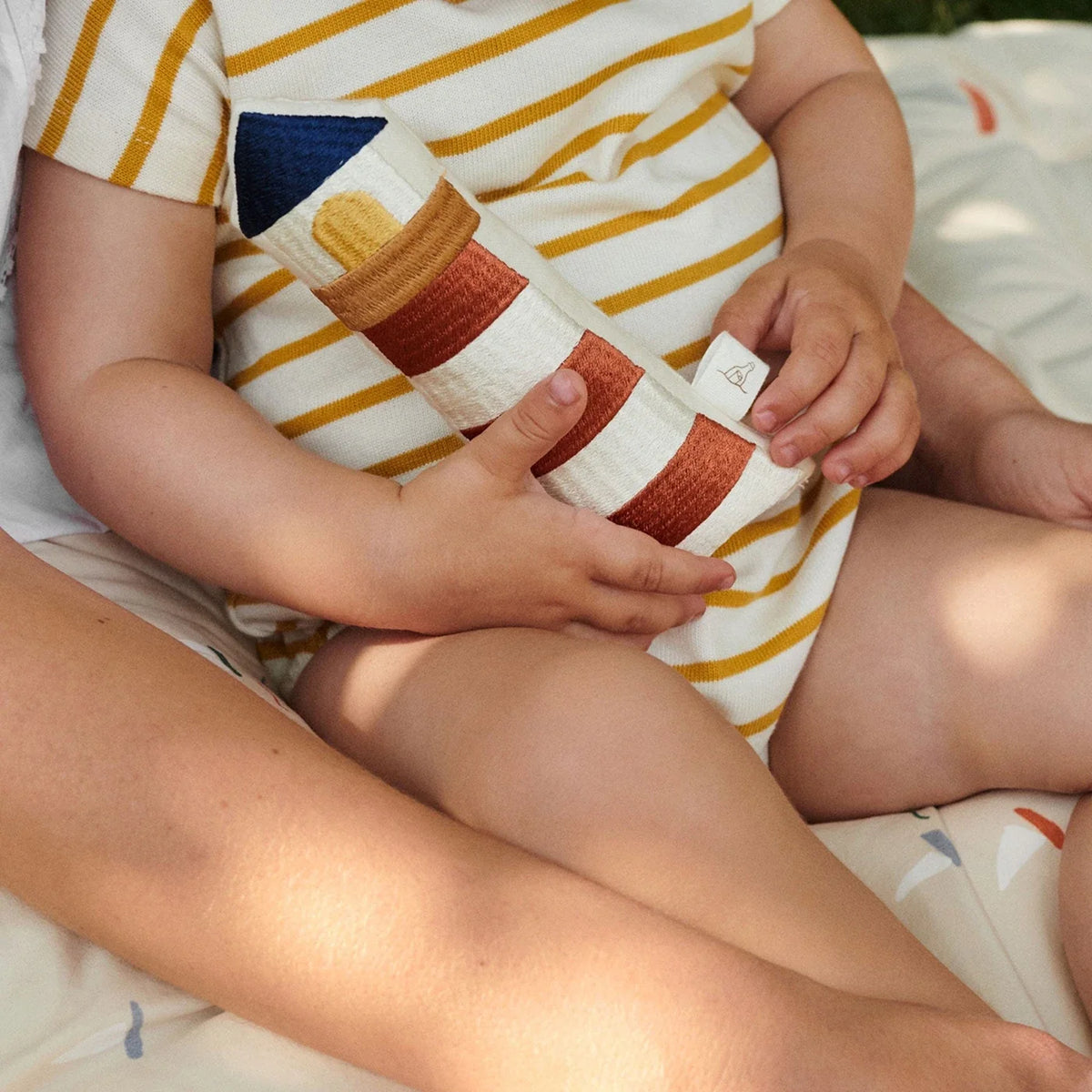
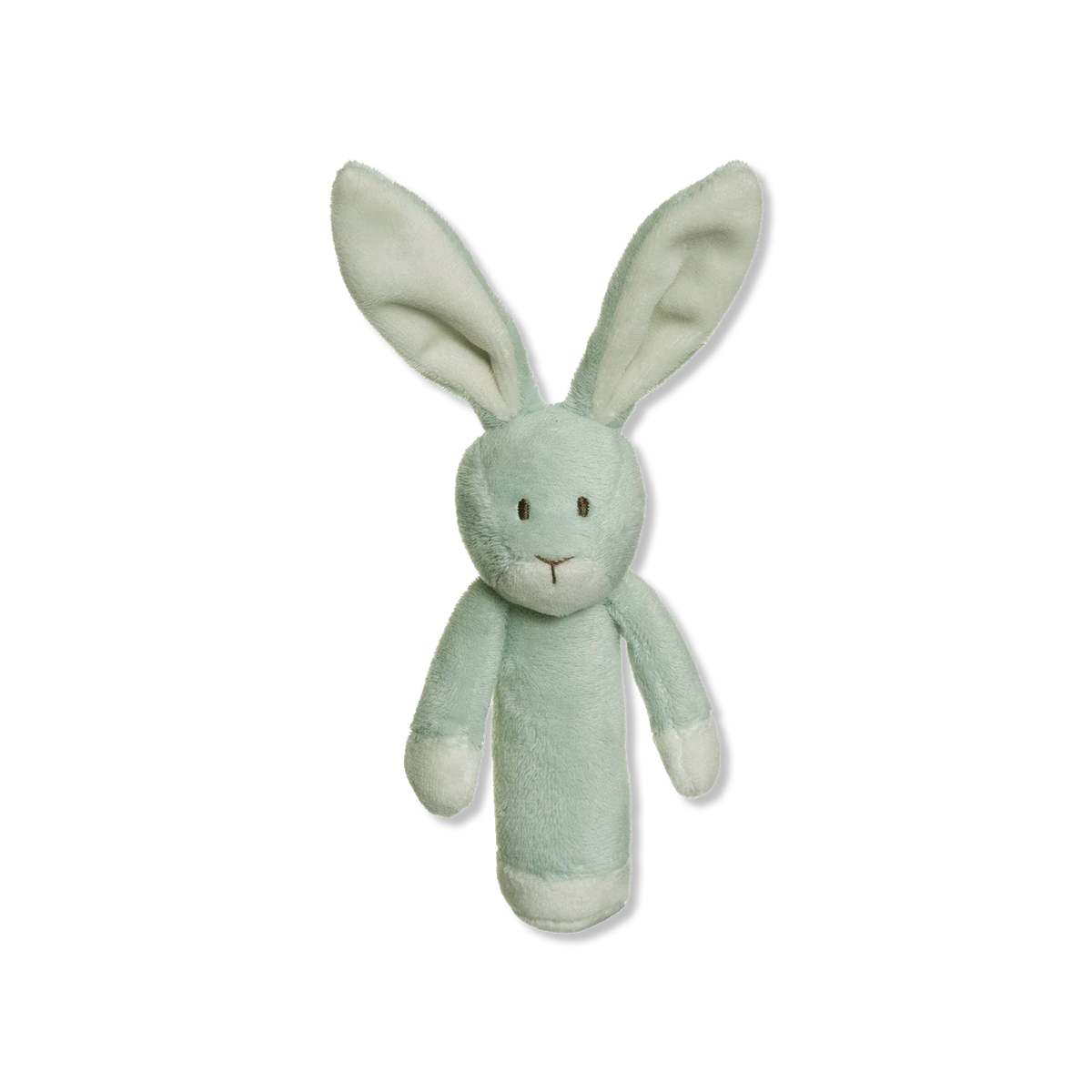
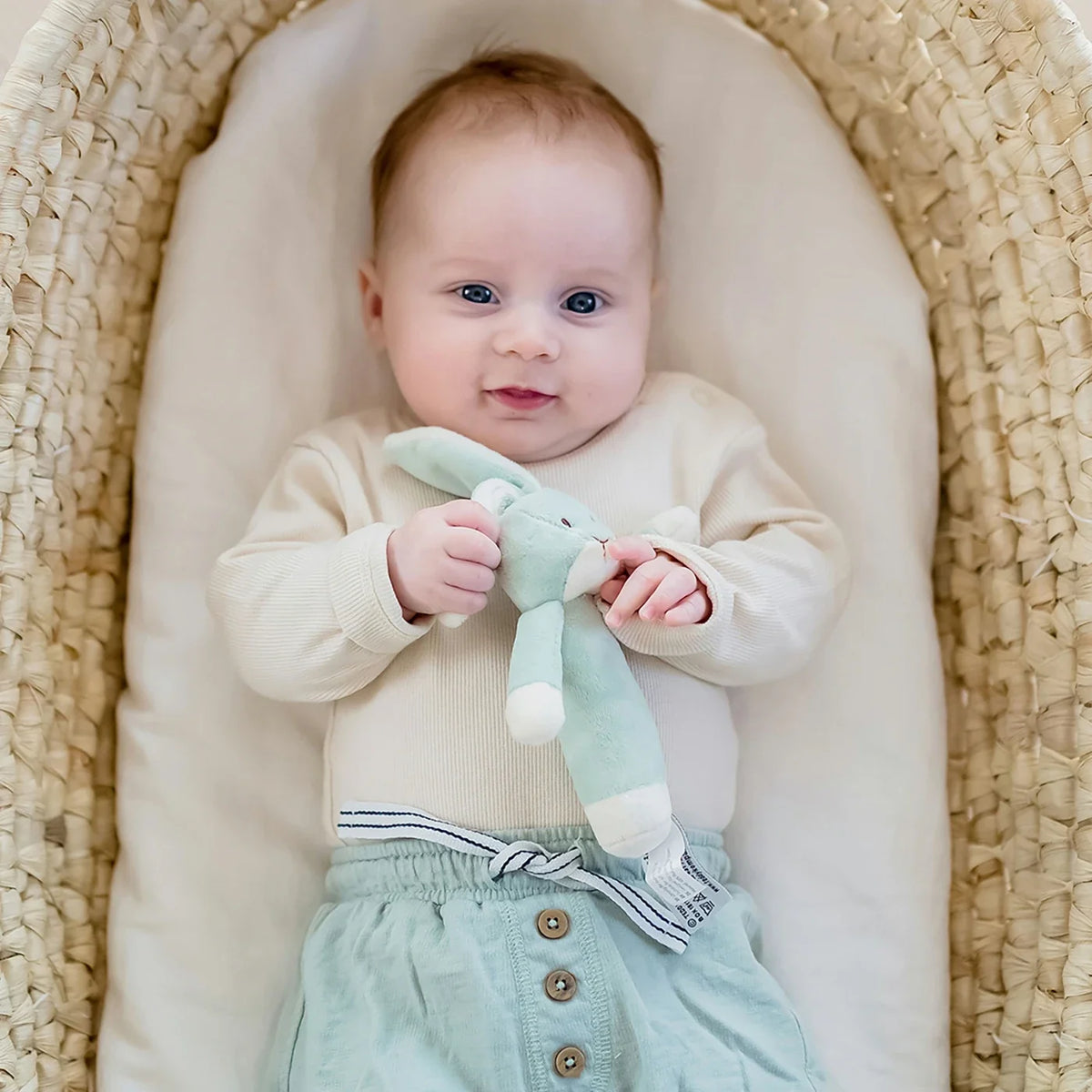
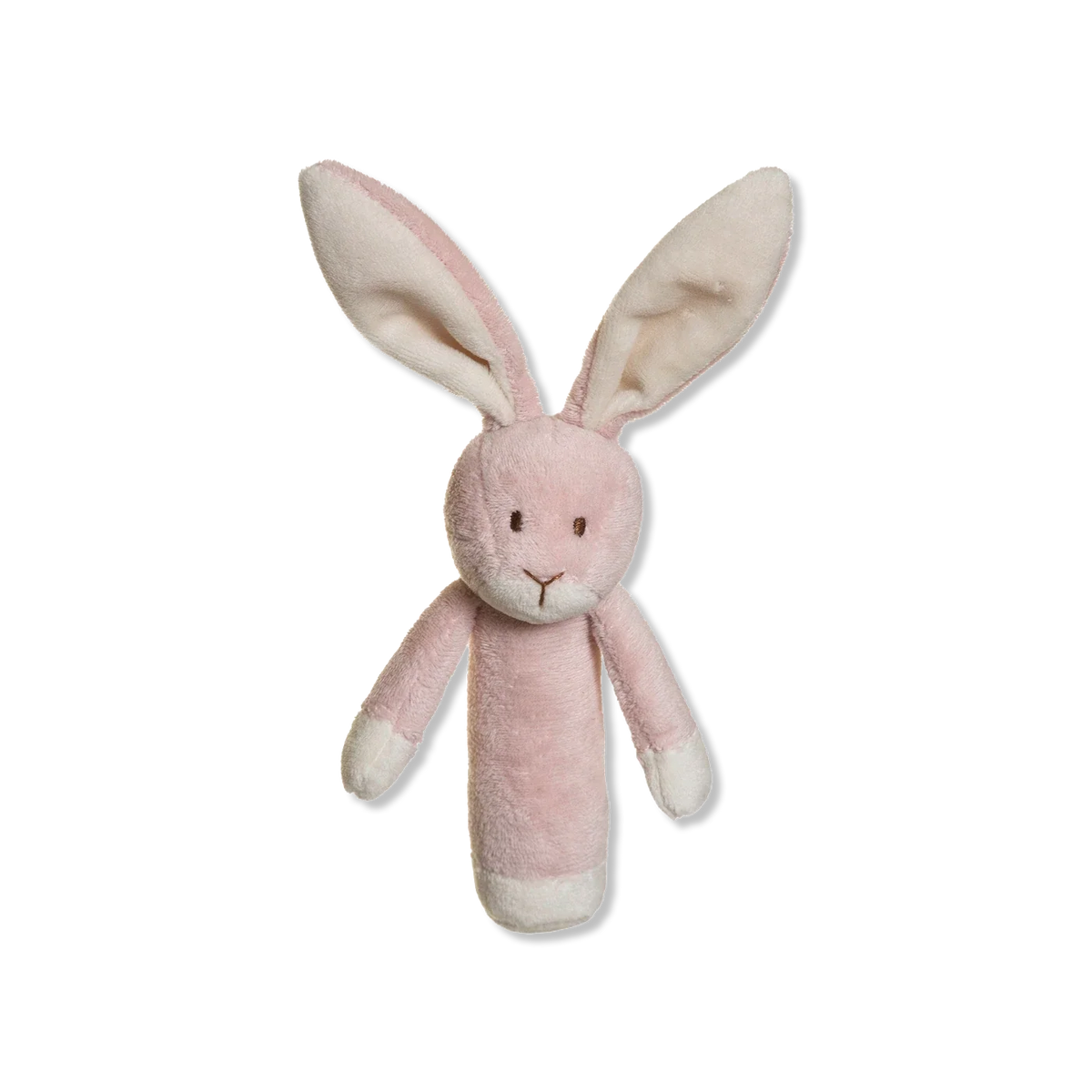
- lightweight rattles and shapes that small hands can easily grasp
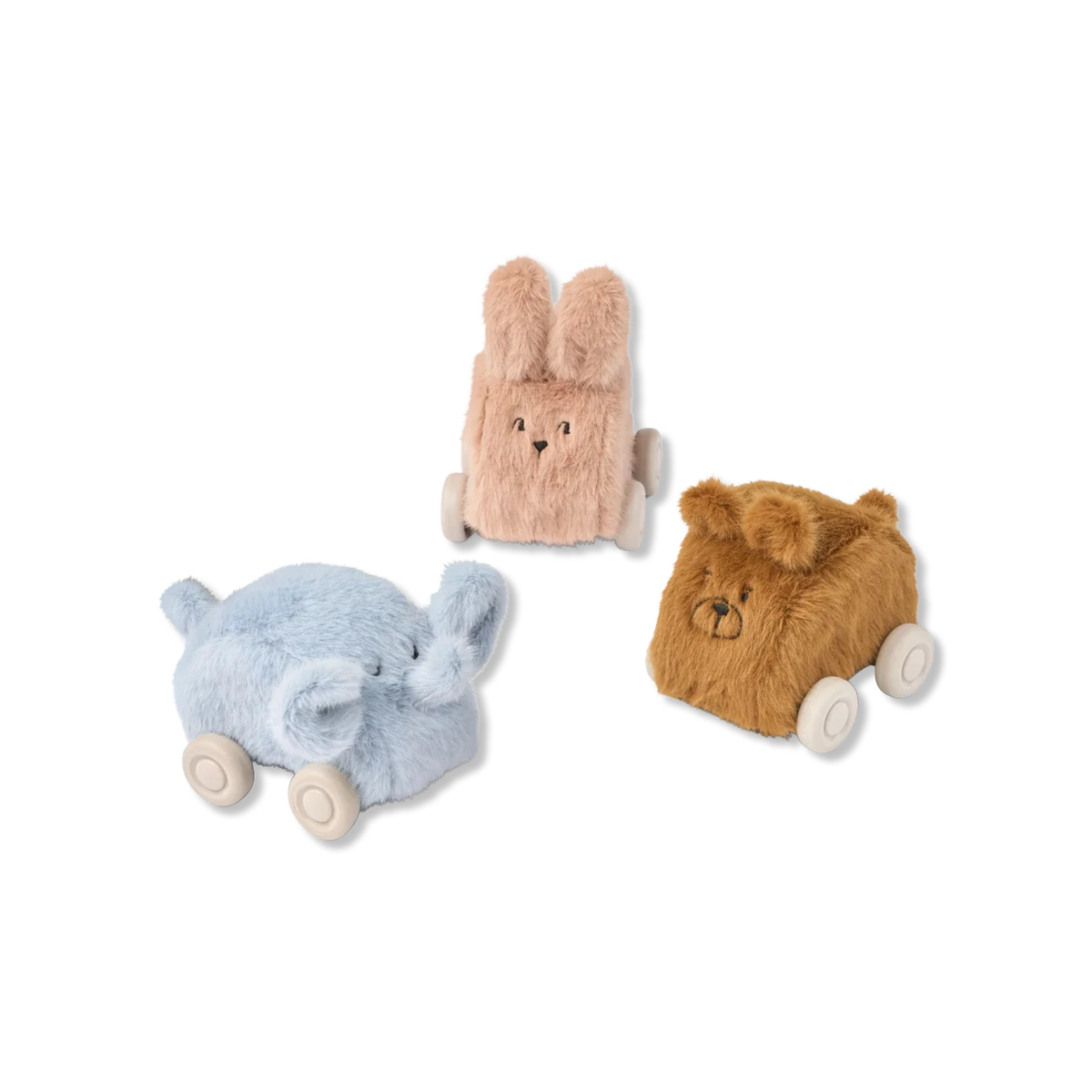
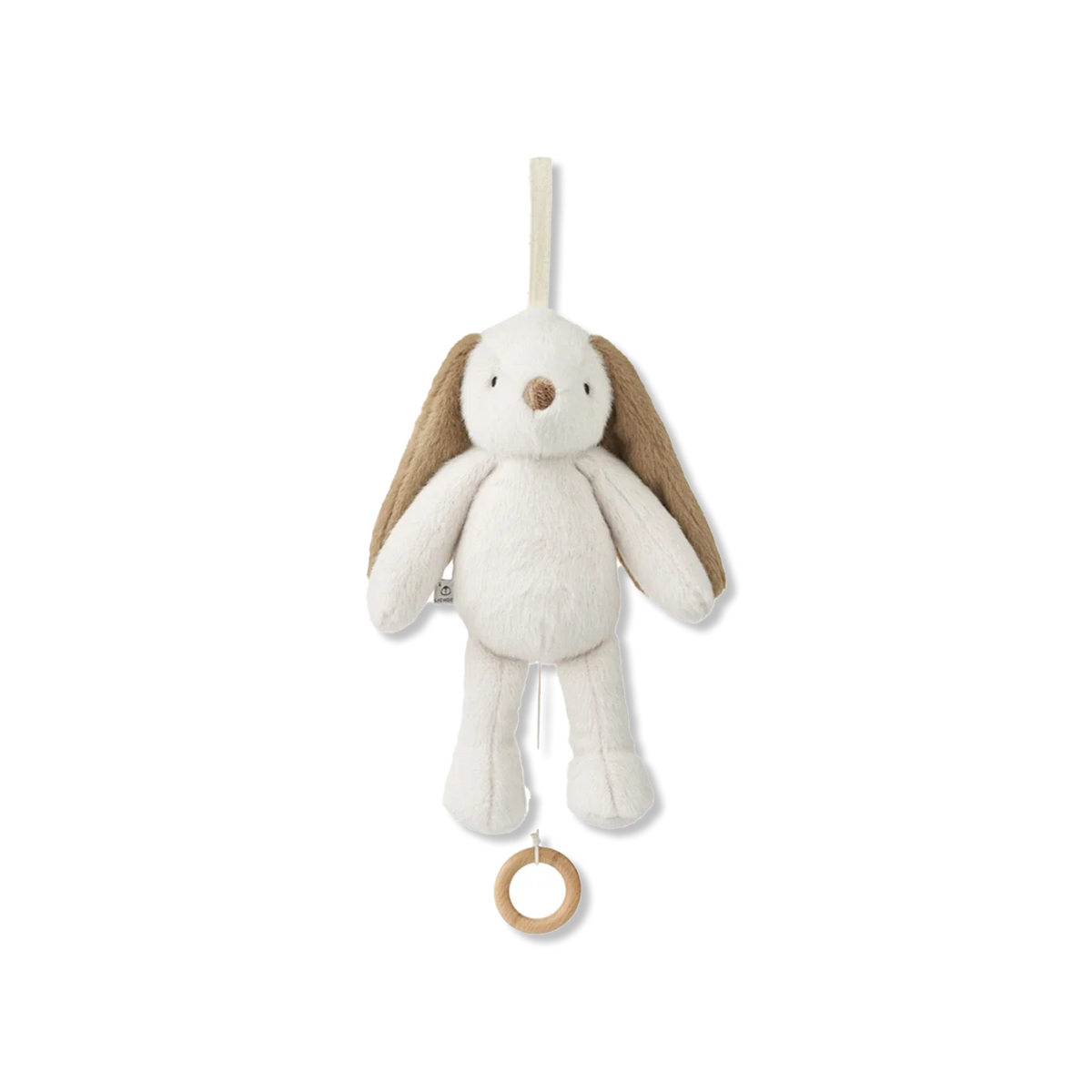
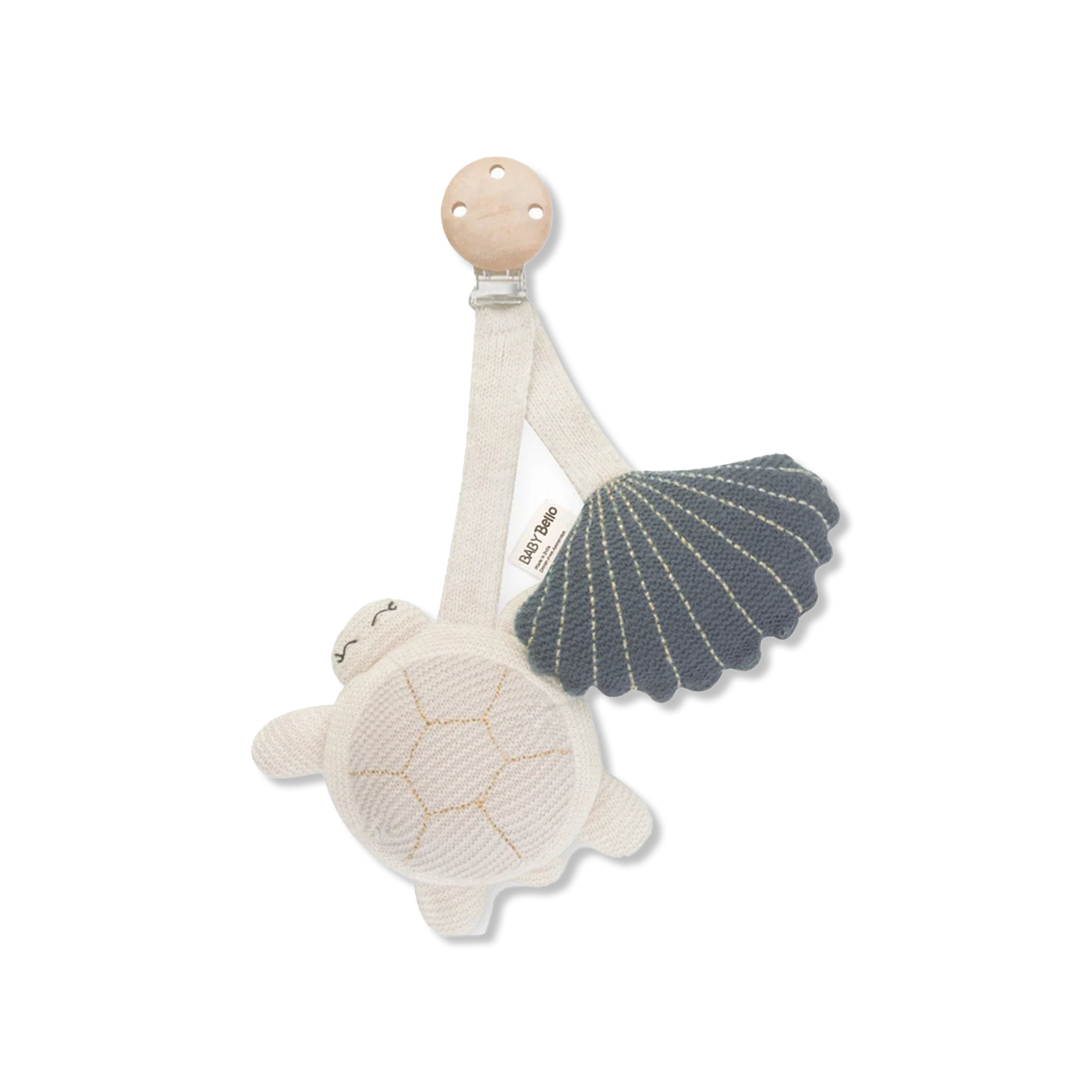
- soft sensory toys with different textures
- contrasts, mirrors or gentle sounds that spark curiosity
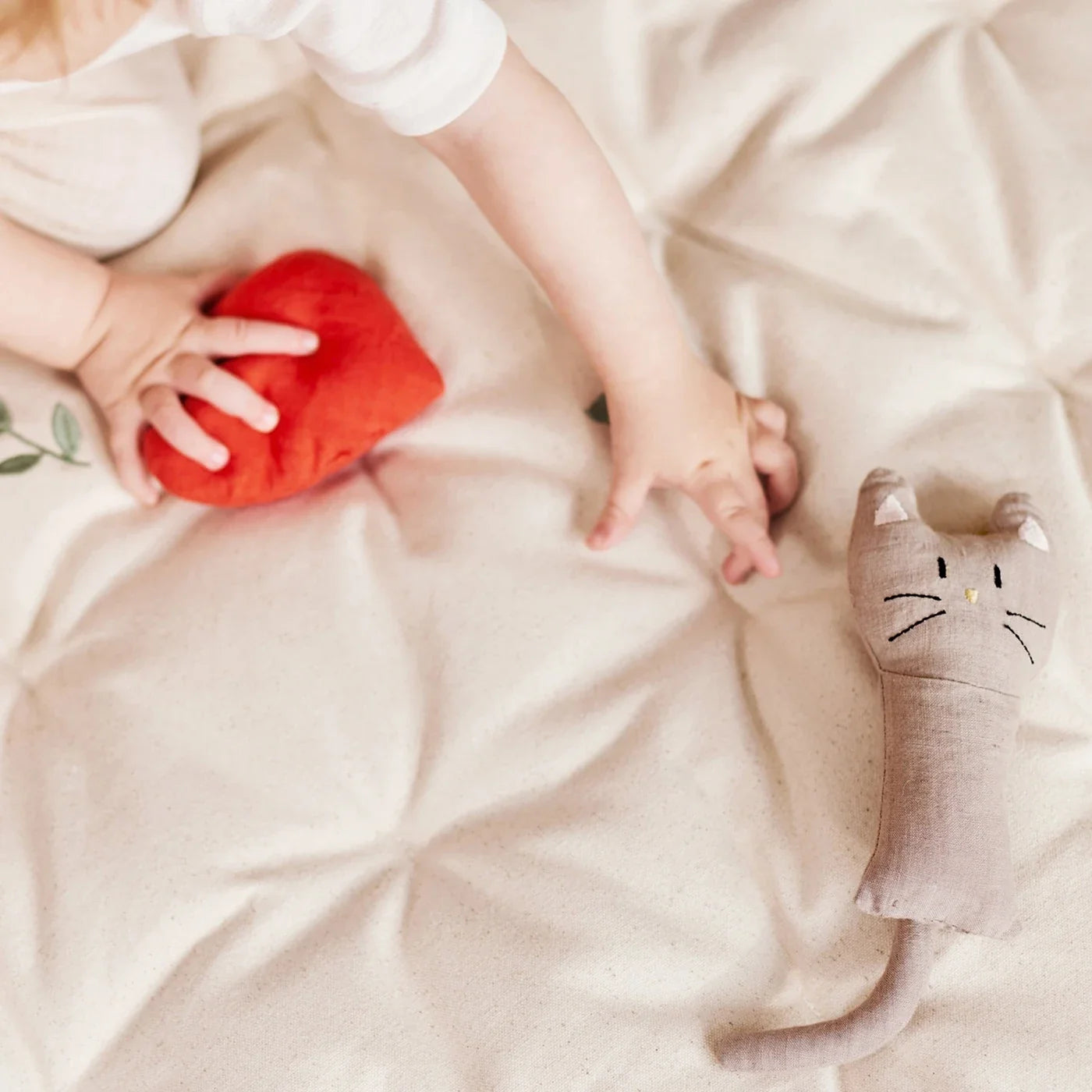
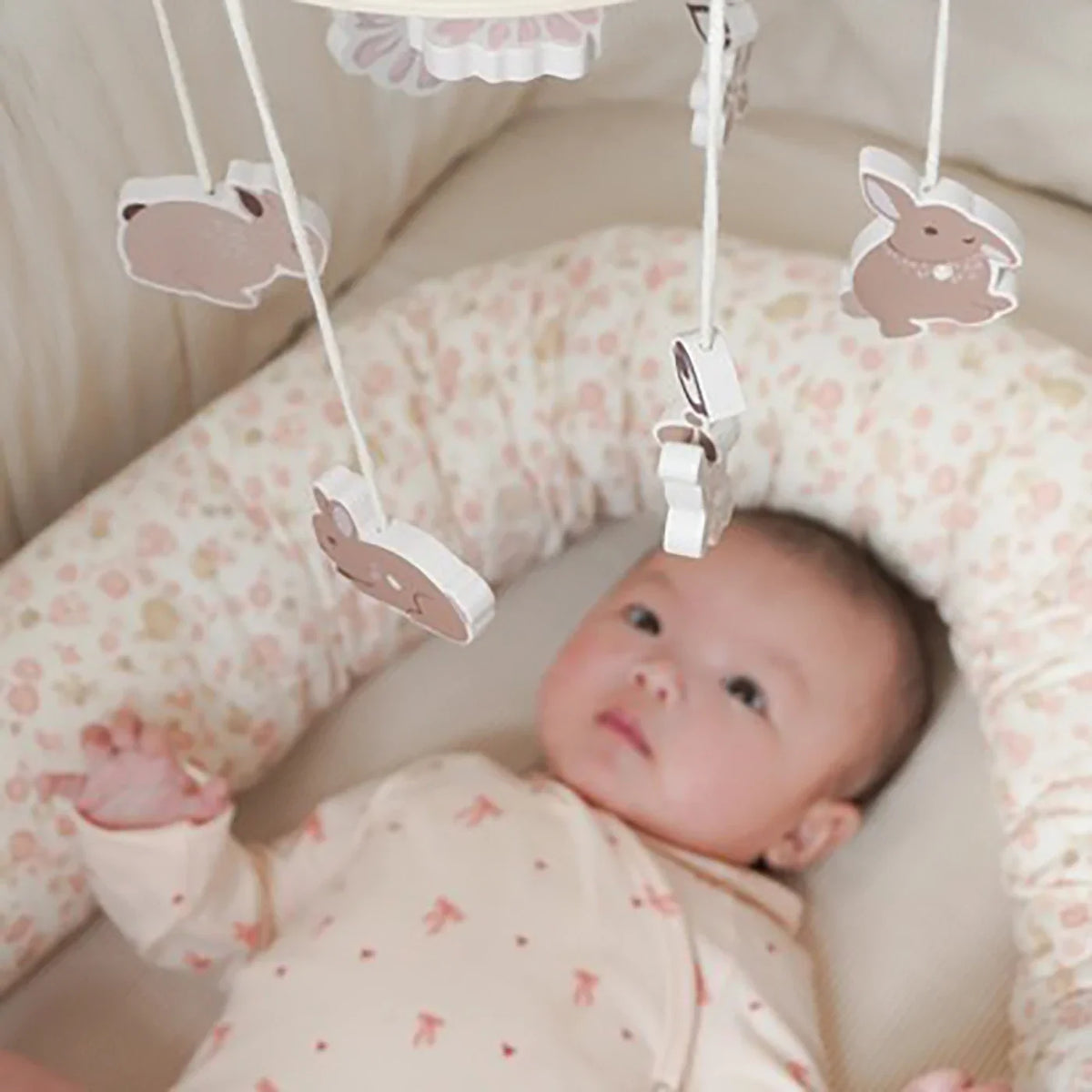
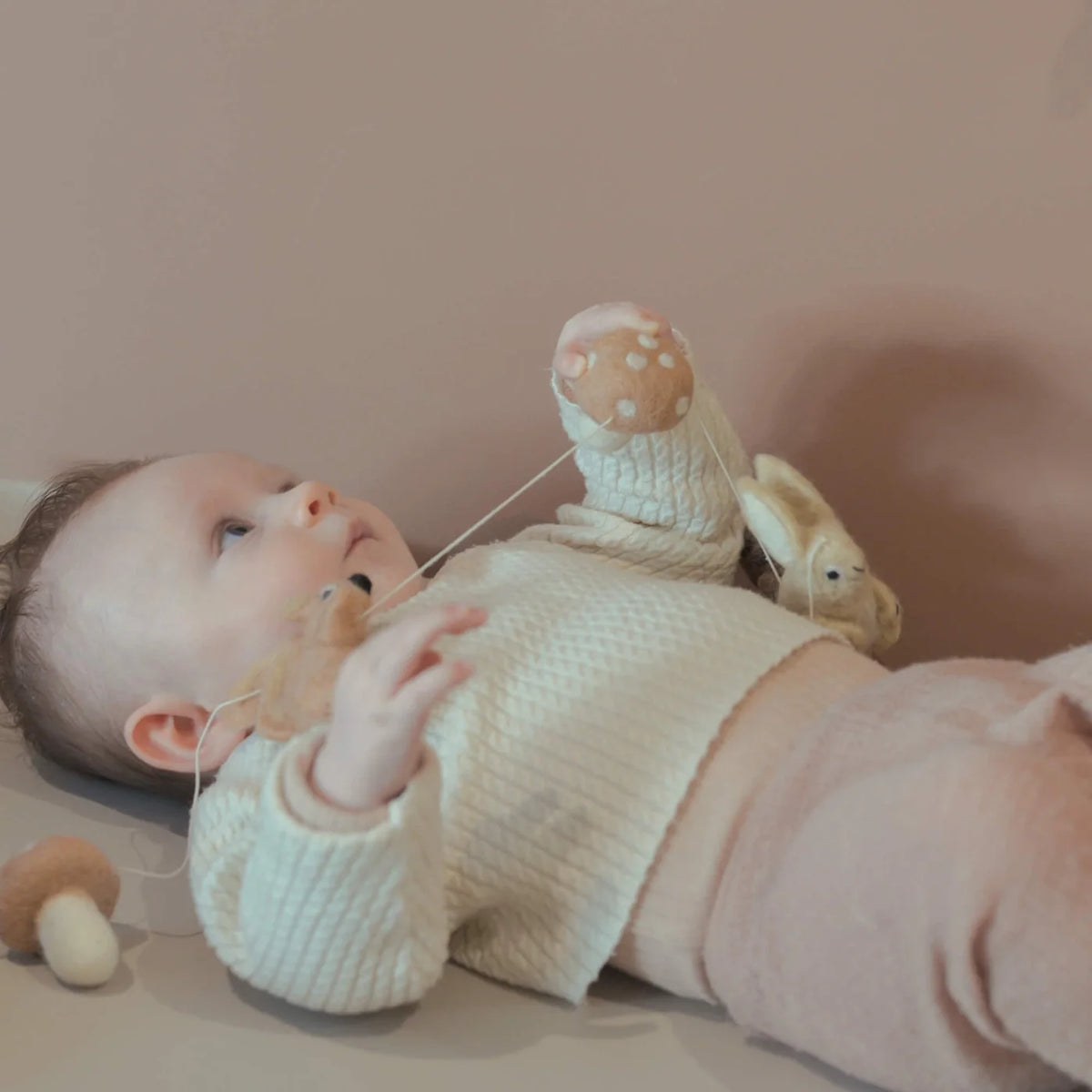
During this period, your baby is discovering hands, sounds and faces. That is why toys can be simple, calm and easy to focus on.
From 6–12 months, many babies become more active and purposeful in their play. Here, it can be helpful to look for:
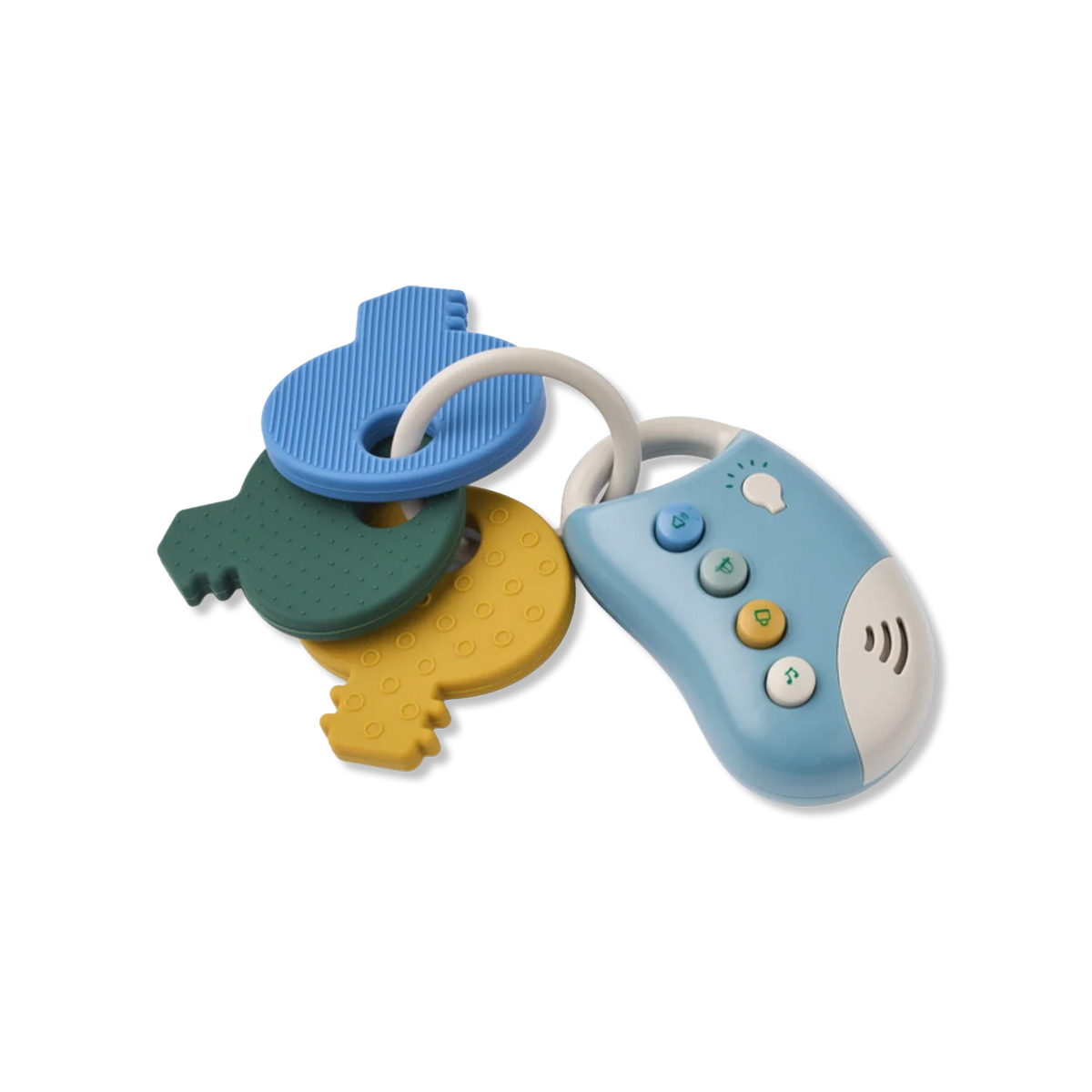
- chew-friendly toys for teething
- developmental toys that support fine motor skills and hand-eye coordination
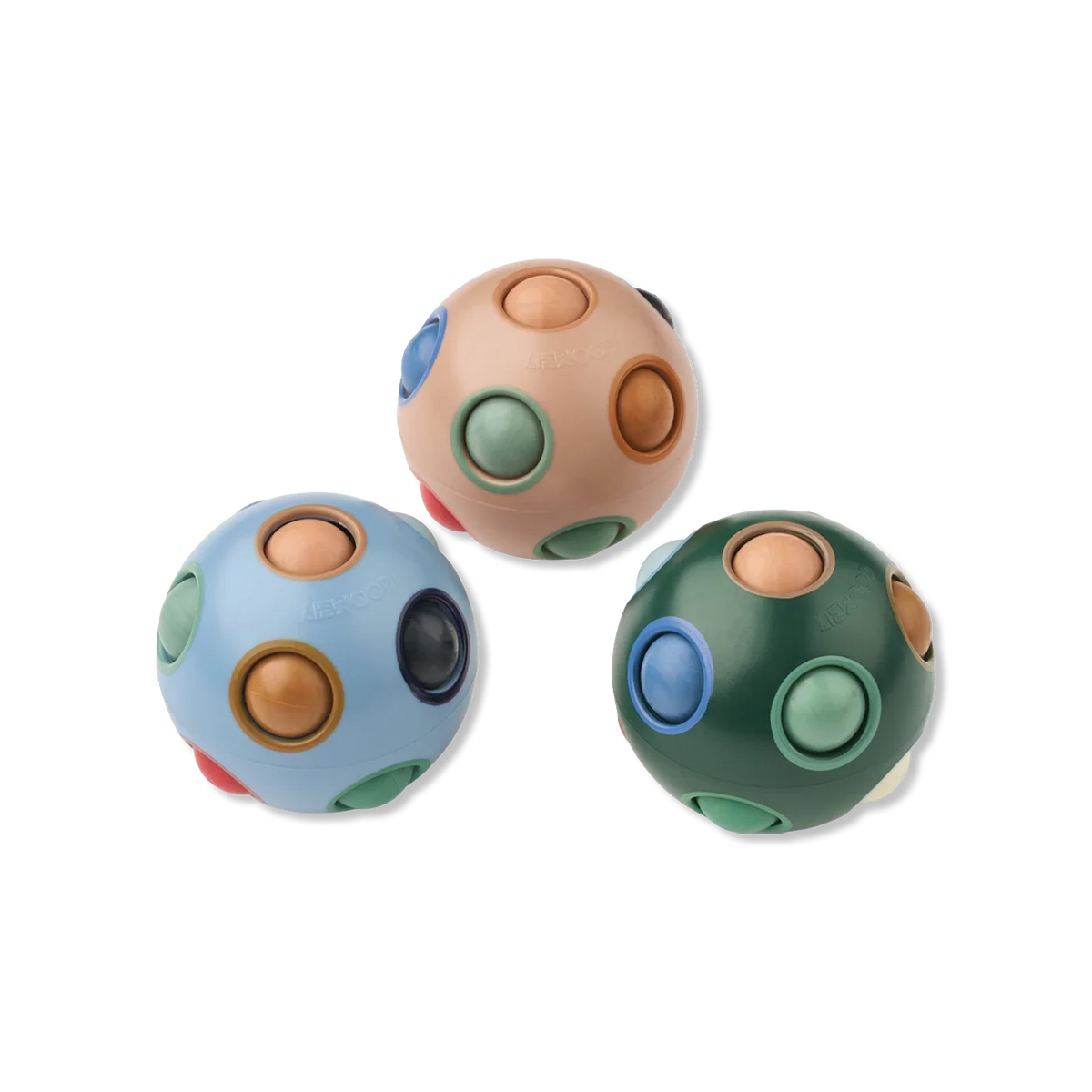
- balls, rings and activity toys that encourage reaching, moving and exploring
If you are unsure, it is usually better to choose something simple rather than something too advanced. Toys with too many functions do not necessarily bring more joy – on the contrary, they can quickly become difficult for small hands and short attention spans to use.
Sensory toys, teething toys and developmental toys – what is the difference?
Many people look for baby toys without being completely sure which type makes the most sense. Fortunately, the difference is quite straightforward when you focus on what the toy is meant to support in everyday life.
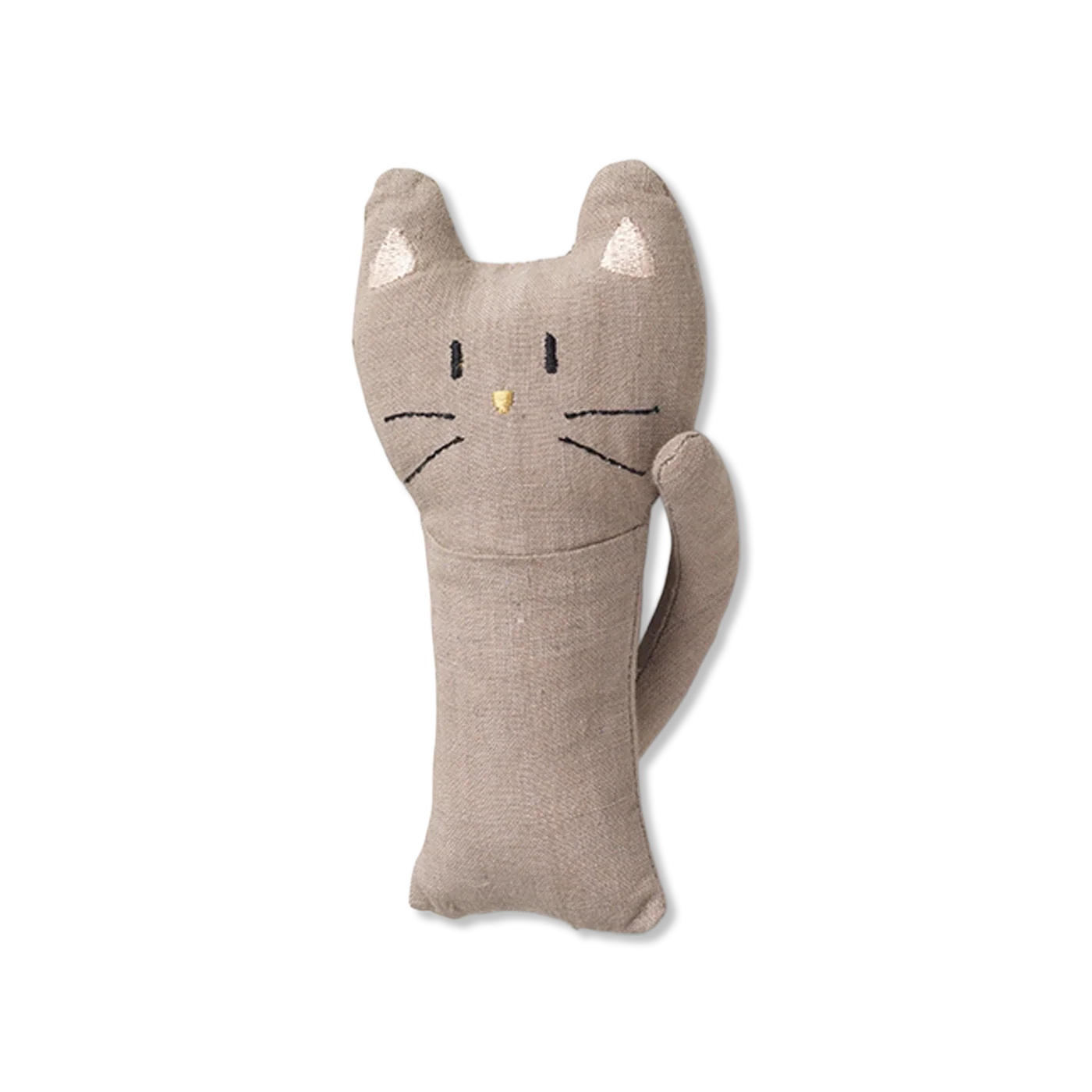
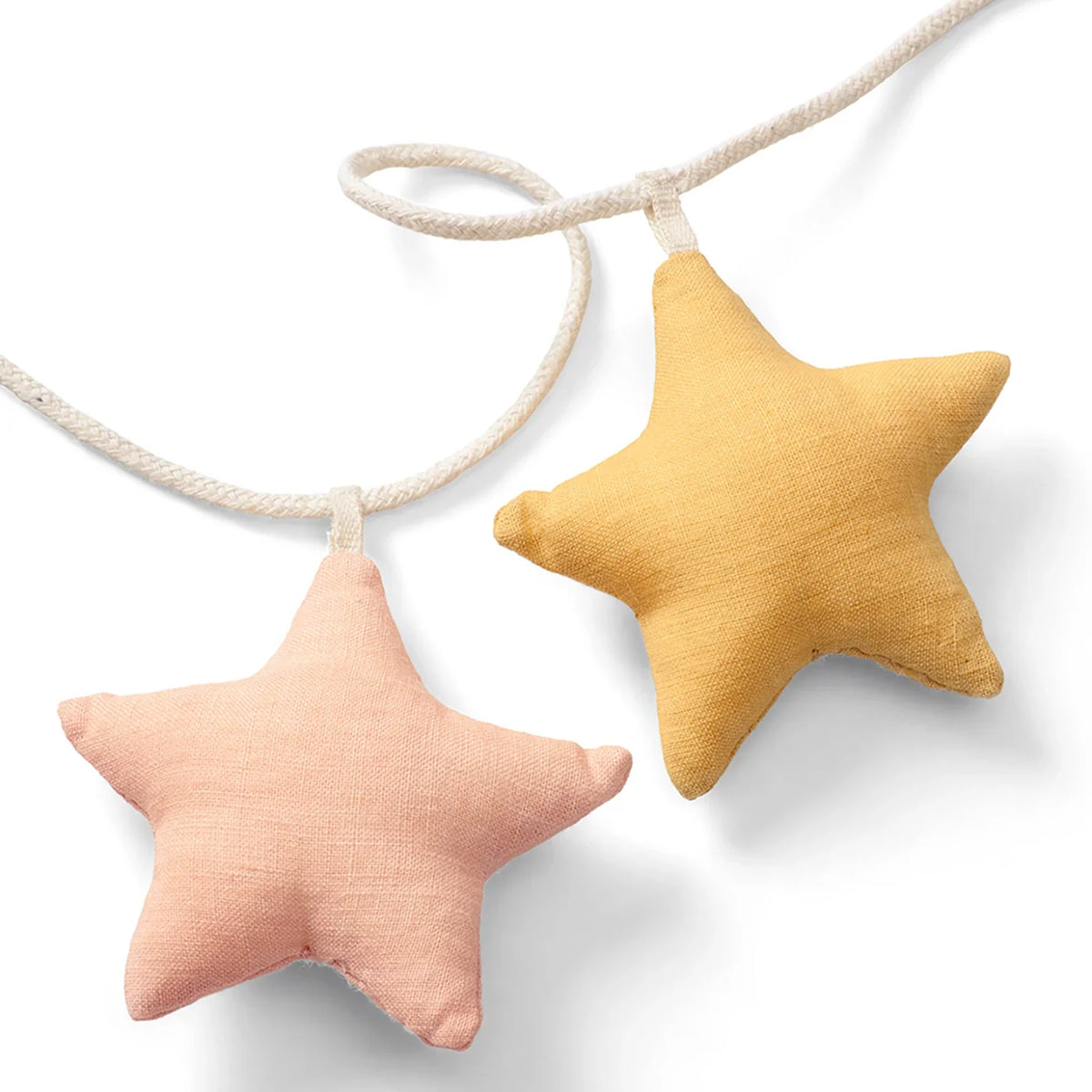
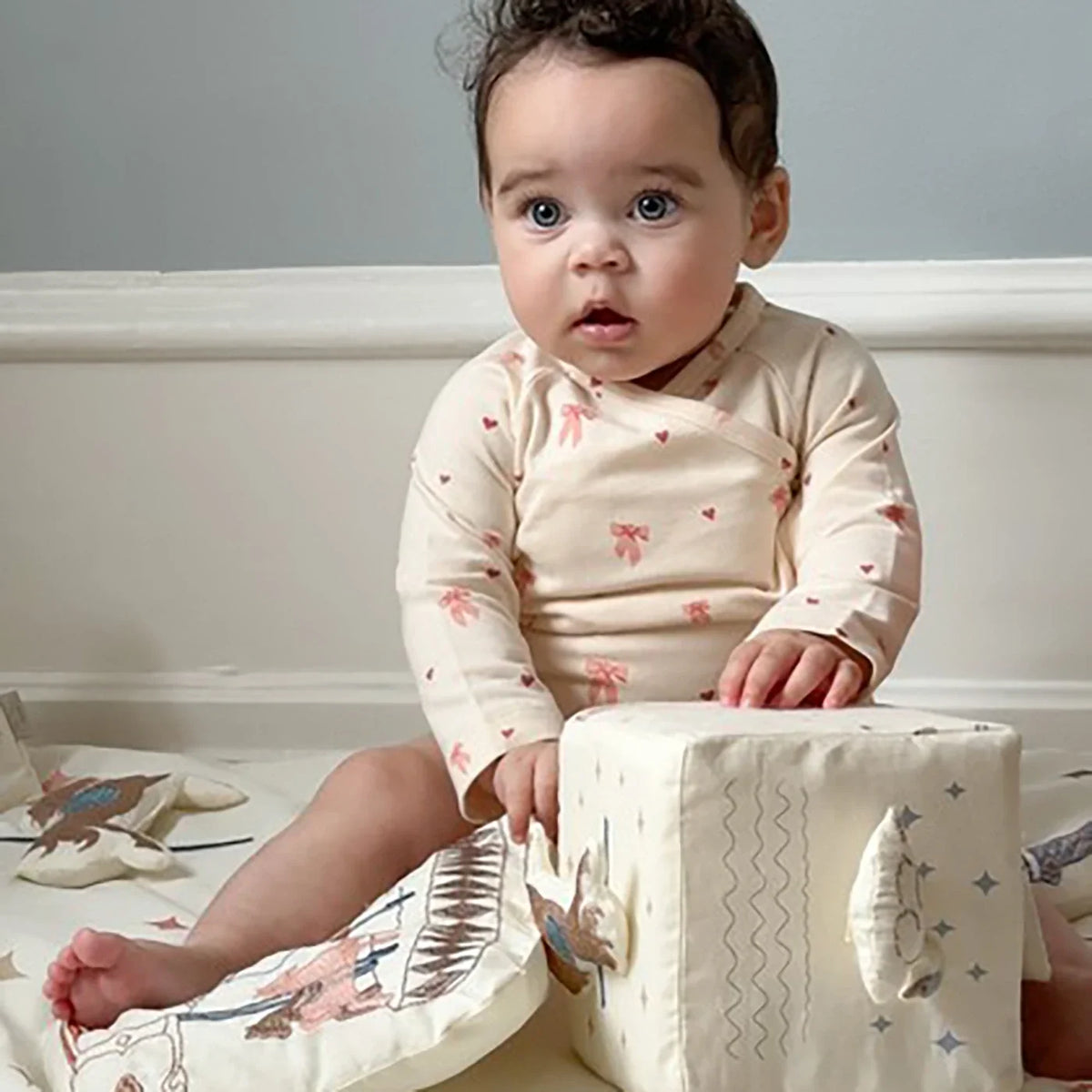
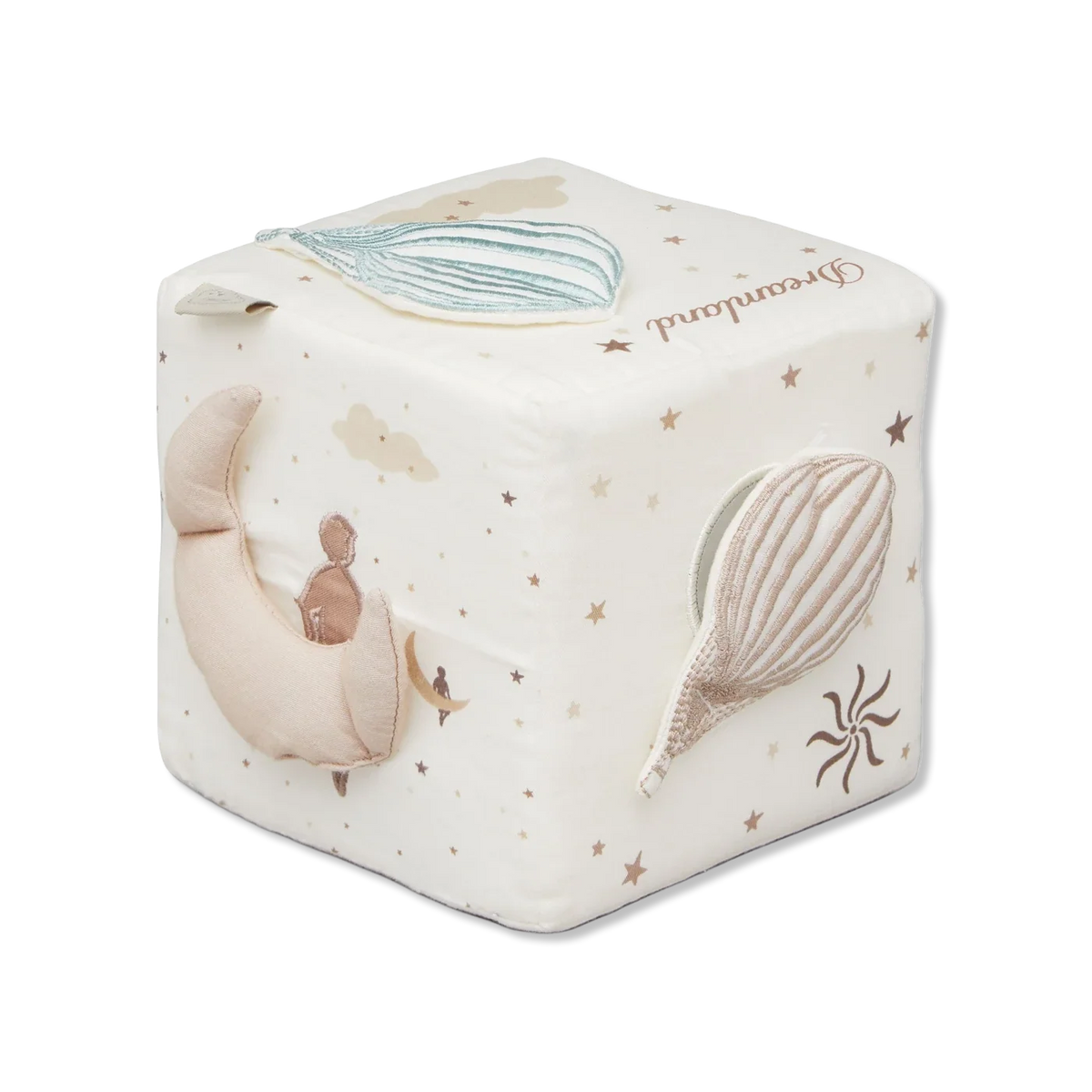
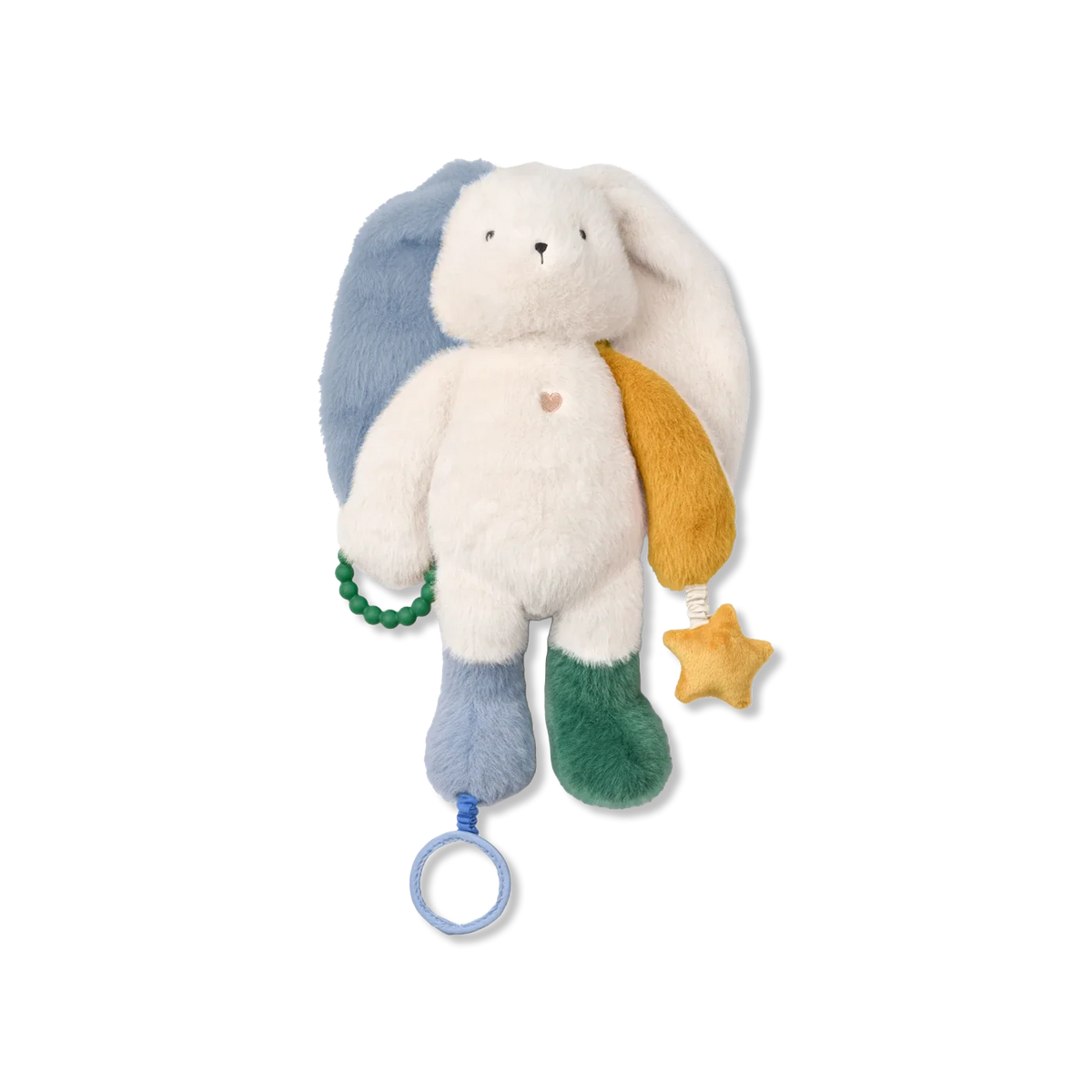
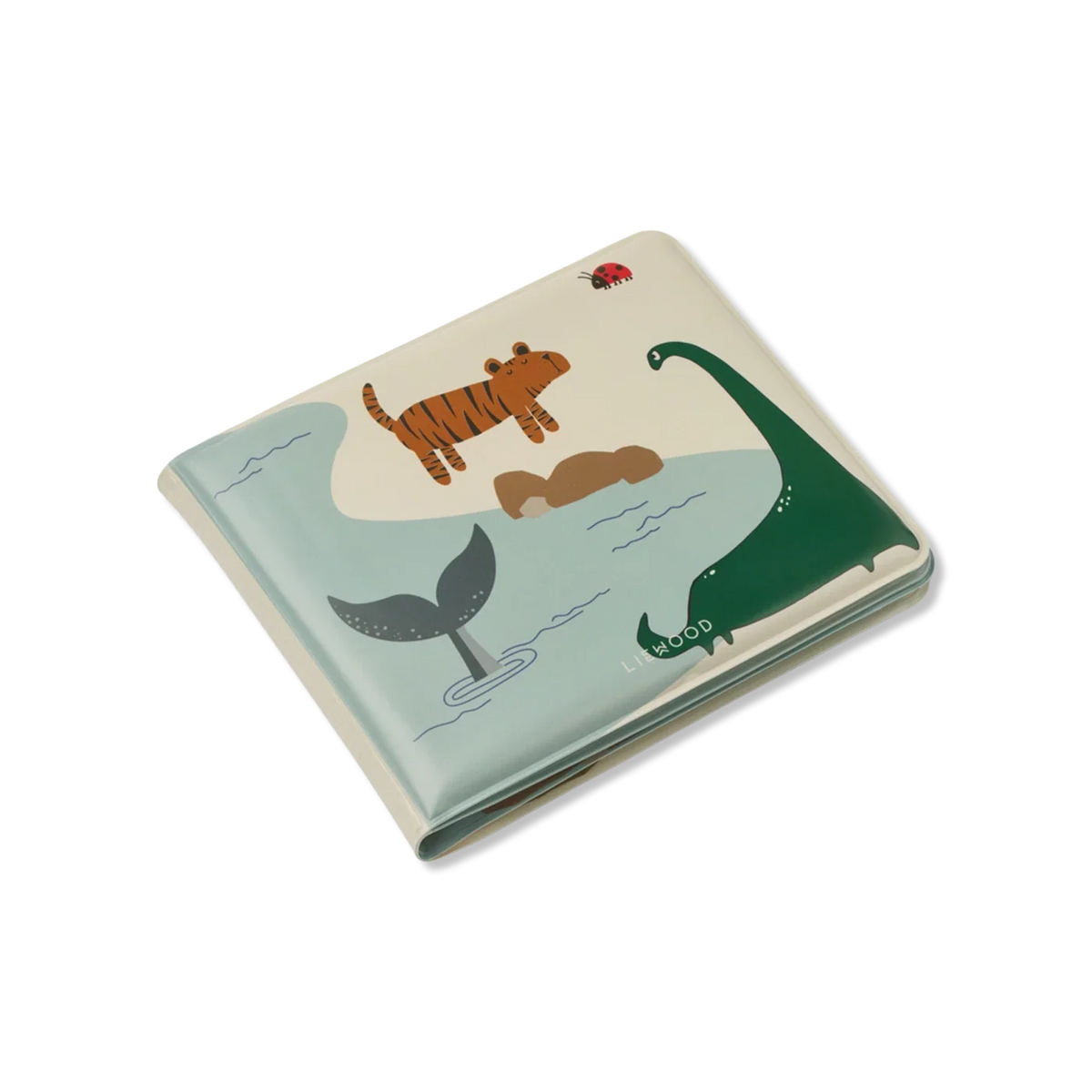
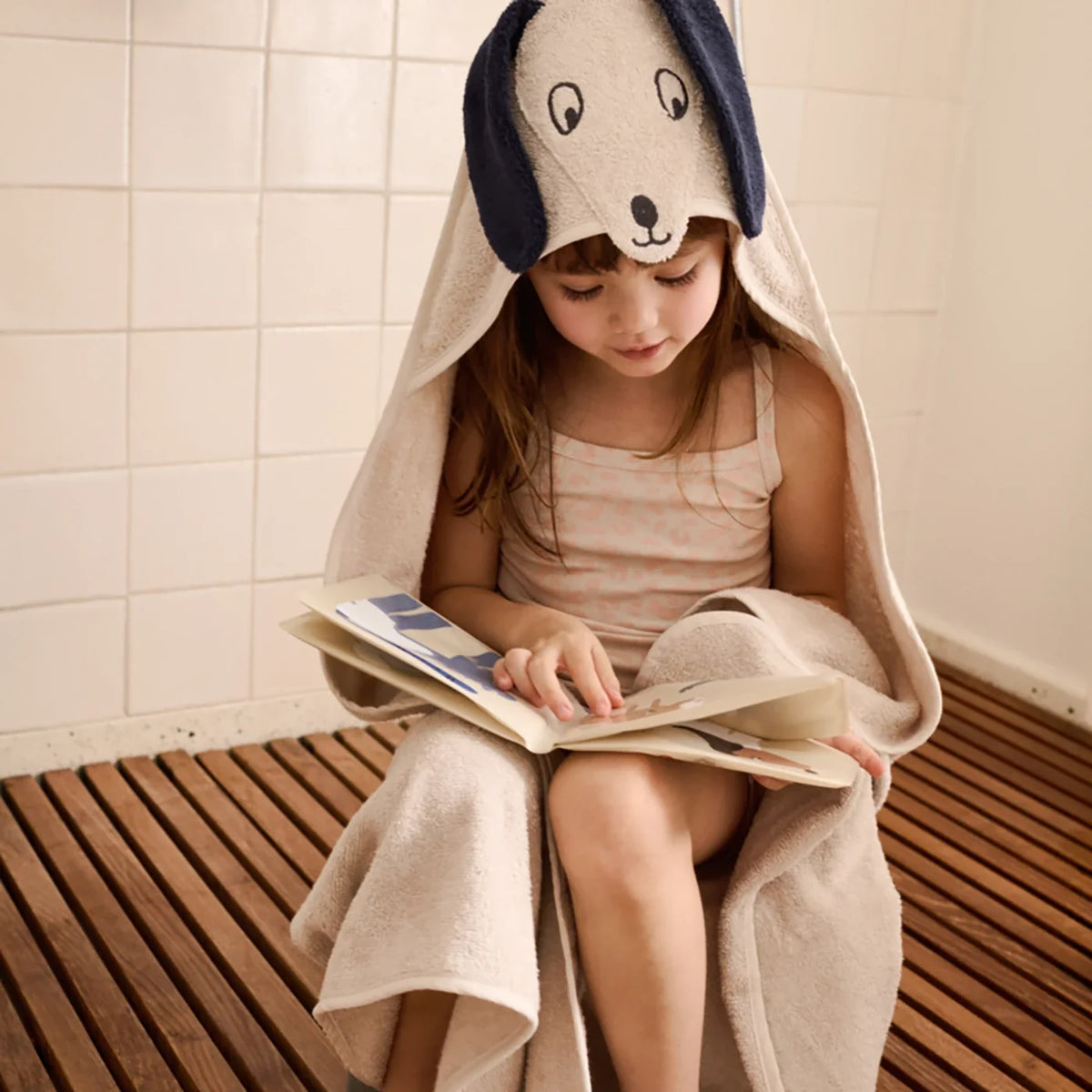
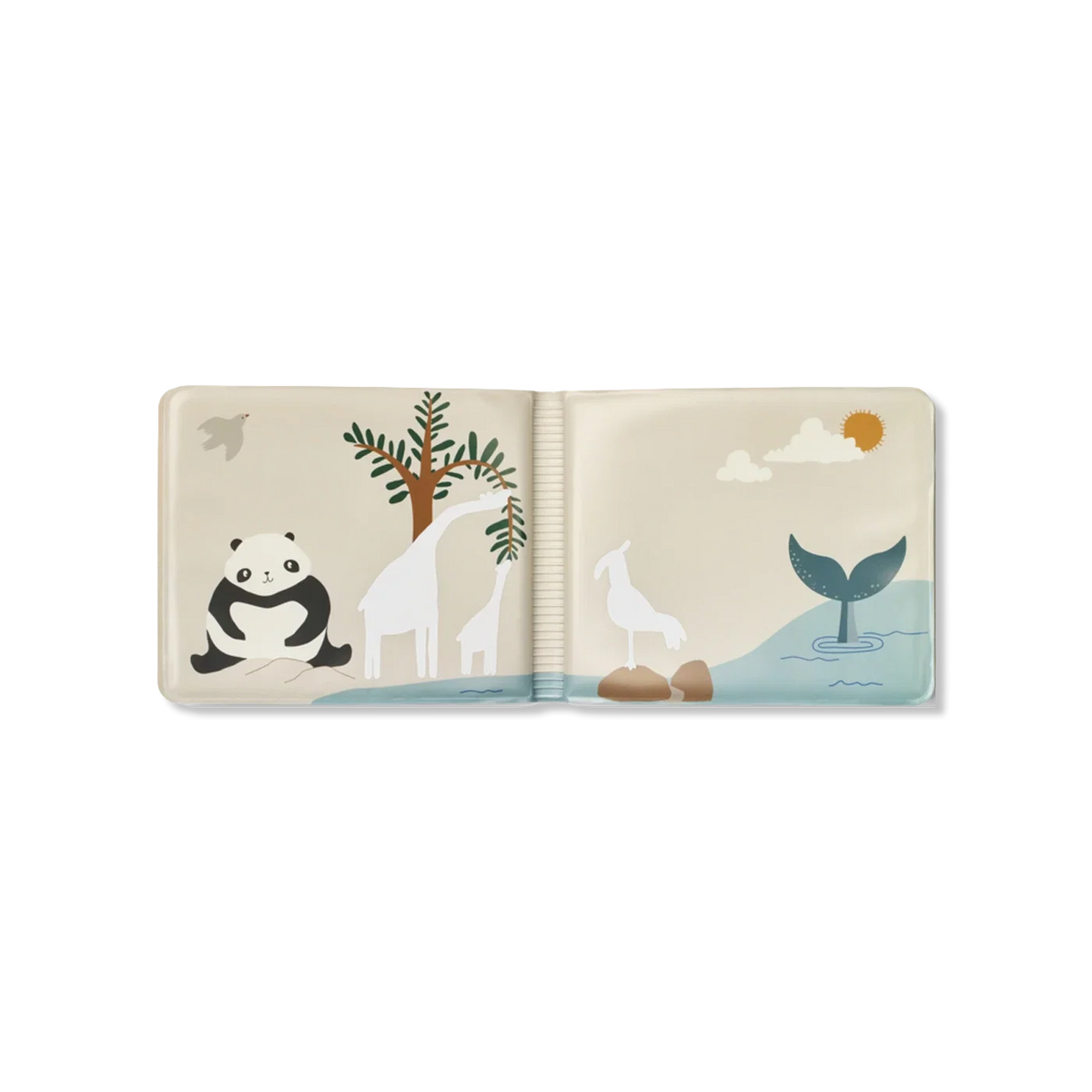
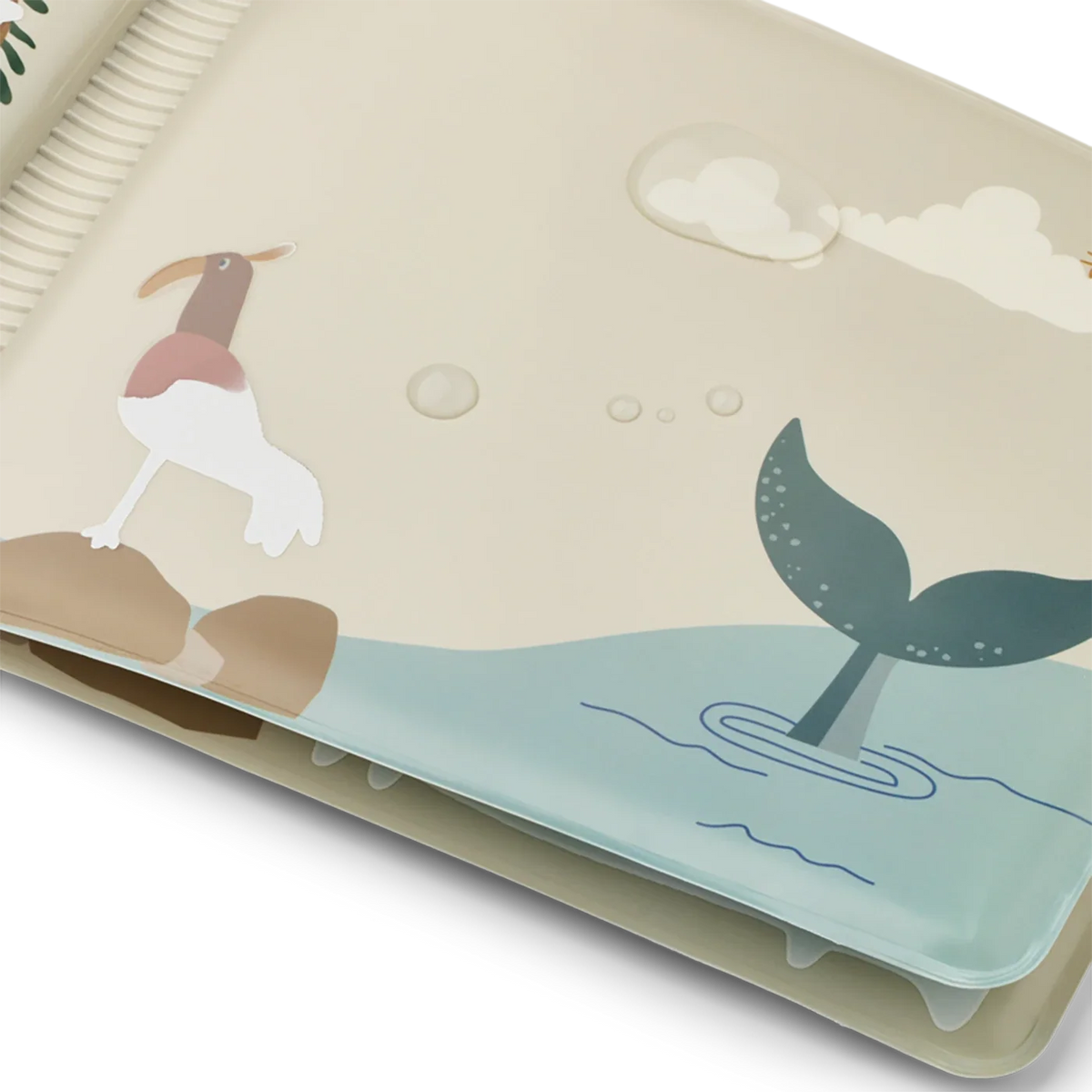
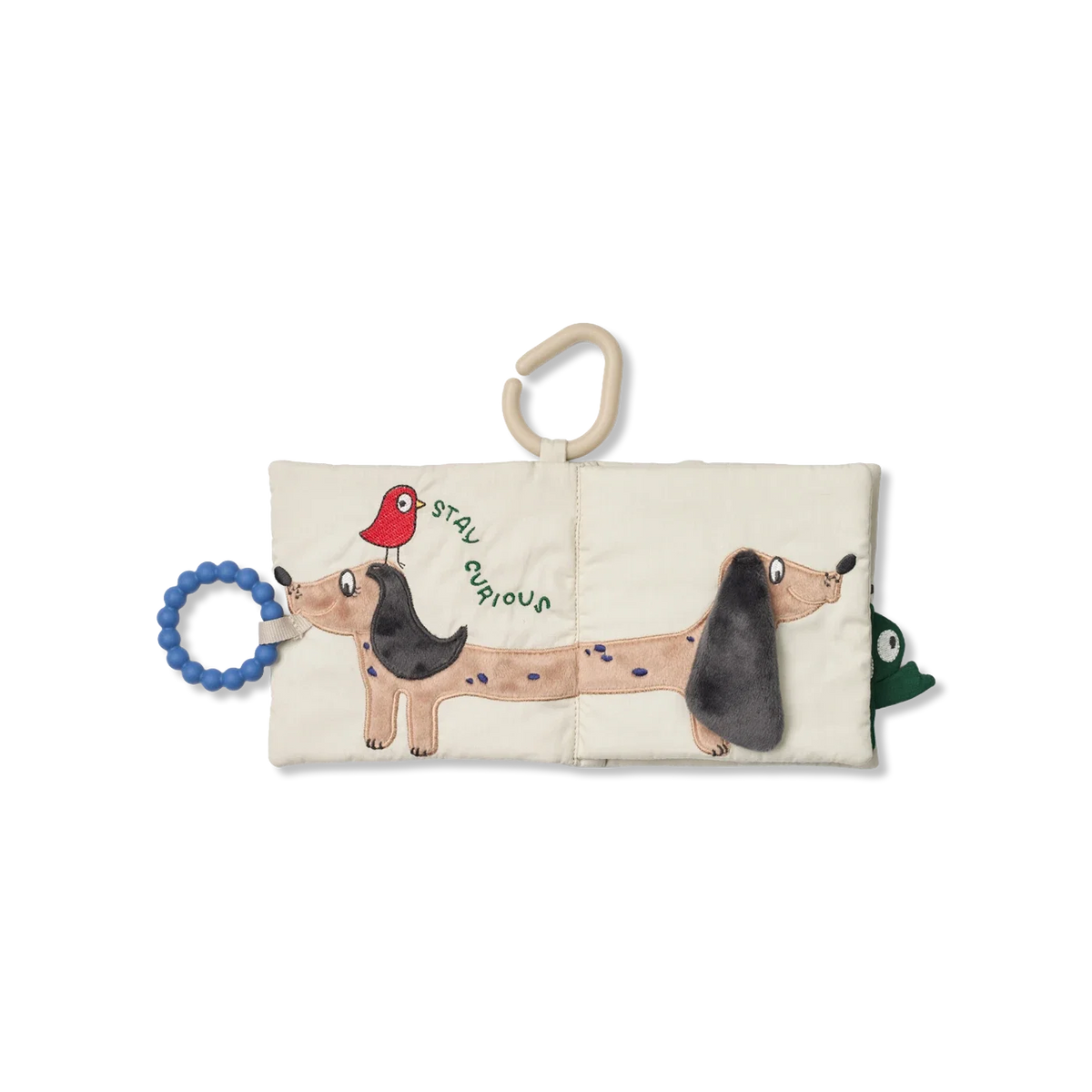
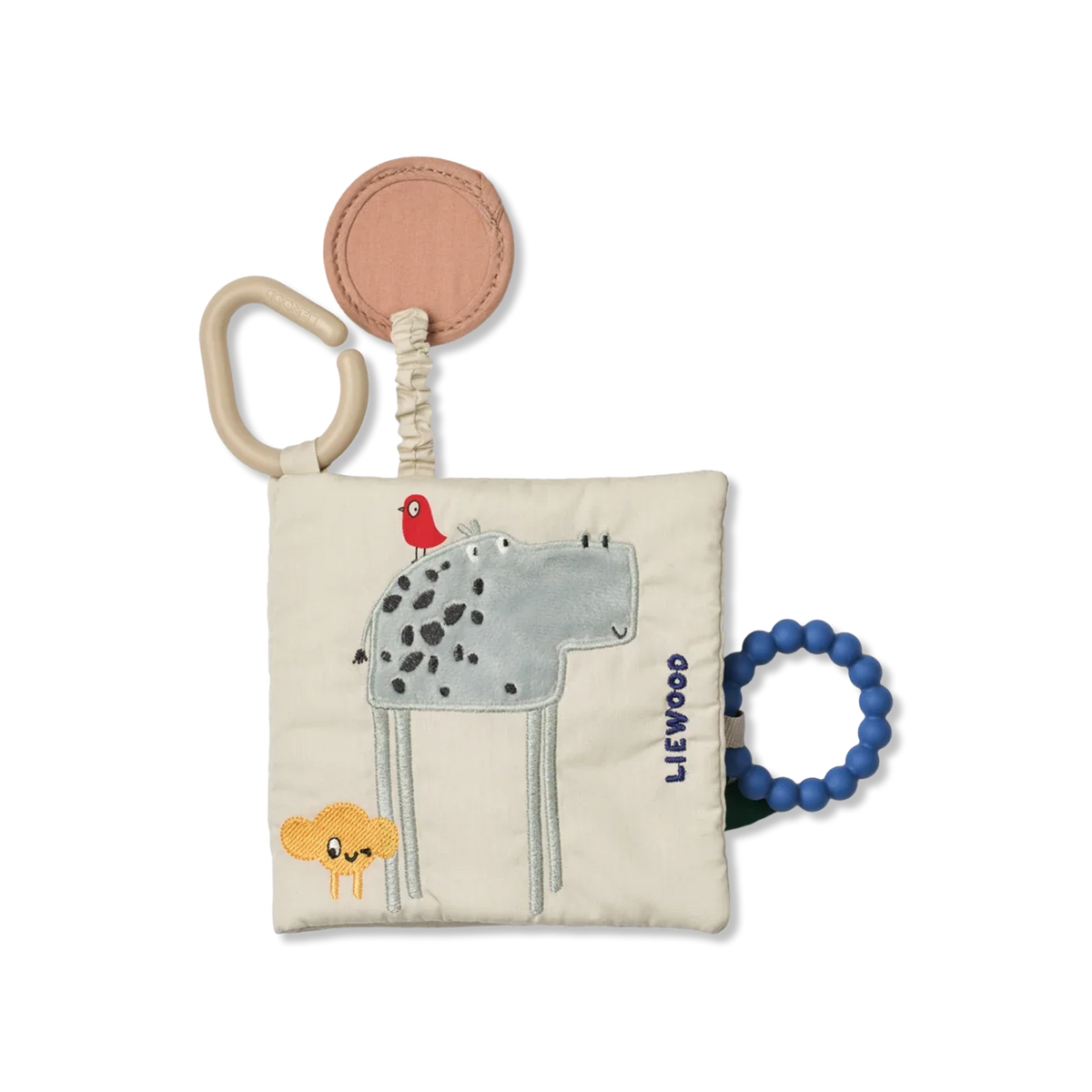
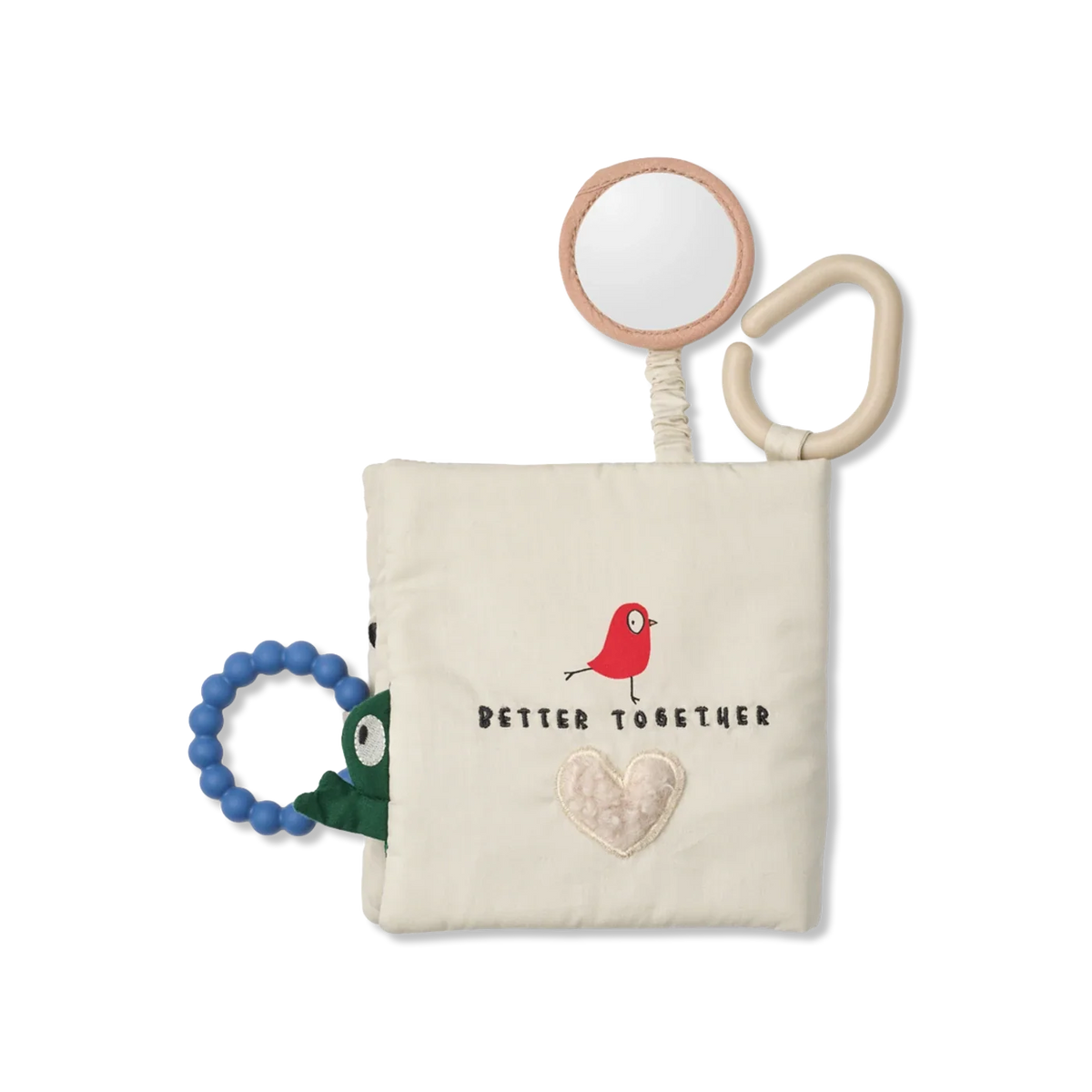
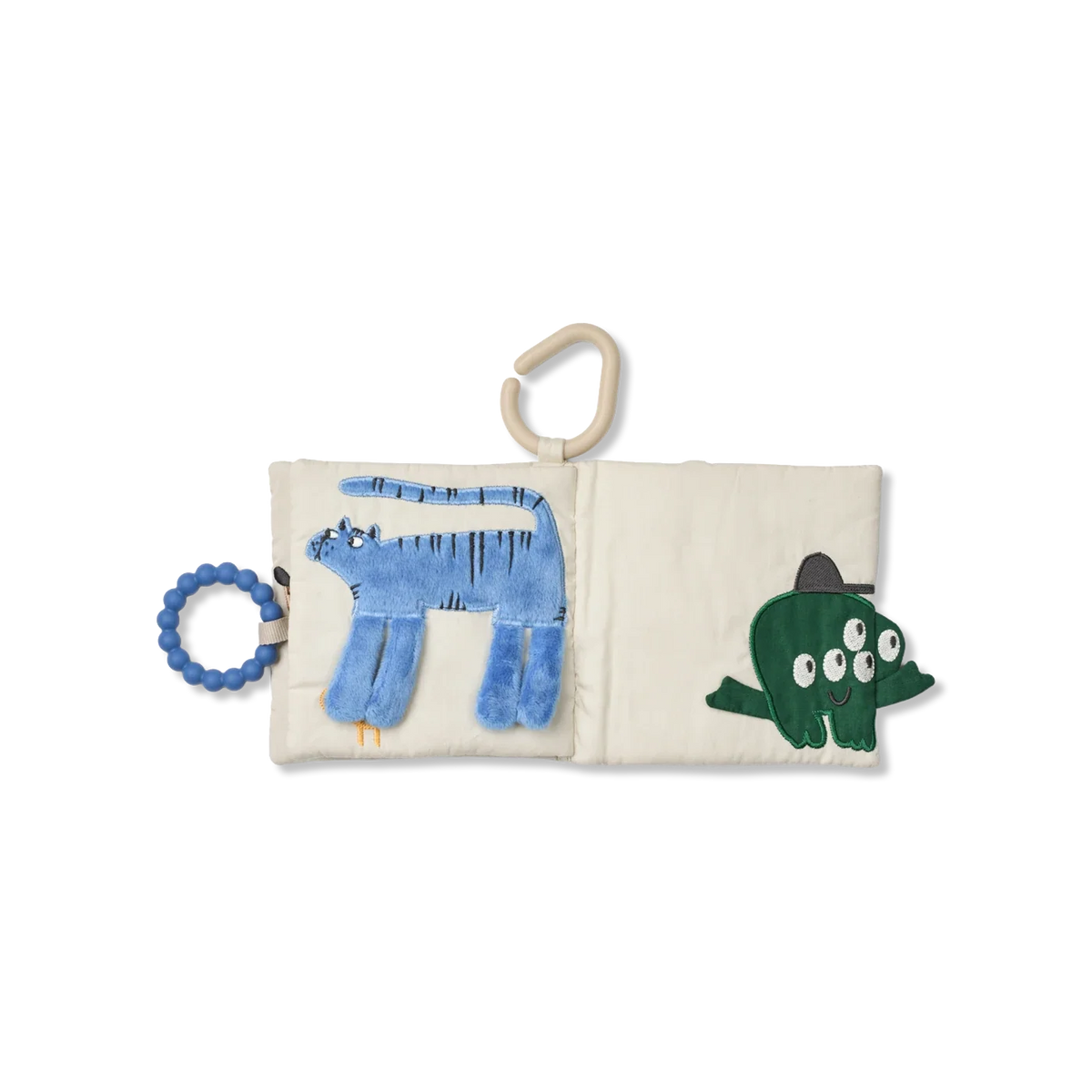
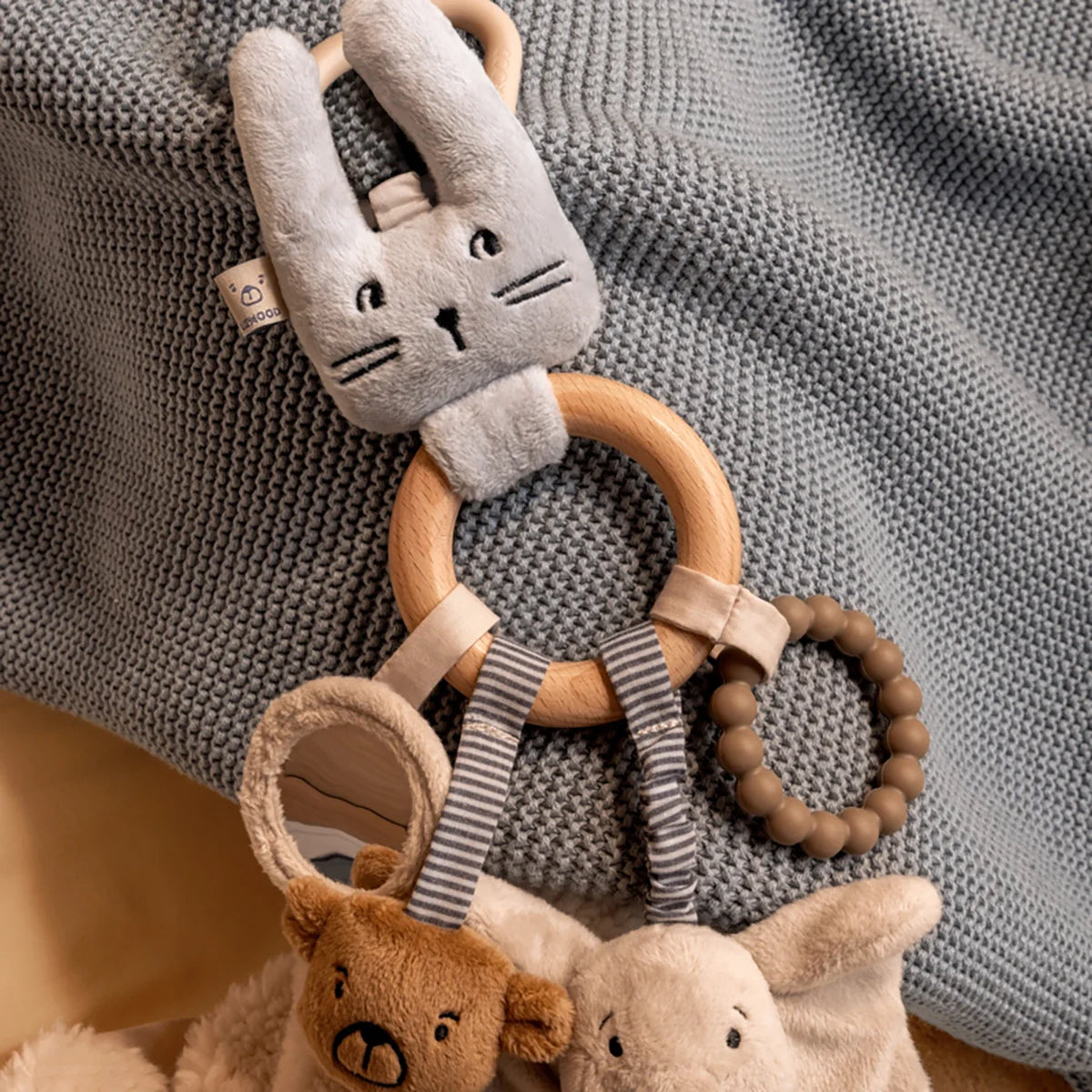
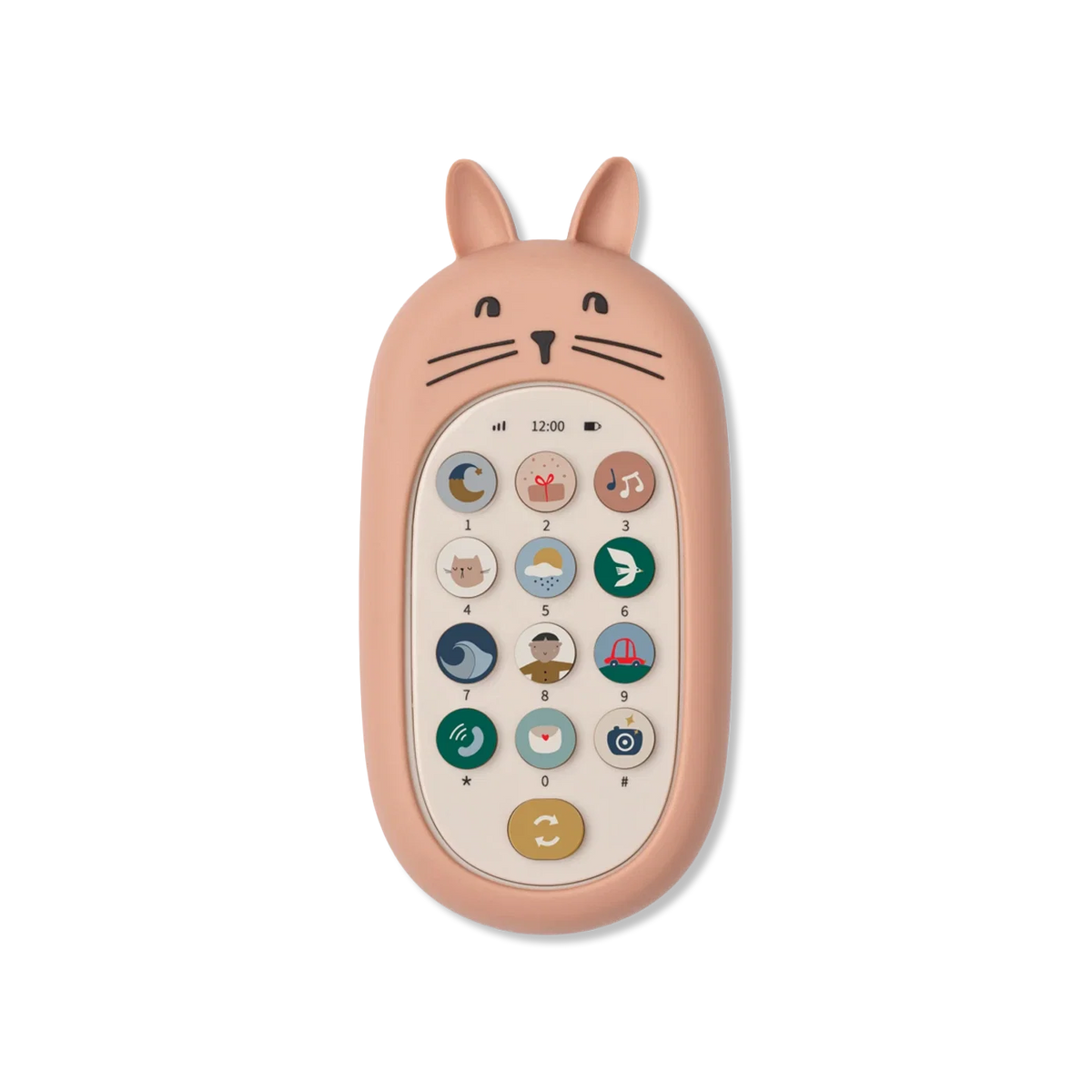
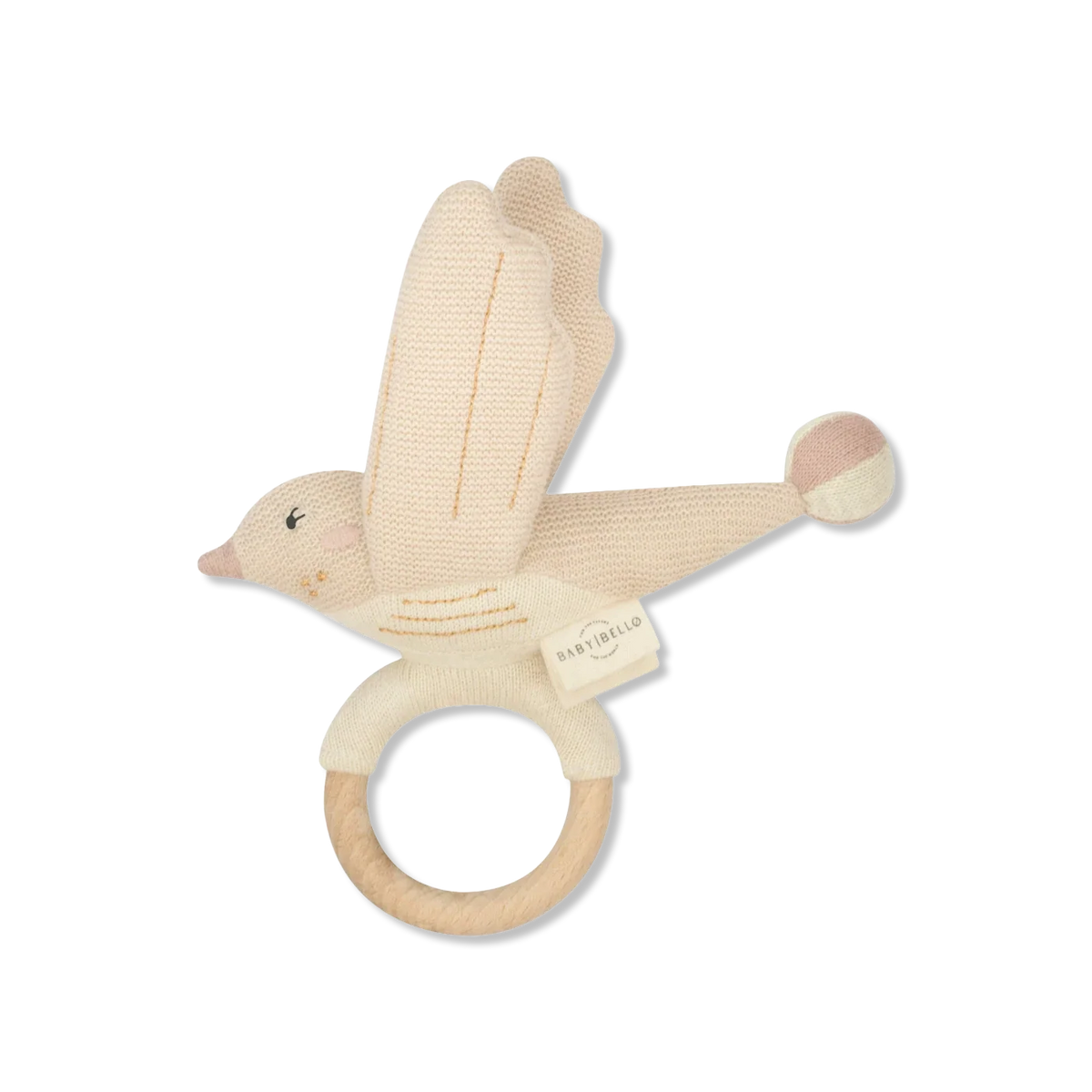
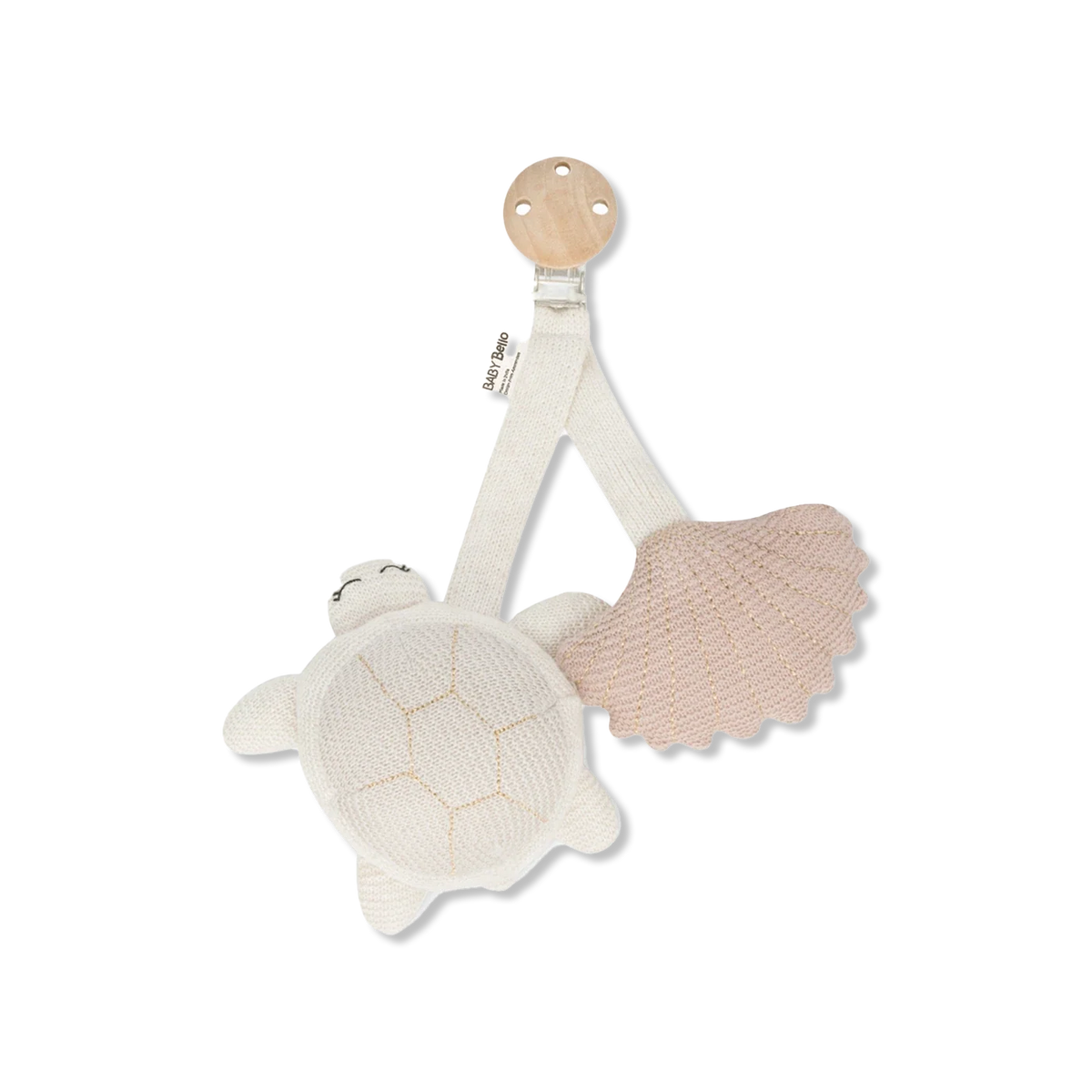
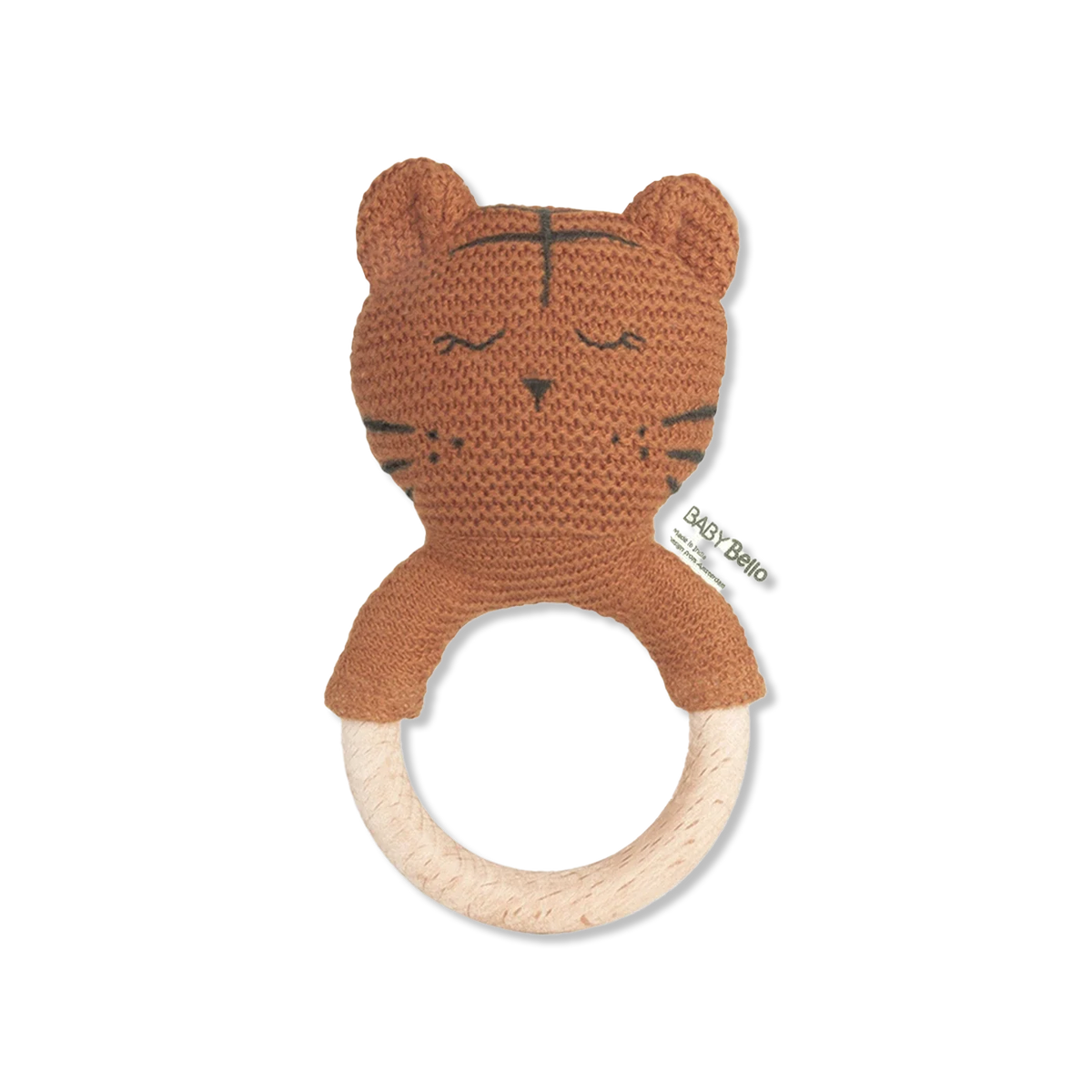
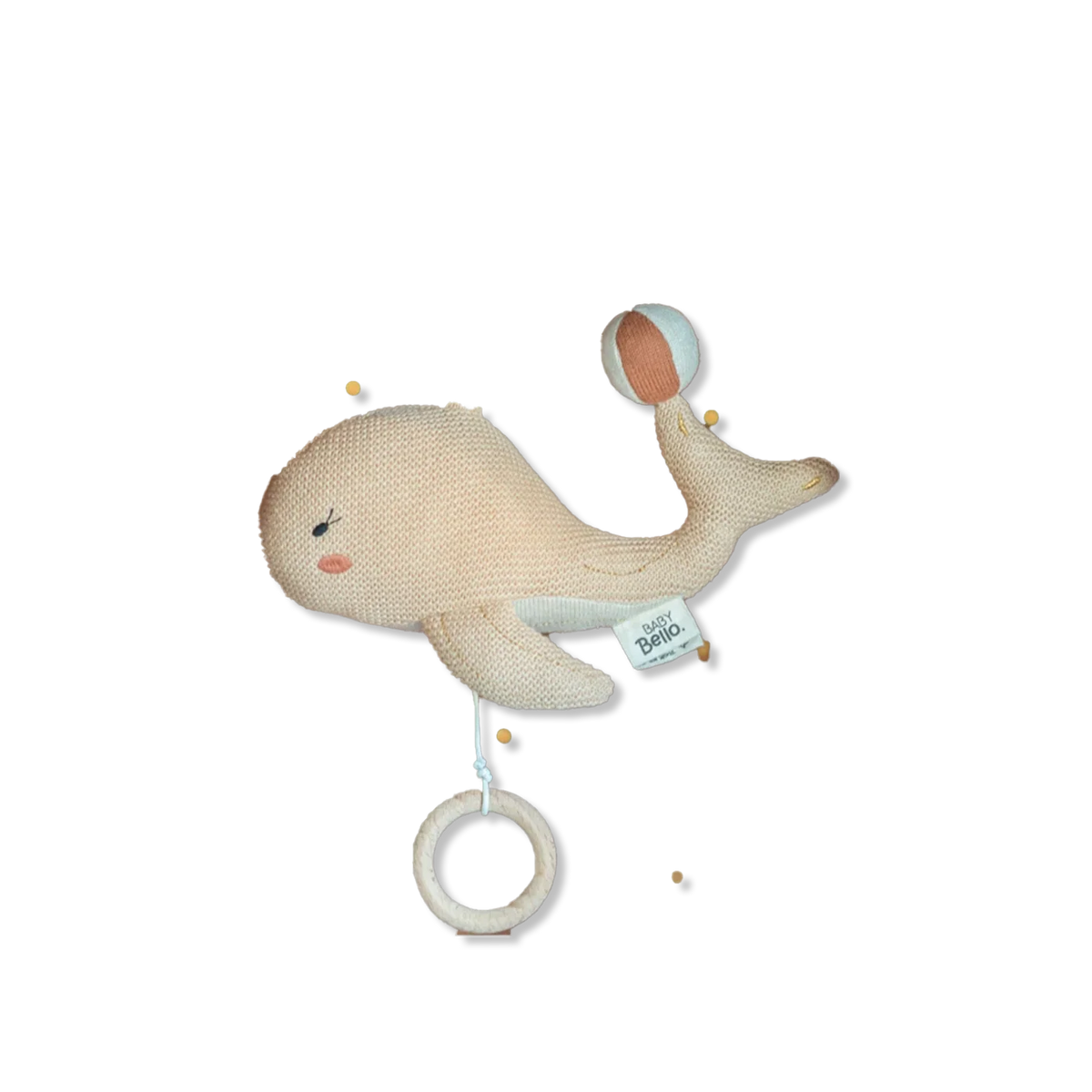
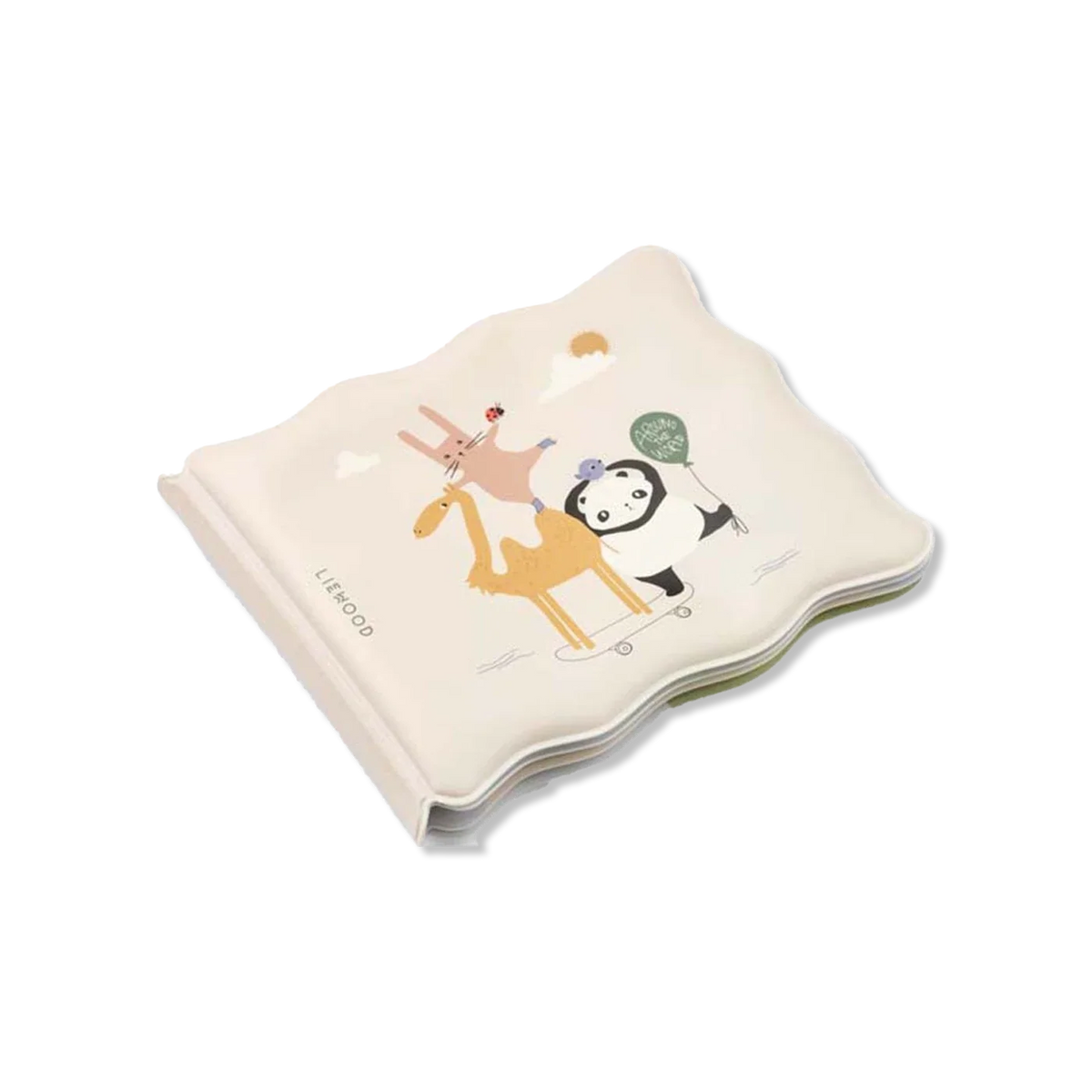
Sensory toys are made to stimulate the senses through colours, sounds, movement and textures. This could be rattles, fabric books, mirrors or soft balls. They are ideal for babies who are busy looking, listening, feeling and discovering.
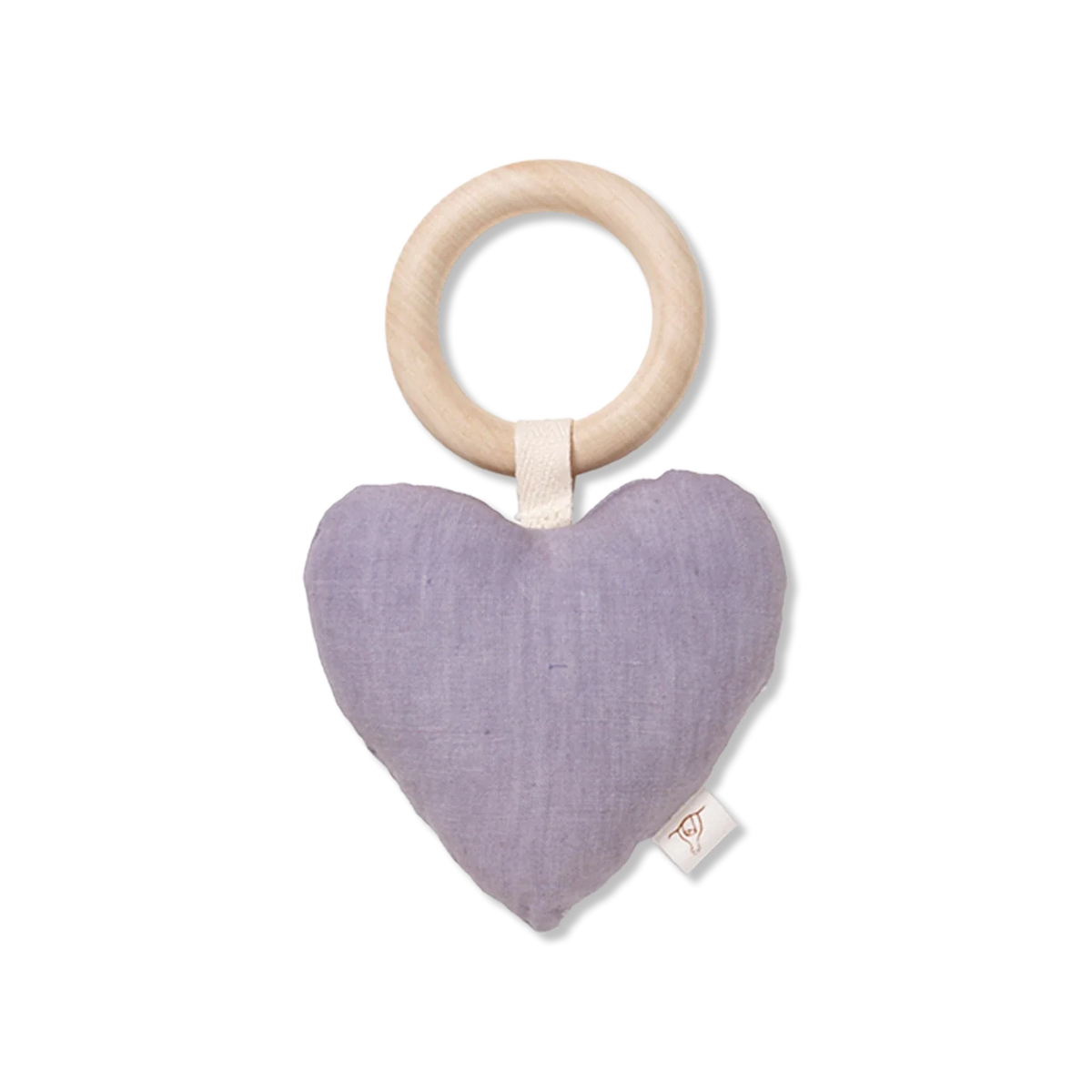
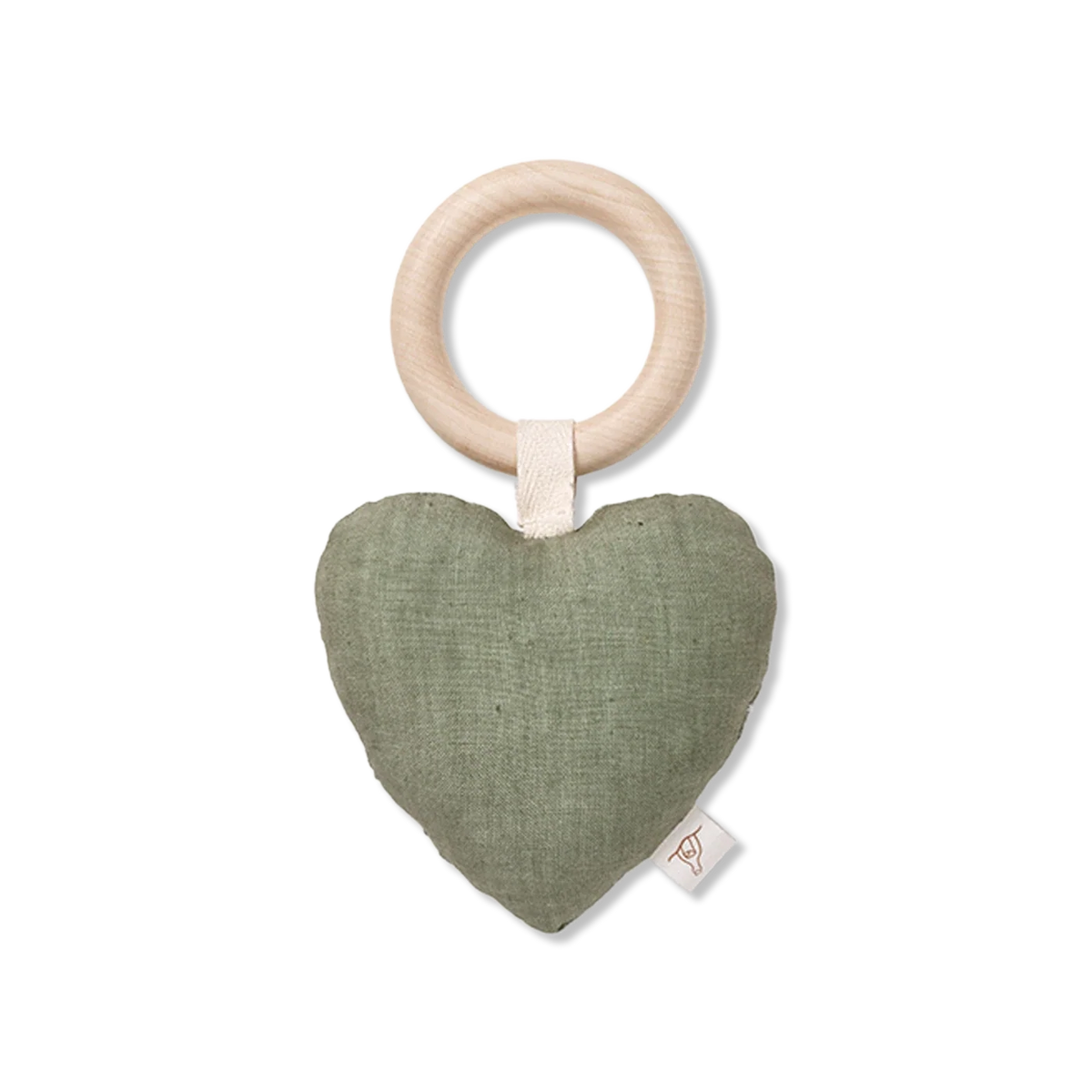
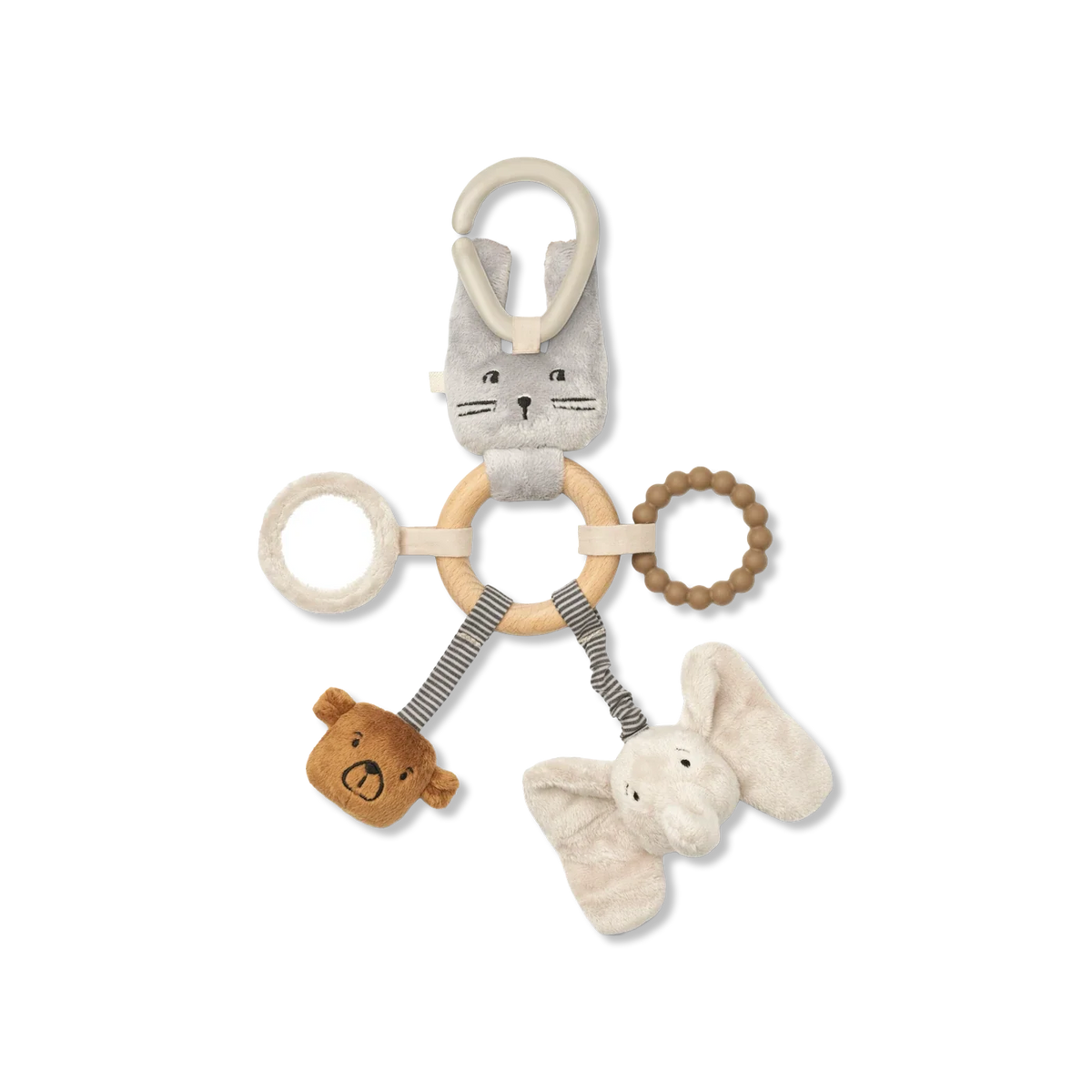
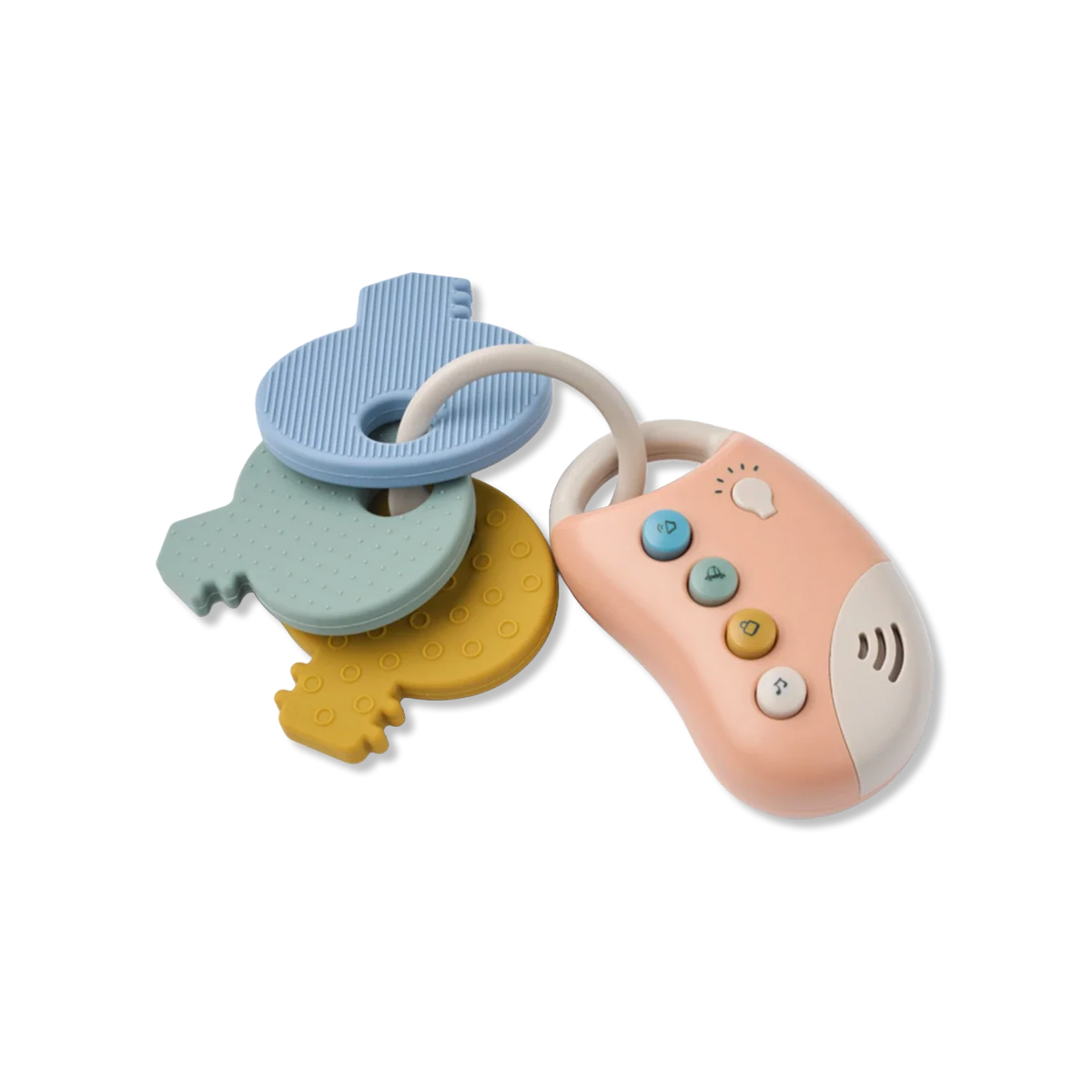
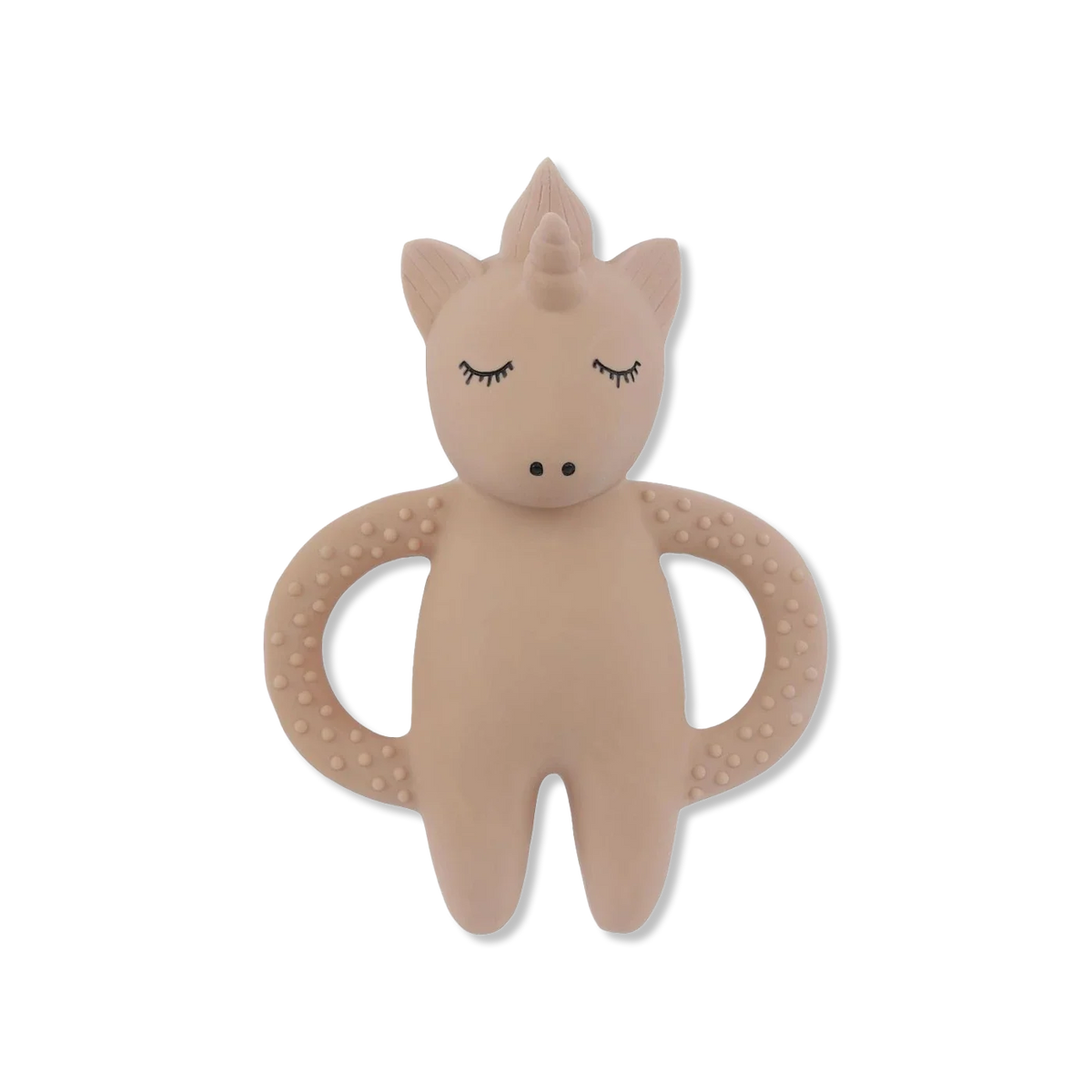
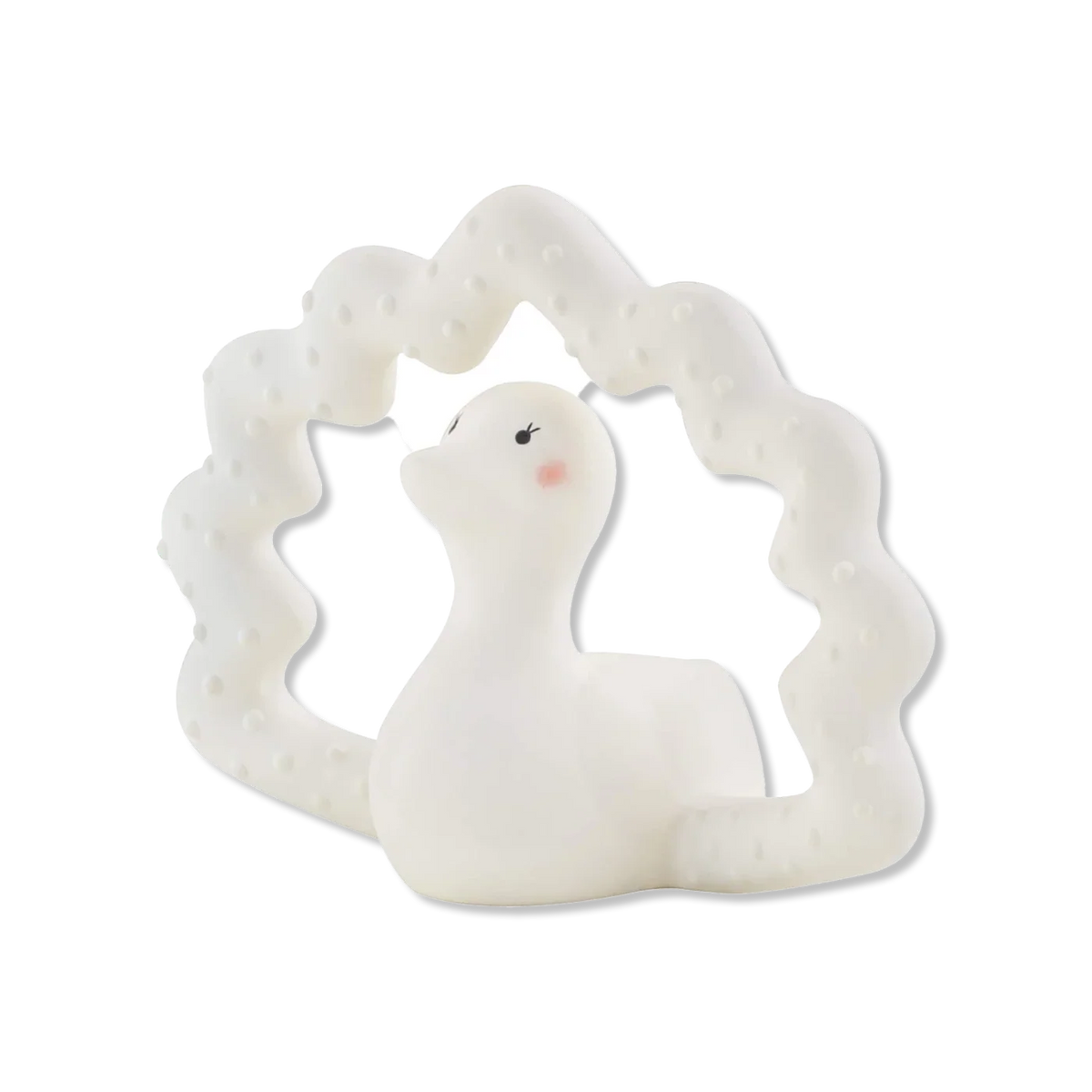
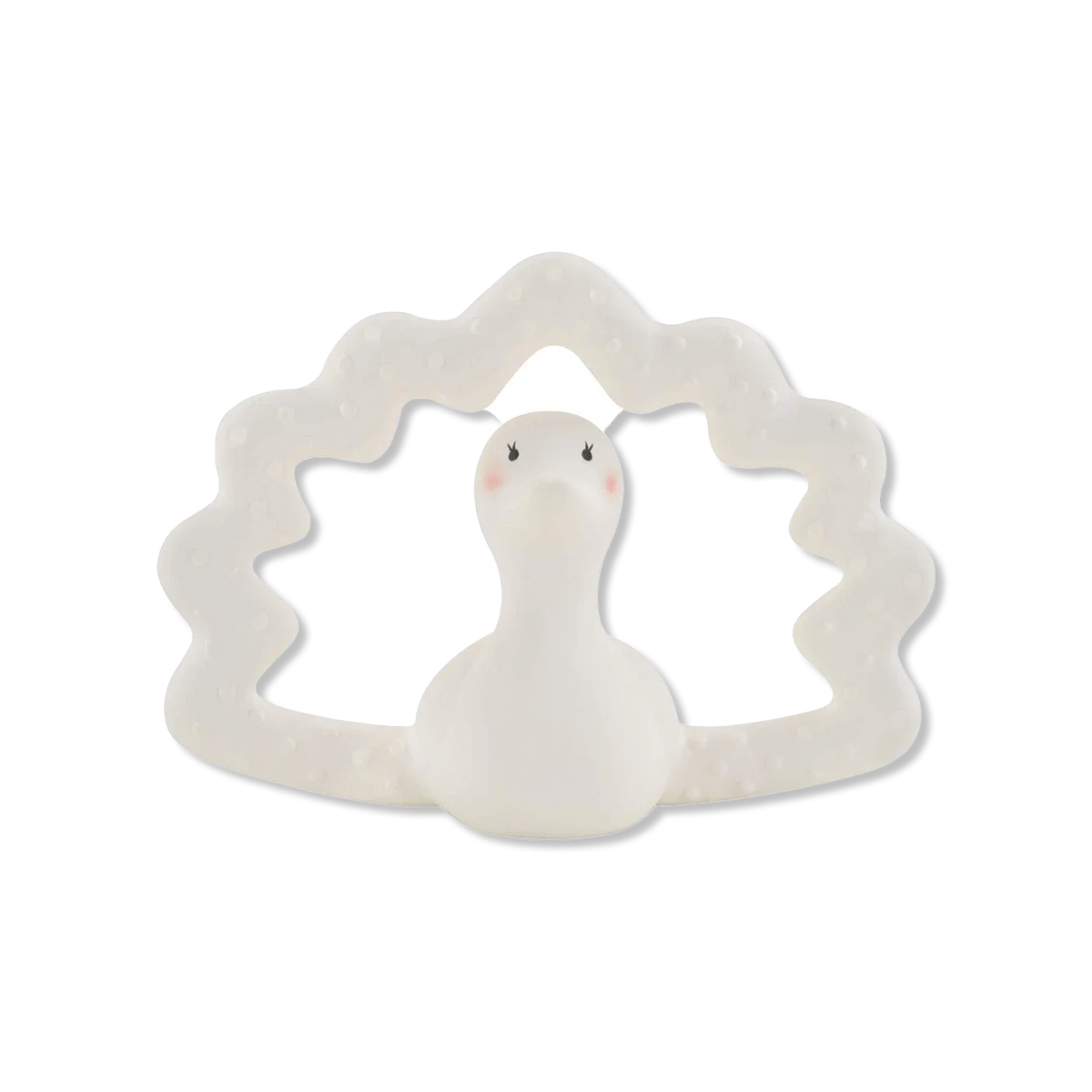
Teething toys or chew toys are suited to teething and to the stage where almost everything goes into the mouth. Here, shape, material and safety are especially important. Silicone rings and soft shapes are often good choices because they feel comfortable to chew on and are easy to clean. During the same period, many families may also benefit from items from the pacifiers category if you would like to gather more products for teething and comfort needs.
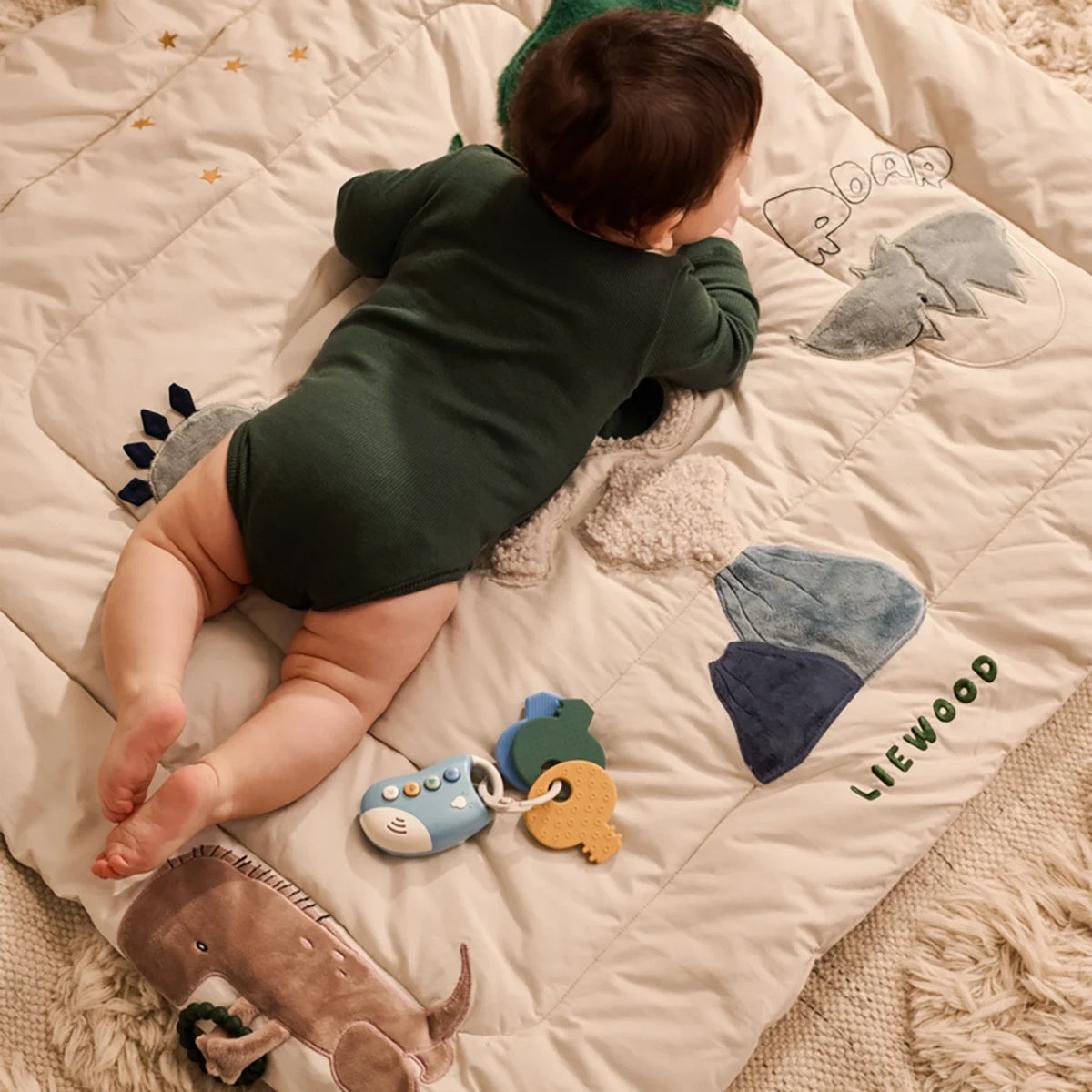
Developmental toys support motor skills and curiosity. This could include activity gyms, grasping toys or other baby toys that invite your little one to reach, grab, shake and move things from one hand to the other. This is often the type of toy parents look for when they want to support milestones such as tummy time, sitting independently or the first attempts at crawling.
Materials in baby toys that give peace of mind
When choosing baby toys, materials matter because babies explore with their mouths just as much as with their hands. That is why many parents look for toys made from food-grade silicone, organic cotton or smoothly polished wood.
Silicone is often a great choice for teething toys because it is soft, durable and easy to wipe clean. Cotton feels gentle against the skin and works well for soft fabric parts and small textile activity toys. Wood has a firmer and more natural feel, which many families also appreciate – especially when the surface is smooth and easy to keep clean.
It can also provide peace of mind to look for CE marking and relevant standards such as OEKO-TEX when they apply to the product. This helps create confidence when toys come close to both skin and mouth. Lightweight materials are also an advantage, as they make toys easier for small hands to lift, hold and explore.
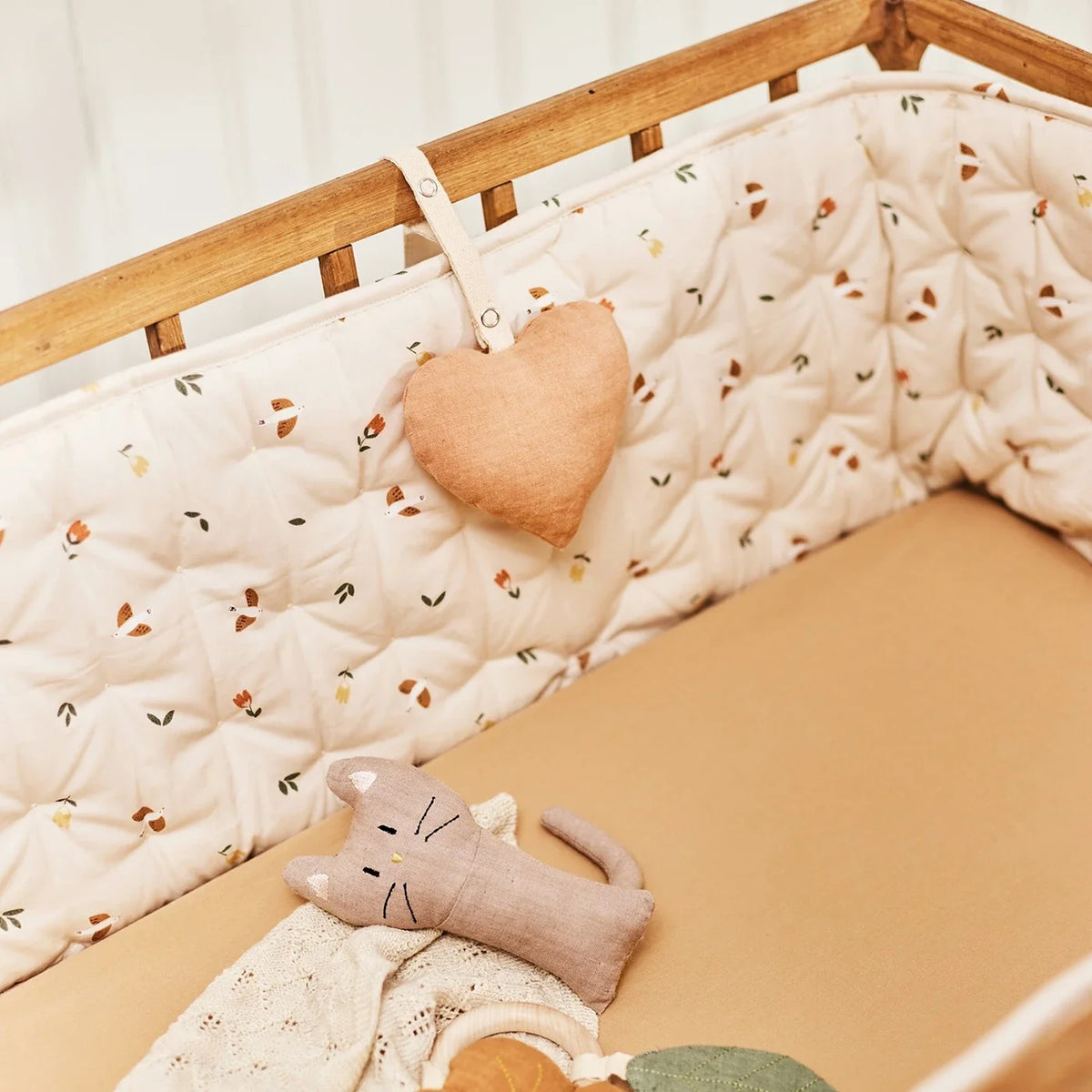
If you want to create a calm and coordinated start with your first baby purchases, many parents also choose to combine toys with soft textiles such as muslins and swaddles, which are useful to have close at hand during play, sleep routines and teething.
Baby toys should also be easy in everyday life
The best toys for babies are not only safe and pleasant to look at. They also need to work in an ordinary day filled with floor play, pram walks, drool and little breaks along the way. That is why it is worth considering cleaning, size and where the toy will be used.
For everyday use, it is often helpful to choose baby toys that:
- can be wiped clean or washed without hassle
- are not too heavy or bulky
- are easy to bring in the pram, changing bag or car
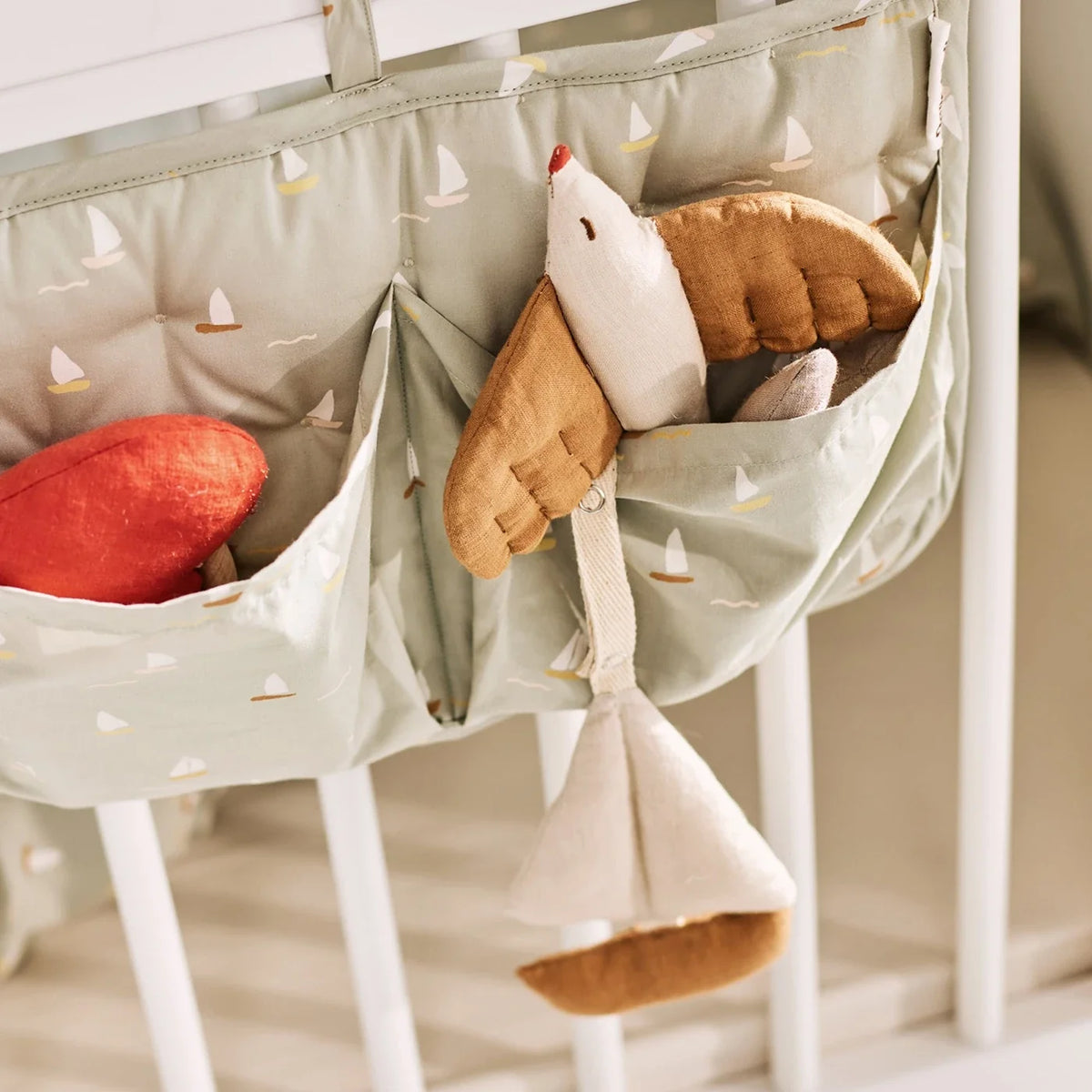
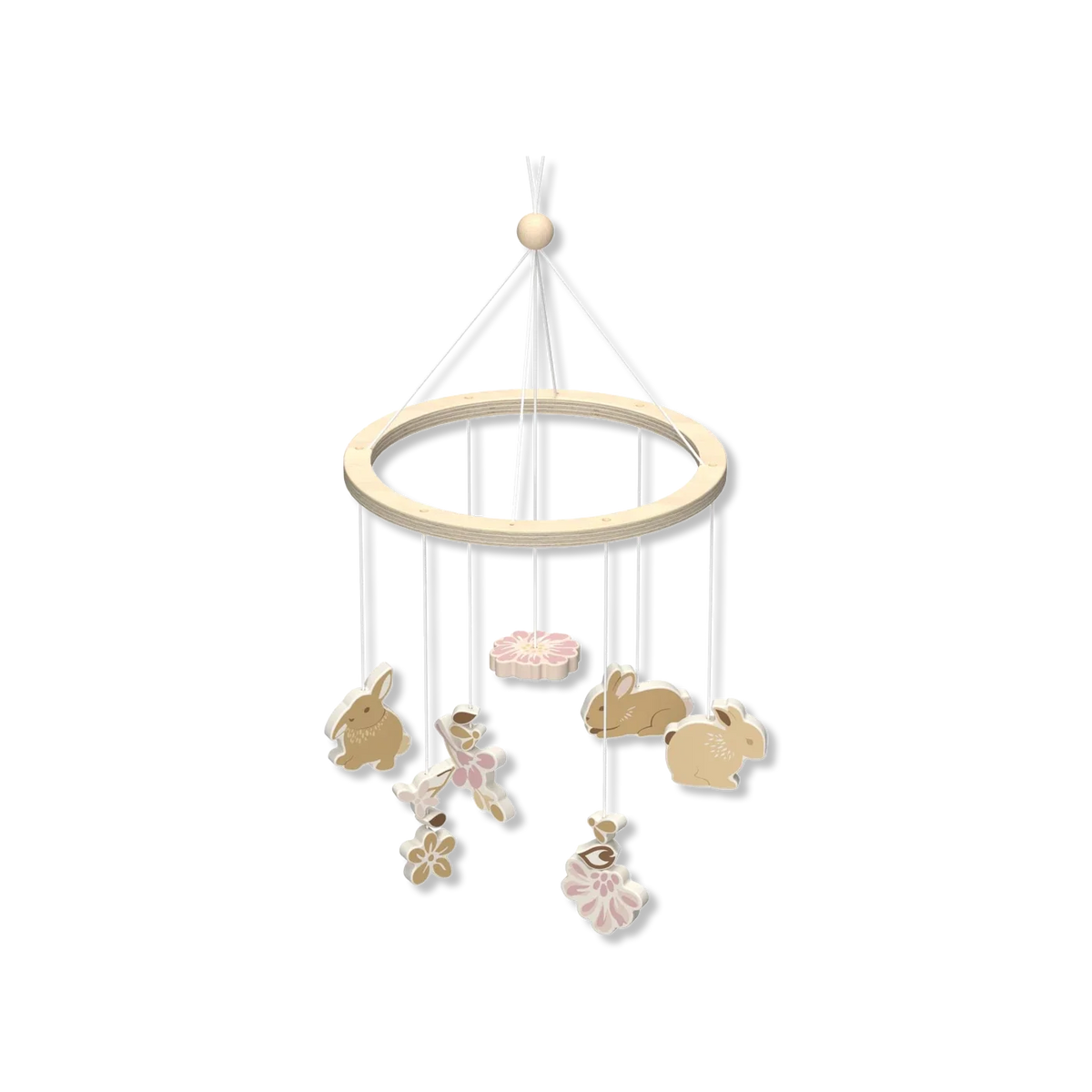
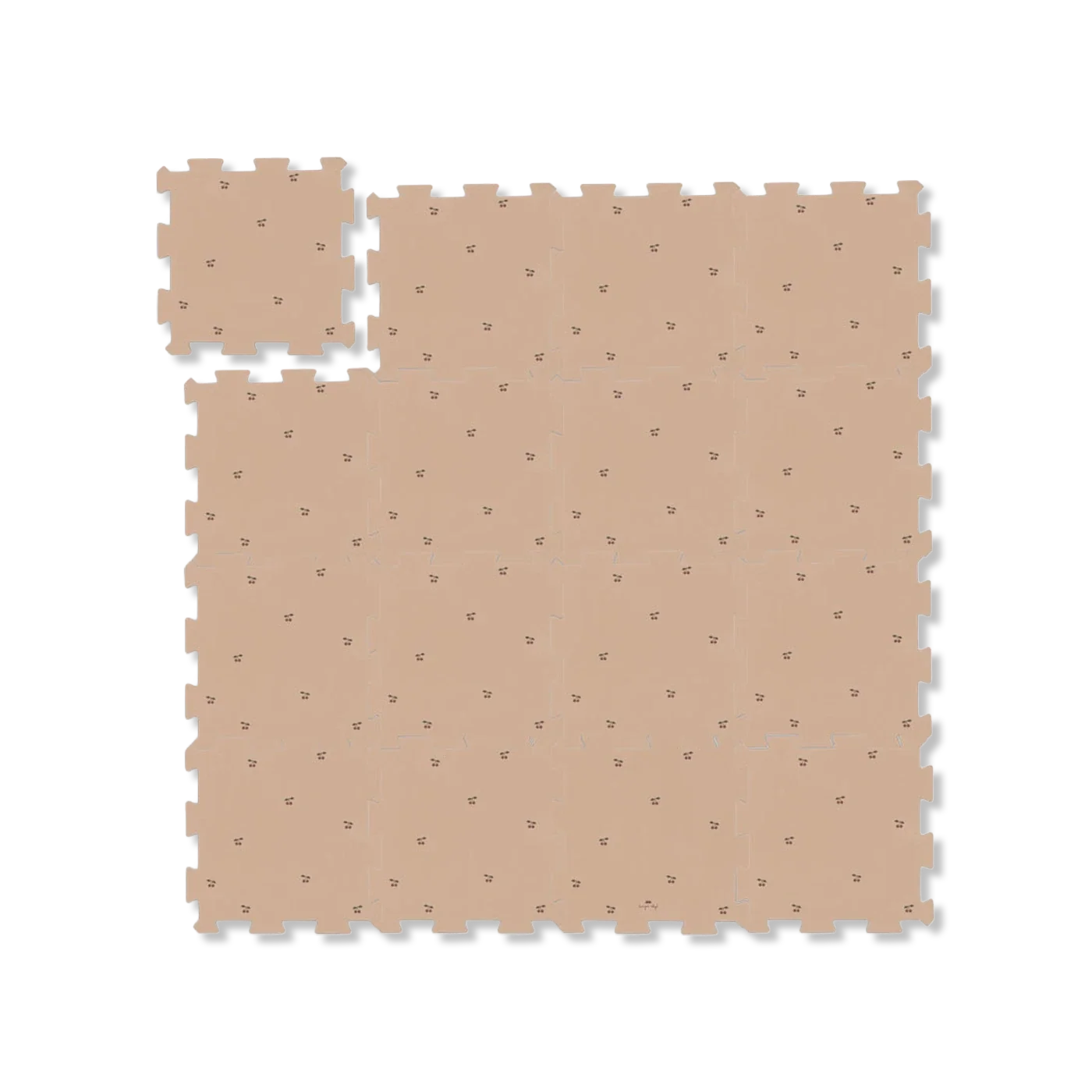
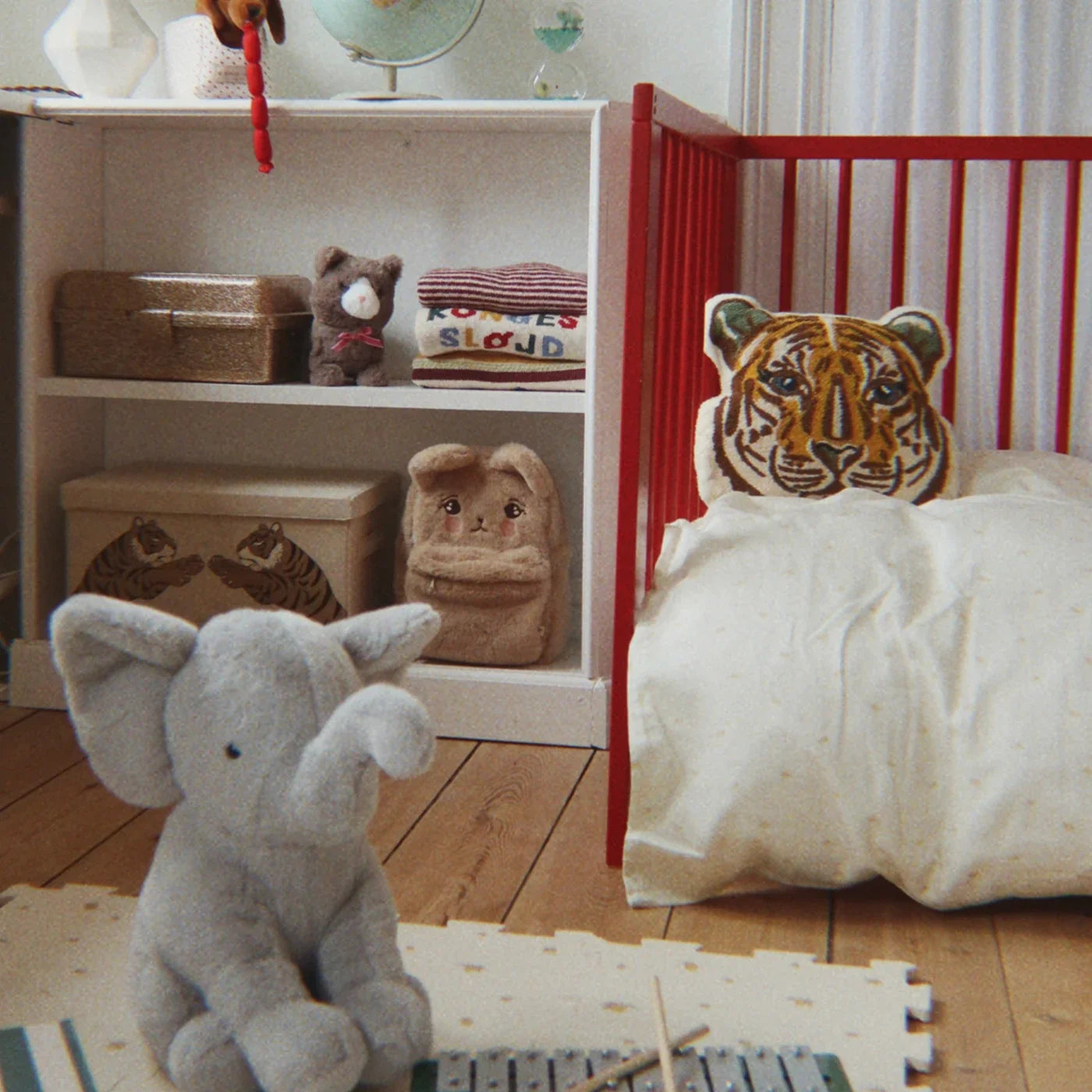
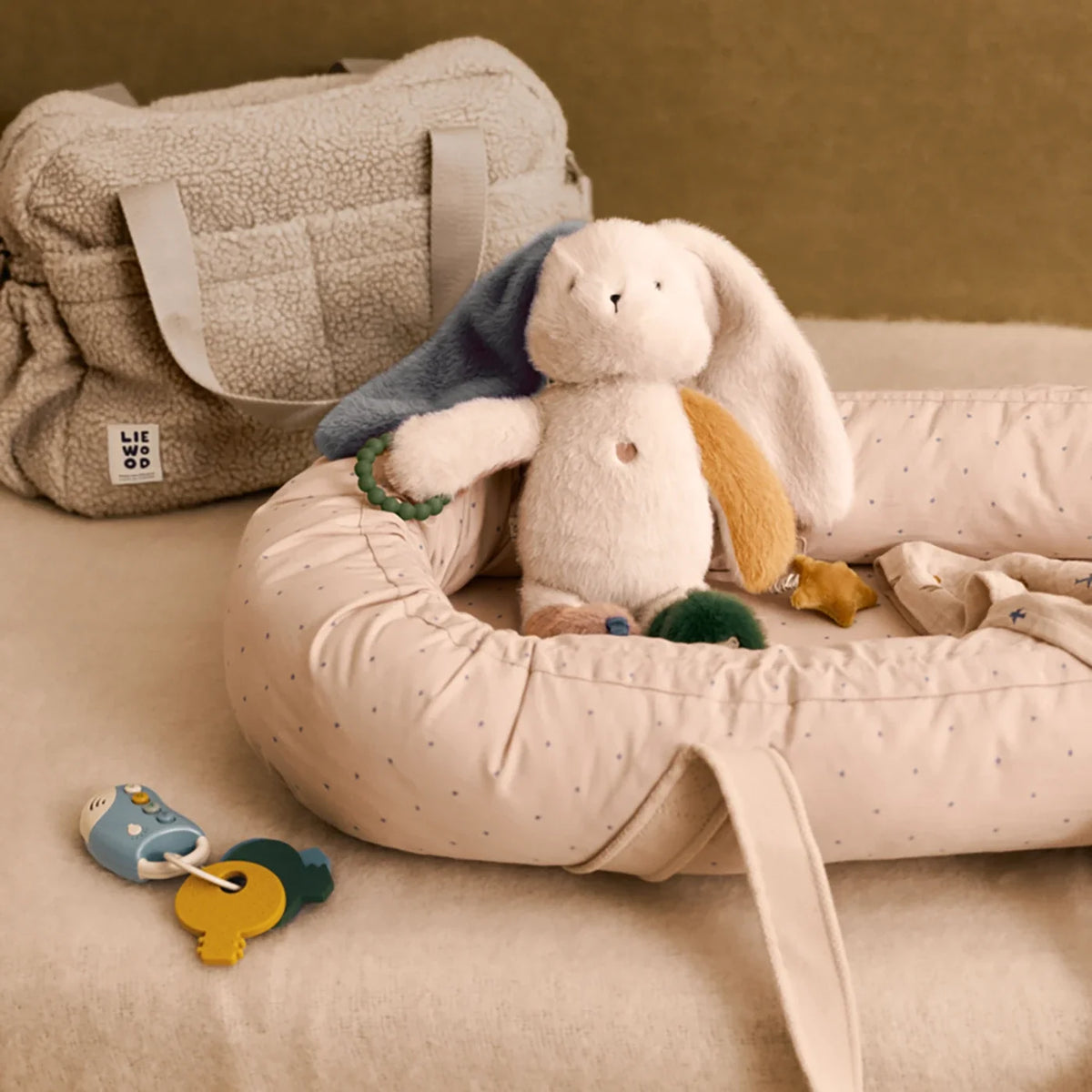
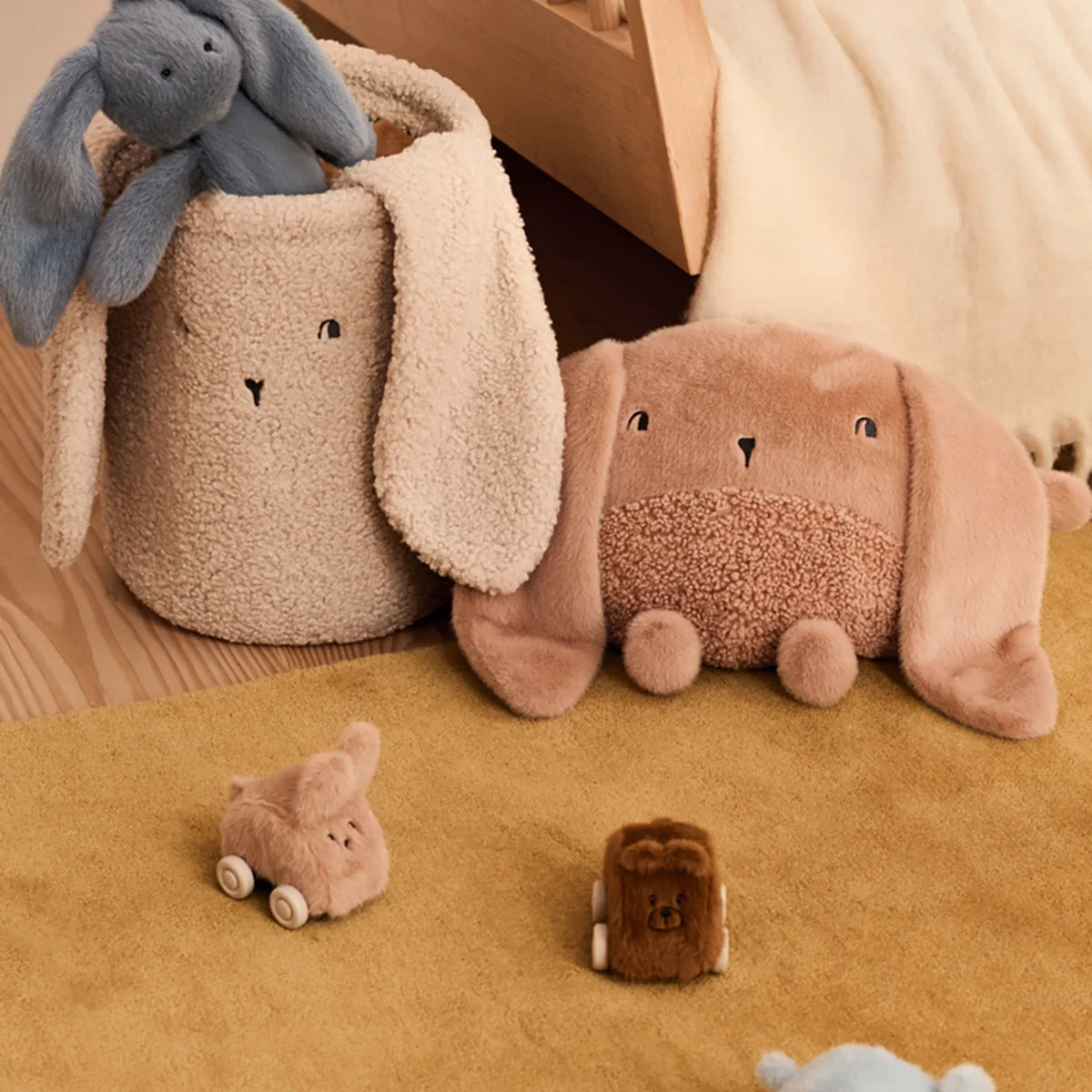
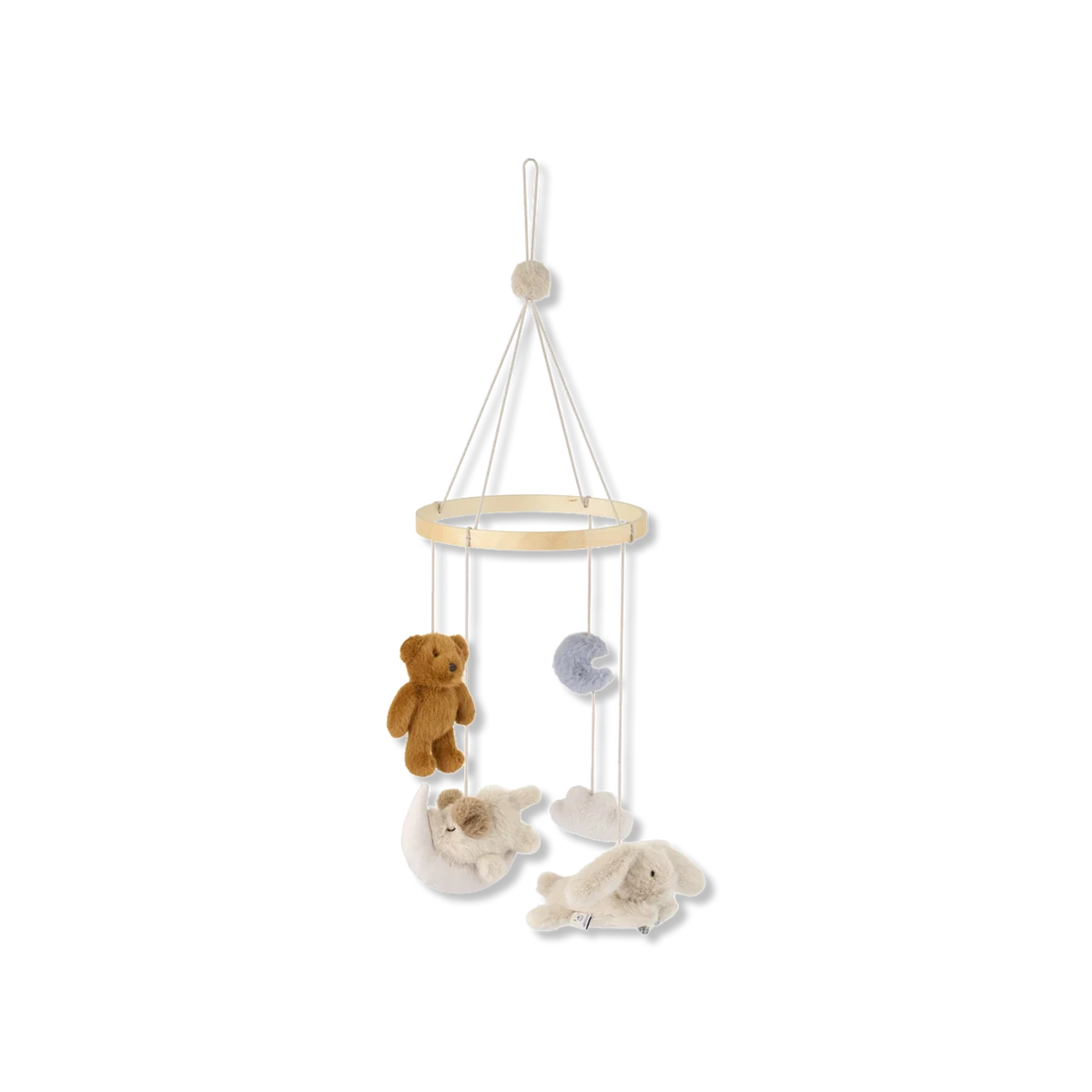
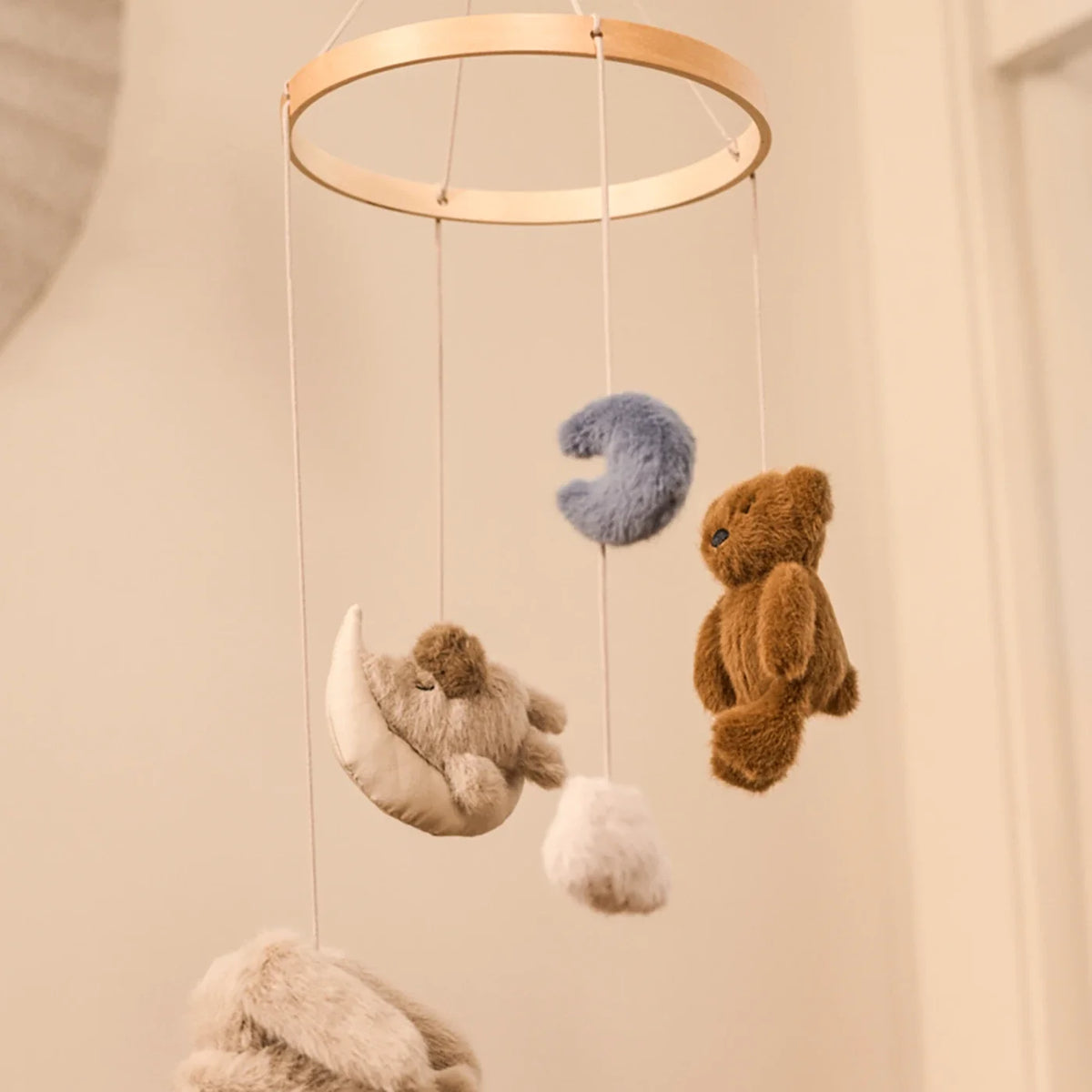
Small rattles, teething rings and soft activity figures are often great to bring on the go. At home, larger items such as an activity gym or soft developmental toys can work well for calm moments on the floor or in the nursery. Here, it may also be relevant to explore products for the kids’ room if you are creating a safe and practical play area for the first months.
Baby toys are also a lovely gift choice, because they can be both personal and practical. If you are unsure what will suit best, soft, age-appropriate and simple designs are usually the safest options to choose.