Kids' swimwear: how to find the right style for age, activity and fit
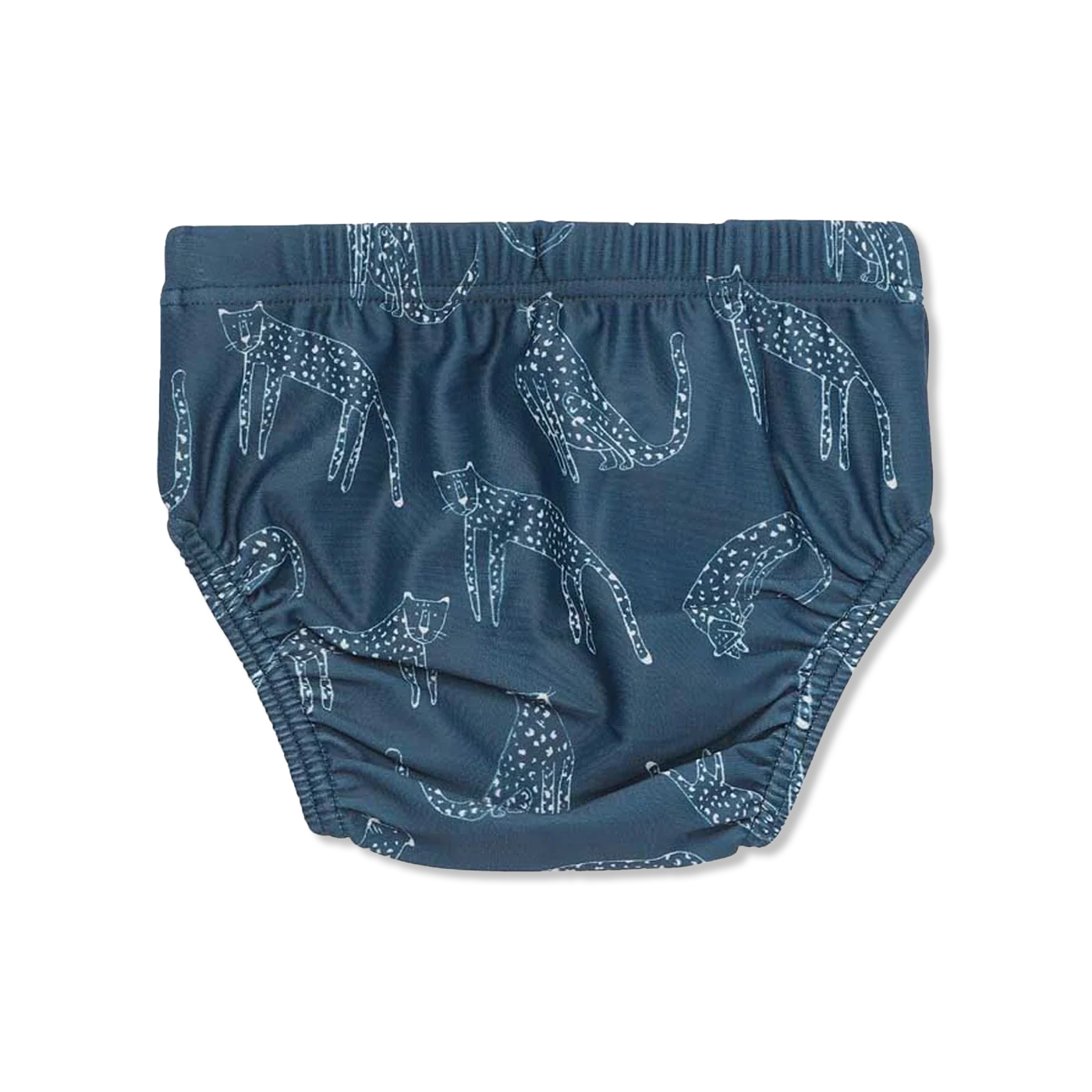
Swimwear for children should feel comfortable, work well in the water and suit what your child will actually use it for. In this category, you will find kids' swimwear for babies, younger children and school-age kids – from swimsuits and swim trunks to bikinis, full-body swim suits and UV swimwear. This makes it easier to choose based on your child’s age, how much they will be playing or swimming, and whether the swimwear is for the pool, swimming lessons or the beach.
For the youngest children, fit, softness and a little extra coverage are often the most important factors. As children get older, it is usually more important that the swimwear stays in place, dries relatively quickly and keeps its shape, even after repeated trips in and out of the water. If it will be used outdoors, it can also be a good idea to look for styles with UV protection, so the shoulders, back and upper body are better covered.
Which kids' swimwear makes sense for babies, toddlers and older children?
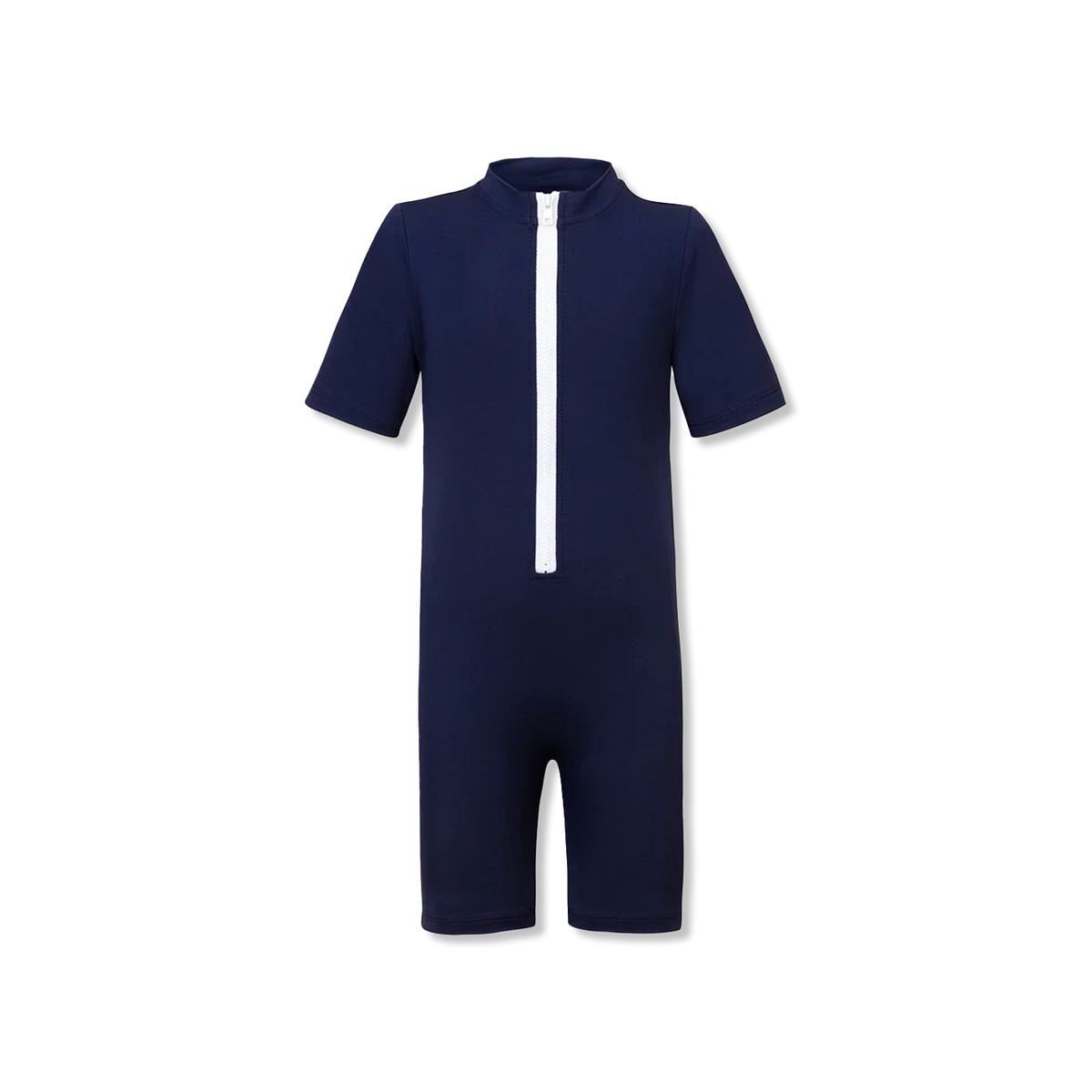
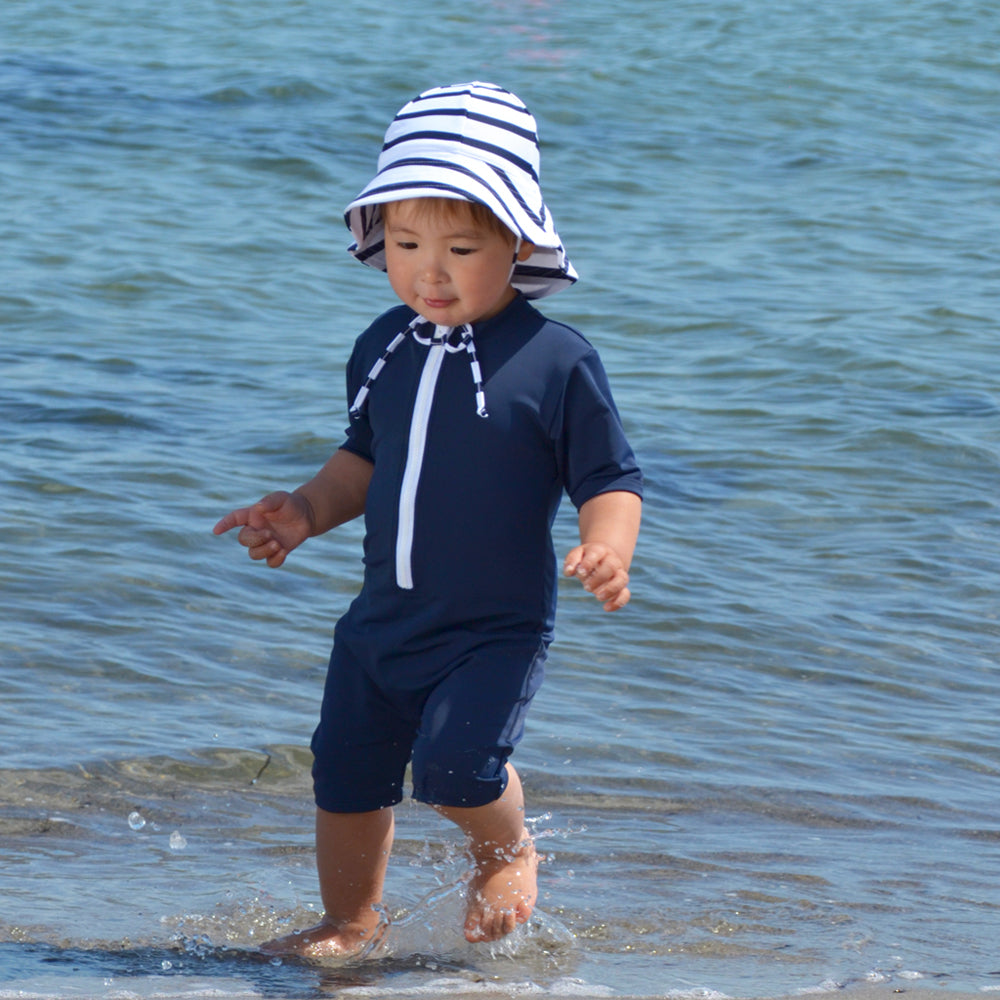
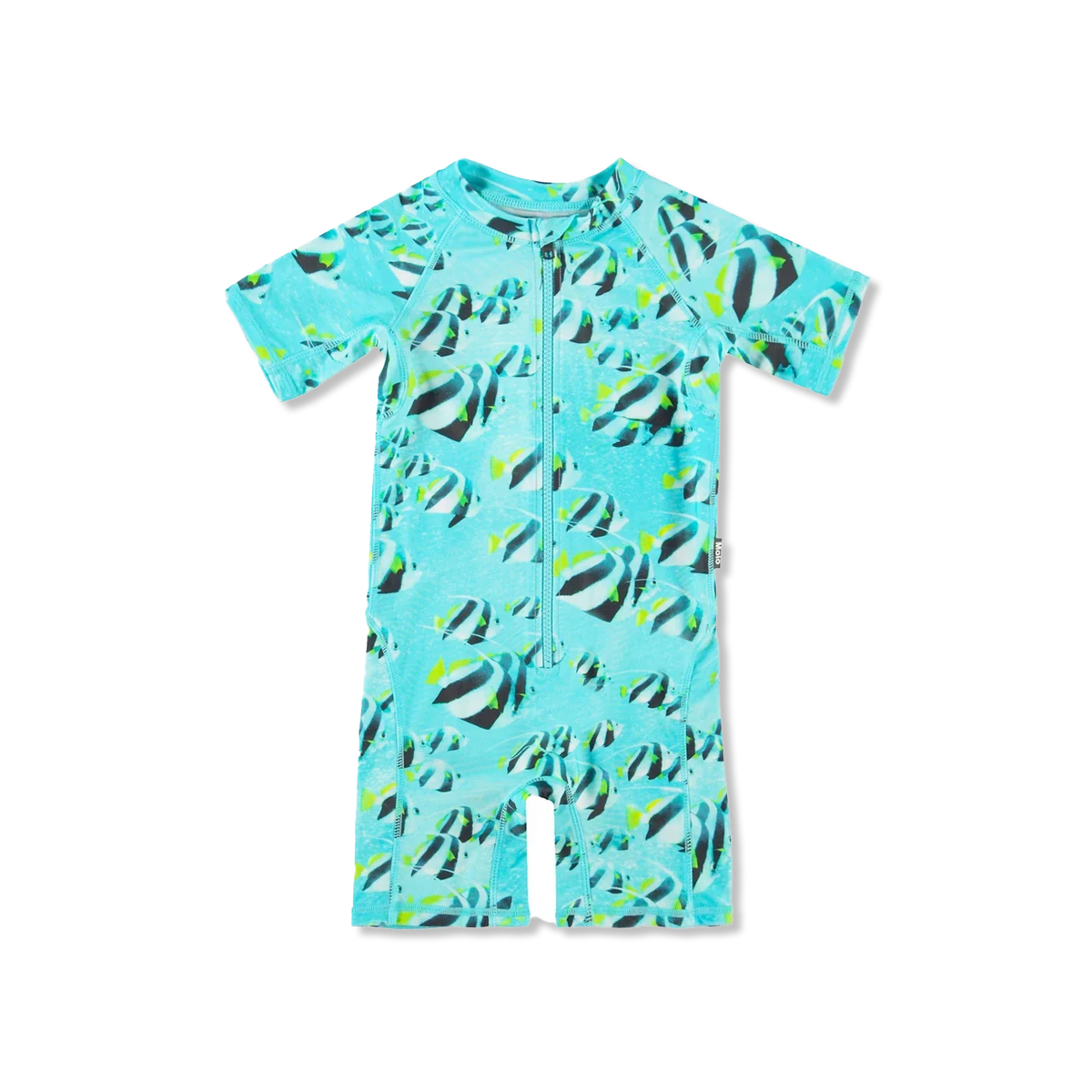
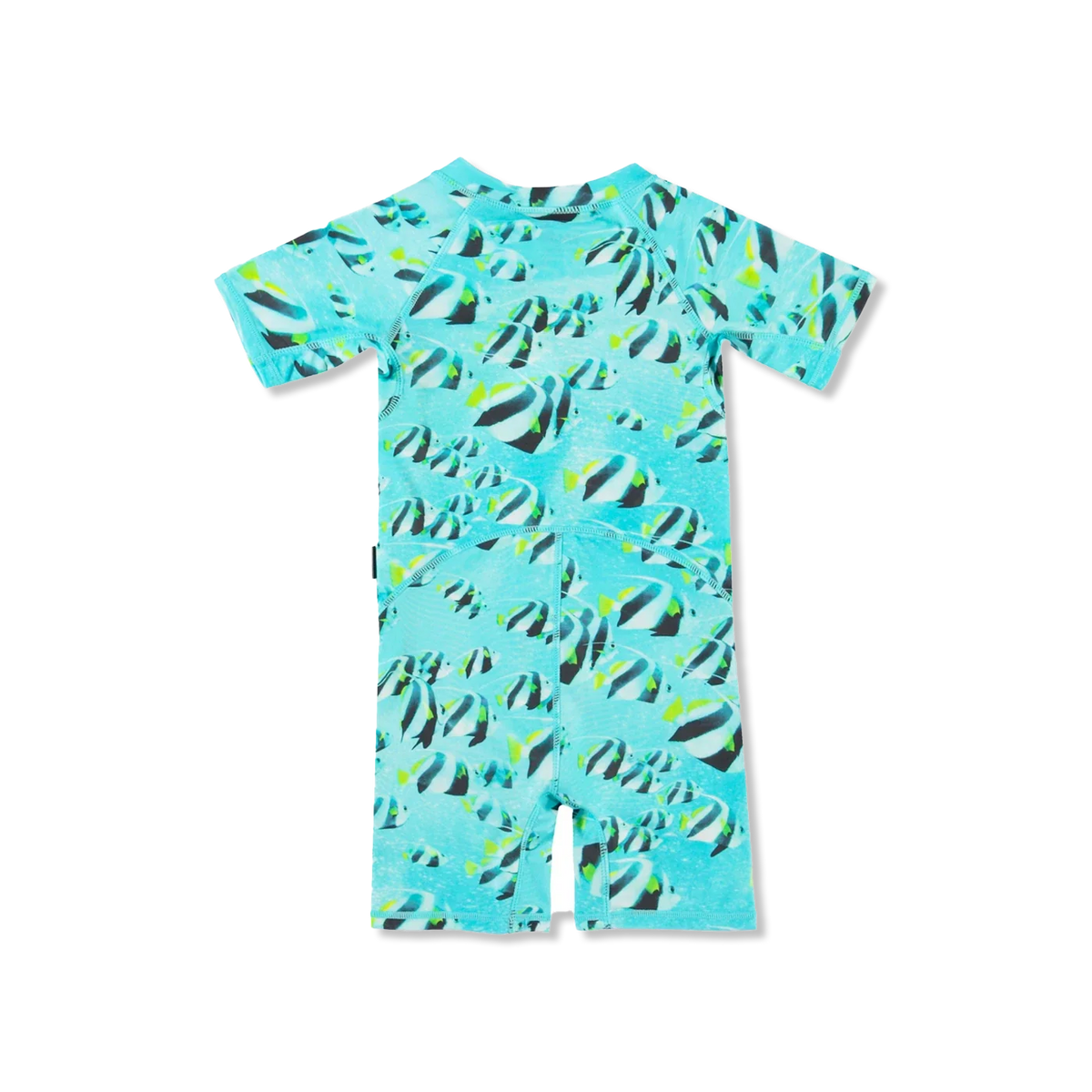
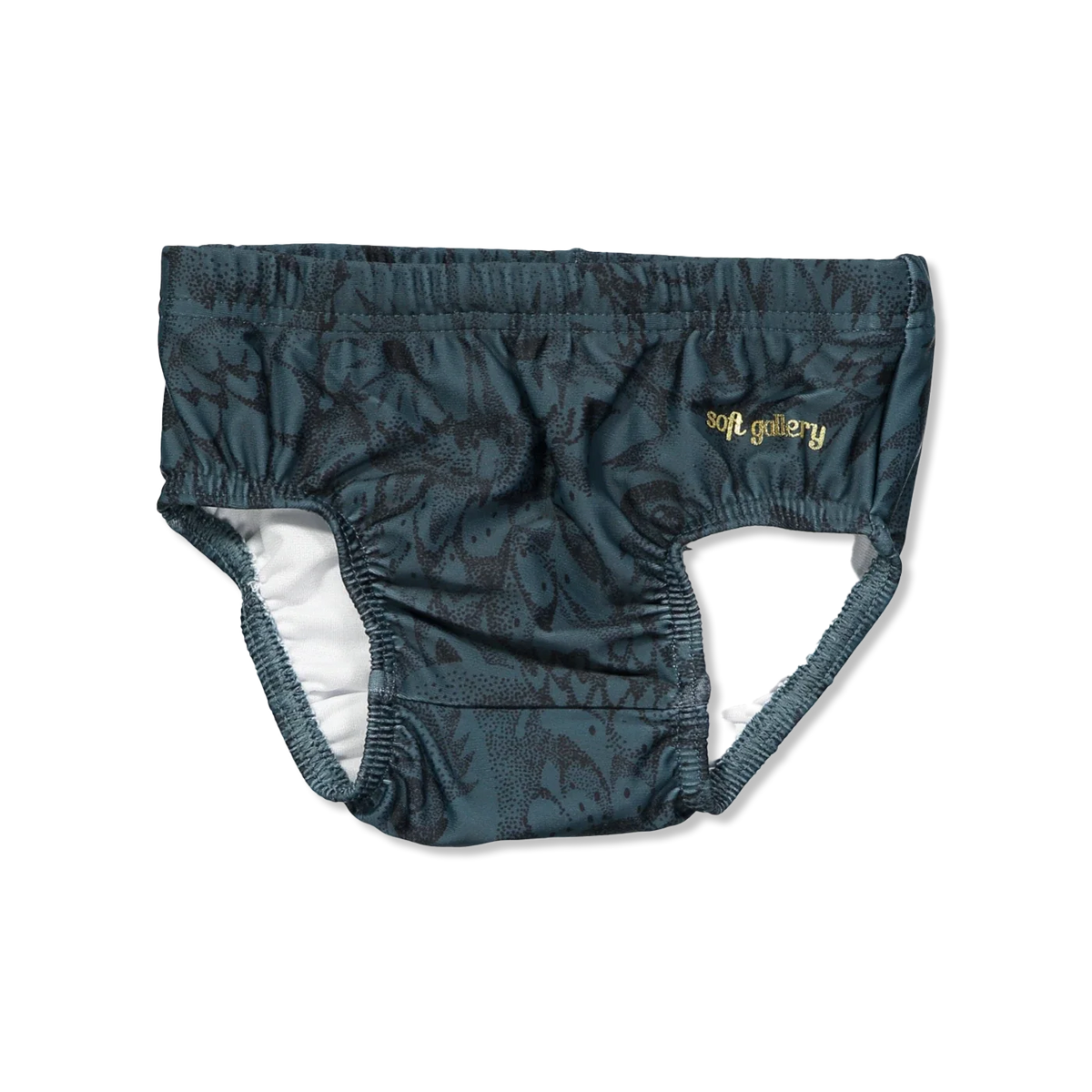
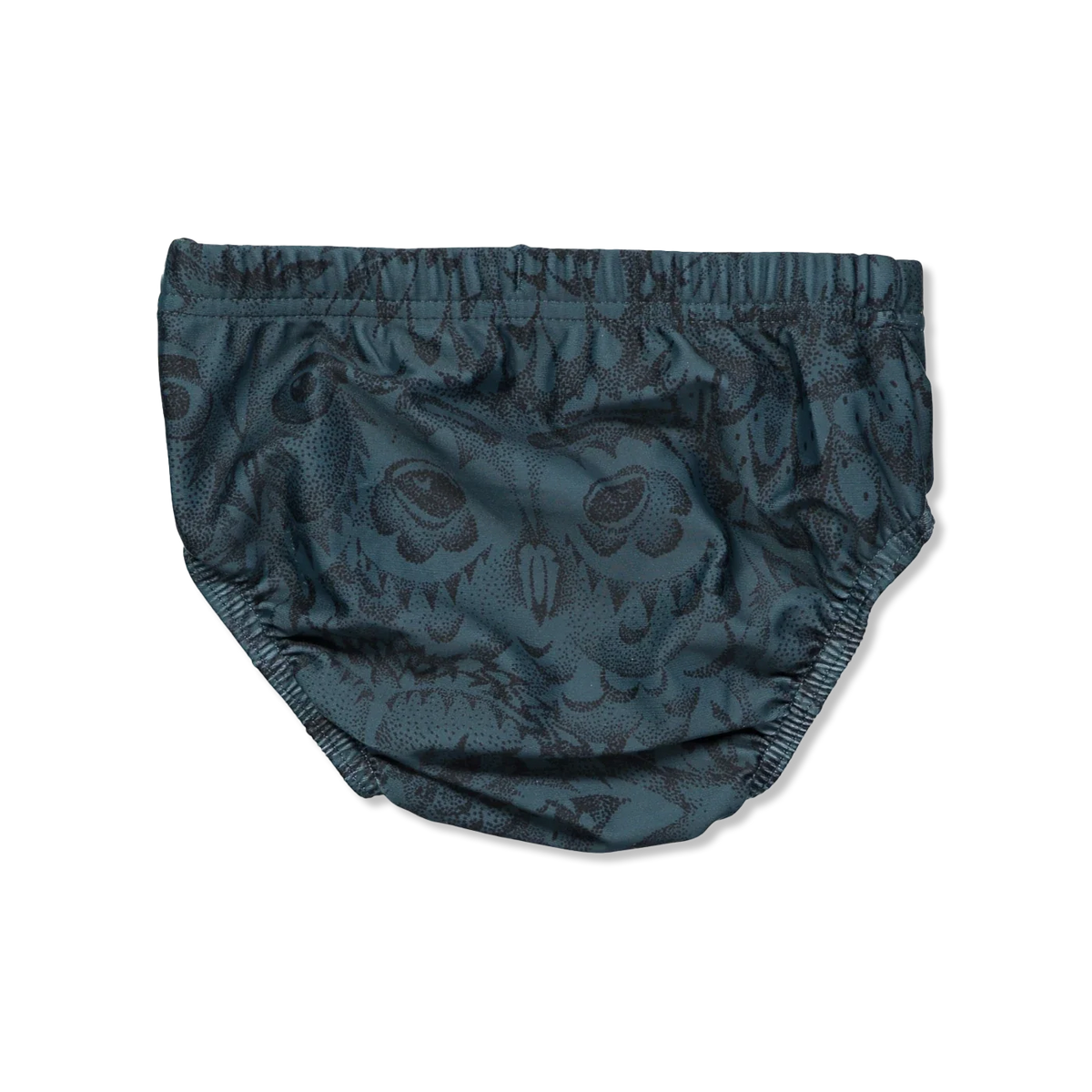
Needs vary a lot depending on age. Baby swimwear is often chosen with a focus on a secure fit, soft seams and styles that are easy to put on and take off. A full-body swim suit or a long-sleeved style can be comfortable for small children who spend a long time in the sun or quickly get chilly after being in the water.
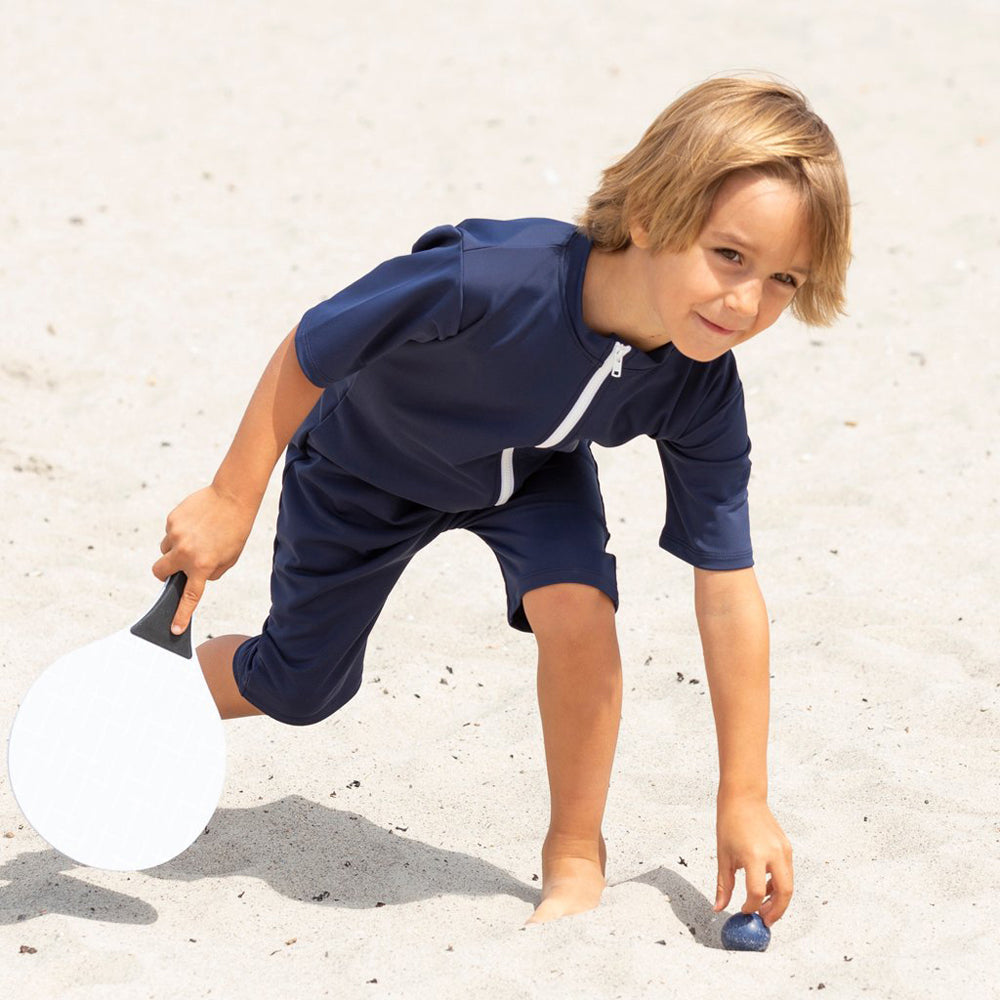
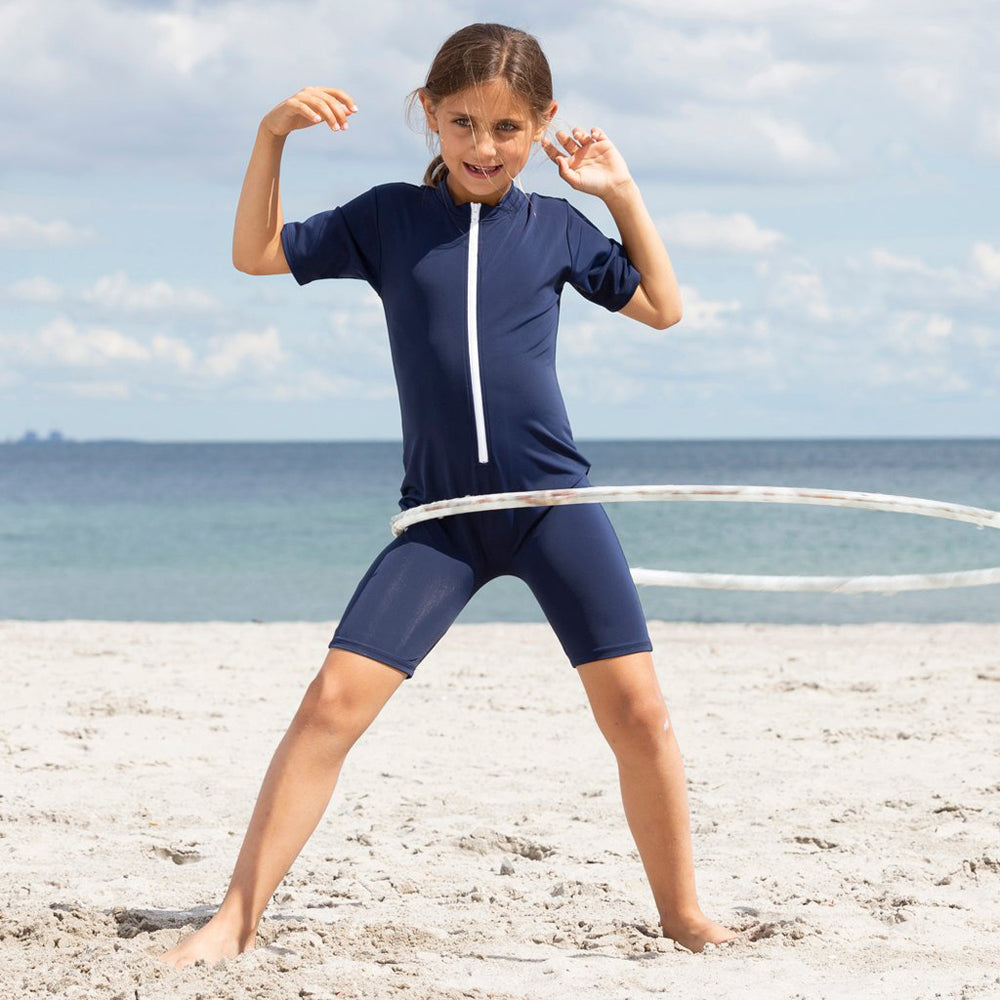
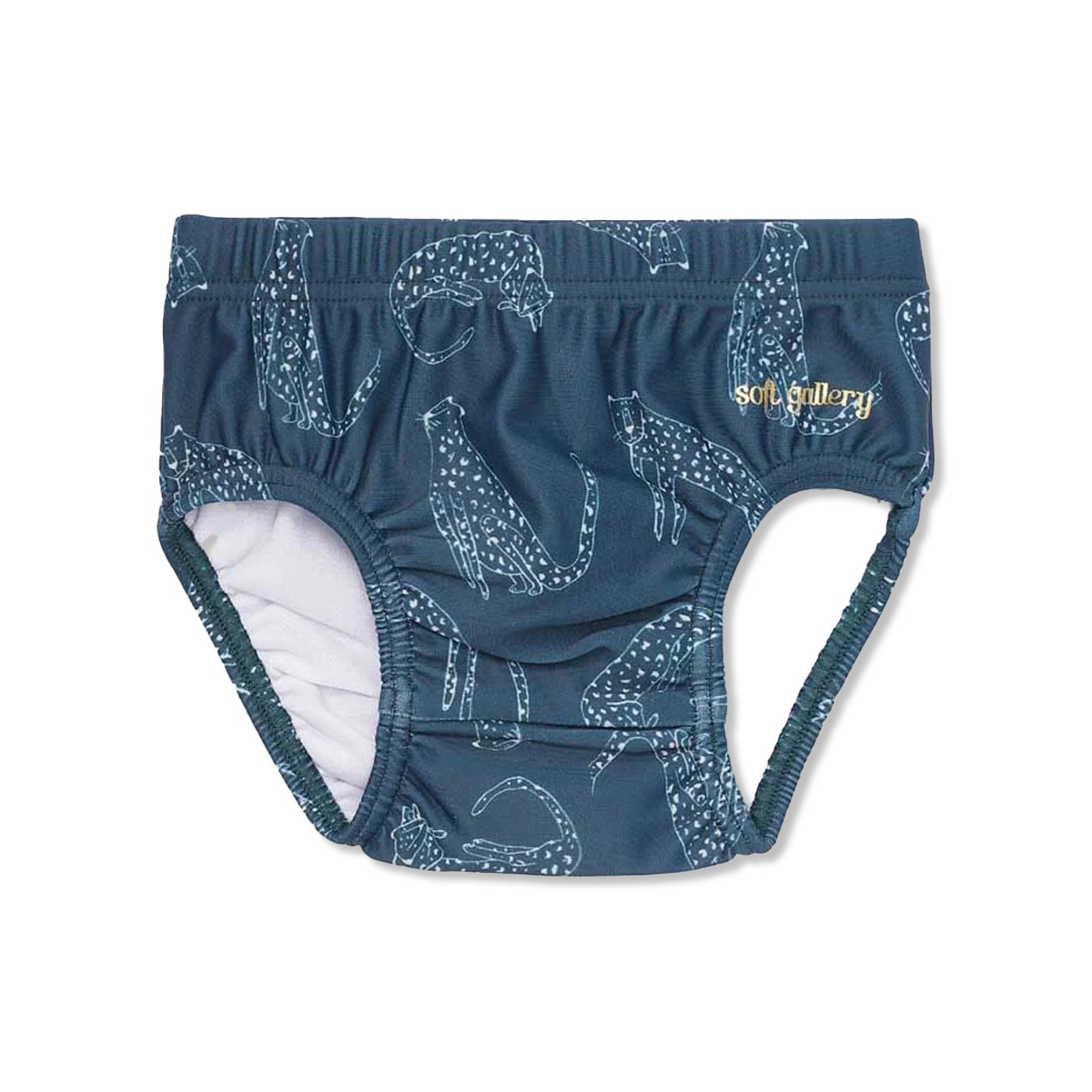
For children aged 2–5, it is usually an advantage to choose swimwear that can keep up with hours of movement. Swim trunks, swimsuits and UV sets are popular choices because they work well for water play, beach days and little breaks on the towel. For school-age children, a sportier fit may matter more, especially if the swimwear is also used for swimming and active play in the pool.
A good place to start is to think about:
- whether your child mostly plays at the water’s edge or swims actively
- whether the swimwear will mainly be used outdoors or indoors
- whether your child prefers close-fitting styles or slightly looser designs
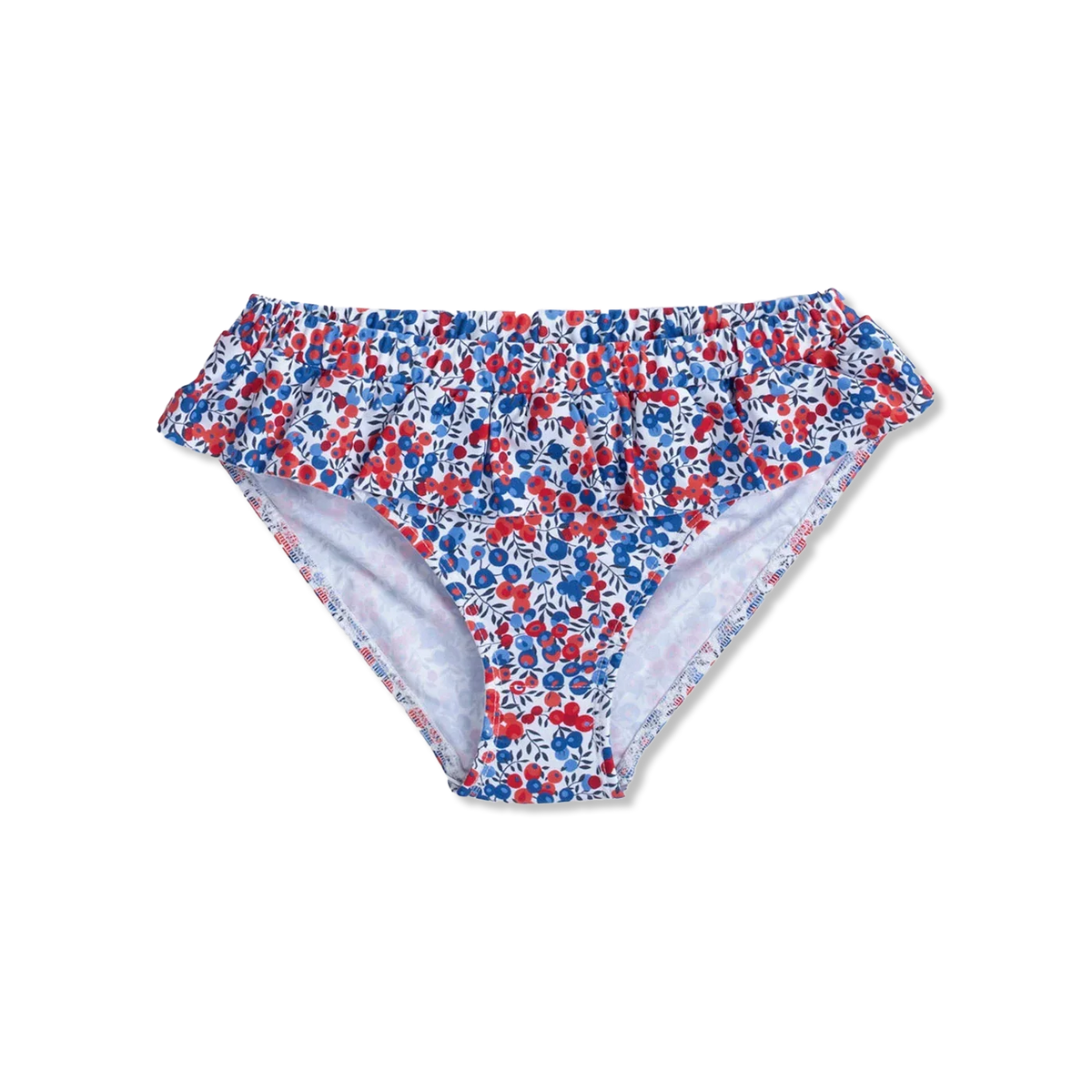
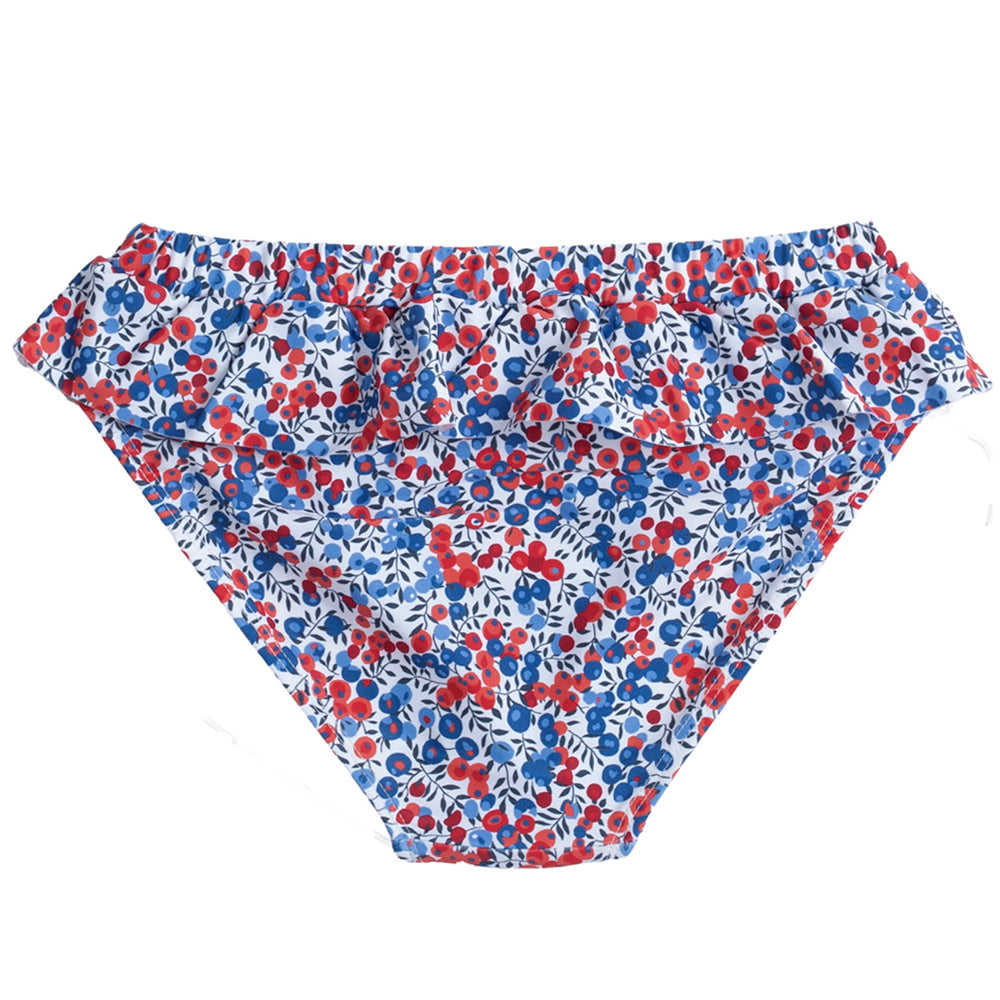
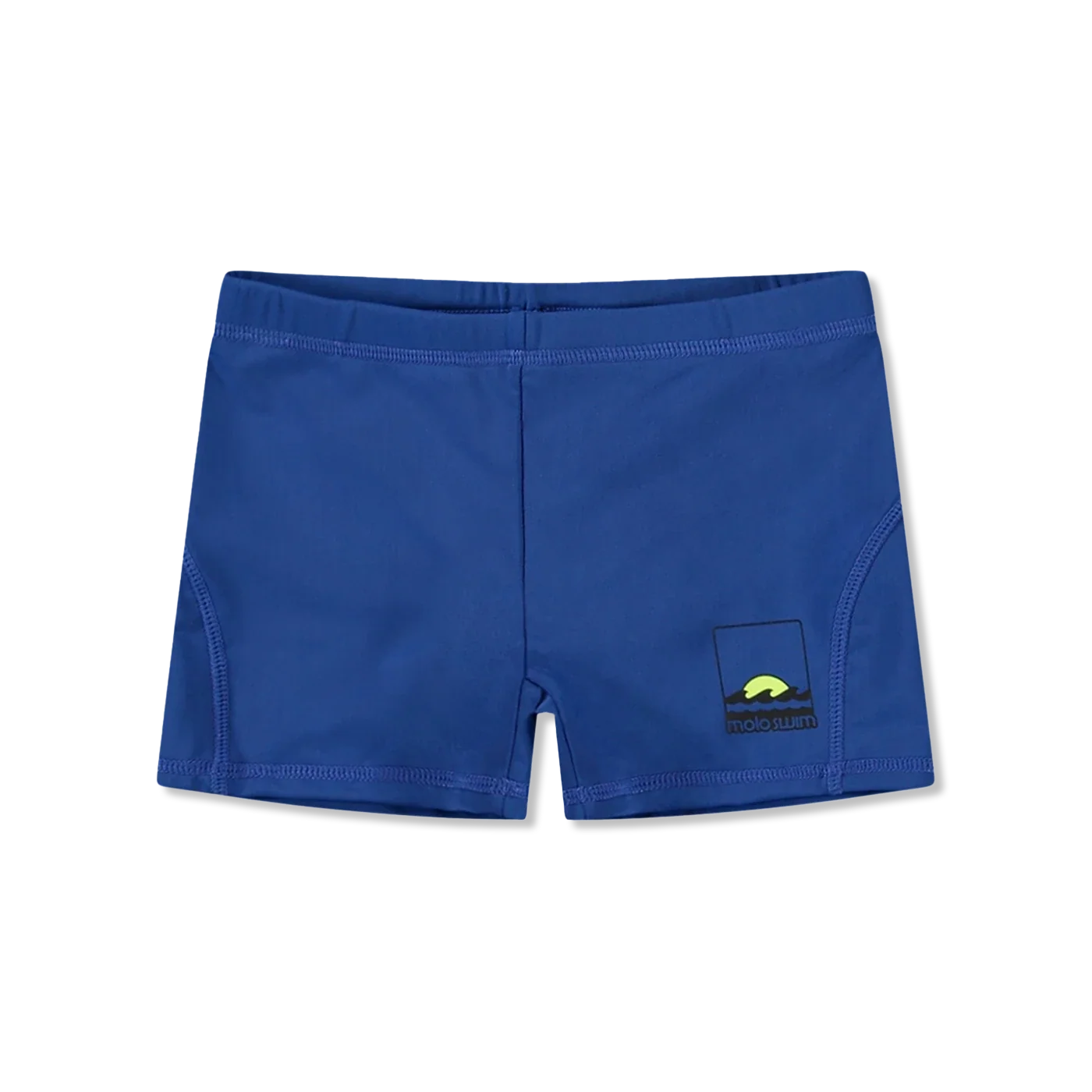
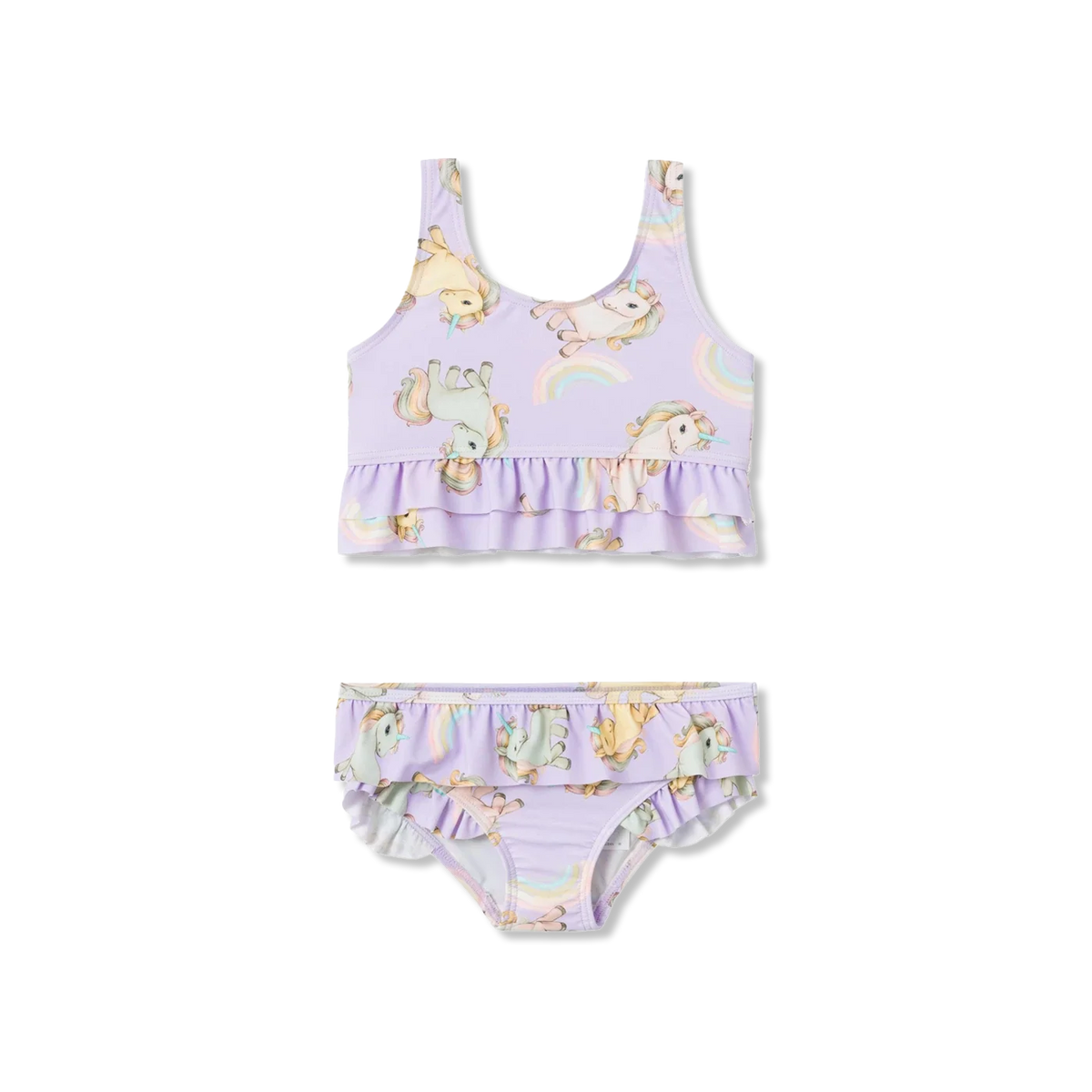
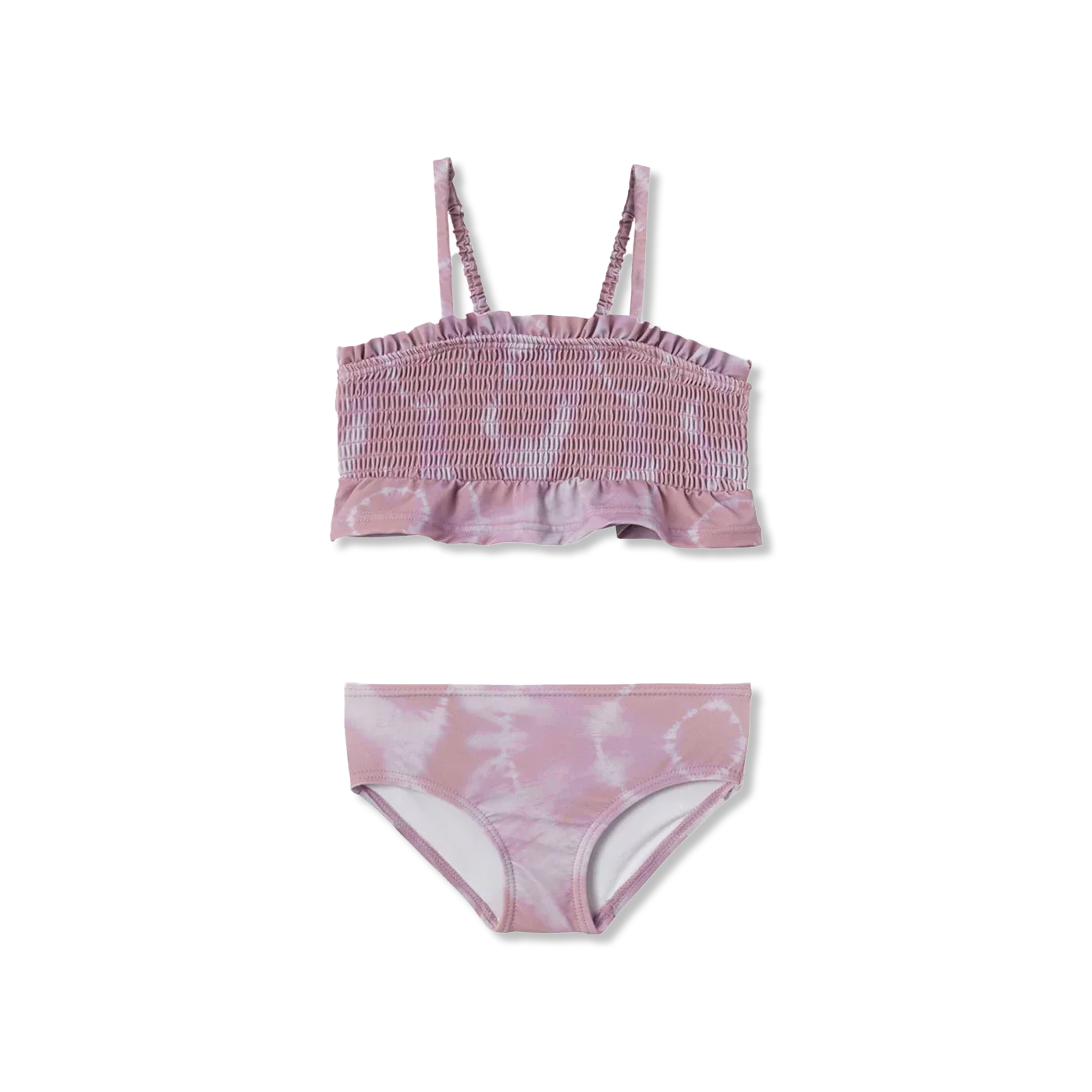
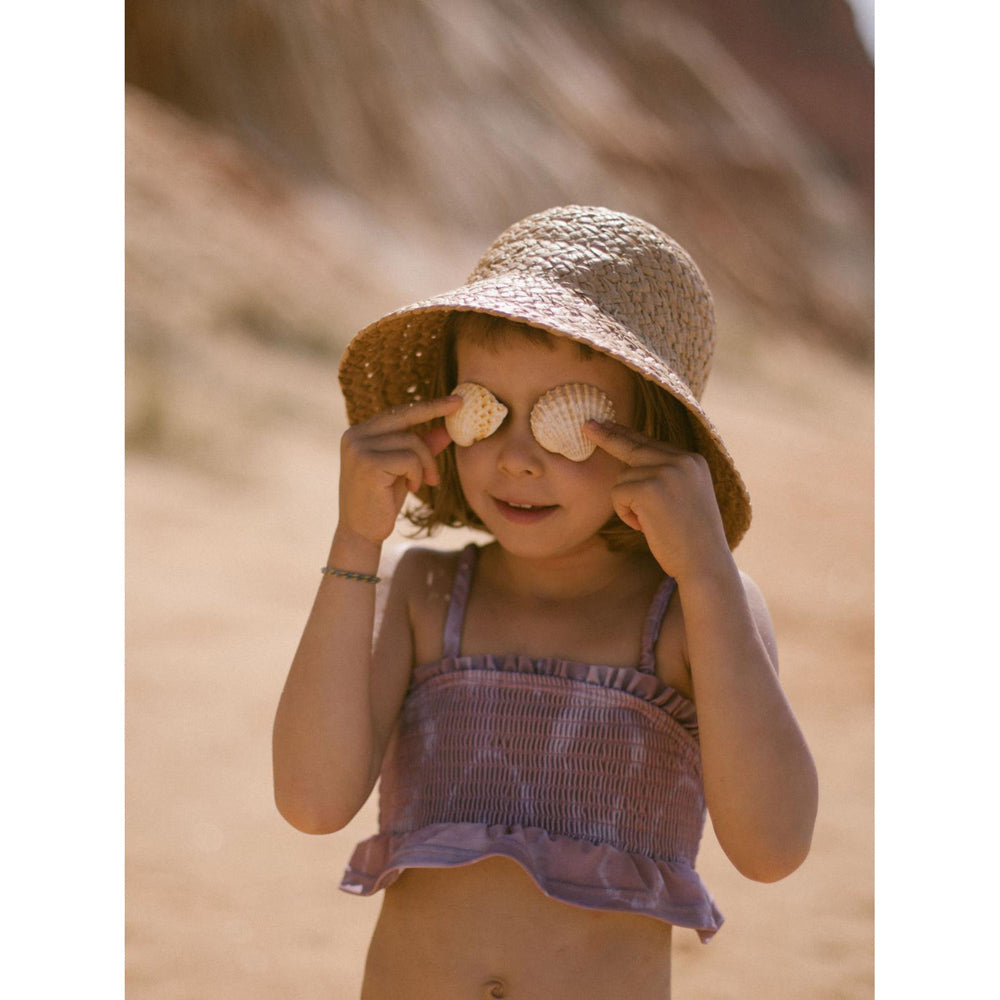
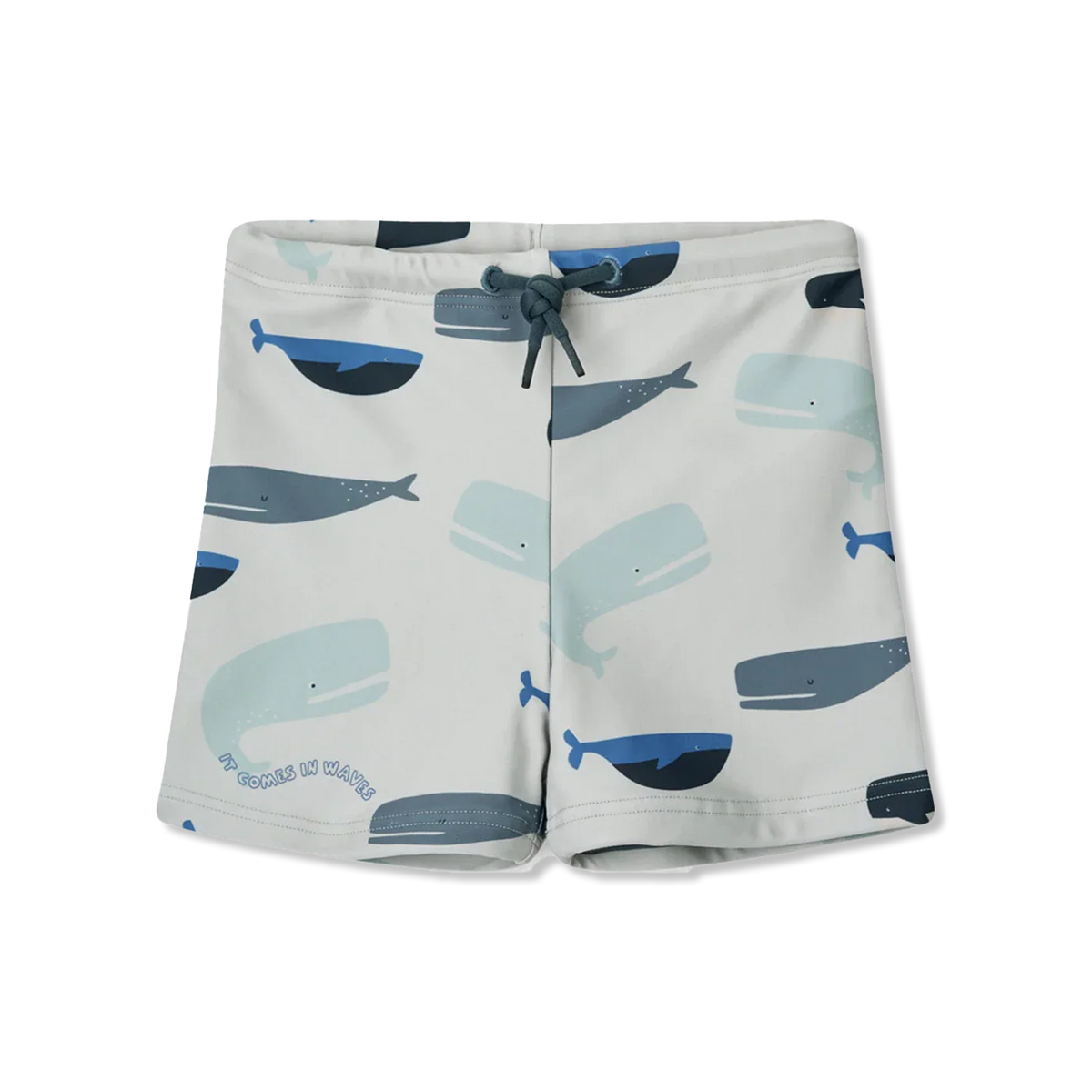
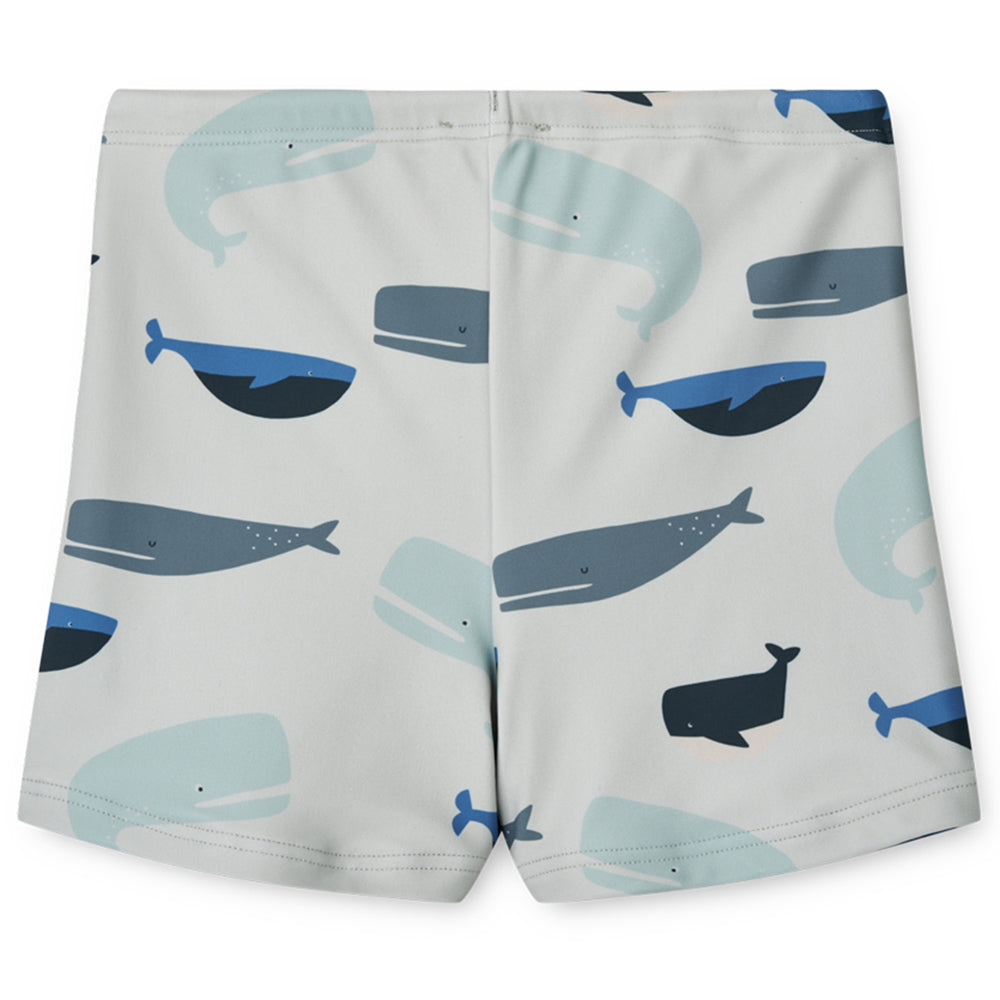
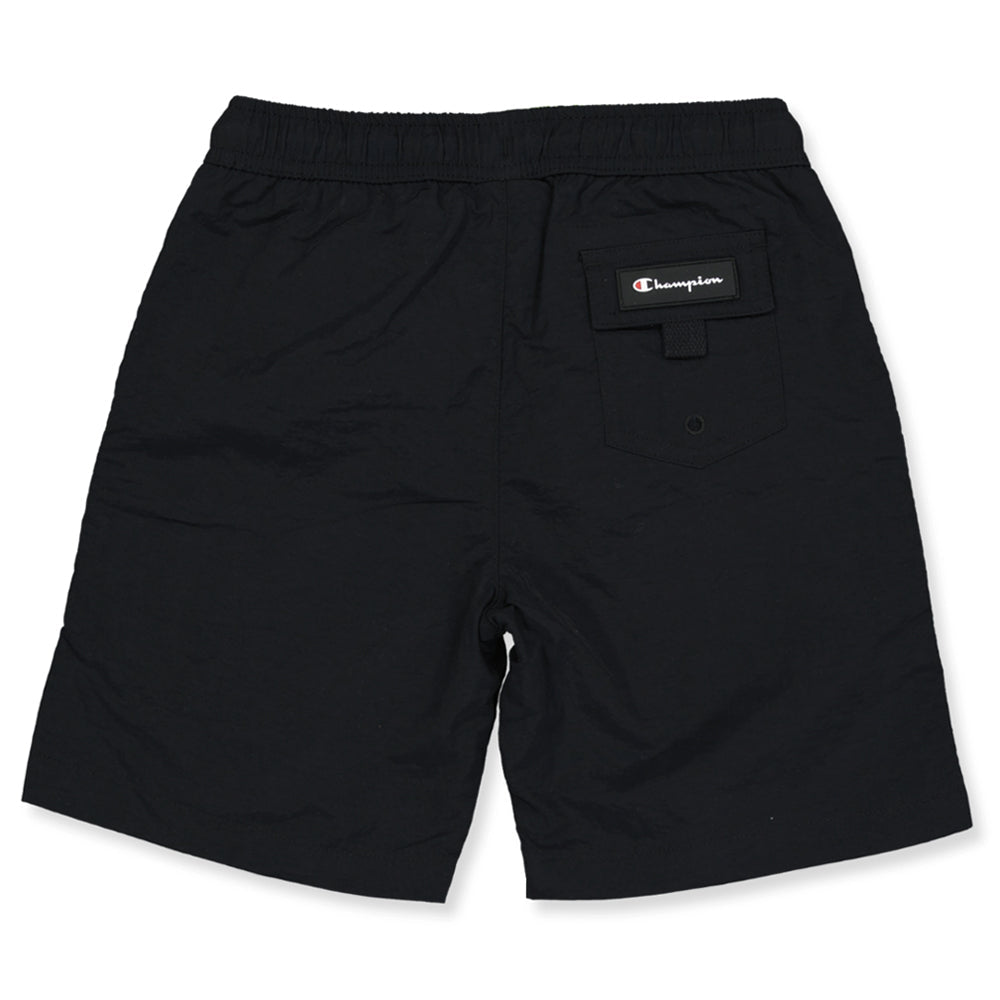
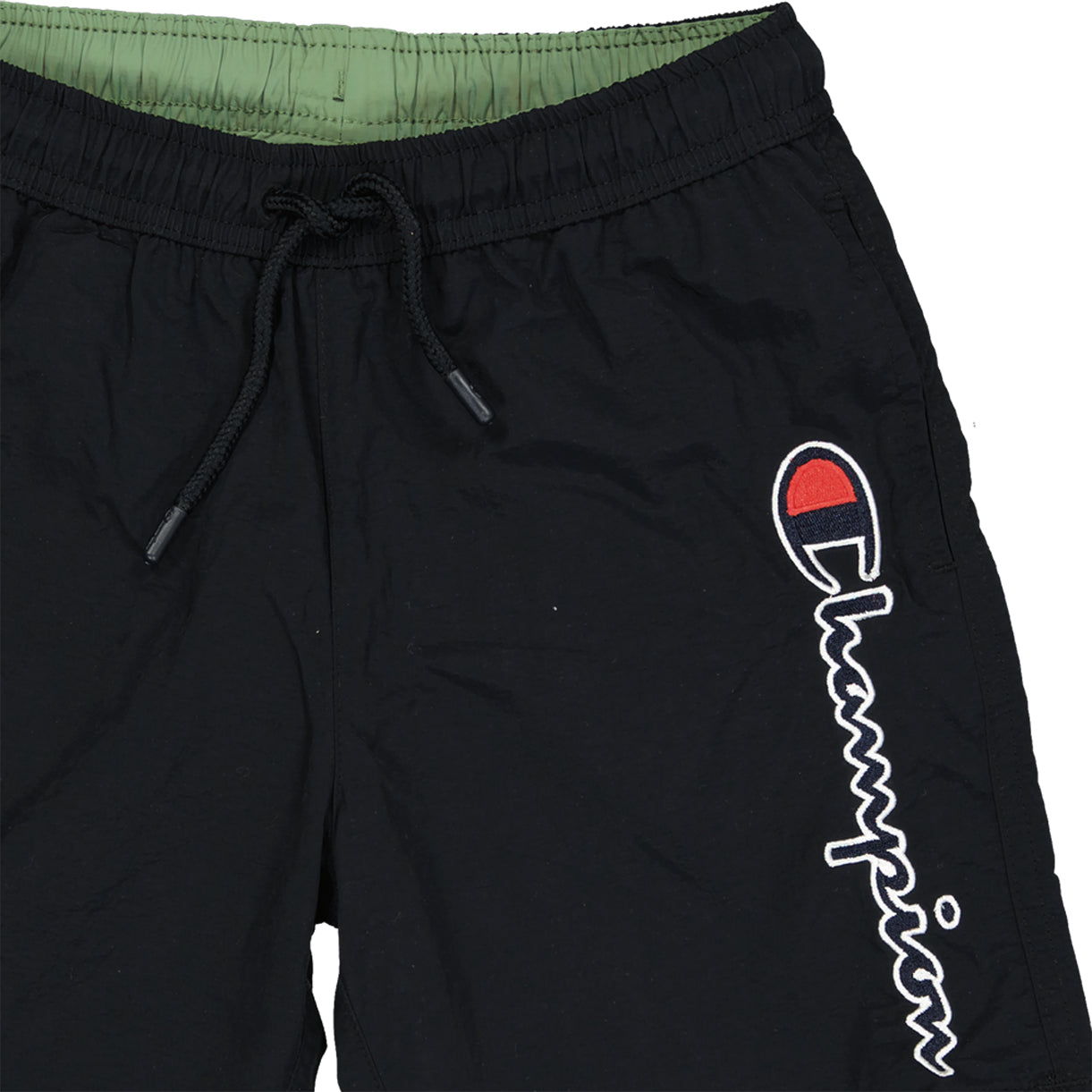
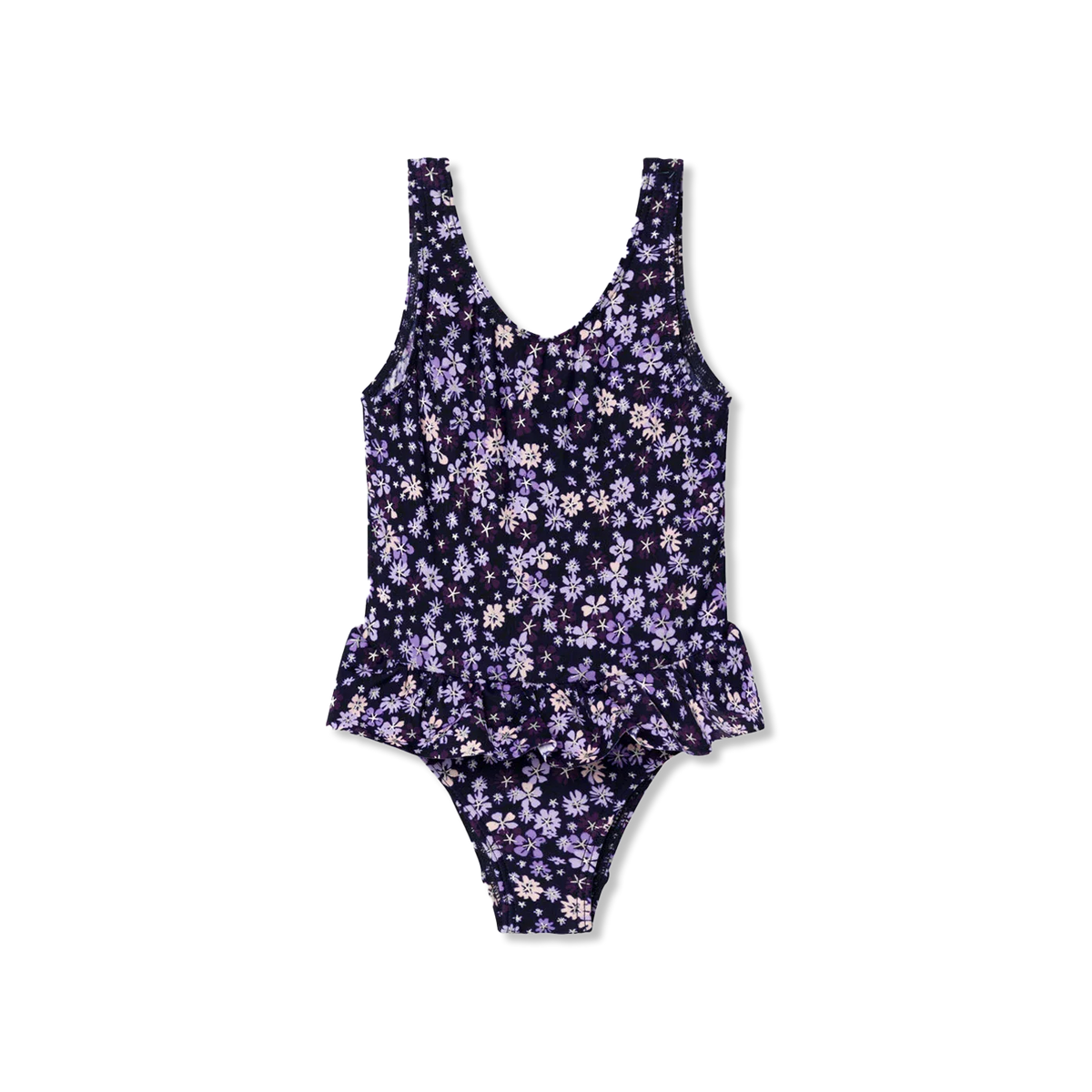
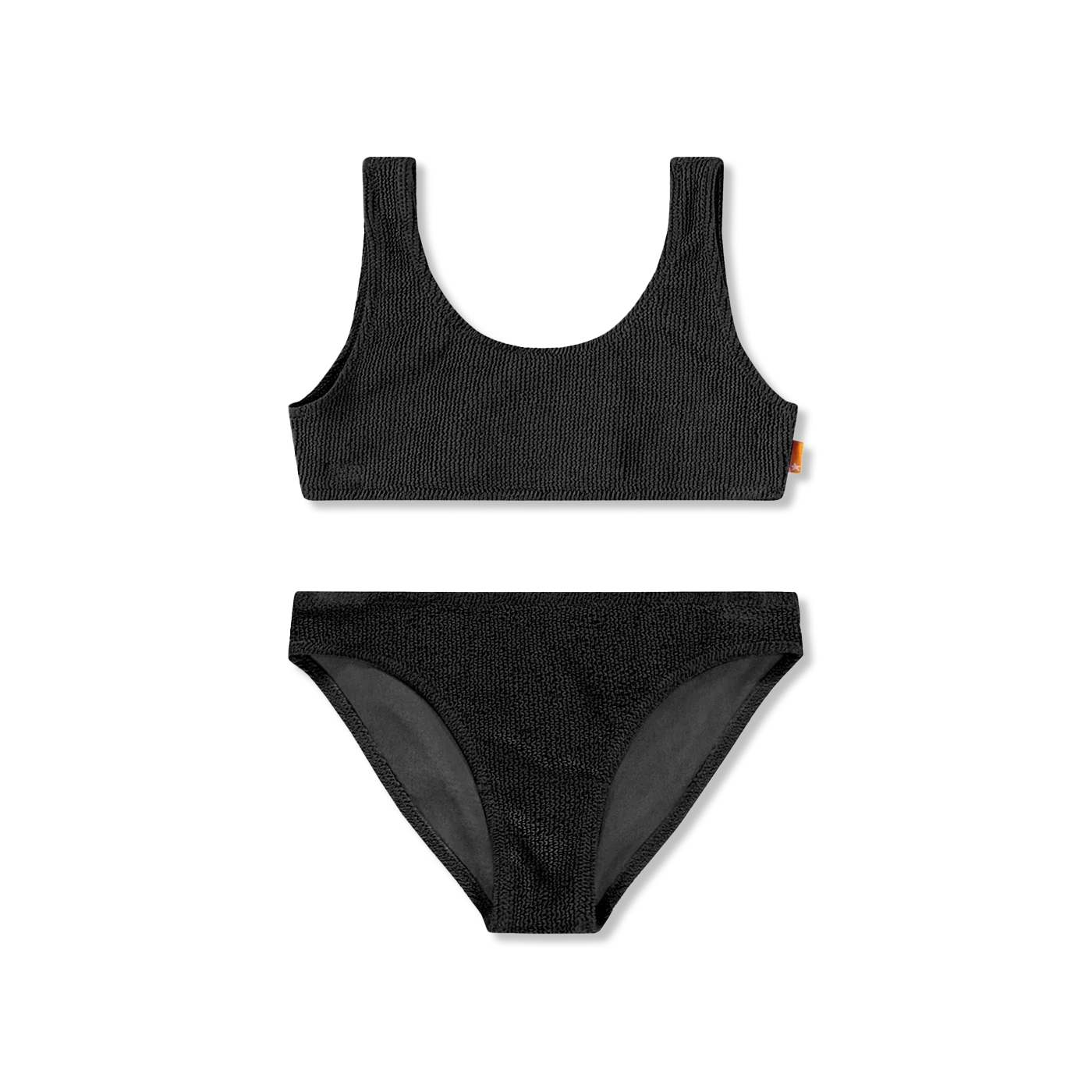
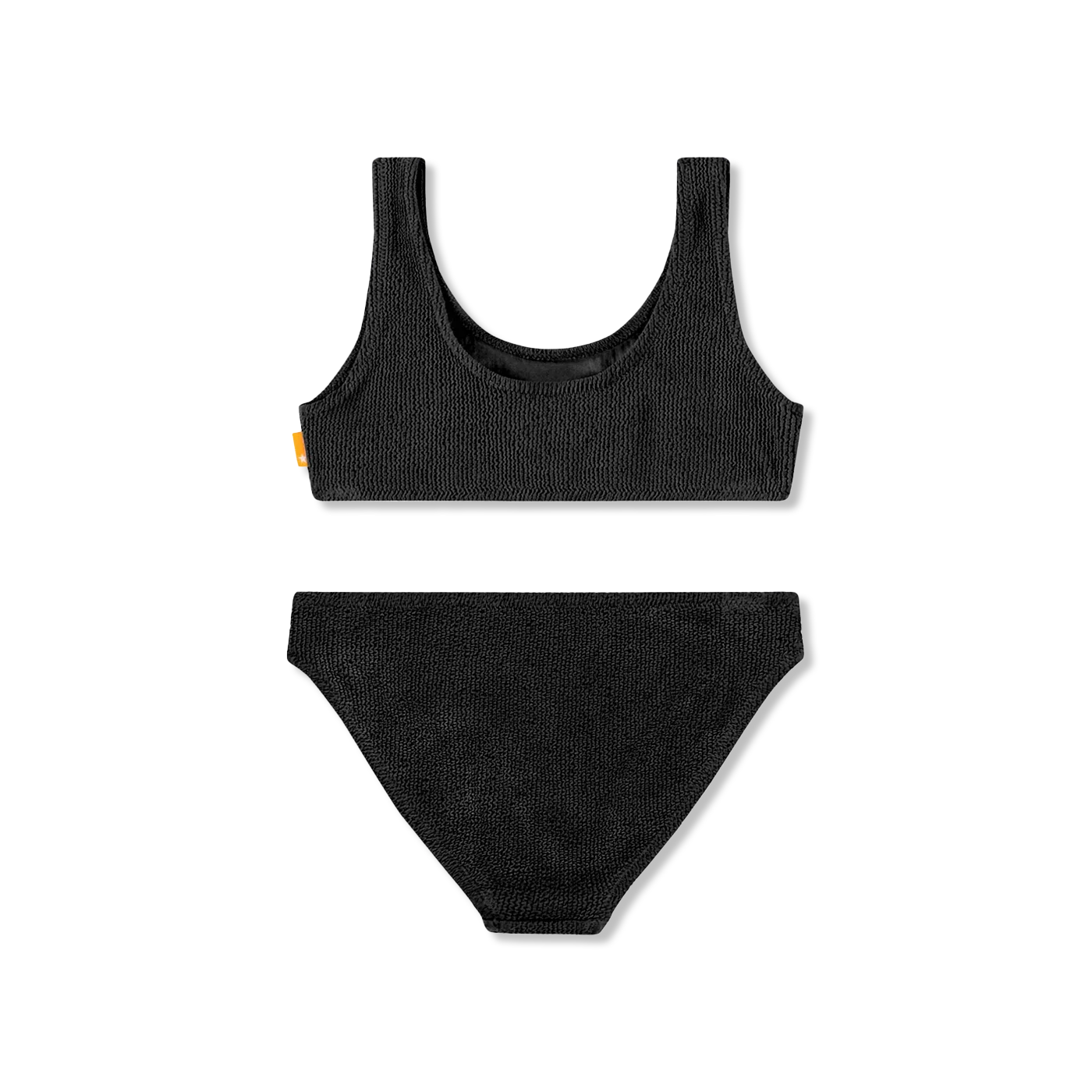
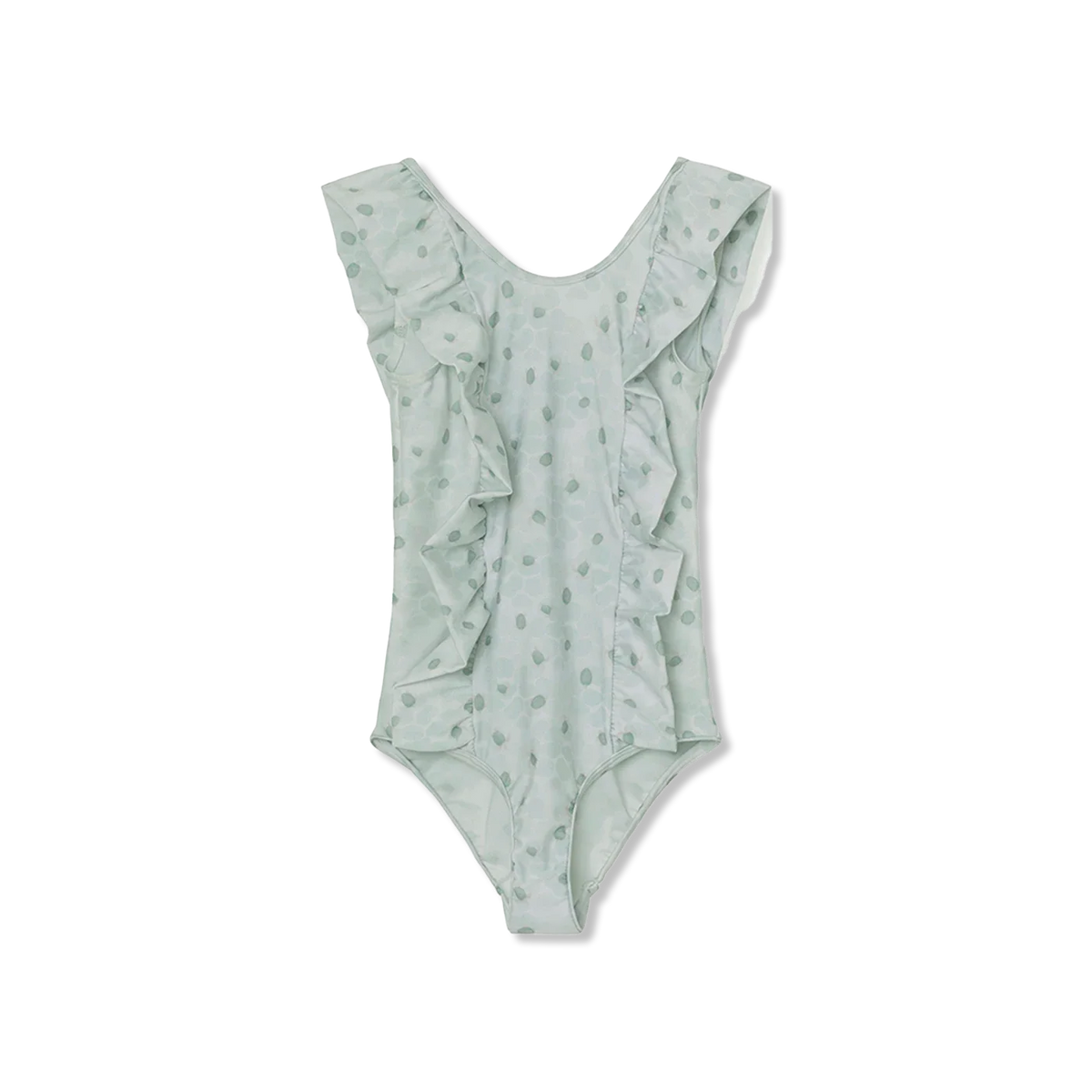
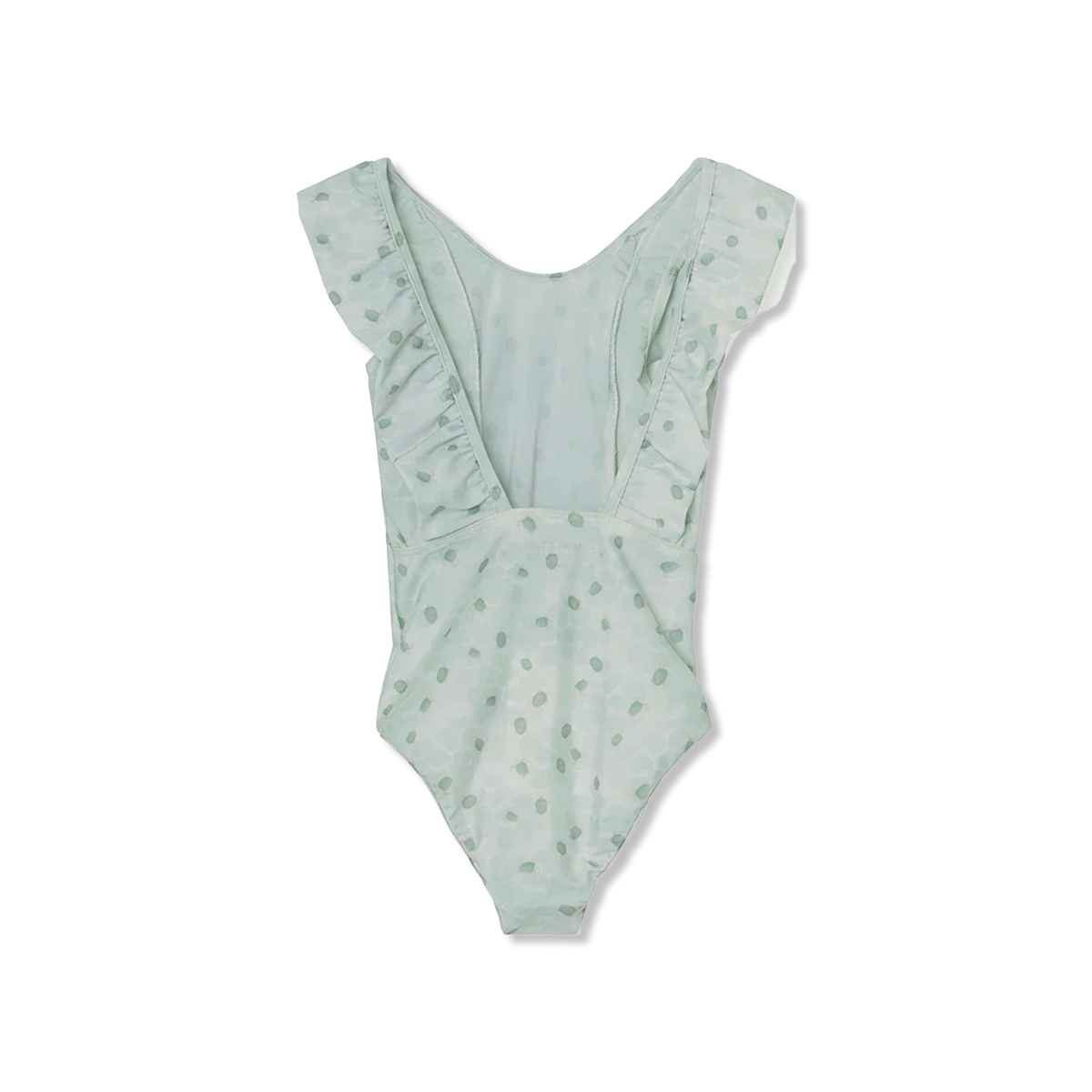
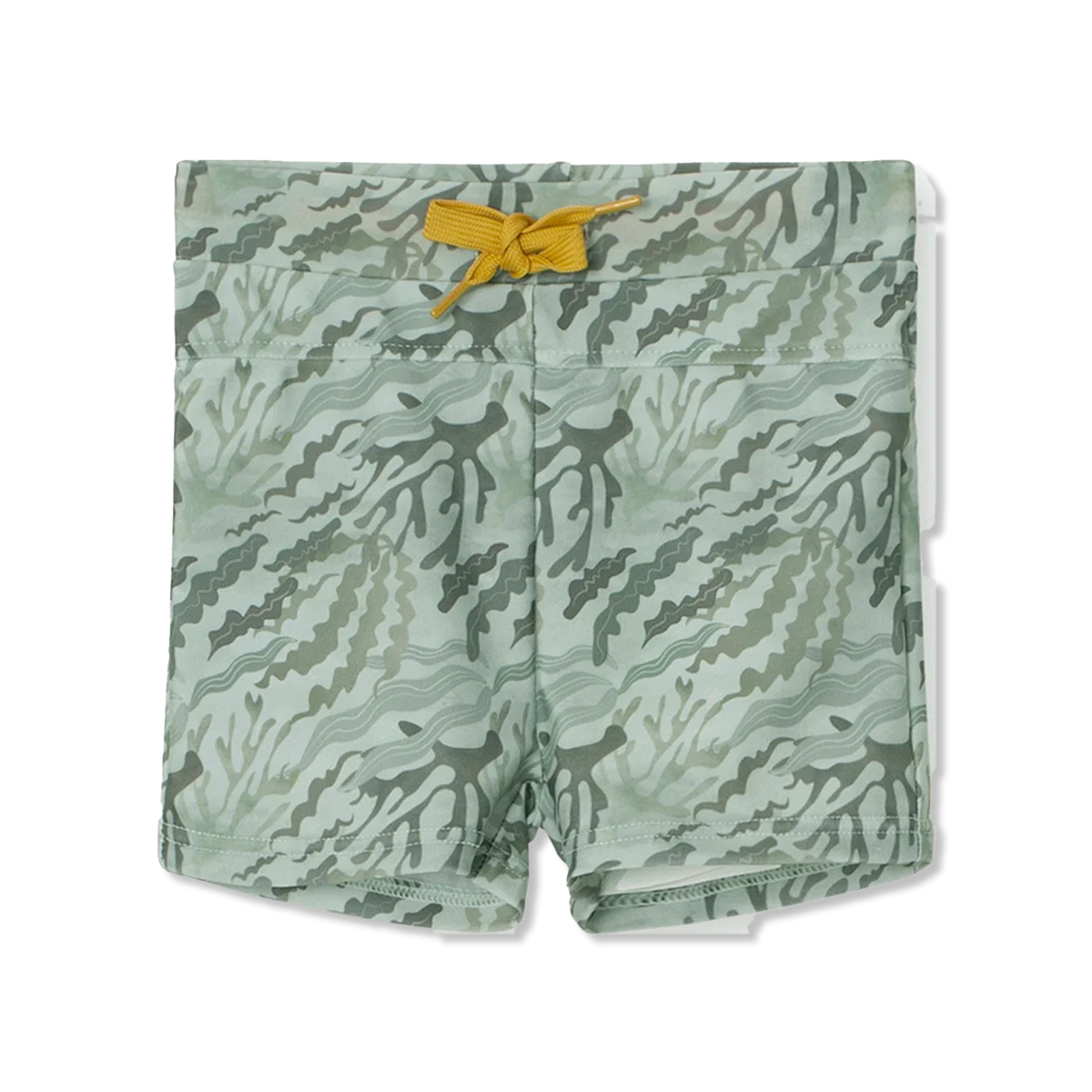
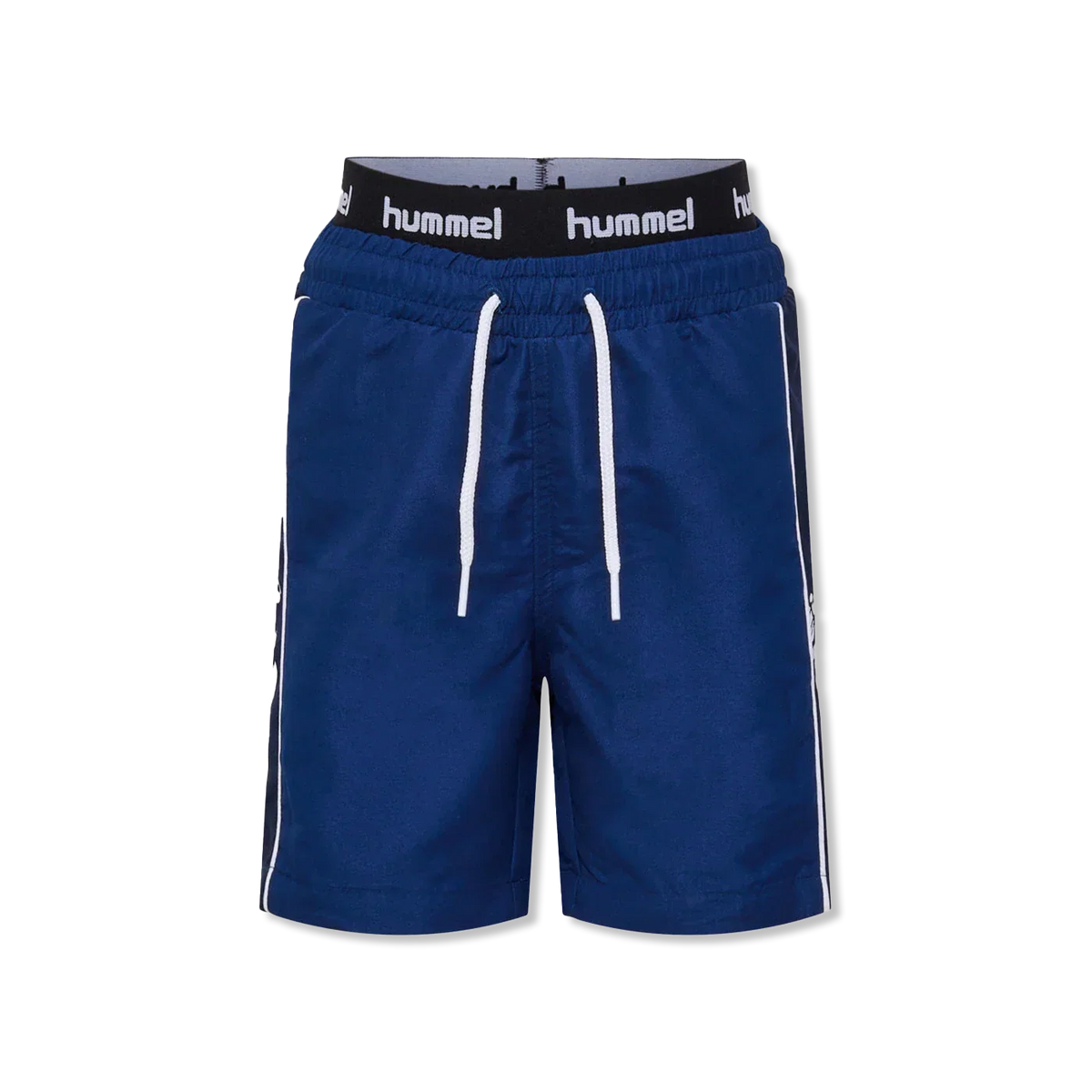
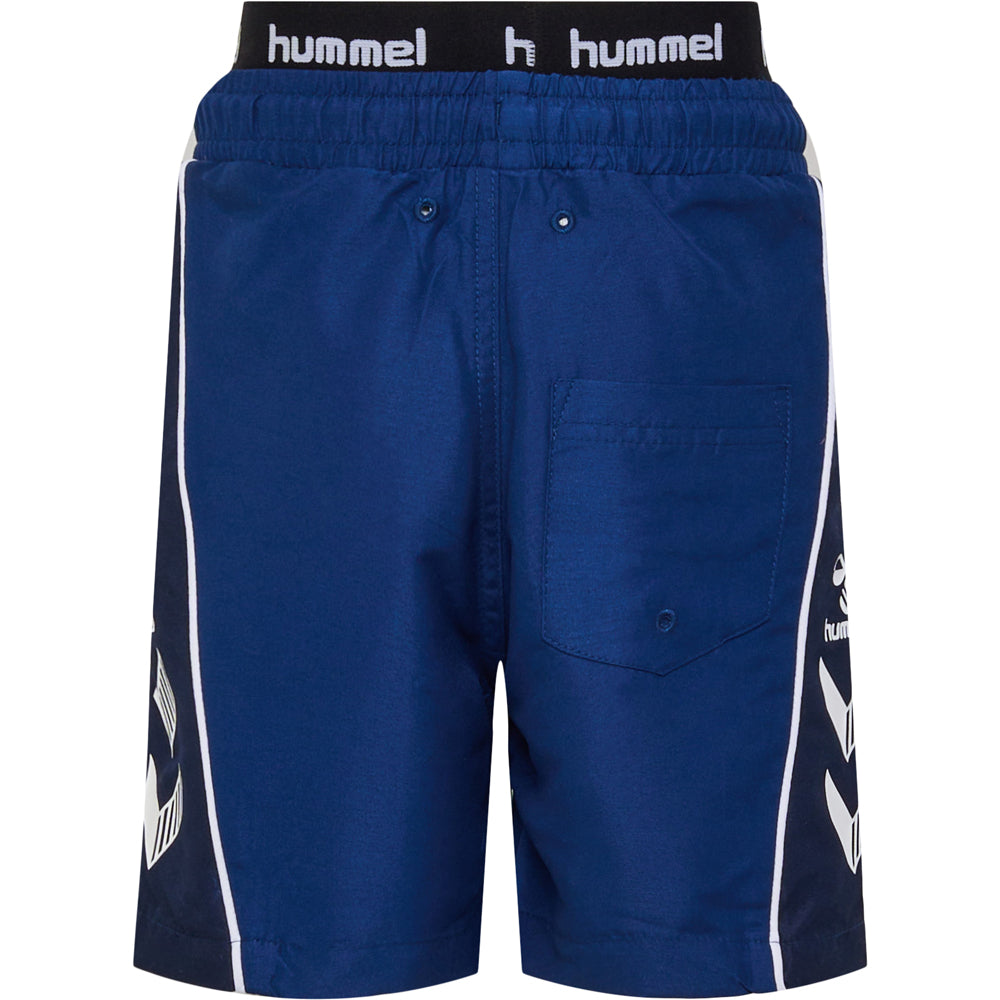
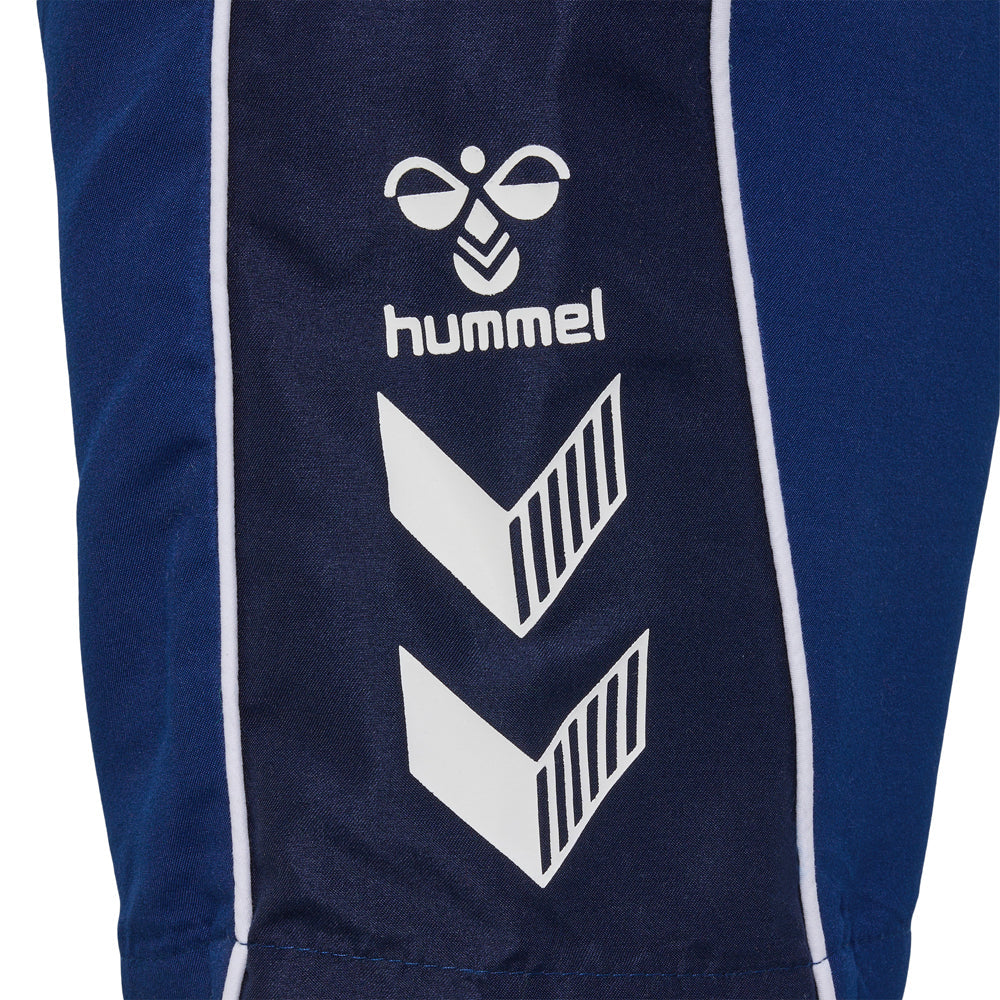
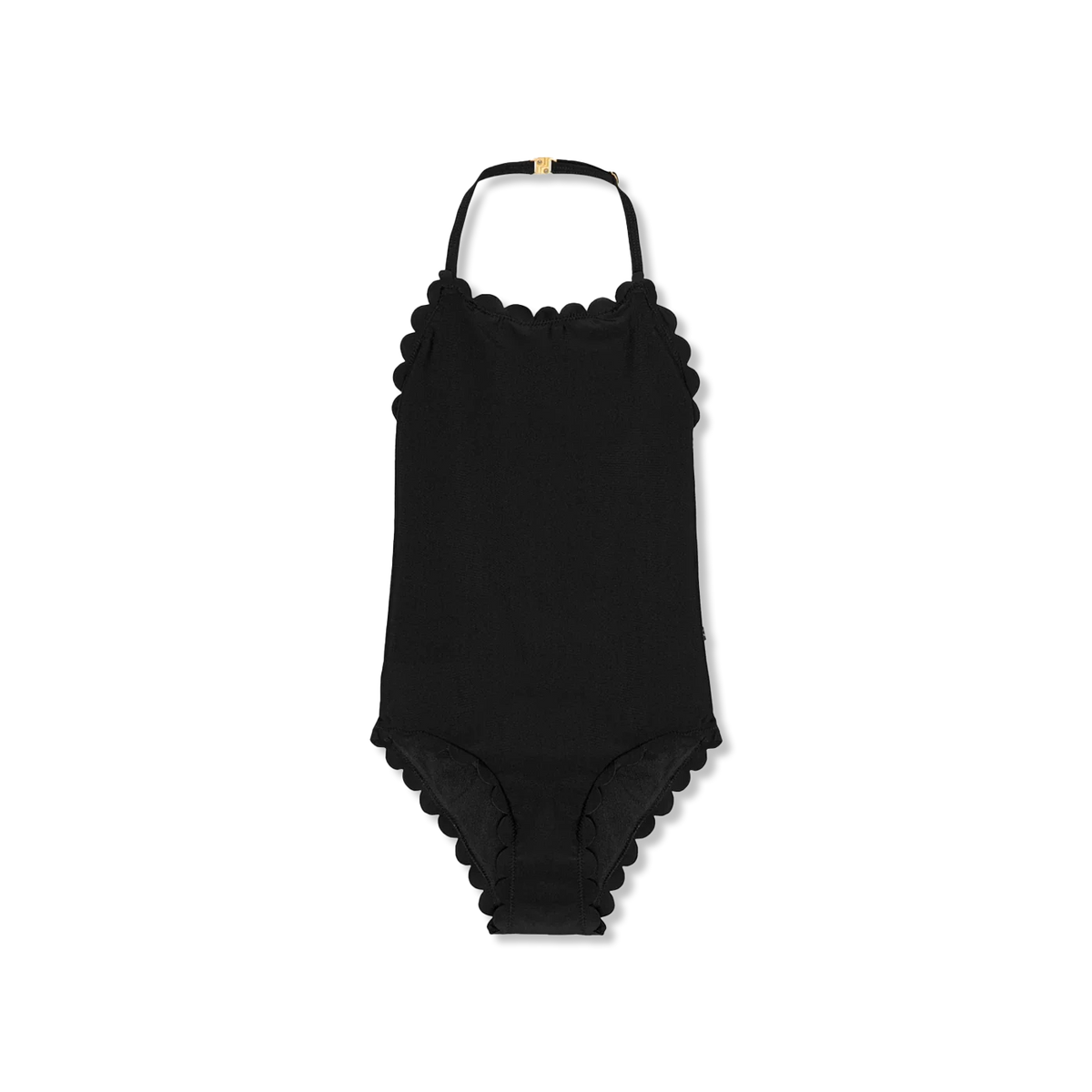
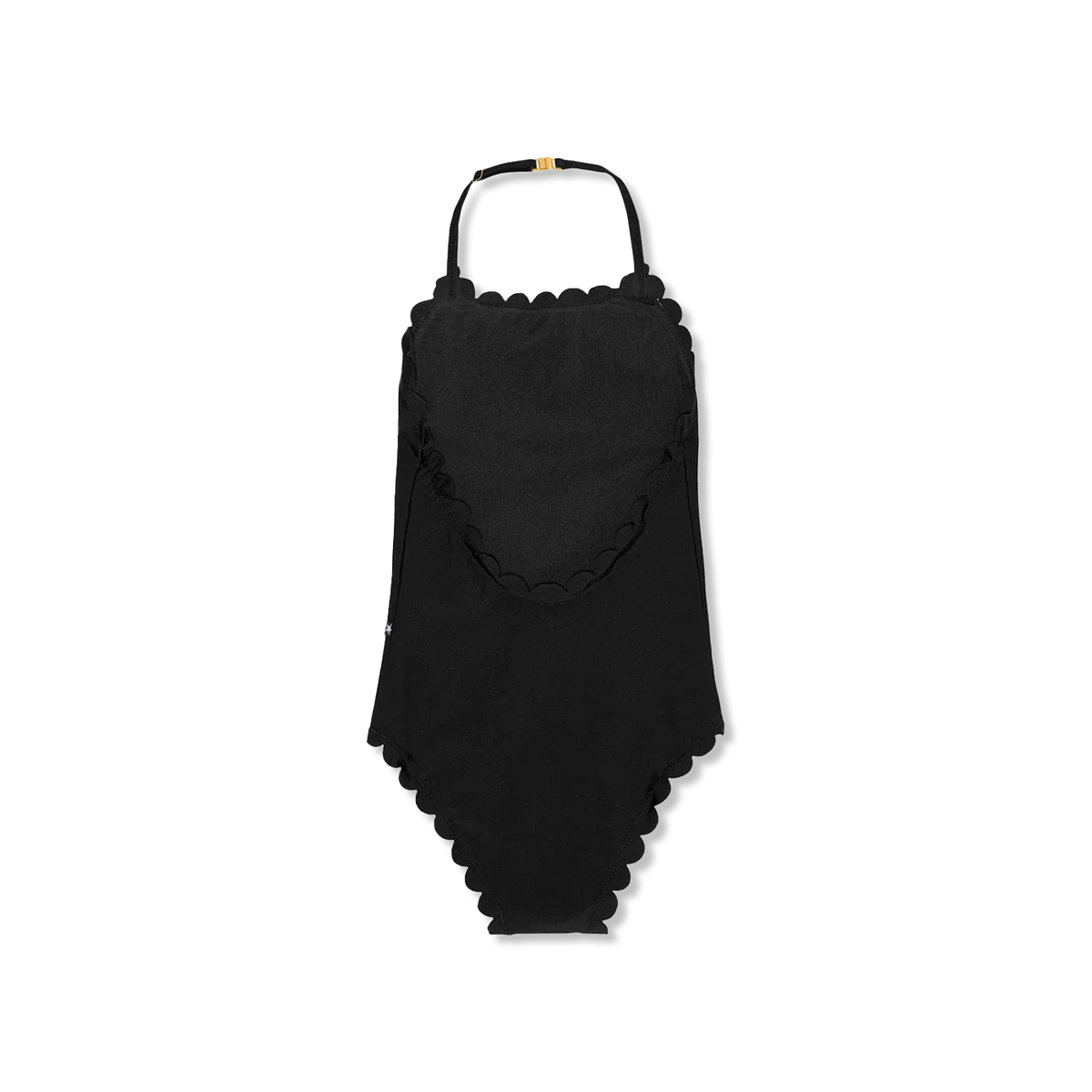
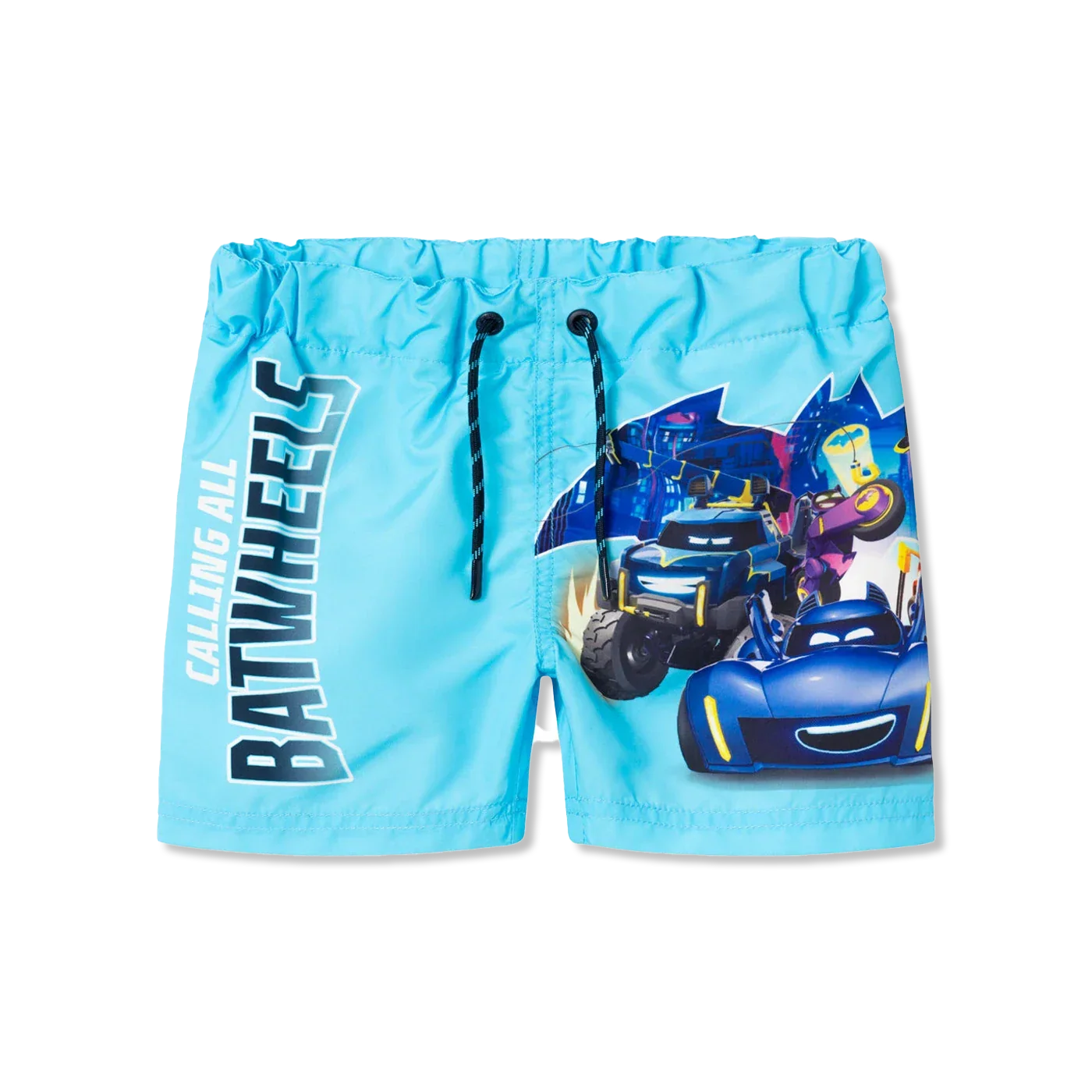
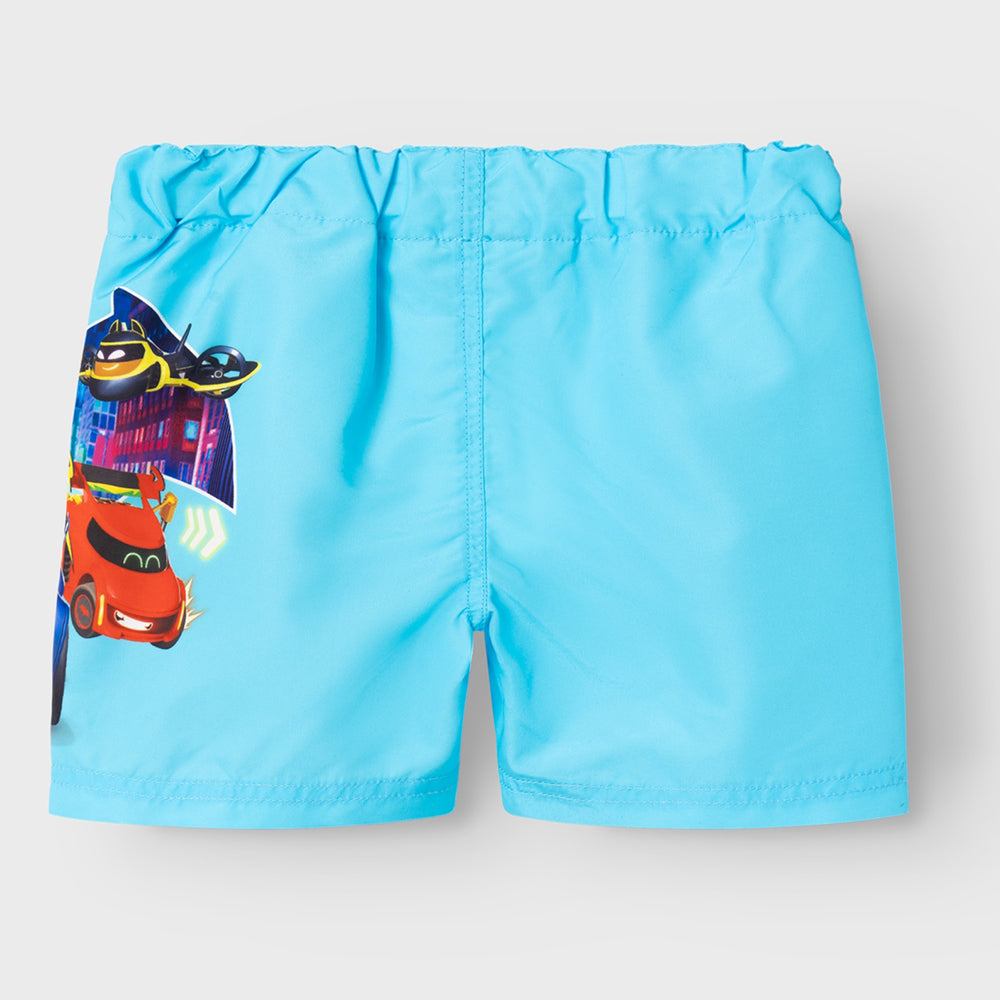
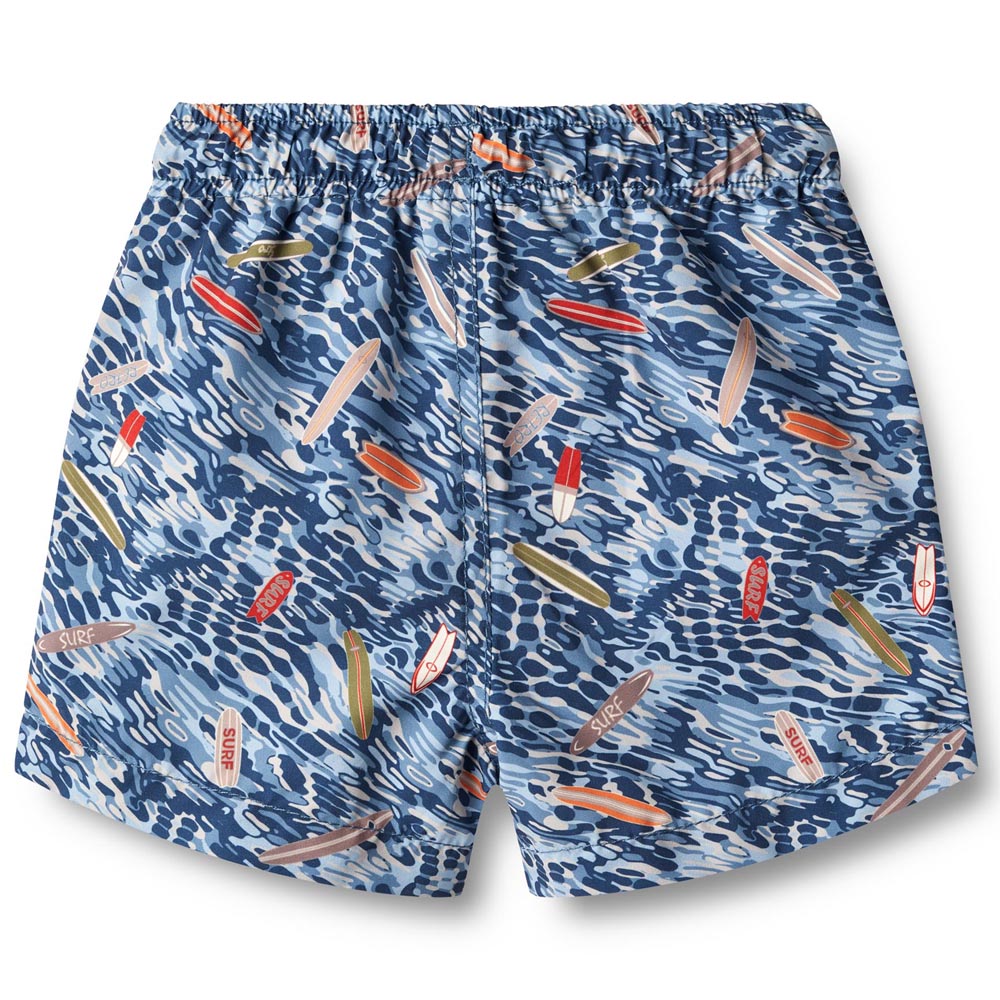
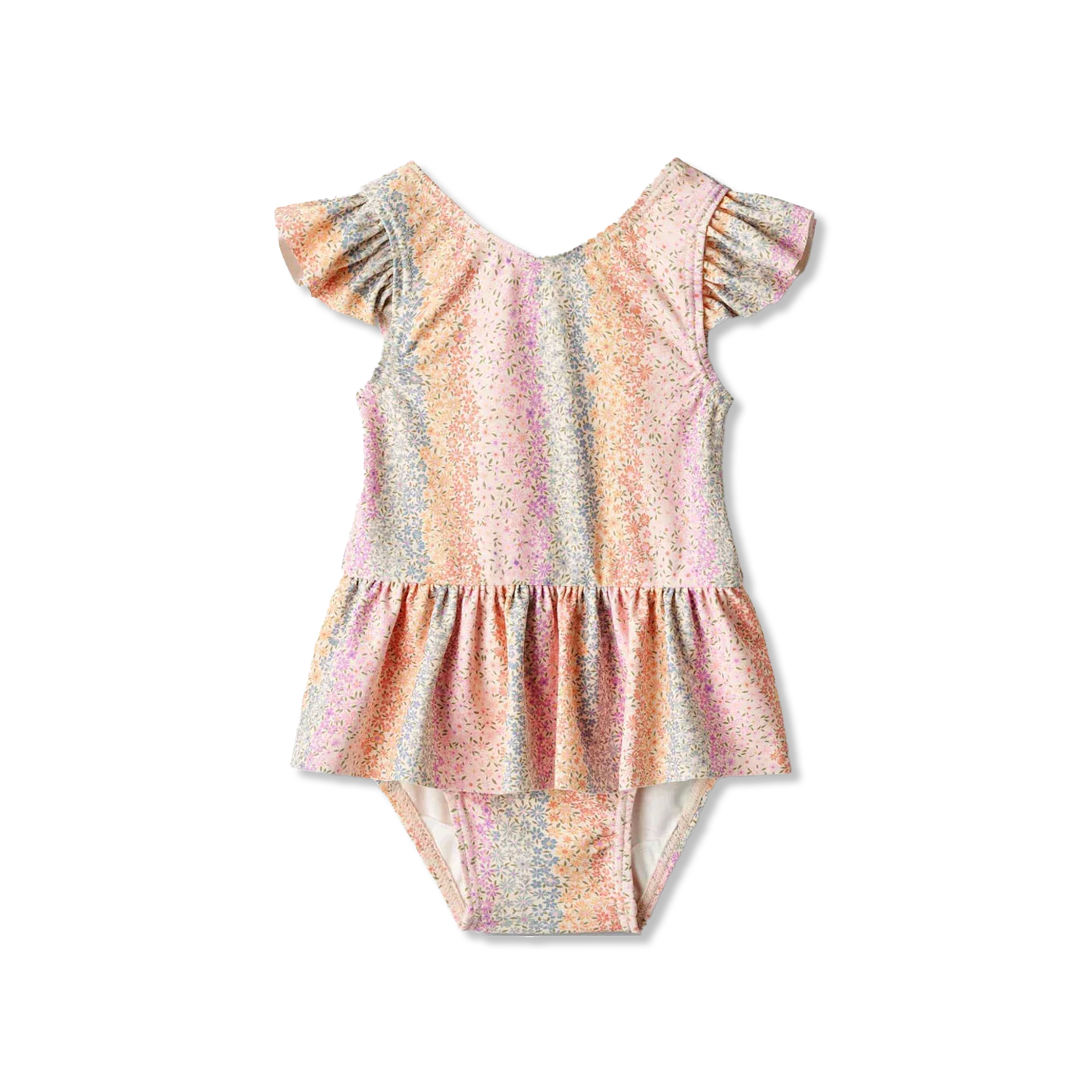
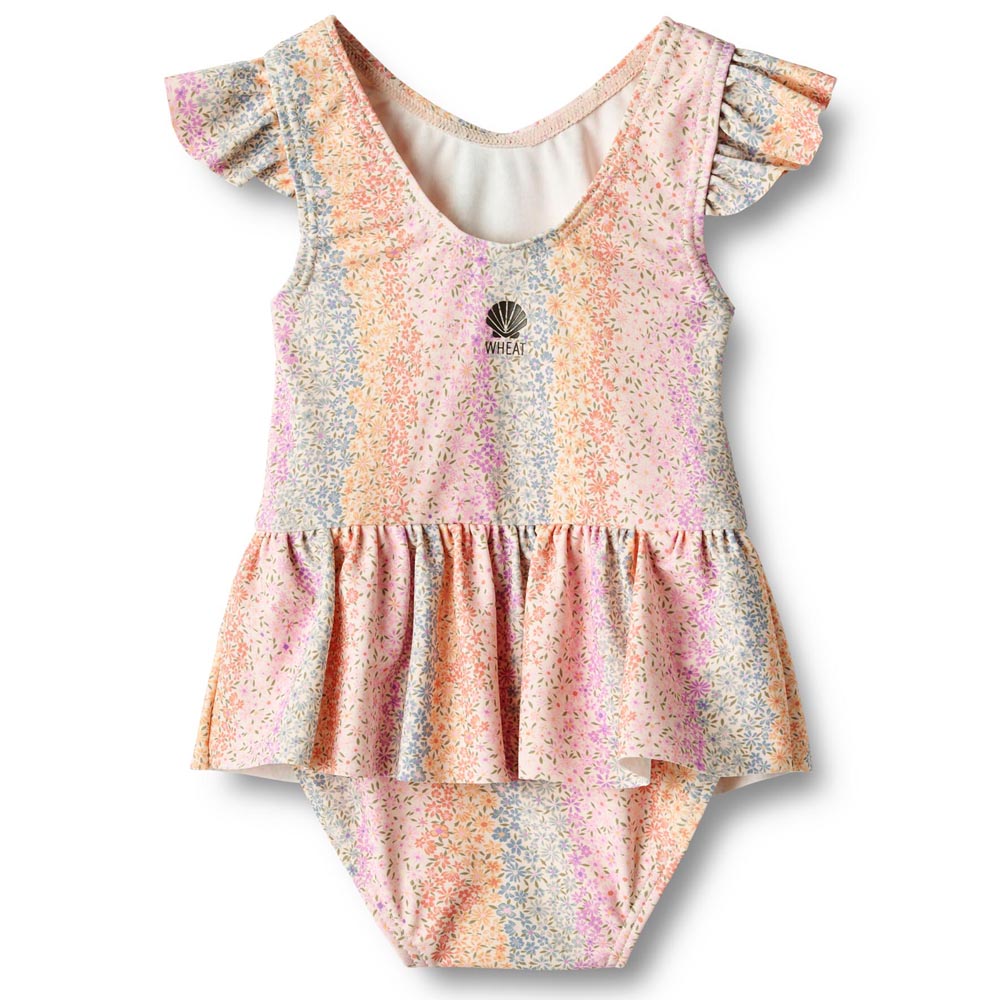
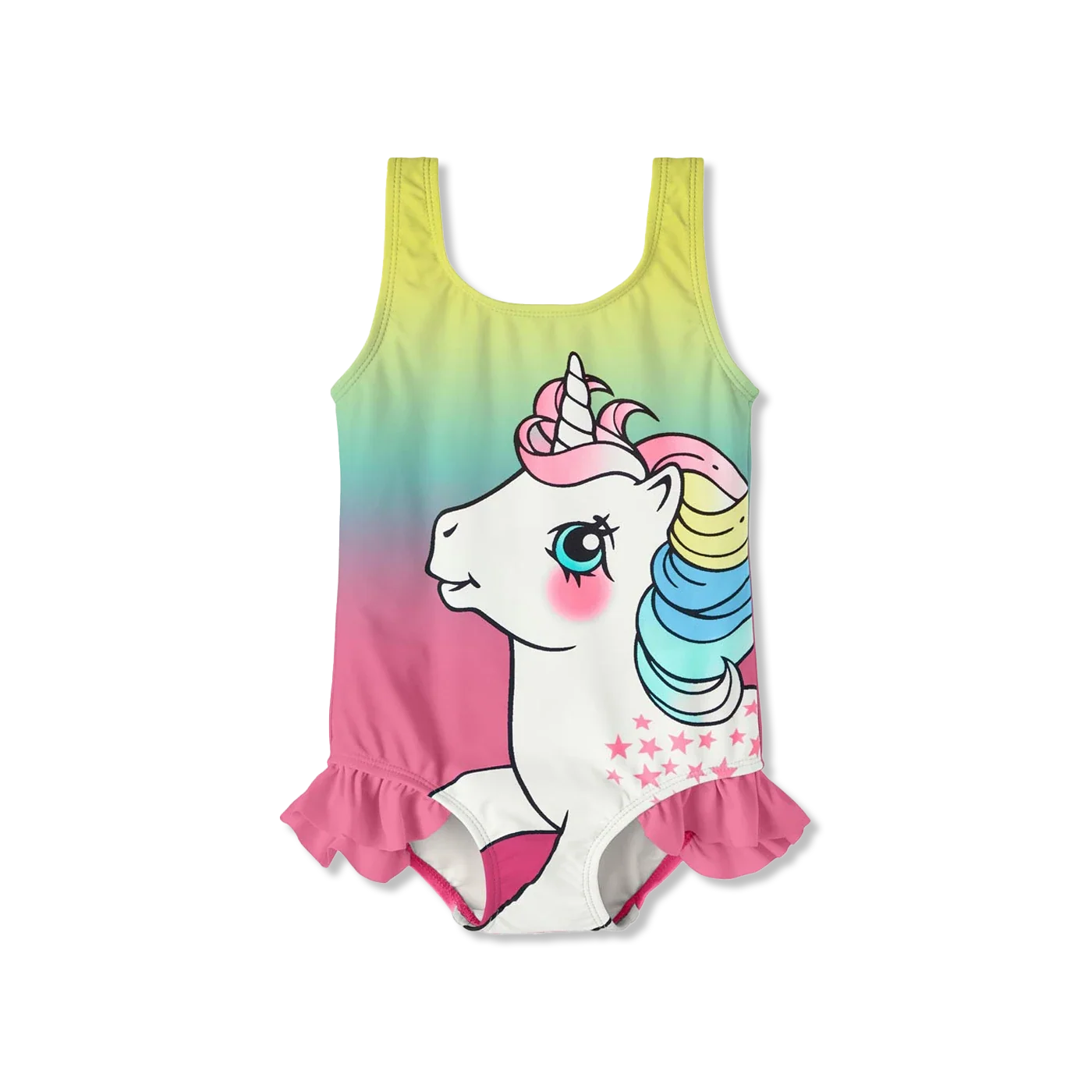
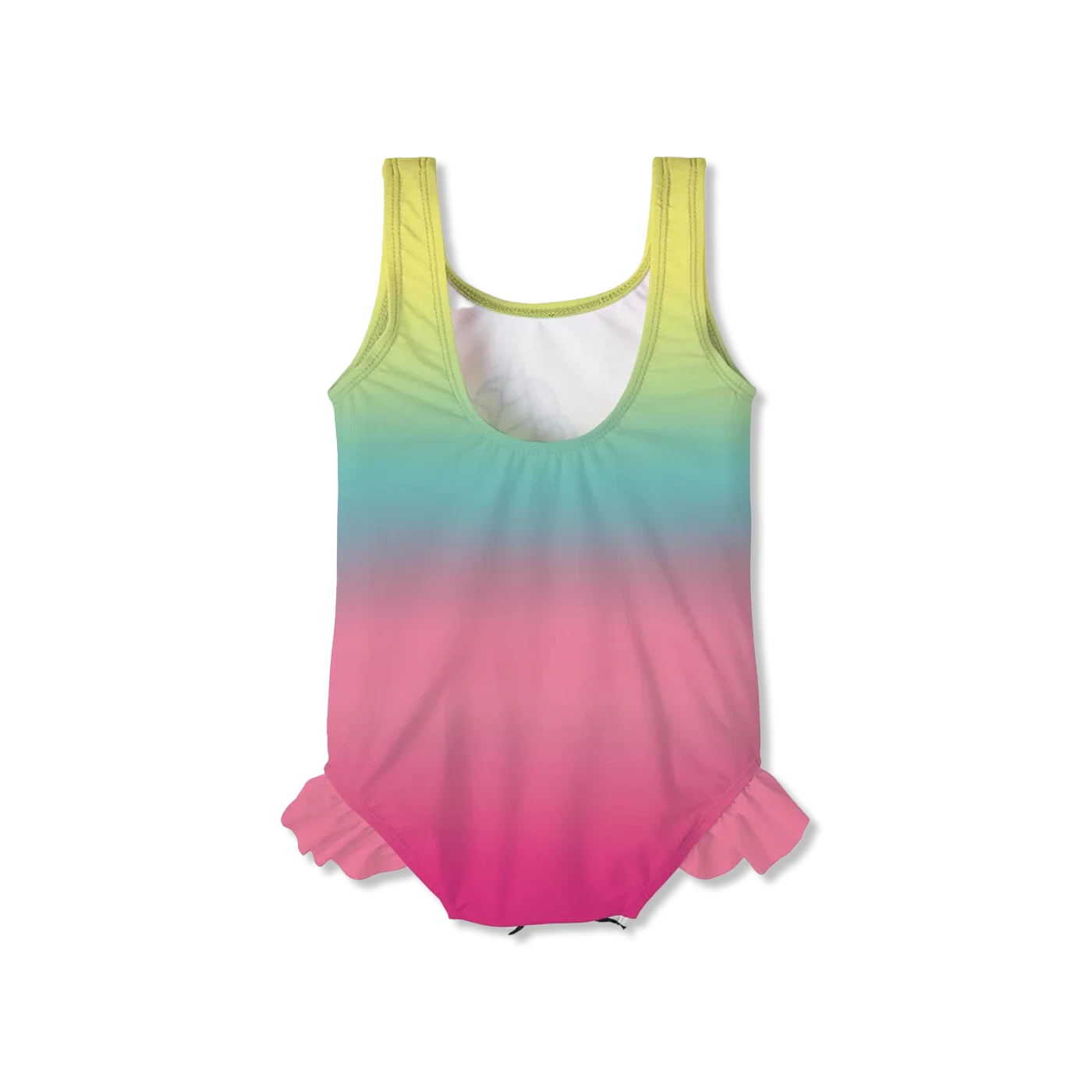
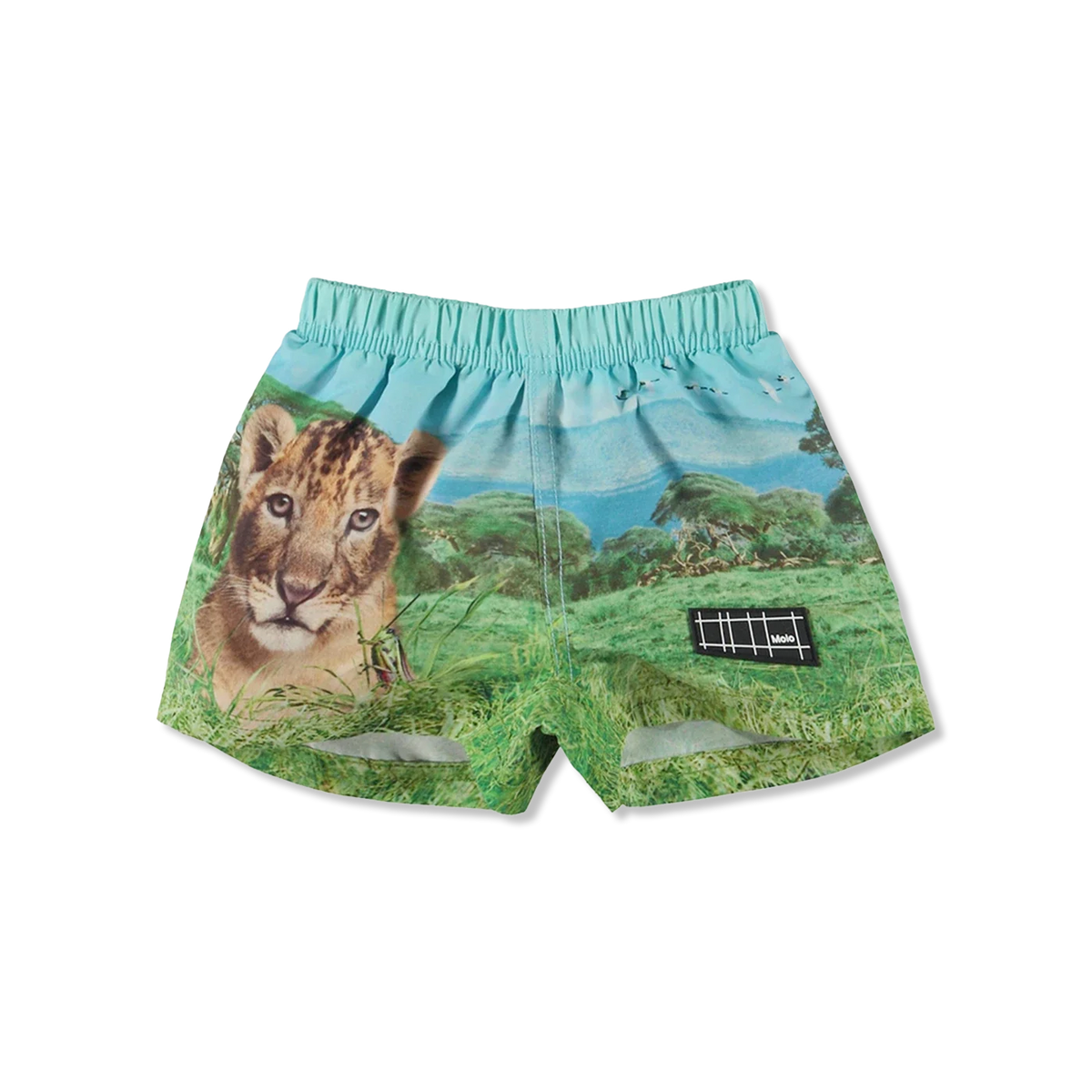
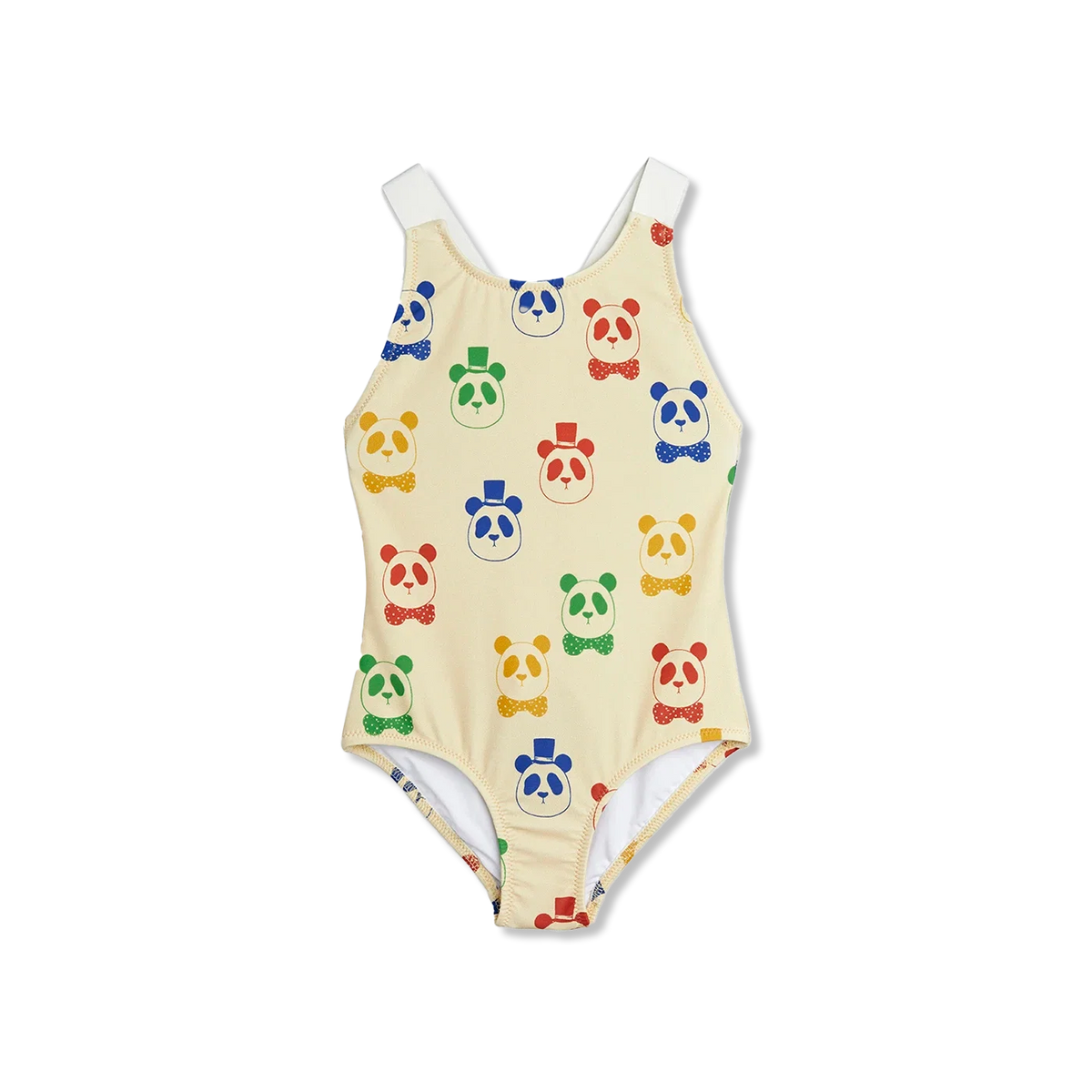
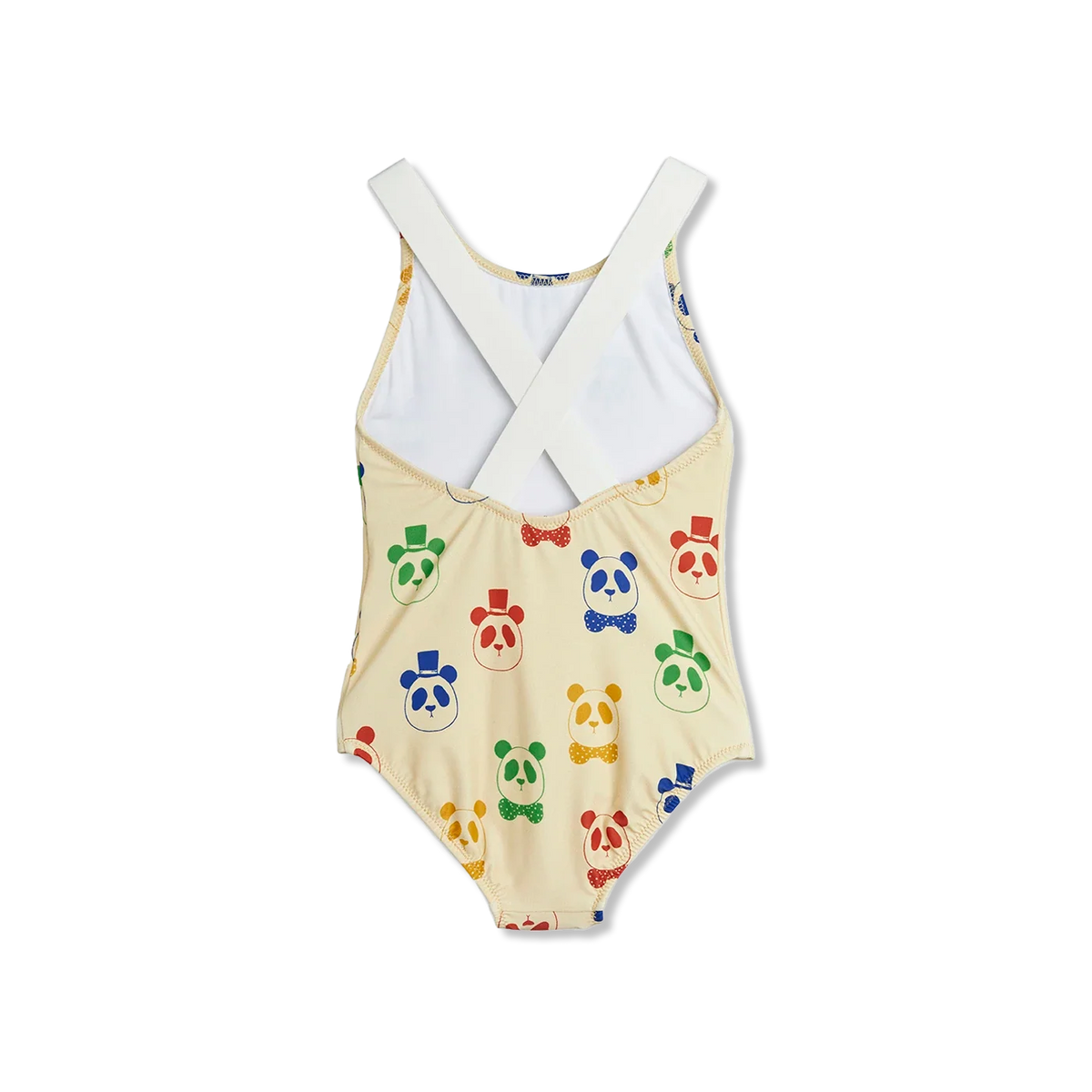
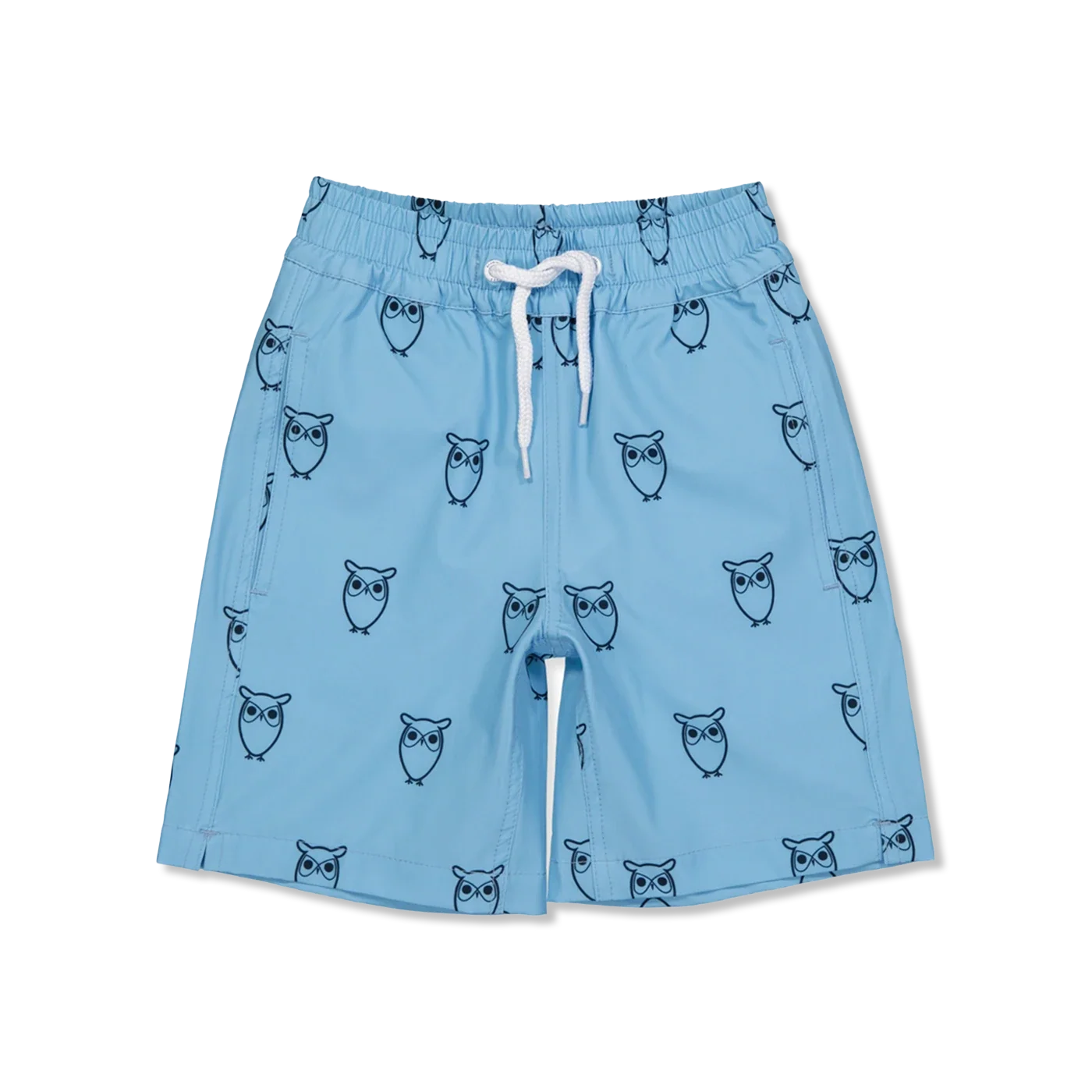
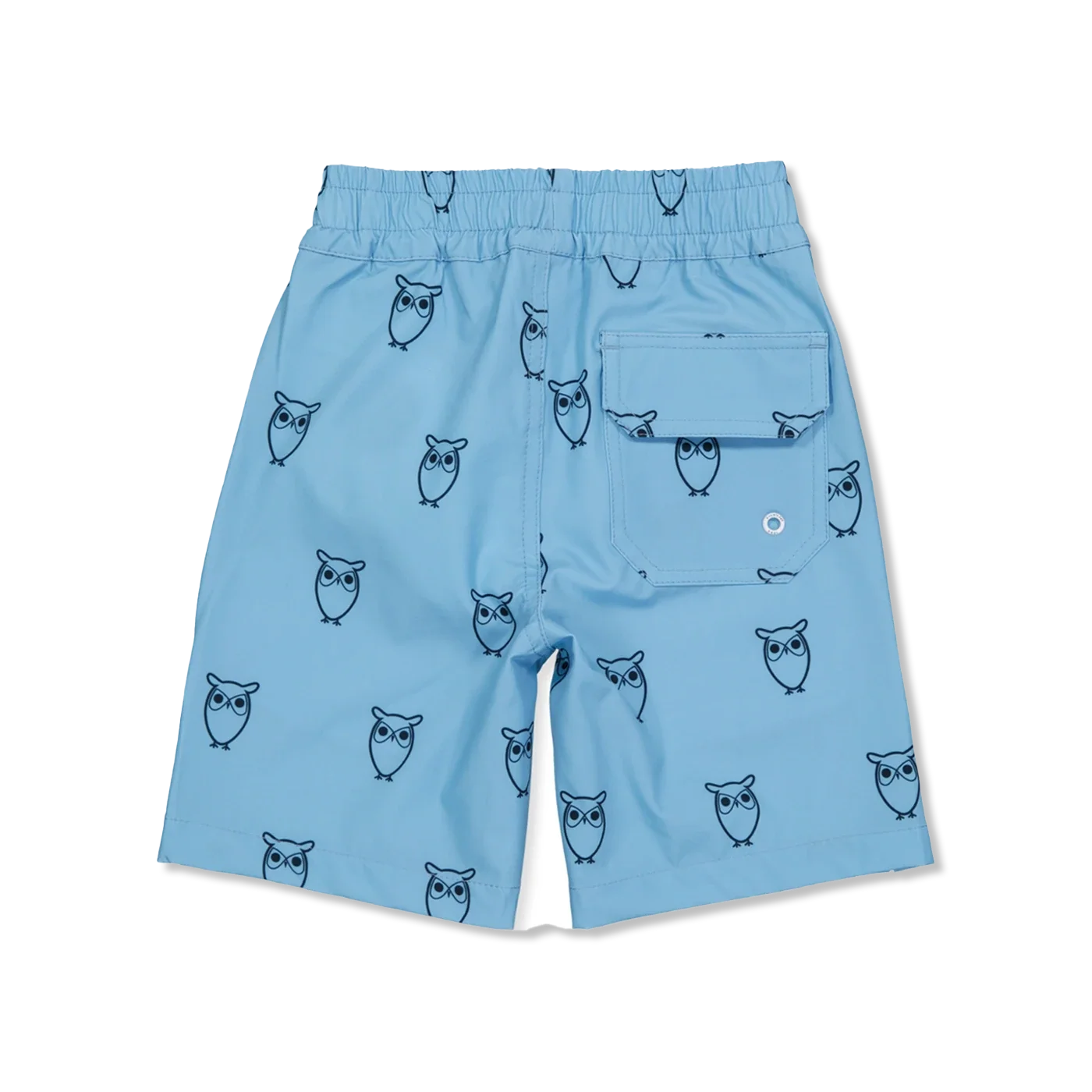
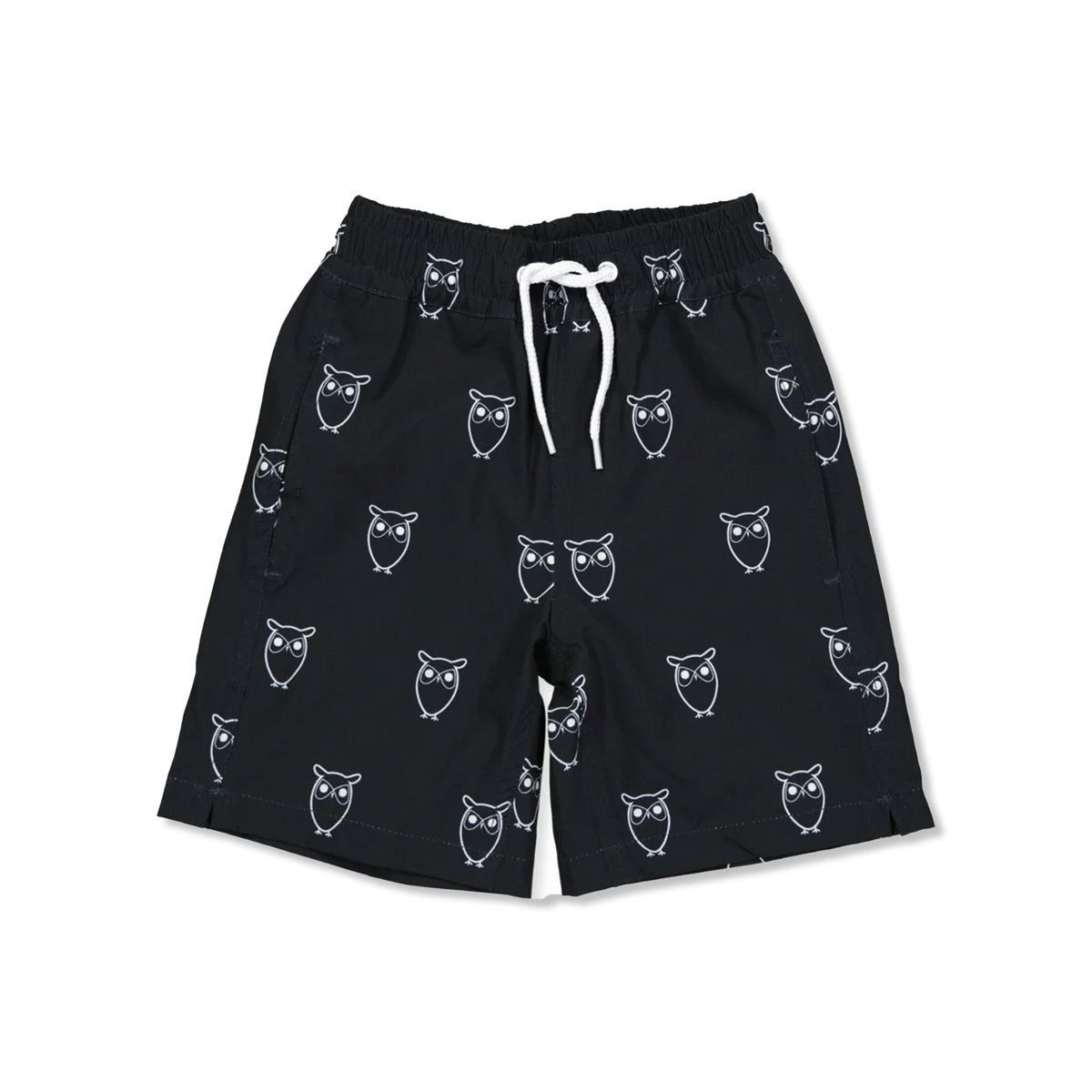
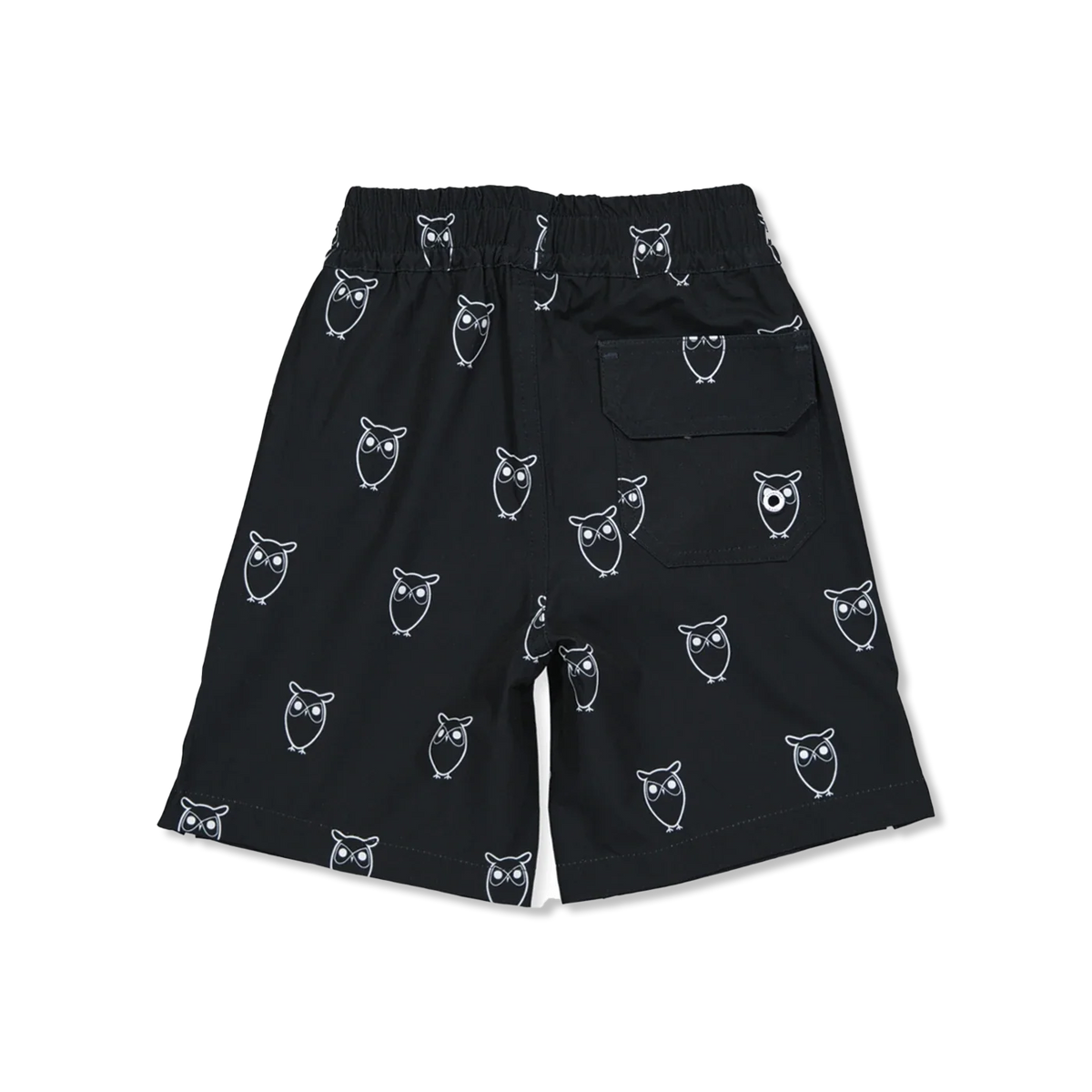
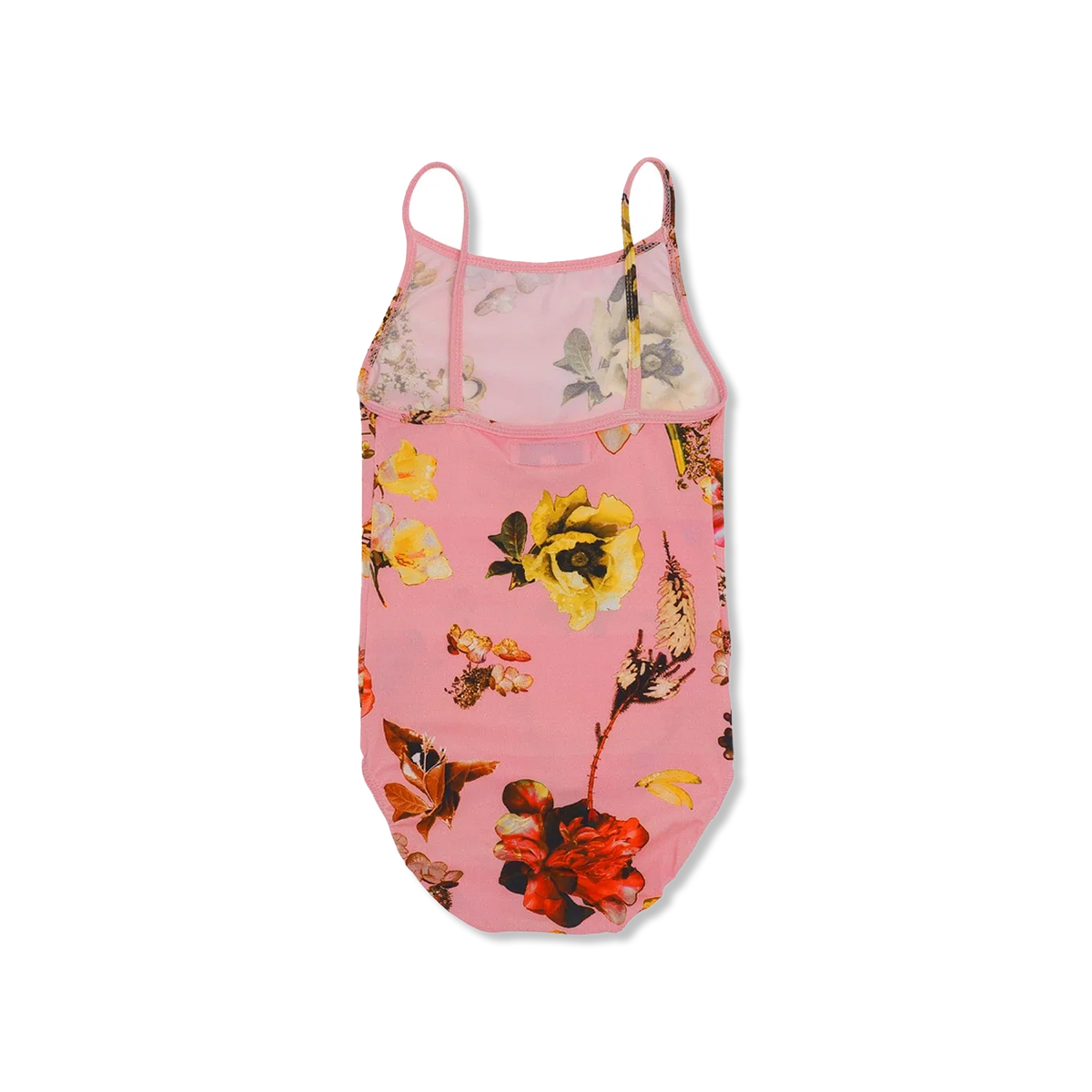
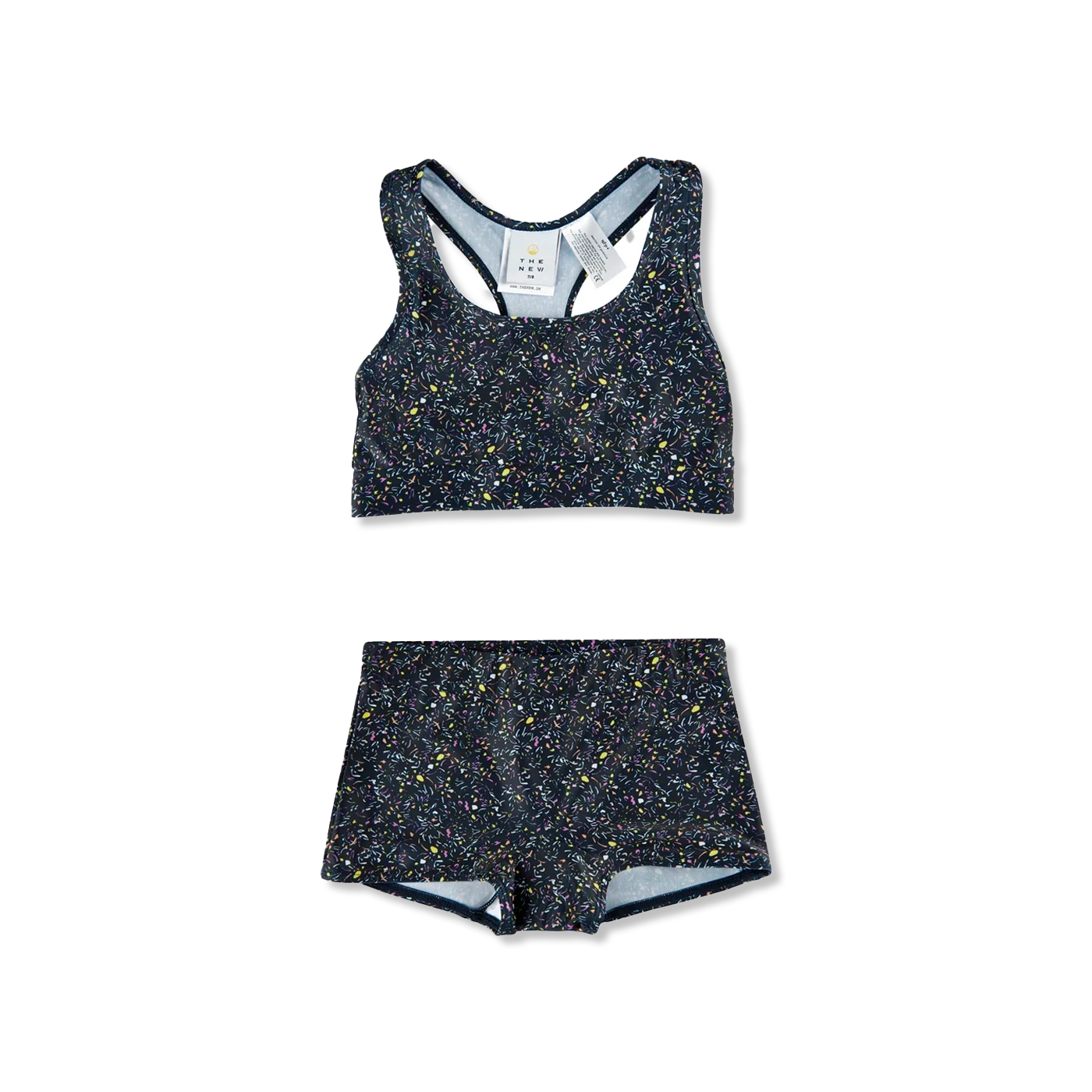
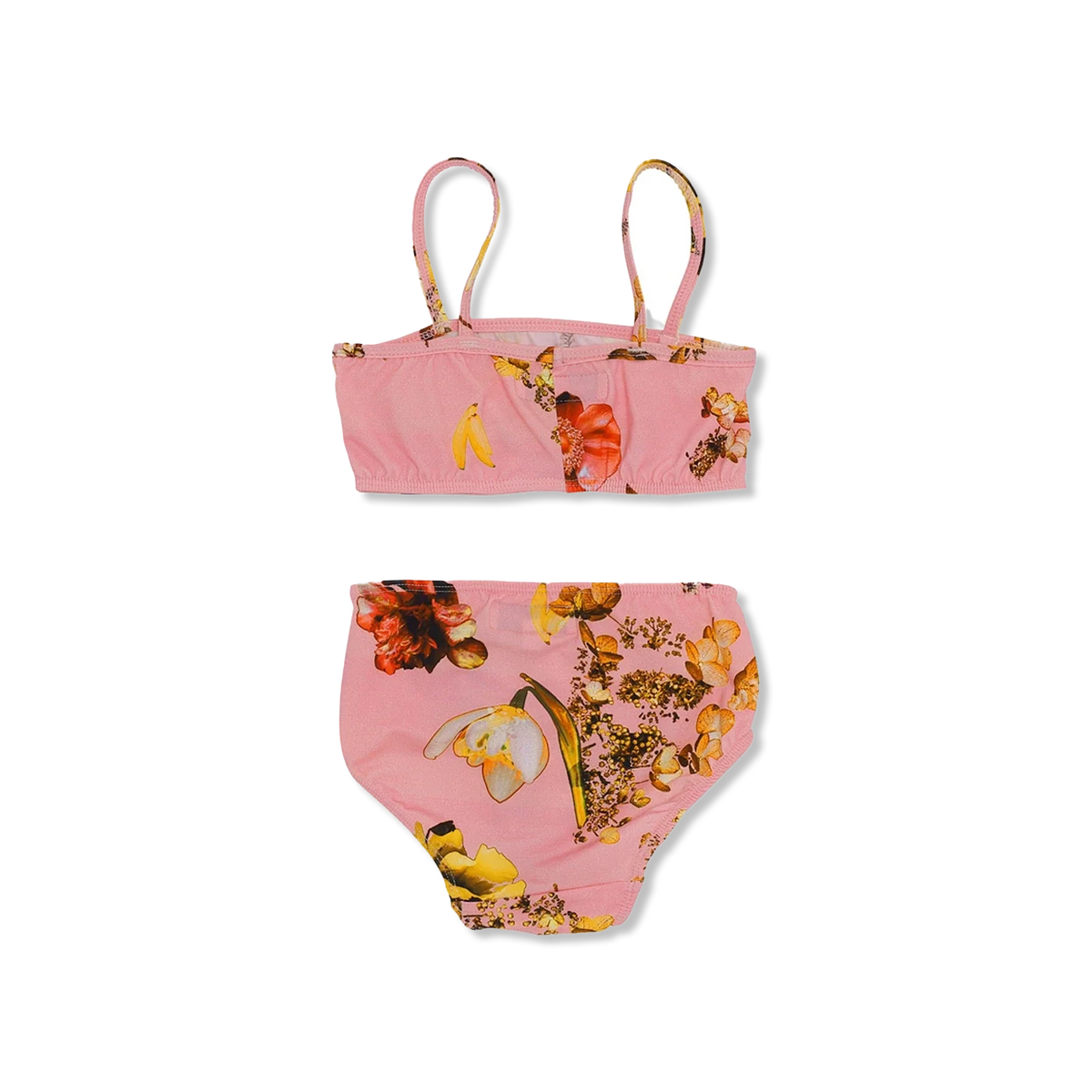
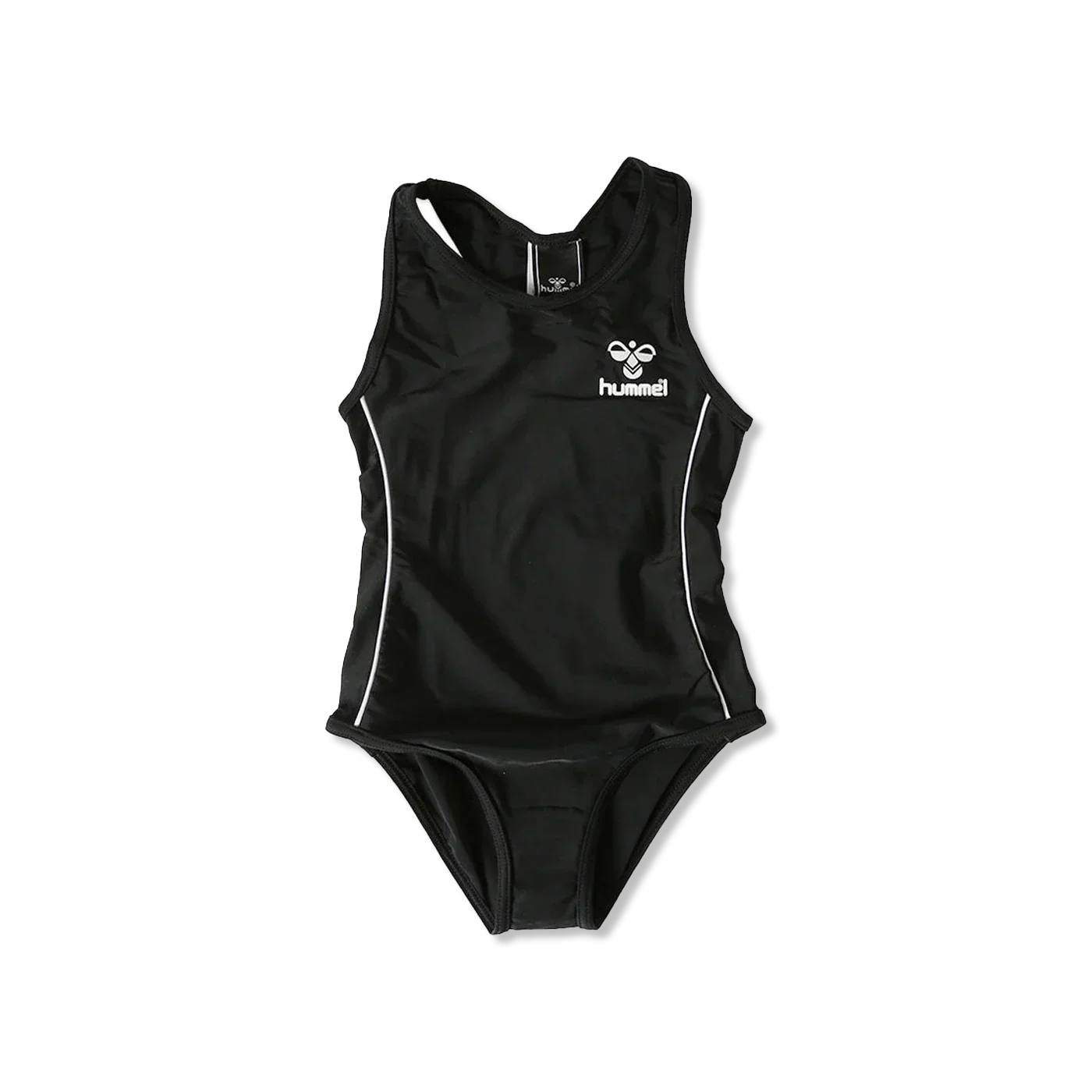
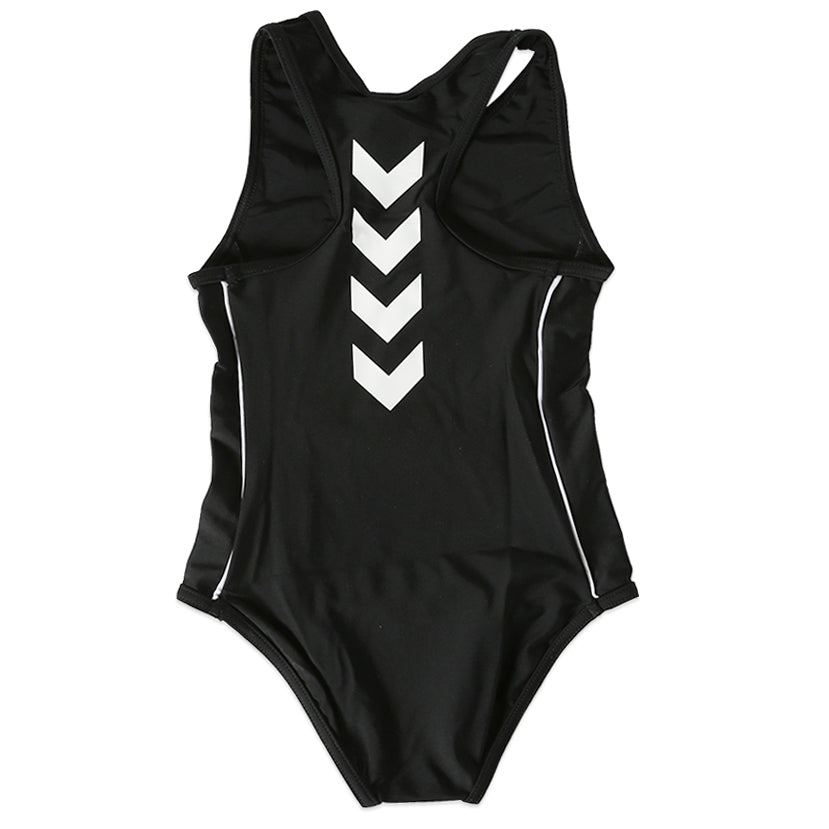
For girls, many parents choose between classic swimsuits or two-piece sets, while swim shorts and swim trunks are often an obvious choice for boys. If you need more coverage, a full-body swim suit or rash guard can be a good middle ground.
UV swimwear for children and practical sun protection
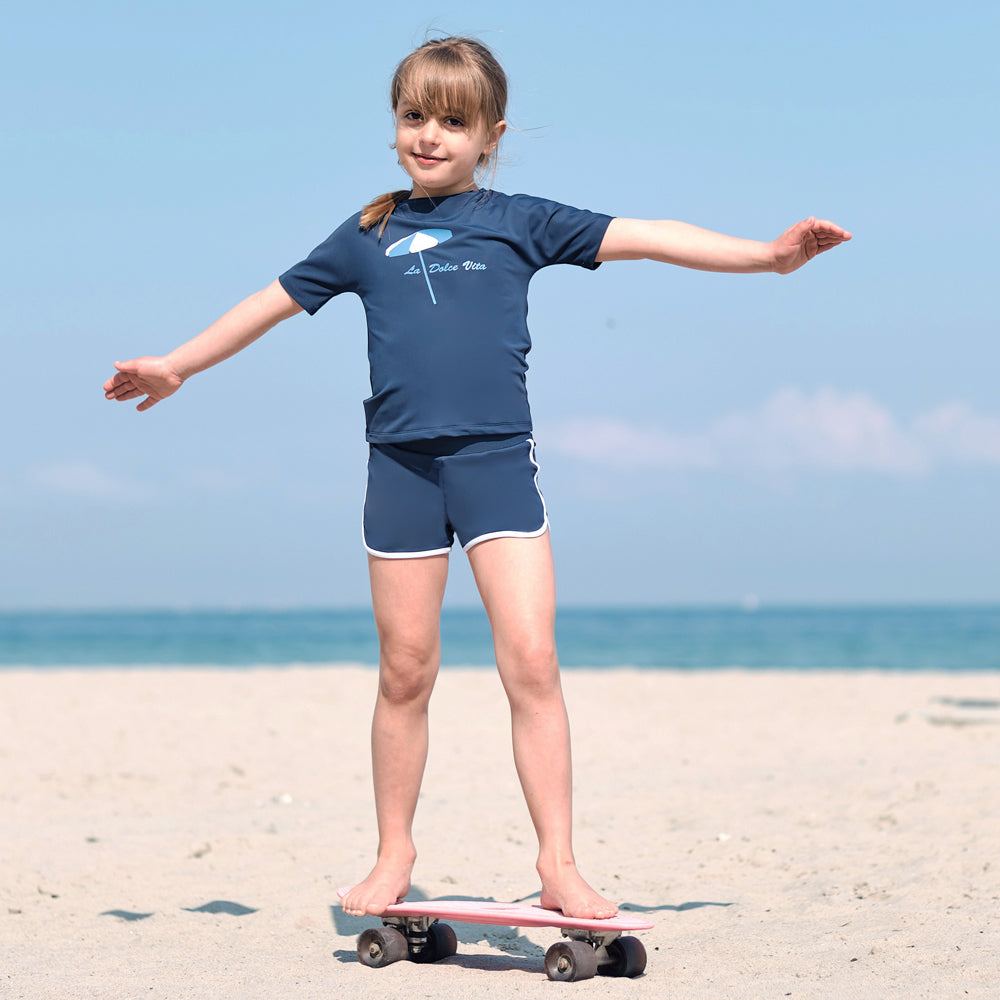
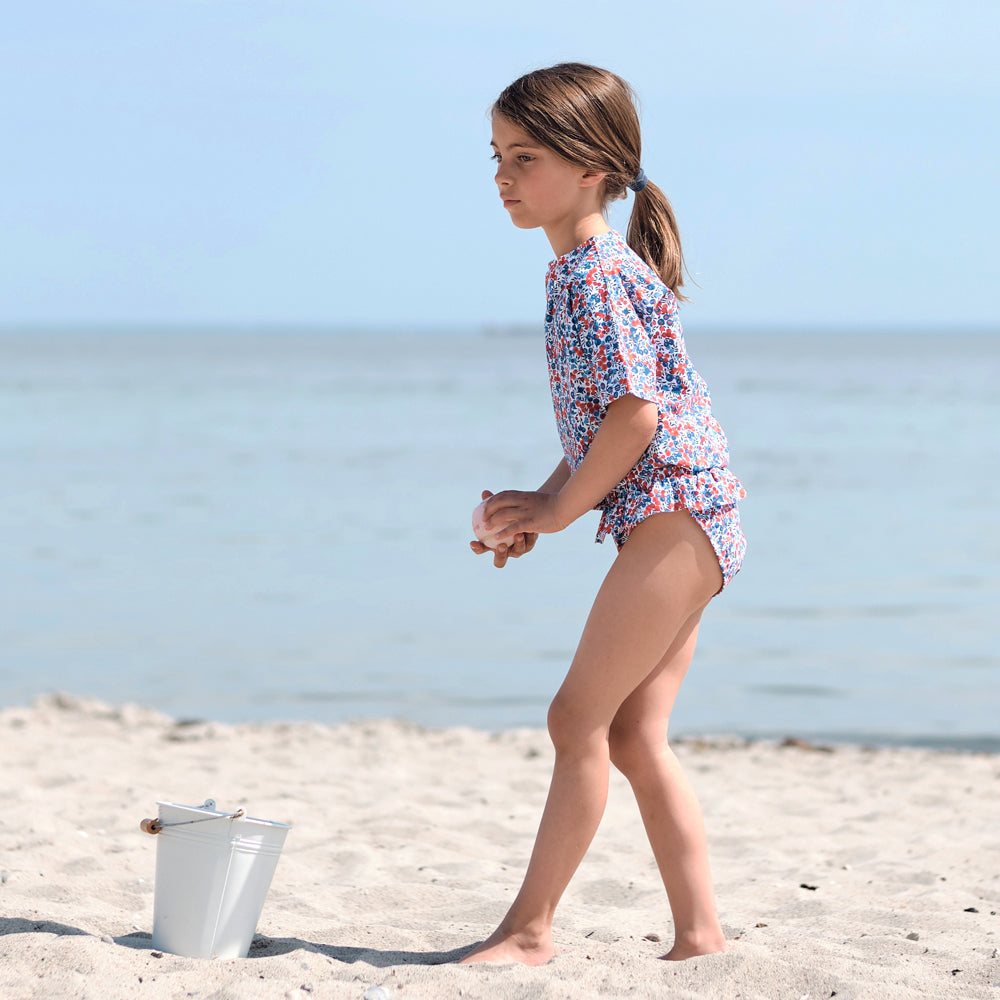
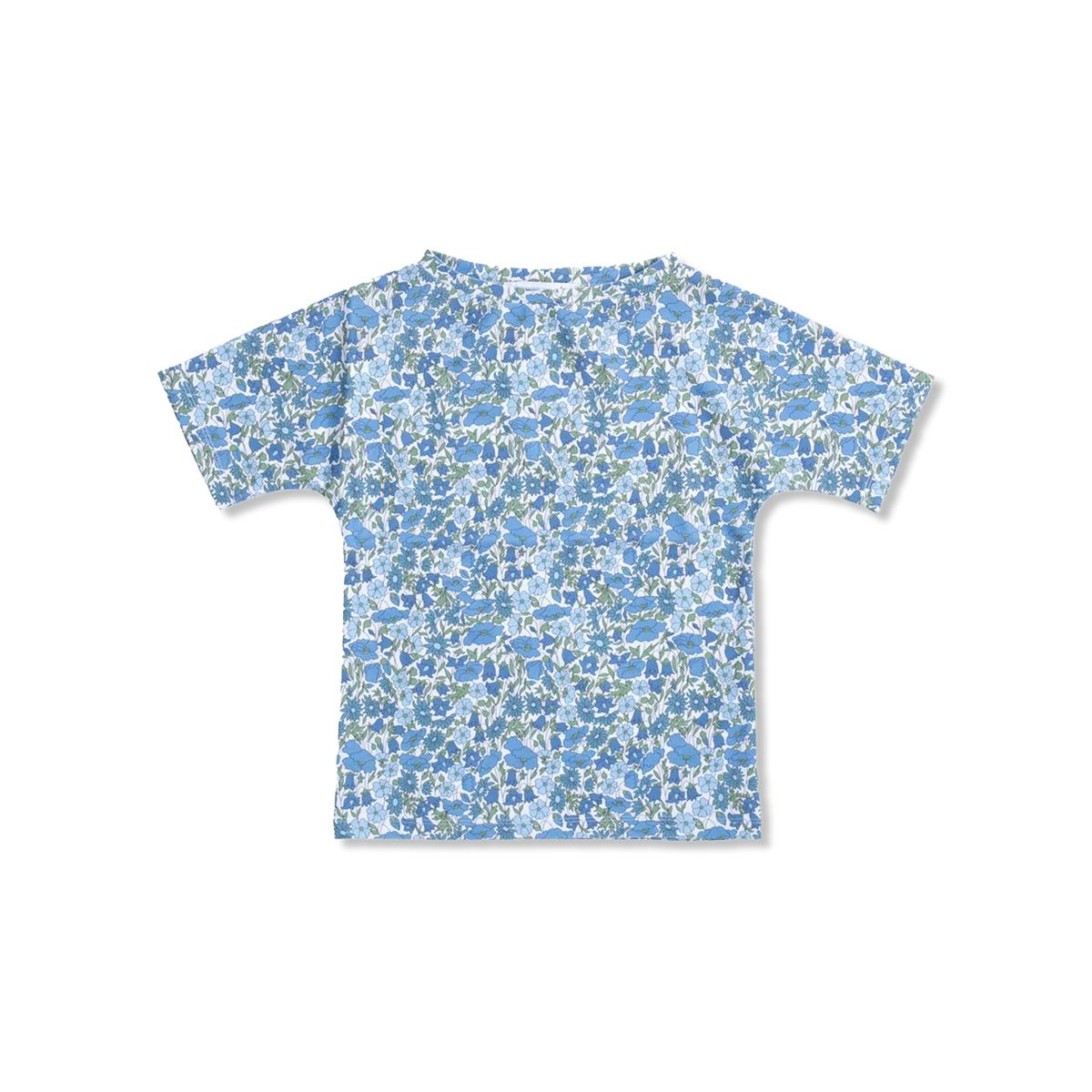
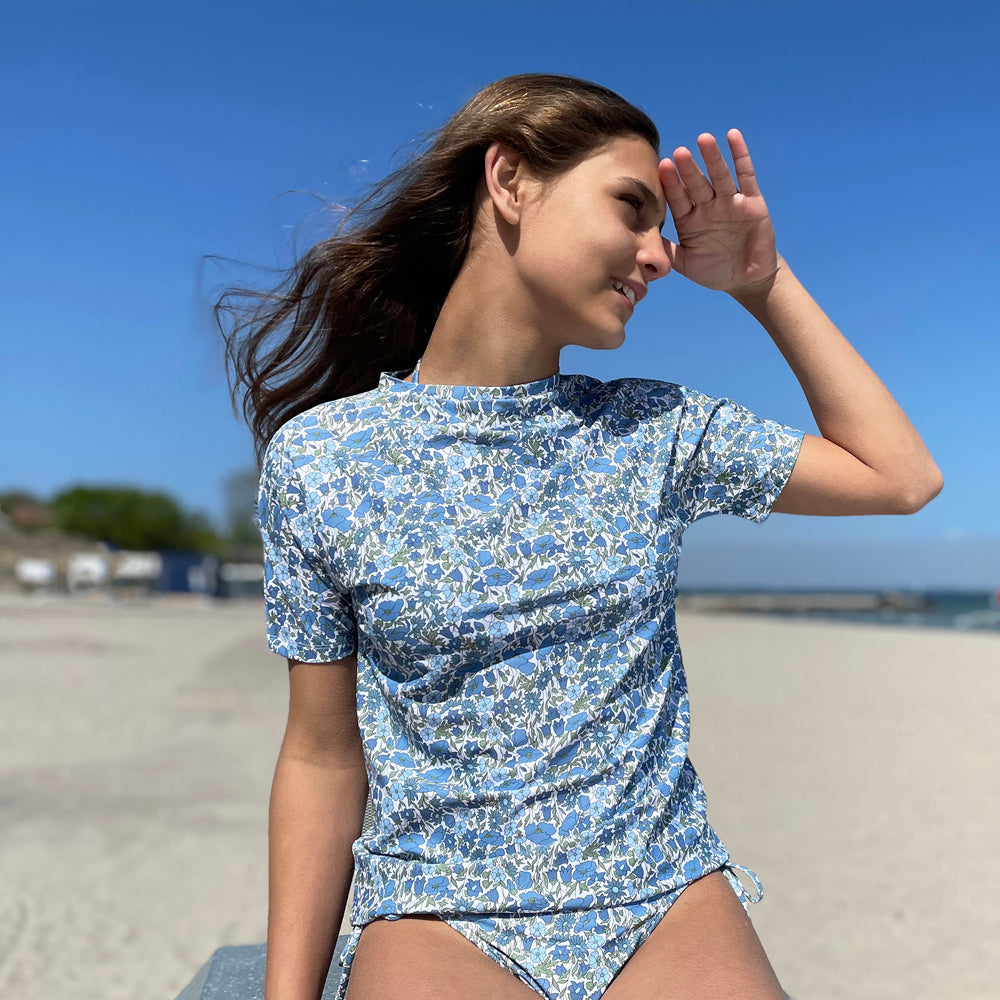
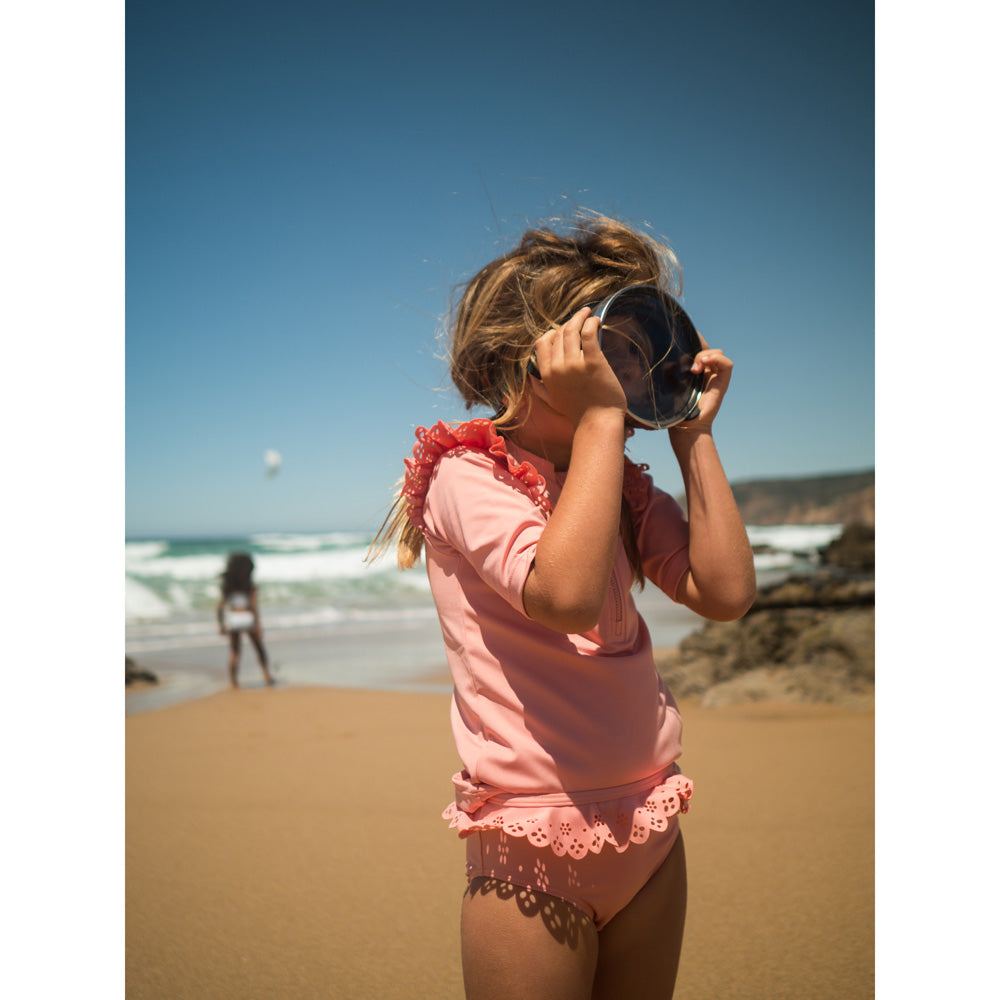
For beach days, pool time and long summer days outdoors, UV swimwear for children is often a reassuring choice. The fabric is designed to provide extra protection from the sun, and many parents especially look for UPF 50+ when their child will be outside for more than a short while. It can be a big help if your child would rather keep playing than stand still for another layer of sunscreen.
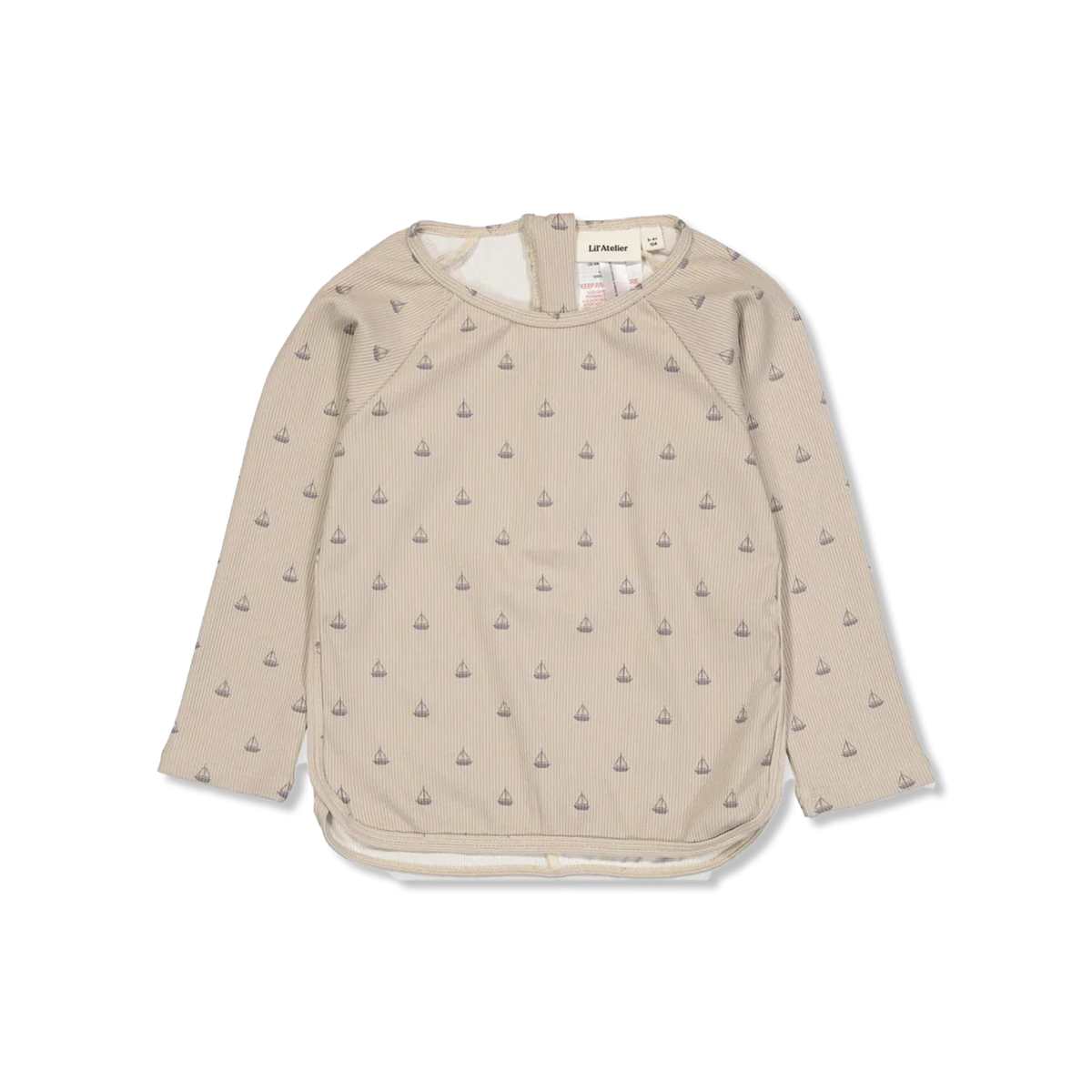
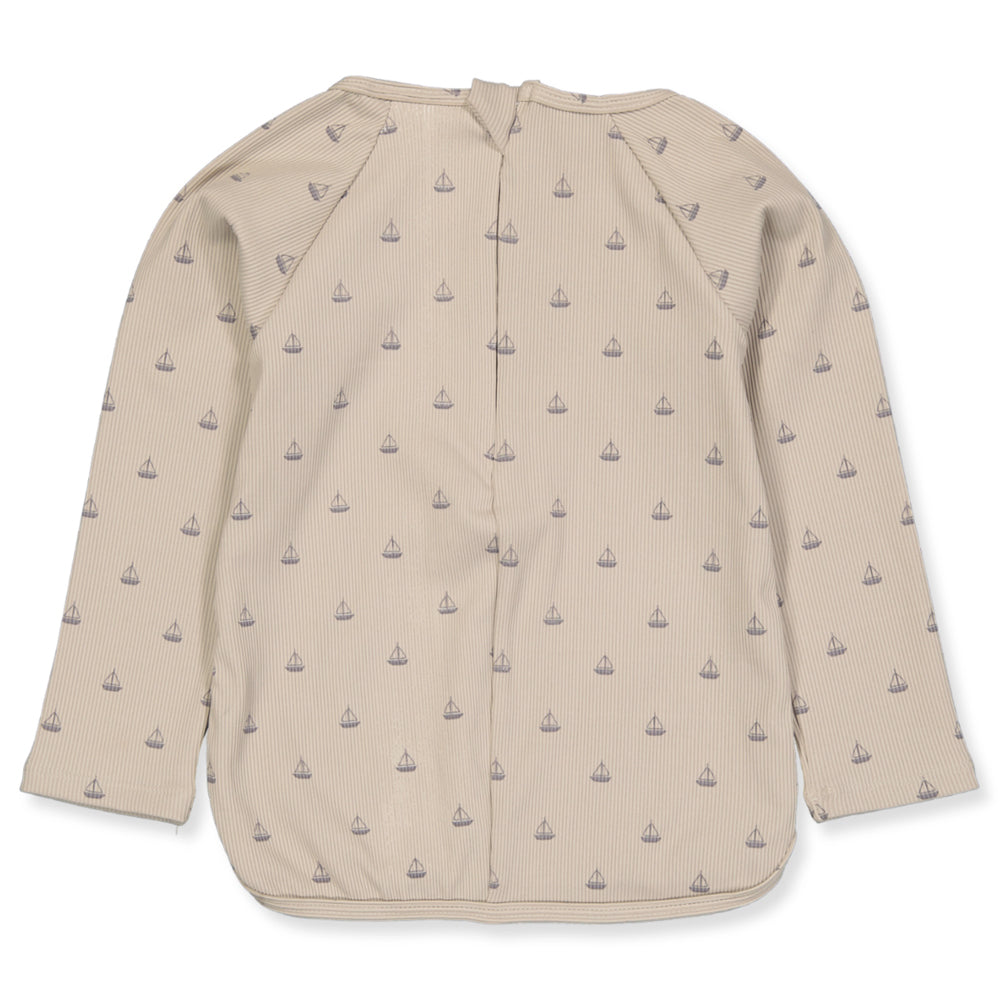
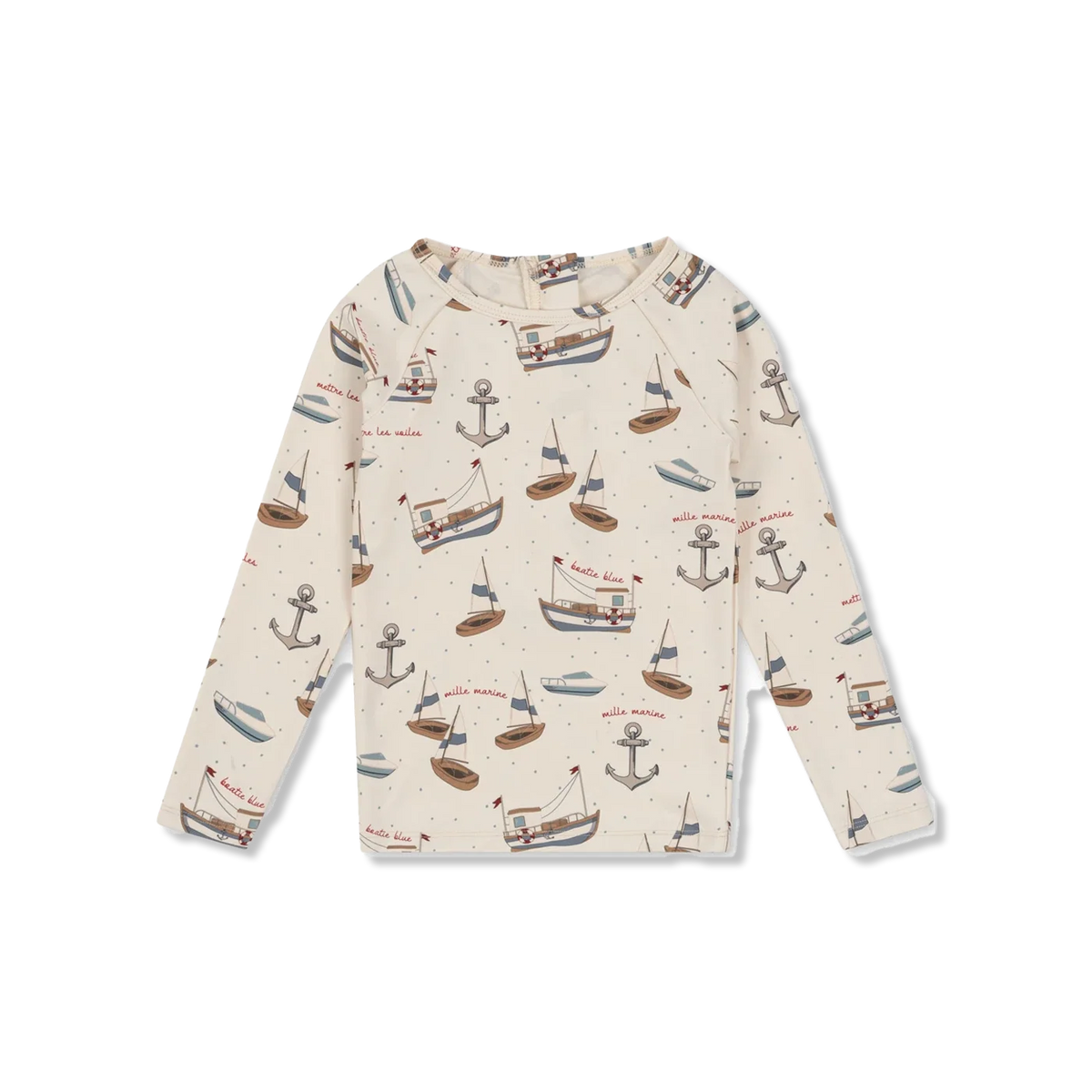
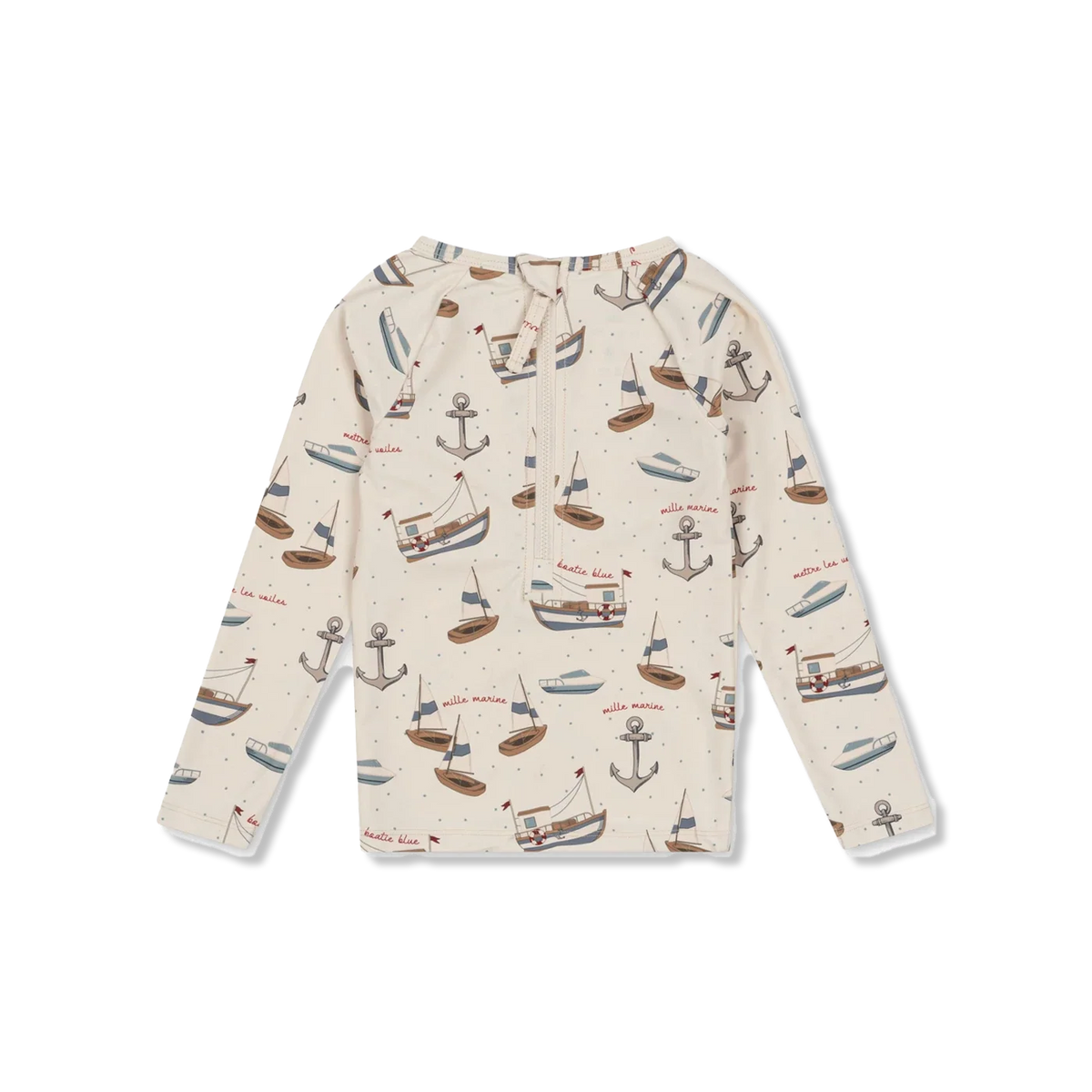
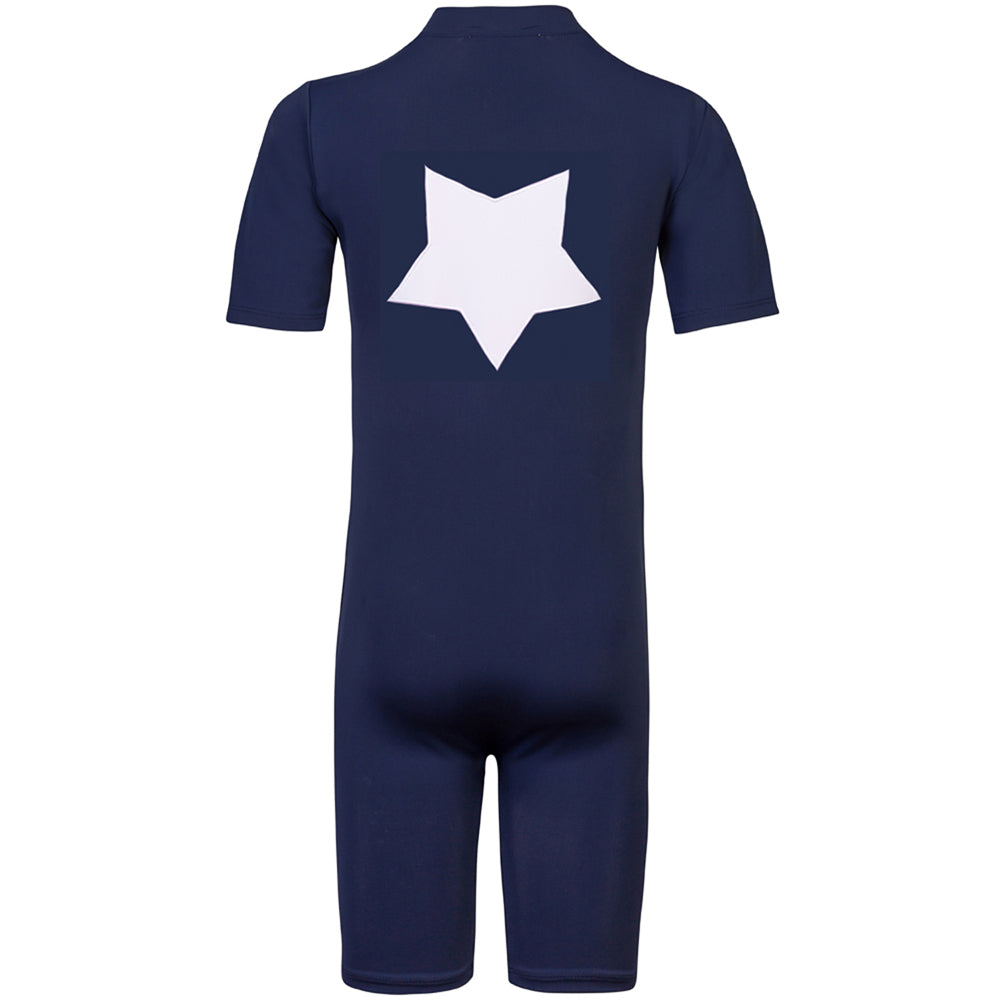
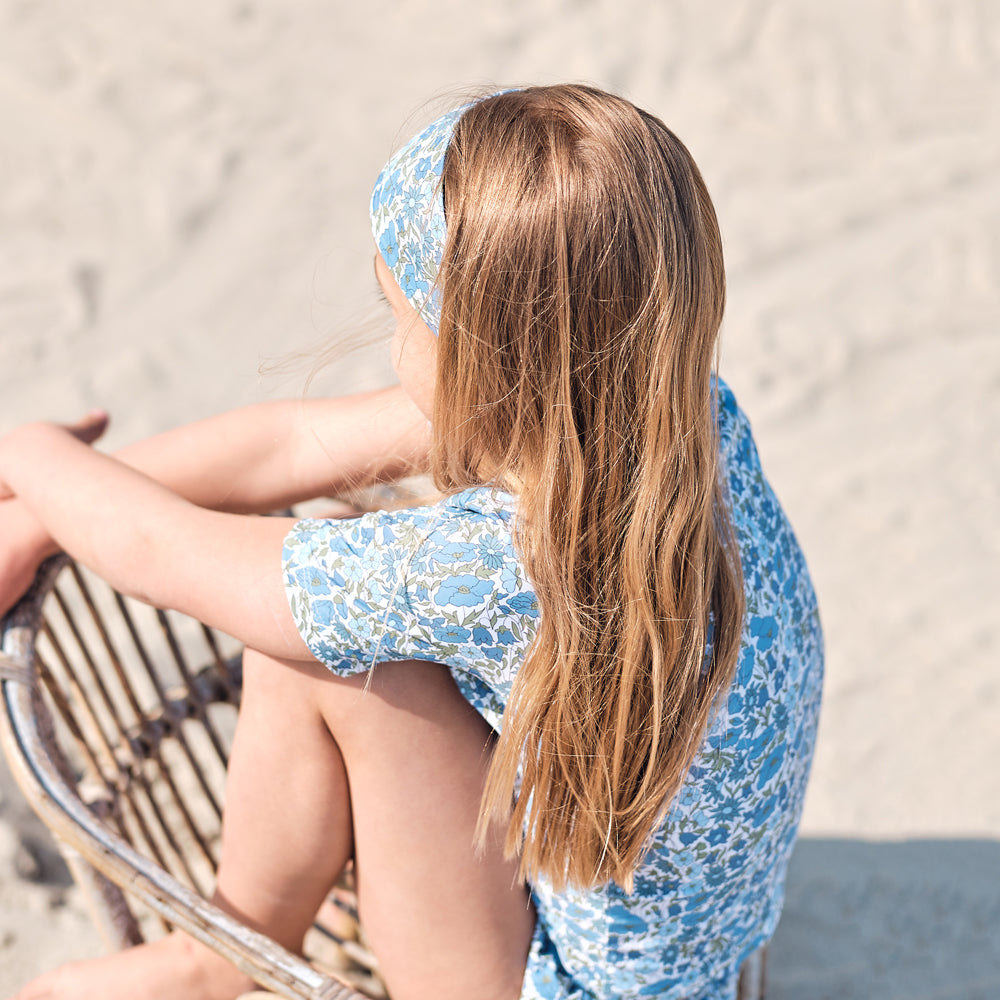
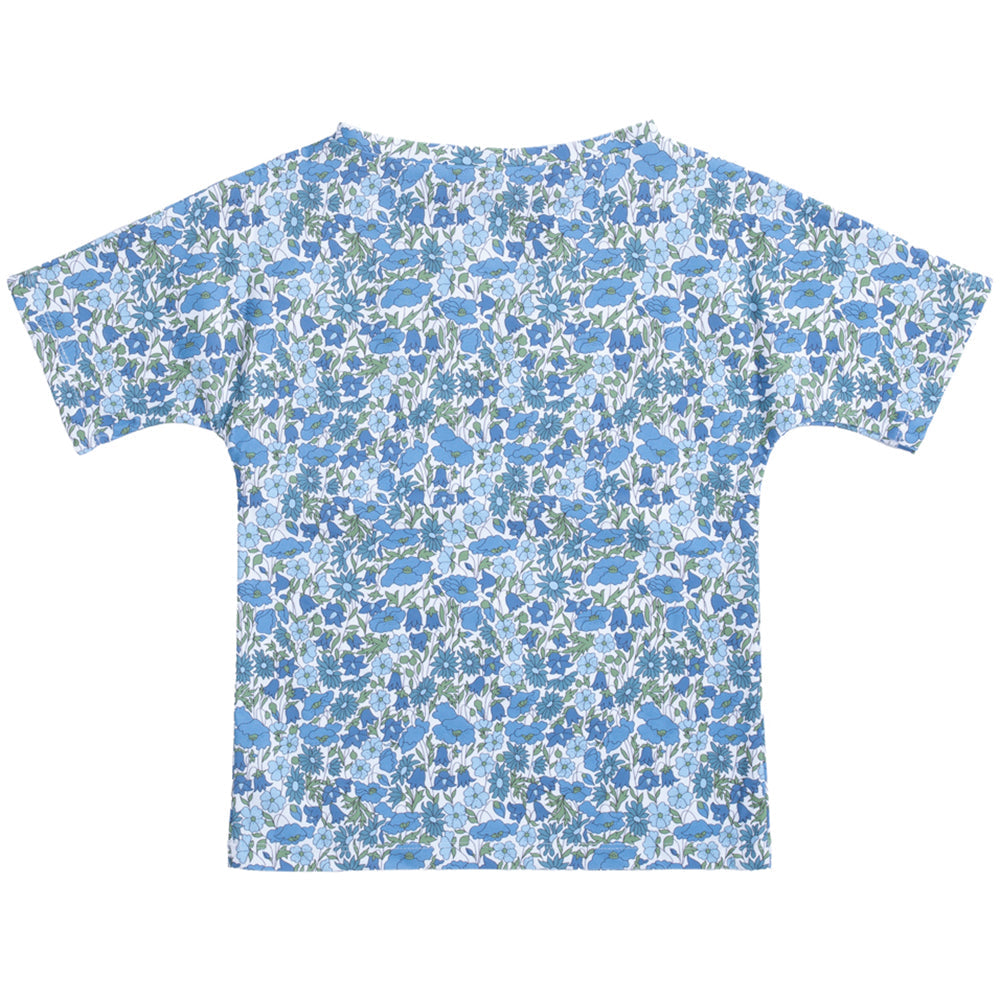
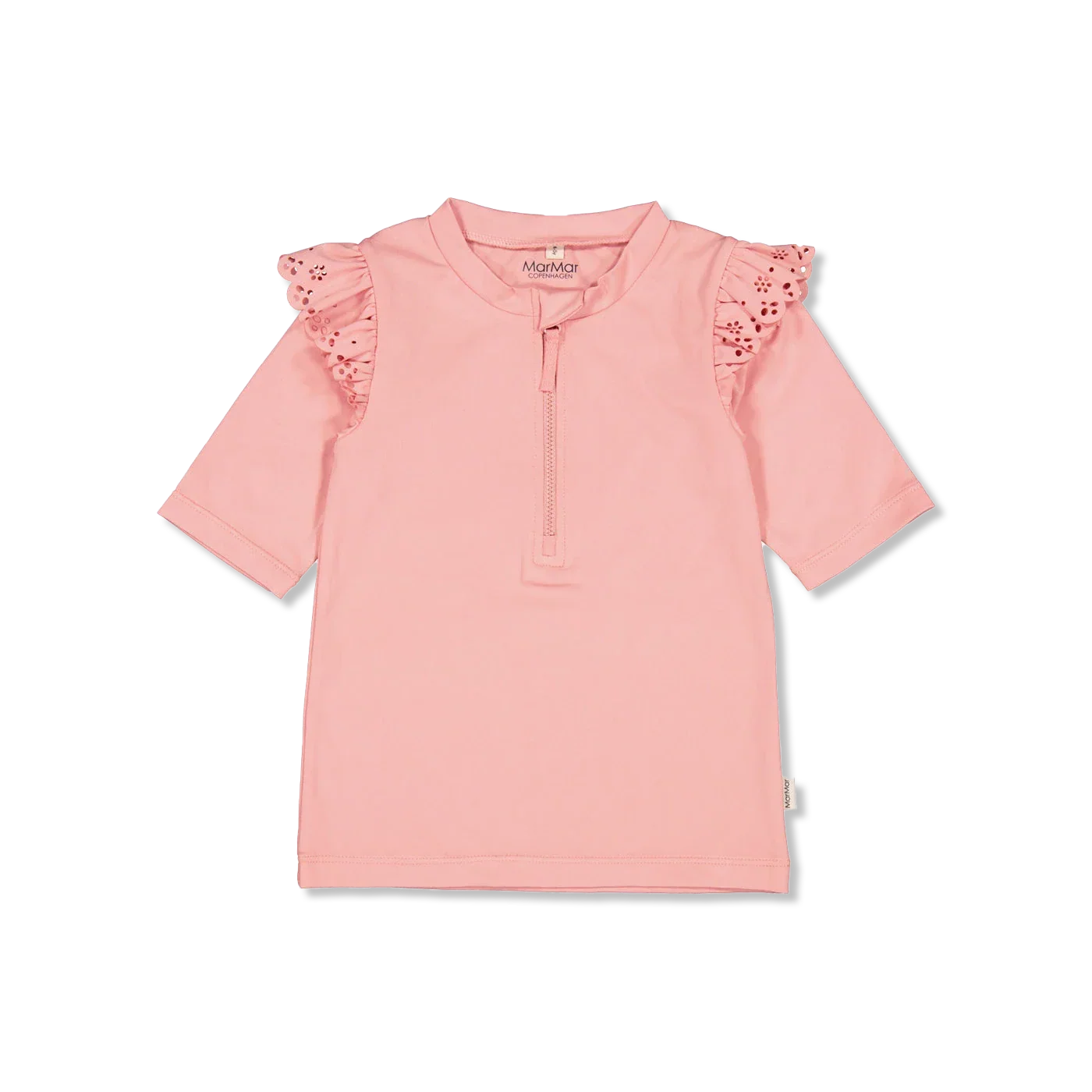
UV swimwear usually covers more of the body than classic swimwear. Long-sleeved swim tops, full-body swim suits and sets with a higher neckline help protect areas that can otherwise catch the sun quickly. This makes especially good sense for the youngest children, as shoulders, backs and arms are easily exposed during a day by the water.
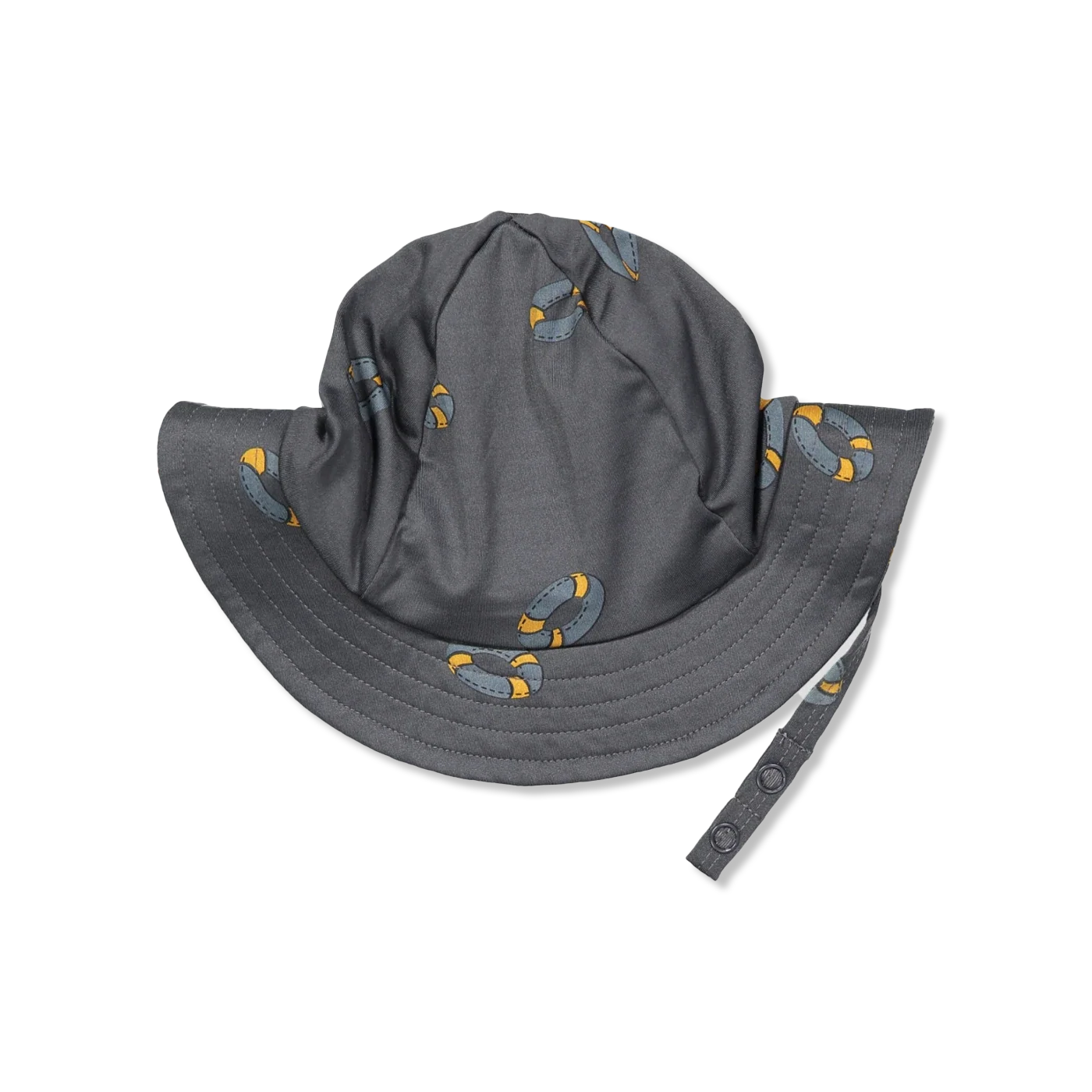
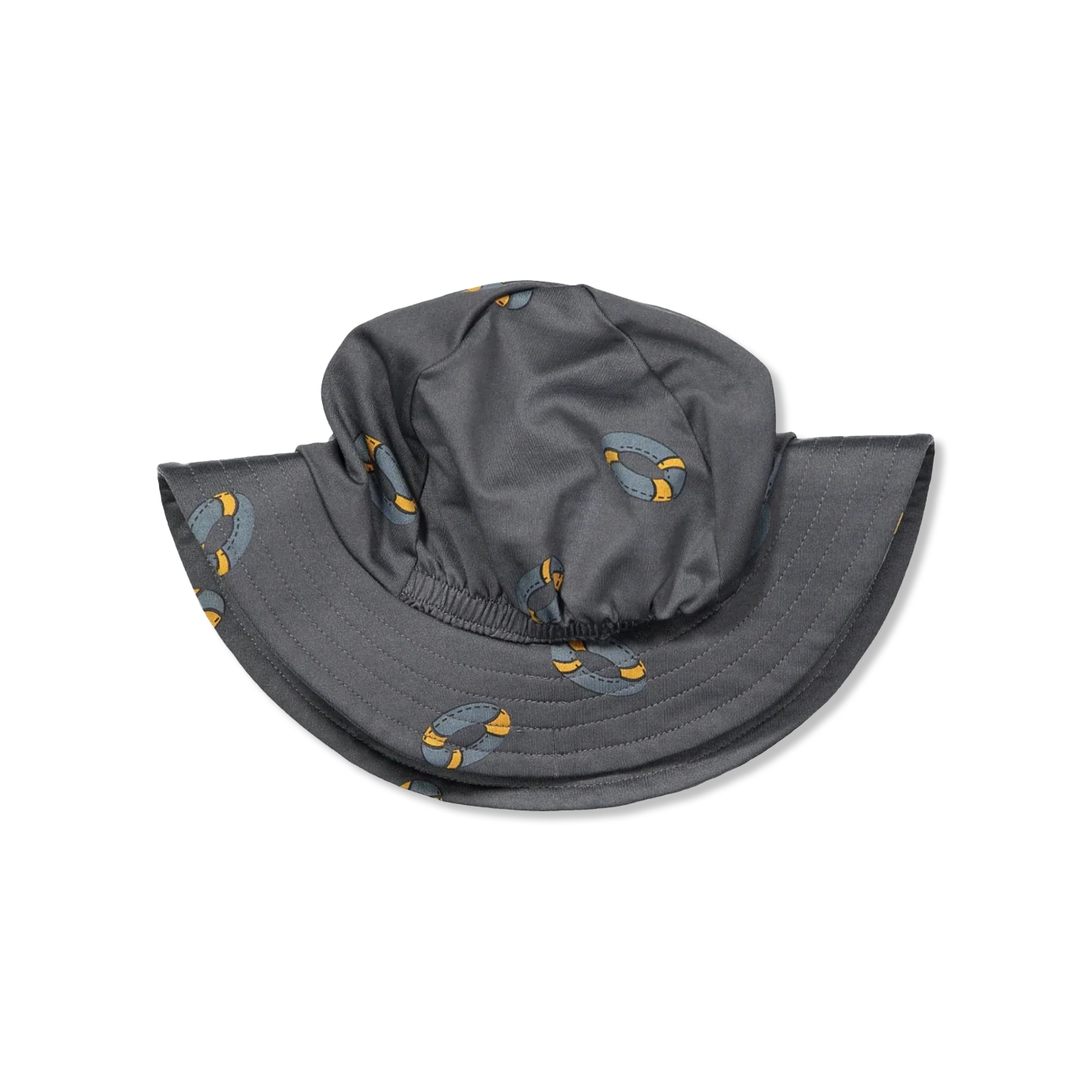
Swimwear with UV protection often works best as part of a complete sun-safe setup. For a day in the sun, it can be combined with sun hats, swim hats or sunglasses, depending on where and how you will be spending time outdoors. This creates a more practical and protective summer wardrobe for both water play and breaks in the shade.
Swimwear materials: quick-drying, stretchy and more durable
Most children’s swimwear is made from nylon or polyester blended with elastane. This gives the stretch that helps the swimwear move with your child, and it also helps the fabric dry faster after swimming. In everyday use, this simply means your child can play, swim and move more easily without feeling weighed down or bothered by wet clothing.
If the swimwear will be used a lot in swimming pools, it can be helpful to look for styles described as more chlorine-resistant. Chlorine and salt water gradually wear on both fibres and elasticity, so material quality matters when it comes to how long the swimwear keeps its shape and colour.
Fit also makes a big difference. Close-fitting styles are often good for active swimming because they stay better in place in the water. Slightly looser swim shorts, on the other hand, can feel more comfortable for beach play and holiday days where comfort is the priority. The most important thing is that the swimwear is neither too tight nor so loose that it gets in the way in the water.
How to choose kids' swimwear without getting the fit wrong
A common mistake is choosing swimwear that is too large so the child can grow into it. But when swimwear is too loose, it can slip down, fold awkwardly and feel heavy when wet. On the other hand, a style that is too tight can limit movement and quickly become uncomfortable to wear. It is therefore a good idea to look at your child’s current height and body shape rather than choosing by age alone.
It also helps to think about the situations where the swimwear will be used:
- For swimming lessons or the indoor pool: choose a closer-fitting style that keeps its shape well.
- For the beach and summer holidays: choose UV swimwear and a little more coverage.
- For children who love speed and play: prioritise stretch, soft edges and good freedom of movement.
If you want the swimwear to last longer, it is a good habit to rinse it after use in chlorine or salt water and let it air dry. It is a small everyday step, but it helps protect elasticity, colours and fit.
Get swimwear ready for the beach and pool
Swimwear often works best as part of everything you need for a trip to the water. For hot tiles, stony beaches or slippery pool areas, swim sandals are useful to bring along. They protect little feet and make it easier for your child to move safely between water, sand and changing areas.
If you are heading out for a full day, it also makes sense to pack a towel or bathrobe, something for the head and a dry set of clothes for afterwards. That way, kids' swimwear is not just a single purchase, but part of a setup that works in an active everyday life with children.
Whether you are looking for baby swimwear, classic children’s swimwear or UV swimwear for long summer days, it makes sense to start with your child’s age, activity level and where the swimwear will be used. This makes it easier to find a style that feels comfortable to wear and can handle many trips in the water.