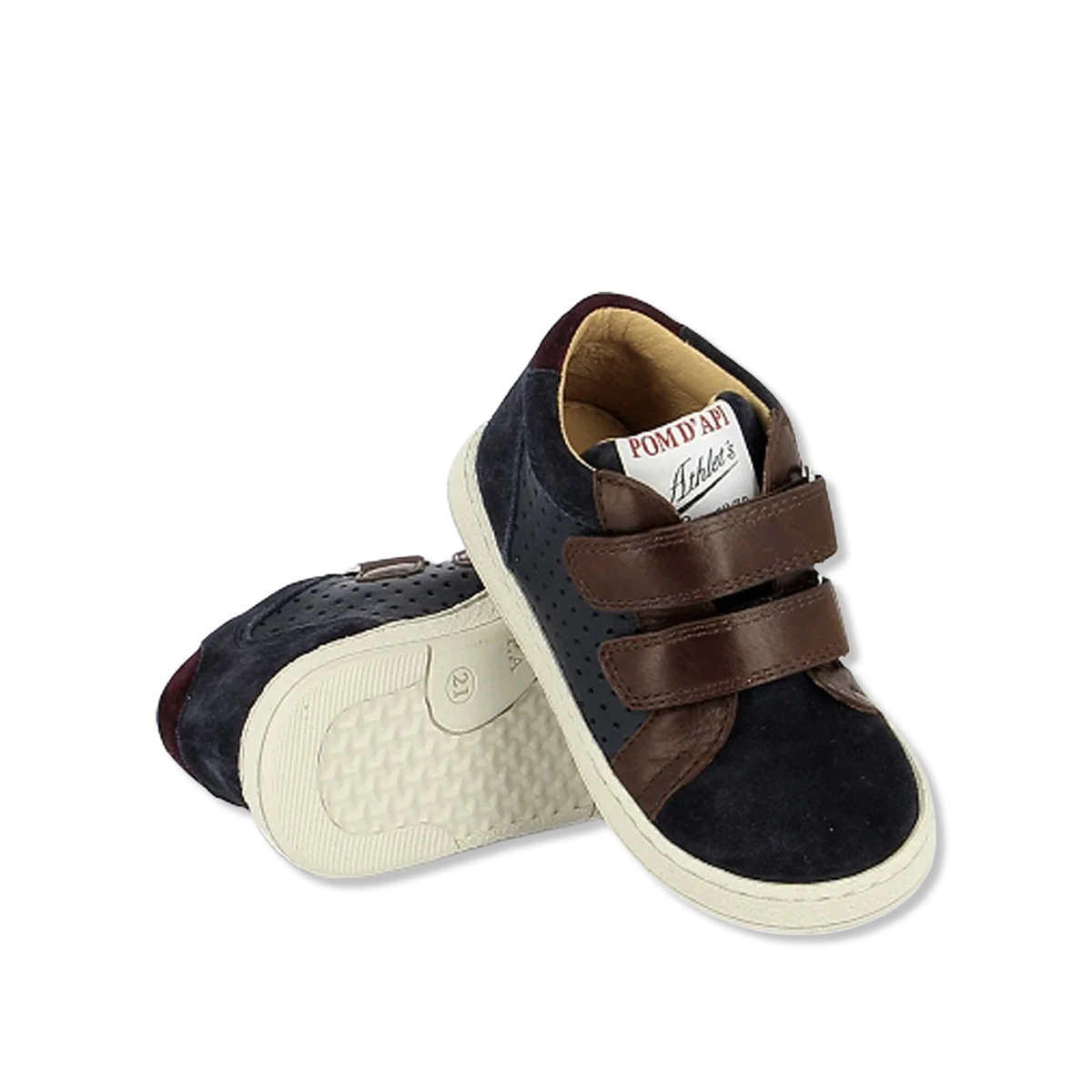
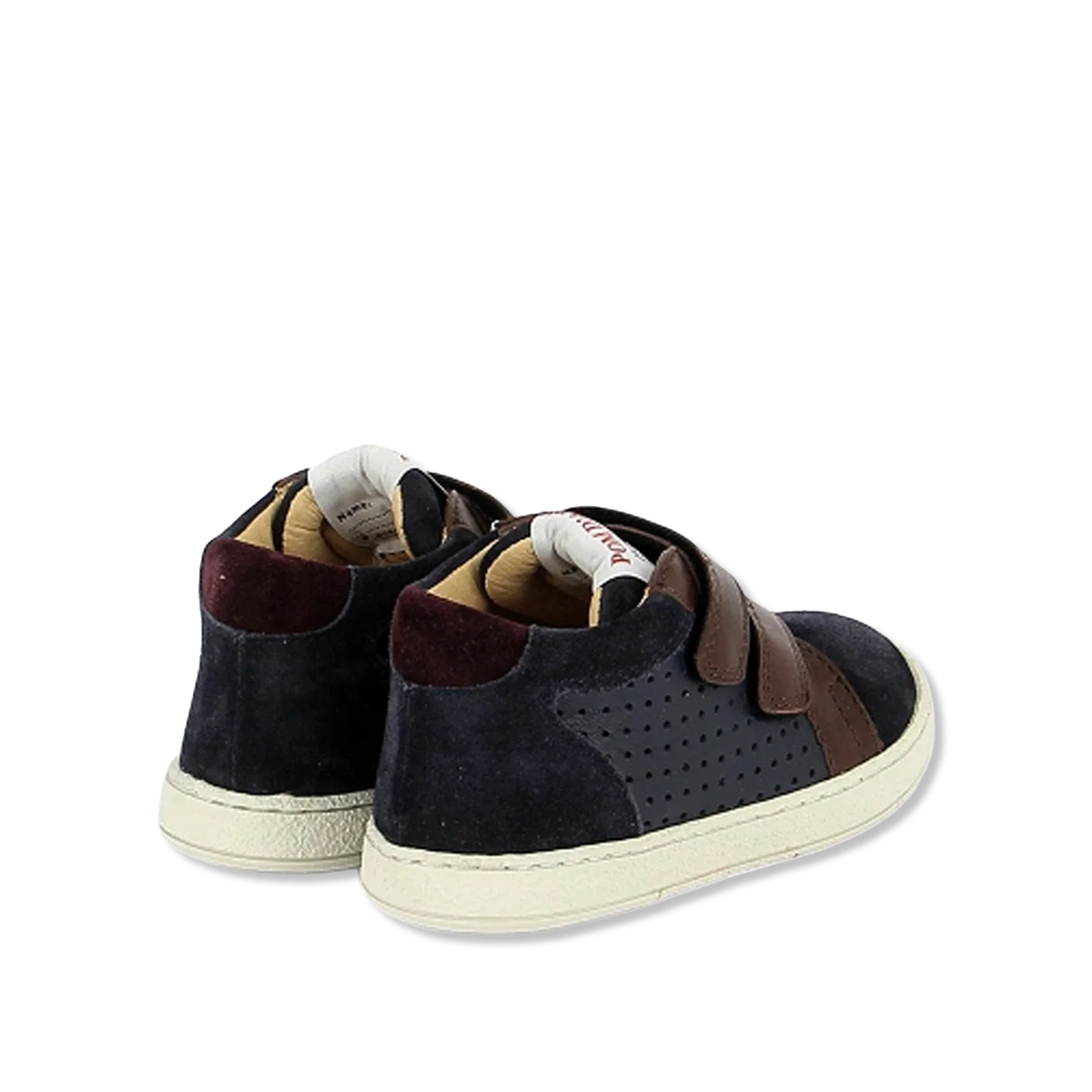
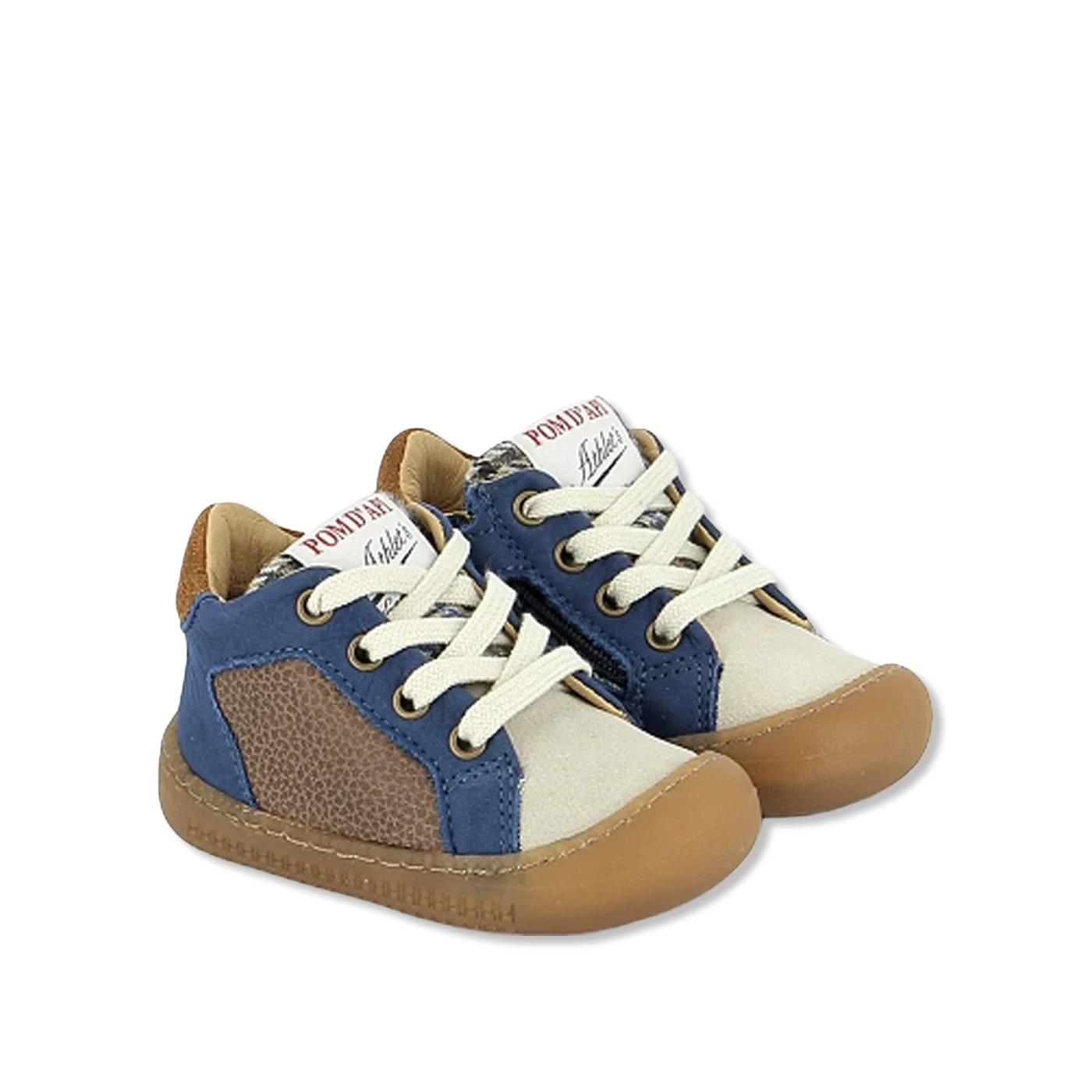
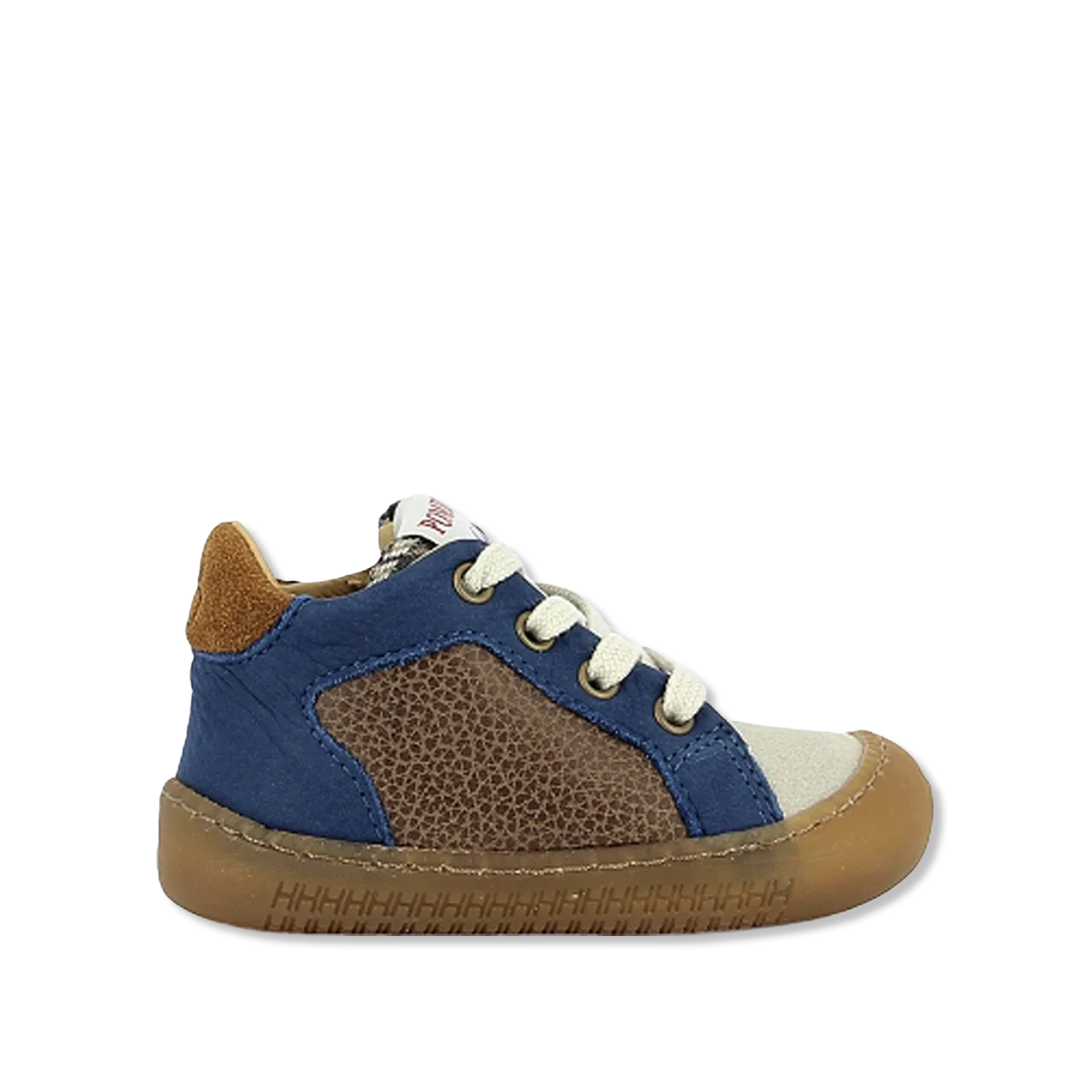
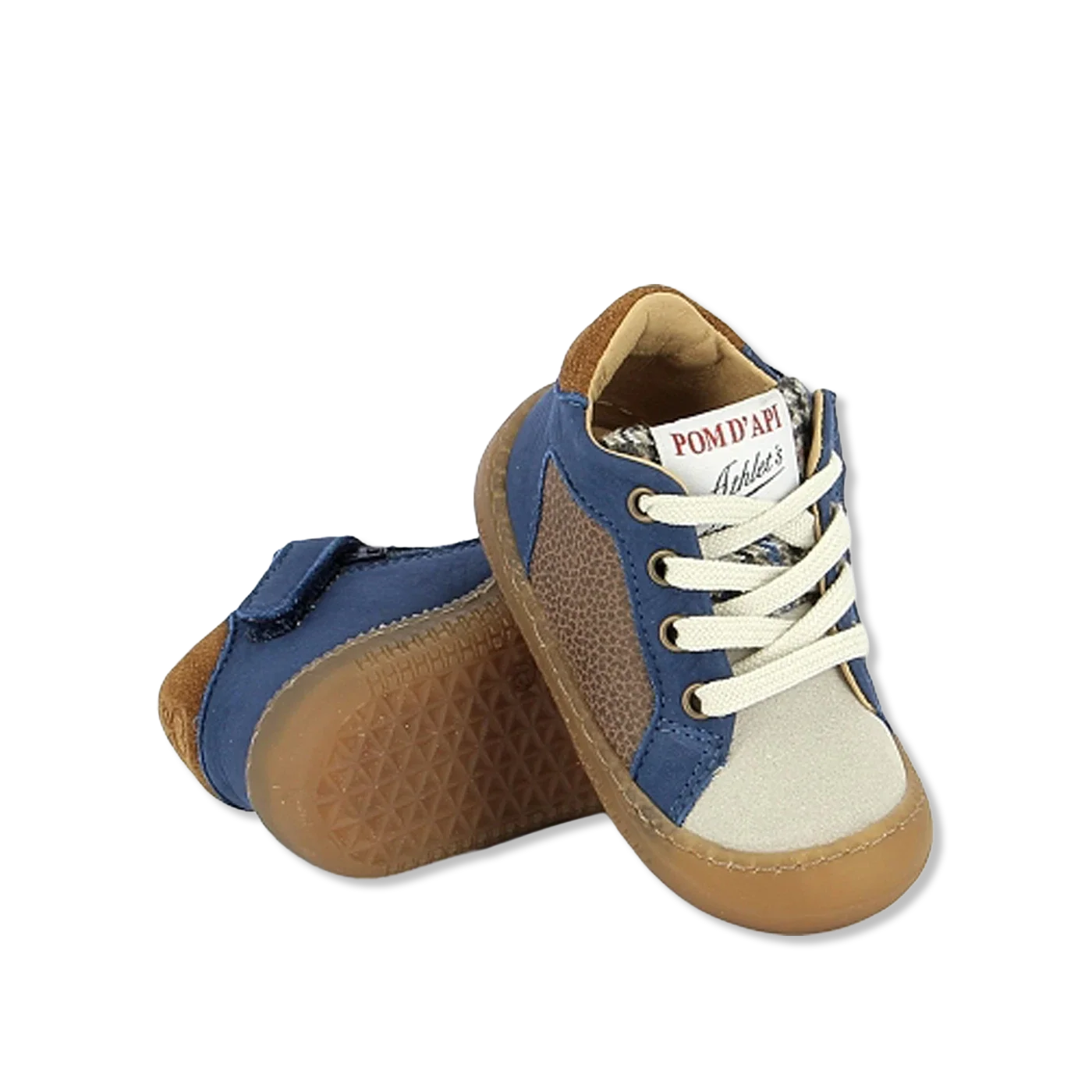
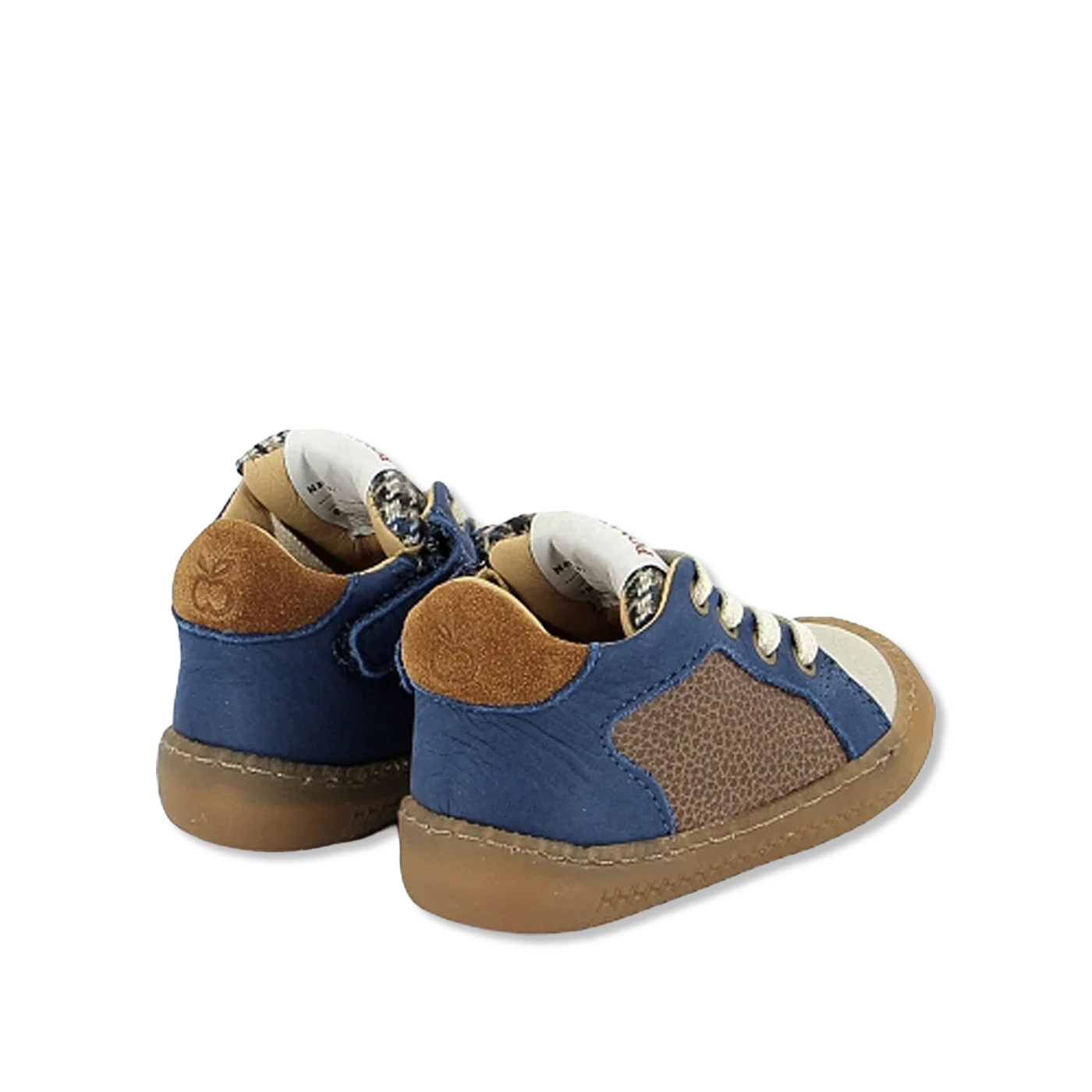
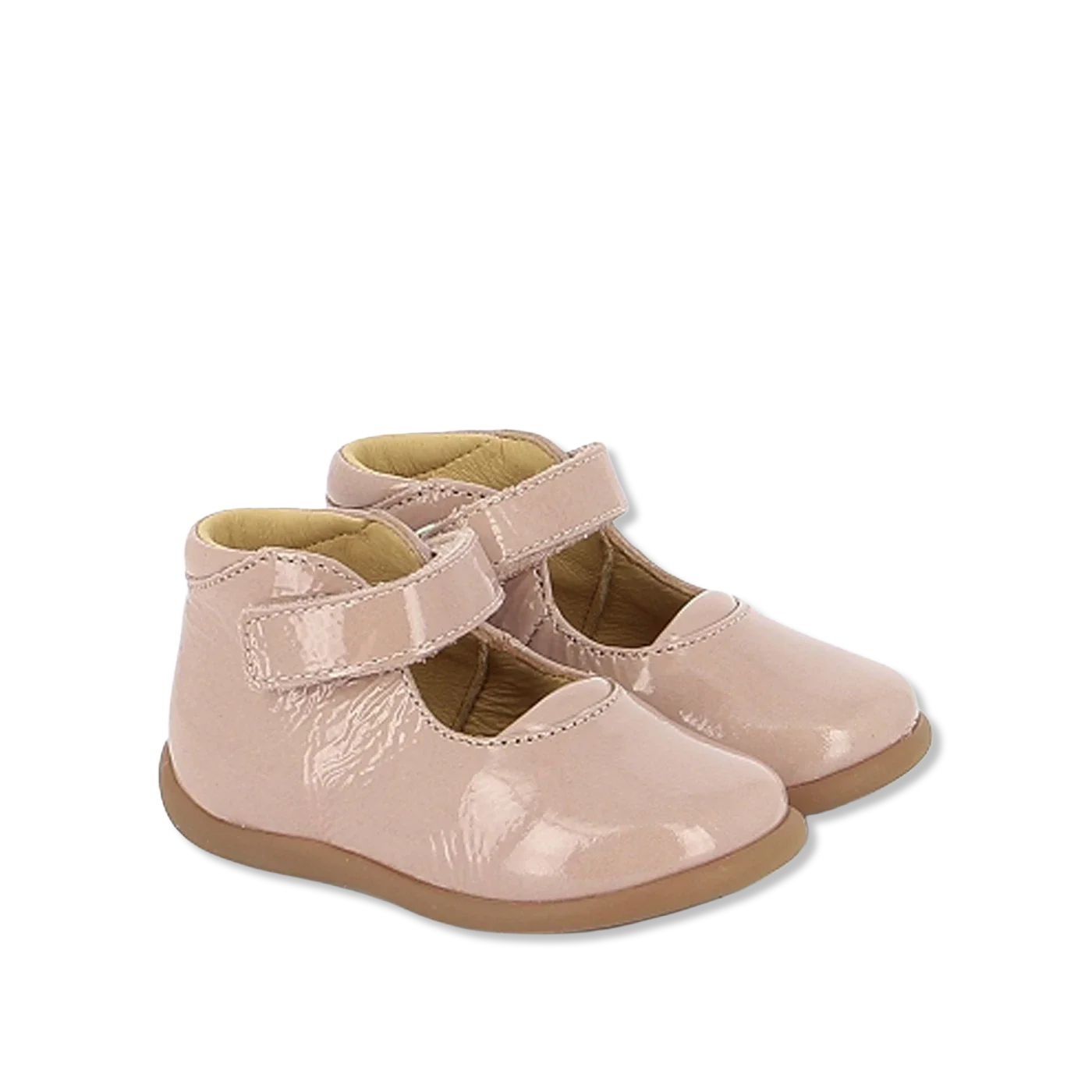
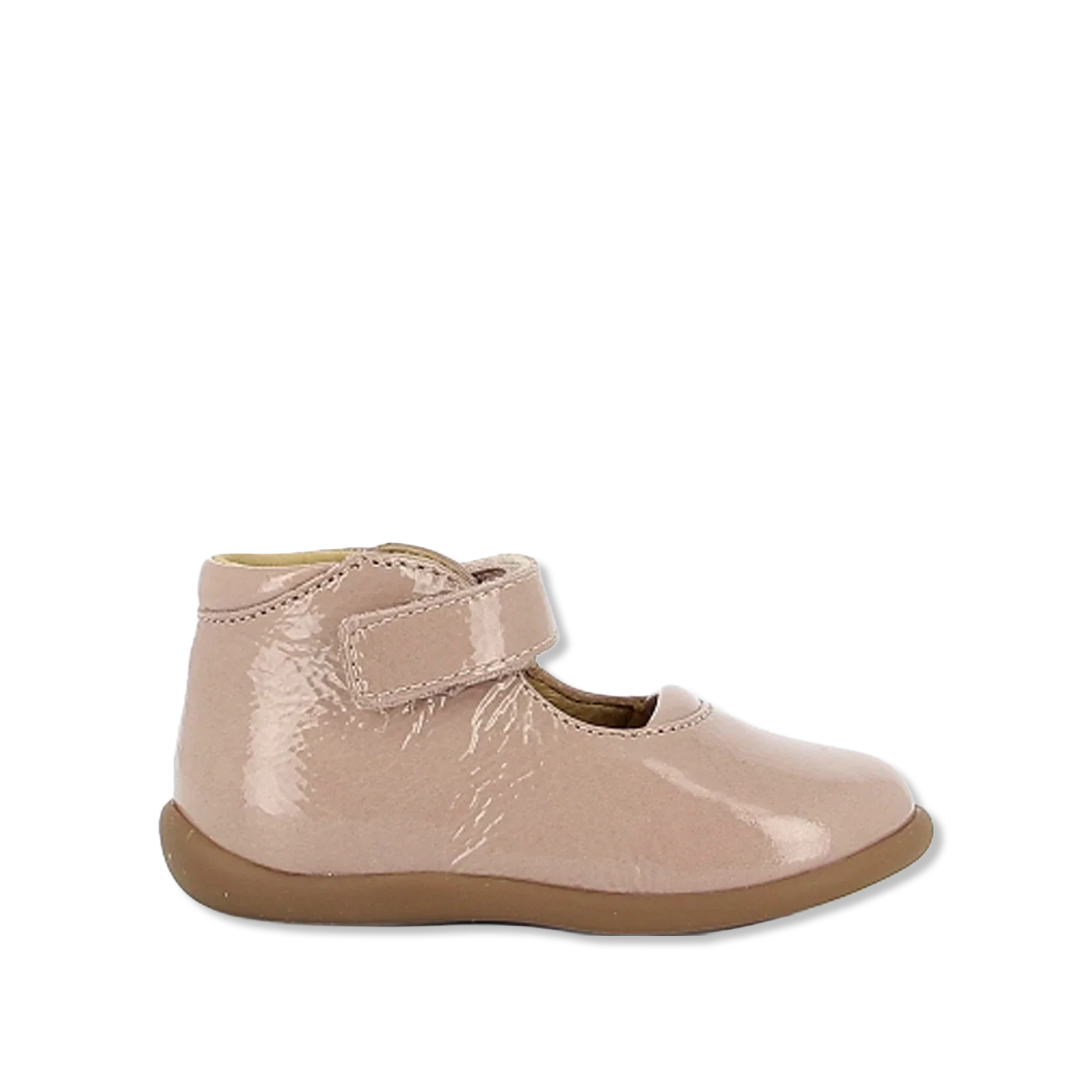
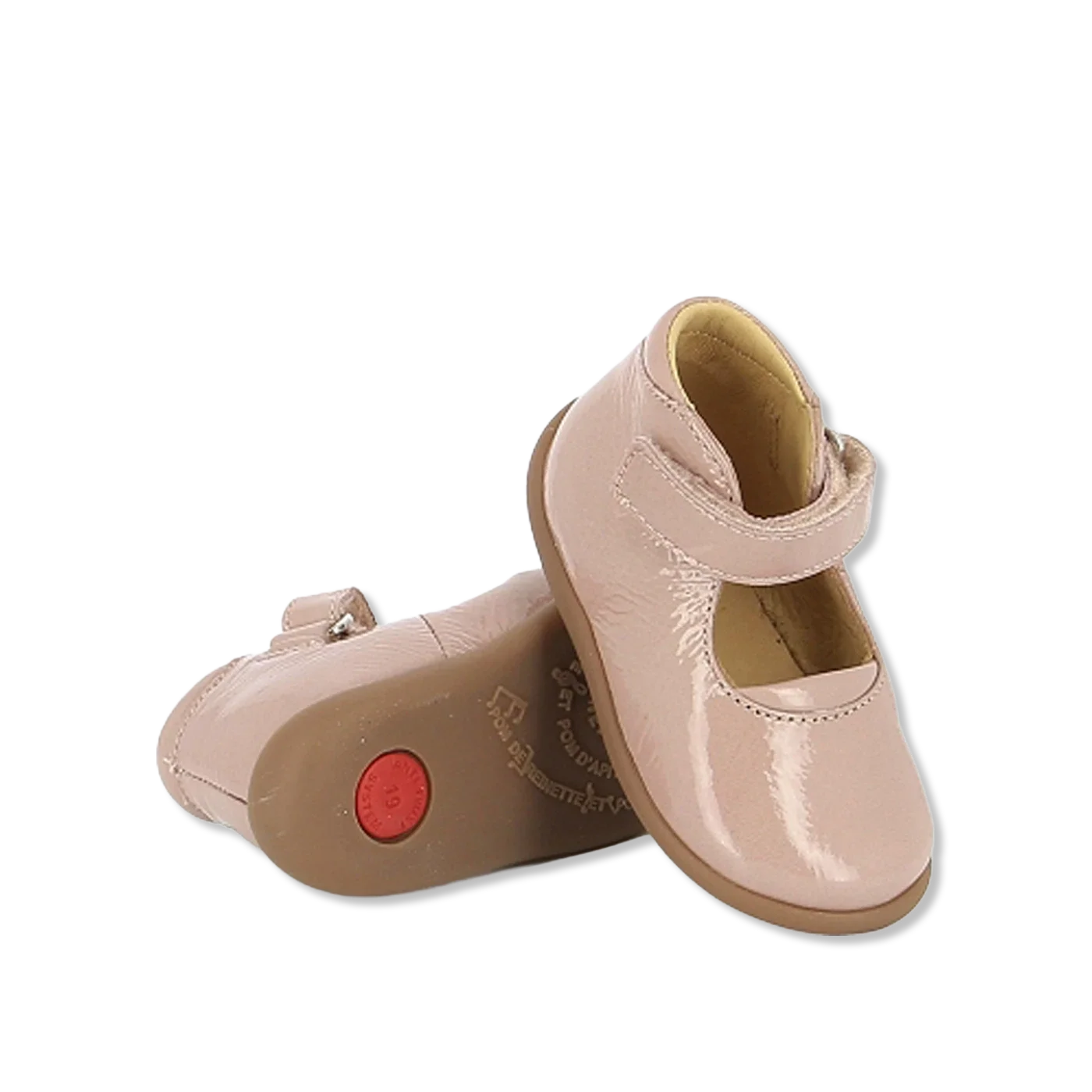
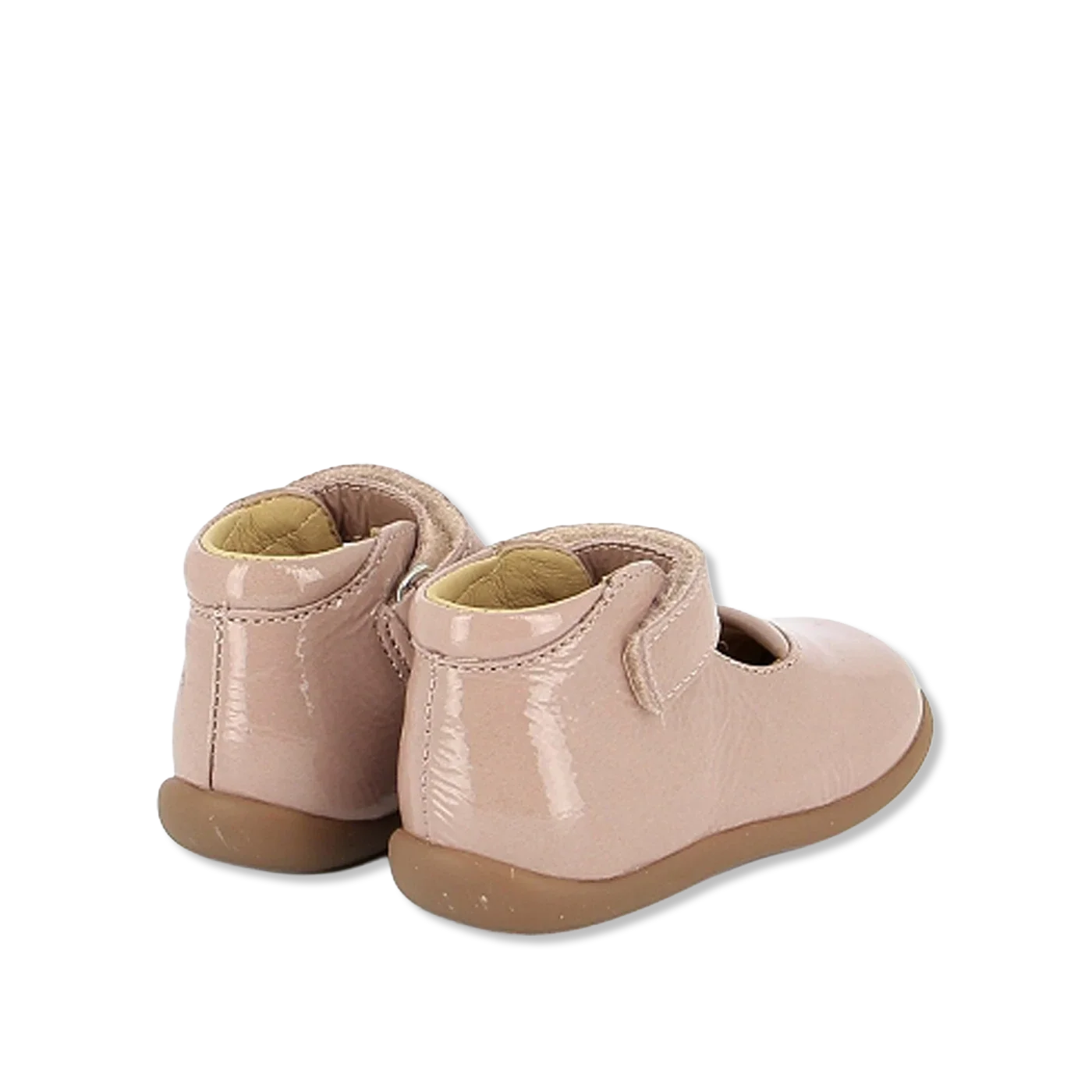
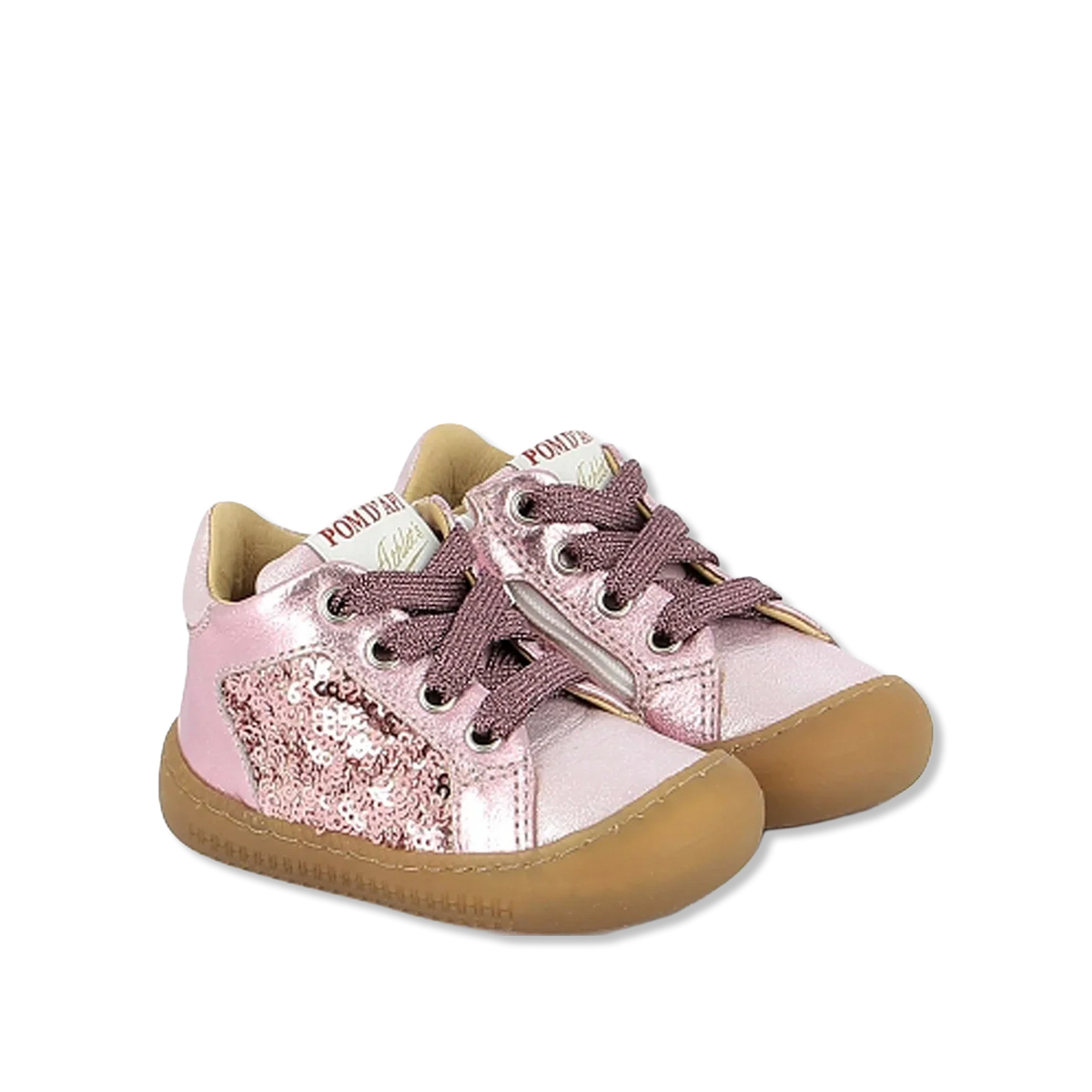
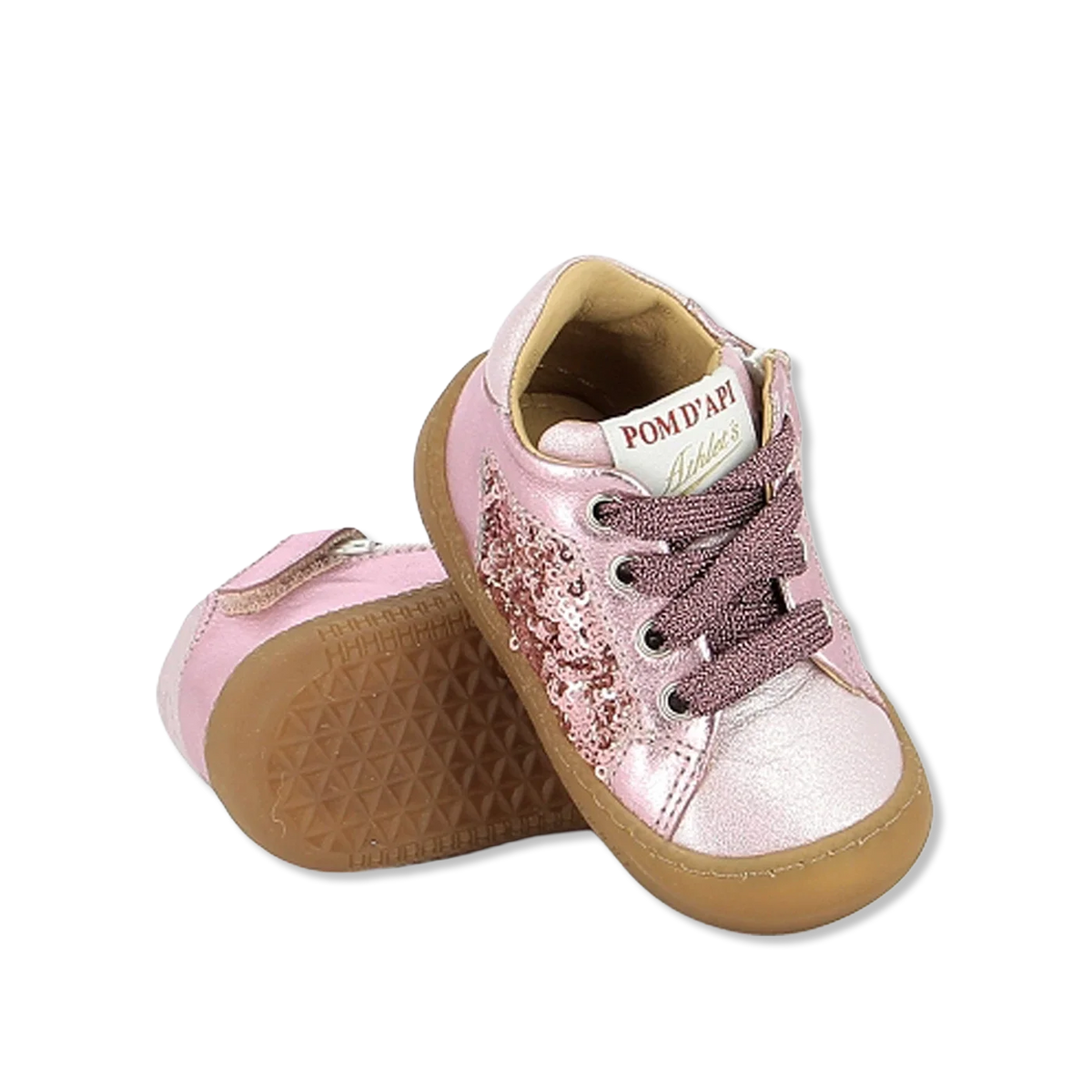
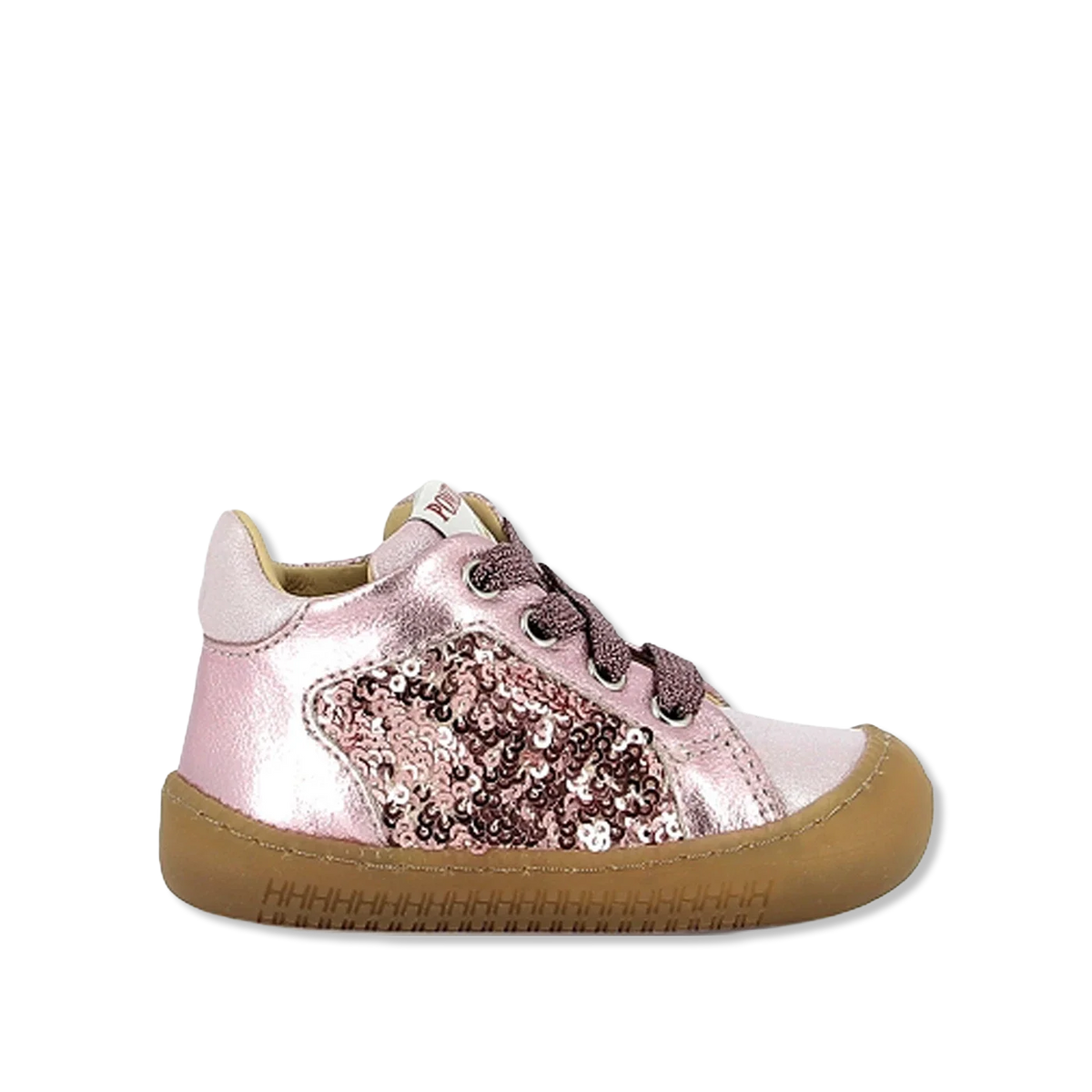
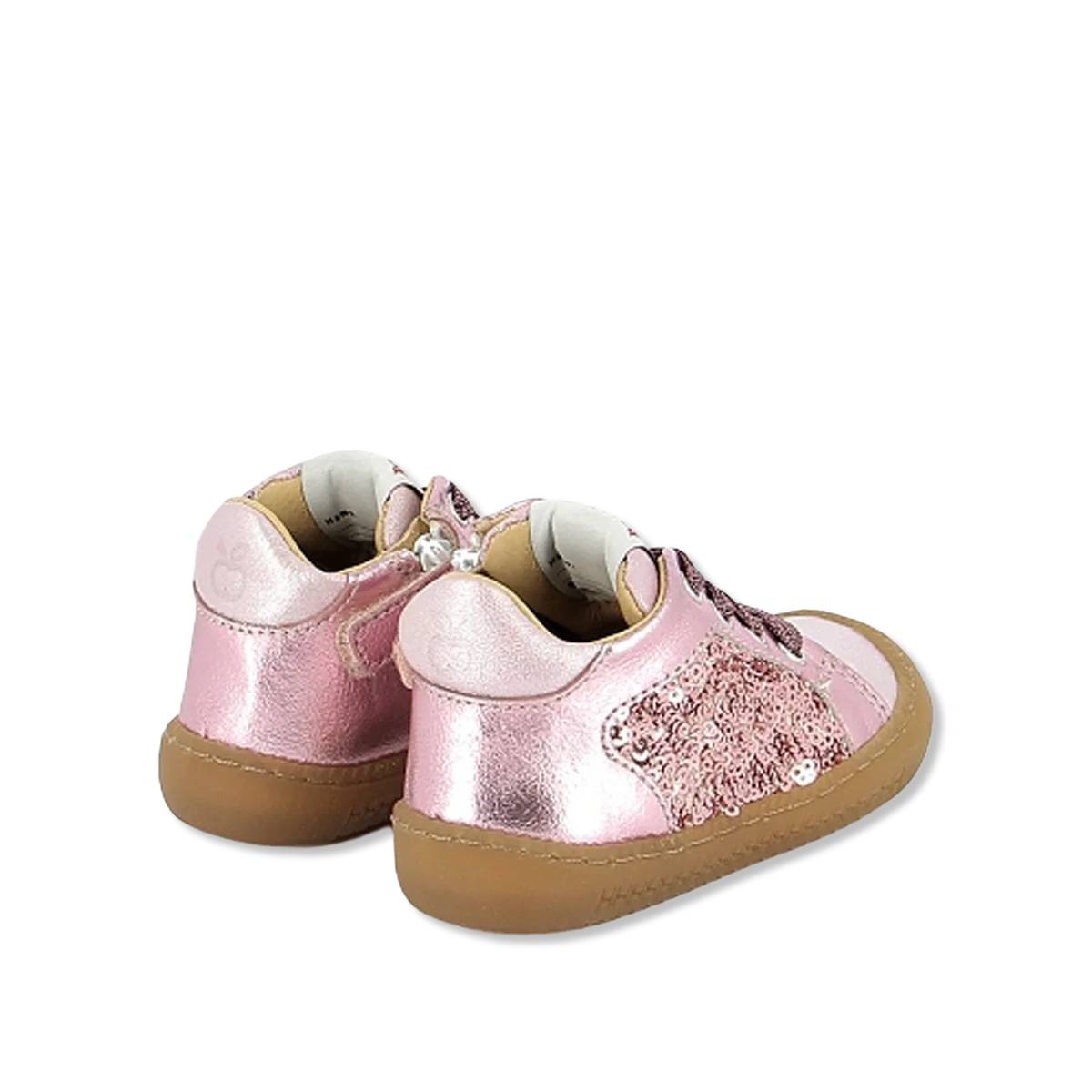
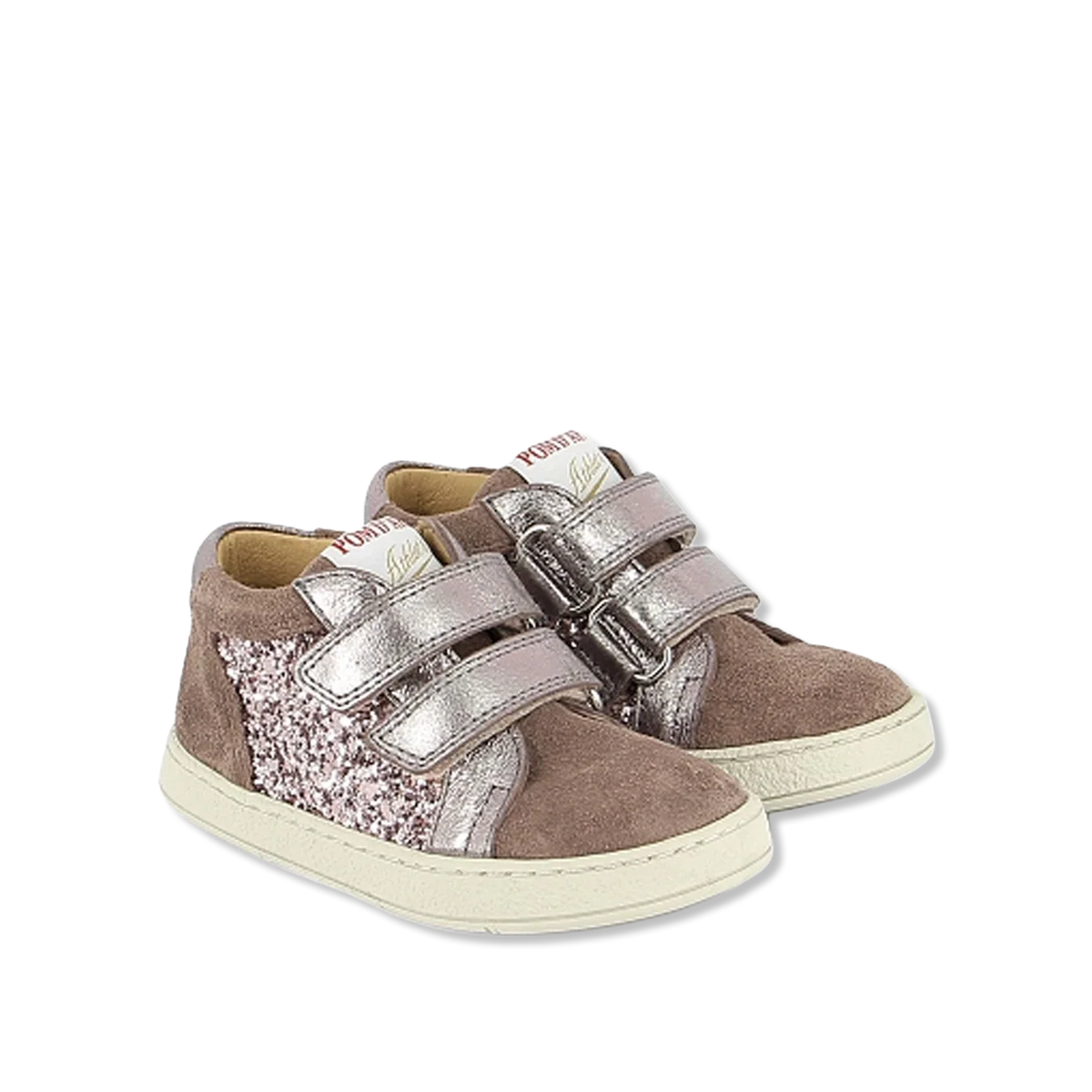
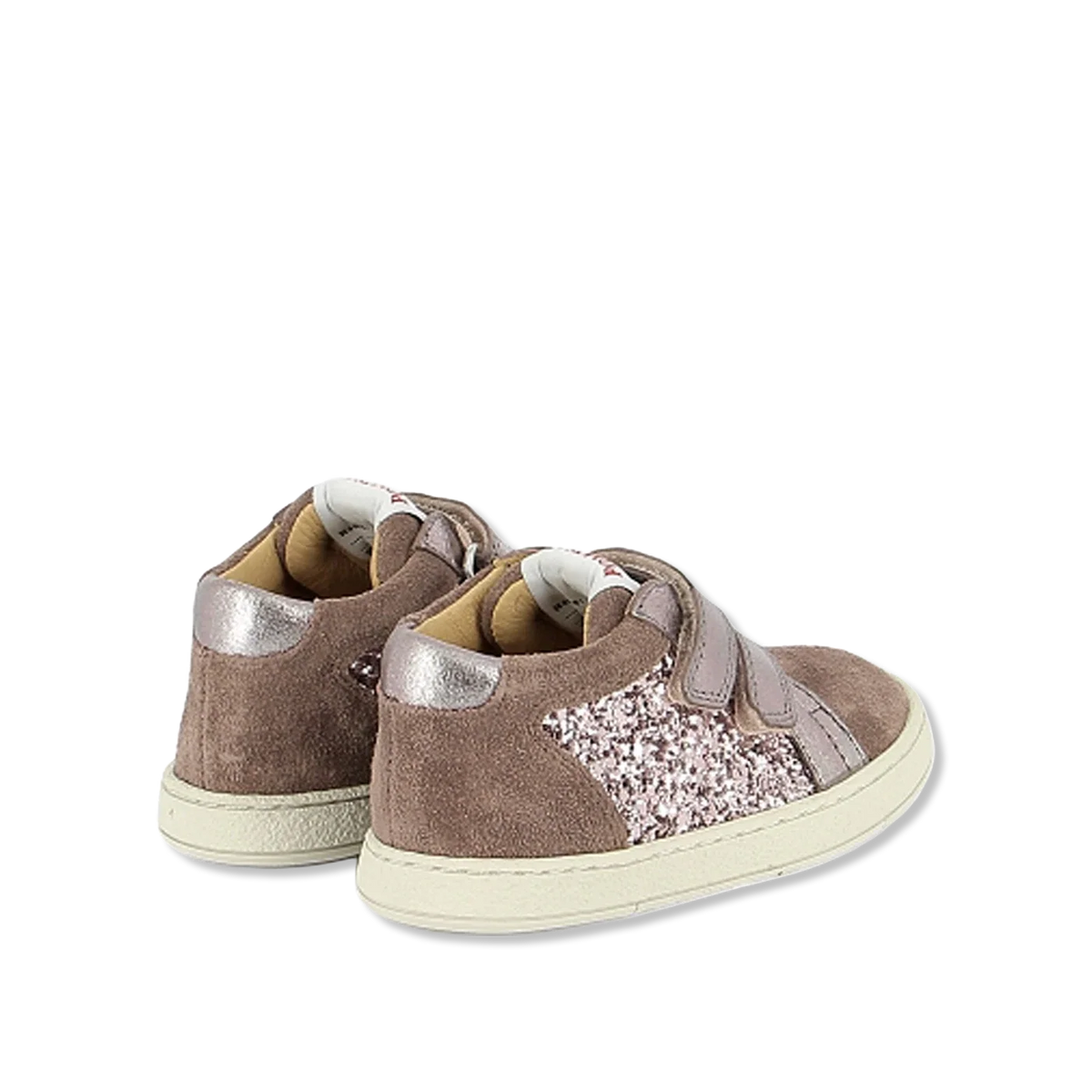
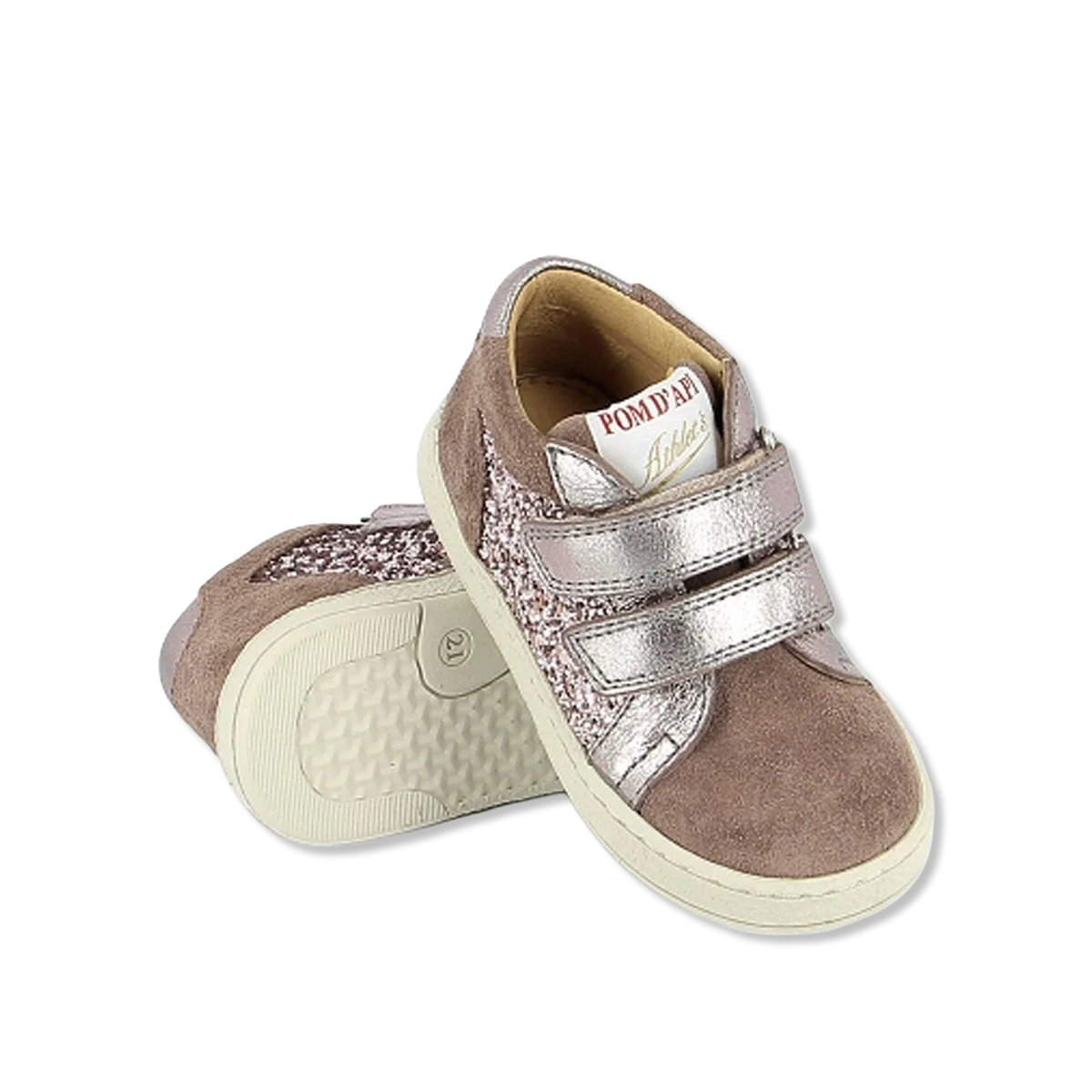
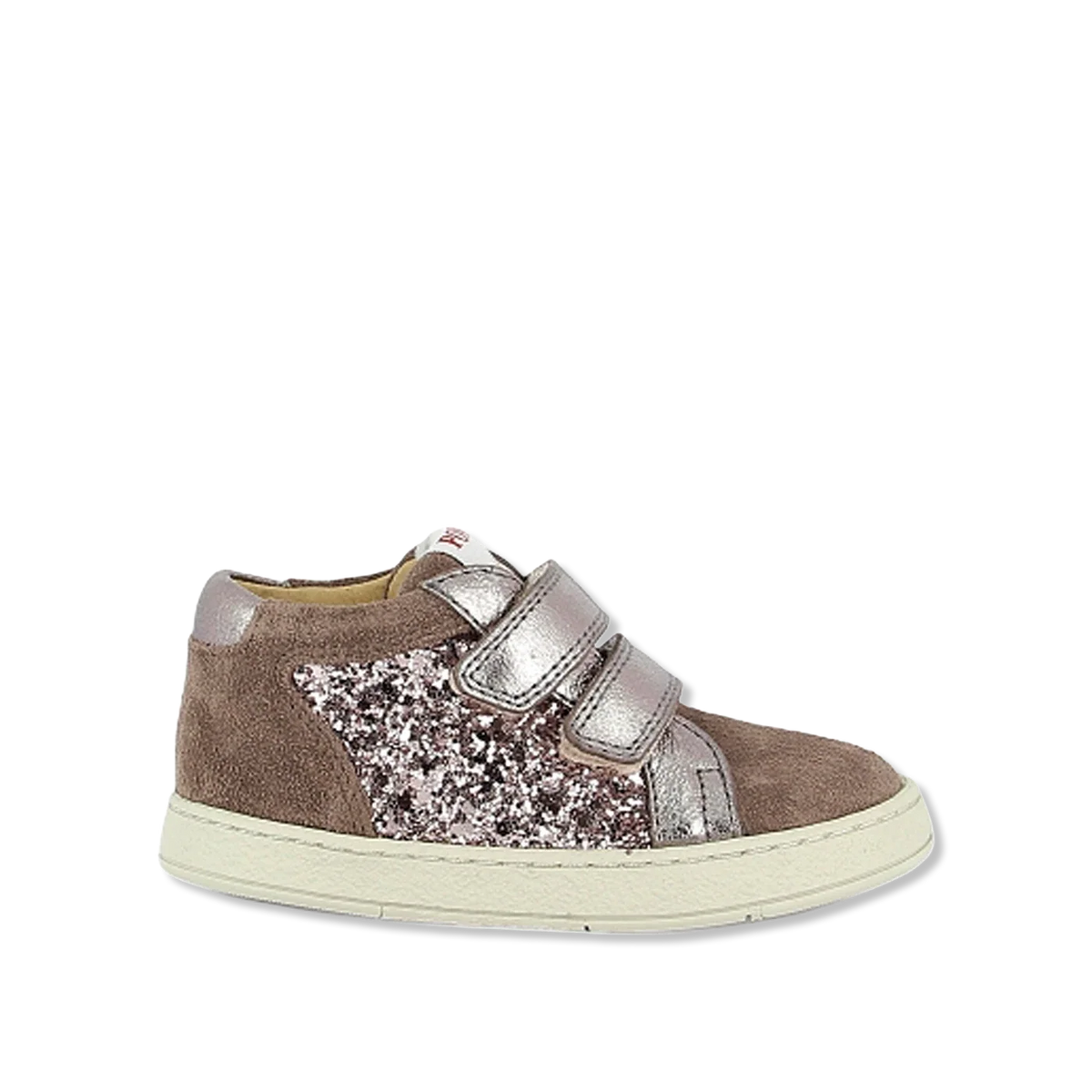
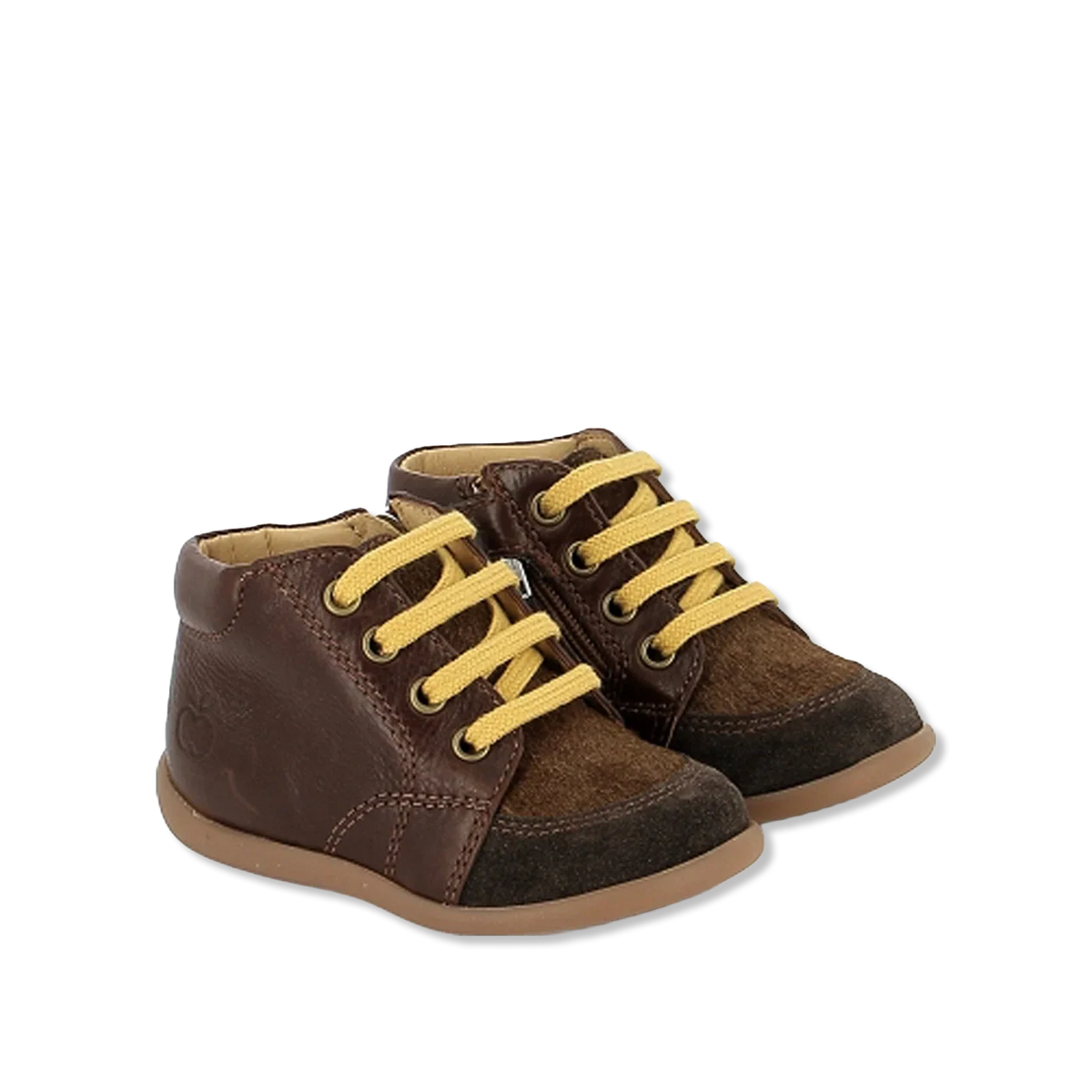
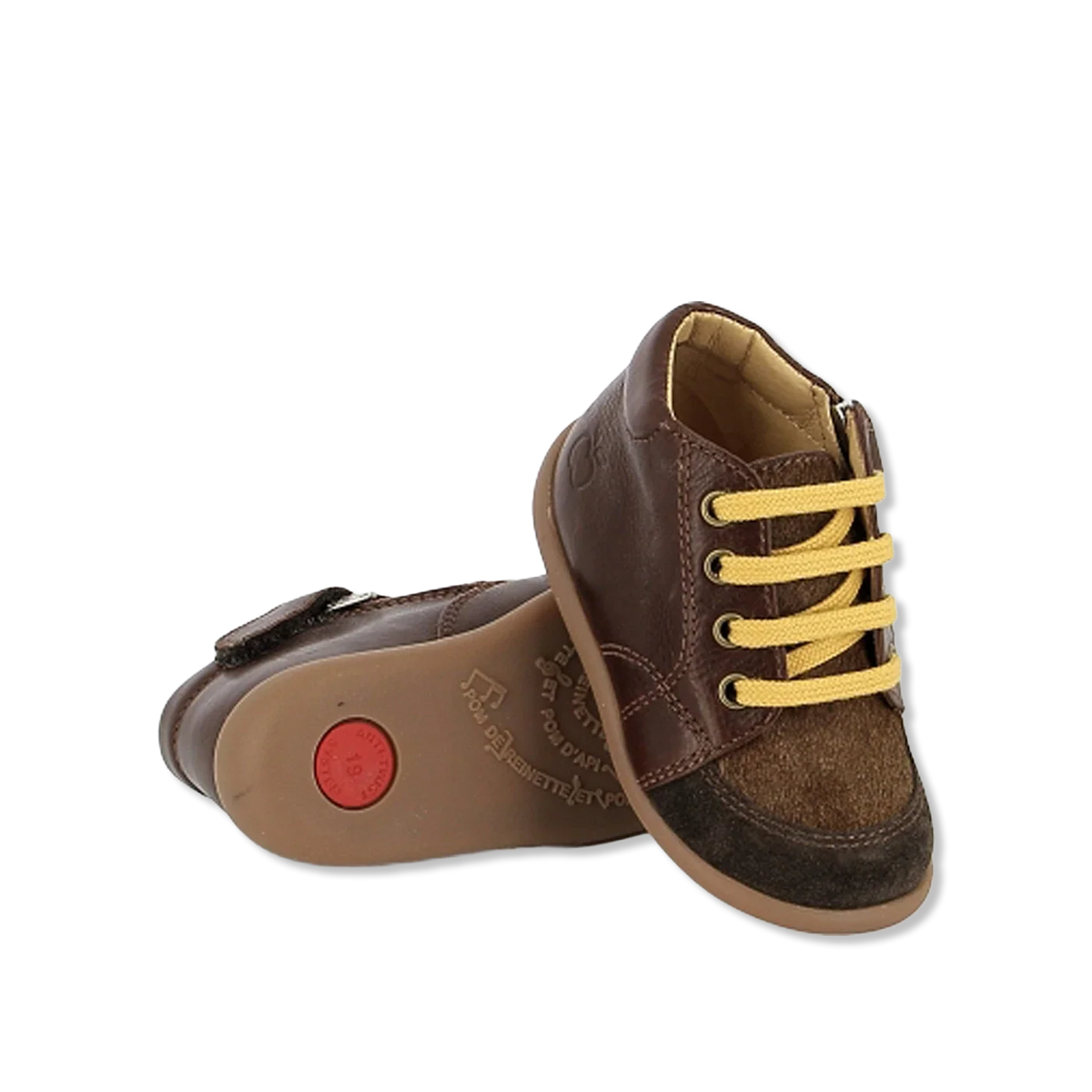
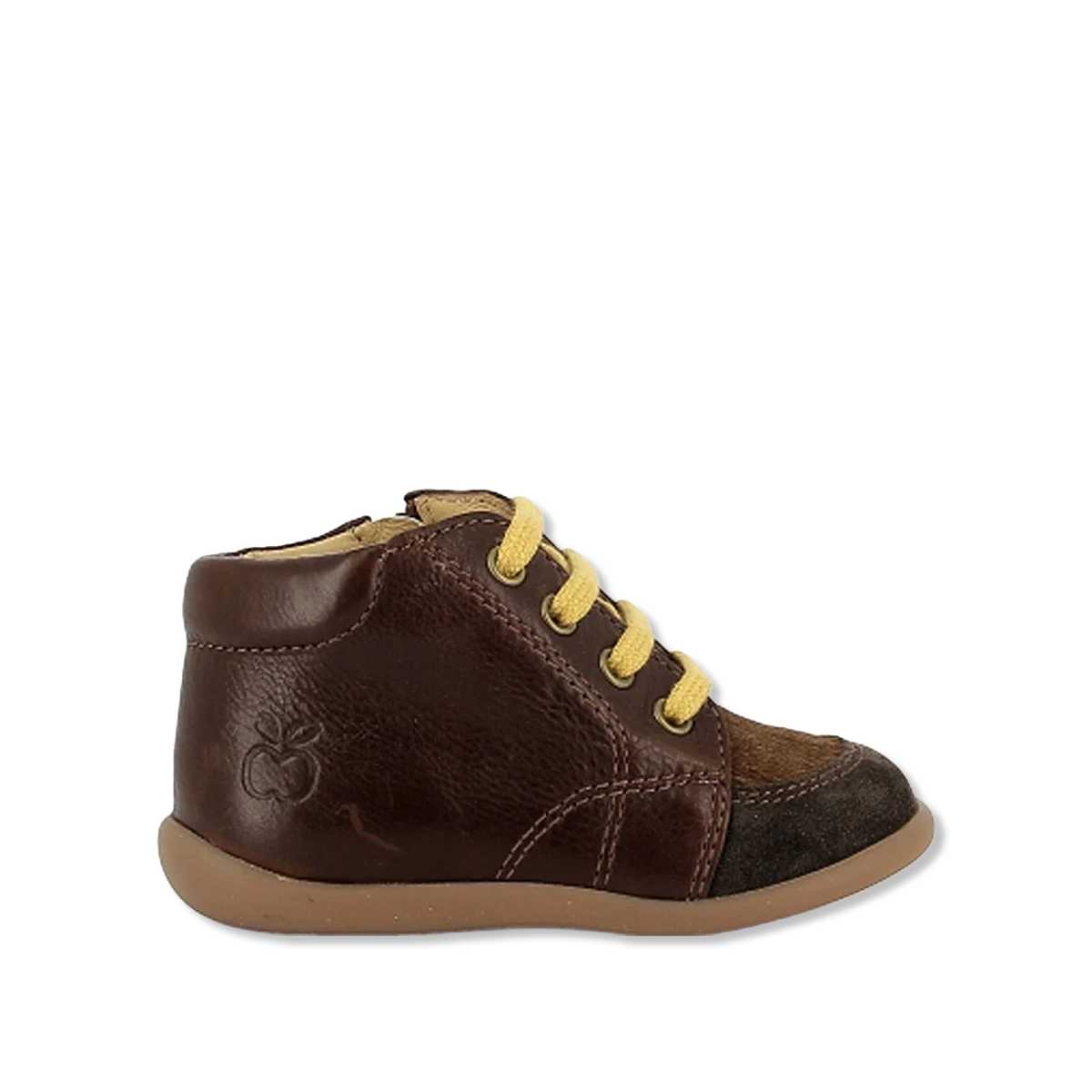
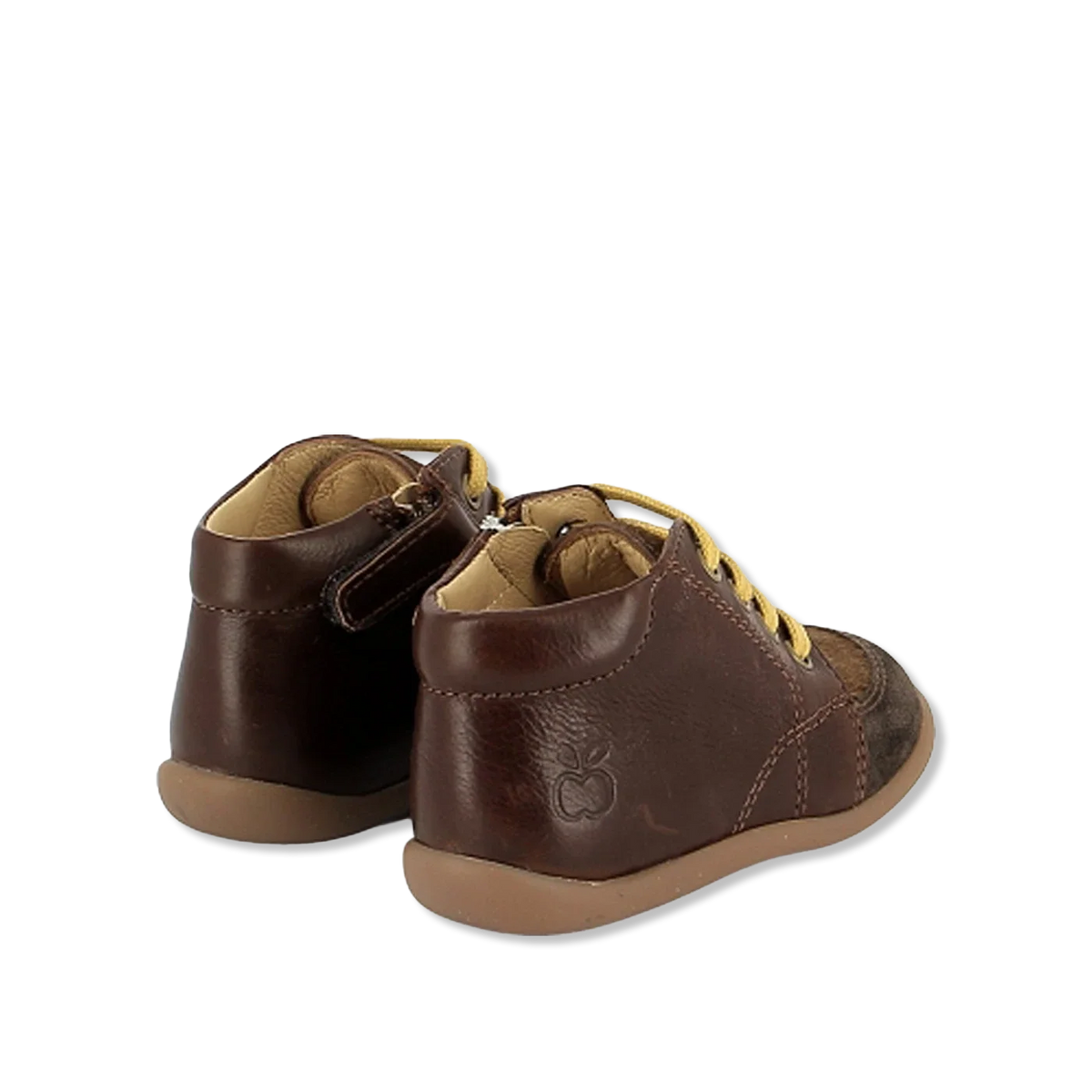
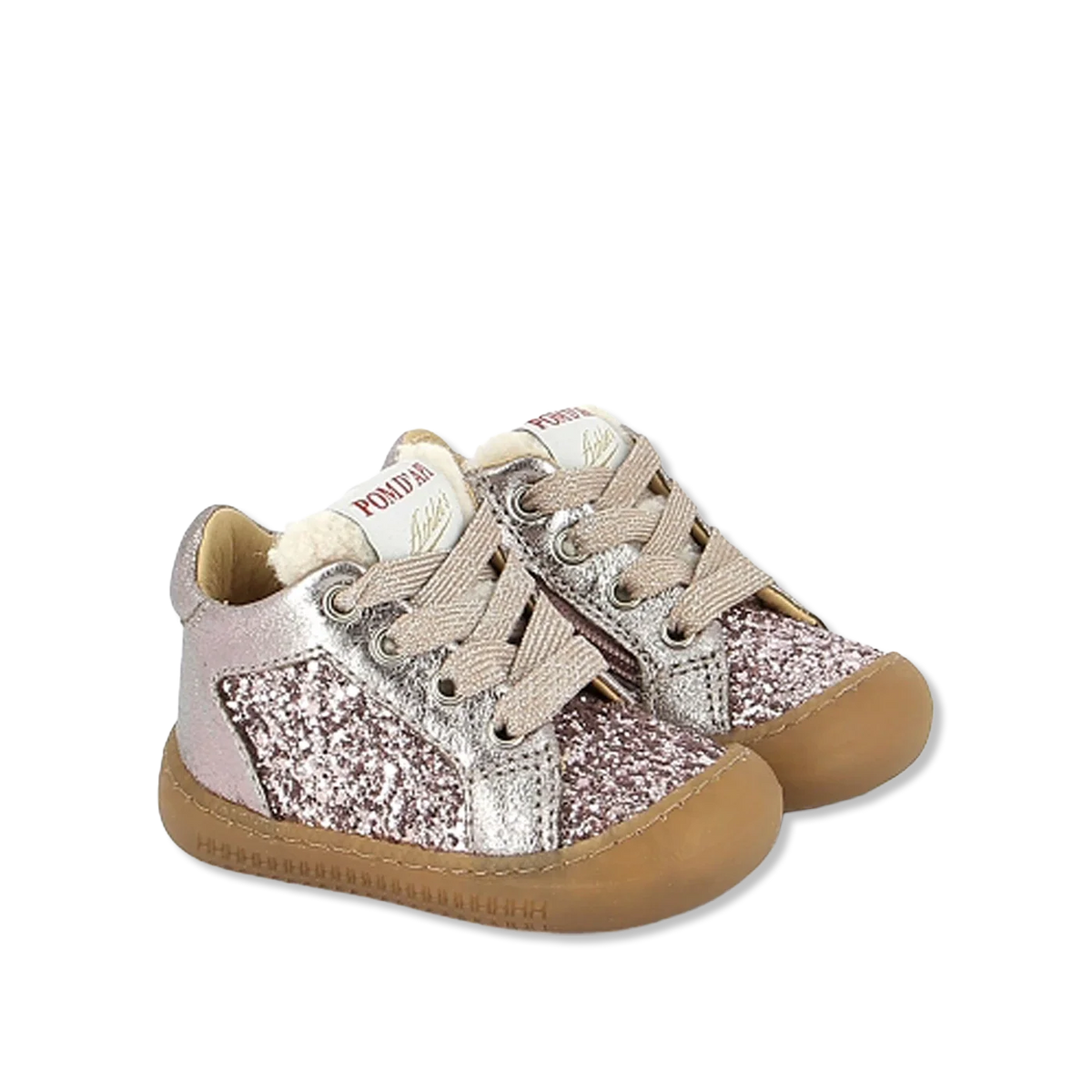
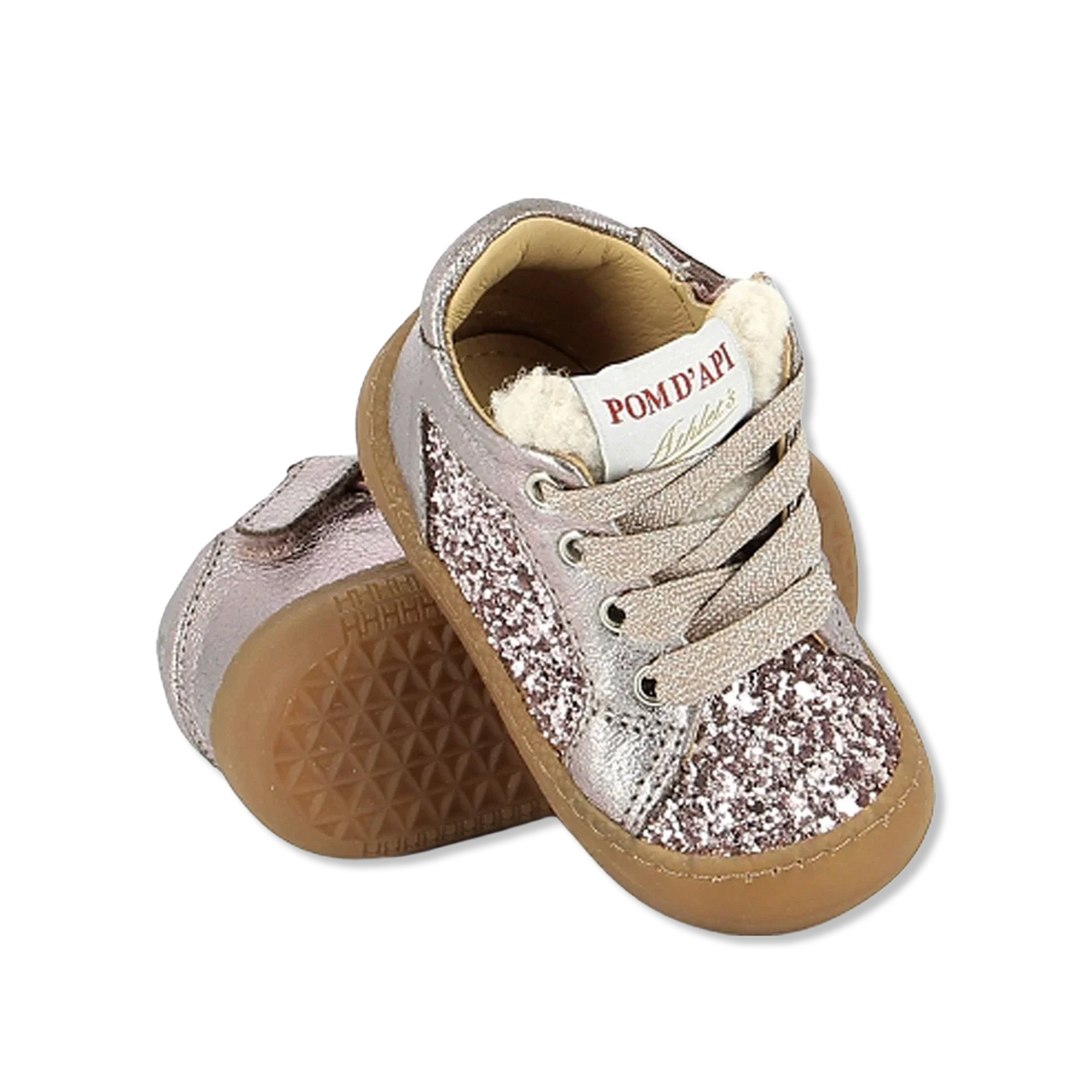
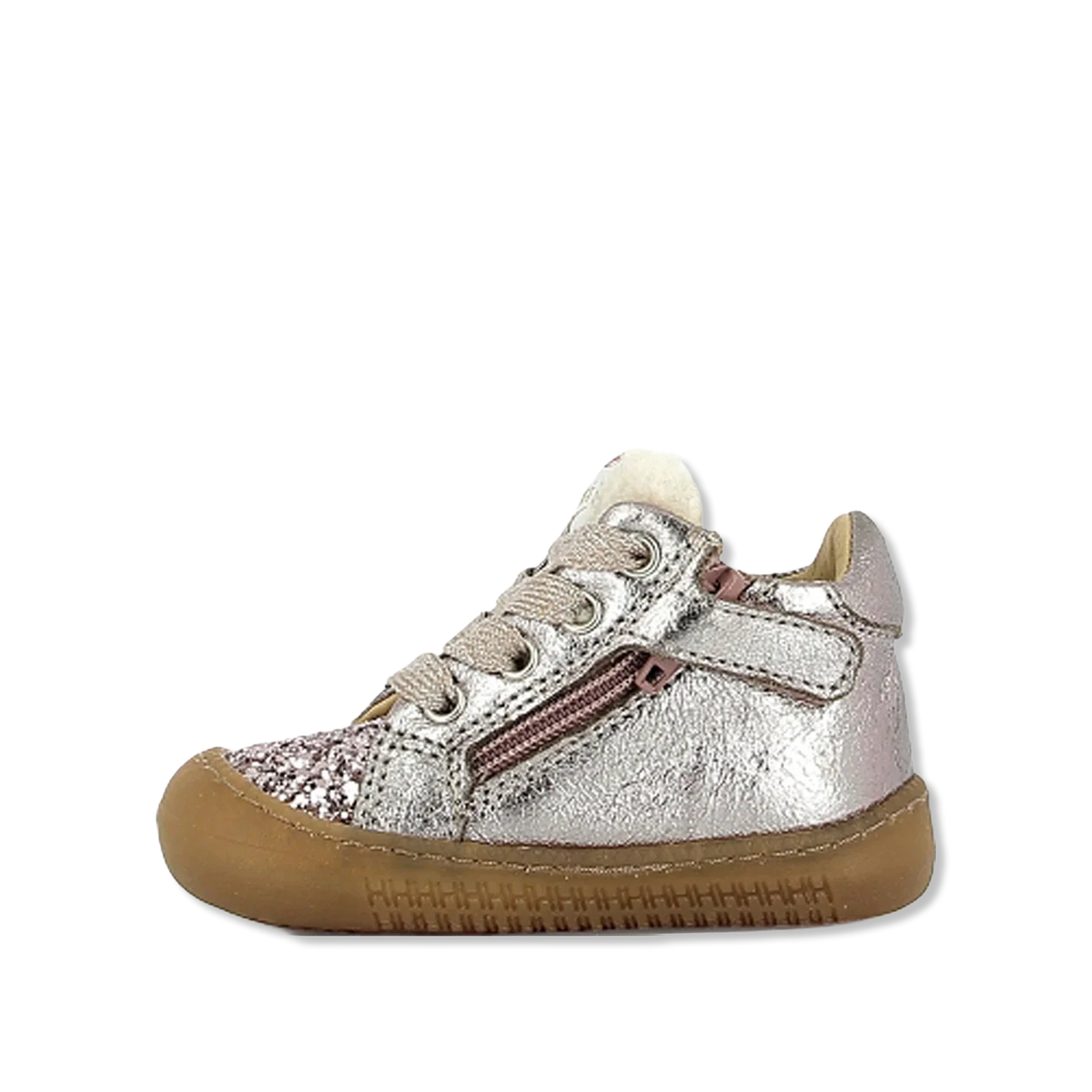
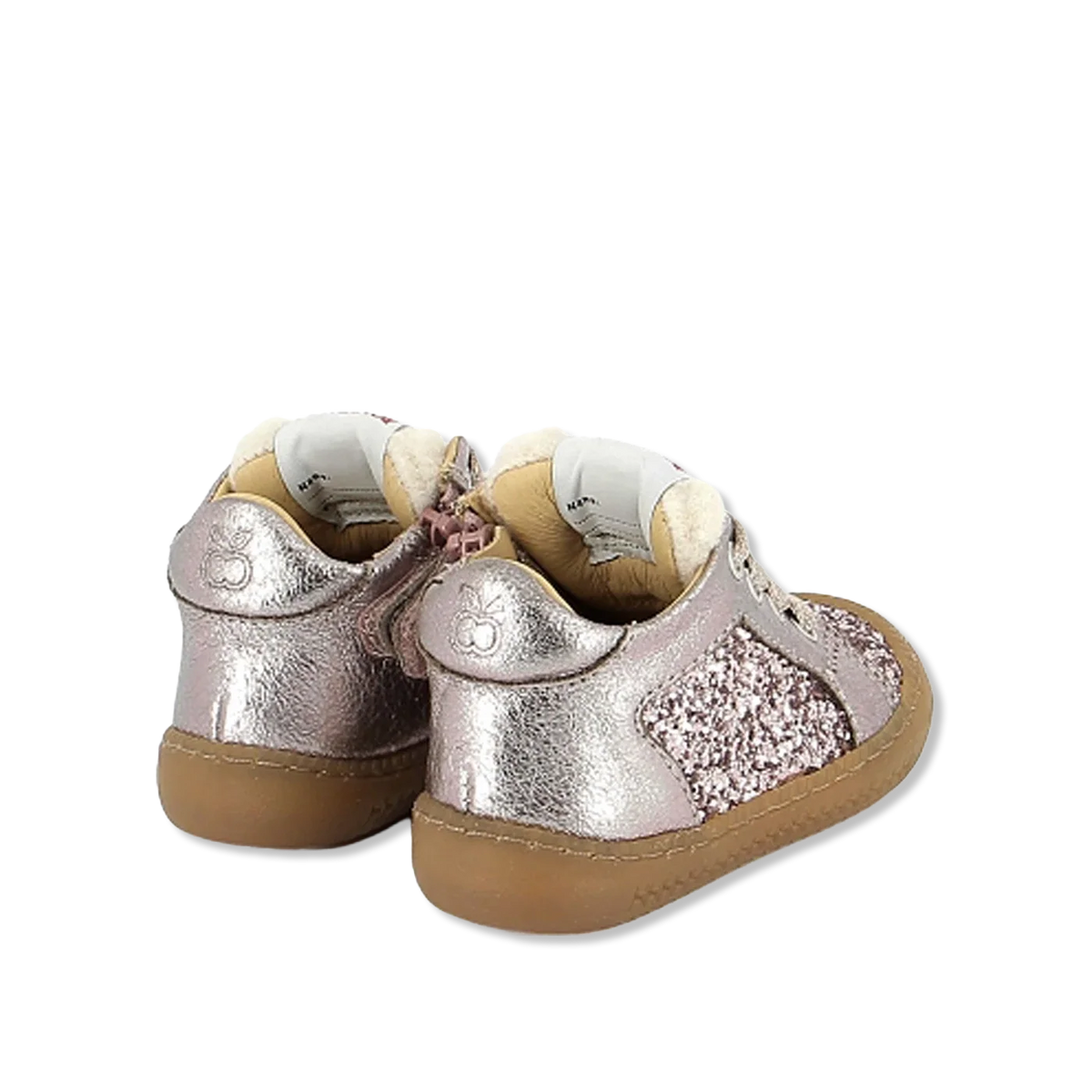
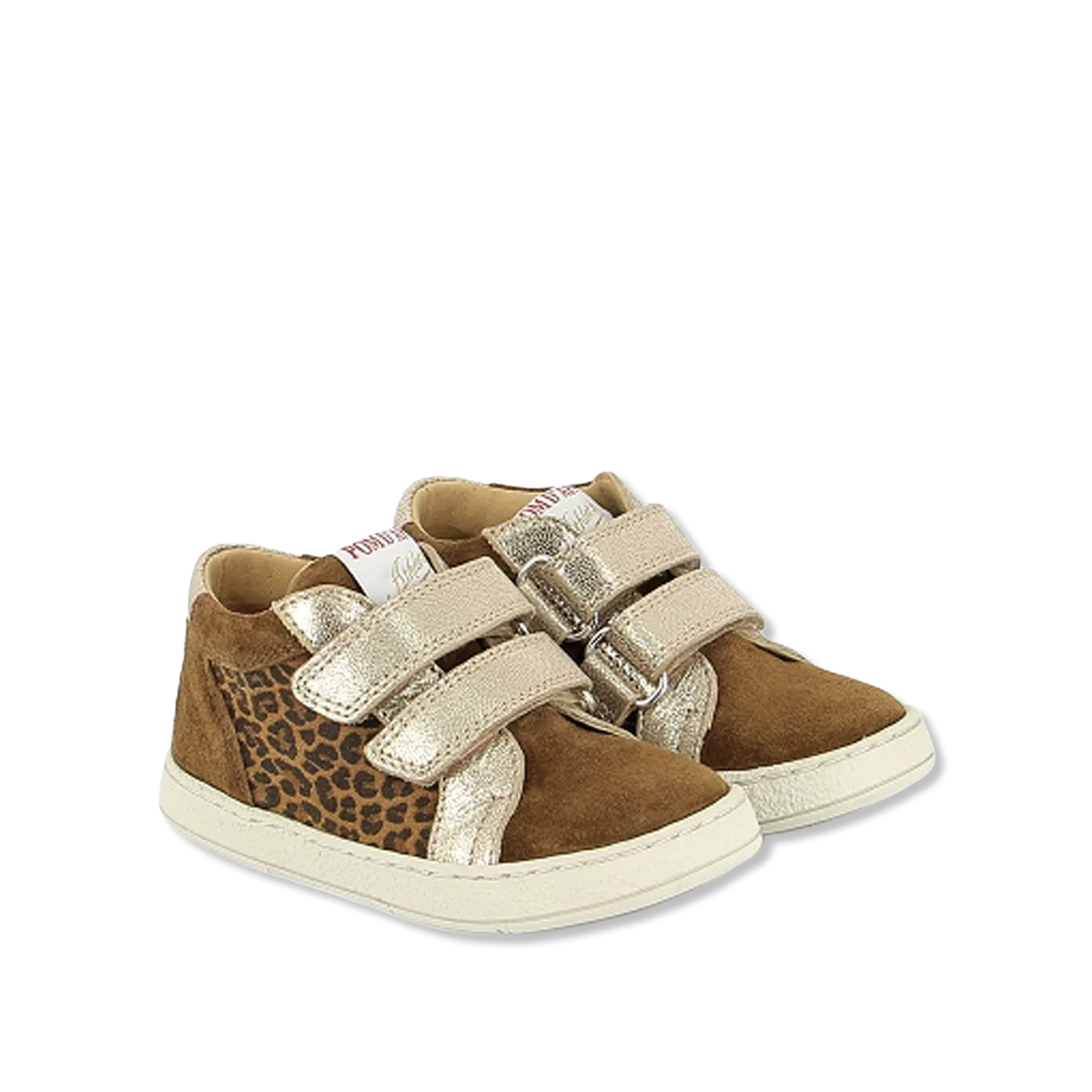
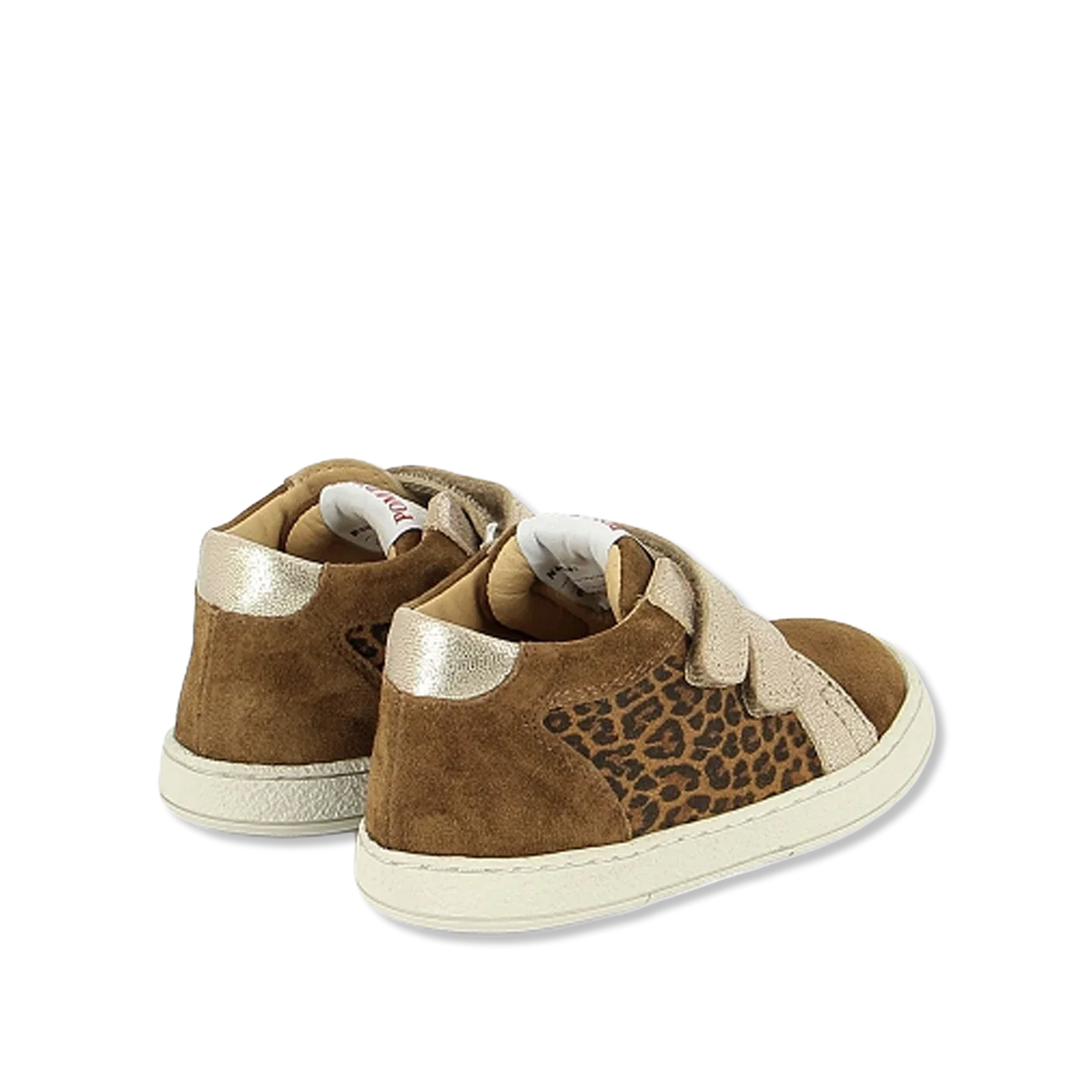
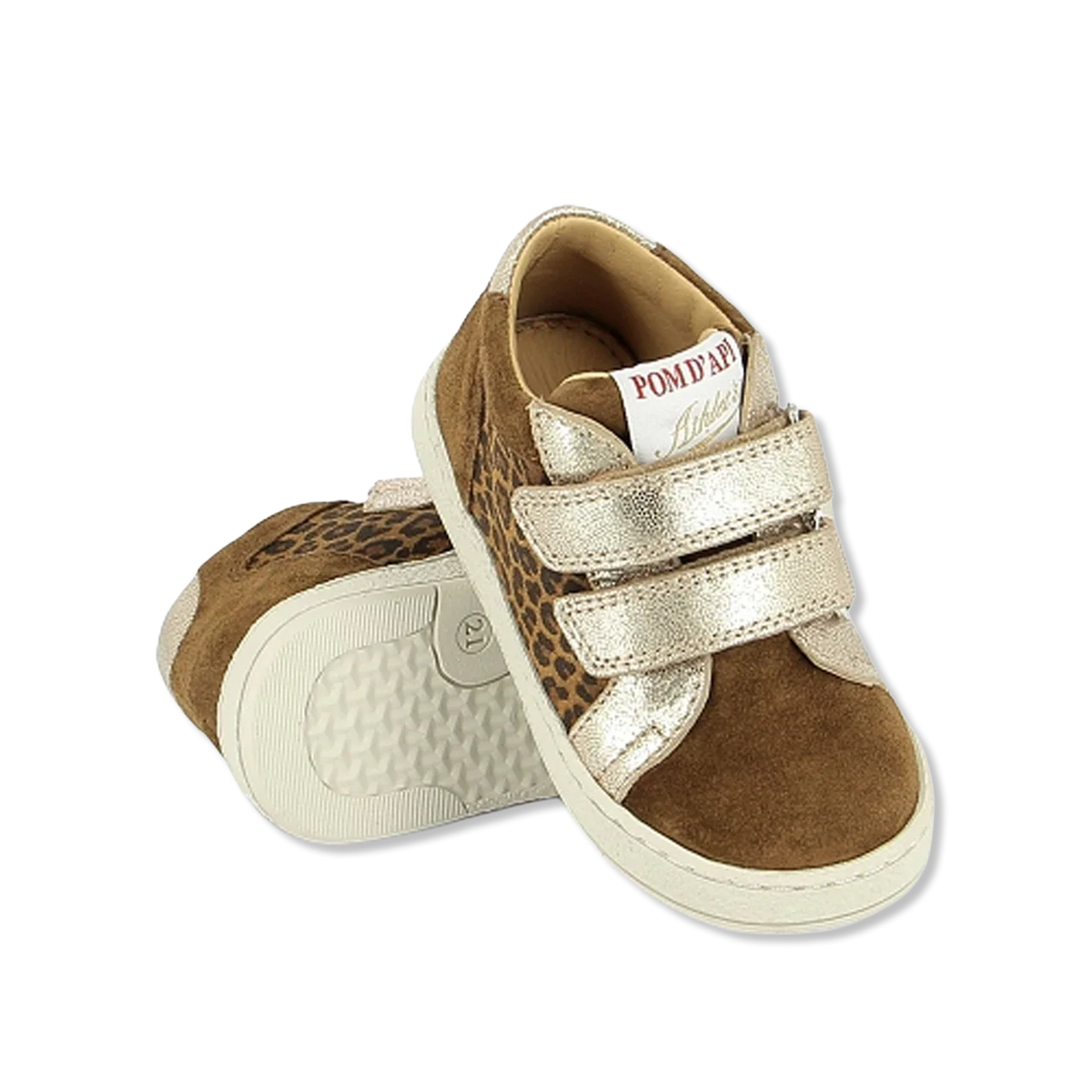
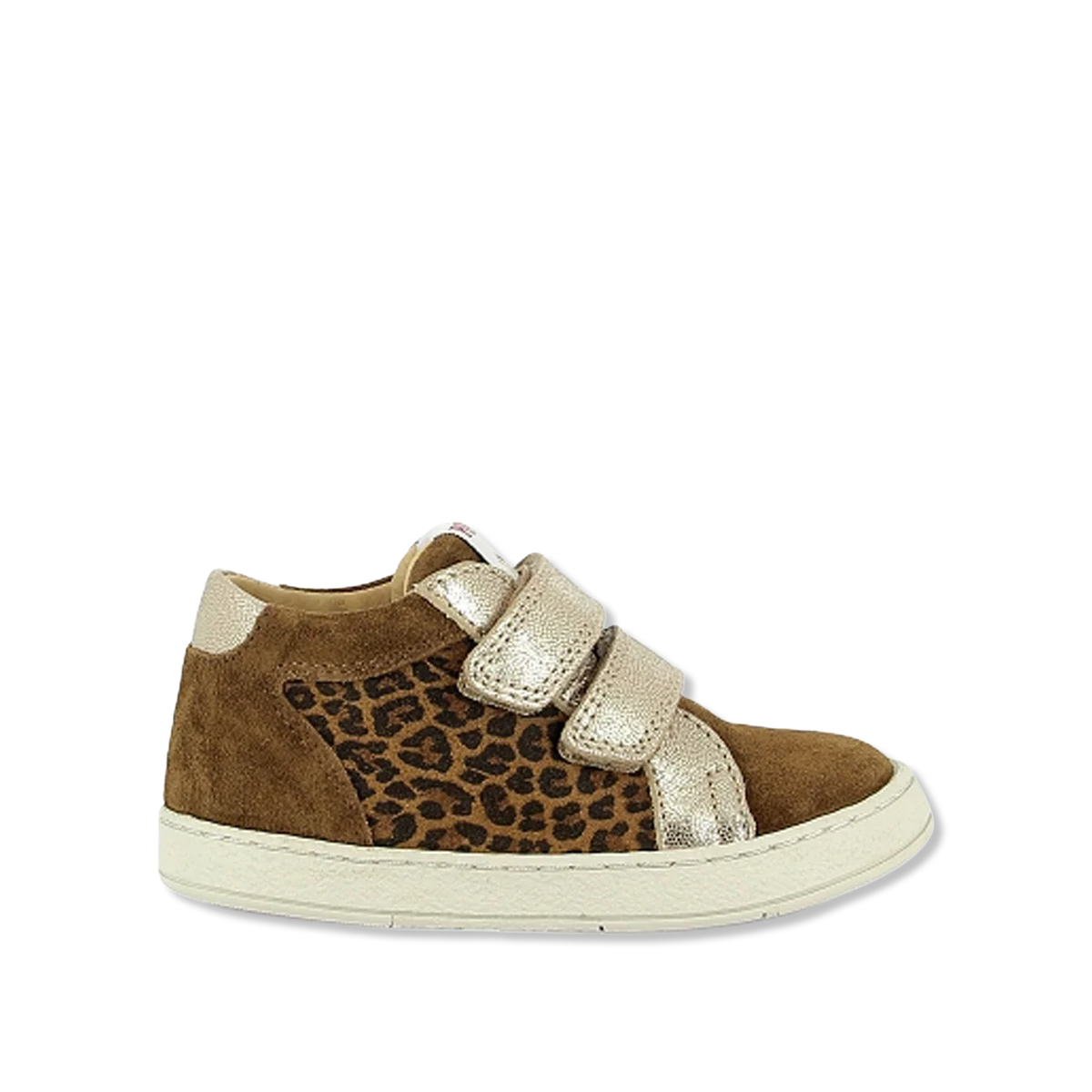
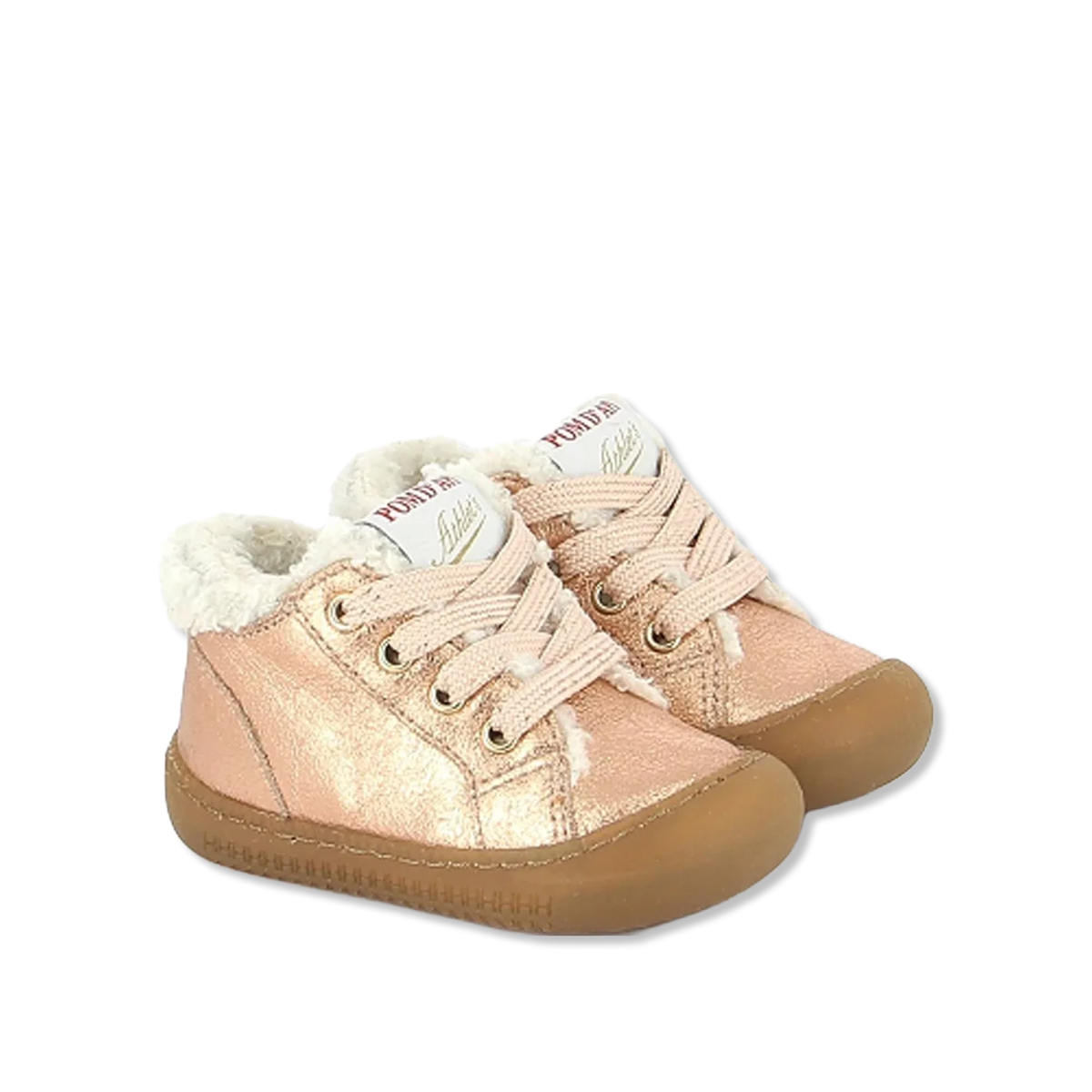
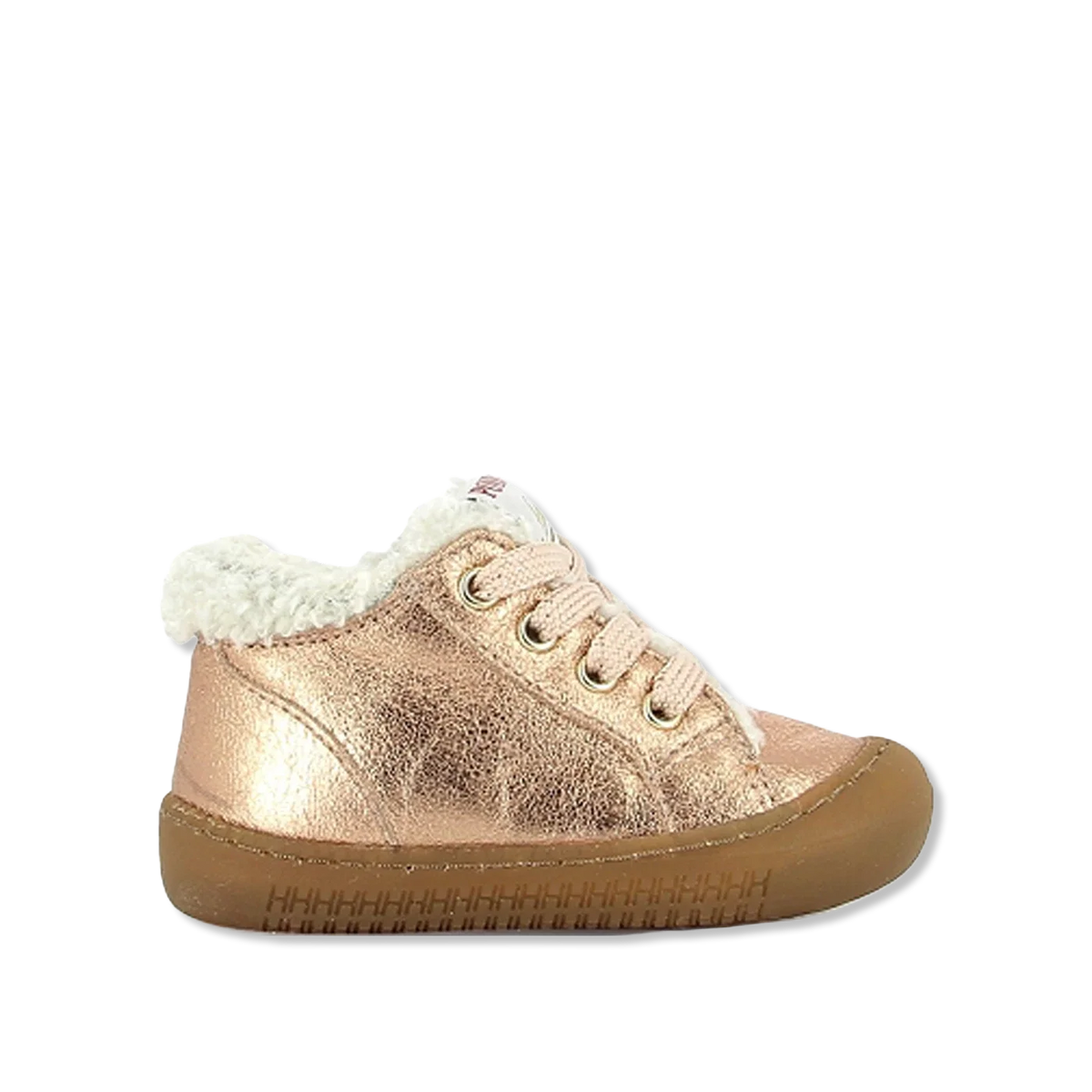
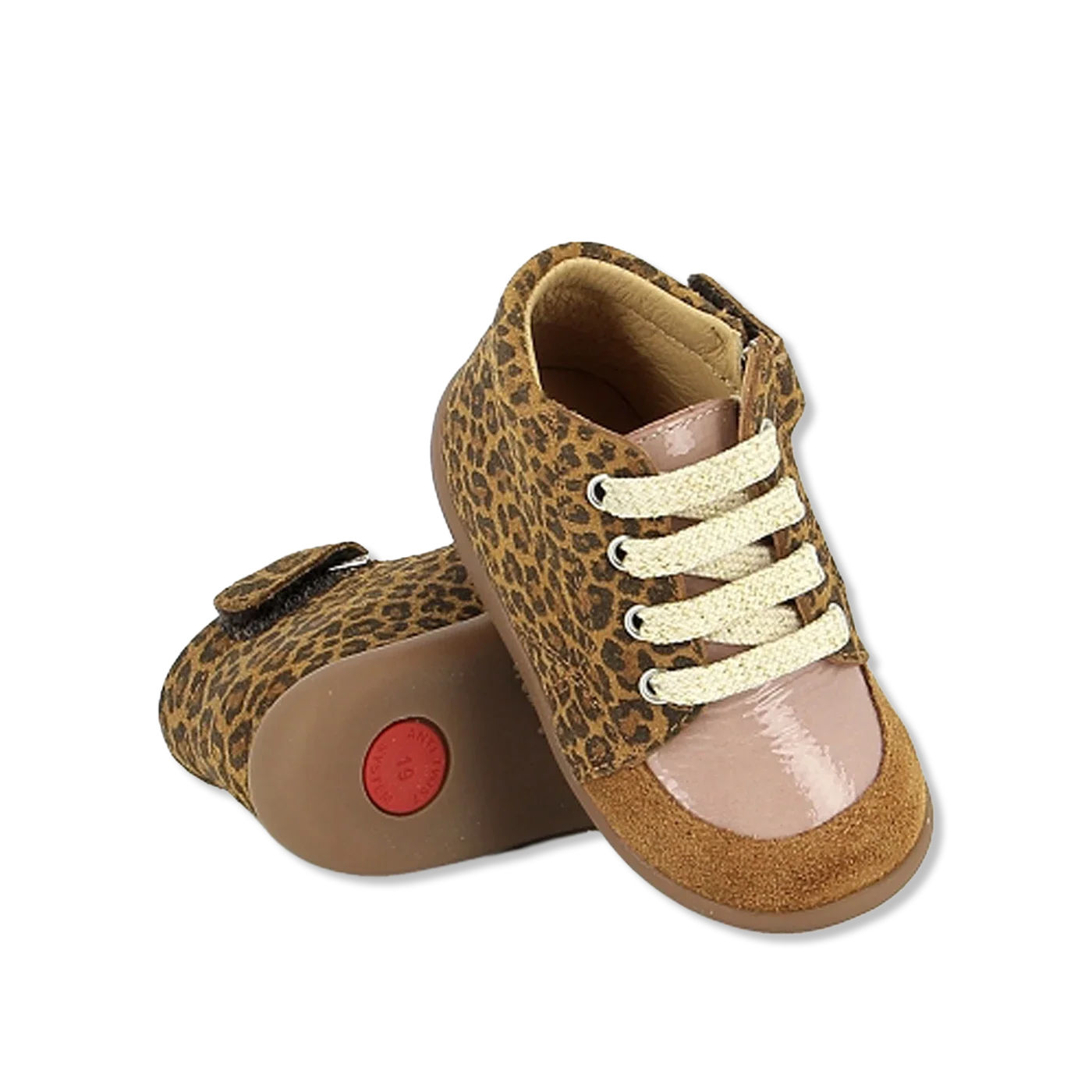
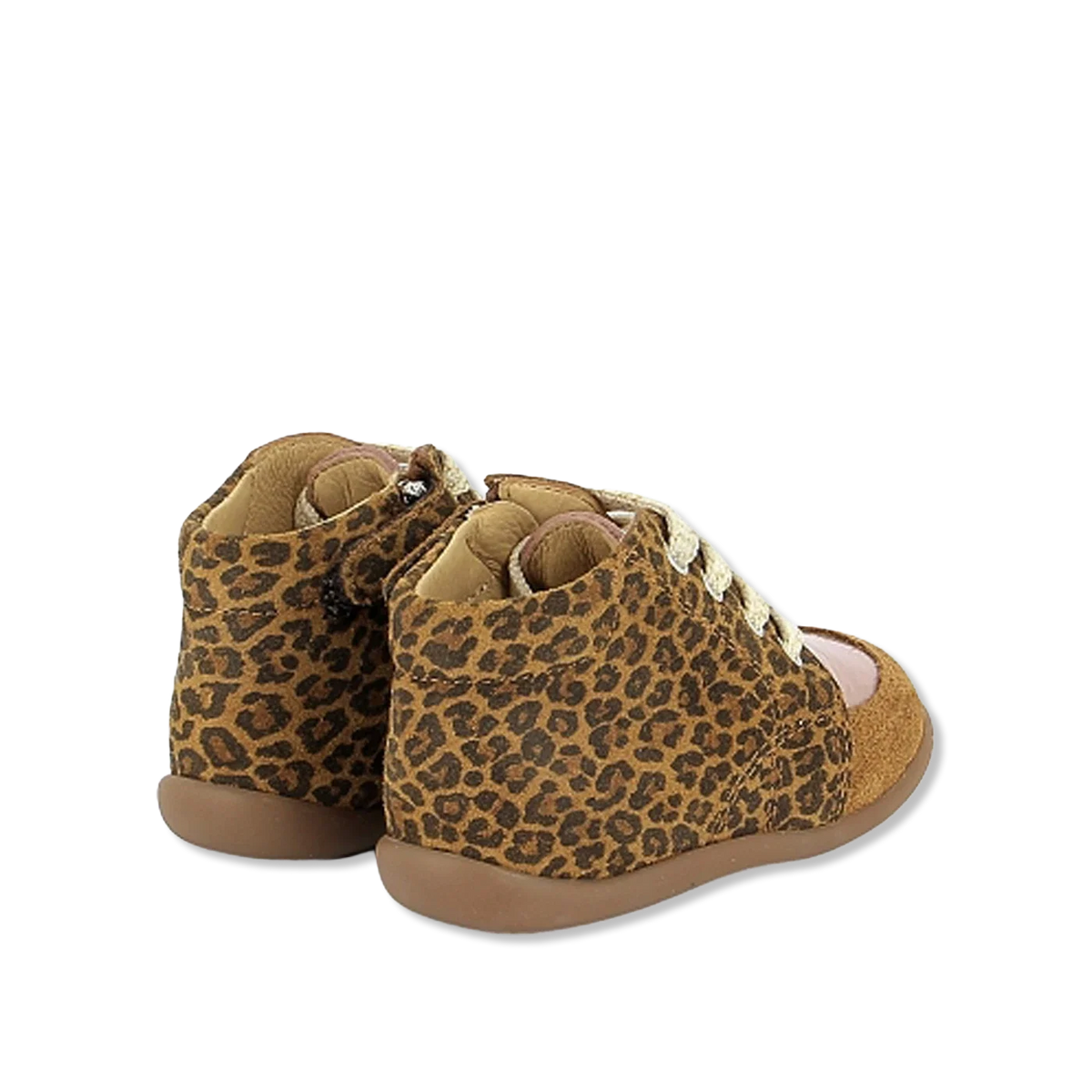
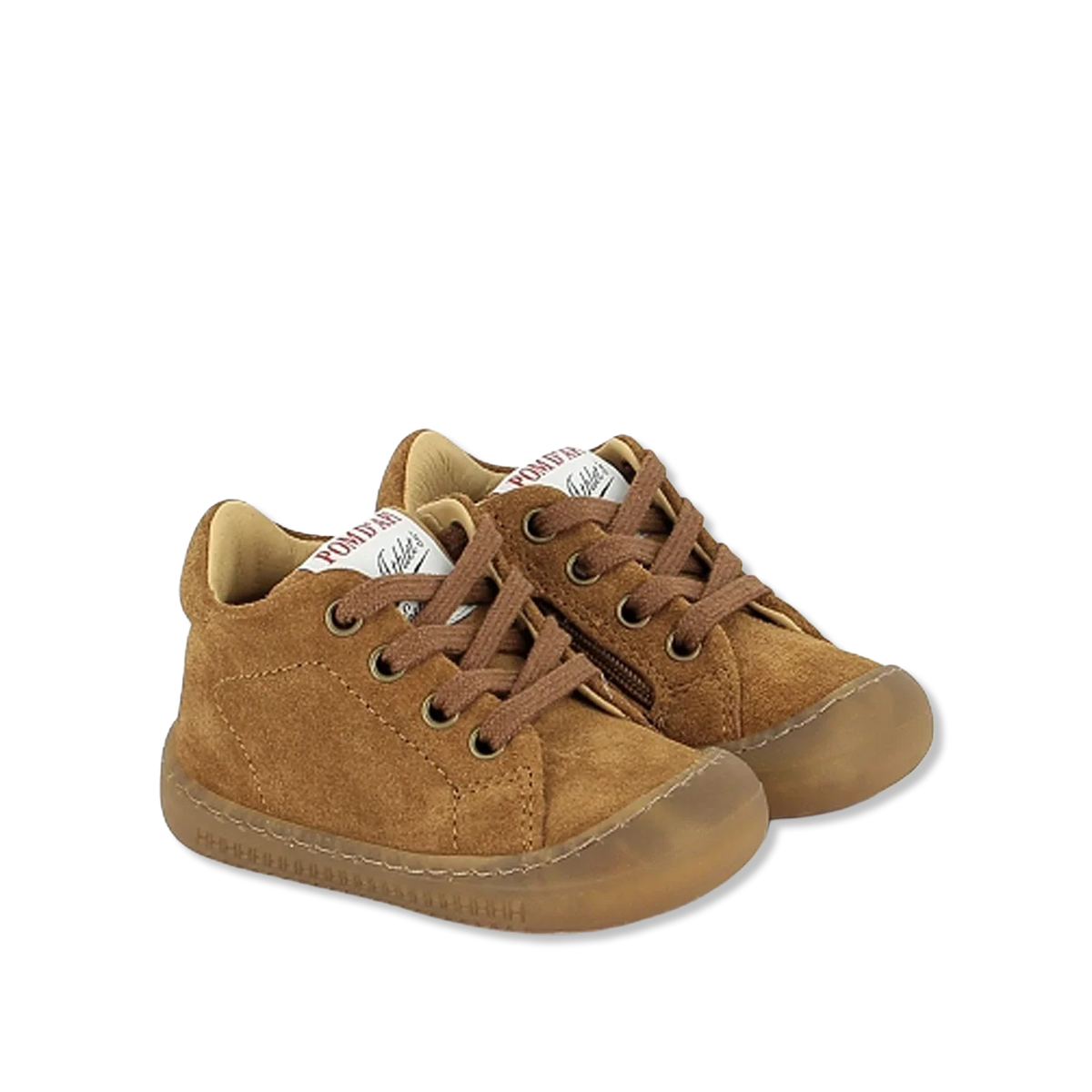
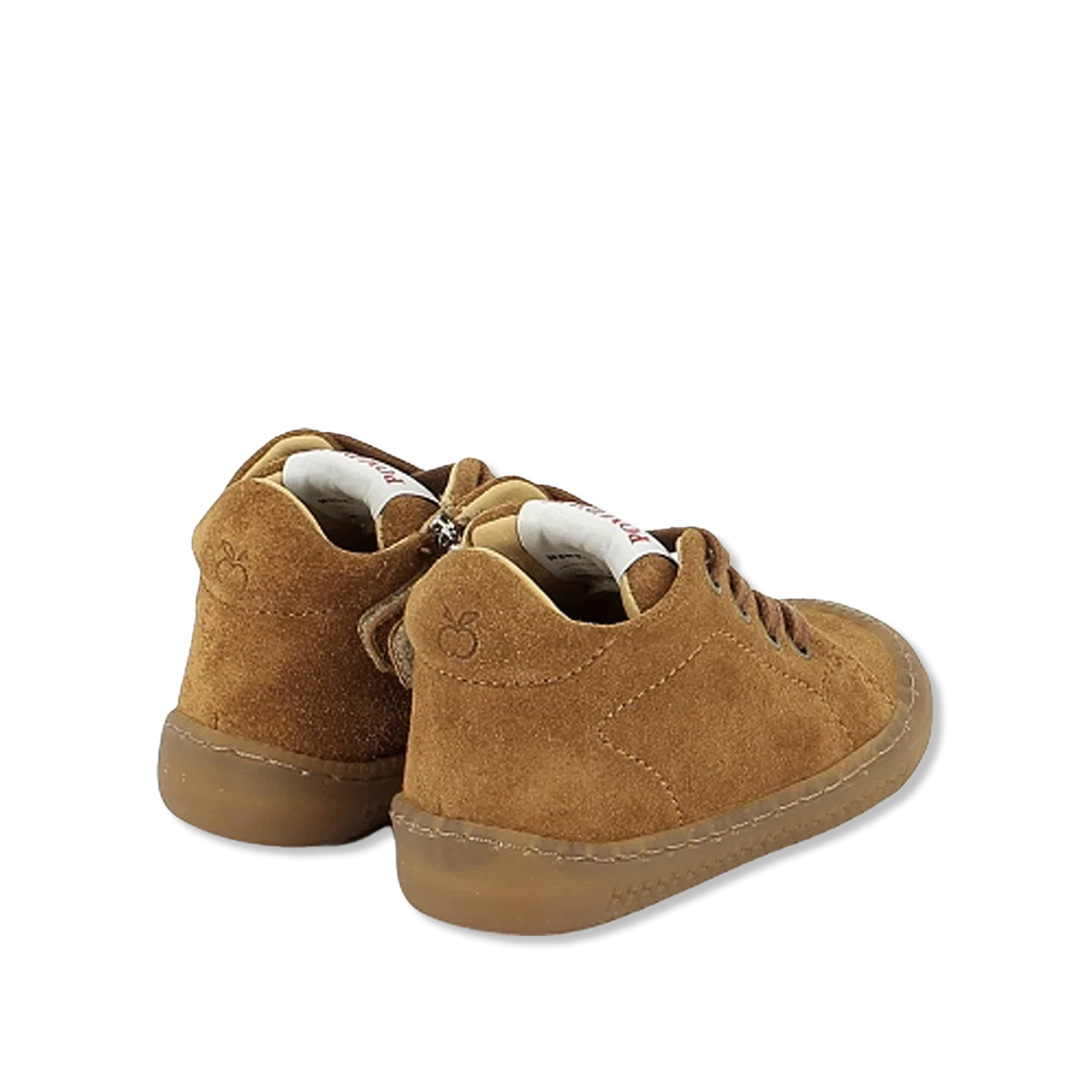
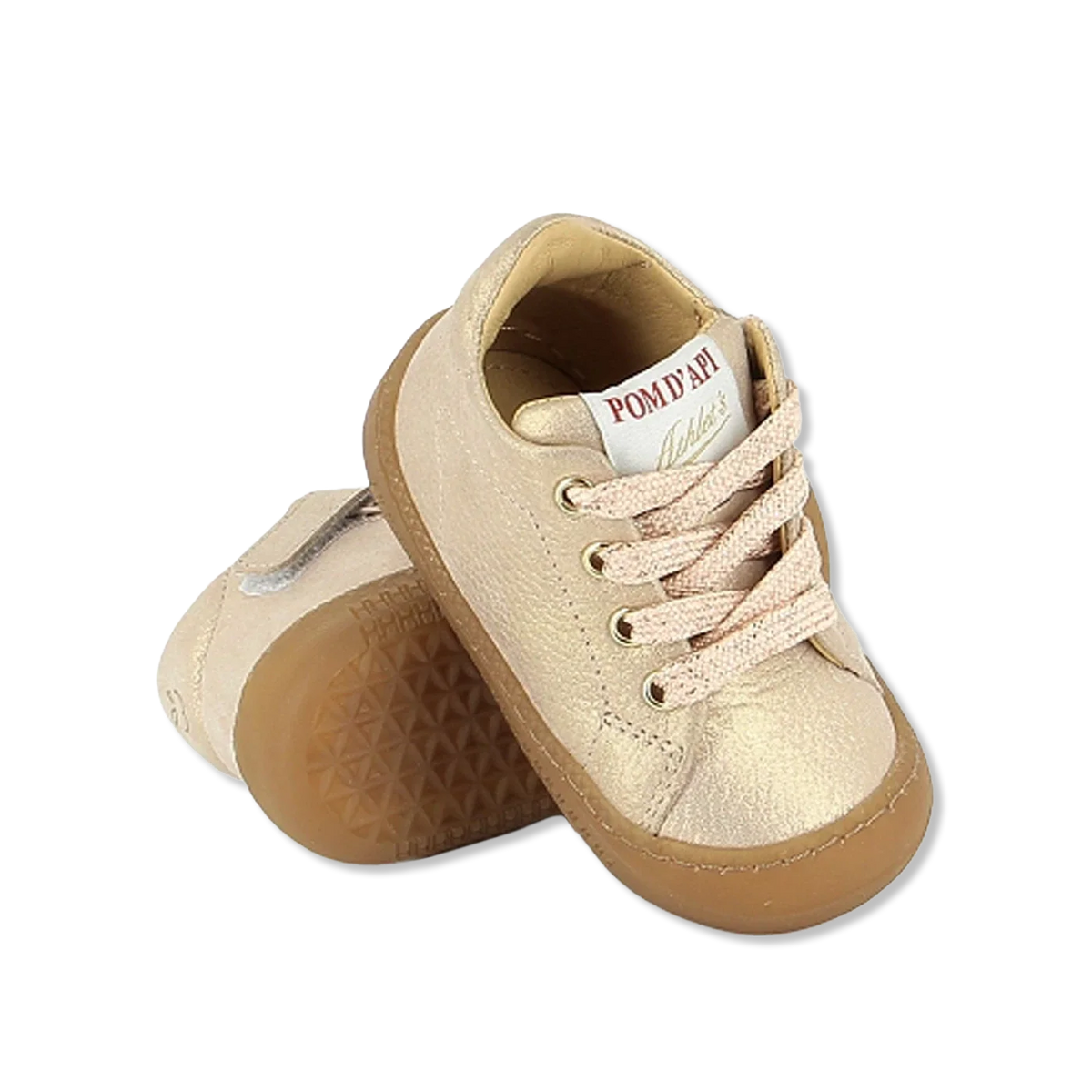
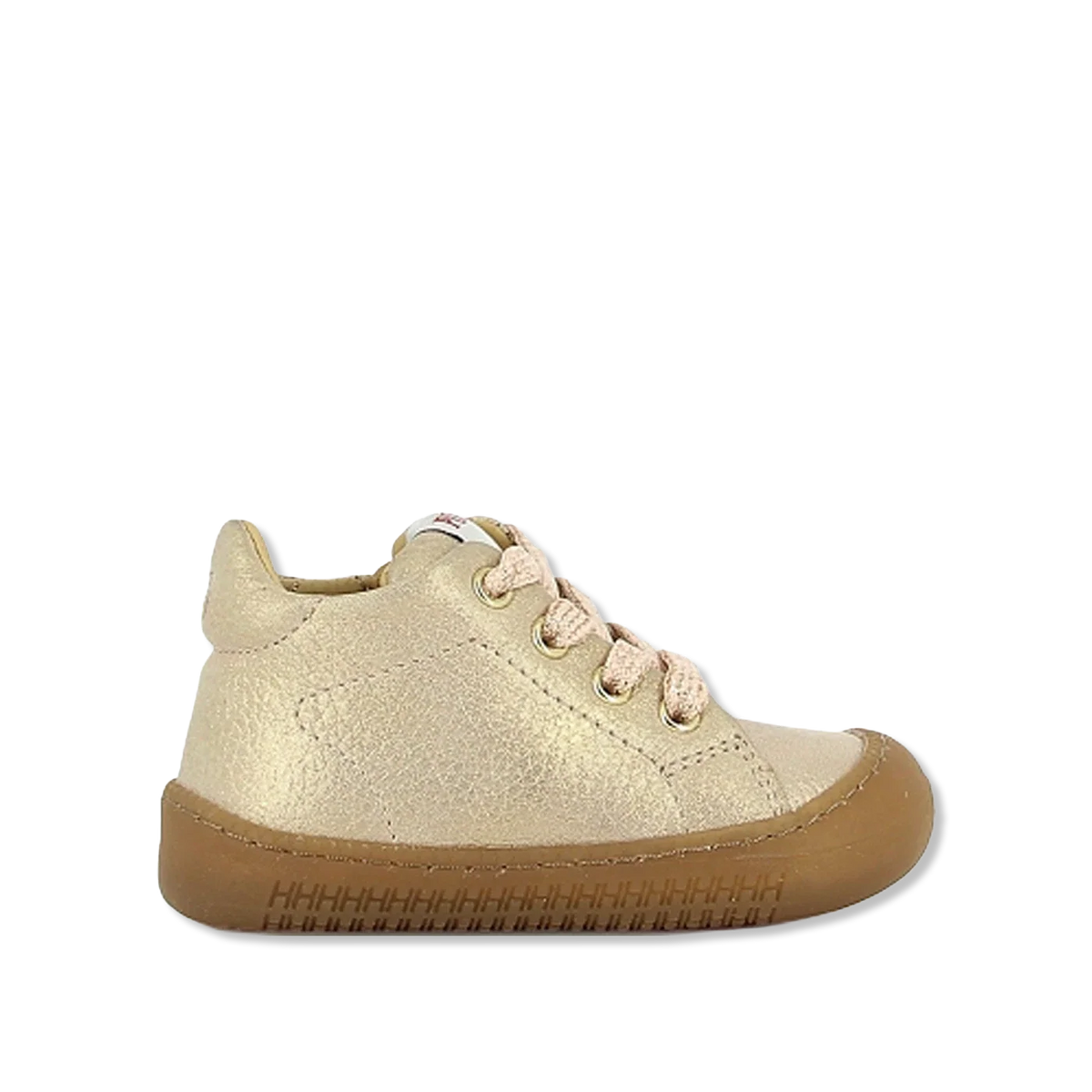
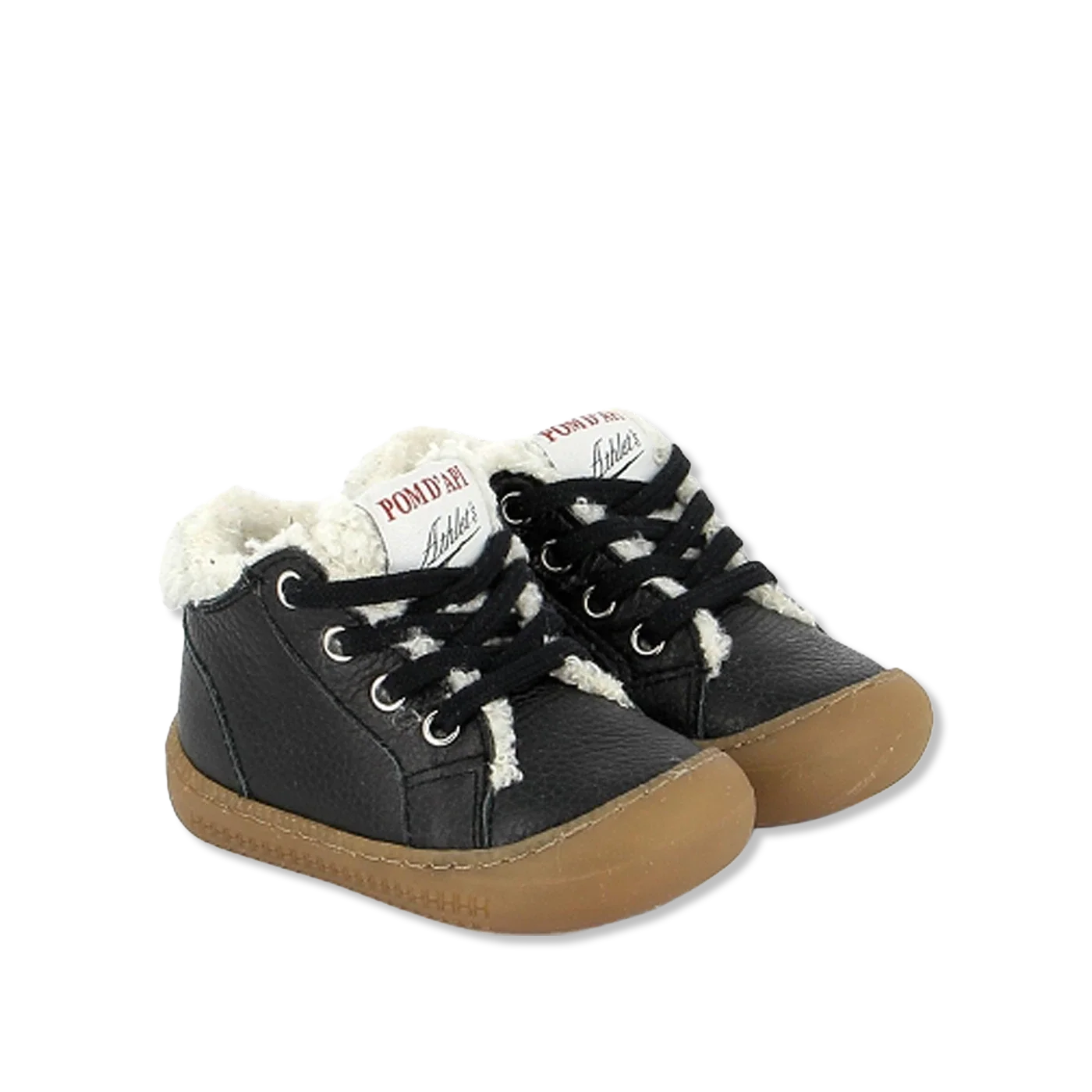
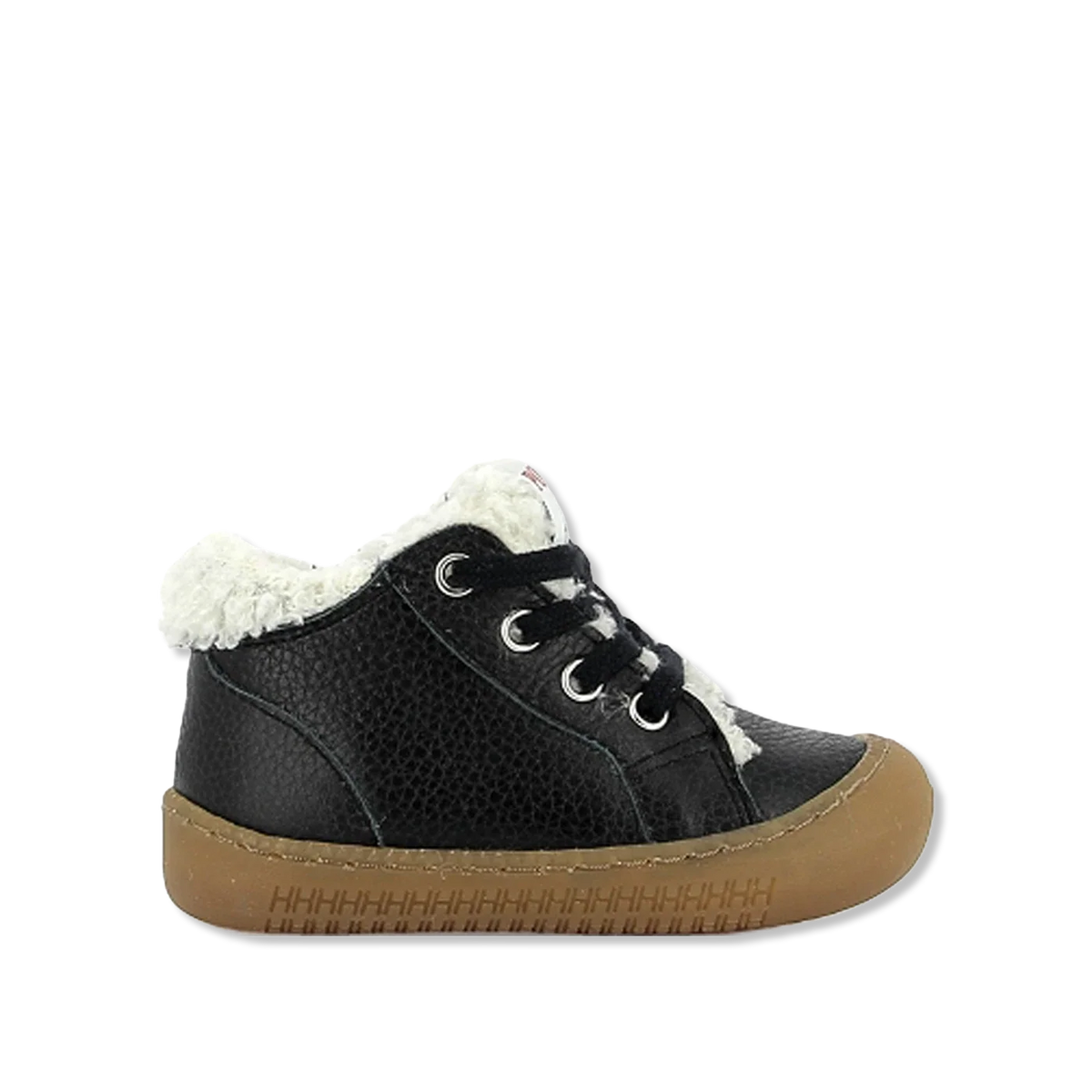
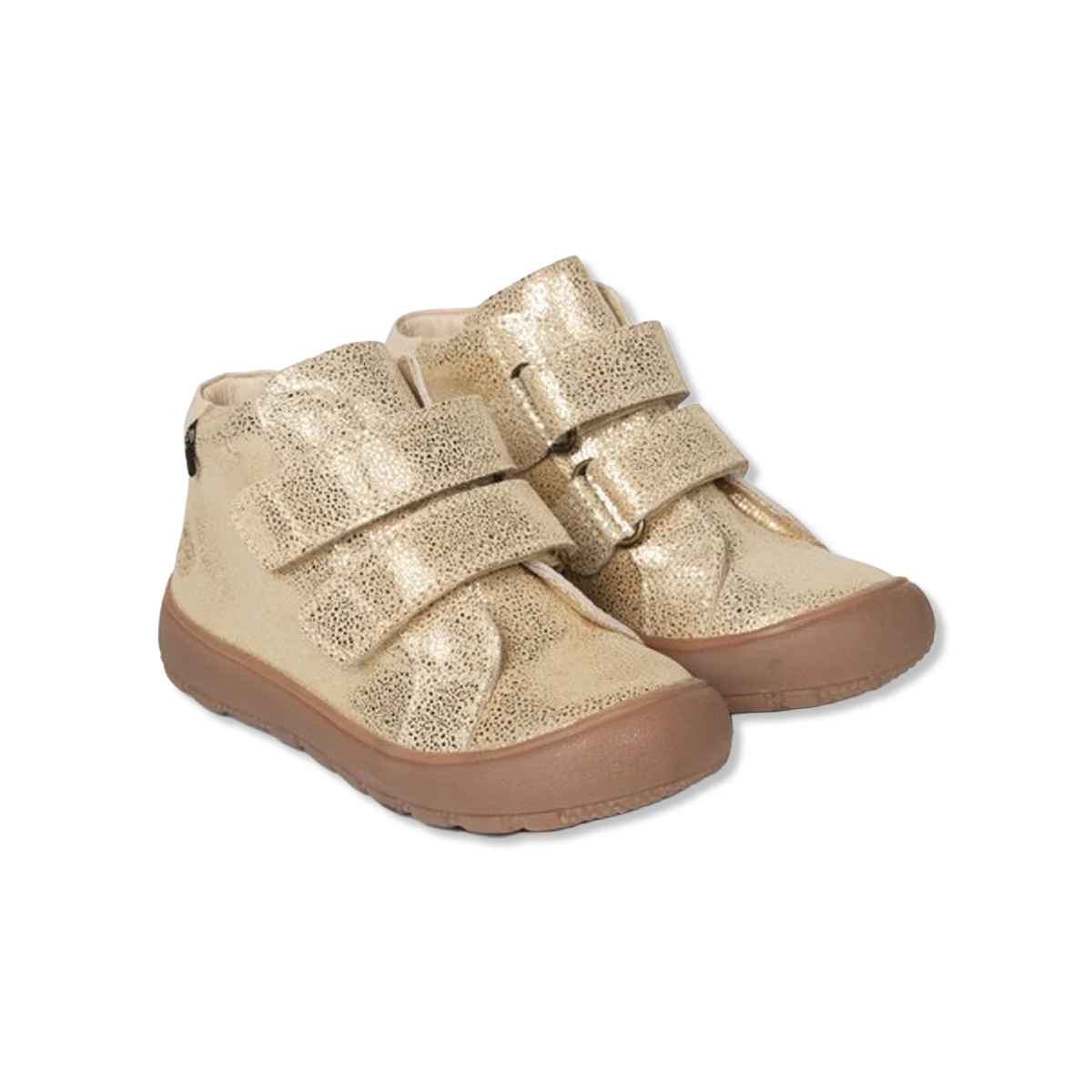
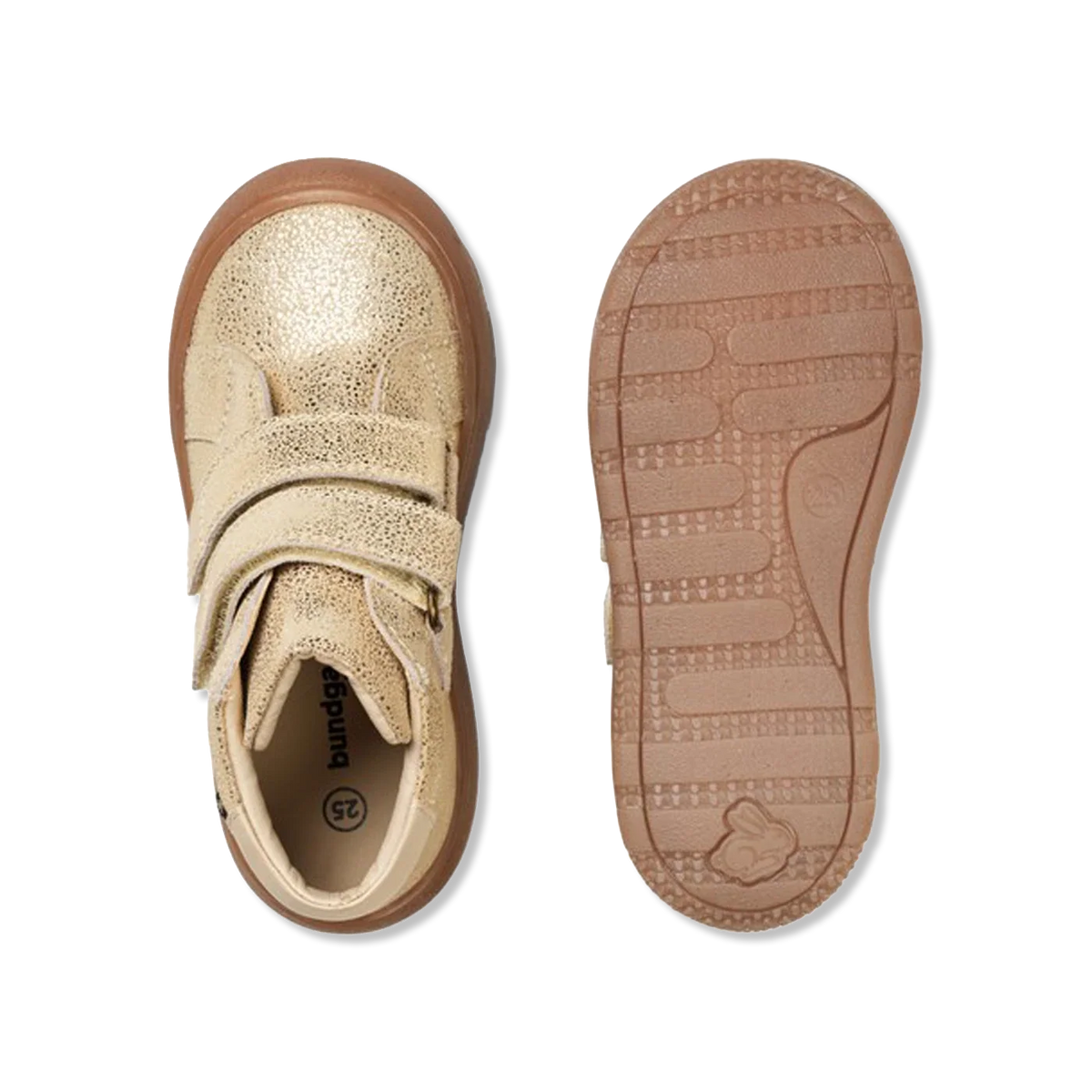
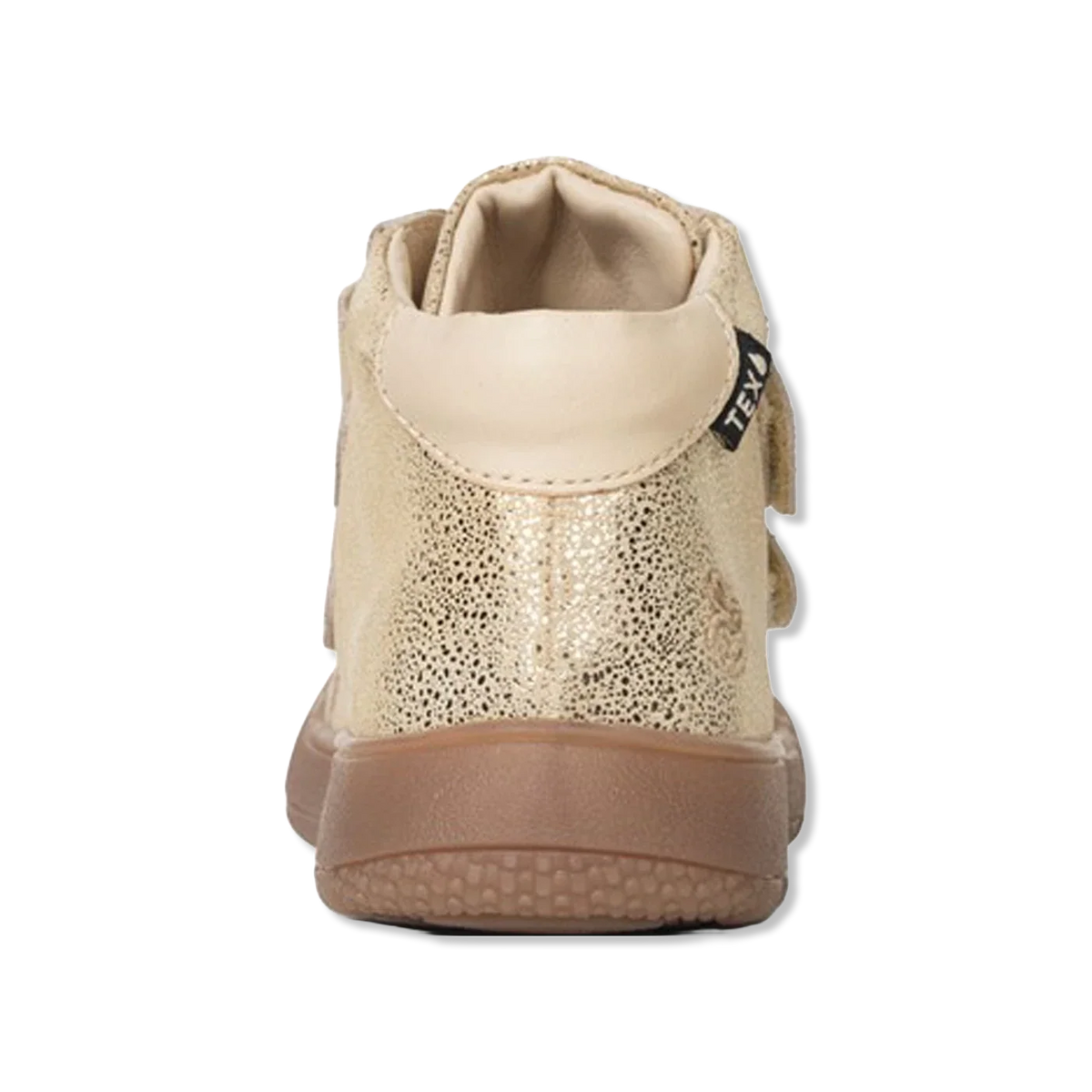
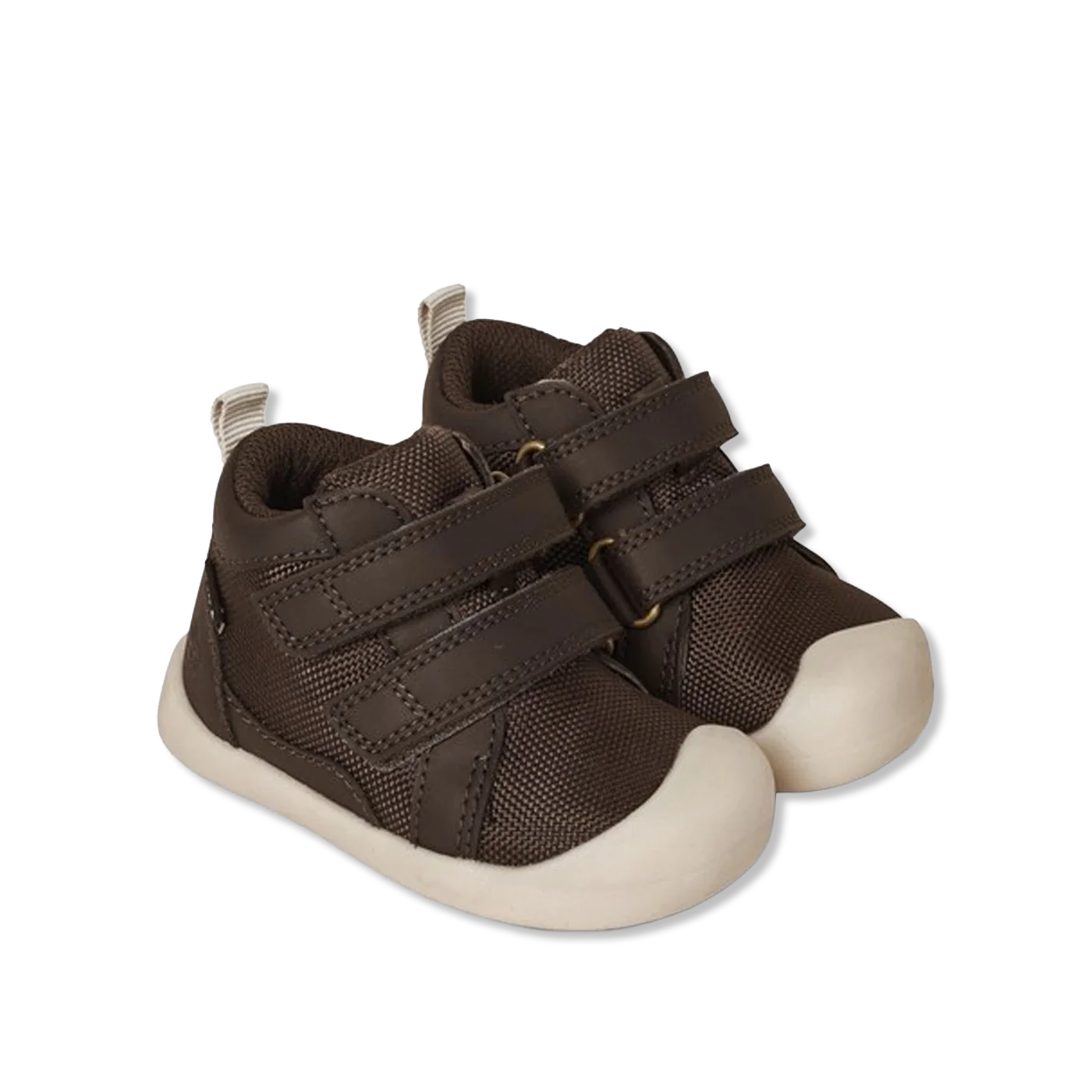
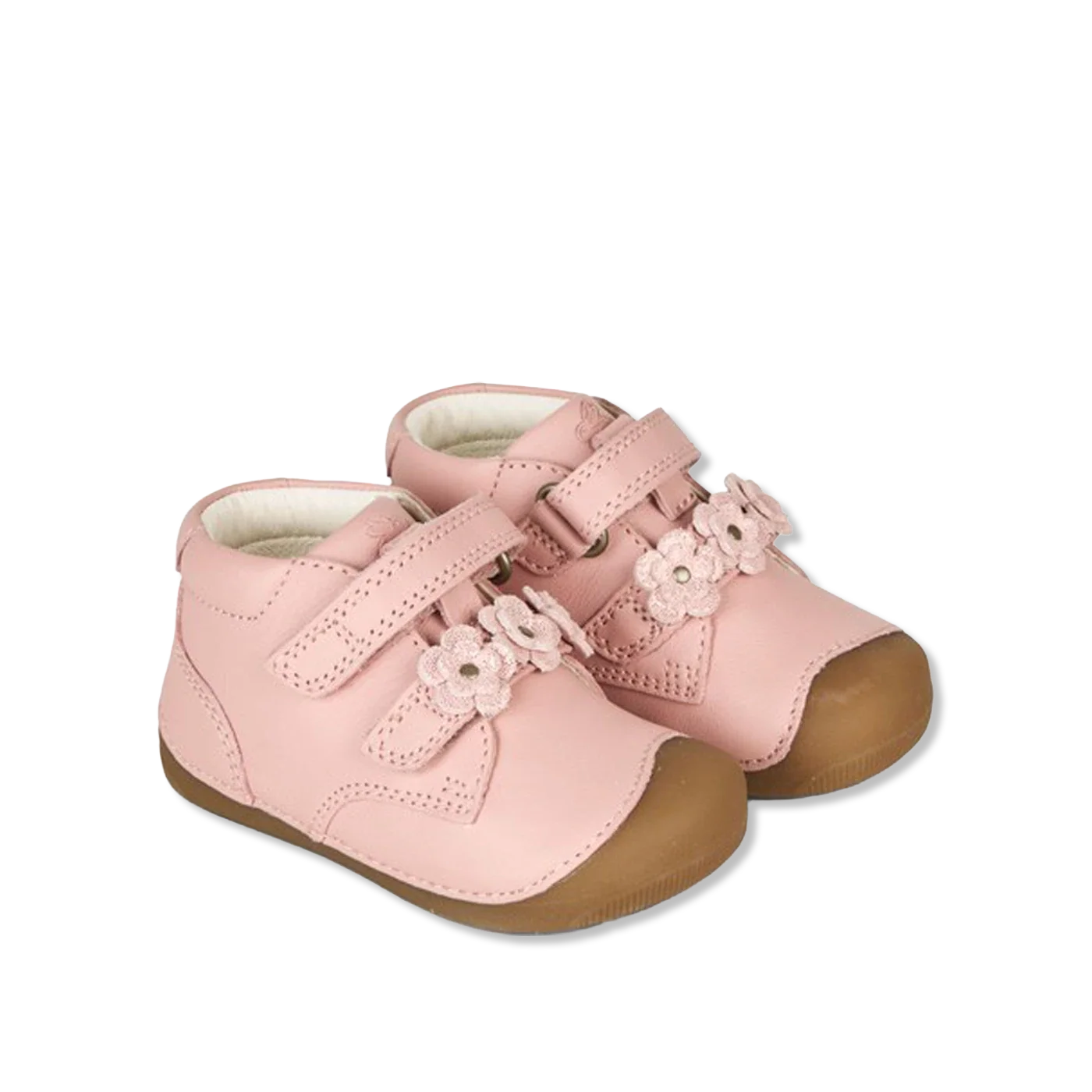
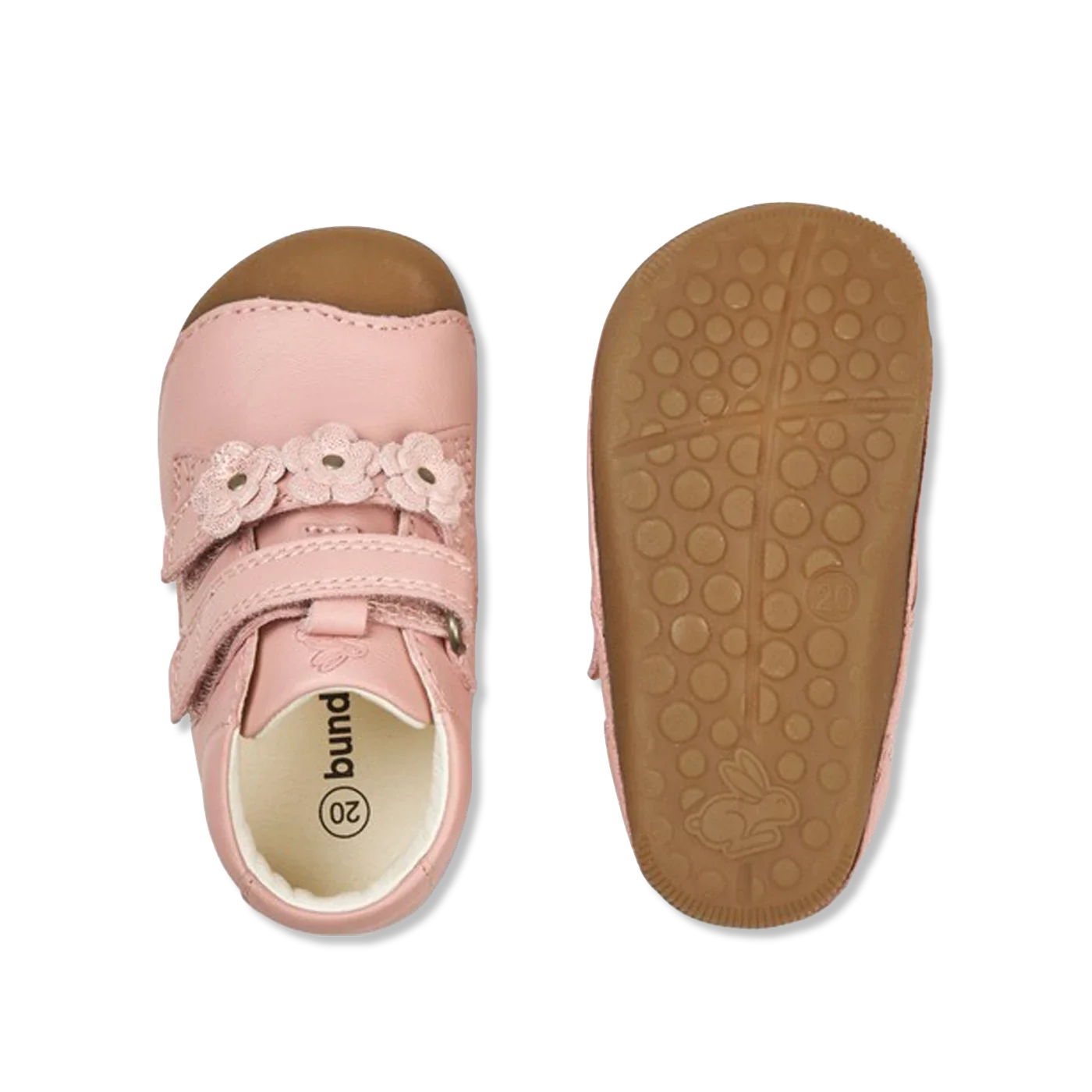
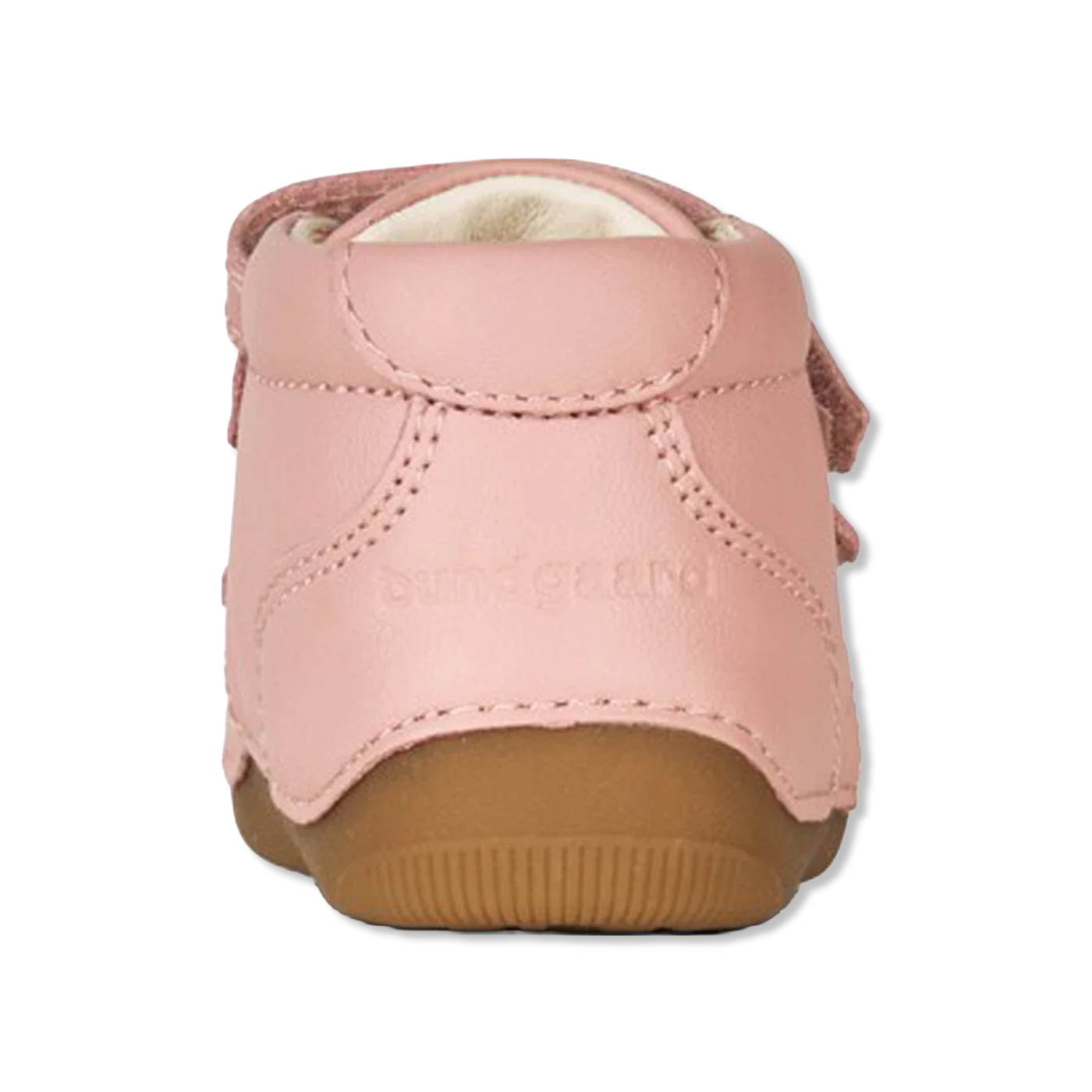
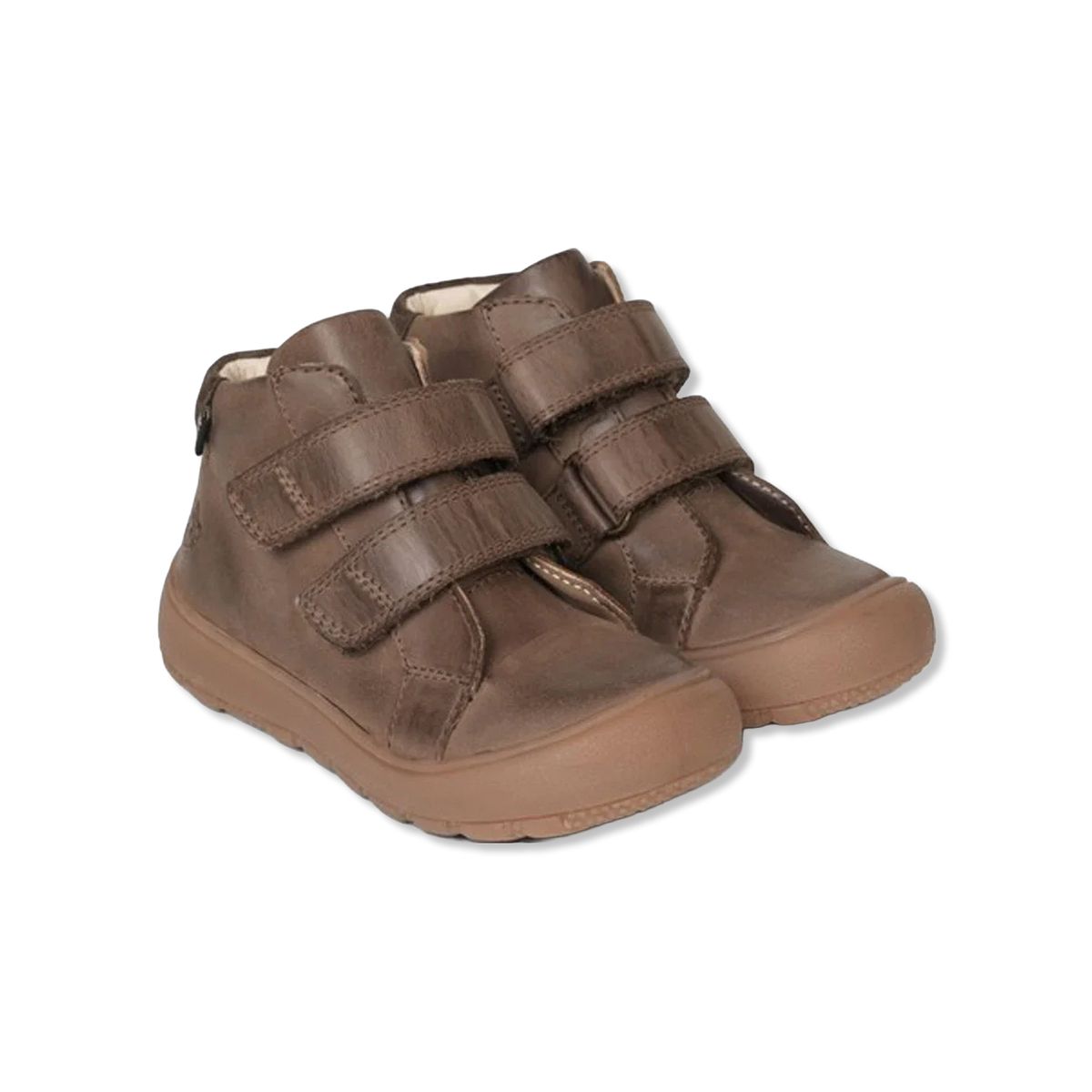
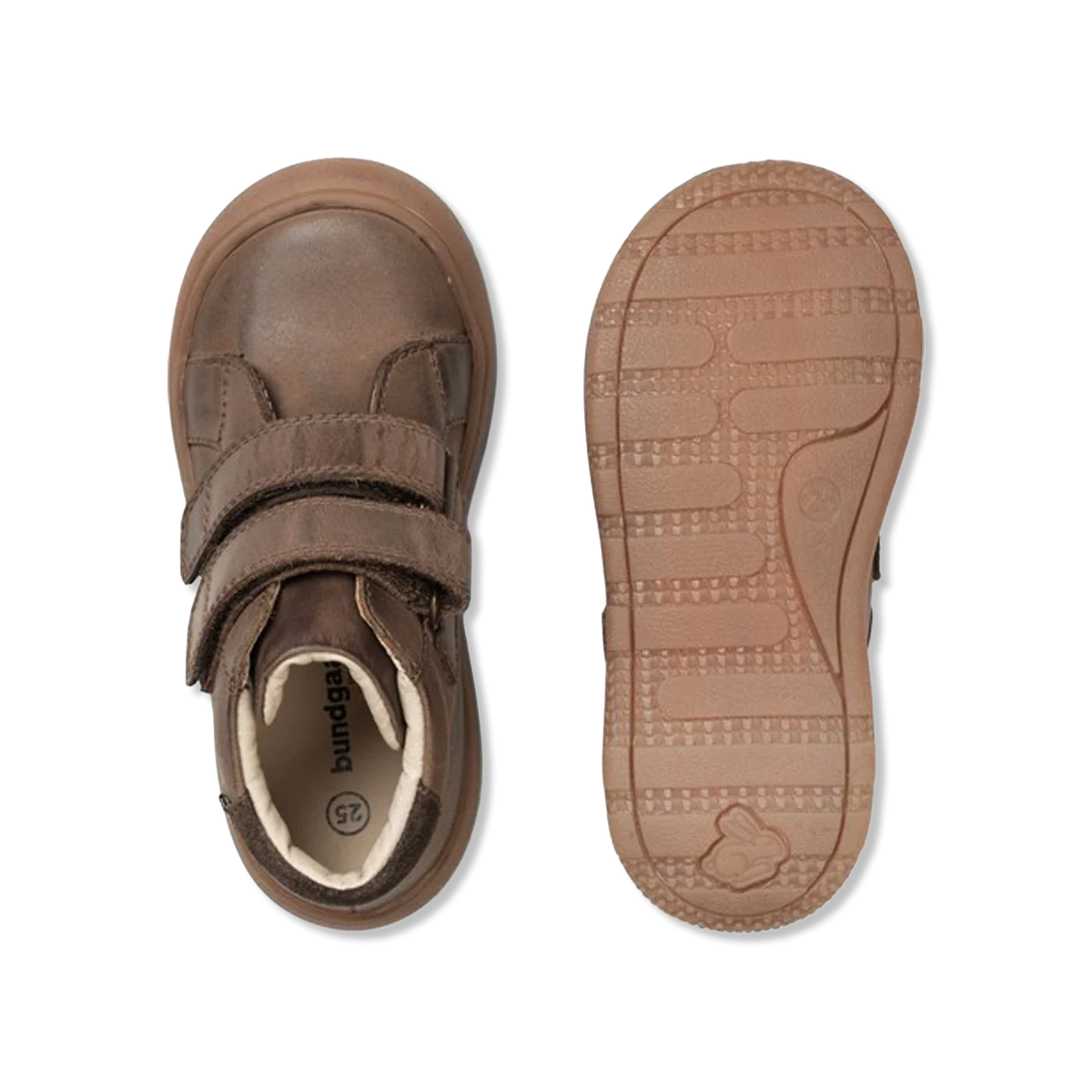
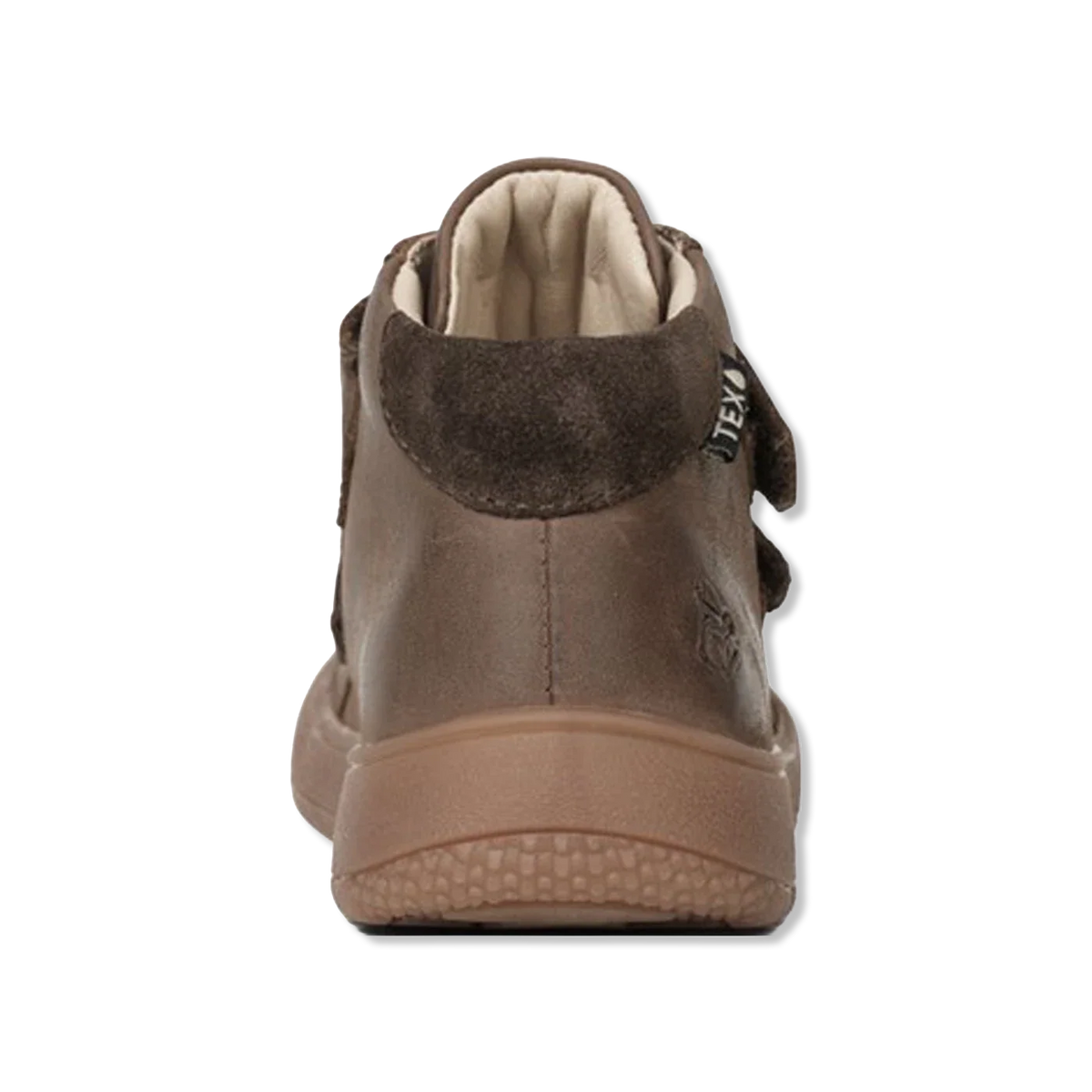
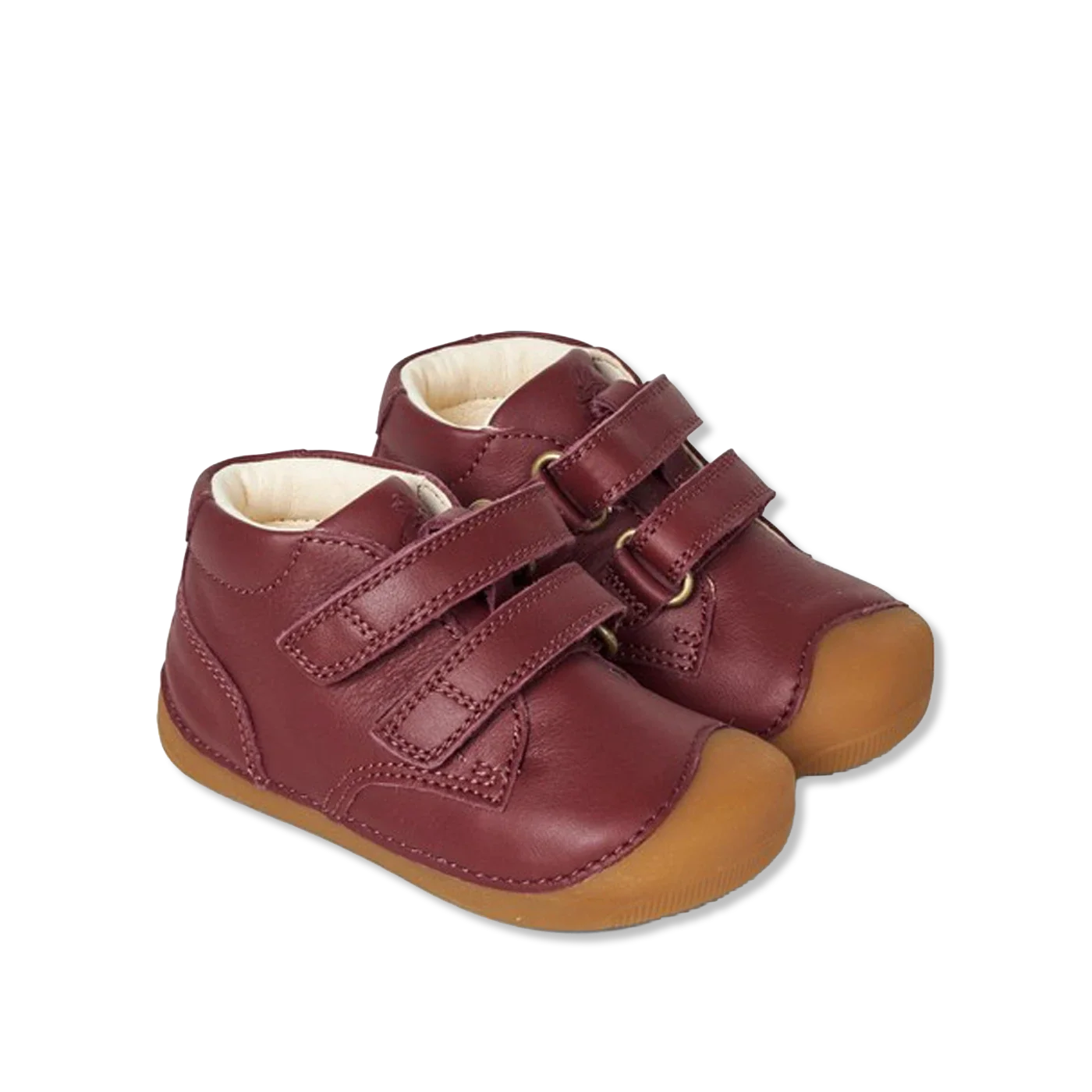
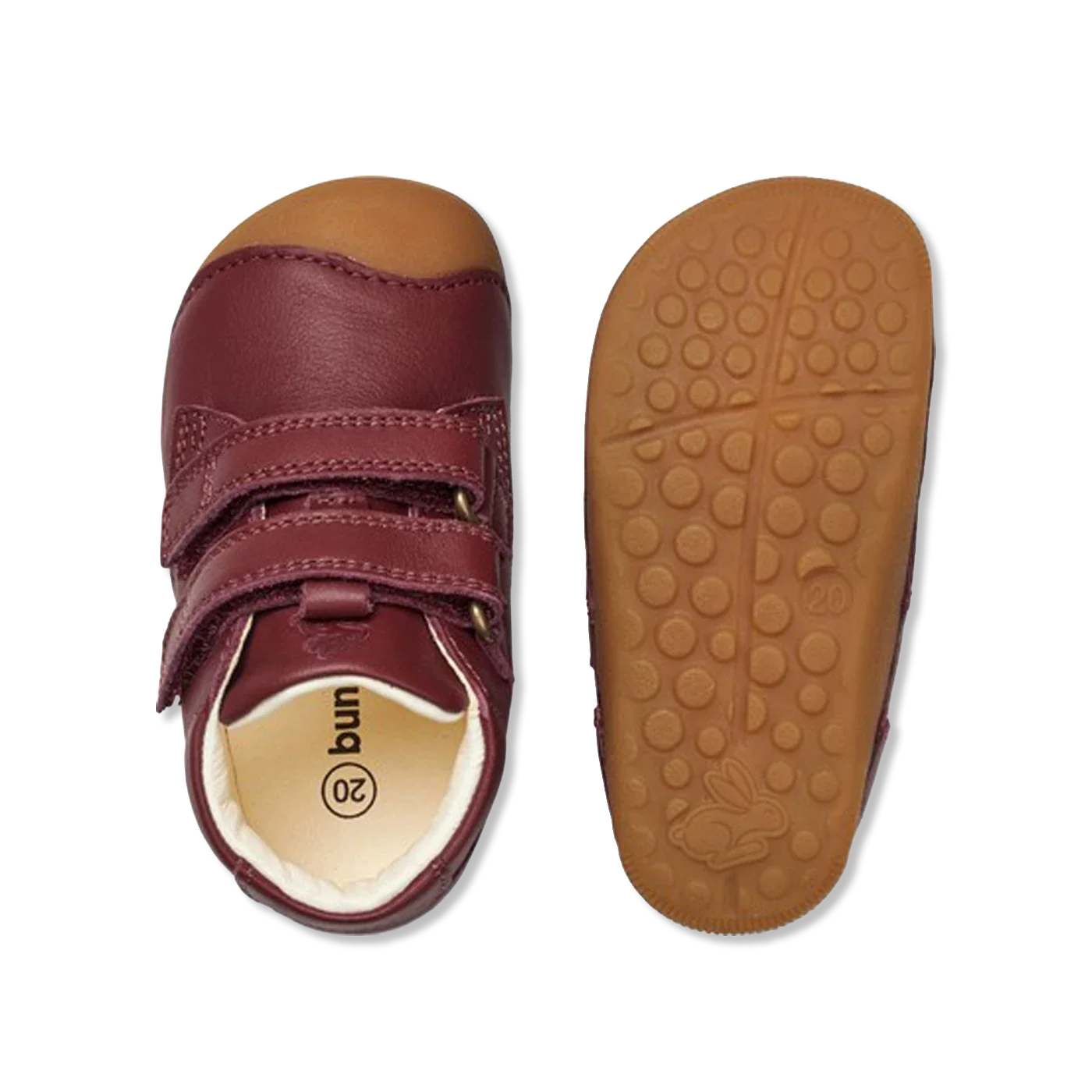
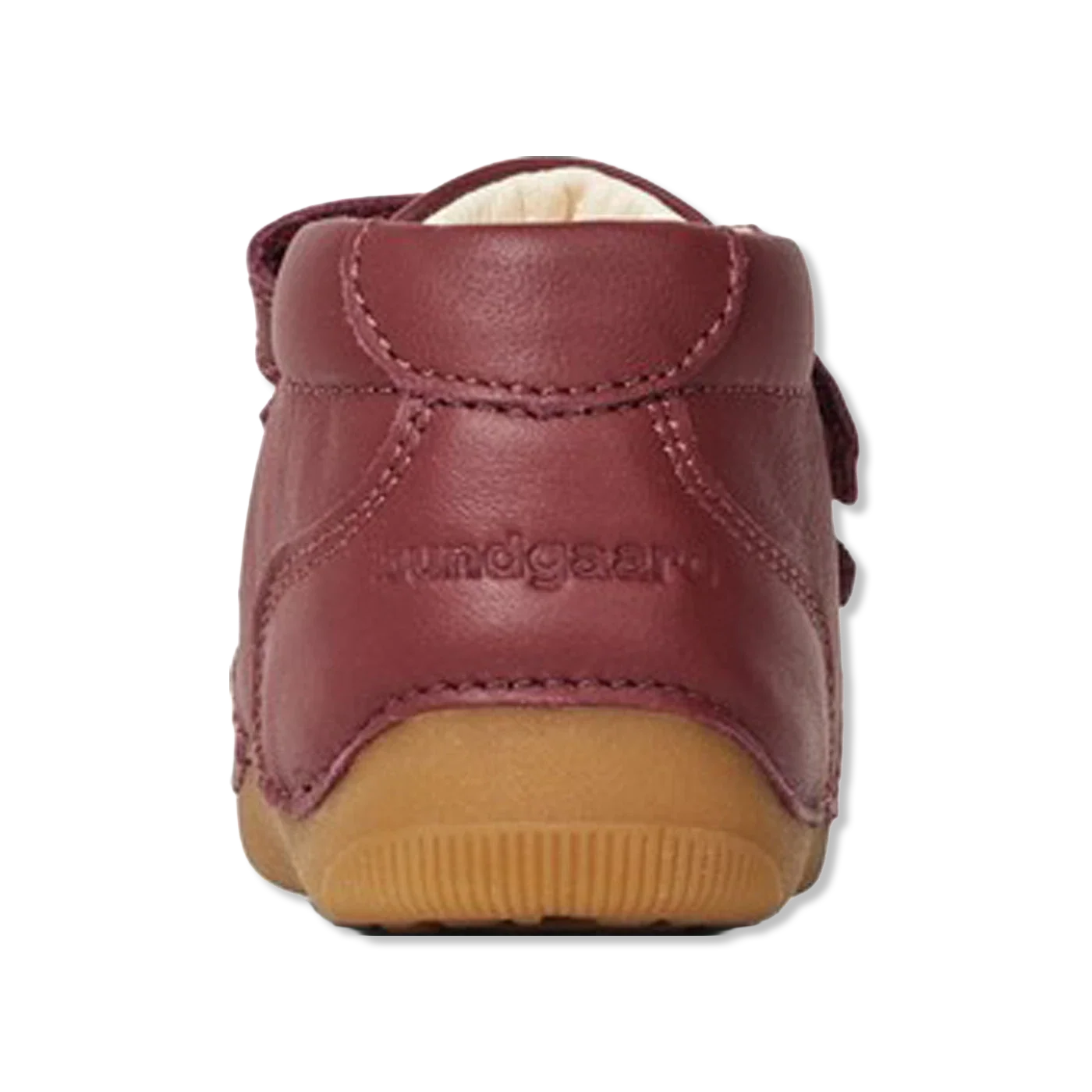
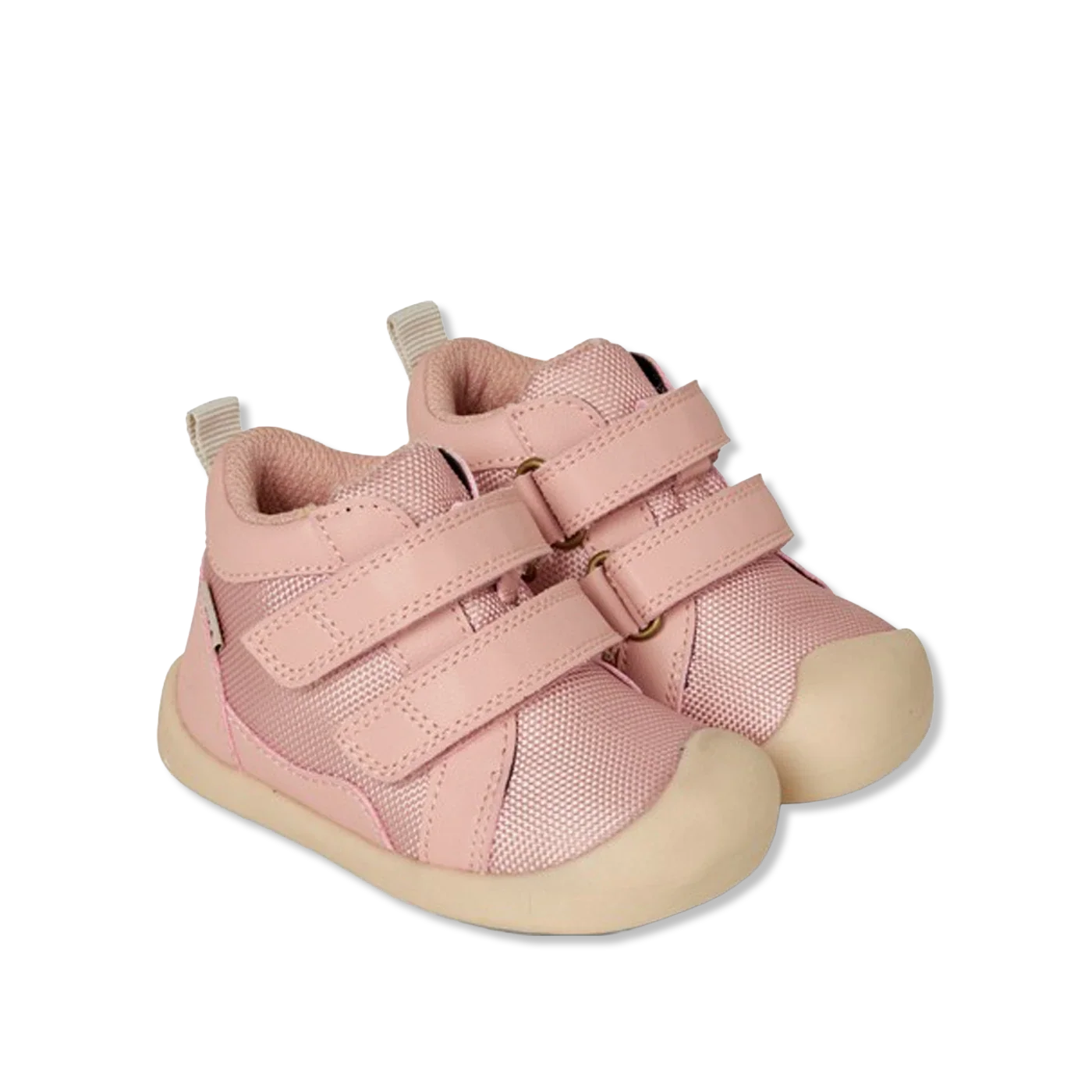
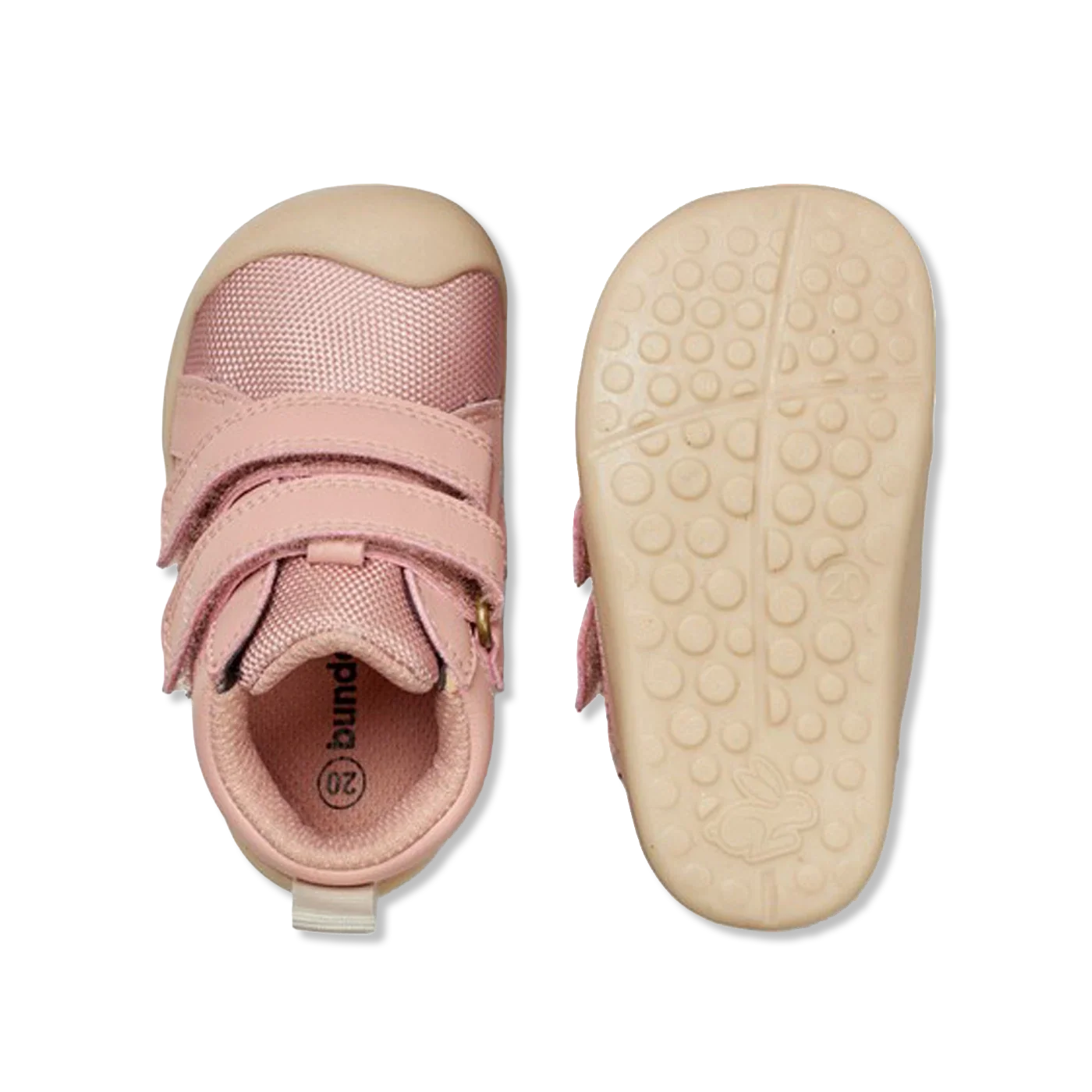
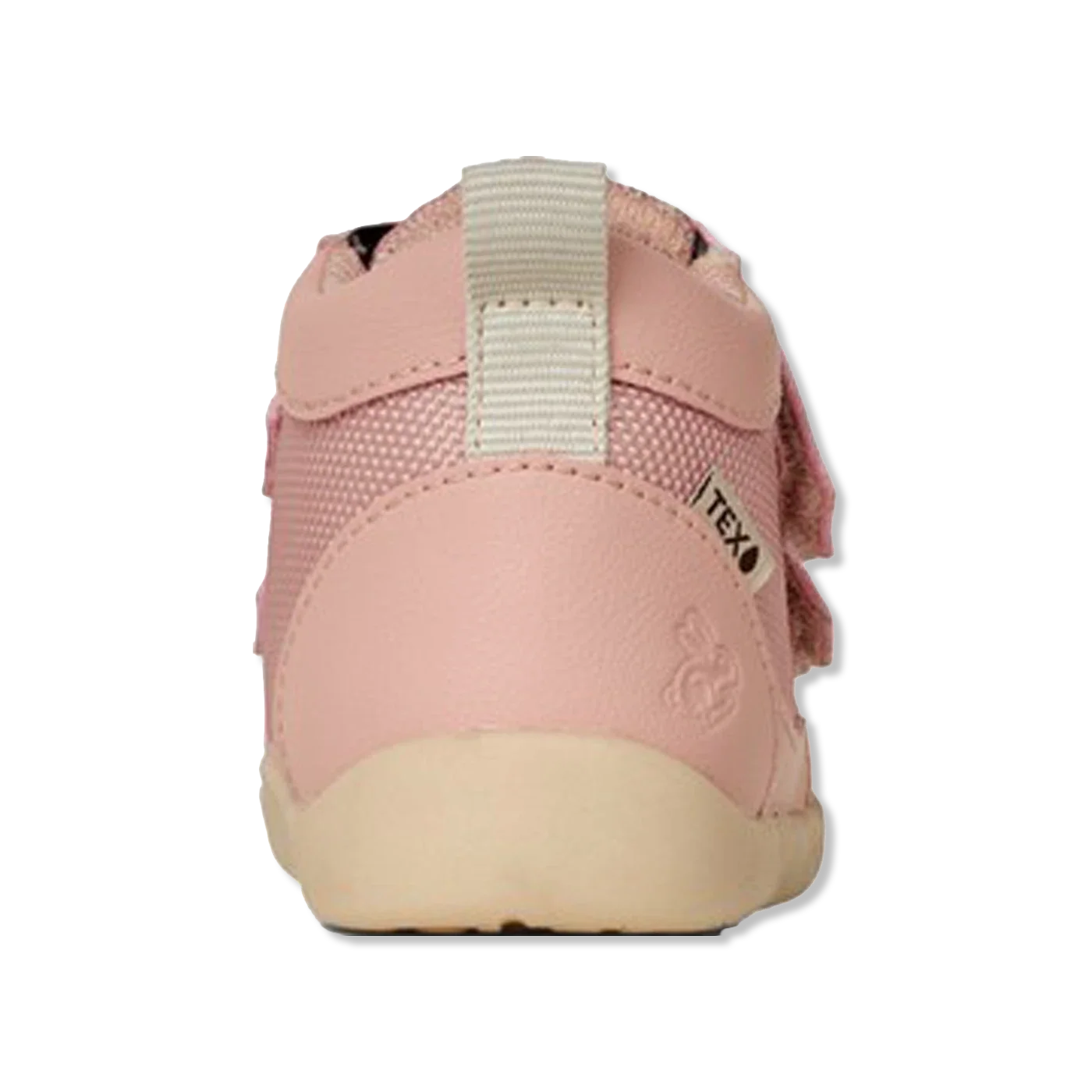
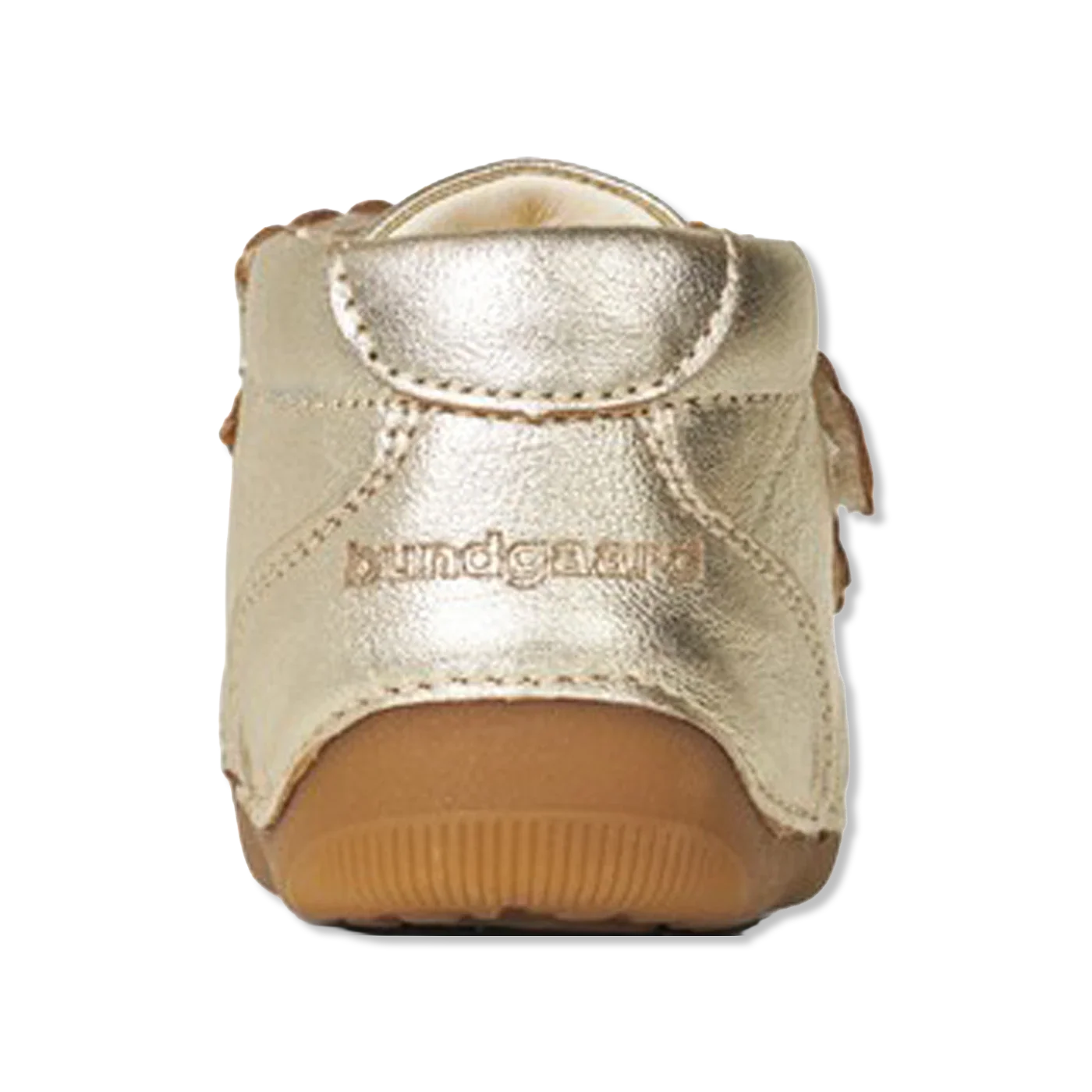
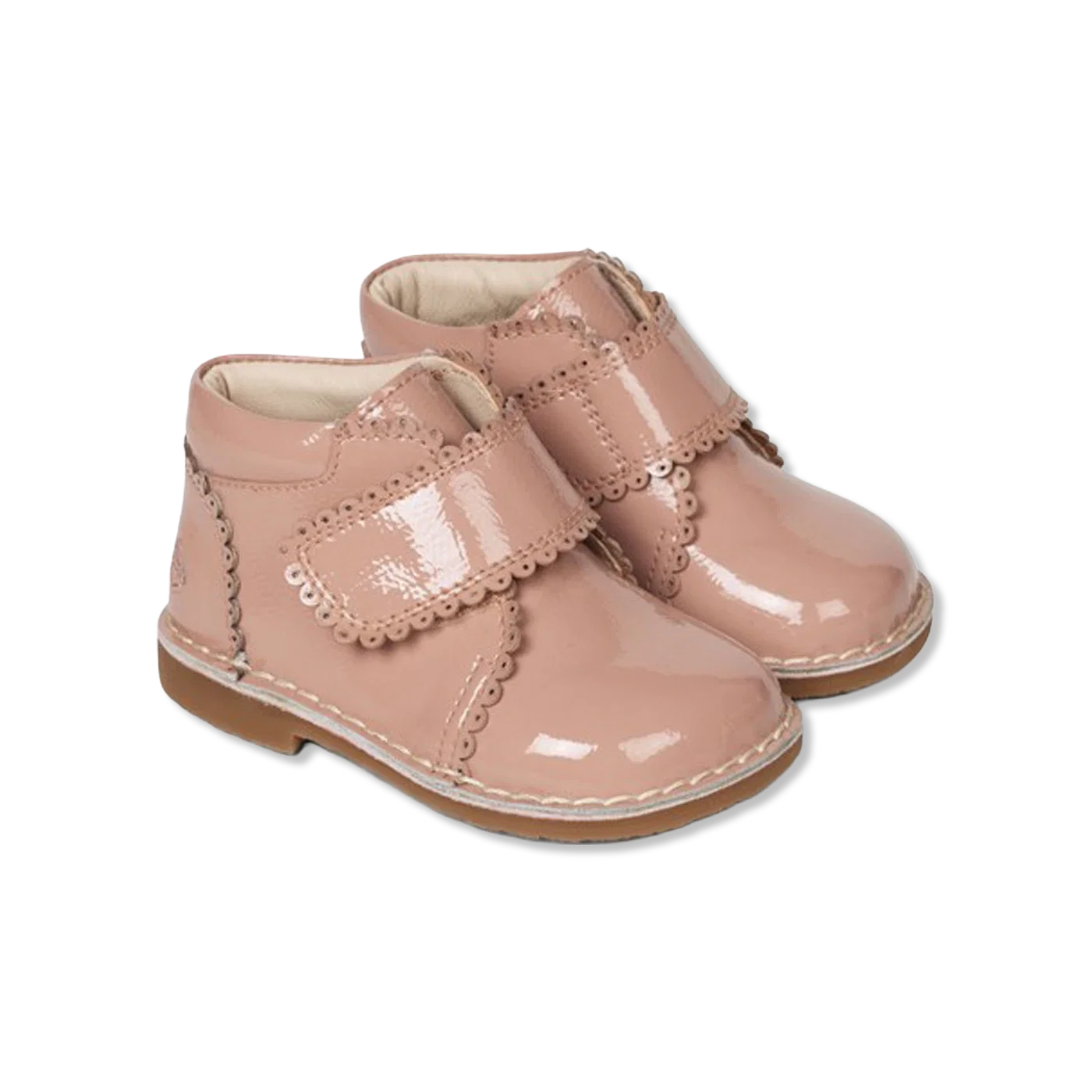
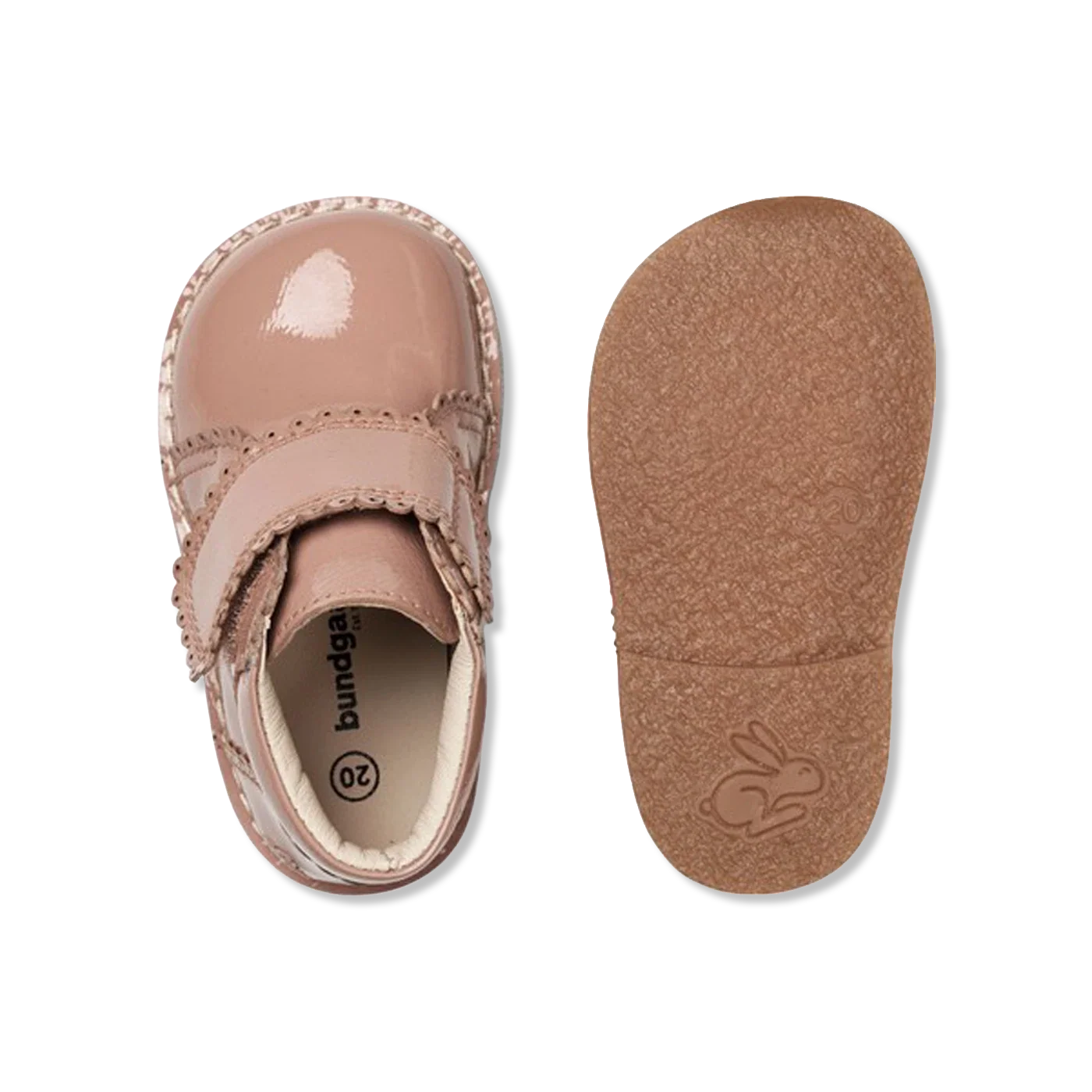
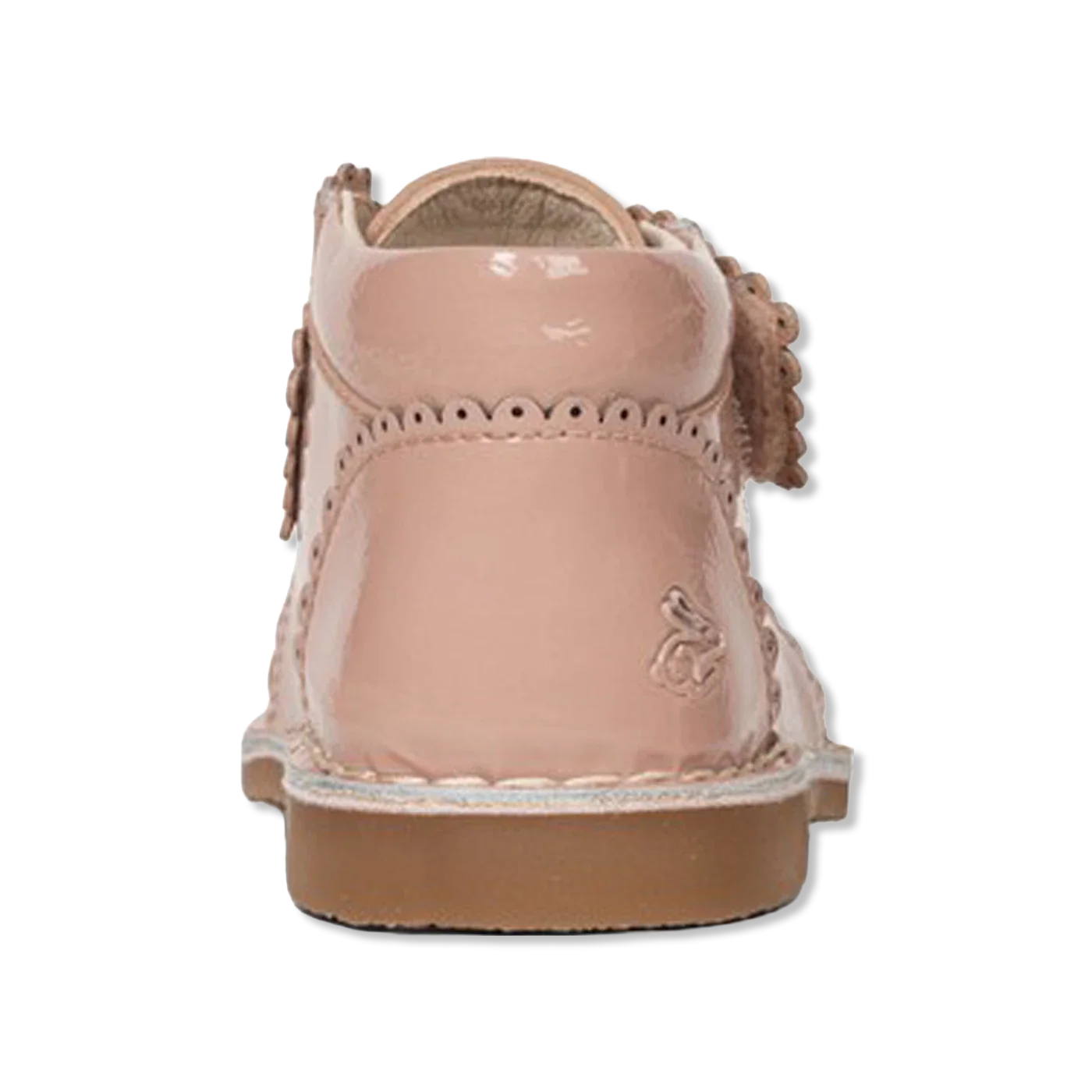
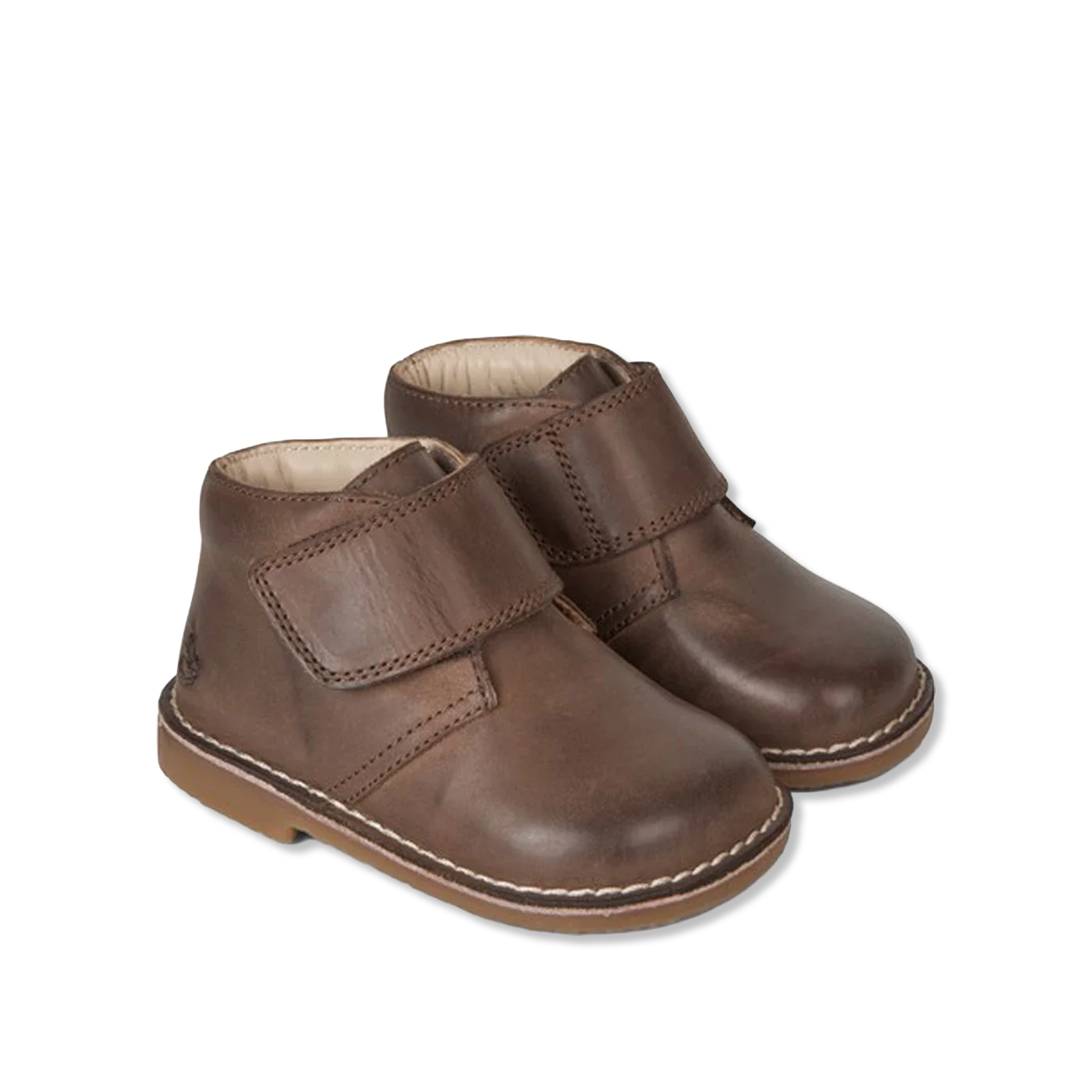
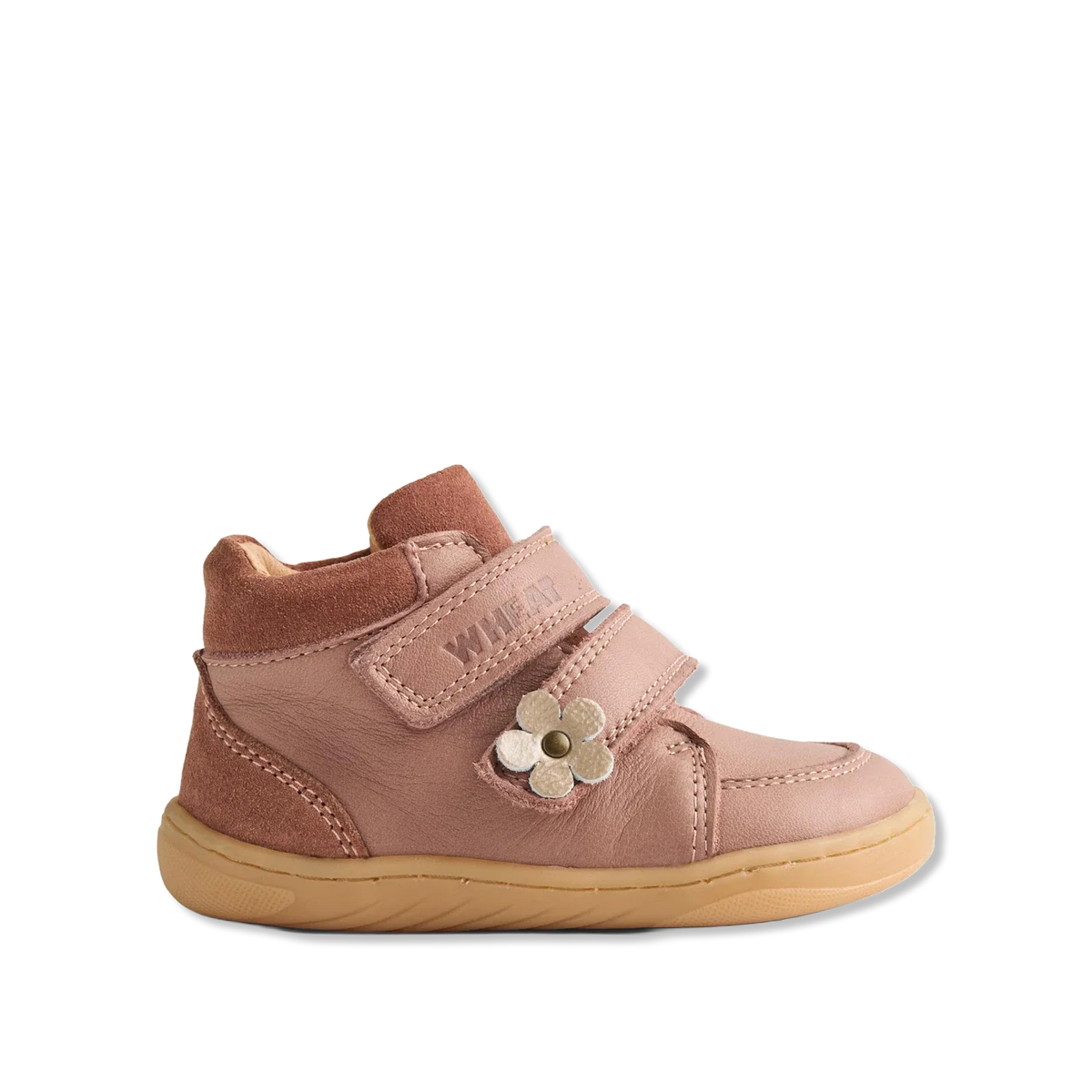
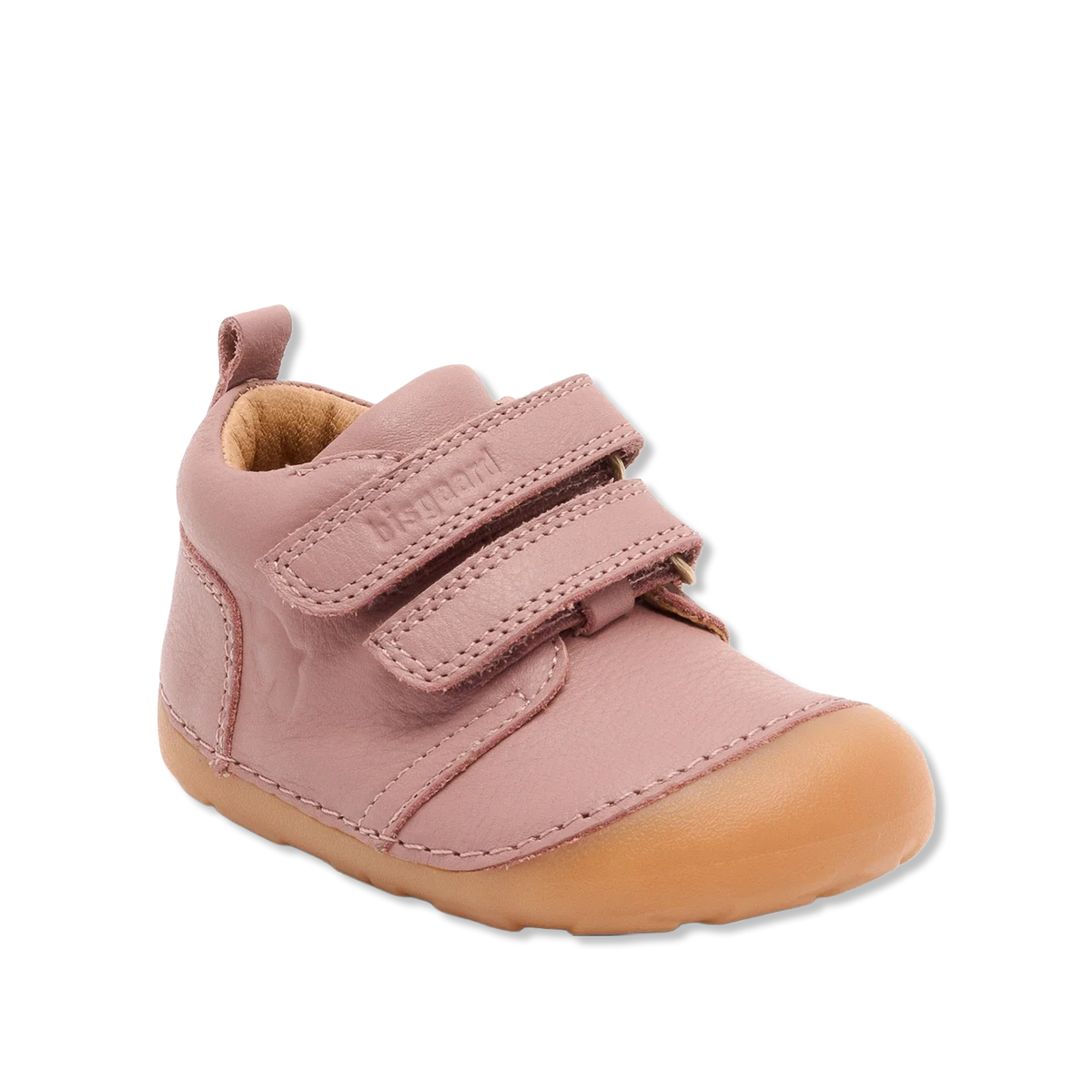
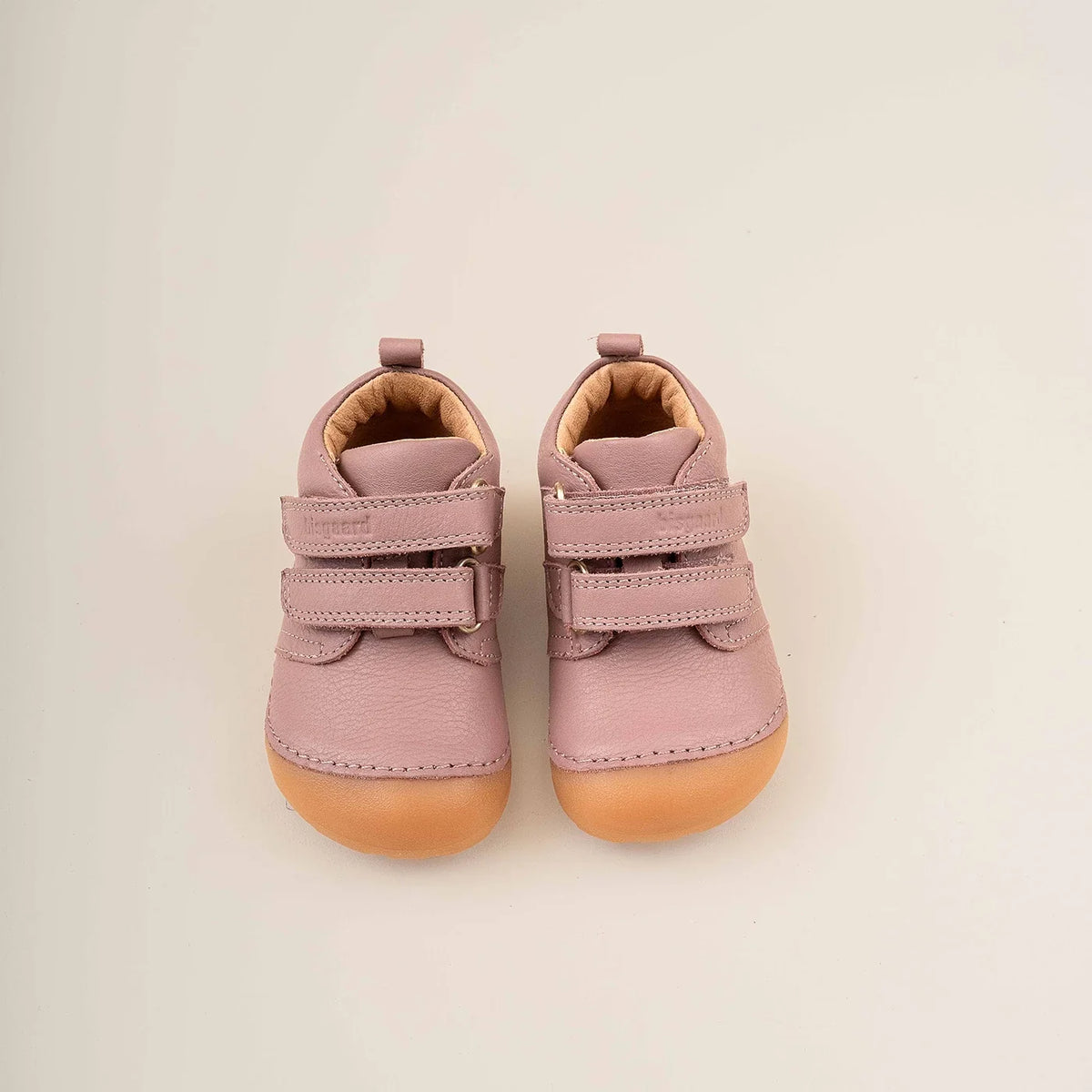
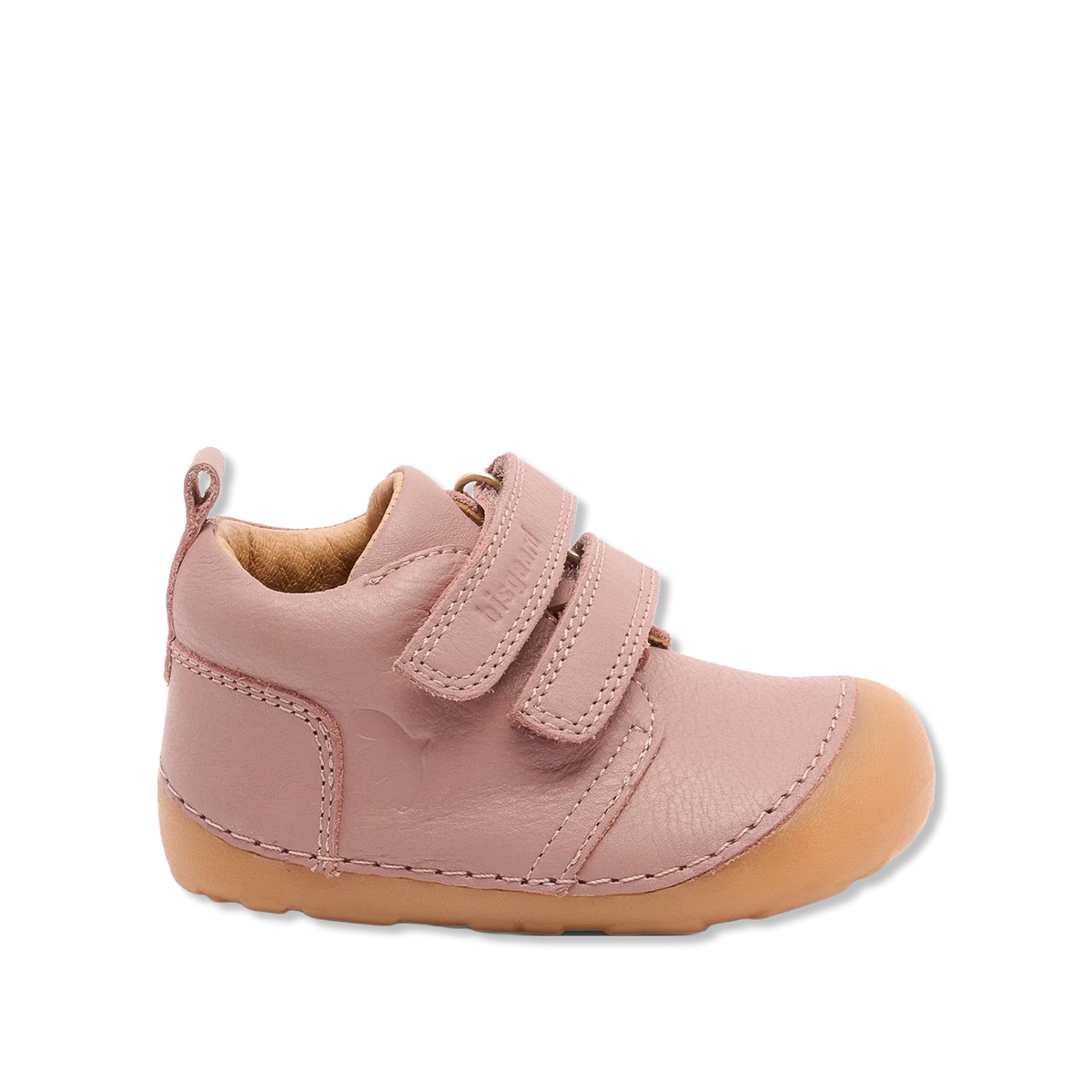
Kids’ shoes and sneakers for everyday wear, play and school
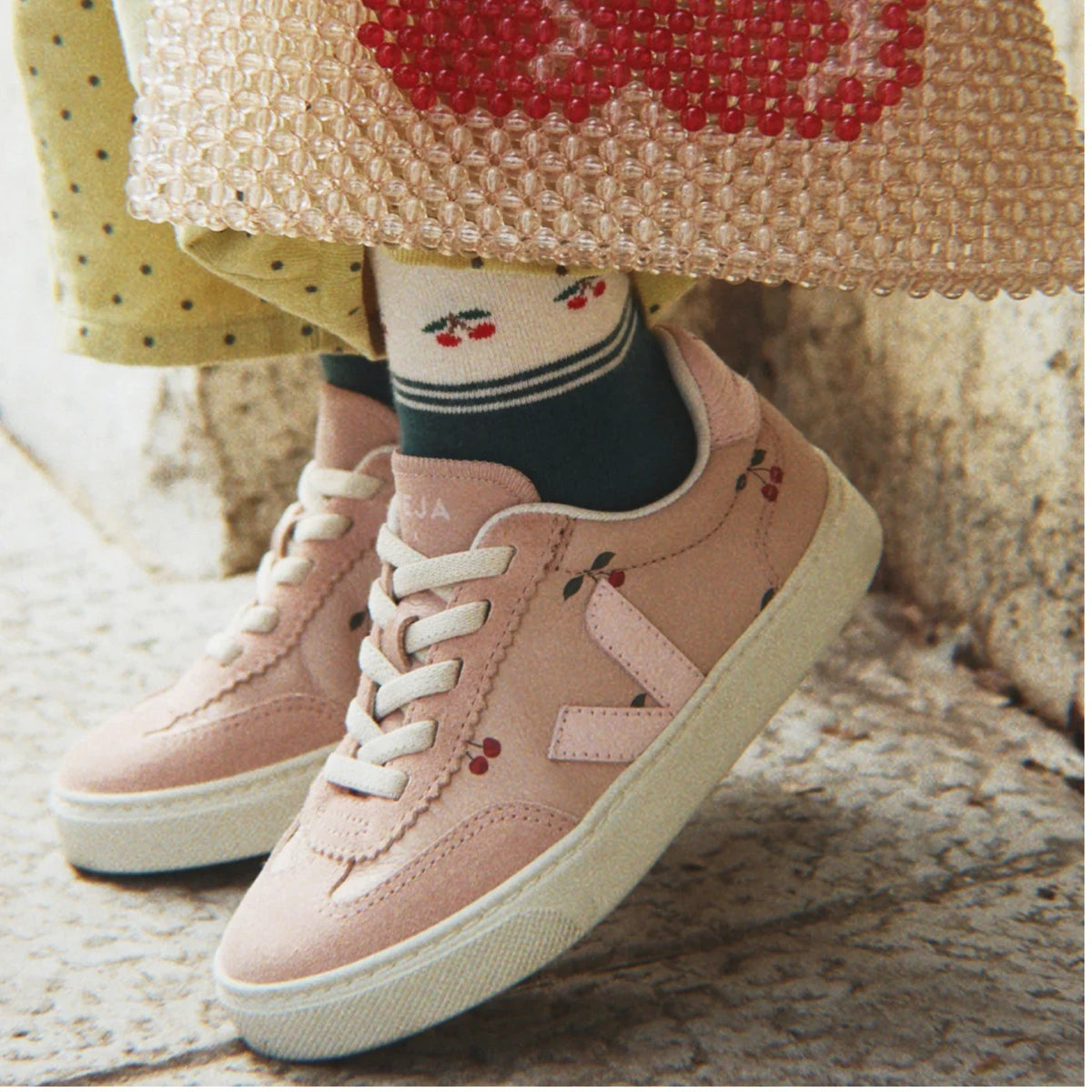
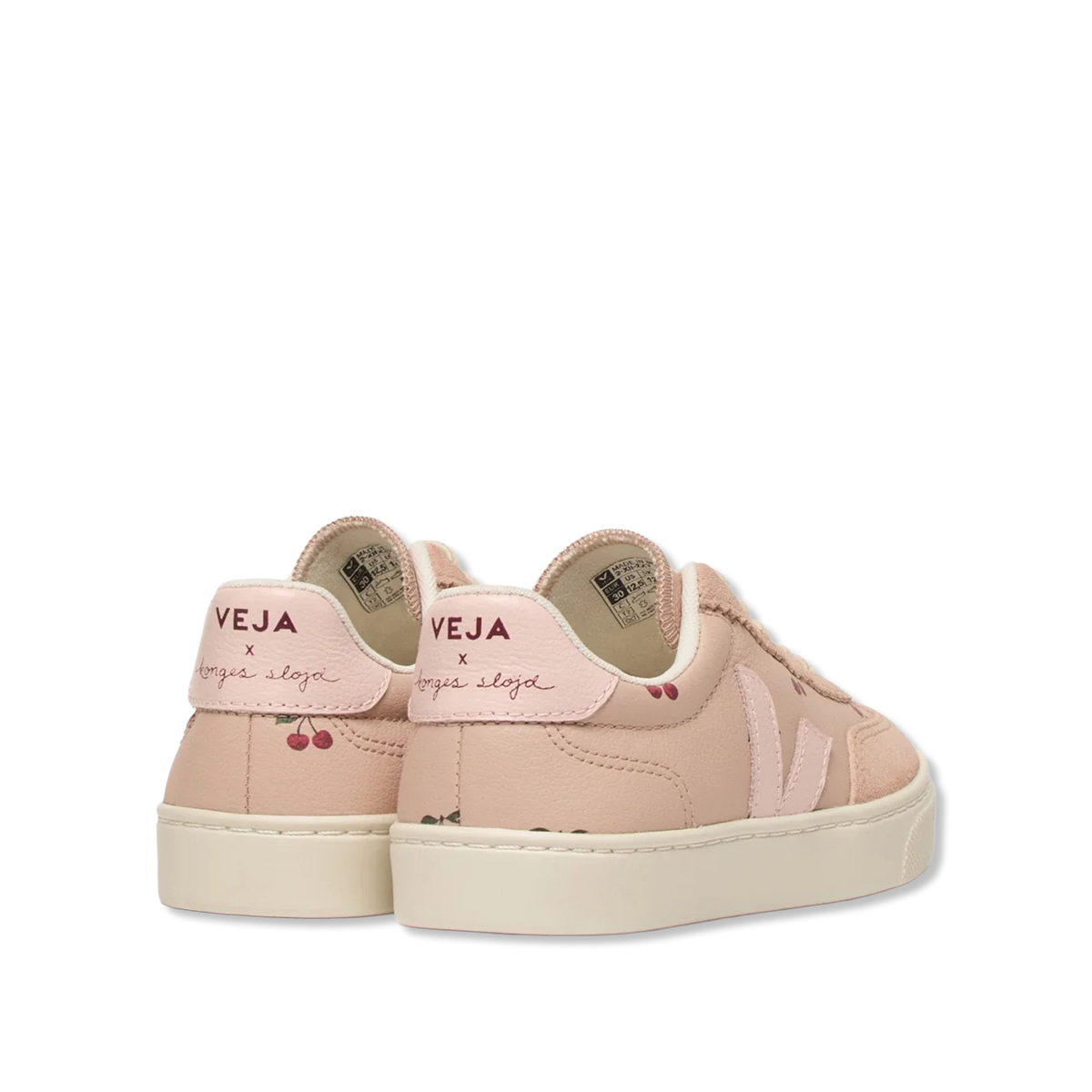
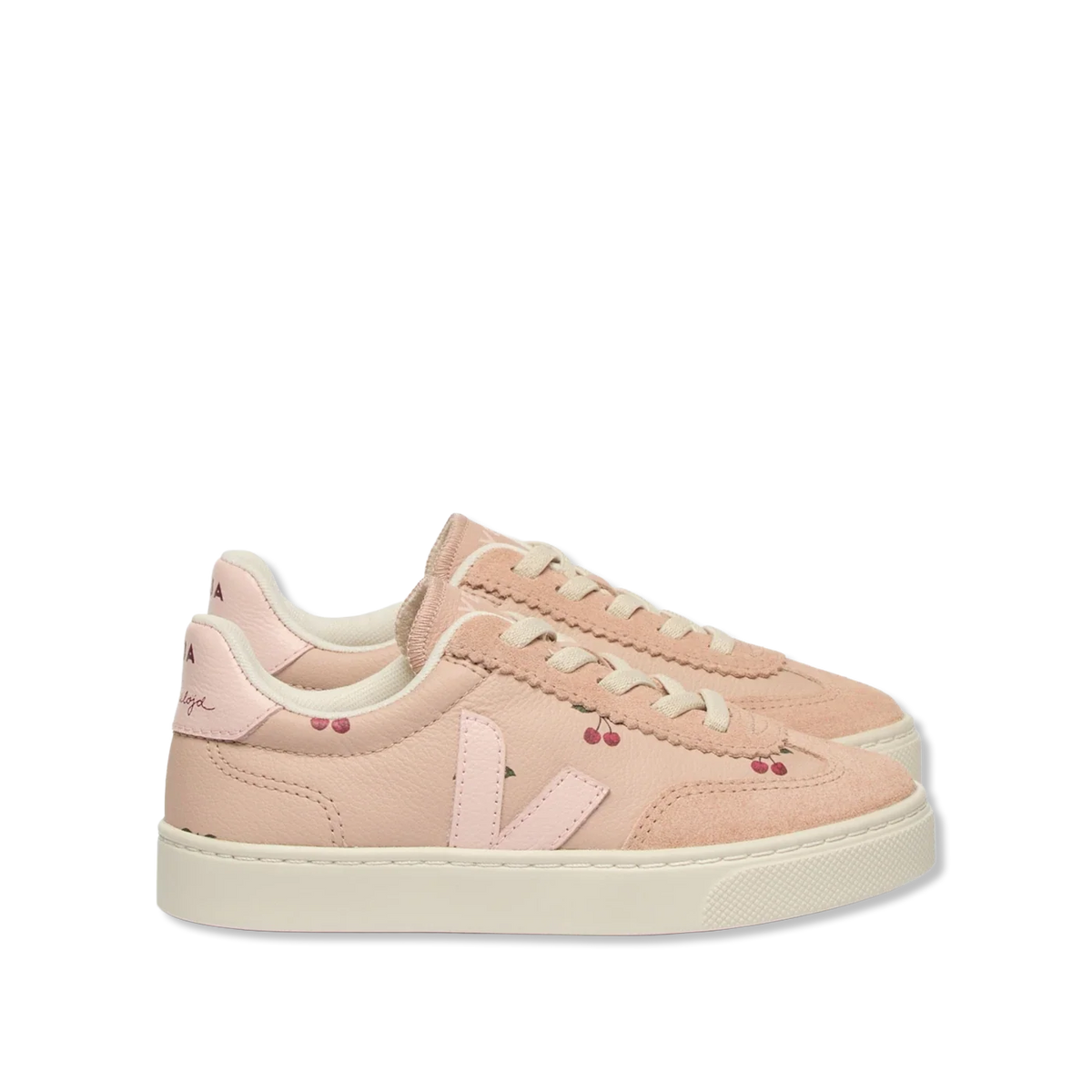
Shoes and sneakers cover many different types of children’s footwear – from styles for little ones who have just taken their first steps to options for older kids who need reliable shoes for school, leisure and active play. When choosing a pair, fit, purpose and season are especially important to consider. Some children feel best in lightweight sneakers that follow them through a busy day, while others benefit more from a more closed shoe with a little extra everyday support.
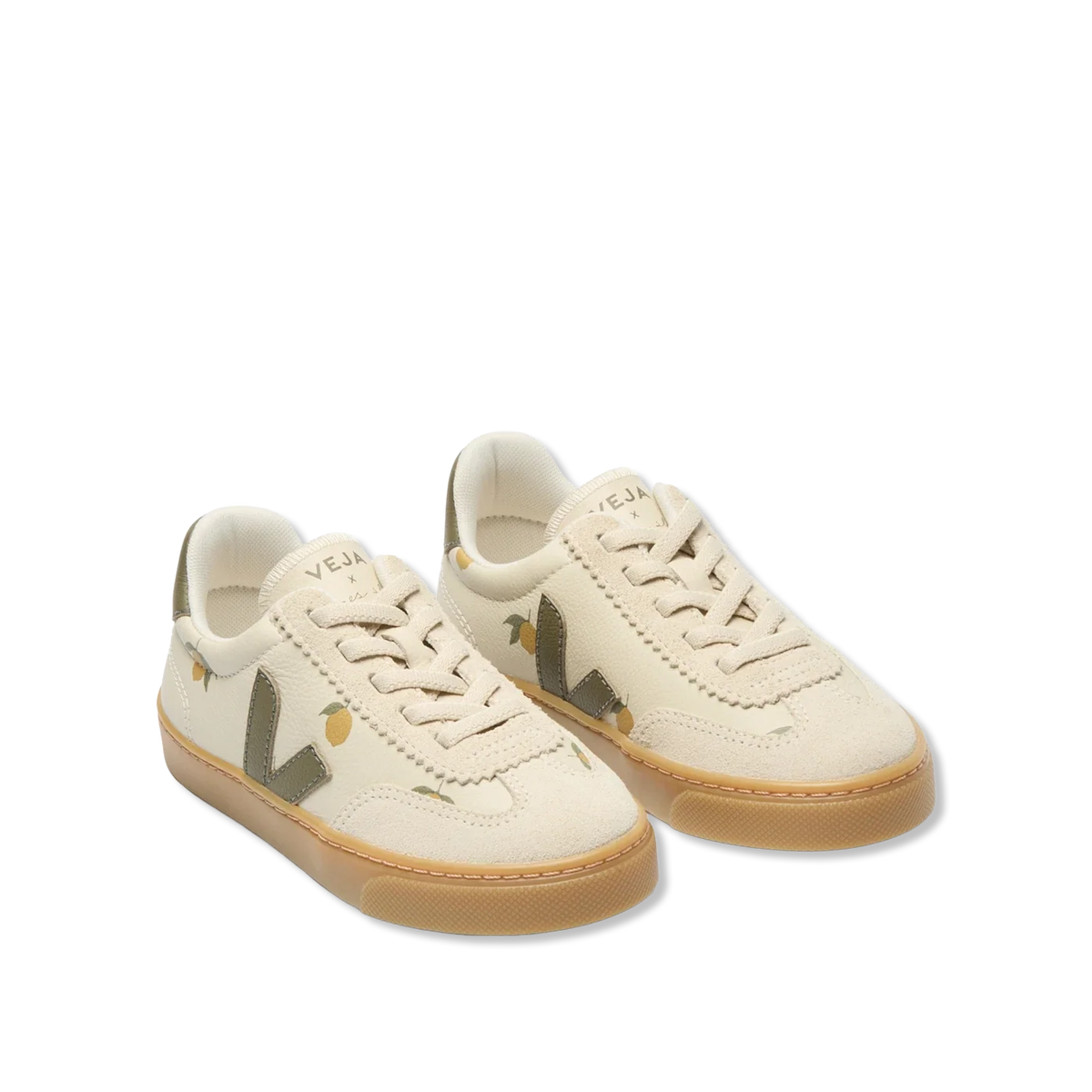
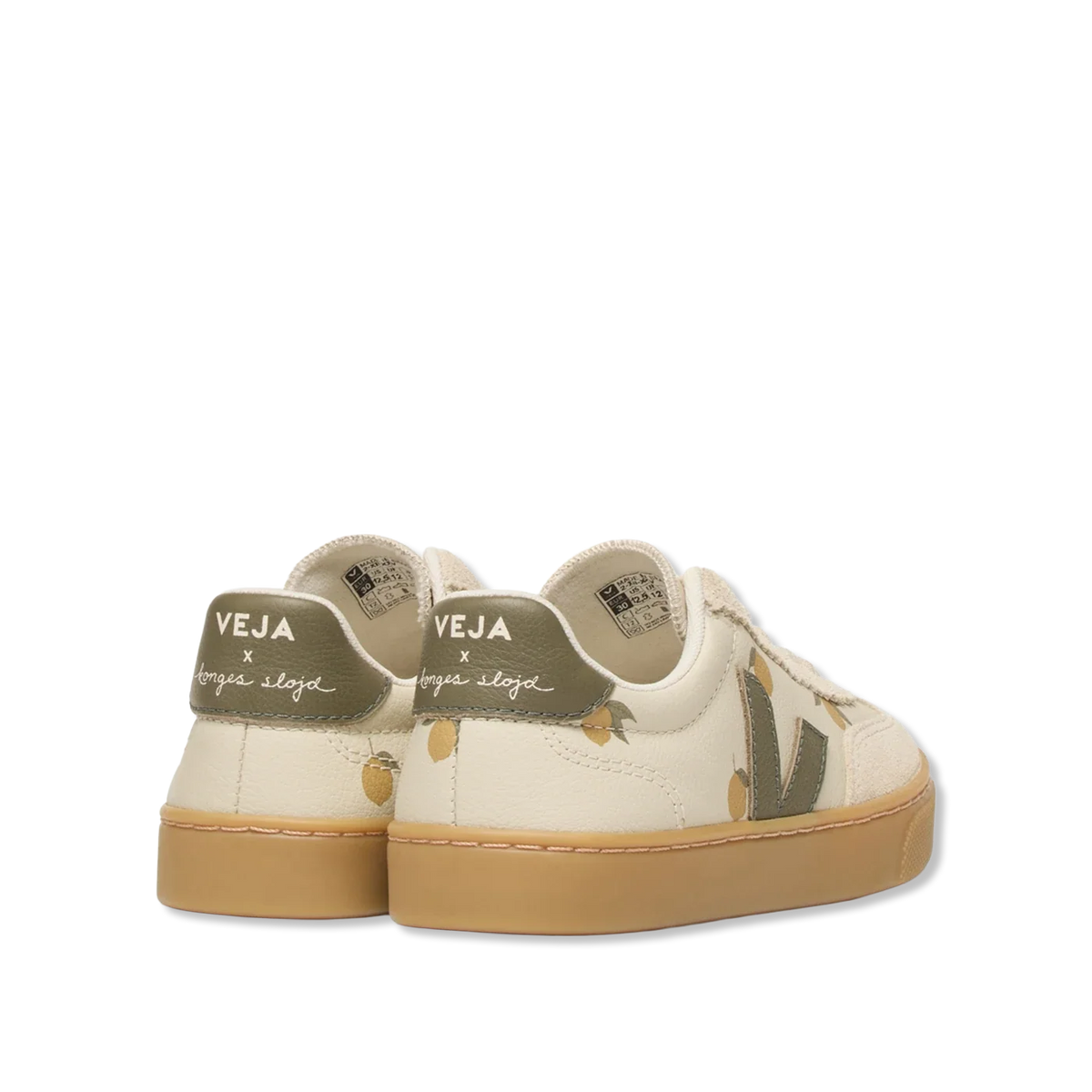
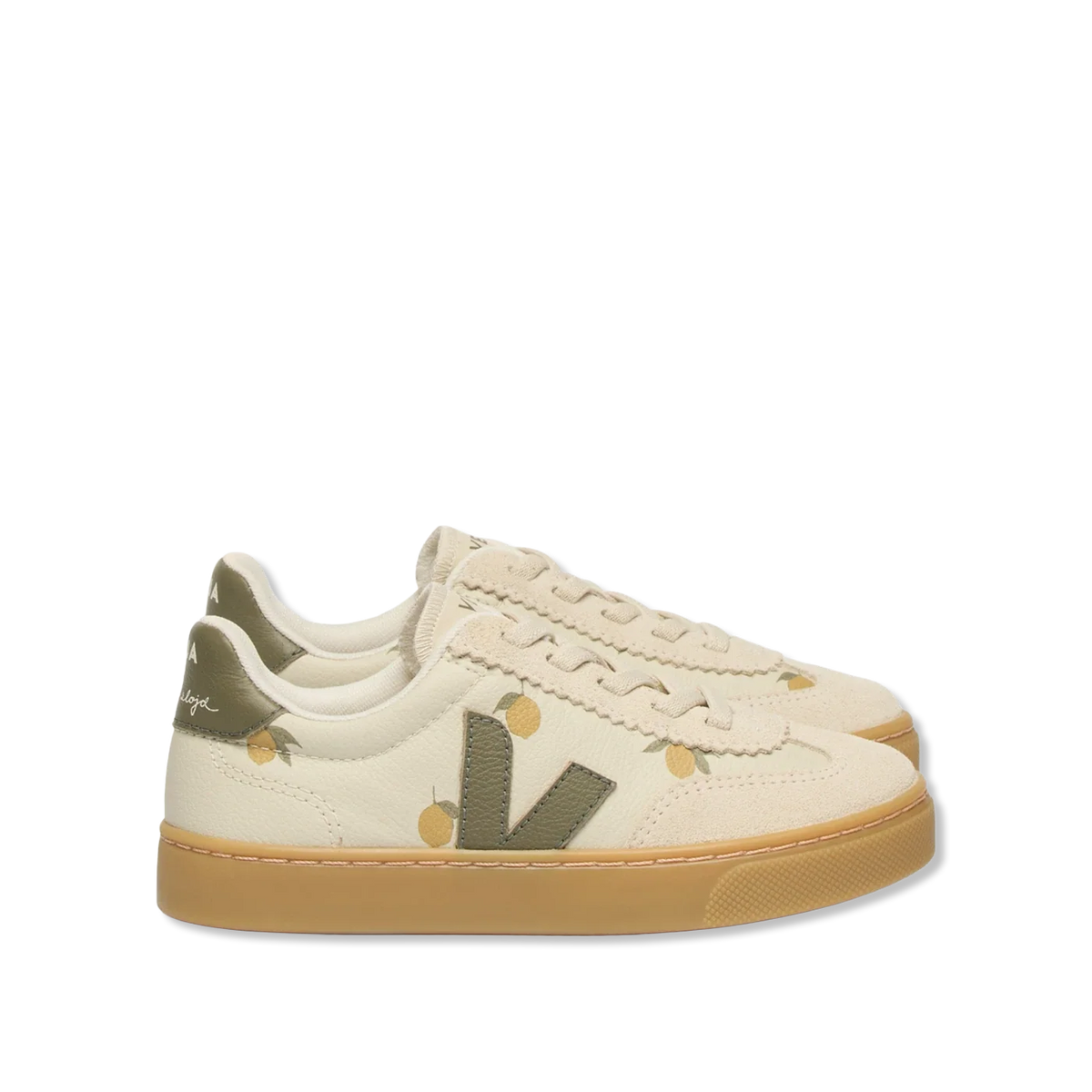
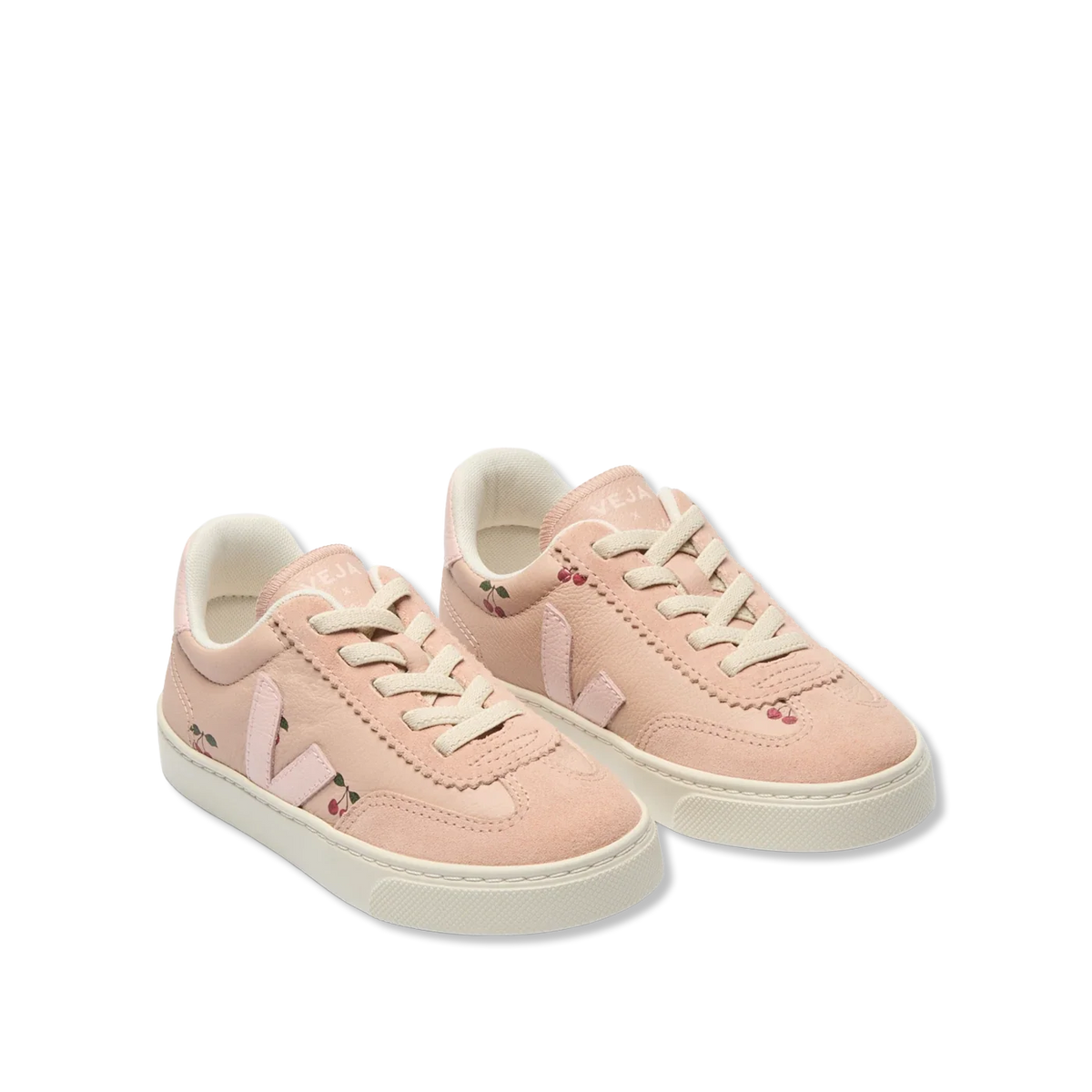
For many parents, it is also about understanding the difference between sneakers and more classic shoes. Kids’ sneakers are often light and flexible, making them comfortable for running, playing and spending many hours on the move. Shoes made from materials such as leather or with a firmer construction can be a good choice for school, slightly smarter occasions or children who need more stability around the foot. The most important thing is to start with your child’s everyday routine: how the shoes will be used, how active your child is and what kind of weather they need to suit.
How to choose children’s shoes by age and needs
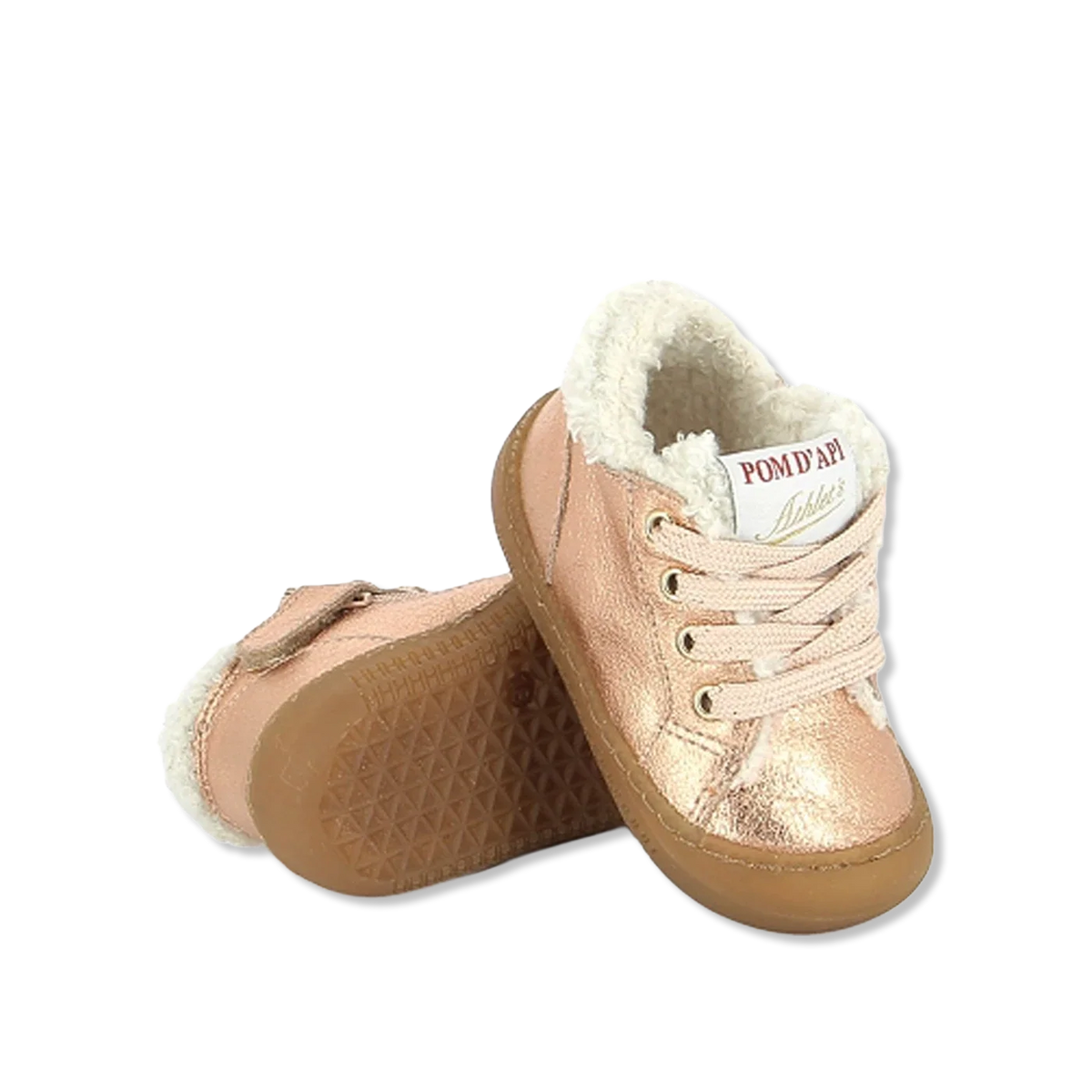
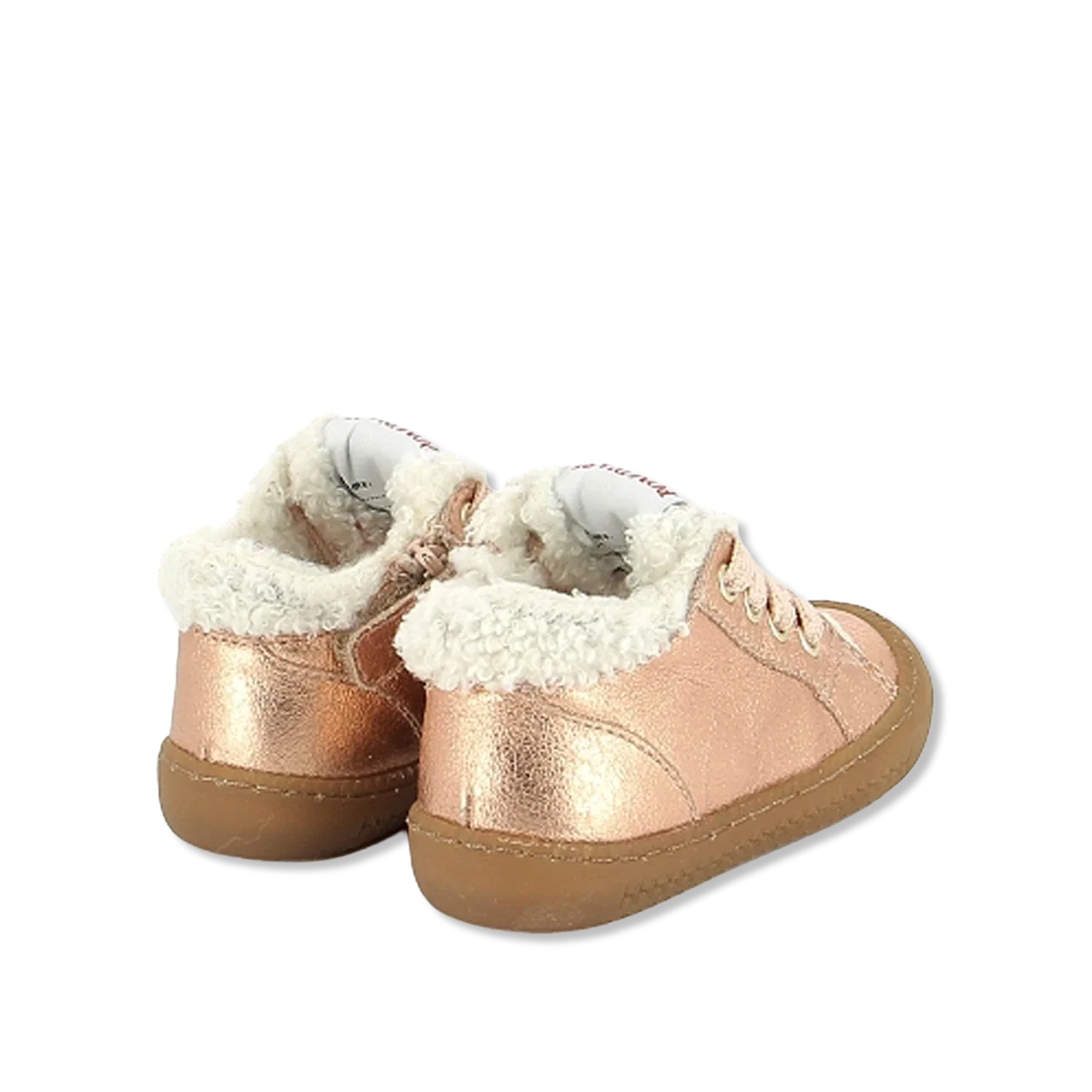
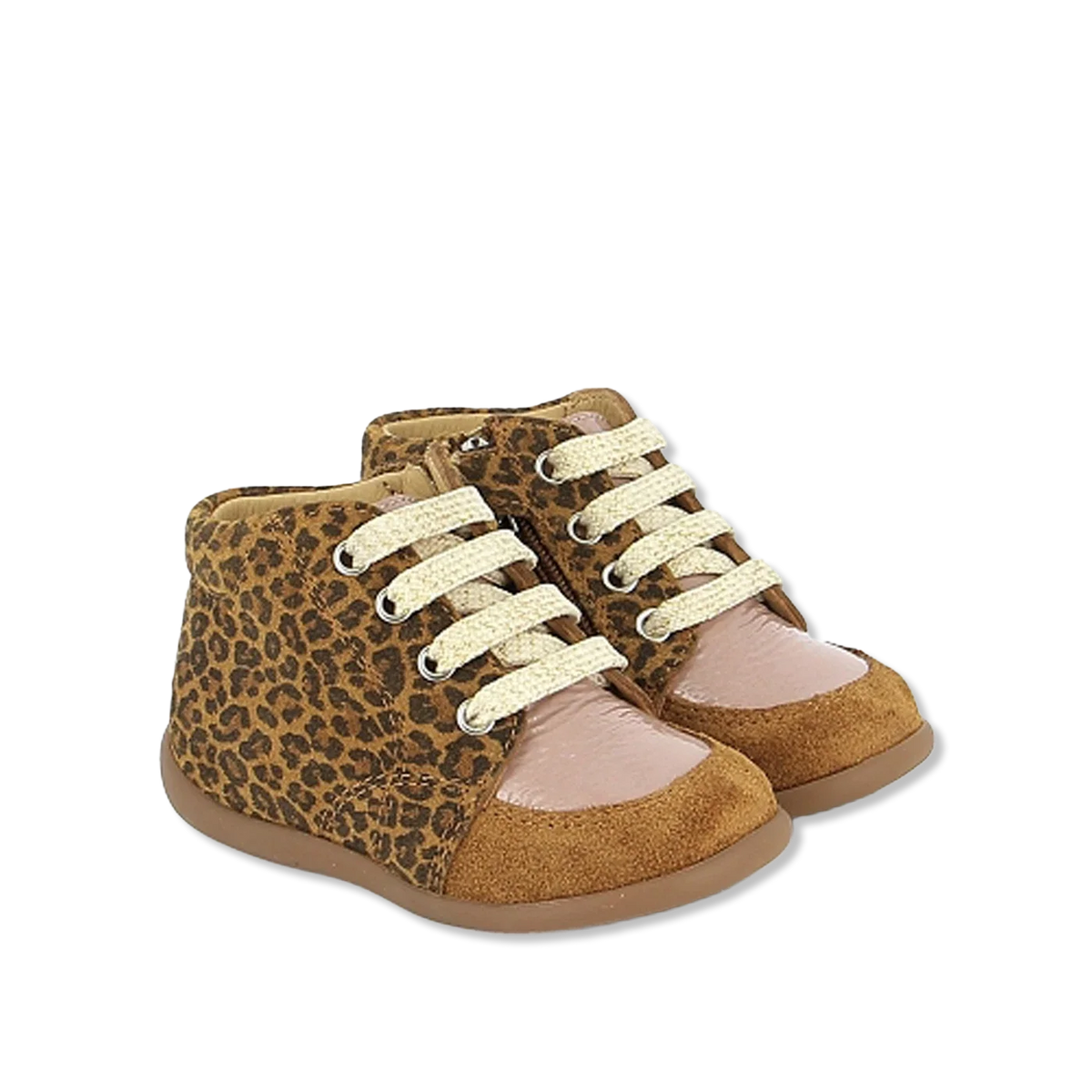
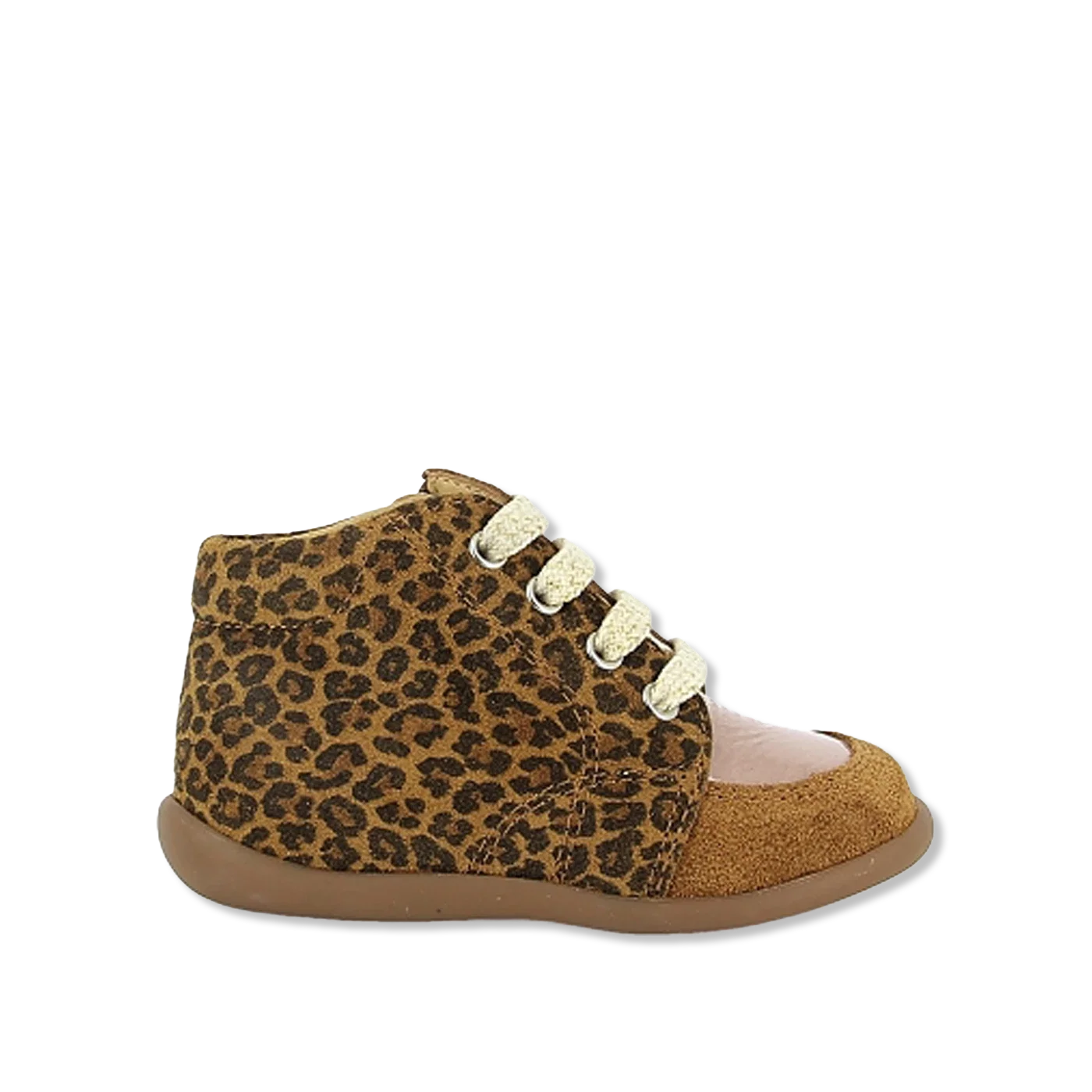
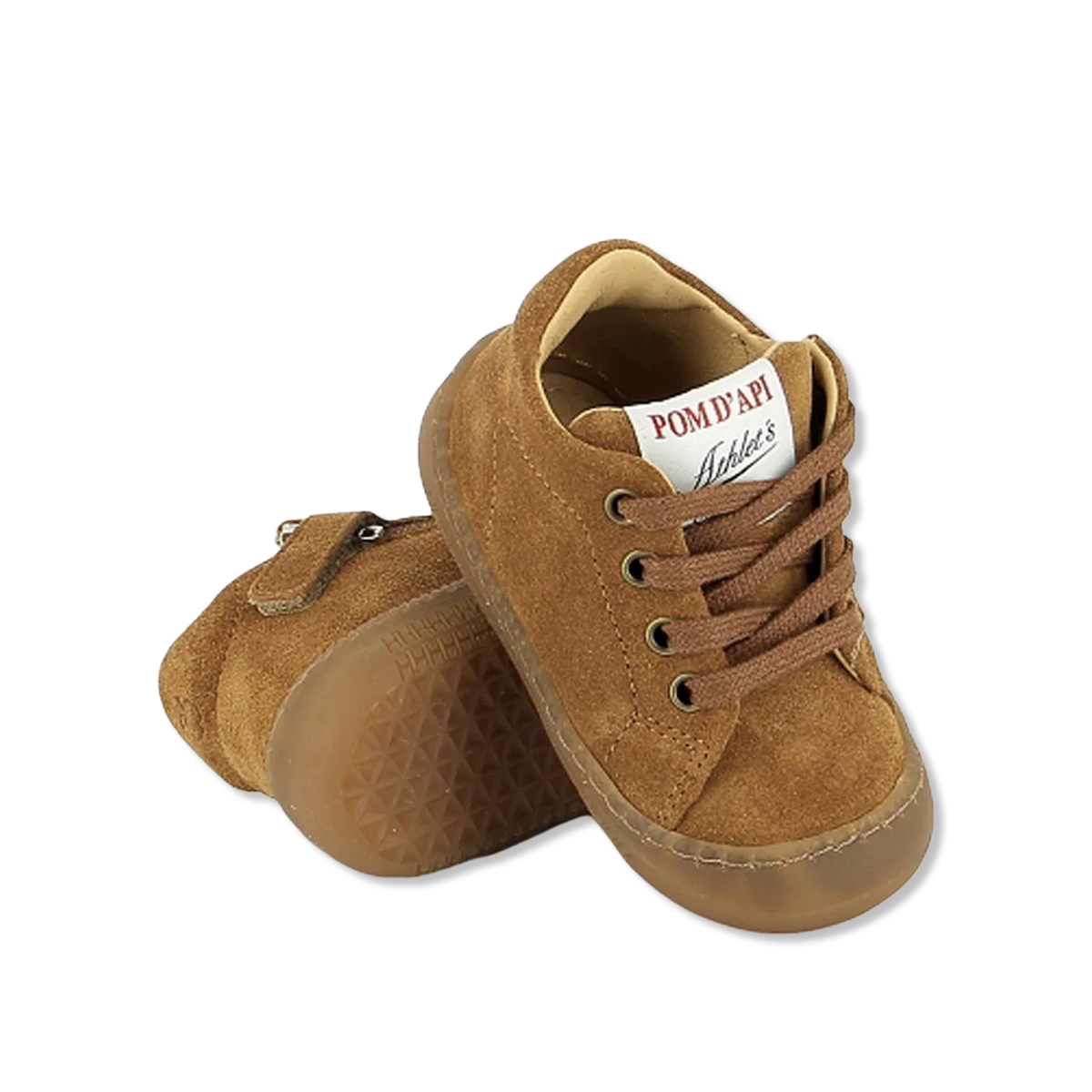
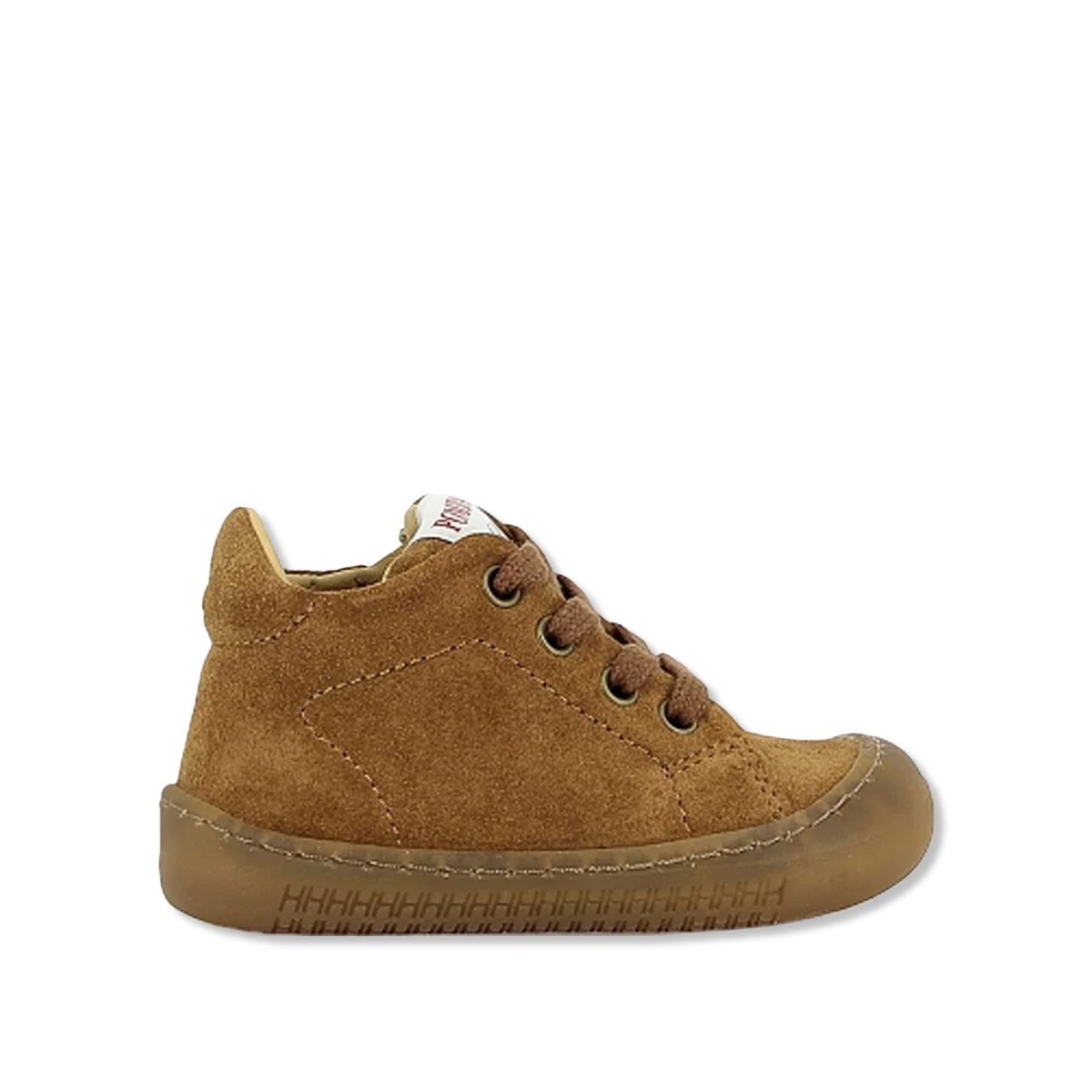
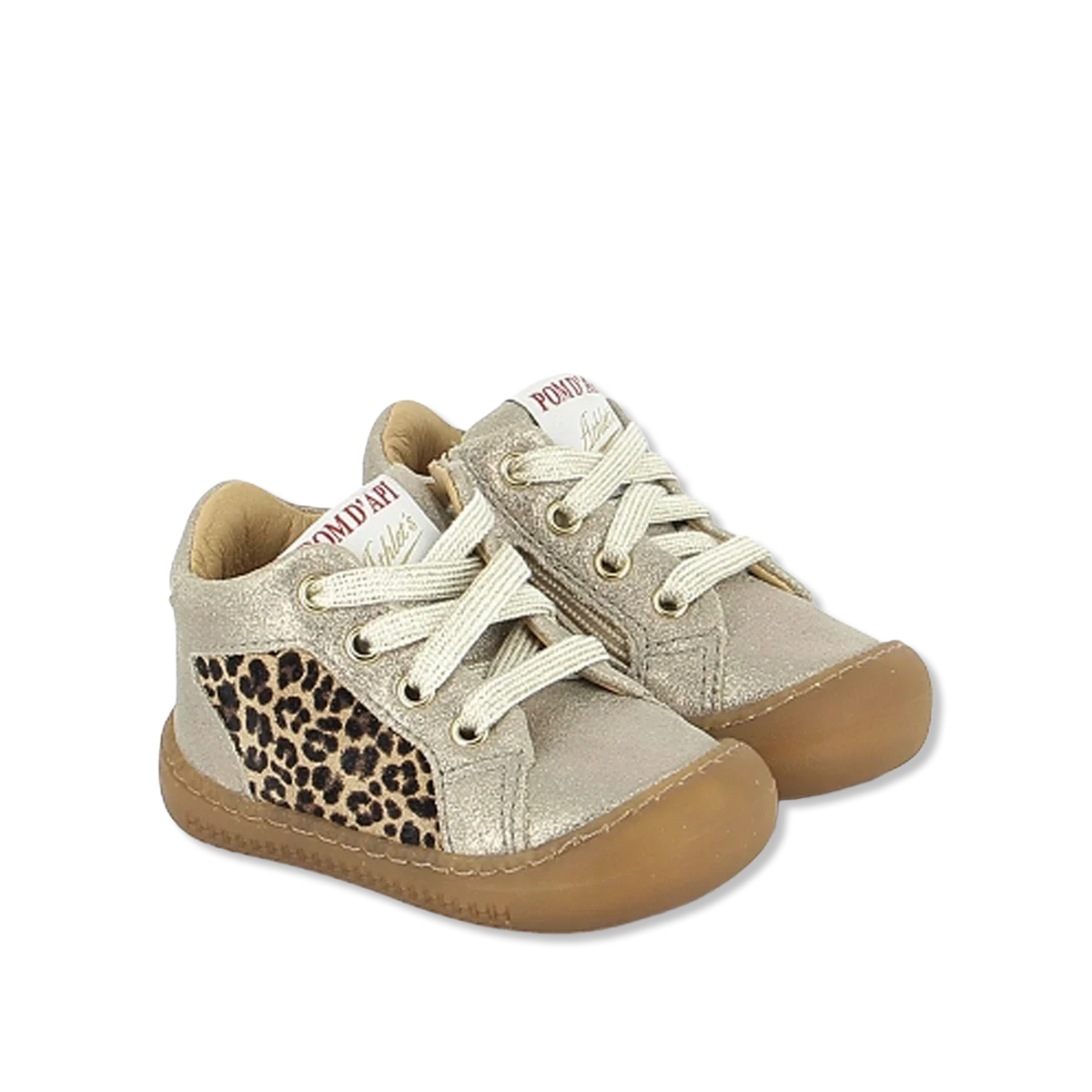
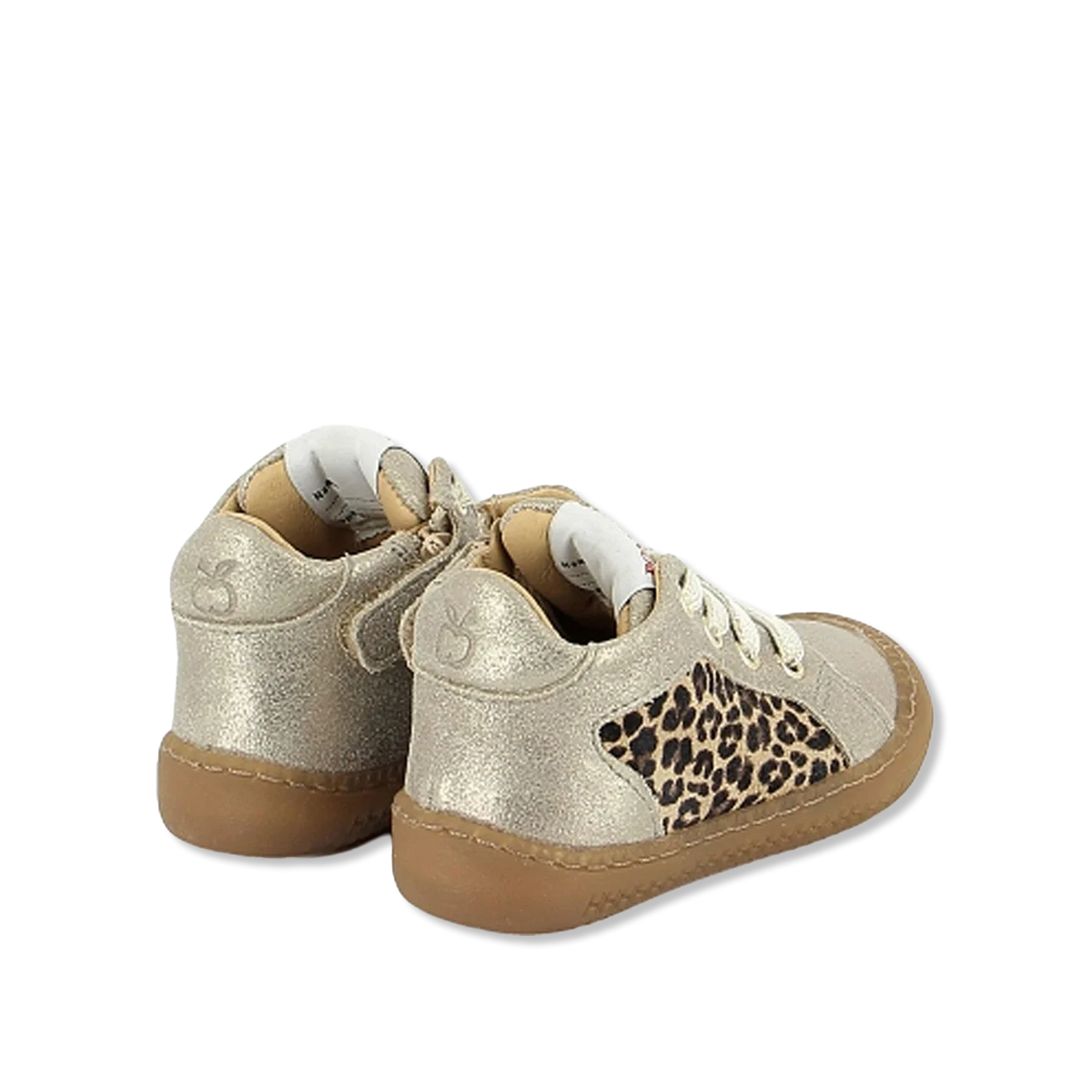
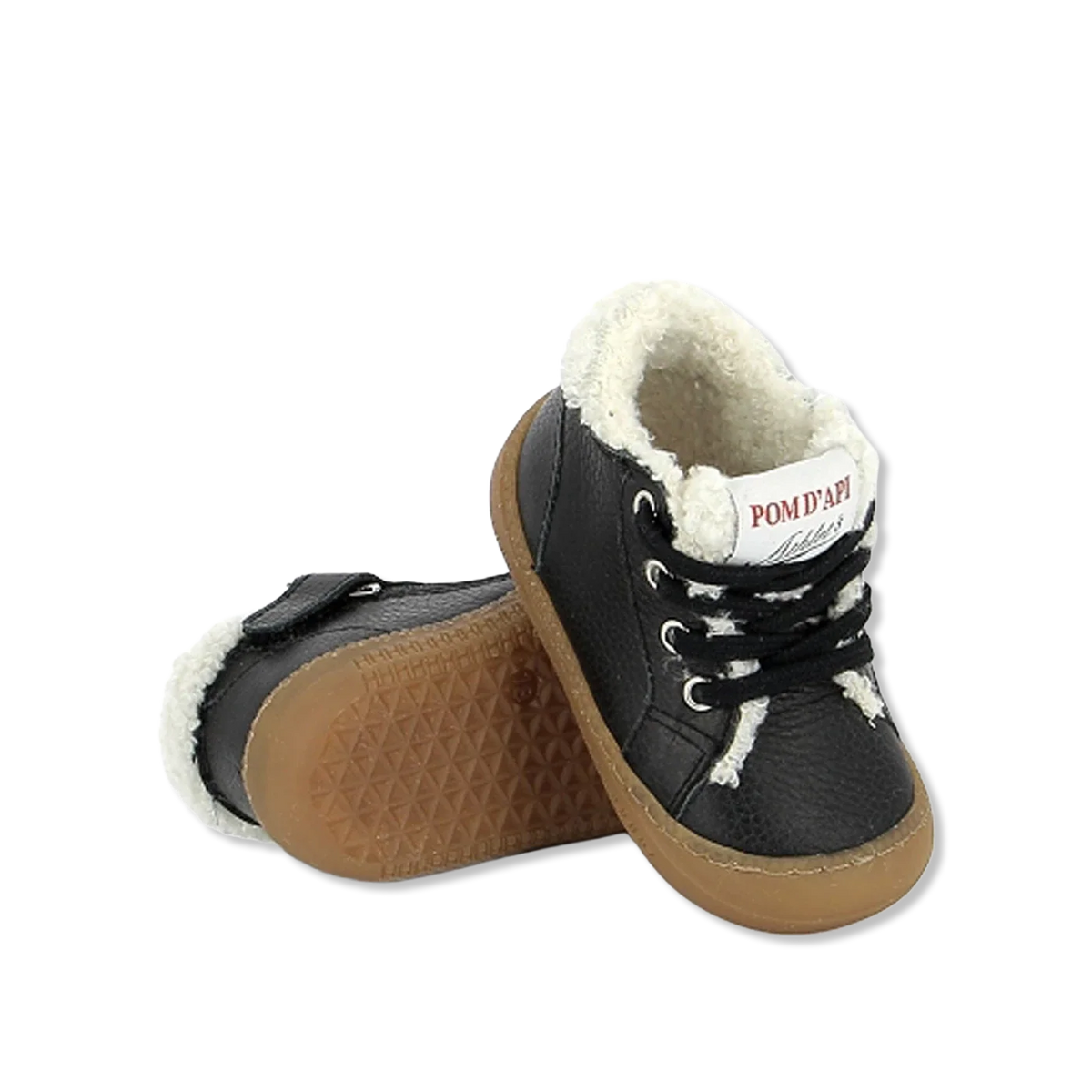
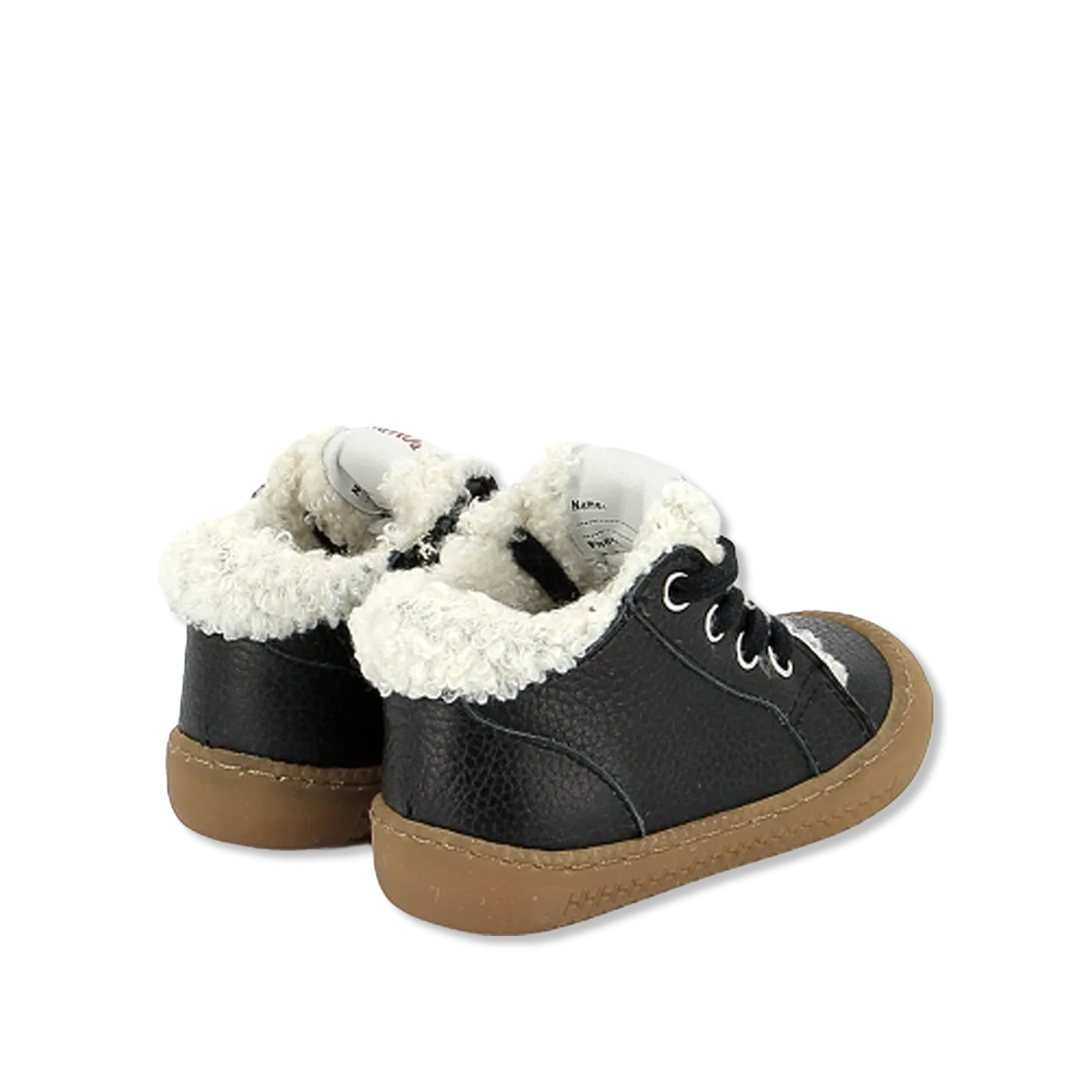
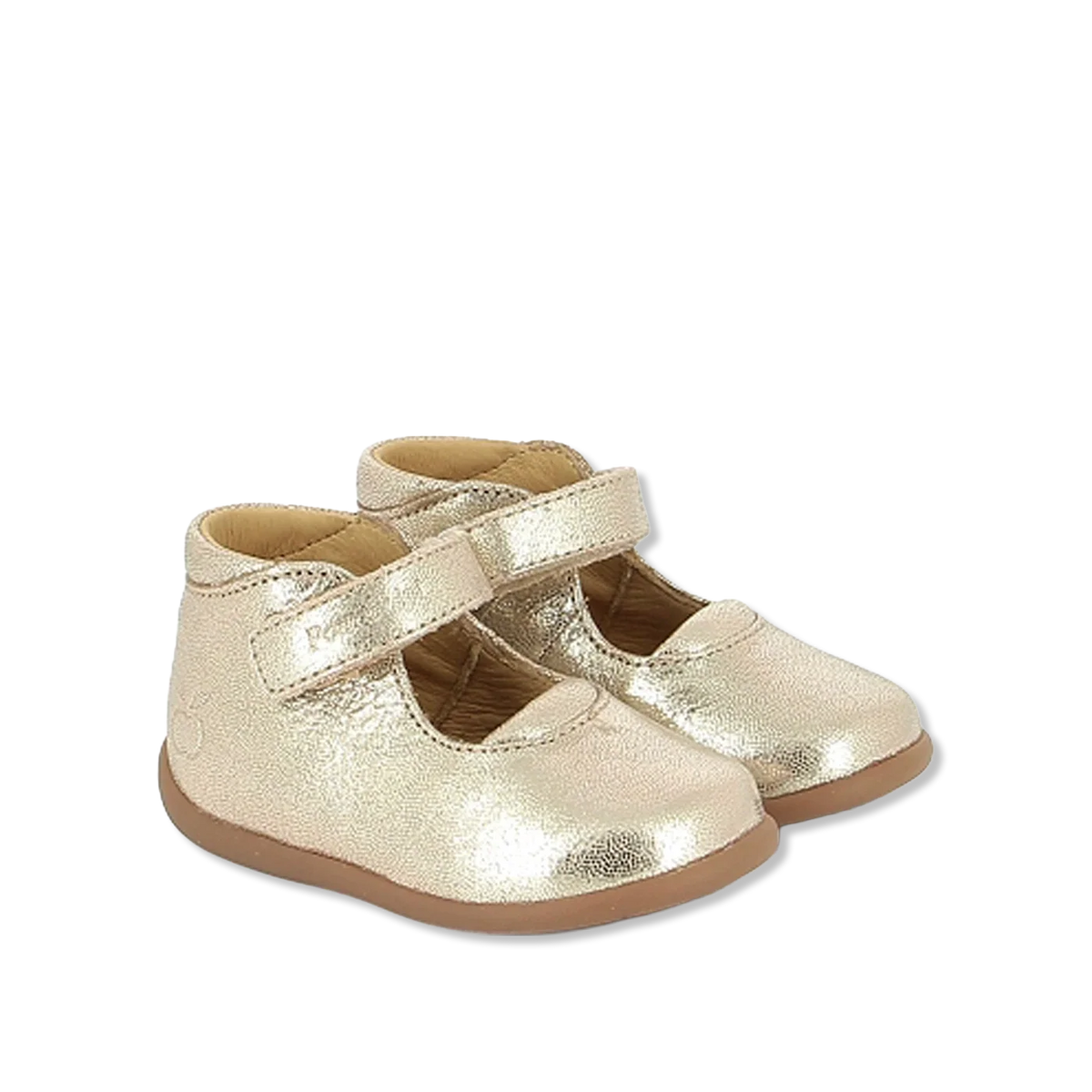
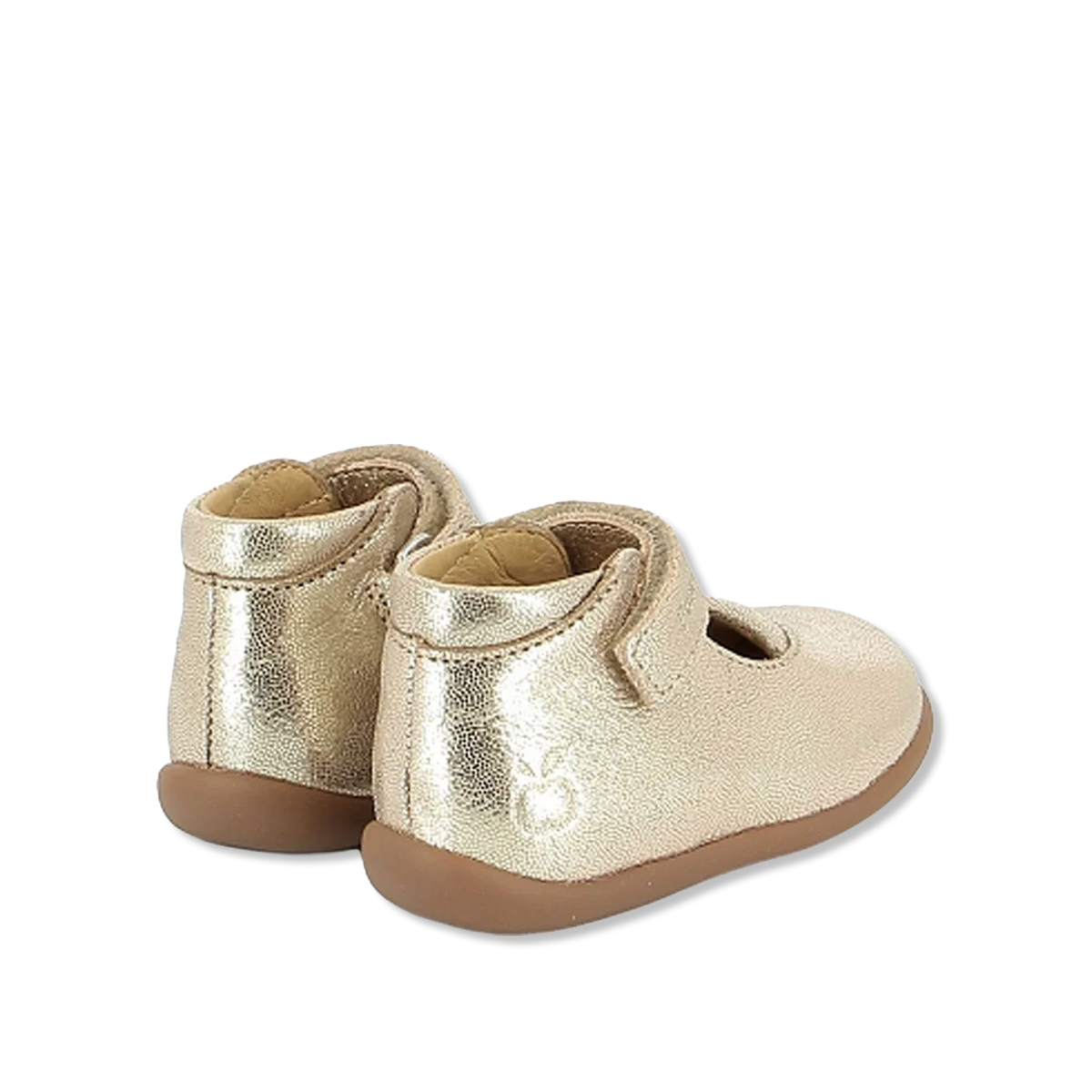
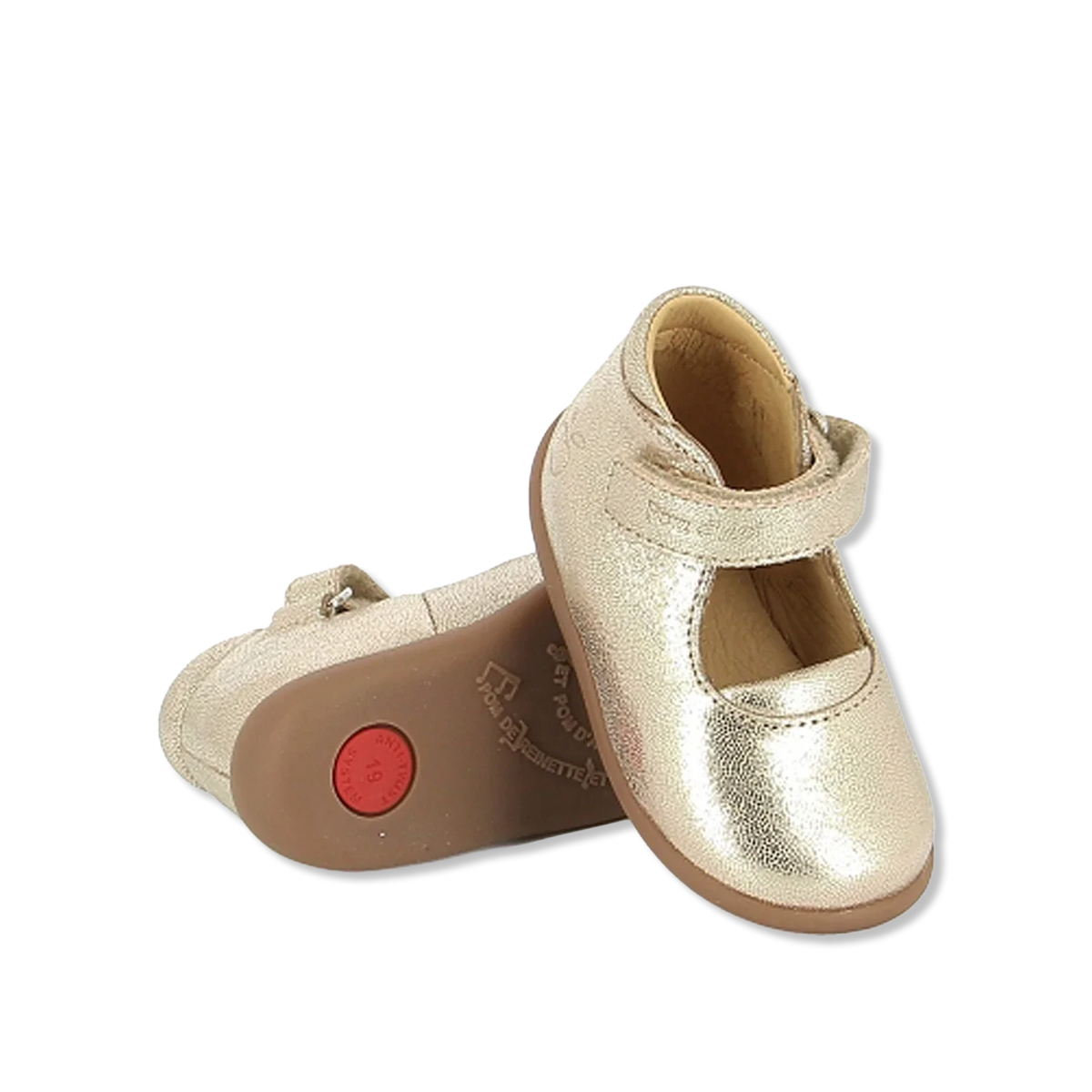
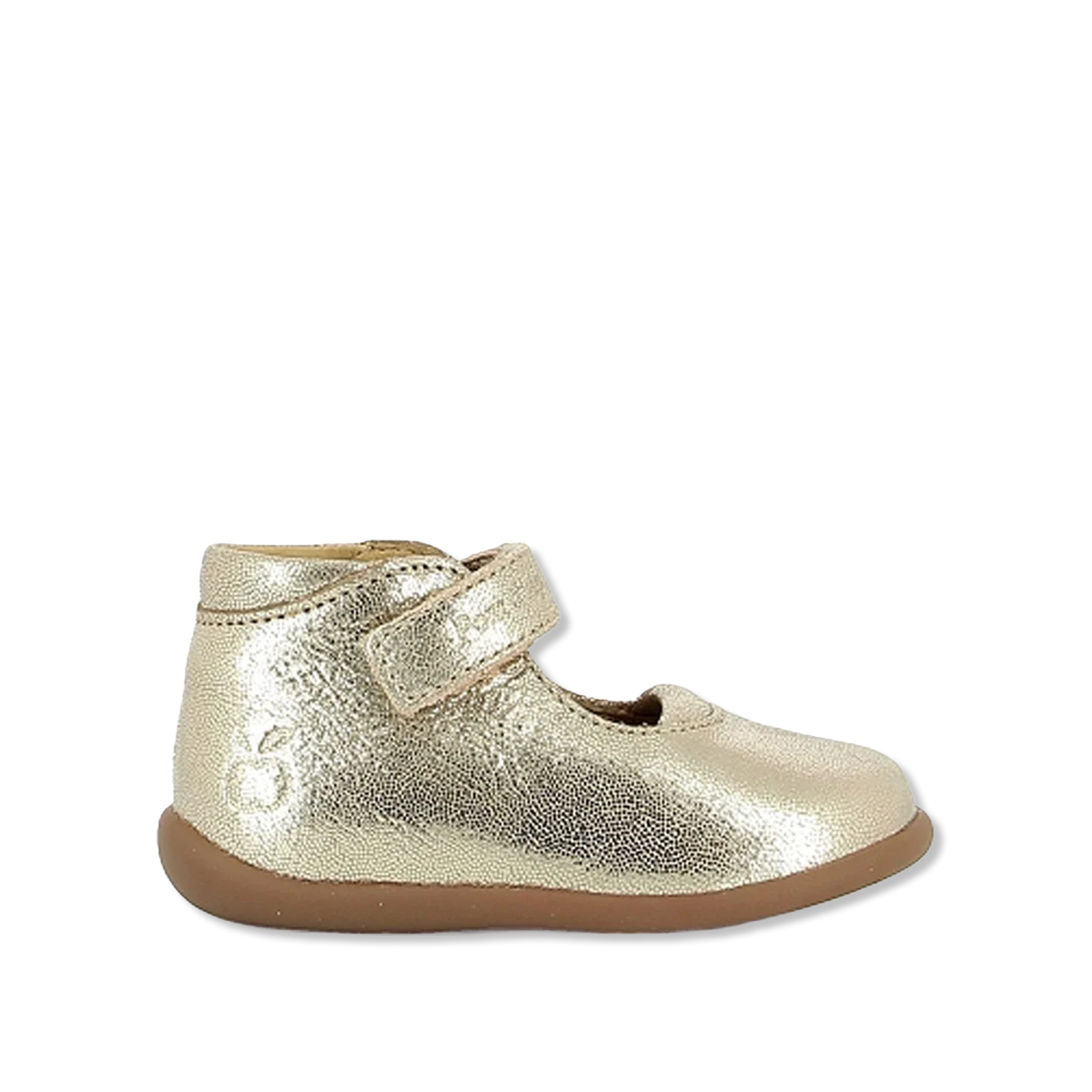
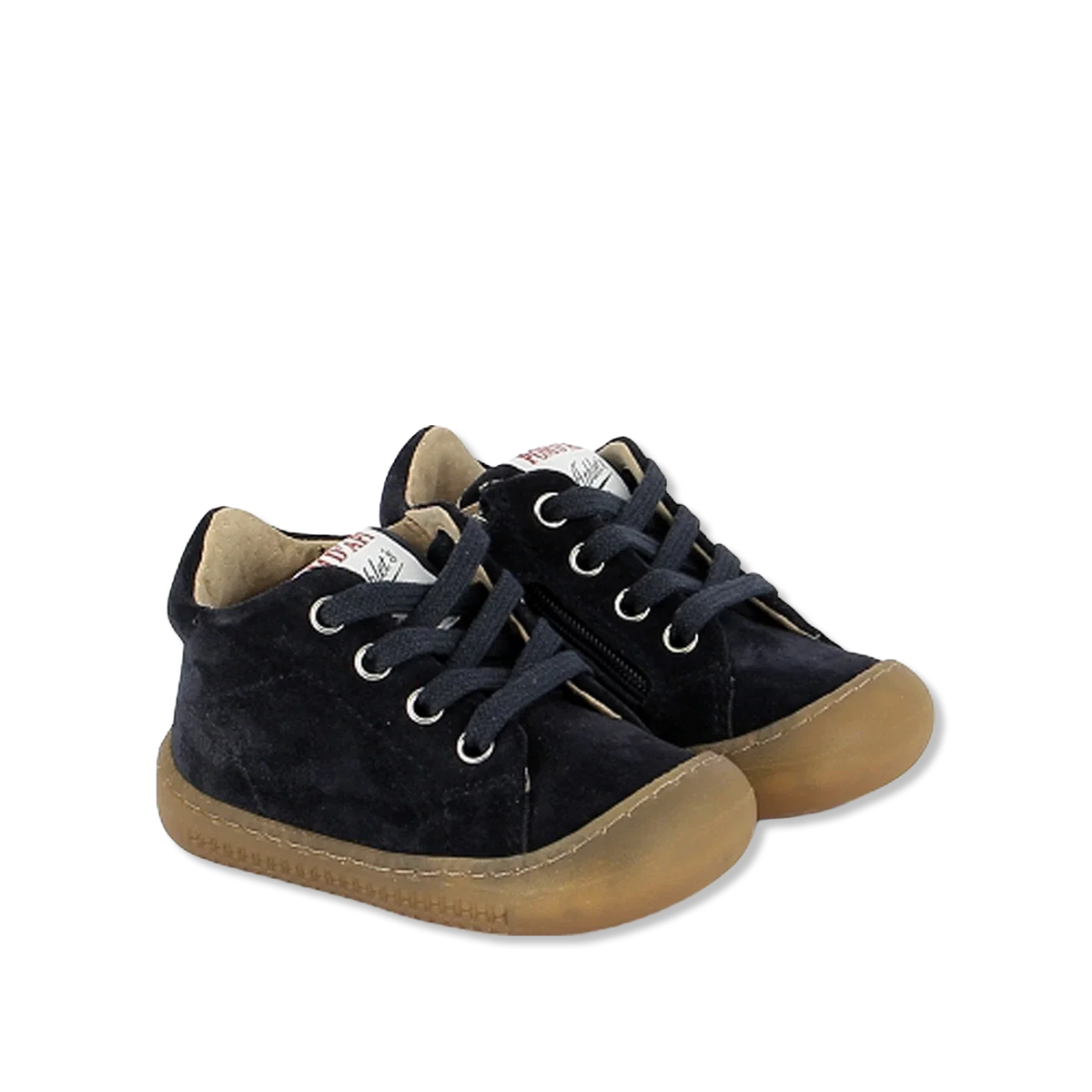
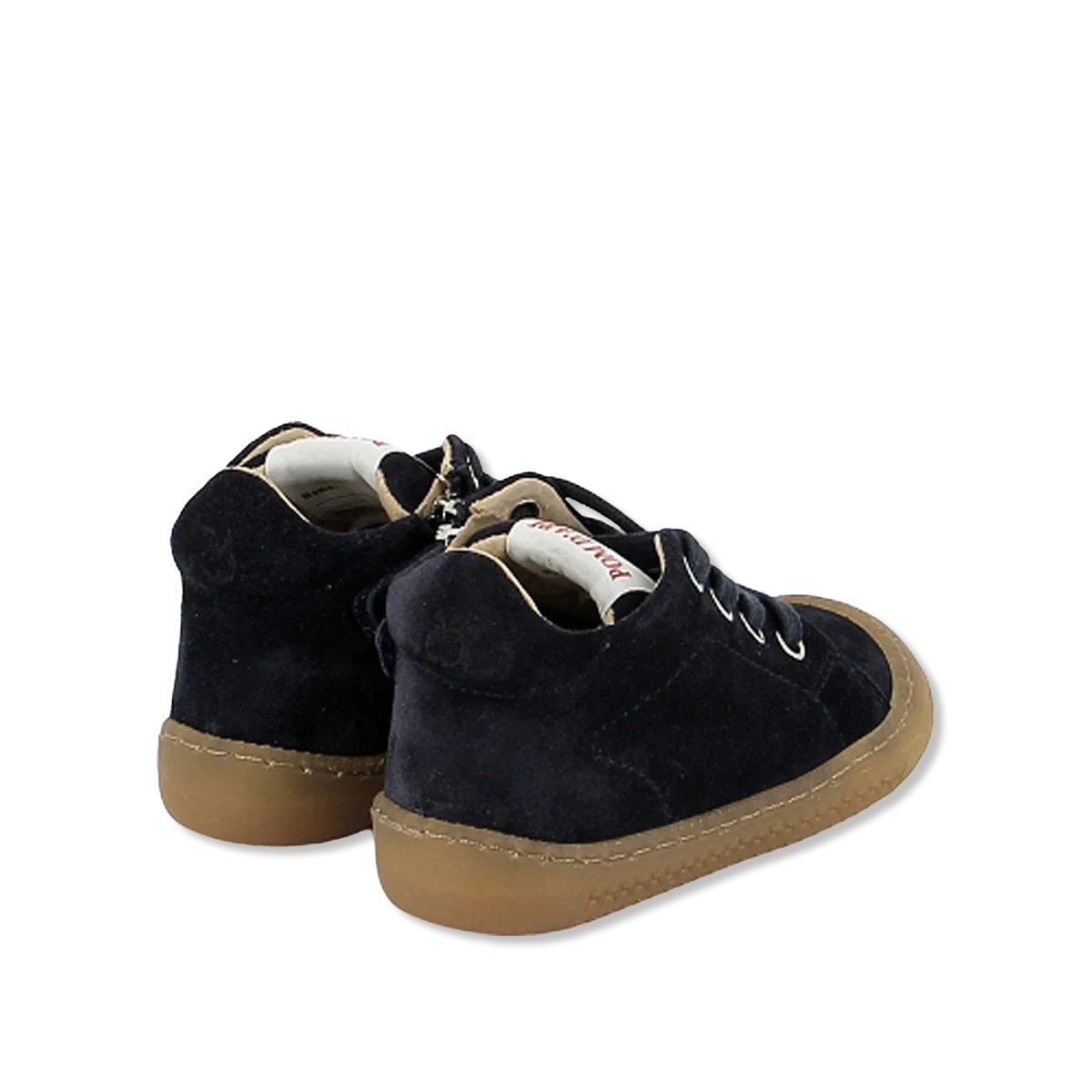
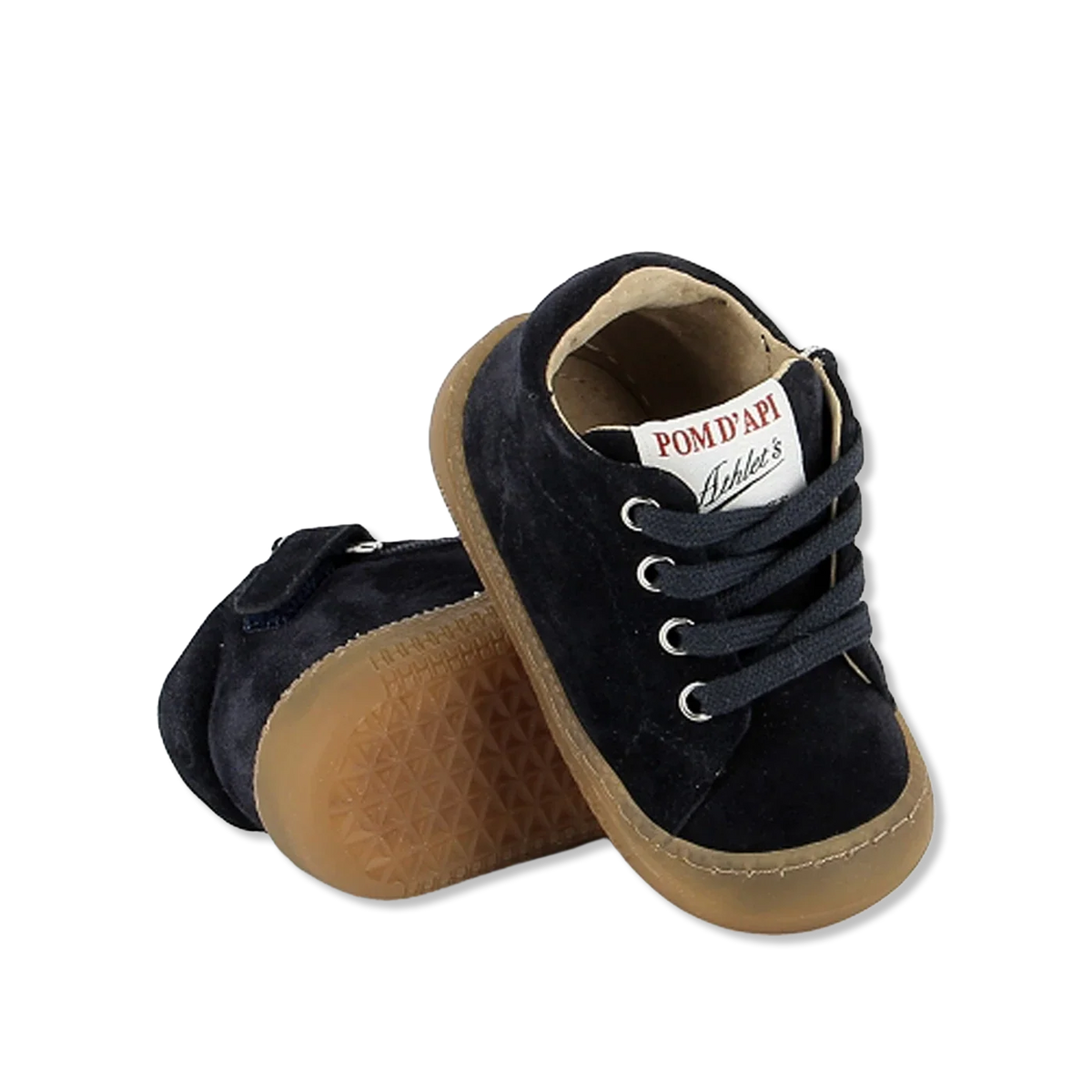
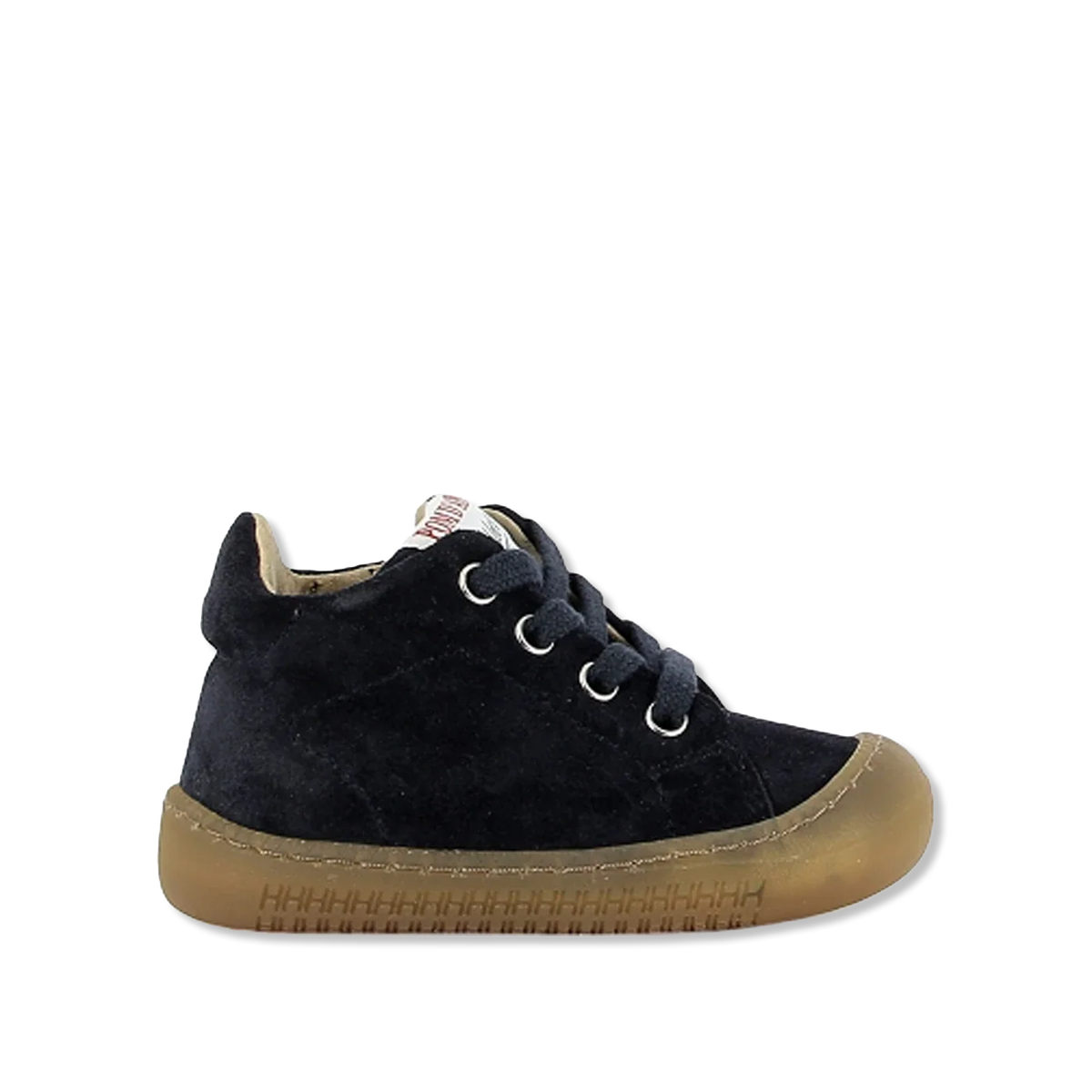
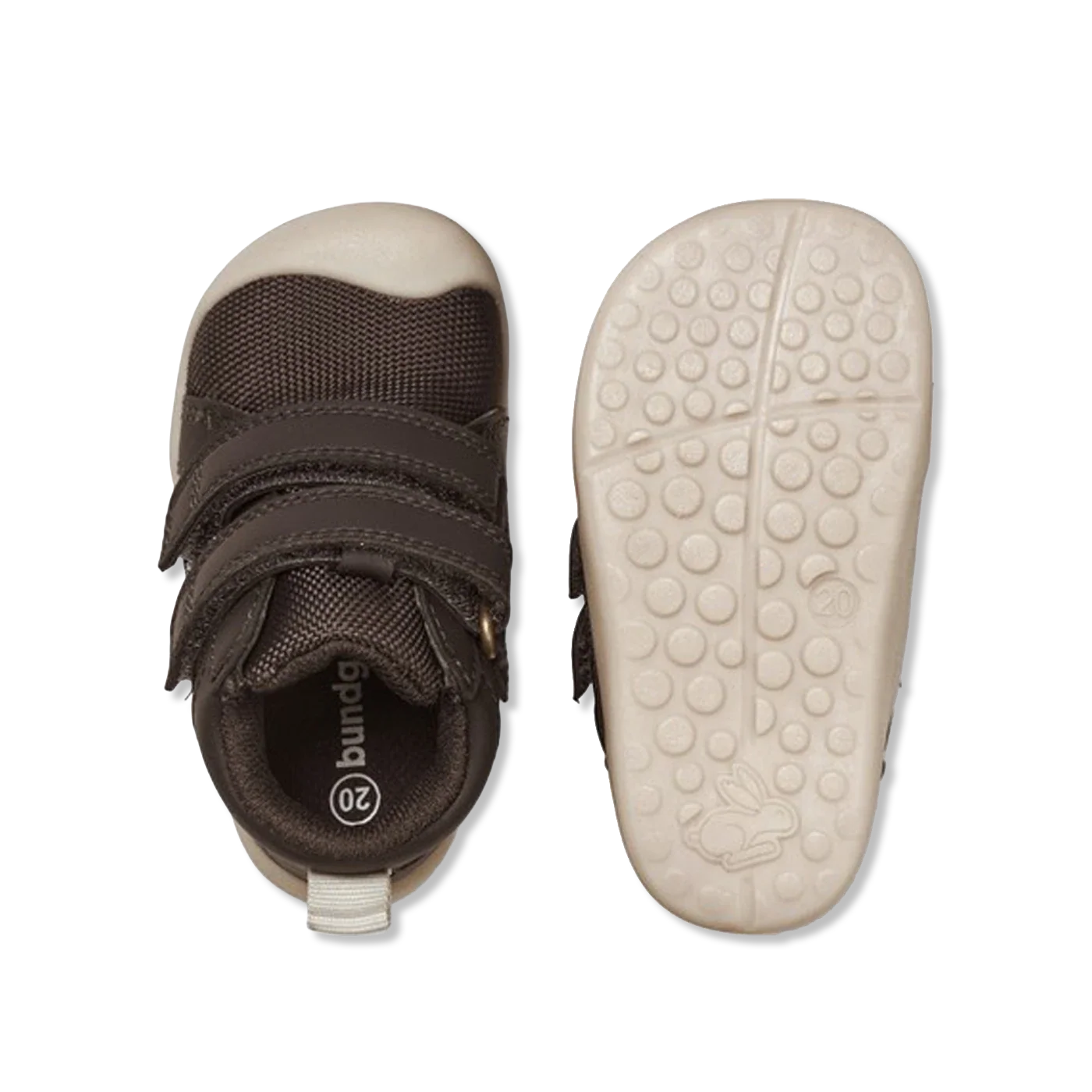
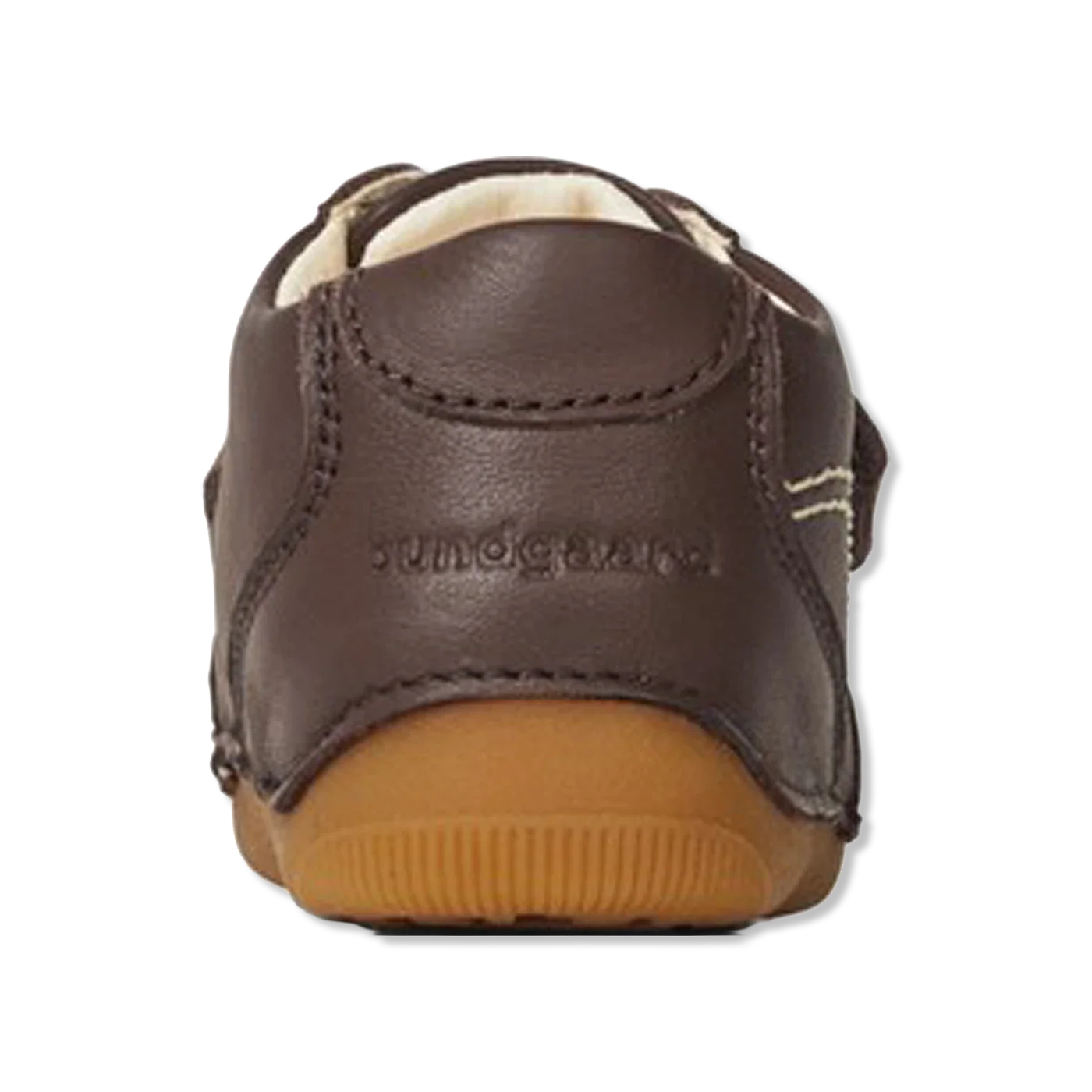
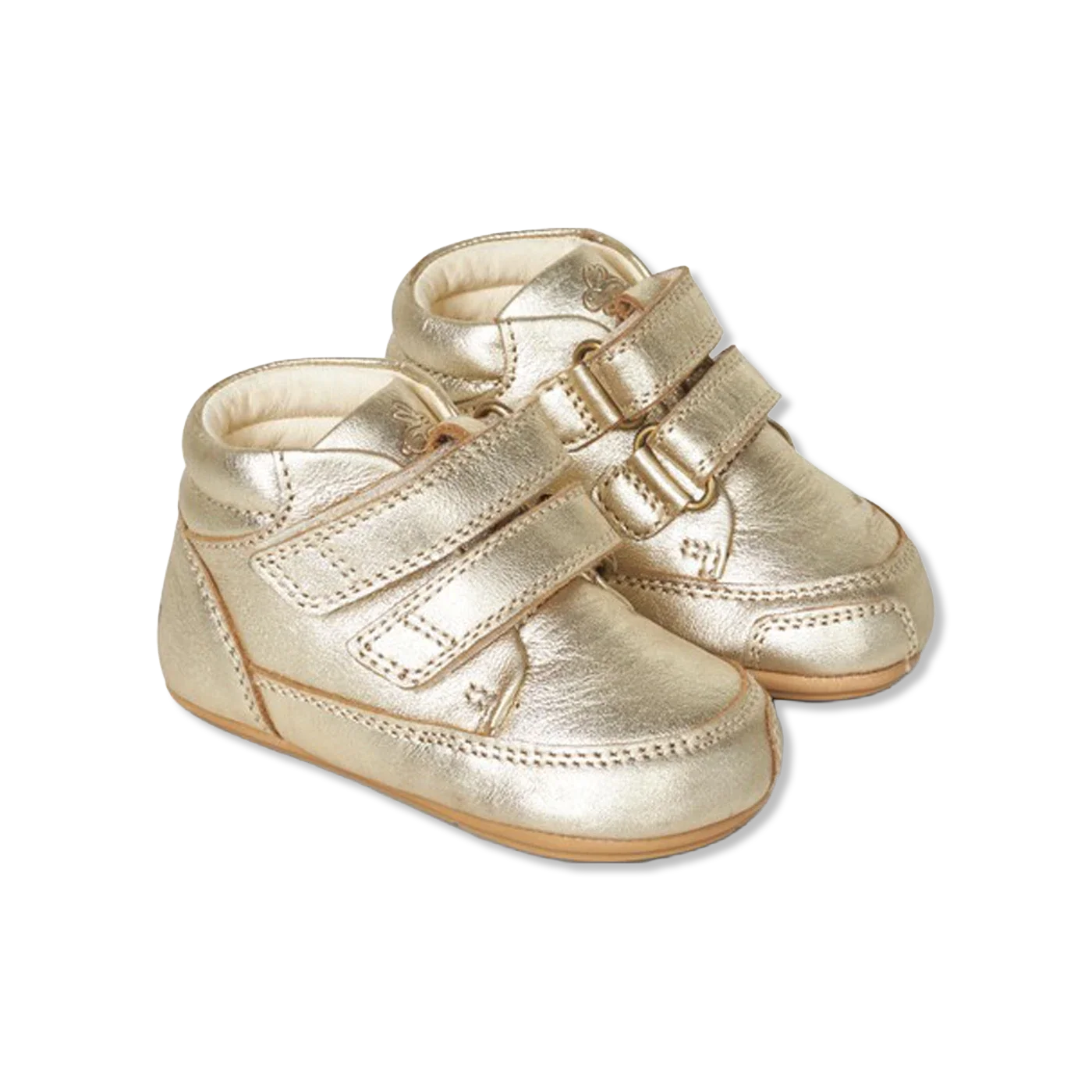
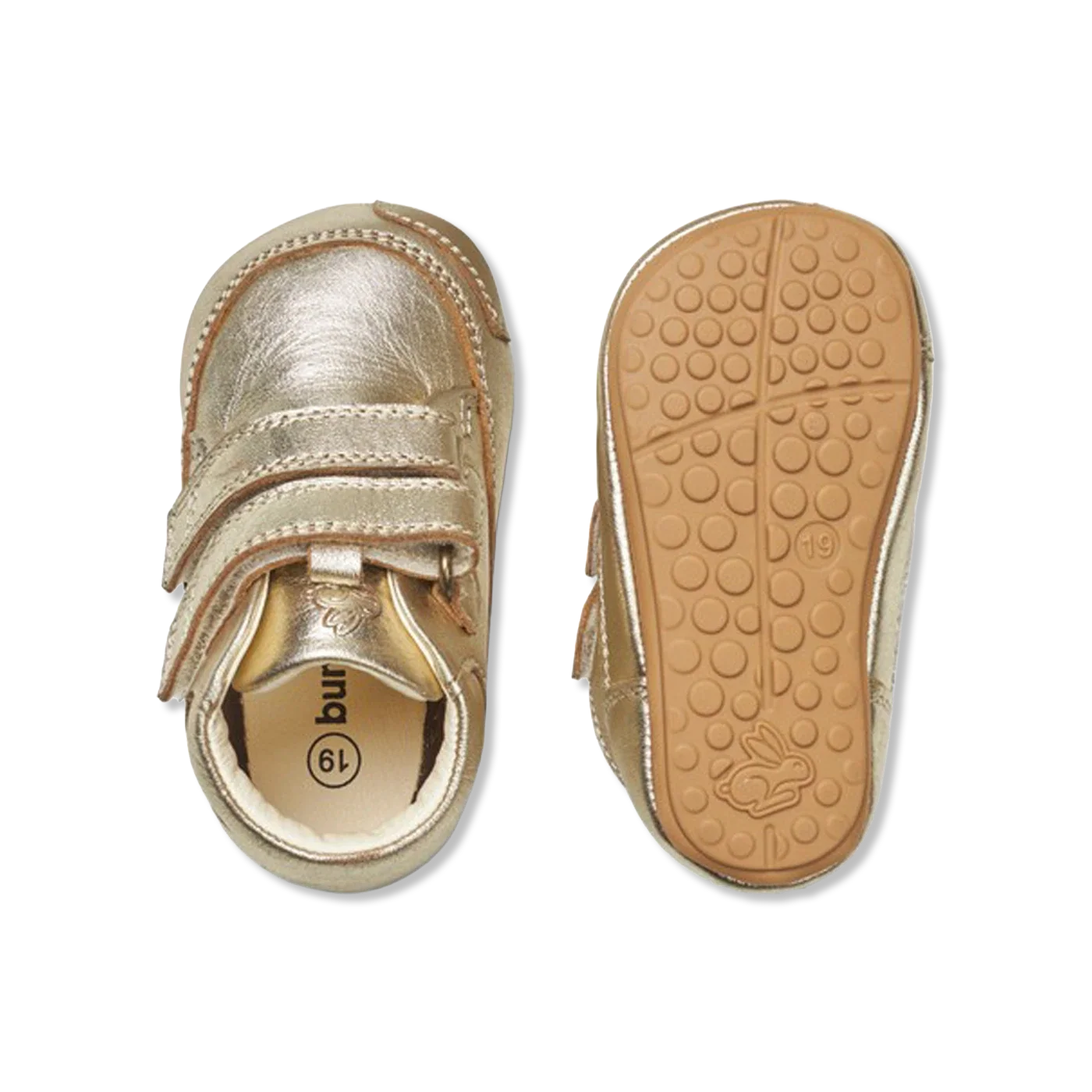
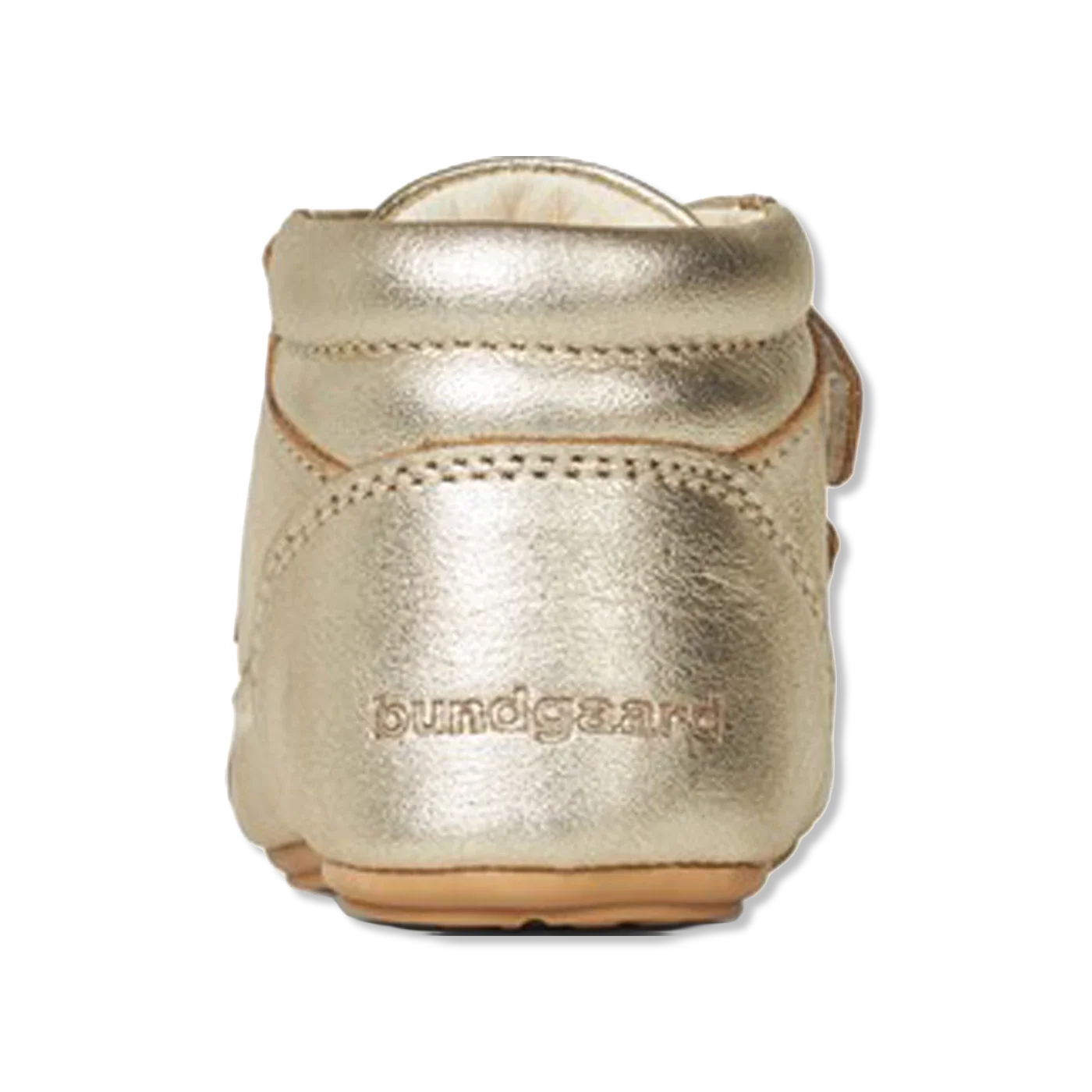
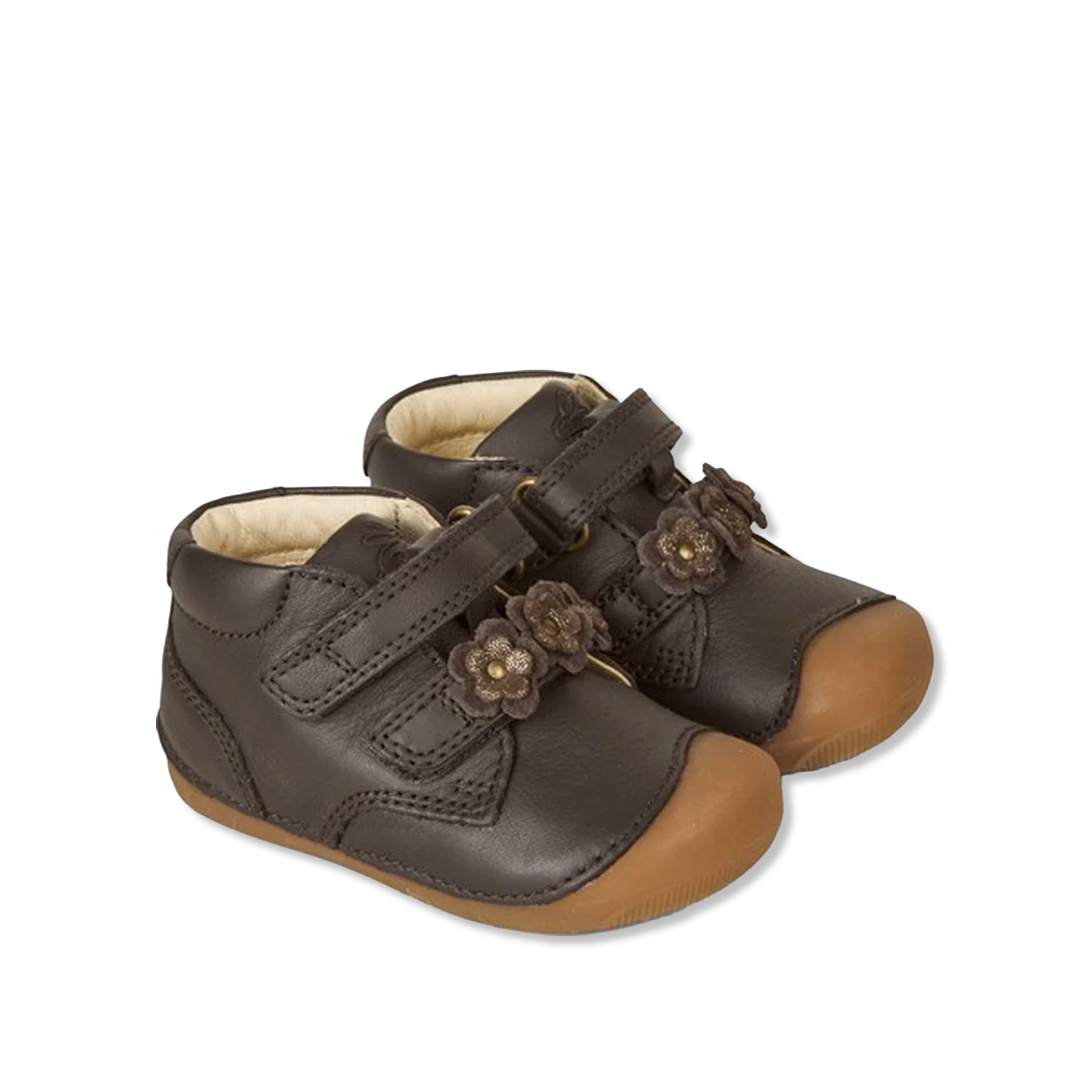
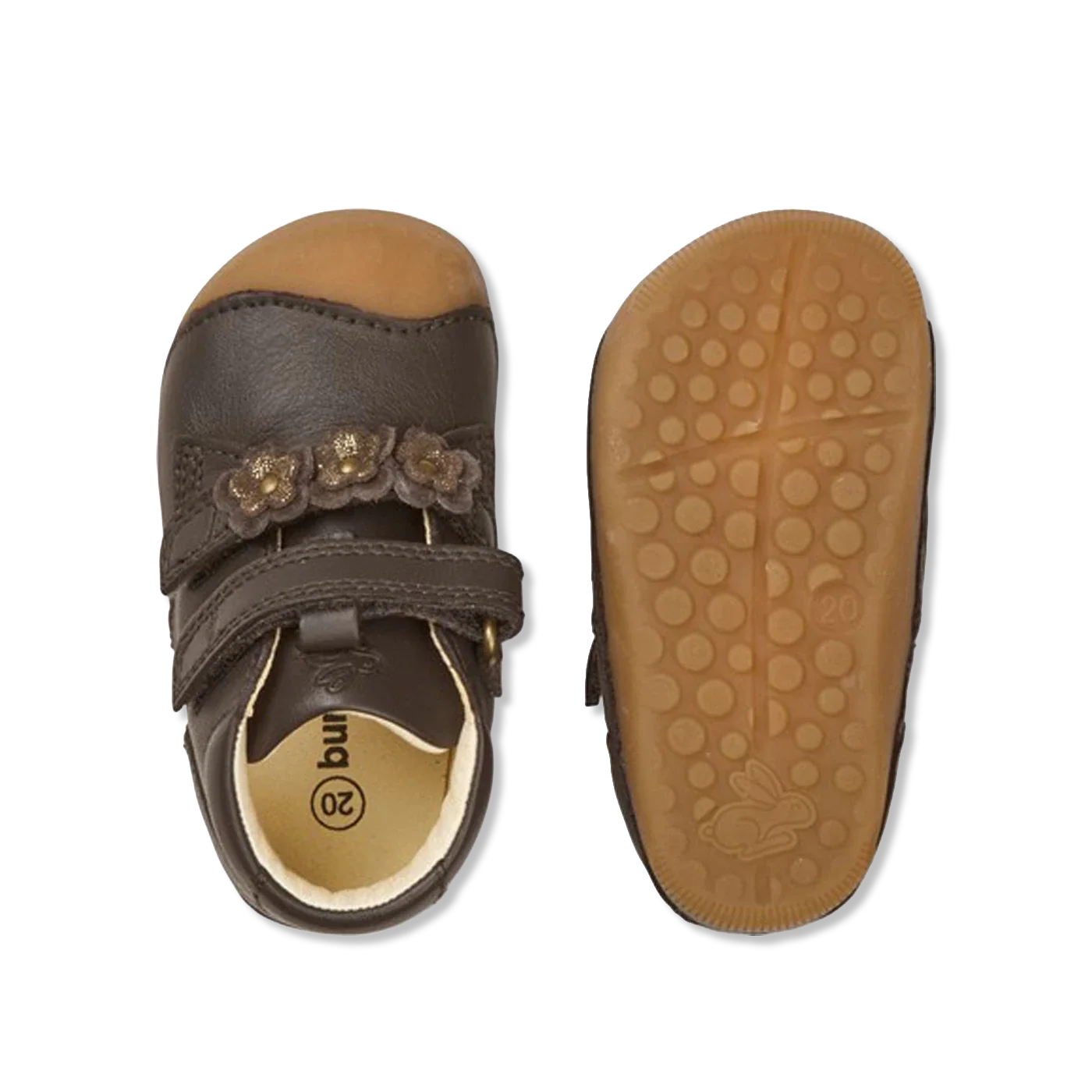
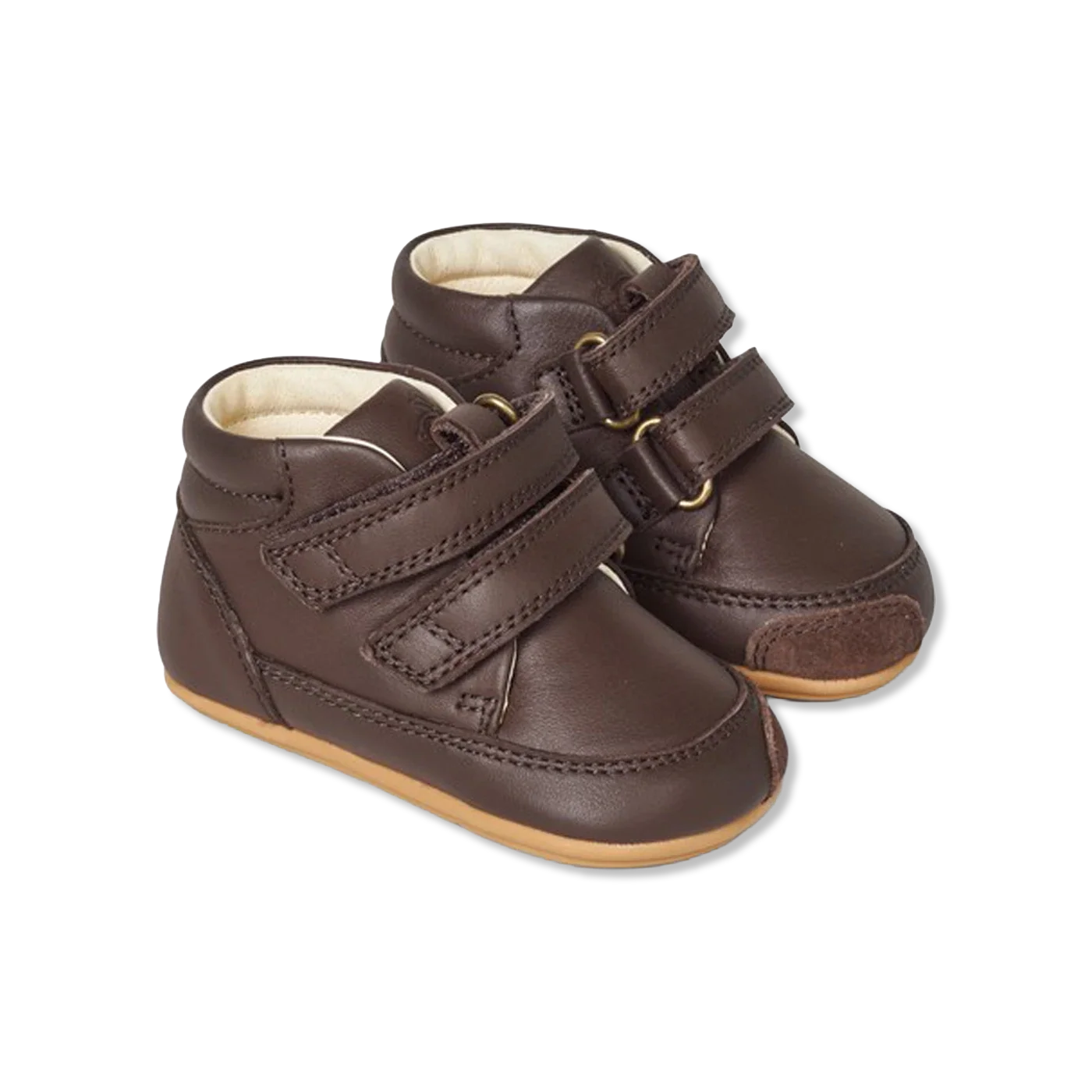
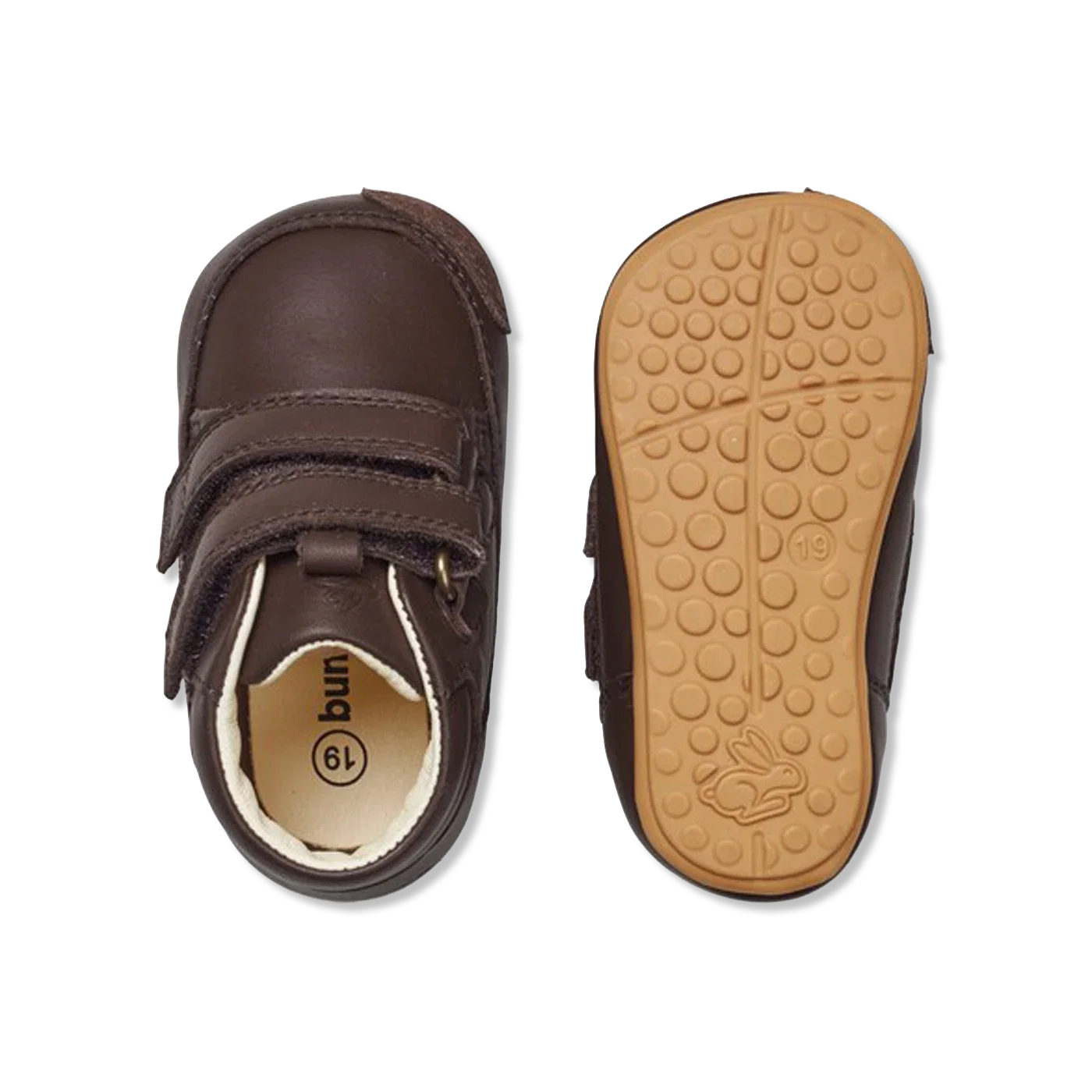
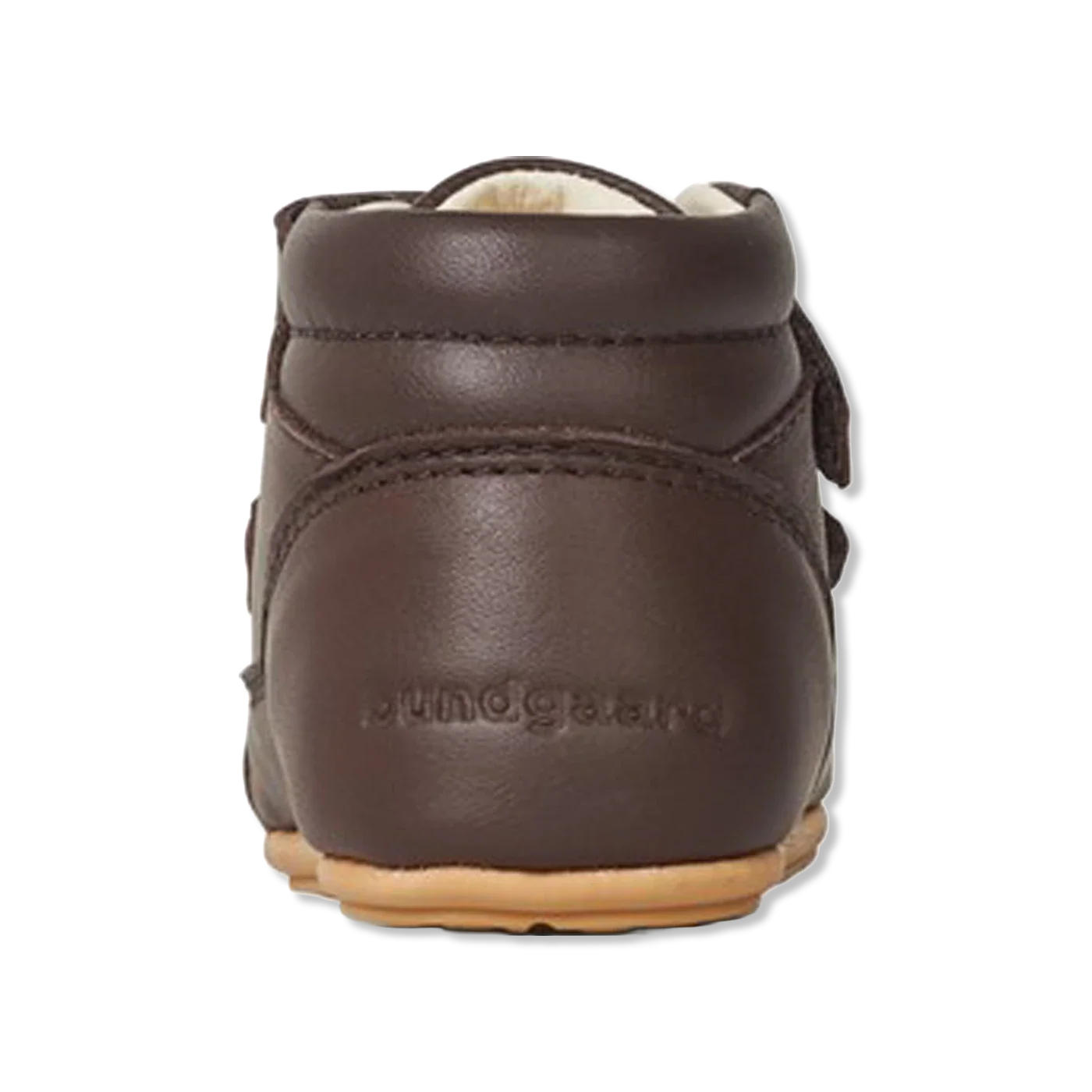
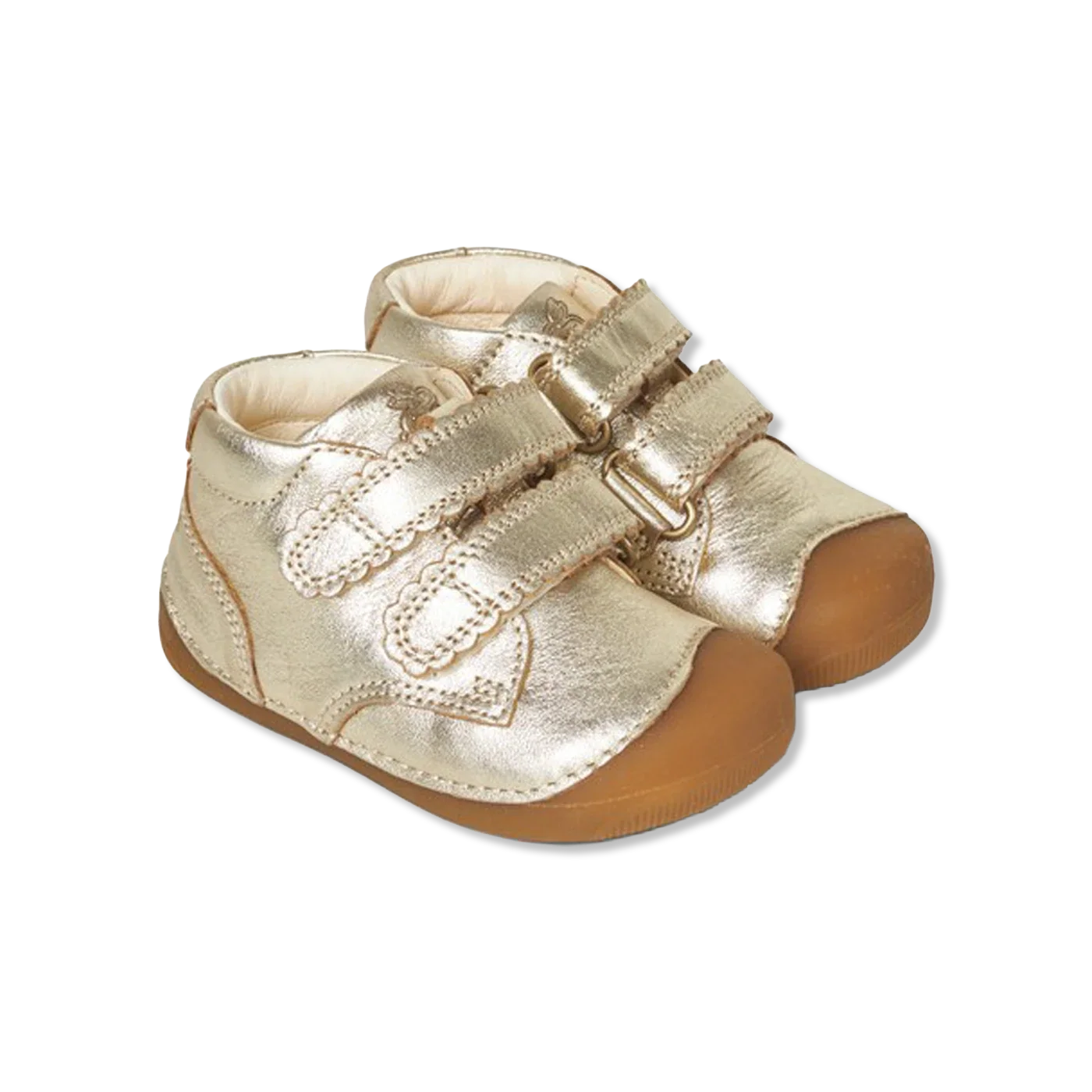
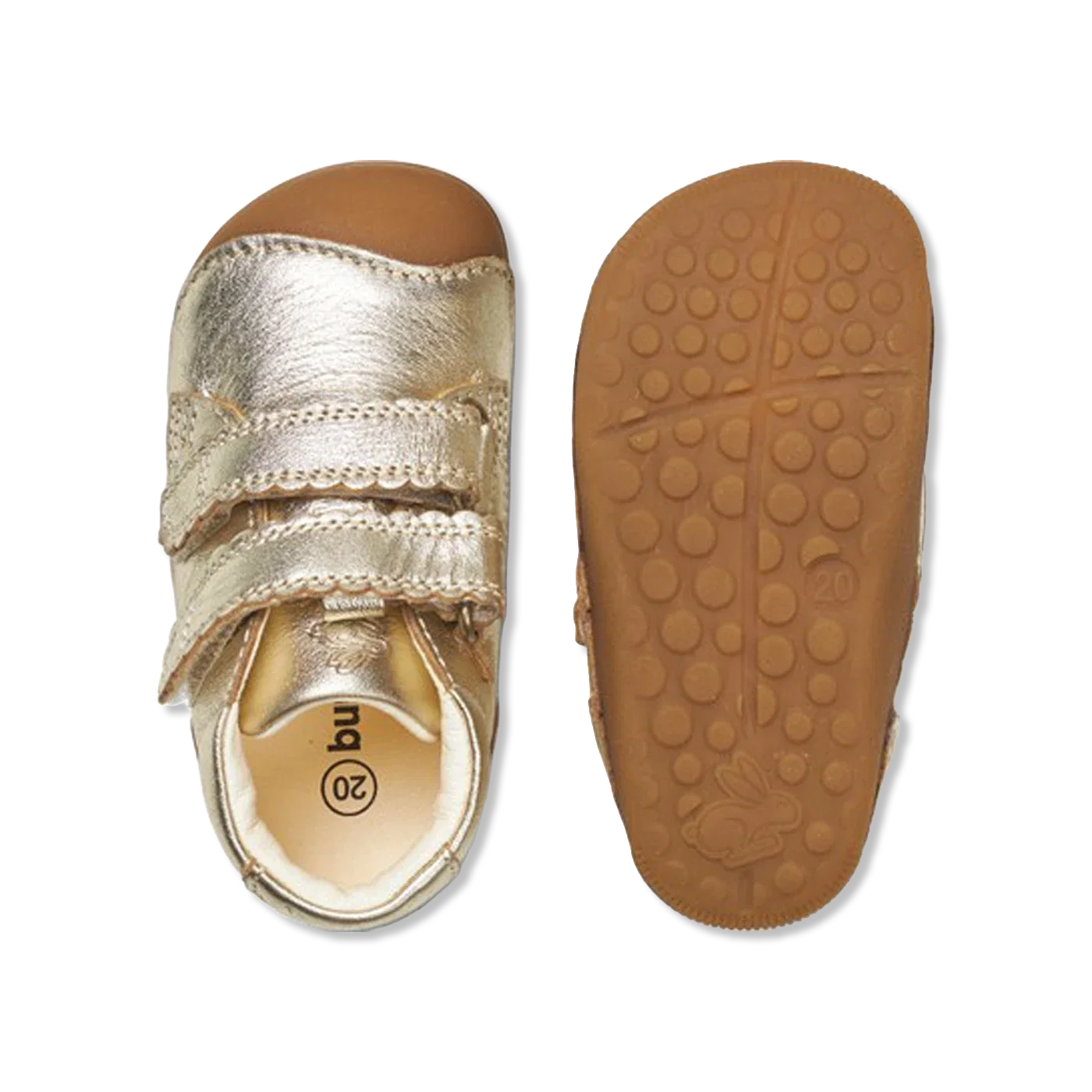
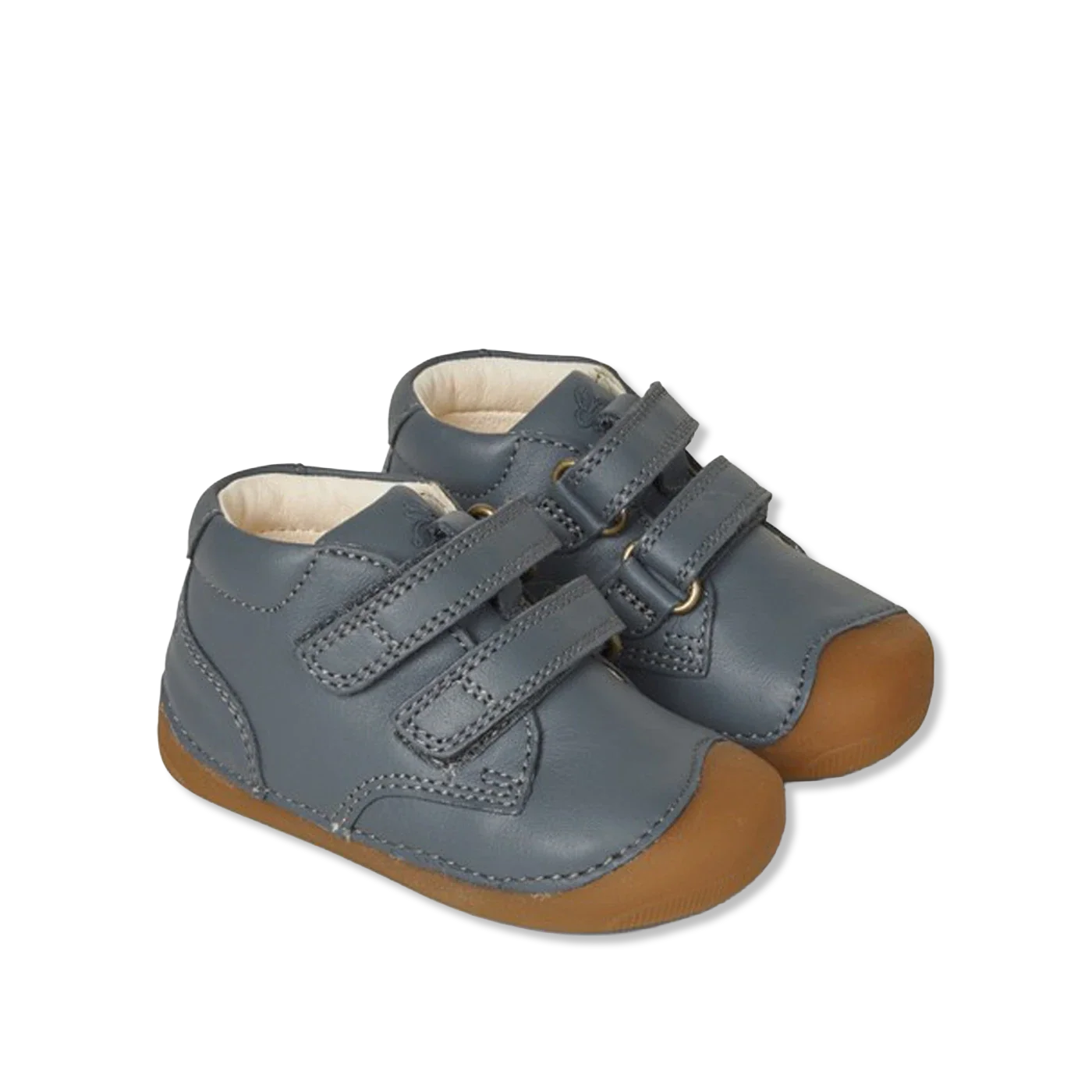
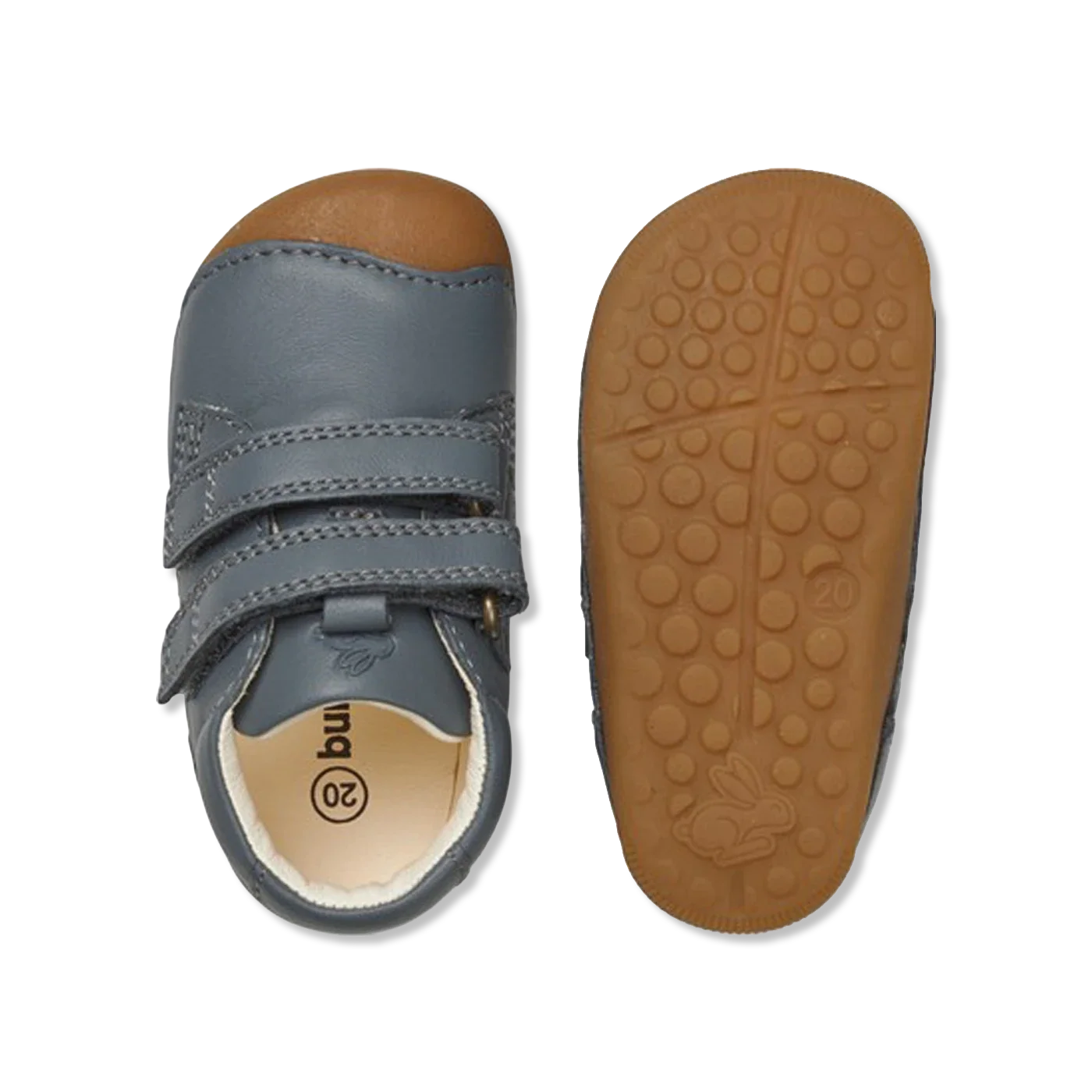
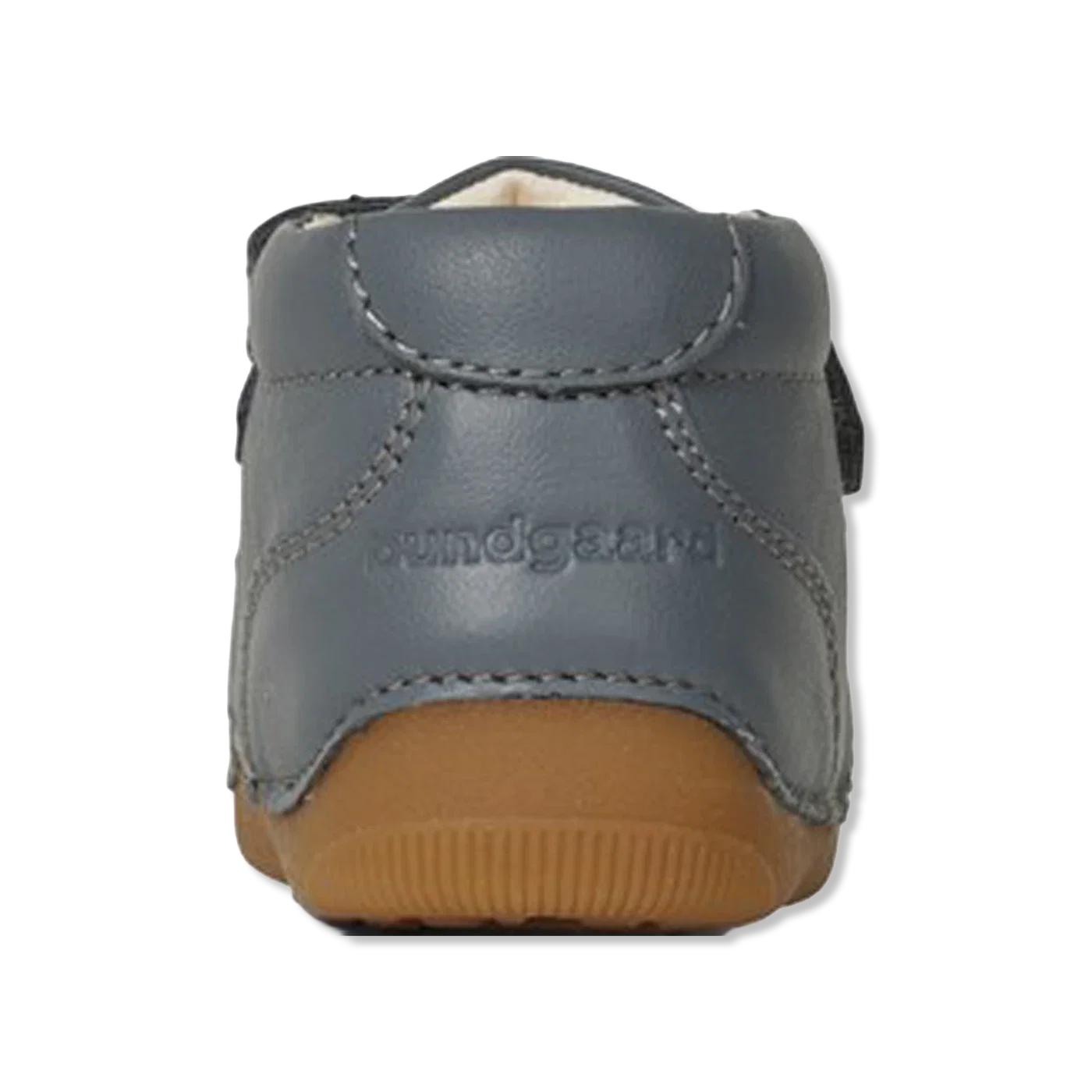
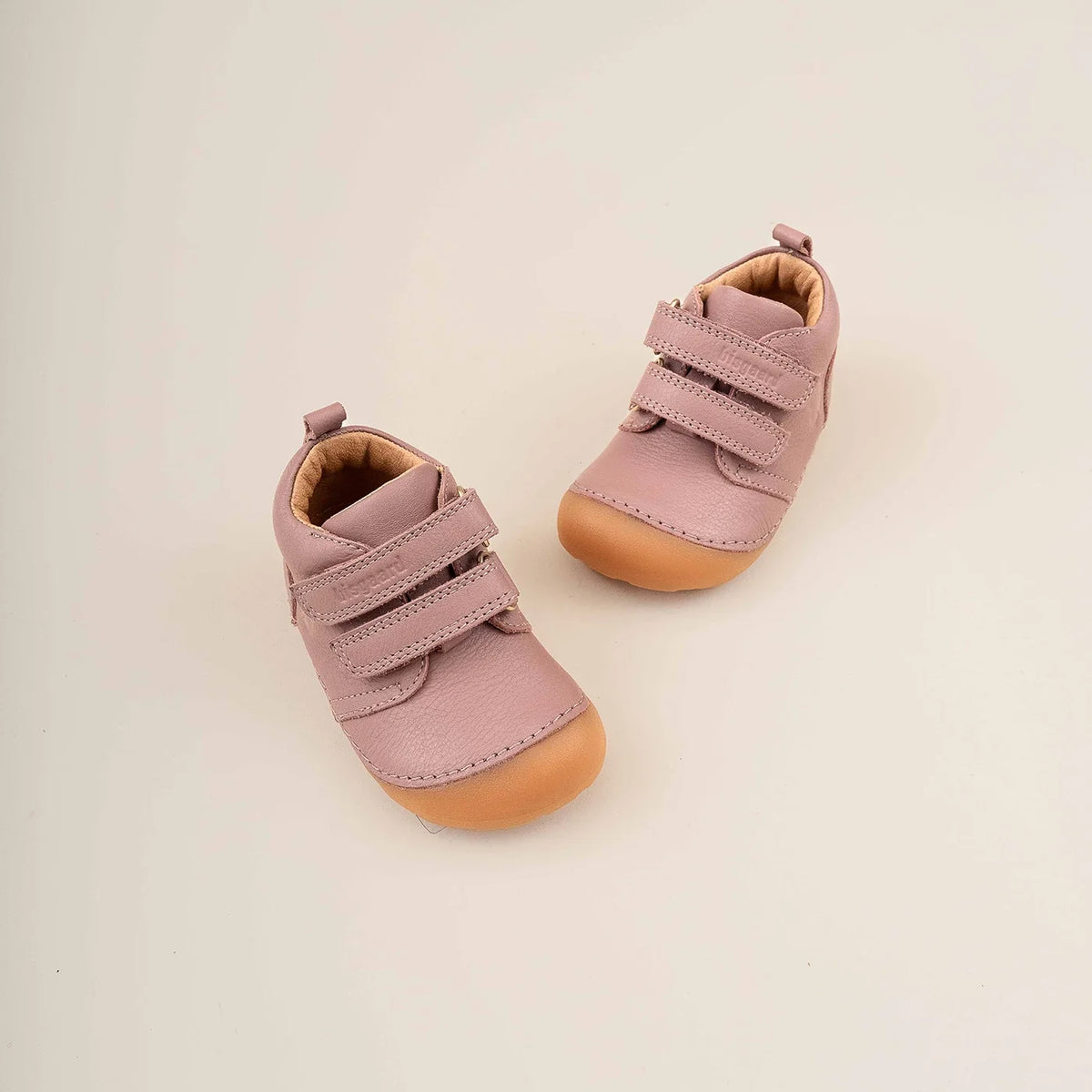
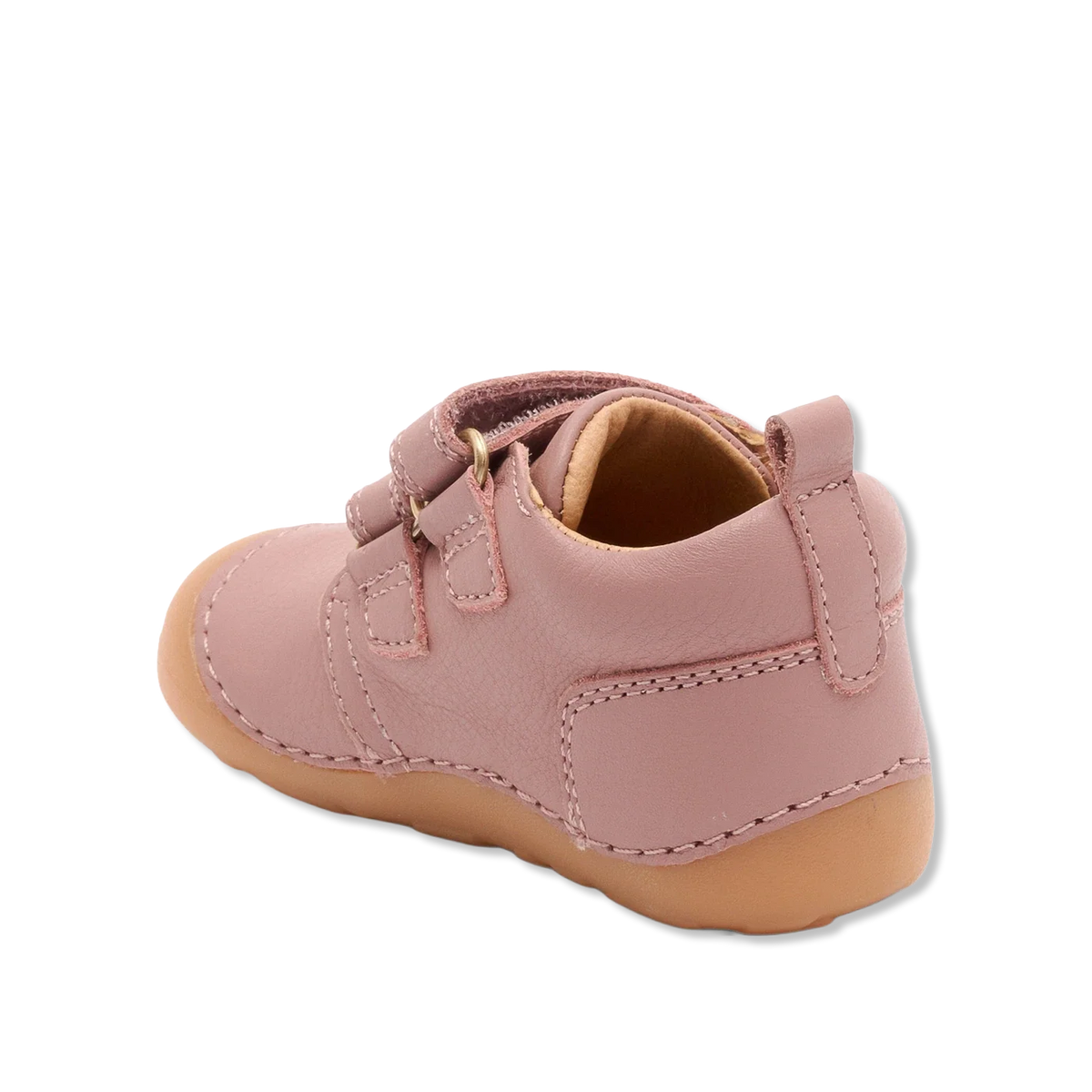
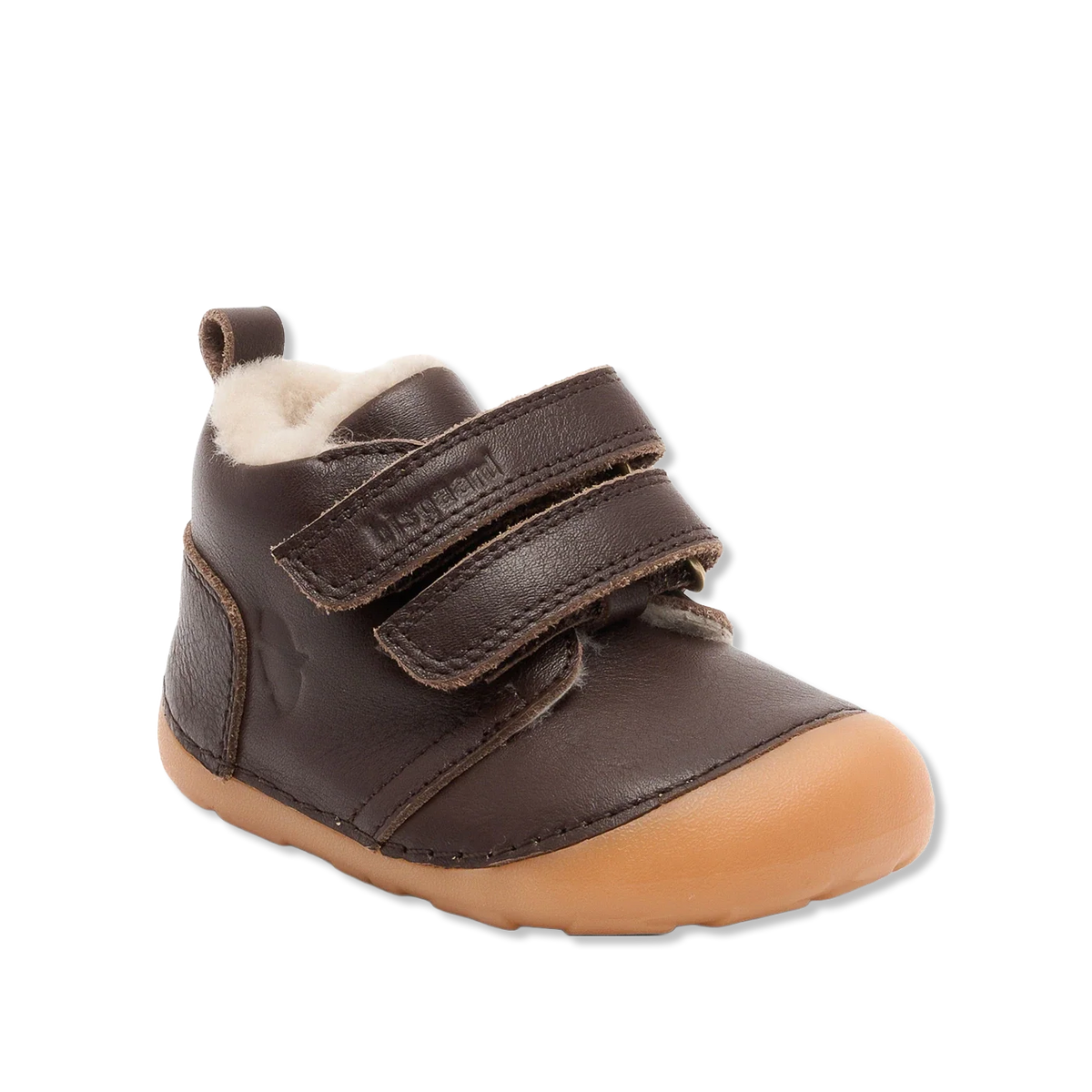
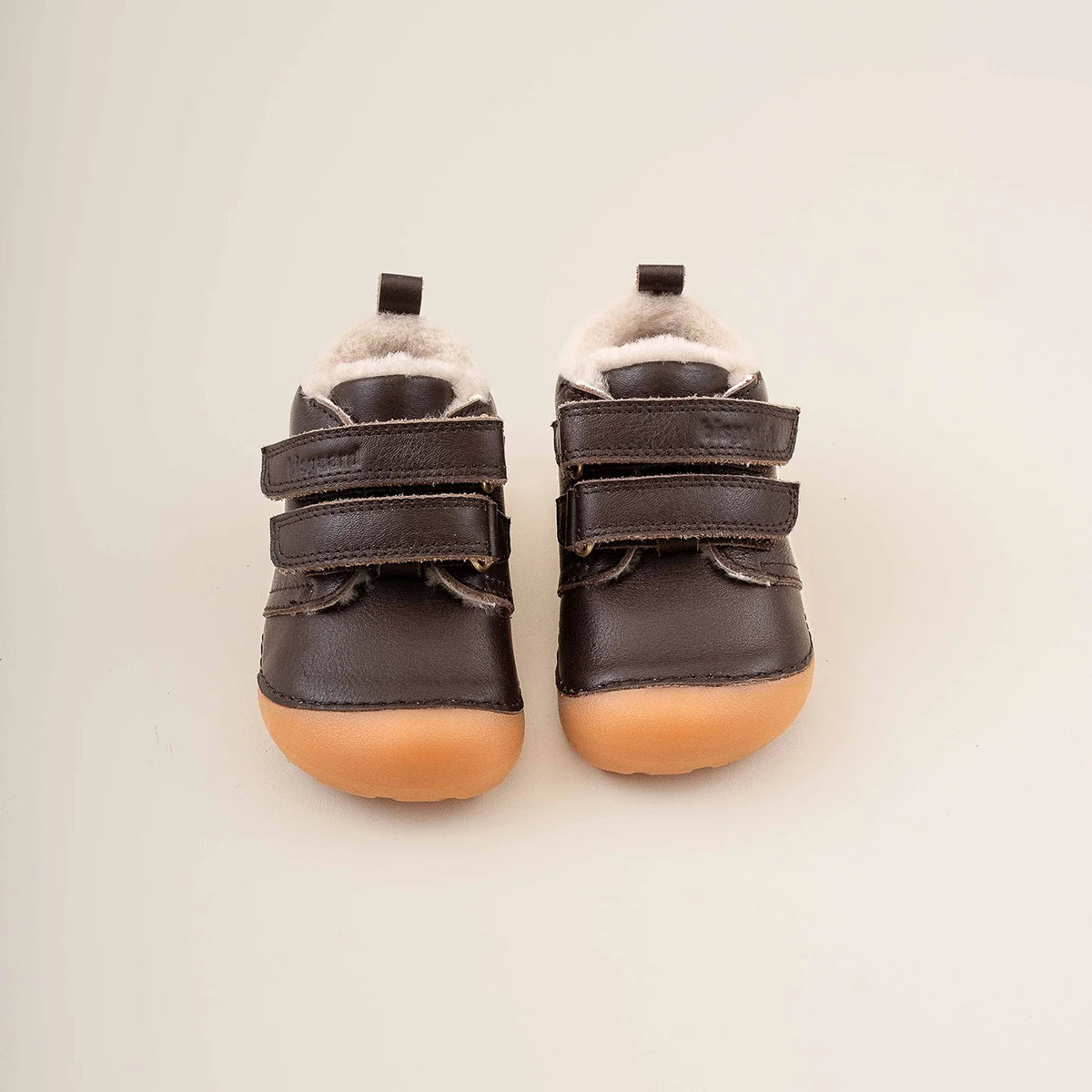
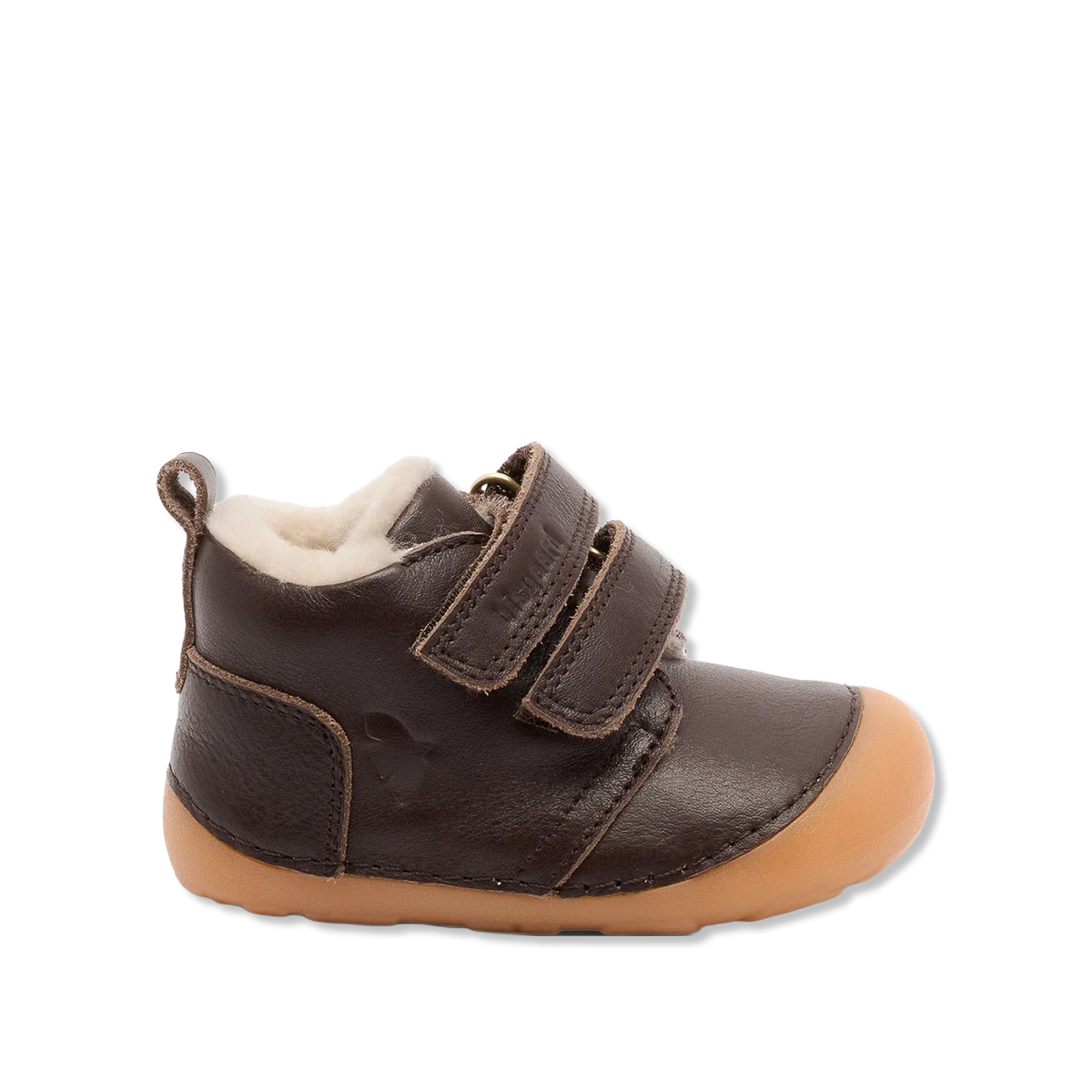
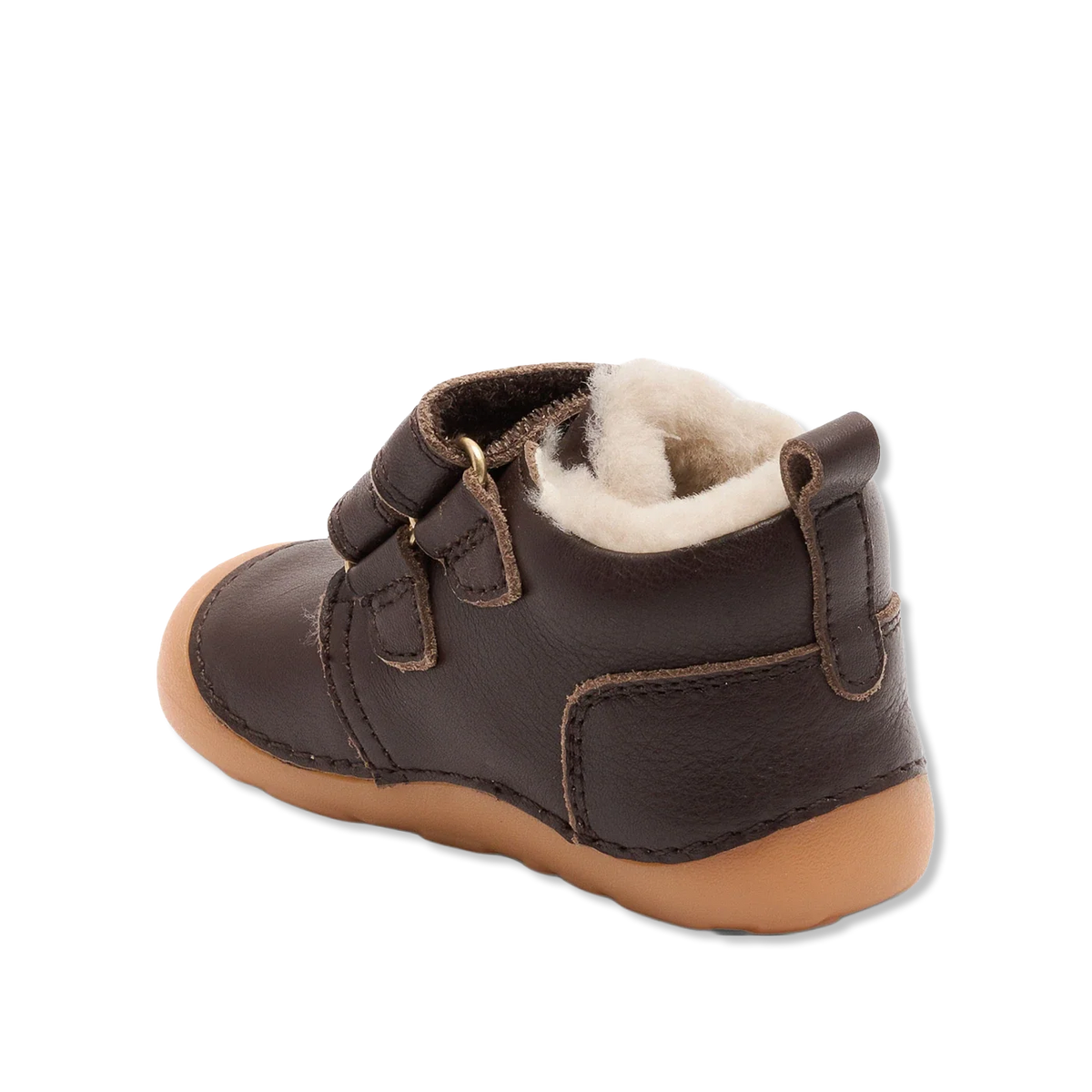
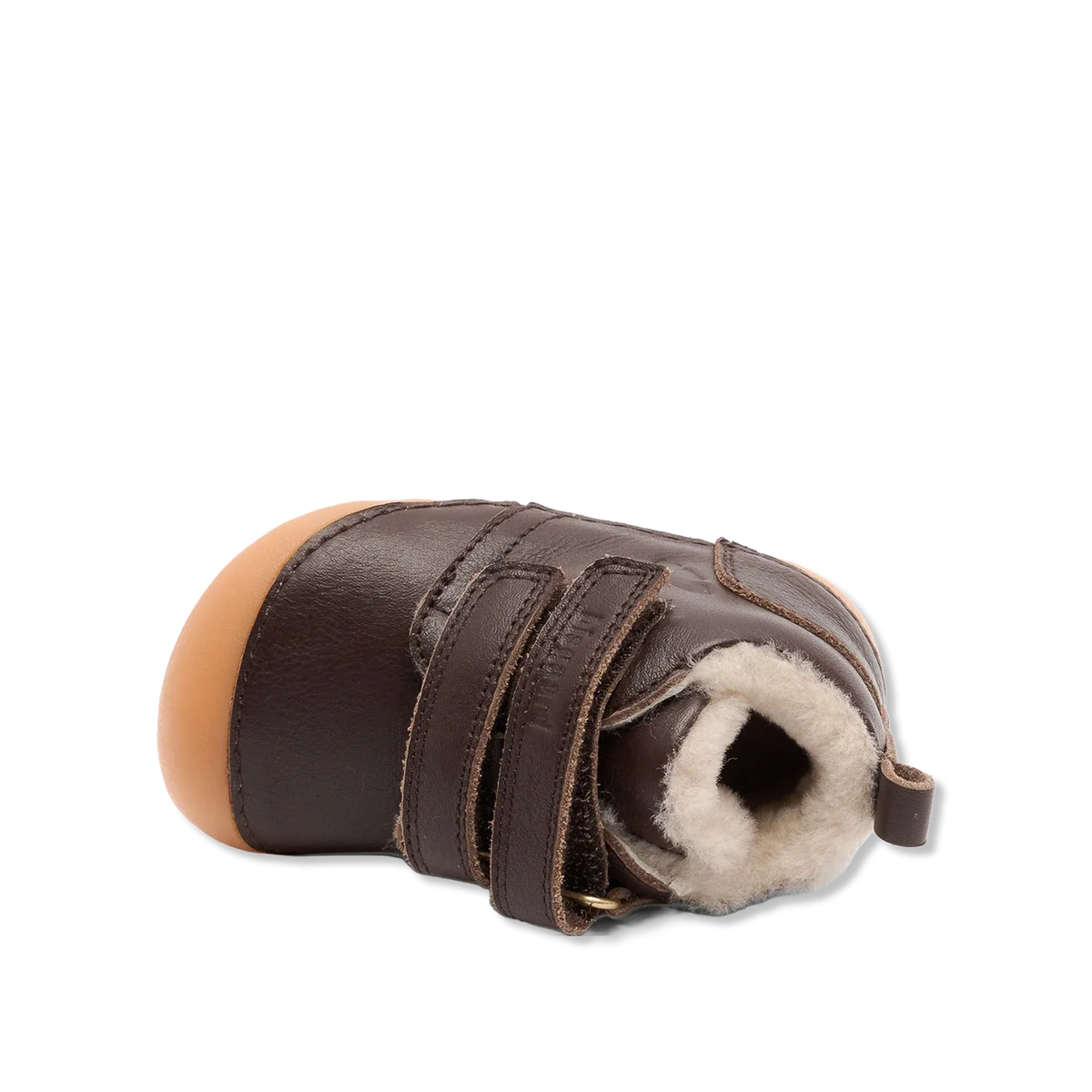
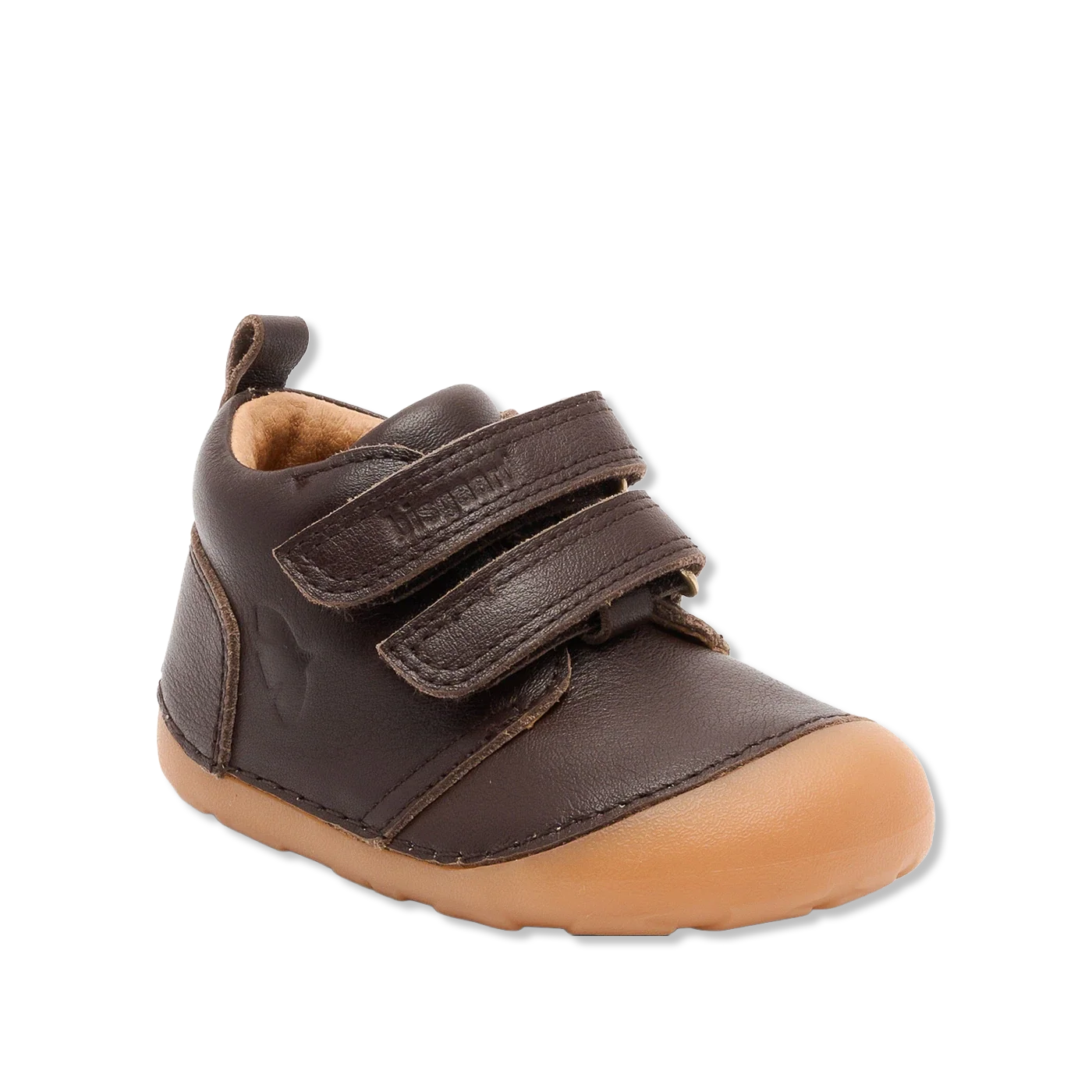
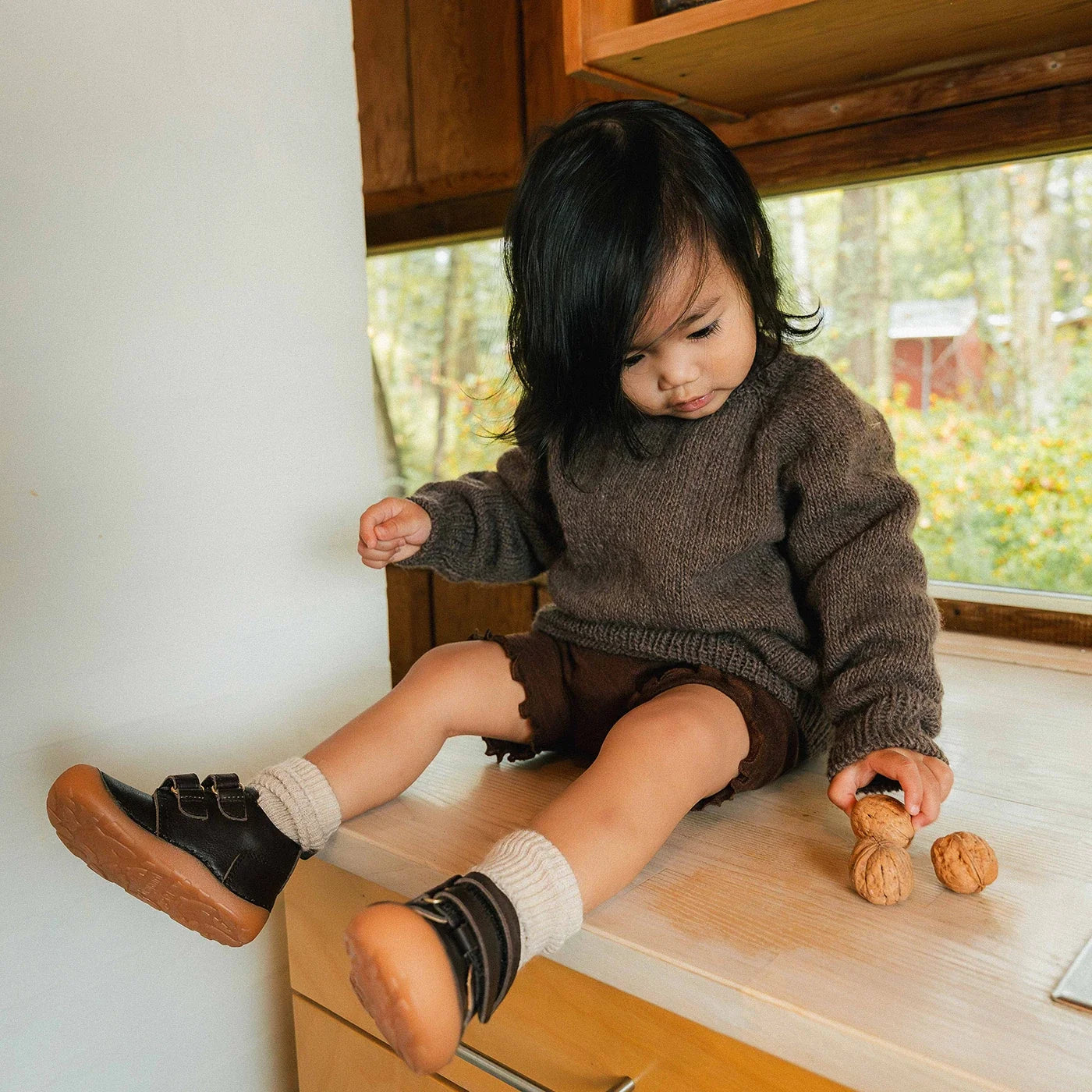
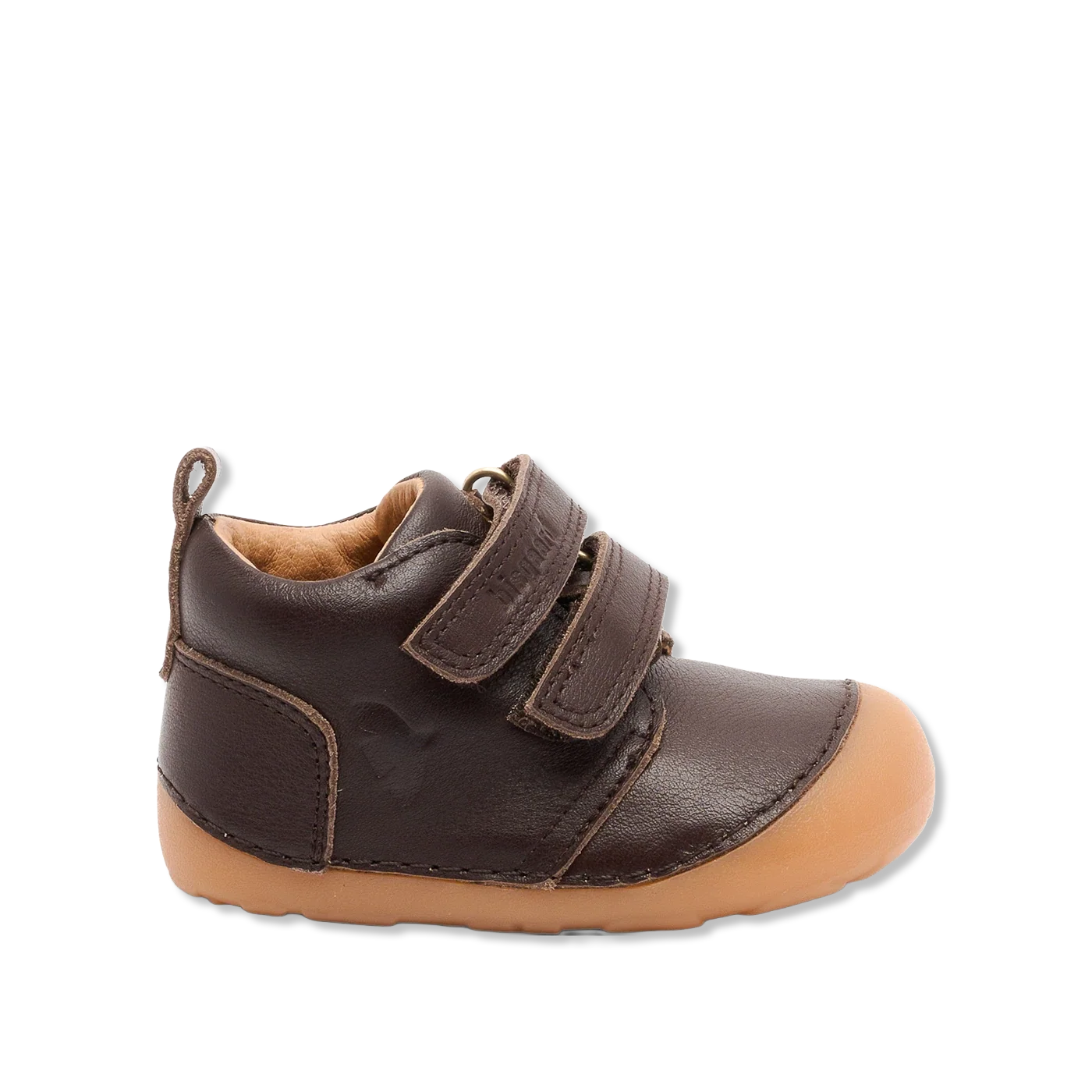
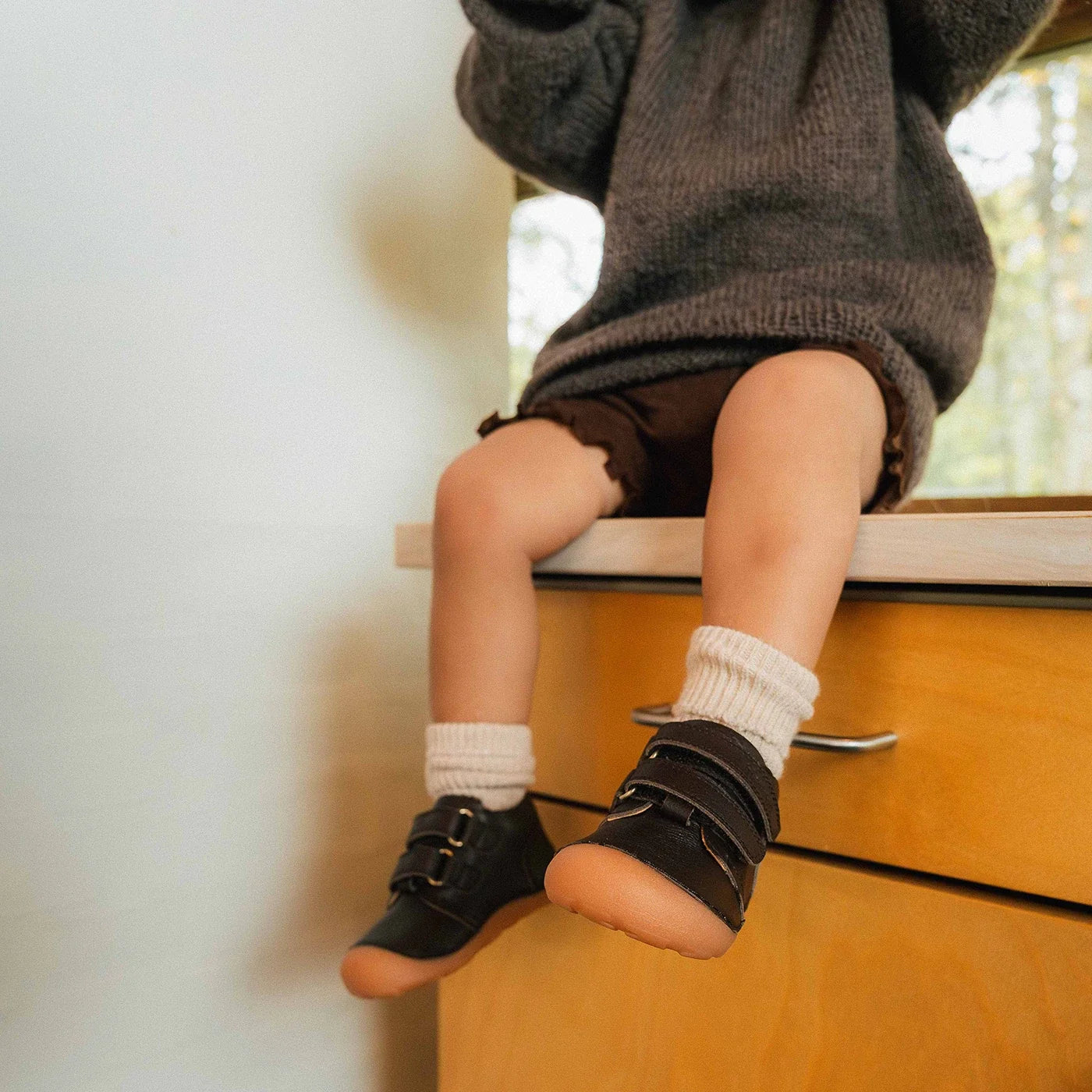
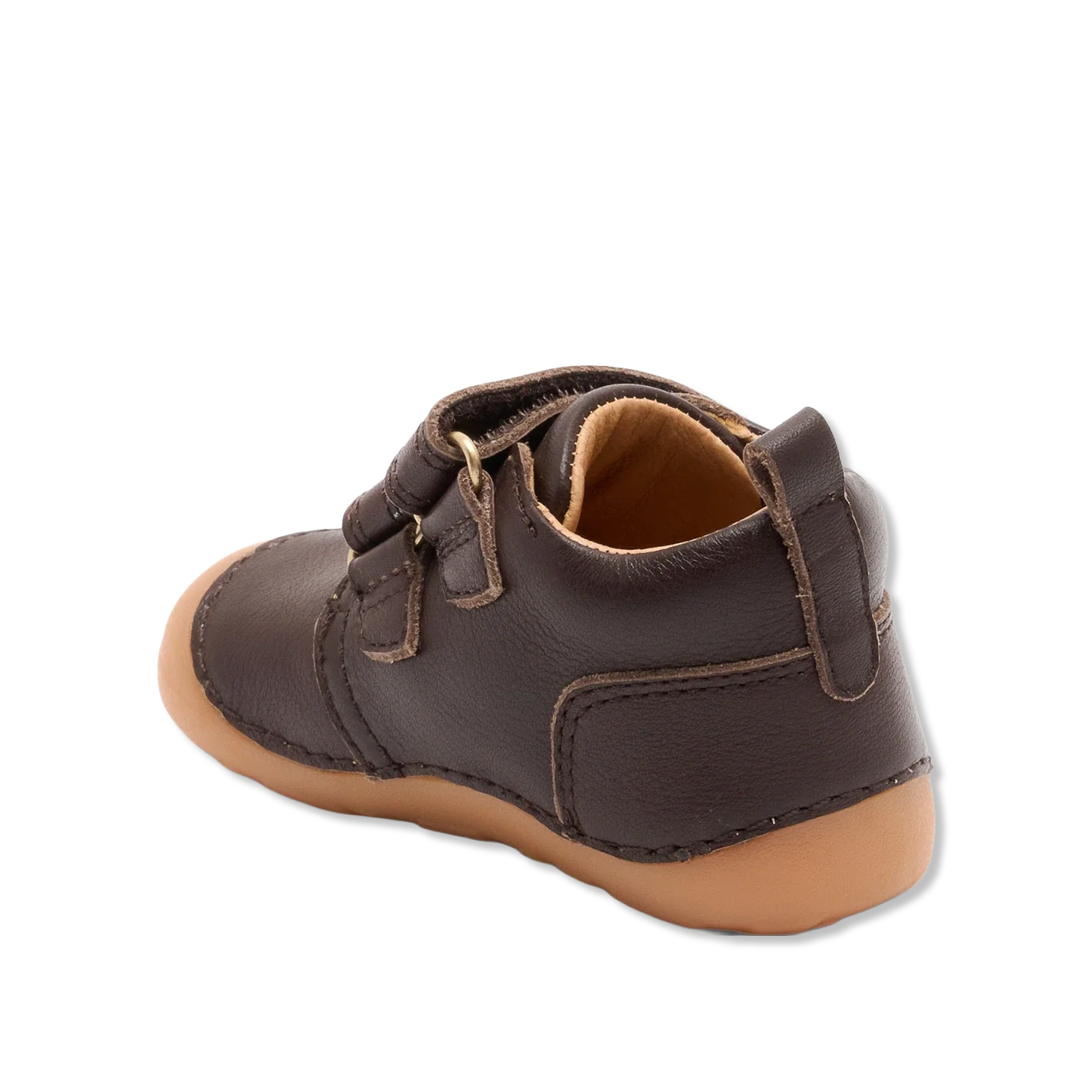
Children’s feet change quickly, so the same type of shoe rarely works equally well at every age. For the youngest children, soft starter shoes and first walkers are often a good place to begin, as they provide good contact with the ground and offer support without feeling heavy. When children start preschool or kindergarten, their needs often change. Shoes and sneakers need to handle the playground, short bike rides and many trips in and out during the day.
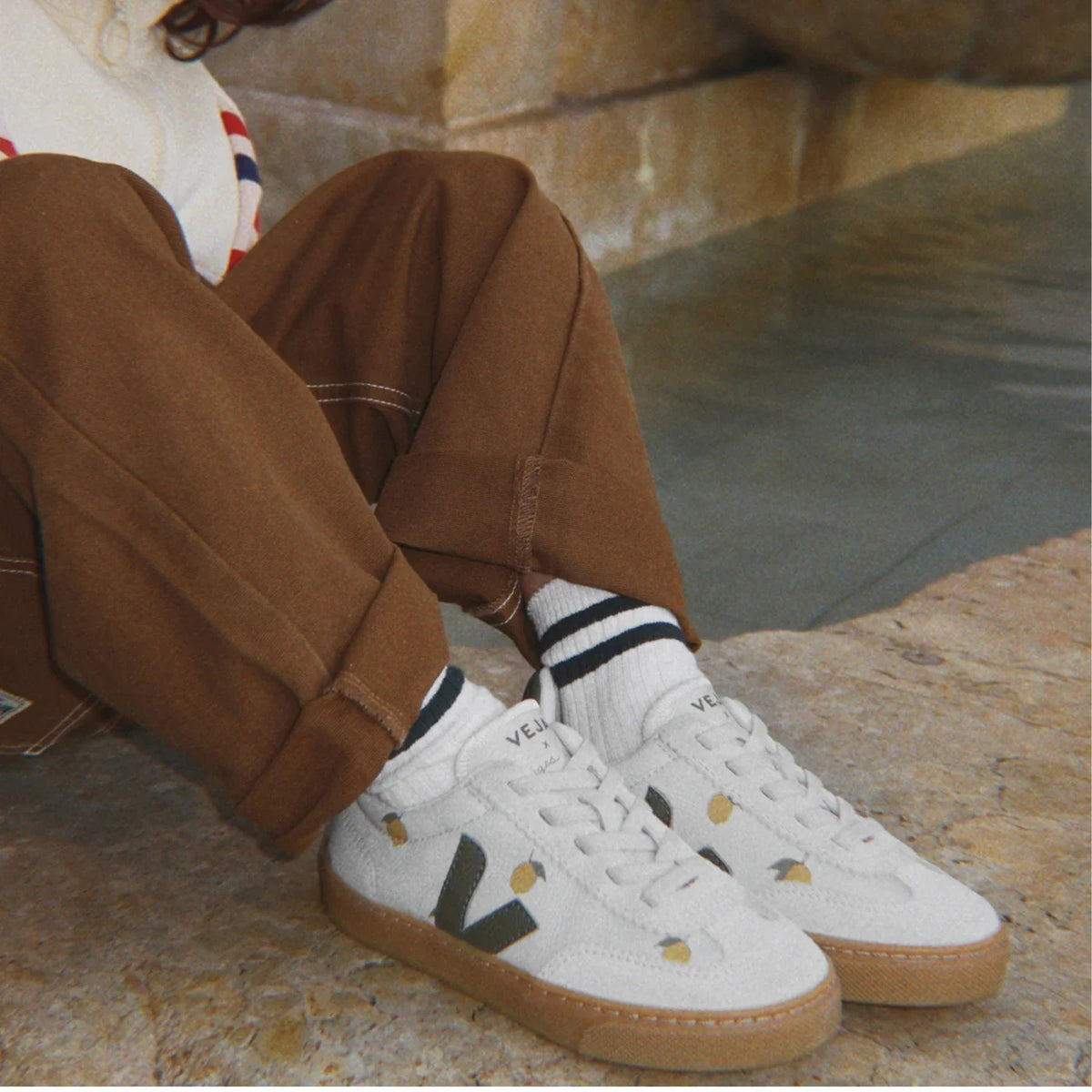
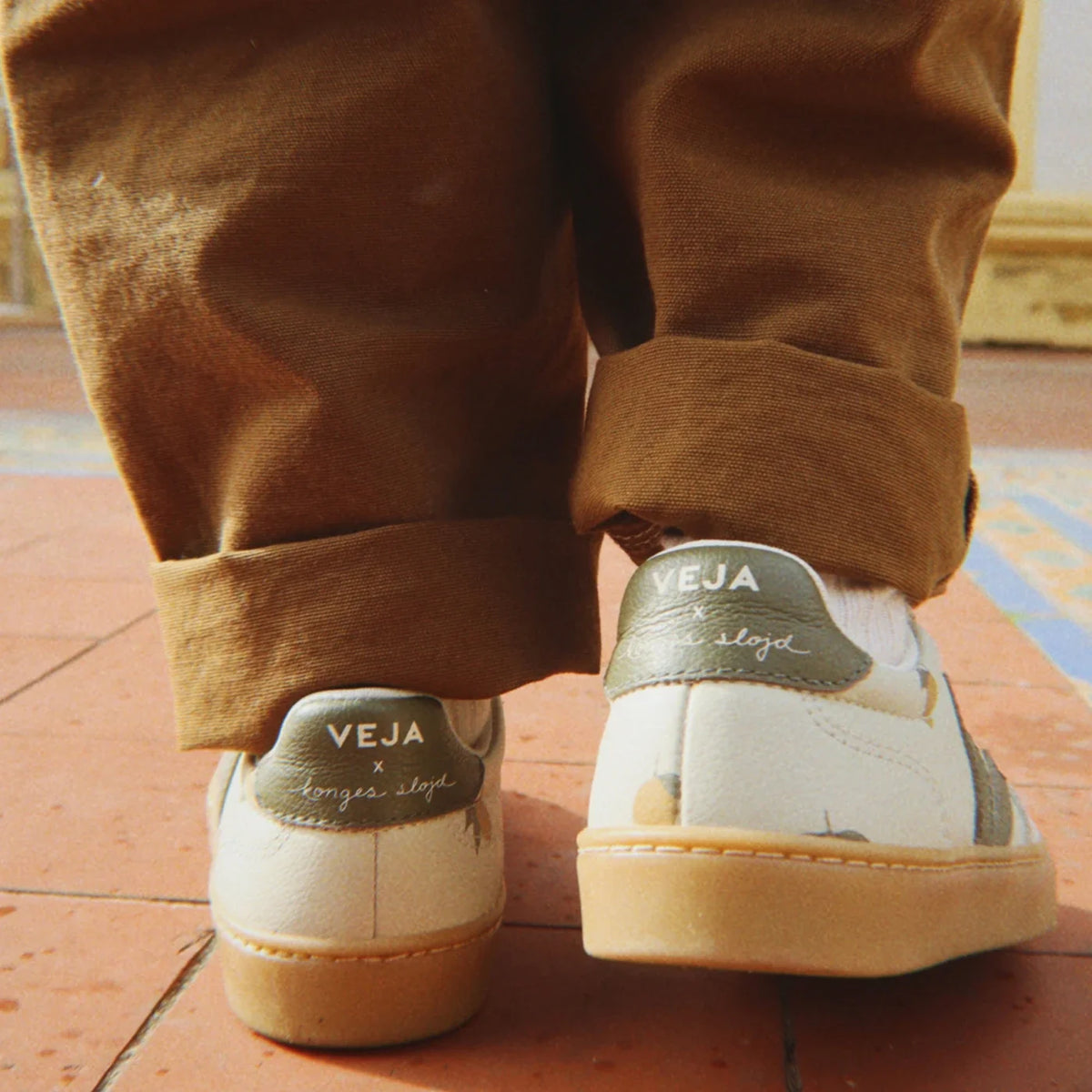
For school-age children, the need is often more versatile. Many families choose kids’ sneakers because they work well both at school and afterwards, when it is time to play or be active. They are easy to move in and practical on busy mornings. For older children, the look of the shoes often matters more too, but comfort and the right fit should still come first.
It is a good idea to look for:
- good width, so the toes have room
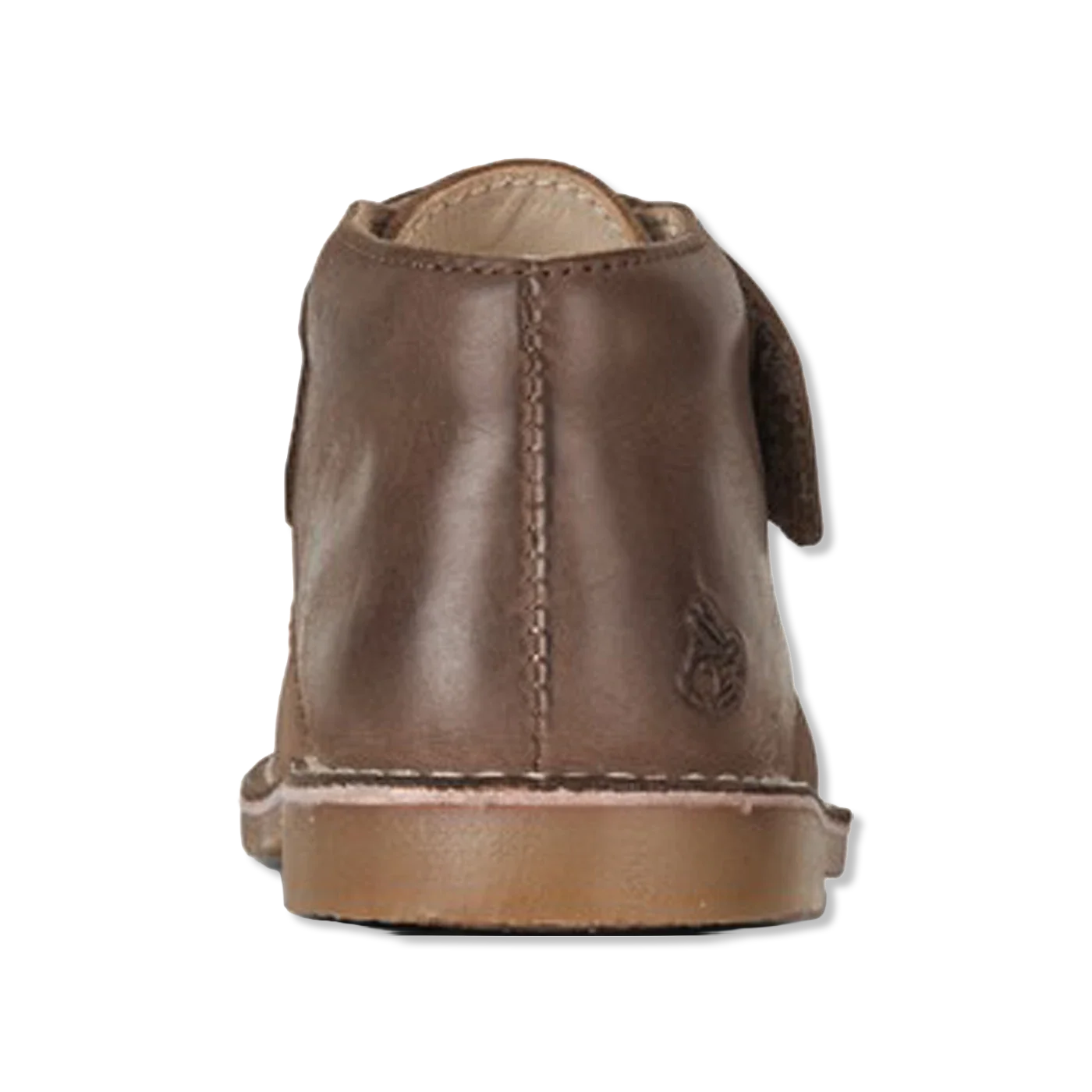
- a heel counter that supports without pinching
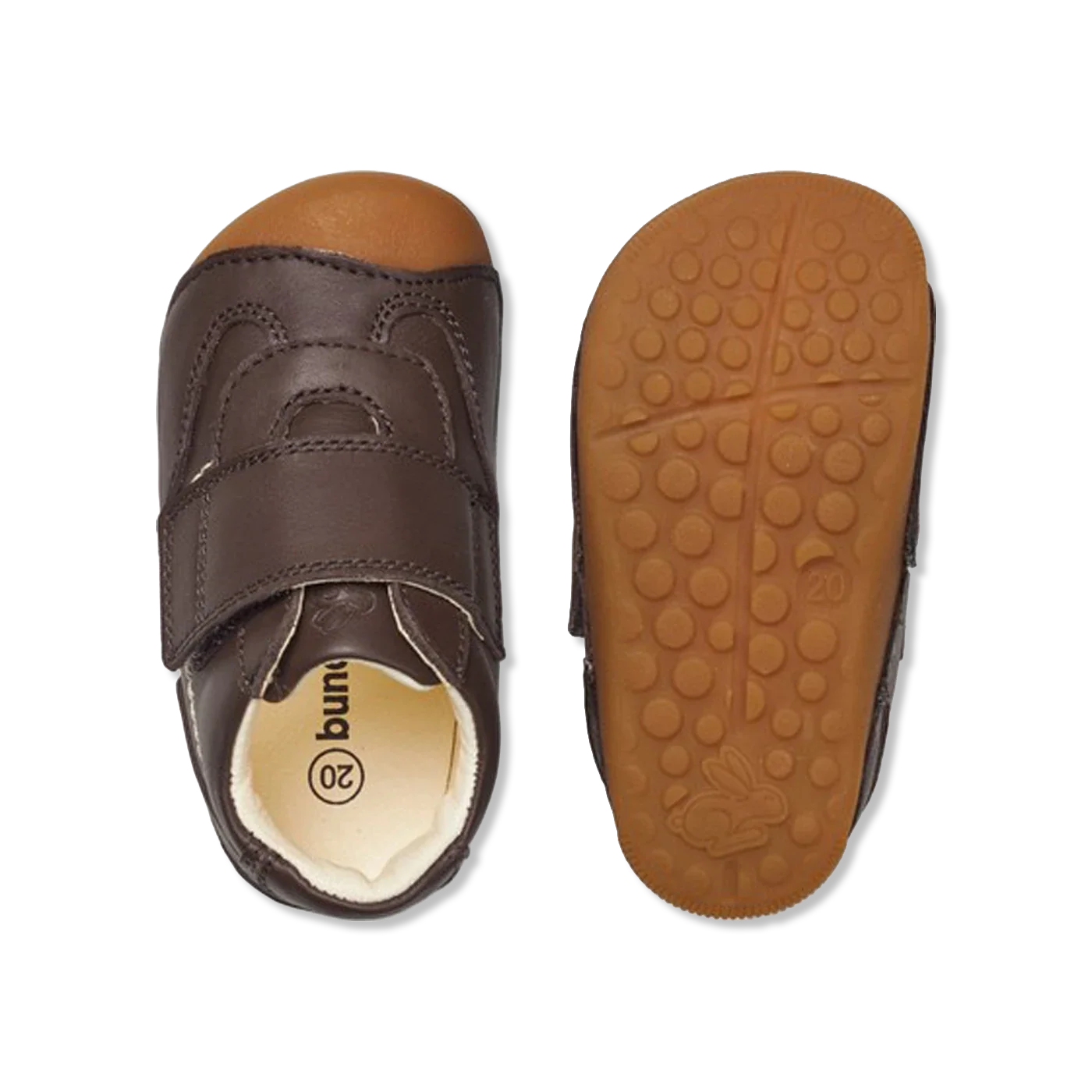
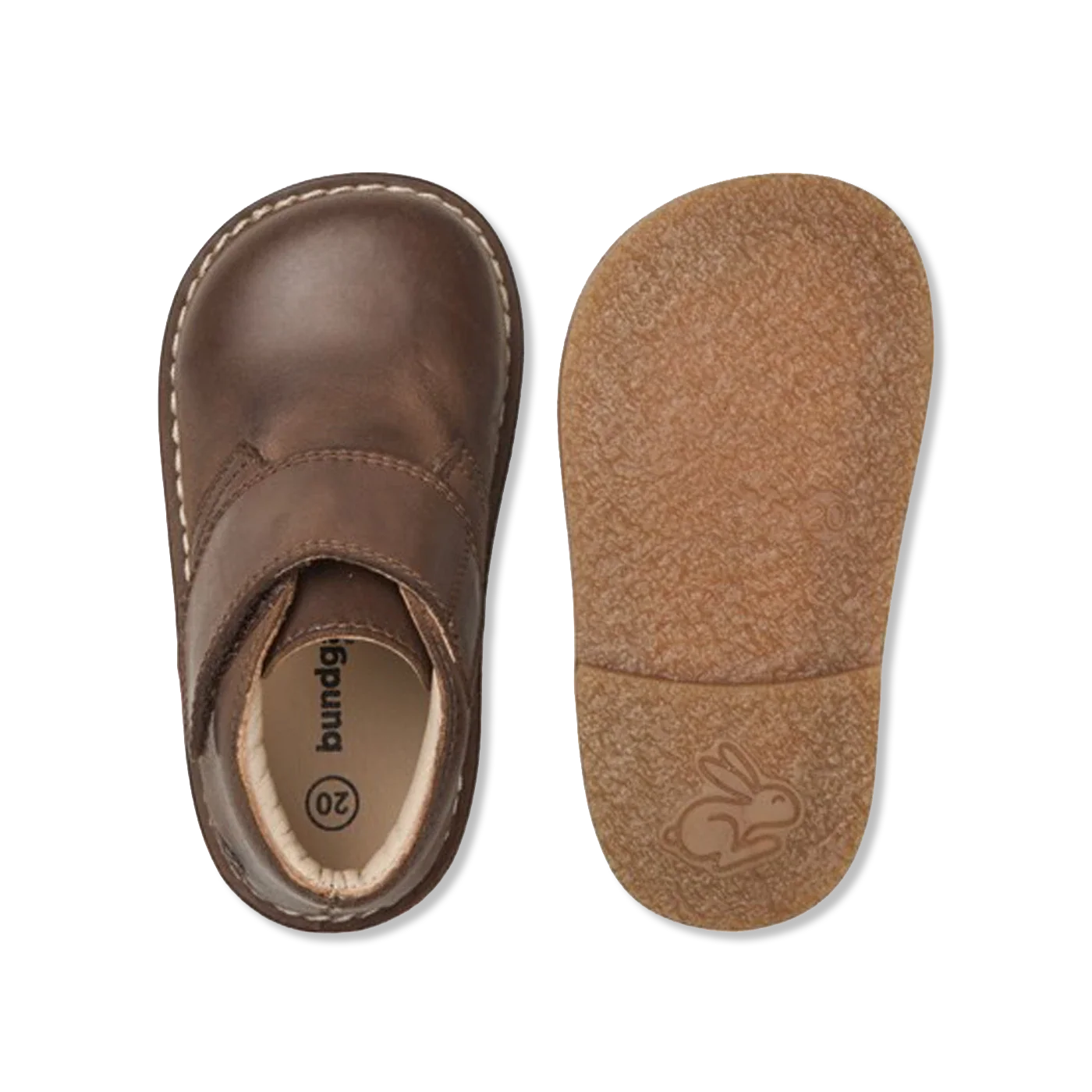
- a flexible sole for natural movement
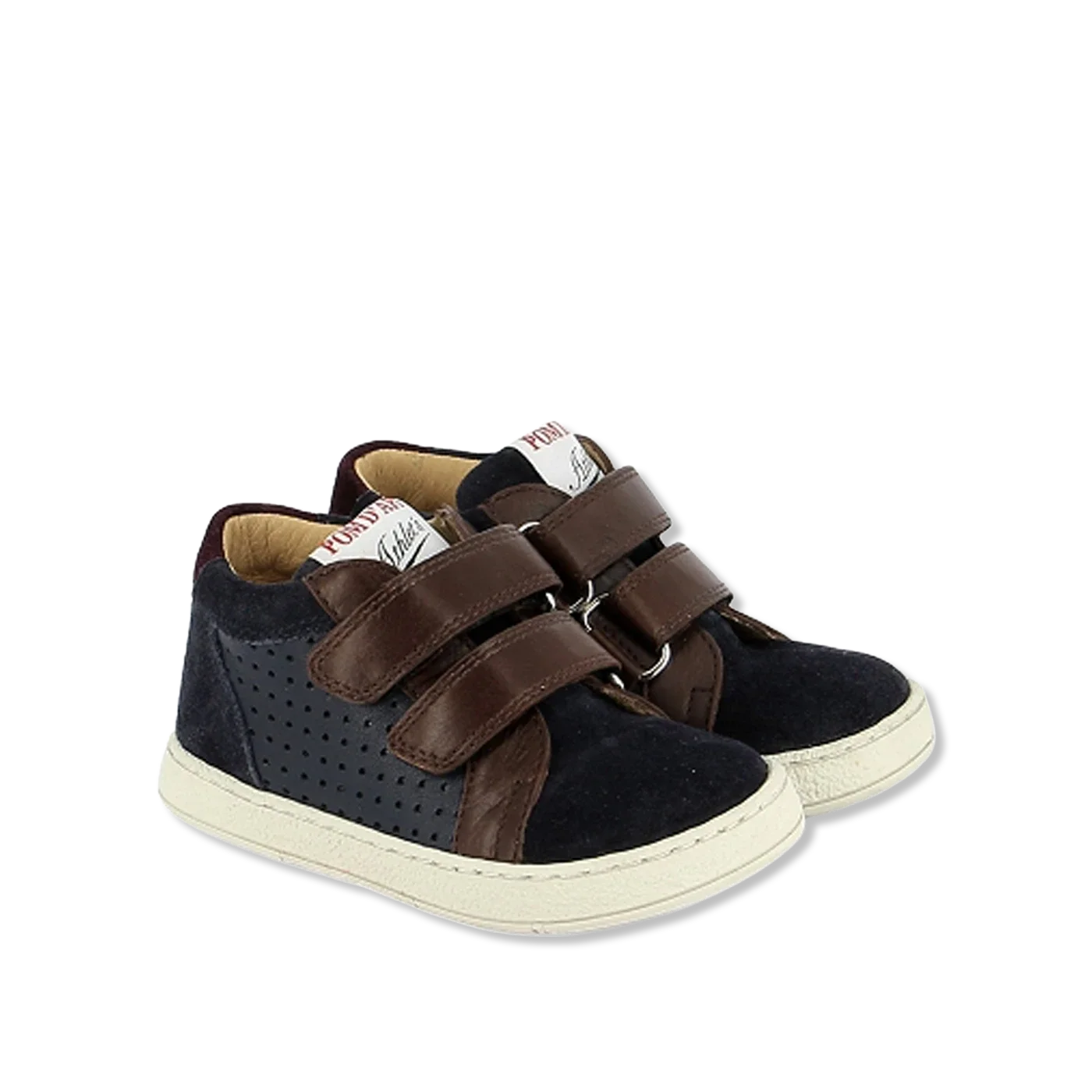
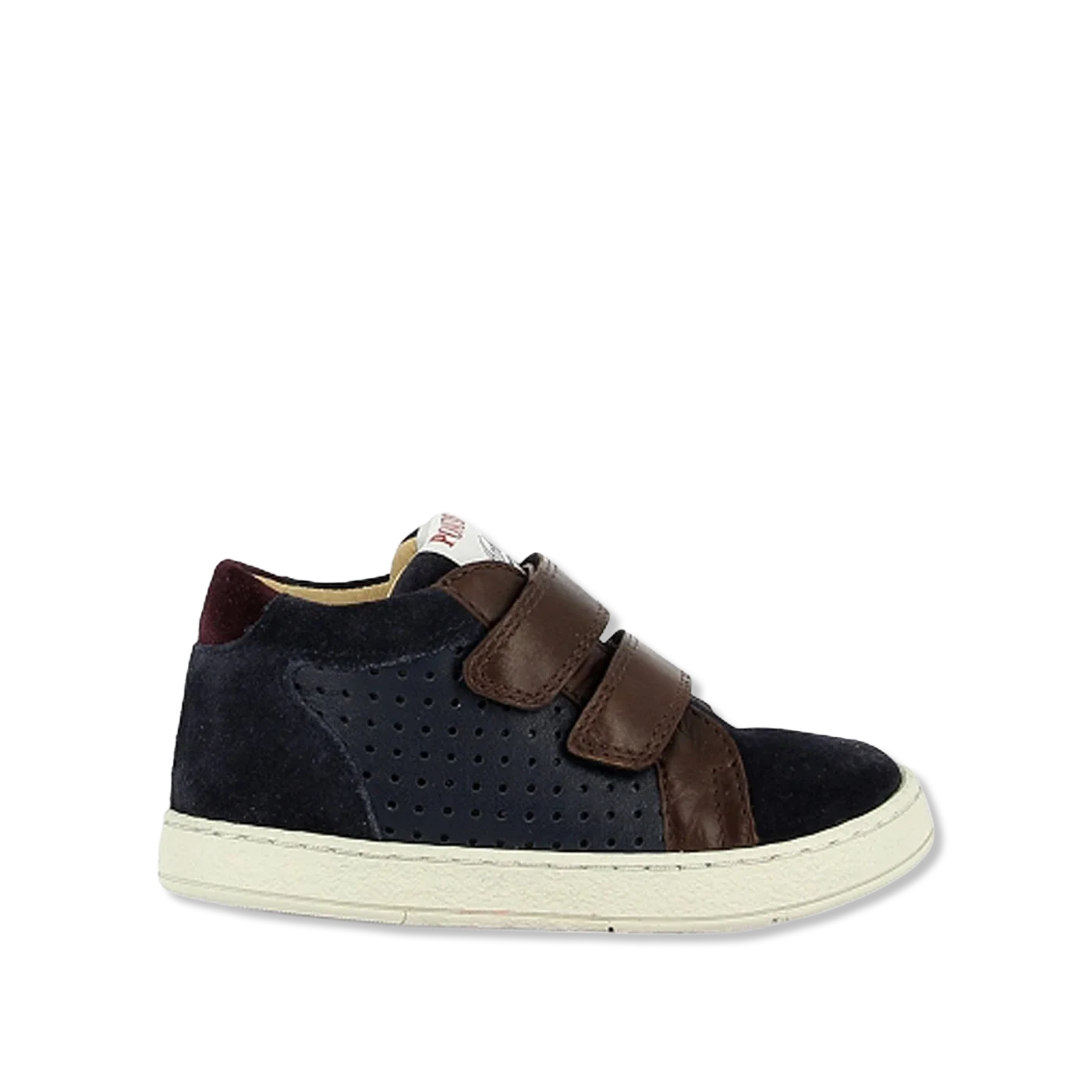
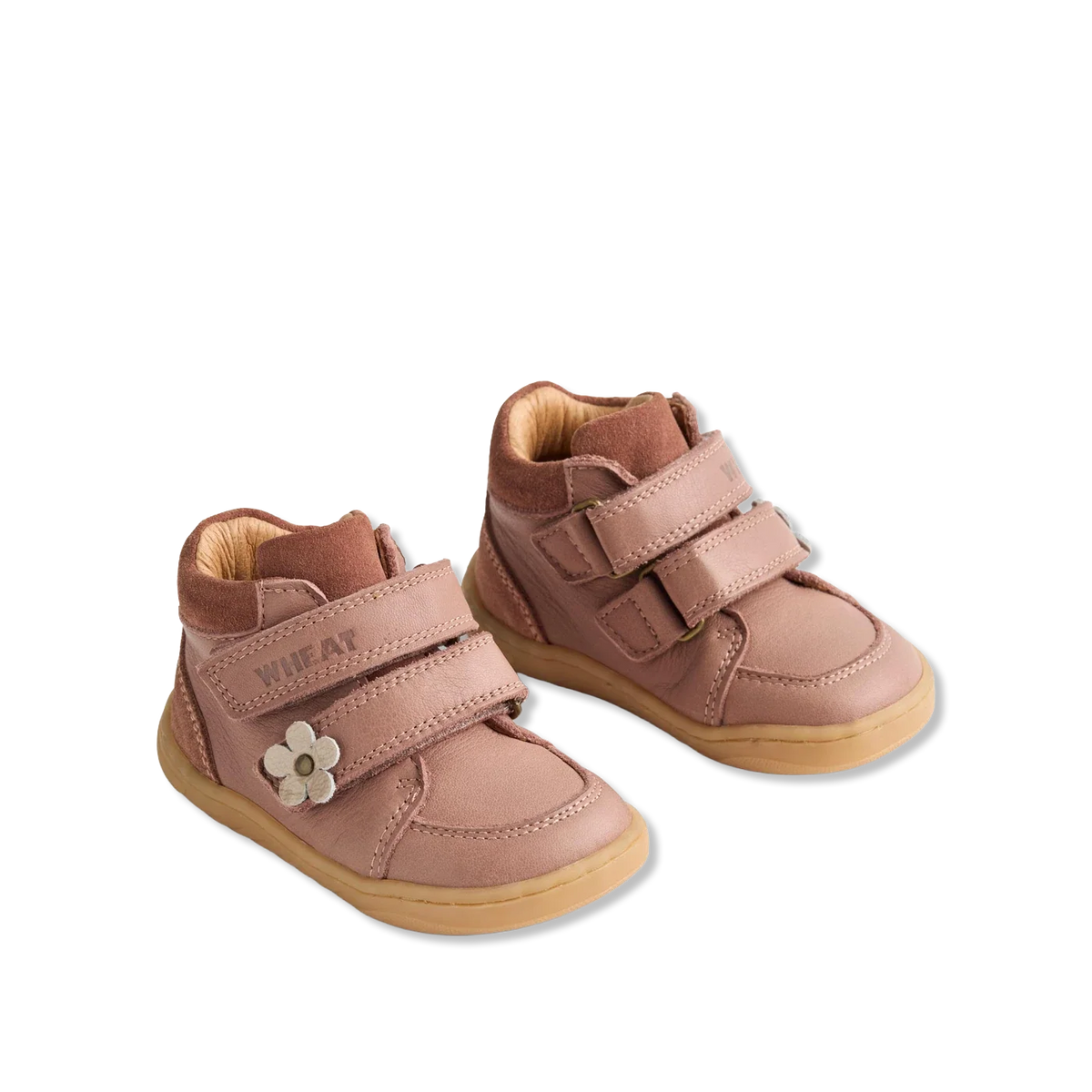
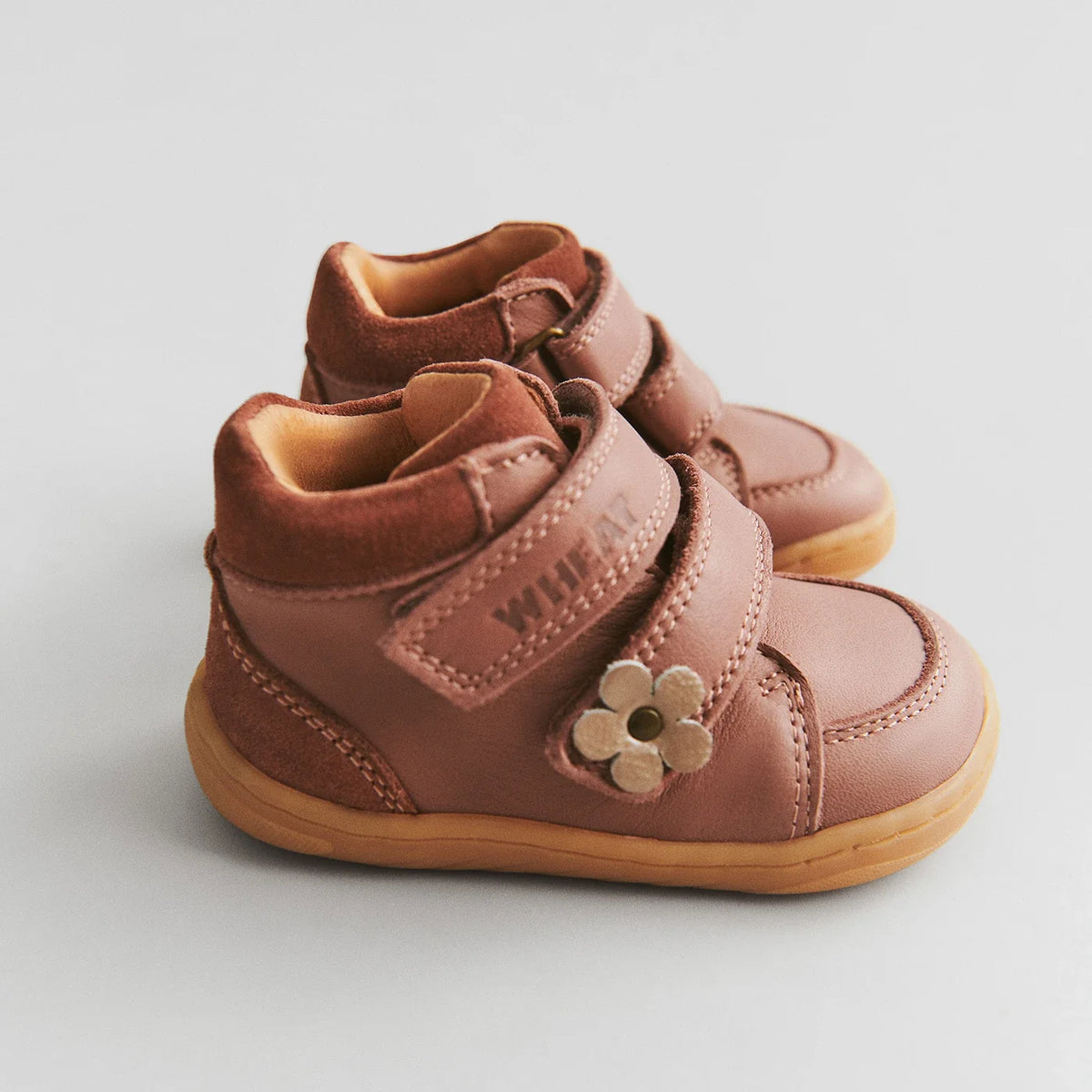
- a fastening your child can manage independently, such as Velcro or elastic laces
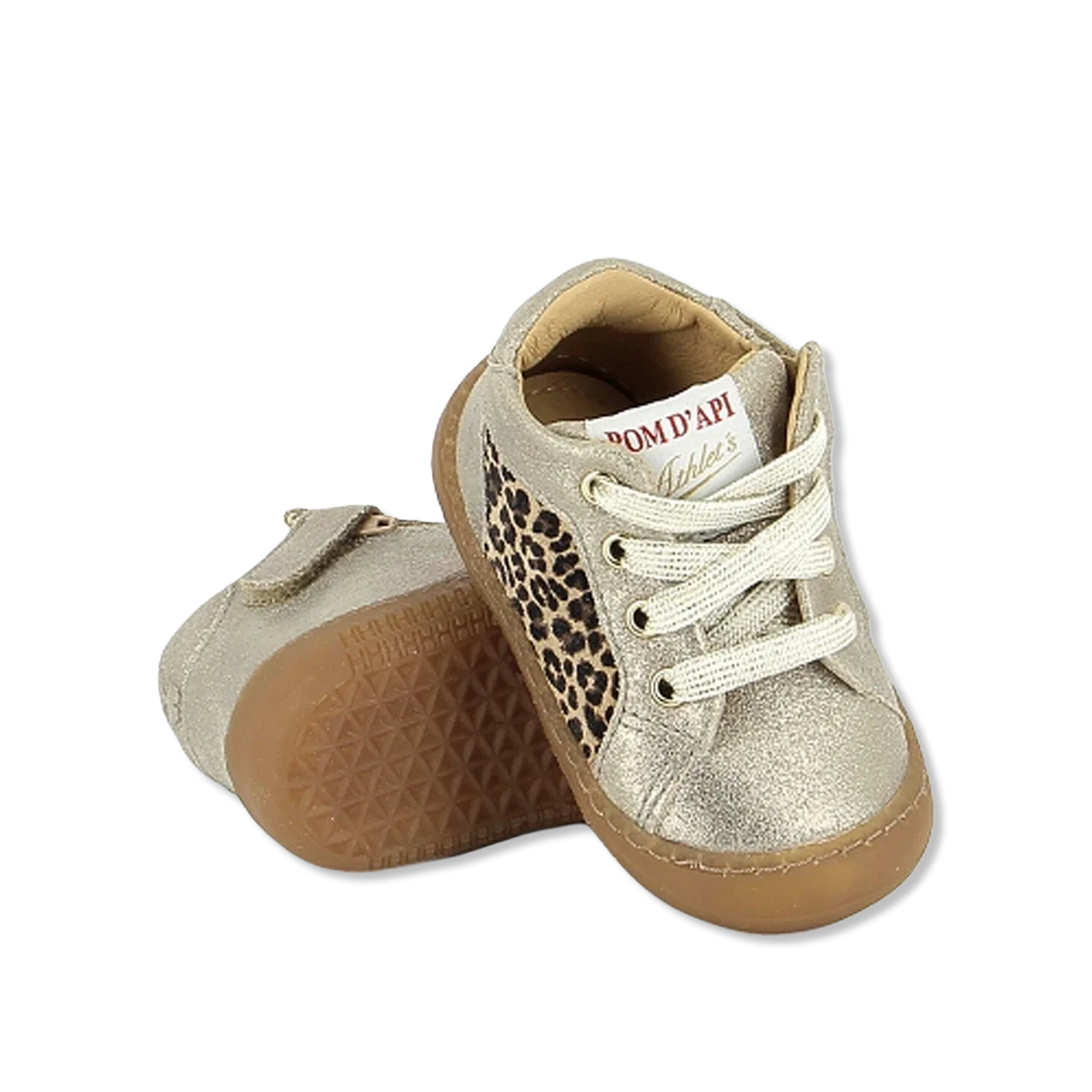
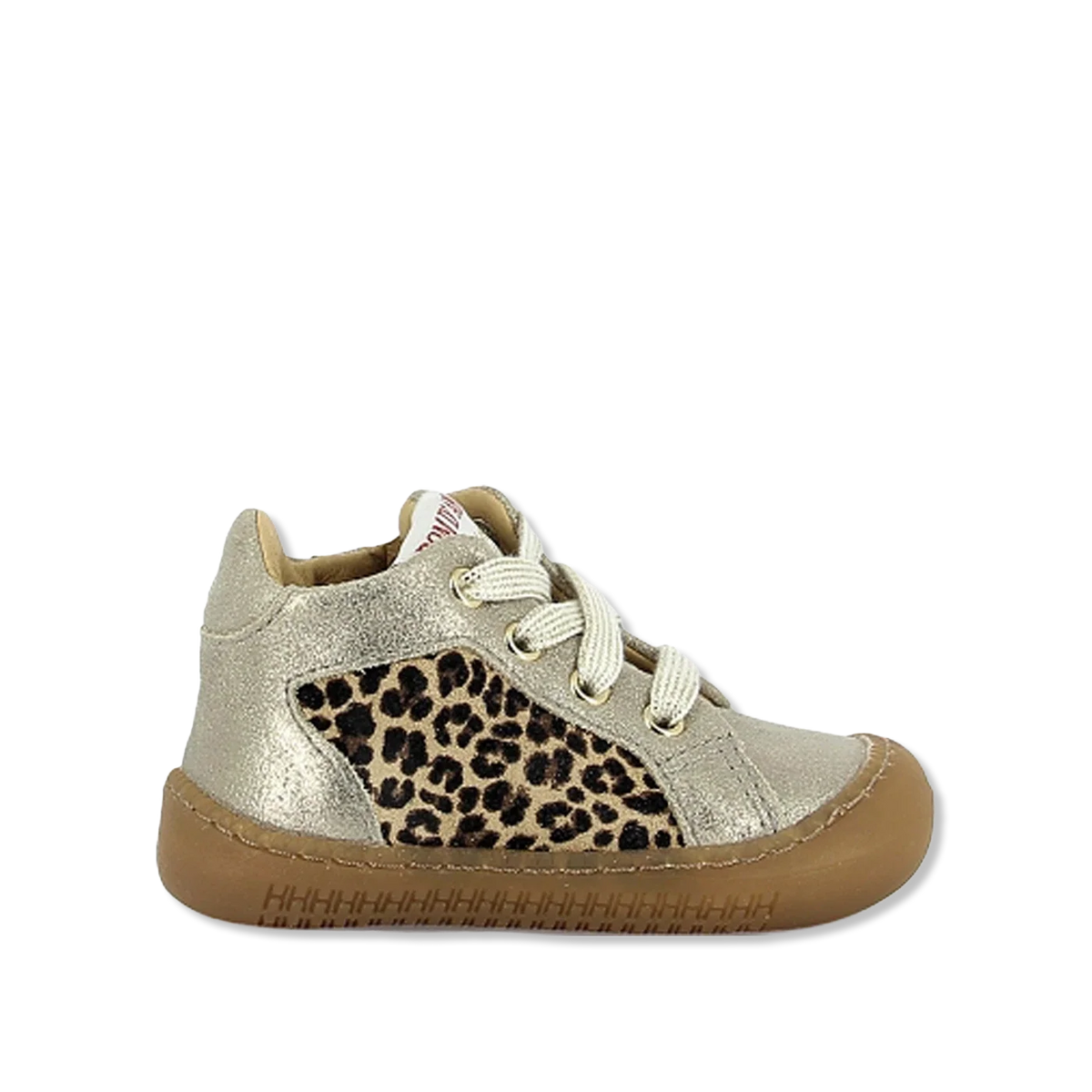
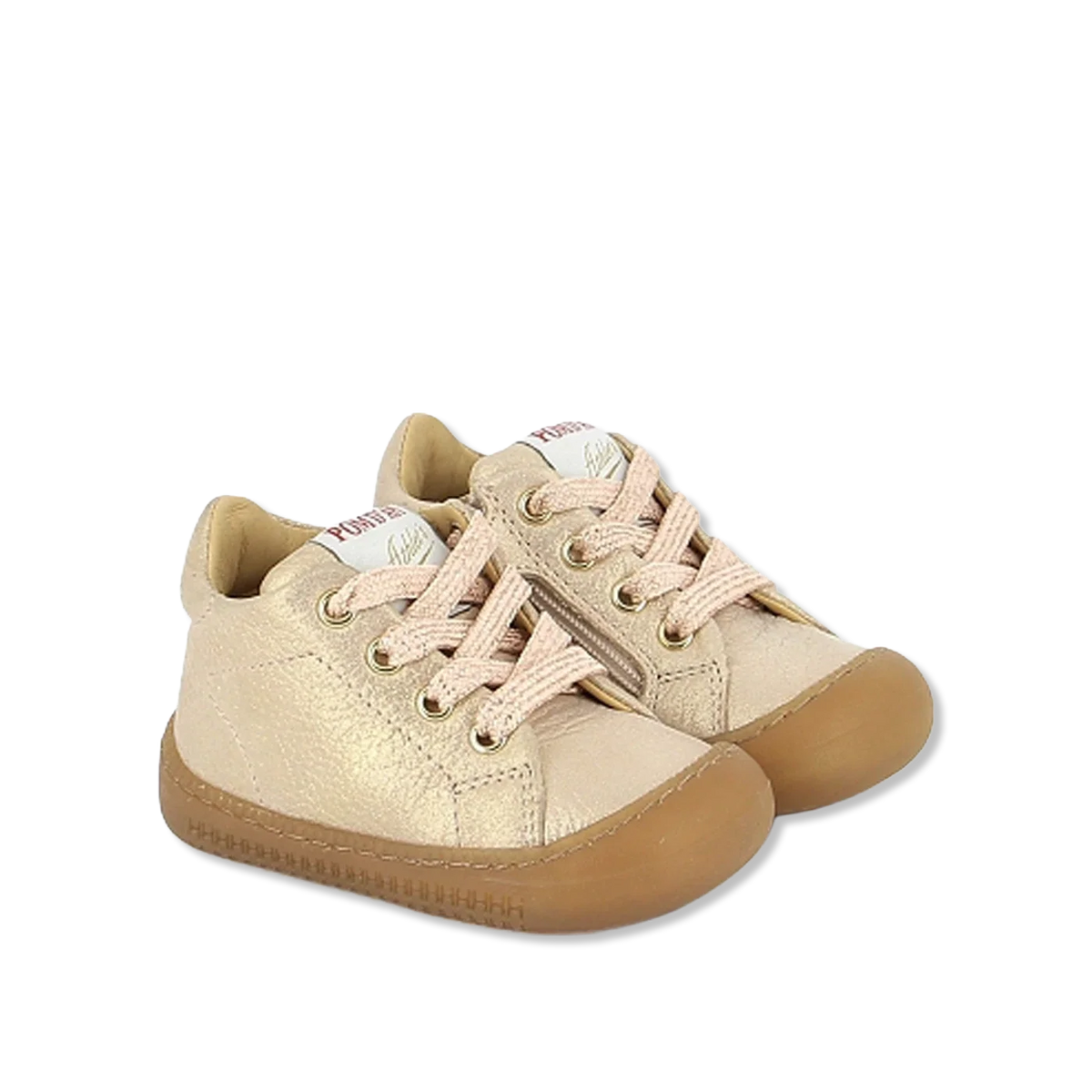
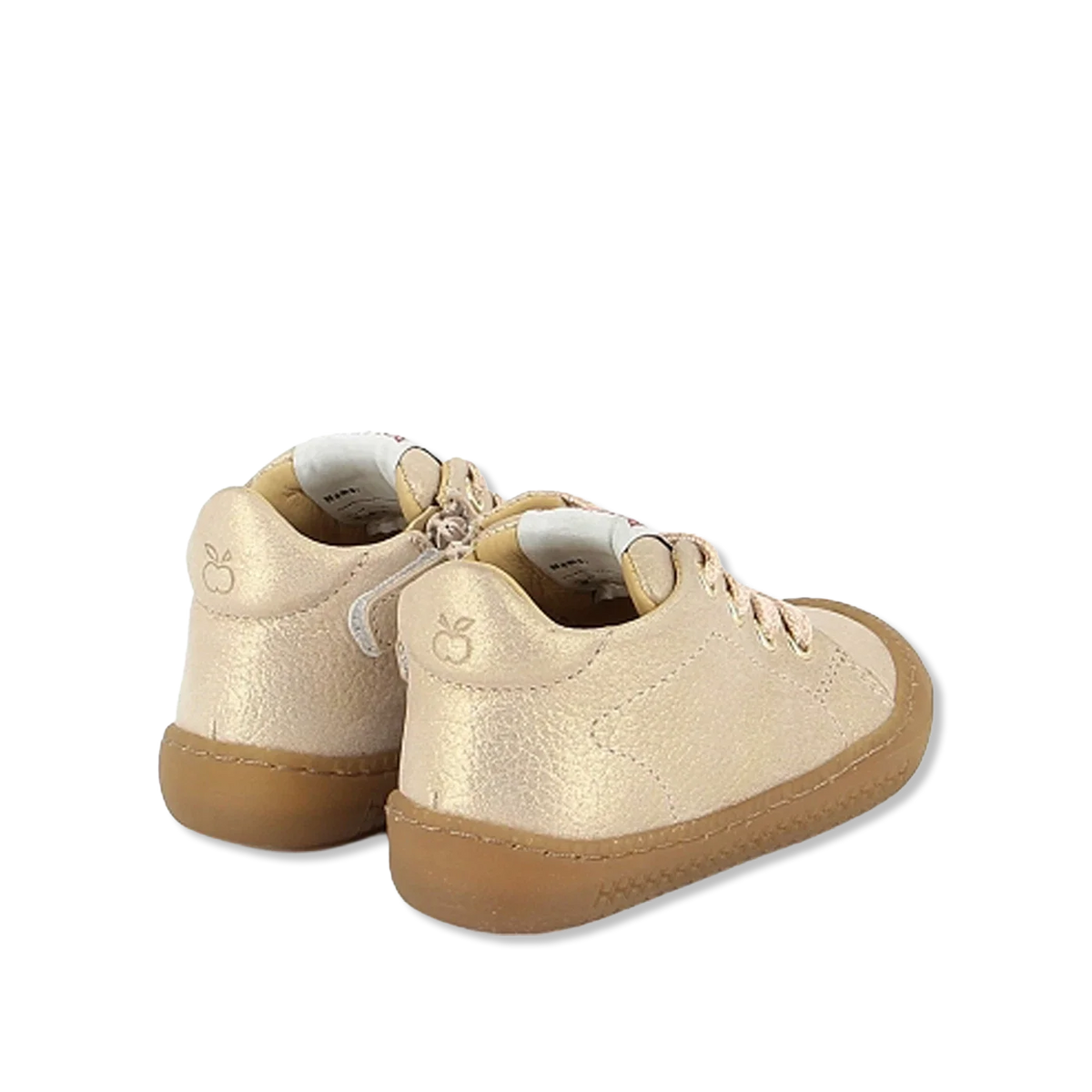
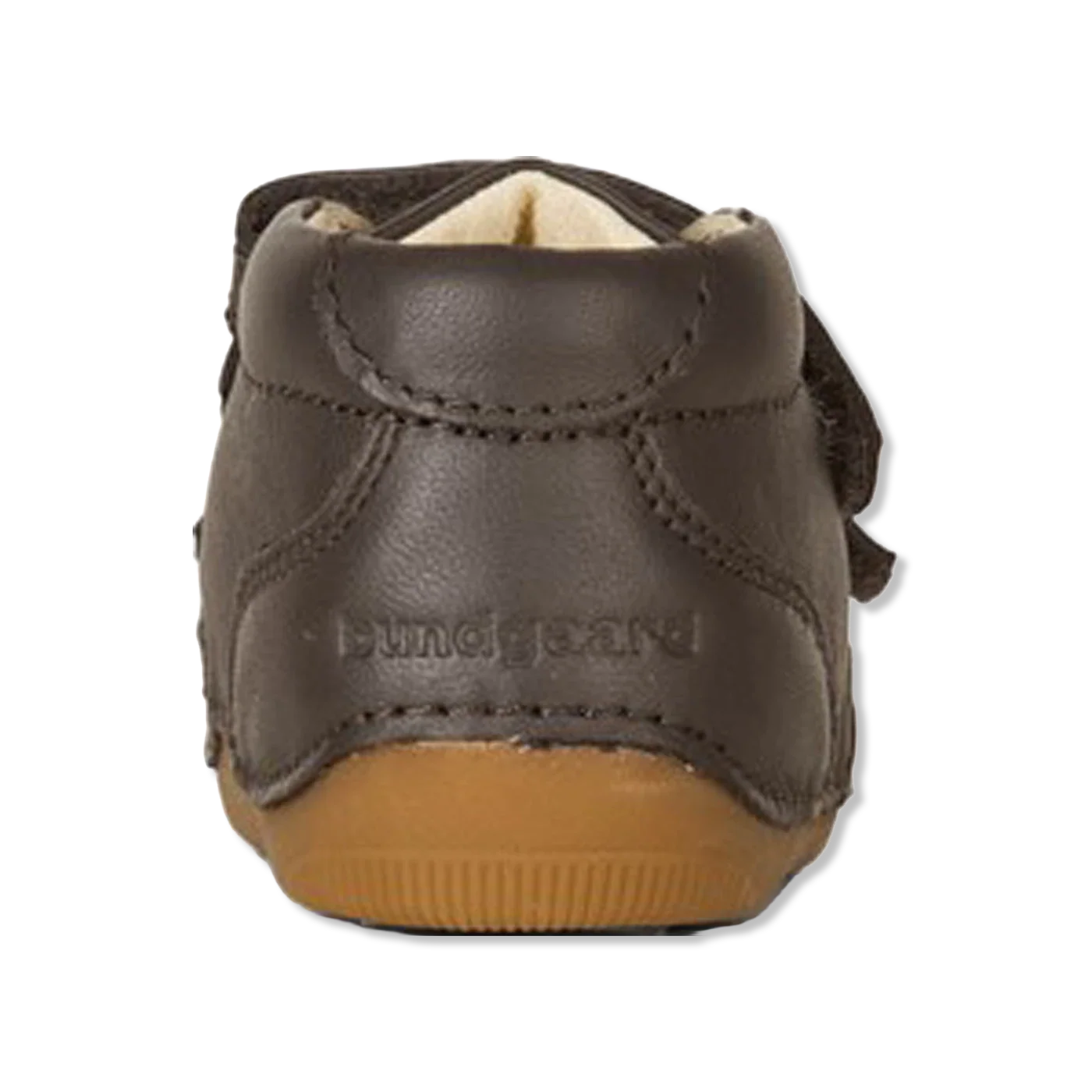
If your child is still a little unsteady on their feet, you can also take a closer look at starter shoes, which are designed for those first steps.
Children’s shoes in leather, mesh and rubber – what works best?
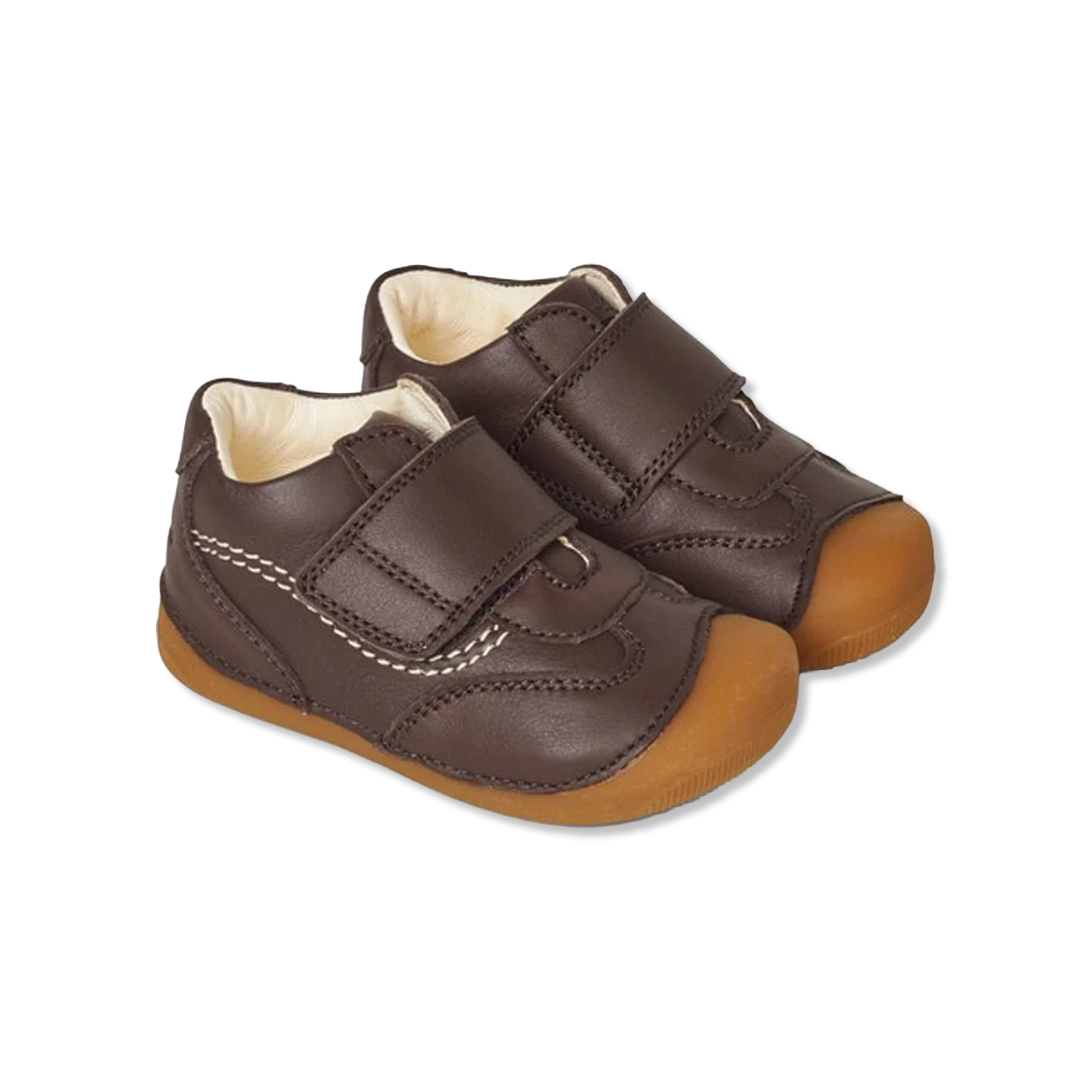
The material has a big impact on how well the shoes work in your child’s everyday life. Leather is a classic choice because it is durable, moulds to the foot and often provides a good balance between comfort and support. It is well suited to children who wear their shoes for many hours at a time and to families who want something that can handle daily use.
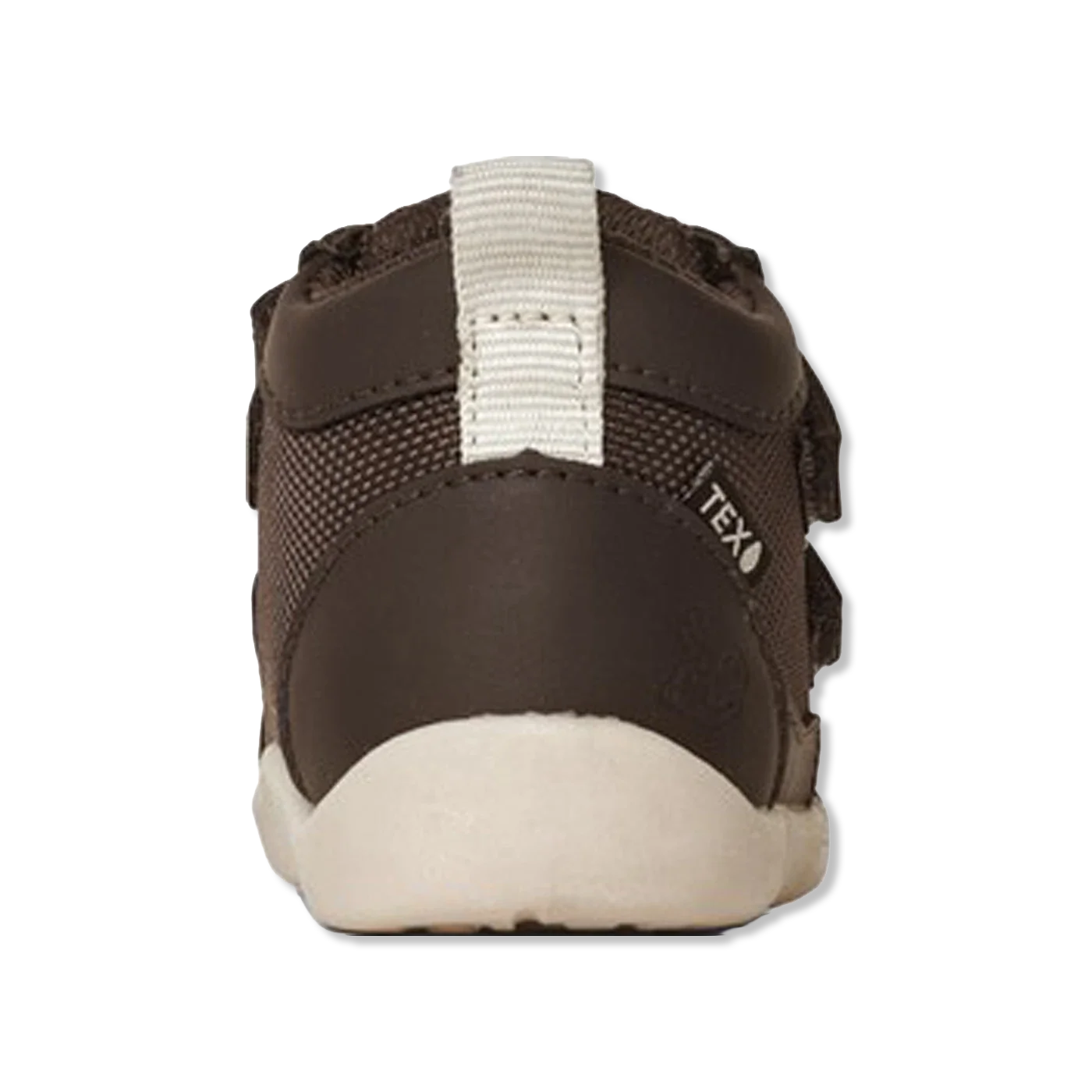
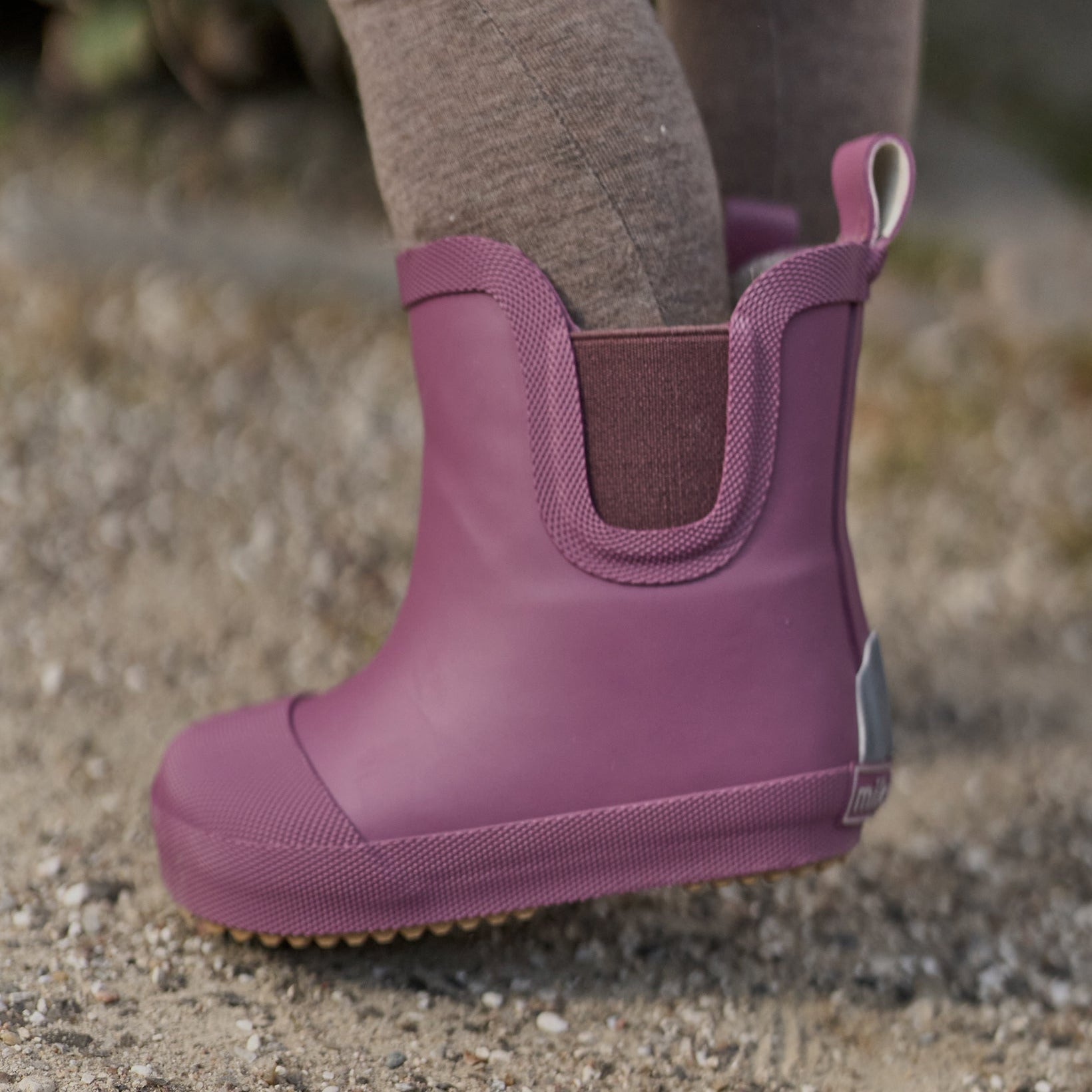
Mesh and other lightweight textiles are often used in kids’ sneakers. They feel light, allow feet to breathe and dry quickly, which is practical in spring and summer or for children who rarely stay still for long. When the weather gets wetter, rubber and water-repellent materials are often a better choice because they provide better protection against moisture and wet feet.
It is also worth paying attention to the small details. A non-slip sole gives better grip, cushioning can be comfortable for children who run and jump a lot, and reflective details are practical when the days get darker. If you are looking for footwear for wet days, it may also be worth exploring wellies or thermal boots for the colder months.
Size and fit often matter more than design
One of the most common mistakes when buying children’s shoes is choosing a size that looks right but is actually too small in practice. Children’s feet grow quickly, so there should be a little extra room in front of the toes. As a rule of thumb, around 1 to 1.5 cm of growing room is often suitable, allowing your child to move their toes freely and use the shoes for more than just a short period of time.
Width is at least as important as length. A child with wide feet may fit the shoe lengthwise but still feel pressure at the sides. Conversely, a narrow foot may need more support and a fastening that can be adjusted properly. If the heel slips up, or your child starts curling their toes, it is often a sign that the fit is not quite right.
It helps to look at the shoes based on your child’s movements rather than only how they look. Children’s shoes need to work when your child runs, climbs, jumps and plays – not only when standing still. For everyday comfort, the right socks can also make a noticeable difference, as they affect both fit and space inside the shoe.
The season determines whether sneakers or shoes are the right choice
On warm days and during dry transitional seasons, many families choose lightweight kids’ sneakers because they are comfortable for school, playdates and short trips out. They are a good option when children need flexible shoes that do not feel heavy. But when the weather changes, sneakers are not always enough. In autumn and winter, it often makes more sense to choose more closed shoes or boots that protect against both cold and moisture.
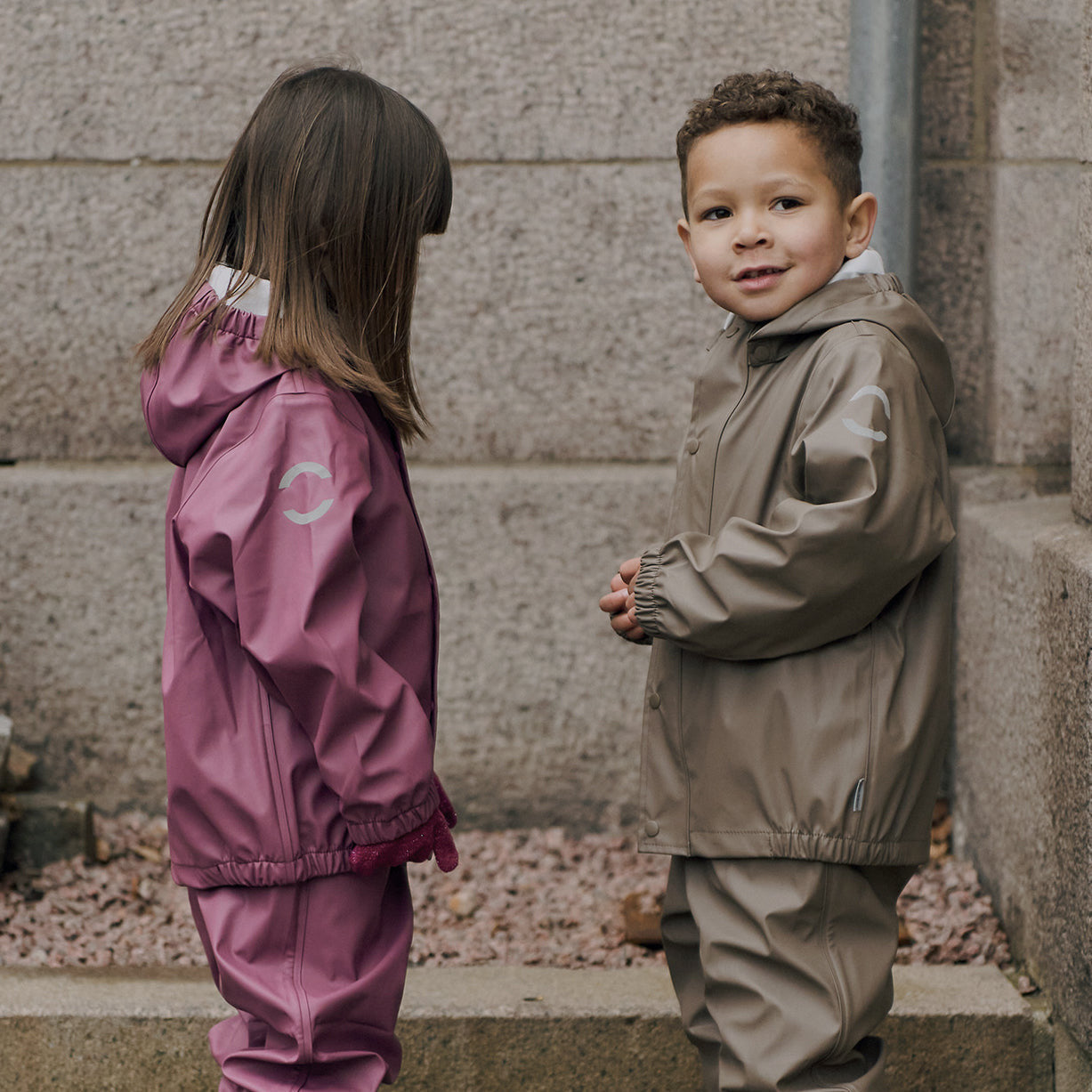
During wet months, it can be helpful to think of the whole outfit together. Waterproof shoes or boots often work best with rainwear, so your child can play outside without getting wet and cold. When temperatures rise, more open shoes can feel more comfortable, and many families also add sandals for warm days.
Often, the best solution is not one pair of shoes that has to do everything, but footwear that suits your child’s everyday life here and now. When fit, material and season work well together, it becomes much easier to choose the right shoes or sneakers.