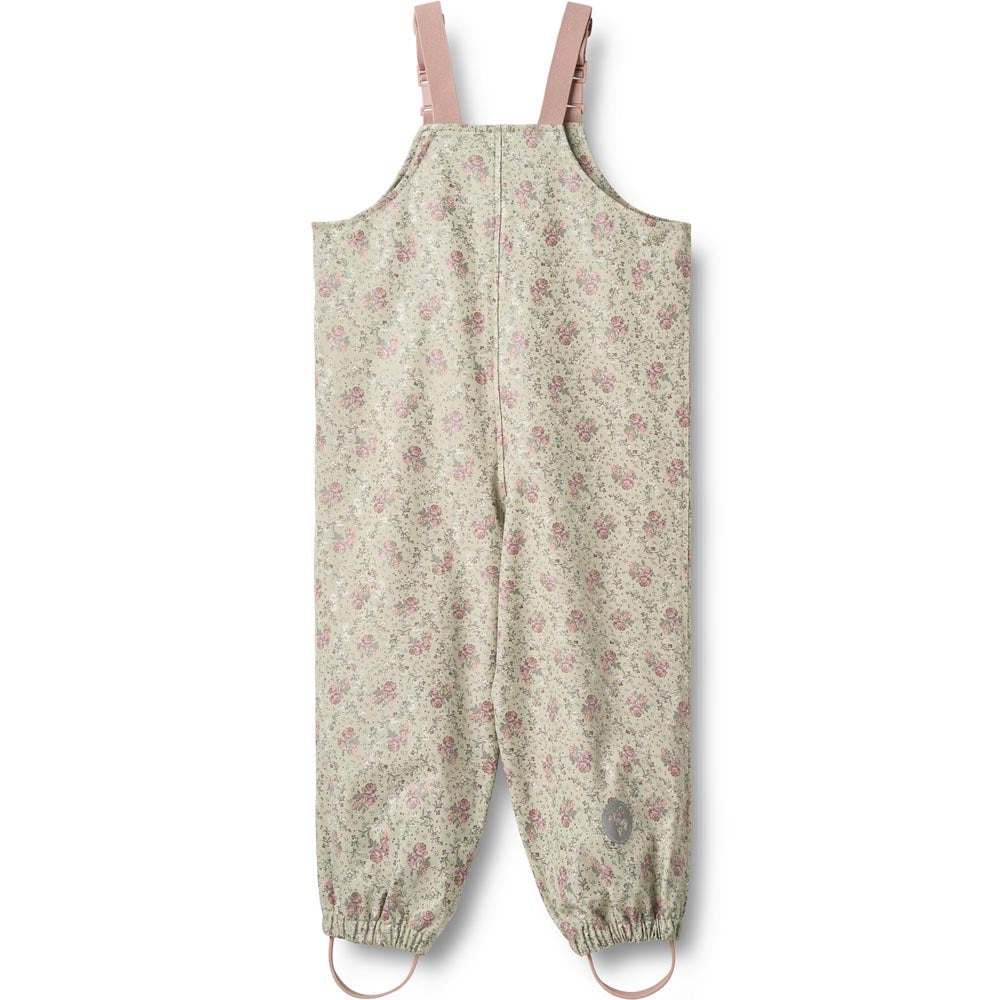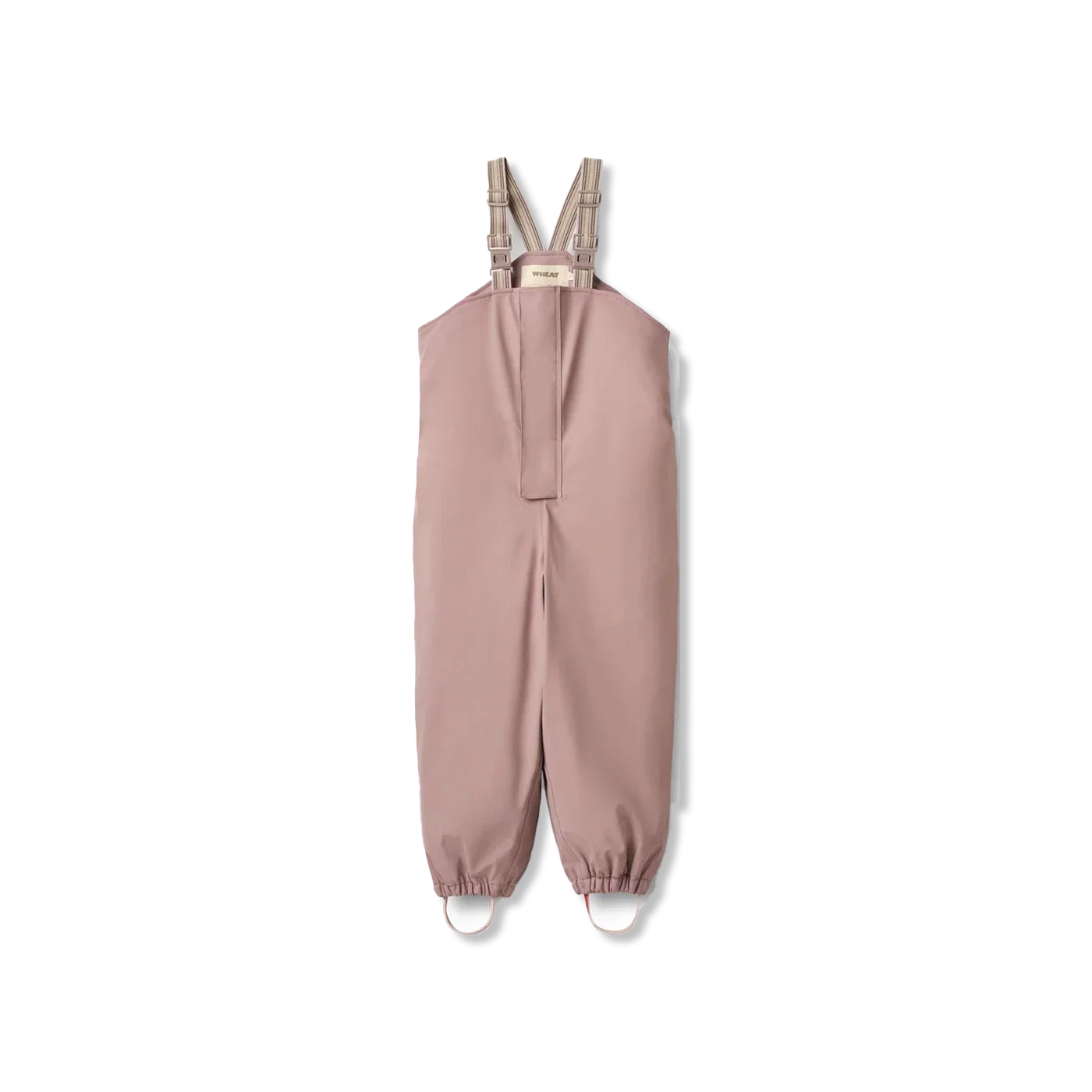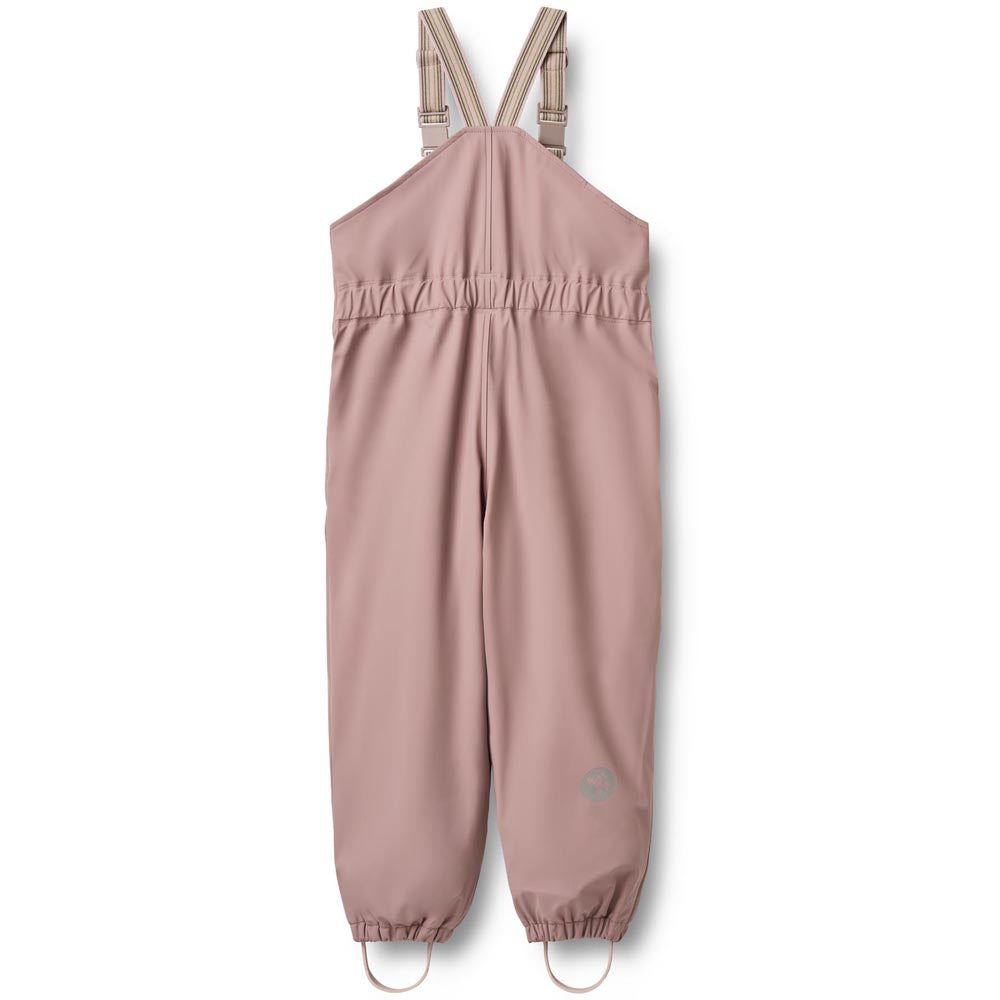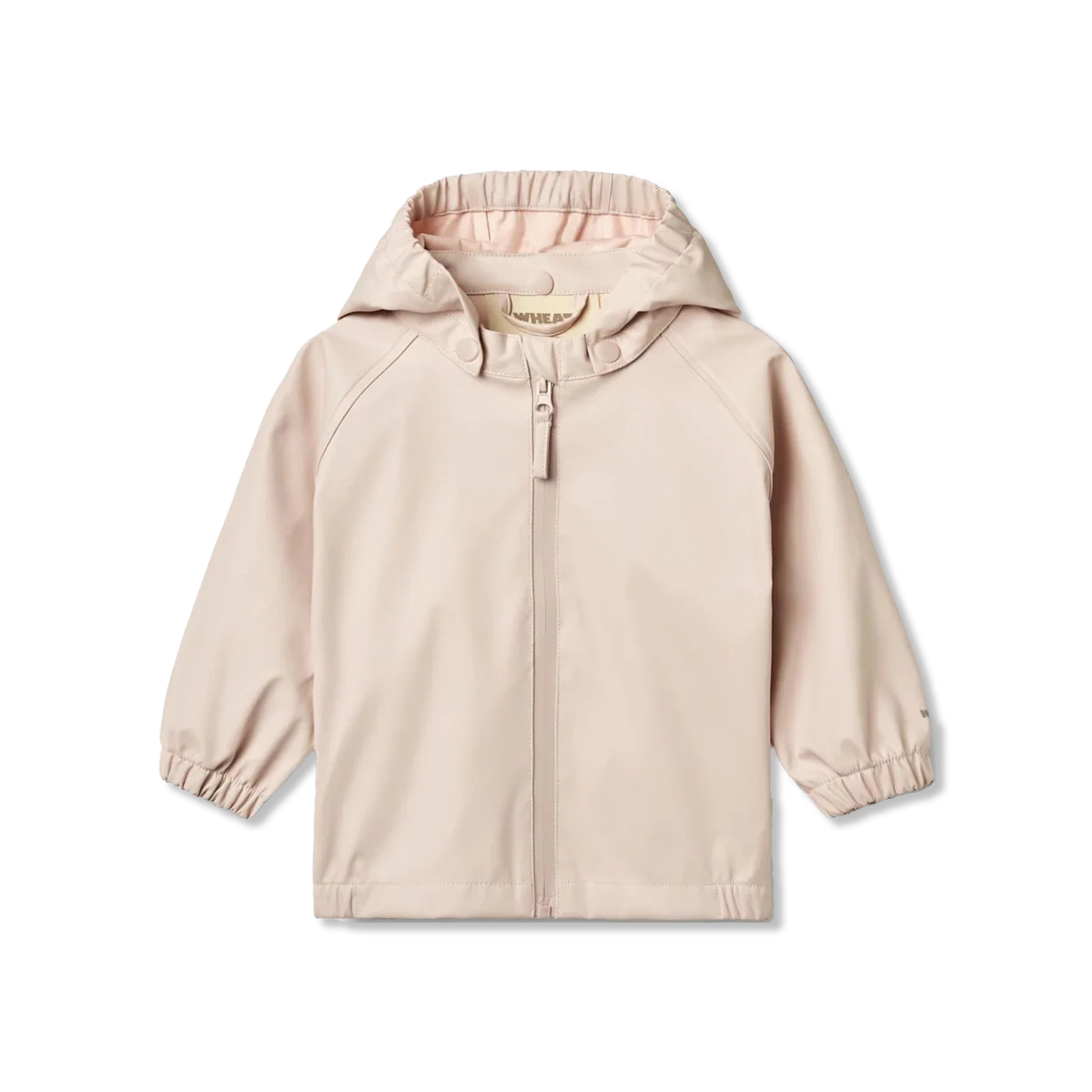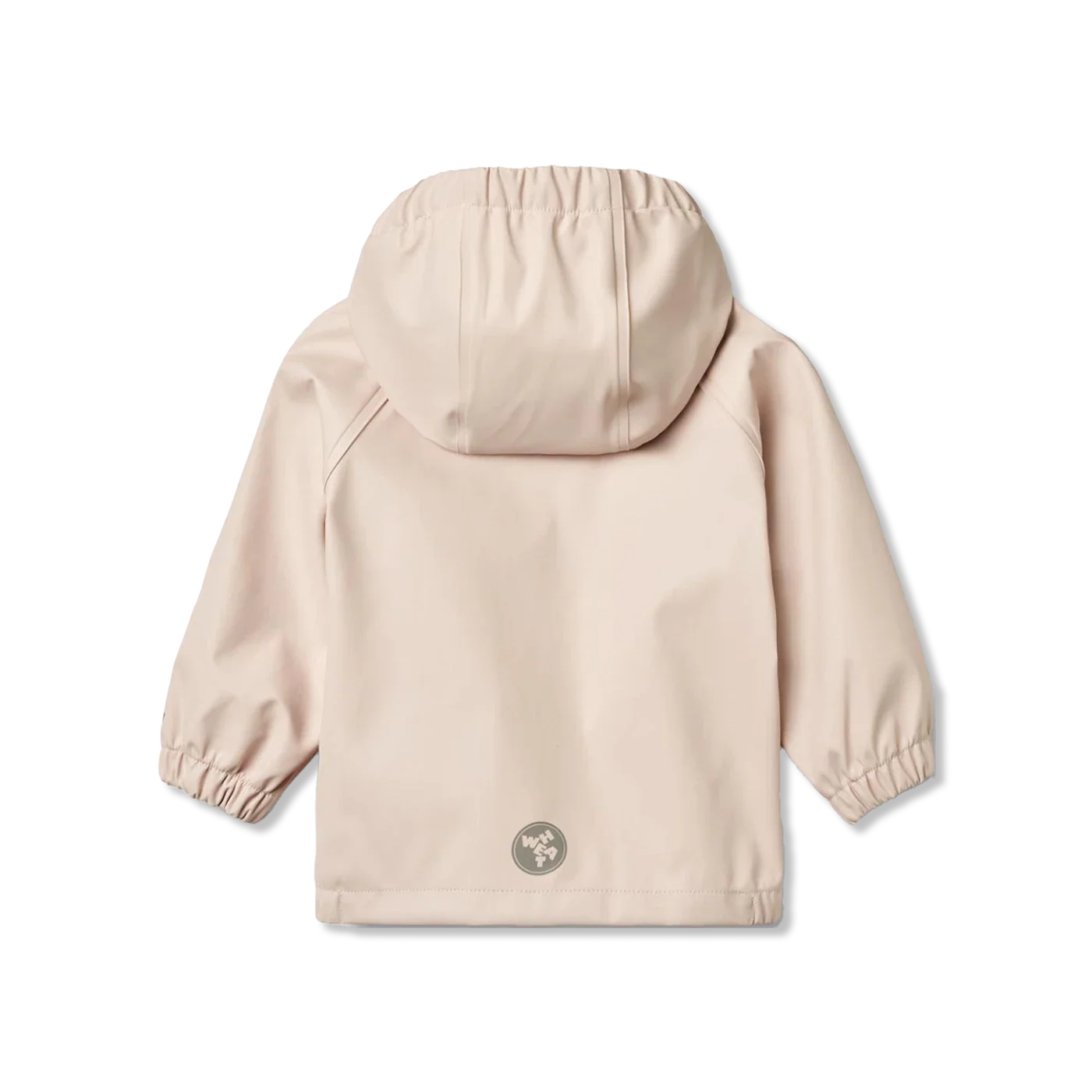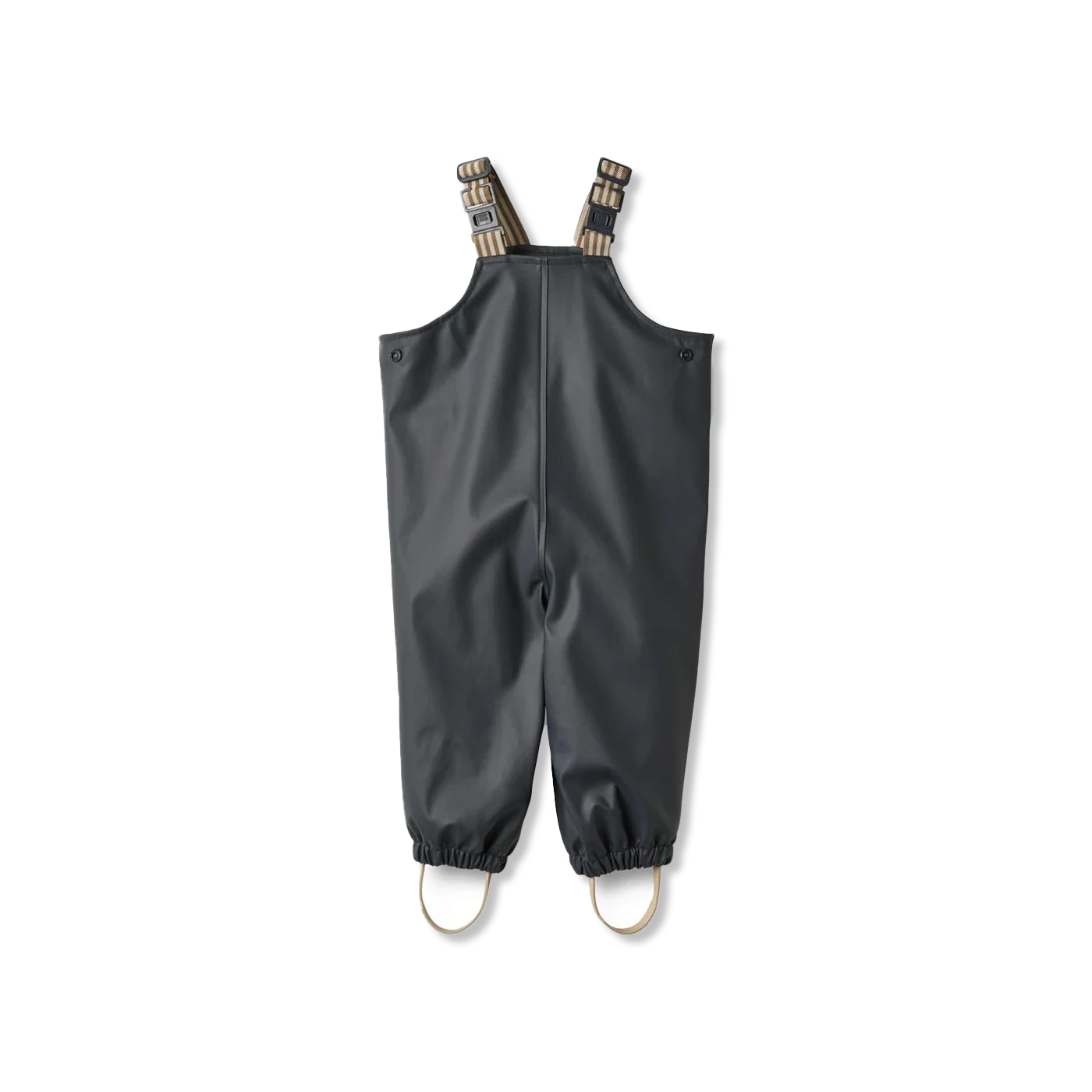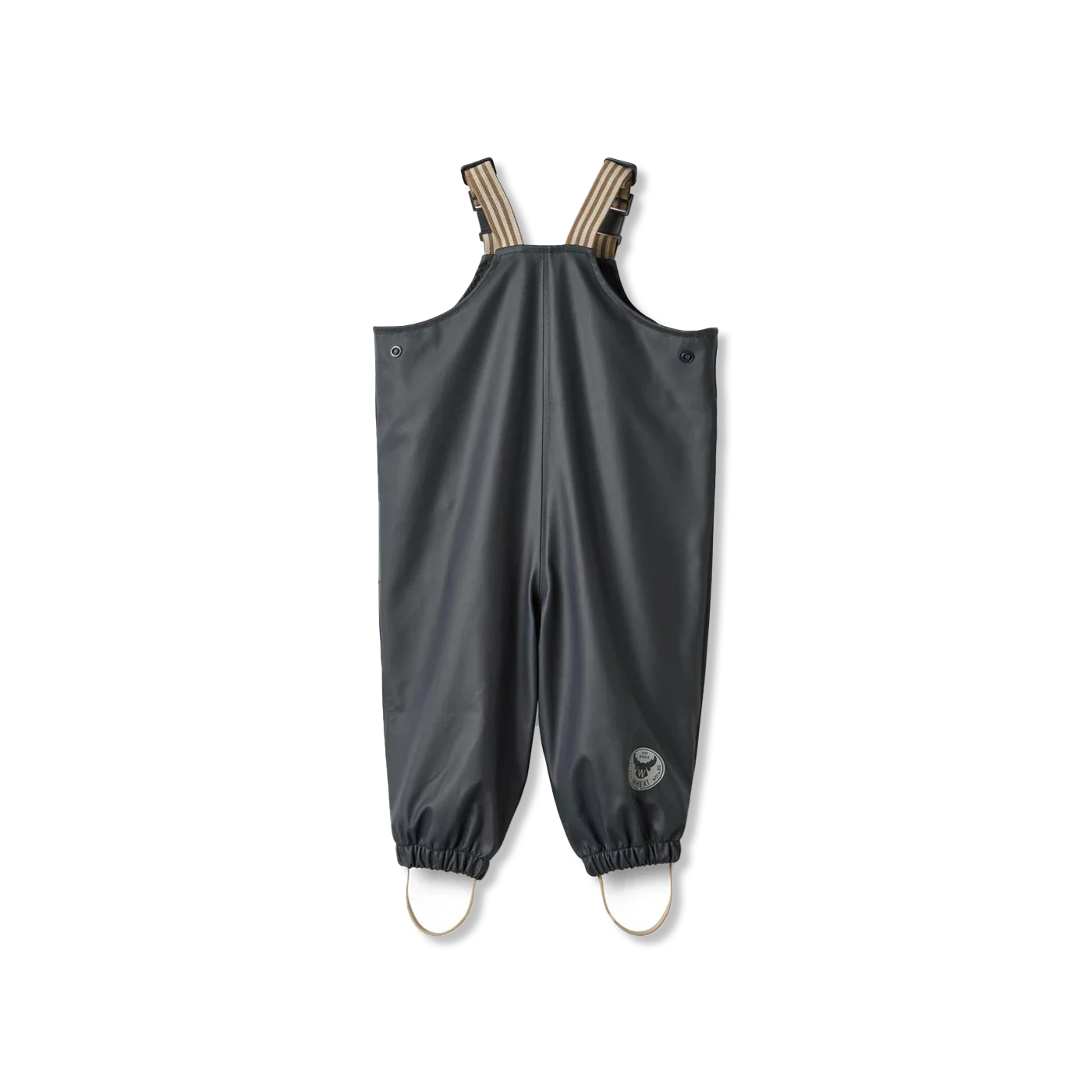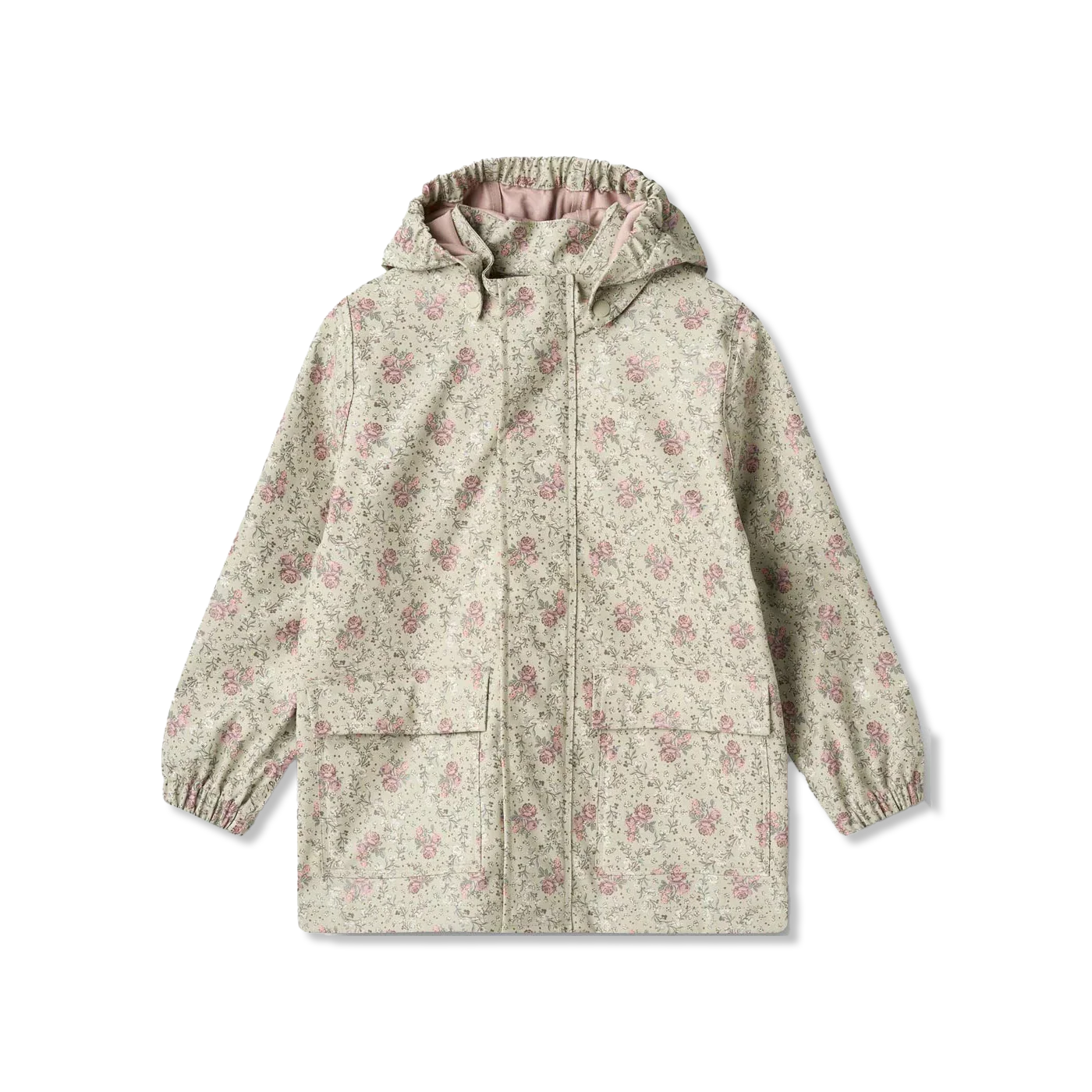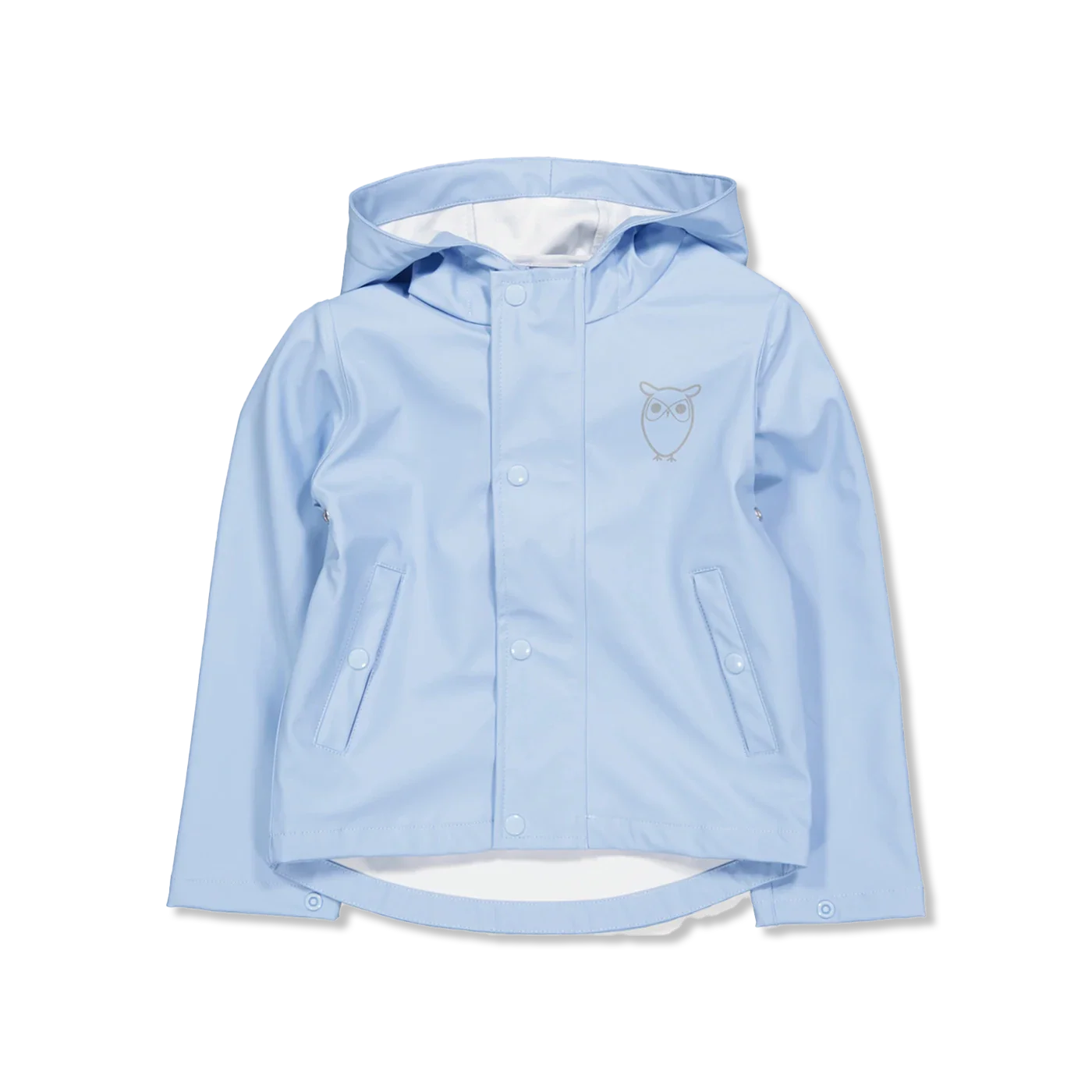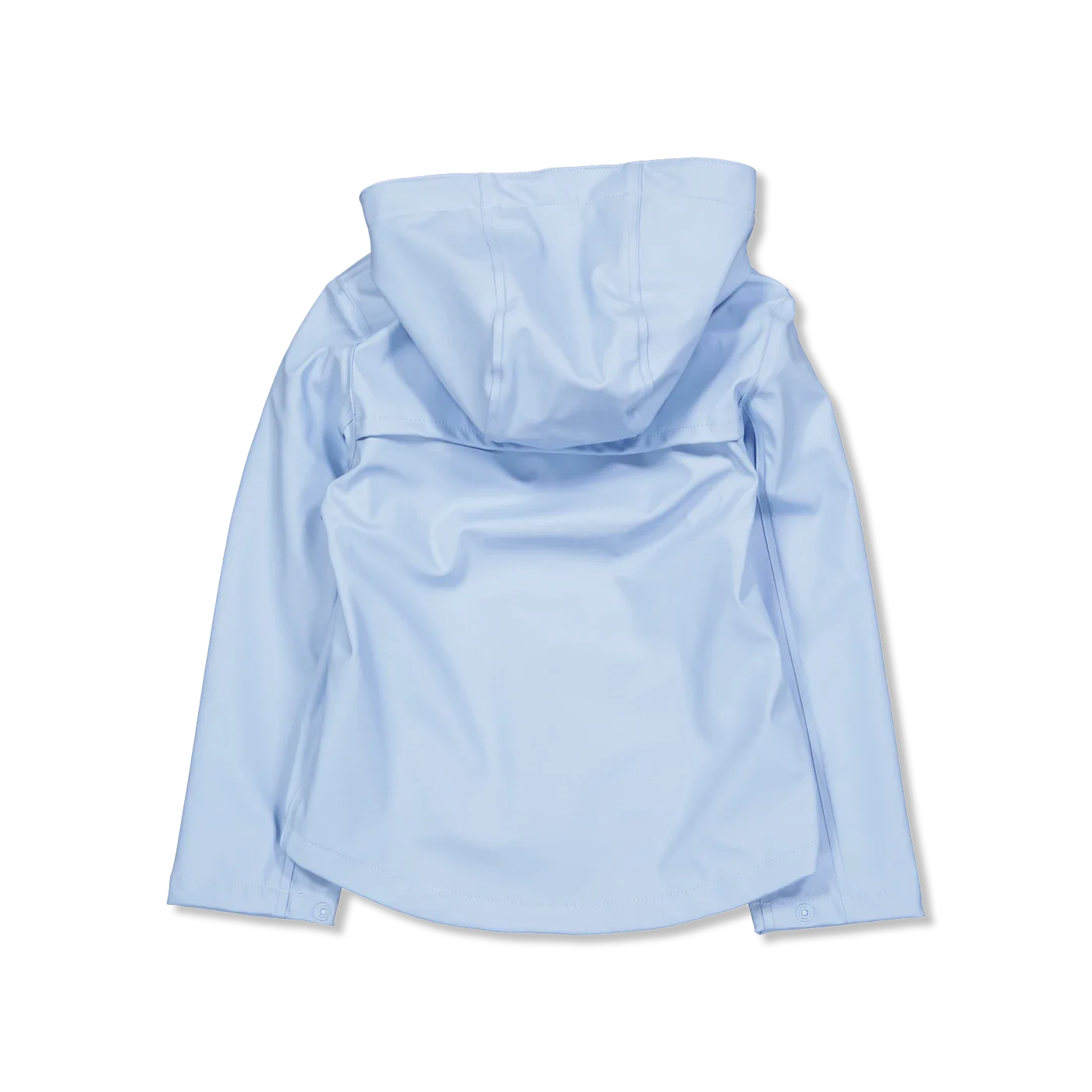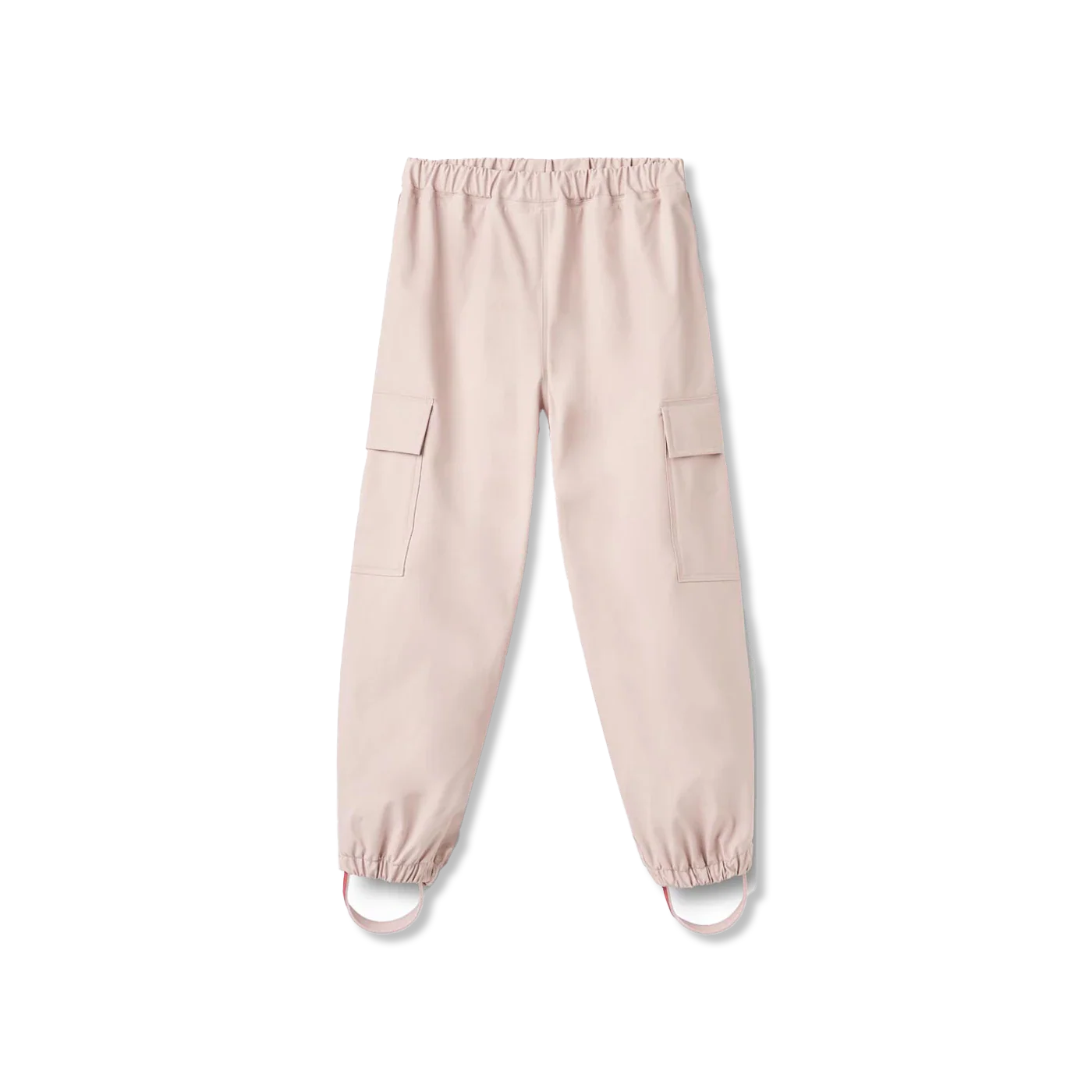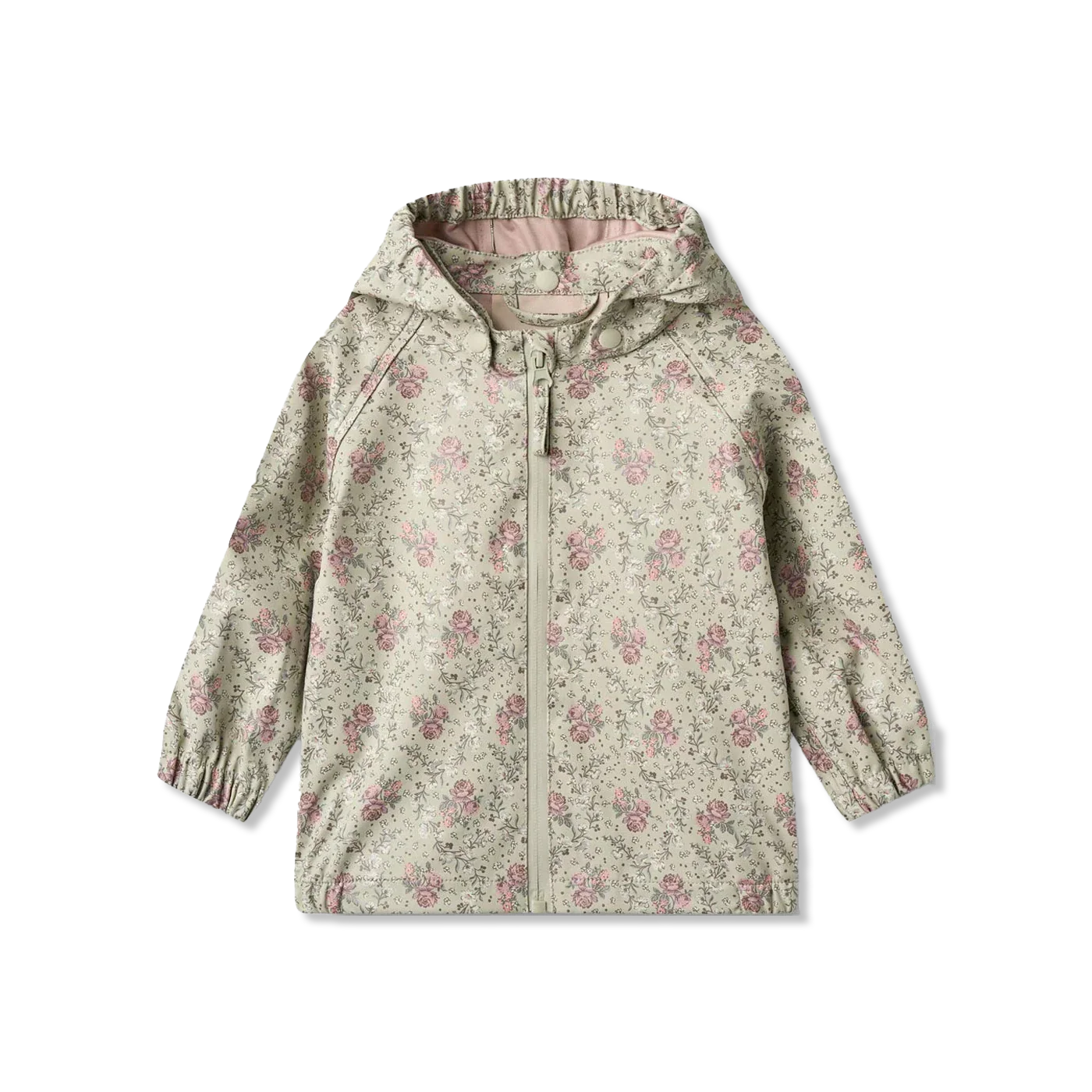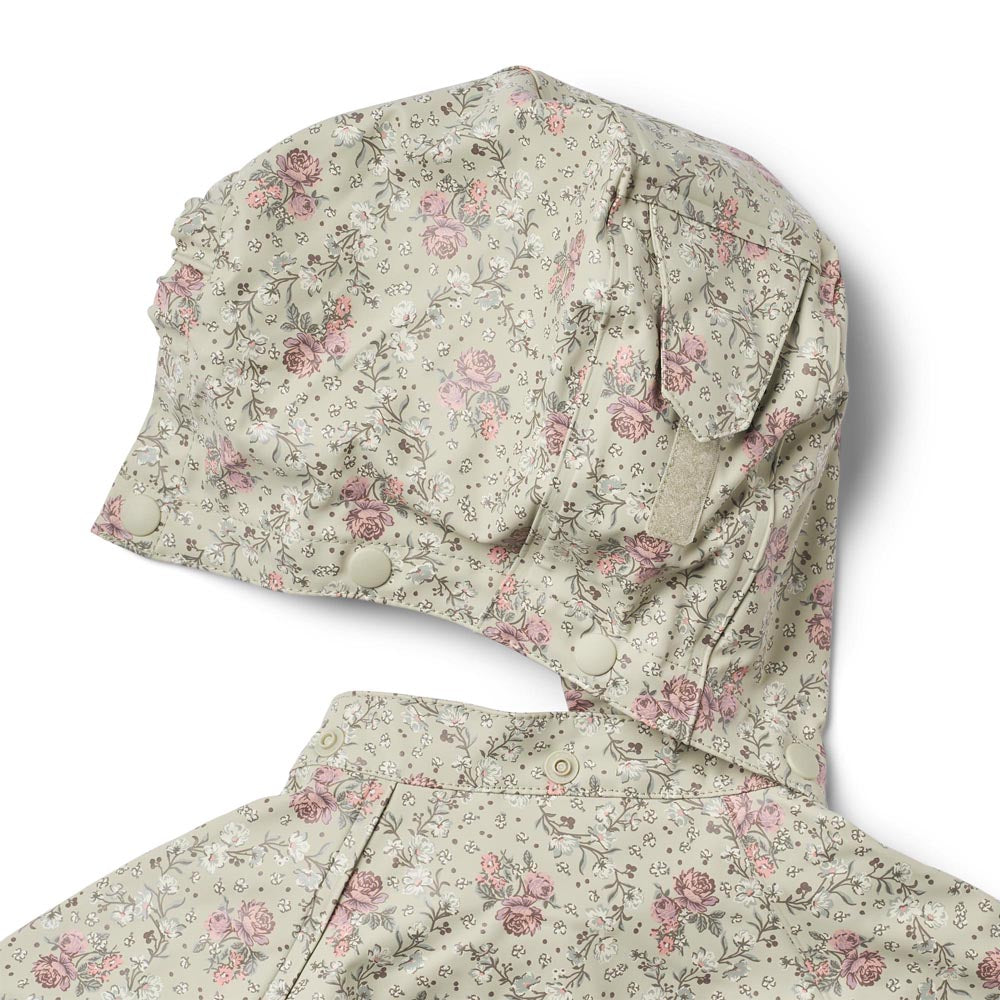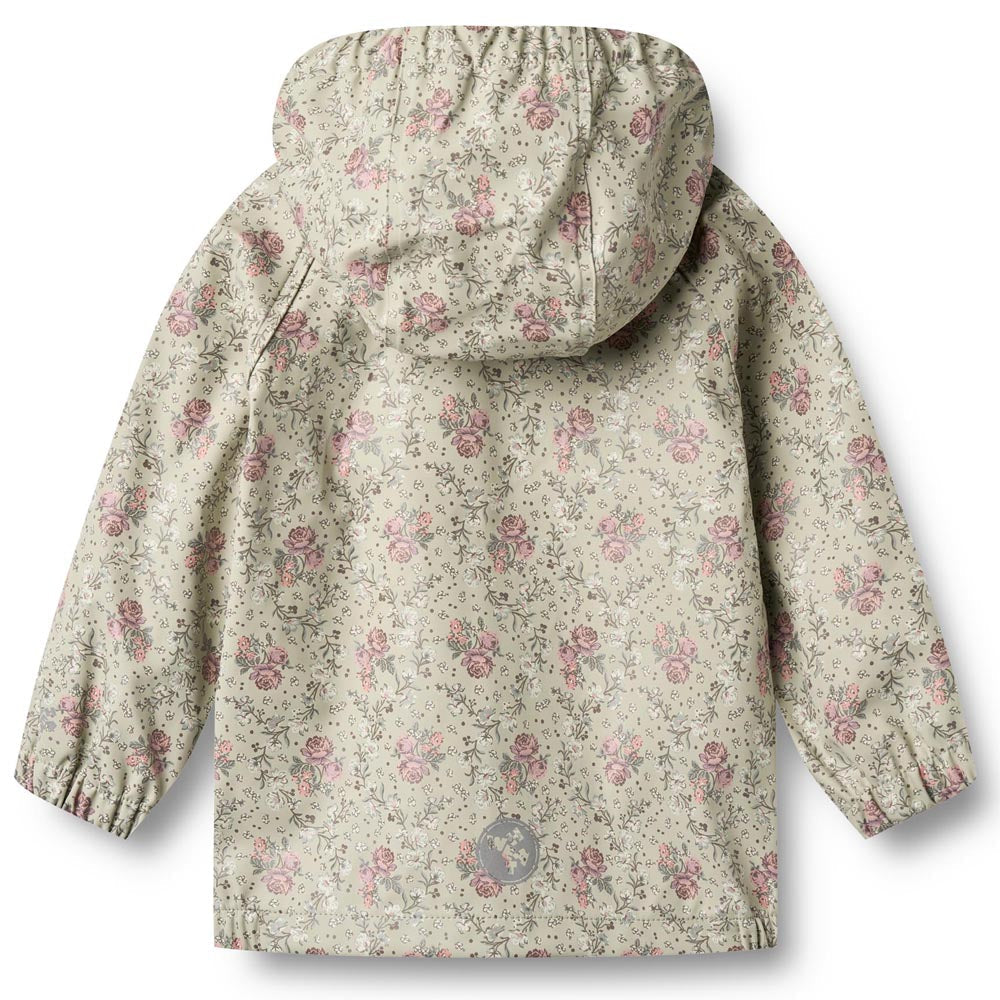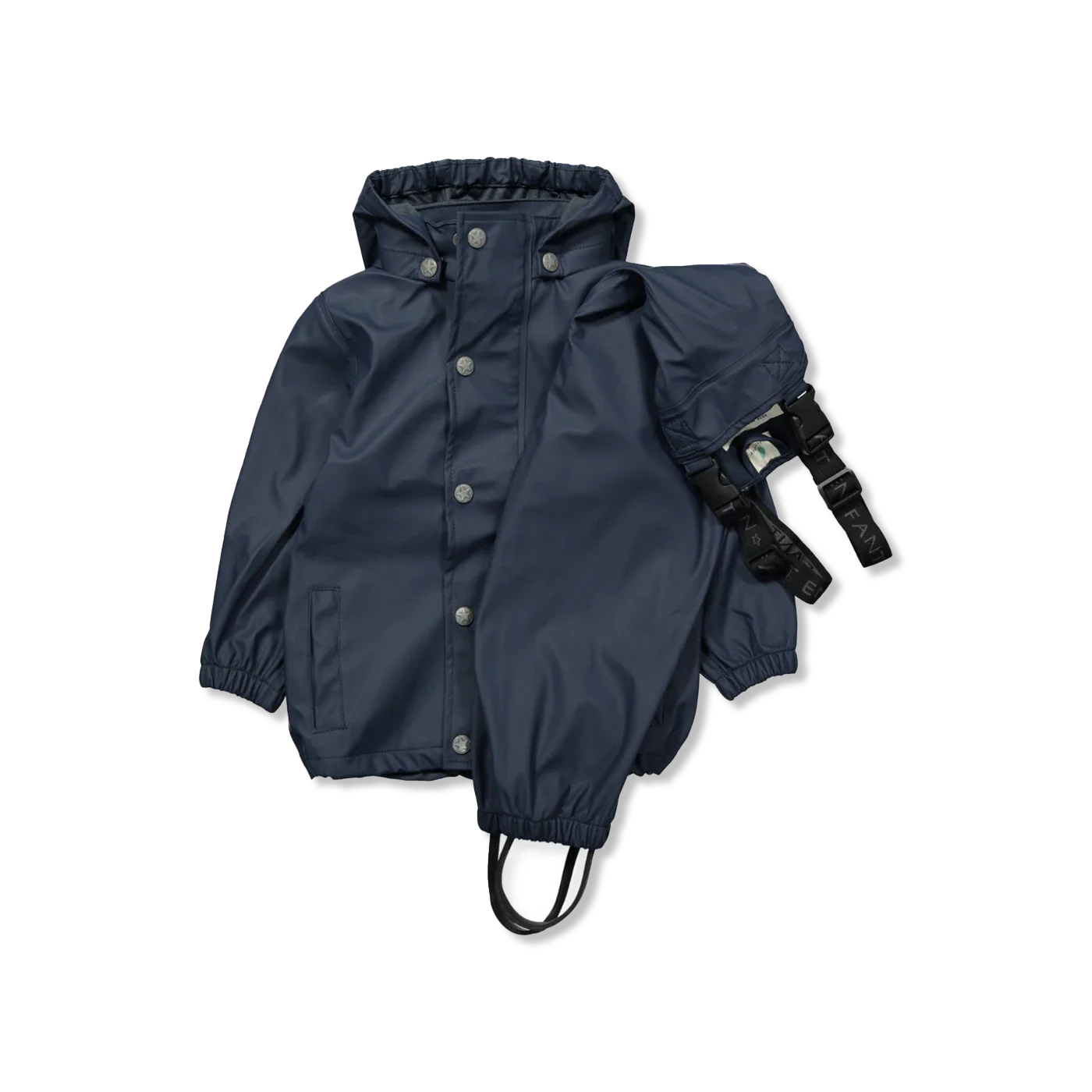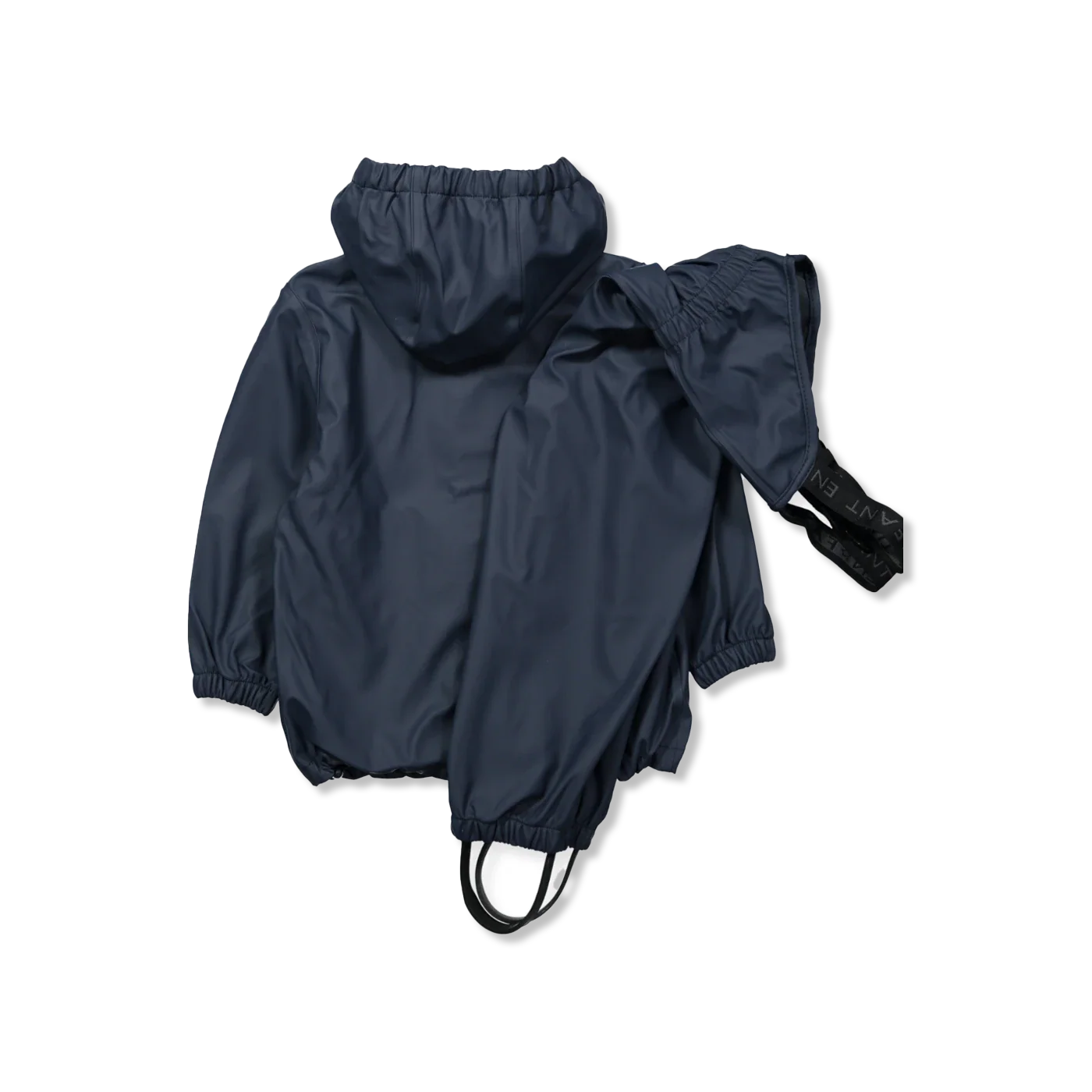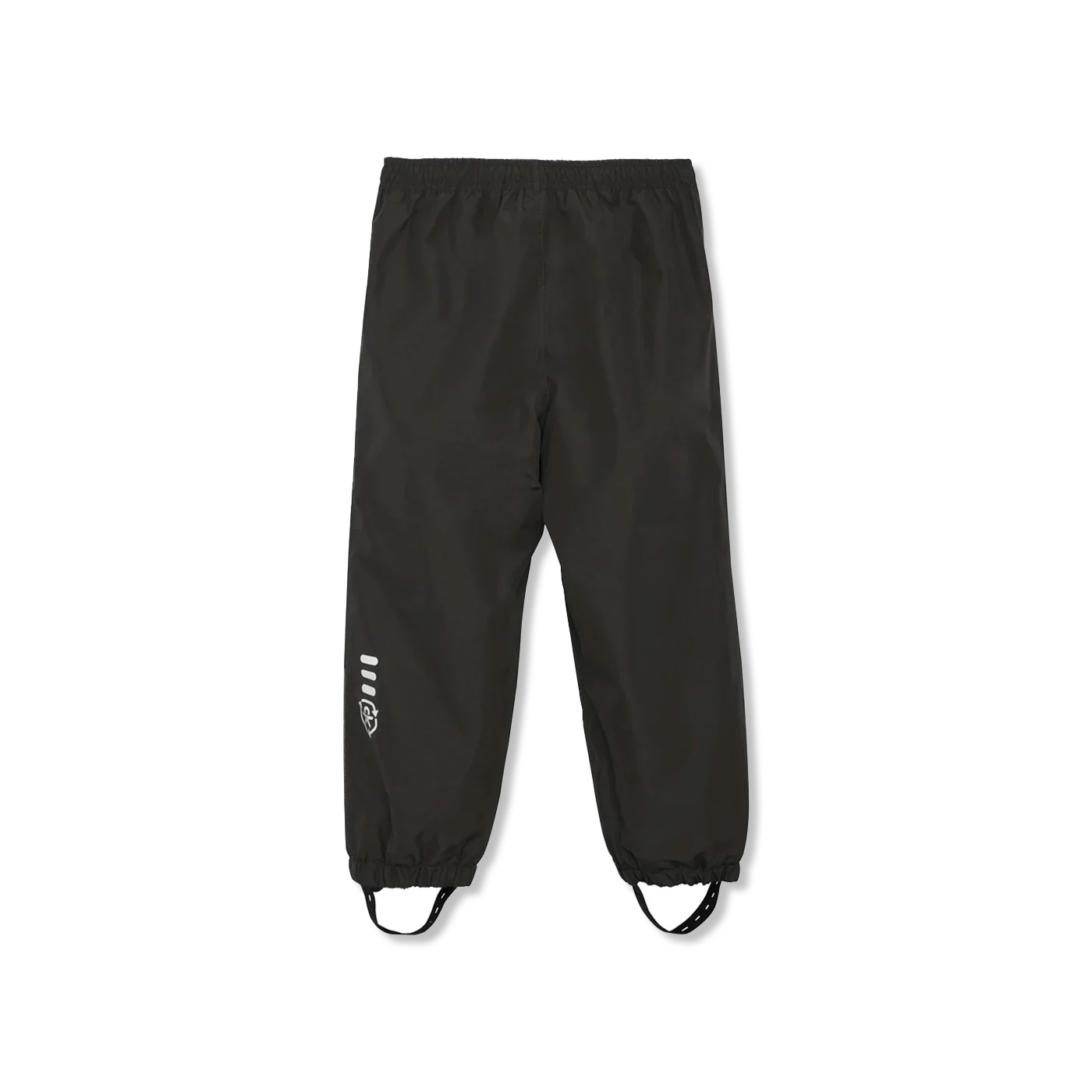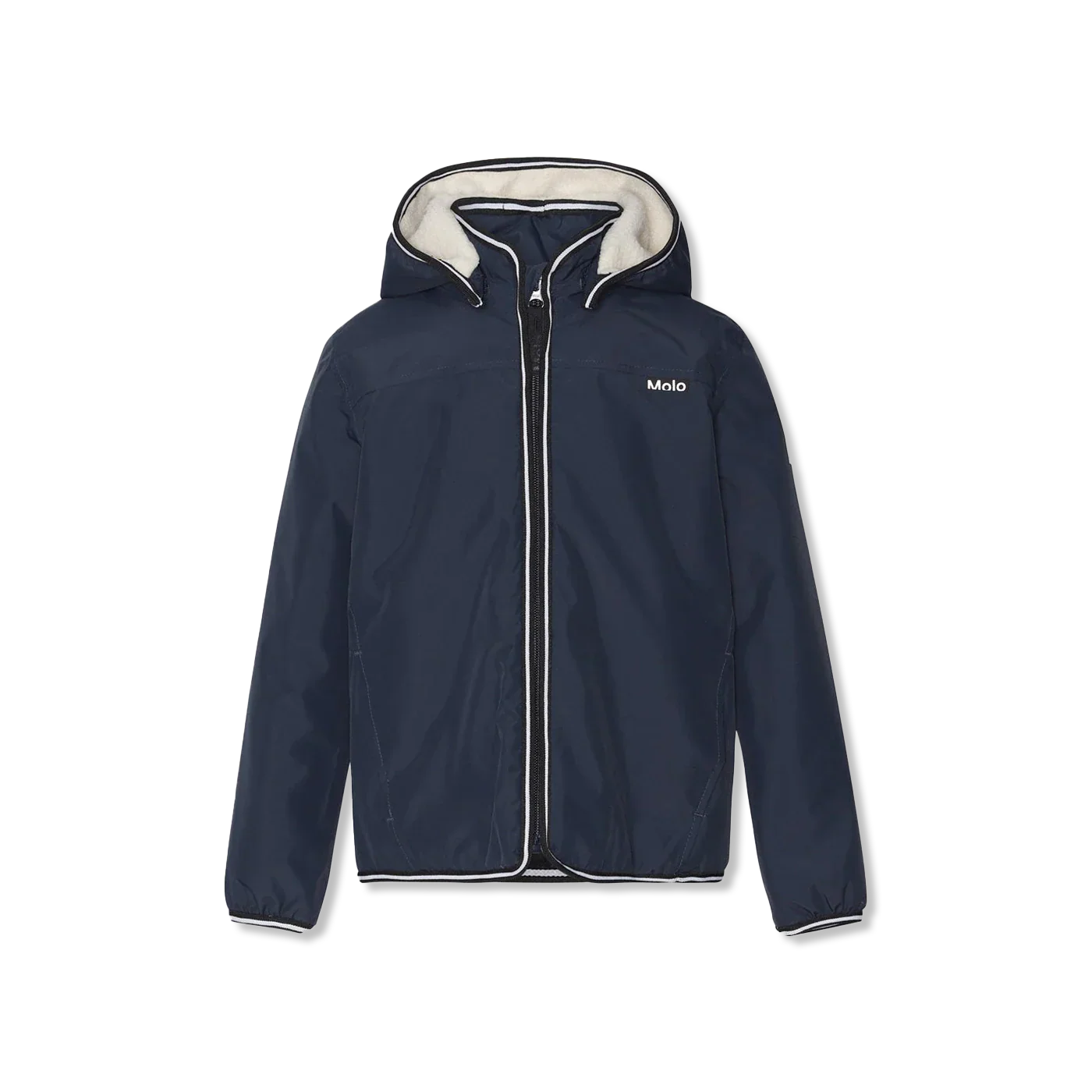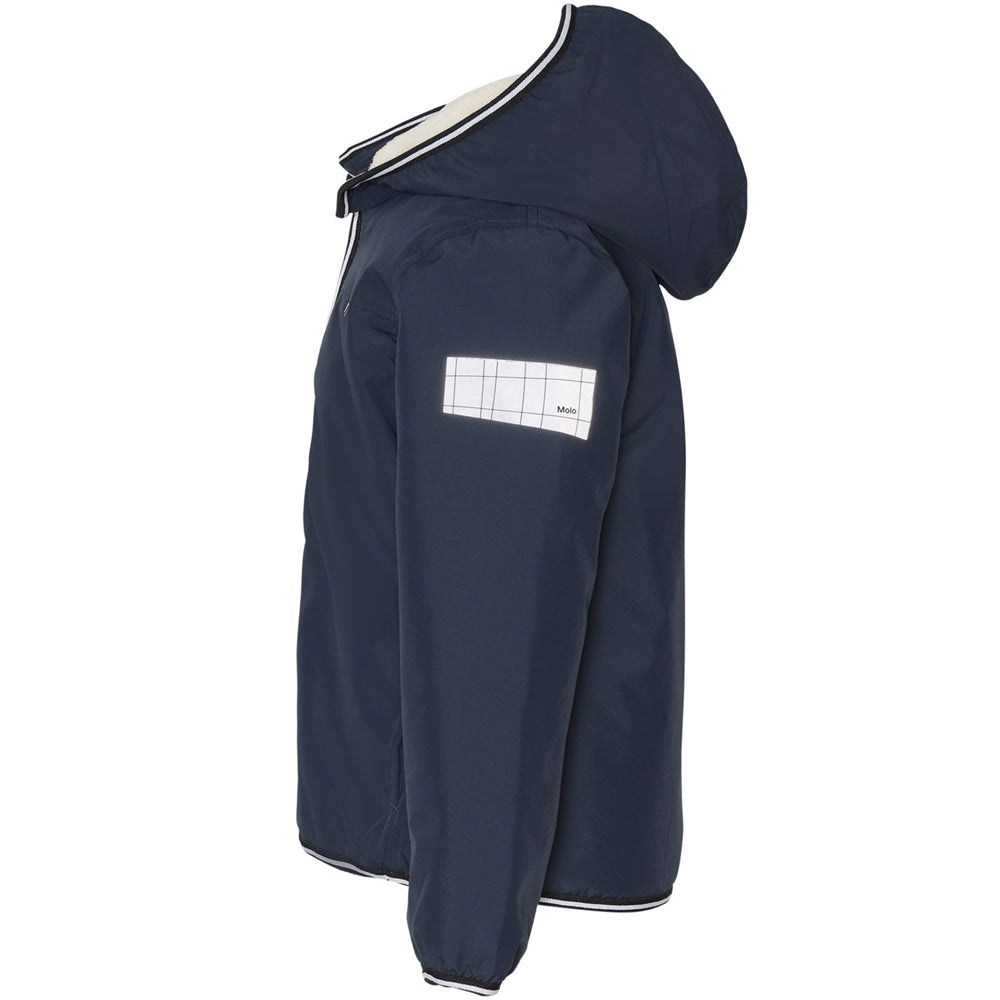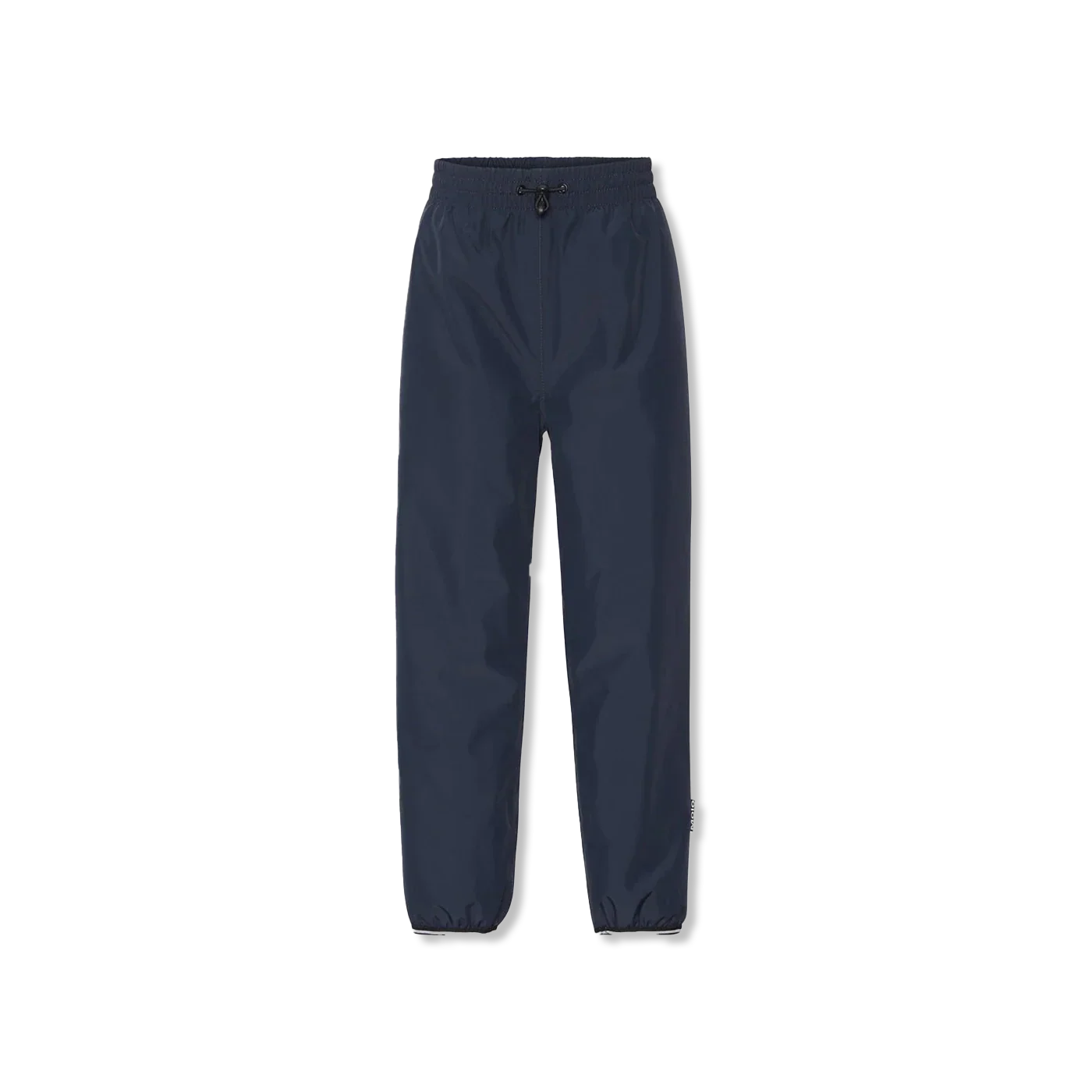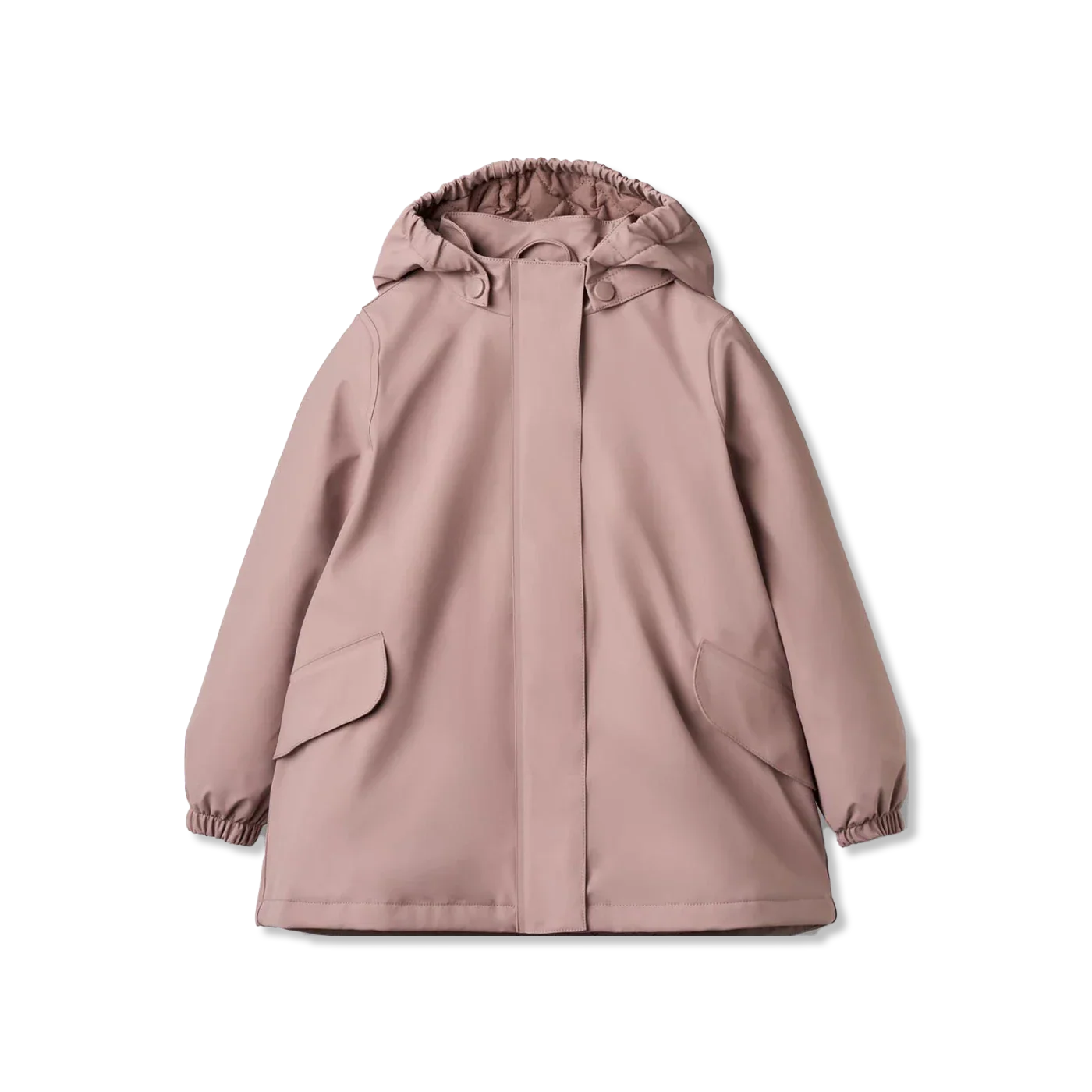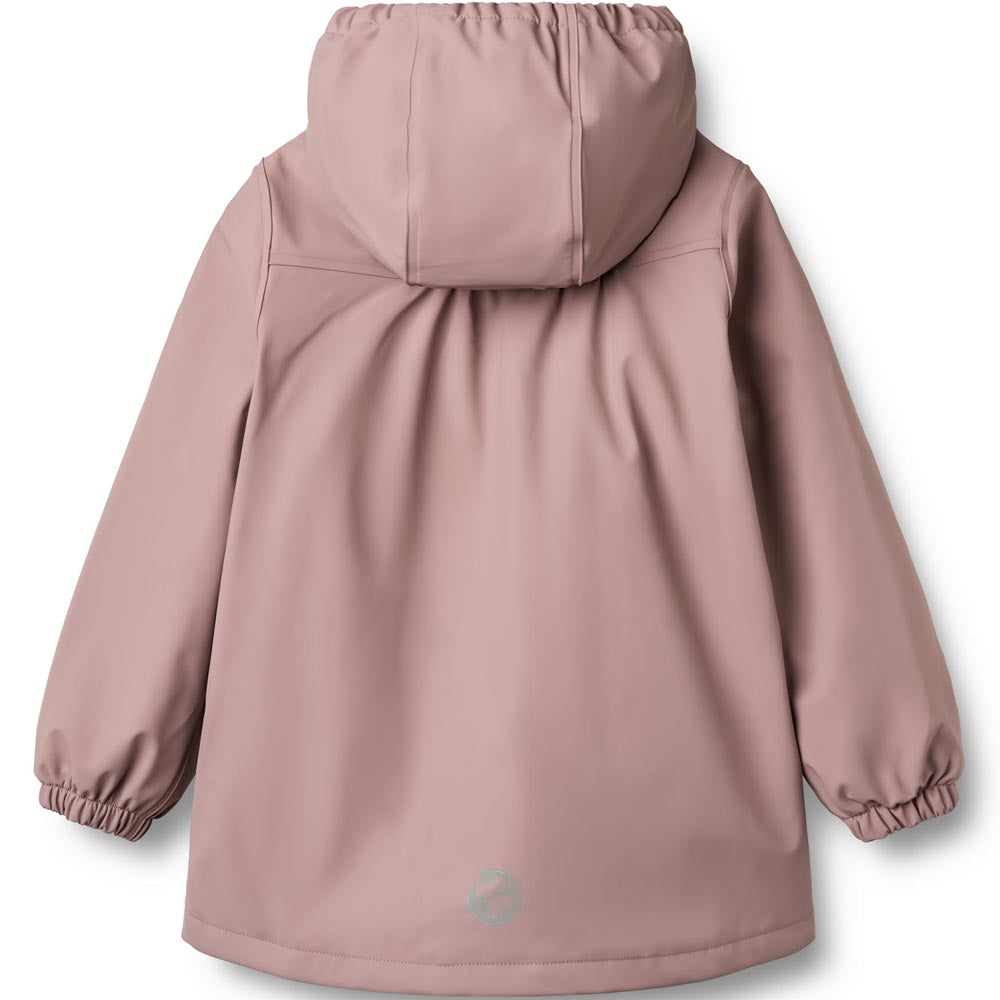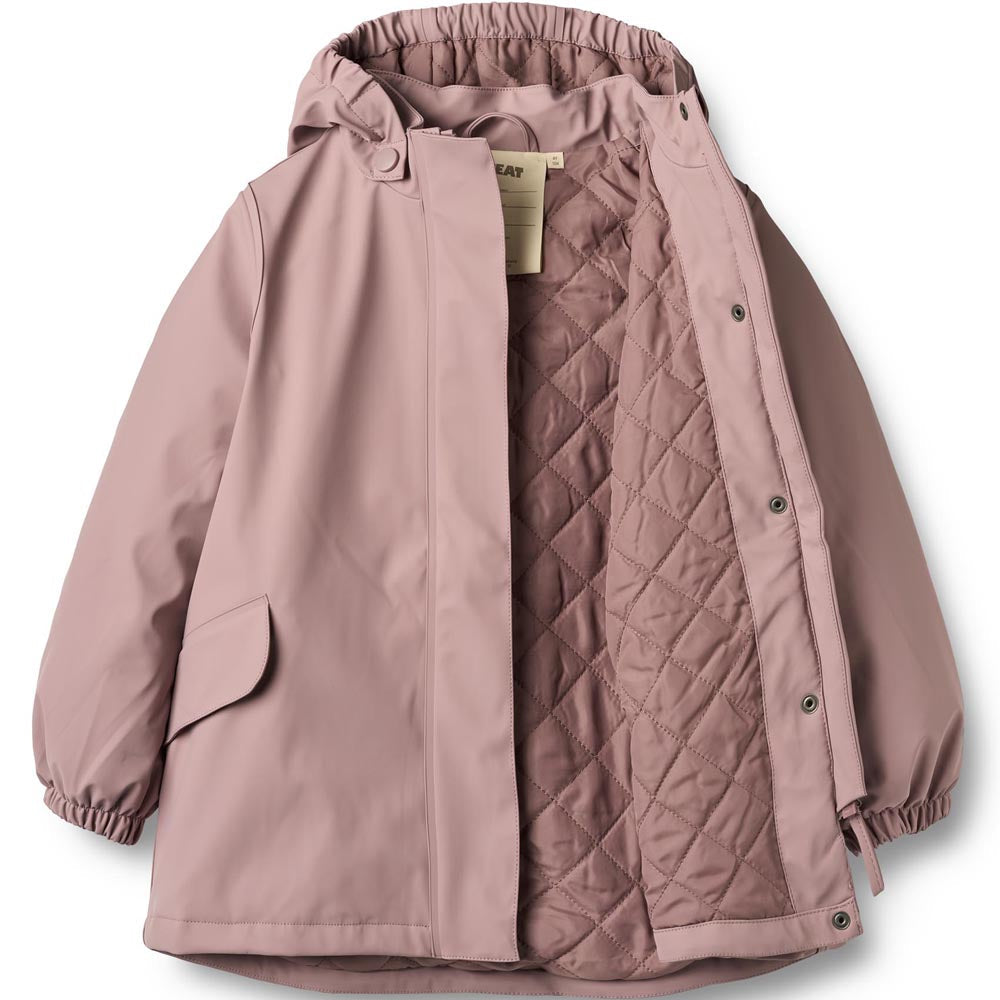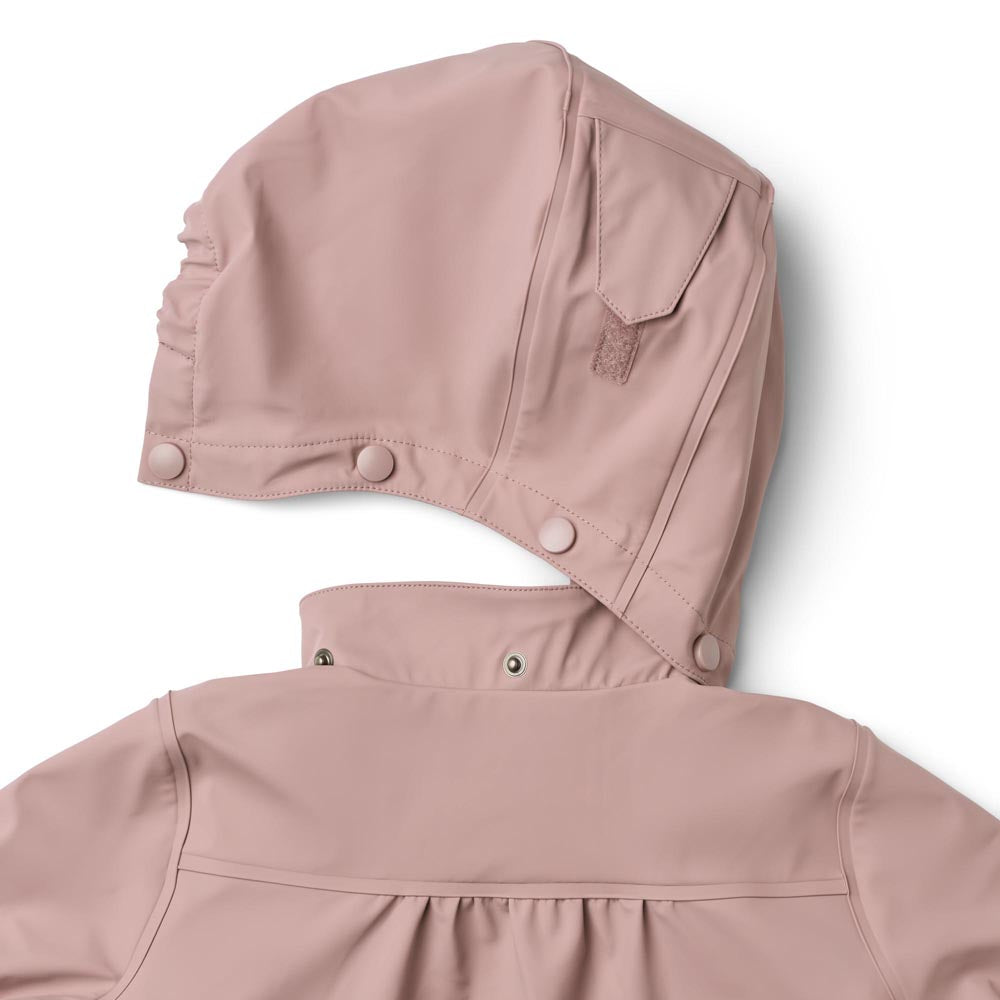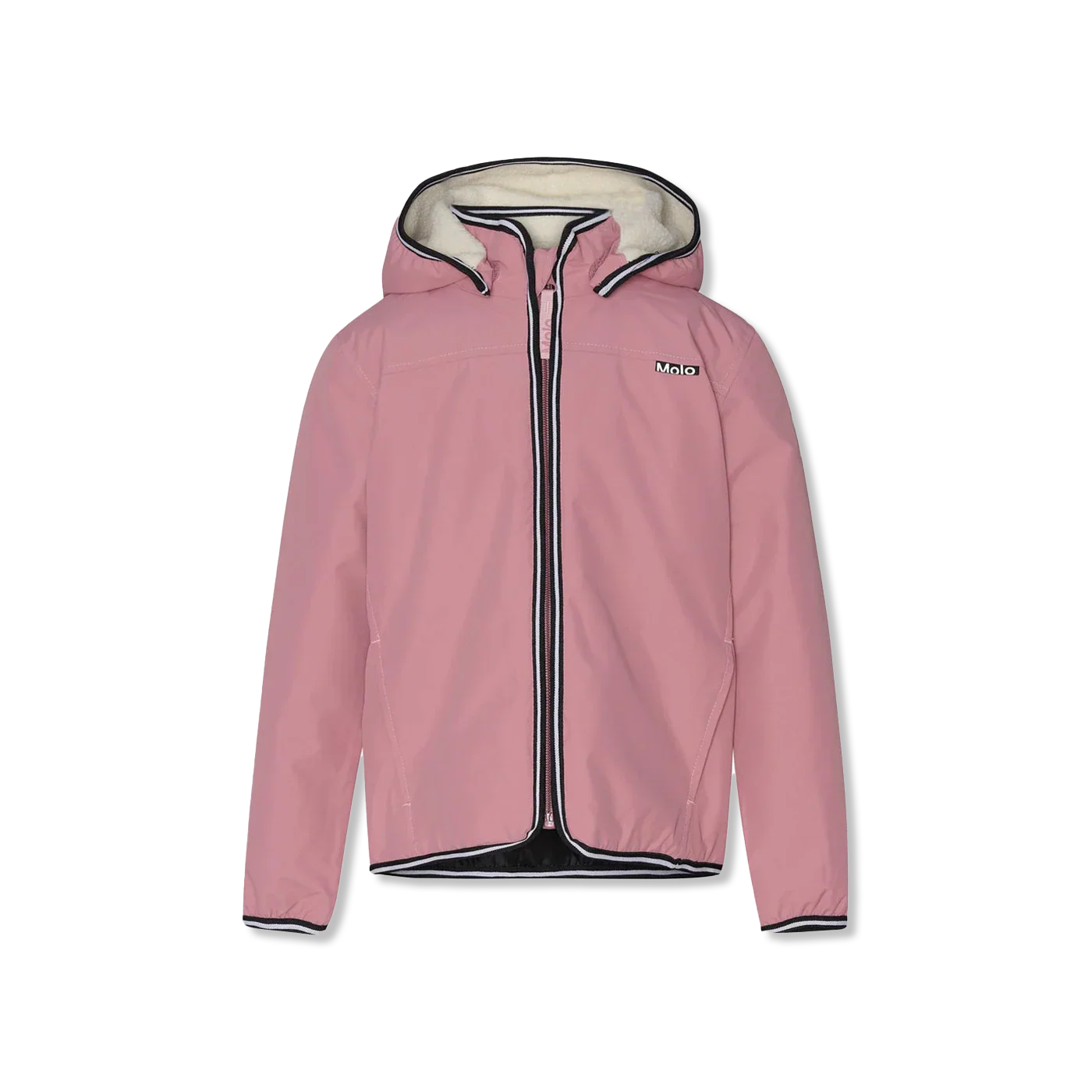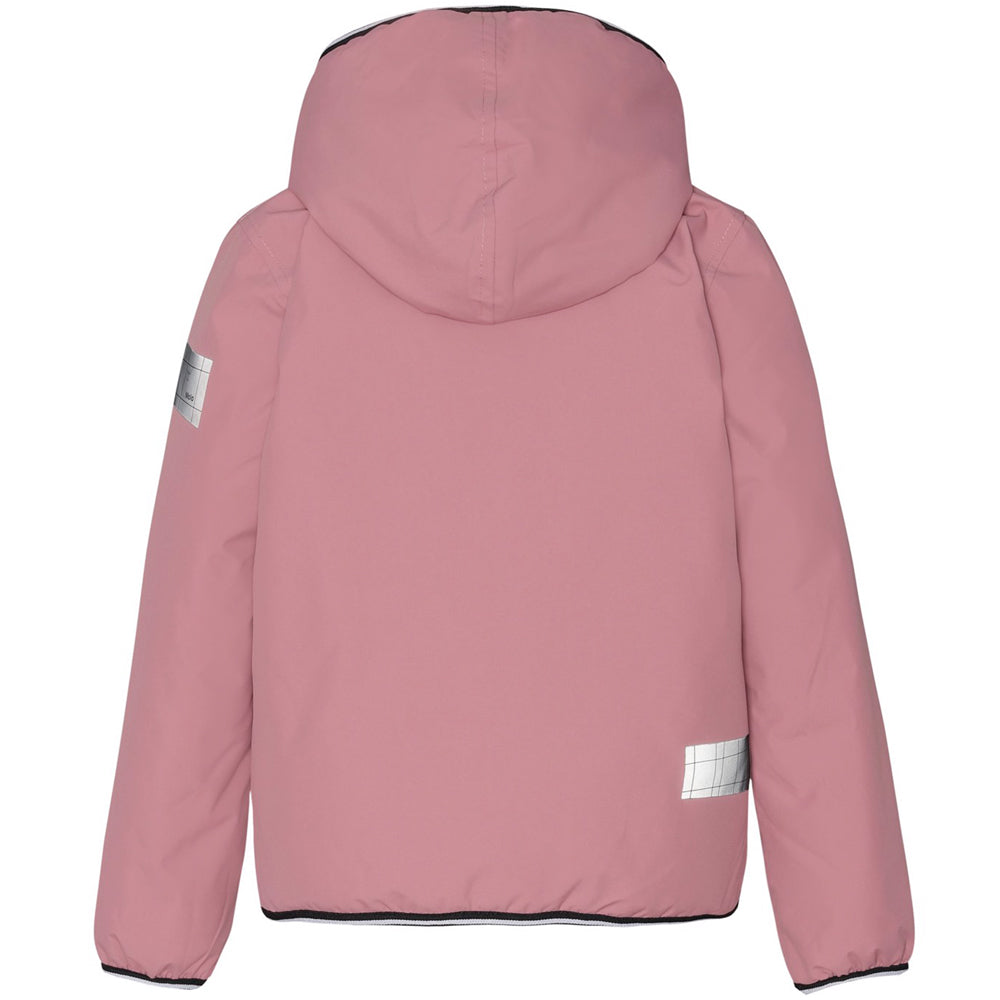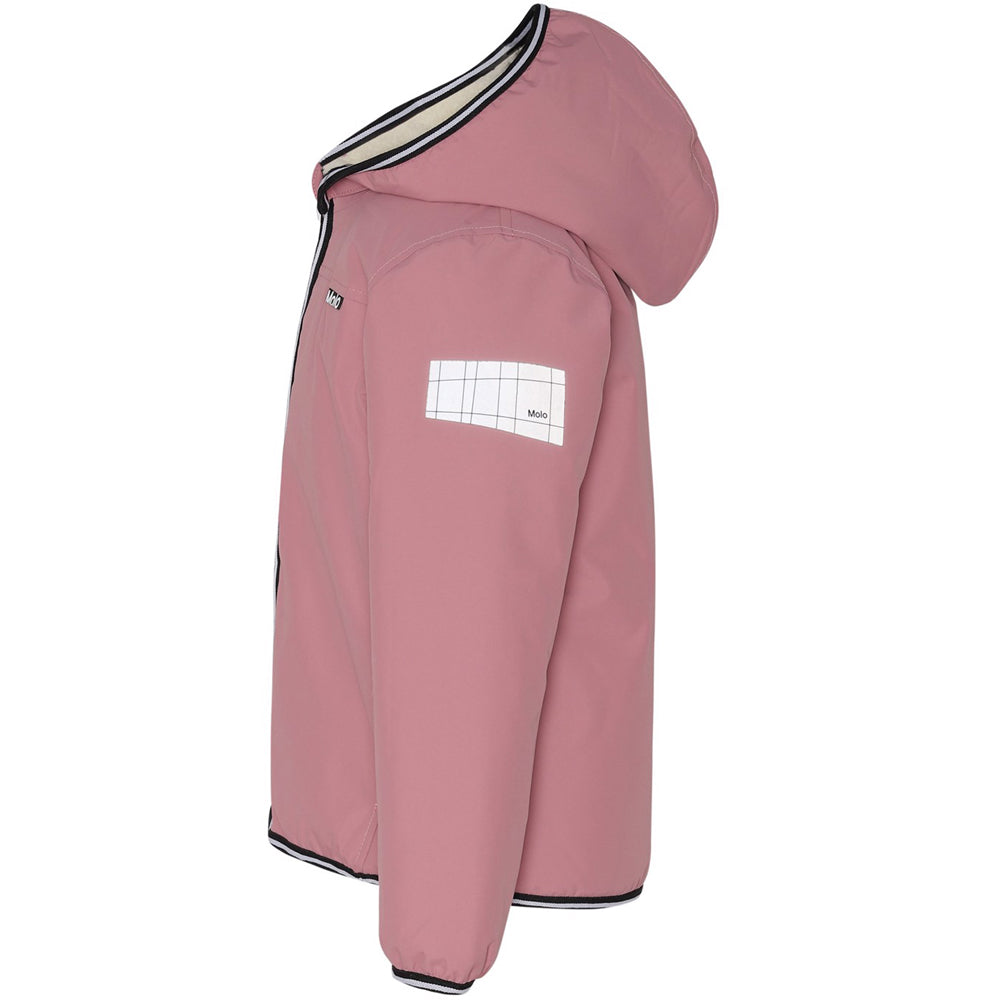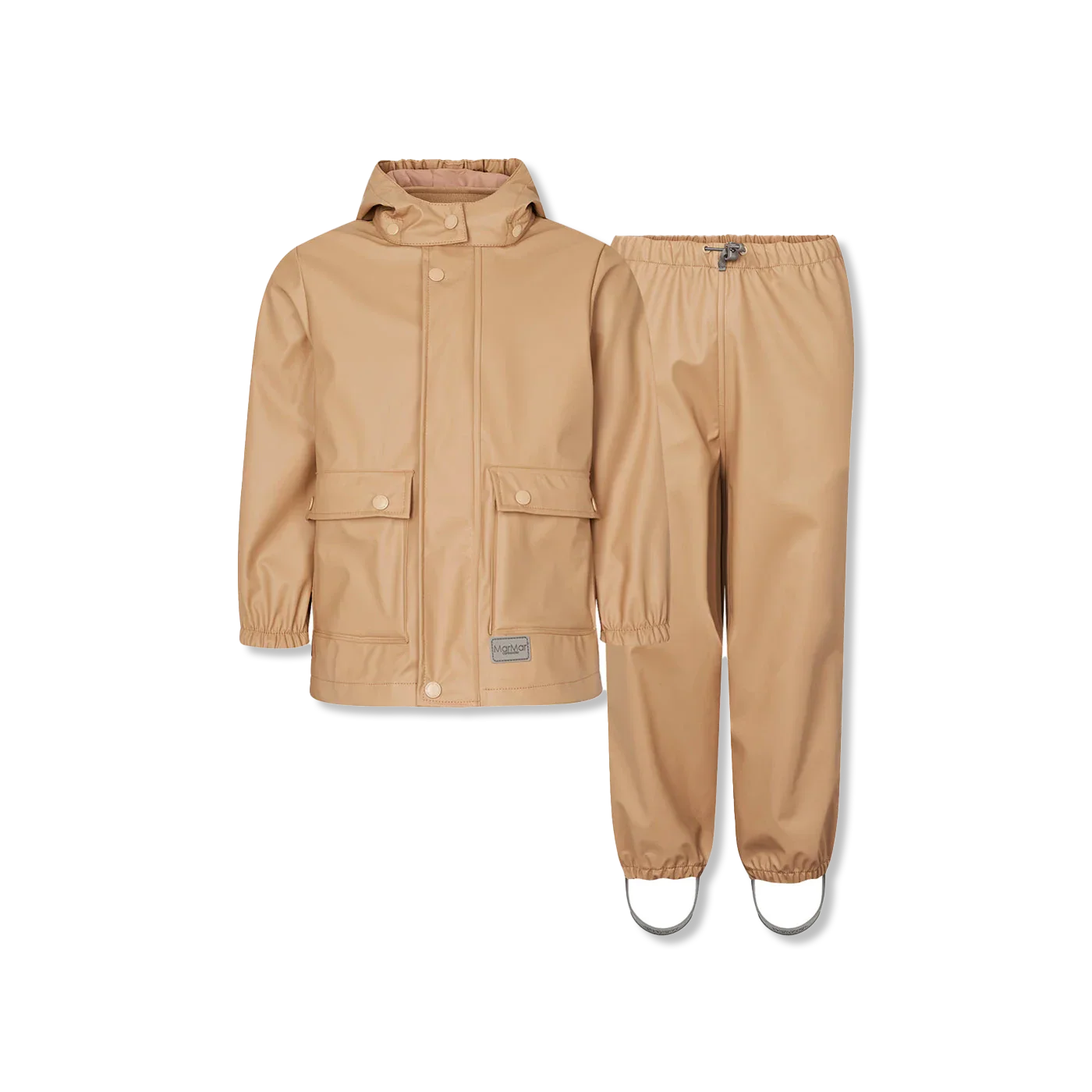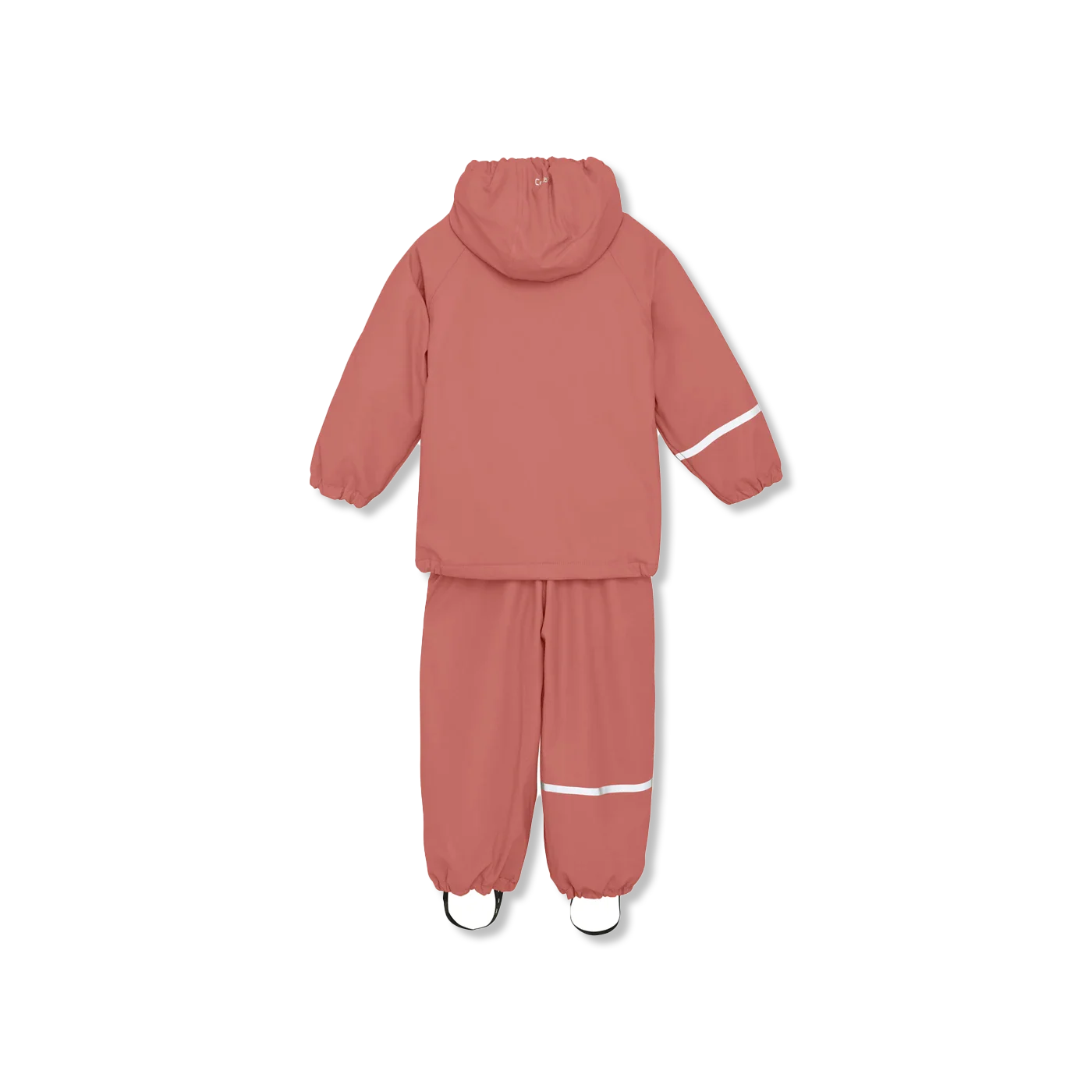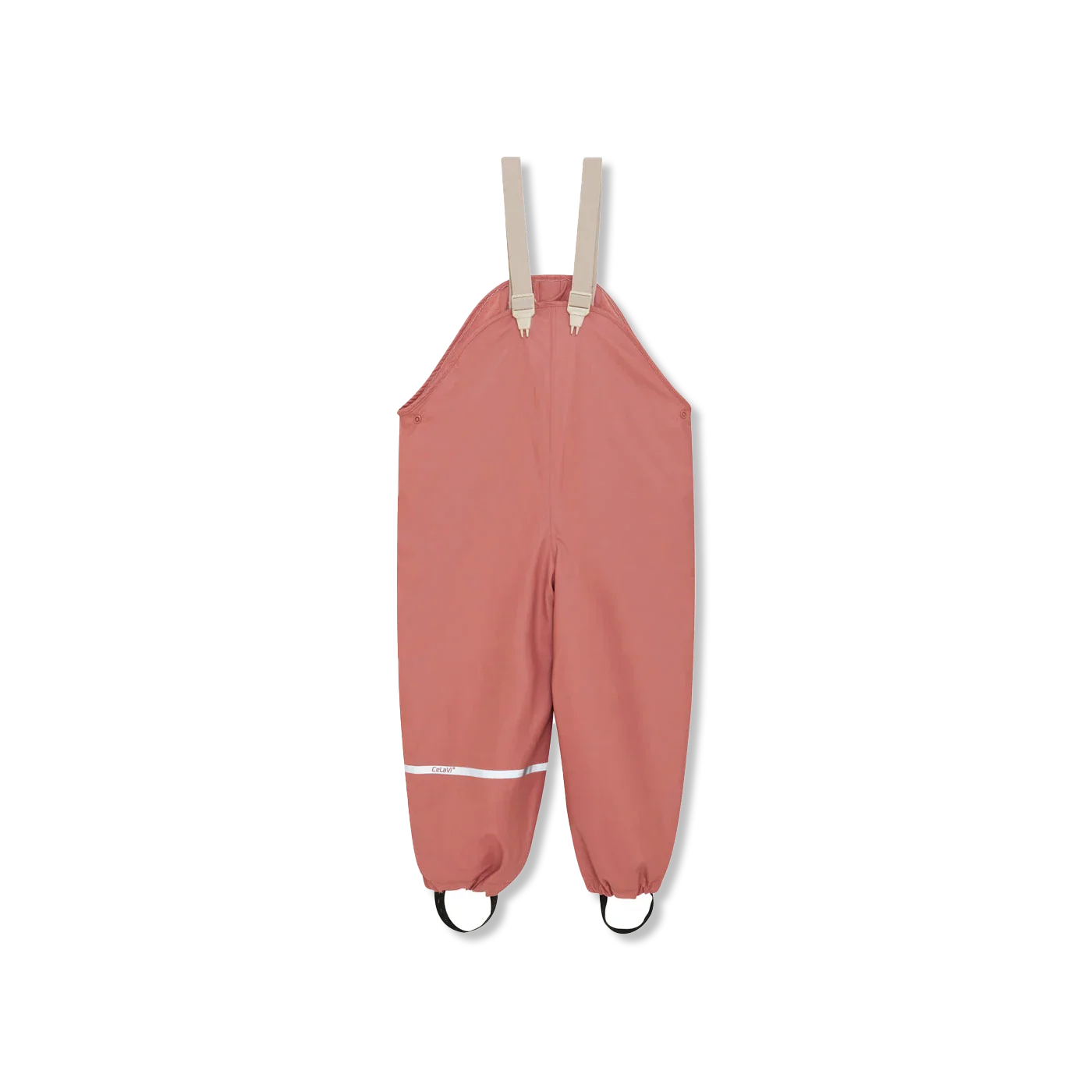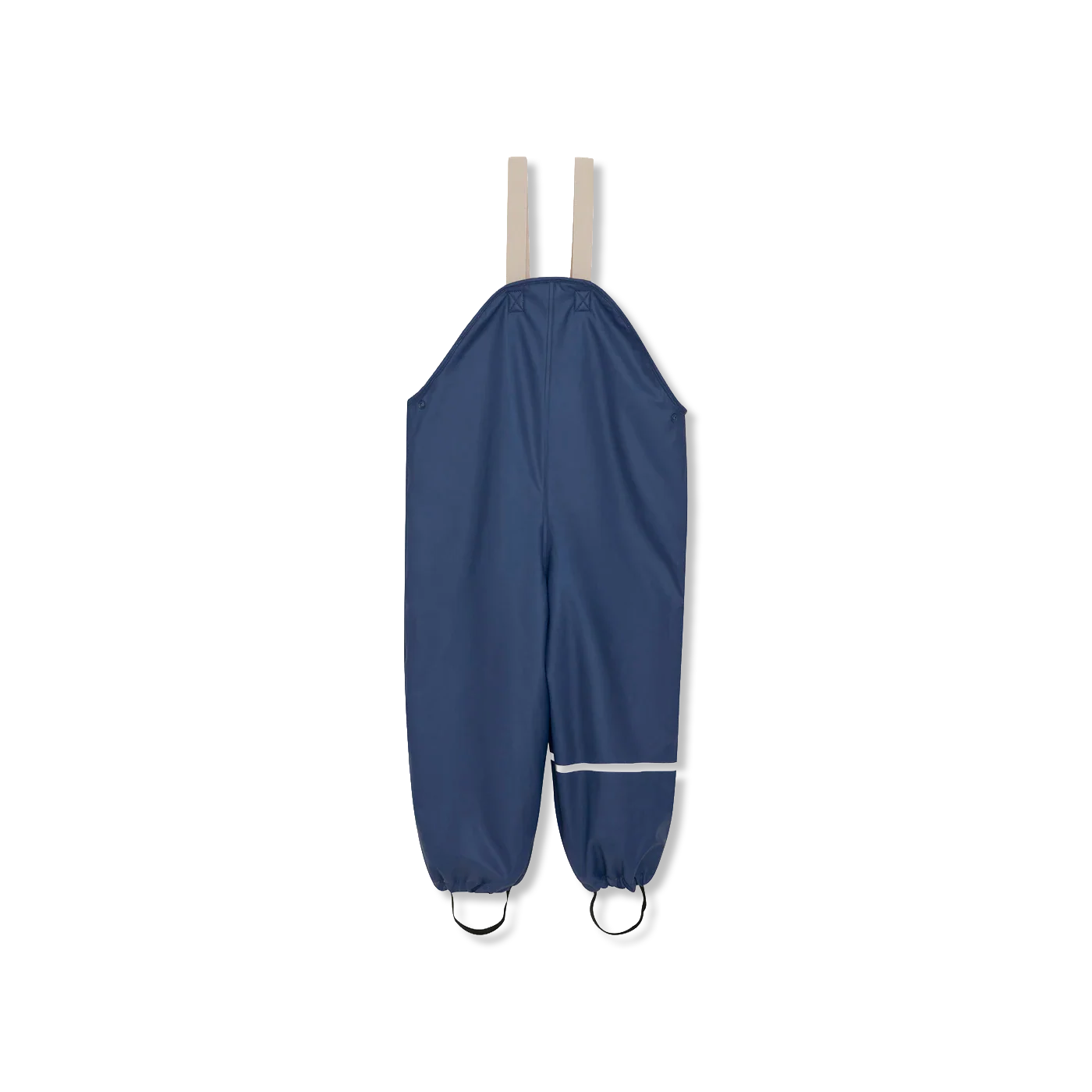

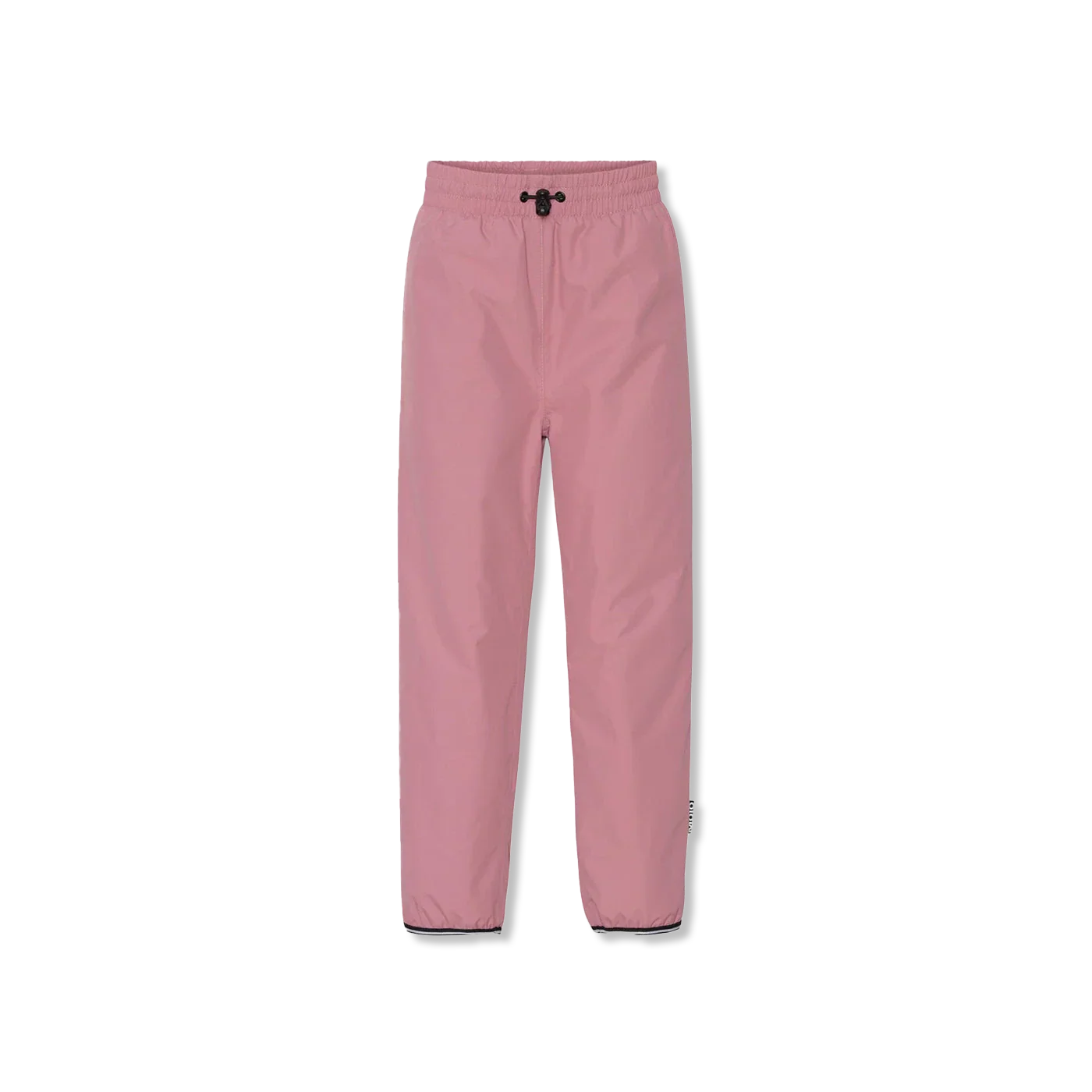
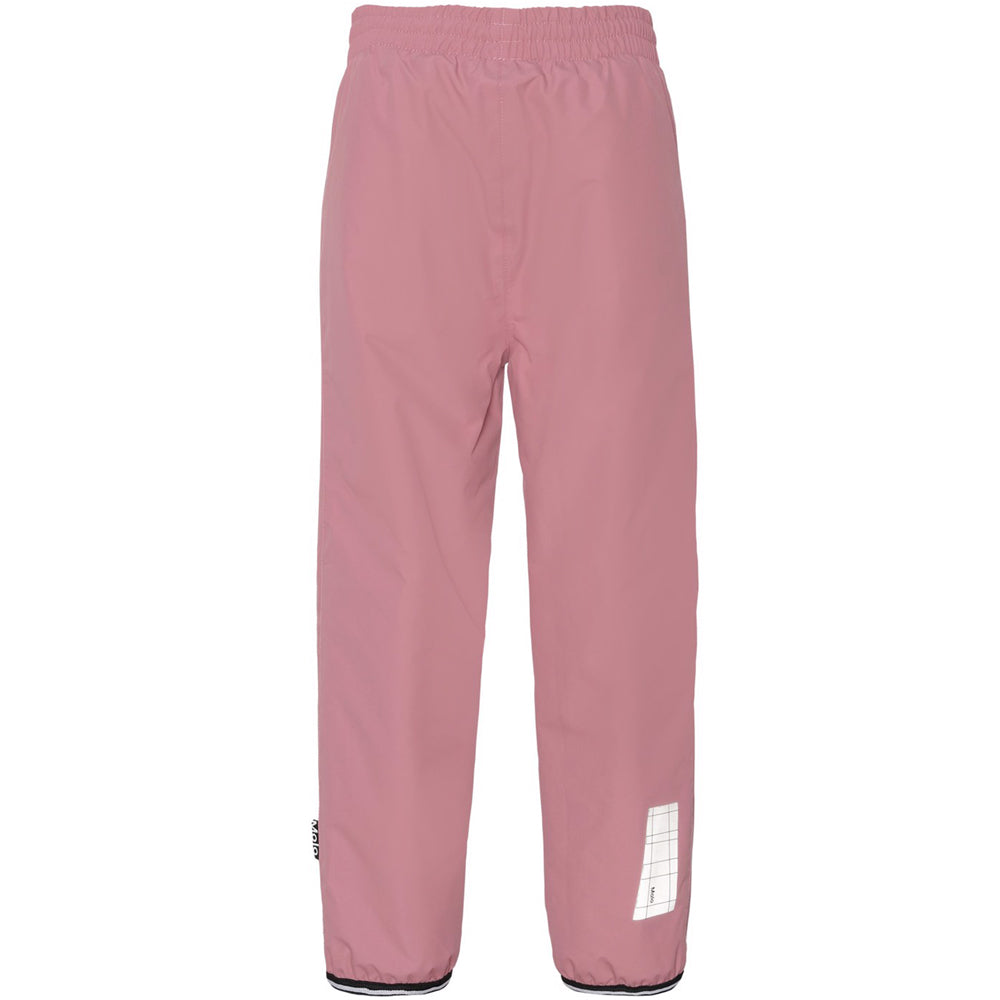
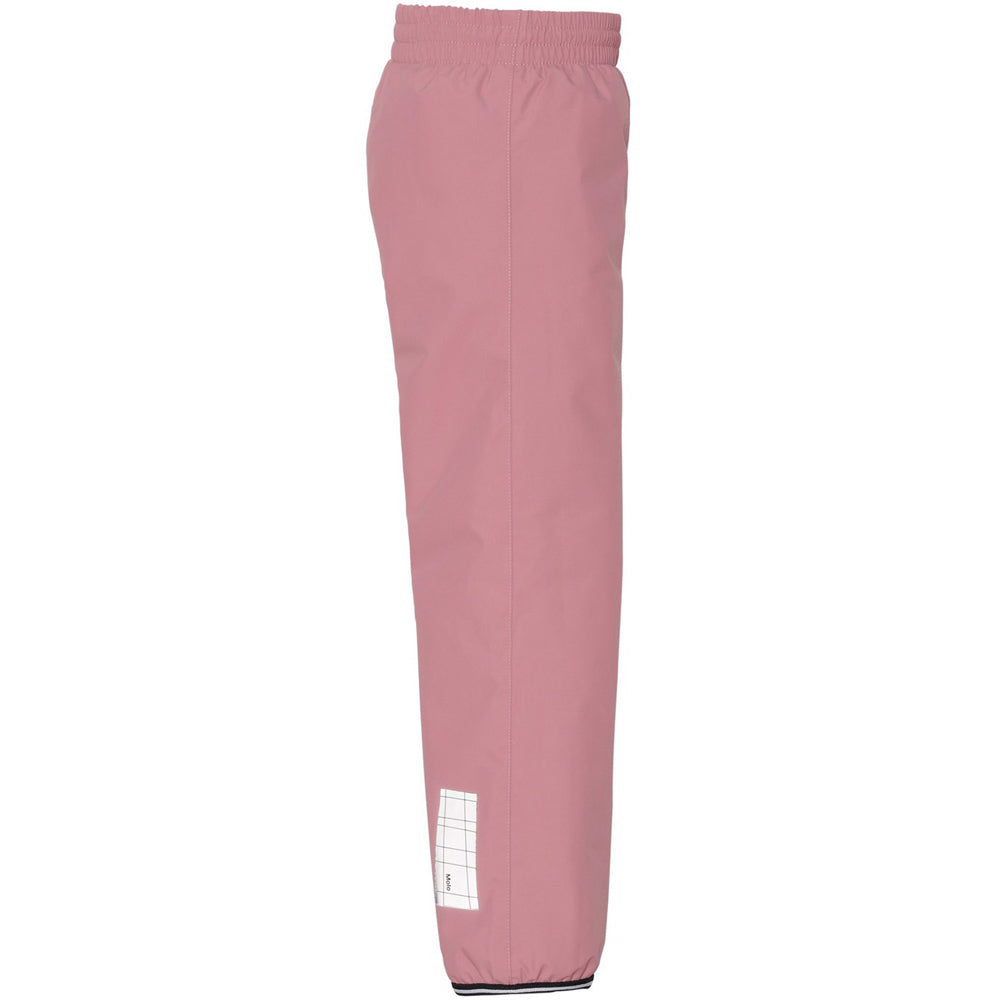
Rainwear for children that works in everyday life
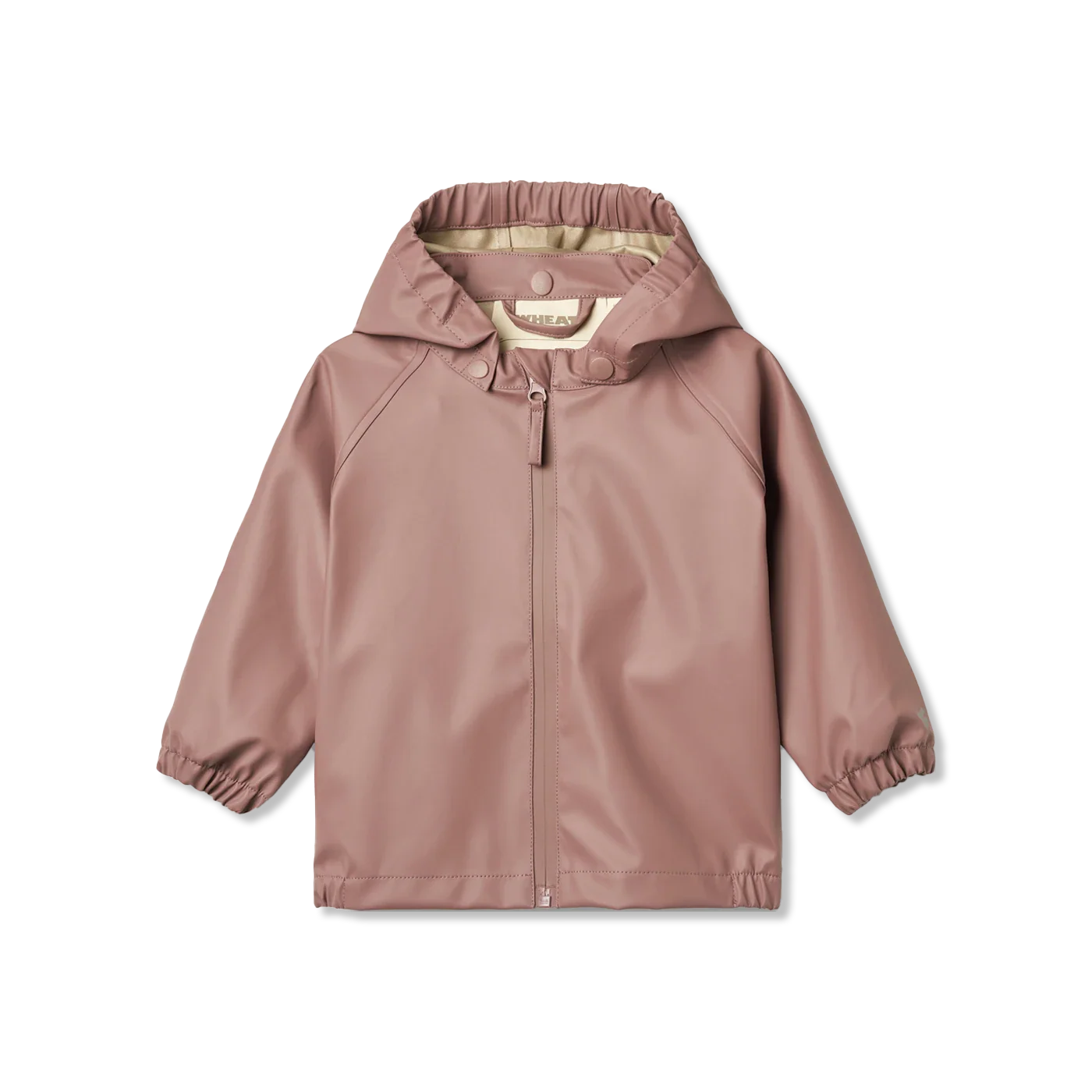
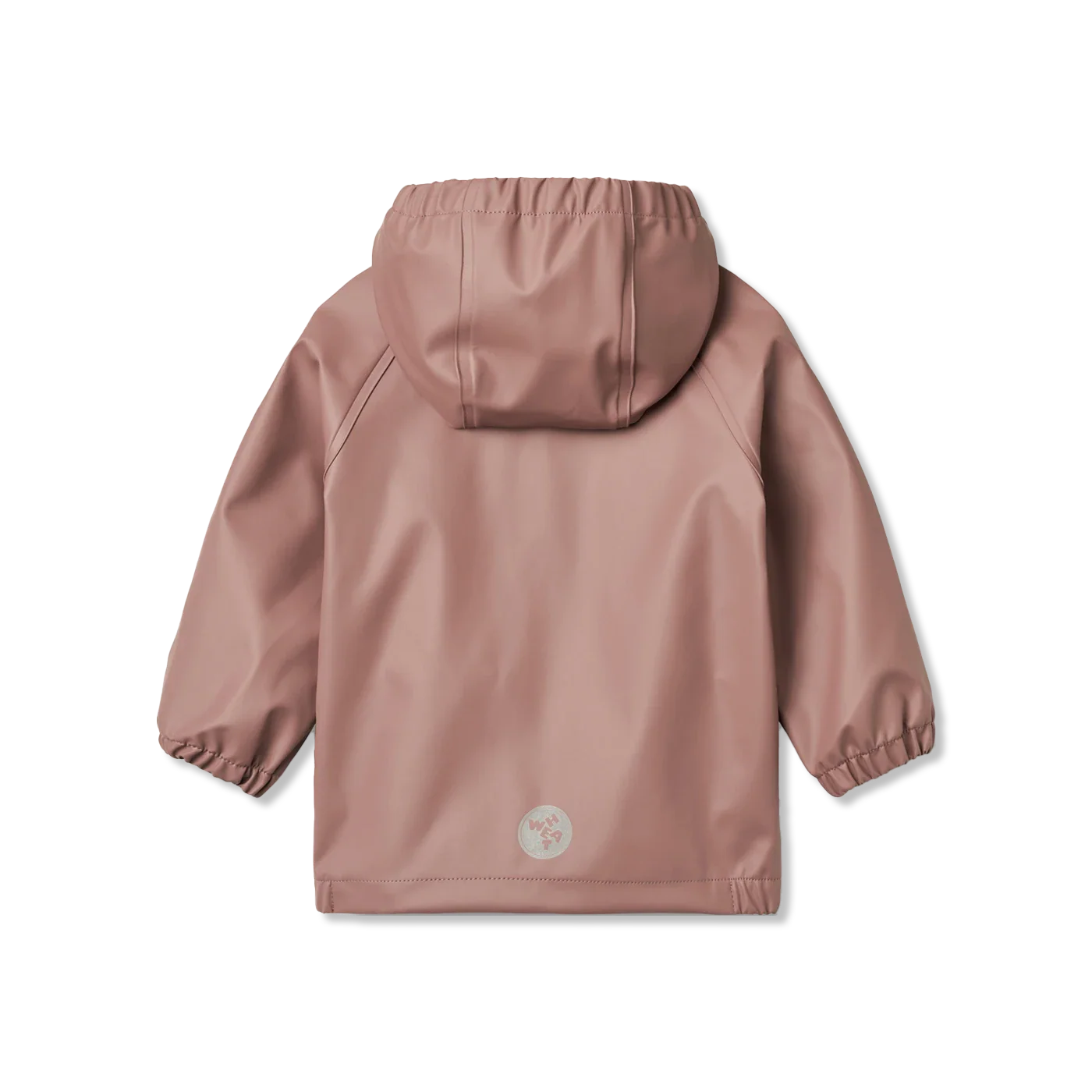
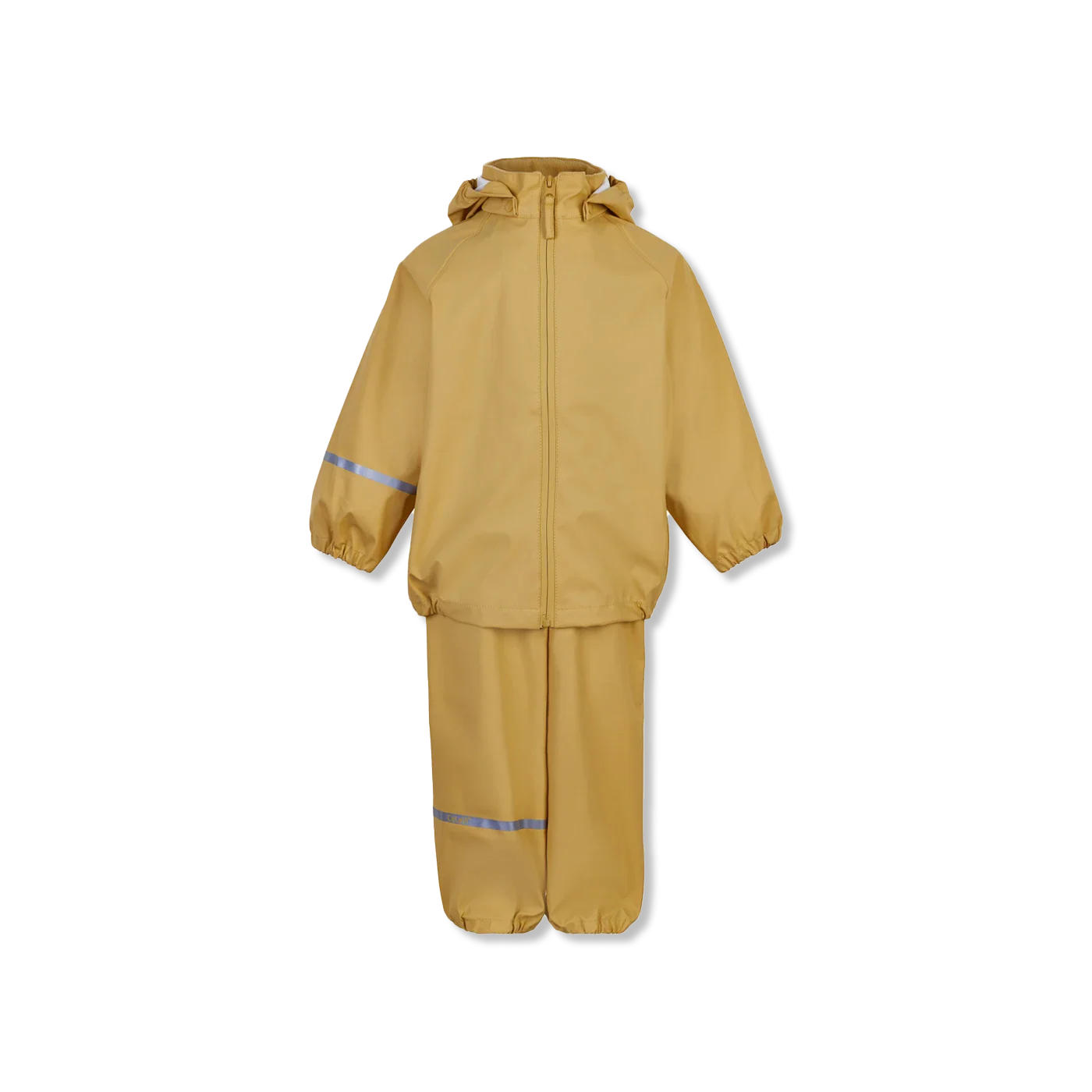
Rainwear for children should first and foremost keep your child dry, but it also needs to feel comfortable to wear. It should not feel heavy, stiff or difficult when they are running, cycling and playing. That is why you will find kids’ rainwear for different needs – from rain jackets for school and everyday use to rainwear sets that offer extra protection on long, wet days at daycare or out on the playground.
When choosing rainwear, it often makes sense to start with three things: your child’s age, how often the rainwear will be used, and whether it is for short trips in light rain or many hours in wet weather. Younger children usually benefit most from a full rainwear set, as the trousers offer good protection when they sit on the ground, crawl around or play in wet surroundings. Older children may sometimes only need a rain jacket, especially if it is mainly for the journey to school or activities.
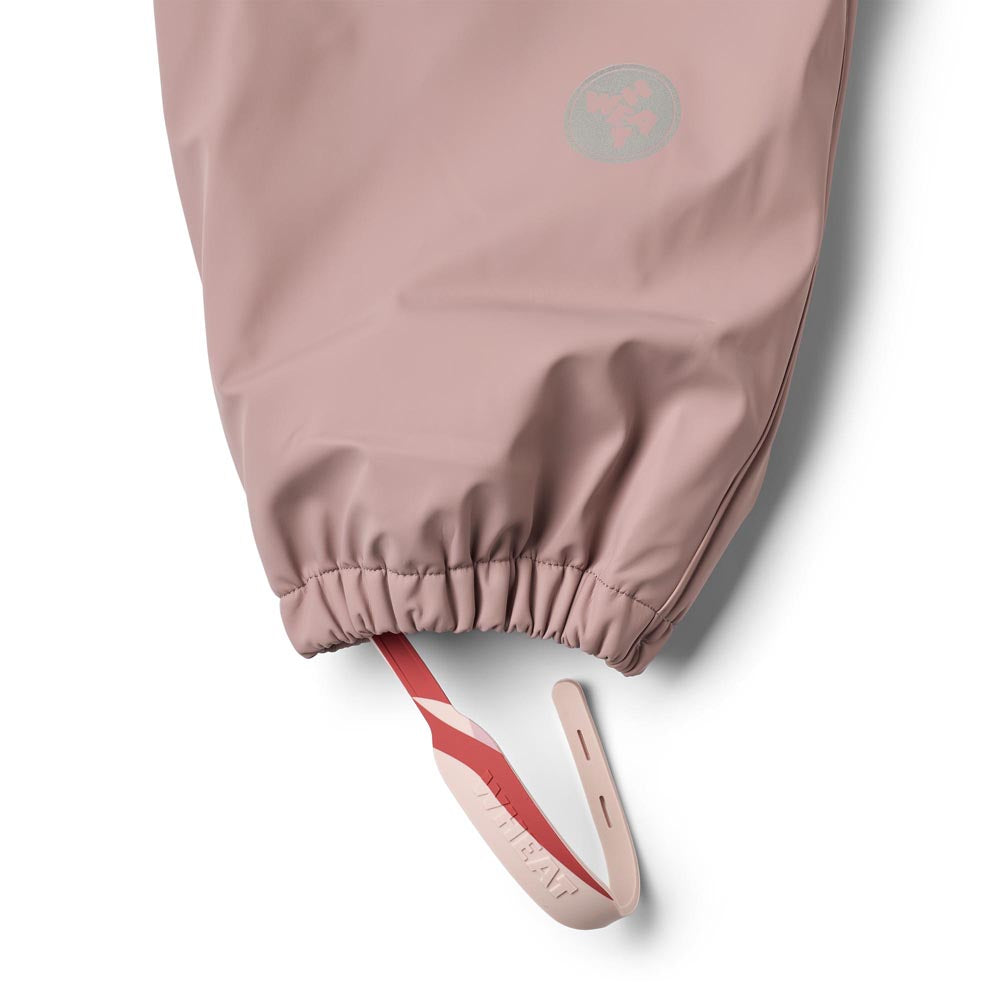
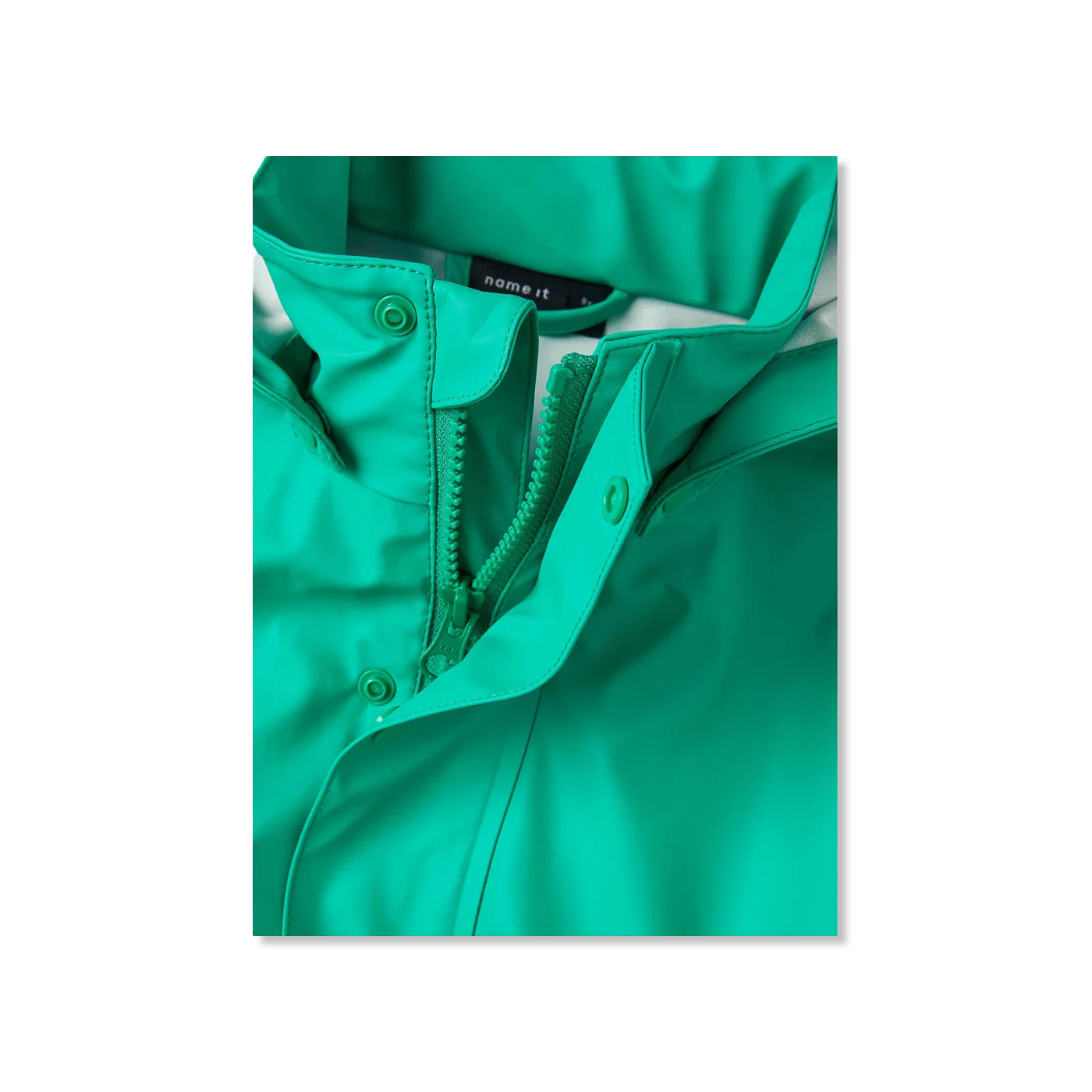
Fit and freedom of movement also matter a lot in everyday life. So do small practical details such as reflectors, elasticated edges and closures that children can manage themselves. Rainwear is often used more than you might expect – not only when it is raining, but also on damp days, on muddy playgrounds and whenever everything outside simply feels wet.
Rainwear set or rain jacket – what makes the most sense?
Many parents wonder whether their child needs a complete rainwear set or just a rain jacket. It mostly depends on how the rainwear will be used day to day.
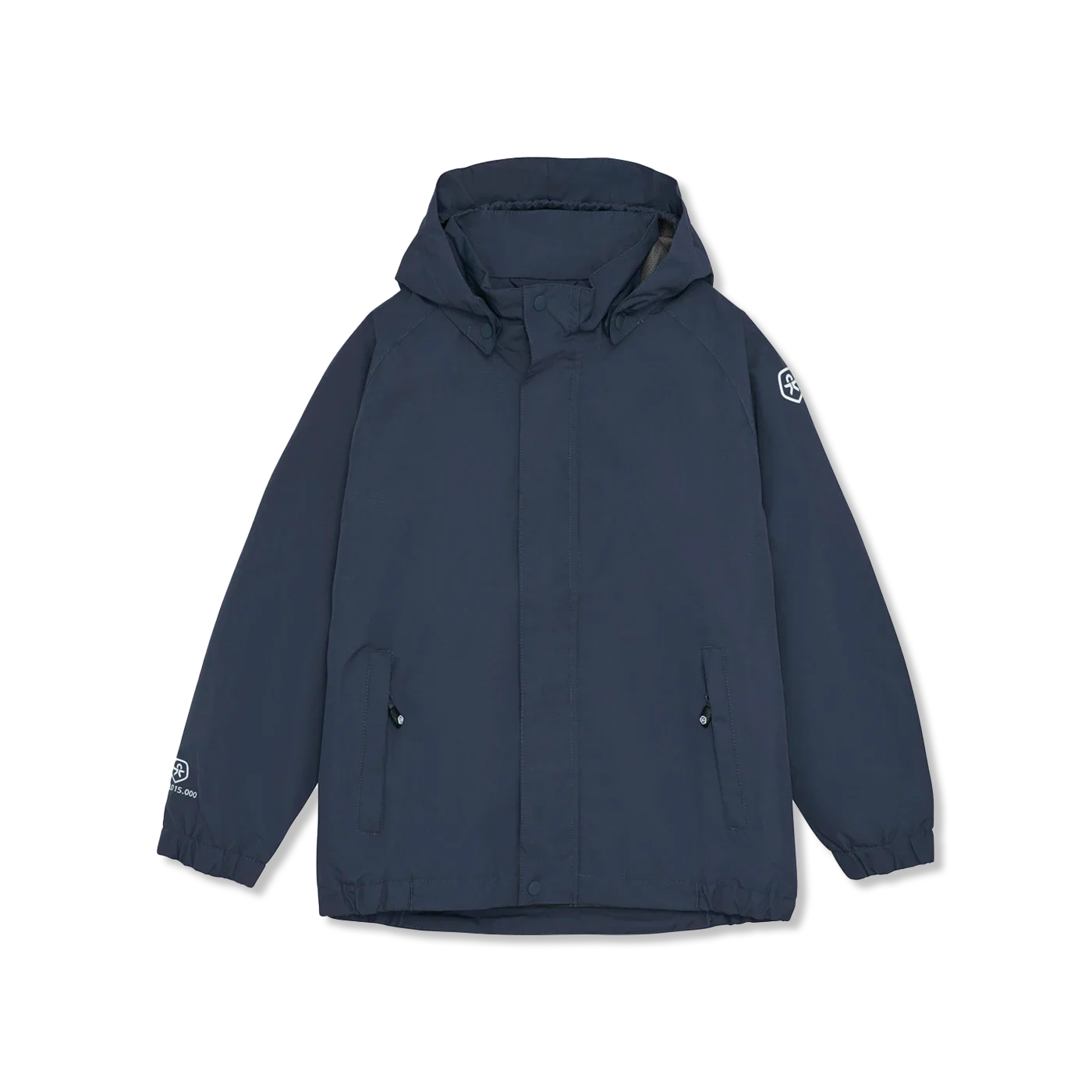
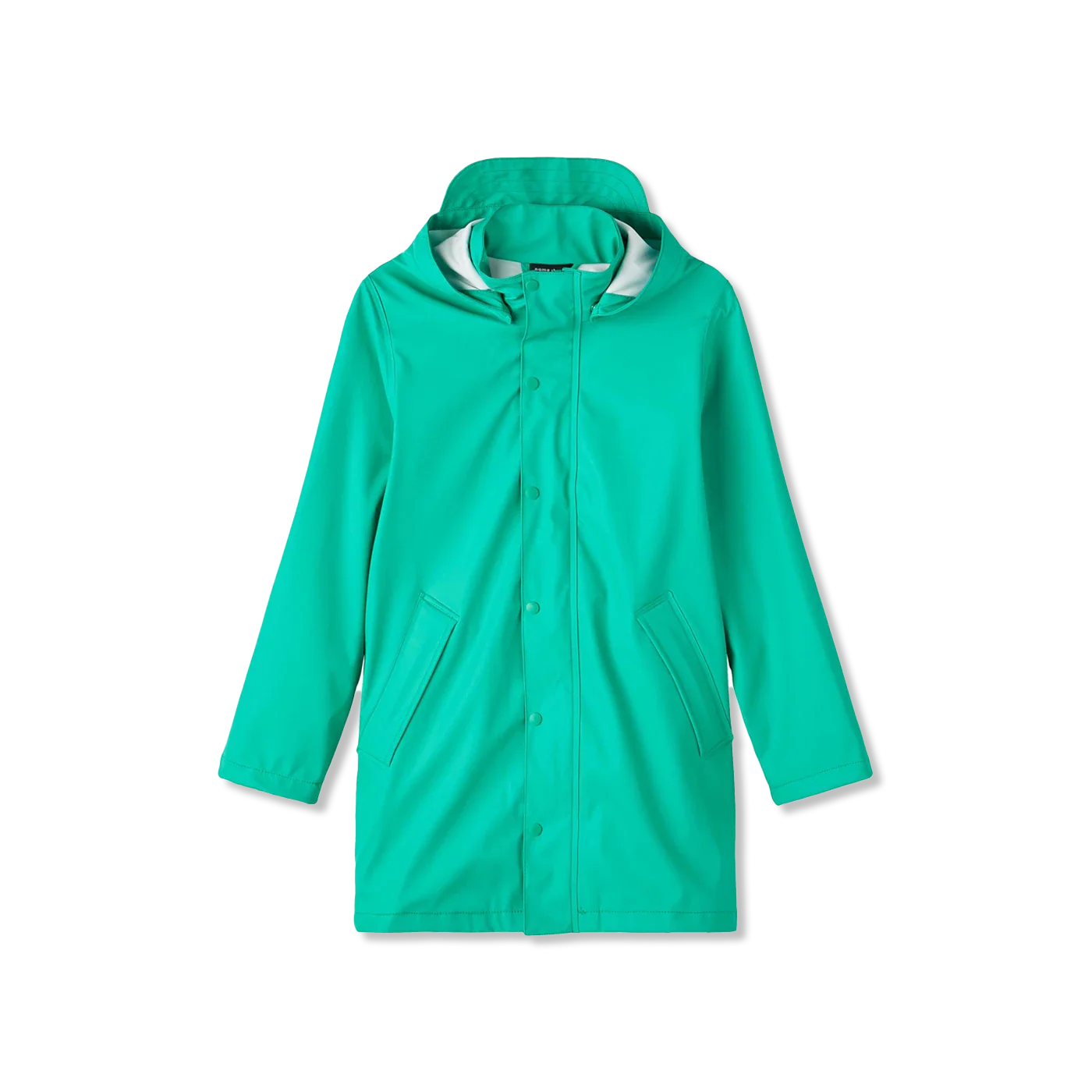
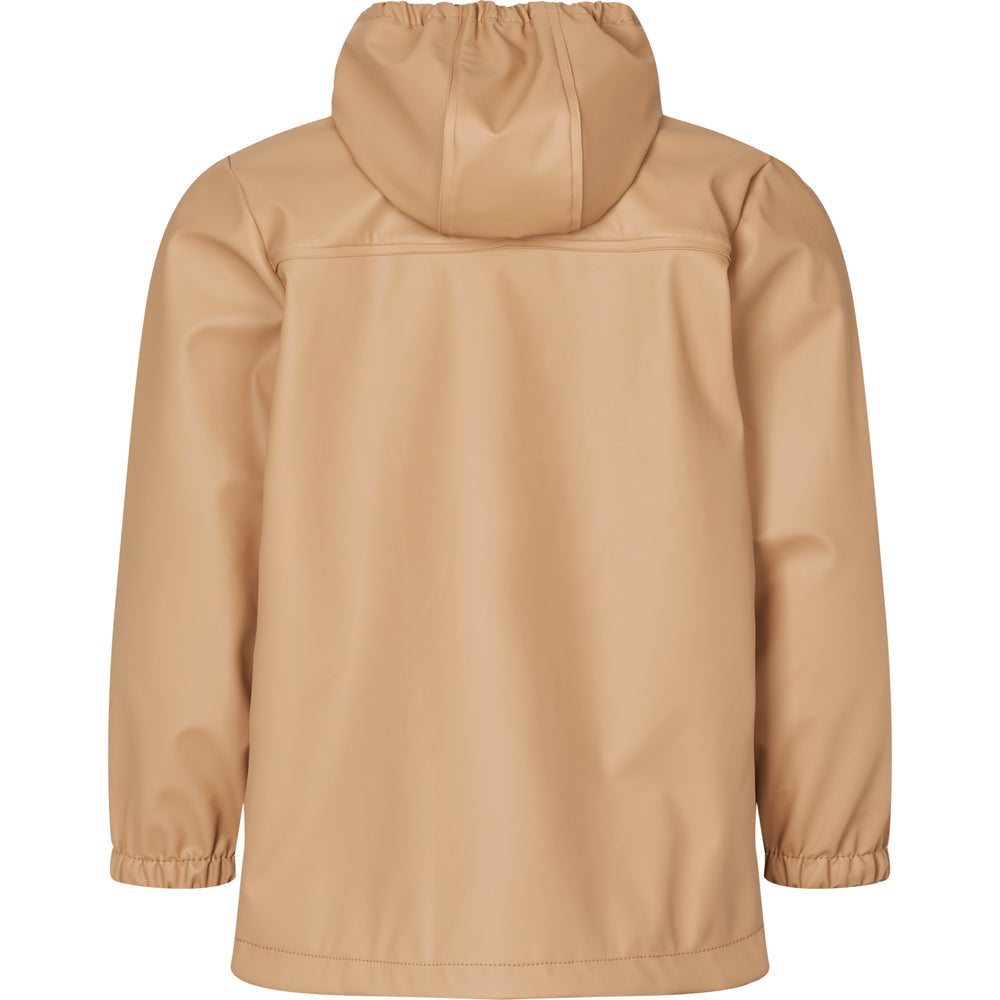
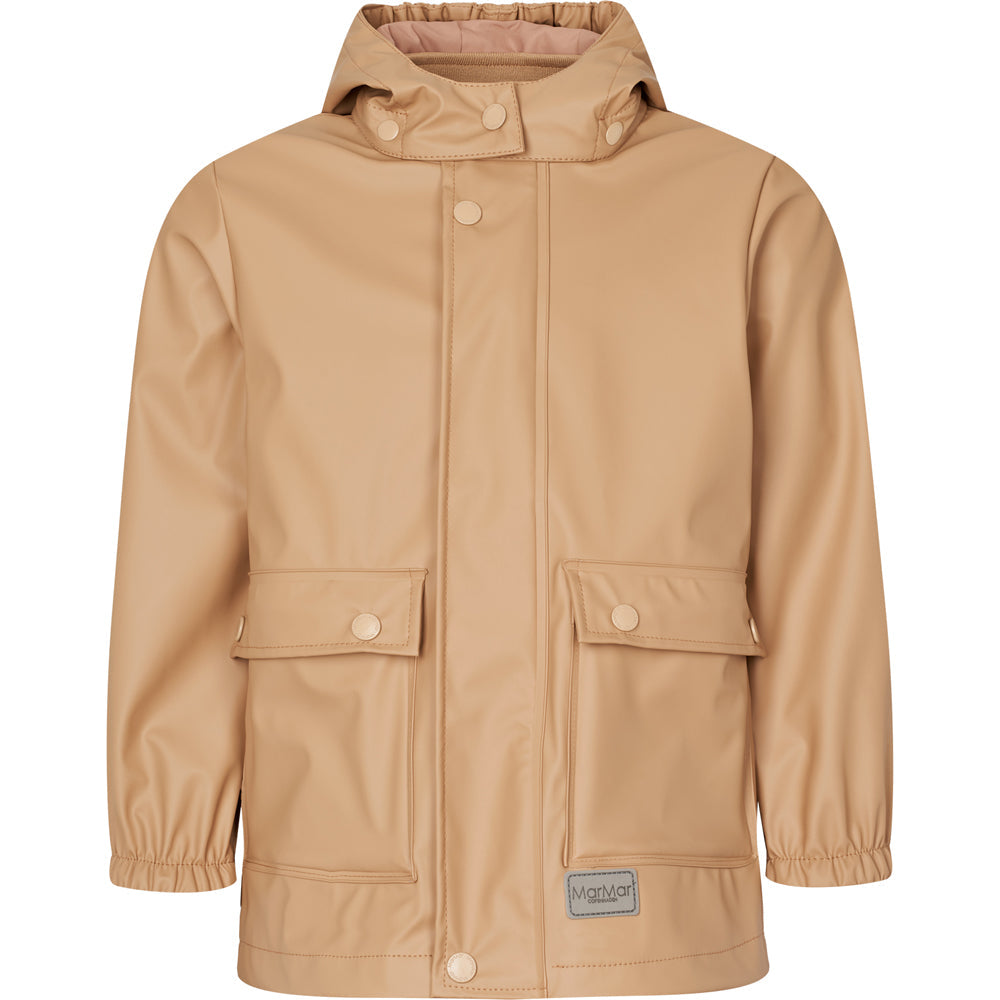
A rain jacket for children is often a good choice for school-age children who mainly need to get to and from school quickly, or for days with showers and light rain. It is easy to put on and take off, does not take up much space and works well on days when your child will not be playing for long on wet surfaces.
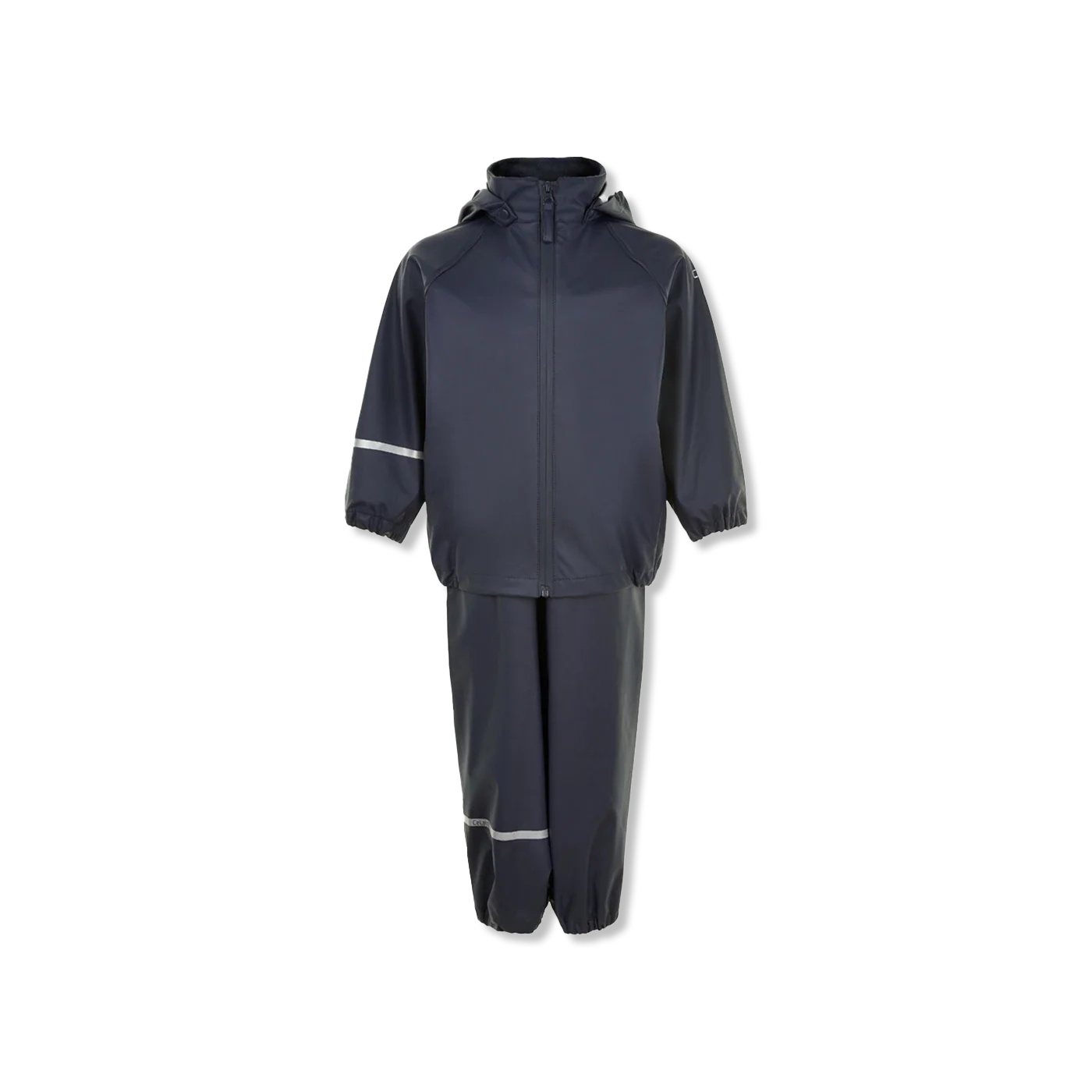
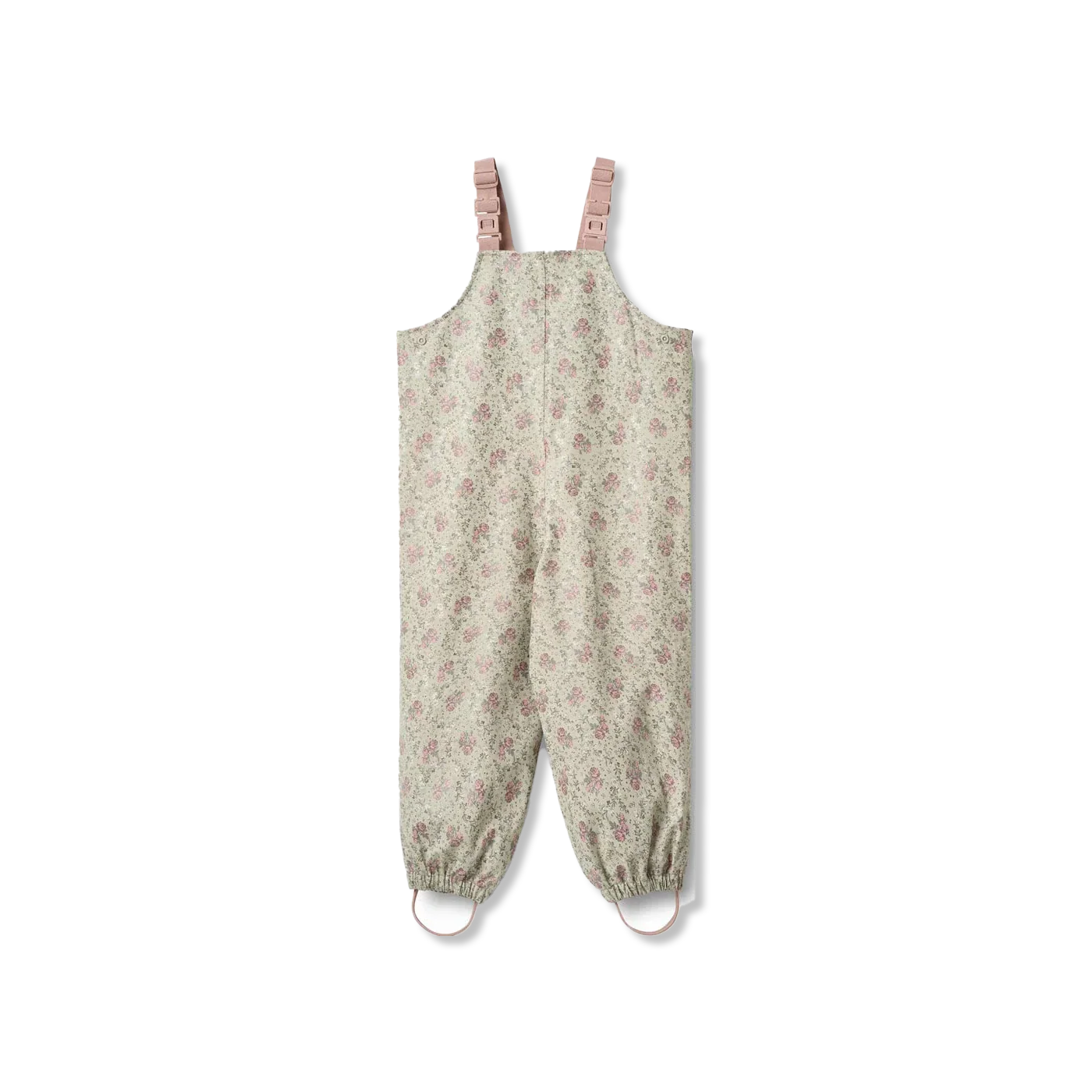
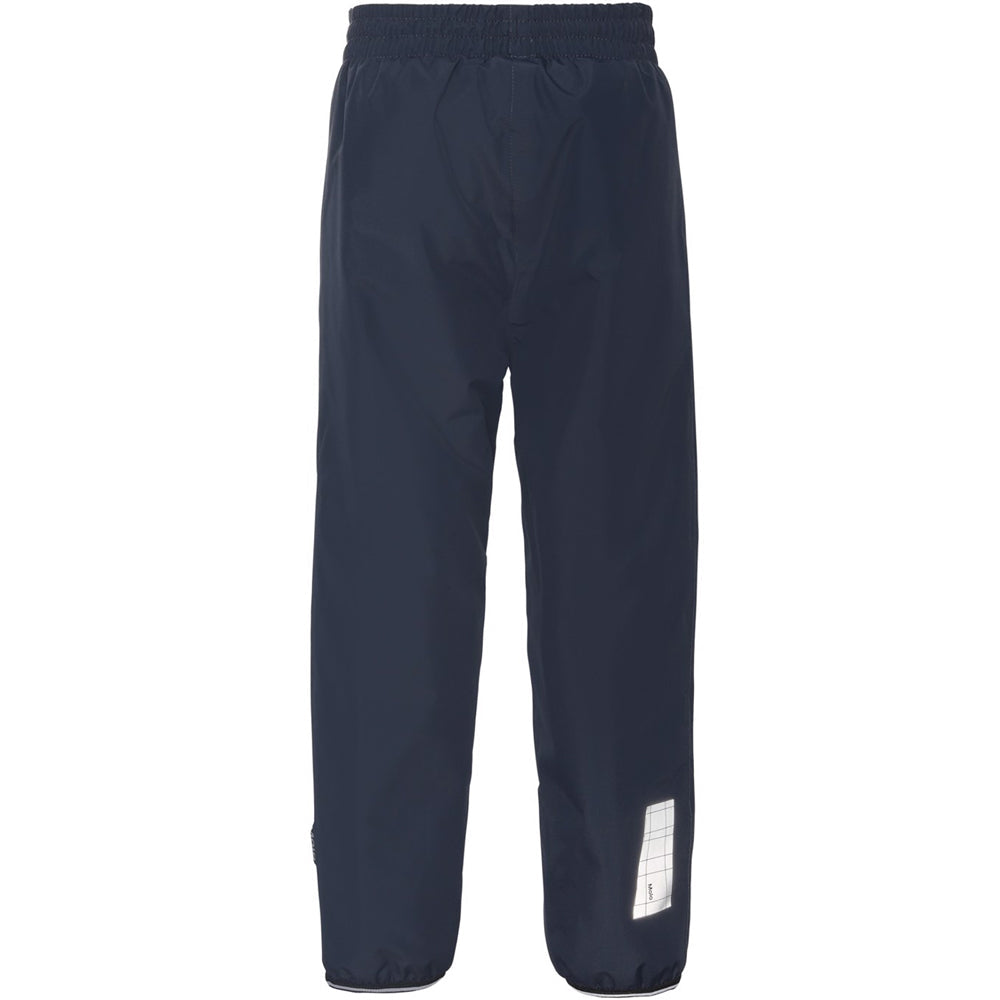
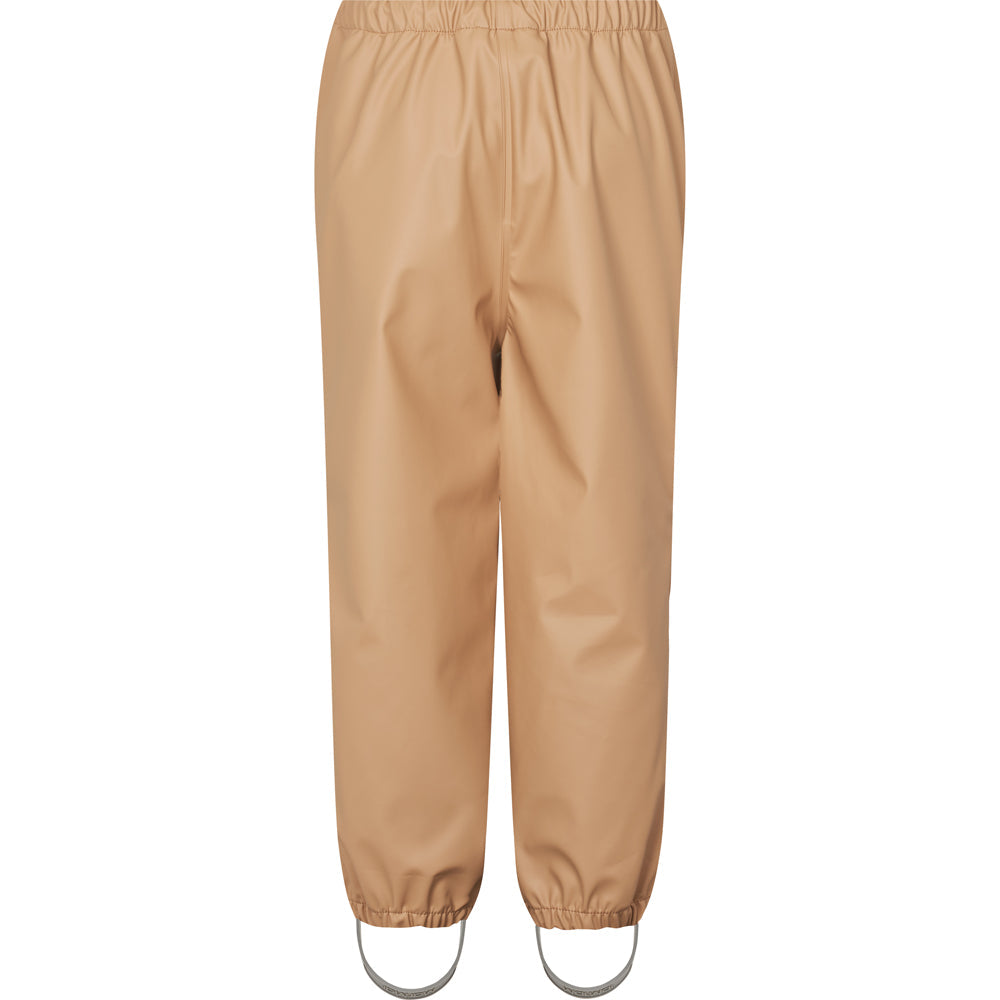
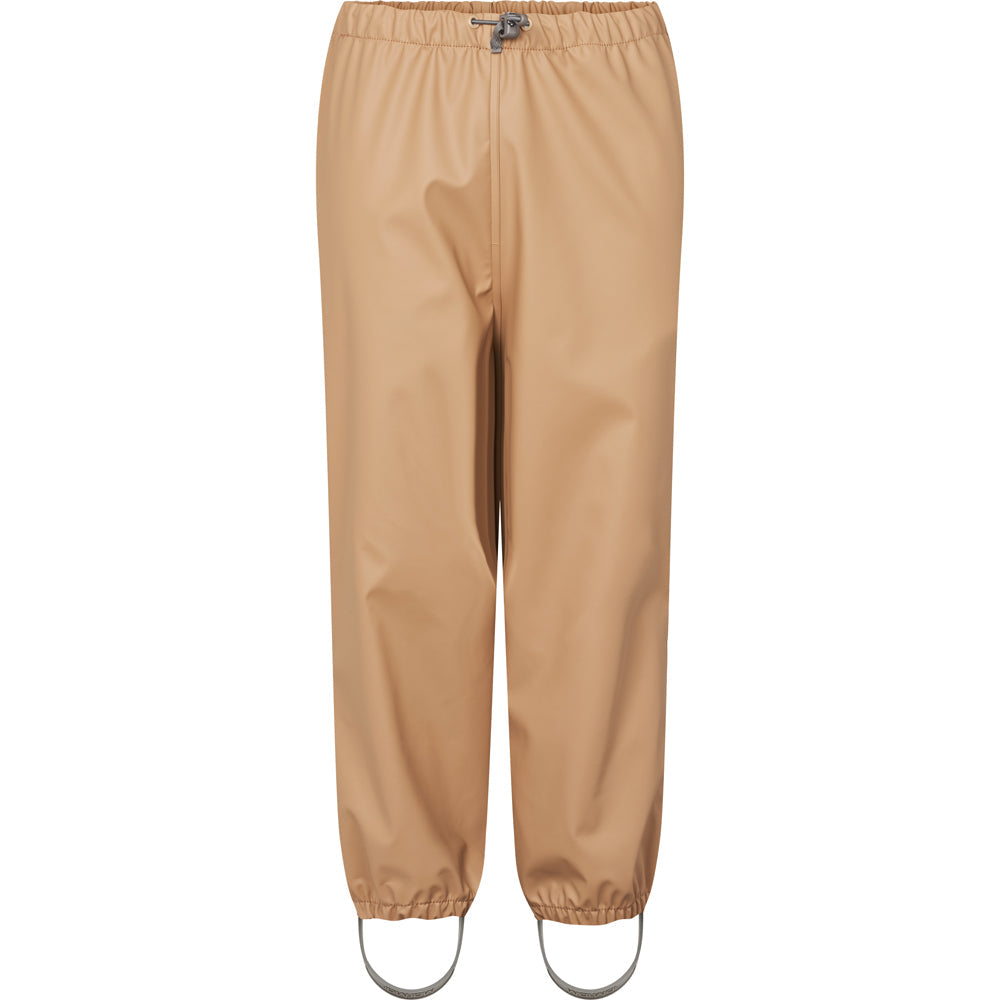
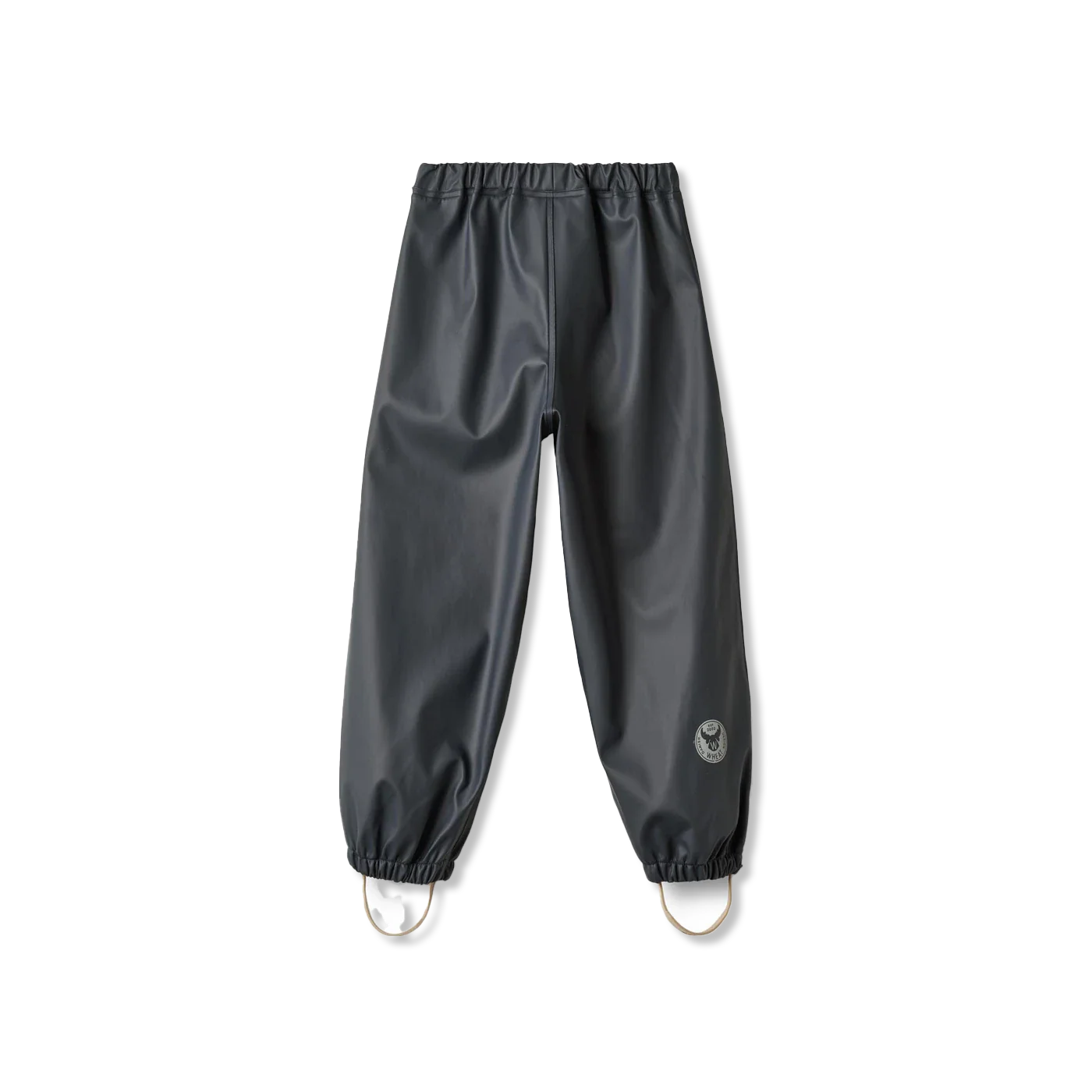
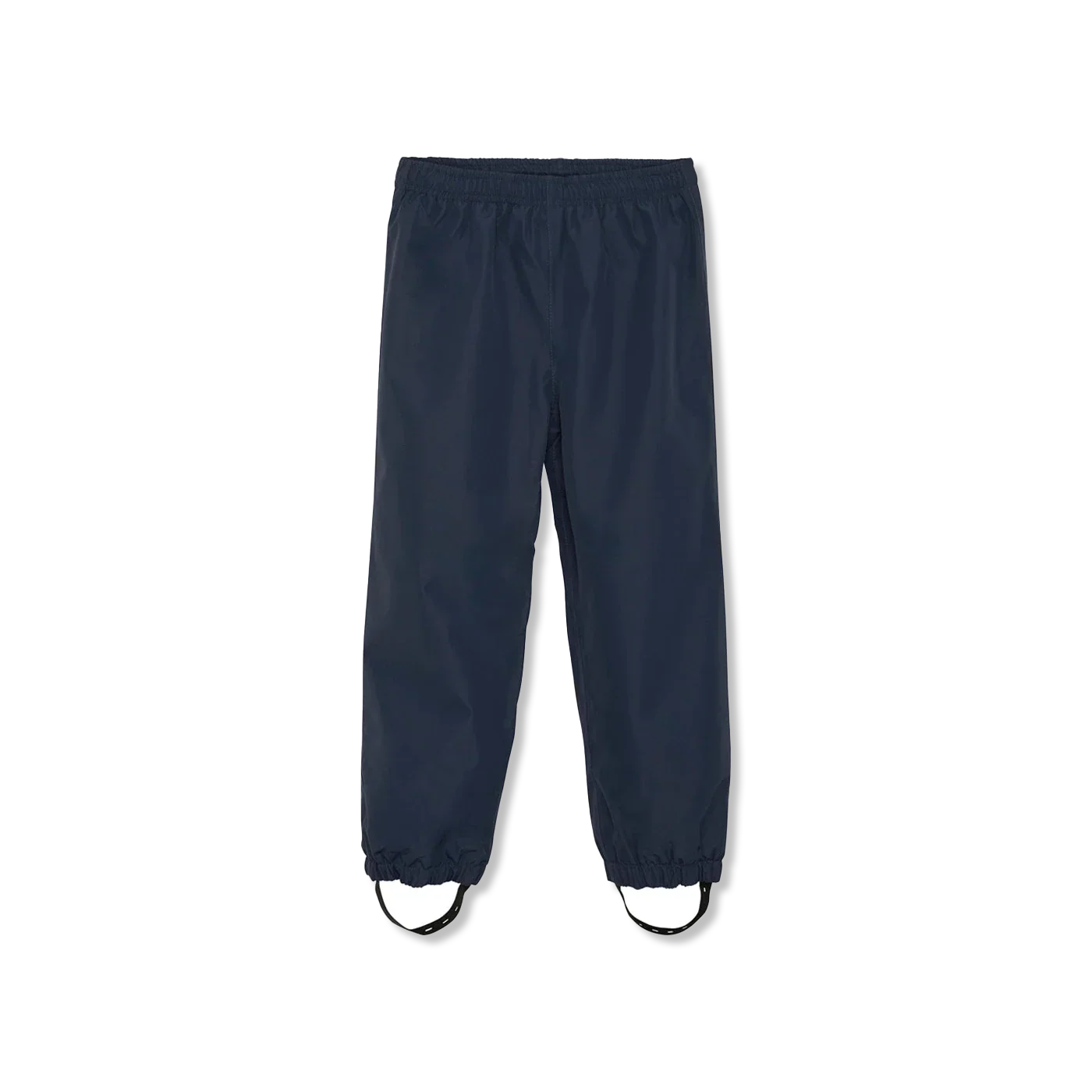
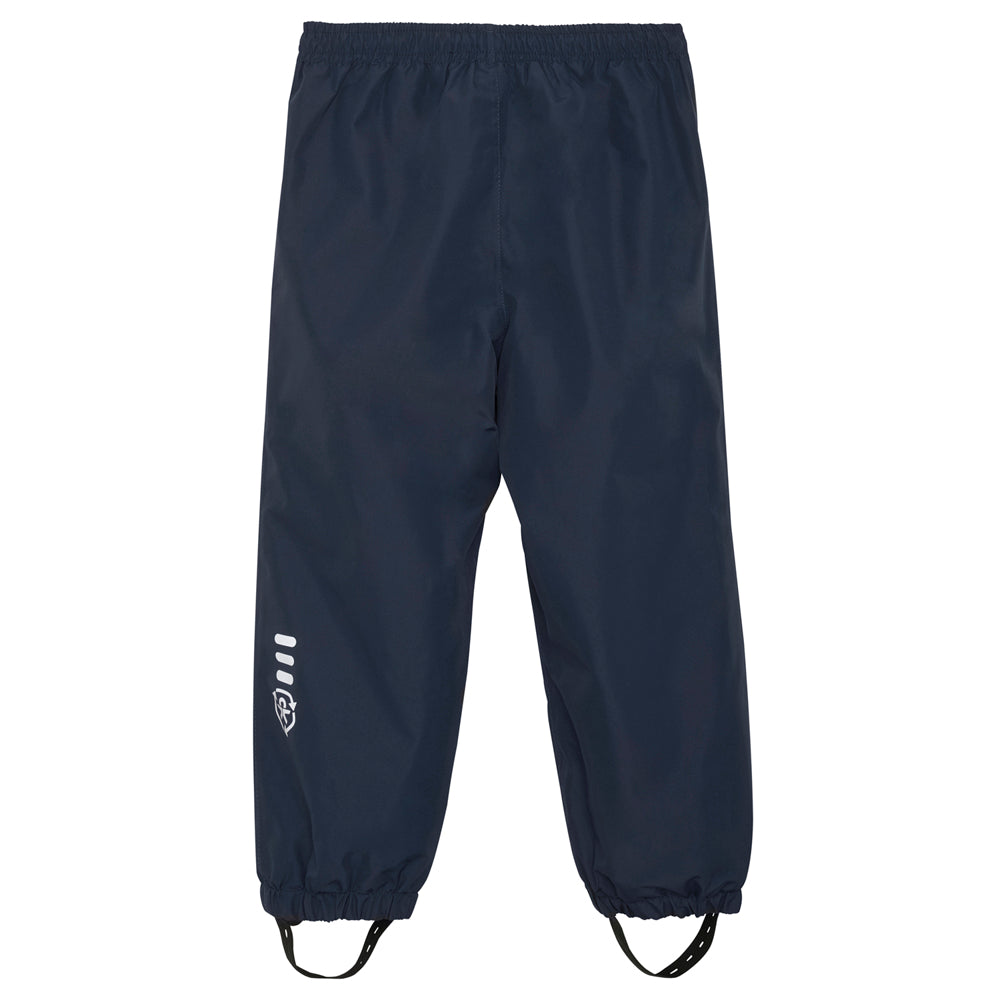
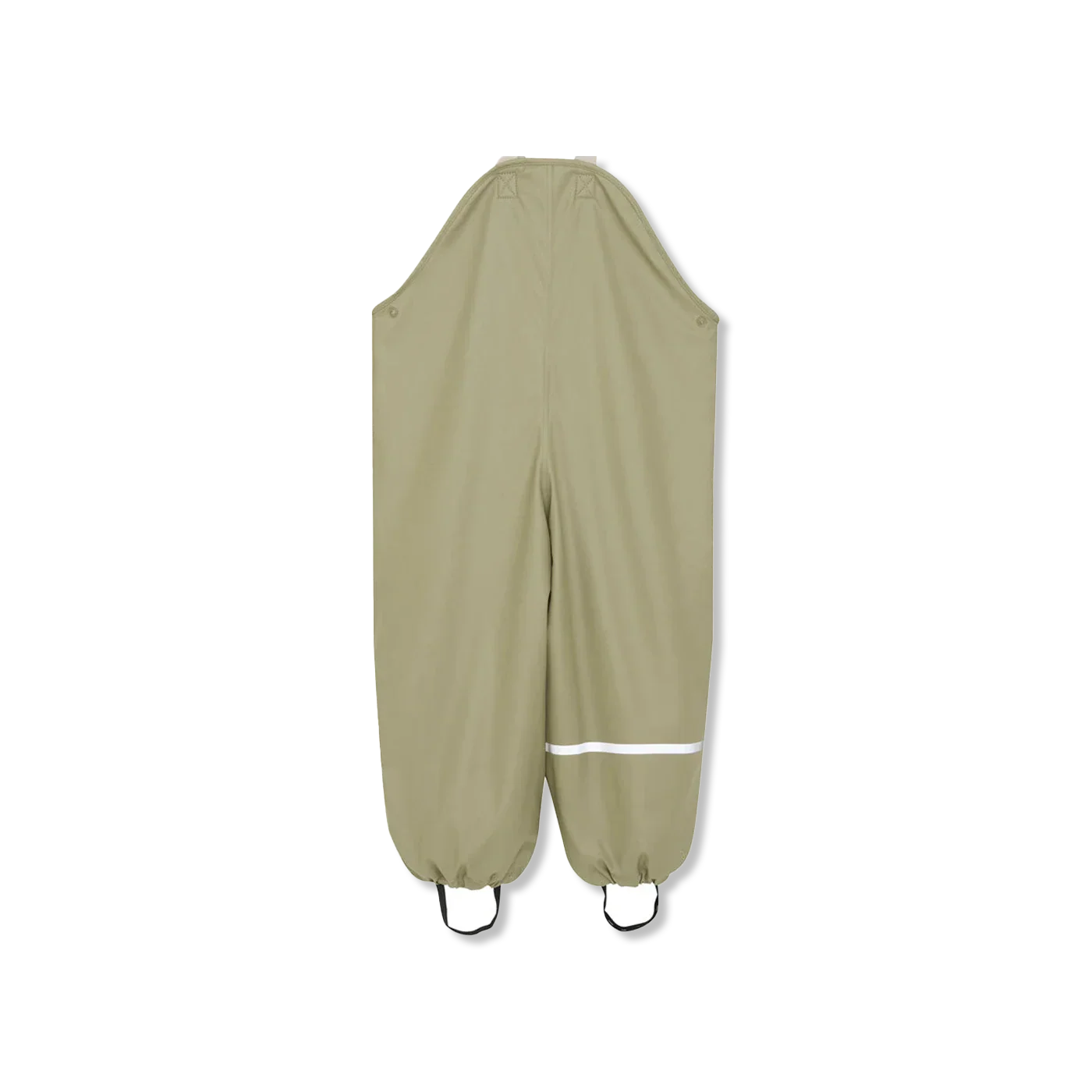
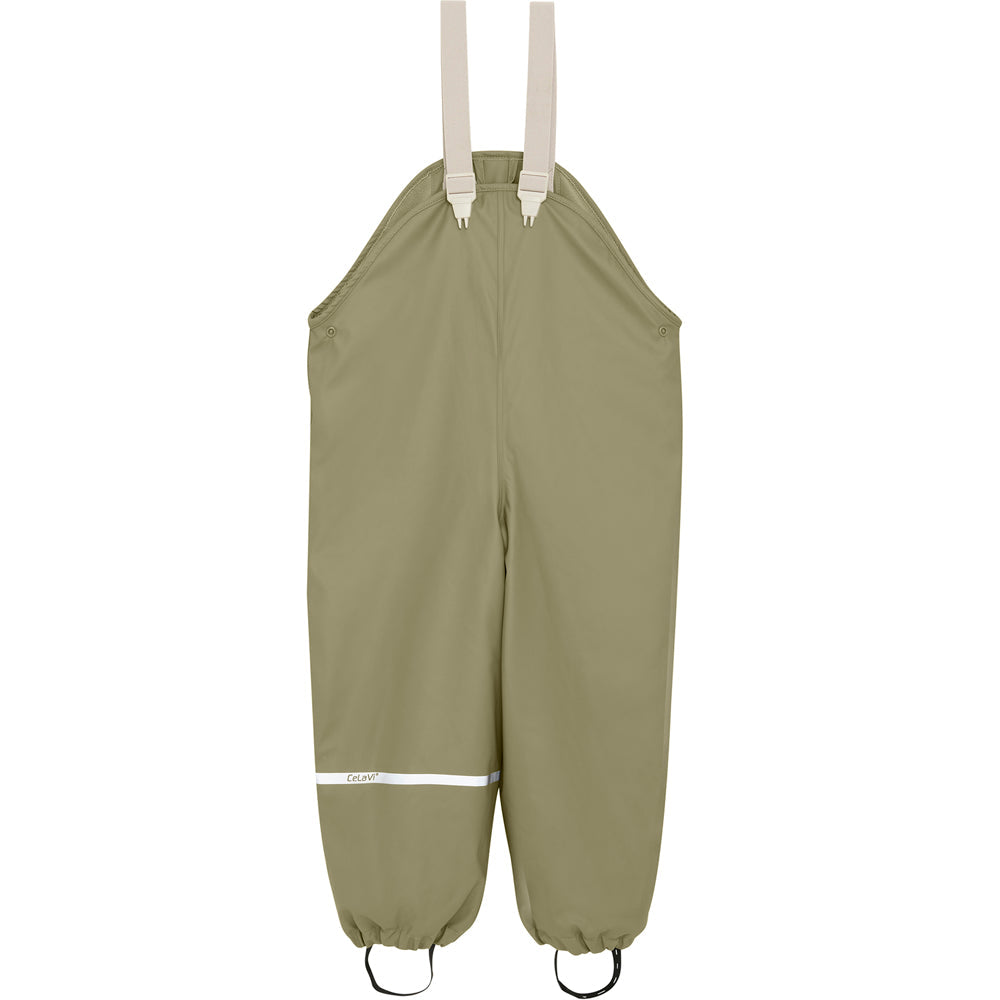
A rainwear set with jacket and trousers gives extra peace of mind when the weather is properly wet. It is often the best solution for younger children who play close to the ground, cycle in the rain or spend many hours outside at daycare. In those situations, rain trousers make a big difference. If the main need is to keep legs and the lower body dry, a pair of rain trousers can also be a practical solution.
For a child who prefers something simple and quick, a rain jacket can be a useful addition to the wardrobe. But on days when the rain does not stop, a complete rainwear set is often what works best.
Kids’ rainwear: the difference between water-repellent and waterproof
When you are looking at rainwear for children, it is helpful to know the difference between water-repellent and waterproof. Water-repellent rainwear can be fine for light rain, drizzle and short trips where your child is not outside for long. The water will typically sit on the surface and run off for a period of time.
Waterproof rainwear, on the other hand, is the right choice if your child needs to be outside in heavy rain, spend many hours at daycare or go on trips in wet weather. Here, it is not just about the material itself, but also how the rainwear is made, so moisture does not easily get in.
The material also affects how the rainwear feels to wear. Some types of children’s rainwear are very sealed and durable, while others are lighter and more flexible. If your child quickly gets warm or does not like heavy rainwear, it can be a good idea to choose a style that feels softer and easier to move in. For mild, changeable weather, softshell can sometimes be a good supplement, but on truly wet days it cannot replace fully waterproof rainwear.
Size and fit make a big difference
Many people choose children’s rainwear one size up, so there is room for regular clothing underneath. This can be a good idea, but the rainwear should not be so large that your child trips over the trouser legs or feels clumsy and bundled up.
A good fit leaves room for a jumper or an extra layer without the rainwear becoming too loose. Your child should still be able to run, climb, cycle and sit down without difficulty. For younger children, it is especially important that the rain trousers fit well and that there is no gap between the jacket and trousers. For older children, it is often more about the rainwear not feeling too bulky or too childish in the schoolyard.
As a rule of thumb, it is smart to choose a little extra room for layers, but not to go up two sizes. On cold and wet days, rainwear can easily be worn with a warm layer underneath, such as thermal clothing, so your child stays both dry and comfortable.
The details decide whether the rainwear gets used
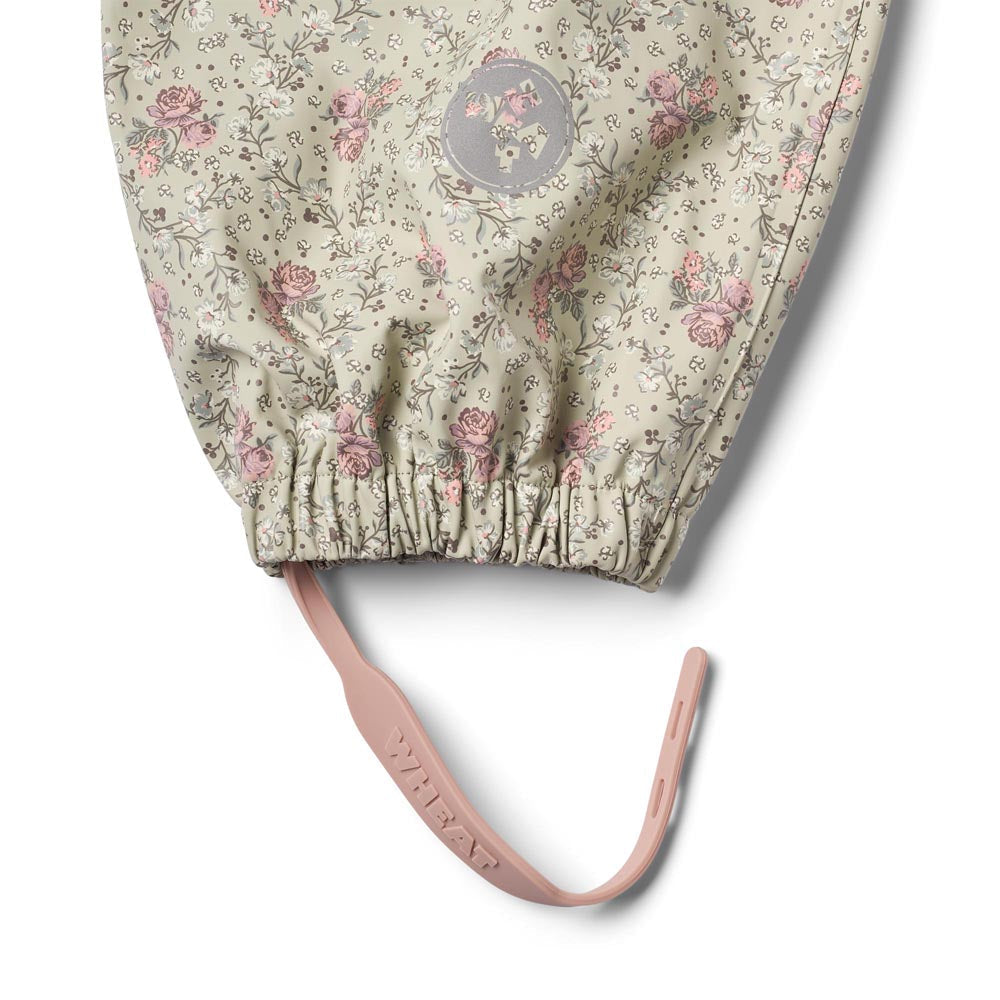
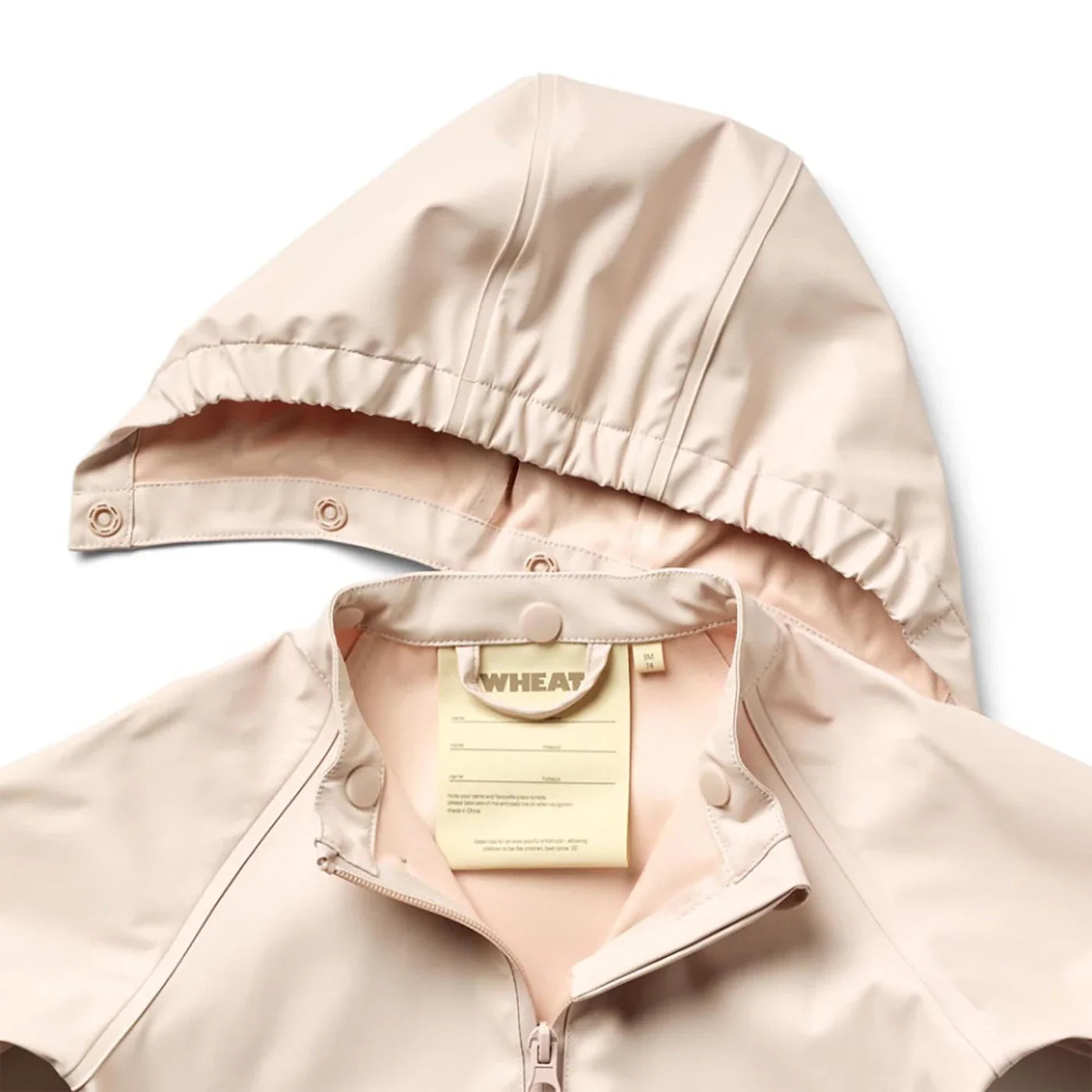
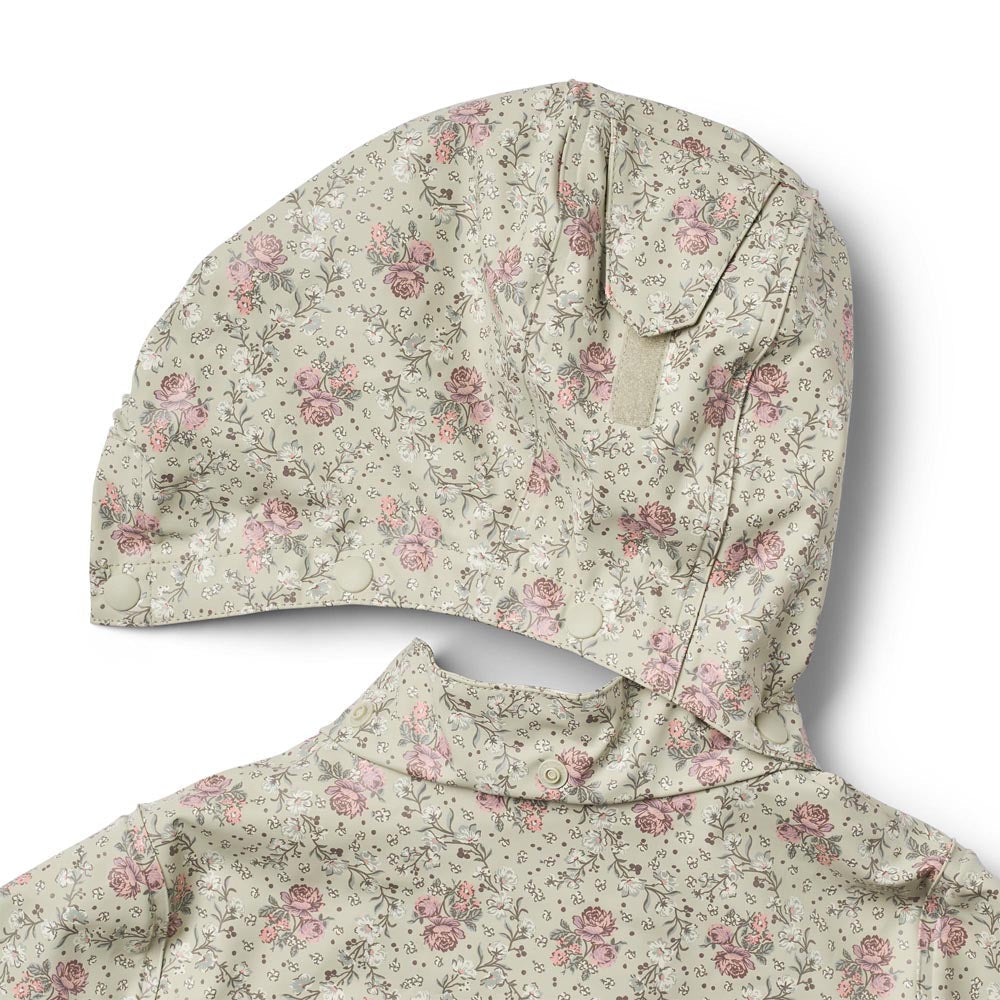
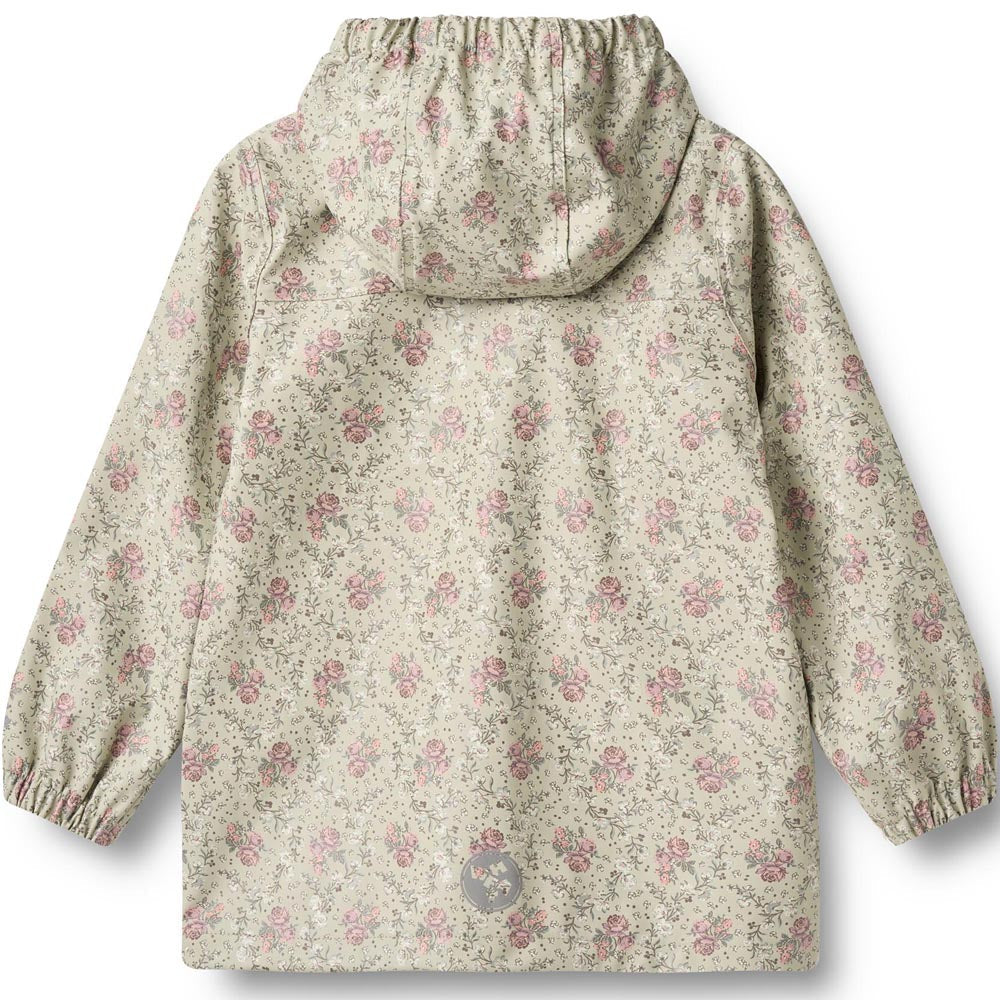
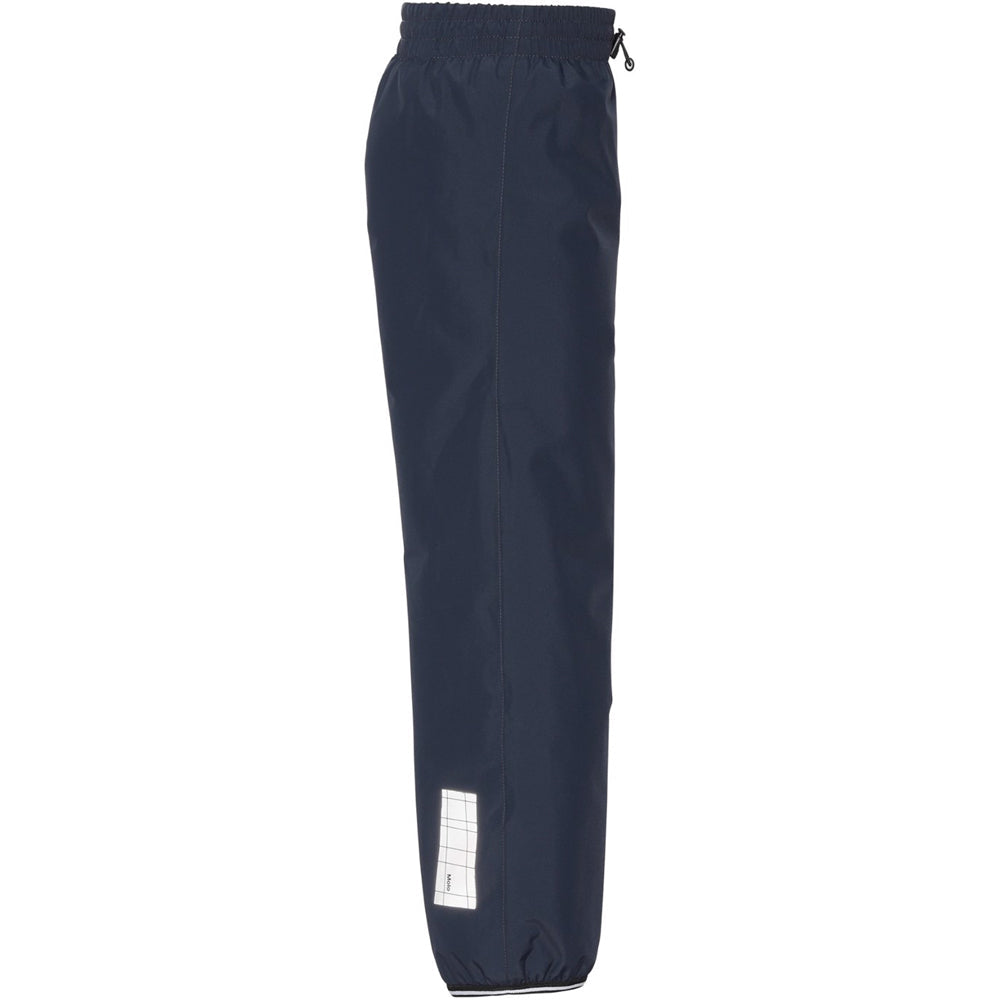
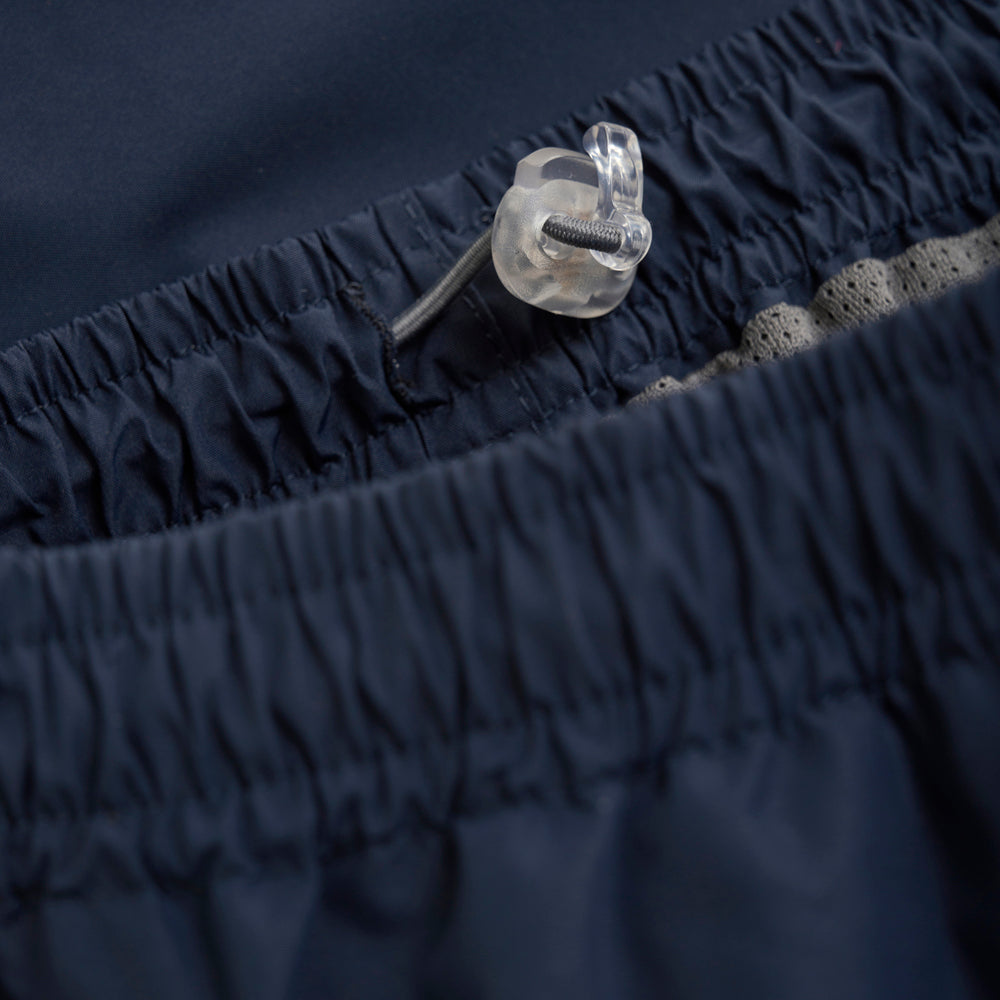
It is often the small things that make the biggest difference in everyday life. Reflective details help make your child more visible on dark mornings and late afternoons. Closures that children can manage themselves make changing easier. And elastic at the wrists, ankles and hood can help keep rain and wind out without making the rainwear feel heavy.
It is also worth considering how the rainwear will hold up over time. Children’s rainwear needs to handle a lot – mud, wet playgrounds, repeated use and washing. Durable materials and good workmanship therefore make sense, especially if the rainwear will be used often and perhaps passed on to siblings later.
If you want the rainwear to last as long as possible, it is a good idea to follow the care instructions and avoid washing it more often than necessary. It usually lasts better when it is allowed to dry properly between uses and is only washed when it actually needs it. And do not forget the feet: together with a good set of rainwear, a pair of wellies is often what decides whether your child comes home dry or wet.