

Mikk-Line Thermal clothing
Mikk-line thermal clothing makes everyday life easier when children need to play, run and spend time outside in changeable weather. Find functional layers with good freedom of movement, designed to be worn on their own or under outerwear for all the shifts of daily life.
This collection is empty
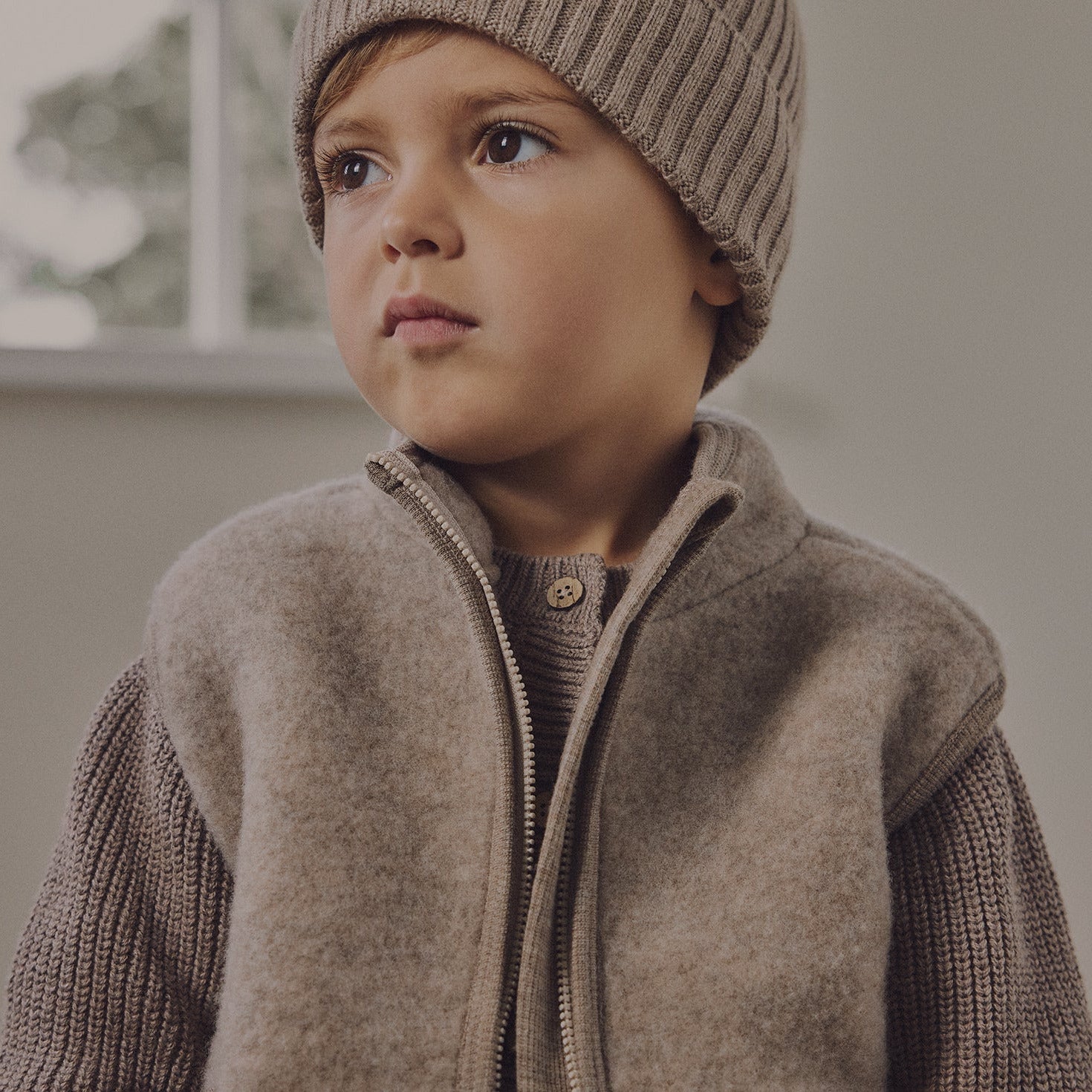
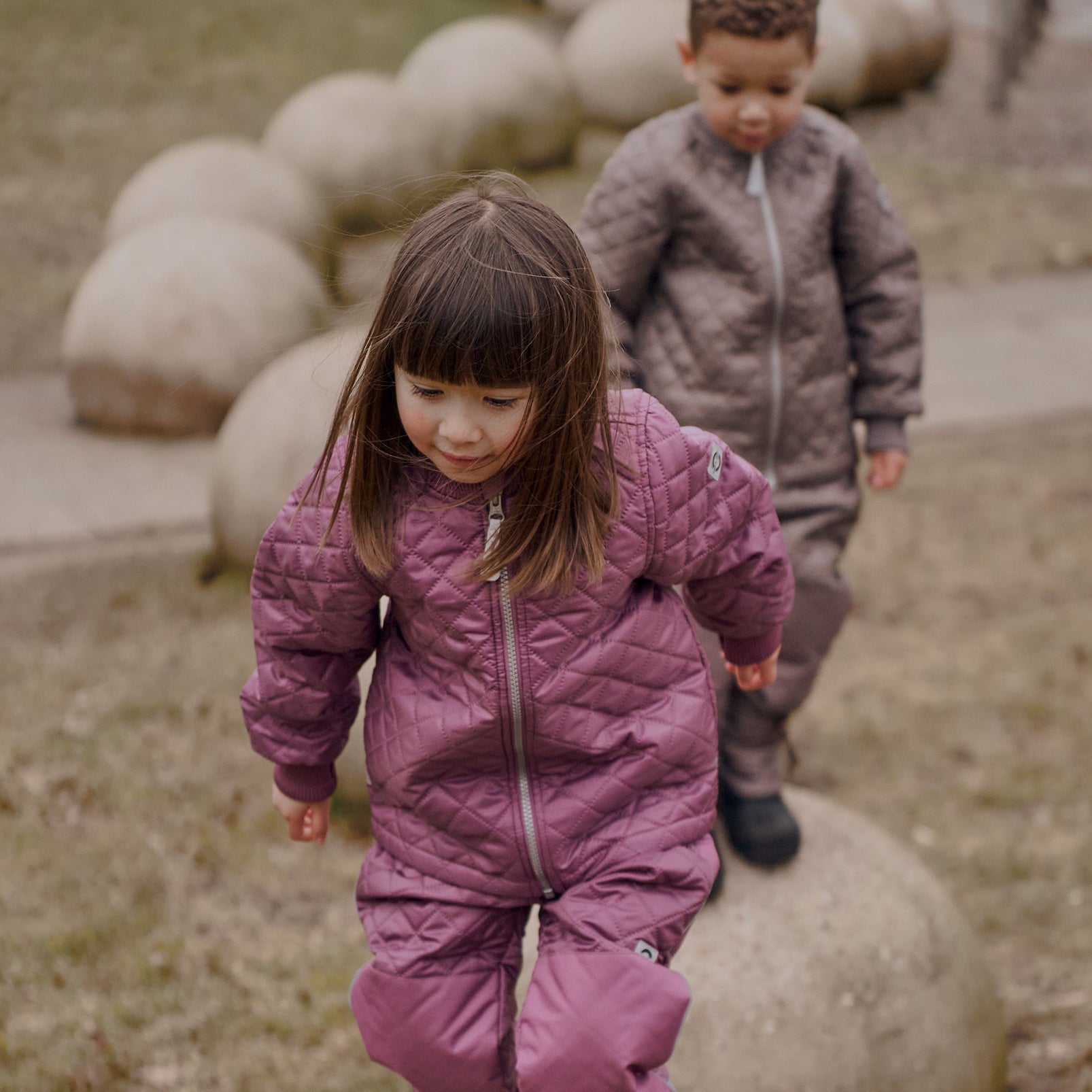
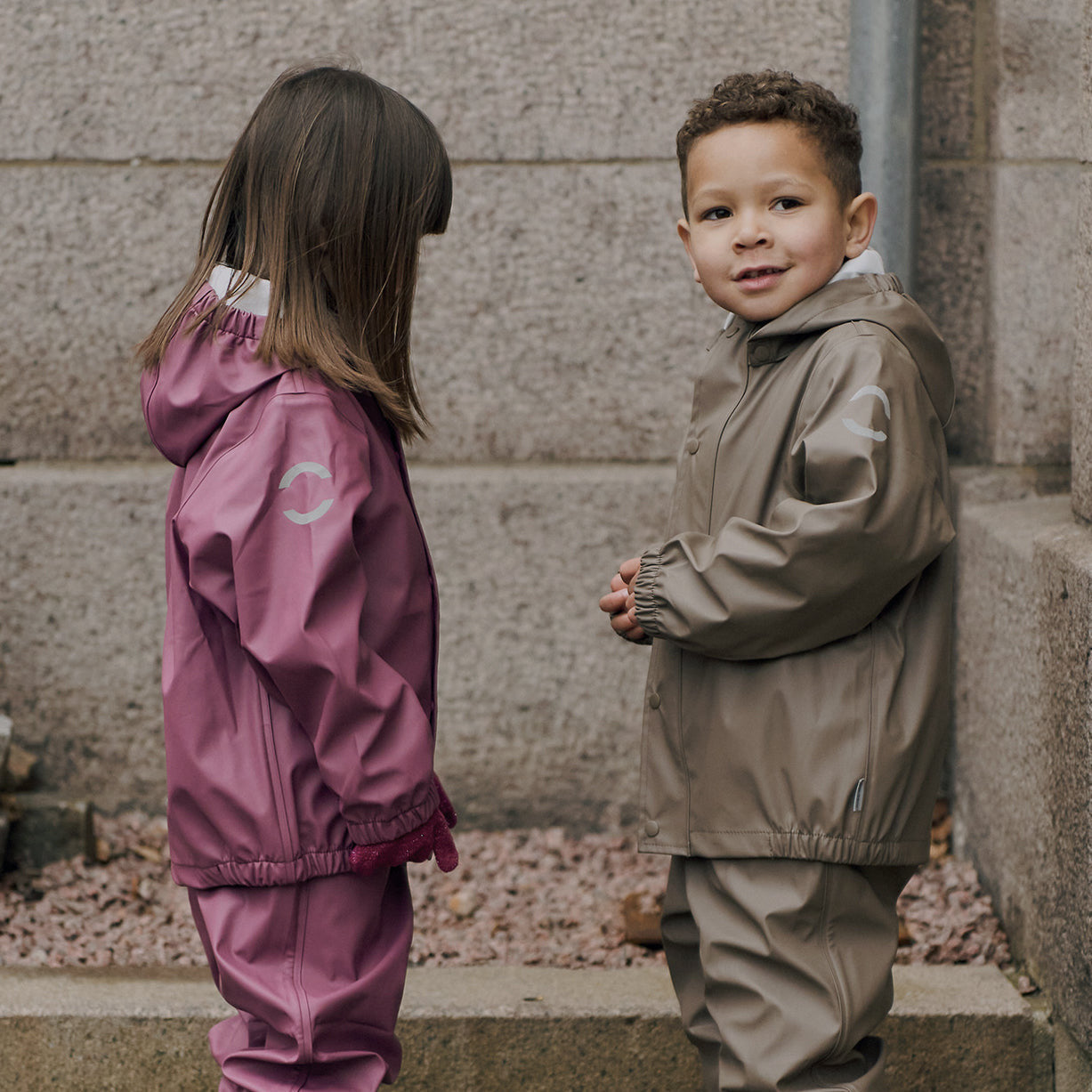
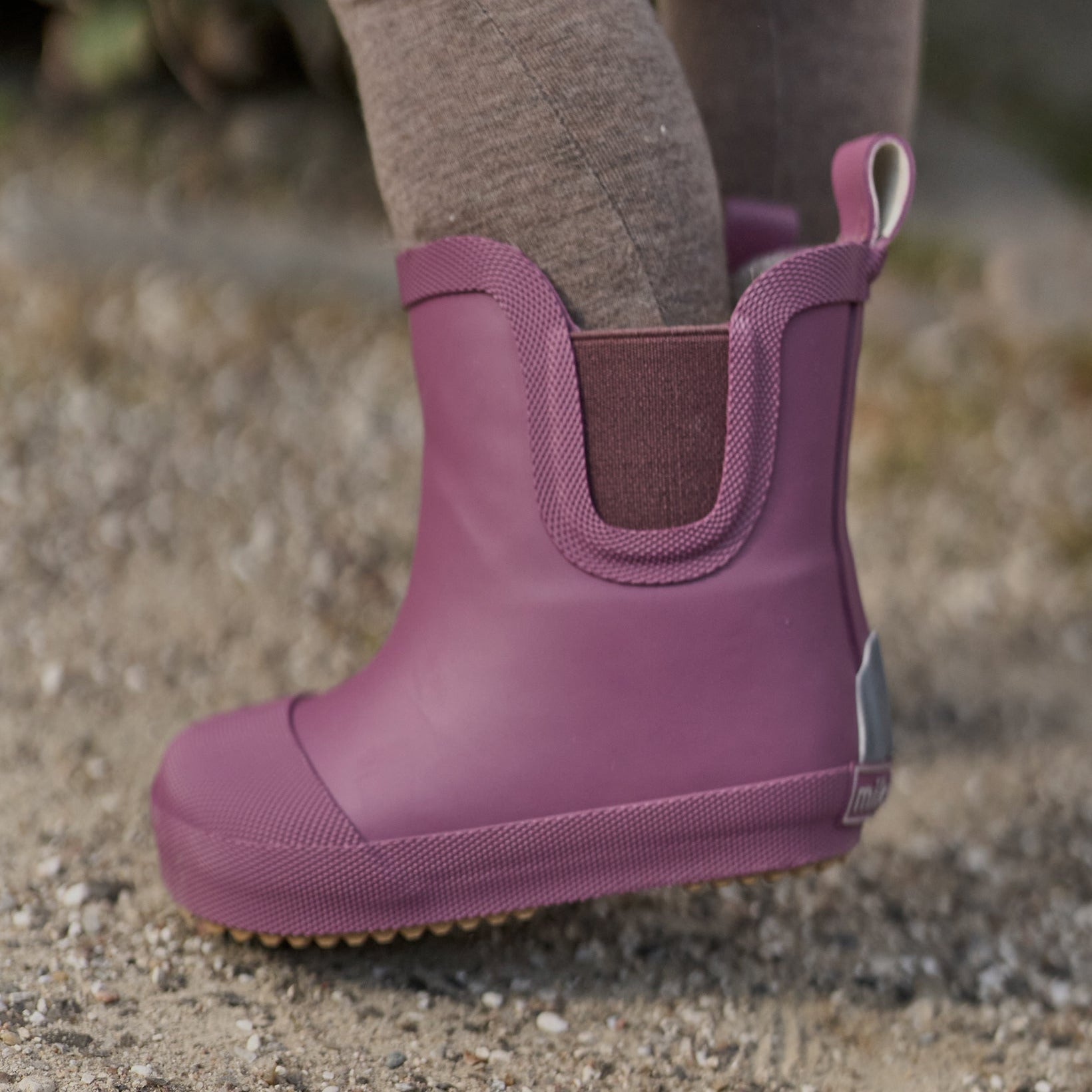
Mikk-Line Thermal clothing
Mikk-line thermal clothing for children who need to move all day
Mikk-line thermal clothing is made for children who are active from morning to afternoon. It is not only for the few really cold days, but for ordinary days at nursery, kindergarten and school, where the weather can be a little bit of everything at once. This is where Mikk-line’s simple and functional approach makes sense, as the clothing is designed with freedom of movement, layering and durability in mind.
If you are looking for Mikk-line thermal clothing, it is often about finding something that works again and again without feeling heavy or awkward for the child. It suits children who love running, climbing and playing, and parents who want to keep the wardrobe simple with a few layers that actually get used.
When choosing, it is especially worth considering:
- whether the thermal clothing will be worn on its own or as a layer under outerwear
- your child’s everyday activity level
- whether the fit allows room for movement and extra layers
- which material best suits how the clothing will be used and cared for
If you want to build more layers in the same style and functional look, you may also want to explore the rest of the Mikk-line universe.
When does Mikk-line thermal clothing make most sense?
Mikk-line thermal clothing is especially useful in the wardrobe during autumn, winter and spring. It is ideal for periods when a regular top feels too light, but a winter jacket quickly becomes too warm. For many children, thermal clothing is therefore among the items they wear most in everyday life.
At kindergarten and school, it is a clear advantage that children can still move freely without feeling bundled up. Mikk-line is known for functional styles that do not feel stiff or bulky. That makes a difference on busy days when clothes need to work on the playground, on the bike and during the transition between indoors and outdoors.
A simple starting point can be:
- mild, cool days: thermal clothing over everyday clothes or as a light outer layer
- colder days: thermal clothing as a mid layer under a jacket or rainwear
- wet and windy days: thermal clothing together with rainwear or other outerwear
That is exactly what makes layering so useful in changeable everyday weather. You can adjust to the temperature during the day without your child needing a completely new outfit every time the weather changes.
Mikk-line thermal clothing and layering in practice
One of the great strengths of Mikk-line thermal clothing is that it works best as part of the overall wardrobe. It does not have to stand alone, but helps your child maintain a comfortable temperature throughout the day. The fit is therefore often designed with room for a layer underneath while still leaving enough space for something on top.
For the youngest children, it is practical with clothing that is easy to take on and off in the cloakroom. For older children, it is often more about nothing feeling tight when they sit on the floor, run around the schoolyard or play outside for longer periods. Here, Mikk-line’s more relaxed fit makes very good sense because it is based on how children actually move.
A good everyday setup could be thermal clothing worn under a sweatshirt or another top, and on colder days as an extra layer under a jacket or snowsuit. For the legs, it is also worth thinking in full sets, so warmth is distributed well and your child is not only covered on the upper body.
Materials in thermal clothing: what should you look for?
When thermal clothing needs to be worn for many hours at a time, the material matters. Some qualities are best suited to high activity and easy washing, while others are ideal if you want a layer that helps keep the temperature more even.
Merino and other blends with natural fibres can be a good choice if you want something that feels soft against the body and comfortable to wear for longer periods. This can be a big advantage for children who move between outdoor play, circle time, naps or lessons during the day.
Synthetic material blends, on the other hand, are often practical if you prioritise durability, quick drying and clothing that is easy to keep in rotation in a busy everyday routine. This suits Mikk-line’s way of thinking about children’s clothing: it should be used a lot and washed often without making daily life more complicated.
Regardless of the material, it is a good idea to look for details such as ribbed edges and a fit that stays where it should when your child is moving. If you are also looking for warm layers closer to the body, you can find more options in wool underwear.
How to choose size and fit for Mikk-line thermal clothing
A classic mistake is choosing thermal clothing that is too small because you think it should fit closely. Mikk-line thermal clothing can easily be slightly roomy. This makes it easier to wear layers underneath, and your child gets better freedom to move as usual.
It should not be too large or baggy, but a little extra room at the arms, legs and body is often helpful. Especially if your child wears the thermal clothing over everyday clothes or under a jacket, a lightly spacious fit is often the solution that works best in practice.
It is also worth thinking about age and use:
- For small children, easy dressing and soft movement are often the most important factors.
- For kindergarten children, the clothing needs to handle high activity and many changes throughout the day.
- For older children, a simple and neutral look often makes sense, while still feeling functional.
If you want to make the set more complete for cool days, you can combine it with warm accessories such as Mikk-line hats or other outerwear in the same practical style.