The kids' room should work for your child's everyday life
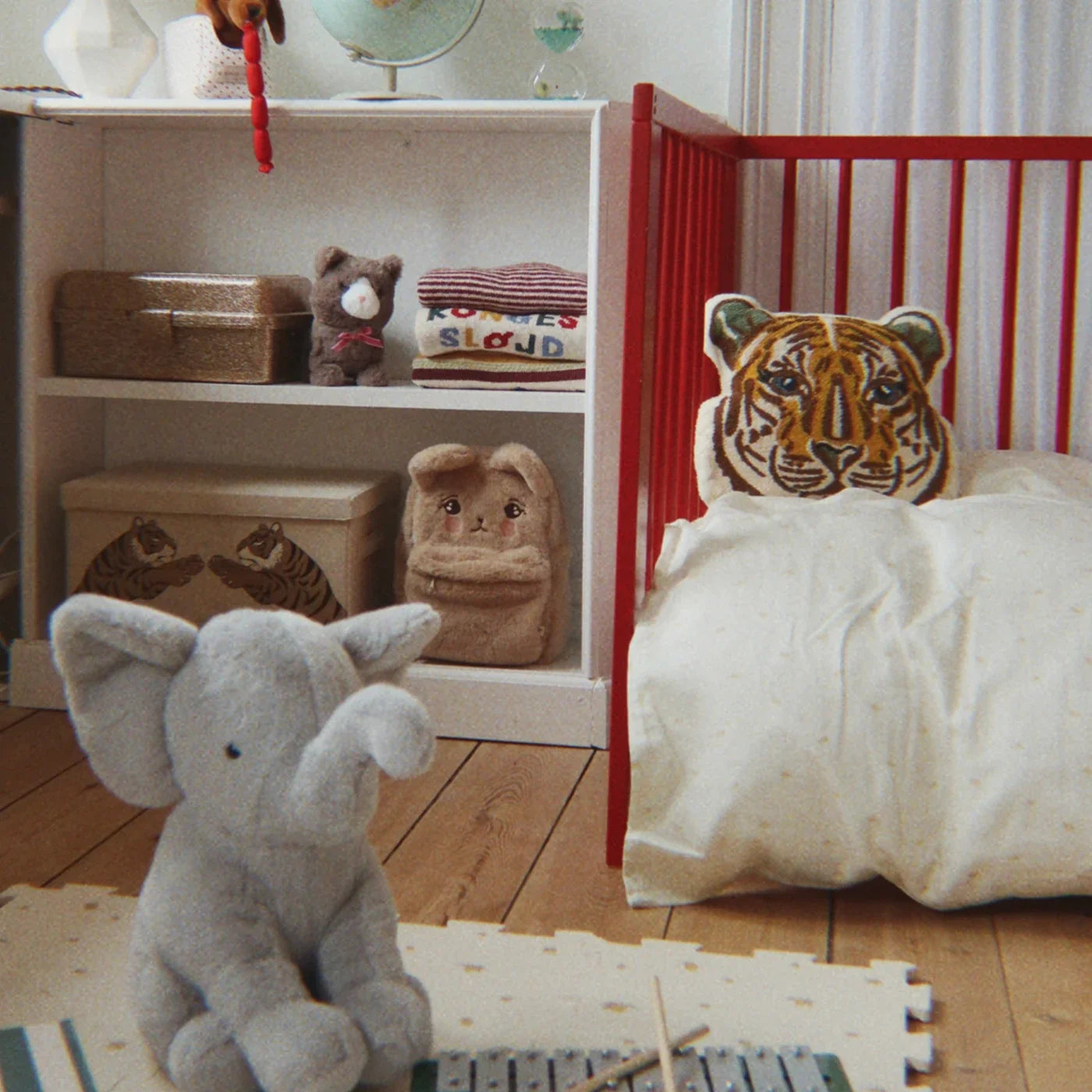
A kids' room is much more than decoration and beautiful details. It is where your child sleeps, plays, winds down and, over time, reads, draws and keeps their own things around them. When decorating a child's room, it is often about bringing together function, comfort and a look that suits both your child and the rest of your home.
In this category, you will find inspiration and products for kids' rooms across different ages and needs. Some families are creating a calm baby room from the beginning, while others need storage, lighting or a few new details for a room that can grow with the child for a little longer. A good place to start is usually to consider your child's age, how the room is used every day, and whether you want to begin from scratch or add to the room gradually.
At House of Kids, you will not find everything under the sun, but a carefully selected range for the kids' room where quality, safety, durability and Nordic design naturally go hand in hand. This makes it easier to choose solutions that work in everyday life now and still make sense later.
How to plan a kids' room by age
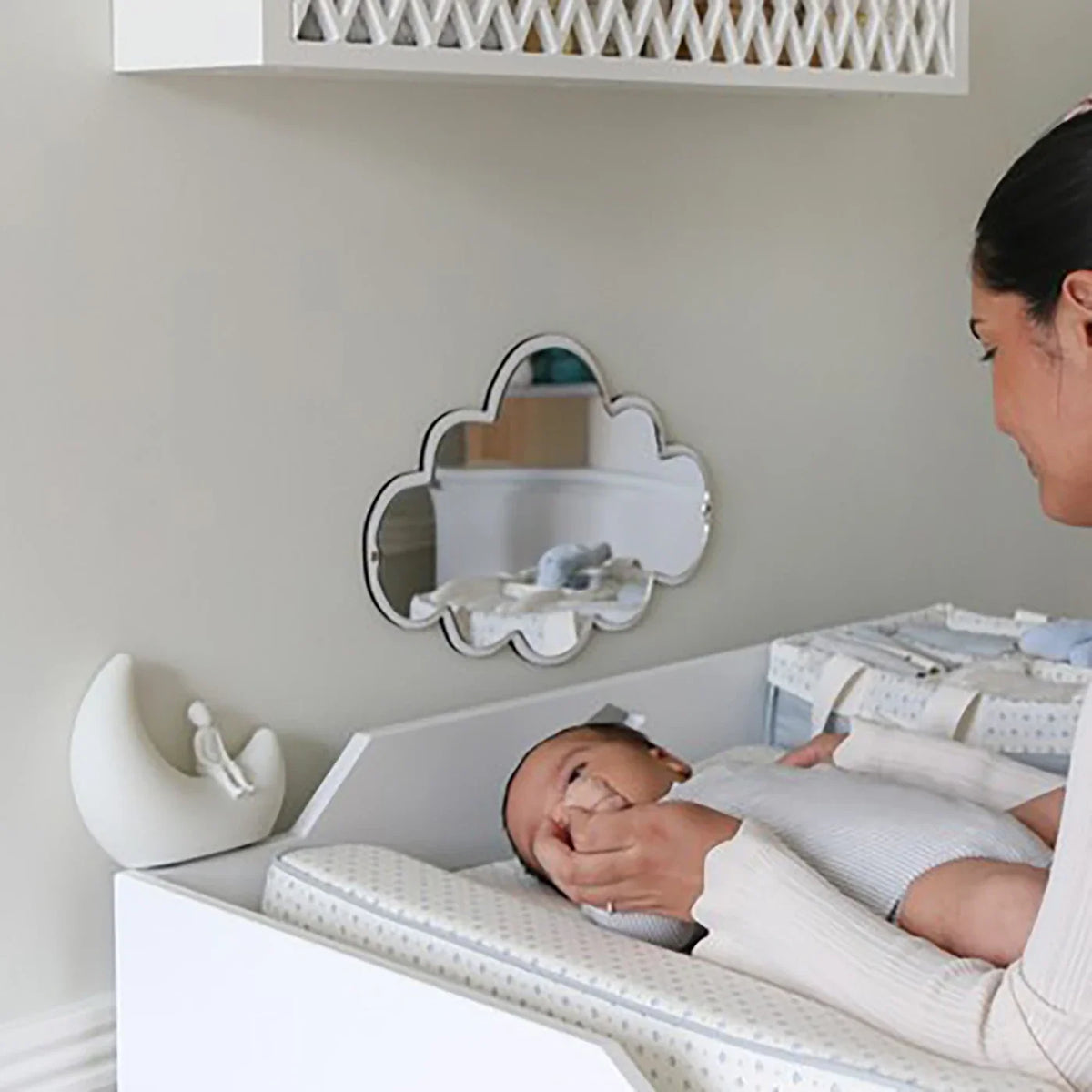
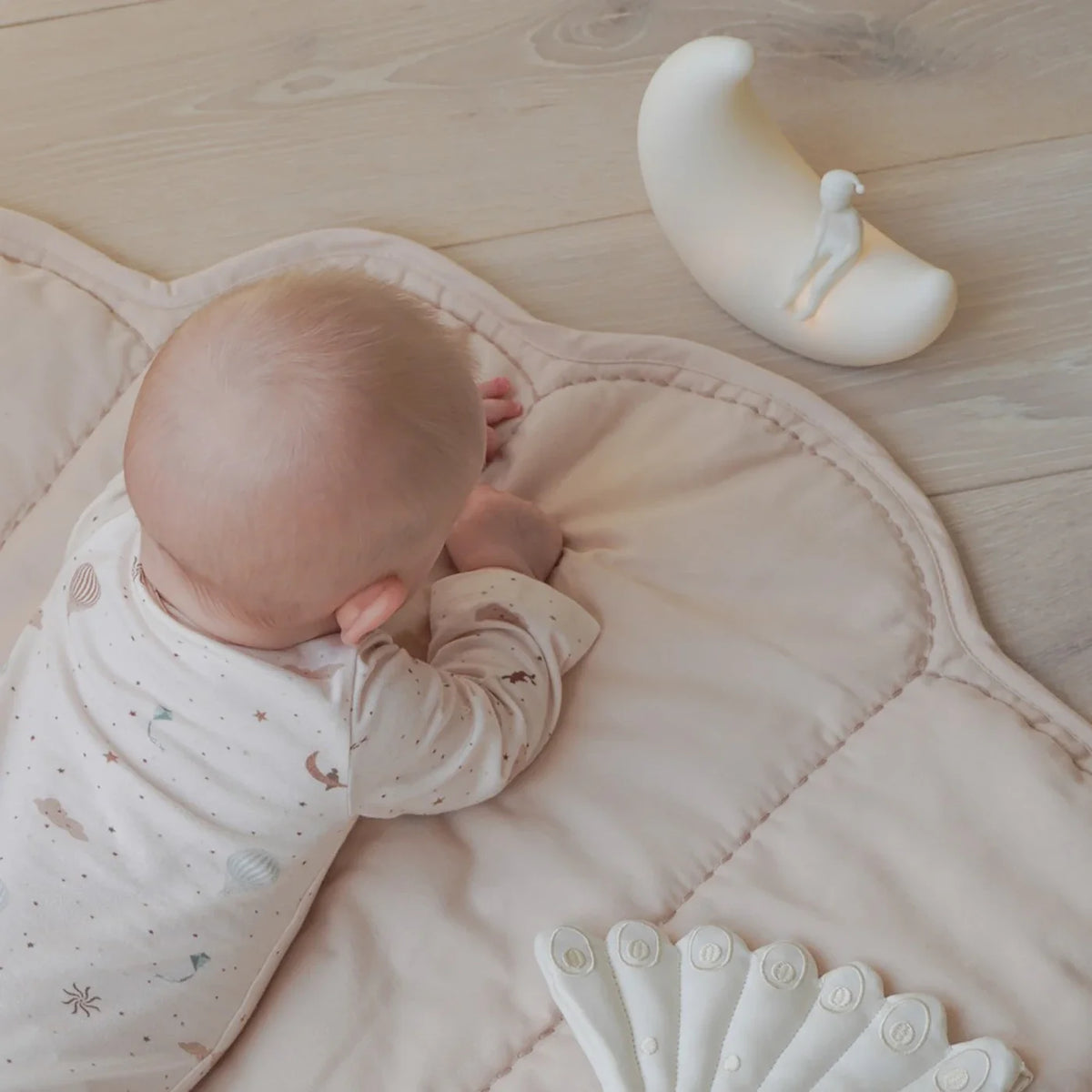
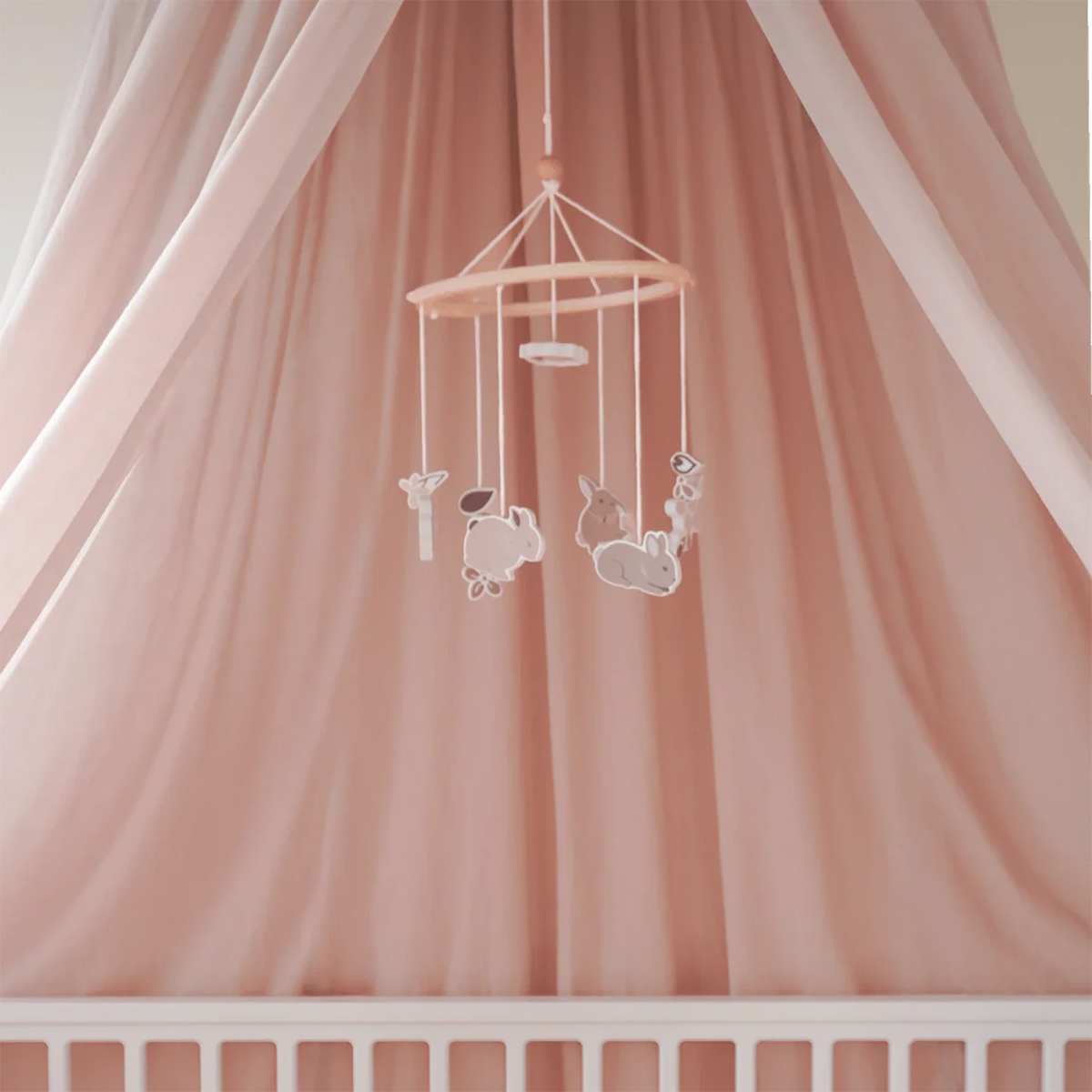
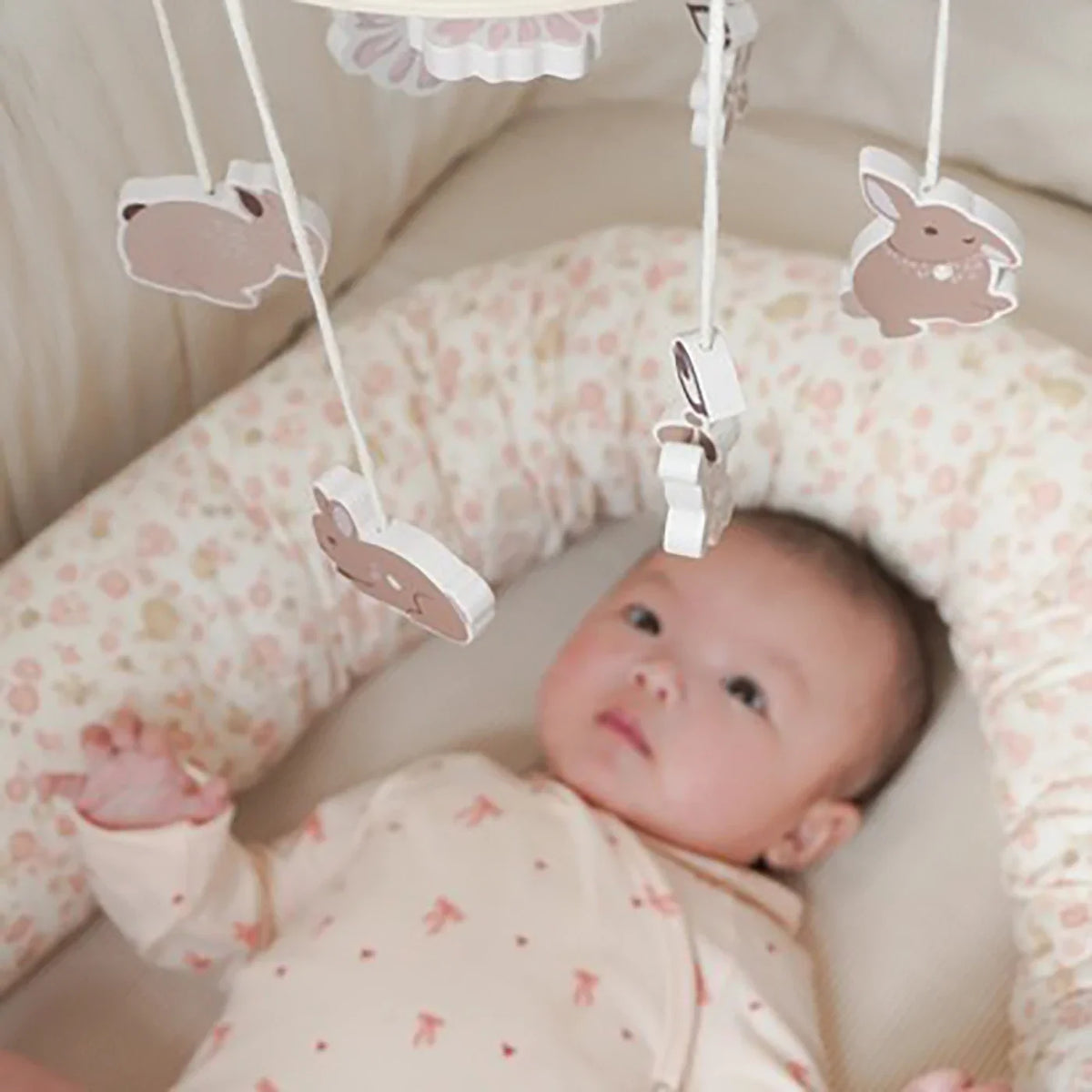
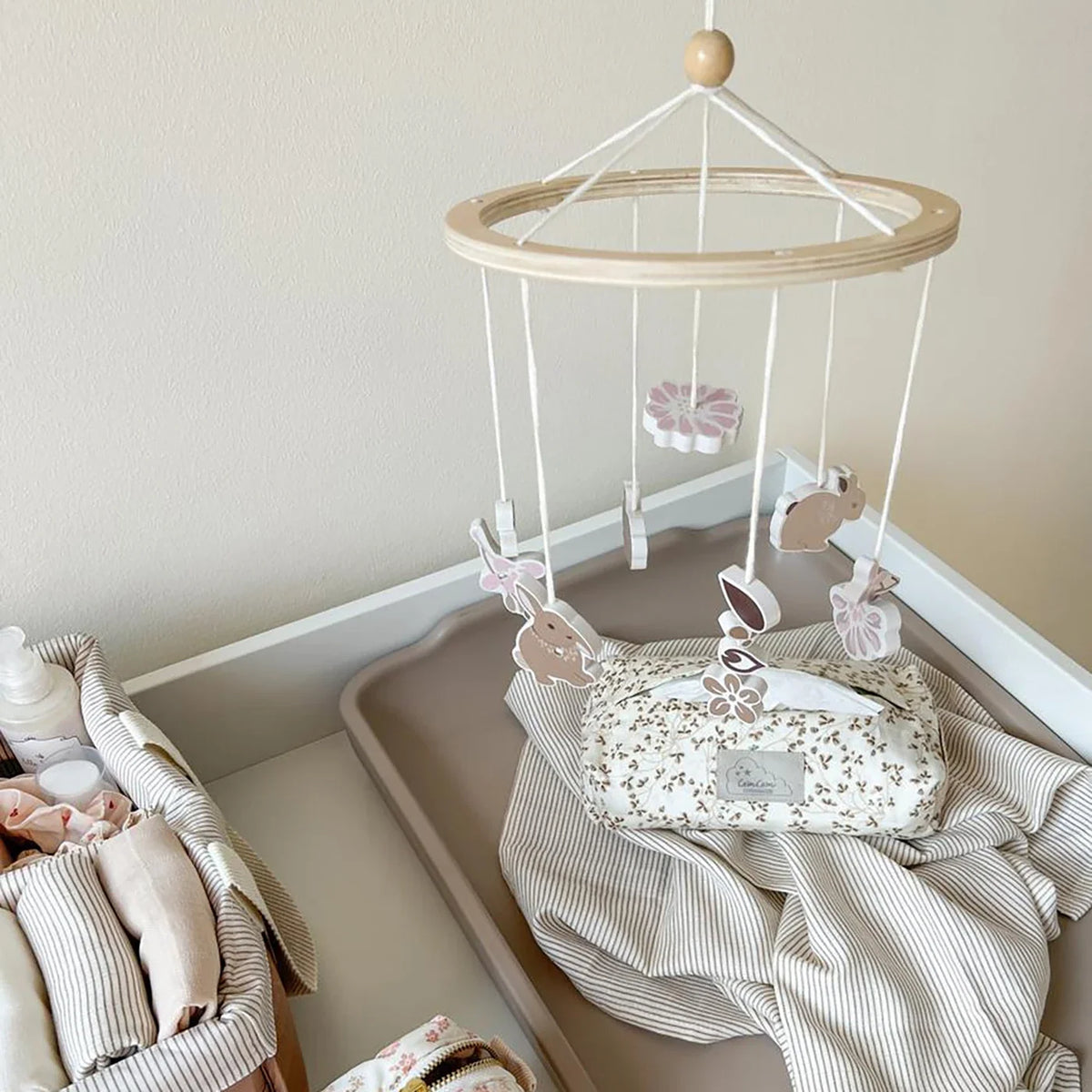
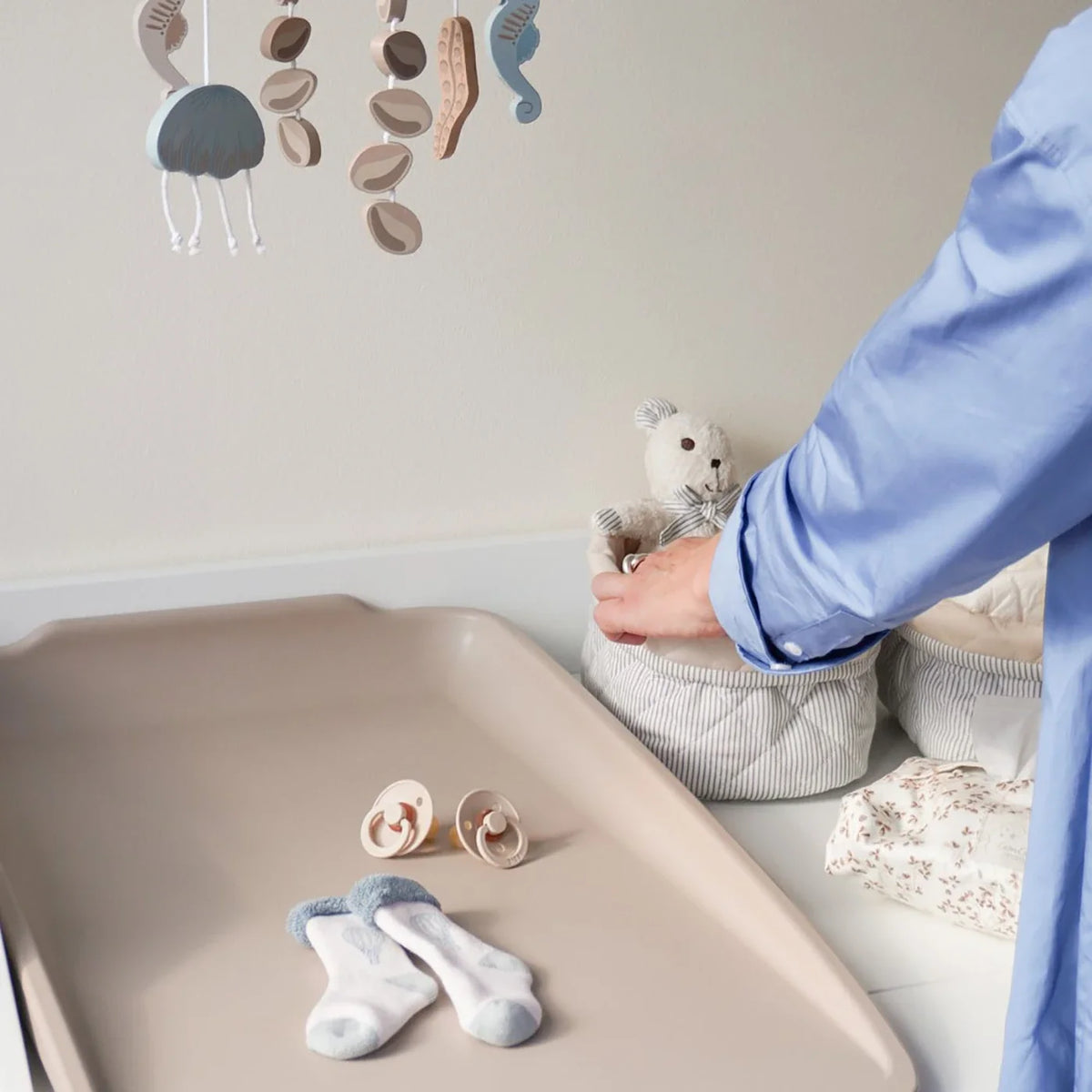
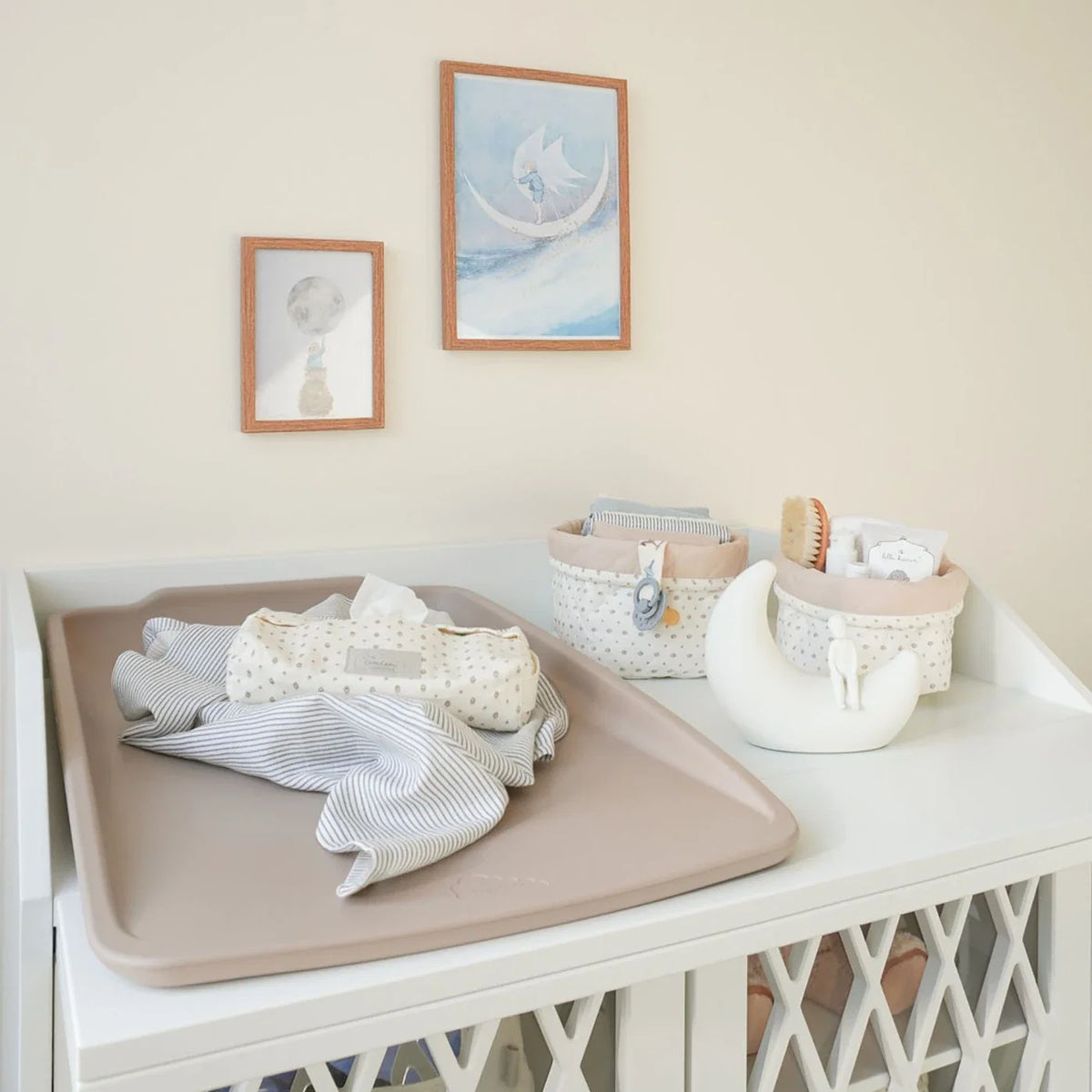
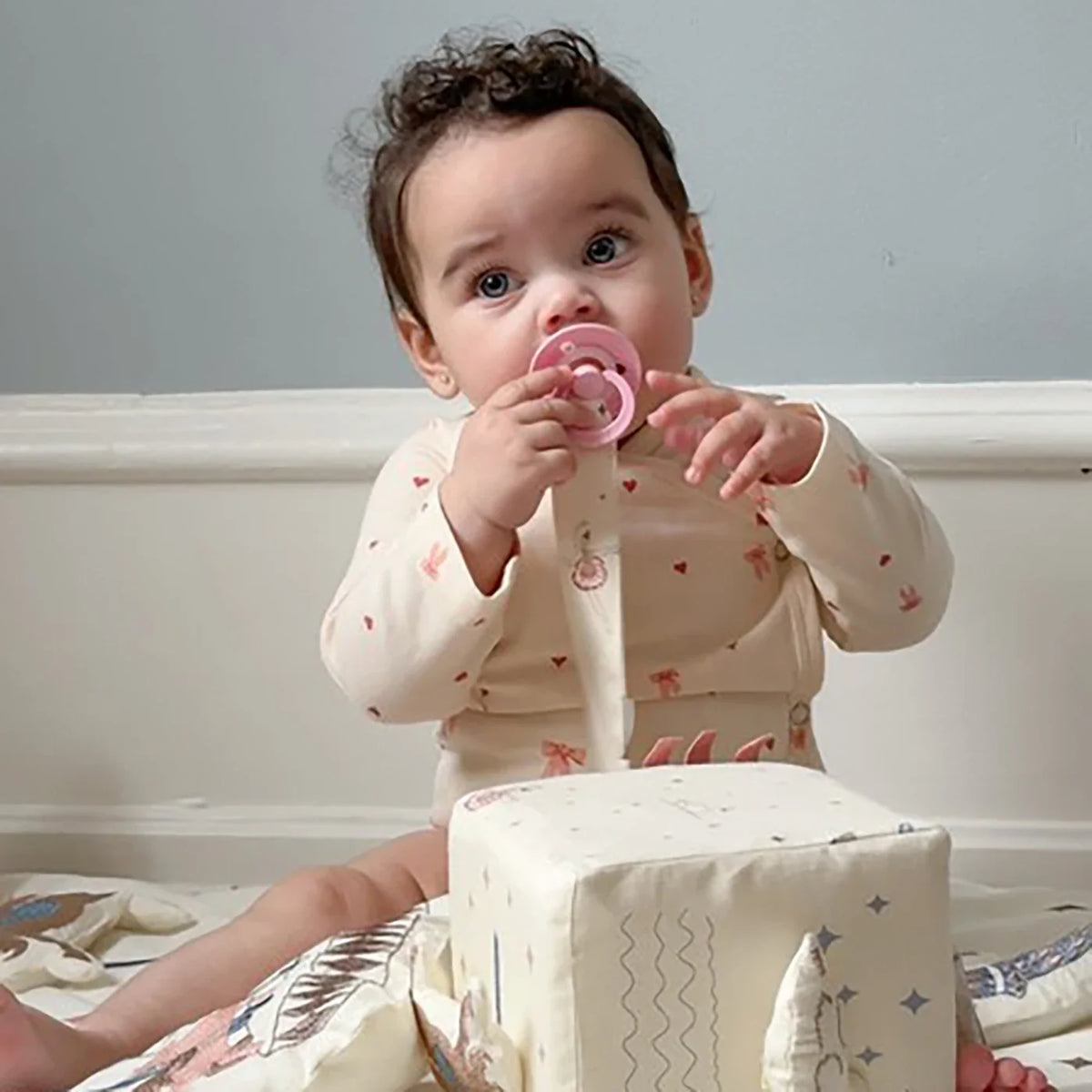
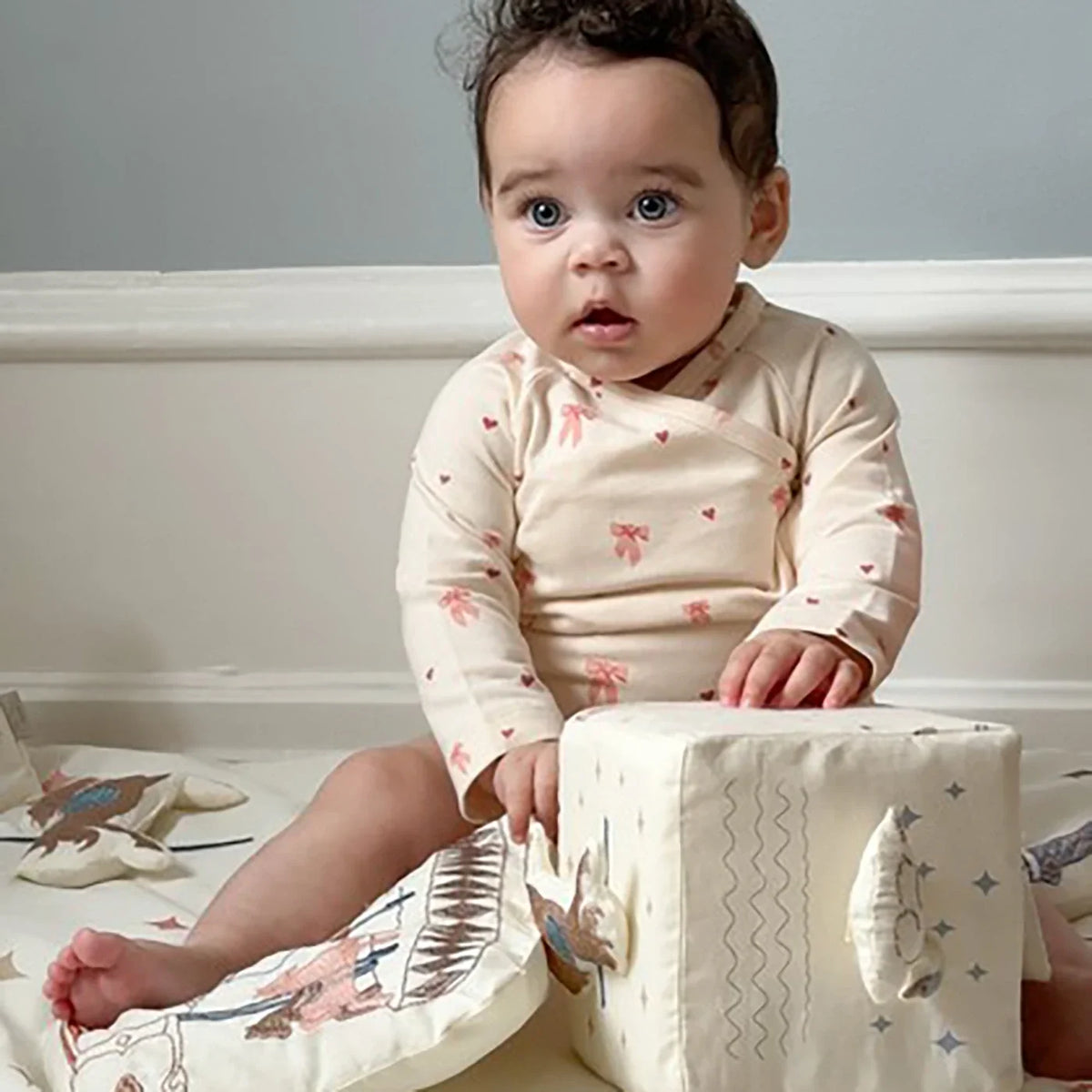
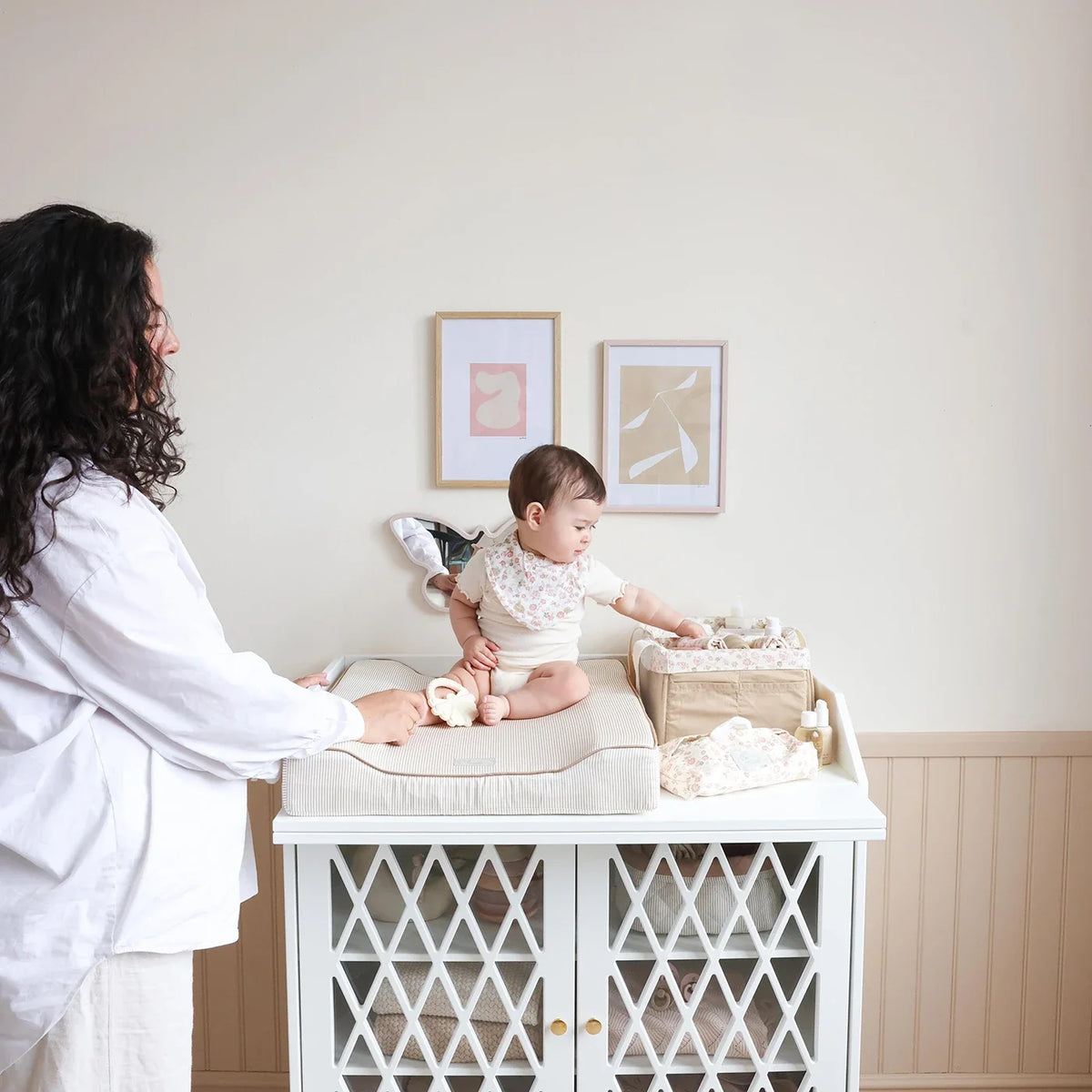
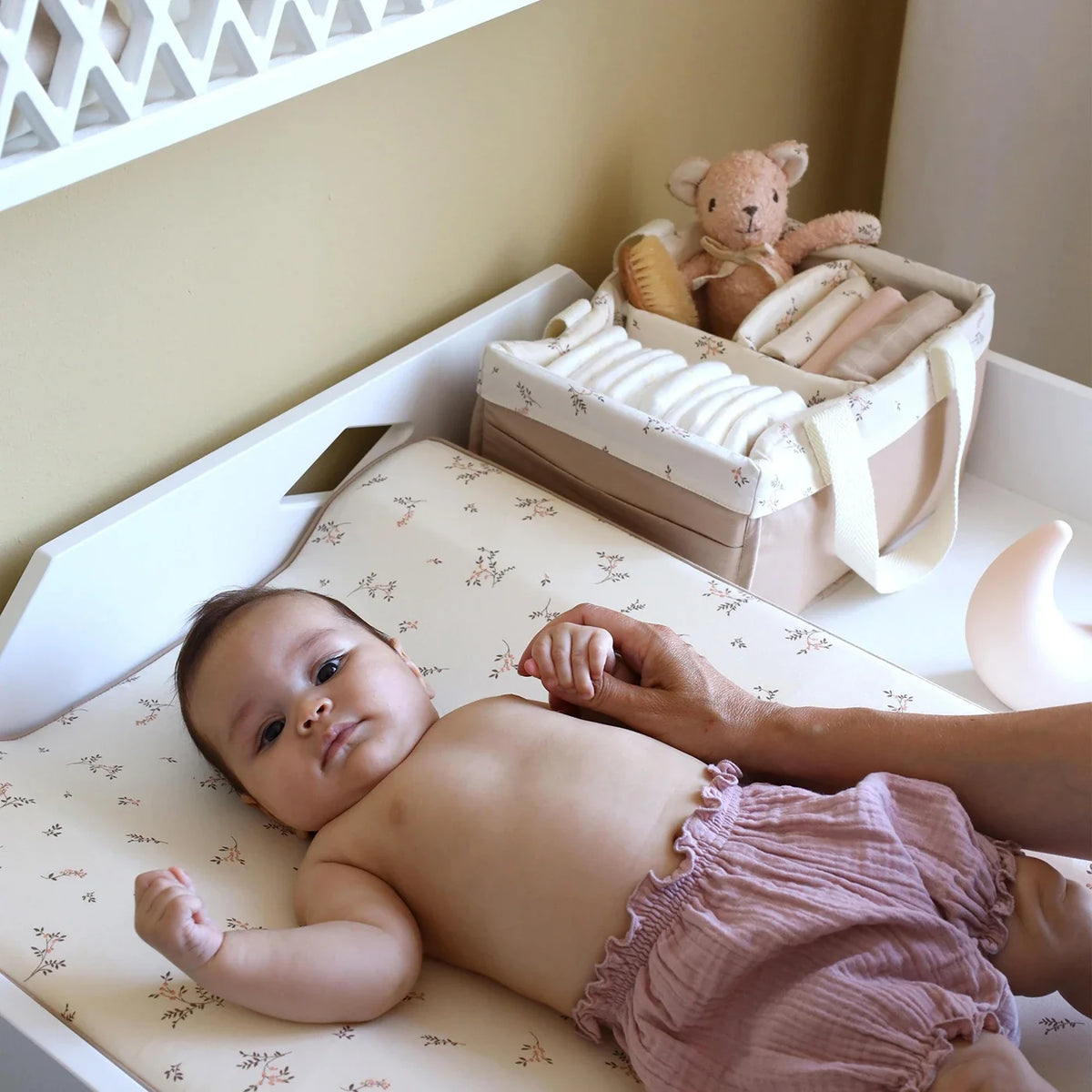
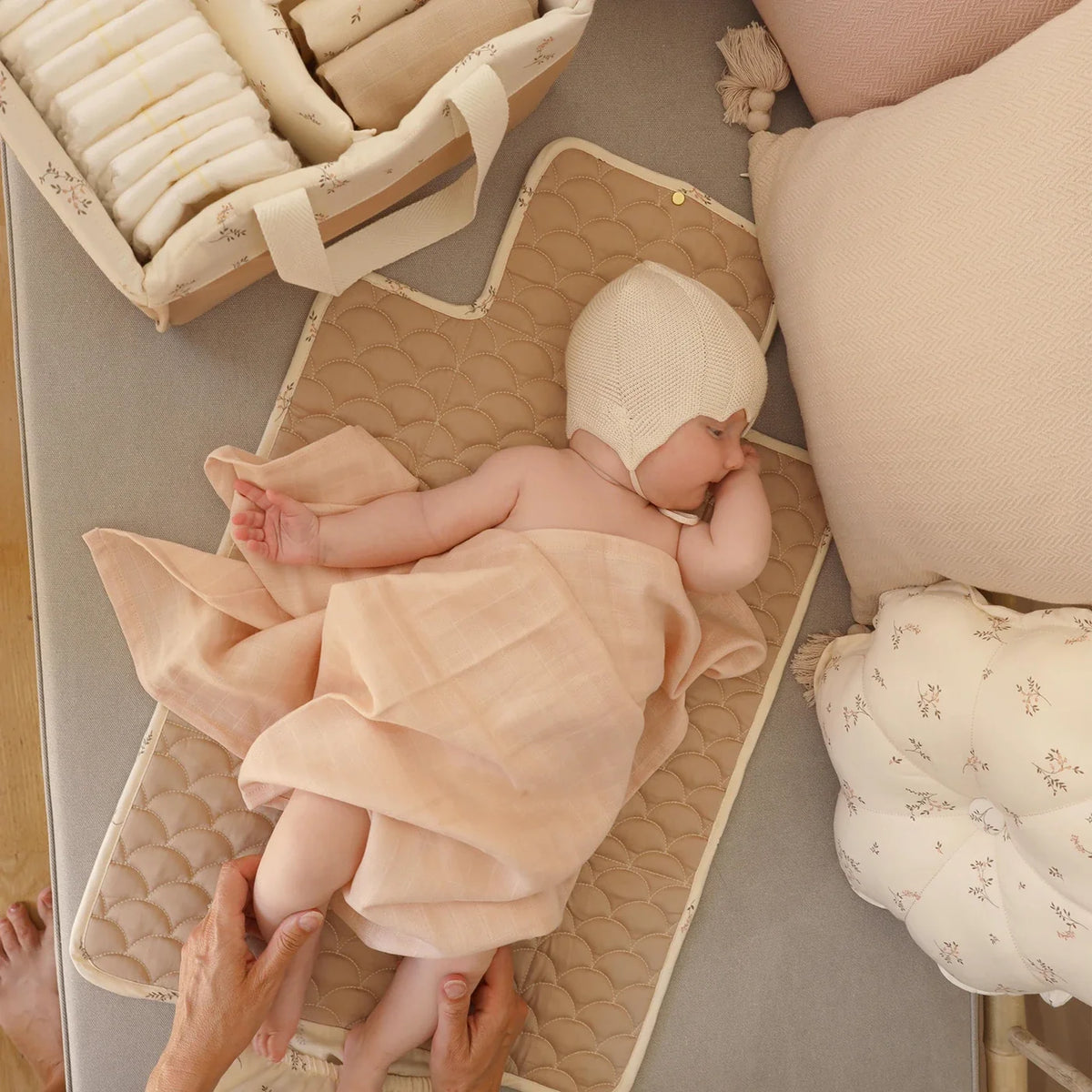
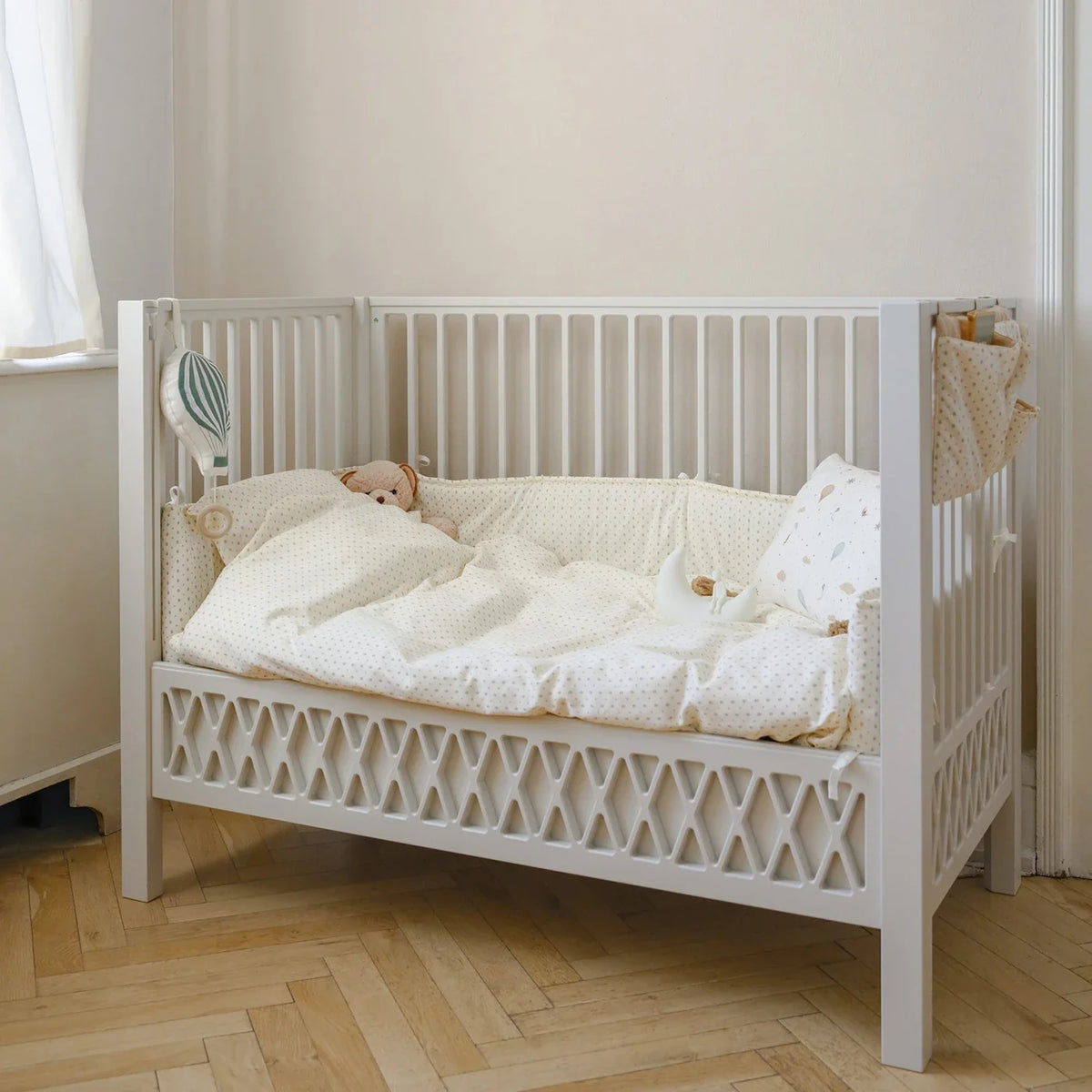
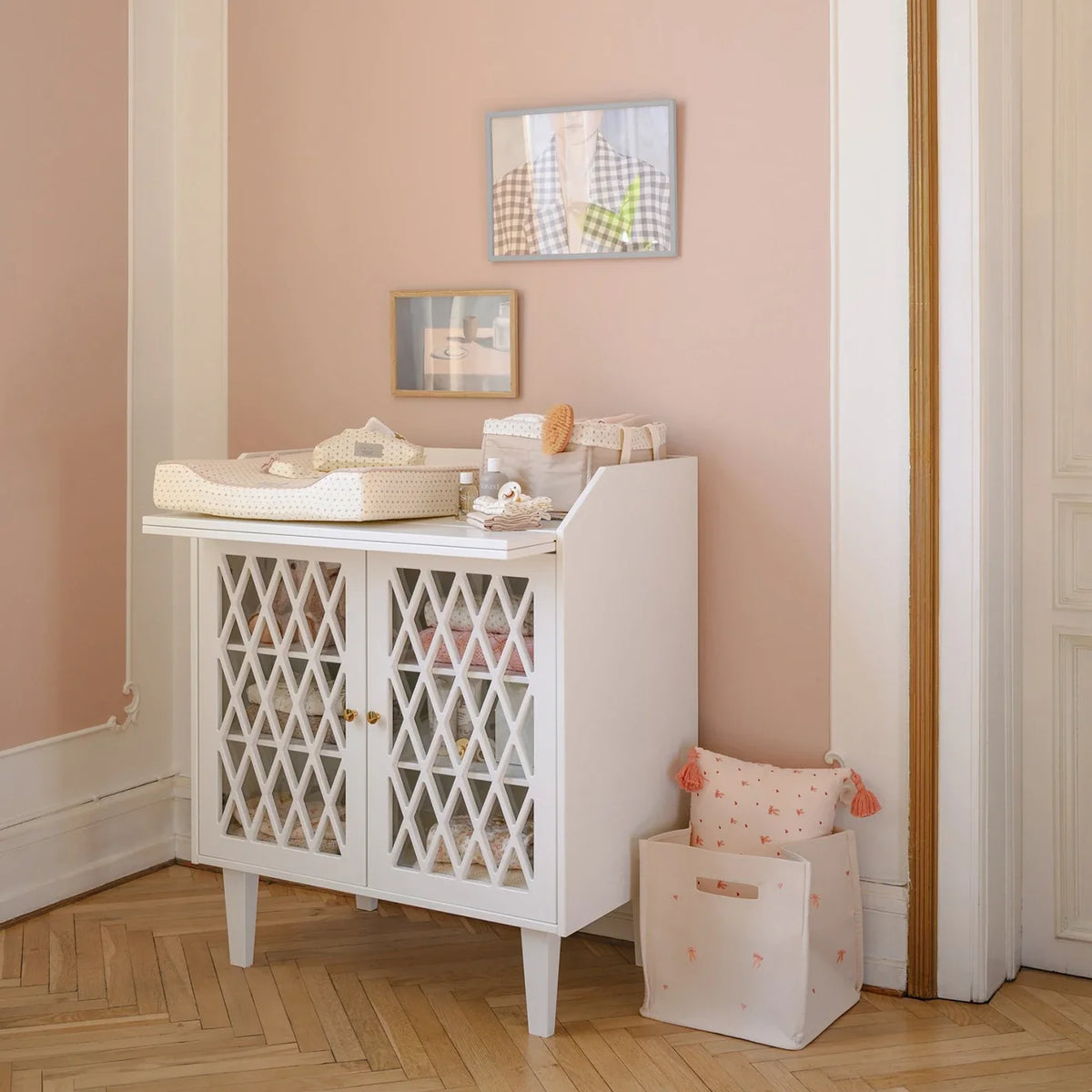
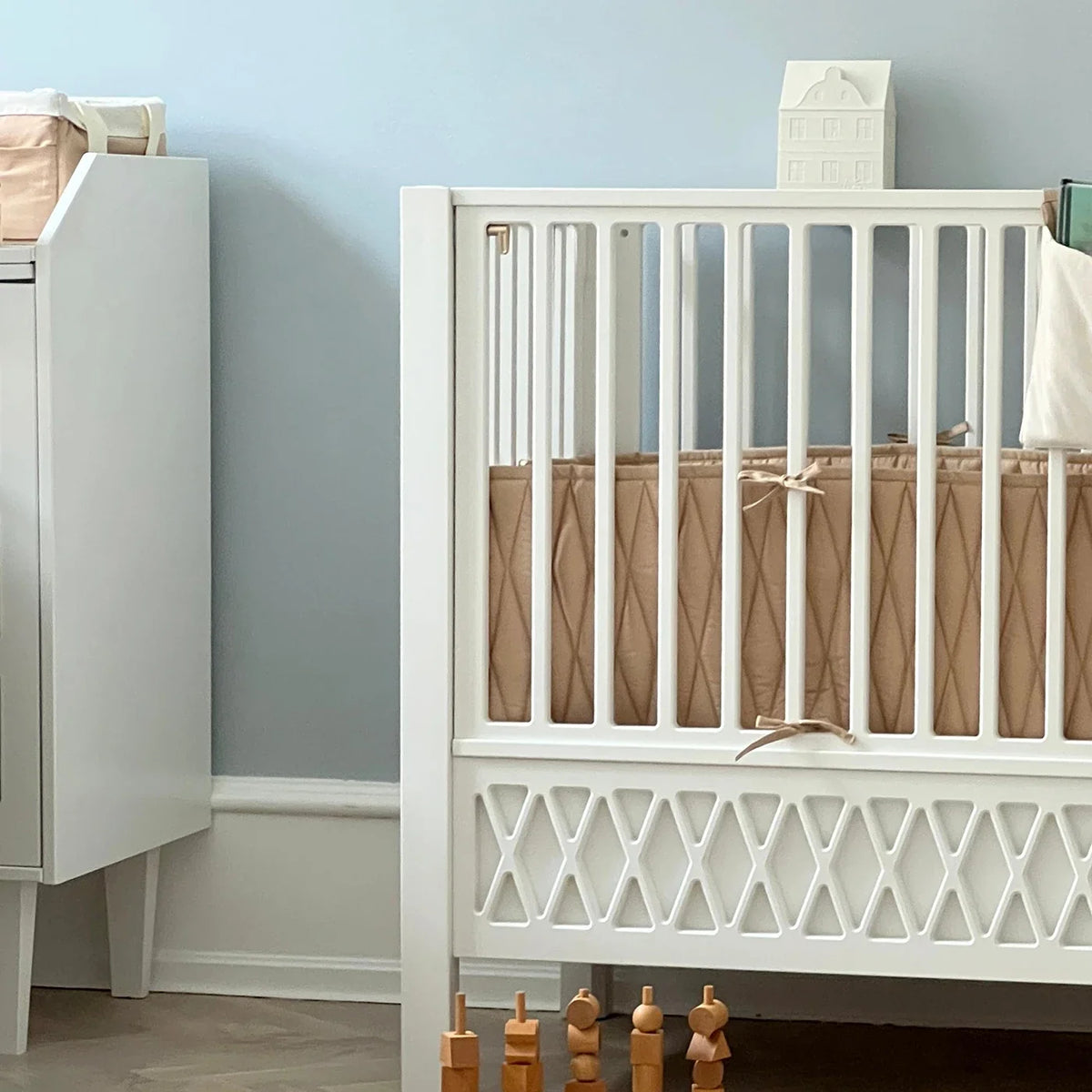
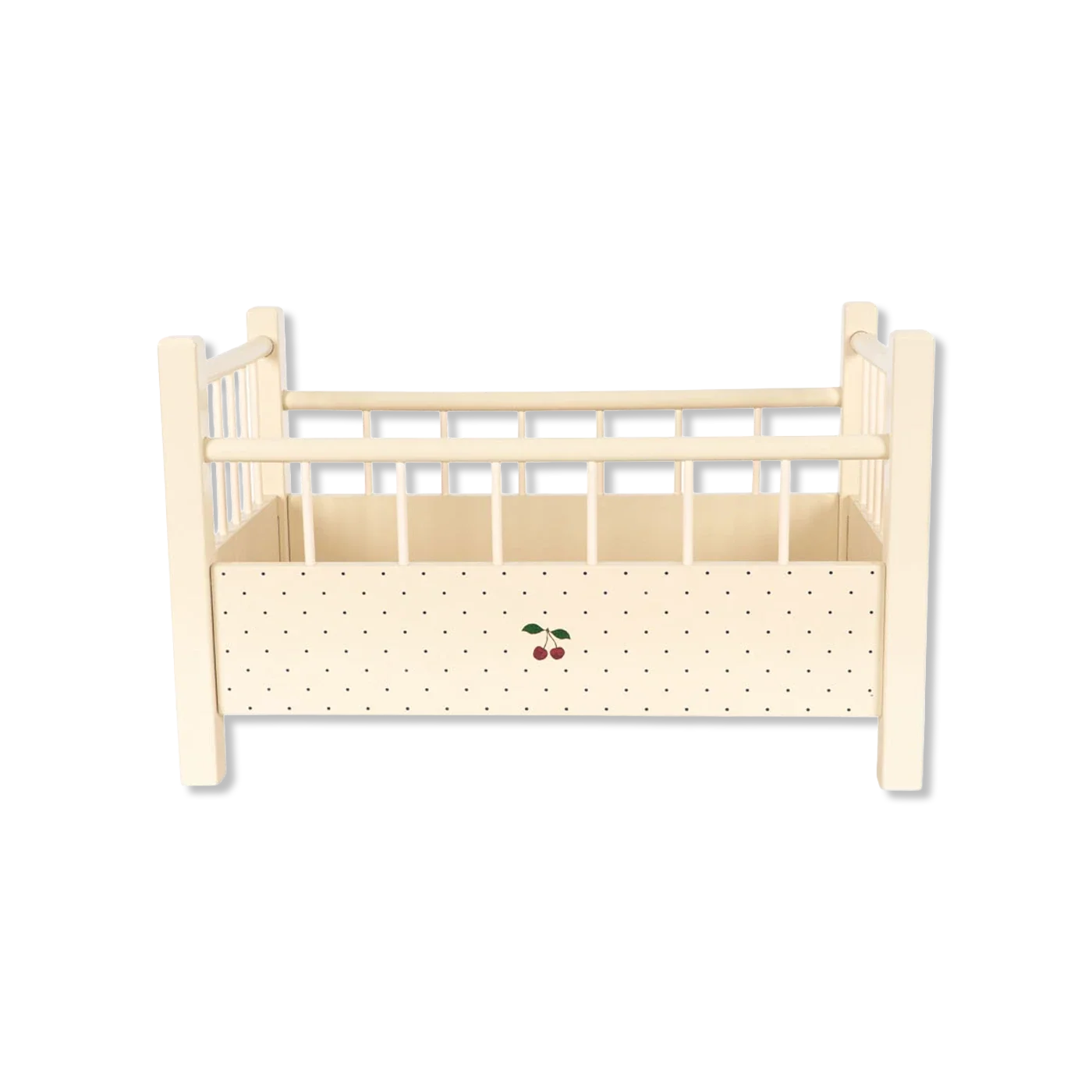
A room for a baby will naturally look different from a room for an older child. For the youngest children, it is especially about sleep, calm and the practical routines of everyday life. A safe sleeping space, soft textiles, gentle lighting and storage for the things you use every day all make very good sense here.
When your child is around 1 to 3 years old, the room often needs to support both sleep and more active play. Storage quickly becomes important, as toys, books and small favourites can otherwise take over the whole room. From around 3 years and up, your child's own preferences and personality also become more visible. The room may be lovely to look at, but first and foremost it needs to work for play, focus and the things your child can reach on their own.
For older children and tweens, the room changes character again. Personal style, reading corners, a desk area and more flexible solutions often become more important. Some things can easily grow with the child, such as storage, shelves and selected furniture, while textiles, colours and smaller details are often updated along the way.
Where do you start when decorating a kids' room?
If you are unsure what a kids' room actually needs, it can help to start with what the room should be able to do. Think in small zones rather than trying to finish everything at once:
Typically, start with the most important functions:
- a sleeping area with bed, duvet, pillow and suitable textiles
- storage for clothes, toys and small everyday items
- lighting that works for both calm moments and activity
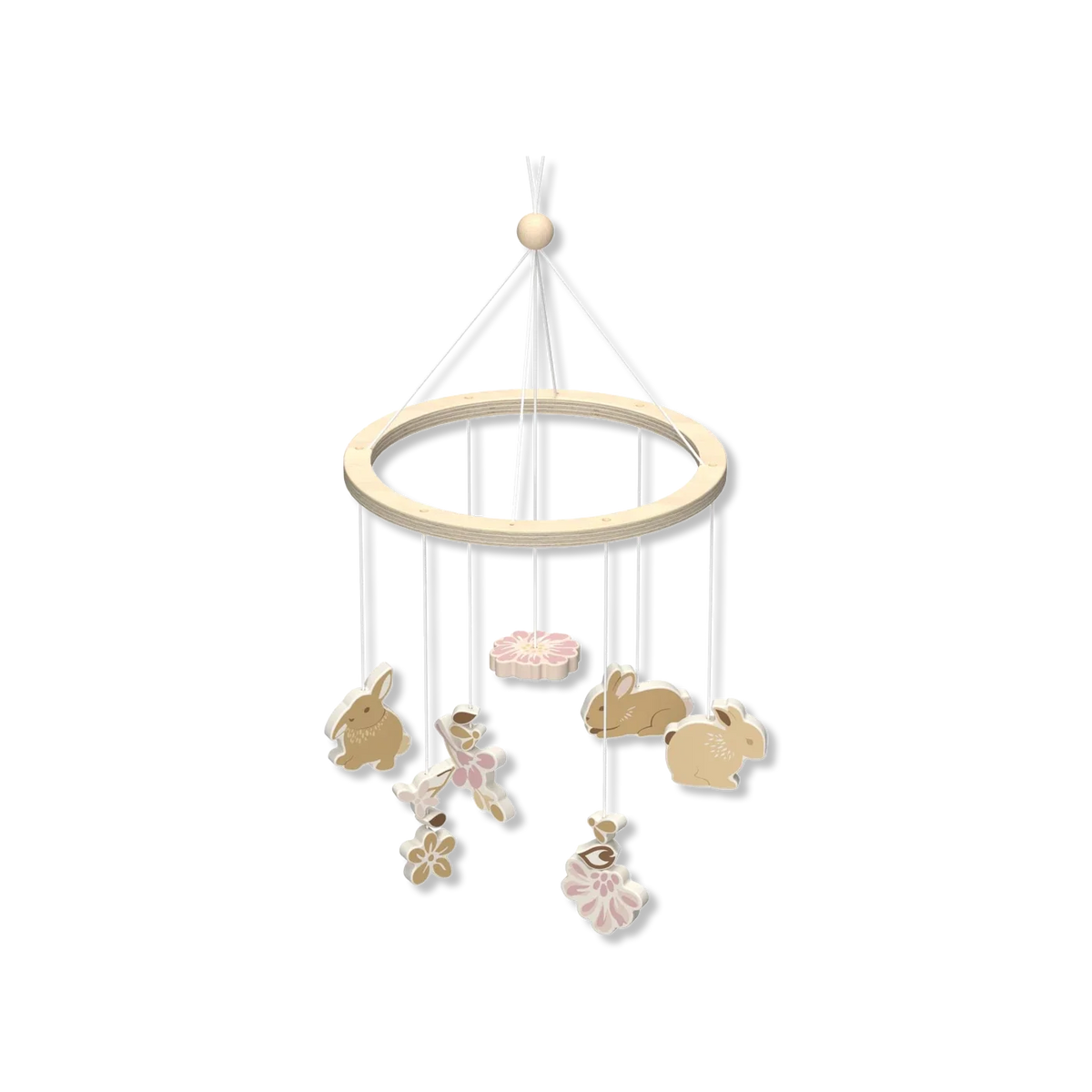
- small details that make the room feel personal
This way of approaching the room makes it easier to build it up at a pace that suits your family. Very few people need to complete everything at once, and often this is also the solution that lasts best in the long run. Begin with the essentials, then add more layers with, for example, bedding, blankets, posters or other things that make the room pleasant to be in.
At the same time, it becomes easier to avoid buying things that do not really work. A kids' room rarely functions well if you only focus on how it looks. Fortunately, practical choices do not have to feel boring. Often, it is exactly the combination of storage, textiles and small personal details that brings the room together.
A kids' room with storage, lighting and textiles that create calm
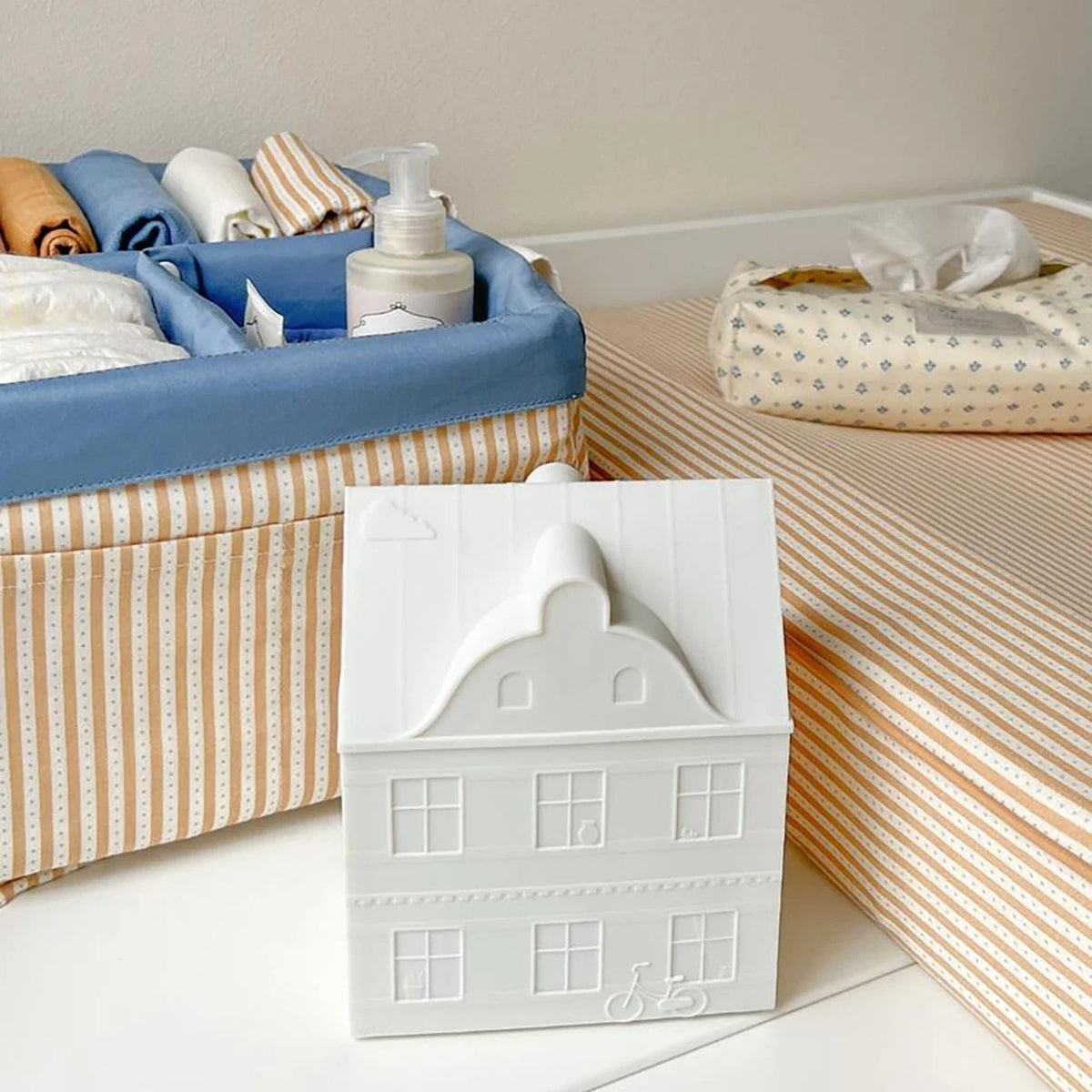
When a kids' room needs to work well in everyday life, three things in particular make a big difference: storage, lighting and textiles. They may not always be the first things you think of, but they are often what create a calm feeling in the room.
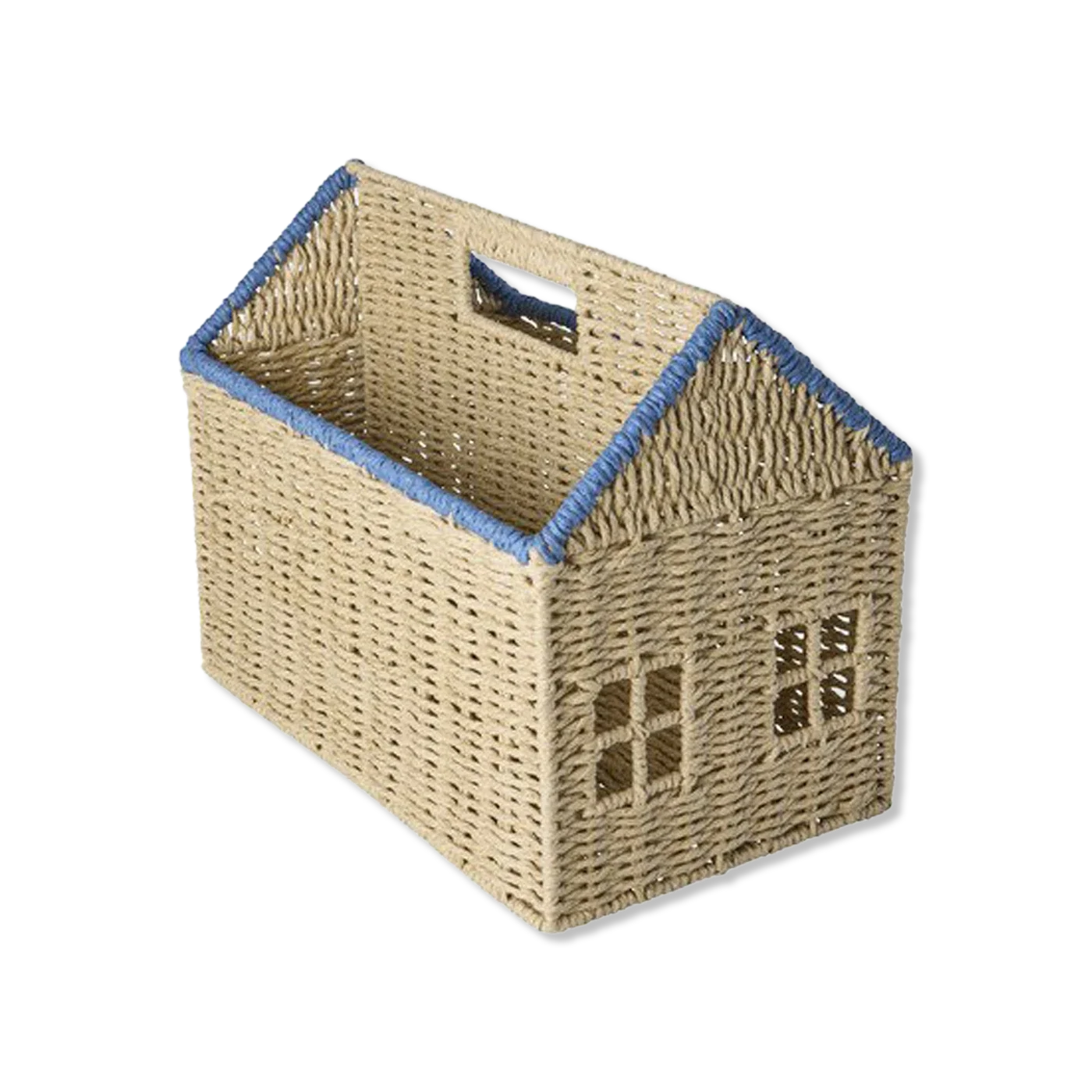
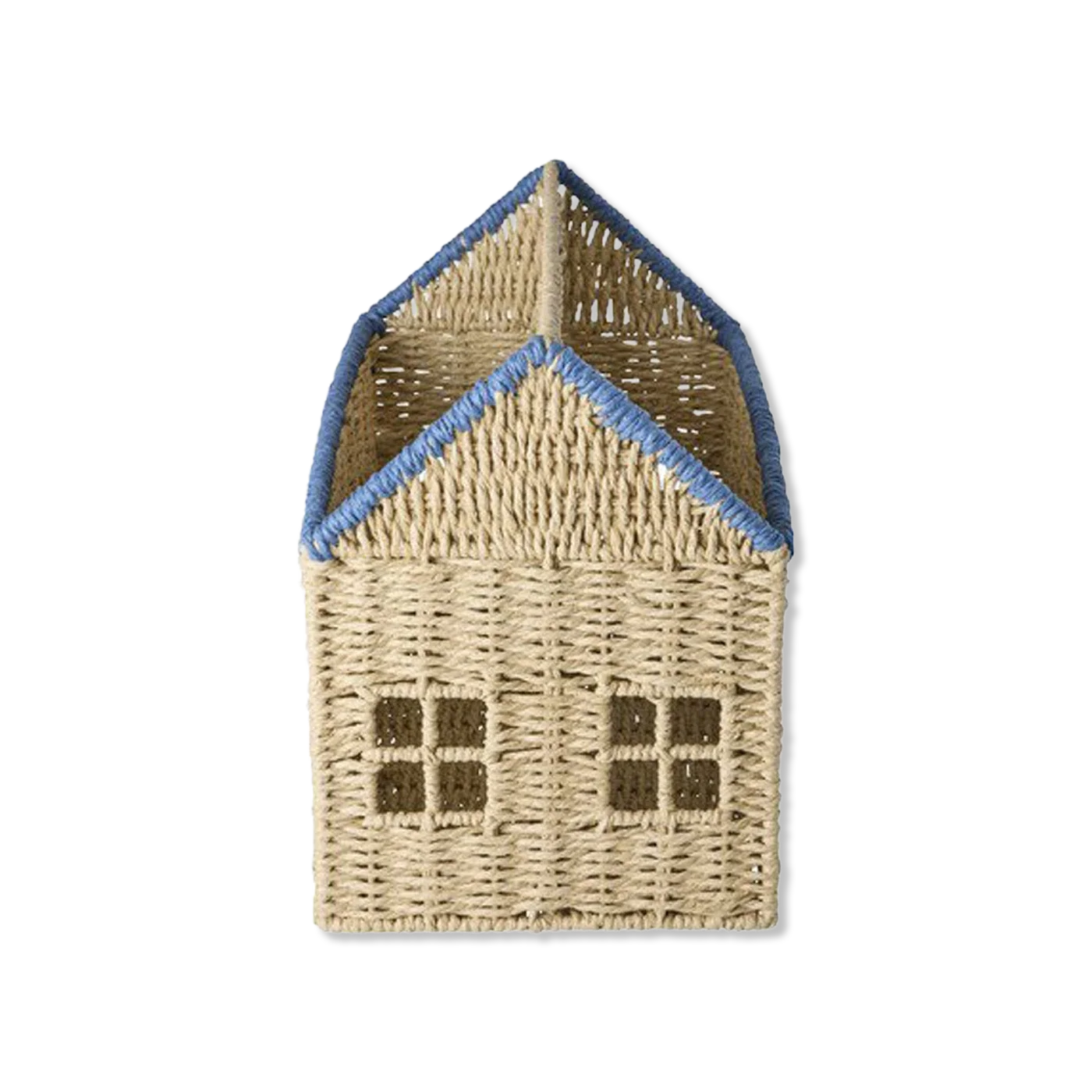
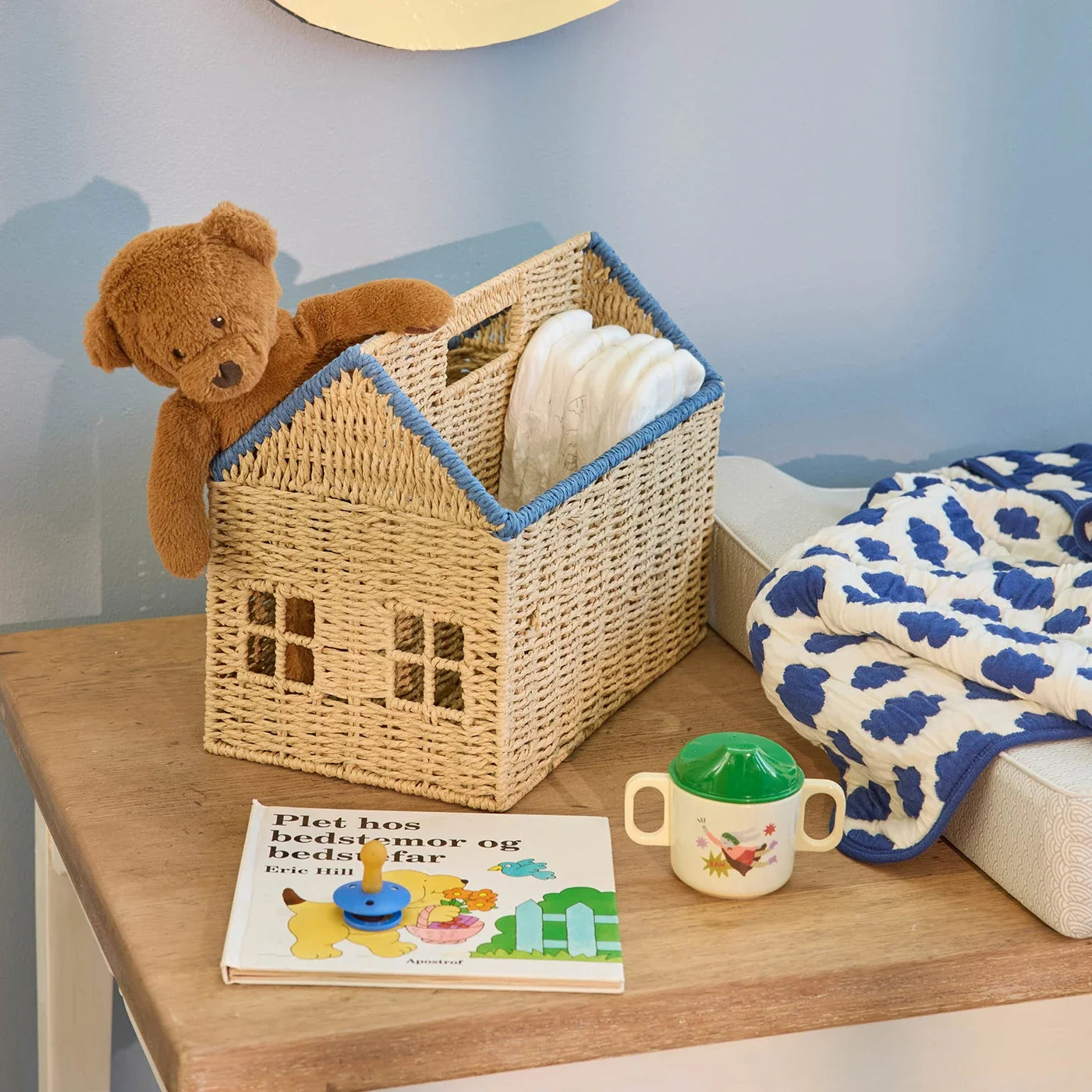
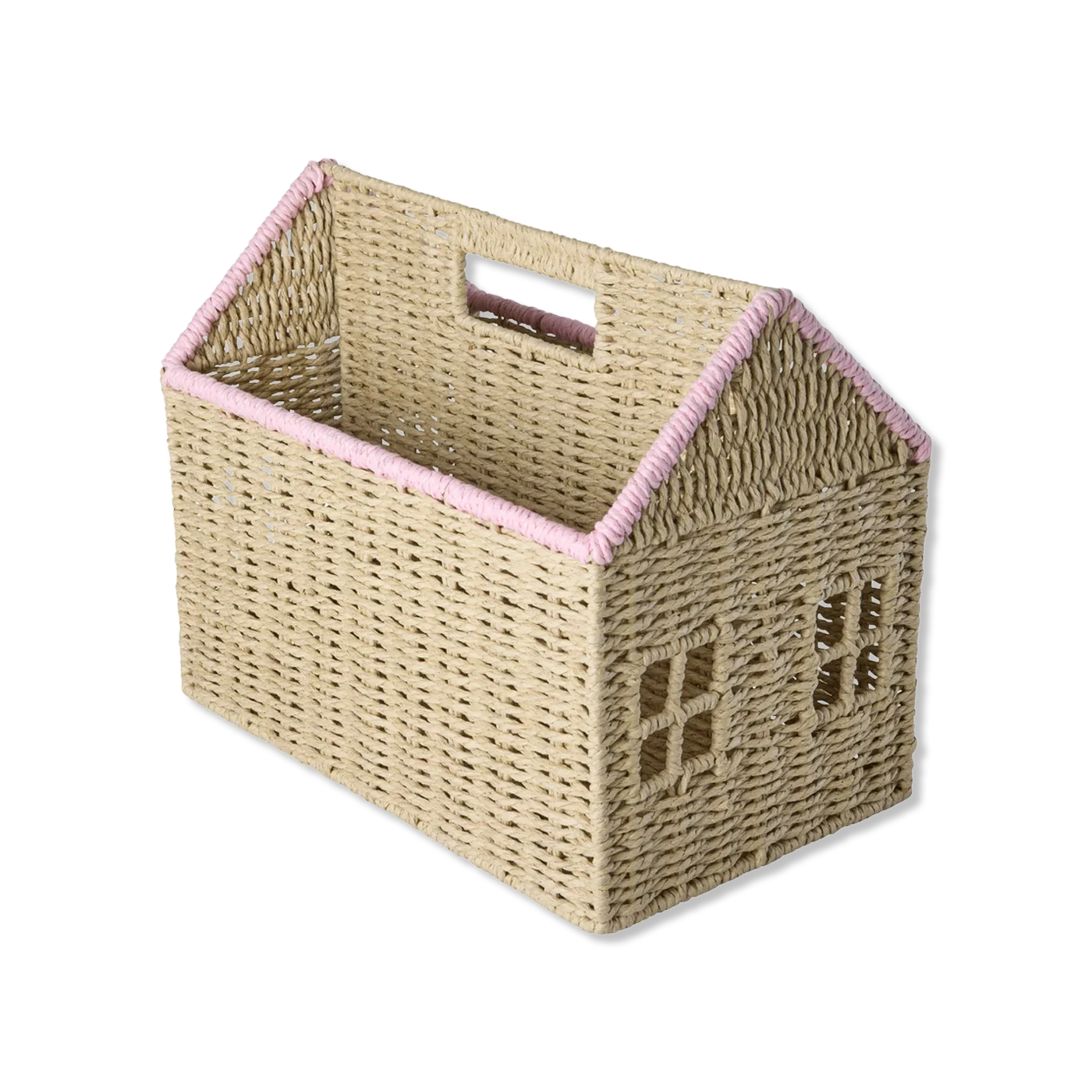
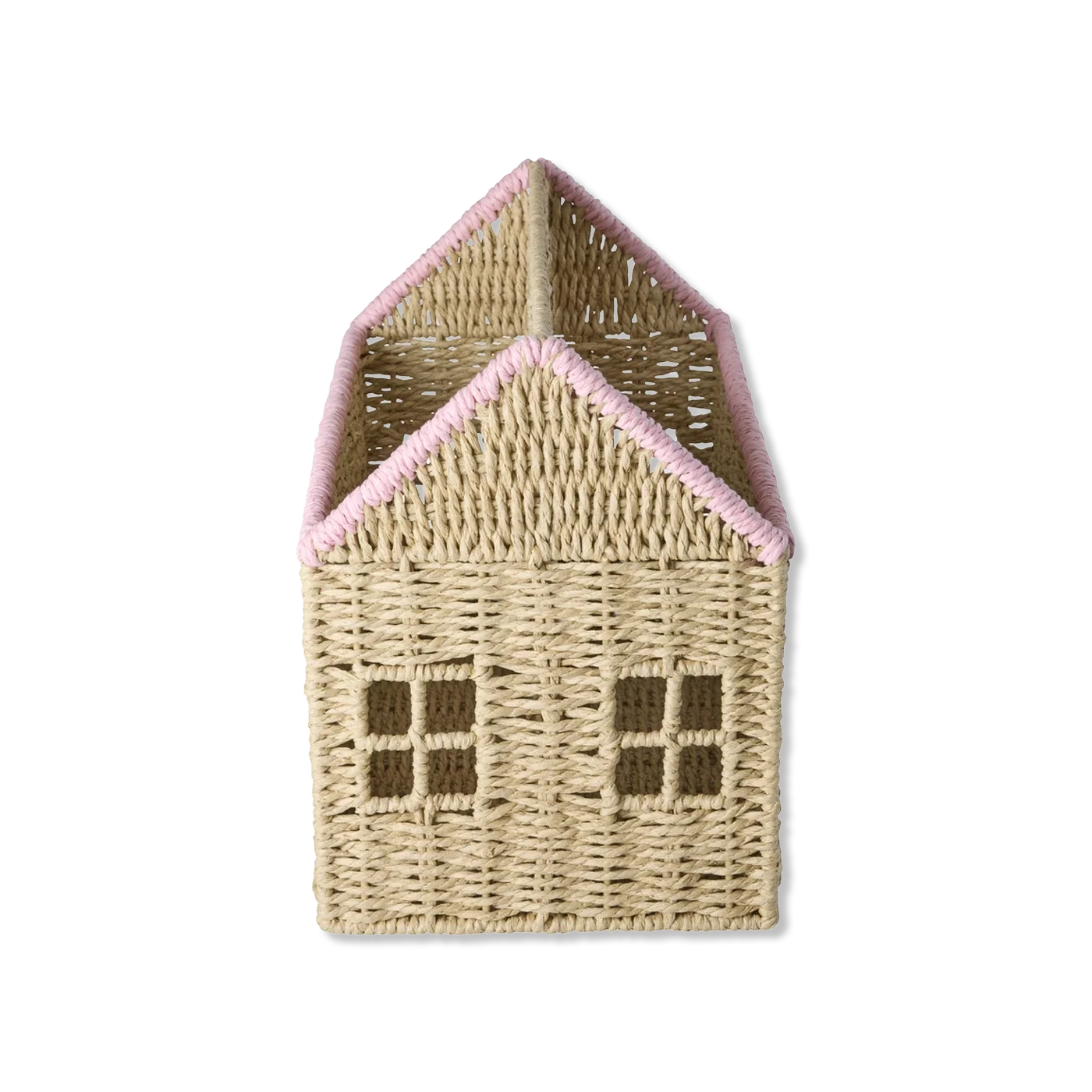
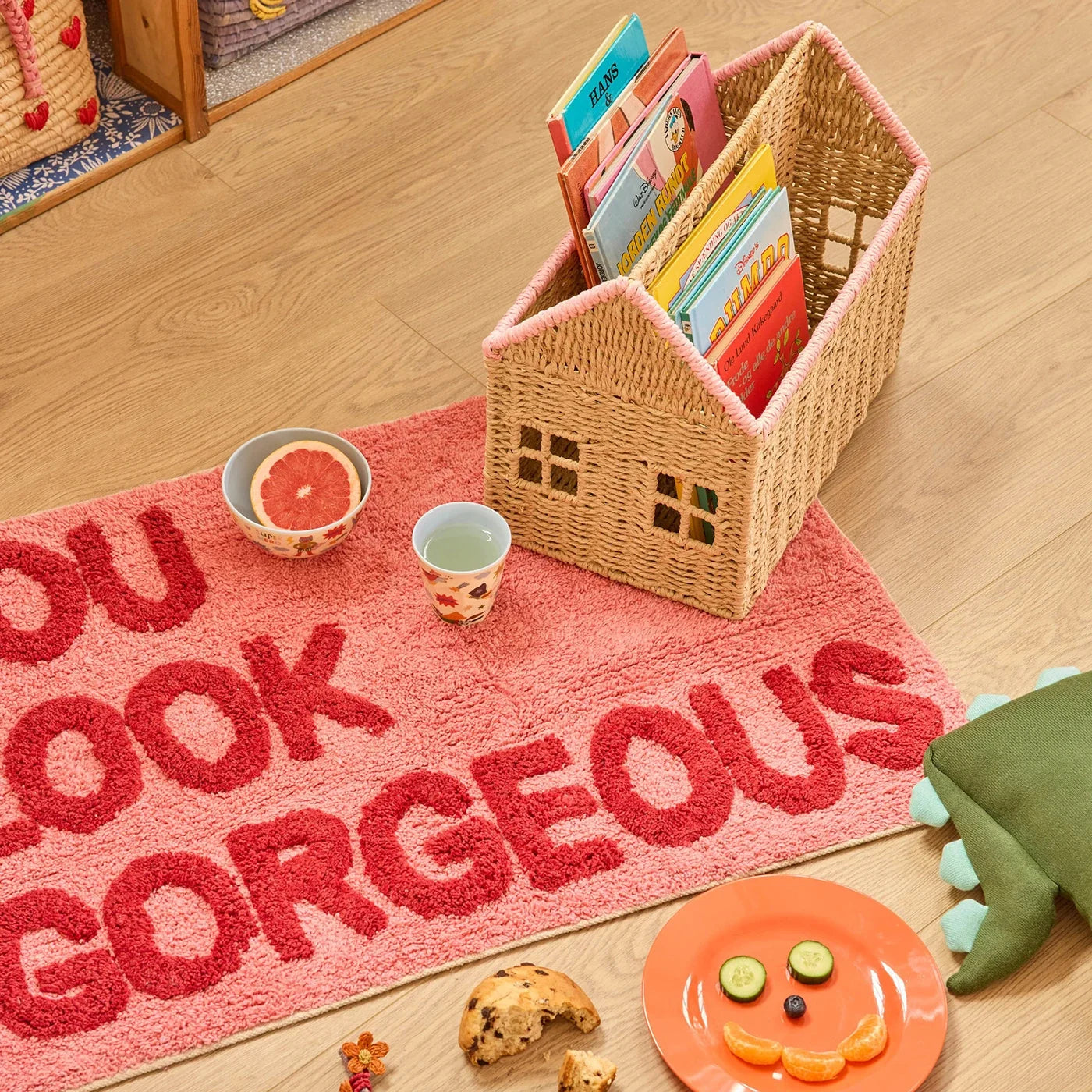
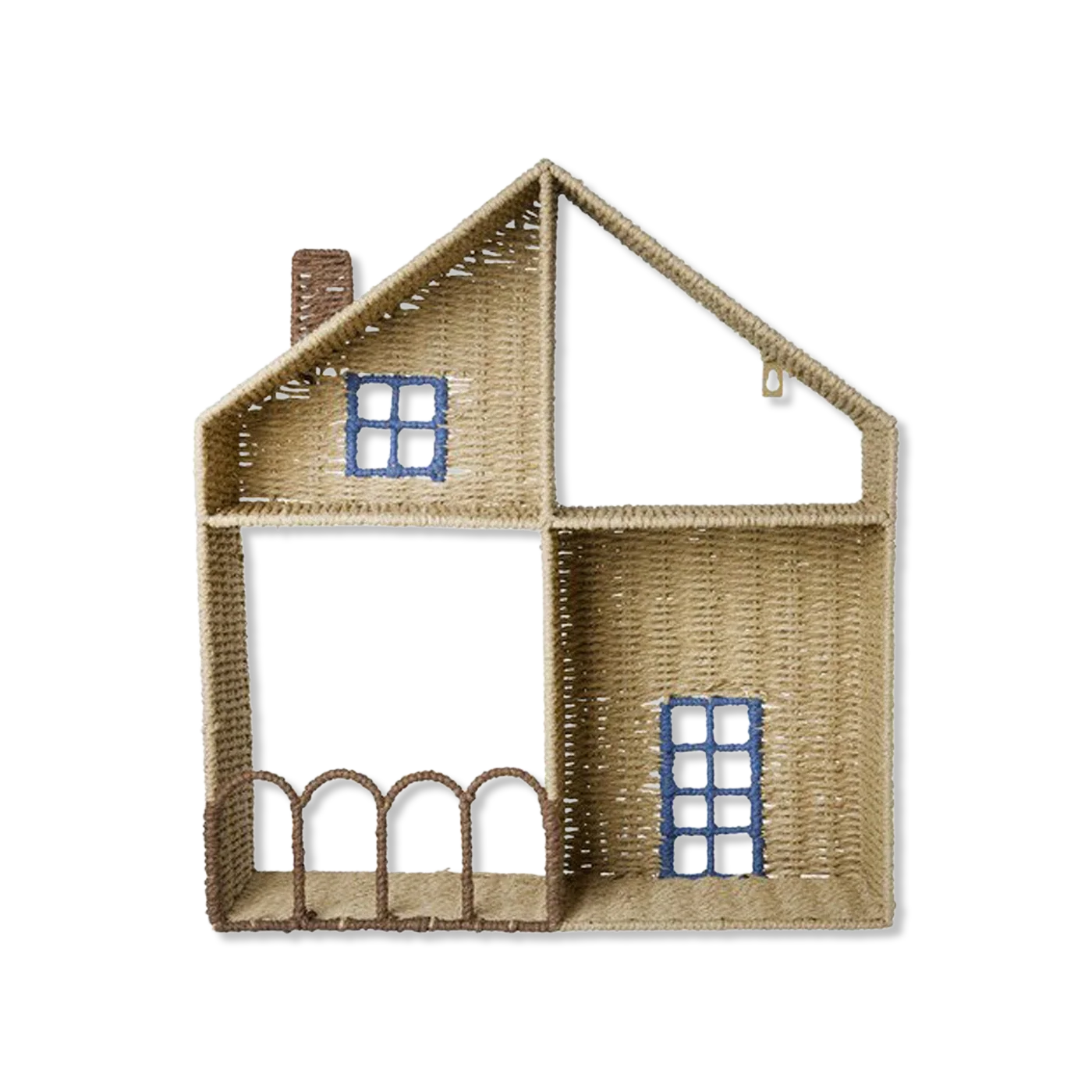
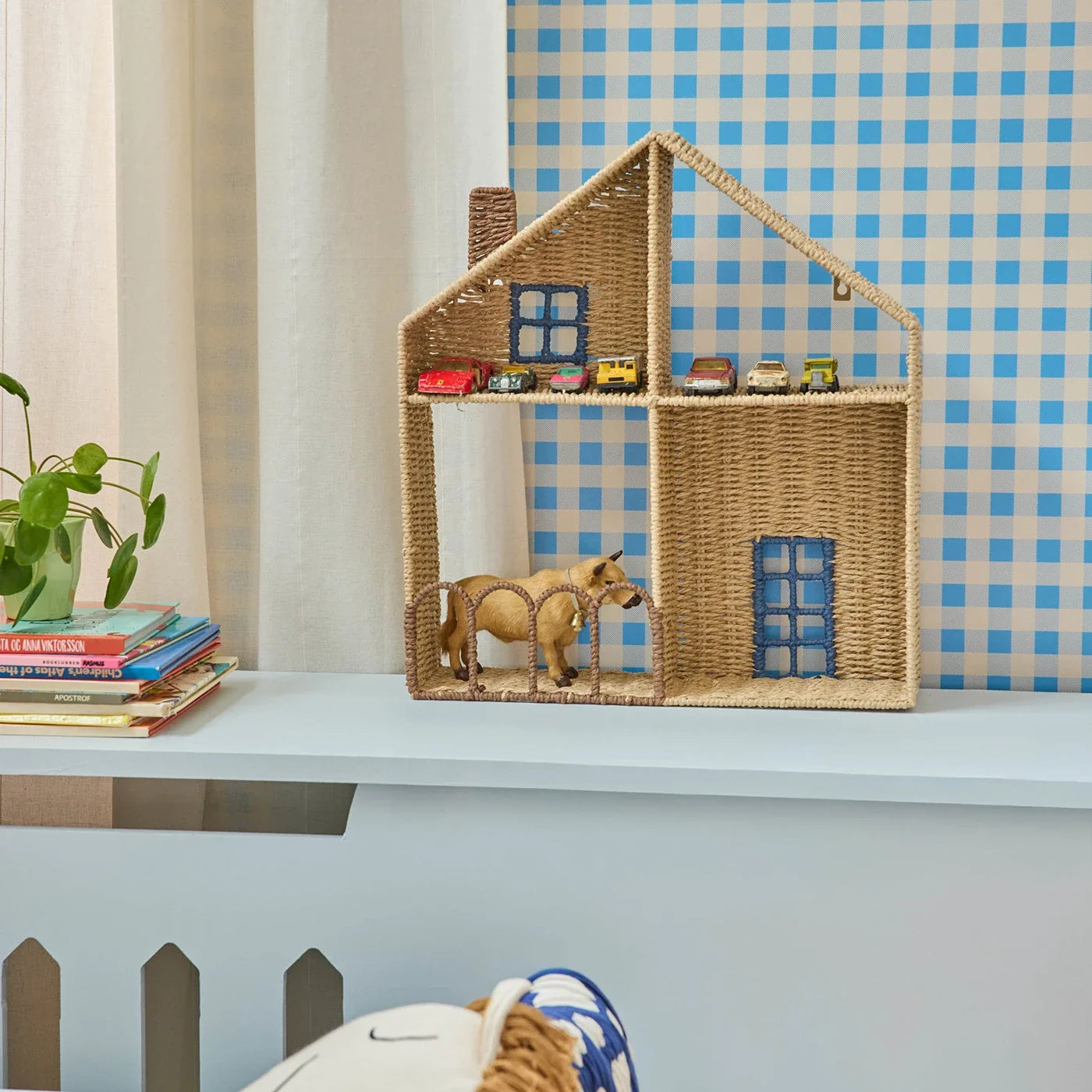
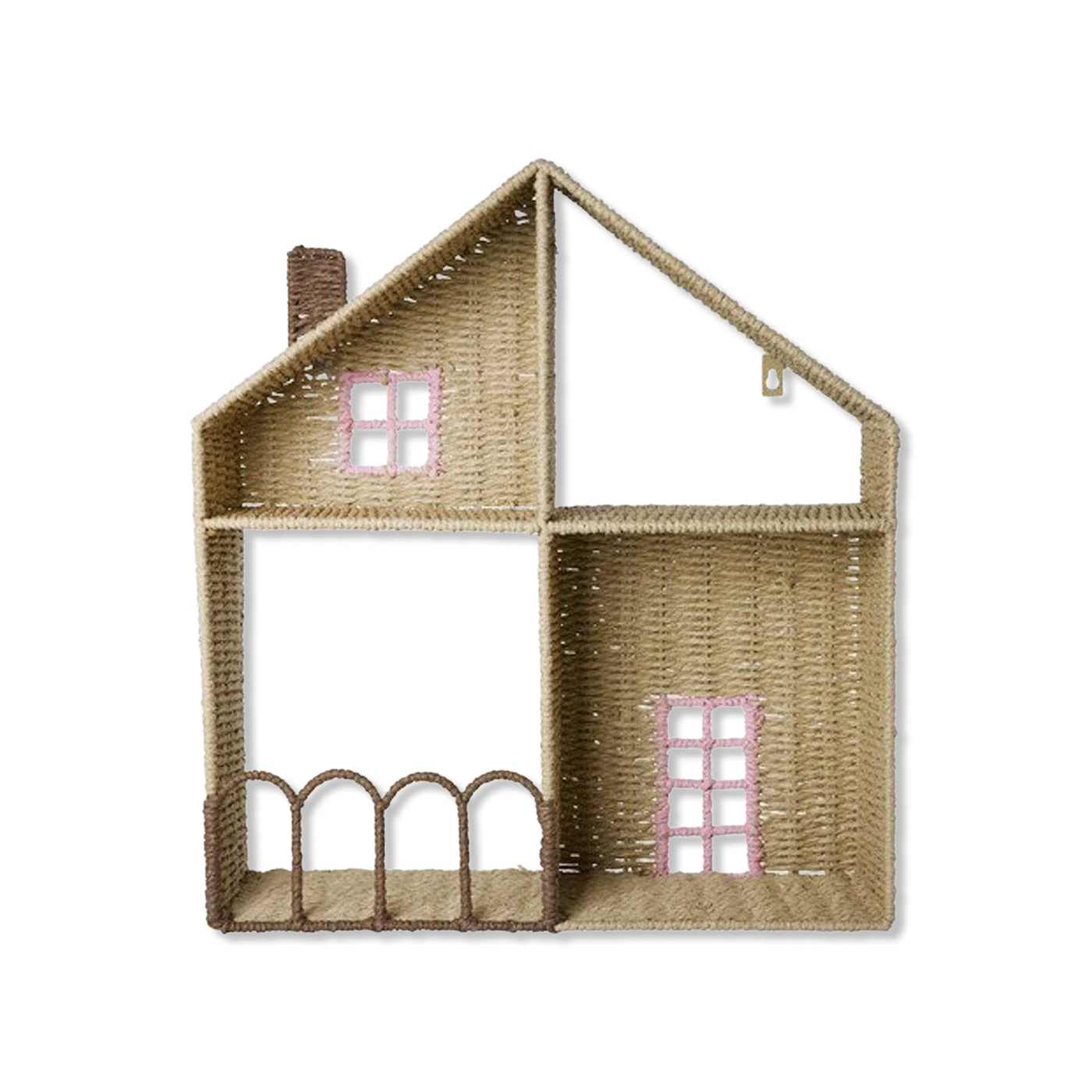
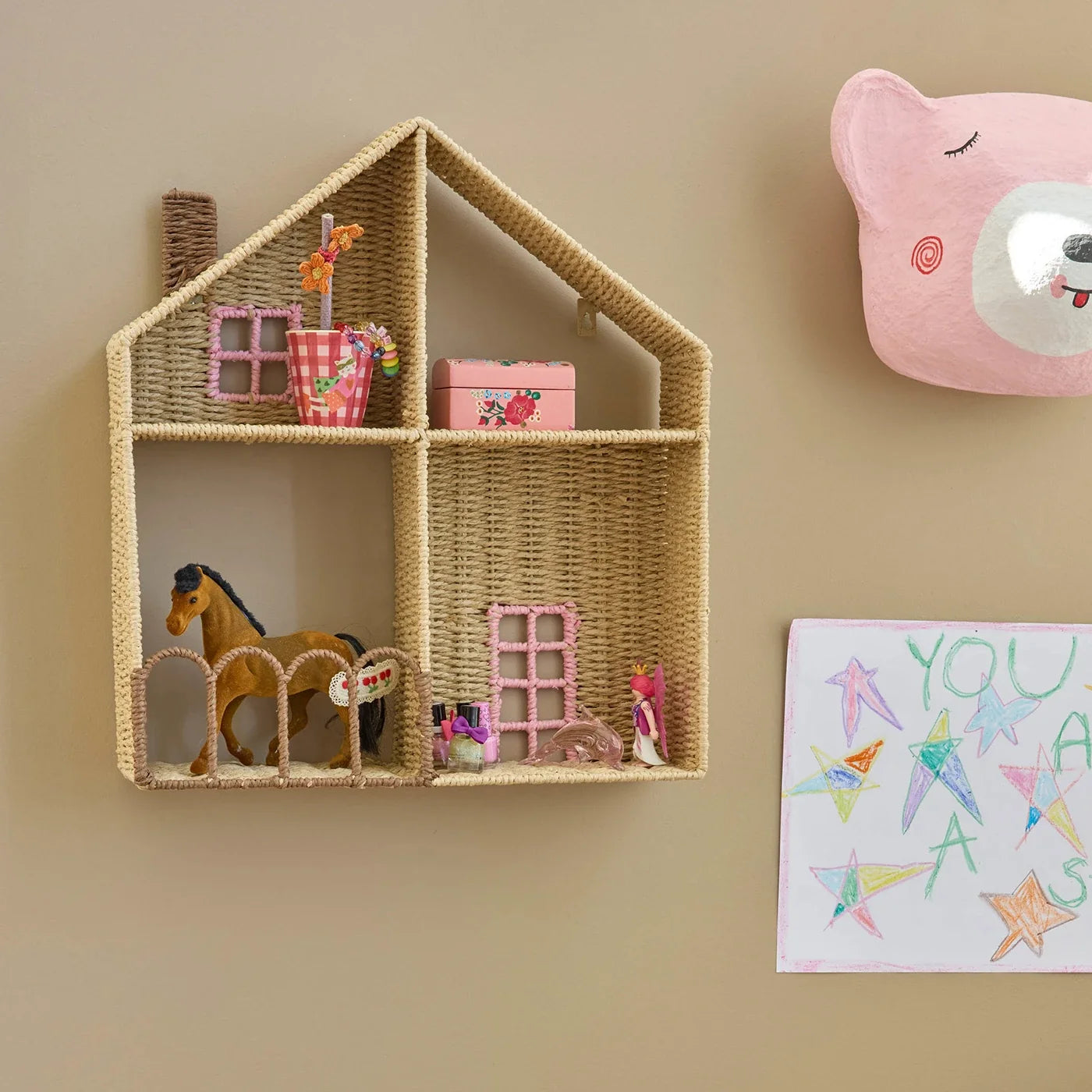
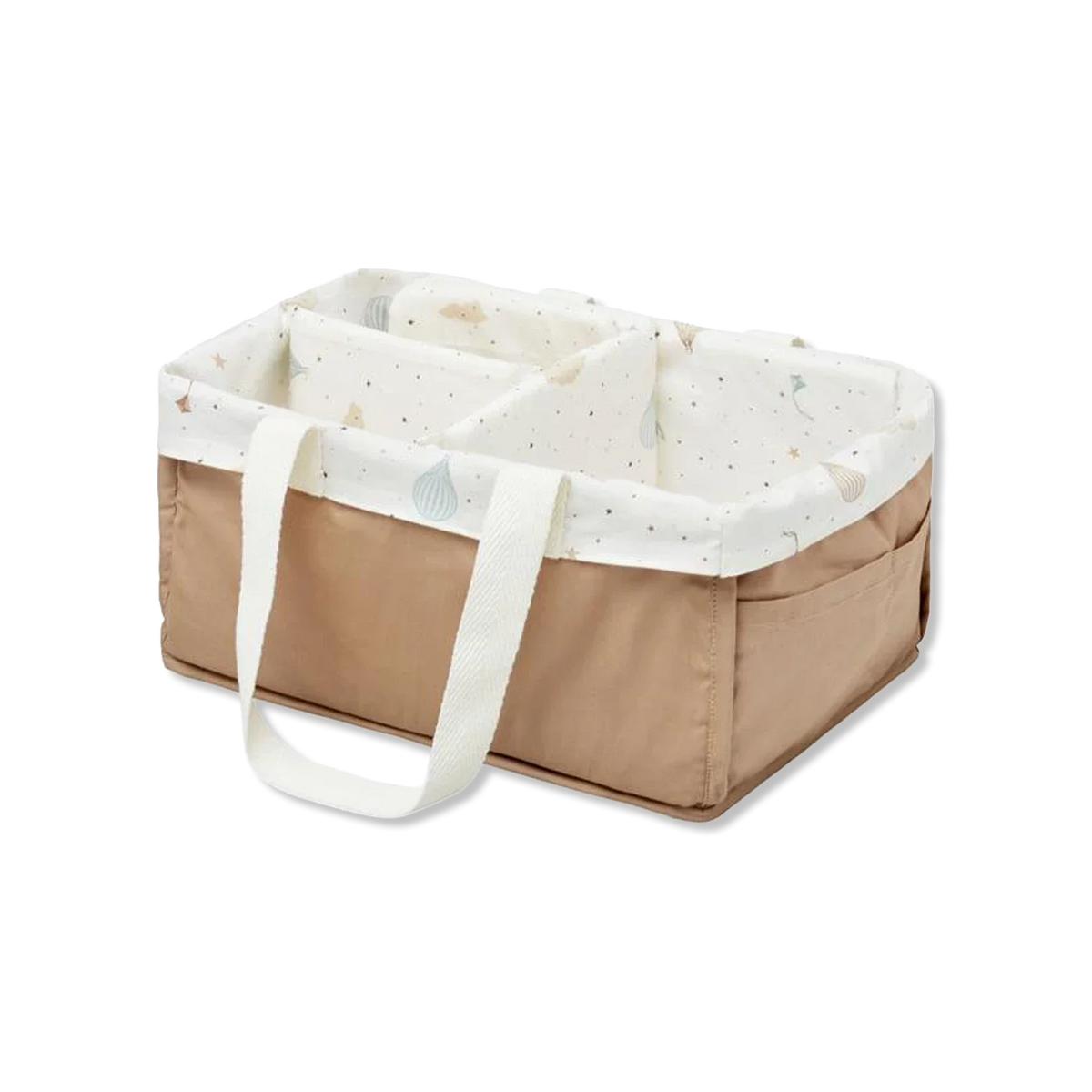
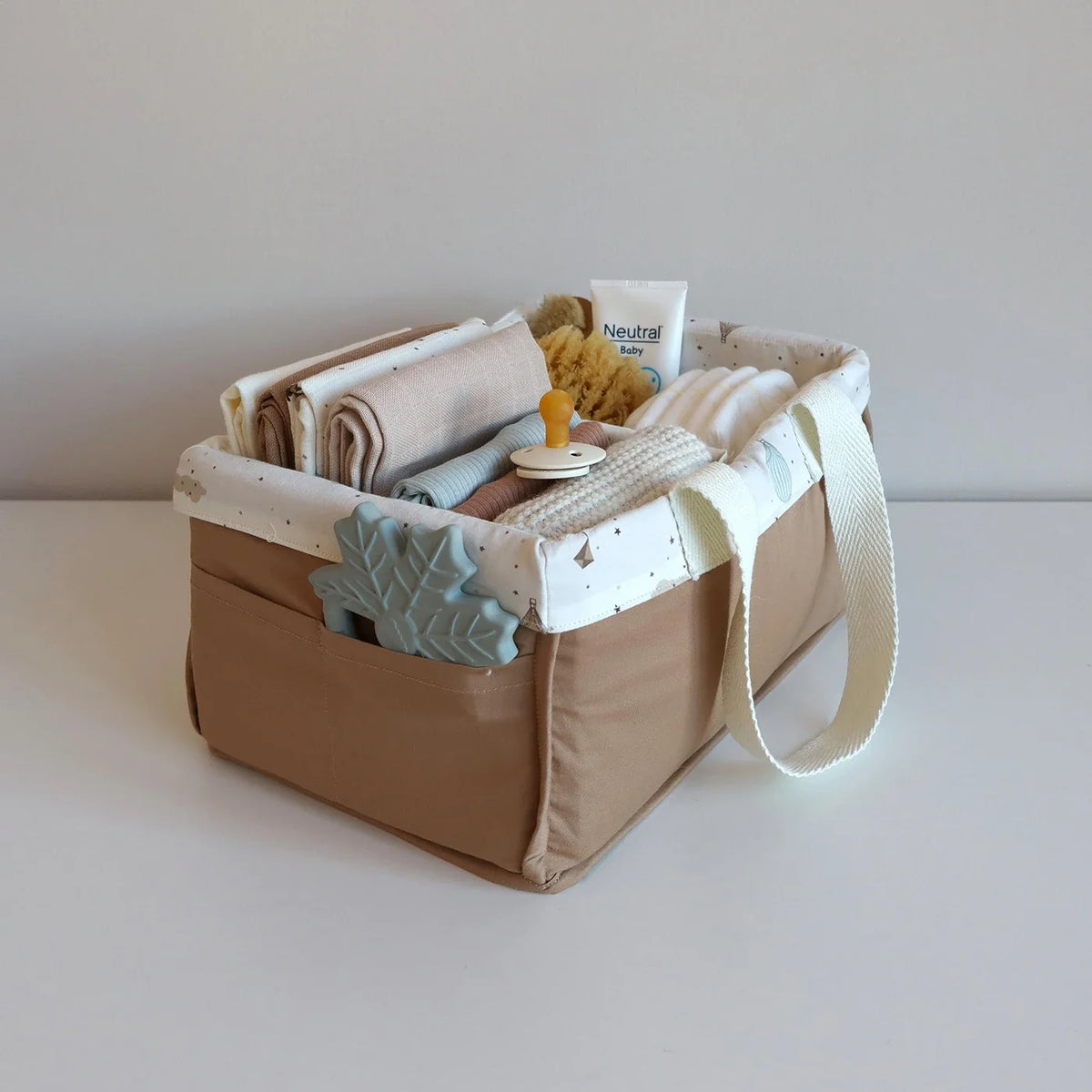
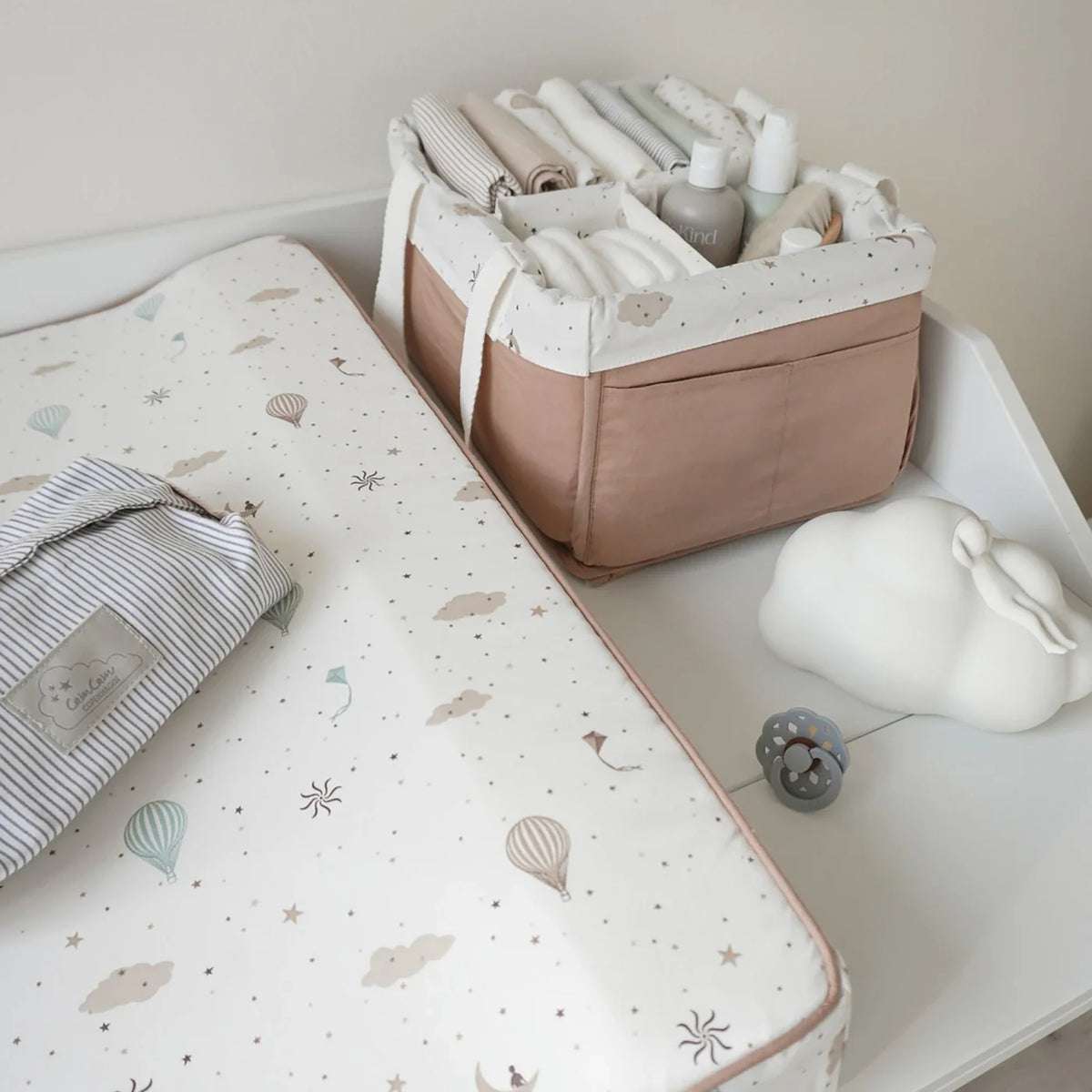
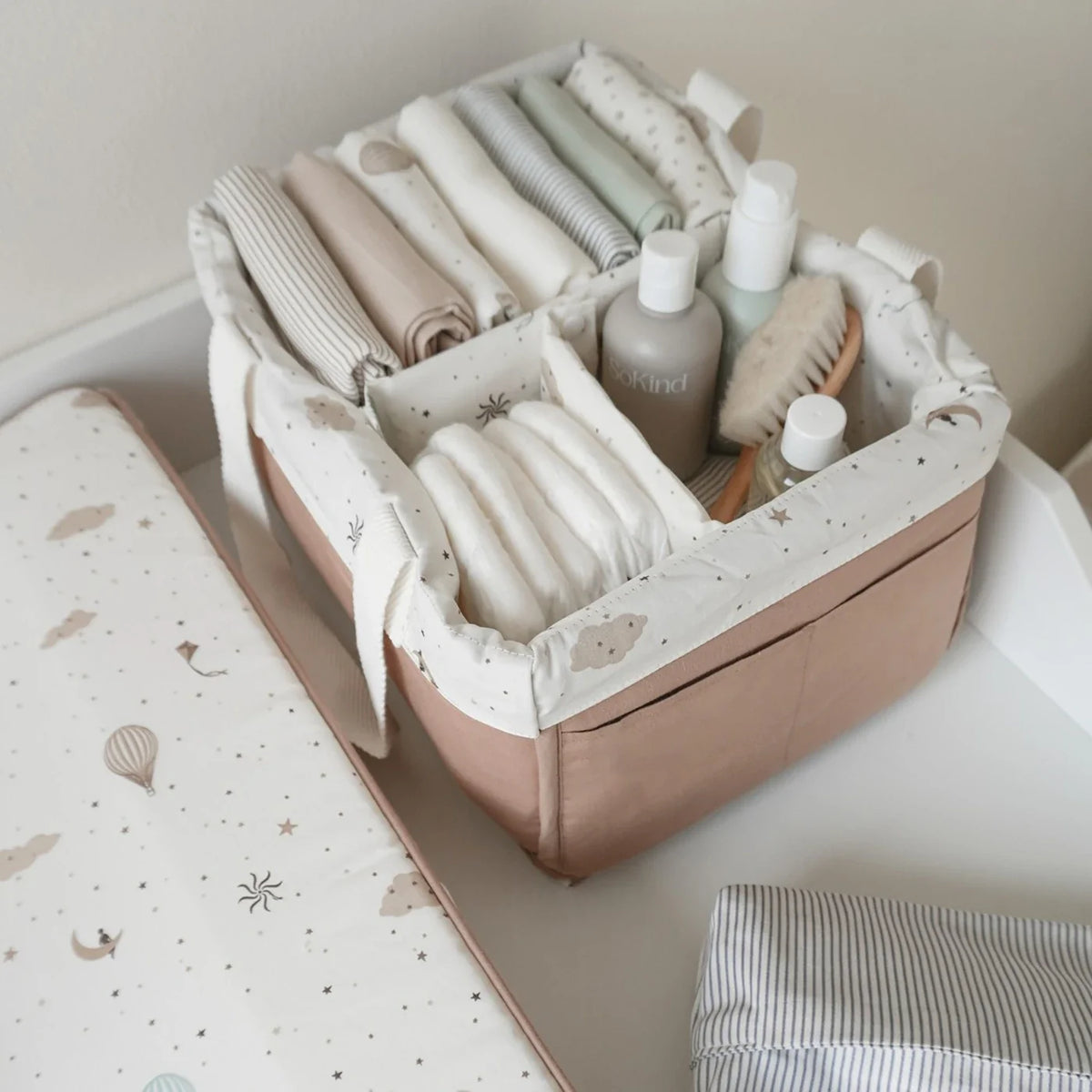
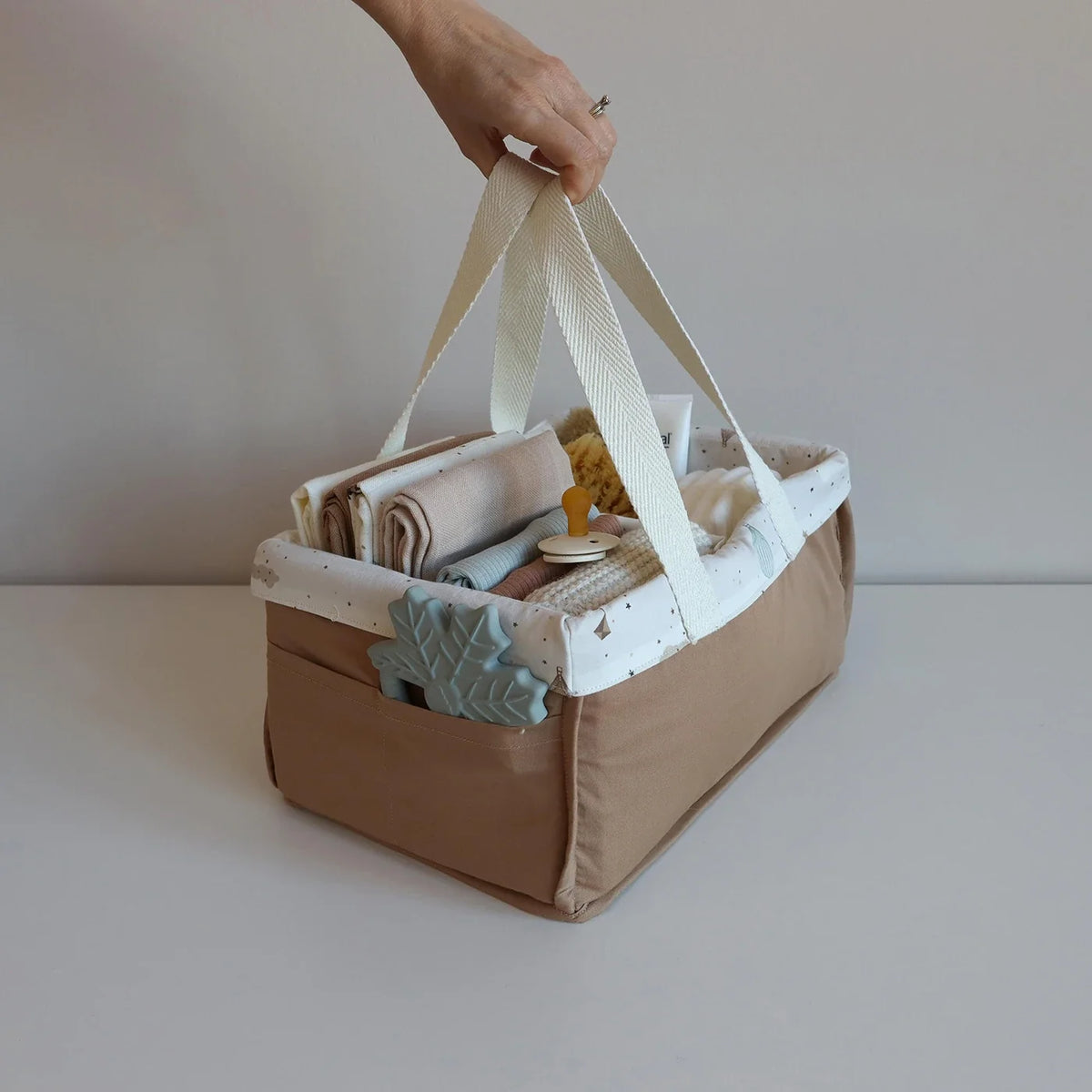
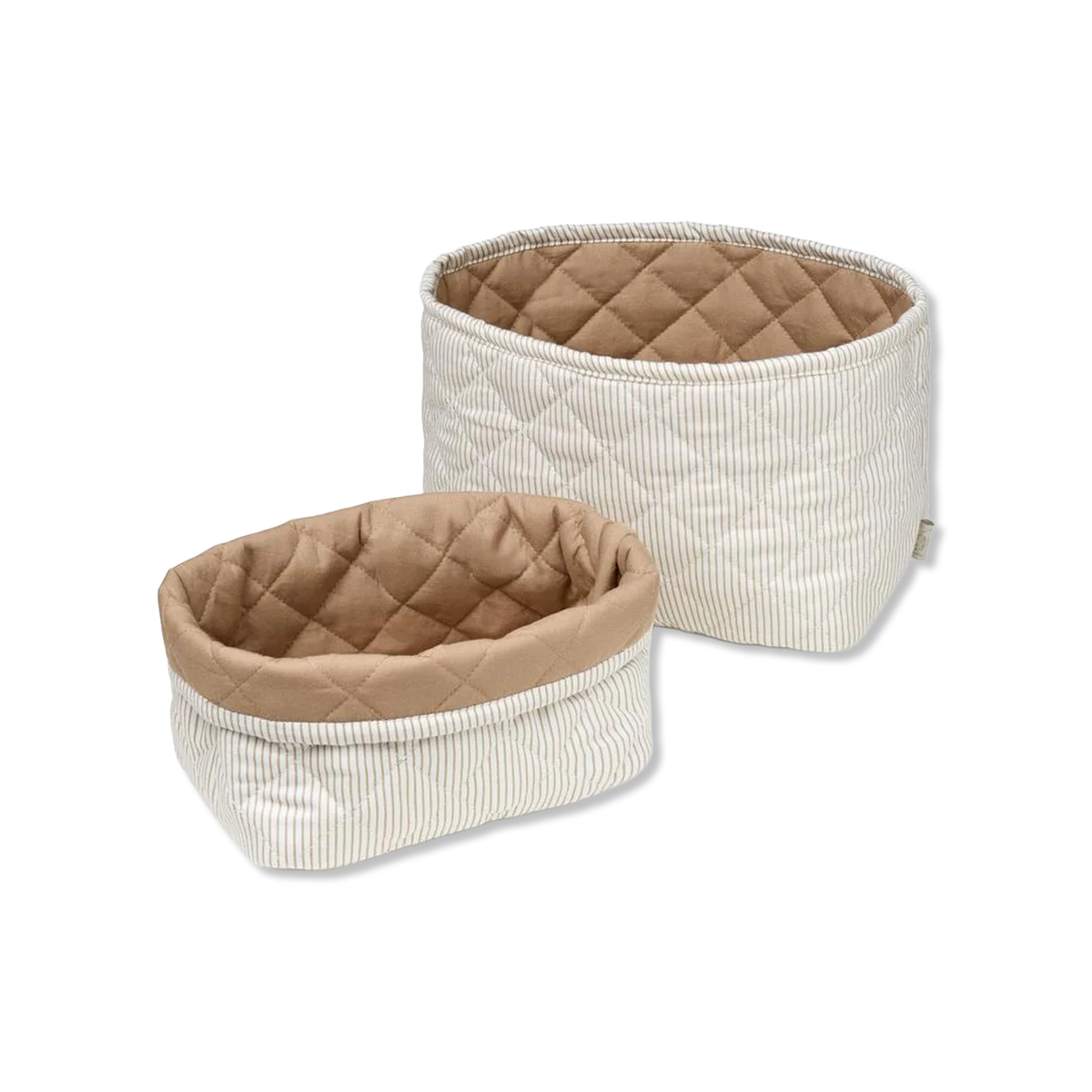
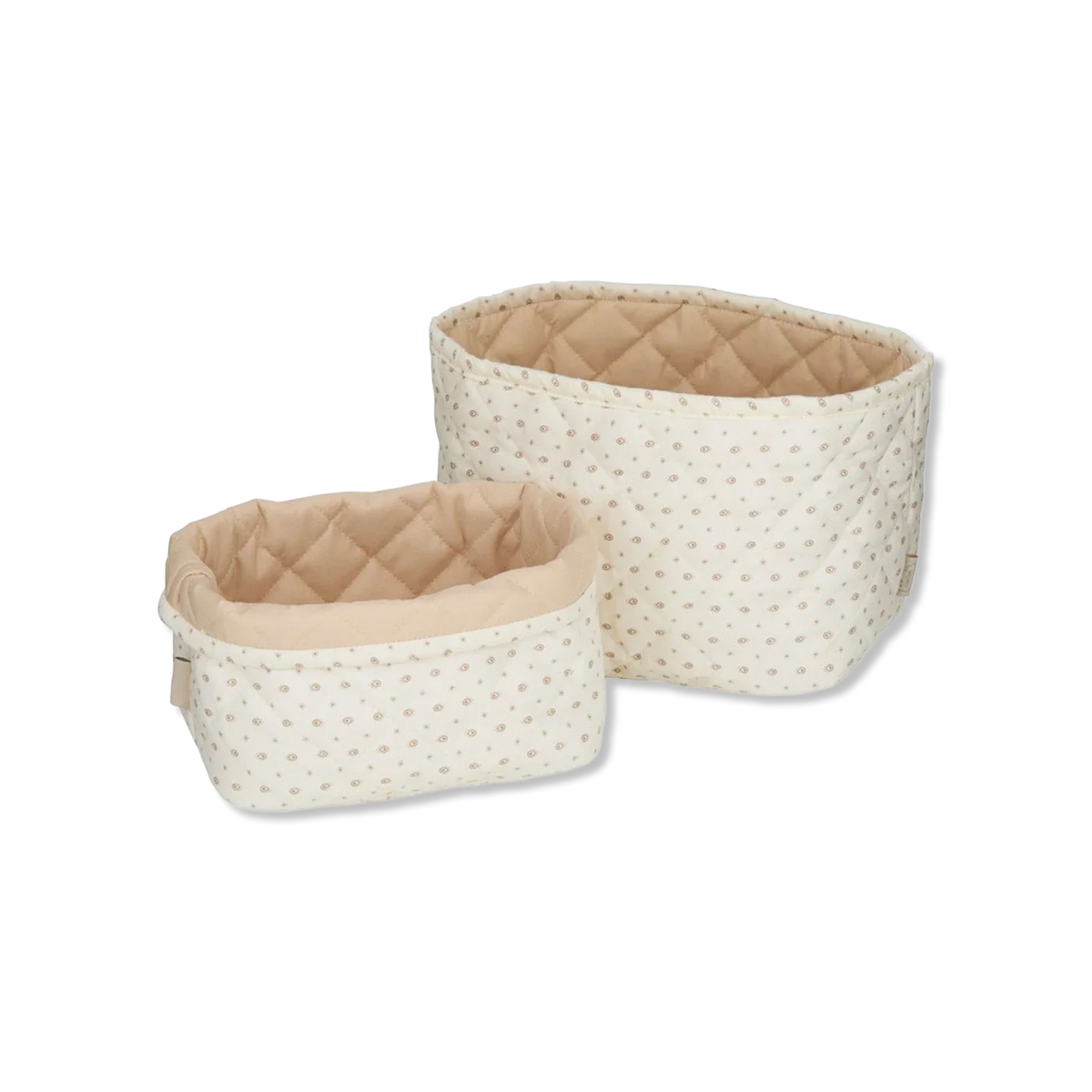
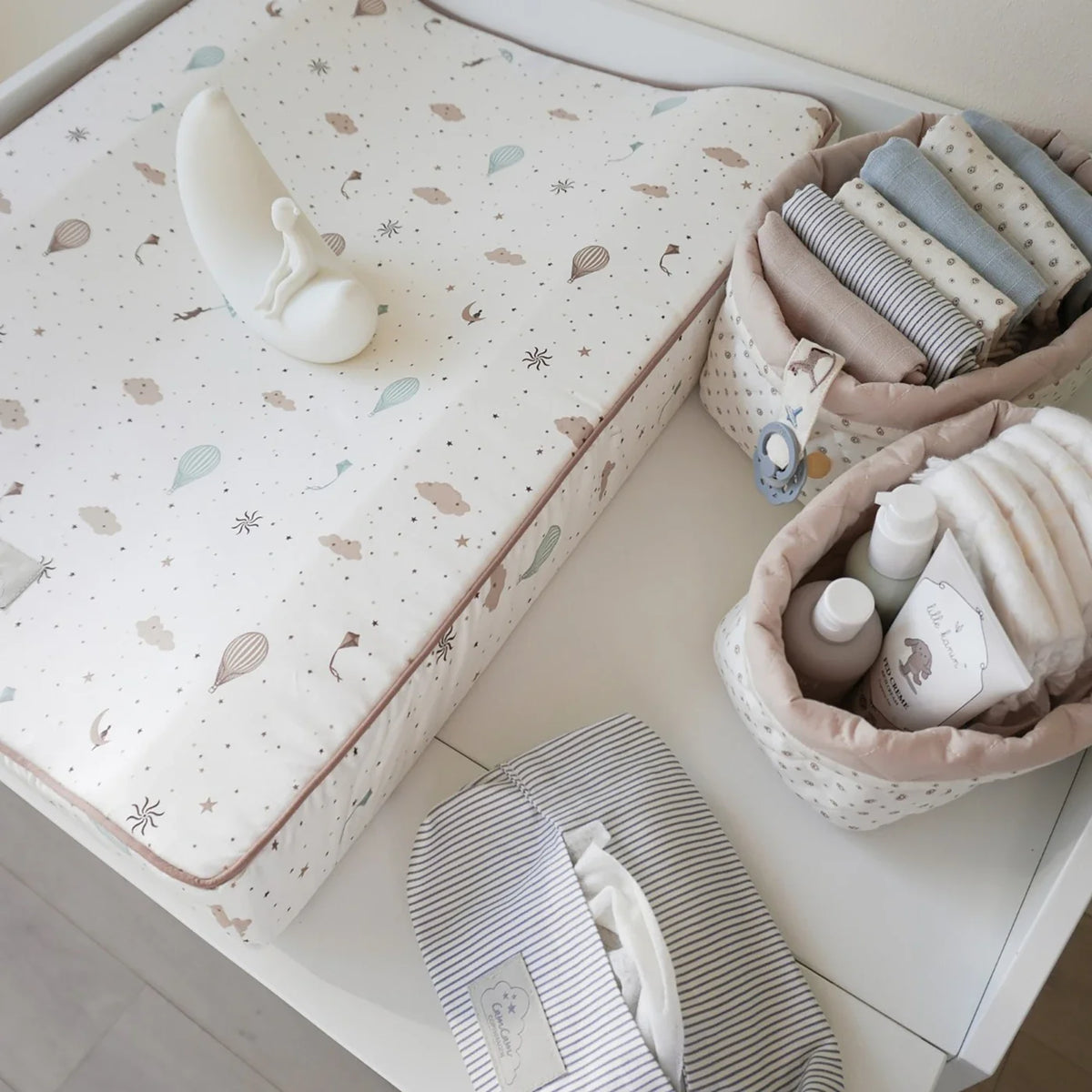
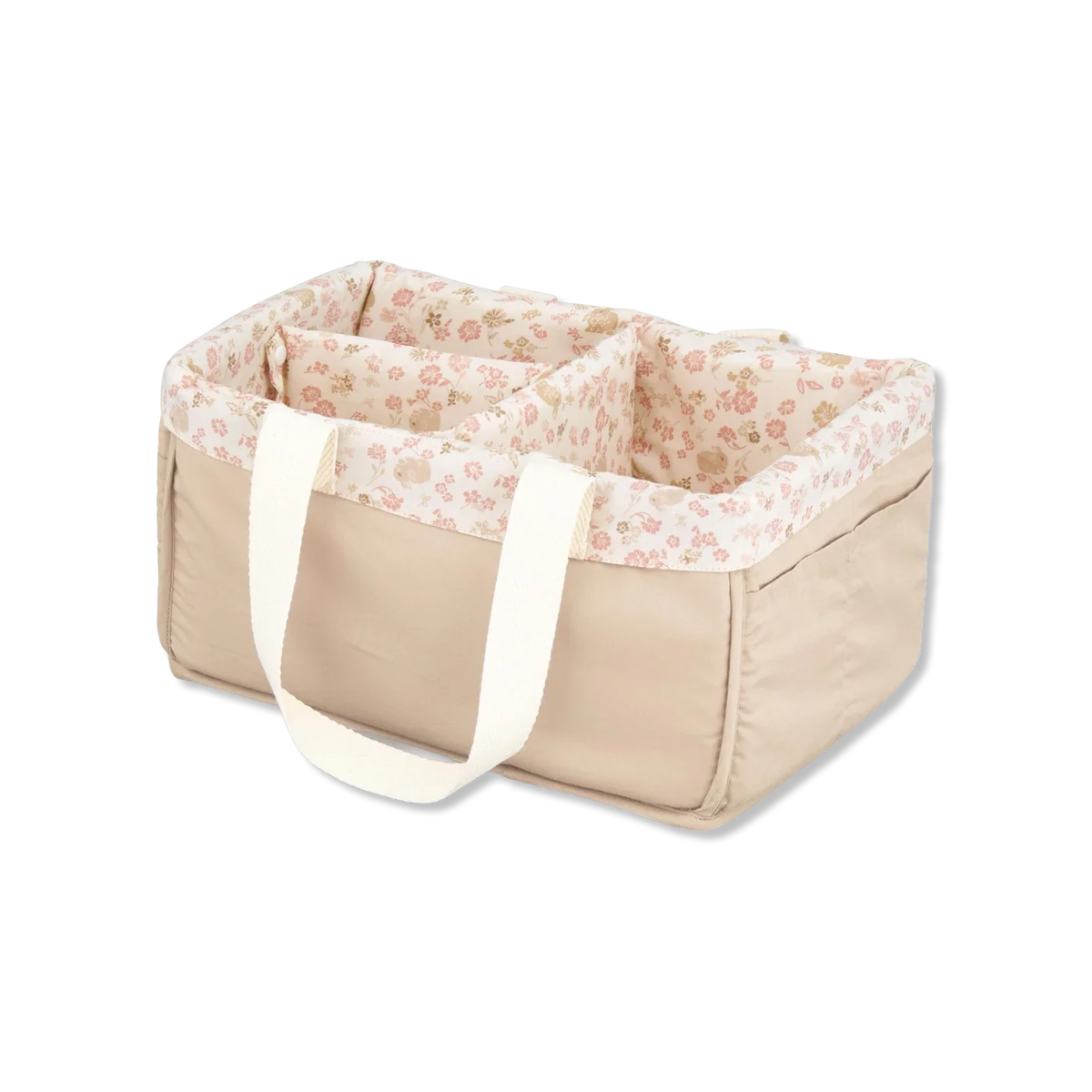
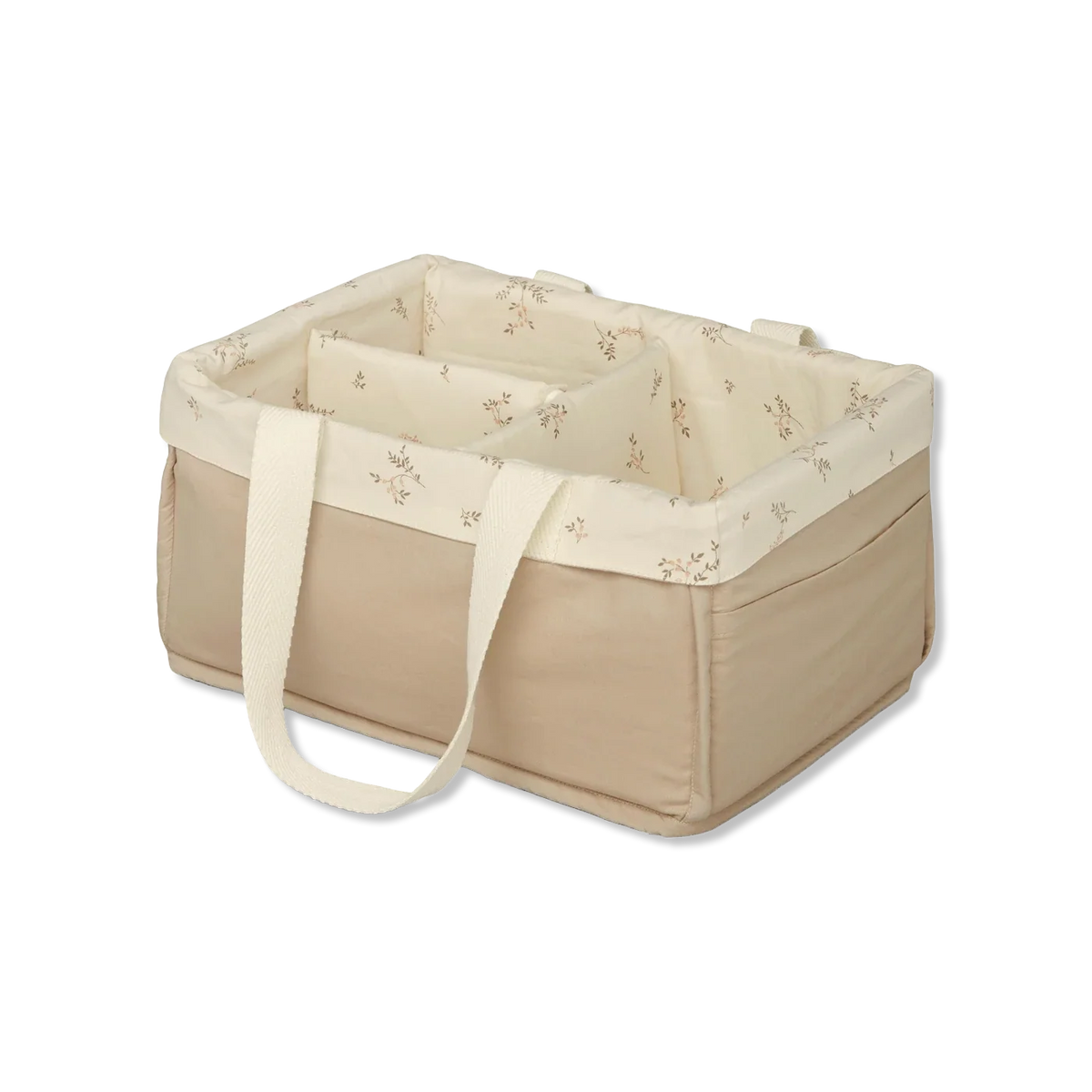
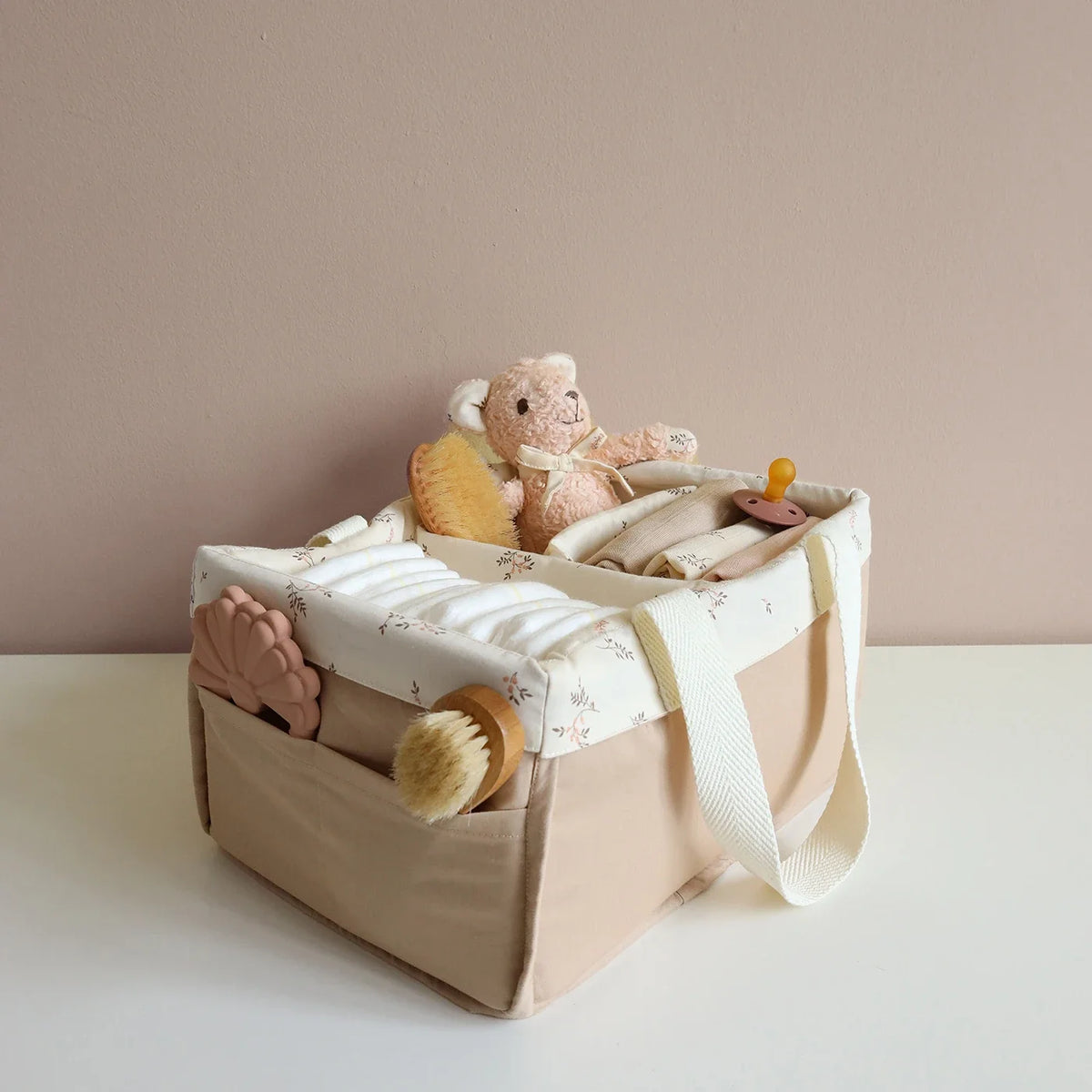
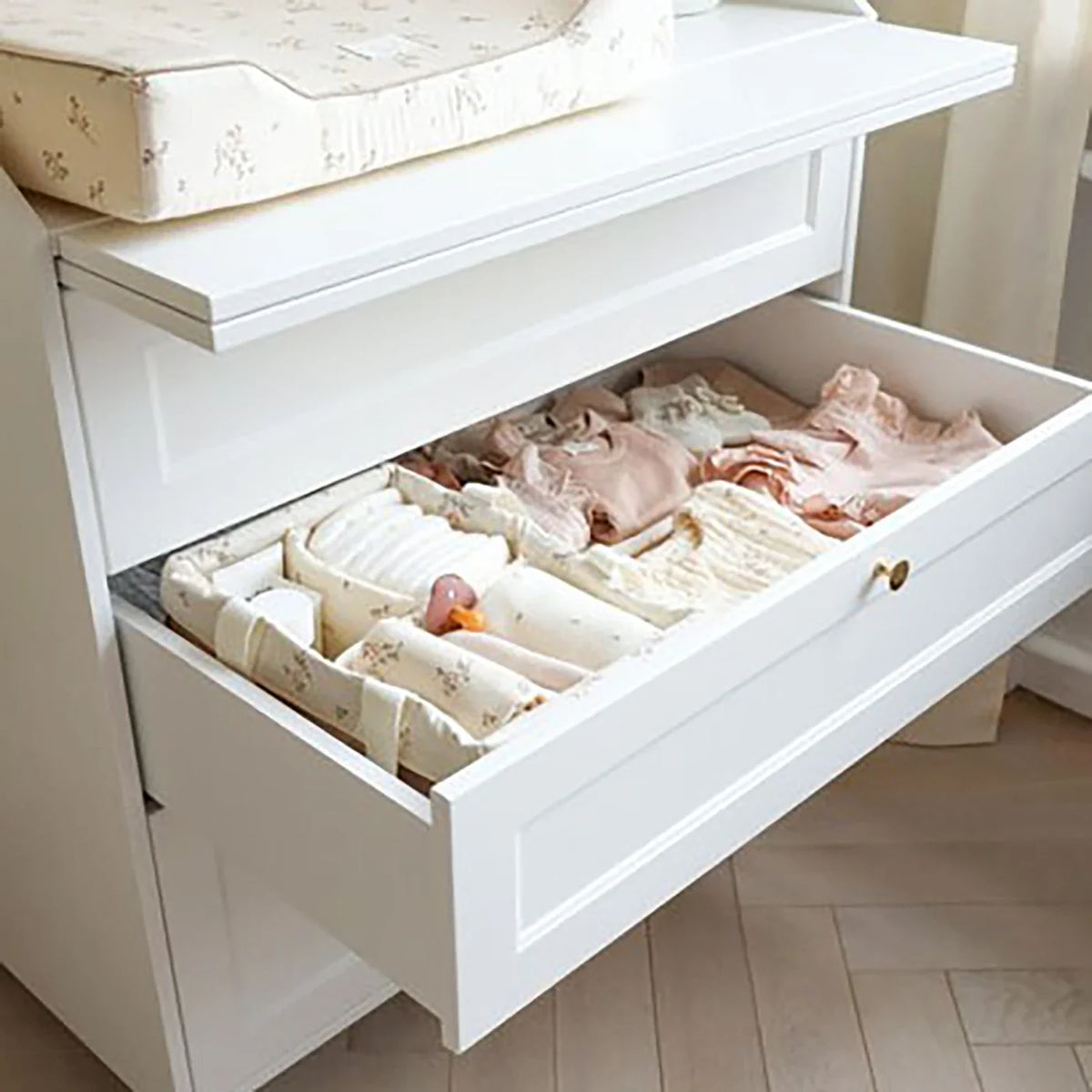
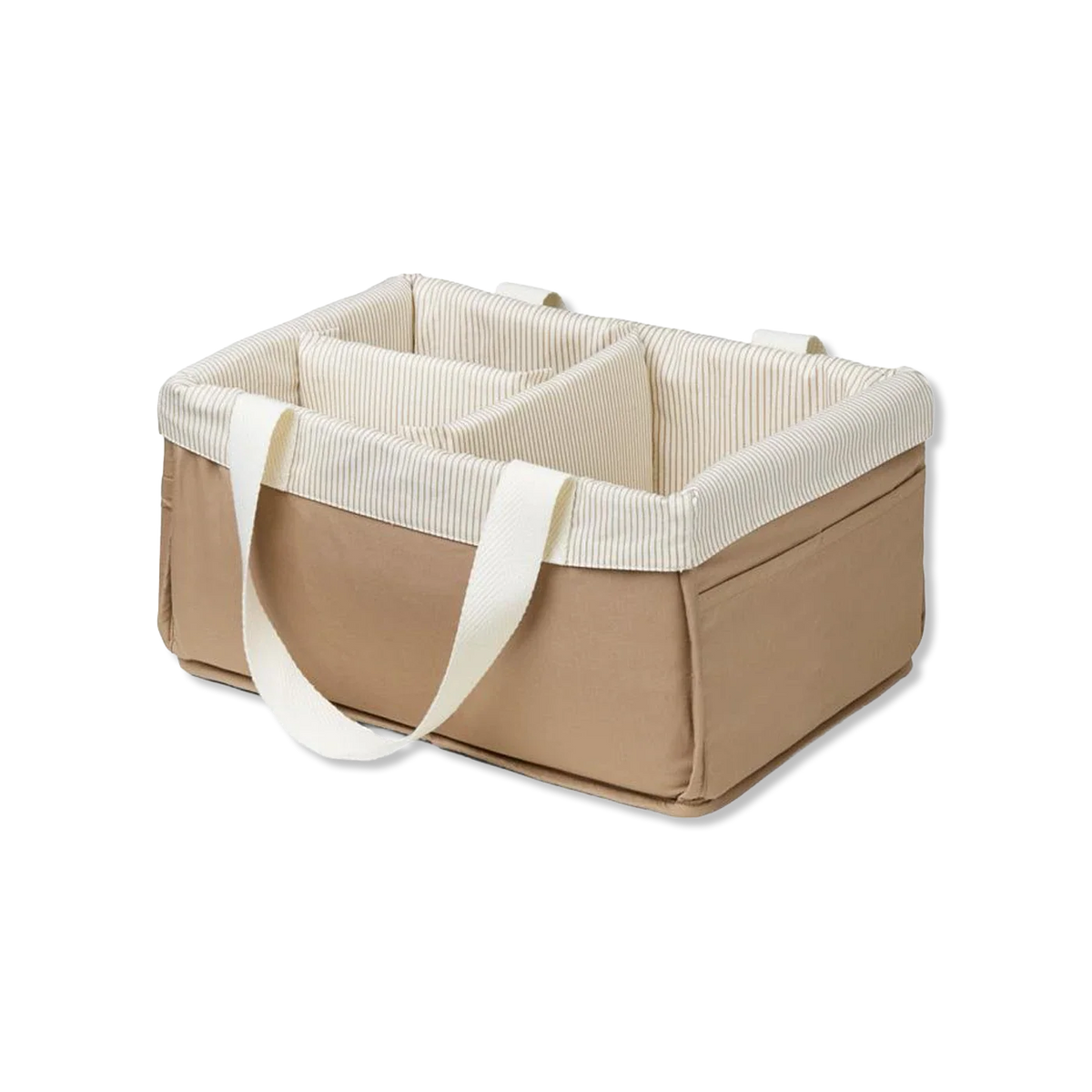
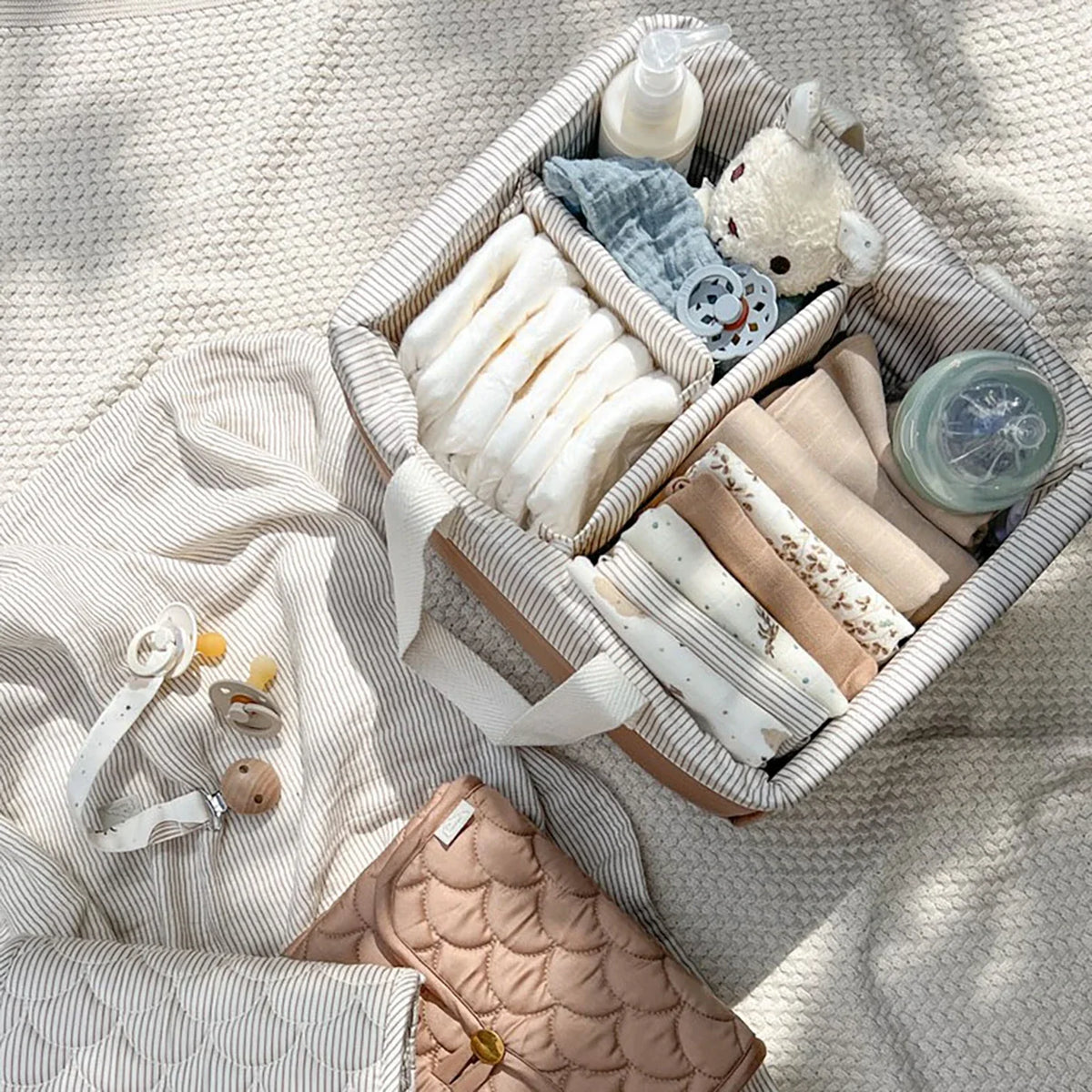
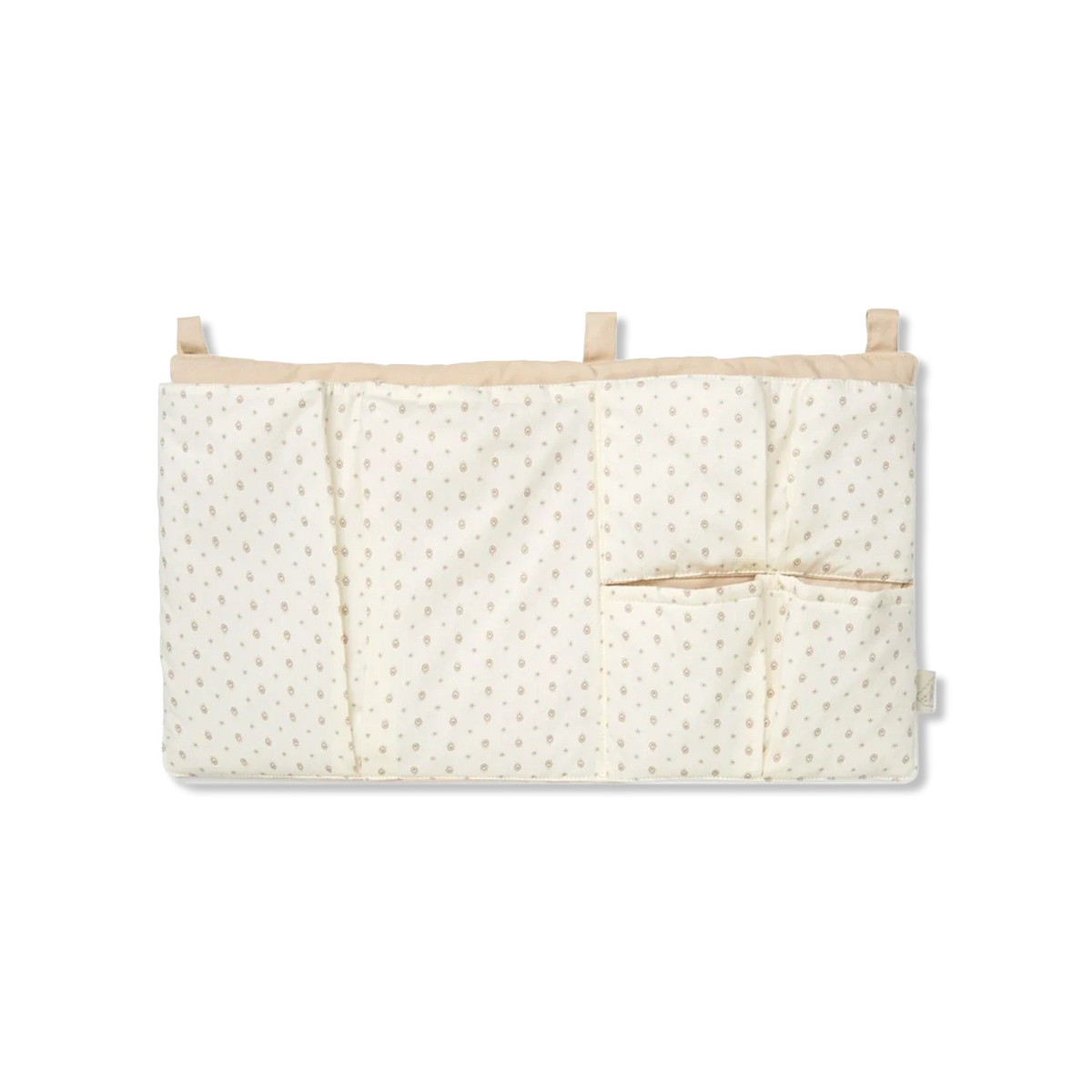
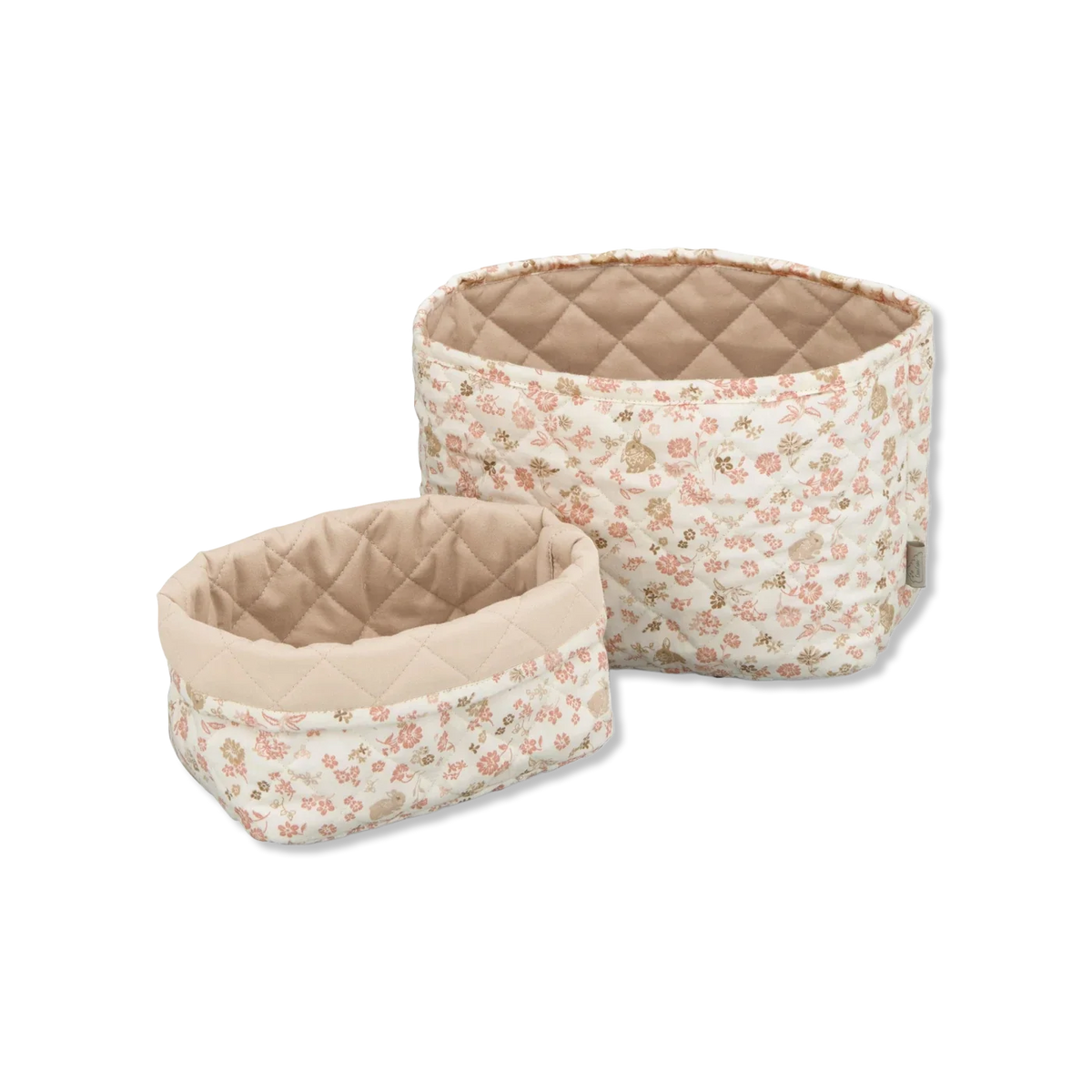
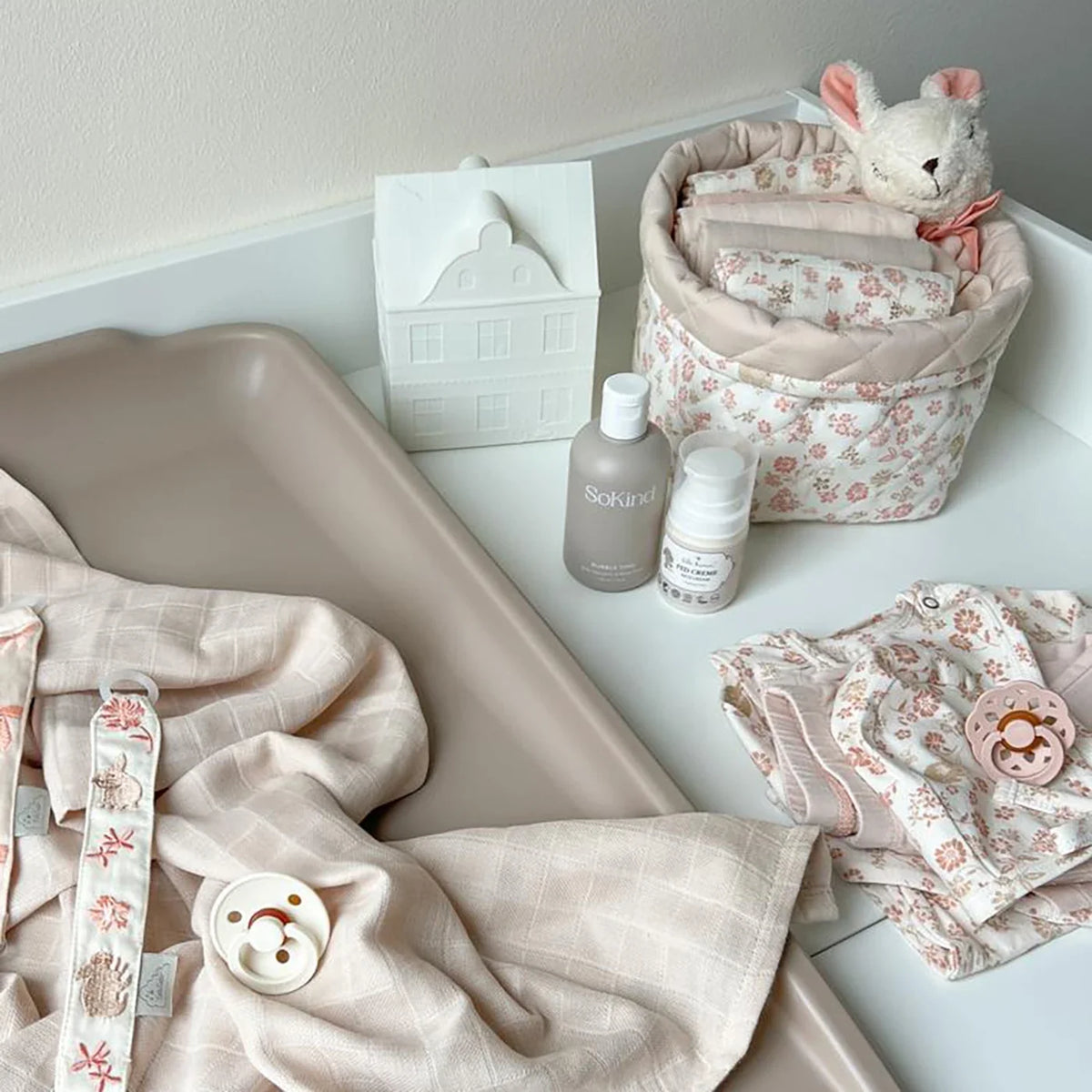
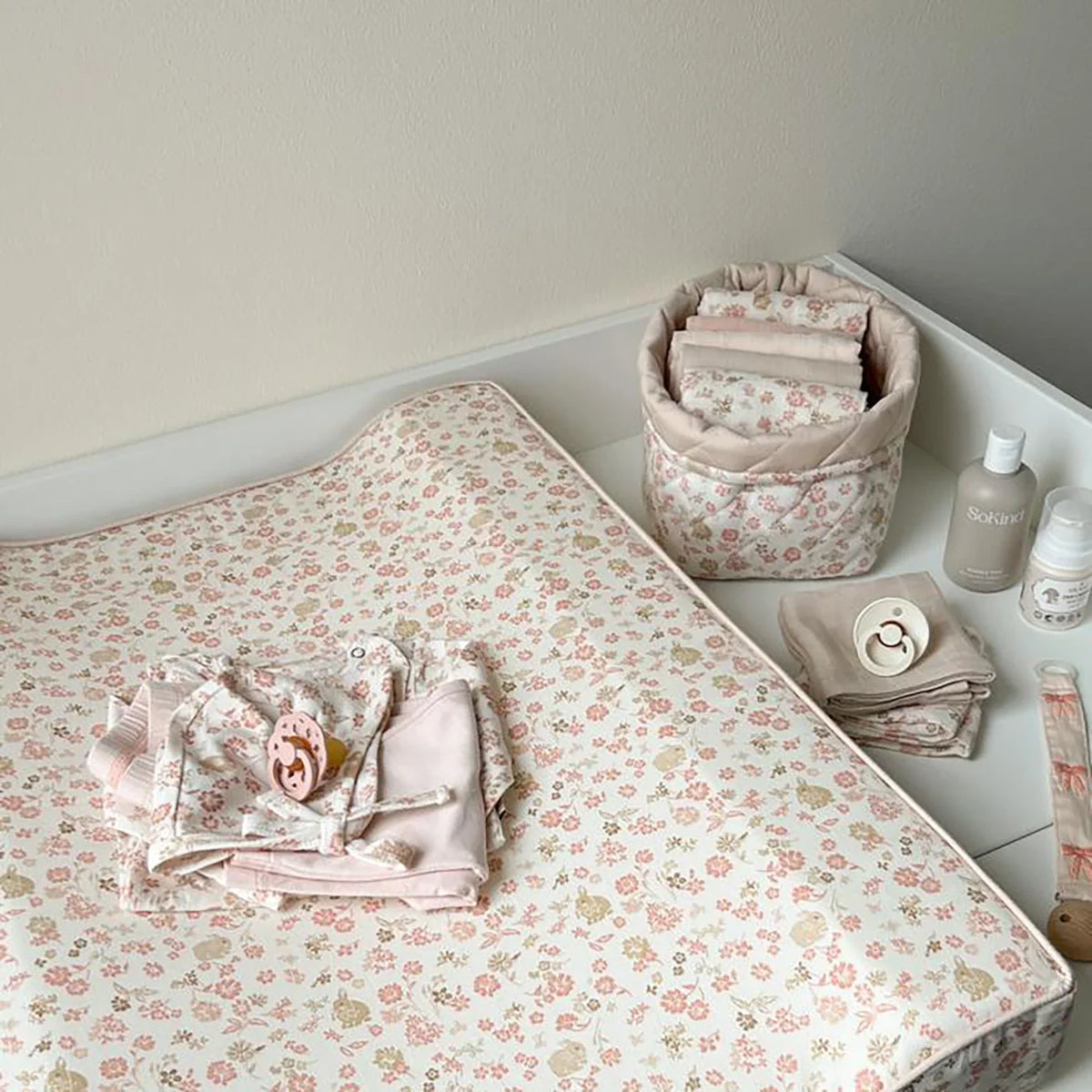
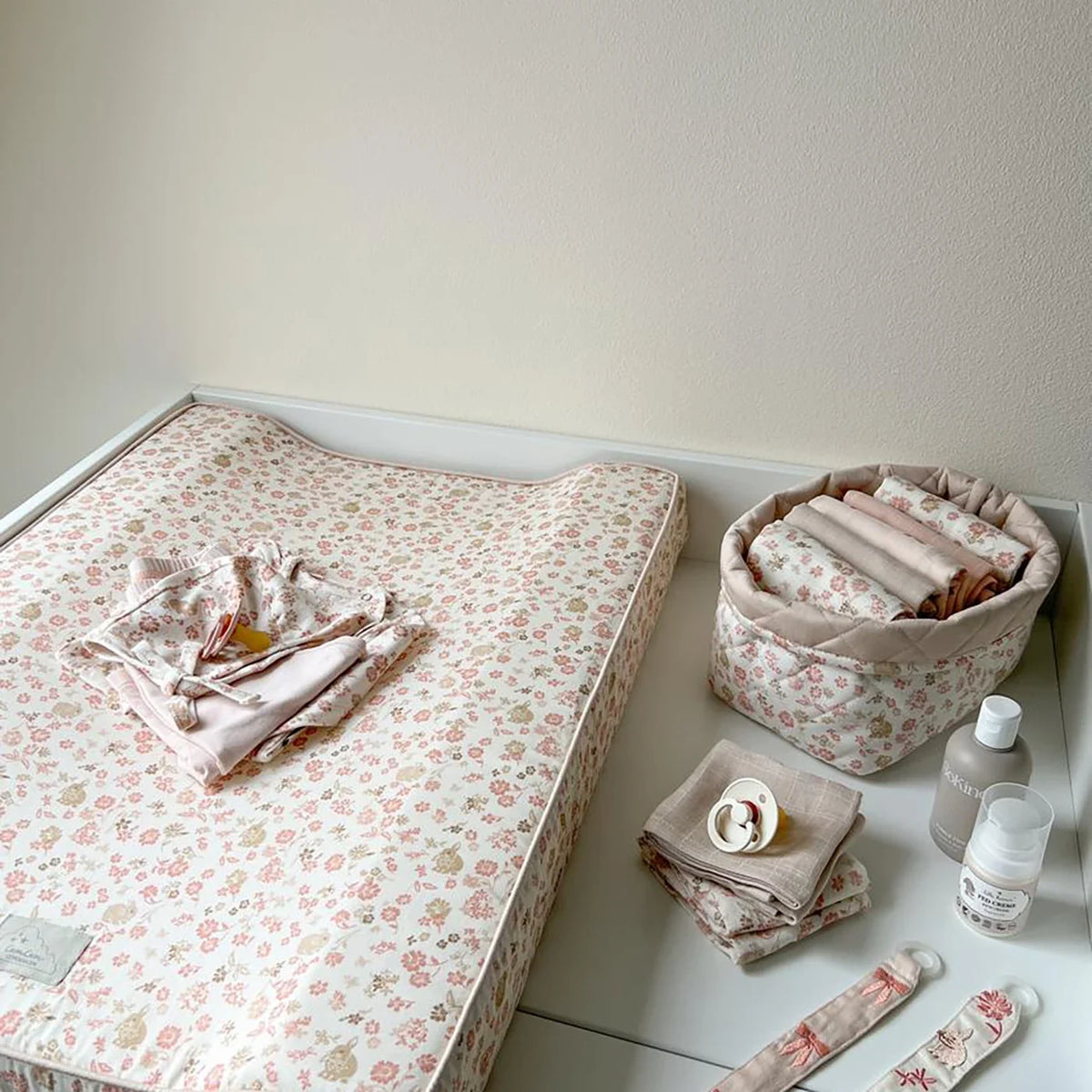
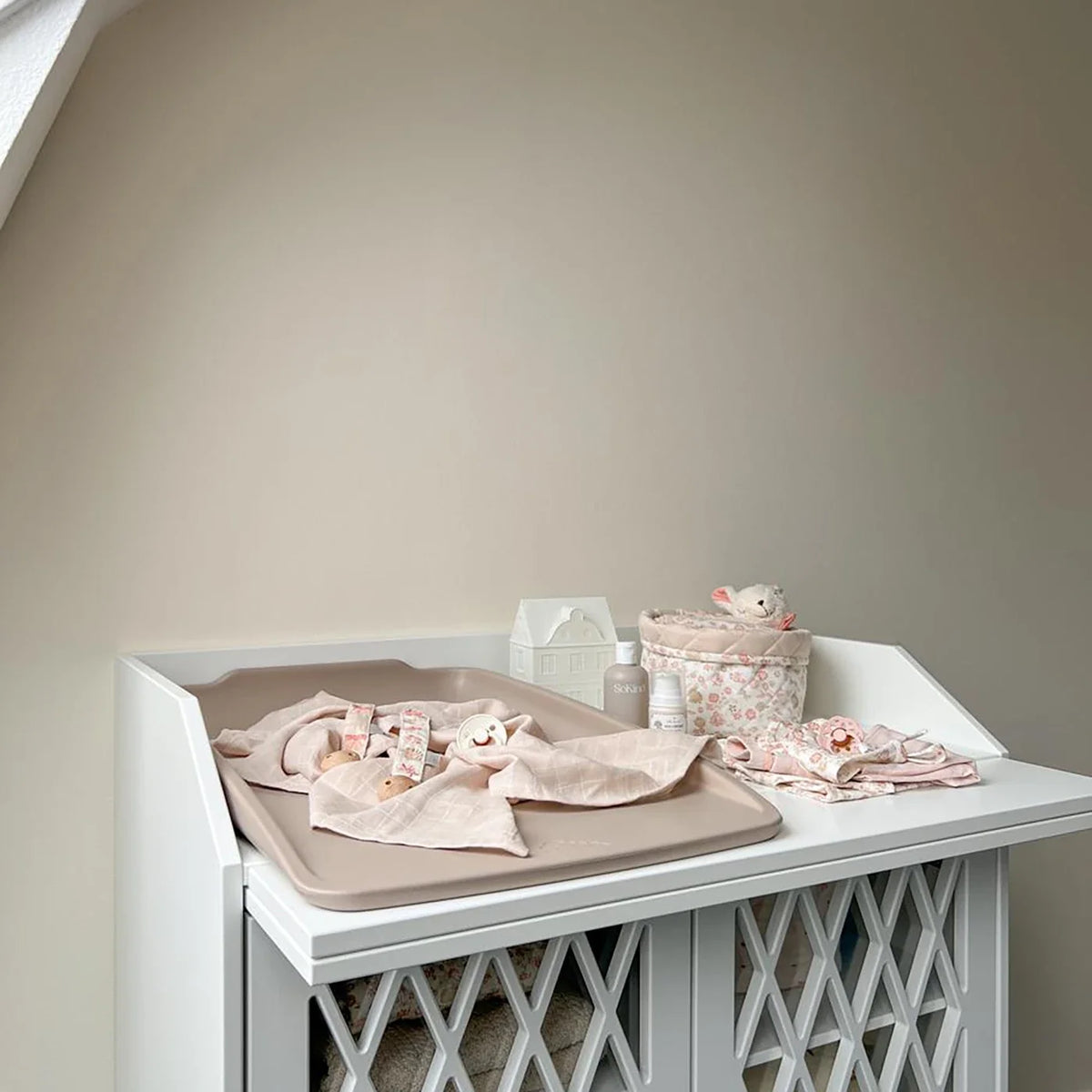
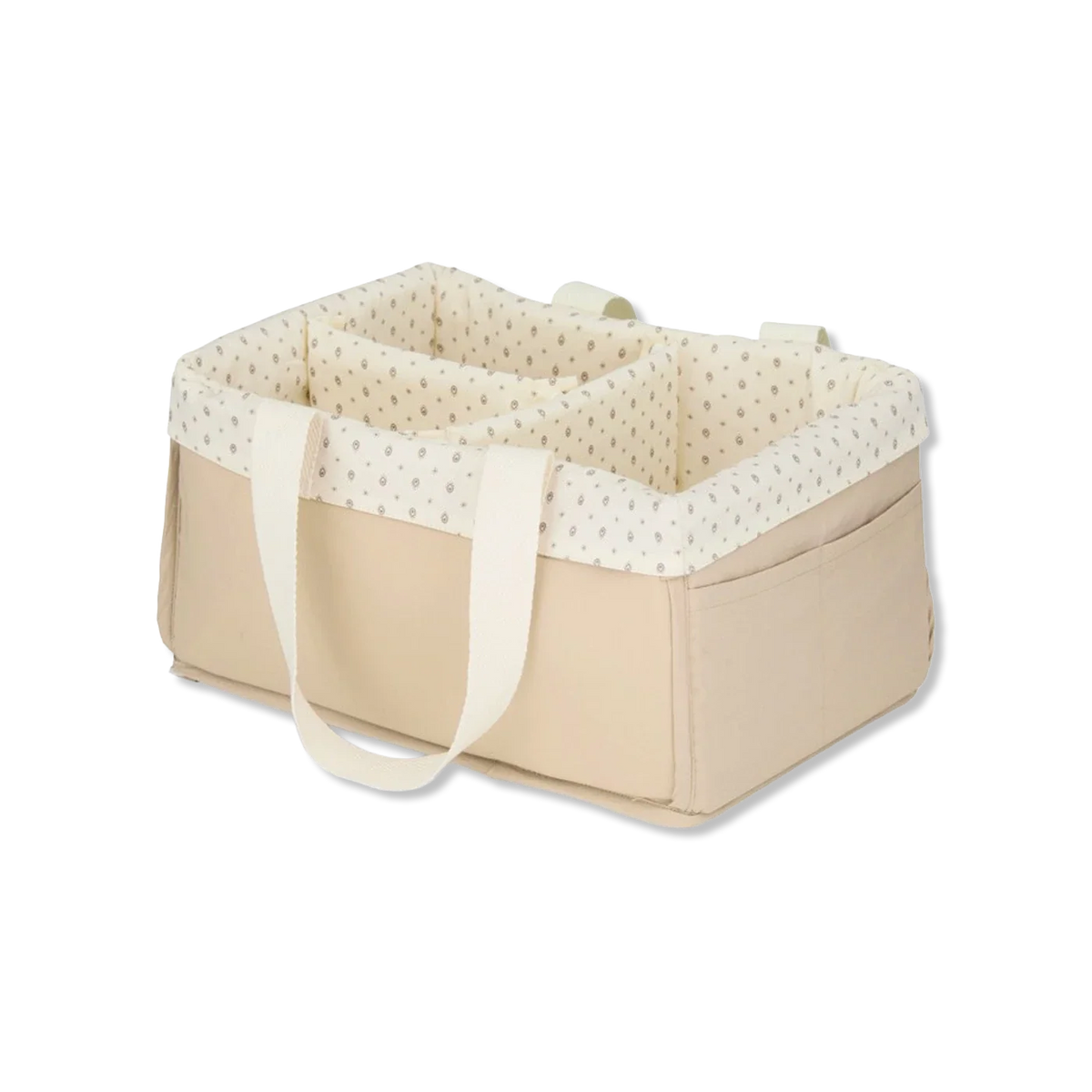
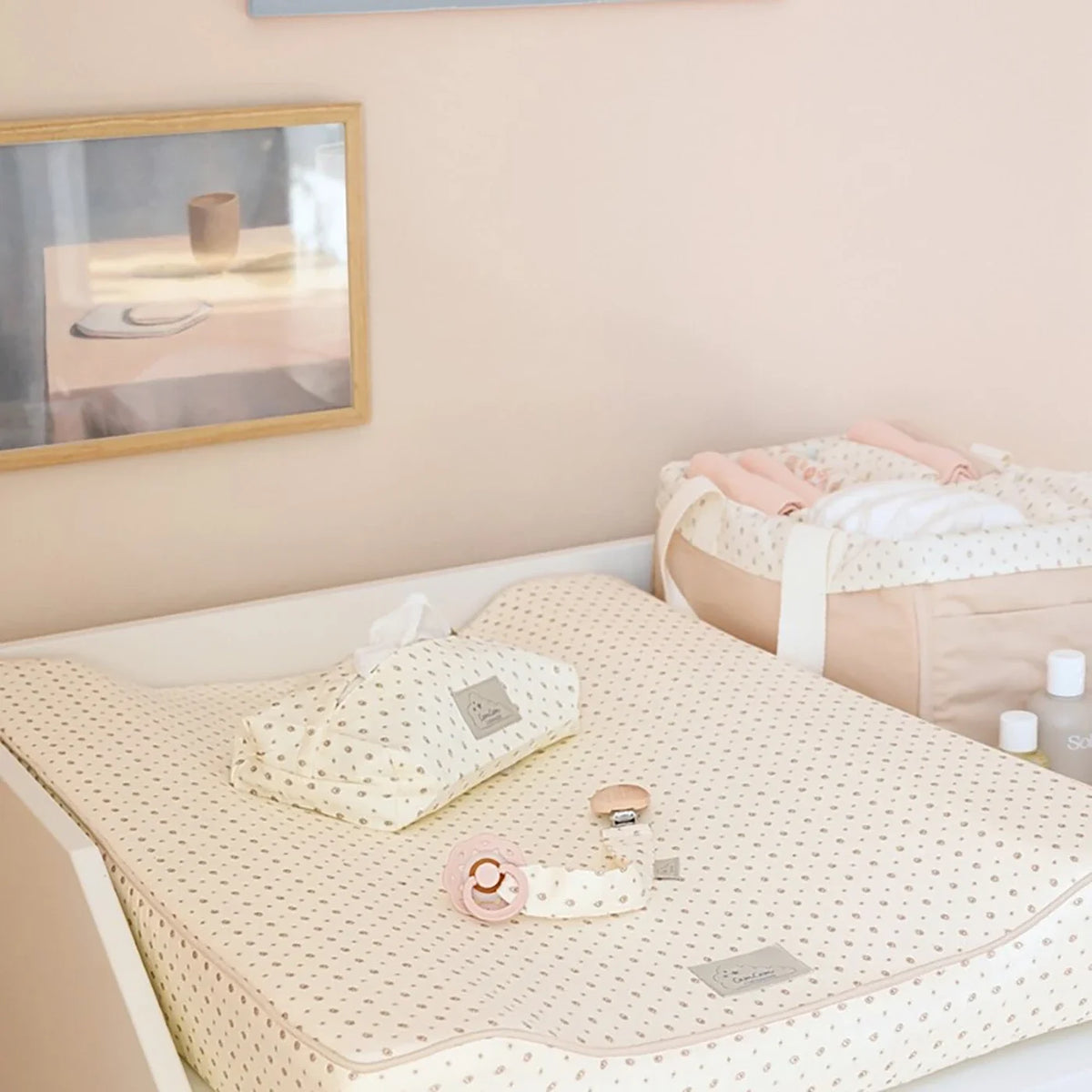
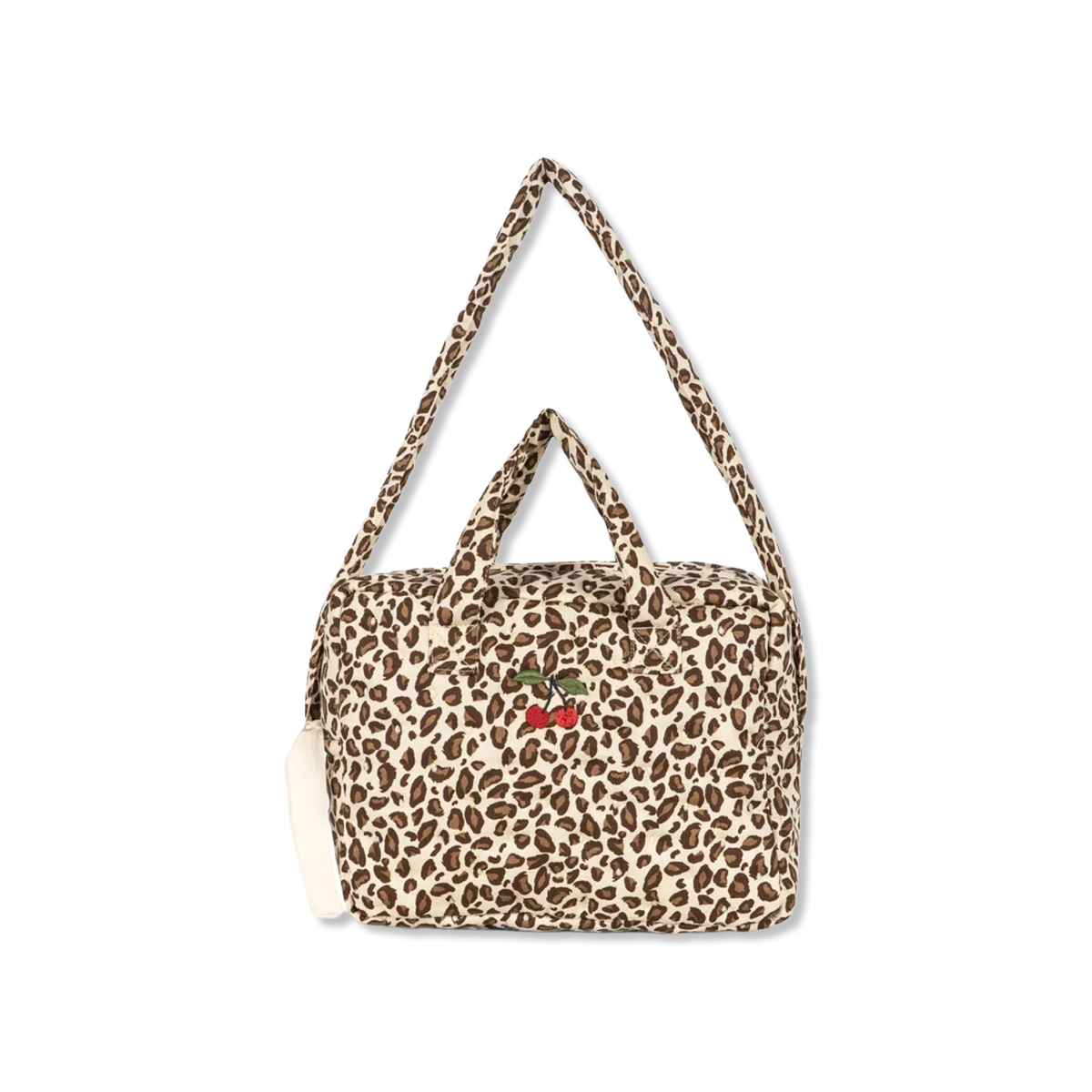
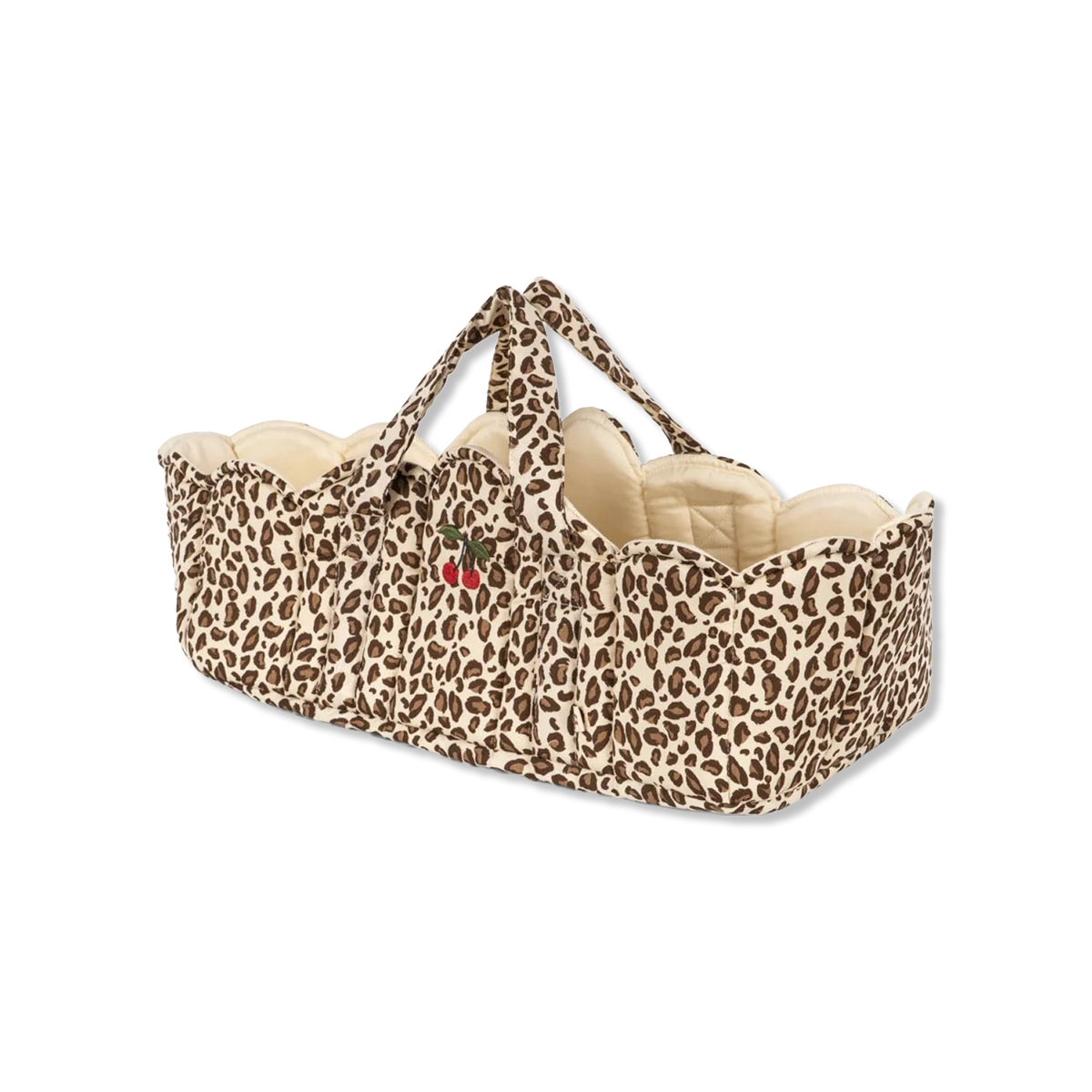
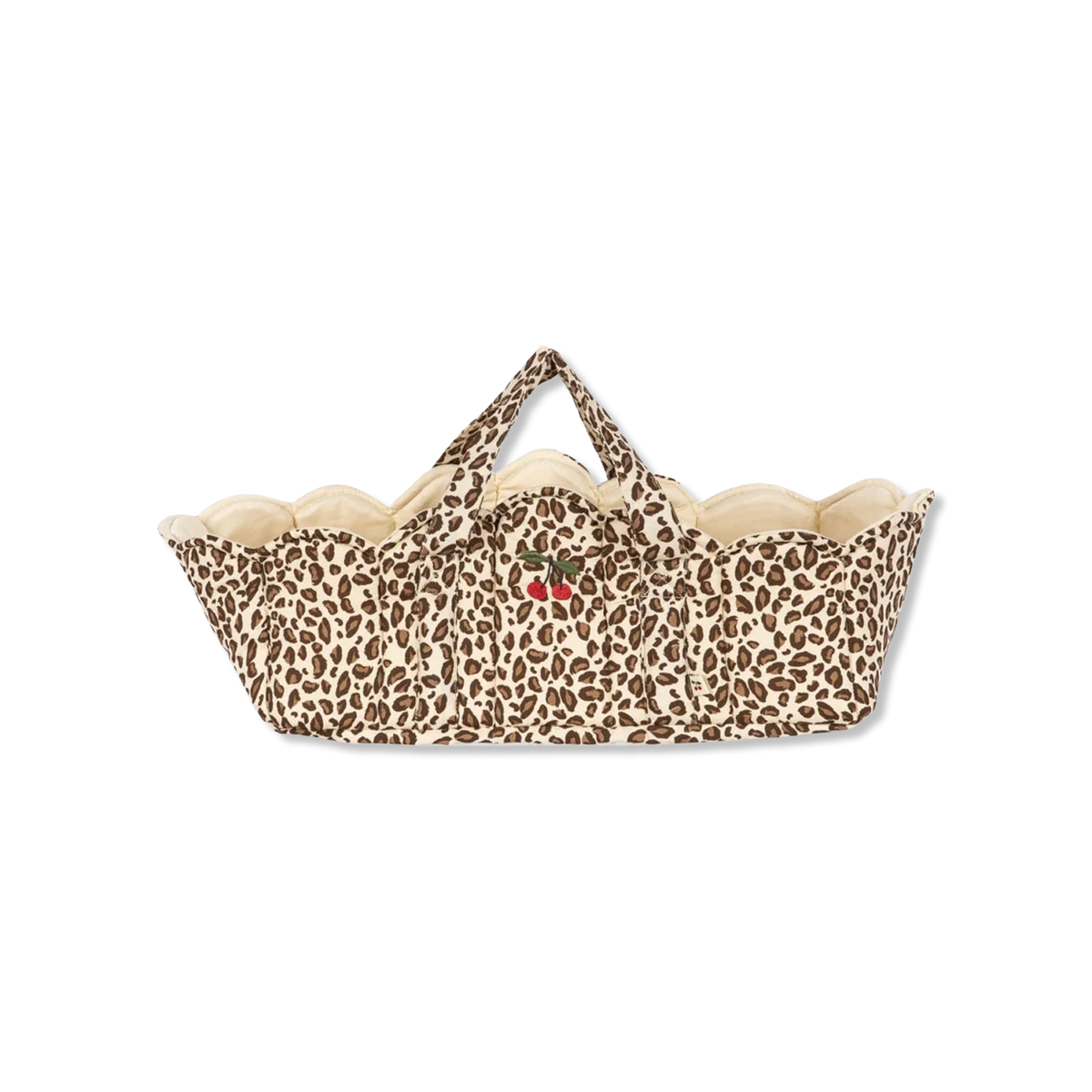
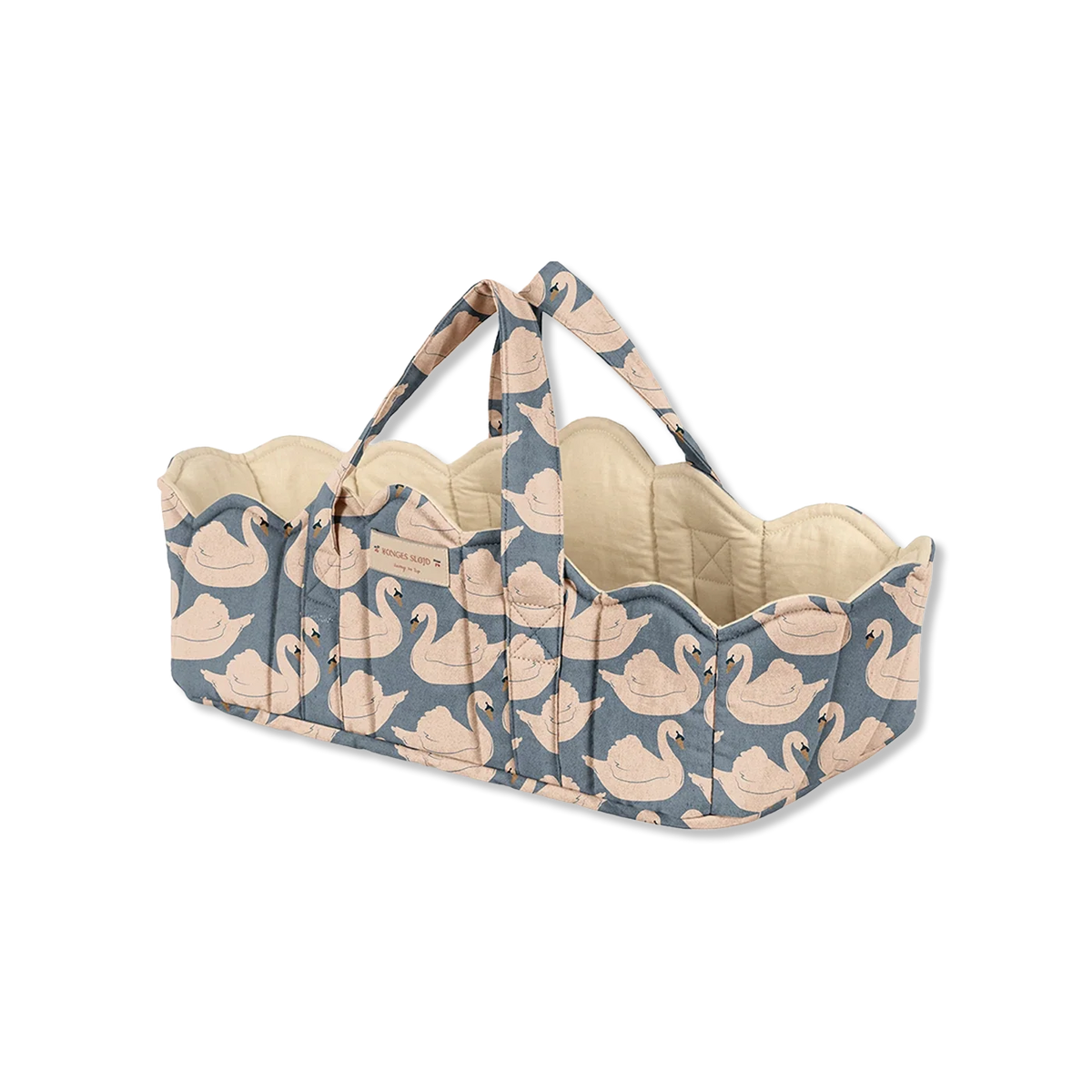
Storage matters because it is easier for your child to find their way around when everything has a fixed place. Baskets, boxes, shelves and small storage solutions can make a big difference, especially if the room is not very large. It is not only about keeping things tidy, but also about making books, toys and everyday items easy to reach.
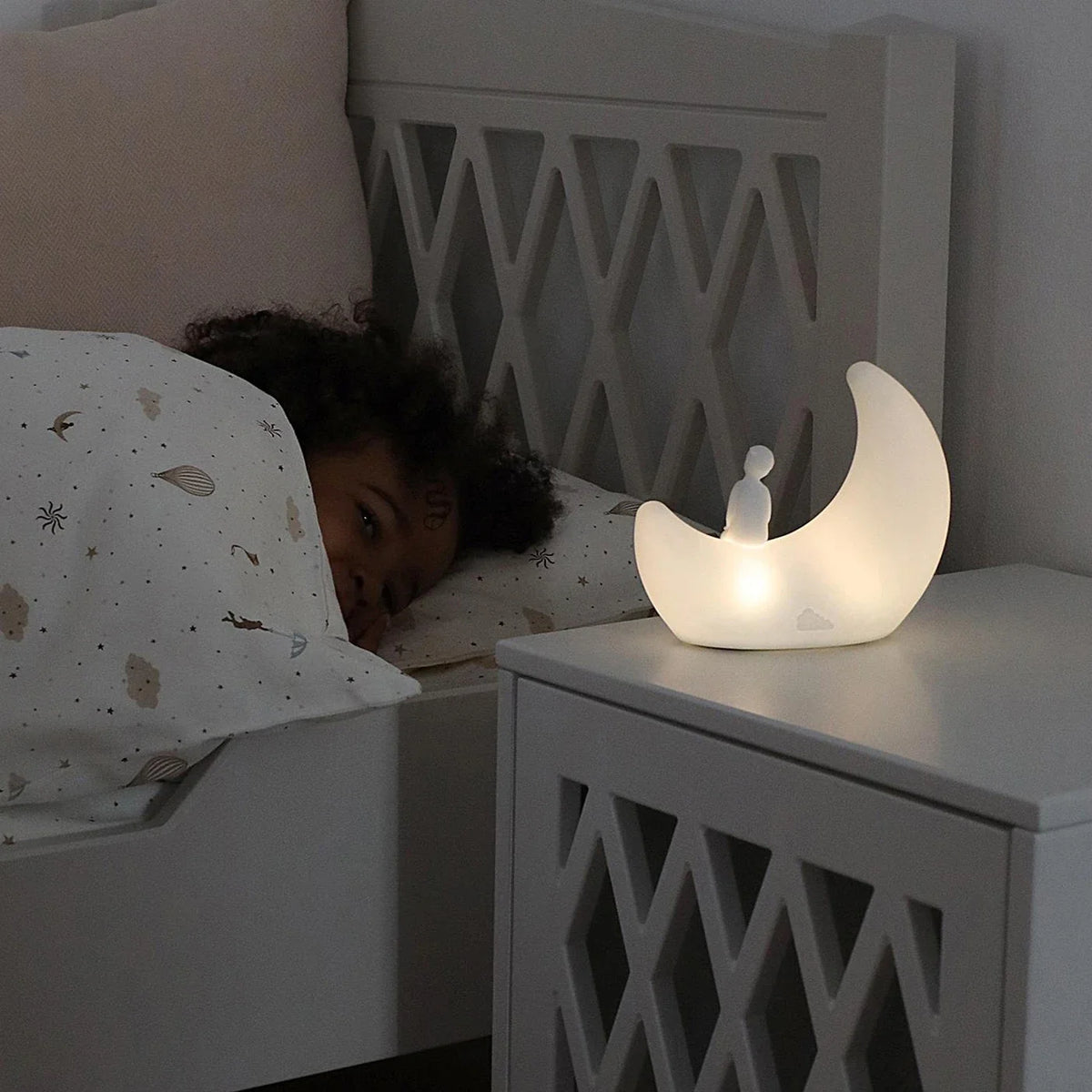
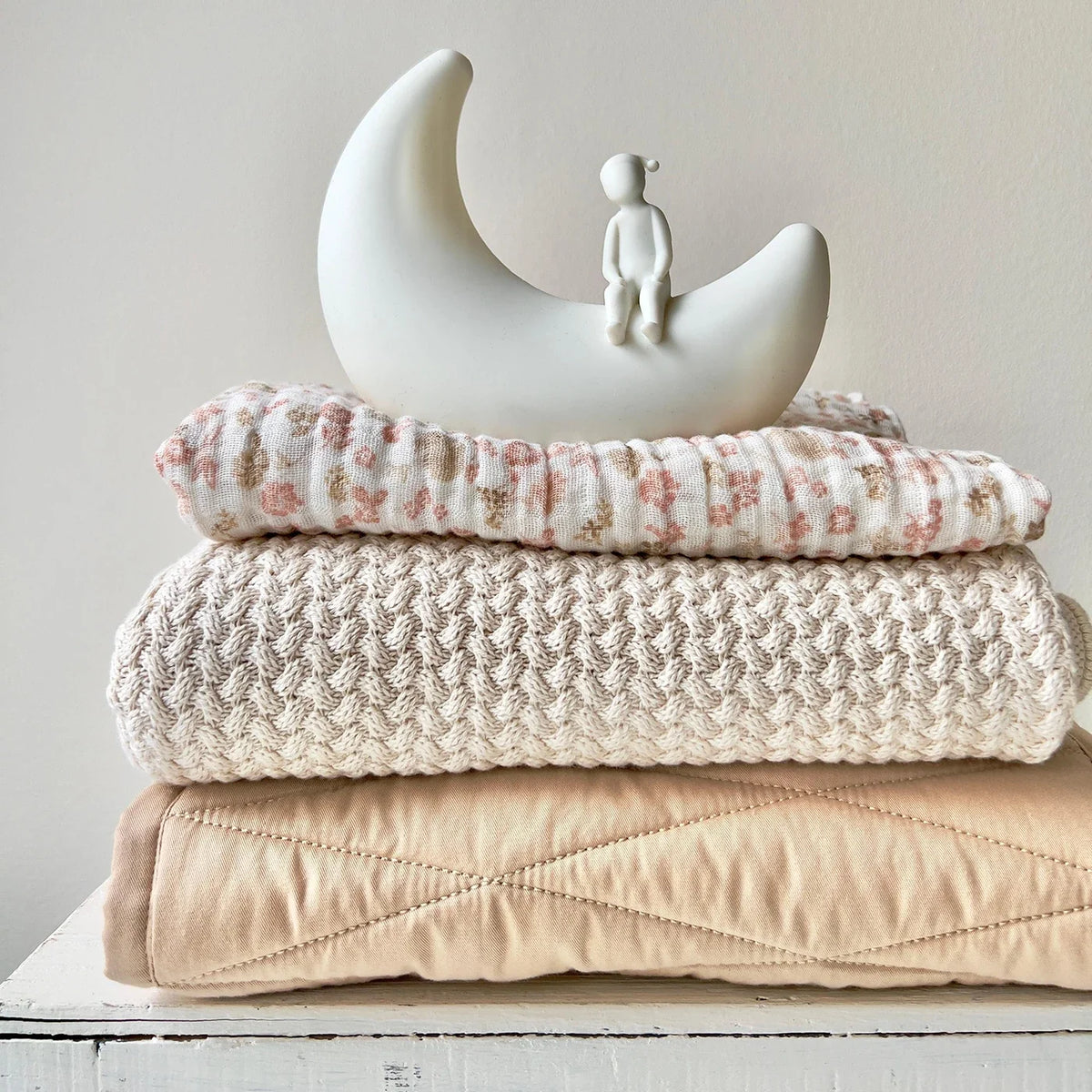
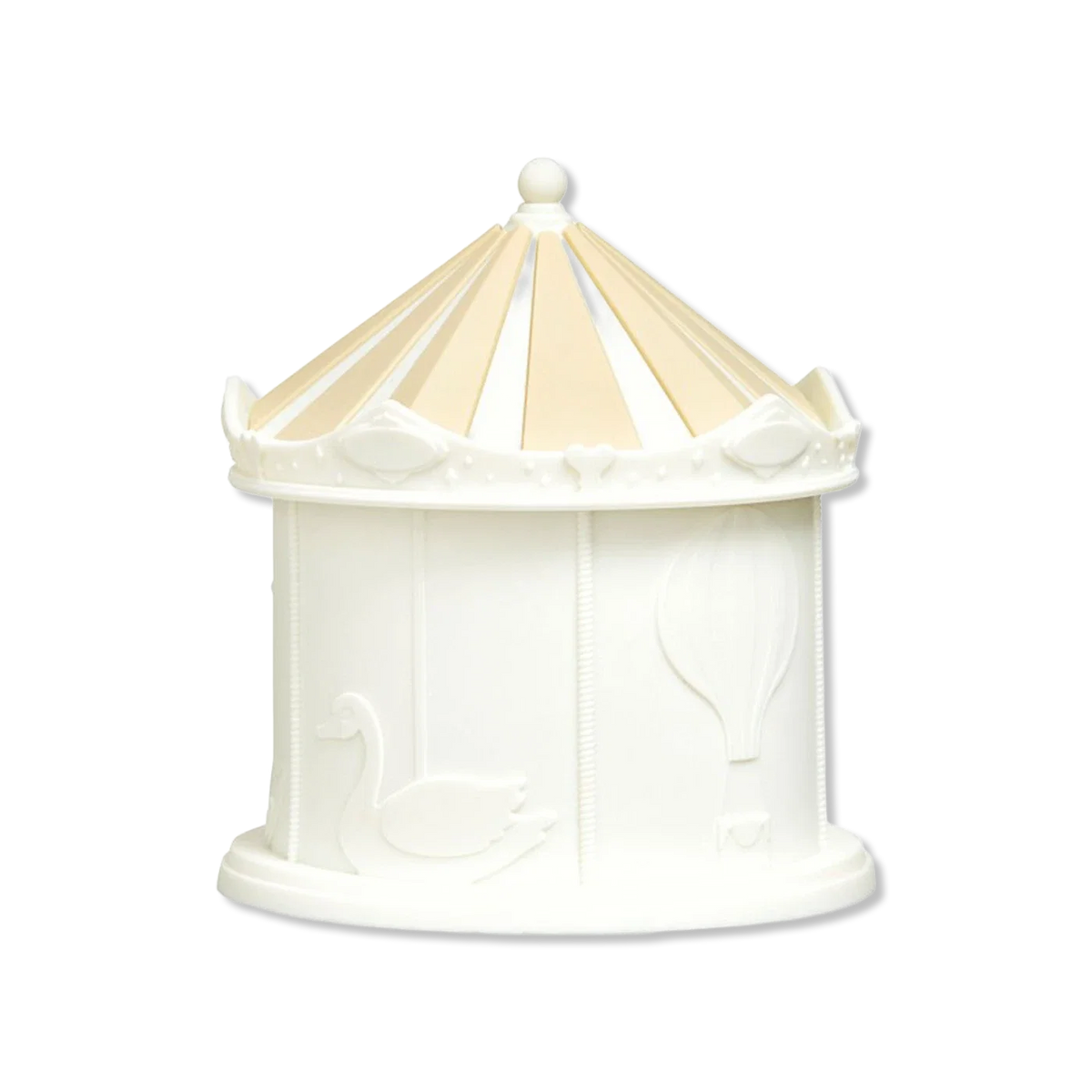
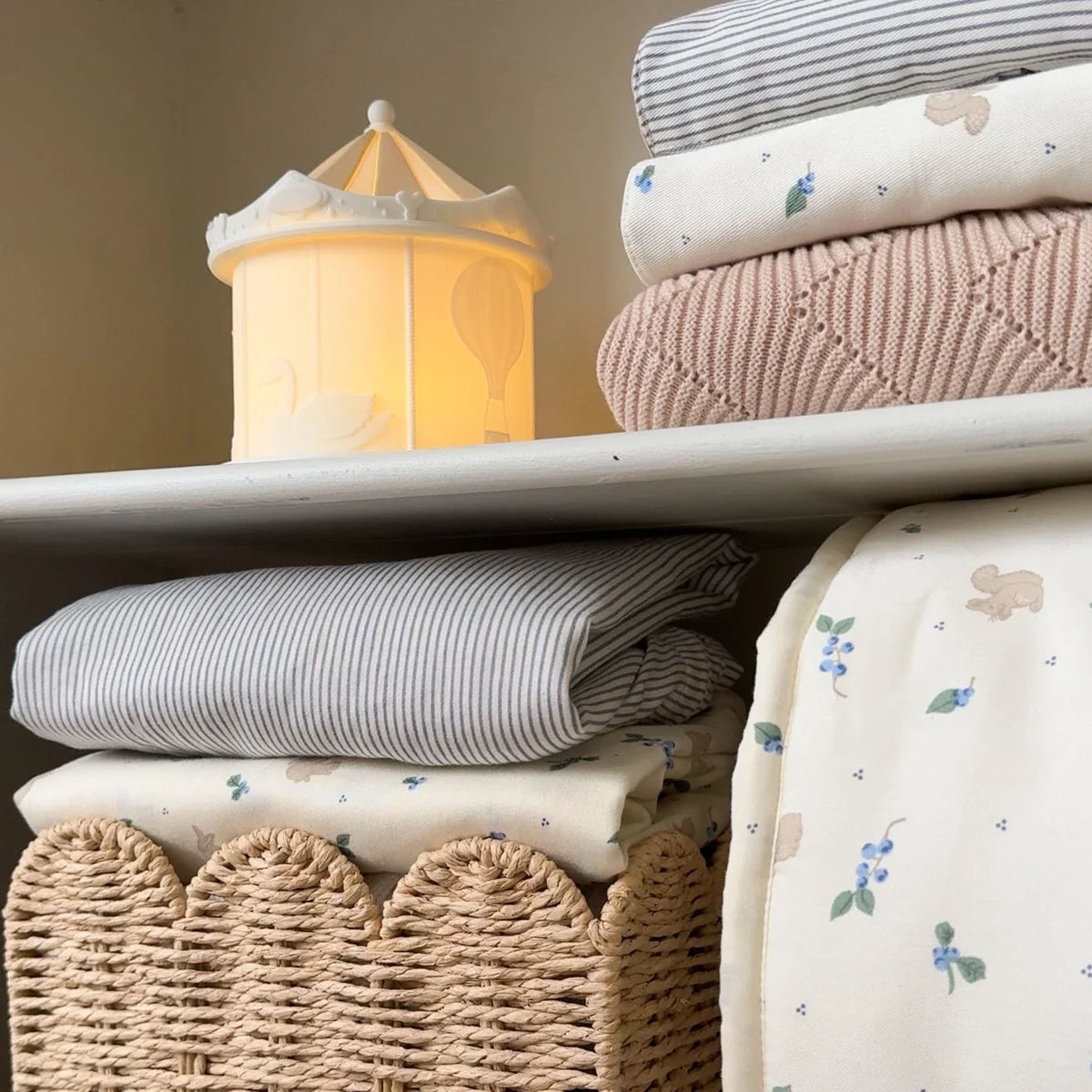
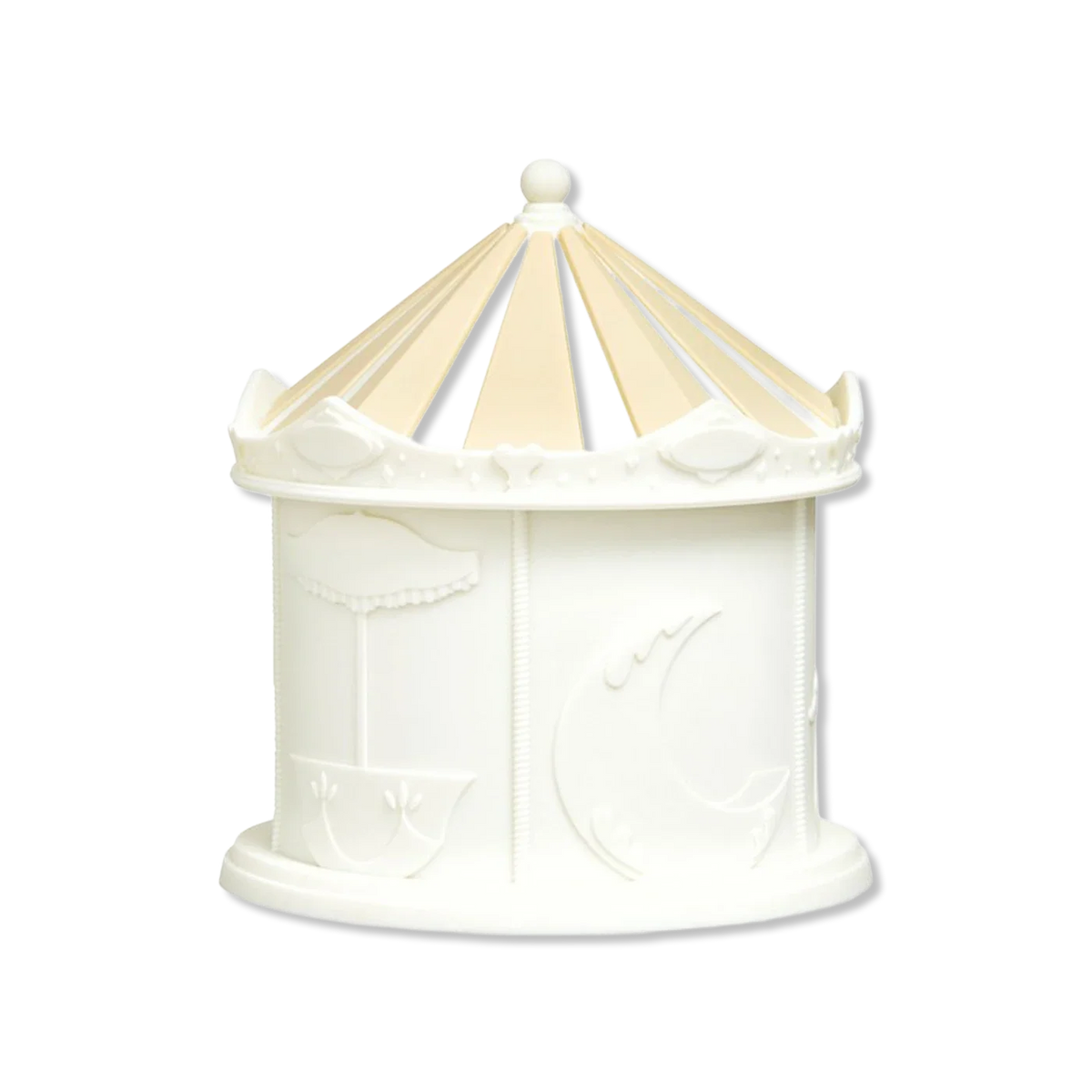
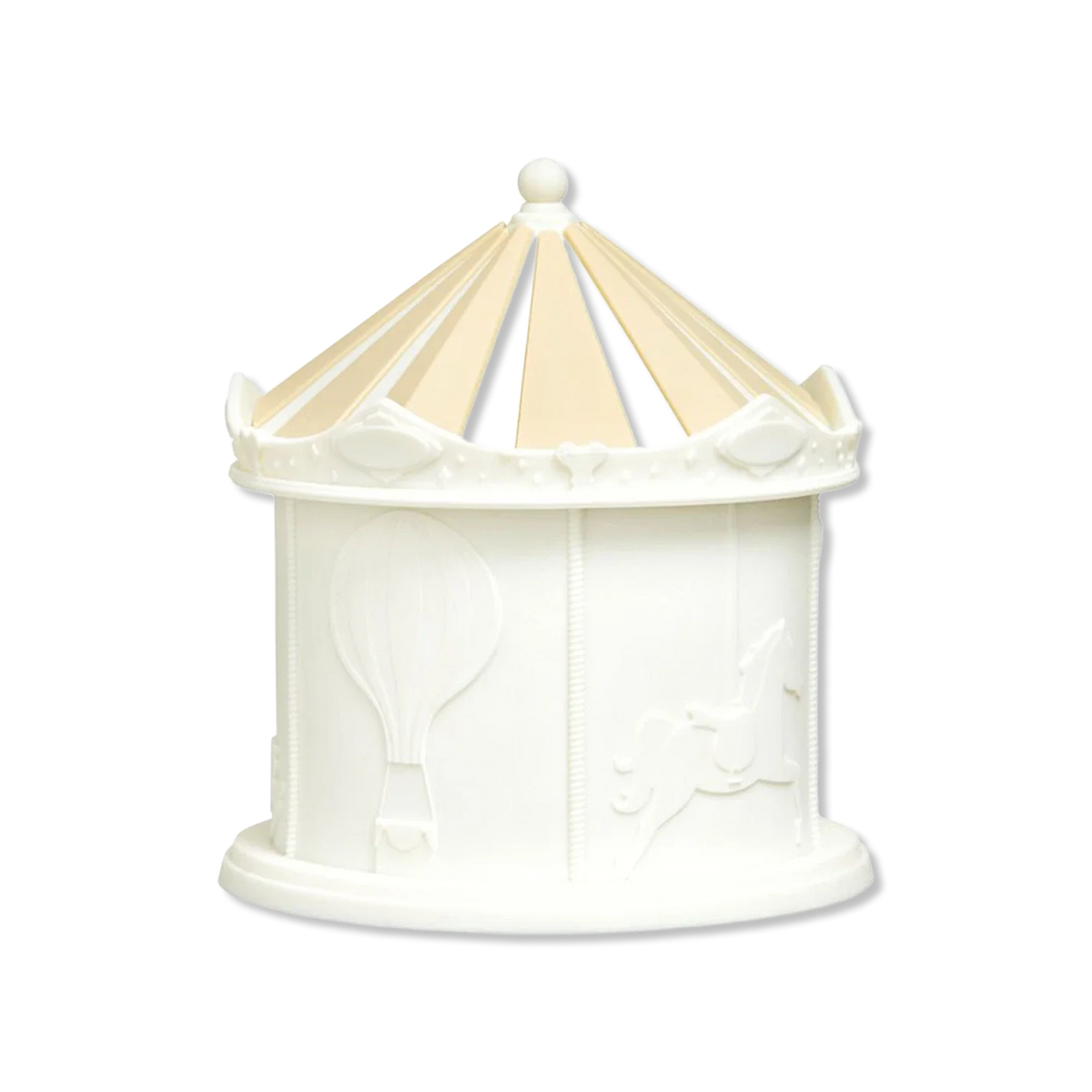
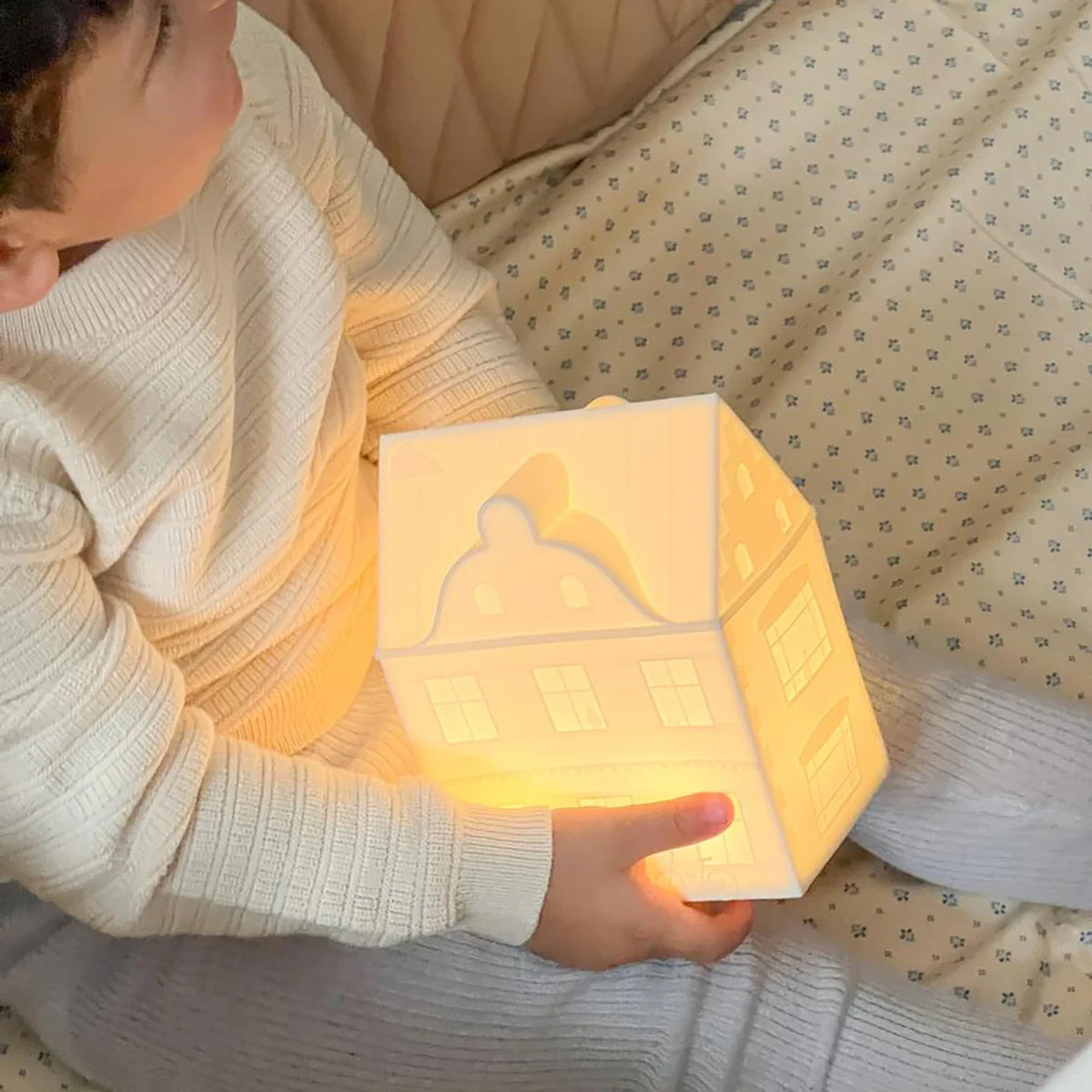
Lighting is not just a small detail either. In most kids' rooms, one light source is rarely enough. Ceiling lighting is good for play and activity, while softer light in the evening can make the transition to quieter hours easier. A night light can also be comforting for some children. Under lamps, you will find more options if you want to build the lighting in layers.
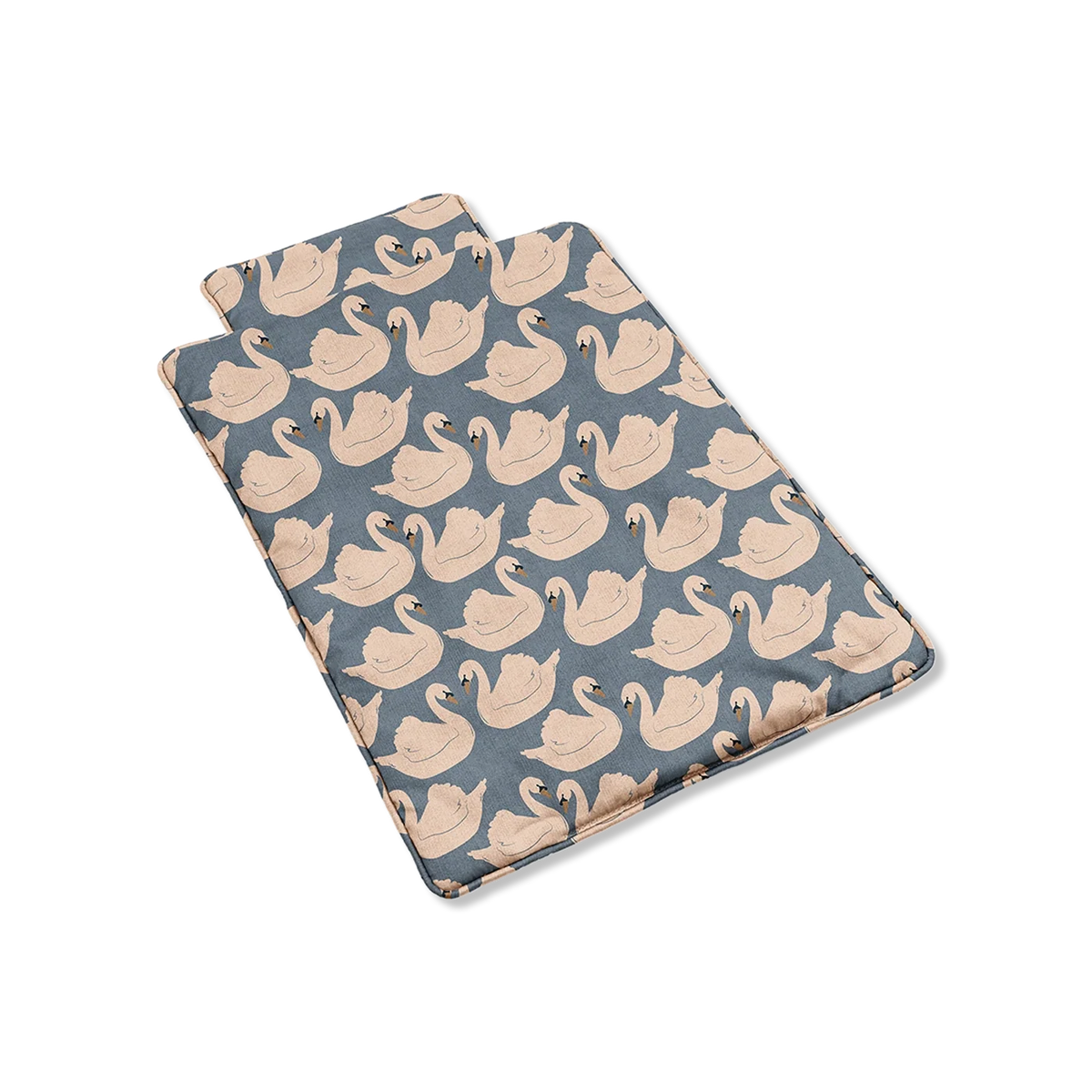
Textiles help create warmth, comfort and a more complete atmosphere in the room. Bedding, blankets and soft surfaces are things your child is in contact with every single day, so the quality can be felt. Good materials feel comfortable against the skin, stay nice for longer and make it easier to create a room that is both practical and a lovely place to spend time.
What grows with your child, and what can be changed along the way
Many parents think about what makes sense to choose for long-term use, and what can naturally be replaced as the child grows. In a kids' room, there is usually room for both.
The things that often last the longest are the more basic solutions: furniture with a simple function, good storage, sturdy shelves and calm everyday choices that can easily be adapted over time. The things that change more often are textiles, colours, themes and smaller decorative details. Your child's needs and taste develop, and the room should be able to follow that development.
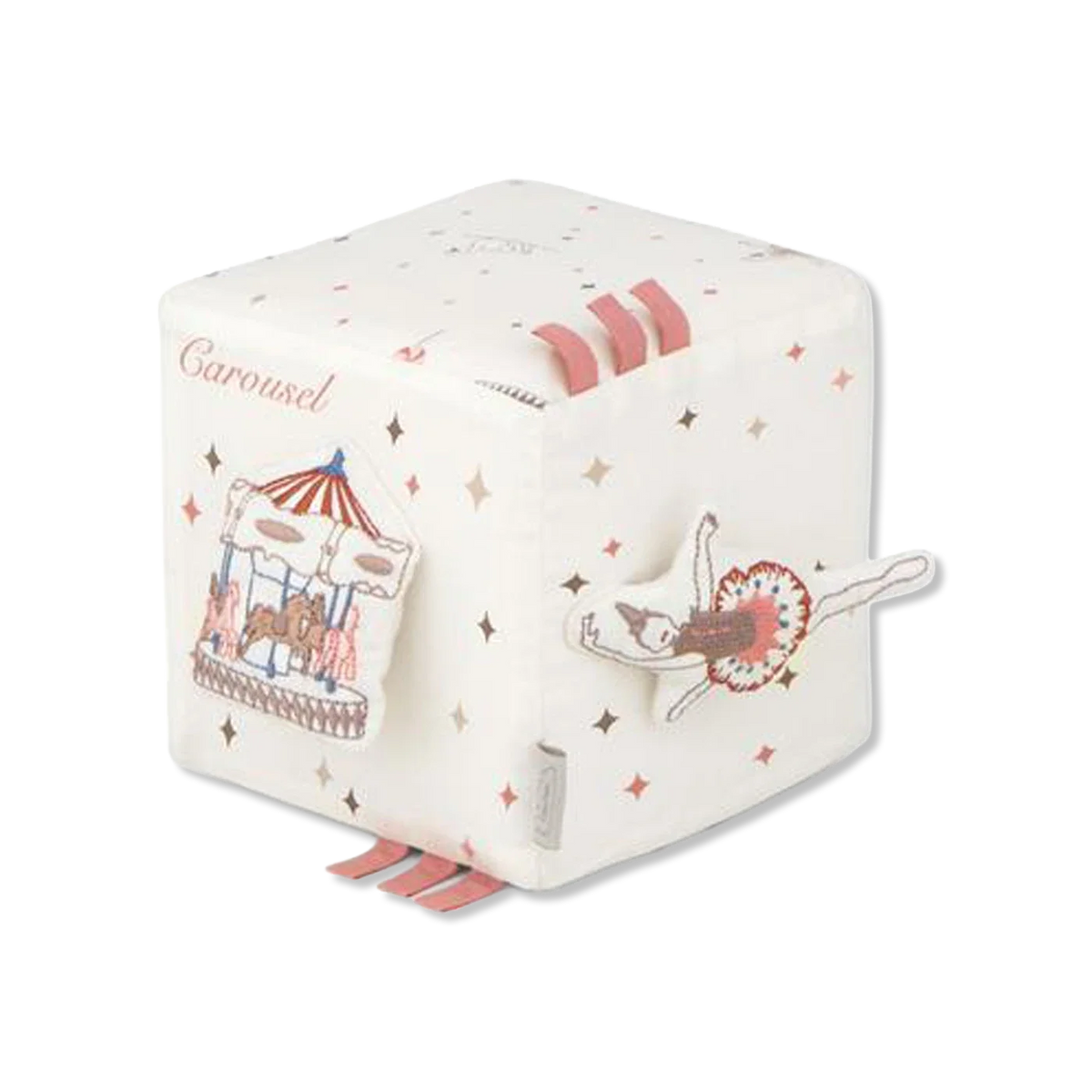
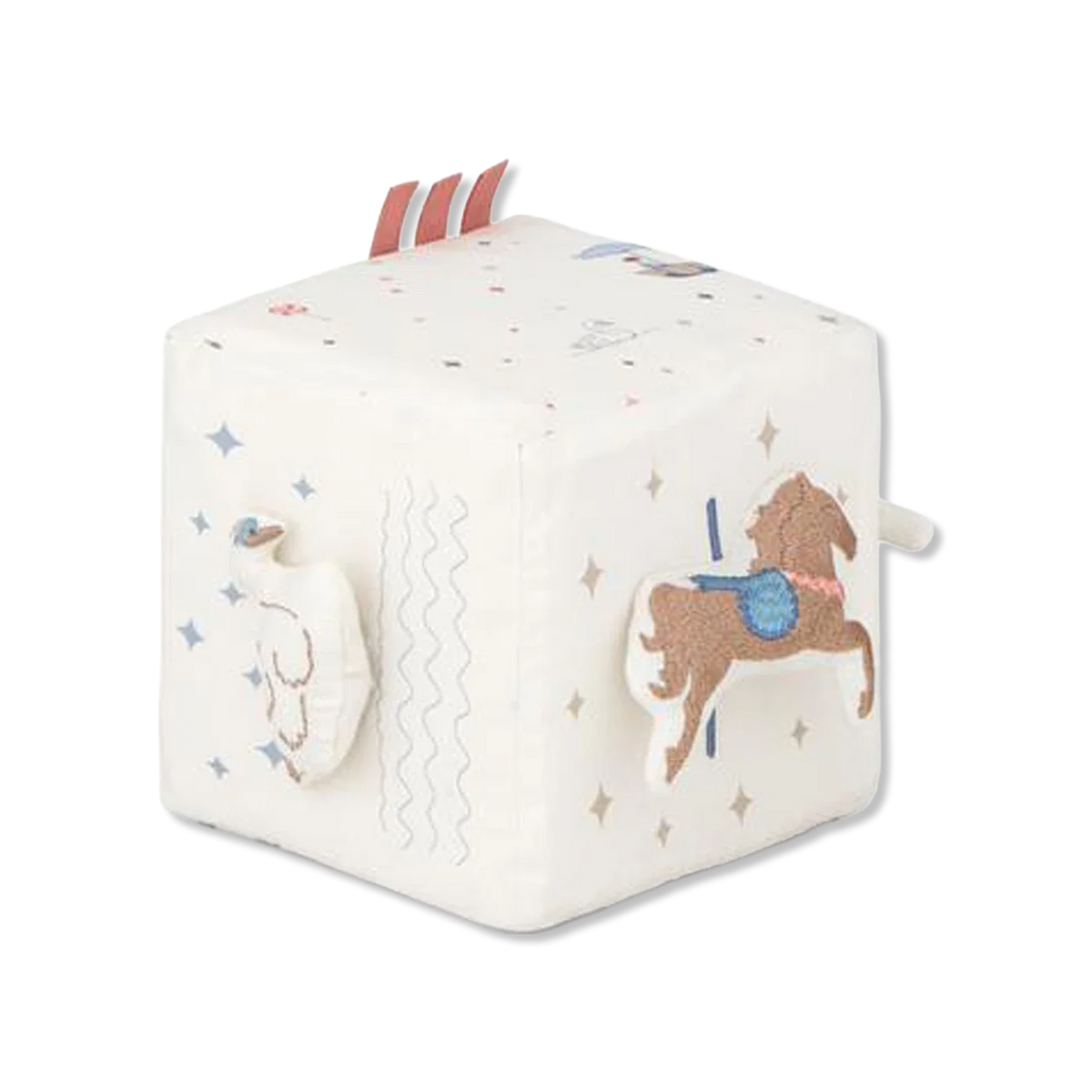
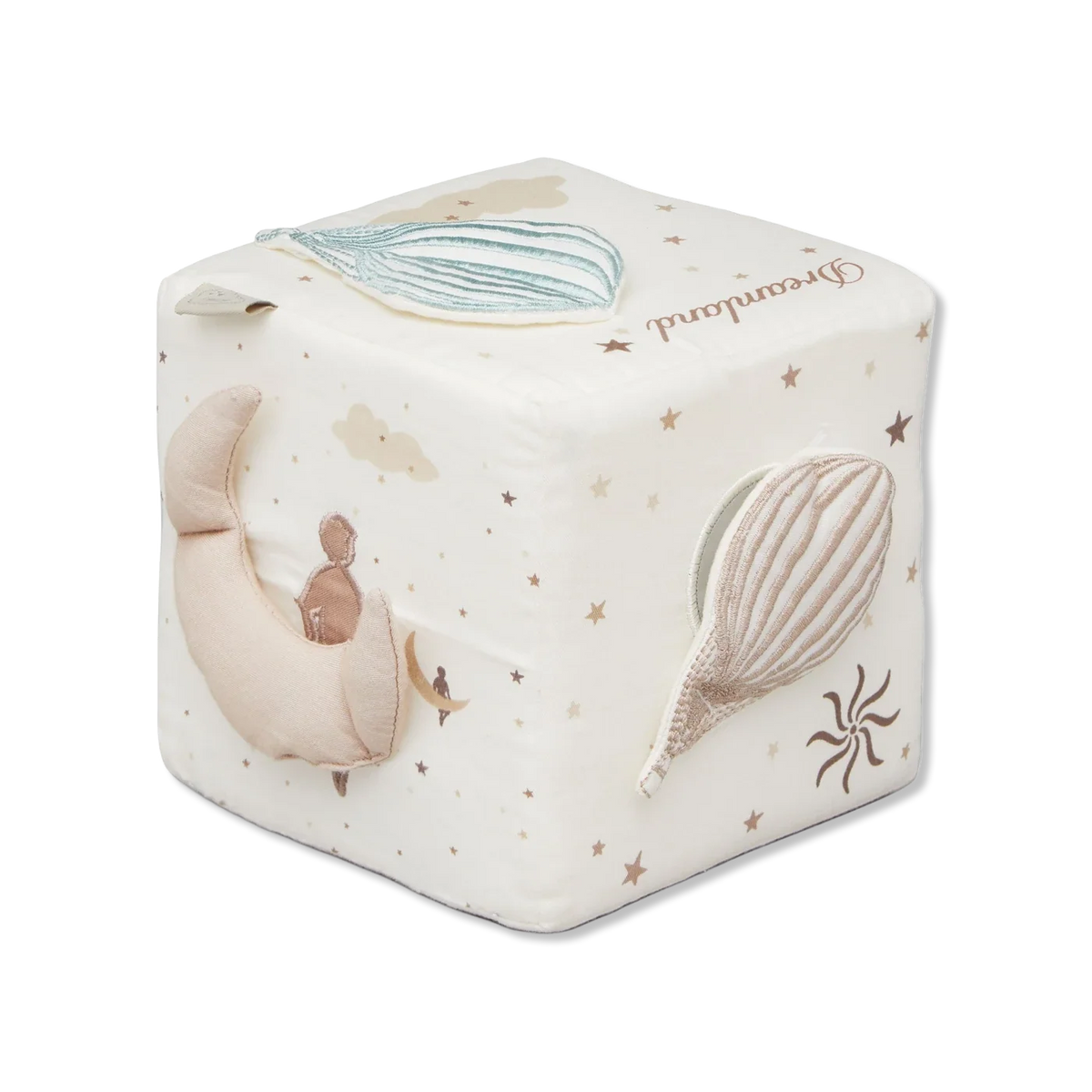
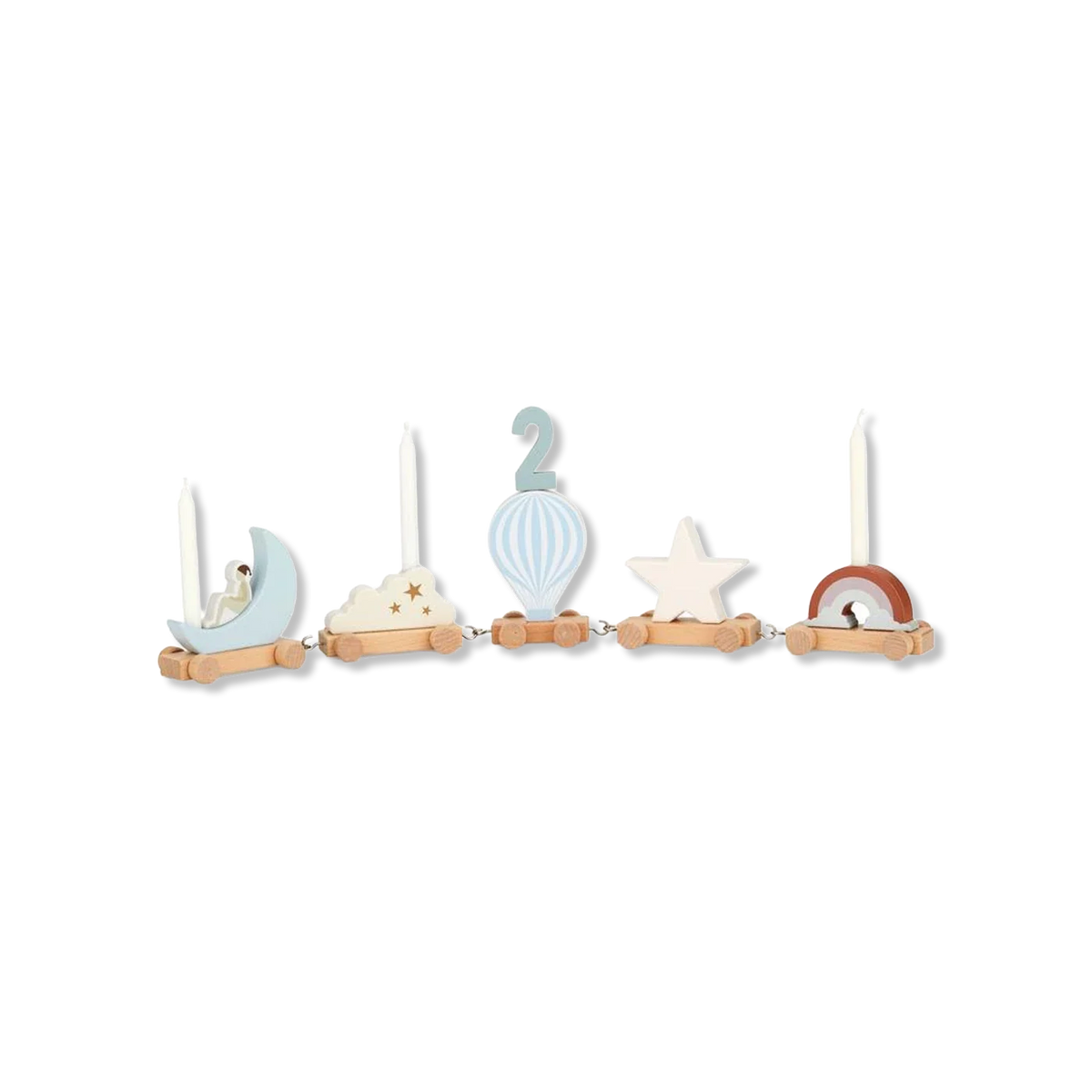
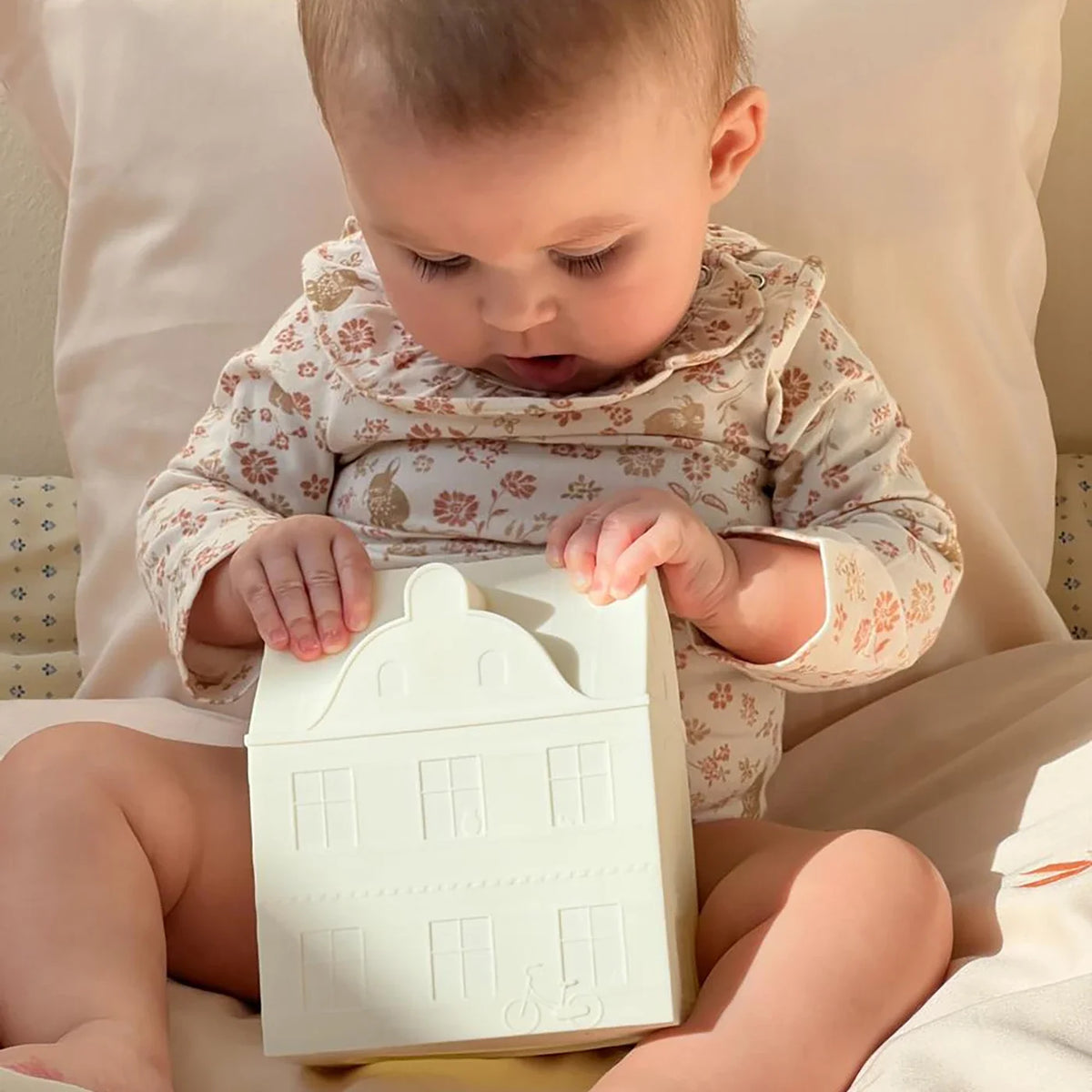
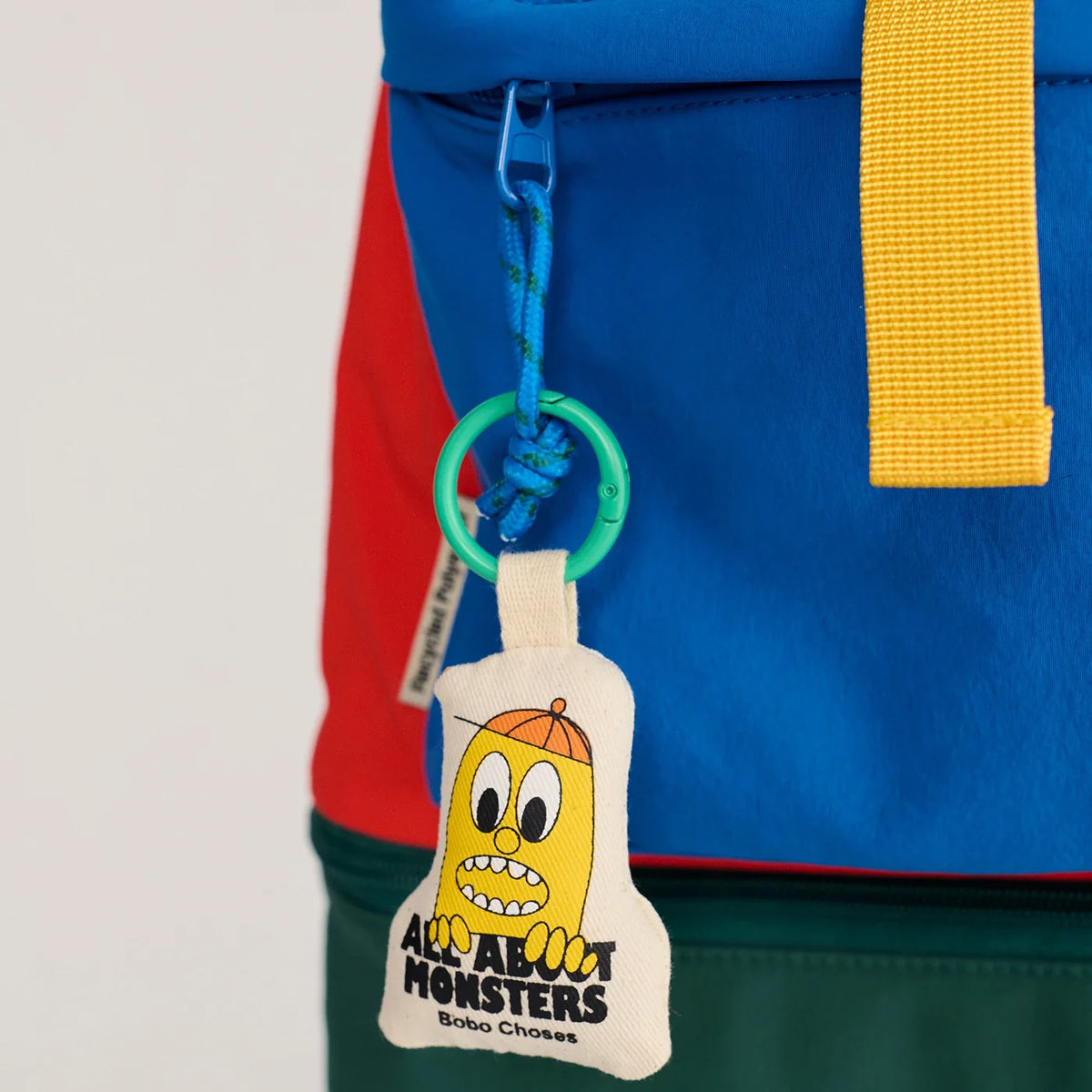
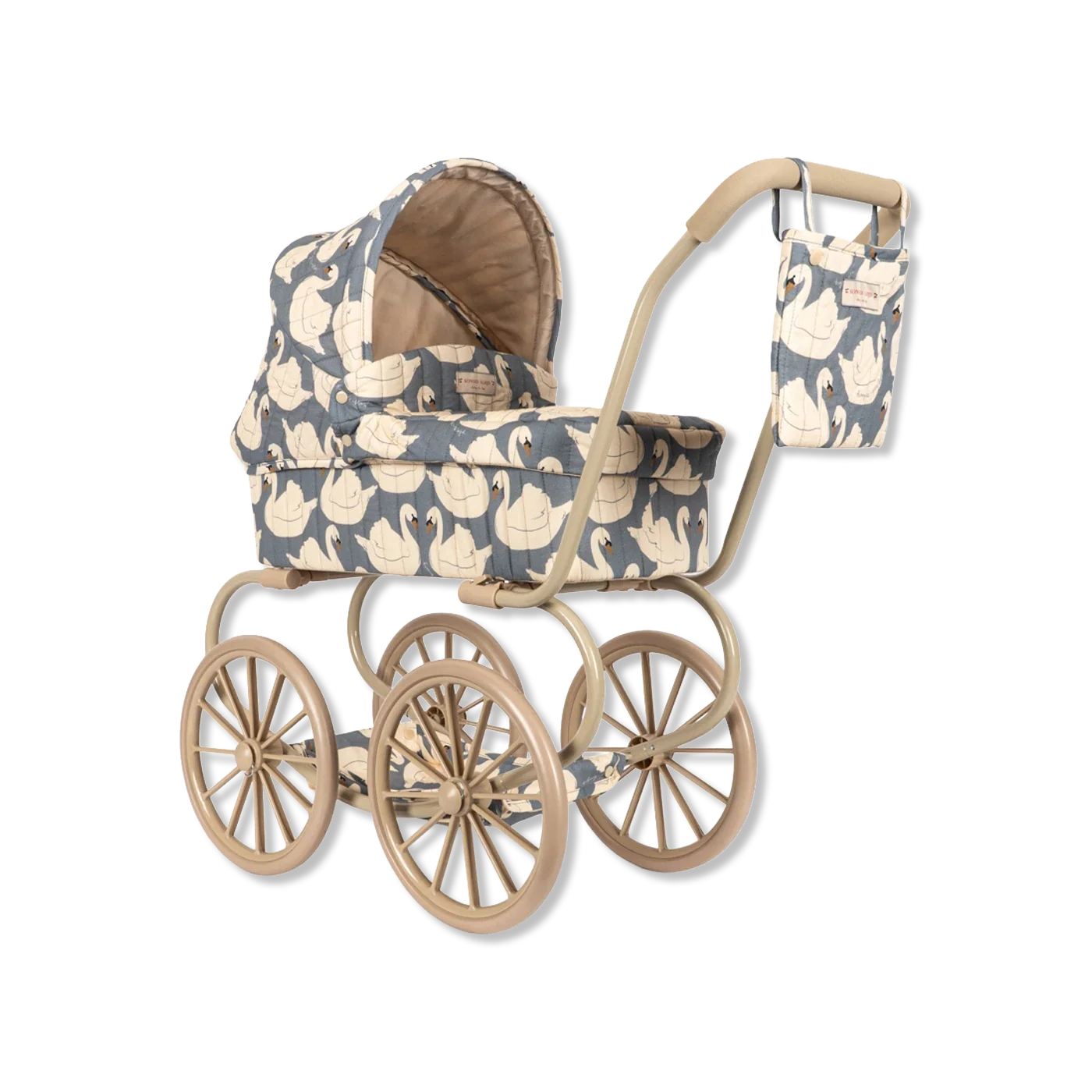
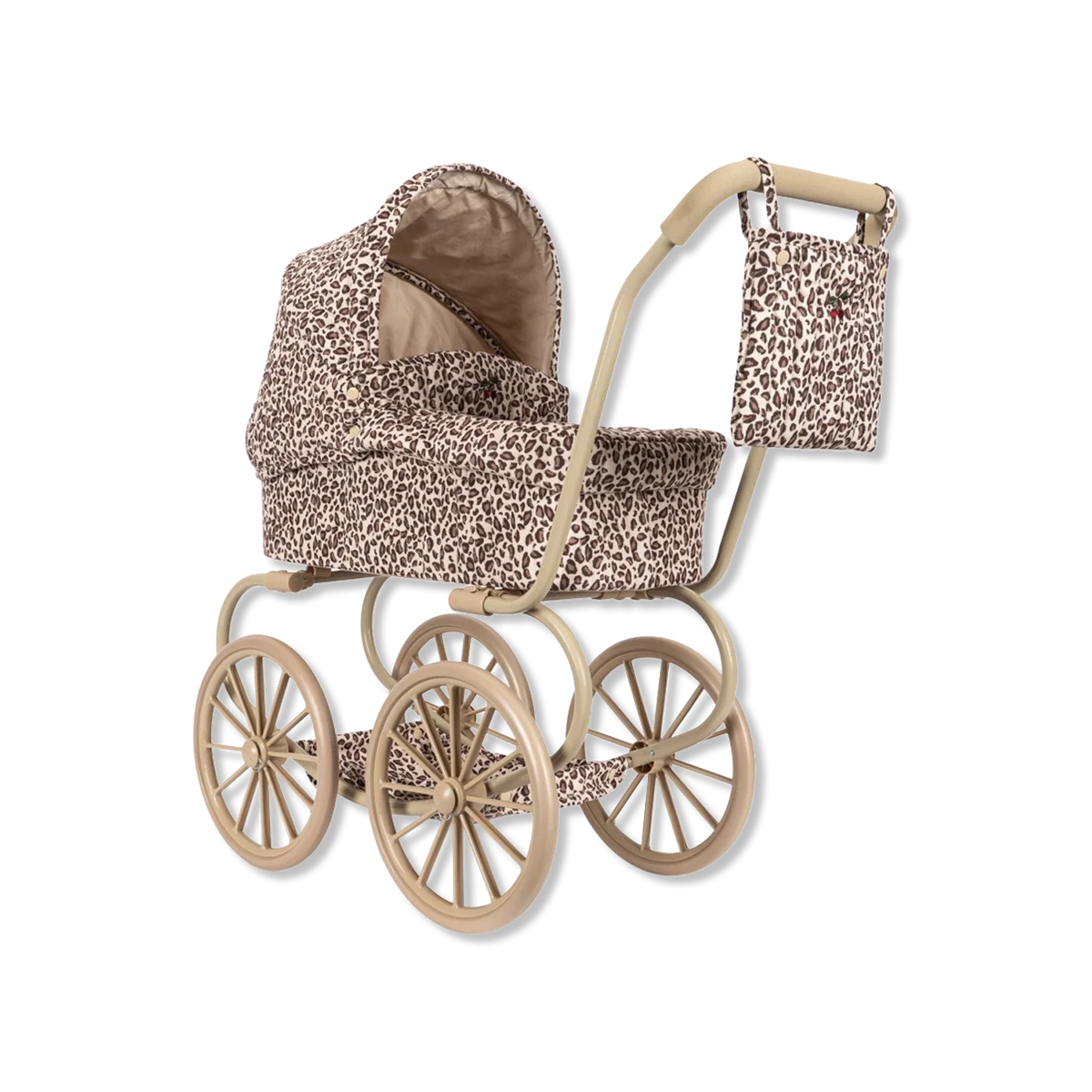
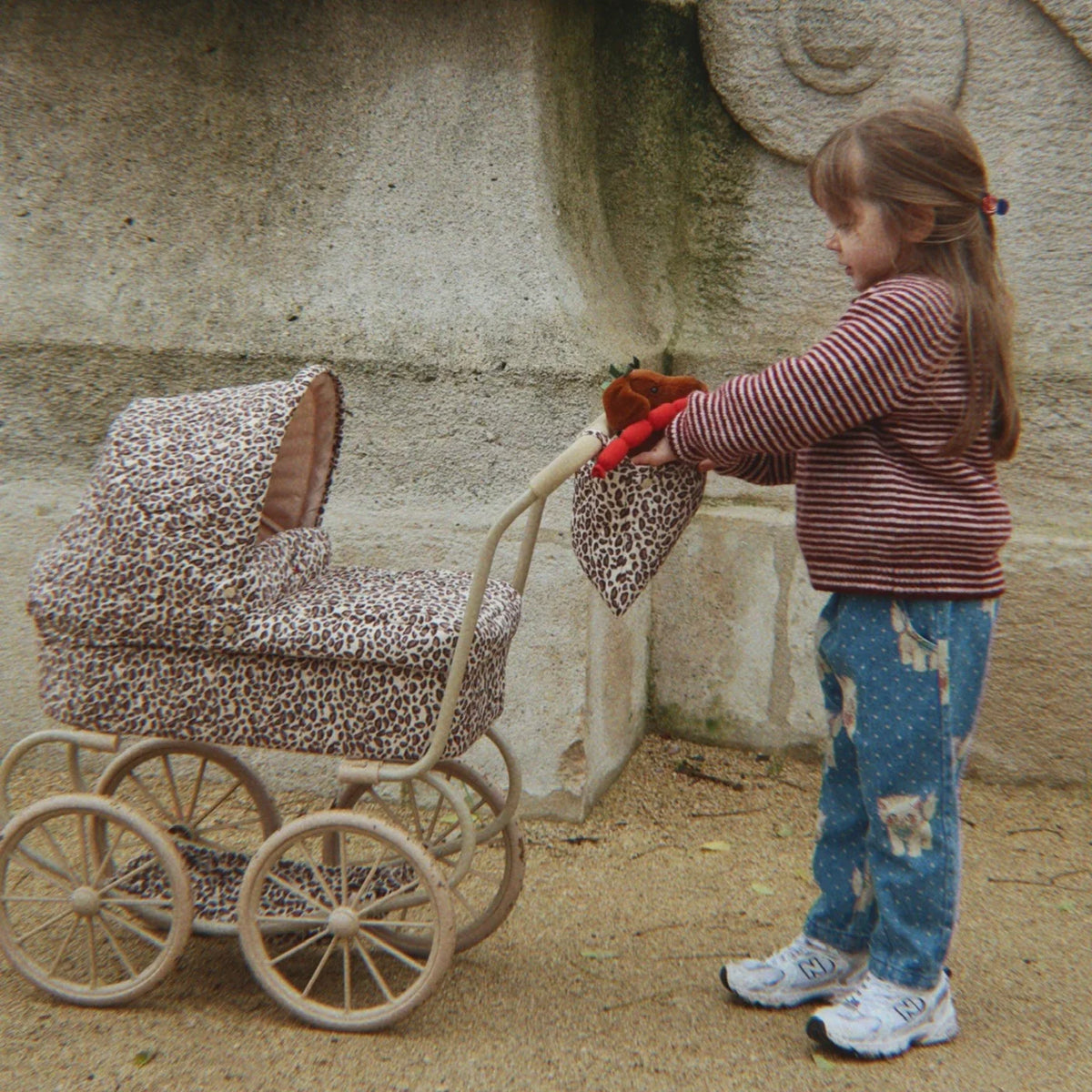
This is also a useful thought if you are looking for a gift for the kids' room. It does not have to be big to be a good gift. Soft details, beautiful storage solutions, books, wall decor or a new element for play are often safe choices because they are both useful and personal. If you want to find something your child can actively use in everyday life, explore toys or take a closer look at small details for the wall and room under wall decoration.
A good kids' room does not need to be completely finished right away. The most important thing is that it suits your child's age, rhythm and everyday life right now, while still leaving room to change it along the way.